Elegant Wooden Furniture

Exquisite wooden chairs and tables featuring intricate designs and materials, showcasing craftsmanship and historical styles.
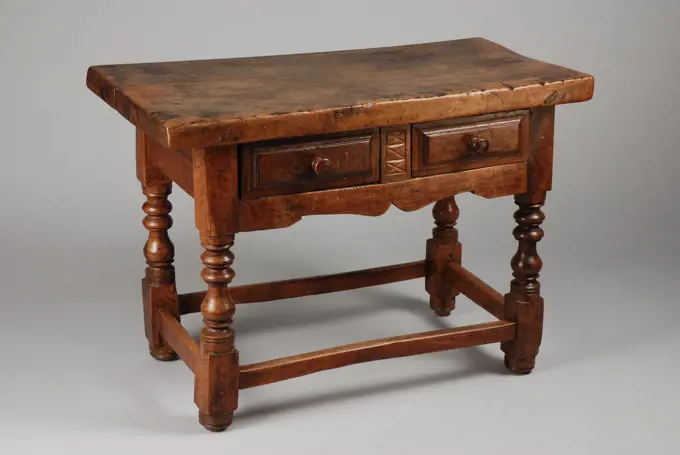
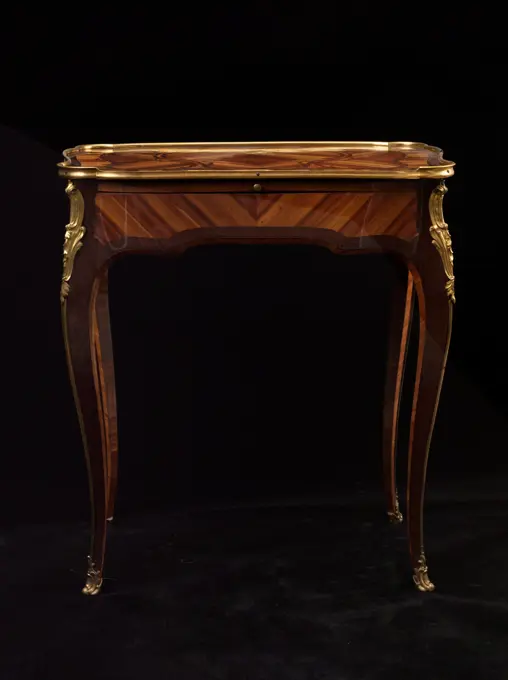
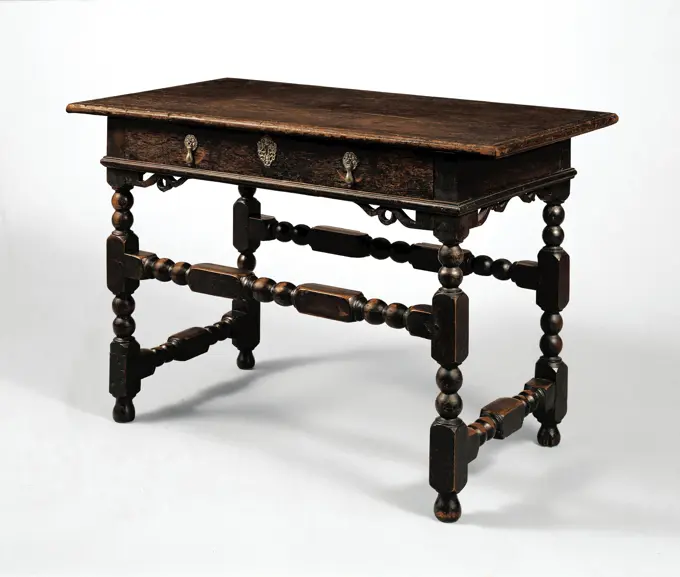
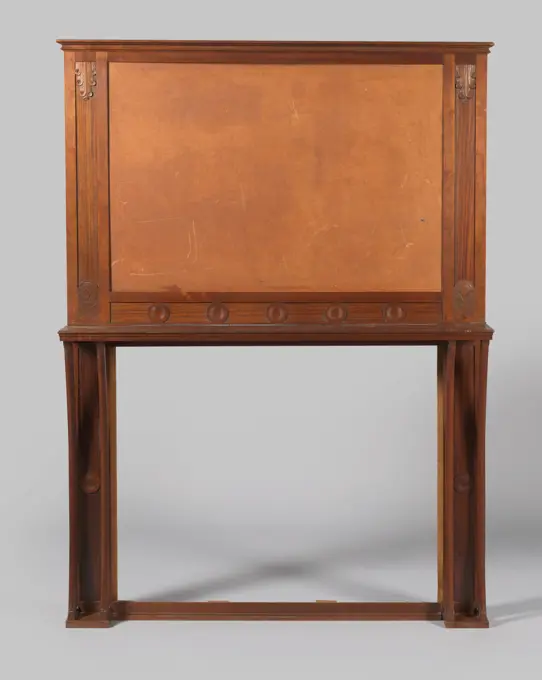
Walnut wall table, side table table furniture interior design walnut softwood wood, Thick solid leaves and four twisted legs connected by lines under the top two drawers with wooden buttons.
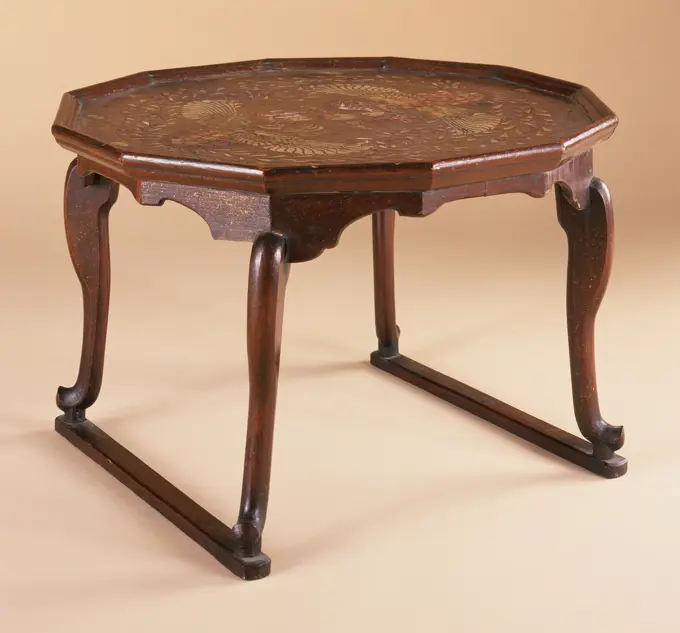
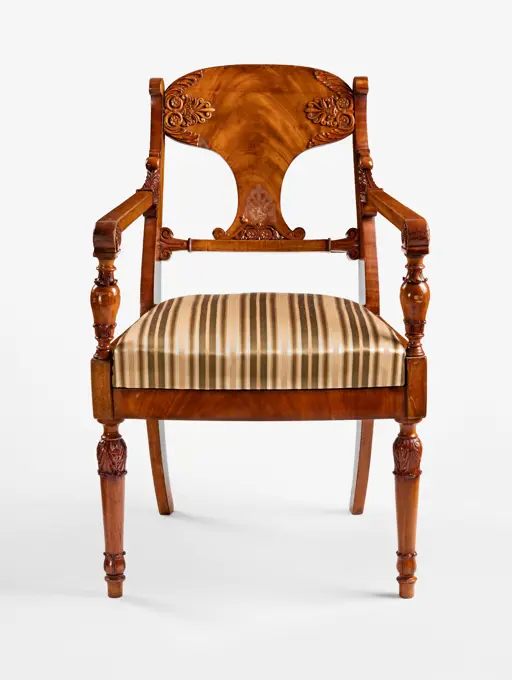
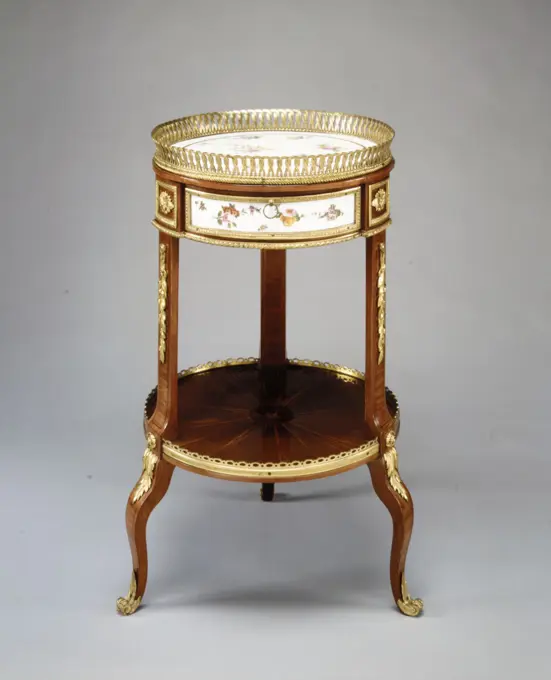
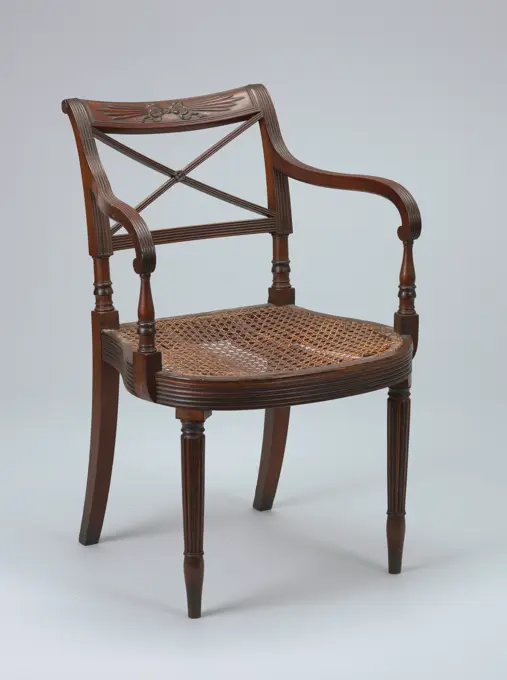
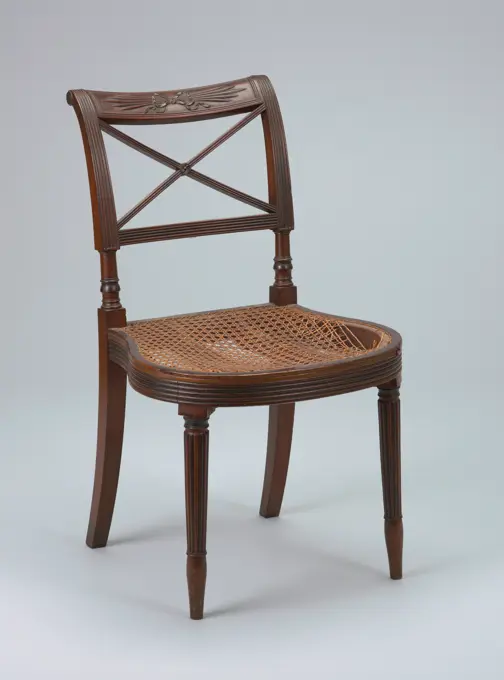
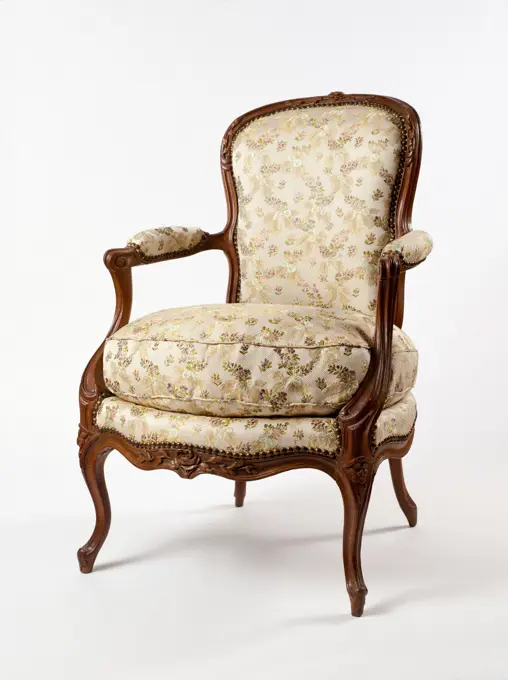
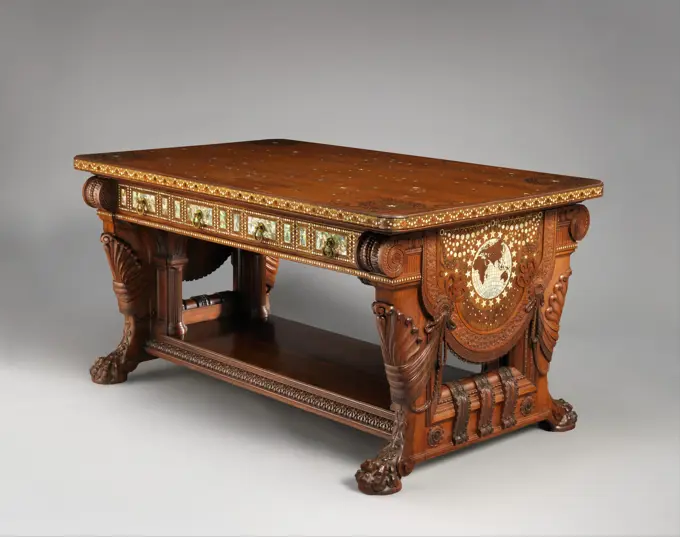
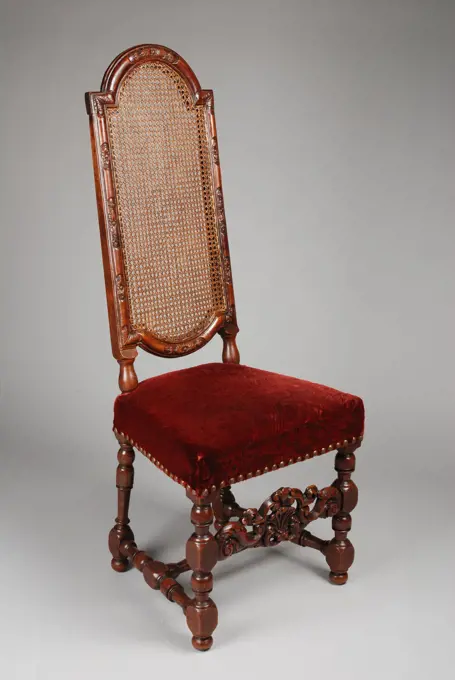
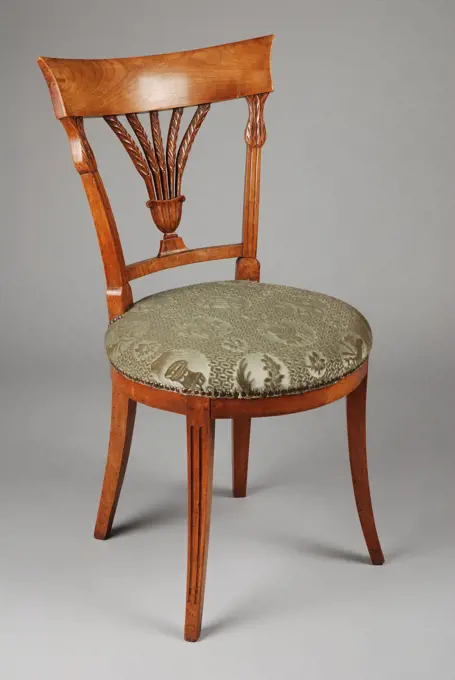
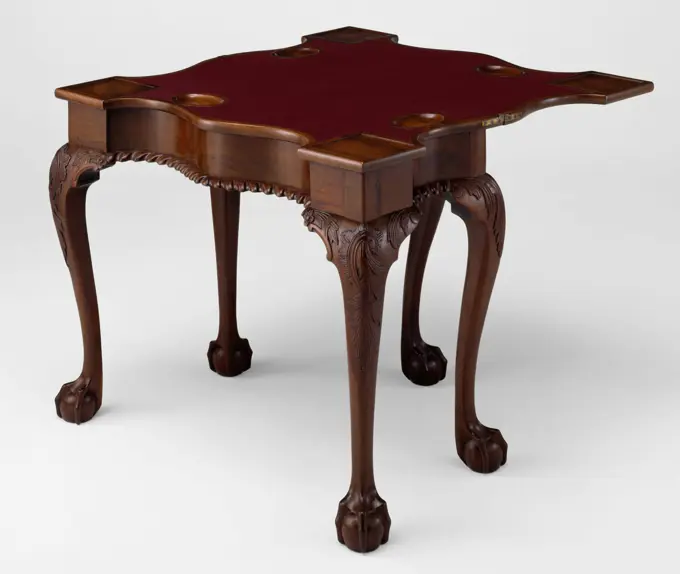
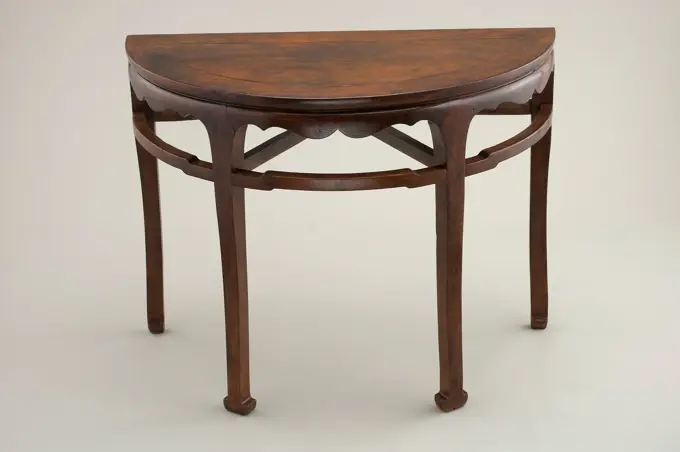
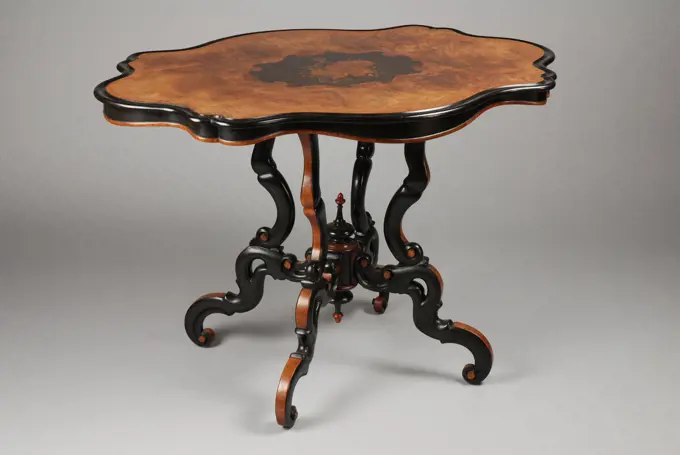
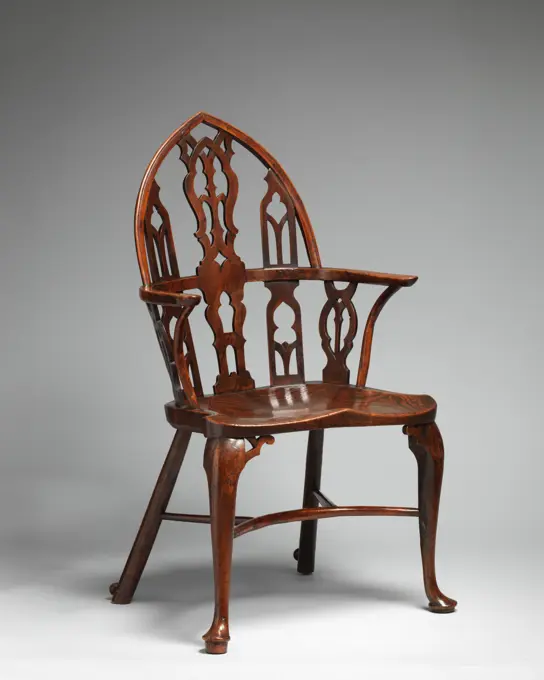
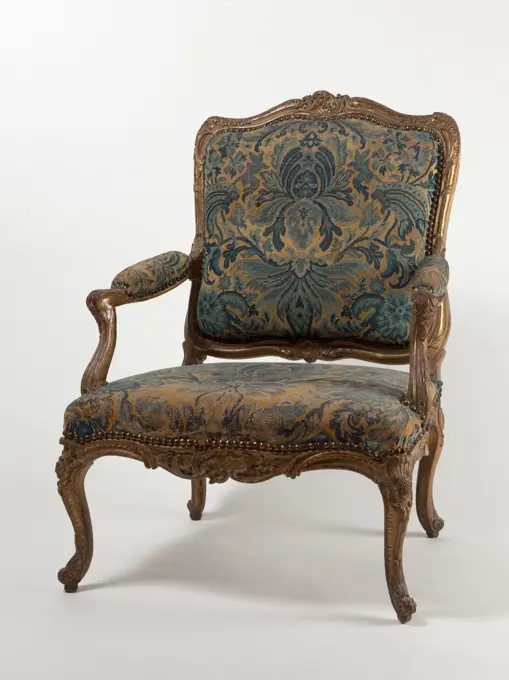
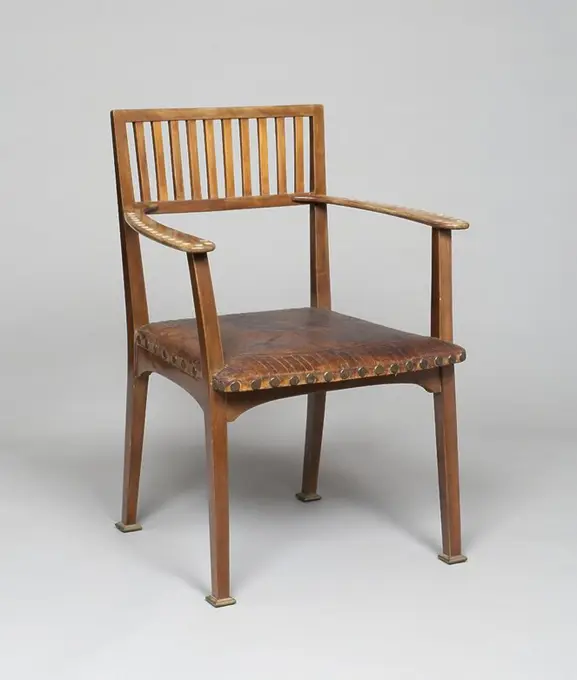
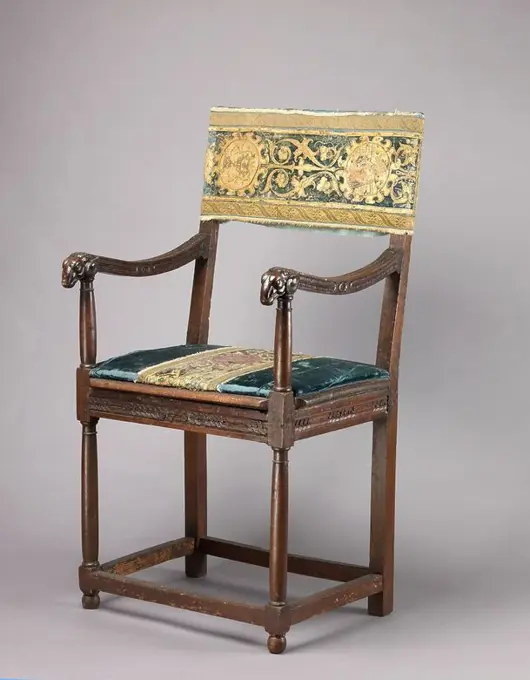
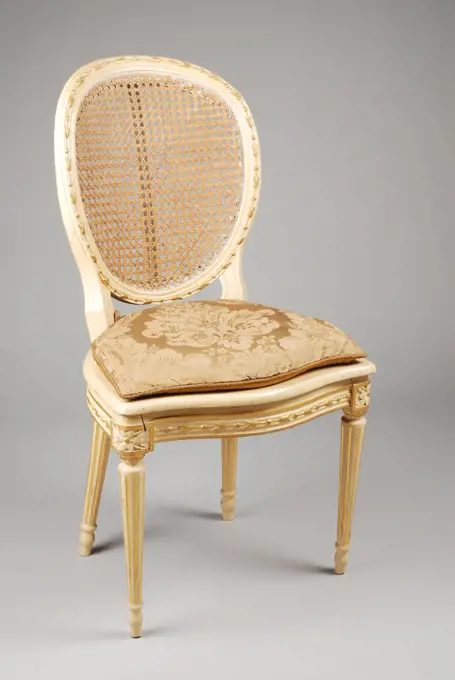
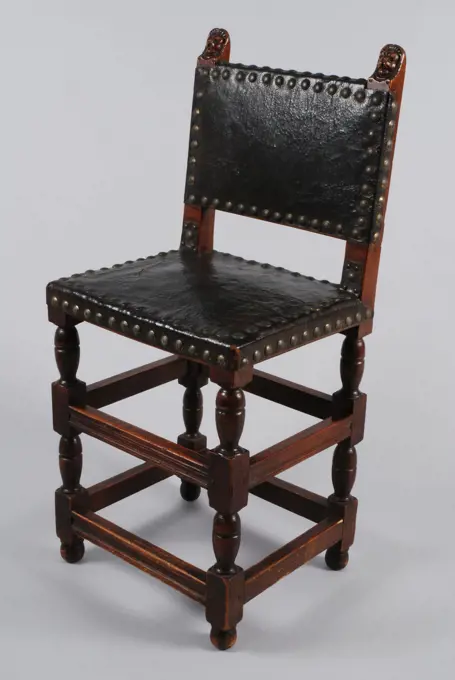
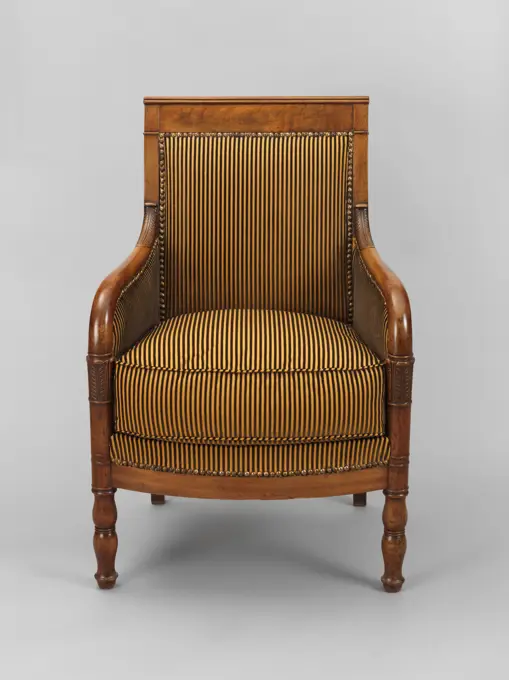
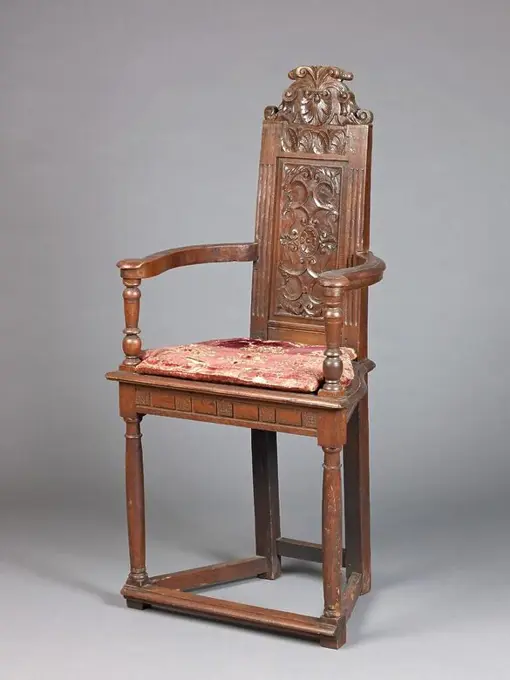
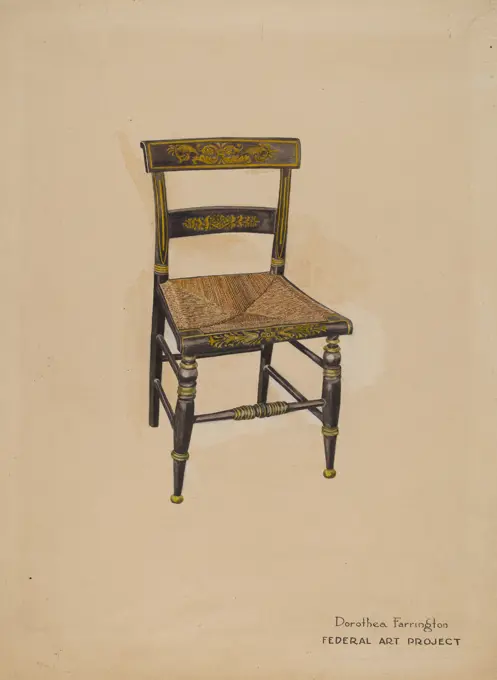
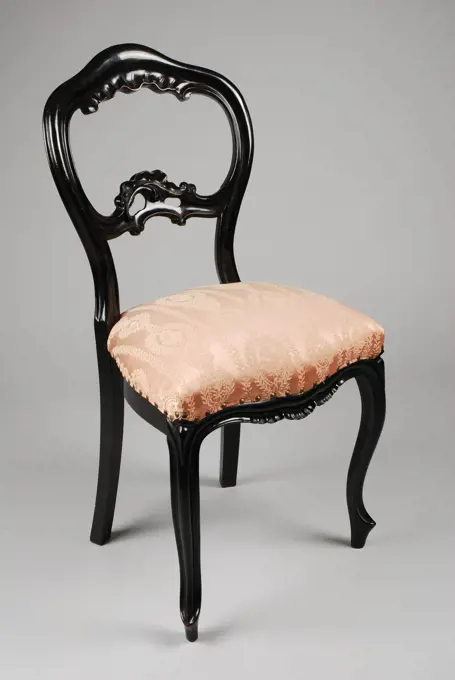
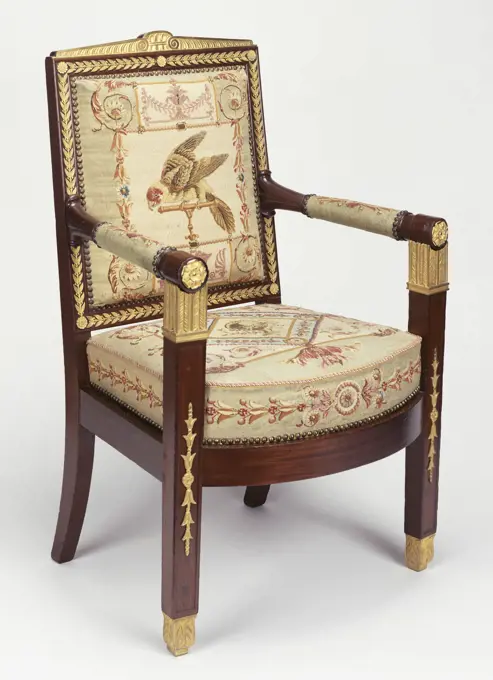
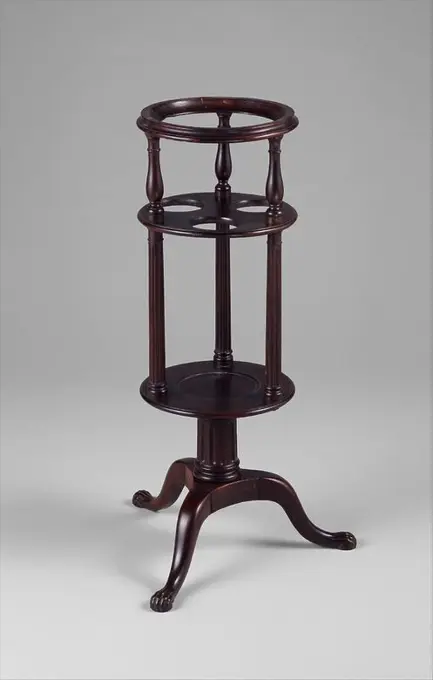
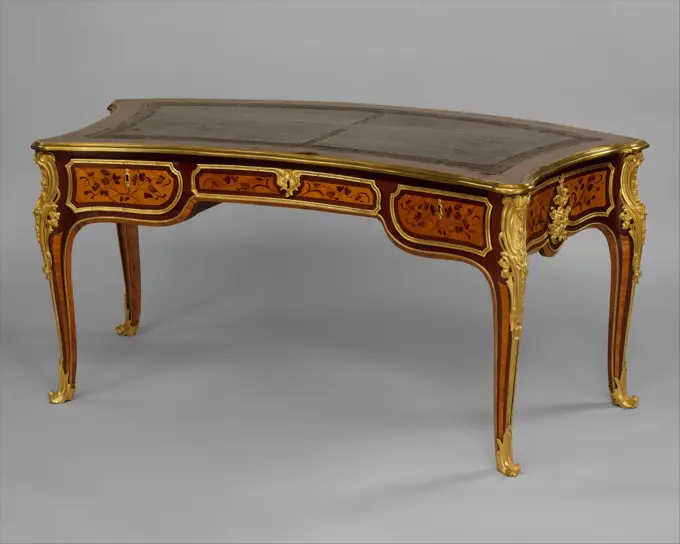
Chair of iron wood and seated with rattan seat (series of 4 chairs). Chair (series of four Identical Chairs BK-1994-a, B, C, D) of iron wood with sitting with rattan. Stuffed back legs and overhoeks placed S-shaped front legs that end in lioners and are decorated at the top of shellpy motifs. The cross has scalloped residues and a scaled cross sport. The hind legs are connected under the session by a second cross sport. The bottom edge of the front and sides in front and sides is made up of two s vultuts with a shell pattern in the middle. The high back has scalloped styles and a wide baluster-shaped middle sheet that is crowned by a shell whose leaf bells depend on leaf volutes, and that is decorated from below with a standing sheet bell on a pedestal. Where the styles hit the center leaf, they end up volutes decorated with leaf motifs.Tiger-legged Dining Table with Sharks Skin and Phoenix Design. Korea, Korea, Joseon (1392-1910), early 20th century. Furnishings; Furniture. Brown lacquer on wood core with shark skin inlay and brass fittingsArmchair. unknown, creatorChair. Cherry of cherry wood with mats seat. The legs, the five sports and the H-shaped cross have been rotated and except for the two back sports. The corner styles of the back are column-shaped. The top and upper sorrel are scalloped. The upper shell has been awarded a straight vase with flowers, flanked by Acanthus volutes. In the middle, the middle coach has a range with rosette and, as well as the two other styles, is cut off. The corner styles are crowned by vases.Side chair, Parcel-gilt fruit wood, Open square back with design of one full and two half-circles interlocked, with a pierced cartouche at the mid-point. Straight moulded seat rails, caned seat. Legs are round, straight, tapered, and with reeded flutes. Caned seat with hole in frontmost right corner., Italy, late 18th century, furniture, Decorative Arts, Side chairTableLouis XV circular marquetry and bronze dore table de salon ca. 1776 Martin Carlin French. Louis XV circular marquetry and bronze dore table de salon. Martin Carlin (French, near Freiburg im Breisgau ca. 1730-1785 Paris). French, Paris. ca. 1776. Oak veneered with tulipwood, holly, and ebony; set with four soft-paste Sévres porcelain plaques; gilt-bronze mounts.. Woodwork-FurnitureChair (USA); Style of Duncan Phyfe (American, 1768-1854); mahogany; caning; 82.7 x 56.2 x 58.5 cm (32 9/16 x 22 1/8 x 23 1/16 in. ); 1927-20-3Walnut wall table, side table table furniture interior design walnut softwood wood, Thick solid leaves and four twisted legs connected by lines under the top two drawers with wooden buttons.Chair of mahogany, covered with green tripe. Chair of mahogany, covered with green tripe, belonging to an amele. The hind legs deviate from the conical, fluted legs. The sitting window is round; The oval healed back window rests on C-shaped struts with acanthus leaf. The rule and the upper spray are decorated with a vase, in the middle of branches with leaves, hung on rings. See also: BK-18323-a / m.Table 1710-50 American. Table 8074table, wood, Late 19th century in 17th century style, late 19th century, miniatures, Decorative Arts, Miniature, MiniatureChair (USA); Style of Duncan Phyfe (American, 1768-1854); mahogany, cane, cotton.; Bequest of Mrs. John Innes Kane; 1927-20-9-a/gFurniture. Wostenhout chair, covered with black velvet and choppages of tapestry. The piece of furniture has swapped legs that are allocated by an H-shaped cross and an upper sport. The tapestry decoration on the upholstery shows flowers and lilies in green, salmon color, liver color and blue. The lining of the back is yellow damask. The webbing are old. One seat from a series of six (inv.no. BK-KOG-1797-A T / M -F).Anonymous. "Cabriolet chair". Beech. 1750. Paris, Carnavalet museum. 101428-23Furniture. Chair of mahogany, resting on square legs that narrow down to bottom and wearing acanthus rosons on the houses; The hind legs deviate backwards. The open curved and profiled back has a narrow middle styles and two sloped rotated bars. The flushed sitting window is bent at the front with square corner pieces; The rear is hemisphere in shape. The upholstery of green tripe is arranged later.Chair with rattan seat. Cap with crest between s-shaped volutes and leaf work, at the bottom three arch shapes with rocaillem motif, anonymous, 1750 Chair of Coromandelhout with a rattan seat. The S-shaped front legs placed overhoek show leaf work; The angular hind legs areas backwards. They are connected to each other on three sides by sculpted sports. The partly profiled front and side rules show S-Voluten and leaf work at the bottom. The slightly hooked back shows a hood with crest between S-Voluten with leaf work and at the bottom three arch-shaped recesses that, just like the sculpted openwork center leaf, show rocaille motifs. Sri Lanka (possibly) wood (plant material). rattan. steel (alloy) Chair of Coromandelhout with a rattan seat. The S-shaped front legs placed overhoek show leaf work; The angular hind legs areas backwards. They are connected to each other on three sides by sculpted sports. The partly profiled front and side rules show S-Voluten and leaf work at the bottom. TRoundaboutchair. Cross foot cabinet glued with walnut on an oak core; loose frame with tray on four legs, decorated with a narrow and wide tors; The legs are connected to a corrugated cross and rest on bulb legs. The rule forms the cover page of a sliding drawer, constructed from one continuous piece of oak wood in which the two side shots are glued.Side table 1760-90 American. Side table 20589High-Waisted Table, late 16th century, 34 1/4 x 30 1/4 x 21 3/4 in. (87 x 76.84 x 55.25 cm), Huang-hua-li hardwood and burlwood, China, 16th century, Set on extremely delicate legs, this small table represents a reversion to earlier softwood furniture styles of the Sung and Yuan dynasties. Paintings show lacquered tables of this form being used both indoors and out as incense stands. A small concealed drawer would easily have accommodated incense paraphernalia. The table could also function as a display stand for delicate objects such as flowers or antiques. Exceptionally light and elegant, it demonstrates the unique durability and hardness of huang-hua-li wood that allowed master craftsmen to create designs of exceptionally slender proportions.Drop-leaf Table 1700-1730 American. Drop-leaf Table 3910Library Table 1879-82 Herter Brothers Herter Brothers, the New York firm of the German-born brothers Gustave and Christian Herter, was arguably the leading cabinetmaking and decorating firm in the United States during the late nineteenth century. Formed at a time when wealthy American financiers and industrialists were redefining luxurious standards of living, Herter Brothers created cosmopolitan environments encompassing every aspect of interior design, including furniture and woodwork, wall and ceiling decoration, floor treatments and draperies, for some of the most visible and affluent clients of the era. Between 1879 and 1882, Herter Brothers designed and decorated William Henry Vanderbilt's new Fifth Avenue mansion. This monumental table was the centerpiece of his library, and complemented the paneling of the room in its use of rosewood with lavish mother-of-pearl and brass inlay. Although called a library table, it was never intended for study per se; rather, it was a piece of scSide chair British late 17th century View more. Side chair. British. late 17th century. Ebonized beech with rattan caning (original to chair). Woodwork-FurnitureSemi -round card table, Anonymous, 1800 Two semicircular card tables with folding sheets, resting on four conical, in diameter square legs, the two hind legs of which can be rotatable. The leaf and rule are painted with an edge of flowers and leaf vines; The legs show a hanging winding ribbon, between which a flowerguirle. The tables carry glass cover plates. See also: BK-16152-B. Great Britain wood (plant material). satinwood (wood). rosewood (wood). ebony (wood). glass Two semicircular card tables with folding sheets, resting on four conical, in diameter square legs, the two hind legs of which can be rotatable. The leaf and rule are painted with an edge of flowers and leaf vines; The legs show a hanging winding ribbon, between which a flowerguirle. The tables carry glass cover plates. See also: BK-16152-B. Great Britain wood (plant material). satinwood (wood). rosewood (wood). ebony (wood). glassWalnut Régence chair, chair seating furniture interior design wood walnut velvet rattan, High braided backrest and red velvet seat twisted legs and rules front lower seat with inserted ornaments régence Daniel MarotEgret Empire chair, chair furniture furniture interior design wood elm wood velvet, EYE wood chair with green velvet upholstery and in back panel vase with five ears of corn curved rugregel olive knobs on the back pillars bent out. With Louis Seize ornaments (vase cannelures) Empire Louis XVI Louis XVI Louis SeizeChair;  1850-1860 (1850-00-00-1860-00-00);Card Table c 1755-1790 New York. When not in use, this card table was meant to be placed against a wall. When needed, a third ìswingî leg at the back of the table was placed at a perpendicular angle to support the open top. Opened, the table reveals four inset squared corners where candlesticks were placed. The recessed ovals held playing pieces known as fish because of their shape. The pieces were usually made of mother-of-pearl or ivory, and were kept in a small, secret drawer in the rear of the table.. Mahogany with tulip poplar, white oak, and white pine . Artist unknownEgg-wood dining chair, chair furniture interior furniture elm wood oak wood cherry wood, High closed backrest with carving on the hood back under the back is open.Half Moon Table, early 17th century, H.34 x W.22 x D.44 in., Huang-hua-li hardwood, China, 17th century, This robust half-round table is an early example of a rare form. Huang-hua-li half-moon tables do not seem to have been made in great numbers and only a few Ming examples have survived. It is assumed that these tables were originally made in pairs to be placed together to make a circular table or separated and placed against a wall.Fa. Johann Diedrich Schmidt & Co. en Cord Heinrich Schmidt, Neo-rococo spinnekop table, table furniture interior design wood mahogany burr walnut, Neo-rococo spinnekop table of black polished mahogany with carrot walnut veneer legs in C- and S-curves center-turned bud with scalloped edge and marquetry from flowers basket neorococoArmchair. Vienna, Austria. Date: 1820-1825. Dimensions: 94.5 × 69 × 74 cm (37 1/4 × 27 1/8 × 29 1/8 in.). Walnut, walnut veneers, and poplar; modern upholstery. Origin: Vienna. Museum: The Chicago Art Institute, Chicago, USA.Furniture. Oak table with low-pulled table rule, slim splash legs and a double y-shaped cross. The corner styles of the window are channeled and the panels in the window are provided with flat cushions.ChairTea table with a large and a small tray, on four curved claw legs, top decorated with seed beads. Sculpt leaves with leaf and flower raft. Scalloped subsequent with gold-plated bronze fittings in the form of included draperies. Tea table of walnut resting on four curved claw legs, decorated at the top with rocaille work. The profiled edge of the scalloped leaf is in the front in the middle and provided on the corners of leaf and flour rinks. Before in the curved front, there is a large and lower drawer below. The bottom line on the front is scalloped. The gold-plated bronze seizure has included draperies.Armchair ca. 1680 British. Armchair. British. ca. 1680. Walnut. Woodwork-FurnitureAnonymous. "Houbigant perfume chair". Charm and rosewood; Garnish: Damascus. 1855. Paris, Carnavalet museum. 100080-9 FURNITURE. Chair, part of a pair of oak with straight legs with beveled corners, a square seat covered with brown leather with a stamped stylized flower in the middle, in the back a brown leather panel with a stamped stylized branch. Amsterdam, Gebroeders Vogel, 1907, to the design of A.J. Kropholler with the cooperation of M. Kropholler and J.F. Steel, the leather upholstery to design of S. Jessurum de Mesquita. Manufactured for Mr Romijn.Gothic Windsor armchair (one of a pair) ca. 1760s British, Thames Valley Quintessentially English country furniture, this pair of Windsor armchairs (see also 2016.234) is a variant of the more traditional bow-back design. With its pointed arch-shaped back and openwork splats displaying Gothic tracery, these chairs beautifully reflect the Gothic taste which became fashionable in England in the middle of the 18th century.. Gothic Windsor armchair (one of a pair). British, Thames Valley. ca. 1760s. Elm, yew, possibly cherry. Woodwork-Furniturejoiner, Rococo chair with ramskop and sea monster in the back, chair furniture furniture interior design wood walnut elmwood burr walnut silk, cut stitched veneered Above the seat in the backrest sea monster the head on the left Pendant of 80487 debossed number under the seat, VI residential interior rococo shippingHighboy. Dated: c. 1939. Dimensions: overall: 65 x 46.1 cm (25 9/16 x 18 1/8 in.). Medium: watercolor, colored pencil, and graphite on paperboard. Museum: National Gallery of Art, Washington DC. Author: Lorenz Rothkranz.Library Table. Frank Lloyd Wright; American, 1867-1959; Manufactured by John W. Ayers, Chicago. Date: 1896. Dimensions: 77.9 × 121.3 × 118.8 cm (30 5/8 × 47 3/4 × 47 1/2 in.). Oak and pine. Origin: Chicago. Museum: The Chicago Art Institute, USA.Fa. Johann Diedrich Schmidt & Co. en Cord Heinrich Schmidt, Neo-rococo dining table, dining table table furniture interior design wood mahogany amboyna root lacquer, Neo-rococo dining table of black polished mahogany with amboyna root veneer on the lines rocailles S-legs with S- and C-curves rectangular leaf Rotterdam City Center Cool Schiedamsesingel neorococo Supposedly delivered to the Polak-Rosenthal couple in front of their house Schiedamsesingel 143 Rotterdam.Top of the one, feet; Unknown, Simmler, Jakub Jan (1791-1872); 1840-1847 () (1840-00-00-1847-00-00), 1840-1847 (1840-00-00-1847-00-00);Anonymous. Archair at the Queen. Carved and golden beech; Tapestry at point, around 1730. Paris, Carnavalet museum. 77642-15 Dore, gilding, Louis XV time, queen chair, stretch, marker, furniture, Louis XV style, seat, tapestry at point, 18th century, wood, furnitureArmchair No. 8. Designed by Otto Wagner (Austrian, 1841-1918); Austria, Vienna. Date: 1898-1899. Dimensions: 90.2 x 66 cm (35 1/2 x 26 in.); Diameter: 59.1 cm (23 1/4 in.). Polished walnut, mother-of-pearl, and brass with leather seat. Origin: Vienna. Museum: The Chicago Art Institute, Chicago, USA.Armchair (chaise à bras, pair with 1975.1.2000). Culture: French, Italian or Spanish. Dimensions: H. 103 cm, W. 59.5 cm, D. 56.5 cm; back: 27 x 63 cm, seat: 47 x 62.5 cm.. Date: 16th century, second half (woodwork), 16th or 17th century (textiles). Museum: Metropolitan Museum of Art, New York, USA.WorktableTable with mother-of-pearl inlay, 15th century , Unknown Japanese, 14 3/8 × 20 7/8 × 13 in. (36.51 × 53.02 × 33.02 cm), Lacquer, inlay of mother-of-pearl, Japan, 15th century Cream-white Louis Seize medallion chair, medallion chair straight_chair chair furniture furniture interior design wood elm wood paint gold paint rattan silk dam 95,5, Gold colored details rattan seat and back in lines and back carving edge with chalice motif loose silk damask cushion Louis XVI Louis XVI Louis Seize Kralingen-Crooswijk Rubroek Rotterdam Van Rijckevorsel From the estate Rubroec (Rubroek) of the Van Rijckevorsel family.Bernard II Van Risen Burgh dit B.V.R.B. (V1696-V1765). "Writing table". Built in oak and fir, rosewood plating and satin in amaranth frames, golden bronzes. Around 1750. Paris, Cognacq-Jay museum. 123782-5Joined table with drawer 1690-1710 American The turnings of this sophisticated and elegant table mark it as having been made in Boston. The cast-brass hardware on the drawer includes an escutcheon with a cherubs head—a stylish touch seldom found on American furniture. The table would have been used in a parlor or dining space as a side table and would have been accompanied by similarly turned upholstered chairs, such as the Turkey-work chair (52.77.51). Joined table with drawer 8072Dressing Table c 1760-1790 Philadelphia. Mahogany, American sweetgum, yellow pine, and Northern white cedar . Artist unknownCommode of oak mashed with rosewood, amaranth and maple and equipped with gilded bronze batter, anonymous, c. 1765 - c. 1770 Chest of chest of oak mashed with rosewood, amarant and maple and equipped with gilded bronze batter. France, third quarter 18th century. Paris wood (plant material). rosewood (wood). purpleheart (wood). maple (wood). bronze (metal). marble (rock). gilding (material) gilding Chest of chest of oak mashed with rosewood, amarant and maple and equipped with gilded bronze batter. France, third quarter 18th century. Paris wood (plant material). rosewood (wood). purpleheart (wood). maple (wood). bronze (metal). marble (rock). gilding (material) gildingStool 16th century British. Stool. British. 16th century. Oak. Woodwork-FurnitureCherry wood renaissance chair, chair furniture interior design wood cherry wood leather metal, Twisted legs and double lines lion head on the back post seat and backrest upholstered in leather renaissanceHairstop, part of a paneling, furniture house Legrand, 1900 - 1905 Hairstop, part of a paneling, executed in nuts, pine and rosewood. Netherlands walnut (hardwood). pine (wood). rosewood (wood) Hairstop, part of a paneling, executed in nuts, pine and rosewood. Netherlands walnut (hardwood). pine (wood). rosewood (wood)Bannister-back armchair, c. 1720, 47 1/8 x 25in. (119.7 x 63.5cm), Maple, oak, and chestnut with rush seat, United States, 18th century, When ordering chairs, it was common for buyers to specify how much or little decoration they preferred. Chairs could have 'carved topped' or 'plain topped' crest rails, carved or lathe-turned front stretchers, and turned or plain side stretchers. The more elaborate the decoration, the more labor-intensive and more expensive the chair.Spindle-back chair 1680-1710 American This chair, ornamented with turnings of repeated barrel, flattened ball, and baluster shapes, is of a distinctive type associated with areas of Dutch cultural influence in New York and northern New Jersey. Its overall design and turned motifs, including the urn-and-flame finials, are based on a form of chair that was popular in the Netherlands during the second half of the seventeenth century. This type of turned chair derived its basic format from that of fashionable seventeenth-century upholstered chairs.. Spindle-back chair. American. 1680-1710. Cherry, ash. Probably made in New York, New York, United StatesMahogany Biedermeier chair, chair furniture furniture interior design wood mahogany elm wood textile tarpaulin, Veneered and scalloped hood and tassel leg sable-shaped legs and rear pillars ending in volutes covered with dark brown canvas BiedermeierArmchair;  2. PO. 19th century (1850-00-00-1900-00-00);Chamber chair from Djatihout, stretched with reeds, anonymous, 1825 - 1849 Rocking chair of djatihout stretched with reeds. Curved front and hind legs resting on two faintly curved shifts, connected to the front and sides by slender sports, which are decorated with turning at the front. Bent back styles ending in bent volts, pointed upper sill ending in a lily-like mid-motif, s-shaped struts. Indonesia wood (plant material). teak (wood). Rocking chair of djatihout stretched with reeds. Curved front and hind legs resting on two faintly curved shifts, connected to the front and sides by slender sports, which are decorated with turning at the front. Bent back styles ending in bent volts, pointed upper sill ending in a lily-like mid-motif, s-shaped struts. Indonesia wood (plant material). teak (wood).Anonymous (n. - d.), Bergère Style Empire, 1801. Bois d'Agajou, textiles (velvet). Museum of Romantic Life.Pair of Side ChairsArmchair (caquetoire). Culture: French. Dimensions: H. 125.7 cm, W. 62 cm, D. 42.2 cm. Date: second half 16th century and 19th century. Museum: Metropolitan Museum of Art, New York, USA.Desk and bookcase. Culture: American. Dimensions: 99 1/8 x 44 1/8 x 25 3/4 in. (251.8 x 112.1 x 65.4 cm). Date: 1760-90.The most famous pieces of furniture made by the leading cabinetmaking families of Newport, the Townsends and the Goddards, are the desks and bookcases with block fronts and six or nine shells. On these, the tripartite division of the blocked drawer fronts, terminating in large shells on the fall front, is continued upward on the bookcase unit in three hinged doors covering an array of cubbyholes. These monumental work stations were also symbols of their owners' business achievements. Thus, for example, each of the four Brown brothers, the leading merchants in late-eighteenth-century Providence, Rhode Island, had one. Museum: Metropolitan Museum of Art, New York, USA.Highboy. Dated: c. 1936. Dimensions: overall: 30.3 x 22.9 cm (11 15/16 x 9 in.) Original IAD Object: 85"high; upper section 40"x19 1/2"; lower: 42"x20 1/2". legs 19 1/2". Medium: watercolor, colored pencil, gouache, and graphite on paper. Museum: National Gallery of Art, Washington DC. Author: Louis Annino.Buffet cupboard made of oak. Hood worn by Caratids, Anonymous, 1585 Buffet cupboard made of oak. The furniture is divided into a lower and upper cabinet. The base cabinet is open and has pilasters with corrupted Ionian capitals. The opening is overstrained by two basket arches. The upper cabinet has two rotating doors with a rolling cartouche and mask. In between a swing door. The protruding hood is worn by two Caratives: one with a book, the other with a cross. They symbolize faith. The round deepening on the Frisian have ebony bottom plates. Netherlands wood (plant material). oak (wood). ebony (wood) Buffet cupboard made of oak. The furniture is divided into a lower and upper cabinet. The base cabinet is open and has pilasters with corrupted Ionian capitals. The opening is overstrained by two basket arches. The upper cabinet has two rotating doors with a rolling cartouche and mask. In between a swing door. The protruding hood is worn by two Caratives: one with a book, the other with Sideboard. This sideboard is largely veneered with keranji, a tropical wood from Indonesia that was rarely exported to Europe. It was chosen for its striking dark grain, which is the result of a decaying process. When the top of the sideboard is raised, shelves appear on which glasses and other such objects can be placed.Chair ca. 1710-20 Dutch. Chair. Dutch. ca. 1710-20. Walnut. Woodwork-FurnitureShifted table, anonymous, c. 1600 - c. 1699 Put out the oak -wood table resting on four connected baluster legs, inlaid with ebony. The sides are inlaid with ebony and decorated with sawn ornaments.  oak (wood) Put out the oak -wood table resting on four connected baluster legs, inlaid with ebony. The sides are inlaid with ebony and decorated with sawn ornaments.  oak (wood)Desk; wood. three drawers.; Overall: 78.5 x 147 x 76 cm (30 7/8 x 57 7/8 x 29 15/16 in.); 1980-30-1-a/dPier Table. Culture: American. Dimensions: 37 x 17 x 42 1/2 in. (94 x 43.2 x 108 cm). Maker: Holmes and Haines. Date: 1820-25. Museum: Metropolitan Museum of Art, New York, USA.Table;  1850-1870 (1850-00-00-1870-00-00);Small desk ca. 1765 British. Small desk. British. ca. 1765. Satinwood, purpleheart, padouk and other marquetry woods on oak substrate; mahogany interior; brass mounts; leather-lined writing surface. Woodwork-FurnitureSide Chair Chair; England; red walnut, silk damask (modern); 2006-5-1Chair with sculpted bird and dog heads, Jan Frederik Staal, 1907 Chair of mahogany resting on four beveled legs on wheels. The front and hind legs are interconnected by a rule whose pens, from the pen and hole connection, stick through the legs. The hind legs continue in the backstyles and end in sculpted bird heads. The back of the backrest consists of five shelves. The exterior of the cheeks on which the armresters rest consist of six shelves that fill the space between the sitting window and the armrest. The armrests end in sculpted dog heads. The seat, backrest and the inside of the cheeks are covered with green wool with an Arab pattern with red rosettes and yellow palmets. Amsterdam Mahogany (Wood). Wool. upholstery: Chair of mahogany resting on four beveled legs on wheels. The front and hind legs are interconnected by a rule whose pens, from the pen and hole connection, stick through the legs. The hind legs continue in the backstyles and end in sculpted bird heads. The back of tChair. Chair.Sterkabinet. Cabinet, glued with note, ebb, satin, acacia, rosewood and other woods and leg on an oak core. Both doors show a symmetrical embellishment of oval fields and geometric figures on a ground of acacia wood "oyster pieces". The fries and the chassis are also glued with these "oyster pieces". The side walls carry a geometric pattern on a walnut soil. The cross base with swapped legs was made in 1958.Armchair with swapped legs, covered with black, hammered velvet with a pattern of symmetrical corrupted garnet motifs and acanthus leaves. Armchair of walnut, covered with black, hammered velvet. The furniture has killed legs, connected by an H-shaped cross and a front sport. The armrests rest on sliced armrest tricks, have been rolled and finish in a volute, which is, as well as the back with an acanthus sheet. The pattern of the coating consists of symmetrical corrupted garnet motifs and acanthus leaves. The frills is black, articulated with narrow yellow piping and decorated with tassels.SidechairMaple Side Chair. Dated: c. 1941. Dimensions: overall: 35.7 x 24.1 cm (14 1/16 x 9 1/2 in.) Original IAD Object: Front:18 1/2"; back 15". 33"high. Medium: watercolor, colored pencil, gouache and graphite on paperboard. Museum: National Gallery of Art, Washington DC. Author: David S. De Vault.Armchair. unknown, authorArmchair (China (for export)); cut and stained bamboo, woven caning, varnishDorothea A Farrington, Chair, c 1938 ChairCard Table. Frothingham (attributed to), Benjamin (United States, 1734-1809). United States, Massachusetts, circa 1770. Furnishings; Furniture. Mahogany and pine, scalloped apron and ball and claw feetTable with rectangular leaves, on four baluster -shaped, profiled legs, anonymous, c. 1750 Table with a rectangular mahogany top, the frame is made of tropical hardwood and consists of four baluster -shaped, profiled legs, connected to each other by rules at the top. Amsterdam (possibly) mahogany (wood) Table with a rectangular mahogany top, the frame is made of tropical hardwood and consists of four baluster -shaped, profiled legs, connected to each other by rules at the top. Amsterdam (possibly) mahogany (wood)Square End Table, 18th century, 32 7/8 x 23 x 23in. (83.5 x 58.4 x 58.4cm), Huang hua-li, China, 18th centuryFa. Johann Diedrich Schmidt & Co. en Cord Heinrich Schmidt, Straight neo-rococo chair, straight-seat chair furniture furniture interior design wood mahogany elmwood shellac textile, Black polished mahogany with pink silk-damask covering on the hood and the front line rocailles and other rococo carving Rotterdam City Center Cool Schiedamsesingel neorococo Supposedly delivered to the Polak-Rosenthal couple in front of their house Schiedamsesingel 143 Rotterdam.Chair; Radziwi , Micha Piotr (1853-1903); around 1880 (1875-00-00-1885-00-00);Pier table 1800-1810 American. Pier table 20595One Armchair; Frames attributed to François-Honoré-Georges Jacob-Desmalter (French, 1770 - 1841), Tapestries by Beauvais Manufactory (French, founded 1664); Beauvais, France; about 1810; Mahogany and beech; gilt-bronze mounts; silk and wool tapestry upholstery; 100.6 x 63.5 x 48.3 cm (39 5,8 x 25 x 19 in.)Four -door cabinet with panels with rosettes, anonymous, c. 1800 - c. 1870 Four-door cabinet of egg and ebony. The three styles of the high lower cabinet and the five styles of the upper cupboard show a spurs, root -shaped ornament, dripper and cannelures and cannelure fores. There are narrow panels with rosette -like cutting on the sides between the top styles; In the middle two doors with a large rosette within a square frame. The underneaths each show four panels with rosettes within diamond -shaped frames. Under rule with console -shaped corner pieces. Northern Netherlands (possibly) wood (plant material). oak (wood). ebony (wood). rosewood (wood). metal. stain (coating) Four-door cabinet of egg and ebony. The three styles of the high lower cabinet and the five styles of the upper cupboard show a spurs, root -shaped ornament, dripper and cannelures and cannelure fores. There are narrow panels with rosette -like cutting on the sides between the top styles; In the middle two doors wi. Chair, simple, with original trim decorated with geometric motifs, presumably Nieuwenhuis design.Basin stand. Culture: American. Dimensions: H. 32 in. (81.3 cm); Diam. 10 1/2 in. (26.7 cm). Date: 1765-90.A rare group of Newport furniture--fire screens, tea tables, and stands--features tripod bases and diminutive feet carved like cat's paws. This basin stand is one of the finest and most ambitious examples. The top rim held the basin; the middle disk, with three cutouts, the soap dishes; and the lowest disk, dished out in the center, the water bottle. Museum: Metropolitan Museum of Art, New York, USA.Hall cupboard (Schrank). unknown, creatorWhite painted straight rococo chair, chair furniture furniture interior design wood elm paint leaf gold rattan damask, Rattan seat and back cawio legs with brace-shaped underrun extra style in back carving gilded with loose gray damask cushion rococoHip-joint armchair (Dantesca type). Culture: Italian. Dimensions: H. 84.5 cm, W. 45.4 cm, D. 65 cm. Date: 16th century (with later repairs). Museum: Metropolitan Museum of Art, New York, USA.Writing table (part of a set) ca. 1770 Joseph Baumhauer French This beautiful marquetry writing table of unusual shape, with a rounded edge at the back and sides tapering slightly to the front, must have originally been intended to stand against the curving wall of a room. The back of the apron, which was not intended to be seen, was veneered with plain purplewood, while the panels of the side and front are marquetried with trailing stylized flowers and end-cut kingwood on a tulipwood ground. This type of marquetry is known to occur on other pieces of furniture signed by Joseph Baumhauer, as well as on furniture by the cabinetmaker Bernard van Risenburgh, whose signature consisted of the initials BVRB.A filing-cabinet or serre-papiers, with rounded back and corresponding marquetry, originally stood in the center of the writing surface of the table, against the wall. This complementary piece was acquired separately and enhances the table as it is shown in the Austrian Room from the Pala