Elegant Wooden Furniture

Exquisite wooden chairs and tables featuring intricate designs and materials, showcasing craftsmanship and historical styles.
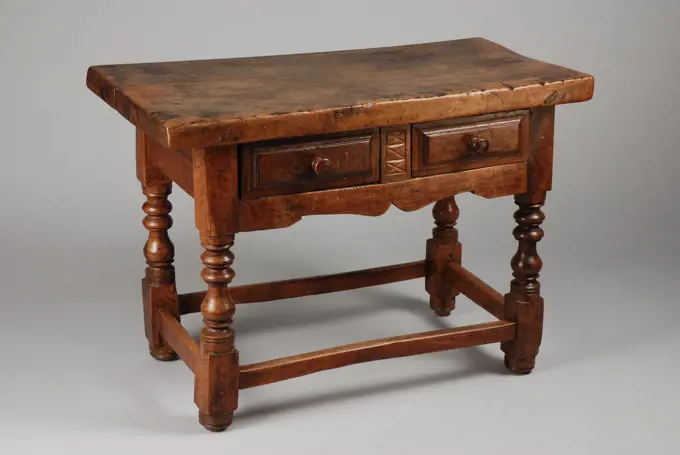
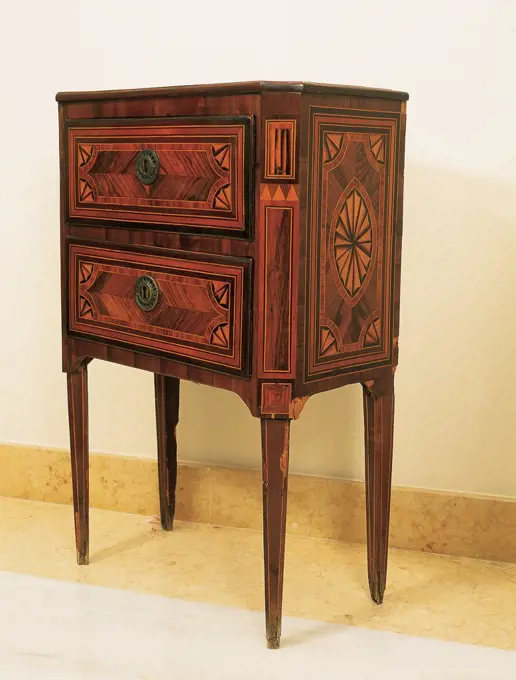
Walnut wall table, side table table furniture interior design walnut softwood wood, Thick solid leaves and four twisted legs connected by lines under the top two drawers with wooden buttons.
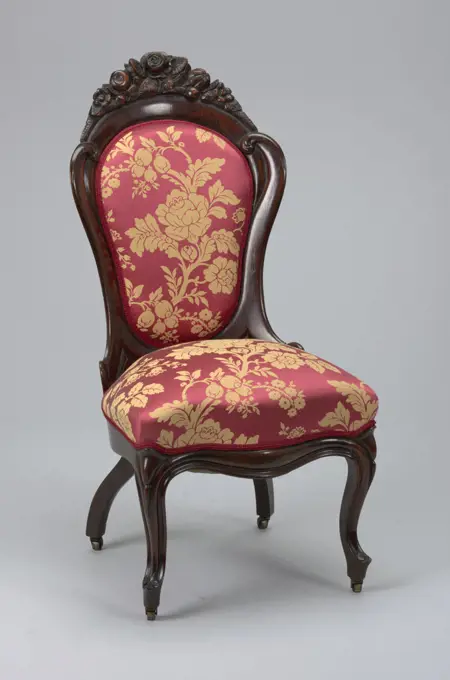
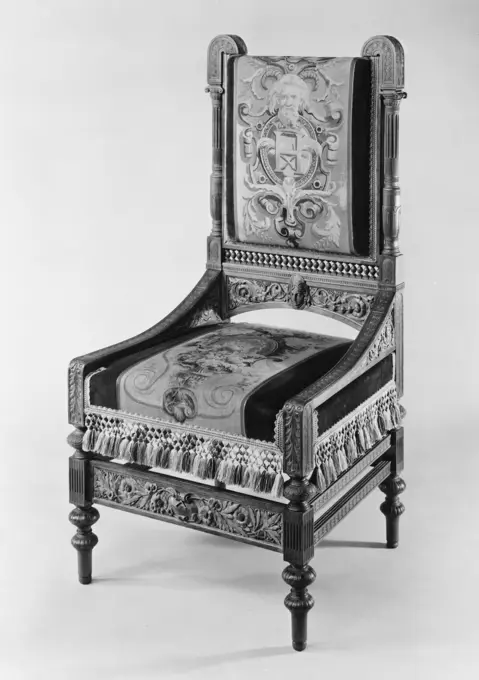
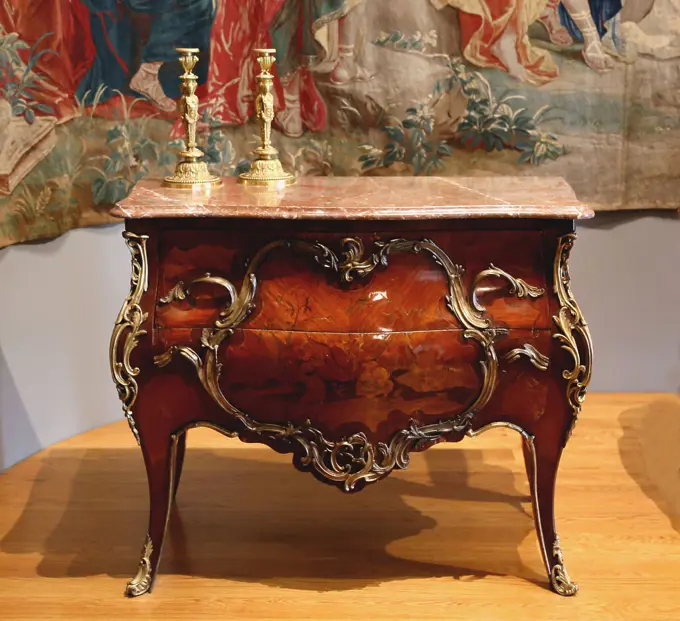
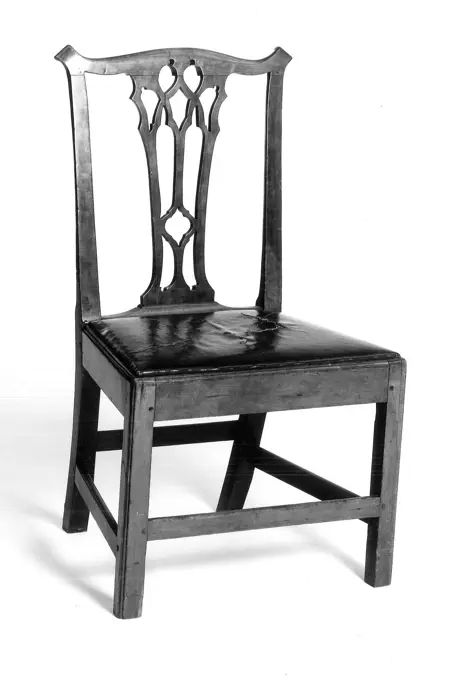
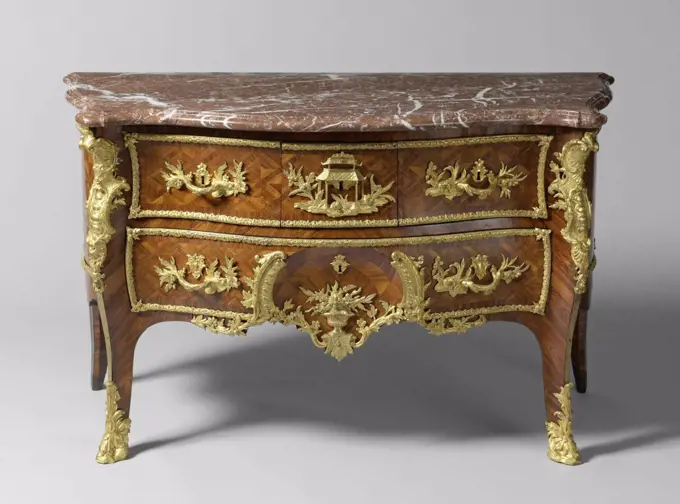
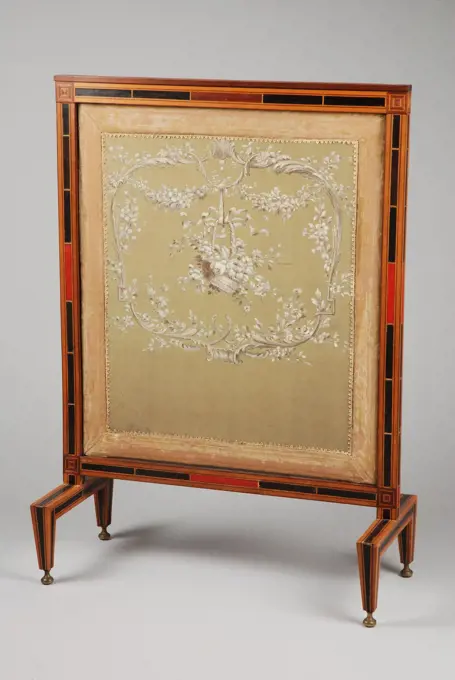
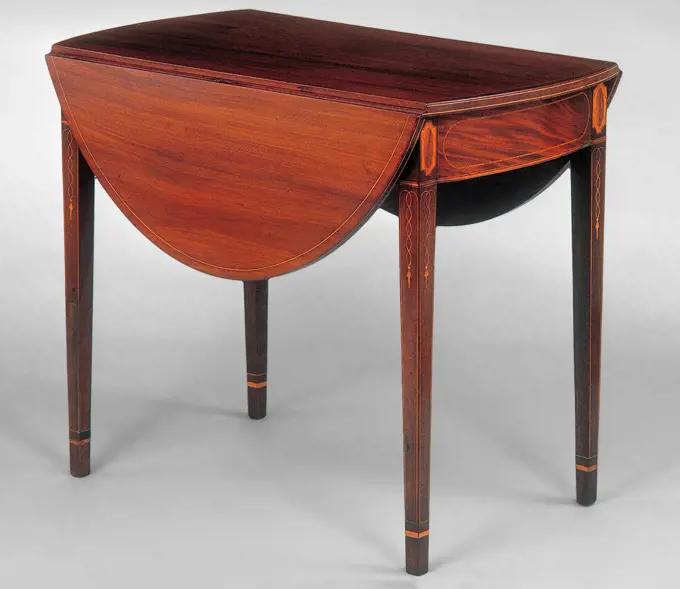
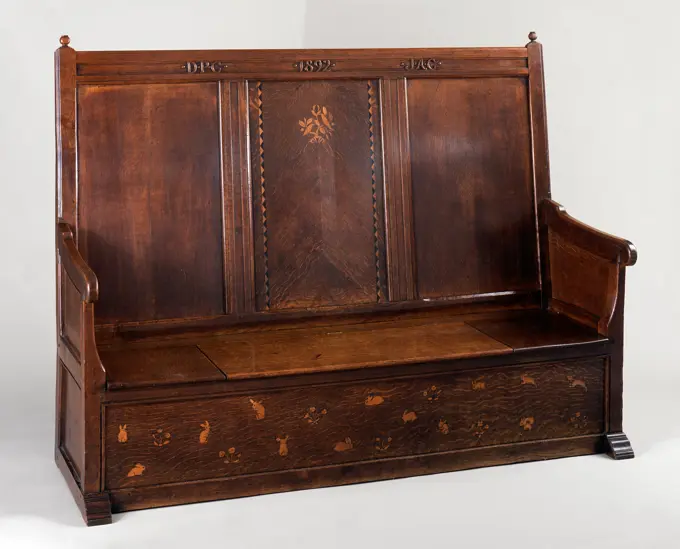
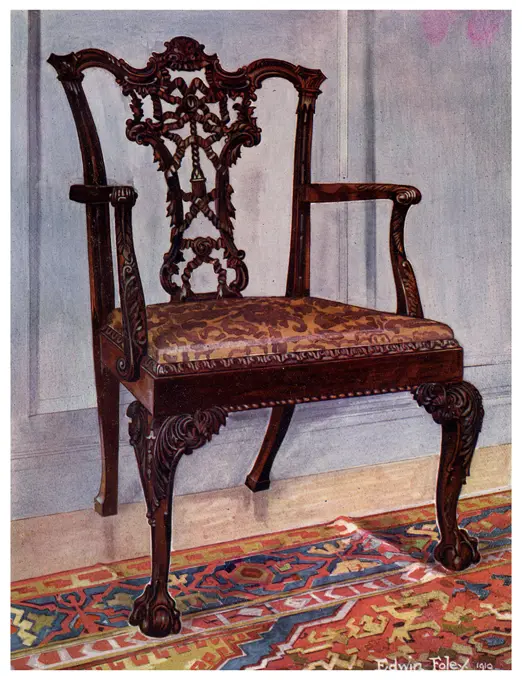
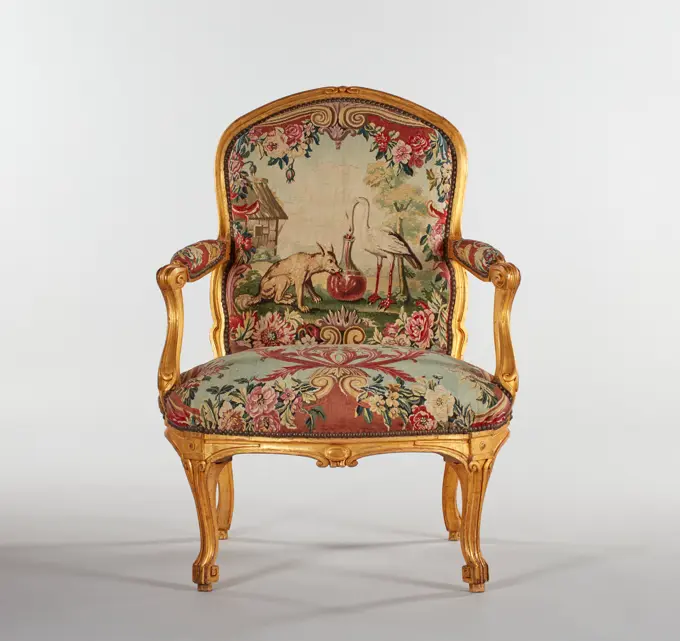
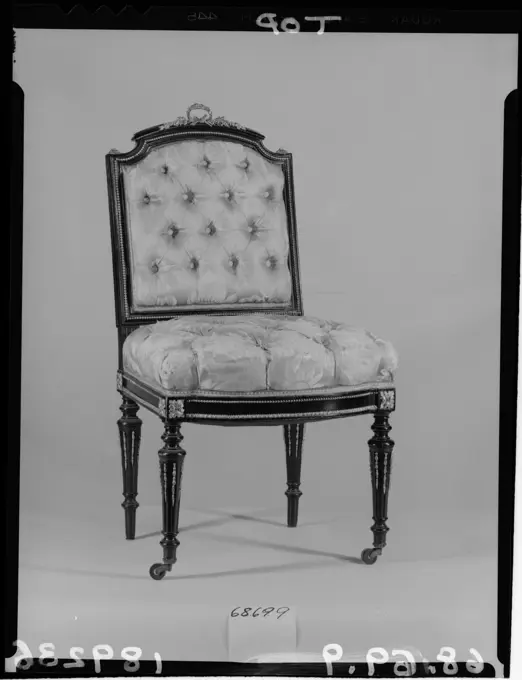
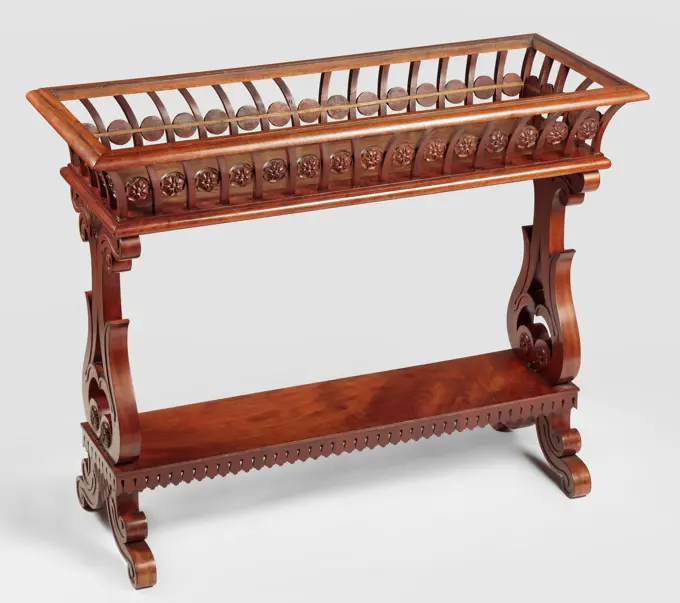
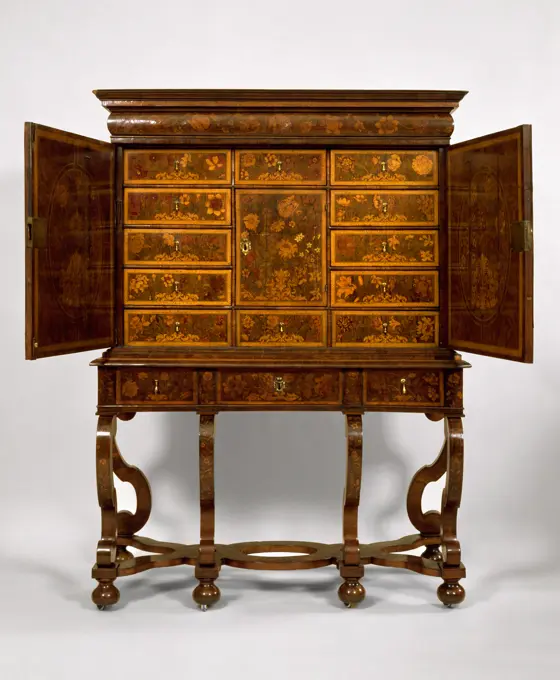
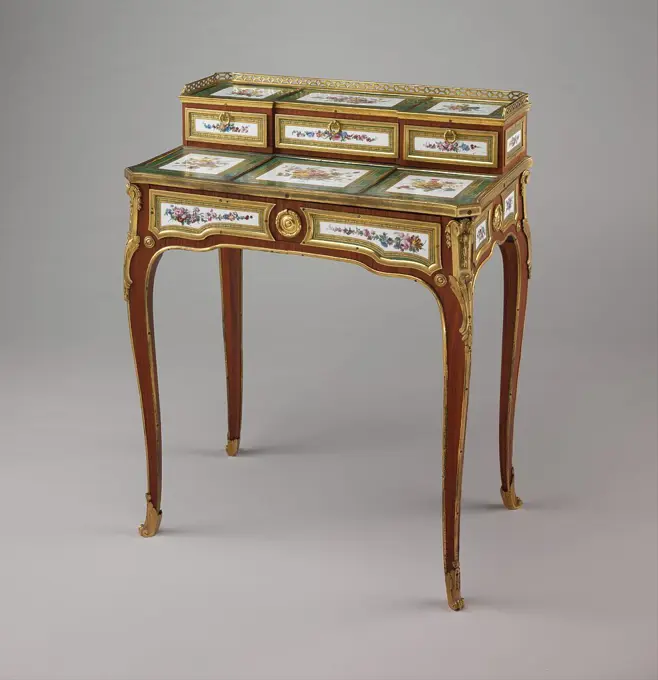
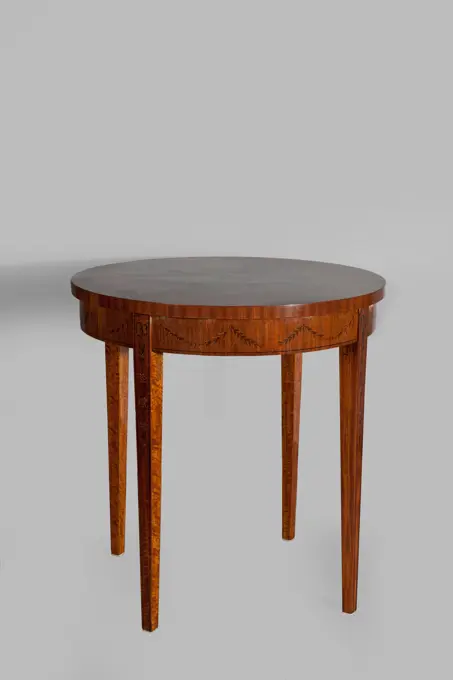
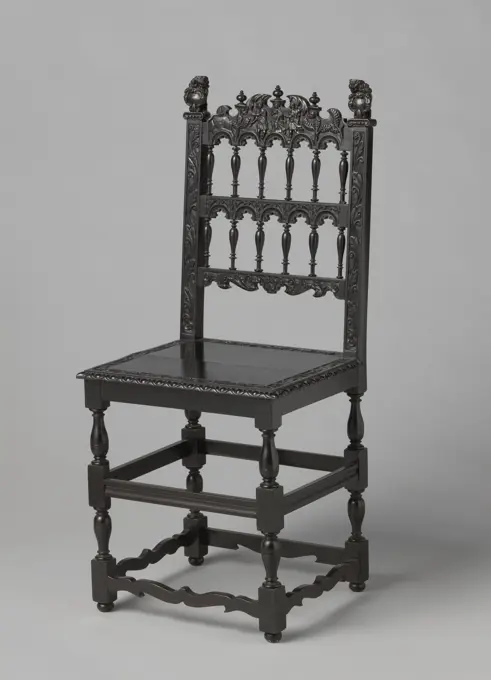
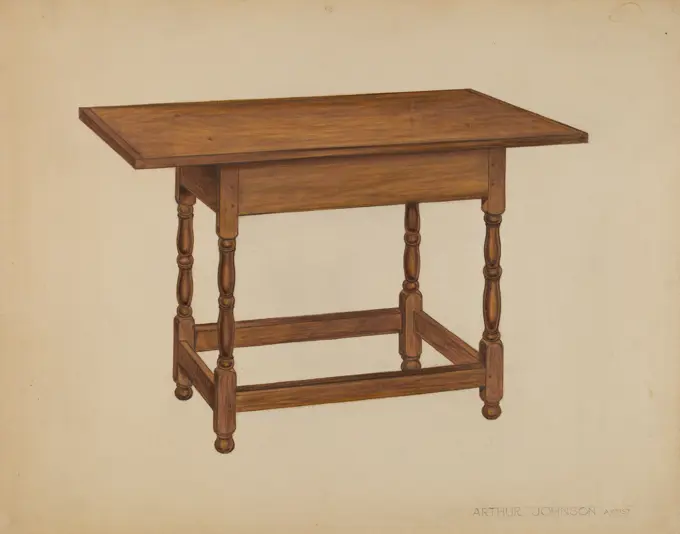
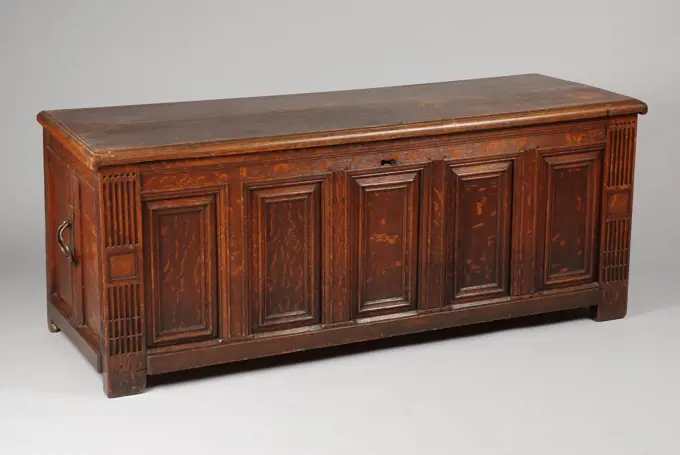
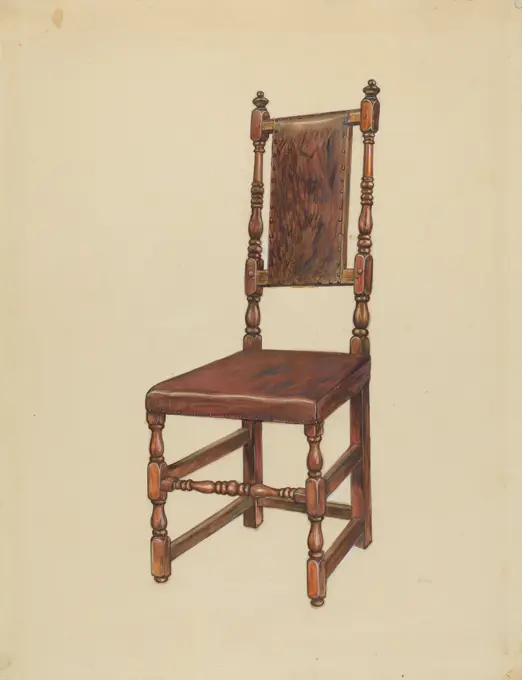
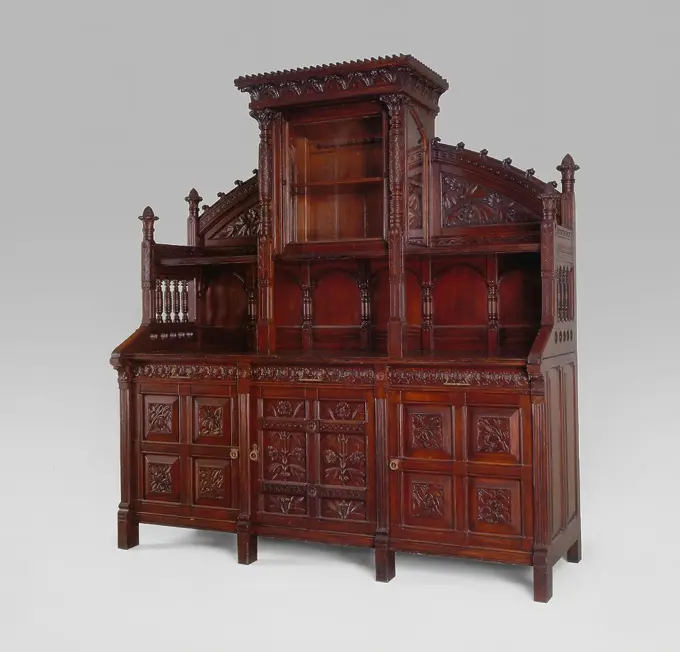
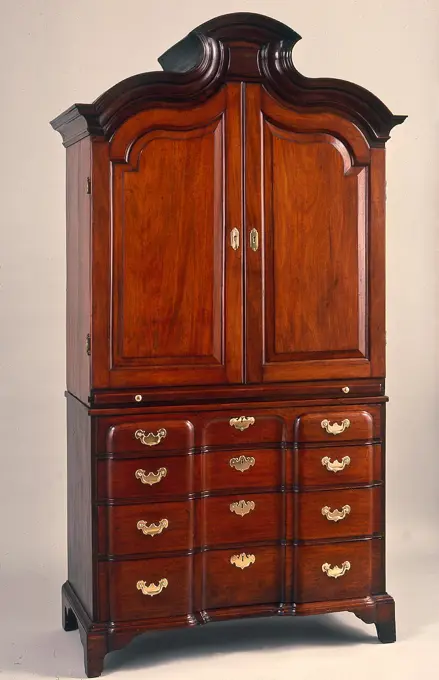
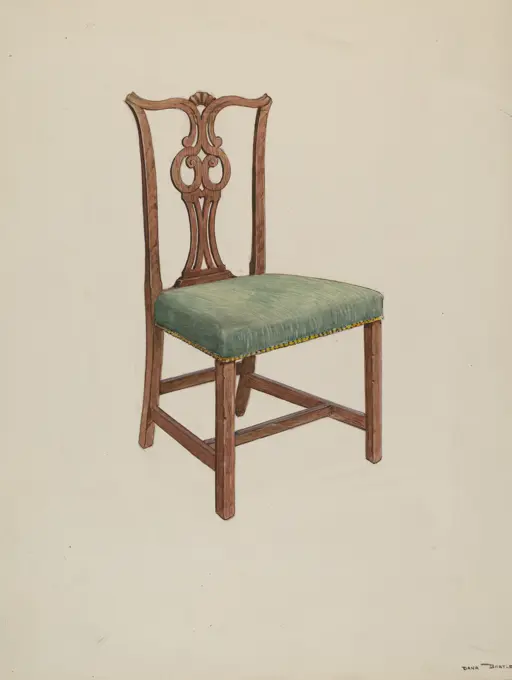
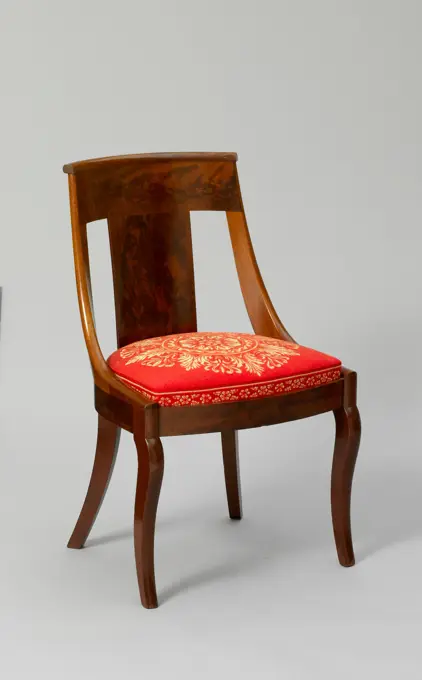
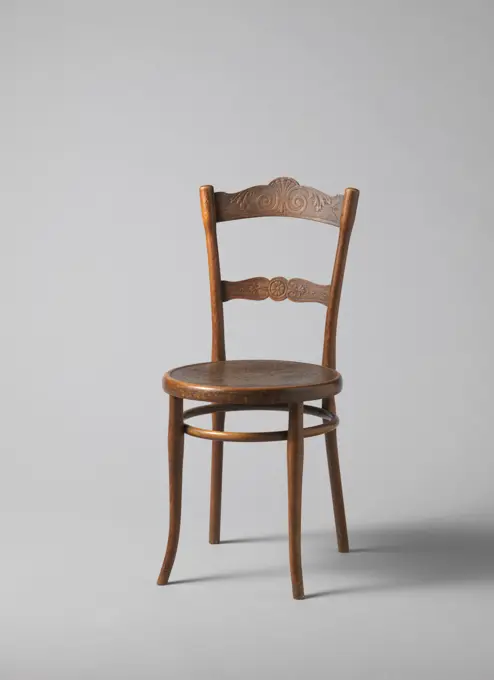
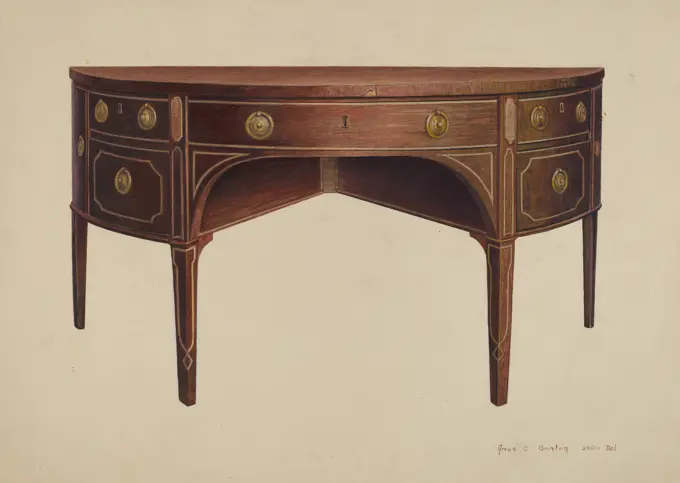
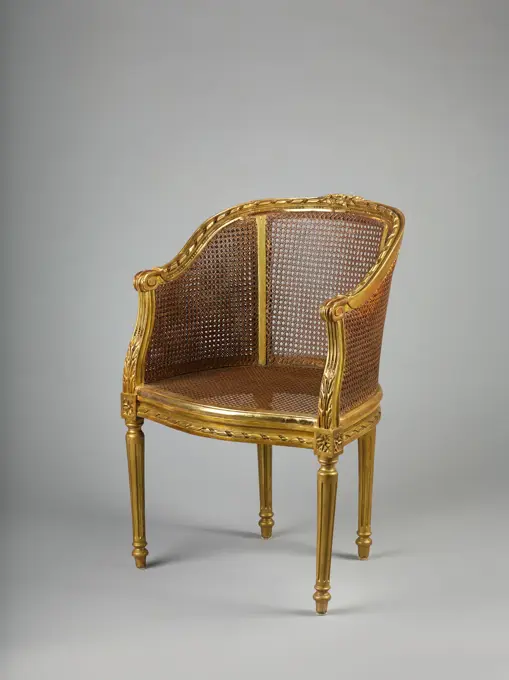
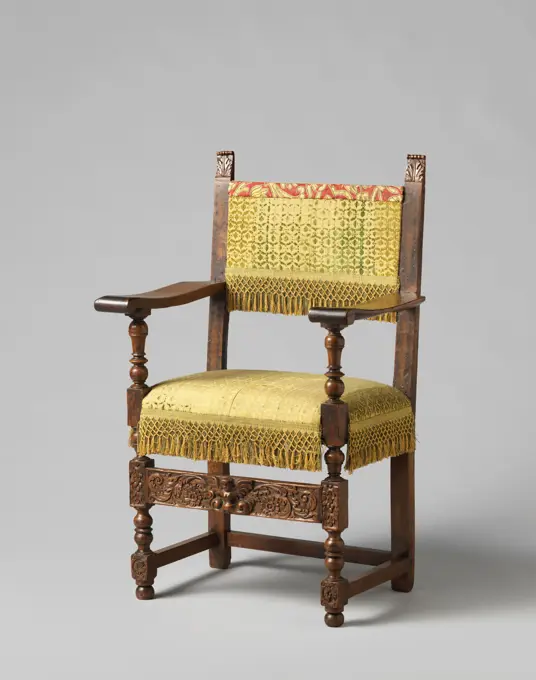
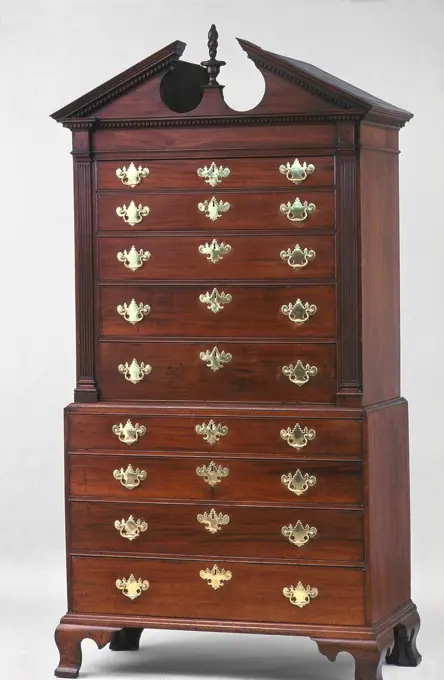
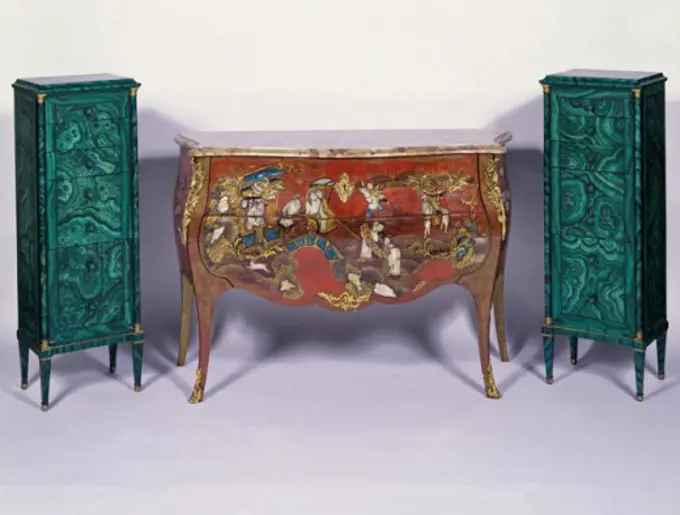
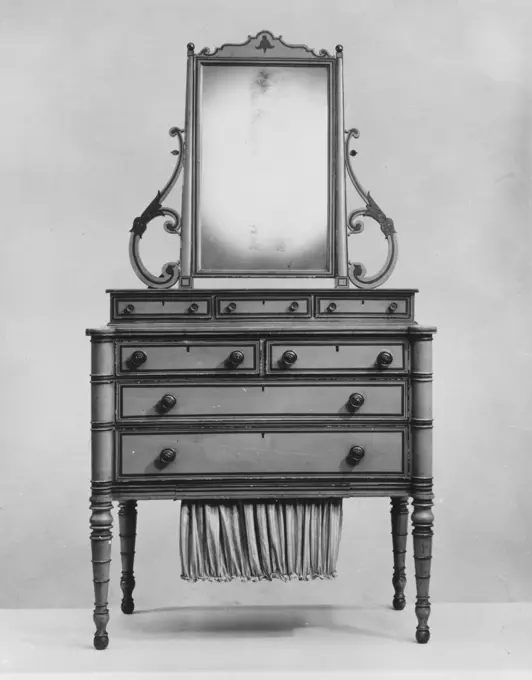
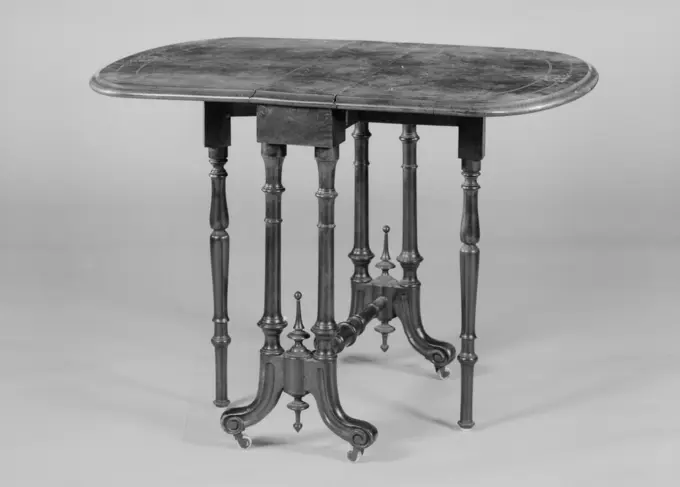
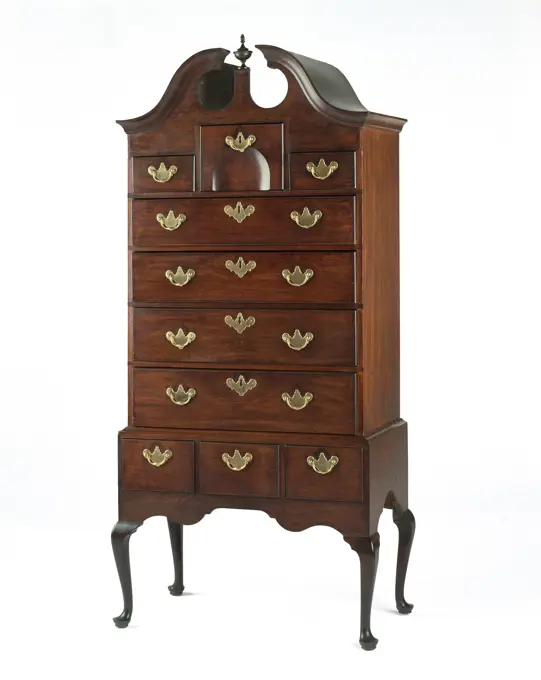
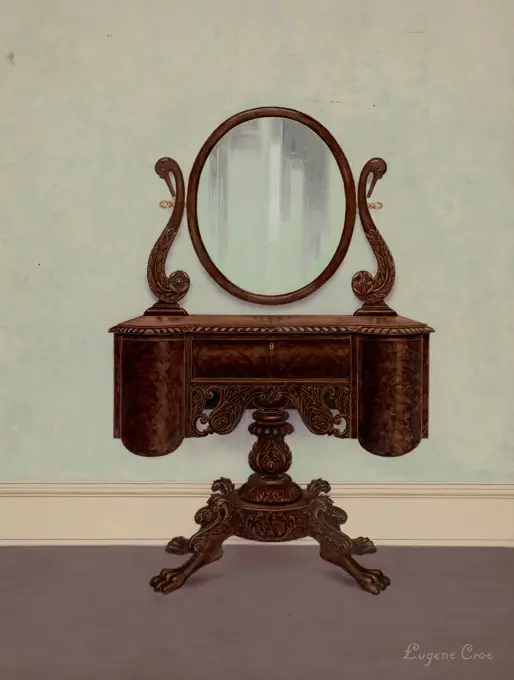
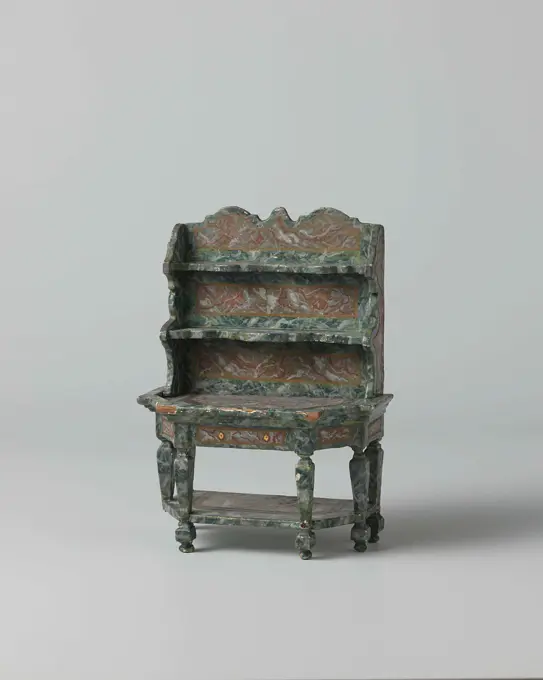
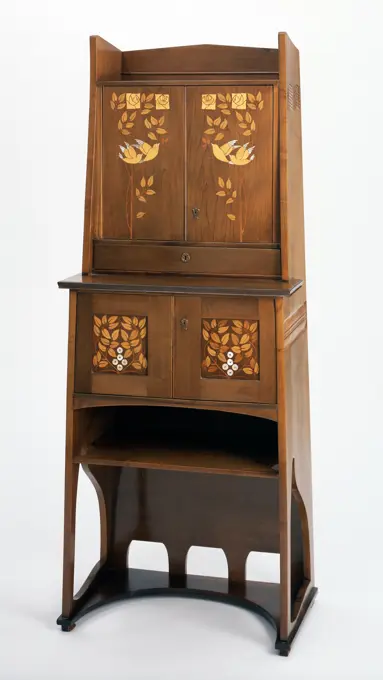
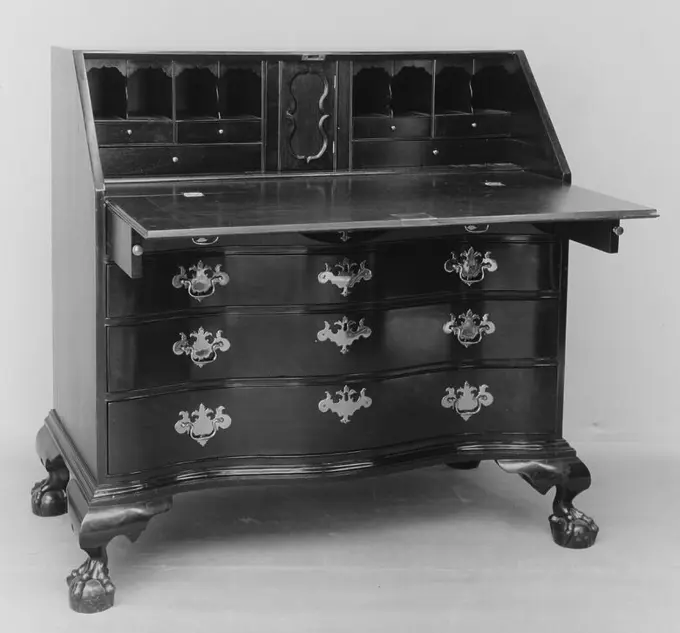
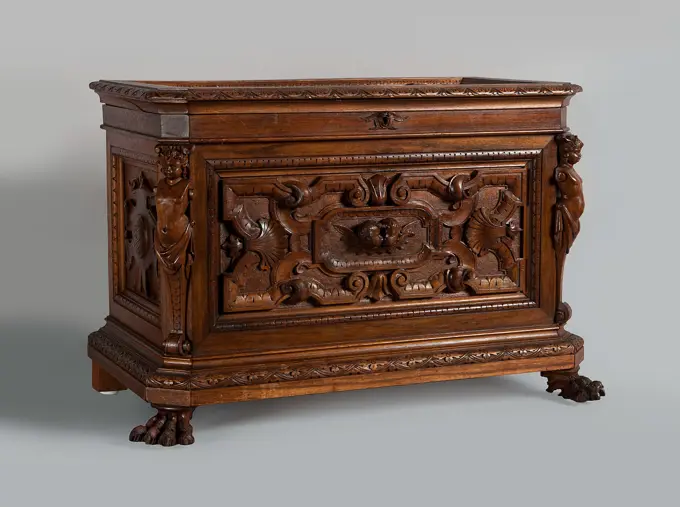
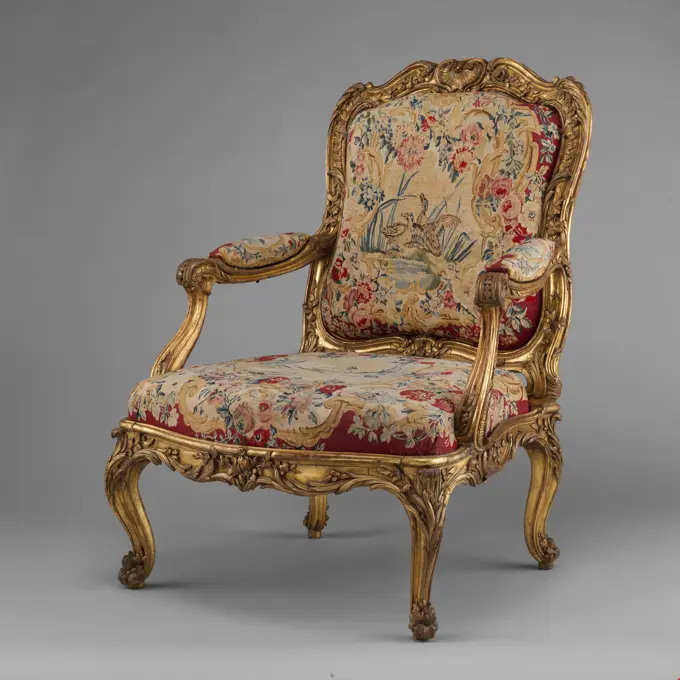
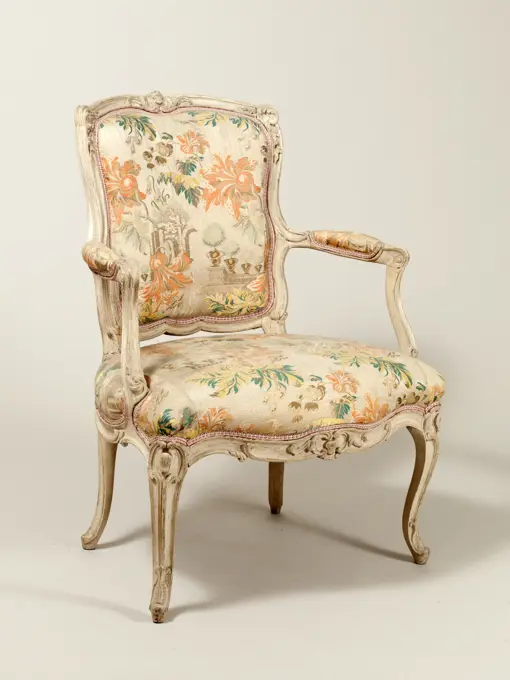
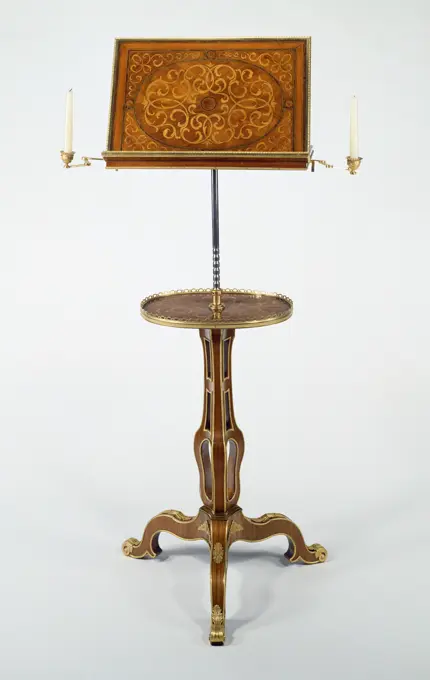
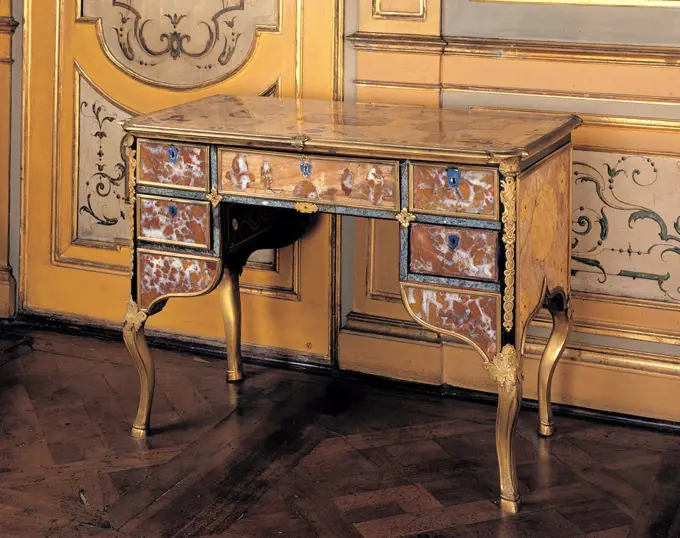
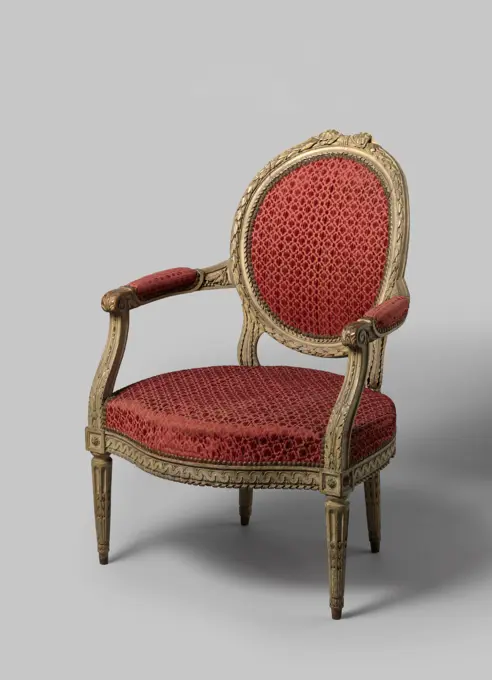
Escritoire;  XVIII/19th century (1790-00-00-1810-00-00);Rosalie, Laminated rosewood, hardwood, cotton upholstery, metal, Upholstered, laminated rosewood back in kshape of inverted pear, topped by carved flowers-and-fruit garland; elongated S-scroll on each side of back. Upholstered spring seat on rosewood frame with serpentine front, cabriole forelegs with slipper seat, scrolled at each side, on tapered supports; reverse-curve rear legs; casters., New York, New York, USA, ca. 1850, furniture, Decorative Arts, Side chair, Side chairSideChair. Closet of oak. The central and corner styles wear pilasters with corinthic capitals and pipes decorated shaft foot. The two doors each have a layout in eight profiled panels. The pilasters rest with excluded basements with expressions and bear the hood; This has a refreshment architrave with consoles in line with consoles, between which two profiled fields. The consoles show on the corners of cherubs and a crowned woman's head in the middle. Bottom two drawers.Chair - with Hudson River Scenes. Dated: 1935/1942. Dimensions: overall: 35.8 x 27.3 cm (14 1/8 x 10 3/4 in.) Original IAD Object: 37 1/2-36 1/2 high; 16"wide. Medium: watercolor, gold ink, pen and ink, colored pencil,and graphite on paper. Museum: National Gallery of Art, Washington DC. Author: Ella Josephine Sterling.Side chair ca. 1875 Pottier and Stymus Manufacturing Company This side chair, along with a matching armchair and cabinet, was made for Pottier and Stymus display at the 1876 Centennial International Exhibition in Philadelphia. This seminal event offered unprecedented exposure to potential patrons and sparked the nations preference for the Aesthetic style. Founding partner Auguste Pottier then donated the pieces to the Metropolitan Museum as examples of distinguished contemporary craftsmanship.During the late 1870s and early 1880s, New York City emerged as the center for the production of luxury furniture, interior woodwork, and decoration. Companies including George A. Schastey & Co., Herter Brothers, Pottier and Stymus Manufacturing Company, and Herts Brothers flourished during this period of unparalleled financial growth. With showrooms and manufactories located in the citys thriving commercial district at Union Square, they received commissions from wealthy financiers and railroaSide ChairChamber Table 1650-1700 American. Chamber Table 1929Stamped commode, oak and other exotic woods. Marble top. Mid. 18th cent. Pierre Bernard (1715-1770). Arte Antiga. Lisbon.SidechairDressing-table. unknown, authorCommode, Anonymous, c. 1730 - c. 1745Church chair, foldable, with a covered seat. Back with flinged Tuscan columns and above sport decorated with the judgment of Solomon., Anonymous, c. 1620 - c. 1650 Church chair of Roser wood. The seat is foldable, has a covered seat and rest on Zijchragen, connected by sports. The decorated back has an upper sport that rests on flinged Tuscan colonnets of Ebony. Bovensport is decorated at the front with the judgment of Solomon and at the rear with figures in a landscape with trees and a mill. Three Ebben balls serve as a crown. Lions as shield holders, seated in Ionian capitals, crown the side scraps. Netherlands wood (plant material). rosewood (wood). ebony (wood) Church chair of Roser wood. The seat is foldable, has a covered seat and rest on Zijchragen, connected by sports. The decorated back has an upper sport that rests on flinged Tuscan colonnets of Ebony. Bovensport is decorated at the front with the judgment of Solomon and at the rear with figures in a landscape with trees and Chair Isadore Goldberg, Tea Table, c 1939 Tea TableCoulissetafel, anonymous, c. 1400 - c. 1950 Coulis table made of oak, glued with mahogany, standing on copper wheels.  oak (wood). mahogany (wood). copper (metal) Coulis table made of oak, glued with mahogany, standing on copper wheels.  oak (wood). mahogany (wood). copper (metal)Louis Seize fire screen, fire shield fire screen furniture wood oak wood rosewood maple wood velvet lacquer, Veneered with ebony rosewood and maple panel of green silk painted with white floral motifs grisaille-technique rimmed with silk velours Rotterdam Delfshaven Middelland Heemraadssingel Louis XVI Louis XVI Louis Seize From house at Heemraadssingel Rotterdam.Chair;  XVIII/19th century (1791-00-00-1810-00-00);Mahogany writing table, 1906. Artist: Shirley Slocombe.Stand. Maker, possibly by: Ebenezer Howard, American, 1781-1854Maker, formerly attributed to: Nathan Lombard, American, 1777-1847Pembroketable, Mahogany (including outer side rails), satinwood veneer (panels on upper ends of legs), black cherry veneer (dark band of cuffs); yellow-poplar (end and inner side rails), southern yellow pine (medial brace), eastern white pine (corner blocks), 28 5/8 × 18 11/16 × 34 5/16 in. (72.7 × 47.5 × 87.2 cm), Made in Baltimore, Maryland, American, 19thcentury, FurnitureSettle. Whytock & Reid (Scotland, Edinburgh)Sir Robert Stodart Lorimer (Scotland, 1864-1929). Scotland, 1892. Furnishings; Furniture. Oak inlaid with mapleMahogany armchair, style of Chippendale, 1911-1912.Artist: Edwin FoleyChair. unknown, authorBOUCAULT, Jean (1705-1786-01-22, Reine armchair (username), 1765. Sculpted beech, redoority; garnish: tapestry of Aubusson. Musée Carnavalet, Histoire de Paris. The last fifteen years of the reign of Louis XV are the scene of a renewal of forms and decorative vocabulary. Abandoning the rocky style, some carpenters offer seats of a new style, known as "transition". Thus, this pair of queen's armchairs retains a structure characteristic of the Louis XV style with its flat backrest and its circular seat. However, the lowered hanger file is raidi. It extends to the seat with a slight drop in its lower part. Although it comes back, supporters and consoles stiffen. The upper line of the belt abandons the curve for strict rigidity, while the movement of the lower line stretches to form two lowered arcs which meet in the center in two fine scrolls framing a mirror. If the feet keep a curved structure, the fluted facade flourishes in two small voltues flattened at the upper part to support a sqChest withDrawersDressingTableSide Chair ca. 1860 Léon Marcotte French This side chair is part of a suite of Louis XVI-style furniture that John Taylor Johnston (1820-1893) purchased from the firm of Ringuet-Leprince and L. Marcotte in about 1856. This international firm had showrooms in both Paris and New York, and it is believed that at least some of the pieces of the suite were made in Paris for the New York commission. Johnston, a railroad executive and the first president of The Metropolitan Museum of Art, used the furniture in the music room of his residence at 8 Fifth Avenue. The suite (68.69.1-68.69.11, 68.165.1-68.165.6) includes two sofas, two armchairs, a table, two matching cabinets, a third large cabinet, six matching side chairs, a pair of lyre-back side chairs, and a firescreen. After Ringuet-Leprince retired in 1860, the firm became known as L. Marcotte and Company. Léon Marcotte was New York's most noted cabinetmaker and interior decorator during the 1860s.. Side Chair. American. ca. 1860. Maple, pRoundabout Armchair 1740-90 American. Roundabout Armchair 6905Bedside table, by Sicily workmanship, 18th Century, Unknow. Italy, Sicily, Palermo, Private Collection. Whole artwork. Bedside table.Pair of SideChairs.   Maker: Eliphalet Chapin, American, 1741-1807Jardiniere. Simmler, Jakub Jan (1791-1872), joinerCabinet On Stand (probably England); marquetry inlaid, veneered and joined oak, deal, walnut, and other wood, bone, brassButaca estilo Isabelino, siglo XIX. Colección privada.Small writing desk (bonheur-du-jour). Culture: French, Paris and Sèvres. Decorator: Jean-Jacques Pierre the Younger (French, active 1763-1800). Dimensions: Overall: 32 1/2 × 25 7/8 × 16 in. (82.6 × 65.7 × 40.6 cm). Factory: Porcelain plaques by Sèvres Manufactory (French, 1740-present). Maker: Martin Carlin (French, near Freiburg im Breisgau ca. 1730-1785 Paris). Date: ca. 1774.The 1795 inventory of furniture belonging to Louis XVI's sister-in-law, Marie-Thérèse of Savoy, comtesse d'Artois (1756-1805), gives a description of a similar desk, or bonheur du jour, which may refer to this piece. The drawer has a compartment that originally held an inkwell, a sponge trough, and box for sand. Its hinged writing surface could be lifted up, and writing implements could be stored underneath. Museum: Metropolitan Museum of Art, New York, USA.Small table. unknown, authorChair of Ebony, Anonymous, c. 1600 - c. 1650 Ebony chair. The legs with house and articulate are connected by accolade -shaped and straight sports. The square seat crosses on three sides with a profile with an egg list, leaf vines stabbed around the seat. The backstyles with sliced leaf vines carry a standing lion with shield. The three arched and scalloped sports are connected by balusters. The bottom two tones leaf work and the top sill a sliced representation of the Emmaus goers and three twisted vases. BK-1974-64-B. Northern Netherlands (possibly) wood (plant material). ebony (wood) Ebony chair. The legs with house and articulate are connected by accolade -shaped and straight sports. The square seat crosses on three sides with a profile with an egg list, leaf vines stabbed around the seat. The backstyles with sliced leaf vines carry a standing lion with shield. The three arched and scalloped sports are connected by balusters. The bottom two tones leaf work and the top sill a slicedArthur Johnson, Tavern Table, c 1936 Tavern TableHighboy. Dated: c. 1936. Dimensions: overall: 51.5 x 40.5 cm (20 1/4 x 15 15/16 in.) Original IAD Object: none given. Medium: watercolor, colored pencil, and graphite on paperboard. Museum: National Gallery of Art, Washington DC. Author: Charles Squires.Pair of armchairs first half 18th century French. Pair of armchairs. French. first half 18th century. Carved and gilded walnut; red damask upholstery. Woodwork-FurnitureCasket. unknown, authorFurniture. Chair of elm wood with square, towards bottom, rejuvenating legs. The back is open with two arches; The center web has rectangular interruptions. The chair wears a loose kissing from red tripe.Windsor High Chair c 1790-1800 United States. Maple . Artist unknownOak arches of the Leproos or Proveniershuis, archive coffin coffin cabinet furniture furniture interior design wood oak, Oak wood arch case in front five panels lying keyhole wrought iron handles on the sides corner posts with small inlaid panel above and below cannelures Rotterdam Noord Provenierswijk Schiekade Leprooshuis Proveniershuis health care Originating from the Leproos- or Proveniershuis in Rotterdam.DaybedFolding armchair 16th century Italian. Folding armchair 200611Console;  around 1860 (1855-00-00-1865-00-00);Thebes, Mahogany, leather, Square, concave brown leather seat in wood frame with tapering cylindrical legs joined by horizontal stretchers and angled dowls., England, ca. 1884, furniture, Decorative Arts, Stool, StoolCard Table. Culture: American. Dimensions: 30 x 35 in. (76.2 x 88.9 cm). Date: 1790-1805. Museum: Metropolitan Museum of Art, New York, USA.Slipper Chair ca. 1855 John Henry Belter German. Slipper Chair. American. ca. 1855. Rosewood, ash. Made in New York, New York, United StatesGilbert Sackerman, Cromwellian Leather Side Chair, 1935 1942 Cromwellian Leather Side ChairSideboard. Herter Brothers; American, 1864-1906. Date: 1876-1880. Dimensions: 230 × 213.4 × 73.7 cm (91 1/2 × 84 × 29 in.). Oak with white pine. Origin: New York City. Museum: The Chicago Art Institute, USA.ClothespressDana Bartlett, Side Chair, 1935 1942 Side ChairSide Chair. Culture: American. Dimensions: 32 3/4 x 19 x 15 1/4 in. (83.2 x 48.3 x 38.7 cm). Date: ca. 1825. Museum: Metropolitan Museum of Art, New York, USA.Side Chair ca. 1837 Attributed to Workshop of Duncan Phyfe Scottish This chair form, referred to in the period as a chaise gondole, is characterized by a deep concave back and in-swept stiles that extend forward to the front seat rail. In the early nineteenth century, designers and furniture makers embraced a revival of Classical prototypes from ancient Greek and Roman architecture and decorative arts. The sleek, curvaceous lines, and dramatic, figural mahogany veneers of this chair characterize the distinct Grecian Plain style that emerged in the 1820s to 1840s during the revival period. American cabinetmakers were highly influenced by French interpretations of Classical forms that circulated in design books and periodicals, such as Pierre de La Mésangère's Collection de Meubles et Objets de Goût (1820-1831). As early as 1825, New York makers began to produce this style of chair which took inspiration from Mésangère. In an 1833 broadside advertisement by Joseph Meeks & Sons, a contempMeubbilair, Gebrüder Thonet, 1900 - 1987 Thonet chair. Germany (possibly) wood (plant material). beech (wood). plywood. iron (metal) Thonet chair. Germany (possibly) wood (plant material). beech (wood). plywood. iron (metal)Side Chair. Bruno Paul; German, 1874-1968. Date: 1910-1920. Dimensions: 101.6 × 45.7 × 53.3 cm (40 × 18 × 21 in.). Wood, modern upholstery. Origin: Germany. Museum: The Chicago Art Institute, Chicago, USA.Side chair (chais à la reine) (one of a pair). Culture: French, Paris. Dimensions: 34 x 18-1/2 x 18 in. (86.4 x 47.0 x 45.7 cm). Maker: Georges Jacob (French, Cheny 1739-1814 Paris); Carved by Jules-Hugues Rousseau (1743-1806) and; Jean -Siméon Rousseau de la Rottière (1747-1820); Gilded by Presle. Date: 1784."At eleven o'clock set out for the Thuilleries, to see the balloon go off; we soon quitted the coach, and it was with the greatest difficulty we got through the crowd on the Pont-royal to the little garden door. It was not long afterwards, that the Duke of Cumberland was in danger of being squeezed to death, as announced in all the public journals. The Queen of France sat in the balcony in front of the Thuilleries, appeared serious, and our party remarked, that she looked like a very handsome English woman. As soon as the aëronauts had taken their flight, I quitted the gardens."1 In his diary entry for December 1, 1783, Joseph Cradock (1742-1826) refers to the many spectators wOak box, coffin cupboard furniture furniture interior design oak wood rosewood rosewood, Rosewood marquetry on the corner posts four panels with diamond-shaped inlay on the front wrought iron handles on the sides.Armchair late 17th-early 18th century French. Armchair. French. late 17th-early 18th century. Carved walnut with Aubusson silk and wool tapestry covers. Woodwork-FurnitureAmos C Brinton, Sheraton Sideboard, c 1939 Sheraton SideboardArmchair (ber Era);  19th/20th century (1890-00-00-1910-00-00);gift (provenance), plant decorations, kanelles, classicism (style)Arm chair of nuthout, anonymous, 1585 - 1600 Arm chair of walnut, belonging to an ameblement of four arm chairs. The front legs and army tits show house and section. The houses with leaf motifs are connected by a flat pre -rule with stabbed leaf vines, between which a winged female figure whose abdomen passes into bonding volutes. The wide slightly healed flat armresters end in closed leaf volits. The backstyles end in stabbed leaf voltuits. The original damask upholstery is exaggerated with antique fabric from a kazuifel. Italy (possibly)Spain (possibly) wood (plant material). walnut (hardwood). textile materials damask Arm chair of walnut, belonging to an ameblement of four arm chairs. The front legs and army tits show house and section. The houses with leaf motifs are connected by a flat pre -rule with stabbed leaf vines, between which a winged female figure whose abdomen passes into bonding volutes. The wide slightly healed flat armresters end in closed leaf volits. The backstyles SideChairGoose neck tufted chair isolated on whiteConsole Table 1850-60 Attributed to John Henry Belter German. Console Table. American. 1850-60. Rosewood, marble. Made in New York, New York, United StatesChest-on-chestCabinet (miniature)Desk Section of a Desk and Bookcase, c. 1780. America, Massachusetts, Boston or vicinity. Mahogany and pine, brass hardware, gilding; overall: 241.9 x 106 x 56.5 cm (95 1/4 x 41 3/4 x 22 1/4 in.). During the 1700s, a desk and bookcase, sometimes called a bureau in early inventories, was among the largest and most expensive pieces of furniture in a household. Their owners were chiefly businessmen and community leaders, and because of their function as repositories for personal letters and documents, they were usually placed downstairs in a back parlor or hall. A desk and bookcase consisted of two parts: usually a slant-top desk below and a cabinet above that sat within moldings applied to the desktop to hold it in place. The form often included elements derived from contemporary architecture. Like much New England furniture of the later 1700s, the lower section of this example is block-fronted, in which the profile recedes in the center and protrudes at either side. Though some EuropeaLouis XV Style French Commodes Malachite and Red Lacquer Antique Furniture Furniture, Anonymous, 1800 Elm wood chair with square, downwards, rejuvenating legs. The back is open with two arches; The center track shows rectangular interruptions. The chair wears a loose cushion of green trijp. Northern Netherlands elm (wood). Elm wood chair with square, downwards, rejuvenating legs. The back is open with two arches; The center track shows rectangular interruptions. The chair wears a loose cushion of green trijp. Northern Netherlands elm (wood).Chest of Drawers 1810-20 American. Chest of Drawers 2015SidechairDrop-leaf Table 1870-75 Attributed to Herter Brothers. Drop-leaf Table 3453Spittoon;  1820-1835 (1820-00-00-1835-00-00);Society for the Care of the Monuments of the Past (Warsaw - 1906-1944) - collection, Biedermeier (style), purchase (provenance)Brown Royal classical style Armchair sofa couch in vintage room Lowboy. Dated: 1936. Dimensions: overall: 27.9 x 35.5 cm (11 x 14 in.) Original IAD Object: Approx.: 48"long; 37"high; 23"wide. Medium: oil on canvas covered paperboard. Museum: National Gallery of Art, Washington DC. Author: Alvin M. Gully.Cylinder-top Desk. When the writing slide of this desk is drawn out, the cylinder automatically disappears into the superstructure, revealing the desks interior. Leleu was a pupil of the famous Jean-François Oeben who specialized in ingenious mechanical furniture of this kind. The relatively sober decoration of this mahogany piece shows the influence of contemporary English taste at the time.High Chest of Drawers c 1750-1770 Salem. Small-scale case furniture is rare. Too large to have served as a cabinetmakerís model and lacking locks on the drawers to protect valuables, the piece was made for use by a child. The high chest bears an 18th-century inscription in one of the small drawers that identifies it as the one in which the young owner, Sally King of Salem, kept her clothing. Born in Salem in 1783, Sally King was likely the second owner of the chest.. Mahogany with white pine and cedar . Artist unknownEugene Croe, Dressing Table, c 1936 Dressing TableSettee. Culture: Russian, St. Petersburg. Designer: Andrei Nikiforovich Voronikhin (Russian). Dimensions: Overall (Confirmed): 39 x 72 1/4 x 32 1/4 in. (99.1 x 183.5 x 81.9 cm). Maker: Workshop of the Russian Imperial Court; Carl Scheibe; Carved by Iwan Naschon; Guilded by Carl Focht (Russian); Upholstered by Sergej Schaschin. Patron: Commissioned by Tsar Paul I (Russian, 1754-1801). Date: made between early March and end of April 1803.This settee is one of the most significant pieces of documented Imperial Russian furniture to appear in recent decades. A court order of 1799 stipulated that all objects in an Imperial dowry had to be "worthy" of a Russian grand duchess and reflect "the indigenous local splendor as an emblem of courtly life and stately prestige." In March 1803 Russia's foremost designer and architect , Andrei Voronikhin, set a time frame of three months for the court artisans to create a genuinely Russian bedroom suite for the sister of Tsar Alexander I, Grand Duchess Mbeautiful antique padded chair isolated on white backgroundBuffet, marbled. Buffet of Eikenhout, marbled.Cabinet. Joseph Maria Olbrich (Austria, active Germany, 1867-1908). Germany, 1899-1900. Furnishings; Furniture. Walnut, mother-of-pearlDesk. Culture: American. Dimensions: 44 3/4 x 47 1/4 x 24 3/4 in. (113.7 x 120 x 62.9 cm). Date: 1760-90. Museum: Metropolitan Museum of Art, New York, USA.Penant cabinet with curved walls, cylinder doors and marble top. Penant cabinet decorated with marquetery of pink, cherry and satin wood and covered with a white margin plate. The cupboard is half oval of diameter. The front has two cylinder doors; The curved walls are glued with geometric figures in rectangular fields. Two drawers in the upper spray of the front. The four conical legs have gold-plated copper feet. On the styles, side walls, doors and sills gilt copper fittings. Belonging to a different penetrift, see: BK-NM-8840.Box. unknown, creatorNapoleon III Glove Table With Sevres Porcelain Plaques Antique Furniture . Drawing table from oak resting on four slightly slow legs. The legs contain cutting in vegetable motifs on the top and are interconnected by means of an H-shaped cross in which the pins stick slightly through the legs. At the top between the legs are rules containing cut scalloped motifs. The tabletop is rectangular, there are extra blades below.Armchair (fauteuil à la reine) (part of a set) ca. 1754-56 Frame by Nicolas-Quinibert Foliot Baron Johann Ernst Bernstorff (1712-1772) served as Danish ambassador to the court of Versailles between 1744 and 1751. According to Charles-Philippe dAlbert, duc de Luynes (1695-1758), the diplomat was youthful and witty, possessed both finesse and taste, and spoke the French language better than many native speakers.[1 During his stay in France, Bernstorff formed many friendships and developed a marked taste for the French way of life. It was, therefore, with reluctance that he left Paris and returned to Denmark in 1751 to assume the post of minister of foreign affairs.For the tapestry room of his newly built residence in Copenhagen, he acquired a series of four wall hangings, Les Amours des Dieux (The Loves of the Gods), from the Beauvais Manufactory. Covers for a set of twelve armchairs and two settees (all of which are in the Museums collection) were woven at the same time to complementWood office desk titled 'Office Lady' by Émile-Jacques Ruhlmann (1879-1933) French designer of furniture and interiors during French Art Deco period. Dated 1923Anonymous. Cabriolet armchair. Beech. Paris, Carnavalet museum. 50254-12 Cabriolet chair, stretch, furniture, floral motif, furnitureSideChairantique black wood chair with leather seat isolated on white backgroundCommode. Culture: French, Paris. Dimensions: Overall: 34 3/4 × 57 3/8 × 26 3/8 in. (88.3 × 145.7 × 67 cm). Maker: Denis Genty (master ébéniste 1754-ca. 1762). Date: ca. 1760.Genty, who worked as a cabinetmaker and as a furniture dealer, foreshadowed in his marquetry decoration the scrolling outline and placement of the Rococo-style mounts. The mounts protected the corners, feet, and keyhole; gave access to the drawers by means of handles; emphasized the serpentine shape of the commode; and added a sculptural element to the piece. Here, half the mounts have been removed to illustrate their importance. Displayed from the back, the separate corner mount shows that only the front side was gilded. The incised mark III matches that on the stile of the commode, indicating that this particular mount was intended for the front right corner. Museum: Metropolitan Museum of Art, New York, USA.Side Chair 1795-1805 American. Side Chair 1734Music Stand (Pupitre). Attributed to Martin Carlin (French, born Germany, about 1730 - 1785, master 1766)Writing desk, by Piedmont Work, 18th Century, inlaid marbles and gilded metal. Italy: Piemonte: Turin: Royal Palace. Whole artwork. Writing desk drawers top marbles volutes rinceauxArmstoel, anonymous, 1775 - 1800 Arm chair, covered, white -painted walnut, resting on scanned conical legs. The round sitting window is sculpted from the front. The seating rules show a stabbed tire above a rod wounded ribbon. The C-shaped armrests end in a volute with Acanthus leaf and have a flower chalice on the inside; The struts are decorated with a chalice cord between profiles and an acanthus leaf at the bottom. The oval back window, bent outwards, is surrounded with laurel wreath with bow. France wood (plant material). walnut (hardwood). paint (coating). textile materials Arm chair, covered, white -painted walnut, resting on scanned conical legs. The round sitting window is sculpted from the front. The seating rules show a stabbed tire above a rod wounded ribbon. The C-shaped armrests end in a volute with Acanthus leaf and have a flower chalice on the inside; The struts are decorated with a chalice cord between profiles and an acanthus leaf at the bottom. The oval back window,