Elegant Wooden Furniture

Exquisite wooden chairs and tables featuring intricate designs and materials, showcasing craftsmanship and historical styles.
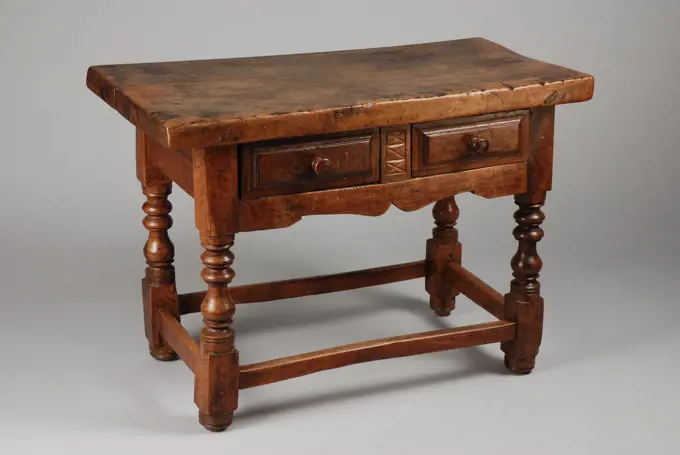
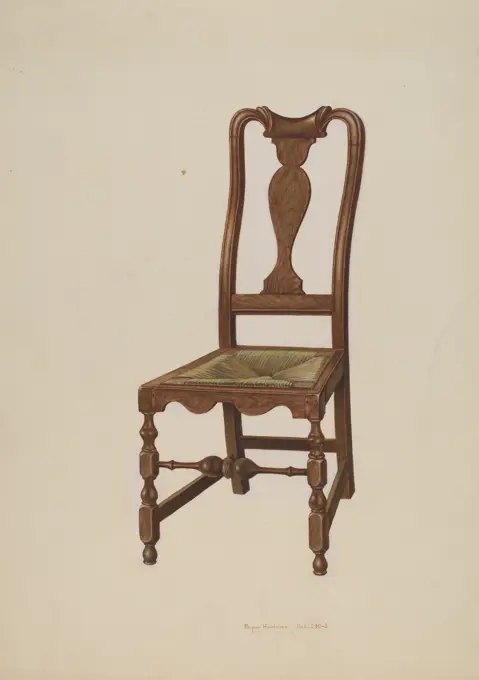
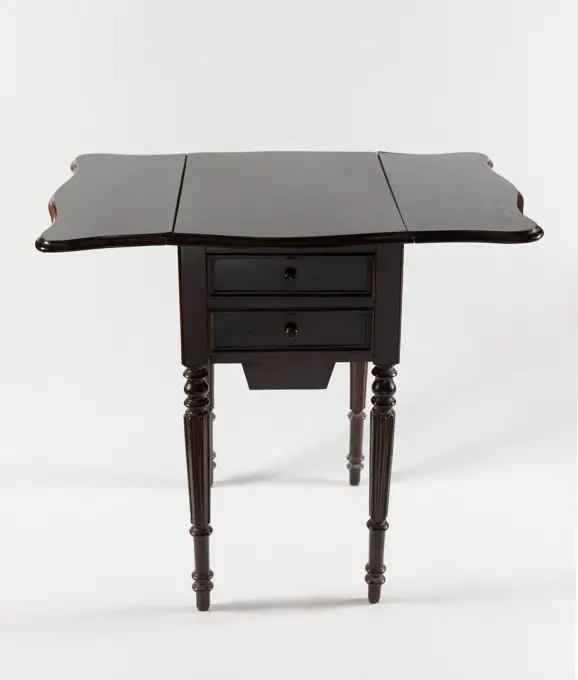
Walnut wall table, side table table furniture interior design walnut softwood wood, Thick solid leaves and four twisted legs connected by lines under the top two drawers with wooden buttons.
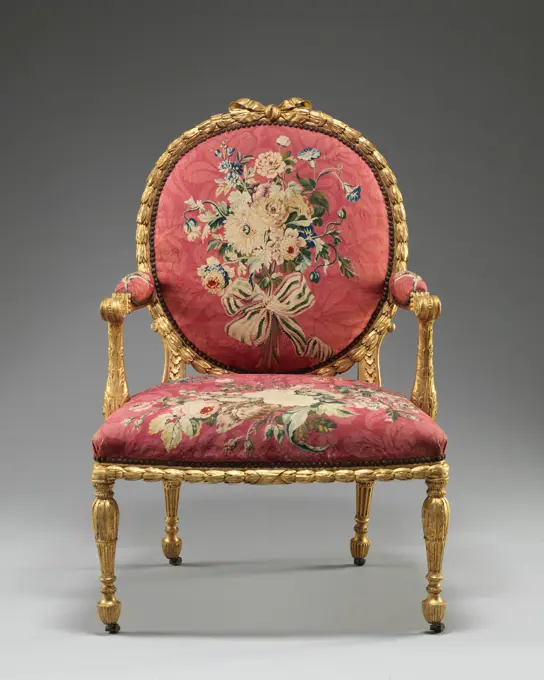
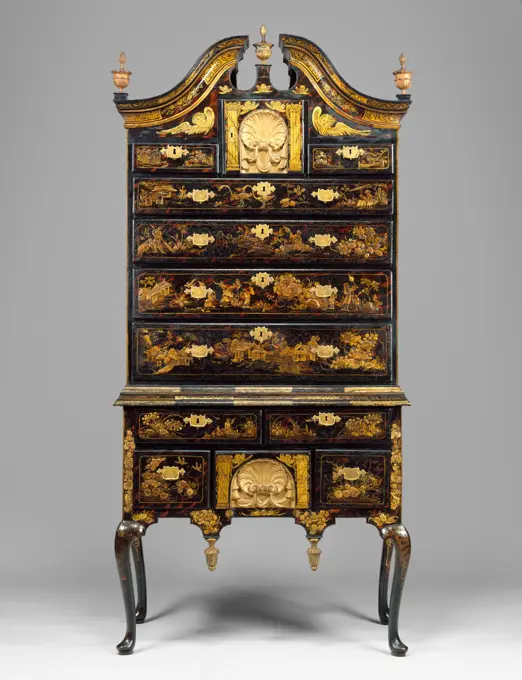
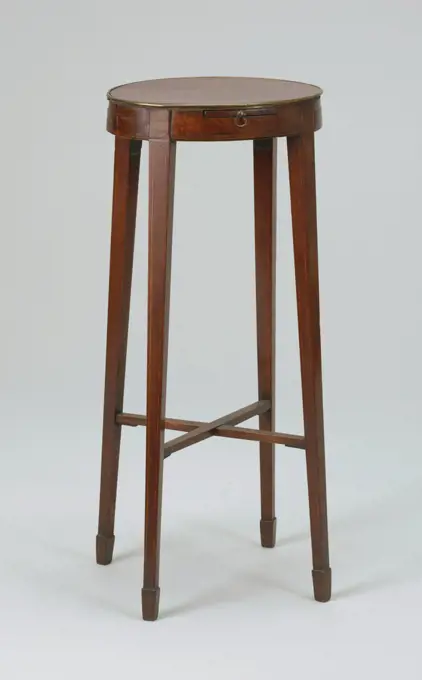
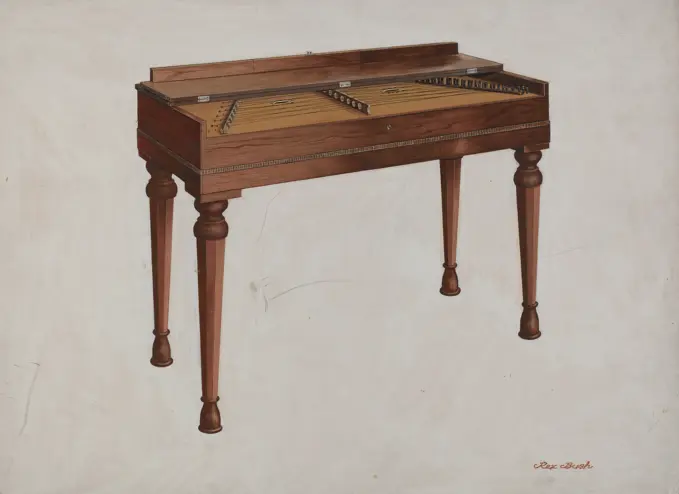
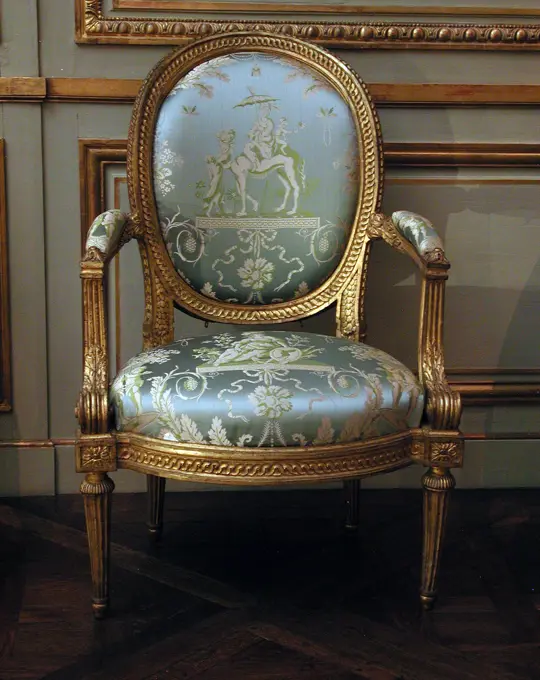
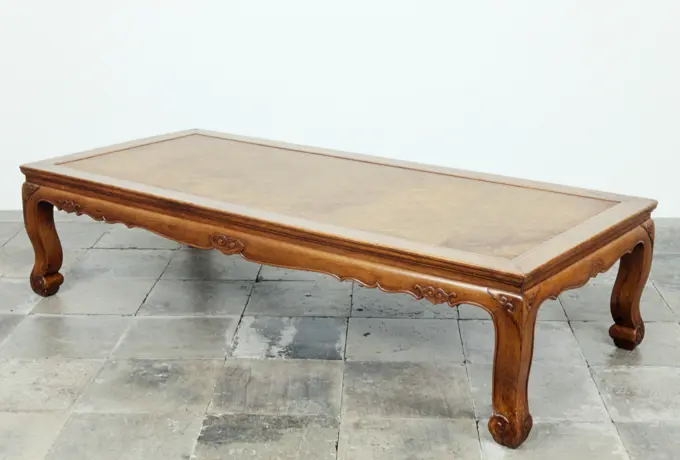
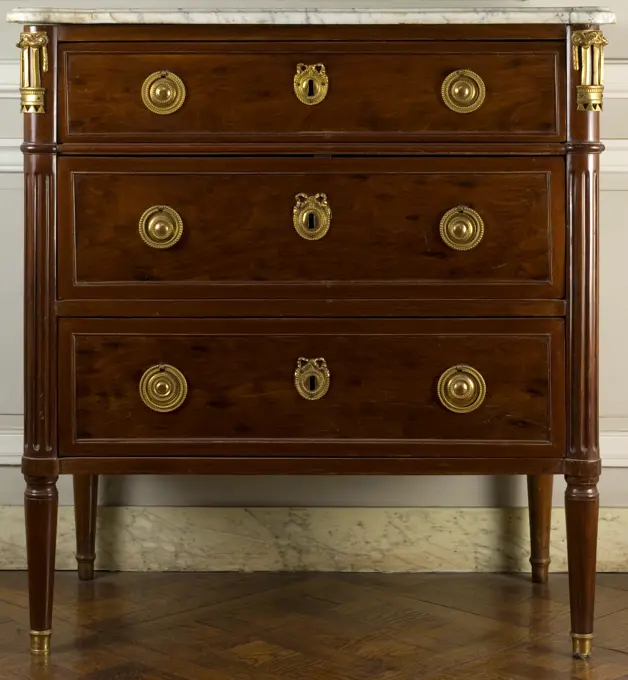
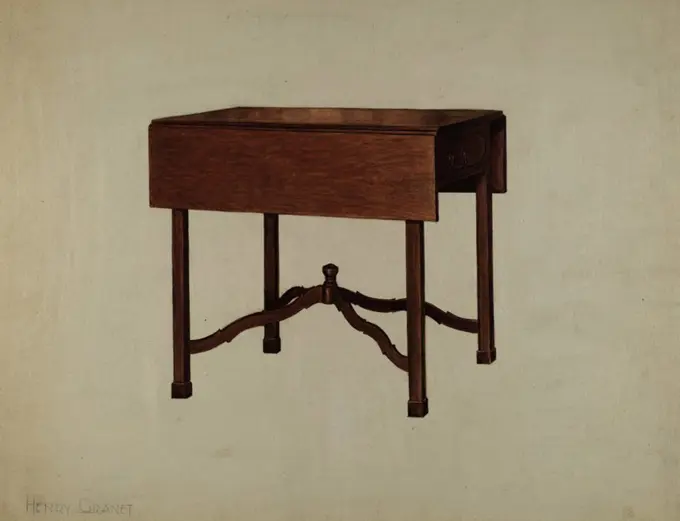
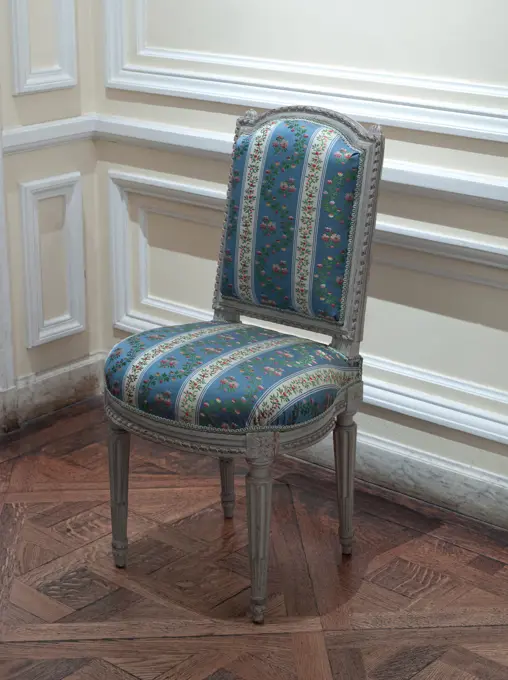
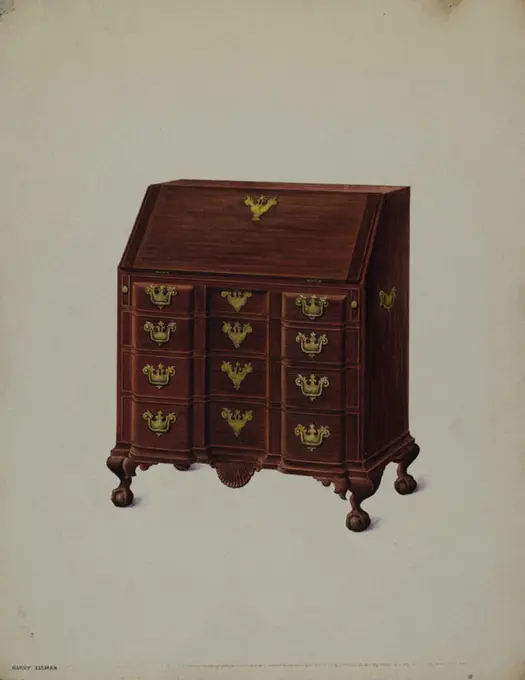
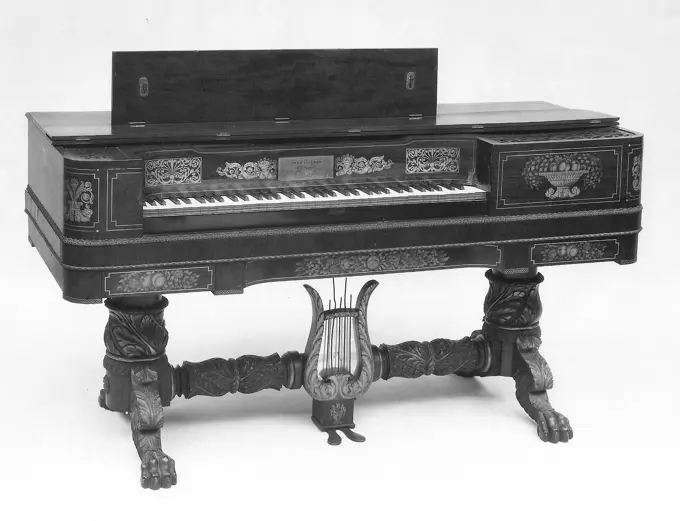
Writing Cabinet, Anonymous, 1550 - 1600 Writing cabinet of nuthout, divided into upper and upper cabinet. The base cabinet has Tuscan columns on the corner styles and half a Tuscan column on the middle style, whose shafts are painted with leaf vines. The two doors show, in low relief, representations with electricity god and goddess, surrounded by various animals. There are two drawers in the Frisian above the doors. The writing sheet shows Mars and Venus, surrounded by Cupido figures. Inside eighteen drawers around Boognis, with silver decorated plates. France wood (plant material). walnut (hardwood). silver (metal) Writing cabinet of nuthout, divided into upper and upper cabinet. The base cabinet has Tuscan columns on the corner styles and half a Tuscan column on the middle style, whose shafts are painted with leaf vines. The two doors show, in low relief, representations with electricity god and goddess, surrounded by various animals. There are two drawers in the Frisian above the dDresser;  End of the 18th century (1780-00-00-1800-00-00);Méyet, Leopold (1850-1912) - collection, gift (provenance)Reuze, François (1716-1799-03-17), Marquise (usual name), 1750. Sculpted and gilded beech; Garnish: lampas. Carnavalet museum, history of Paris. Adorned with two shells, in the center of the backrest and the belt, it also has a slight hollow decor on the reverse. The tutors are garnished with cuffs. The whole is covered with a raspberry lampas with large cream patterns.Two Drawer Sunflower Chest - front view. Dated: 1936. Dimensions: overall: 27.9 x 35.4 cm (11 x 13 15/16 in.) Original IAD Object: 48 1/2"long; 40 1/4"high; 21"wide. Medium: watercolor, colored pencil, pen and ink, and graphite on paper. Museum: National Gallery of Art, Washington DC. Author: Martin Partyka.Chair (Ranch Type). Dated: c. 1937. Dimensions: overall: 34.9 x 24.3 cm (13 3/4 x 9 9/16 in.) Original IAD Object: 34"high; 15"wide; See data sheet for dets.. Medium: watercolor, colored pencil, and graphite on pap er. Museum: National Gallery of Art, Washington DC. Author: Ellen Duncan.ArmchairSmall settee (part of a set) (part of a set) ca. 1785 Georges Jacob French. Small settee (part of a set) (part of a set) 202143Table or stand with pearl chasing dragons amid flames, anonymous, c. 1700 - c. 1724 Rectangular table or standard porcelain with four legs, painted on biscuit with green, yellow, eggplant and black. On the magazine two pearls after dragons between flames and clouds; The legs with a wood grain pattern. Short sides of the leaf have been ground. Old label on the bottom with 'Huth 47 17/5/05'. Email sur biscuit with family distance colors. China porcelain. glaze. painting / vitrification Rectangular table or standard porcelain with four legs, painted on biscuit with green, yellow, eggplant and black. On the magazine two pearls after dragons between flames and clouds; The legs with a wood grain pattern. Short sides of the leaf have been ground. Old label on the bottom with 'Huth 47 17/5/05'. Email sur biscuit with family distance colors. China porcelain. glaze. painting / vitrificationConsole table, Carved and gilt wood, marble, Side table of carved and gilt wood, supporting contoured 'jaspe rubane' marble top with molded edge. Four serpentine legs entwined by deeply carved leafy branches; feet scrolled under on small supports; curved frieze carved with leafy branches and central symmetrical acanthus leaf motif., probably Southern Germany, ca. 1740, furniture, Decorative Arts, Console table. Coated chair, part of the cup-amicublement, from white and blue gray painted beech wood and resting on conical legs. The rules and sills of the back window, with Tuscan fluted columns as back styles, exhibit stroke braid with rosettes. Finish with rosettes and acanthus leaves. The upholstery shows on light blue satin ground floral motifs, held by griffones. Ordered for the new landscape 74, Haarlem. See: BK-15615-a / p; BK-15614; BK-15616-A / b.Armchair 18th century British. Armchair. British. 18th century. Carved and gilded pearwood, blue velvet upholstery. Woodwork-FurnitureFerdinand Cartier, Mixing Table, 1940 Mixing TablePa. German Box. Dated: c. 1941. Dimensions: overall: 38.1 x 38.8 cm (15 x 15 1/4 in.) Original IAD Object: 9" wide; 5 1/2" high; 6" deep. Medium: watercolor, graphite, and pen and ink on paper. Museum: National Gallery of Art, Washington DC. Author: William L. Antrim.Cabinet, glued with multiple types of wood. Doors with a circular field with cubes pattern in the middle of which a diamond pattern., Anonymous, 1750 - 1775 Cabinet glued with several types of wood on oak core. The foot is scooped. The two doors show a circular field with cubes pattern in the middle. Above and below is a field, bent back to the center, filled with a diamond pattern. Both patterns are also applied to the cave bent crown on the profiled roof list. The sides show two rectangular fields with a diamond pattern placed one above the other. Key plates of gilded bronze with rocaillem motifs. Northern Netherlands oak (wood). purpleheart (wood). rosewood (wood). padouk (wood). yew (wood). cedar (wood). maple (wood). rosewood (wood). spruce (wood). bronze (metal). gilding (material) gilding Cabinet glued with several types of wood on oak core. The foot is scooped. The two doors show a circular field with cubes pattern in the middle. Above and below is a field, bent back to the cenBahut Louis XIII who belonged to Victor Hugo. Drink. House of Victor Hugo - Hauteville House.SideChair.   Maker: Dick Poynor, American, 1802-1882Maker Seat weaver: Will Poynor, American, 1869-ca. 1925Chair of Reniseneb. Dimensions: h. 86.2 cm (33 15/16 in). Dynasty: Dynasty 18. Date: ca. 1450 B.C..The back of this wooden chair, which belonged to the scribe Reniseneb, is handsomely veneered with ivory and embellished with incised decoration showing the owner seated on a chair of identical form. It is the earliest surviving chair with such a representation, and it is the only non-royal example known. The scene and accompanying text have funerary import and may have been added following Renyseneb's death to make the chair a more suitable funerary object. The high quality of its joinery and the harmony of its proportions testify to the skill of ancient Egyptian carpenters. The mesh seat has been restored following ancient models. Museum: Metropolitan Museum of Art, New York, USA.Side Board. Dated: c. 1937. Dimensions: overall: 34.2 x 24.3 cm (13 7/16 x 9 9/16 in.) Original IAD Object: none given. Medium: watercolor, gouache, and graphite on paperboard. Museum: National Gallery of Art, Washington DC. Author: Robert Pohle.Tabletop of white painted wood with four overhoeks placed legs and equipped with cutting, anonymous, 1650 - 1700 Marble table top of white painted lindenhout with four overhoeks placed legs, made up of two C-Voluten placed one above the other. Northern Netherlands marble (rock) Marble table top of white painted lindenhout with four overhoeks placed legs, made up of two C-Voluten placed one above the other. Northern Netherlands marble (rock)Table of white painted wood with four overhoeks placed legs and equipped with cutting, anonymous, 1650 - 1700 Table of white painted Lindehout with four overhoeks placed legs, made up of two C-Voluten placed one above the other. The legs are decorated with acanthus leaf and at the rear with pearls. At the bottom is a dog, a snake at the top. The flat connecting rule shows a standing Acanthus leaf at the front, for which a double coat of arms (each with a cow's head with beam) in the midst of two putti. At the bottom of a flowerguirle, which splits in two on the legs. Marble leaf. Northern Netherlands wood (plant material). linden. marble (rock). paint (coating) Table of white painted Lindehout with four overhoeks placed legs, made up of two C-Voluten placed one above the other. The legs are decorated with acanthus leaf and at the rear with pearls. At the bottom is a dog, a snake at the top. The flat connecting rule shows a standing Acanthus leaf at the front, for which a double coat ofIrving I Smith, Shaker Cabinet, c 1937 Shaker CabinetAlfred H Smith, Bake Room Table, c 1936 Bake Room TableWindsor Comb-back Chair. Dated: c. 1939. Dimensions: overall: 45.5 x 35.4 cm (17 15/16 x 13 15/16 in.) Original IAD Object: Overall height: 41", 20"wide. See d.s. for dets.. Medium: watercolor, colored pencil, graphite and some heightening on paperboard. Museum: National Gallery of Art, Washington DC. Author: Jr. Ernest A. Towers.Armchair. Culture: American. Dimensions: 44 x 24 x 17 3/8 in. (111.8 x 61 x 44.1 cm). Date: 1690-1740. Museum: Metropolitan Museum of Art, New York, USA.Standvintage armchair Antique orange armchair isolated on white background Copyright: xZoonar.com/MariaxKraynovax 22114178Pearl Davis, Dresser, c 1940 DresserArmchair (one of a set of six) 1769-71 John Mayhew British The Museum's set of six armchairs and two settees from the Tapestry Room at Croome Court, Worcestershire, formerly the seat of the earls of Coventry, is among the best documented of all English Neoclassical furniture.¹ It was executed by the leading London cabinetmakers, John Mayhew and William Ince² who in 1769 billed the owner of Croome, George William, the sixth earl (1721-1809), for "6 Large Antique Elbow Chairs, with oval Backs, Carv'd with Double husks & ribbon, knot on top, Gilt in the Best Burnish'd Gold, Stuff'd with Besthair, in Linen, Backt with Fine Crimson Tammy, proper for Covering with Tapistry in the Country, the patterns included. 2 Settees for Each Side the Chimney, richly Carv'd & Gilt, Stuff'd & Cover'd to match the chairs. 10 Setts of Castors, with Screws, & fixing to the Chairs & Sofas."³ The floral cartoons for the furniture covers were executed from 1760 to 1767 at the Gobelins Manufactory in Paris by MaHigh chest of drawers 1750-60 American Japanning, the use of paint and gilded gesso to imitate the glossy finish on Asian lacquerwork, was a popular method of furniture decoration in colonial Boston. This group of japanned furniture (40.37.1,.2,.4) descended in the Pickman family of Salem, Massachusetts, and is an extraordinary survival. The painted decoration on the high chest, dressing table, and looking glass is all by the same hand.. High chest of drawers. American. 1750-60. Maple, birch, white pine. Made in Boston, Massachusetts, United StatesUrn stand, George Hepplewhite, 1786, Mahogany, satinwood, rosewood and harewood; pine frame of top; brass mounting, Oval top edged with brass strip inlaid; rectangular slide with small brass handles. Square tapering legs splayed outward, ending in spade feet joined by X-frame stretchers. Legs have stainwood line inlay; frieze has satinwood line inlay, crossbanding of harewood, and small medallions of harewood inlaid above each leg. (Stretchers possibly replaced), England or Holland, ca. 1800, furniture, Decorative Arts, Urn standManufactureration with Bedstede, O.A. Sky, Wall shot, side shot and panels. Manufacturing of oak, consisting of a bedstead and wall shot. The bedstead has corner styles with a plinth, on the left a hermatant, on the right a hermcaryatide. The shaft rejuvenated to the bottom shows Schubsteek. The figures appear halfwayed naked, an arm on the back, with the other their drug-beaten robe loving. On the heads resting ionic capitals, which bear the main gear. This has a frieze, divided into courses, divided into courses, within which a Moresk cartouche with ebony caps to oak pillows. The consoles were treated with shell decoration as lion's heads. The frieze is closed above with a flat edge list, which is crocked over the consoles. The ogief-shaped crown table rests on small consoles. In the porch, the upper spray (bottom of the architraph) has a healed tooth list with support pieces in the corners. The side shot has styles and head frame on the outside as at the front and two panels placed Manufactureration with Bedstede, O.A. Sky, Wall shot, side shot and panels. Manufacturing of oak, consisting of a bedstead and wall shot. The bedstead has corner styles with a plinth, on the left a hermatant, on the right a hermcaryatide. The shaft rejuvenated to the bottom shows Schubsteek. The figures appear halfwayed naked, an arm on the back, with the other their drug-beaten robe loving. On the heads resting ionic capitals, which bear the main gear. This has a frieze, divided into courses, divided into courses, within which a Moresk cartouche with ebony caps to oak pillows. The consoles were treated with shell decoration as lion's heads. The frieze is closed above with a flat edge list, which is crocked over the consoles. The ogief-shaped crown table rests on small consoles. In the porch, the upper spray (bottom of the architraph) has a healed tooth list with support pieces in the corners. The side shot has styles and head frame on the outside as at the front and two panels placed Yokeback Armchair, 16th-17th century, 43 3/8 x 23 3/4 x 19 in. (110.17 x 60.33 x 48.26 cm), Huanghuali hardwood and rattan, China, 16th-17th century, These early yokeback armchairs are distinguished by their generous proportions and robust bow-shaped crest rails.Dressing Stand With Mirror (England); lacquered wood, glass; Case: 76.5 x 42.2 x 22 cm (30 1/8 x 16 5/8 x 8 11/16 in.) k: 52 x 2.4 x 2.4 cm (20 1/2 x 15/16 x 15/16 in.) mirror: 70.6 x 44.5 x 3 cm (27 13/16 x 17 1/2 x 1 3/16 in.)Armchair; unknown, Oudry, Jean-Baptiste (1686-1755); 3. W. 18th century (1750-00-00-1775-00-00);Chair;  beginning of the 19th century (1800-00-00-1820-00-00);empire (style), laurel wreathsDrop-FRONT Secretary (SecurityIt in the abatant), knowfulr (attributing to), c. 1790 - C. In 1795 Secretary decorated with Japanese paintwork, ebony on oak core and gilded bronze. The furniture rests on an open chassis with a thrown window. The rule with drawer at the front, as well as the front and sides of the upper, are decorated with panels of lacquerwork with performances in gold on black stock in Gildulated Bronze edges. The corner styles of the upper consist of female hermcaryatids of gilded bronze. The furniture, with marble cover plate, carries many edges and batter of gilded bronze. Paris wood (plant material). oak (wood). ebony (wood). maple (wood). purpleheart (wood). boxwood. lacquer (coating). bronze (metal). marble (rock). gilding (material) lacquering / gilding Secretary decorated with Japanese paintwork, ebony on oak core and gilded bronze. The furniture rests on an open chassis with a thrown window. The rule with drawer at the front, as well as the front and sides of Rex F Bush, Dulcimer, c 1937 DulcimerRegina Henderer, Chair, 1935 1942 ChairGuéridon ca. 1810 Werner & Mieth, Berlin This table is a masterpiece by the Berlin firm Werner & Mieth (partnership of Christian Gottlob Werner and Gottfried Mieth), one of the great artistic foundries of the age of European Neoclassicism. The firm's production included furniture and chimneys as well as table decorations, acquired not only by German Royal patrons and noble houses but also delivered to Holland and as far as Constantinople. As members of the Academy of Arts, Werner & Mieth exhibited in the annual exhibitions from 1786. Their factory was established before 1792 on the Leipziger Straße in Berlin, opposite the Porzellanmanufaktur. However, an official comparison between the KPM porcelain bronze mounts and those of Werner & Mieth to the Royal Collegium of Manufactory and Commerce and the Academie of Arts resulted in the conclusion that the items supplied by Werner and Mieth [... greatly surpassed the works of the others, in the beauty of their design concepts, their modeliChest c 1780-1830 Velarde. Eighteenth- and nineteenth century New Mexican craftsmen made furniture that was largely based on Spanish forms and traditions, using local woods, simple tools, and minimal decoration. The Art Instituteís chest was likely crafted by a member of the lauded ValdÈs family, which worked for many generations in Taos County. Chests, both imported and locally made, were the most common furniture used in colonial New Mexico.. Ponderosa pine, metal, and paint . Francisco A. ValdezMarble-slab table 1750-70 American A New York attribution for this table is supported by its Verplanck family history and the use of local sweet gum as a secondary wood. The bold cavetto-molded skirt with mitered corners is also particular to New York-made furniture. The molded mahogany skirt hides the structural framework of the table.. Marble-slab table. American. 1750-70. Mahogany, white oak, sweet gum, white pine, marble. Made in New York, New York, United StatesChest of Drawers. Dated: c. 1938. Dimensions: overall: 54.5 x 45.2 cm (21 7/16 x 17 13/16 in.) Original IAD Object: 28 1/3" x 21" x 32 1/2". Medium: watercolor, colored pencil, pen and ink, and graphite on paperboard. Museum: National Gallery of Art, Washington DC. Author: Francis Borelli.Seed Stand 1800-1825 United Society of Believers in Christs Second Appearing (“Shakers”), Mount Lebanon, New York. Seed Stand 7369Cimbalom Vencel József Schunda Hungarian after 1874Pair of Candlesticks; about 1680 - 1690; Gilt bronze;Chair with trapezoidal open space in the backrest, fa. J.J. Side & Co., c. 1920 - c. 1930 Eikhout chair resting on four legs. The front legs are chamfered and rest on black -stained discs with convex sides. The hind legs continue in the backstyles and broaden from below, after which they narrow up at the height of the center. The backrest is composed of three panels. These are formed in such a way that a triangular shape has been created on the top and an open trapezoidal shape has been created on the bottom. The two outer panels are connected to the black -stained center panel by means of five beads on each side. The seat is covered with striped fabric in beige, red and purple. Amsterdam wood (plant material). oak (wood). textile materials. wool Eikhout chair resting on four legs. The front legs are chamfered and rest on black -stained discs with convex sides. The hind legs continue in the backstyles and broaden from below, after which they narrow up at the height of the center. The bLowboy. Dated: 1938. Dimensions: overall: 53.9 x 45.1 cm (21 1/4 x 17 3/4 in.) Original IAD Object: none given. Medium: watercolor, colored pencil, graphite, and heightening on paperboard. Museum: National Gallery of Art, Washington DC. Author: Isidore Sovensky.Furniture, Anonymous, 1640 - 1660 Chair of Rosherman wood. Covered session. The legs with home and section are connected by eight sports; Four are accolade -shaped scalloped and four with hold toothlist. The backstyles wear braid tire with loop pattern with palmet or rosette. The top two back sports at the bottom have five arches on balusters, further decorated with rosettes, toothlist and acanthus leaf. The scalloped upperport has Hanekoppen on the corners with drapery in the mouth and furthermore a cherub, fruits and on top of three vases. Northern NetherlandsNetherlands wood (plant material). rosewood (wood). ebony (wood). textile materials Chair of Rosherman wood. Covered session. The legs with home and section are connected by eight sports; Four are accolade -shaped scalloped and four with hold toothlist. The backstyles wear braid tire with loop pattern with palmet or rosette. The top two back sports at the bottom have five arches on balusters, further decorated with rosettes, tooLowboy. Dated: c. 1937. Dimensions: overall: 22.4 x 28.2 cm (8 13/16 x 11 1/8 in.) Original IAD Object: 30"high; 33 1/2"wide; 20 1/4"deep. Medium: watercolor, colored pencil, gouache, and graphite on paper. Museum: National Gallery of Art, Washington DC. Author: Charles Squires.Console table, anonymous, c. 1700 Table of gilded sculpted oak on four overhoeks placed legs, connected by an X-shaped cross. At the intersection is a basket with fruits and flowers. The legs are formed by S-shaped volutes, above which Caratives and Atlants represent the seasons. The legs are connected by a shell and festons. The leaf is sculpted on the corners, has a lumped edge and is decorated in the middle with a rosette, surrounded by leaf vines. Gilding is largely worn away. The Hague (possibly) wood (plant material). linden. oak (wood). gilding (material) gilding Table of gilded sculpted oak on four overhoeks placed legs, connected by an X-shaped cross. At the intersection is a basket with fruits and flowers. The legs are formed by S-shaped volutes, above which Caratives and Atlants represent the seasons. The legs are connected by a shell and festons. The leaf is sculpted on the corners, has a lumped edge and is decorated in the middle with a rosette, surrounded by leaf vines. GIrving I Smith, Shaker Sewing Table, 1935 1942 Shaker Sewing TableBench, Cast and painted iron, Iron bench for three people painted white. Heart-shaped pattern on apron. Scrolling and crowned backrest., Brooklyn, New York, USA, 19th century, furniture, Decorative Arts, BenchSide Chair. Culture: American. Dimensions: 33 x 18 x 19 in. (83.8 x 45.7 x 48.3 cm). Maker: Workshop of Duncan Phyfe (1770-1854). Date: 1800-1810. Museum: Metropolitan Museum of Art, New York, USA.Daybed. Culture: American. Dimensions: 39 5/8 x 24 x 70 1/4 in. (100.6 x 61 x 178.4 cm). Date: 1740-90. Museum: Metropolitan Museum of Art, New York, USA.Inlaid box for cosmetic vessels of Sithathoryunet. Dimensions: L. 36.4 cm (14 5/16 in.); H. 25.2 cm (9 15/16 in.); D. 25.2 cm (9 15/16 in.). Dynasty: Dynasty 12. Reign: reign of Senwosret II-Amenemhat III. Date: ca. 1887-1813 B.C..This reconstructed box is smaller and its original form less secure. The sides are embellished with a niche pattern that is also found in palace architecture. On the lid are three rectangular panels containing the names of King Amenemhat III that most likely originally belonged to another box. The difficulty in reconstructing these boxes indicates the damage done by the water that periodically flooded Sithathoryunet's tomb. Museum: Metropolitan Museum of Art, New York, USA.Side chair. Culture: British. Dimensions: Overall: 42 1/2 × 24 × 26 1/2 in. (108 × 61 × 67.3 cm). Date: ca. 1725-35. Museum: Metropolitan Museum of Art, New York, USA.Isidore Sovensky, Dining Table, 1941 Dining TableClose-up of a wooden cabinetTea table, E.G.C. SCHUBAD, 1910 - 1927 Tea table, trapezoidal, with three doors and an open box at the bottom Netherlands oak (wood). rosewood (wood). plywood. glass Tea table, trapezoidal, with three doors and an open box at the bottom Netherlands oak (wood). rosewood (wood). plywood. glassSide Chair. Culture: American. Dimensions: 42 3/4 x 20 1/8 x 20 1/2 in. (108.6 x 51.1 x 52.1 cm). Date: 1740-60. Museum: Metropolitan Museum of Art, New York, USA.Table. Dated: c. 1937. Dimensions: overall: 29.1 x 22.6 cm (11 7/16 x 8 7/8 in.). Medium: watercolor, graphite, and gouache on paperboard. Museum: National Gallery of Art, Washington DC. Author: Louis Annino.Card table 1805-12 Charles-Honoré Lannuier The latest styles in European furniture arrived in colonial and Federal America by three principal means: pattern books of engraved furniture designs, imported high-style objects, and skilled immigrant craftsmen. This exquisite table, a nearly pure rendition of French Consulate (1799-1804) design, was made in New York by one of the most important of these immigrant craftsmen, Charles-Honoré Lannuier. Trained as a cabinetmaker in Paris in the tumultuous aftermath of the French Revolution, Lannuier came to New York City in 1803 and distinguished himself as the city's resident ébéniste de Paris until his untimely death at the age of forty in 1819.. Card table 1442. Oak coffee table with a glass plate resting on four overhoeks places placed. The legs are rectangular in diameter. Halfway through the legs there is an intermediate magazine, on the top, the legs are interconnected by means of wide rules on which the table top rests. The square tabletop has a raised edge in which a glass plate with four holes in it.Gilded-wood bench before 1807 Thomas Hope British, born Holland A member of a wealthy banking family and sophisticated patron of the arts, Thomas Hope set out to influence and improve contemporary taste through the publication of his own collection in Household Furniture and Interior Decoration (1807). This bench shows influence of Hopes archeological taste and may have been part of the furnishings of his country house The Deepdene, Dorking, Surrey. It was possibly sold in the Christies sale of the Hope heirlooms held at Deepdene over six consecutive days in September of 1917. Lot 1044, sold on September 17th, consisted of: "a carved 4ft. 4in. gilt Egyptian pattern settee with scroll ends, on claw feet, and squab seat upholstered in gold satin damask". Listen to experts illuminate this artwork's story Listen Play or pause #415. The Regency Platform Supported by Bloomberg Philanthropies We're sorry, the transcript for this audio track is not available at this time. We are working to mSettee ca. 1760 British. Settee. British. ca. 1760. Mahogany. Woodwork-FurnitureCajonera, dormitorio del rey, siglo XIX. Palau Reial de Pedralbes, Barcelona.Pair of armchairs. Culture: British. Dimensions: Overall (each): 37 1/2 × 25 × 19 1/2 in. (95.3 × 63.5 × 49.5 cm). Date: ca. 1780-85. Museum: Metropolitan Museum of Art, New York, USA.Commode; Venice, Veneto, Italy; about 1745 - 1750; Painted, gilt, and silvered oak; 81.6 × 147 × 62.6 cm (32 1,8 × 57 7,8 × 24 5,8 in.)Sofa (part of a set) ca. 1830-48 Embroidered upholstery in the style of Philippe de Lasalle French. Sofa (part of a set) 202140Wine Seat of Queen Emma, used in the inauguration of Wilhelmina. Decorated throne seat of Queen Emma, used in the inauguration of Wilhelmina. On the back a golden crown. Franje on armrests and seat.Anonymous. "Small table that belonged to Marcel Proust". Paris, Carnavalet museum. 100081-26 FURNITUREFurniture from the turn of the century 1900, Semi-circular mahogany sideboard and knife-box. Inlaid and banded with satinwood, mahogany, and ebony (1910, 1911), Semi-circular mahogany sideboard and knife-box. Inlaid and banded with satinwood, mahogany, and ebony (1910, 1911) .jpgTable, 1560-1600.  Chestnut-framed table with top of cut and polished inlaid polychrome marble and hardstones, including lapis lazuli, agate and chalcedony using technique known as pietra duraConsole table. The legs of this table are carved with folds and other features of the Auricular style. Although this style was first developed in silver and goldsmith work, woodcarvers began applying it to cabinetry during the second quarter of the 17th century. The table also has naturalistic, more classicizing ornamentation, such as putti and garlands.Side Chair 1795-1800 American This chair is thought to be from a set of twenty-four ordered from Philadelphia in 1796 by the Salem, Massachusetts, merchant Elias Hasket Derby (1739-1799). The elliptical shape of the back is derived from London Neoclassical designs as interpreted in George Hepplewhites "Cabinet- Maker and Upholsterers Guide" (1788).. Side Chair 1727Vintage sofa isolated on white Antique orange sofa isolated on white background Copyright: xZoonar.com/MariaxKraynovax 22113964Armchair (one of four) (part of a set) ca. 1770 Louis Delanois French. Armchair (one of four) (part of a set) 236092. Cabinet on bulb legs, glued with ebony on oak core. The tray decorated on the corners and in the middle with masks makes dichotomy. The lower case has two drawers at the bottom and two high doors with pillows, decorated with festans; The pillows of the low top doors with cherub heads. Angle styles placed on the overhoeks and the middle-style columns, upstairs with corinthic and under with ionic capitals. Crushing at the columns. Double ojoy-shaped Frisian with cartouches. Robber lists.Daybed, late 16th-ealy 17th century, H.21-1/2 x W.87-3/16 x D.38-3/16 in., Huang-hua-li hardwood, China, 16th-17th century, A daybed served many purposes: during the day it functioned as a seating platform, at night it was a bed for sleeping. When furnished with a small armrest or low table, it was convenient for lounging, reading books, or drinking tea. Made of massive pieces of timber, this rare cabriole (s-shaped) leg daybed exemplifies the restrained grandeur and robust form that exemplified late Ming aristocratic taste. The surrounding curvilinear aprons are decorated in carved relief with ling-chih/ (fungus)-like cloud motifs, a popular emblem of longevity. The legs are carved with a ju-i (wish-granting) cloud lappet design on each shoulder and terminate with a scrolled foot form from which a leaf sprouts in relief. It is the only huang-hua-li daybed known to be decorated with these specific auspicious motifs.Jean-Jacques Paffrat. Convenient. Oak, mahogany, around 1785. Paris, Carnavalet museum. The tiering hands are adorned with foliage torments, the entrances to the lock of a ribbon pattern, and the corner consoles of an architectural pattern on denticles. Mahogany, oak, furniture, chest of drawersPembroke Table. Dated: c. 1938. Dimensions: overall: 22 x 28.9 cm (8 11/16 x 11 3/8 in.) Original IAD Object: 29 1/4"high; 32"long; 19 1/2"wide w/ leaves down. Medium: watercolor, colored pencil, and graphite on paperboard. Museum: National Gallery of Art, Washington DC. Author: Henry Granet and Frank Wenger.Sofa. Dated: c. 1936. Dimensions: overall: 23 x 29.1 cm (9 1/16 x 11 7/16 in.) Original IAD Object: 40"high; 84"long; 25"deep. Medium: watercolor, gouache, colored pencil, and graphite on paperboard. Museum: National Gallery of Art, Washington DC. Author: Florence Choate.Writing Stand (Gradin). Unknown maker, FrenchConsole Table 1730-1740 France. The symmetric design of this table, which was meant to be attached to a wall, places it in the early phase of the Rococo style known as RÈgence, or French Regency. Named for Philippe II, duc díOrlÈans, who served as regent to Louis XV for eight years, the style marked a transition from courtly Baroque formality and grandeur to a more sophisticated, frivolous, and intimate sensibility. By the time Louis XV took power, however, the style had evolved into the full-blown asymmetry of the Rococo.. Wood, oak, gesso, and gilding . François RoumierSlab or Side Table 1730-1740 England. Painted pine with original Sienna marble top; carved with dolphins, shellwork, and scrolls . William Kent (Designer)Henri Jacob. "Chair with hat to hat". Holded and sculpted wood, Taffeta. 18th century. Paris, Carnavalet museum. 72593-33 Blue, wood molding, chair, hat back, furniture, flower motif, sculpt, taffeta, 18th century, furnitureCabinet with flooded jalouzie door and drawer with marqueterie in stripes and herringbone pattern. On key plate a female figure with Festoen., Anonymous, 1780 Cabinet glued with pink and rosewood. Above the flooded jealousy door is a drawer with gilded bronze batter. The marquetery is applied to the door in stripes and for the rest in herringbone motif. The right corner styles are placed at the front overhoeks and the bottom line is scooped. The copper key plate of the door shows a female figure that stops a festen. Northern Netherlands wood (plant material). oak (wood). satinwood (wood). purpleheart (wood). bronze (metal). brass (alloy) Cabinet glued with pink and rosewood. Above the flooded jealousy door is a drawer with gilded bronze batter. The marquetery is applied to the door in stripes and for the rest in herringbone motif. The right corner styles are placed at the front overhoeks and the bottom line is scooped. The copper key plate of the door shows a female figure that stops aFridge (wine chip); Chippendale, Thomas (Fl. 1735-1779); around 1770 (1765-00-00-1775-00-00);Side Chair. Culture: American. Dimensions: 34 1/4 x 19 1/2 x 17 in. (87 x 49.5 x 43.2 cm). Date: ca. 1800. Museum: Metropolitan Museum of Art, New York, USA.Side chair (one of a pair, part of a set). Culture: Italian, Venice. Dimensions: Overall: 35 1/2 × 22 × 19 1/2 in. (90.2 × 55.9 × 49.5 cm). Date: mid-18th century. Museum: Metropolitan Museum of Art, New York, USA.Production Cassina 1986, Collection Cassina the masters. January 01, 1914. (Photo by Frank Lloyd Wright).Drawing Room Cabinet 1871-1872 Lancaster. This drawing-room cabinet was conceived by Bruce James Talbert, a prolific designer in Victorian Britain who drew inspiration from such widely divergent sources as Gothic architecture and Japanese art. Like many of his colleagues in the second half of the 19th century, Talbert often wrestled with how to foster fine design and craftsmanship in the face of increasing industrialization and mechanization. He simplified and popularized the Gothic style first advocated by Augustus Pugin earlier in the century, and offered his designs to furniture manufacturers such as Gillow and Company of Lancaster, who made the Art Instituteís cabinet.Talbert advocated honesty in construction and designed many pieces that combine a strongly rectilinear form with a refined sense of detail. Here, the carved Gothic elements of the perimeter of the sideboard provide the structure for delicate marquetry panels depicting abstract, geometrical designs and Japanese-inspireReclining Armchair after 1866 George Jakob Hunzinger. Reclining Armchair. American. after 1866. Cherry. Made in New York, New York, United StatesChest-on-chest ca. 1799 American. Chest-on-chest 2025Close-up of antique Windsor chairChild's Desk. Dated: c. 1937. Dimensions: overall: 29.6 x 23.1 cm (11 5/8 x 9 1/8 in.) Original IAD Object: 36 1/4"high; 32 1/4"wide; 18 3/4"deep. Medium: watercolor, colored pencil, gouache, and graphite on paperboard. Museum: National Gallery of Art, Washington DC. Author: Harry Eisman.Trekmangel, anonymous, c. 1785 - c. 1800 Trekmaangel in miniature of oak, with five sticks. The vase -shaped articulated legs end in a ball. The sill is cut out of accolade -shaped at the bottom. Northern NetherlandsNetherlands wood (plant material). oak (wood). beech (wood). pine (wood) Trekmaangel in miniature of oak, with five sticks. The vase -shaped articulated legs end in a ball. The sill is cut out of accolade -shaped at the bottom. Northern NetherlandsNetherlands wood (plant material). oak (wood). beech (wood). pine (wood)Armchair, by Sicily workmanship, 1781, 18th Century, wood carved and gilded, padded back and arms covered with silk damask. Italy, Sicily, Palermo, Private Collection. Whole artwork. Chair armchair decorations phytomorphic motifs leaves flowers engravings.Square Piano 1835-38 John Tallman John Tallman was established as a piano builder on Barclay street in the late 1820s and 1830s and he appears in several City Directories from the time. He was one of many independent builders that could be found throughout New York City and other cities in the United States. Many of his surviving instruments, like this example at The Met, are decorated with ornately carved wood and gilt decorations and wood and brass inlays. The instrument sits on a stand that is similar to those of other New York makers of the time. Technical description: Rectangular case with rounded corners, of mahogany, mahogany veneer and rosewood veneer with gilded borders and designs of fruit, flowers and foliage, gilt brass moldings along front and sides, on carved gilded integral table stand with 2 drawers and 4 claw feet; pedal lyre with inset mirror mounted on stretcher; inside fallboard, 2 gilded sockets for candle holders; fretwork panels over well and soundboard at front