Embroidered Textile Fragments

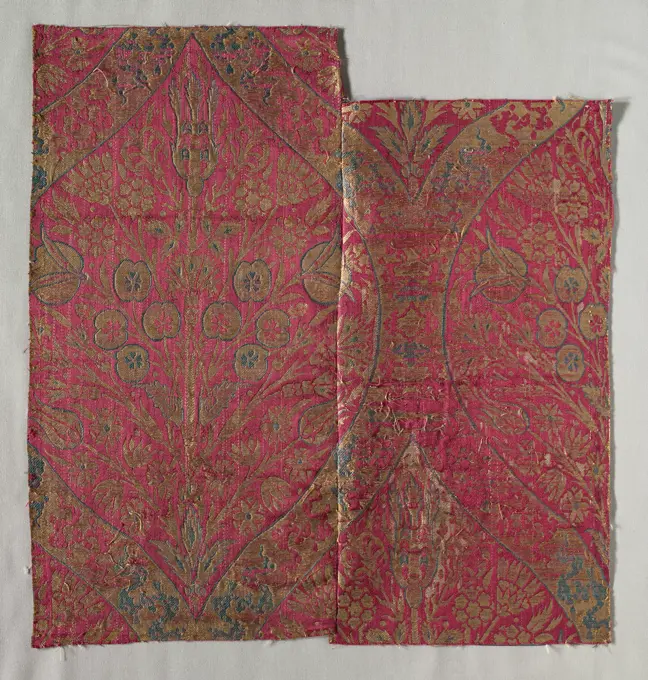
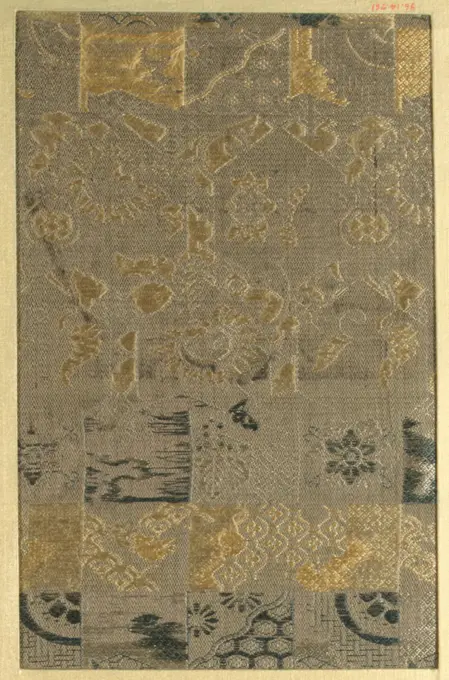
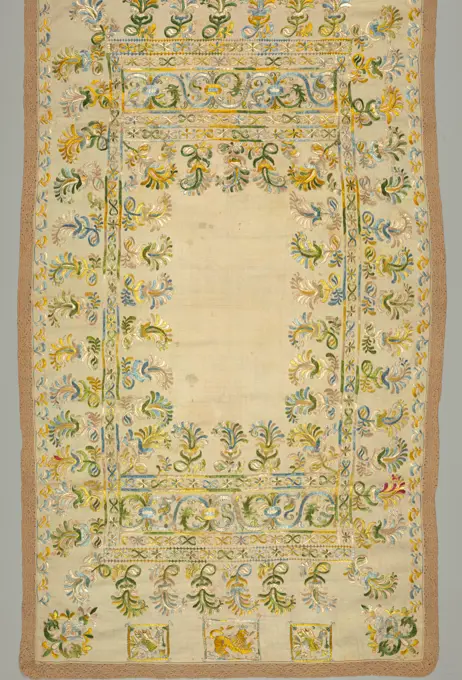
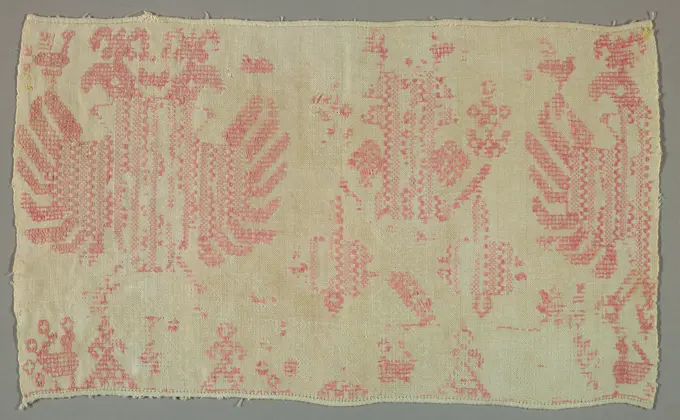
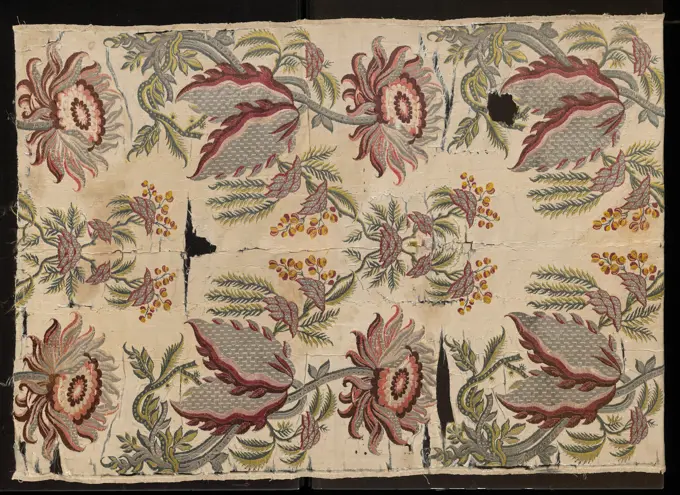
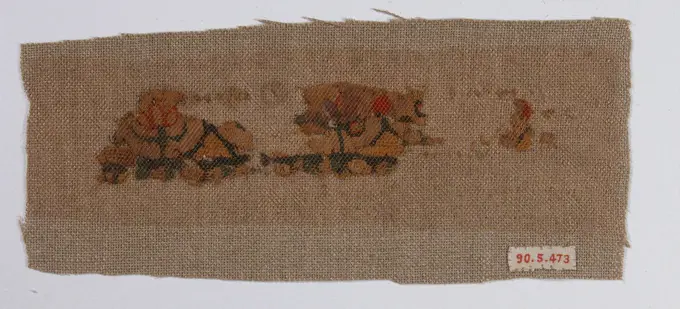
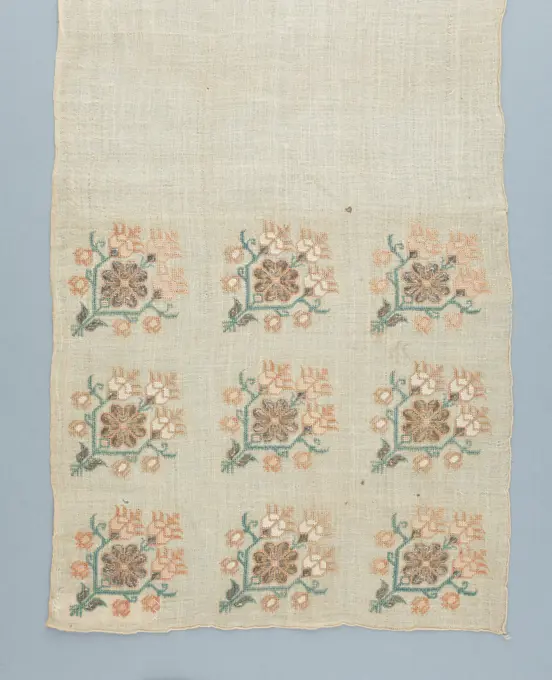
Intricate textile fragments featuring embroidered floral patterns, showcasing historical craftsmanship from various regions including Japan and Turkey.

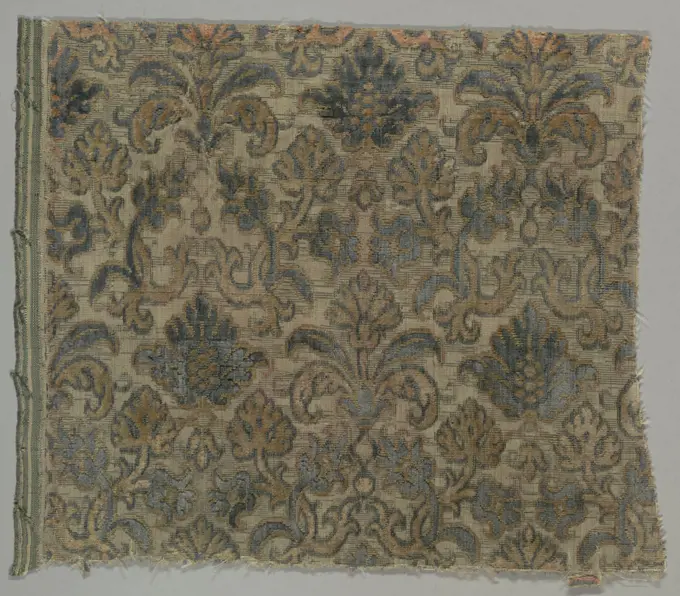
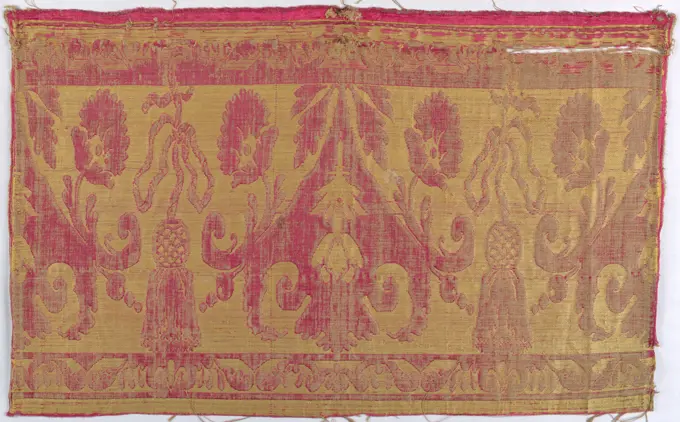
Fragment, Medium: silk Technique: supplementary warp pile (velvet), Three fragments of cut and uncut silk velvet in small scale stylized patterns., Italy, 16th-early 17th century, woven textiles, Fragment
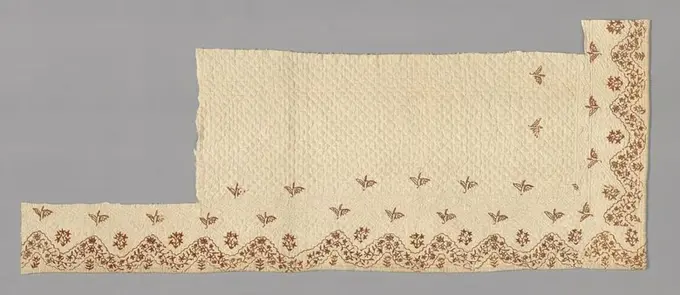
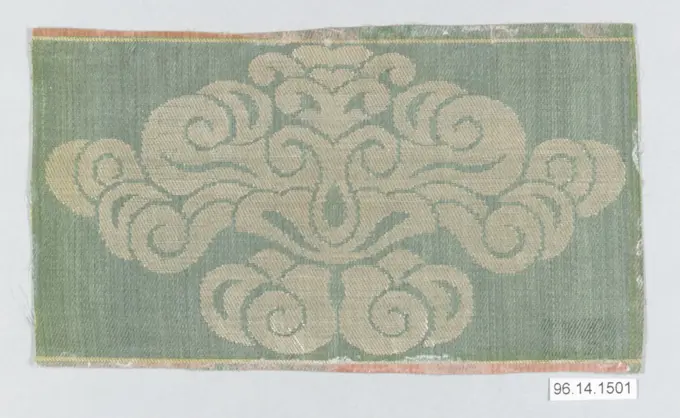
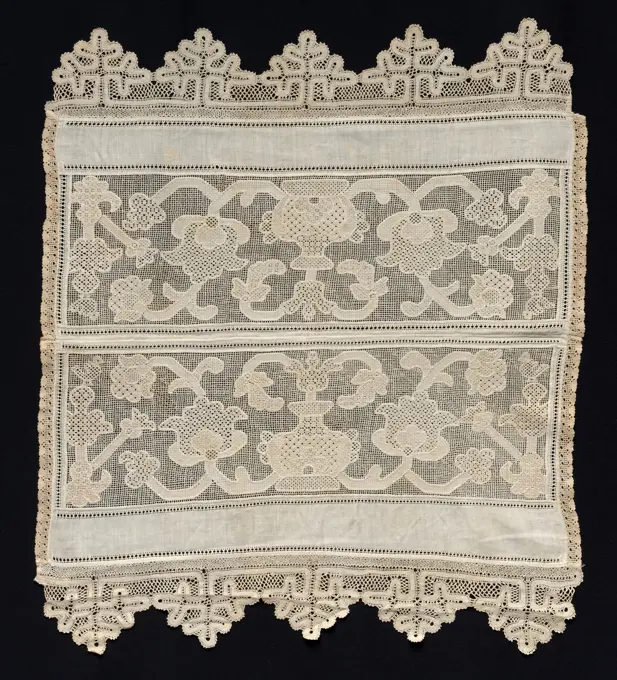
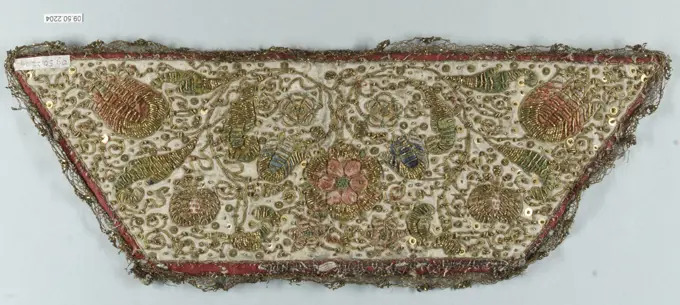
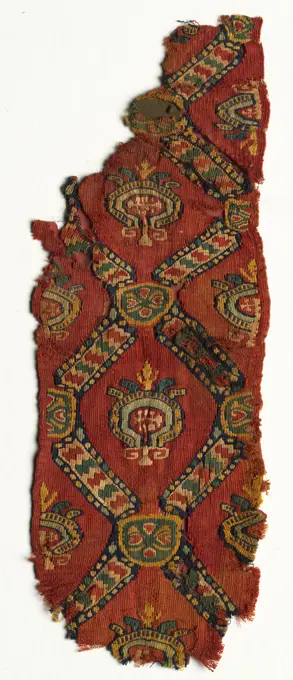
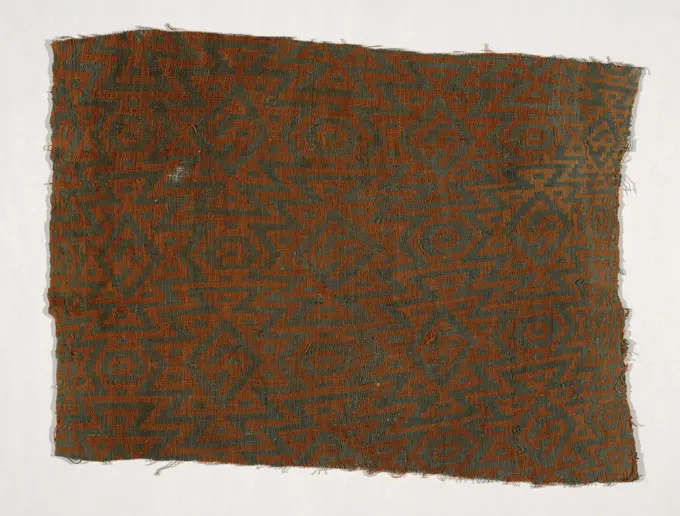
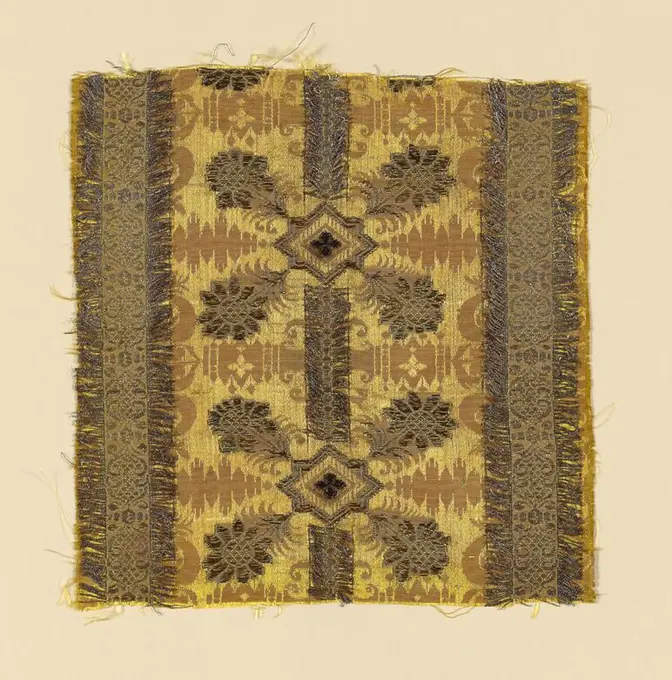
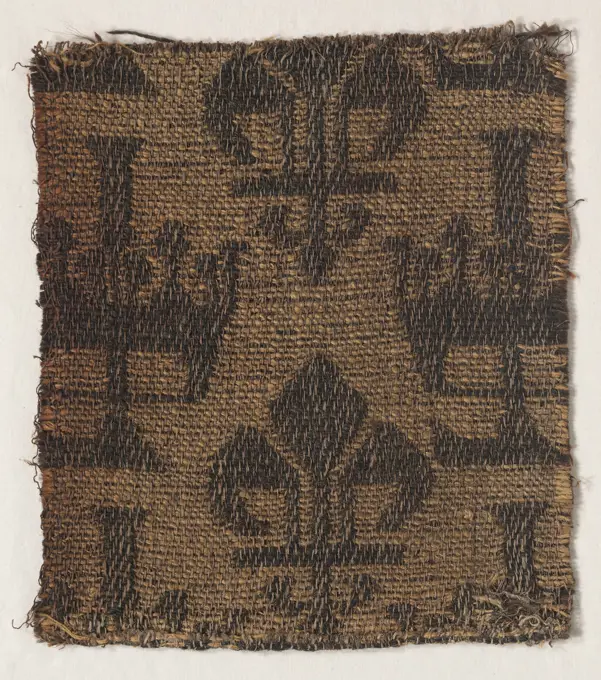
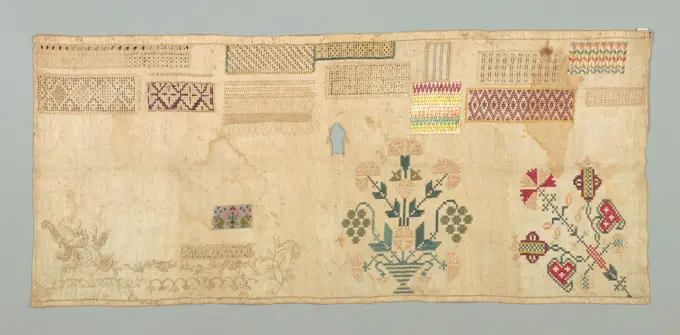
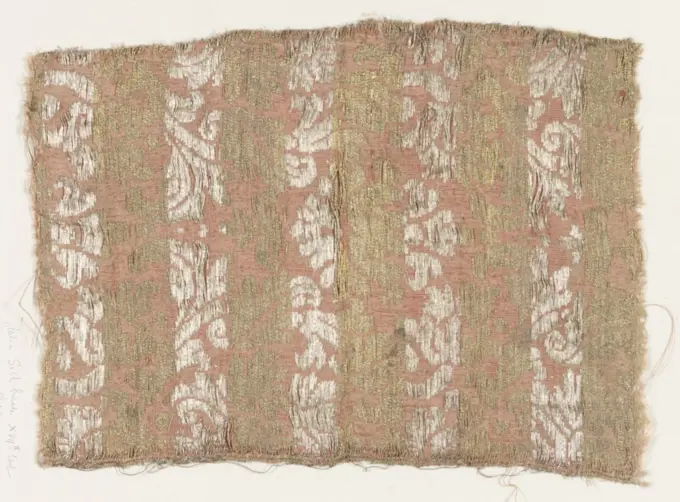
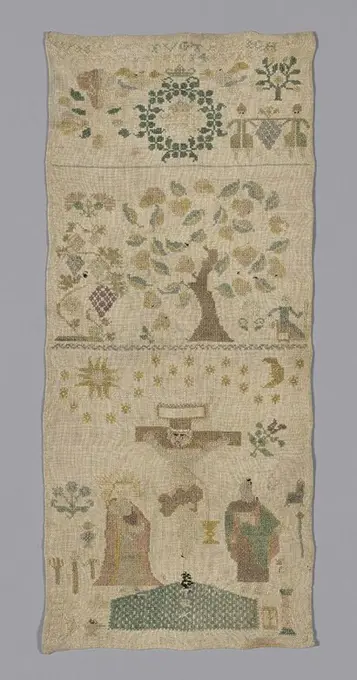
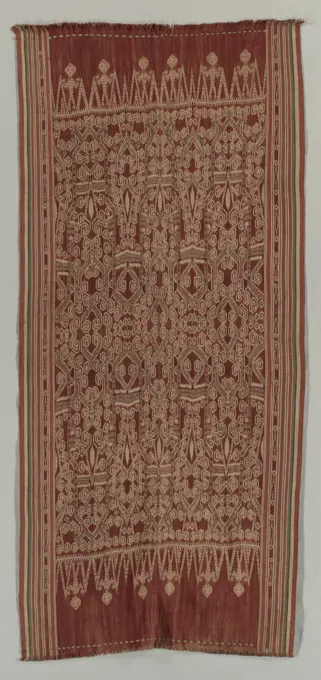
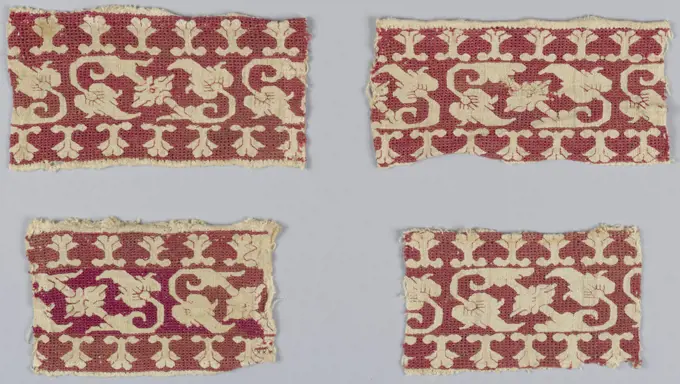
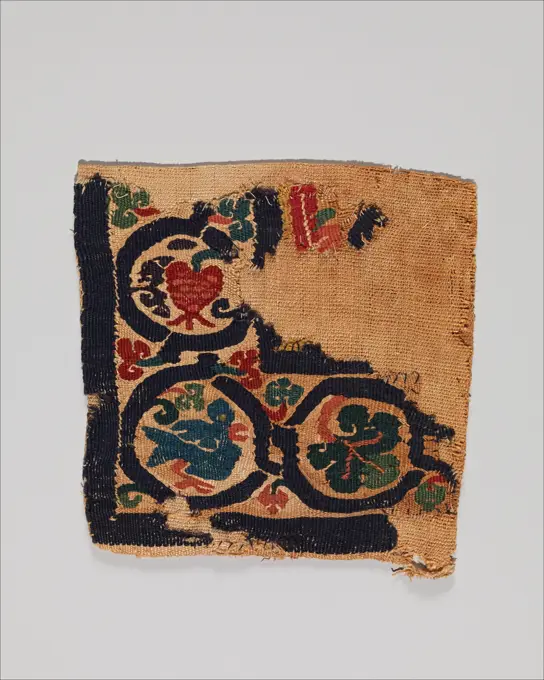
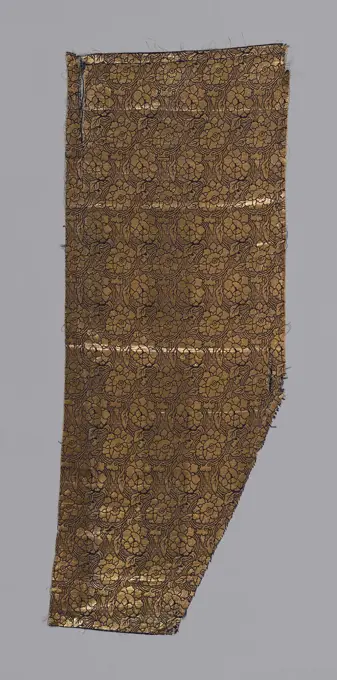
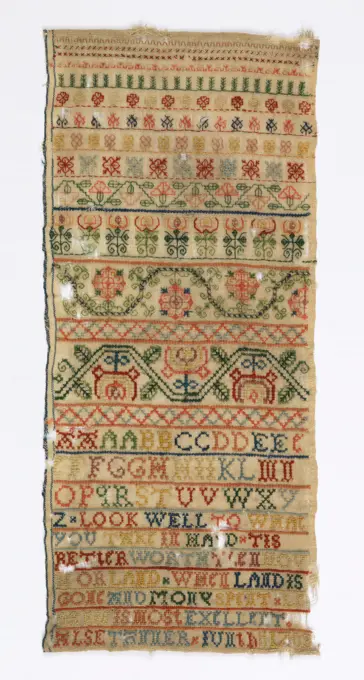
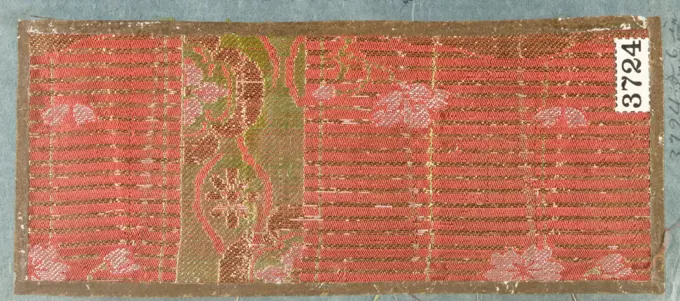
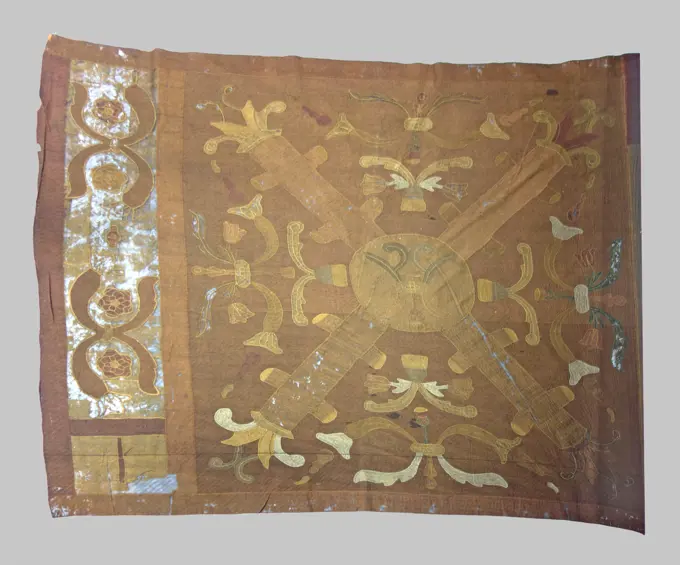
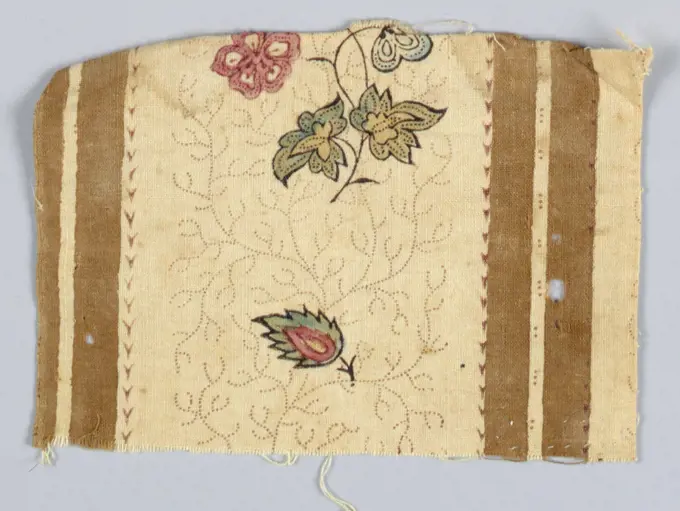
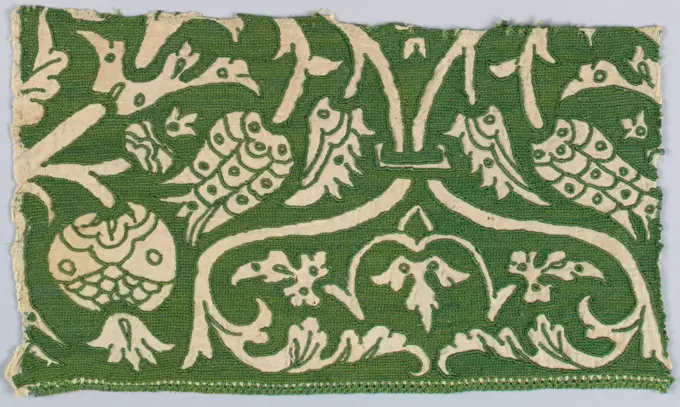
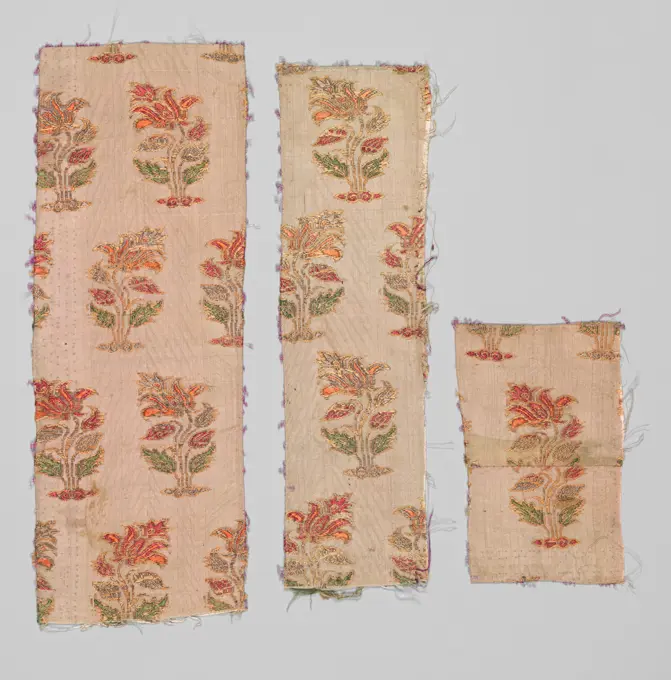
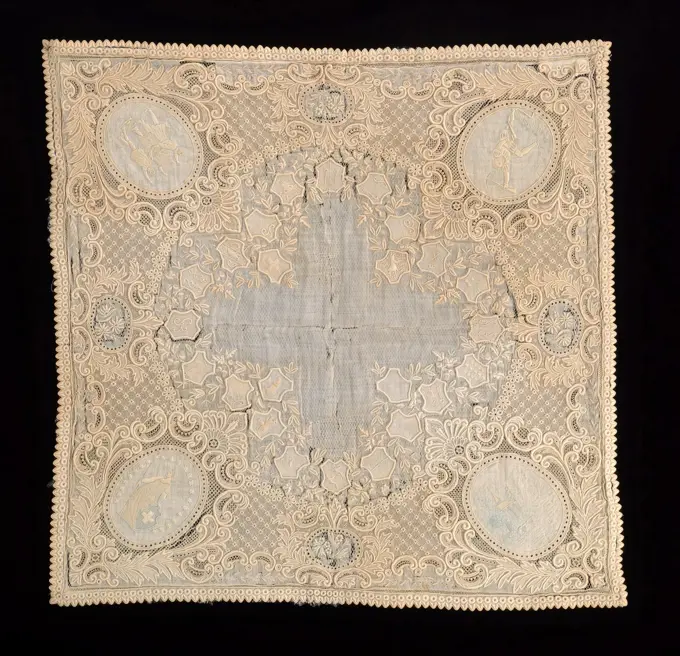
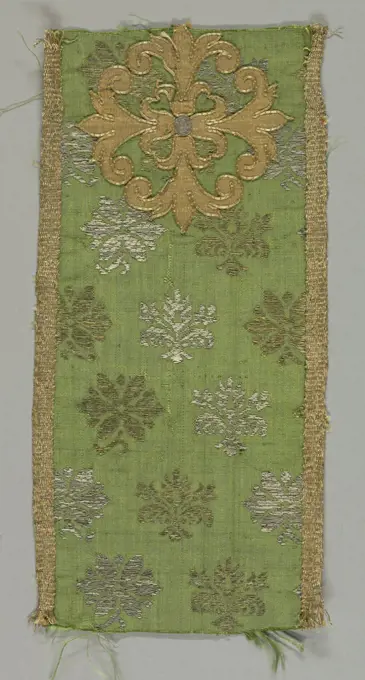
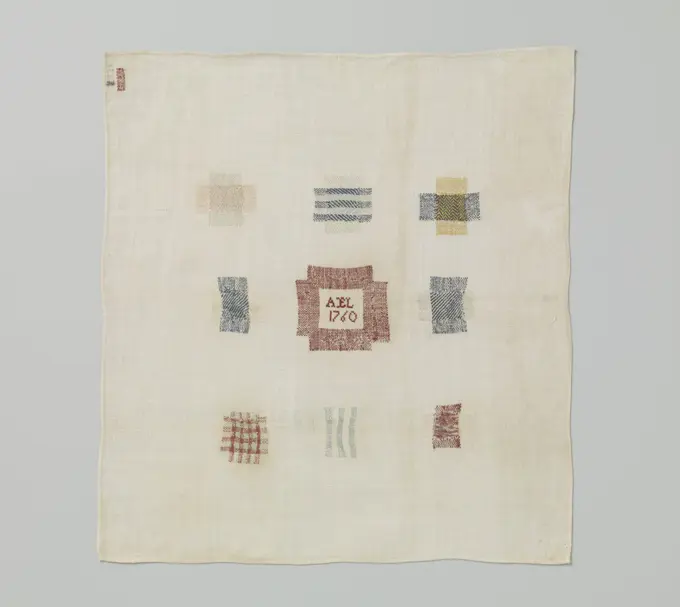
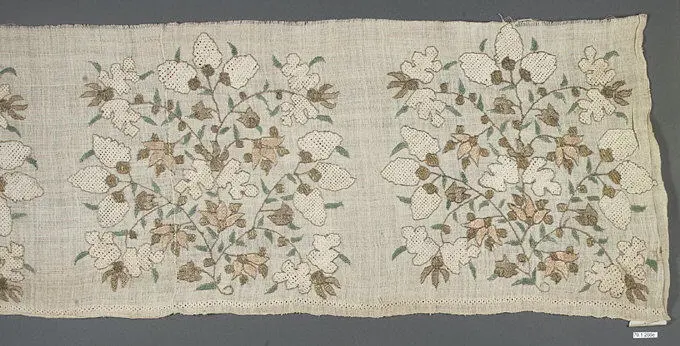
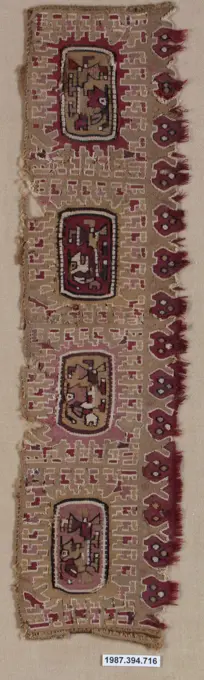
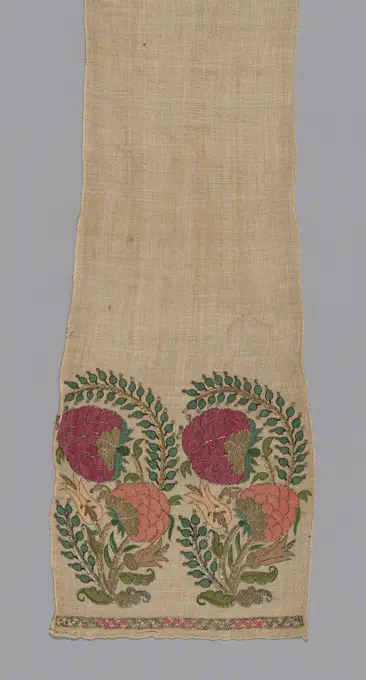
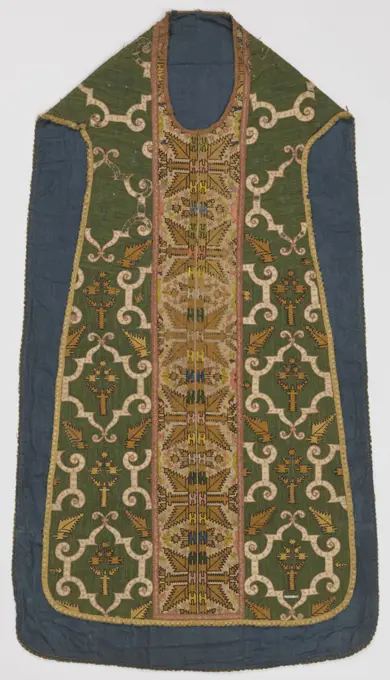
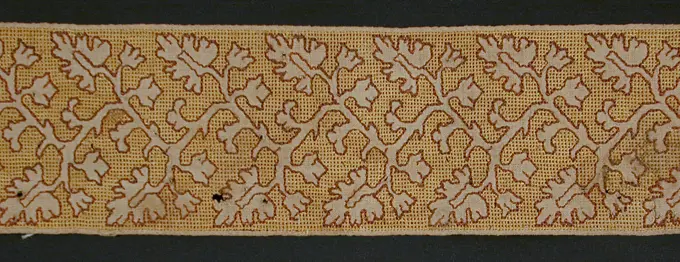
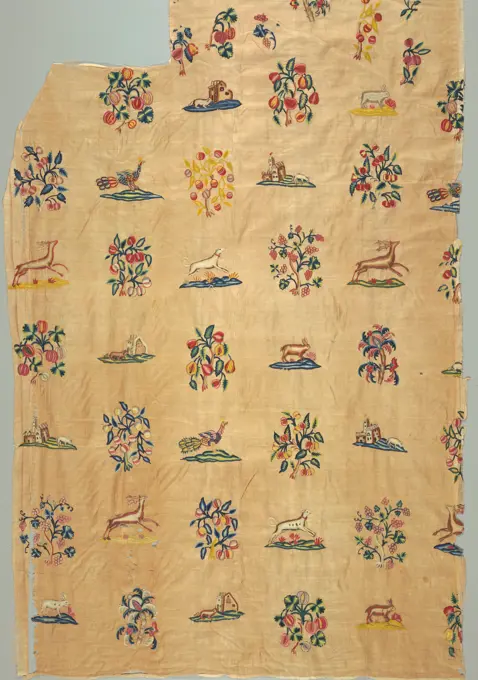
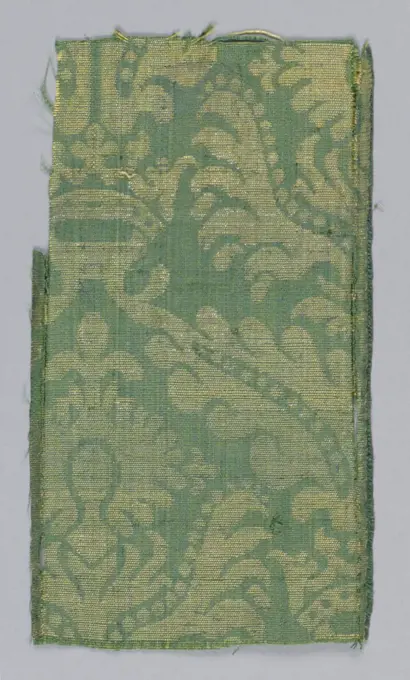
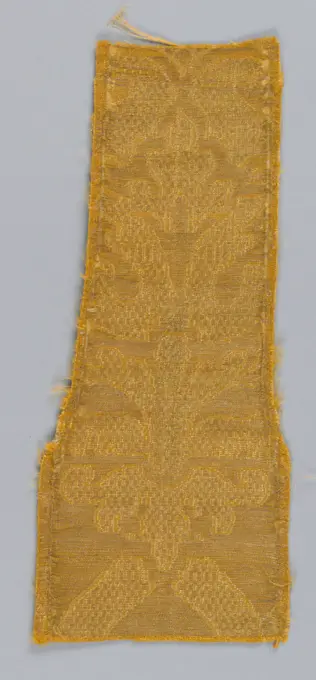
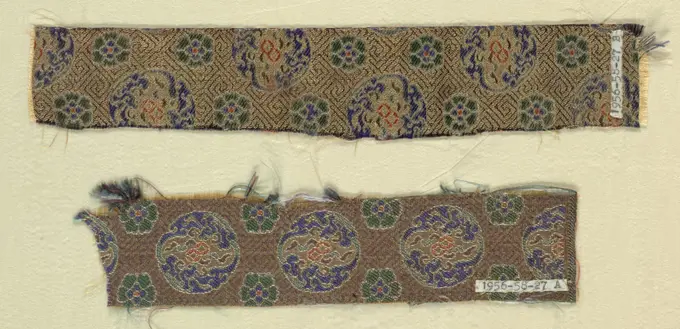
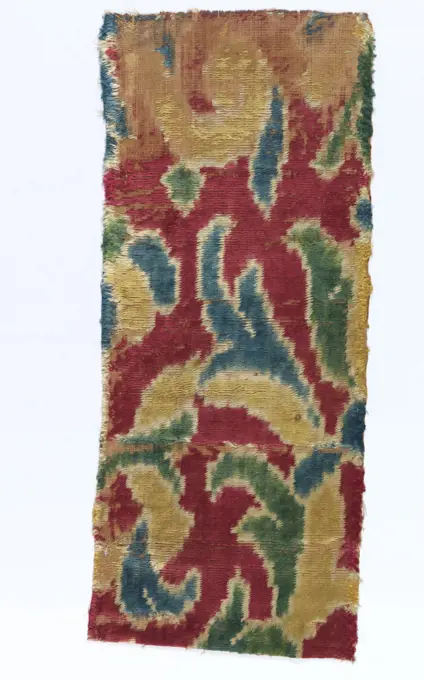
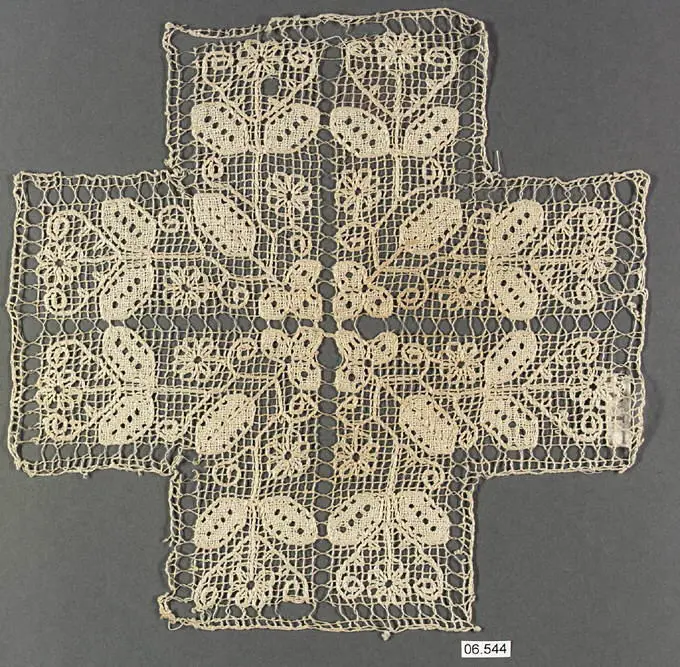
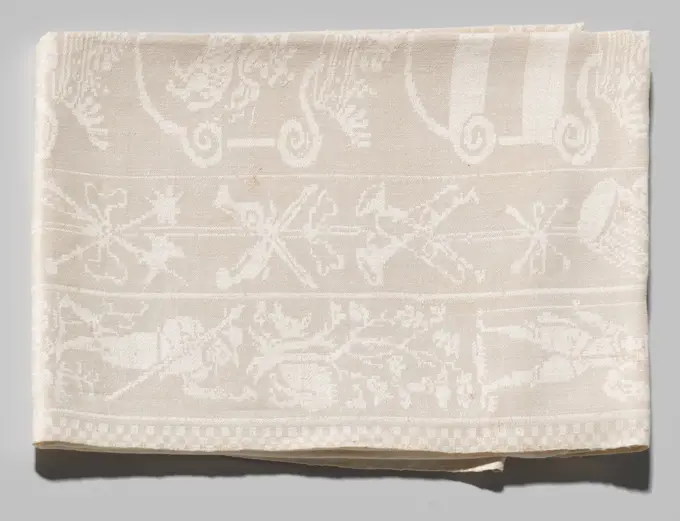
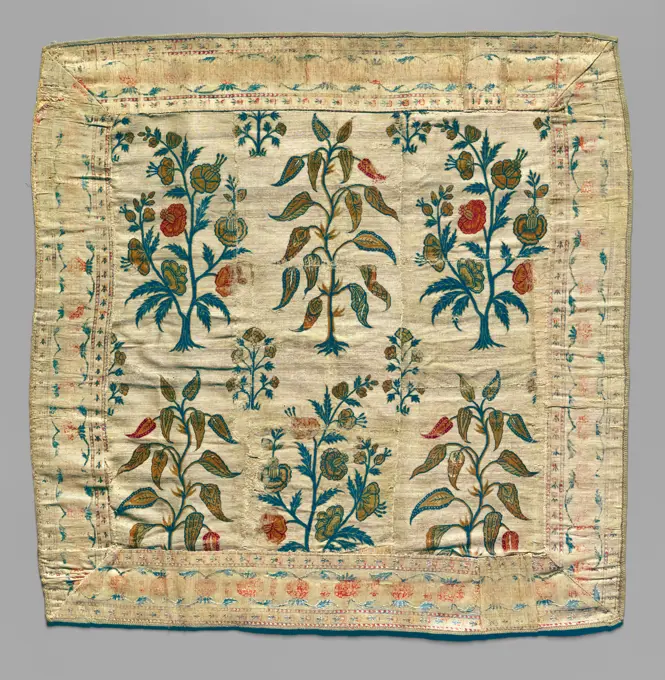
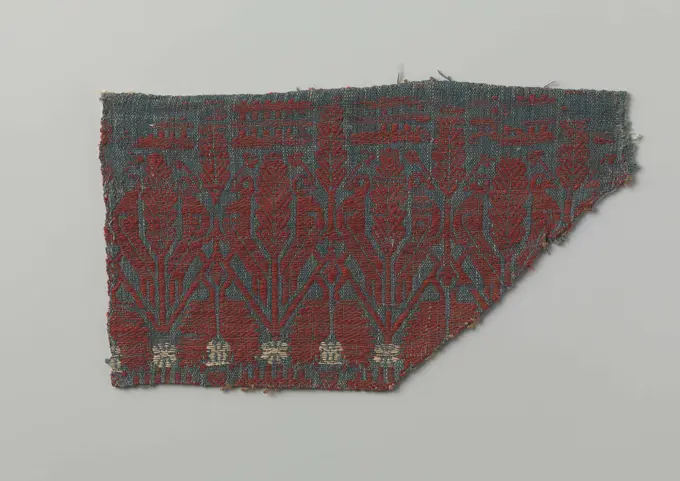
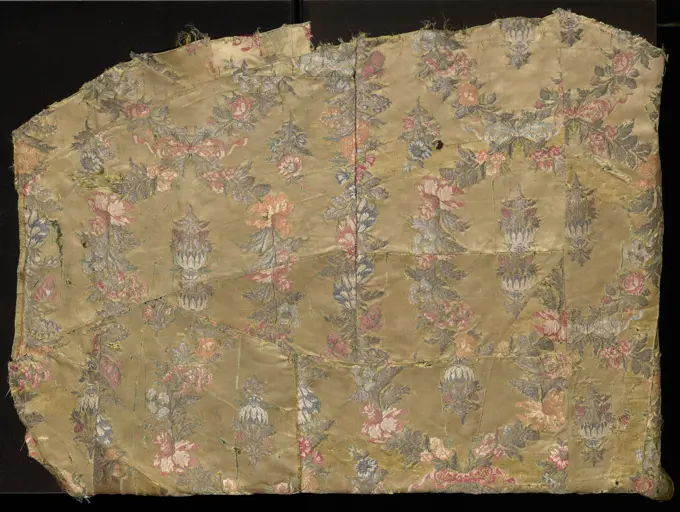
Fragment (half) of embroidered sash unknownFragments from a Bedcover made of Petticoat Borders. France. Date: 1775-1800. Dimensions: 82 × 206.5 cm (32 3/8 × 81 1/4 in.). Cotton, plain weave; embroidered with wool threads in chain stitch; quilted. Origin: France. Museum: The Chicago Art Institute, Chicago, USA.Piece 17th century Japan. Piece. Japan. 17th century. Silk. Textiles-WovenEmbroidery, 1800s, Turkey, maker unknown. Bequest of Mrs Alec Tweedie, 1940.Fragment, Medium: silk Technique: supplementary warp pile (velvet), Three fragments of cut and uncut silk velvet in small scale stylized patterns., Italy, 16th-early 17th century, woven textiles, FragmentEmbroidered band sampler 1676 British Band samplers are composed of horizontal rows ("bands") of embroidered patterns stitched along the linen foundation fabric. Many of the patterns stitched onto band samplers can be traced to sixteenth-century pattern books, and often include depictions of fruit, flowers, and geometric patterns. The top portion of the sampler consists of whitework, while the rest utilizes colored silk threads. The letters HB and the year 1676 are stitched onto the linen, most likely the initials of the maker and the year in which she completed her work.. Embroidered band sampler 228291Chasuble. Italy, Florence, circa 1580. Costumes; ecclesiastical. Silk velvet, embossed, silk plain weave with silk velvet appliqué, silk cordJoined Towel Ends with Floral Motifs, 19th century. Russia, 19th century. Cutwork and drawnwork: linen; straight (continuous) bobbin lace (tape lace) edging; overall: 55.8 x 48.1 cm (21 15/16 x 18 15/16 in.). The tradition of stylized floral motifs in Russian lace originates in Flanders: Russian lace makers were inspired by the floral designs of tulips and carnations popular in Flemish lace.Panel late 18th-early 19th century German or Swiss. Panel 216998Fragmentary Ornament from a Tunic with Lozenges and Medallions, mid 700s - mid 800s. Egypt, Abbasid period, mid-8th to mid-9th century. Tapestry weave; wool and linen; overall: 33 x 12.1 cm (13 x 4 3/4 in.).Fragment Made 900 CE-1476 Peru. Cotton, plain weave, double cloth .Fragment. Italy. Date: 1601-1650. Dimensions: 23.45 x 22.5 cm (9 1/4 x 8 7/8 in.). Silk and silvered-metal-strip-wrapped silk, warp-float satin faced satin weave self-patterned by areas of plain weave with supplementary brocading wefts and some forming weft uncut fringe on surface. Origin: Italy. Museum: The Chicago Art Institute, Chicago, USA.Fragment of cloth depicting knightsWool Damask, 1600s - 1700s. France, 17th-18th century. Damask; wool; overall: 34 x 30 cm (13 3/8 x 11 13/16 in.).Pillow Cover Made 1601-1800 Rhodes. Linen, plain weave; embroidered with silk in cross and four-sided stitches; joined with silk, needle-made oblique interlacing .Merklap of colored silk on cotton muslin., A.C. van Duuren, c. 1800 - c. 1820 Brand patch from silk on cotton. The embroidery has two rows of cartouches with inscriptions in midfield, underneath the weapon of Amsterdam with an oak tree with initials IA and a stylized flower pattern with initials AR. A border with different alphabets and monograms runs all around. Amsterdam (possibly) cotton (textile). silk embroidering Brand patch from silk on cotton. The embroidery has two rows of cartouches with inscriptions in midfield, underneath the weapon of Amsterdam with an oak tree with initials IA and a stylized flower pattern with initials AR. A border with different alphabets and monograms runs all around. Amsterdam (possibly) cotton (textile). silk embroideringSampler (Mexico); silk, linen, and beads on canvas; 1976-100-14Towel end, Medium: silk, metallic thread Technique: satin and running stitch embroidery, Towel end embroidered in a design of flowers and leaves on a curving stem repeated four times. A narrow border shows drawnwork with a darned motif of triangular shapes., Turkey, 19th century, embroidery & stitching, Towel endFragment 17th century Italian. Fragment 230471Sampler. Germany. Date: 1778. Dimensions: 52.1 x 22.8 cm (20 1/2 x 9 in.). Linen, plain weave; embroidered with silk. Origin: Germany. Museum: The Chicago Art Institute, Chicago, USA.Pua (Ceremonial Blanket), late 1800s-early 1900s. Indonesia, Borneo, Sarawak Region, Iban Dyak tribe, late 19th-early 20th century. Plain weave cotton; ikat dyed; overall: 197.5 x 88.6 cm (77 3/4 x 34 7/8 in.).Band, Medium: linen, silk Technique: stem stitches tightly pulled to create openwork in plain weave; warps and wefts in groups of three, Four fragments of a band with a repeating pattern of a curved vine in reserve on a natural colored ground with a red embroidered background., Italy, 17th century, embroidery & stitching, BandFragment of a Tabula (Square) with Birds and Pomegranates in a Vine Scroll 5th-7th century Tunics and domestic furnishings were often decorated with orbiculi and tabulae (round and square medallions), frequently arranged in pairs. Birds and vine scrolls were popular motifs of abundance, the use of which continued from the classical world into later Byzantine and Islamic art. The dramatic black vine scroll on this tabula fragment is inhabited by a blue aquatic bird and a pomegranate.. Fragment of a Tabula (Square) with Birds and Pomegranates in a Vine Scroll 445905Hanging 18th century. Hanging 450482Textile (Spain); linen warp, cotton weft; Warp x Weft: 49.5 x 29.8 cm (19 1/2 x 11 3/4 in.)Fragment side lamps with pattern of cherubs. Fragment of three pieces of beige-yellow silk assembled together with pattern in green, gold, red () And white of cherubs.Textile (England); cottonGold Brocade, 1575-1600. Turkey, last quarter of the 16th century. Silk: compound weave, metal thread weft, brocading; average: 46.4 x 43.8 cm (18 1/4 x 17 1/4 in.).Piece 18th-19th century Japan. Piece 66485Towel Made 1801-1900 Turkey. embroidered .Piece of fabric. unknown, authorFragment, Medium: silk Technique: cut and uncut supplementary warp pile (velvet) in a woven foundation, Fragment of gray-blue and rose cut and uncut velvet on a ground shot with metallic thread in a small-scale pattern of palmettes and flowers., Italy, 16th-17th century, woven textiles, FragmentPiece 18th-19th century Japan. Piece 67317Table Cover (Spain); linen, silkHandbag (in process), late 19th century, 25 3/4 x 17 1/2 in. (65.41 x 44.4 cm), Canvas, beads; needlework, United States, 19th centuryFragment of polychrome velvet 17th century Italian. Fragment of polychrome velvet 216939Fragment Made 1601-1625 Spain. Silk and gilt-metal-strip-wrapped silk, warp-faced plain weave with supplementary patterning wefts and supplementary brocading wefts .Panel Made 1701-1800 Japan. Plain compound twill, silk, and gilt paper . AnonymousSampler (England); Embroidered by Alls Tanner (English); wool embroidery on wool foundationFragment Made 1801-1900 Japan. Single plain compound cloth, silk & silvered paper; 2 strips to m.m. .Textile Sample from Sample Book 19th century Japan. Textile Sample from Sample Book 68201Needlepoint (Drawnwork) Lace Fragment, 16th-17th century. Italy, Sicily, 16th-17th century. Lace, needlepoint: linen; average: 30.5 x 37.9 cm (12 x 14 15/16 in.).Towel Scarf, 18th century, 35 x 18 3/4 in. (88.9 x 47.6 cm), Linen; needlework, Turkey, 18th centuryArmenian sash unknownCorporation Banner of Crossbow Guild late 17th century Flemish. Corporation Banner of Crossbow Guild. Flemish. late 17th century. Silk. BannersFragments with Eight-Pointed Star (Two Pieces), before 1966. Iran (). Silk: compound weave; overall: 70.2 x 54.6 cm (27 5/8 x 21 1/2 in.).Chasuble, embroidered unknownFragment (Spain); cotton or linen; Bequest of Marian Hague; 1971-50-109Fragment, Medium: cotton Technique: printed by engraved copper plate on plain weave, Small off-white fragment with two brown stripes on either side. The central off-white stripe is printed with a flower spray and leaf in red, blue, yellow and black. A very fine trailing vine in brown picotage forms the background pattern., England, early 19th century, printed, dyed & painted textiles, FragmentBorder 18th century Hungarian (Slovakia). Border 215361Band (Italy); silk on linenThree Textile Fragments ca. 1700. Three Textile Fragments. ca. 1700. Silk and metallic thread; brocaded. Country of Origin India. Textiles-BrocadesHandkerchief third quarter 19th century Swiss The extremely detailed subject matter of this handkerchief suggests that it was possibly worked for a special, commemorative occasion. The dense embroidery is combined with other decorative techniques to create an elaborate, customized piece.. Handkerchief 157519Fragment. Italy. Date: 1601-1700. Dimensions: 14 x 11.3 cm (5 1/2 x 4 7/16 in.). Silk. Origin: Italy. Museum: The Chicago Art Institute, Chicago, USA.Fragment, Medium: silk and metal Technique: appliqué of quatrefoil shape with couched metallic edging on silk and metal brocaded plain weave, Fragment of a stole or maniple. Gold quatrefoil on fabric of green ground with white (originally silver) and gold floral shapes. Edged with woven metallic tape., 17th century, embroidery & stitching, FragmentMulticolored Silk Stopplap on Linen, 1760 Stop patch with embroidery. The embroidery has the year 1760, the initials AEL and Kleine stop.  linen (material). silk embroidering Stop patch with embroidery. The embroidery has the year 1760, the initials AEL and Kleine stop.  linen (material). silk embroideringTextile Fragment early 19th century. Textile Fragment 443065Coif. England. Date: 1601-1625. Dimensions: 21 × 40 cm (8 1/4 × 15 3/4 in.). Linen, plain weave; cut and drawn work in antique hem, double-rowed openwork, interlocking lace, overcast, and satin stitches; darned and overcast bars; darned and woven wheels; darned squares; woven picots; embroidered with silk and linen in bullion, satin and square chain stitches; buttonhole wheels and eyelet holes; edged with buttonhole loops. Origin: England. Museum: The Chicago Art Institute, Chicago, USA.Towel or Napkin (Altered) Made 1801-1900 Turkey. Embroidered .Cuff Band 7th-8th century Moche-Wari. Cuff Band. Moche-Wari. 7th-8th century. Camelid hair, cotton. Peru, Huarmey province (), Marañón River. Textiles-WovenSash Made 1750-1800 Turkey. Sash, rose spray designs at ends. .Chasuble, Medium: linen warps, silk wefts Technique: embroidery, couching and satin appliqué on plain weave, Chasuble of grass-green linen with symmetrical design in Renaissance tradition of applique white satin arabesques outlined with couched pink cord and applique stylized plant forms cut from rosettes similar to those in pillars, in gold-colored silk cross-stitch. Embroidered white linen Pillars with vertical row of elaborate geometrical rosettes in gold-colored silk cross-stitch and floral fillings in pastel silks. Lined in dark blue glazed linen. Narrow linen galloons of period., 17th century, embroidery & stitching, ChasubleEmbroidered Band. Italy, 17th century. Textiles; embroidery. Linen plain weave with silk thread embroideryPiece 18th-19th century Japan. Piece 67743Fragment (France); crewel wool on cottonFragment, Medium: silk and metallic Technique: woven, Incomplete design of decorative leaves, crown and palmette in metallic gold on green background., 17th century, woven textiles, FragmentScarf, 1800s. Iran, 19th century. Twill and tabby weaves, brocaded; overall: 183.5 x 120.7 cm (72 1/4 x 47 1/2 in.).Fragment; silk, metallicBands (From Tunic Cuff) Made 301 CE-600 CE Egypt. Wool, tapestry weave . Ancient EgyptianPiece 16th-17th century Italian. Piece 215552Textile, China, 18th-19th century, woven textiles, TextileFragment, Medium: silk Technique: double cloth with cut and uncut supplementary warp pile, warps resist-dyed before weaving, Double velvet weave with dark red on one side and a foliate pattern in blue, yellow, green and white ikat on a red ground., Central Asia, early 19th century, printed, dyed & painted textiles, FragmentMedallion 16th-17th century Italian or French. Medallion 212765Piece 18th-19th century Japan. Piece. Japan. 18th-19th century. Silk. Textiles-WovenTextile Fragment 17th century. Textile Fragment. 17th century. Silk. Attributed to Iran. Textiles-WovenFragment 18th century Italian, Burano. Fragment 214843Fragment of a multicolor side of Mexicaine. Two knitted fragments of silk tissue. Red stripes, wet woven cubes, divide the cream-colored silk soil in stripes, on which multicolored loose bouquets are woven. Note: Self edors on the seam 6 mm in the solid bond.Piece 16th-17th century Italian. Piece 223391Border; silk and linenFragment, Medium: silk Technique: compound weave with supplementary weft patterning (brocade), Fragment of silk with white horizontally ribbed ground brocaded in blue, orange and pink silk. Design of lace-like serpentines and large foliage with flowers. Selvage present., France, early 18th century, woven textiles, FragmentNapkin with the coat of arms of Christiaan IV van Denmark and the monogram Cak, Passchier Lammertijn, 1602 Linnamast napkin with the weapon of Christiaan IV van Denmark and the monogram Cak. Midfield: Asmetric pattern with two crowned coats of arms; The upper with the weapon of Christiaan IV, the lower with the monogram of Christiaan and Anna Katahrina van Brandenburg (CAK). Around sixteen shields with weapons of his areas, including Denmark, Norway, Sweden, Bergen. Double edges: the outer with pig, hare and deer show, falconers, hunters with pigs; The inner with navigation emblems, Roman and 17th-century trophies, muskettes and cannon. Round: Blocking edge. Double open hem. Haarlem linen (material) damask Linnamast napkin with the weapon of Christiaan IV van Denmark and the monogram Cak. Midfield: Asmetric pattern with two crowned coats of arms; The upper with the weapon of Christiaan IV, the lower with the monogram of Christiaan and Anna Katahrina van Brandenburg (CAK). Around sixteeBand, Medium: silk on linen Technique: embroidered, Small border with green fringe and yellow ribbons, embroidered with pink silk in an all-over lace pattern., Europe, 18th century, embroidery & stitching, BandFragment 16th-17th century Italian. Fragment 230540Textile Fragment with Chili Pepper and PoppyPlantsHandkerchief 19th century French. Handkerchief 212534Fragment figurated tissue in linen and wool. Fragment with blue fond in red a stylized pattern of trees, pairs of birds, rosettes.Fragment, Medium: wool, linen Technique: tapestry weave, Tapestry weave fragment showing green and purple design on undyed ground; figures and animals within guilloche interlace; at bottom, an advancing wave border, Egypt, 500-700, woven textiles, FragmentFragment of an Eastern carpet, c. 1600 - c. 1625 Fragment, left edge of an oriental carpet, flower and tifle carpet. In midfield there are tenders with lotus and palm flowers against an indigo stock. The inner hem is decorated with a wavy flower drink.  wool. cotton (textile) Fragment, left edge of an oriental carpet, flower and tifle carpet. In midfield there are tenders with lotus and palm flowers against an indigo stock. The inner hem is decorated with a wavy flower drink.  wool. cotton (textile)Velvet Fragment, late 1500s - 1600s. Italy, late 16th - 17th century. Velvet (cut and uncut); silk; overall: 36.1 x 16.7 cm (14 3/16 x 6 9/16 in.).Fragments with Griffins in Roundels, before 1966. Iran or Iraq, in the style of the Seljuq period (1037-1194). Silk: lampas weave; overall: 34.2 x 17 cm (13 7/16 x 6 11/16 in.).Merklap with double grape tray, alphabet and text all around. Year 1773 .. Merklap with embroidery. The embroidery has the year 1773, a double grapentros, the alphabet and text all around. The pattern is symmetrical and partially mirror image. The LAP is connected by an intermediate site with a brand steak with INFNR. BK kog-2672.Elongated scarf with a natural mirror, on the short side a wide edge with ten upright botas and on the long side a narrow band with small flowers, anonymous, c. 1830 - c. 1840 Elongated scarf of wool and silk with an unadorned natural mirror, on the short side a wide edge with ten upright -to -right curled botas with flower motifs, framed by two narrow tires with fine leaves. Smaller Botas, interspersed with leaf motifs. On the long side a narrow sewn -down band with small blue and yellow flowers. Paisley (possibly) whole: Wool. whole: Silk Elongated scarf of wool and silk with an unadorned natural mirror, on the short side a wide edge with ten upright -to -right curled botas with flower motifs, framed by two narrow tires with fine leaves. Smaller Botas, interspersed with leaf motifs. On the long side a narrow sewn -down band with small blue and yellow flowers. Paisley (possibly) whole: Wool. whole: SilkFragment of the fabric;  18th century (1701-00-00-1800-00-00);Tarasowicz, Helena and Konstanty - collection, gift (provenance), fabricsStrip application side with emperor crown and iris, anonymous, c. 1800 - c. 1809 Strip of natural -colored application side: needle side - Brussels mesh side - Applicated on mechanical tulle. Pattern with emperor crown and iris. The strip is probably intended or used as a dress strip. Brussels linen (material) Brussels Gaze Point Strip of natural -colored application side: needle side - Brussels mesh side - Applicated on mechanical tulle. Pattern with emperor crown and iris. The strip is probably intended or used as a dress strip. Brussels linen (material) Brussels Gaze PointTextile; silk, metallicTrimming Fragment (France); silkFragment, Medium: linen, silk Technique: needlework on gauze weave, Fragment of a border with a red floral vine pattern on gauze weave., Italy, 16th-17th century, embroidery & stitching, FragmentGallon;  19th century (1801-00-00-1900-00-00);Fragment of the fabric;  1. PO. 18th century (1730-00-00-1735-00-00);fabricsTextile Fragment 5th century. Textile Fragment 443959