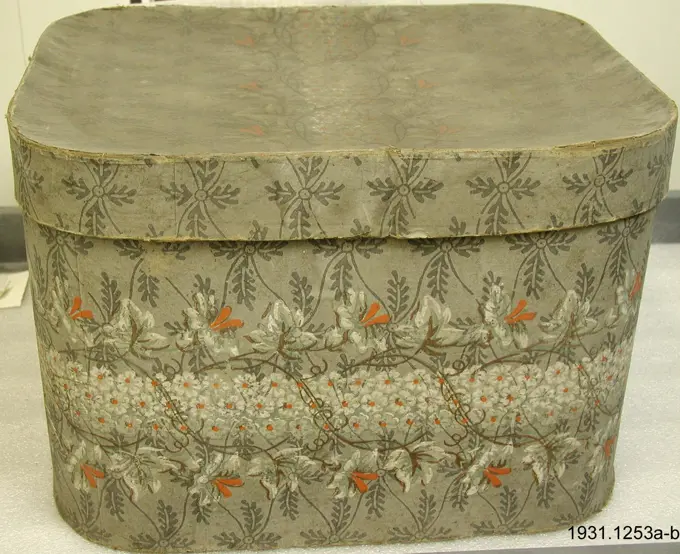
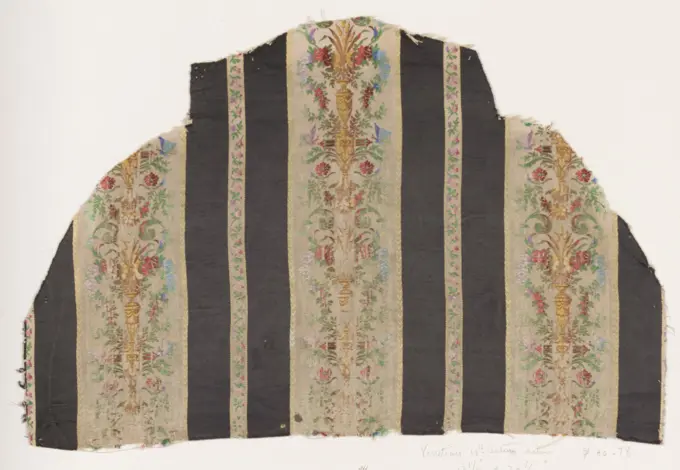
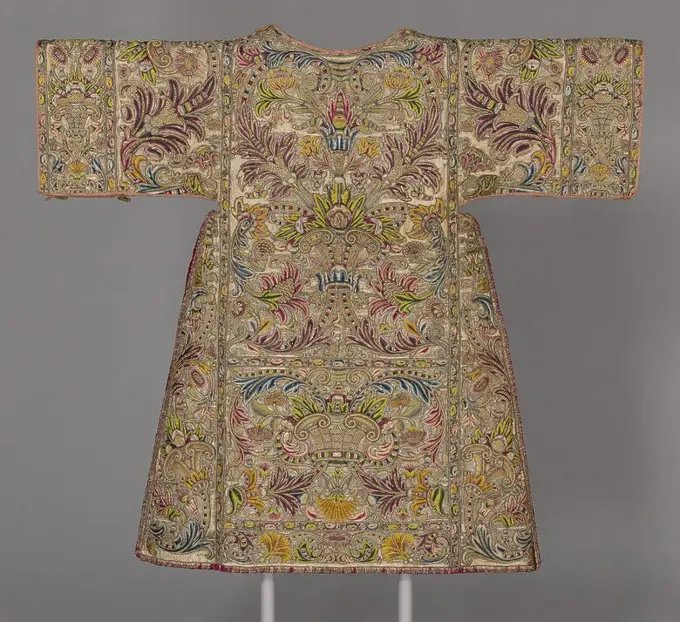
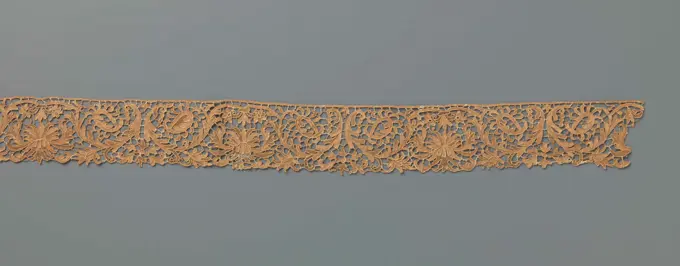
Embroidered Textile Fragments

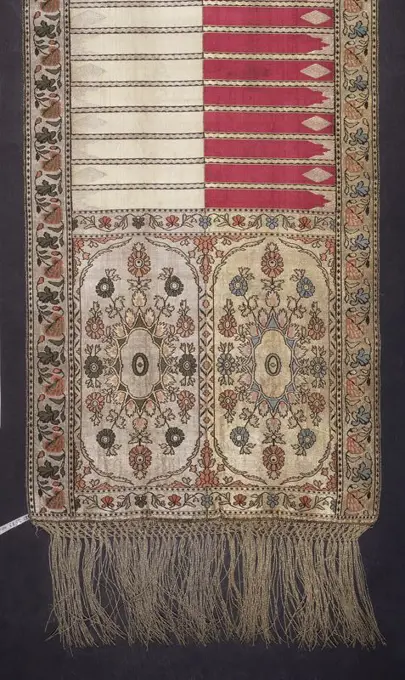
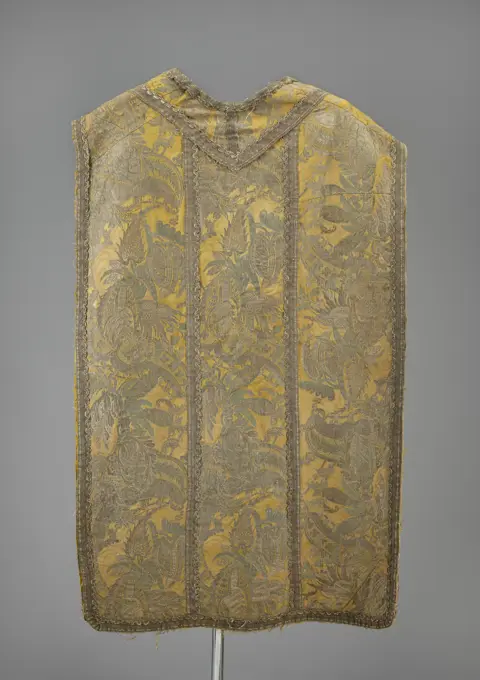
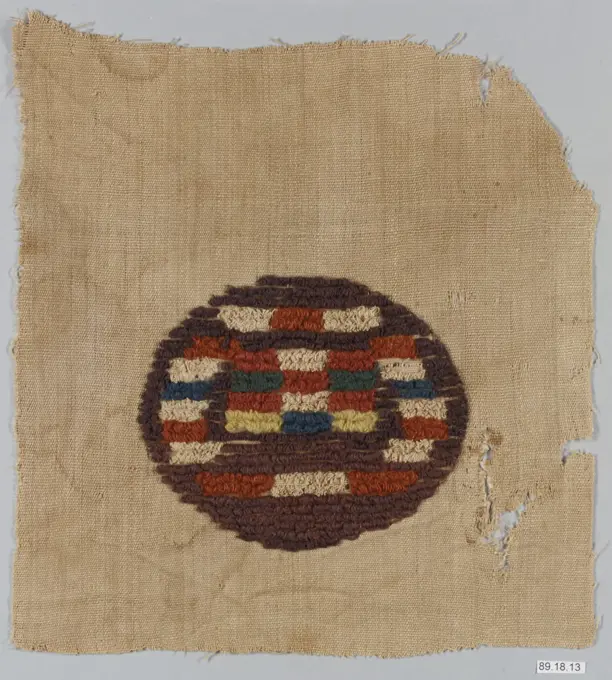
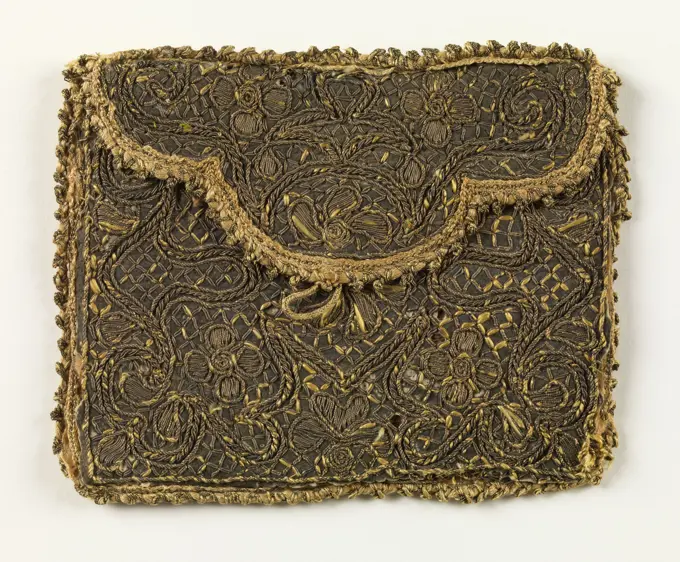
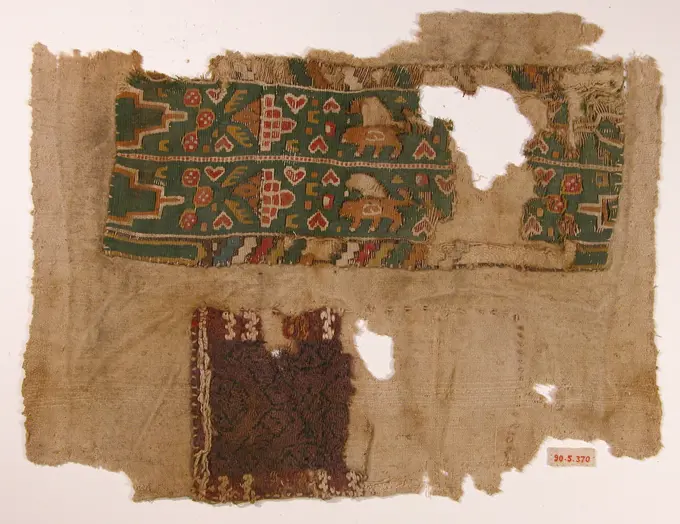
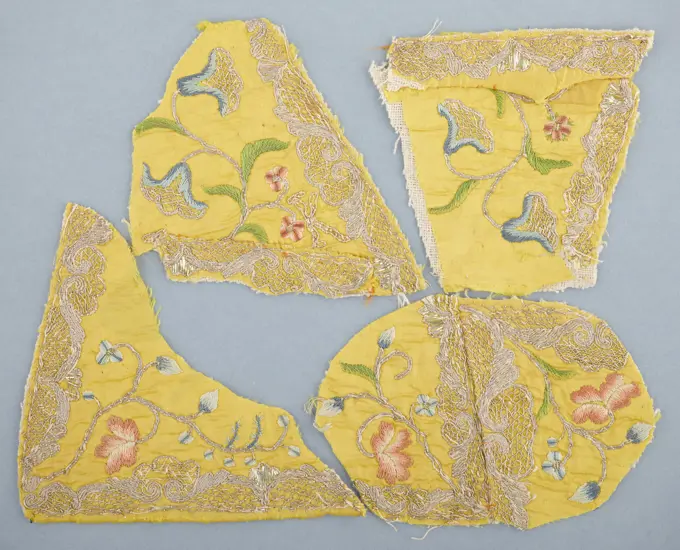
Intricate textile fragments featuring embroidered floral patterns, showcasing historical craftsmanship from various regions including Japan and Turkey.

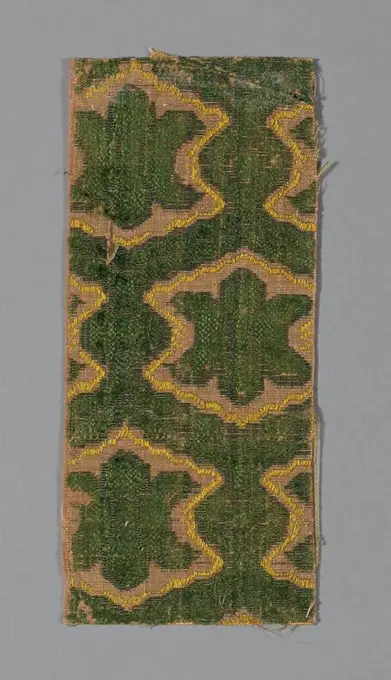
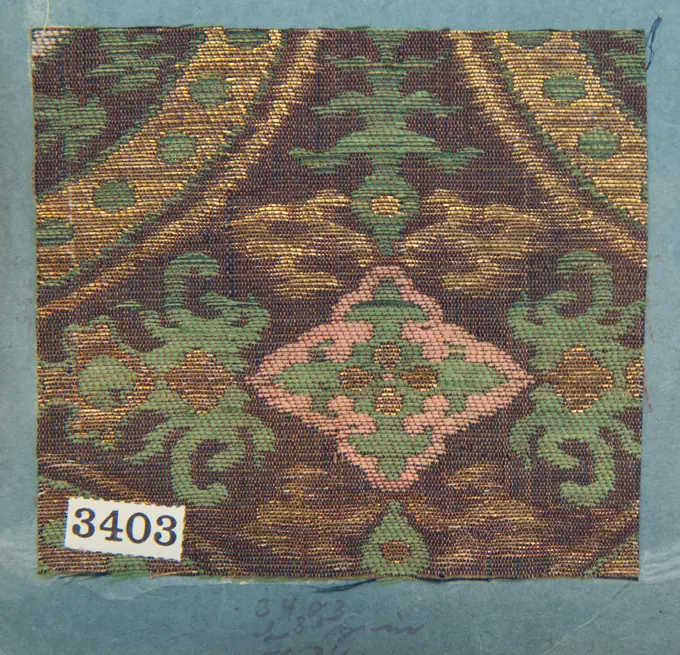
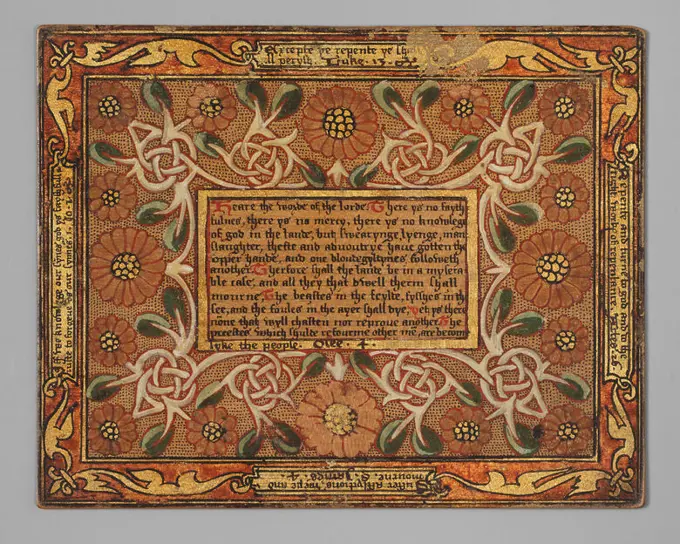
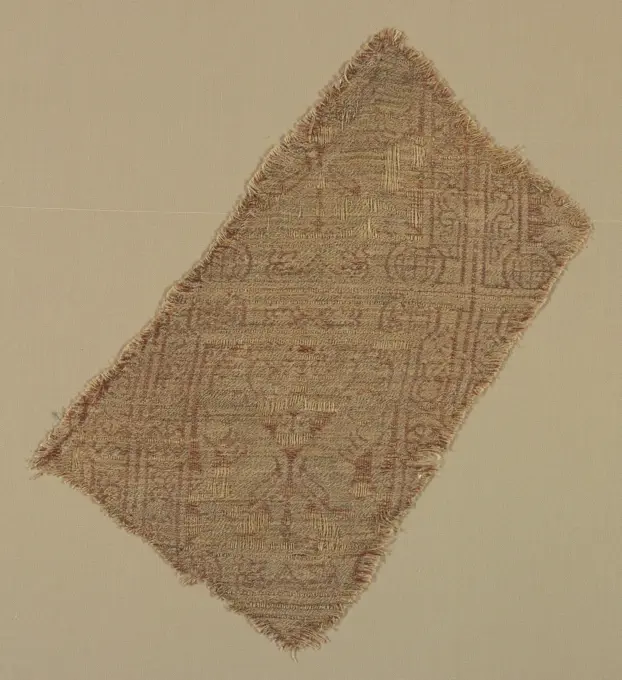
Fragment, Medium: silk Technique: supplementary warp pile (velvet), Three fragments of cut and uncut silk velvet in small scale stylized patterns., Italy, 16th-early 17th century, woven textiles, Fragment
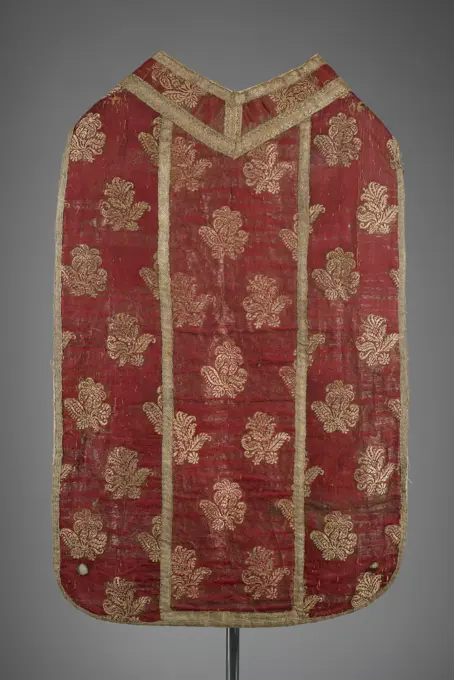
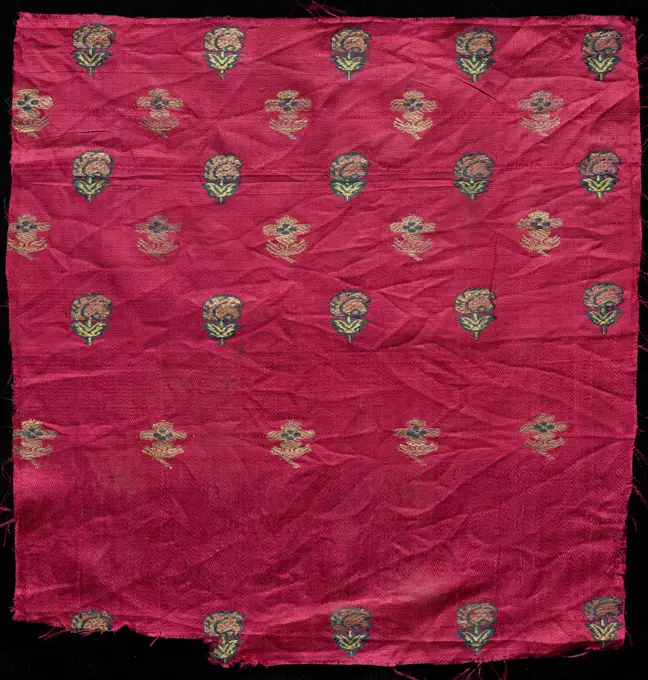
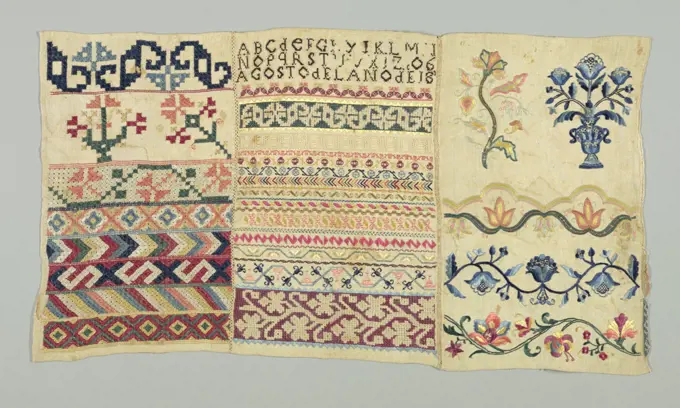
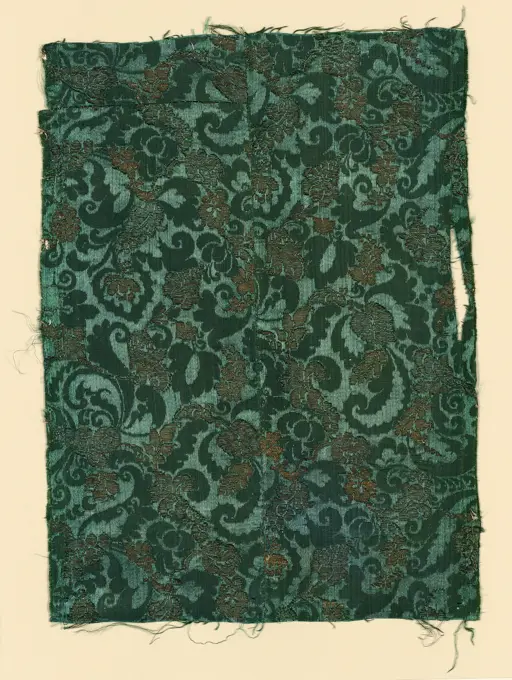
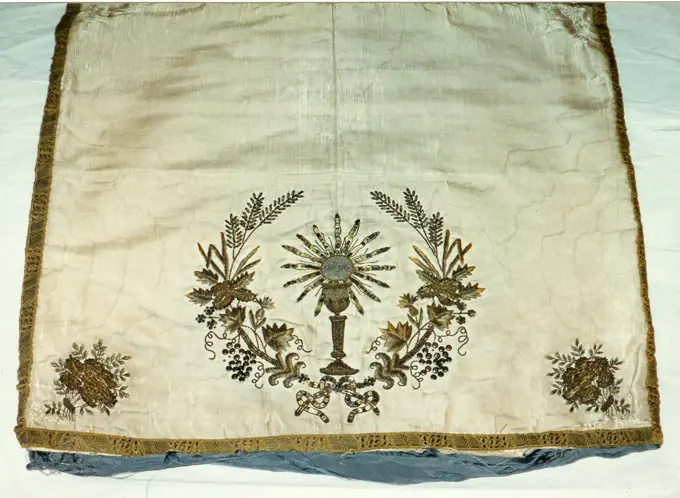
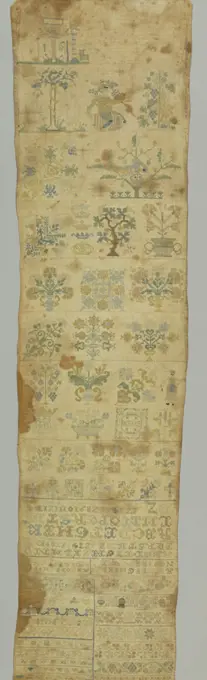
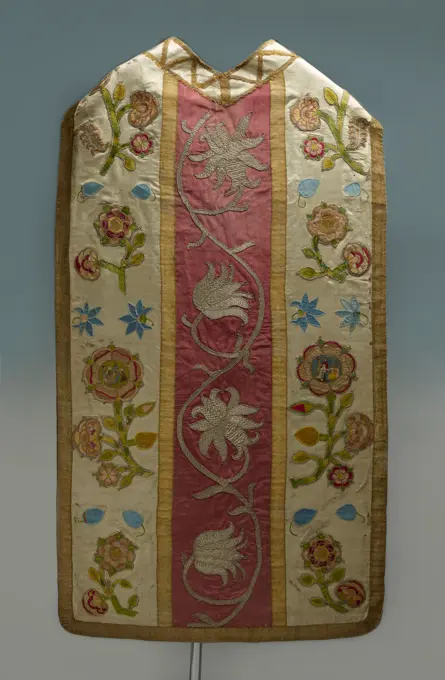
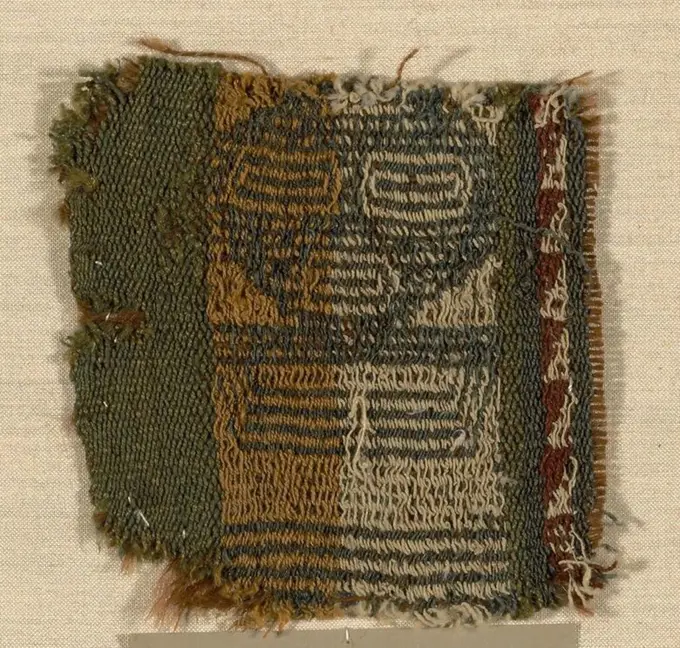
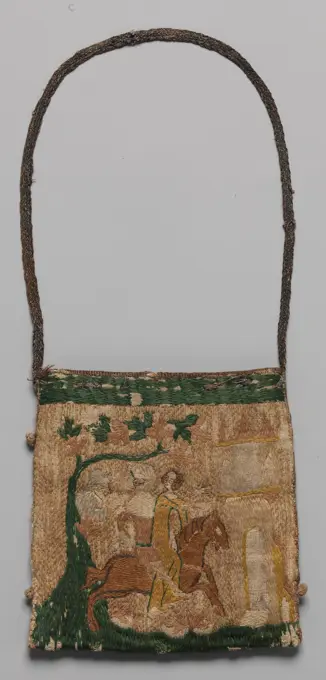
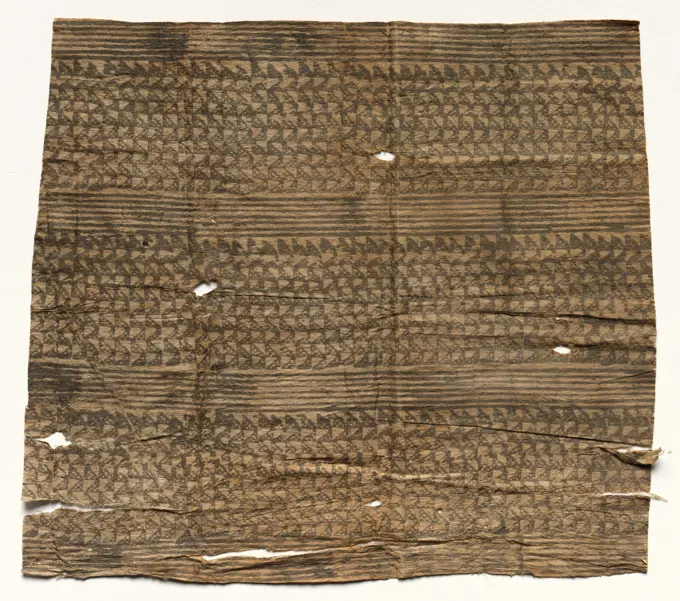
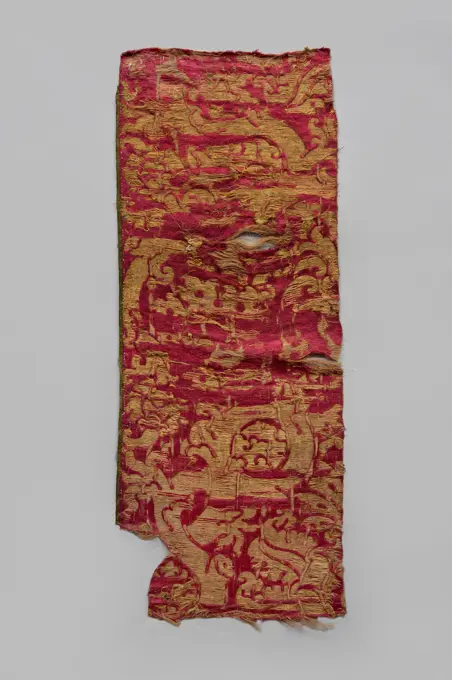
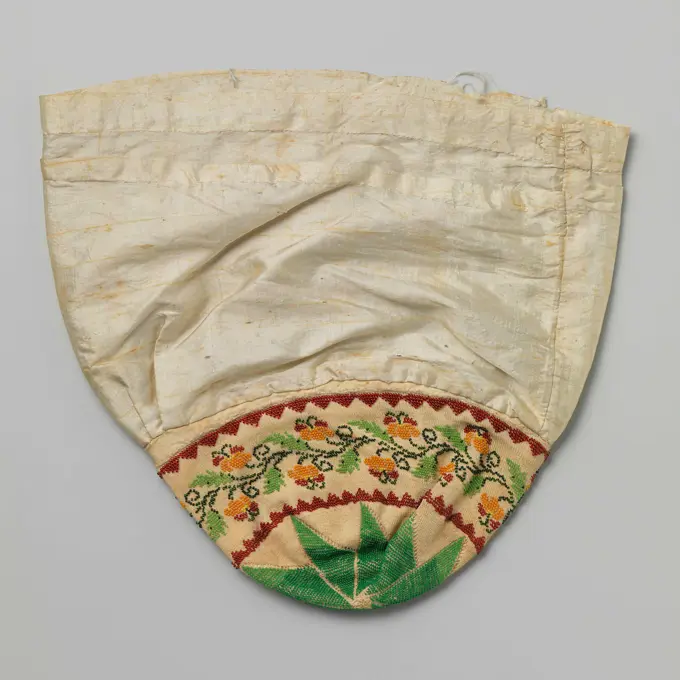
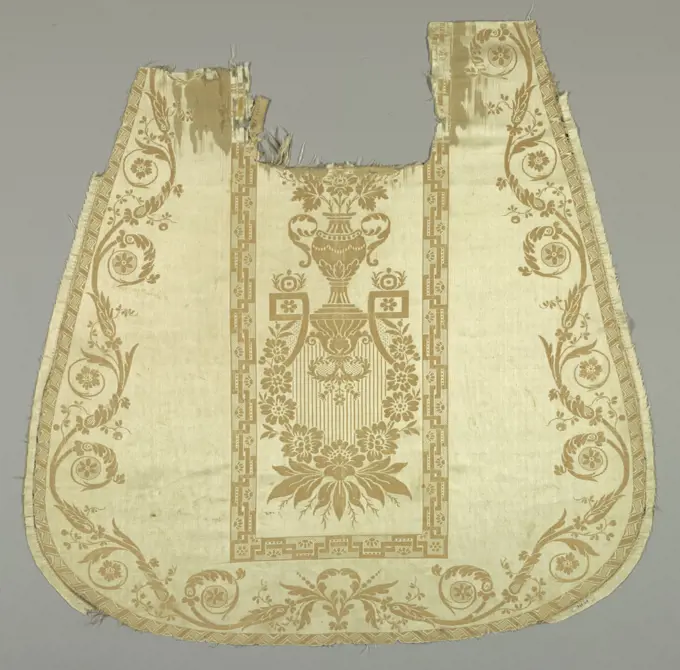
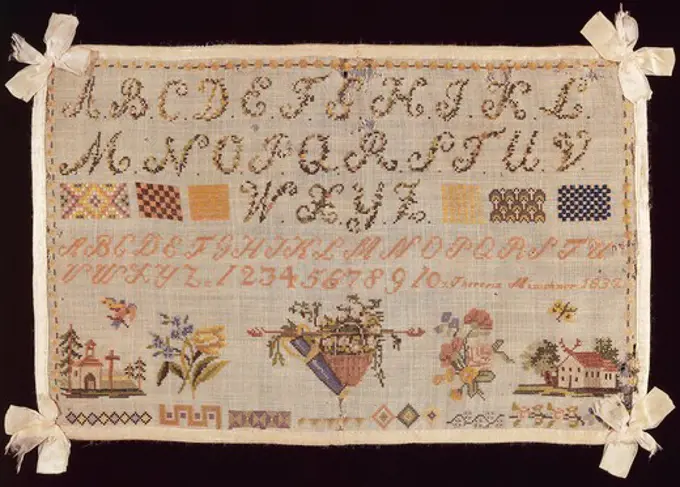
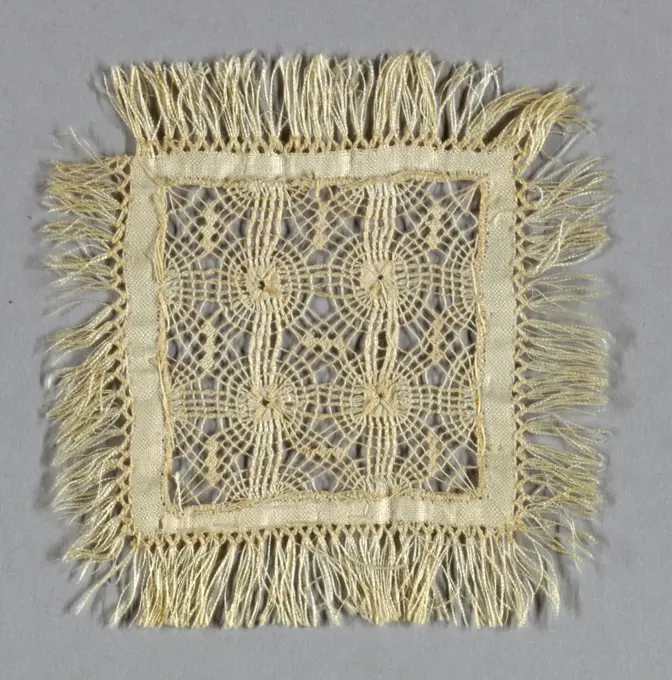
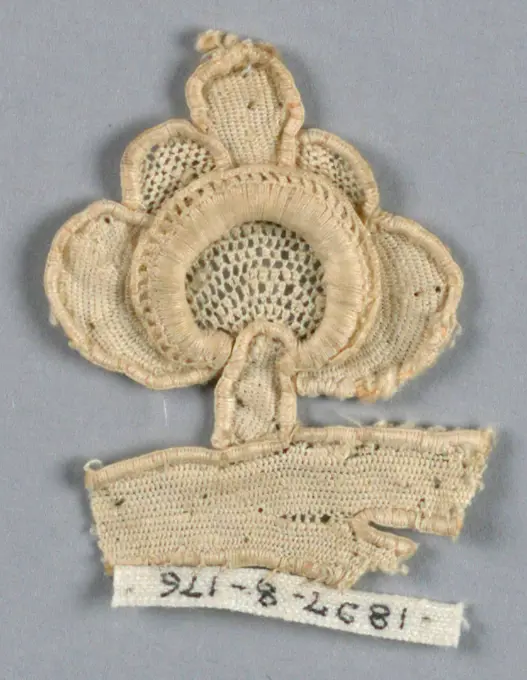
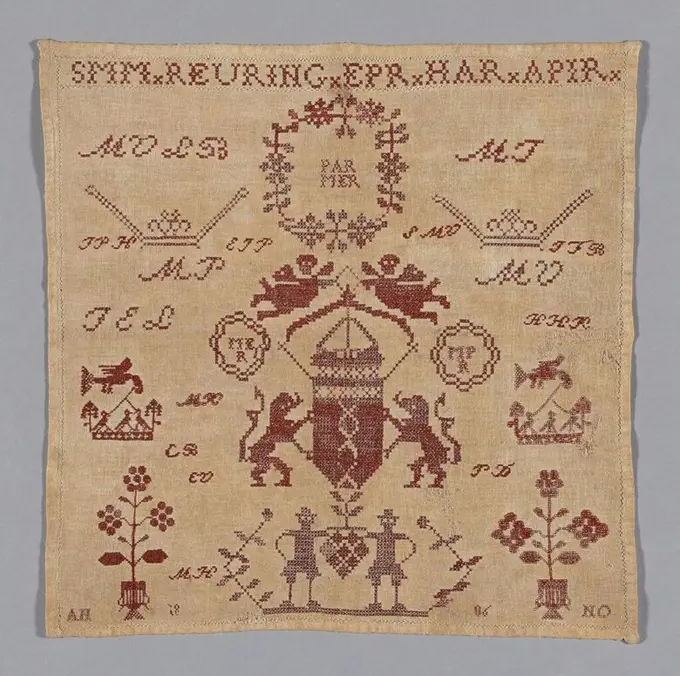
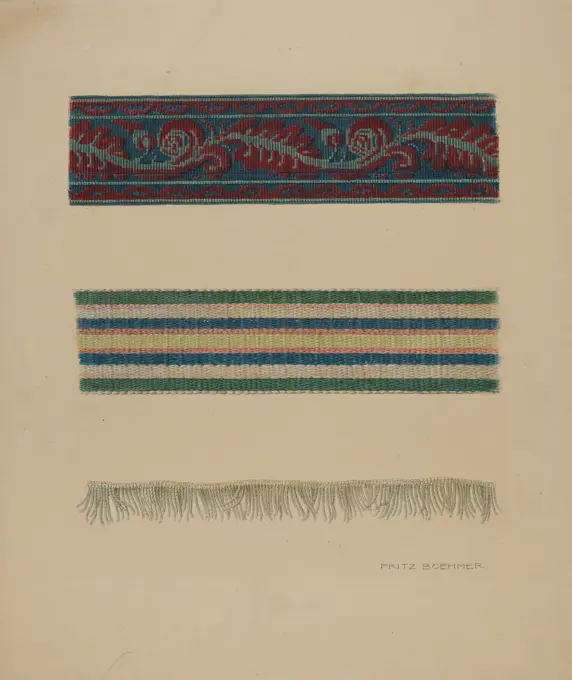
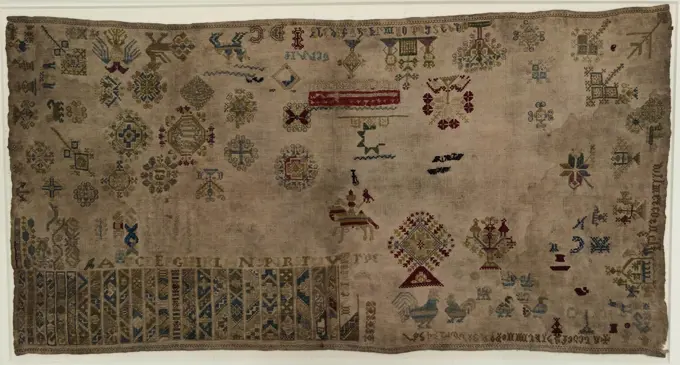
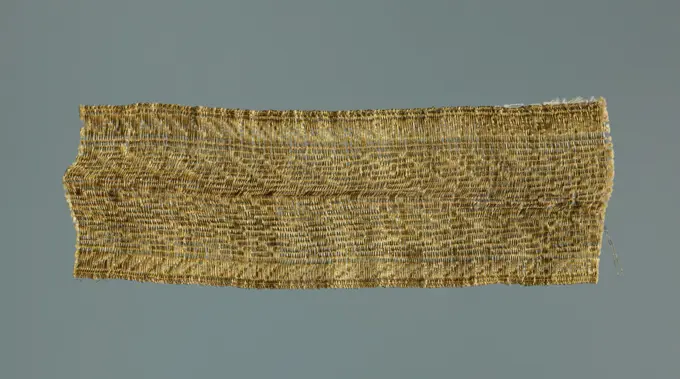
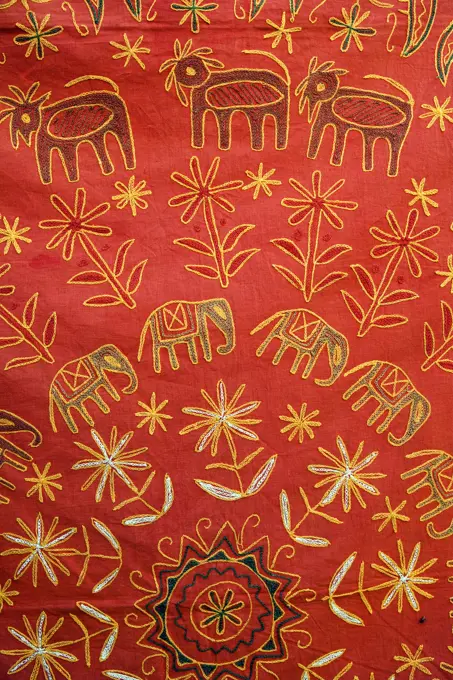
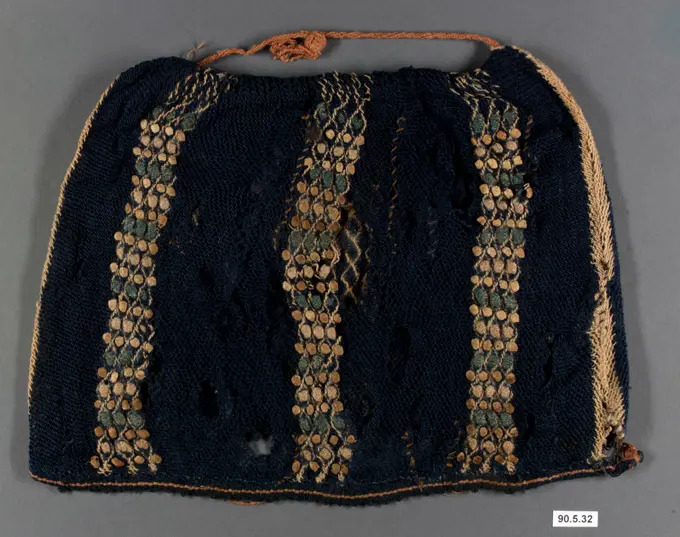
Hat 5th-9th century This pink and green hat was made using the "sprang" technique, which creates a network of stitches that allows the hat to expand to fit over the head. The hat can then be drawn tight at the top. Panopolis was a major weaving site in Coptic Egypt.. Hat. 5th-9th century. Wool; sprang technique, embroidered. Attributed to Egypt, Akhmim (former Panopolis). TextilesConciliate belt;  2nd half 18th century (1751-00-00-1800-00-00);Chasuble made of silk brocade unknownTextile Fragment 6th-7th century. Textile Fragment 443705Chasuble with an embroidered column unknownFragment brOOCHED SIDE with design of flowers and leaves ,, c. 1700 - c. 1705 Fragment-brOOCHED SIDE OF A LAMPAS EBREE TEAVEL with extra chain and impact system of gold and silver wire. Dessin: flowers and leaves, partly growing from pedestals in horizontal rows in so-called bizarre arrangement in gray, blue, light blue, two colors of green, two colors of pink on a stock of gold and silver color and brown. The silk tissue consists of five sewn pieces of different sizes. Number stamped at the back: 6513. Painted piece of paper with the letter X. State: bad. France silk. silver thread Fragment-brOOCHED SIDE OF A LAMPAS EBREE TEAVEL with extra chain and impact system of gold and silver wire. Dessin: flowers and leaves, partly growing from pedestals in horizontal rows in so-called bizarre arrangement in gray, blue, light blue, two colors of green, two colors of pink on a stock of gold and silver color and brown. The silk tissue consists of five sewn pieces of different sizes. Number stampeFragment, 1800s. India, 19th century. Brocade; silk and metal; overall: 31.1 x 30.5 cm (12 1/4 x 12 in.).Sampler, Medium: silk and metal embroidery on linen foundation Technique: embroidered in stem, chain, satin, knot, double running, buttonhole, herringbone, and four-sided stitches and areas of deflected element work on plain weave foundation, Three separate pieces of fabric joined with needlework. Beads in needle lace at right., Mexico, 1806, embroidery & stitching, SamplerBand Fragment 6th-7th century. Band Fragment 445844Fragment Made 1601-1700 Italy. Silk and gilt- and silvered-metal-strip-wrapped silk, warp-float faced satin weave self-patterned by areas of plain weave with supplementary brocading wefts .Strip early 19th century British. Strip 222063Chalice Veil 19th century French (). Chalice Veil 460316Sampler (Netherlands); wool on cottonSampler, Medium: silk embroidery on linen foundation Technique: embroidered in cross and back stitches on plain weave foundation, Alphabets and isolated motifs including Bacchus on a barrel., Germany, 1711, embroidery & stitching, SamplerBorder 16th century Italian. Border 220843Textile Fragment 4th century. Textile Fragment 443405Indian ornamentPiece 18th-19th century Japan. Piece 67524Part of the embroidered chasuble unknownChasuble, embroidered unknownFragment of a Sleeve 4th-5th century. Fragment of a Sleeve 443788Tire -shaped fragment with geometric pattern and toothed borders, anonymous, c. 1100 - c. 1499 Natural linen tissue fragment with an elongated band with S and diamond-shaped pattern and toothed edges in dark blue. Europe Necklace and impact: Linen (Material). Embroidery: Silk embroidering Natural linen tissue fragment with an elongated band with S and diamond-shaped pattern and toothed edges in dark blue. Europe Necklace and impact: Linen (Material). Embroidery: Silk embroideringPanel (Furnishing Fabric) Made 1875-1900 China. Silk; tapestry weave, k'o-ssu .Chasuble (Italy); silk, metalFragment. Possibly provincial Inca; Possibly Yauca Valley, south coast, Peru. Date: 1476-1532. Dimensions: 8.3 × 8.3 cm (3 1/4 × 3 1/4 in.). Compound cloth, plain. Origin: Peru. Museum: The Chicago Art Institute, Chicago, USA.Mexican veelkleurig fragment, anonymous, c. 1750 - C. 1800 A fragment of salmon -colored moiré with blue and white striped jobs in which the wide striped track runs a bean pendulum with a flower branch on every turn. Netherlands silk A fragment of salmon -colored moiré with blue and white striped jobs in which the wide striped track runs a bean pendulum with a flower branch on every turn. Netherlands silkKontusz sash. Manufaktura Karola Stanisława Radziwiłła (Słuck ; wytwórnia pasów ; ca 1767-1790), manufacture, Madżarski, Jan (fl. ante 1757-ca 1800), manufacturerManchu Man's Formal Court Collar, Kangxi period, 1662-1722, L.35-3/4 in., silk brocade, China, 17th-18th centuryDalmatic Made 1825-1875 Nottingham. Wool, plain weave; glazed and calenderized; with wool supplementary patterning wefts; applied woven tape; edged with woven tape with looped weft fringe; applied rosettes; lined with cotton, plain weave .Brocade chasuble unknownTextile Fragment 4th-5th century. Textile Fragment 443218Top of embroidered pall unknown. Bursa of yellow silk satin with embroidery in silk and in high relief with gold and silver wire with a performance of Greek cross. Bursa is part of a couple (BK-2008-176-A to E).Coptic fabric; Egyptian workshop; V-VI century (401-00-00-600-00-00);Chasuble. unknown, authorPurse with scenes from the story of Patient Griselda 14th century French This embroidered scene depicts the popular medieval tale of Griselda, a poor maiden who was tested long and cruelly by her noble husband and thus exemplifies ideal Christian patience. The story appeared in various forms, the best known of which is "The Clerks Tale" in Chaucers Canterbury Tales. The needlework may have been made professionally, or by its owner, inasmuch as needlework was considered an essential part of a womans education.. Purse with scenes from the story of Patient Griselda 466693Tapa Cloth, before 1930. Oceania, Polynesia, Hawaii, 20th century. Probably mulberry bark (Broussonetia papyrifera); overall: 32.5 x 29 cm (12 13/16 x 11 7/16 in.).Wall Fragment with Red Stripe which carries Vines and Flowers set against Black Ground. UnknownFragment of the fabric;  16th century (1500-00-00-1600-00-00);Dąmbska, Grażyna - collection, fabrics, purchase (provenance)Pouch in semicircular shape, from ivory silk to knitted cotton bottom with beamed star and flower bead of beads. Pouch in semicircular shape, from ivory silk to knitted cotton bottom, with knitted green eight-pointed star. Around the star a double edge with red beads in connected pyramid form, within which a roadside of beads in the form of yellow and red flowers and green leaves. The bag has no lining or closure.Piece 18th-19th century Japan. Piece 66406Textile 19th century Japan. Textile 68014Fragment, Medium: silk technique: plain compound satin, Shaped panel, possibly woven to be the front or back of a chasuble, with a narrow geometric outline. In center, a design of an urn on a bracket over a floral garland., France, 1750-1800, woven textiles, FragmentHatBoxChair Cover, One of a Pair, 19th century, L.73-½ x W.22-¼ in., satin, silk, gold threads, cotton, pigments, China, 19th centuryFragment Italian, Venice 19th centuryValance (France); cotton, woolDalmatic. Spain or Italy. Date: 1601-1700. Dimensions: 118.2 x 127.7 cm (46 1/2 x 50 1/4 in.). Silk, plain weave with twill interlacings of secondary binding warps and silvered-metal wire facing wefts; underlaid with linen, plain weave; embroidered with silk, gilt-metal purl and gilt-metal-strip-wrapped silk in brick, overcast and split stitches; laid work, couching, padded couching and French knots; edged with silk and gilt- and silvered-metal-strip-wrapped silk, plain weave with supplementary patterning wefts and extended ground weft cut fringe. Origin: Spain. Museum: The Chicago Art Institute, Chicago, USA.Strook bruine naaldkant met keizerskroonachtige bloem tussen acanthusbladeren.Strip Brown needle side. The repeating and symmetrical pattern consists in the middle of a caesetian crowny flower between acanthus leaves and flanked on each side by a strip width filling, lying C-volitude. Each c-volute is formed by a narrow acanthus sheet and includes a loop-shaped flower with moon-shaped petals. The motifs are made with feston stitches and equipped with light relief contours. The motifs are connected to each other by a speechly picoted bars soil. The top of the strip is straight finished. The slight sloping edge on the bottom of the strip comes from the pattern.Shoulder Defense (Sode) late 14th-early 16th century Japanese. Shoulder Defense (Sode) 26649Reticule. Dated: 1937. Dimensions: overall: 35.6 x 28 cm (14 x 11 in.). Medium: watercolor, goauche, pen and ink, and graphite on paperboard. Museum: National Gallery of Art, Washington DC. Author: John Cooke.Fragment silk tissue of a seat cover., C. 1805 Fragment yellow silk tissue, from a seat cover. The pattern has pink palmets and arabesks on a yellow ground. The fragment is part of thirteen fragments with invnr. BK-1992-18-A to BK-1992-18-M. France silk Fragment yellow silk tissue, from a seat cover. The pattern has pink palmets and arabesks on a yellow ground. The fragment is part of thirteen fragments with invnr. BK-1992-18-A to BK-1992-18-M. France silkFragment. Italy. Date: 1625-1675. Dimensions: 17.6 x 7.9 cm (6 15/16 x 3 1/8 in.). Cisele voided cloth velvet. Origin: Italy. Museum: The Chicago Art Institute, Chicago, USA.Purse (Spain); silk, wool, metallic threadSkirt, 19th century, 39 1/4 x 67 1/2 in. (99.7 x 171.45 cm)65 x 1 1/2 in. (165.1 x 3.81 cm) (object part, cotton belt--hemp cord with lead clamp), Cotton, metallic thread, metal sequins, hemp, lead; needlework, Turkey, 19th centuryBag Possibly Nasca-Wari. , 1000-1532. Camelid fiber, Including tassels: 12 × 9 in. (30.5 × 22.9 cm).   Arts of the Americas 1000-1532Fragment of a Sleeve 6th century. Fragment of a Sleeve 443856AppIIqué sample unknown, a professional school in KrakowTable Cover (Spain); silk, metal on linenFragment; woolTowel or Napkin Made 1801-1900 Turkey. Embroidered . AnonymousQuilt. Dated: c. 1938. Dimensions: overall: 36 x 45.8 cm (14 3/16 x 18 1/16 in.) Original IAD Object: 72" wide, 84" long. Medium: watercolor, graphite, and gouache on paper. Museum: National Gallery of Art, Washington DC. Author: Frank Gutting.Piece 18th-19th century Japan. Piece. Japan. 18th-19th century. Silk. Textiles-WovenSampler samplersTextile 19th century Japan. Textile. Japan. 19th century. TextilesEmbroidery, Austria 19th century. Beginner's work, embroidered  in silk cross-stitch on linen, 1832.Fragment, Medium: silk Technique: plain weave with supplementary warp floats, Multicolor stripes with geometric motifs on red background., North Africa, possibly 16th century, woven textiles, FragmentHandkerchief Belgian or French 19th centurySample, Medium: linen Technique: grid of withdrawn element with needle lace, reticella style, Square of fringed linen with center portion ornamented with drawn and cutwork with lace stitches. One of six samples mounted on a piece of blue satin ribbon., New York, USA, 1892, lace, SampleFragment (Italy); linenTextile Fragment late 17th century. Textile Fragment. late 17th century. Silk, metal thread. Made in Iran. TextilesSampler (Netherlands); glass beads, wool foundation; Warp x Weft: 34.5 x 29 cm (13 9/16 x 11 7/16 in.); Bequest of Mrs. Henry E. Coe; 1941-69-222Sewing sample, France, late 19th century, Sewing sampleTrencher (one of a set). Culture: British. Dimensions: Overall: 4 9/16 × 5 11/16 in. (11.6 × 14.4 cm). Date: early 17th century.One of a set of twelve trenchers (64.101.1579-.1590) and a box (64.101.1591a, b). In center of trenchers are reserves containing moralising inscriptions. See also 64.101.1566-1578a, b, for a set of trenchers and box, probably from the same workshop, inscribed with humorous four-line verses on the relations between married people. Museum: Metropolitan Museum of Art, New York, USA.Band (Peru); cottonFragments of embroidery unknownCornelius Frazier, Coverlet, c 1936 CoverletBand (Egypt); warp; s-spun linen. wefts; s-spun linen, s-spun woolFragment of a Band with a Floral Motif 5th-6th century Byzantine. Fragment of a Band with a Floral Motif 474209Fragment (Spain); silk, linen, metallicSample (France)Sampler, 1800s. Mexico, 19th century. Embroidery ; average: 26 x 38.1 cm (10 1/4 x 15 in.).Batiki decorative cloth with multi -pointed star and floral motifs, c. 1910 Batiked silk cloth with a multi -pointed star within which stylized floral motifs (fogletoe) in pink -red and Écru on a dark brown stock. Haarlem silk Batiked silk cloth with a multi -pointed star within which stylized floral motifs (fogletoe) in pink -red and Écru on a dark brown stock. Haarlem silkTrimming Fragment (France); silkSampler. Sophia Margaretha Reuning (Dutch, 1843- ); Netherlands. Date: 1860. Dimensions: 26.6 x 26.8 cm (10 1/2 x 10 1/2 in.). Cotton, plain weave; embroidered in silk; cross, Algerian, single faggot, and hem stitches. Origin: Netherlands. Museum: The Chicago Art Institute, Chicago, USA.Dress of écru cheese cloth () With colorful embroidery in the floszijde., Industrial school De Windroos, c. 1920 - c. 1930 Dress of écru cheese cloth () With colorful embroidery in the floszijde. Stiff pattern with only a border of tooth -shaped matching orange and green satin stitch. Finished with pink -red crochet. Rotterdam, ca. 1920-1930. State: almost all green floszijds worn away. Rotterdam linen (material). silk embroidering Dress of écru cheese cloth () With colorful embroidery in the floszijde. Stiff pattern with only a border of tooth -shaped matching orange and green satin stitch. Finished with pink -red crochet. Rotterdam, ca. 1920-1930. State: almost all green floszijds worn away. Rotterdam linen (material). silk embroideringFragment Made 501 CE-600 CE Egypt. Silk, compound weave; incomplete pattern .Fritz Boehmer, Upholstery Trim, c 1938 Upholstery TrimFragment; linen, cottonSewing sample, France, late 19th century, Sewing sampleSample (USA); linenEmbroidered sampler 17th century Dutch, Marken Island This work is an example of a Marken Island sampler. Samplers from this area are characterized by bands of colorful patterns. Girls stitched these bands to practice patterns for "vernaaide linten," ribbons that were attached to a cap and which were an important part of the costume tradition on Marken Island. These ribbons consisted of black embroidery on white linen. The women of Marken are said to have kept their samplers in or near their kitchens for handy reference, so much of the needlework appears darkened from residue from cooking fires. Samplers from this area, including this one, often include striped horses. This works other motifs include a peacock, dog in a house or other enclosure, human figures, and striped roosters.. Embroidered sampler 228134Gallon;  18th century (1701-00-00-1800-00-00);India, Rajasthan, Jaisalmer.  Bright dynamic design on silk hand woven floor covering, for sale on a market stall in Jaisalmer Fort.Doily (Mexico); cotton, glass beadsChair Cover Made 1800-1825 China. .Sketchbook containing the scenes of rural life; Smokowski, Wincenty (1797-1876); around 1841-1842 (1840-00-00-1845-00-00);Sampler; silk embroidery, wool foundation; Warp x Weft: 35.5 x 31.5 cm (14 x 12 3/8 in.); Bequest of Mrs. Henry E. Coe; 1941-69-220Sallandrouze de Lamornais (workshop of) (n.1865 - D.1871), weapons of the city of Paris: (door of door) (dummy title), 1865. Tapestry. Petit Palais, Museum of Fine Arts of the City of Paris.American 20th Century, Quilt Blocks  Applique Star, 1935 1942 Quilt Blocks - Applique Star