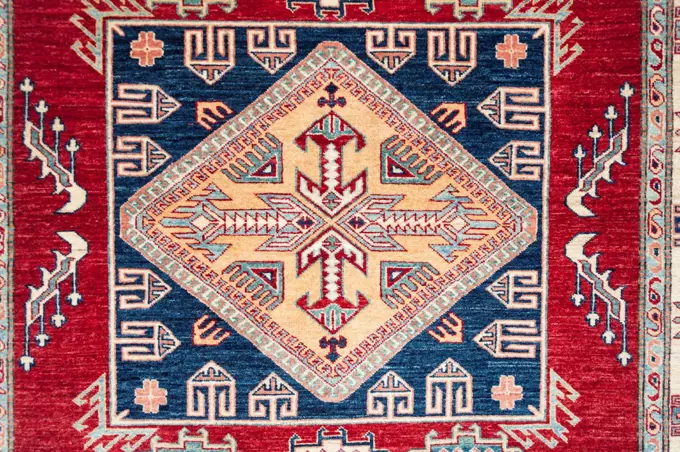
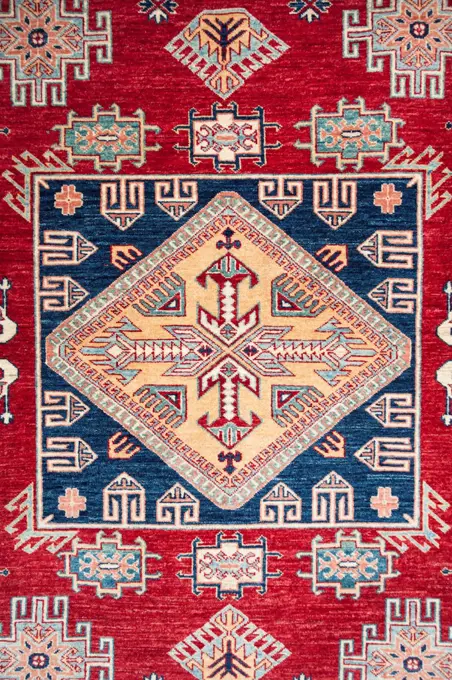
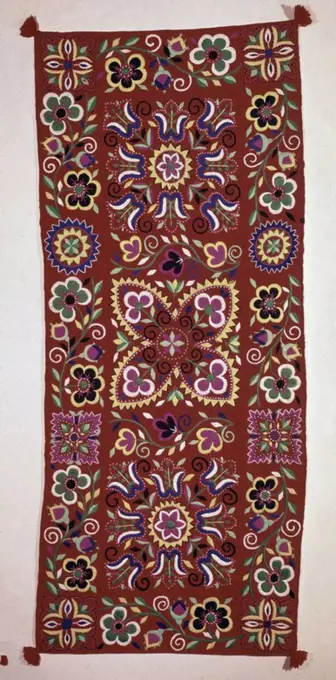
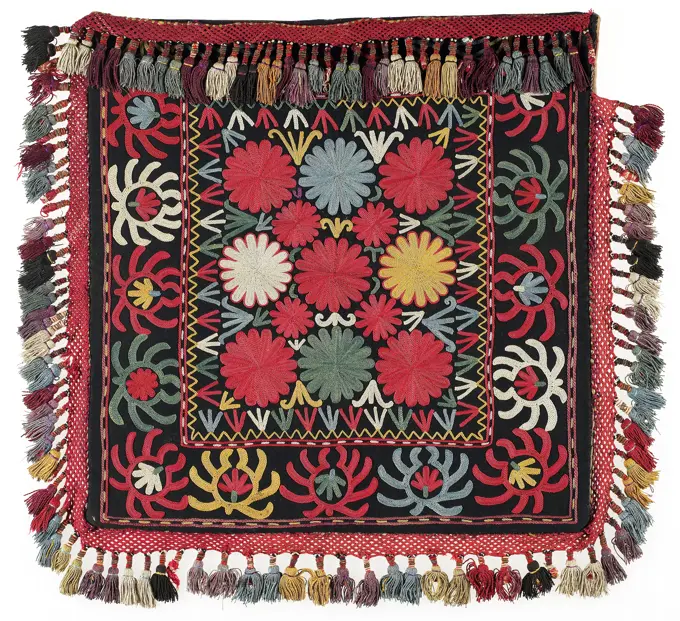
Embroidered Textiles

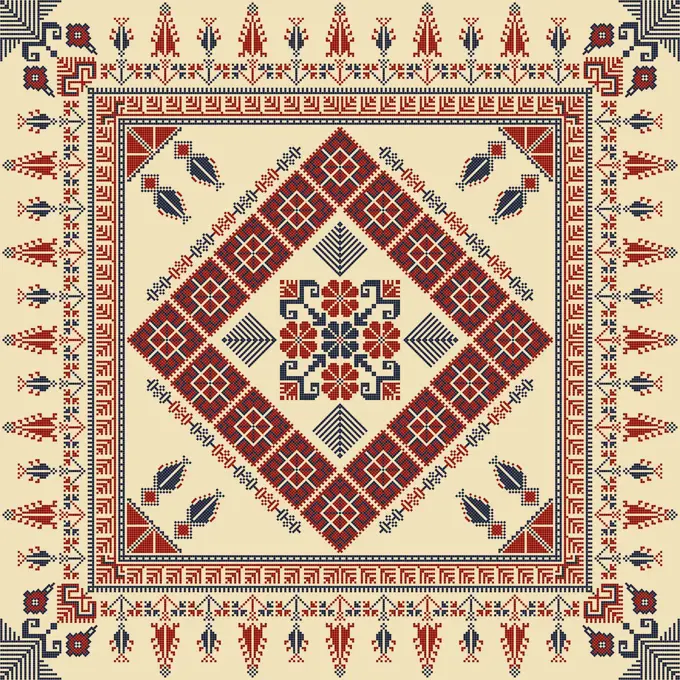
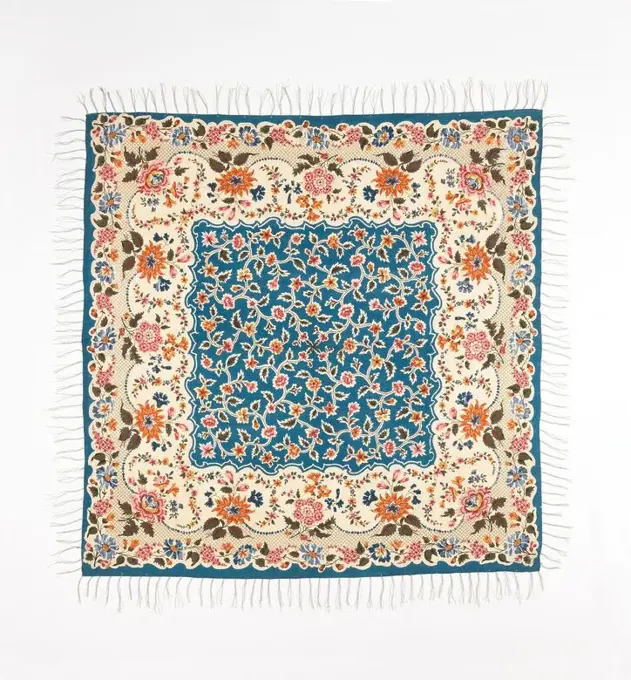
A collection of intricately designed textiles and cloths with bold patterns and historical significance from different cultures.

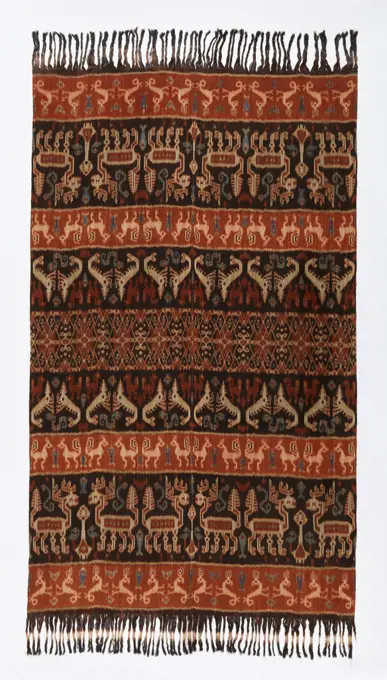
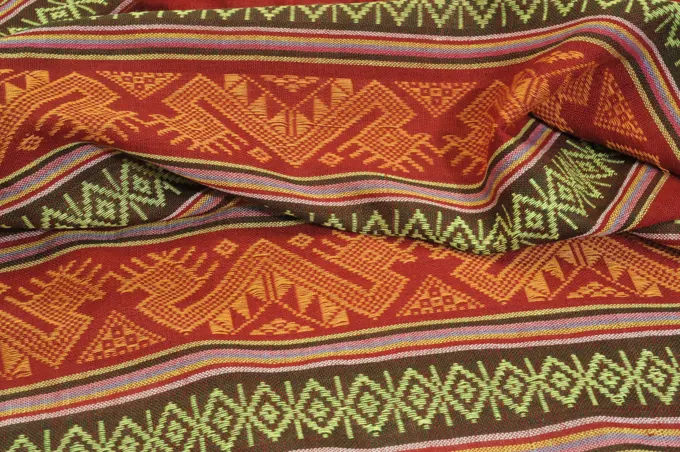
Ikat from Sumba, Indonesia, Southeast Asia, Asia
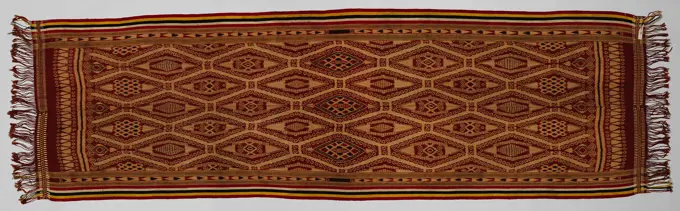
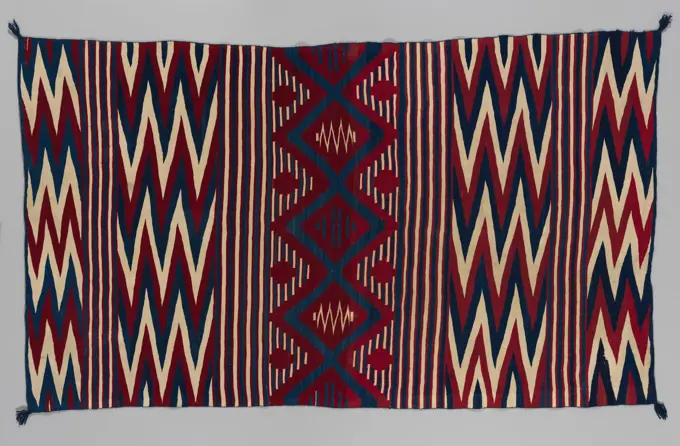
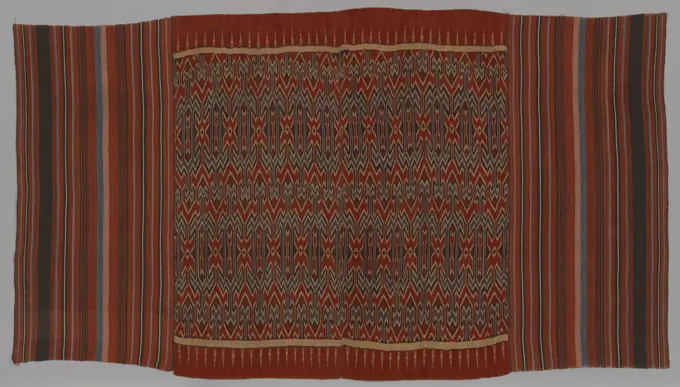
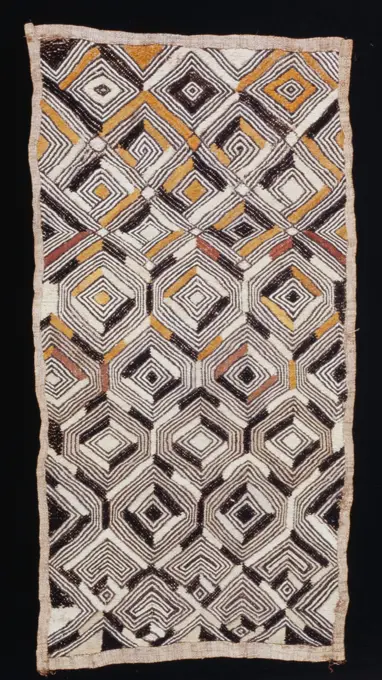
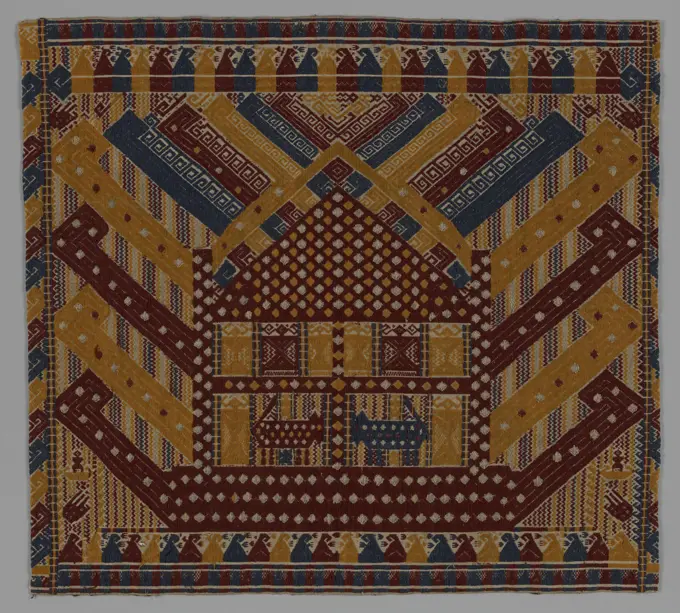
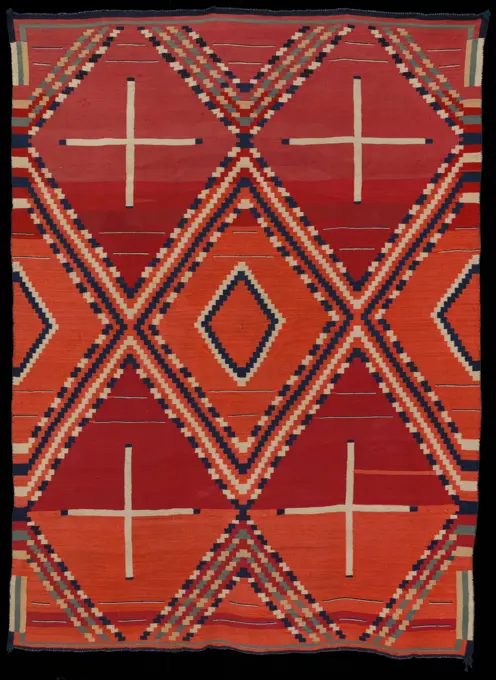
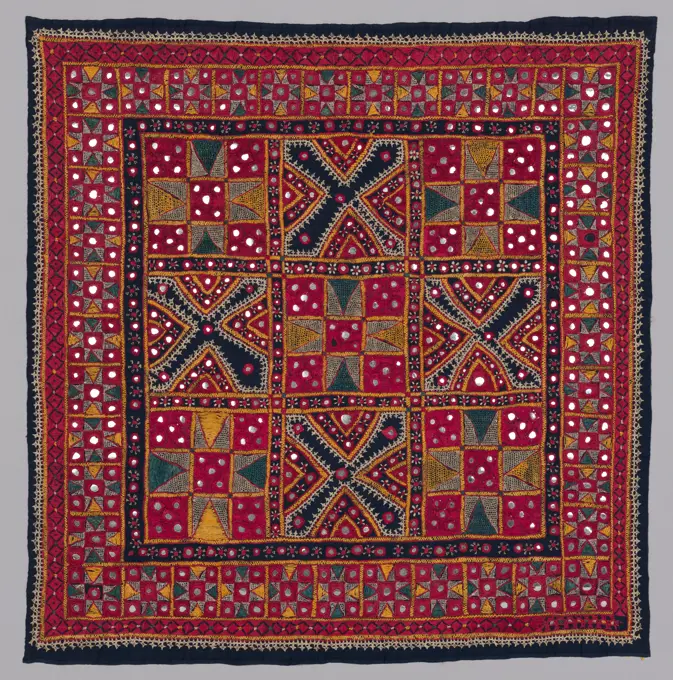
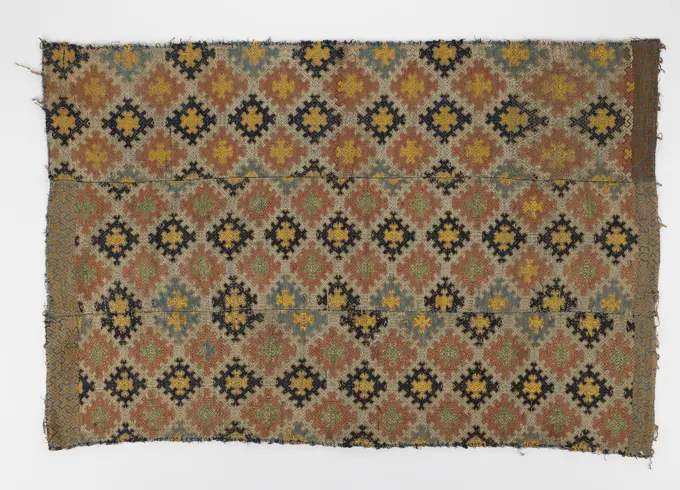
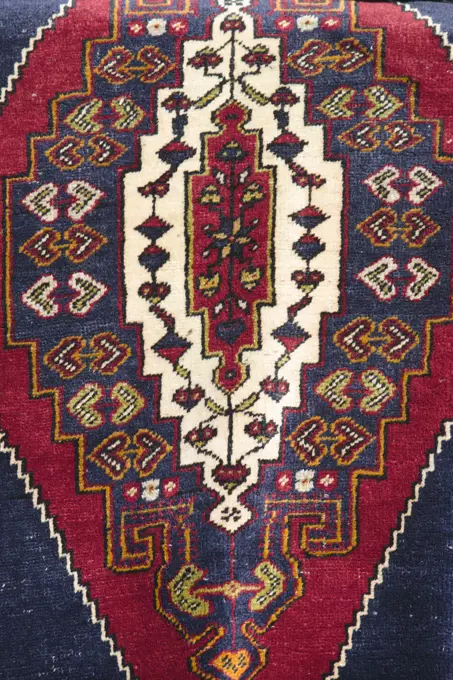
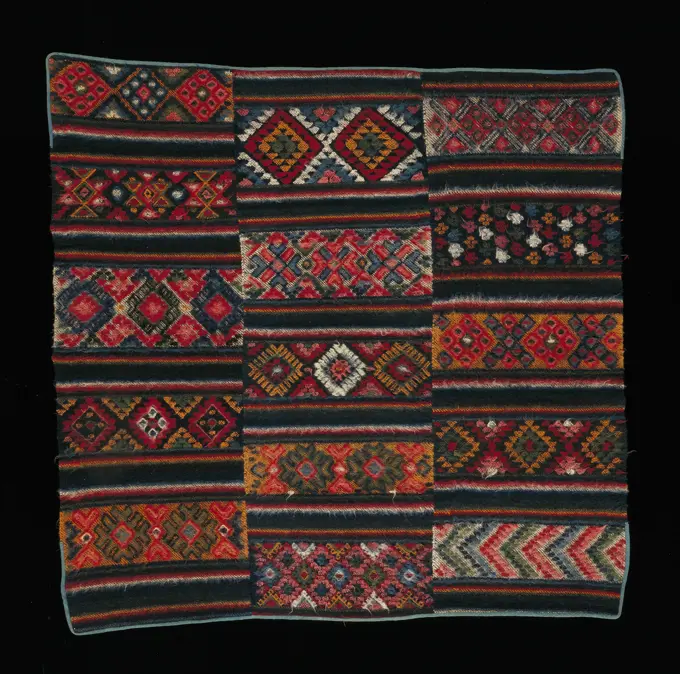
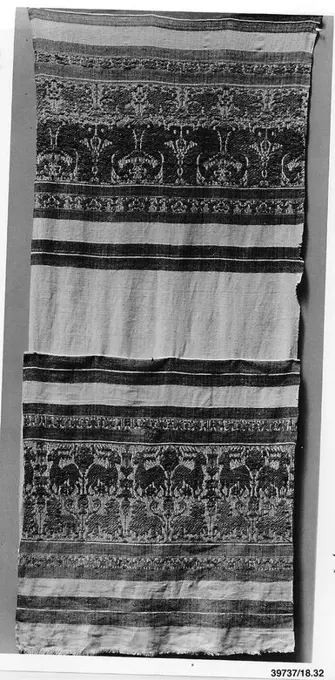
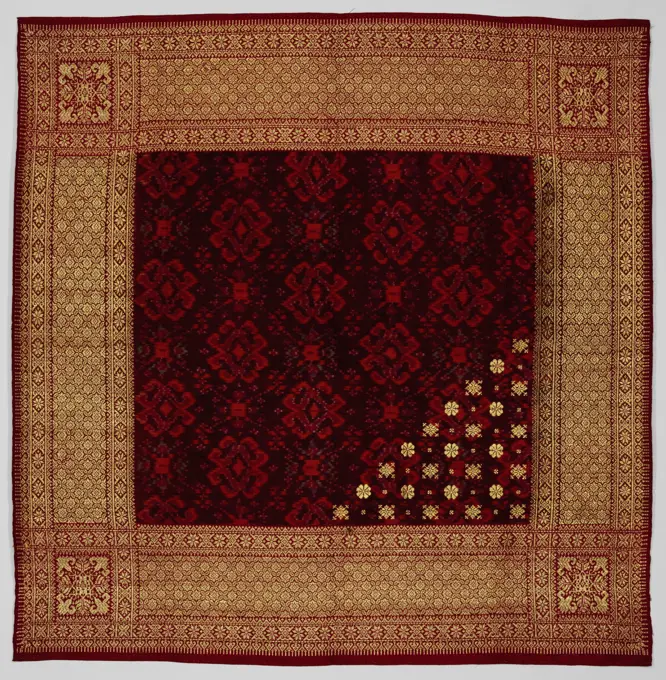
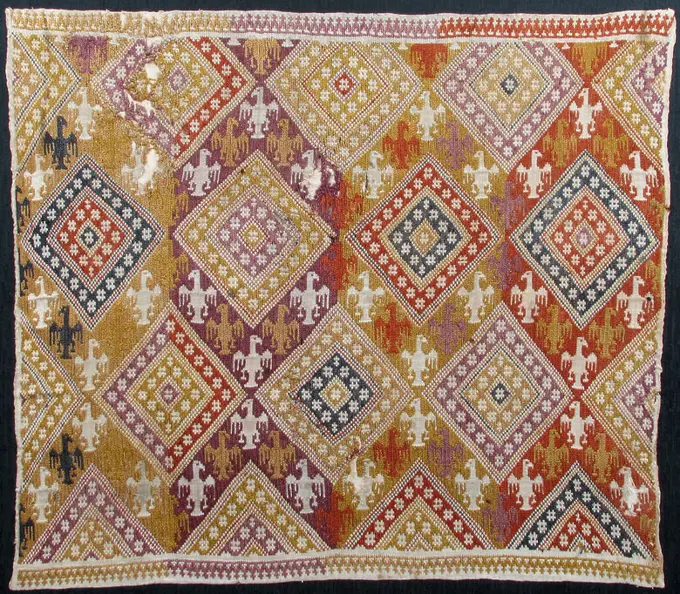
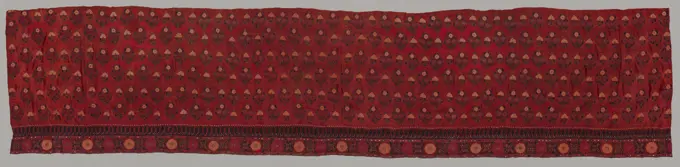
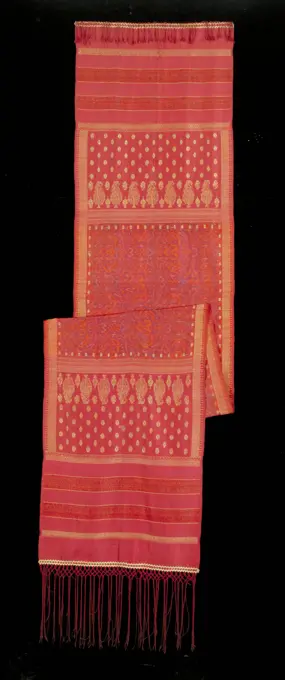
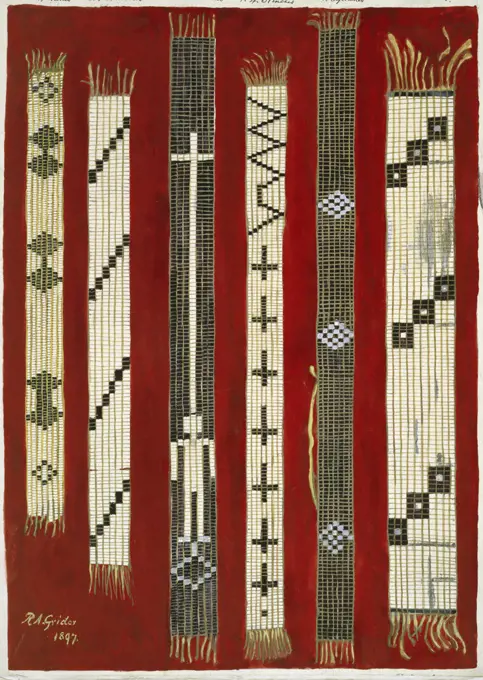
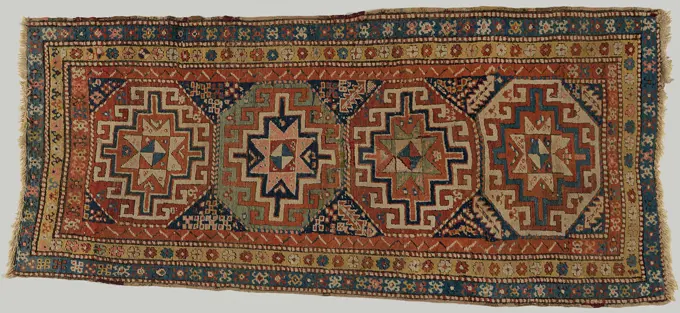
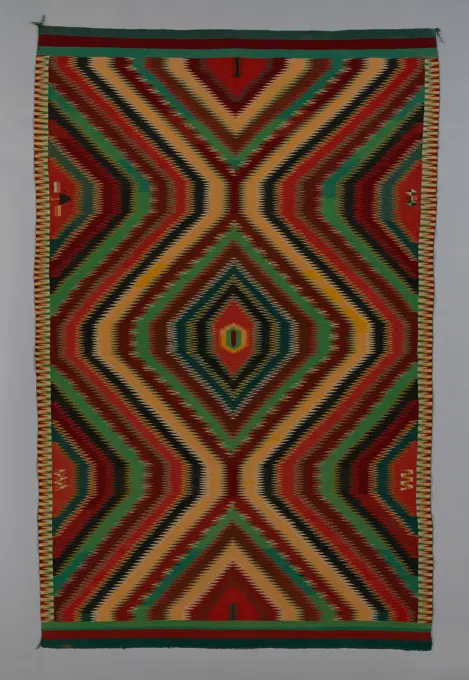
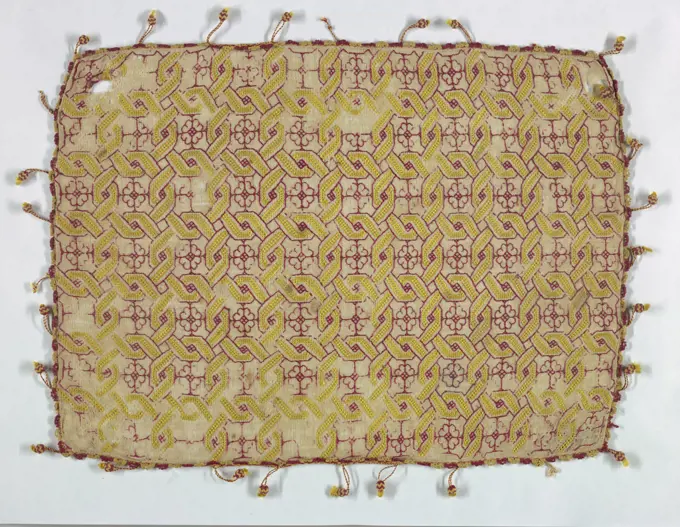
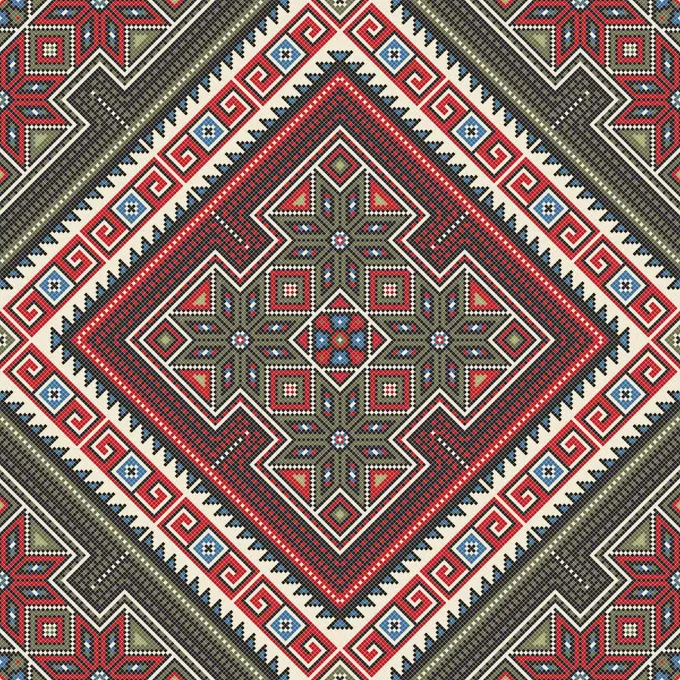
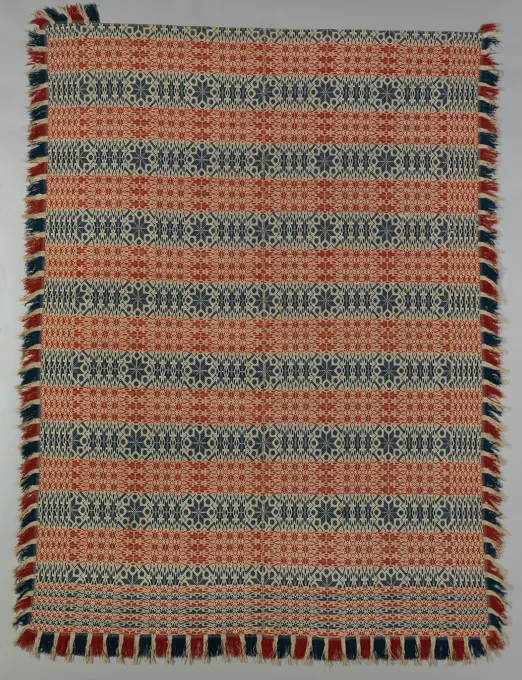
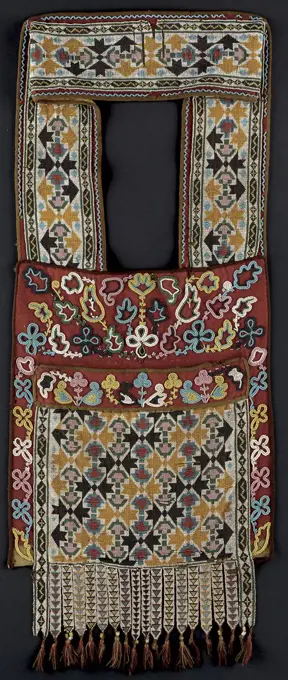
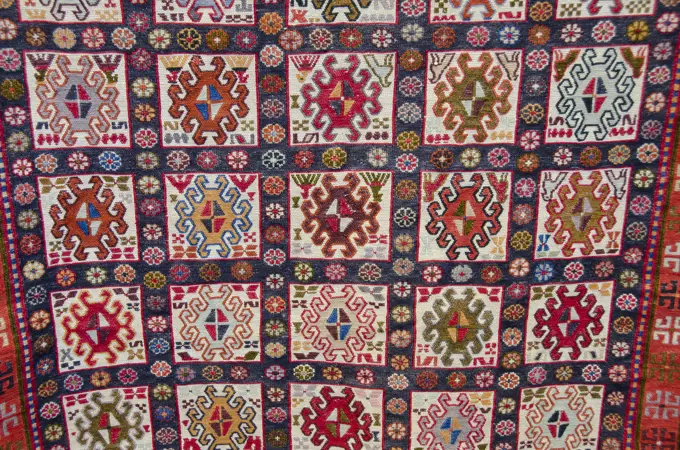
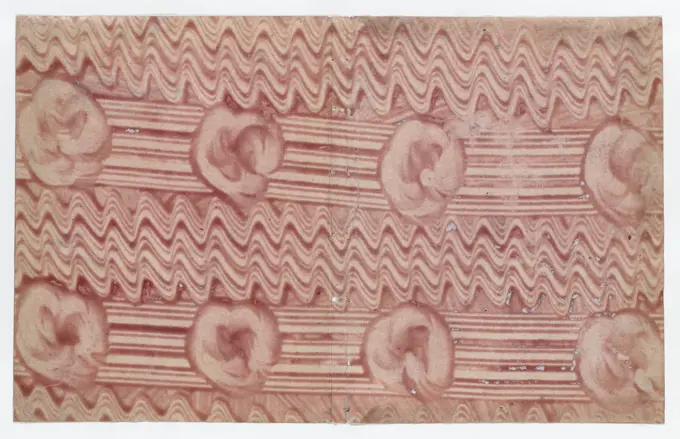
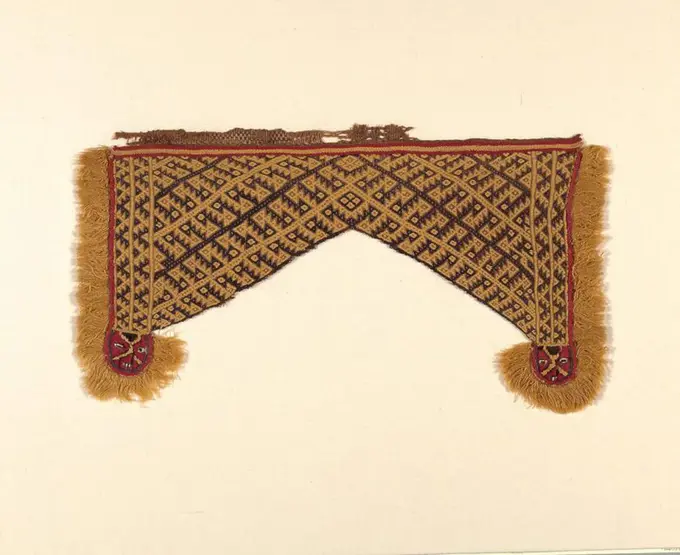
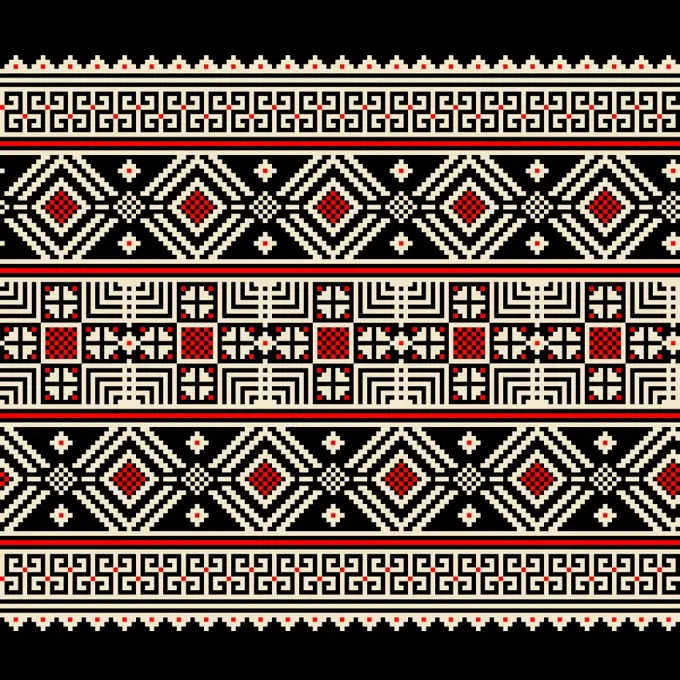
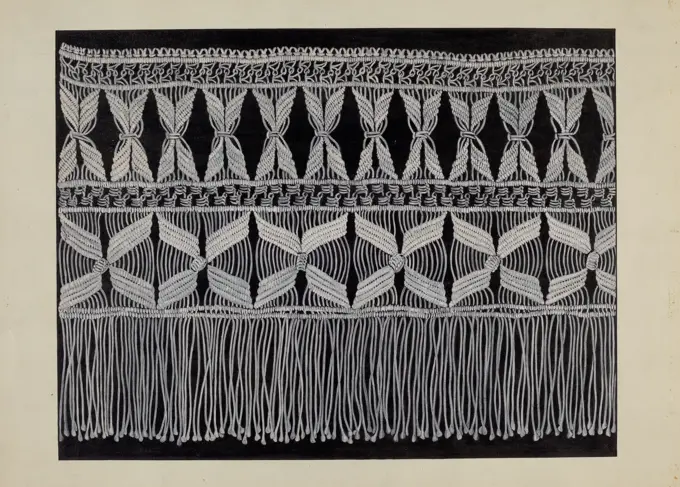
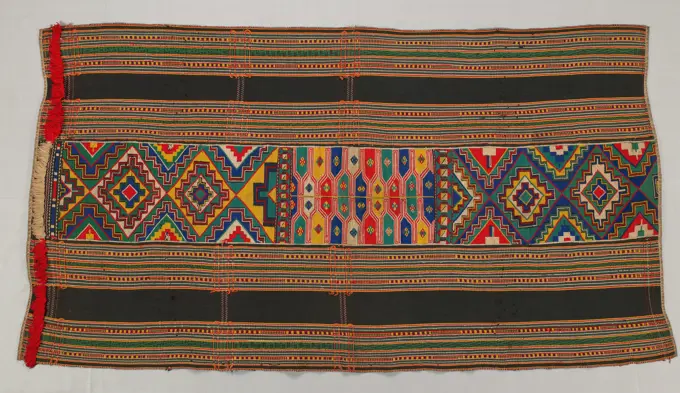
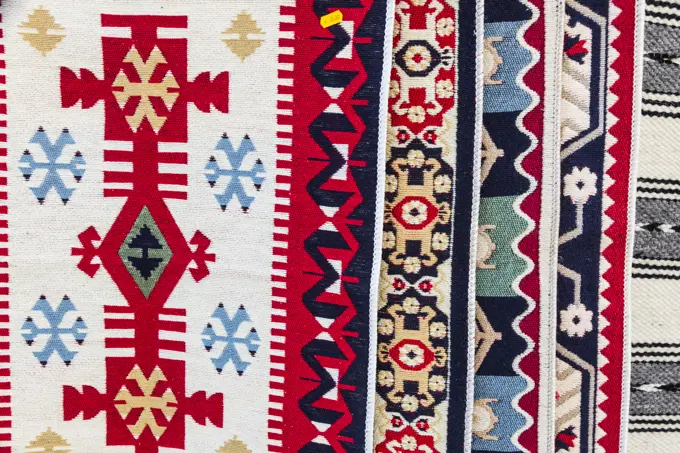
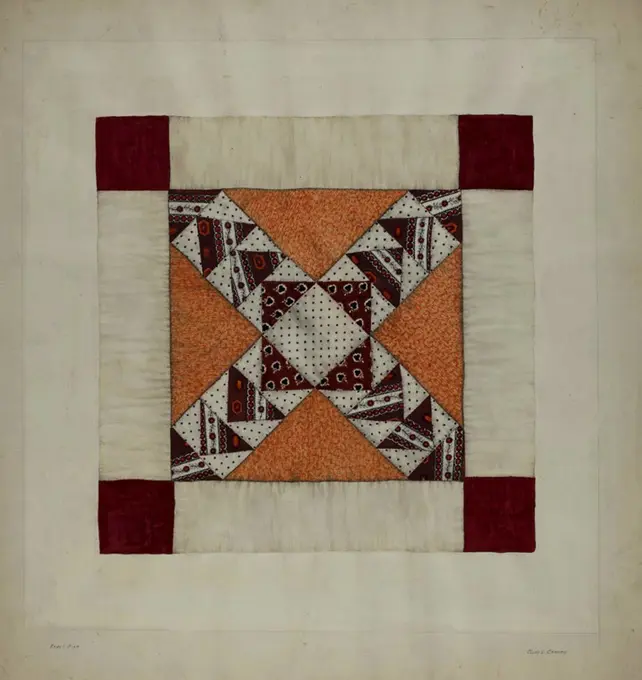
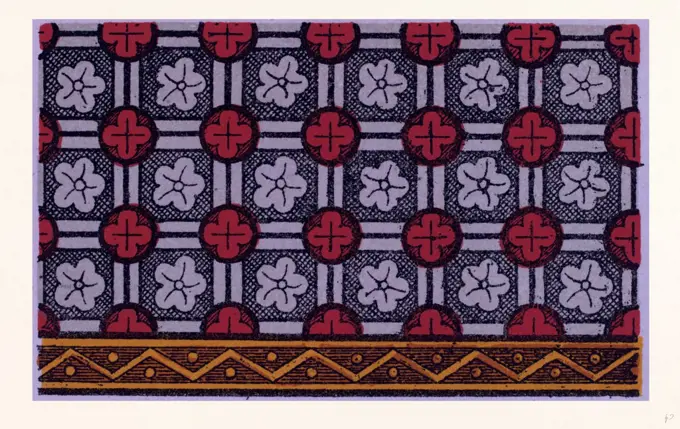
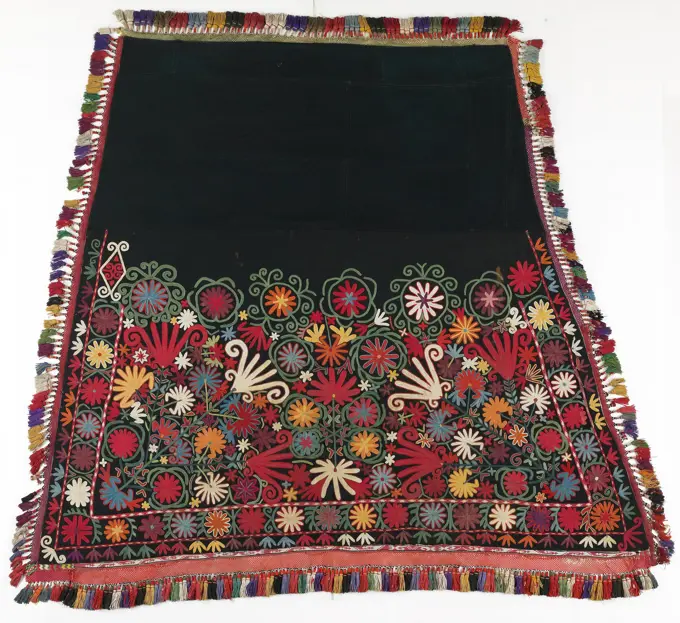
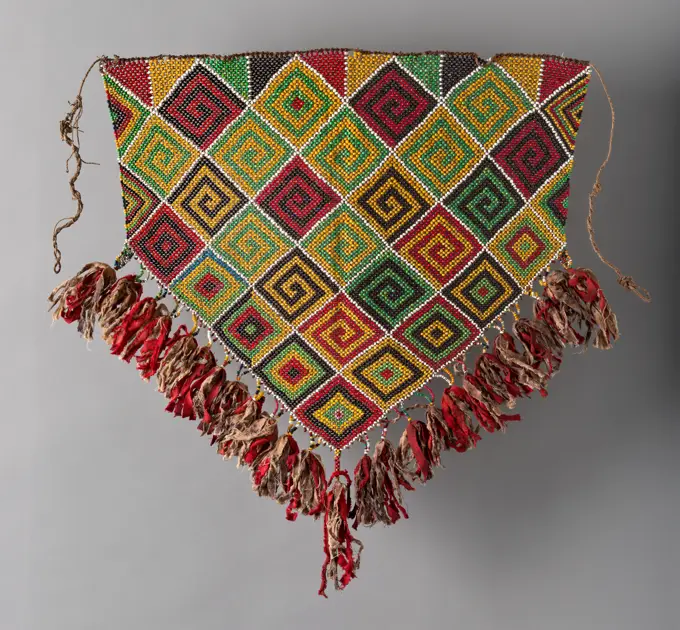
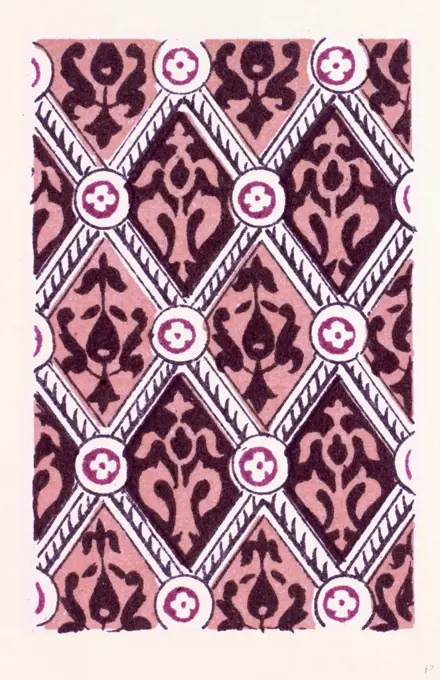
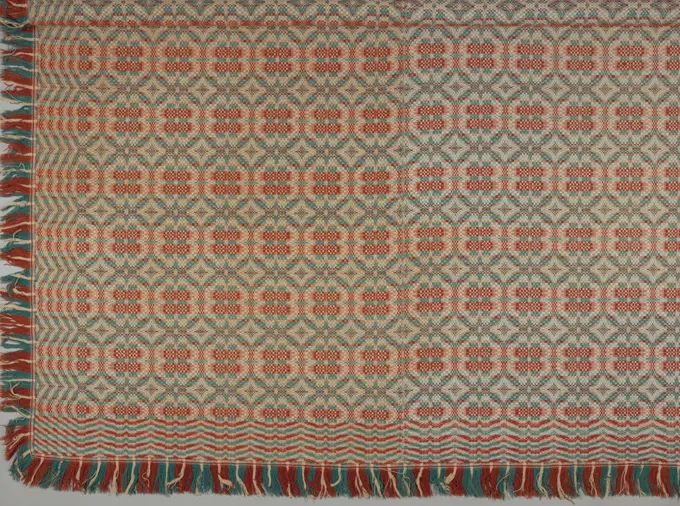
Band Made 1875-1900 China. Forty-four pairs and eight odd pieces of embroidered sleeve, ankle bands, etc. on gauze. . Han-ChineseCloth; Dandong. Cloth with geometric motifs.Serape ca. 1865 Unidentified The six Navajo weavings from the Ernst Collection represent a range of traditional Indigenous designs, adding depth and range to The Mets holdings of Native North American textiles.Weaving is an ancient form of visual expression, and the Indigenous peoples of the Southwest have been producing complex textiles for centuries. Navajo weavings were widely traded—for their aesthetic quality and use value—among neighboring groups, particularly in the Plains region. By the mid-nineteenth century, non-Natives were seeking out blankets and serapes as works of art and souvenirs. They were called "chiefs blankets" by both Native and Euro-Americans due to their high cost and importance. The term "second phase" is used by cultural historians and collectors to refer to weavings with red rectangles made between 1850 and 1880. "Third-phase" blankets are characterized by artful compositions of diamonds or cross formations, and date to between 1860 and 1880.This dynamic arTextile, Medium: wool Technique: warp rep with warp-patterned stripes, Square made of two lengths seamed down long side. Edged on four sides with patterned tubular embroidery. Broad stripes of red and dark brown with thin stripes in white, pink, yellow, and green. Intervals of warp-patterned stripes in these colors and white showing humans, animals, geometric forms, high pointed scrolls. Seamed down center with loose stitch in bright wools forming strip of triangles., Bolivia, 19th century, woven textiles, TextileShroud(Sekomandi)Man's mantle (hinggi), Medium: cotton Technique: plain weave with tied resist patterning in warp (ikat) Label: cotton warp ikat, Rectangular panel with fringe at ends. Dyed in warp ikat technique in indigo blue, dark brown, red, and (reserved) white. Alternating blue and red horizontal bands with figures in white and red: rows of stags, snakes (naga), and roosters, and lobsters. Patola-inspired center band., Indonesia, 19th century, printed, dyed & painted textiles, Man's mantle (hinggi)Ikat from Sumba, Indonesia, Southeast Asia, AsiaSection of brocade, compound clothsashTurkish carpet for sale, TurkeyTurkish carpet for sale, TurkeyTEJIDO POPULAR DE ZAMORA BORBADO A MANO - S XX.Ilgich, late 19th-early 20th century, 22 x 24 1/2 in. (55.88 x 62.23 cm), Silk, wool, cotton; chain stitch, Uzbekistan, 19th-20th centuryFragment; silk; Warp x Weft: 8.9 x 15.2 cm (3 1/2 in. x 6 in.)Arabian ornamentOriental carpet. Oriental carpet whose midfield is decorated with a grid with blossom branches. Around midfield multiple edges with rigid floral ornaments.Coverlet Made 1820-1839 United States. Cotton and wool, plain weave with supplementary patterning wefts (overshot); edged with plain weave with extended ground weft fringe .Panel, 20th century, 23 x 11 3/4 in. (58.4 x 29.8 cm), Raffia; cut-pile embroidery, Democratic Republic of Congo, 20th century, Finely worked cut-pile embroideries are objects of great prestige in Kuba society. The production of these embroideries is a highly specialized collaborative effort between men and women. Kuba men set up the looms and weave the raffia cloth that provides the base for the decorative elements. The most prestigious form of decoration, cut-pile embroidery, is worked only by women who develop great skill at this time- and labor-intensive art form.Part of a Ceremonial Cloth(Palepai), 19thcentury, Cotton; supplementary weft, 70.5 × 76 cm (27 3/4 × 29 15/16in.), Made in Kroe, Sumatra, Indonesia, Kroe, 19thcentury, TextilesBlanket, c. 1875, 73 × 54 3/4 in. (185.42 × 139.07 cm) (overall), Wool, United States, 19th centuryChakla: Cloth used to Wrap Articles of Bride's Dowry, or as a Hanging, 1800s. India, Kathiawar, 19th century. Embroidery; cotton; overall: 76.2 x 75.6 cm (30 x 29 3/4 in.).Coverlet, 1850, Charles Wiand, American, c. 1818 - c. 1880, 76 1/2 x 106 in. (194.31 x 269.24 cm) (without fringe ), Wool, United States, 19th century, Pennsylvania weaver Charles Wiand lived and worked in Allentown and Trexlertown during the mid-1800s.Head Scarf, 44 1/4 x 22 1/4 in. (112.4 x 56.52 cm), Cotton, ChinaComforter Cover, 19th century, 49 x 33in. (124.5 x 83.8cm), Cotton, China, 19th centuryCoverlet Made 1820-1825 United States. Cotton and wool, plain weave with supplementary patterning wefts ( summer and winter ); edged with cotton and wool, plain weave with gauze crossings and supplementary patterning wefts; main warp fringe .Karamani - two fabrics sewn together unknown, Turkey, market, urgup, Cappadocia, travel, Asia, carpetRaincloak, 20th century, 48-1/2 x 47-1/4 in. (123.2 x 120.0 cm), Wool; brocade, Bhutan, 20th centuryCoverlet Fragment (USA); wool, cottonCover. Culture: Italian, Perugia. Dimensions: 136 x 34 inches (345.4 x 86.4 cm). Date: 15th-16th century. Museum: Metropolitan Museum of Art, New York, USA.Woman's head covering, early 20th century, 87 x 48 1/2 in. (220.98 x 123.19 cm), Cotton, silk, mirrors; embroidery, India, 20th centurySampler (Mexico); glass beads, cottonKhilim rug, 19th century, L.57 x W.35 in., wool, Turkey, 19th centuryTraditional Georgian folk art embroidery vector patternIndian TradeClothShoulder cloth, Anonymous, 1900 - 1999 Shoulder cloth with florale and lar motives. Muntok silk Shoulder cloth with florale and lar motives. Muntok silkSarong, 20th century, 65 x 36 in. (165.1 x 91.4 cm), Cotton, Sri Lanka, 20th centuryKokerdoek, anonymous, 1900 - 1949 Tube cloth with geometric motifs. Sarawak cotton (textile) Tube cloth with geometric motifs. Sarawak cotton (textile)Headscarf, anonymous, c. 1900 Headscarf with floral and geometric motifs. South Sumatra silk. Headscarf with floral and geometric motifs. South Sumatra silk.Embroidery Fragment. Culture: Swiss. Dimensions: Overall: 24 5/16 x 27 13/16 in. (61.8 x 70.6 cm). Date: 14th century. Museum: Metropolitan Museum of Art, New York, USA.Fragment, 1800s. India, Cutch, 19th century. Embroidery with mirror inserts; overall: 54.6 x 256.5 cm (21 1/2 x 101 in.).Shoulder Cloth (Slendang), 20th century, 121 1/4 x 26 in. (307.98 x 66 cm) (without fringe), Silk, metallic thread, ikat, Indonesia, 20th centuryIroquois Wampum Belts Rufus Alexander Grider (1817-1900) Newberry Library, Chicago Buddhist ceremonial wall hanging (Pidan), c. 1985, 38 7/8 x 78 1/8 in. (98.74 x 198.44 cm) (folded in half), Silk ikat, Cambodia, 20th centuryTabaklau ilgich, late 19th century, 34 x 31 in. (86.36 x 78.74 cm), Silk, wool, cotton; needle chain stitch, slanted buttonhole stitch, double chain stitch, Uzbekistan, 19th centuryPerkurel, Karabagh or Shirwan. Perkurel, Karabagh or Shirwan. Midfield: Dark blue fond with four standing and the full width skip. The colors are white, roasted sienna, sea green and souredly burned sienna. In each state a stair wall block in blue, red and white with outward hooks. In the swing is spreading. Edge: Triple. Three narrow edges are resp. Red, yellow and blue and filled with zigzag lines, rosettes and crab motifs.Woolen blanket woven by the Kabyle people, a Berber ethnic group in the north of Algeria 1933Embroidery Fragment 14th century Swiss. Embroidery Fragment 478975Blanket Made 1880-1899 New Mexico. Brillant color and bold overall patterns with serrated diamonds, chevrons, and interlocking lines are hallmarks of the ìEye Dazzlerî style of Navajo (DinÈ) textiles produced from the late-19th to the early-20th century. Earlier Navajo blankets featured broad horizontal bands of indigo blue, white, dark brown, black, and red, subsequently enhanced with the addition of small diamonds, bars, and squares. The lively approach of Eye Dazzler weaving developed out of a period of major cultural and artistic transformation beginning in 1864 when the U.S. government forcefully resettled the Navajo in the Bosque Redondo reservation. From the early 1860s, the Navajo received brightly colored commercial yarns as part of their U.S. government annuities. The new Eye Dazzler weaving also incorporated design elements characteristic of Mexican Saltillo blankets, which featured serrated diamonds and zigzag lines.The creator of this blanket fully utilized the intense colBorder, 17th century, 15 x 7 in. (38.1 x 17.78 cm), Linen, silk; embroidery, Italy, 17th centuryLegging strip  -Cushion cover, Medium: silk on linen Technique: embroidered on plain weave, Cushion cover with small tassels in an allover pattern of interlocked octagons containing small blossoms, needlework trimming. In red and yellow silk on linen., Italy, 17th century, embroidery & stitching, Cushion coverStrip -Baby carrier panel, ChinaTiraz Fragment; silkPanel (France); Woven by Pierre Maille; bast, wool, cotton, silk; Warp x Weft: 229 x 244 cm (7 ft. 6 3/16 in. x 8 ft. 1/16 in.)Siapo (tapa cloth), circa 1917, Smoa, maker unknown. Gift of Thomas Trood, 1917.Blanket Made 1820-1840 New York. Wool, twill weave; embroidered with wool in chain, satin, and stem stitches; edged with linen and wool fringe .Border (France); machine-printed and flocked; 88.5 x 17.5 cm (34 13/16 x 6 7/8 in.)Georgian embroidery pattern 46Square; linen; Bequest of Marian Hague; 1971-50-236Coverlet Made 1820-1840 Pennsylvania. The Art Instituteís Department of Textiles has a distinguished, wide-ranging collection of 221 American coverlets, or bedcovers. A recent donation of six examples of the very rare star work type has strengthened the museumís holdings significantly, as this category was previously represented by only two pieces. This type of coverlet is named for the complex star and diamond pattern which is characteristic of and made possible by the multiple shafts or harnesses employed, sometimes as many as 24.. Cotton and wool, composite point twill weave (star work, multiple shaft); two loom widths joined; with attached plain weave strip with weft fringe .Awayo, 19th century, 45 3/4 x 40 1/2 in. (116.2 x 102.9 cm), Alpaca wool, Bolivia, 19th centuryBorder Strip, c. 1100-1400. Peru, Central Coast, Chancay, 12th-15th century. Tabby weave with supplementary pattern weft; cotton; average: 9.6 x 71.1 cm (3 3/4 x 28 in.).A Potawatomi Beaded Cloth Bandoleer Bag Native American Art Beads on clothFragment of a Shawl, 1800s. India, Kashmir, 19th century. Tapestry weave: wool; overall: 19 x 55.2 cm (7 1/2 x 21 3/4 in.).Eastern Turkey, Anatolia, Upper Mesopotamia. Diyarbakir. Downtown historic caravansarai now home to shops & cafes. Antique and handicraft shop, antique carpet detail.Moresque ornamentAltar frontal 16th century Italian or Sicilian. Altar frontal. Italian or Sicilian. 16th century. Embroidered net, buratto. Textiles-LacesBook cover with overall red curved line pattern 19th century Anonymous. Book cover with overall red curved line pattern. Anonymous , 19th century. 19th century. Relief print (wood or metal). PrintsPiece 16th century Spanish. Piece 227155Fragment, 1800s. India, Surat, 19th century. Brocade, "himru"; cotton and silk; overall: 26.7 x 24.1 cm (10 1/2 x 9 1/2 in.).Egyptian OrnamentLoincloth Panel. Chancay; Peru, Central coast. Date: 1000-1476. Dimensions: 22.2 x 40.6 cm (8 3/4 x 16 in.). Cotton and wool (camelid), band of plain weave; center of three-color complementary weft weave; tabs of slit tapestry weave with eccentric wrapping outlining wefts; joined with wool, cross knit loop stitches to twined warp extended weft cut fringe. Origin: Peru. Museum: The Chicago Art Institute, Chicago, USA.Vector illustration of Ukrainian folk seamless pattern ornament. Ethnic ornament. Border element. Traditional Ukrainian, Belarusian folk art knitted embroidery pattern - VyshyvankaBertha Semple, Macrame Lace, c 1936 Macrame/LaceSkirt, mid 20th century, 30 1/4 x 59 in. (76.84 x 149.86 cm) (irregular), Cotton, wool, Vietnam, 20th centuryRomania. Traditional textile, woven designs on cloth.Quilt. Dated: c. 1938. Dimensions: overall: 48.5 x 45.9 cm (19 1/8 x 18 1/16 in.). Medium: watercolor and graphite on paper. Museum: National Gallery of Art, Washington DC. Author: Clyde L. Cheney.Apron probably 19th century Romanian. Apron 98425Bag face for a chuspa, Medium: wool, cotton Technique: warp-faced plain weave with supplementary warp patterning, Carrying bag made from warp-faced plain weave in alternating stripes. Broad stripes of brown and gray flanking a central stripe with geometric pattern in red and white with two superimposed pencil stripes in pink and blue, green and yellow. Groups of pencil-stripes at outer edges. Wool warp, white cotton weft. Center stripe has paired white cotton warps in ground, pattern warp of dark red wool. Tubular embroidered wool edging. Pair of tassels in colored wools in each of four corners., Peru, late 19th century, woven textiles, Bag face for a chuspaNeck Panel from a Hat, c. 1900, 16 x 10 1/2 in. (40.64 x 26.67 cm), Wool, cotton, shells; embroidery, India, 19th-20th centuryCoverlet Made 1853 Indiana. Wool and cotton, double cloth; two loom widths joined; woven on a loom with a Jacquard attatchment . Matthew Rattray (Weaver)Medieval ornamentBedcover (Cigar Ribbon Quilt) Made 1880-1889 United States. Silk, plain weave; screen printed, stenciled, and/or stamped ribbons; pieced and embroidered with silk in feather stitches; underlaid with cotton, warp-float faced 2 1 twill weave and batting; backed with silk, plain weave; machine-stitch quilted with silk .Charles Roadman, Coverlet, c 1940 CoverletSteel silk in album, Wiener Werkstätte, c. 1910 - c. 1932 Steel printed silk, purple, red, yellow and green on white, with stylized flower plant inside parallelepipedum-shaped frame (designer 7134 6/7). Vienna silk block printing (relief printing process) Steel printed silk, purple, red, yellow and green on white, with stylized flower plant inside parallelepipedum-shaped frame (designer 7134 6/7). Vienna silk block printing (relief printing process)Anonymous, Kazak path carpet. Wool. Carnavalet museum, history of Paris.USA, Tennessee, Nashville, Tennessee State Museum. Antique quilt collection, 'Mariner's Compass' quilt circa about 1850-1860.Tatreez pattern 20Sample (France); silkDa-our, late 19th-early 20th century, Silk, wool, cotton, metal; chain stitch, cross-stitch, Uzbekistan, 19th-20th centuryLendenkussen ,, 1820 - 1899 Tikes lumbar cushion made of cotton, blue and white. Netherlands cotton (textile) Tikes lumbar cushion made of cotton, blue and white. Netherlands cotton (textile)Fabric, Market, Fez, Cloth, Morocco, AfricaScarf. Culture: French. Date: third quarter 19th century. Museum: Metropolitan Museum of Art, New York, USA.Turban Cloth Turban Cloth. Embroidered cotton, 5 9/16 x 37 in. (14.2 x 94 cm).   Asian ArtBeaded Dance Apron (Baju tarian) Indonesia. Skirt panel with glass beads; and glass bead fringe and tassels of strips of cotton, plain weave and plain knitting (possibly intentionally stained); knotted to waist cord .Elizabethan ornamentFringe (Greece); silkCoverlet, Medium: wool, cotton, Overshot coverlet in rust red, blue-green and tan, made of two lengths stitched together., USA, 1840, woven textiles, CoverletVietnam, Muong hill tribe colorful cloth with cotton thread