Embroidered Textiles

A collection of intricately designed textiles and cloths with bold patterns and historical significance from different cultures.

Ikat from Sumba, Indonesia, Southeast Asia, Asia
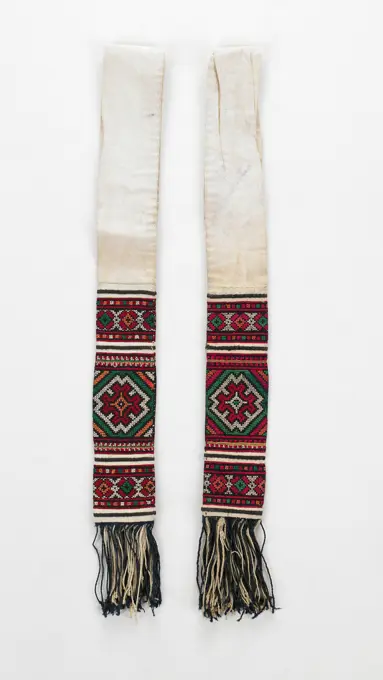
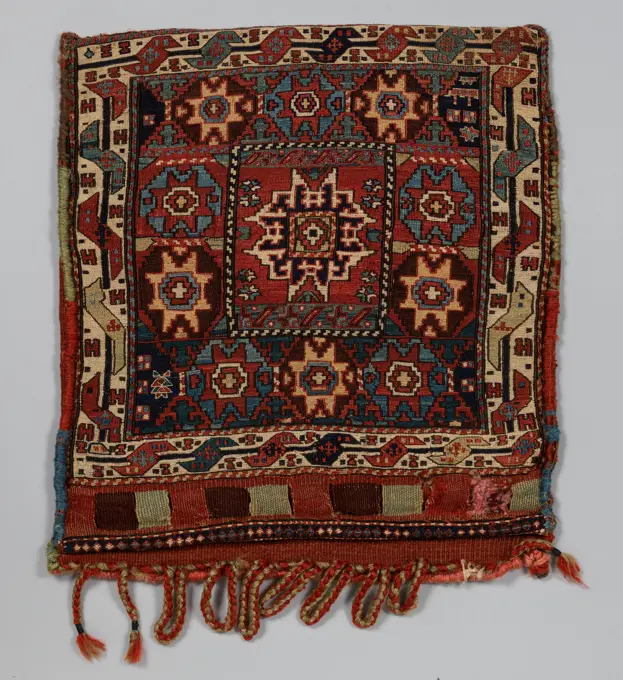
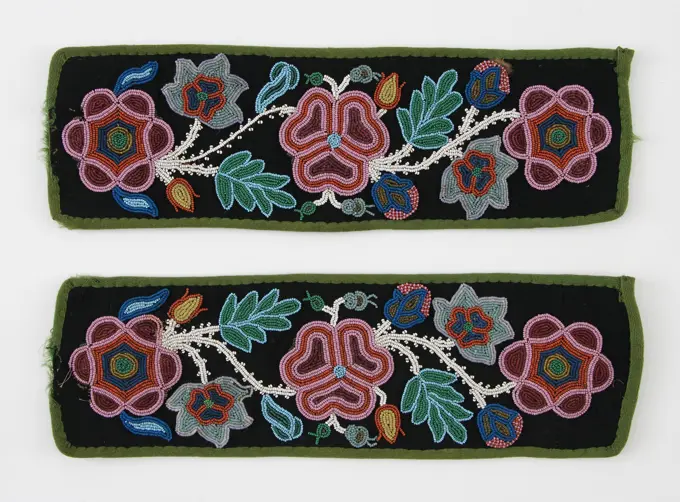
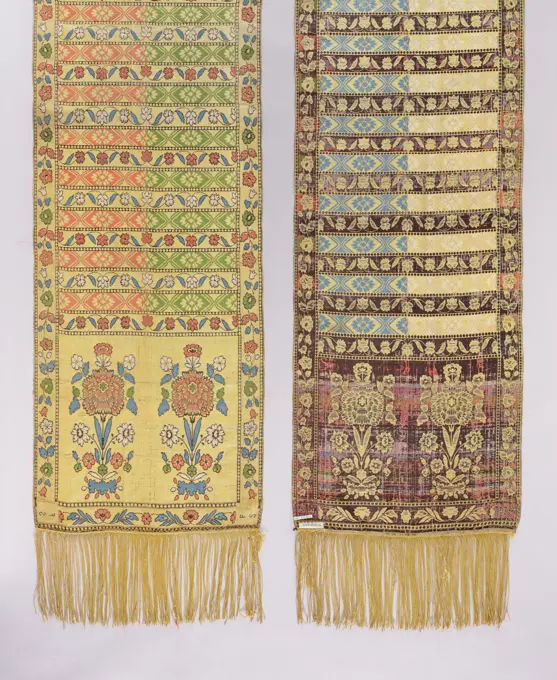
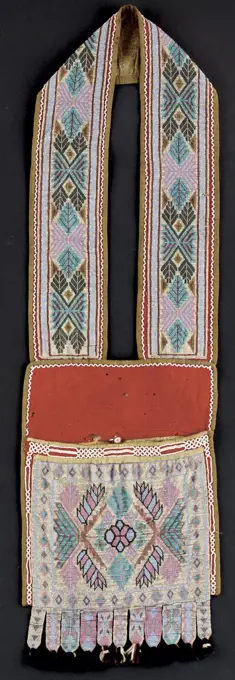
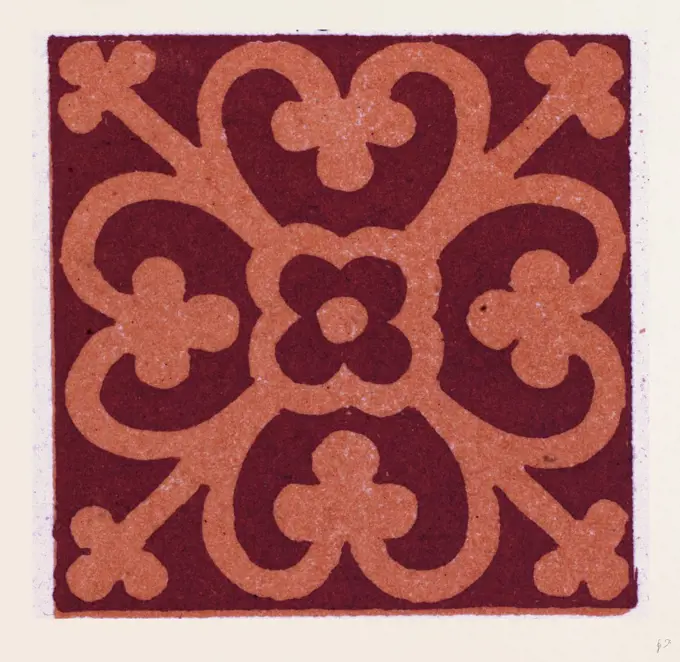
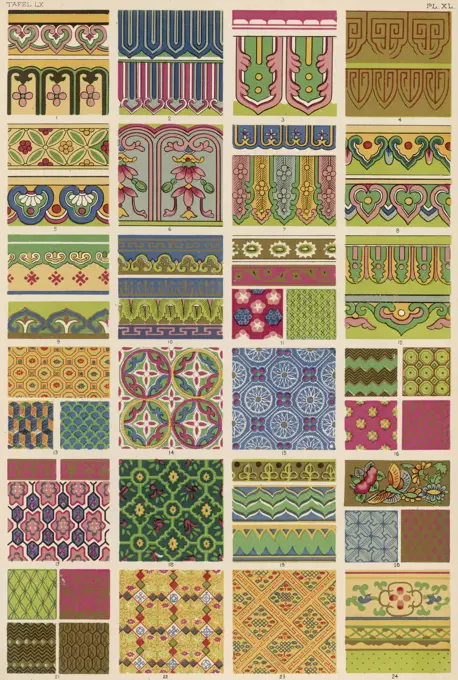
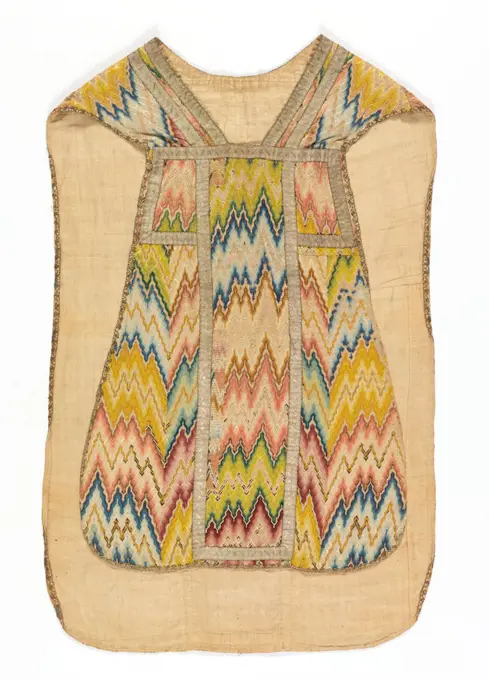
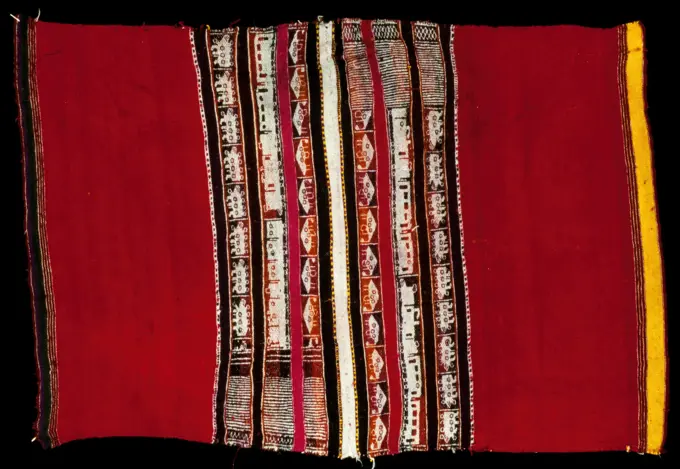
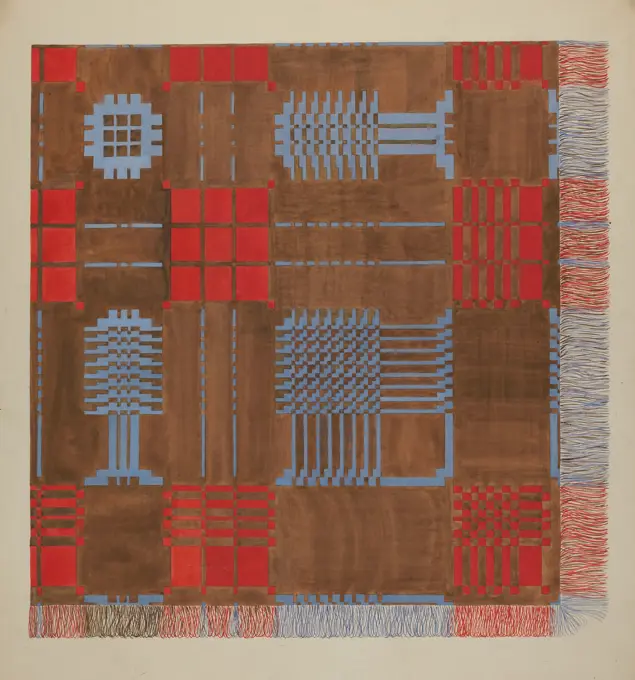
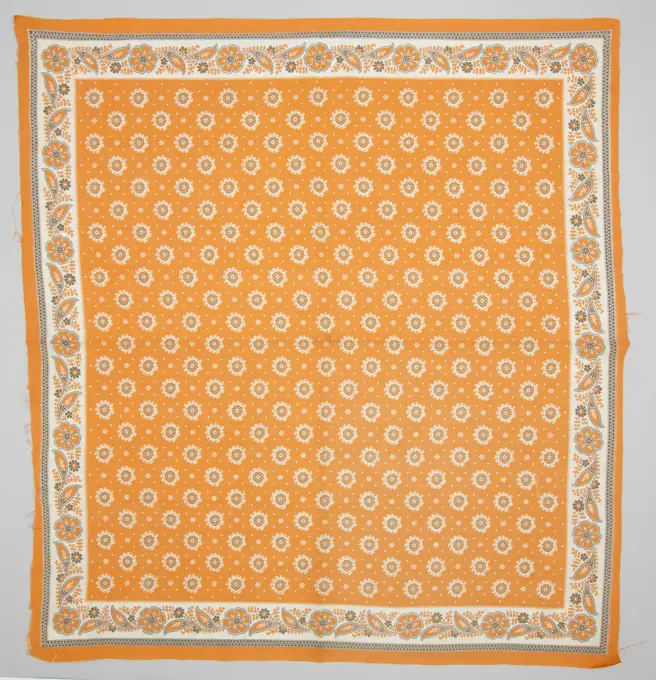
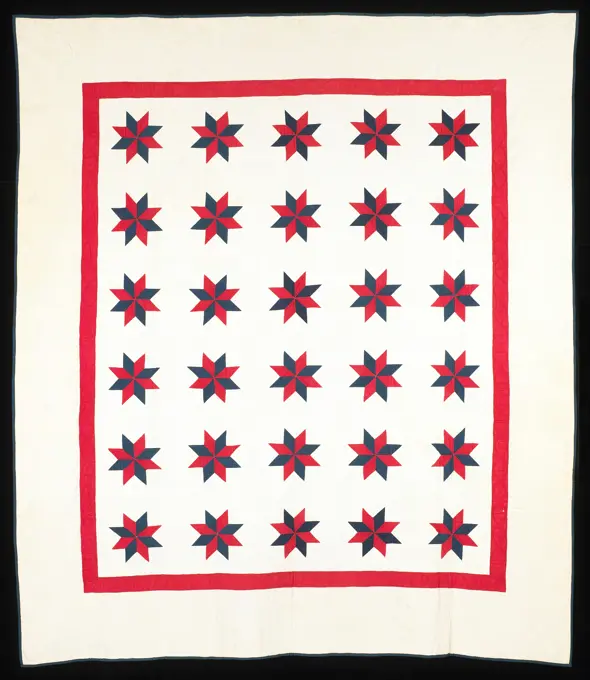
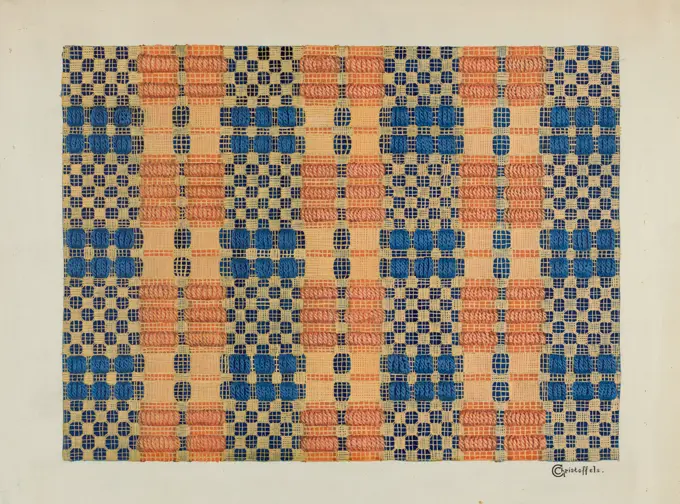
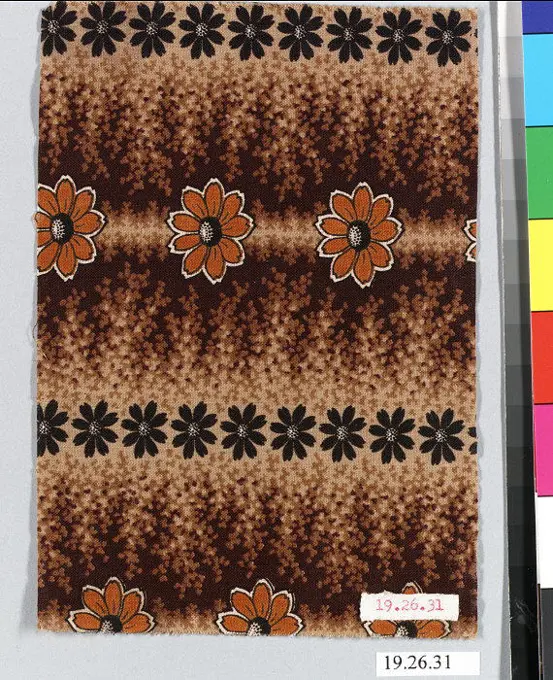
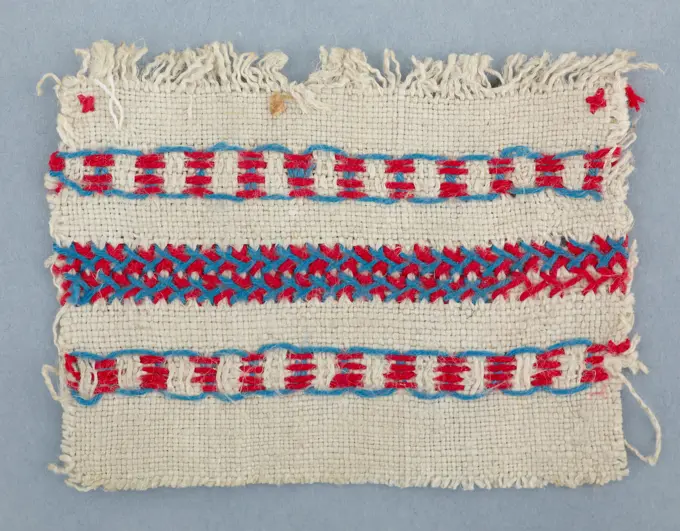
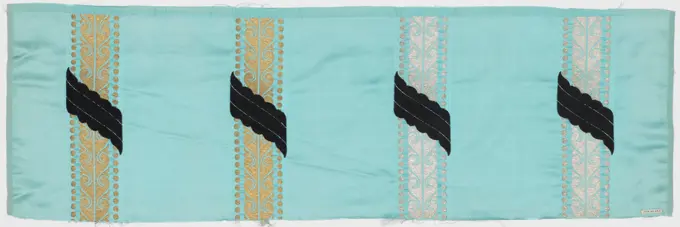
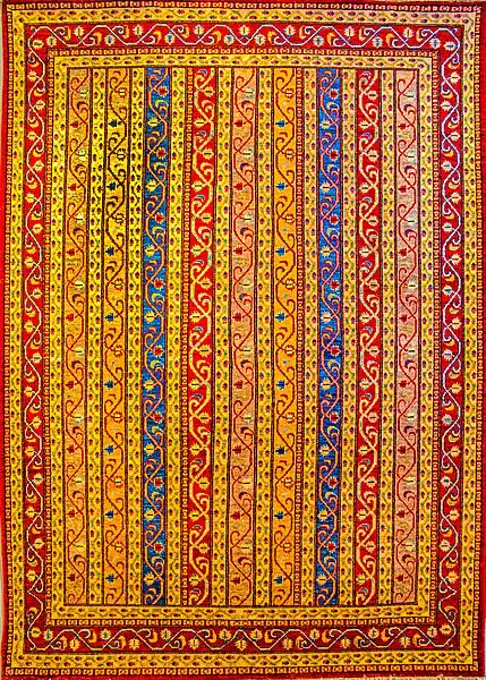
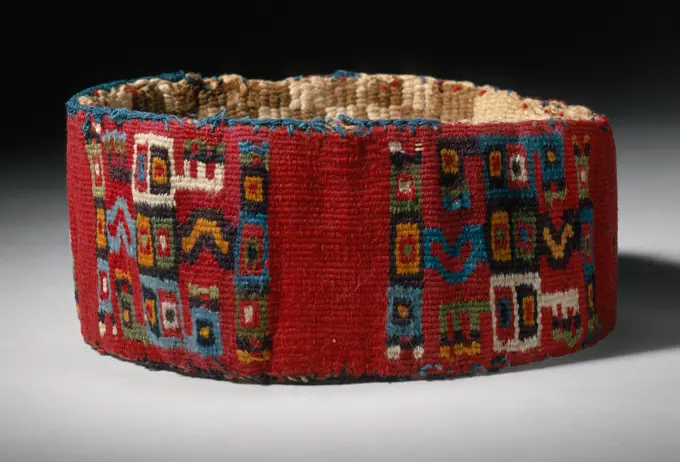
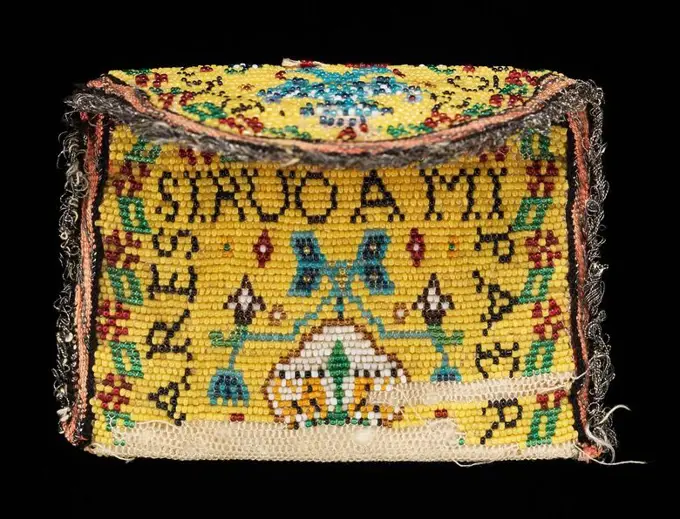
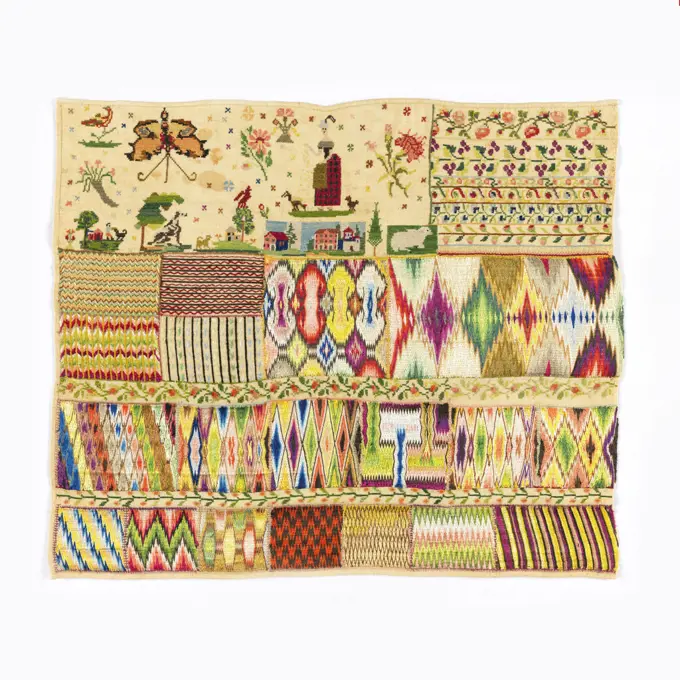
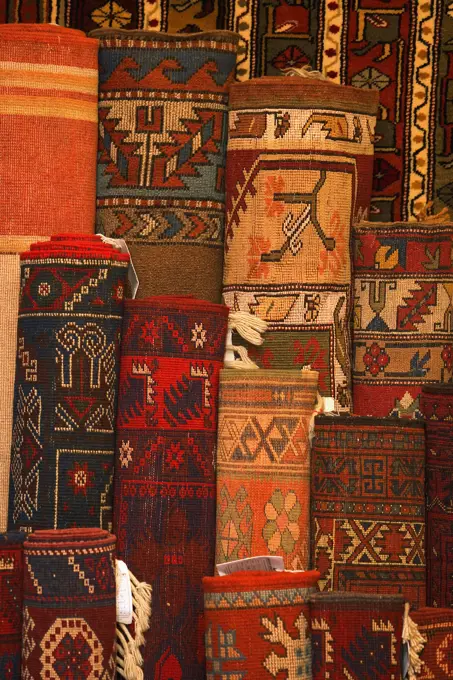
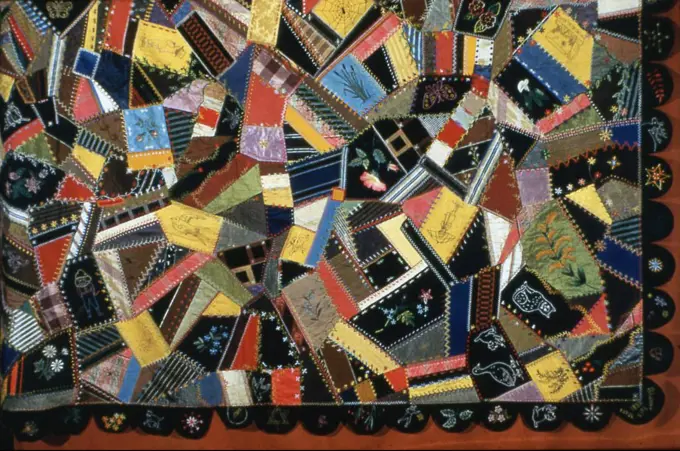
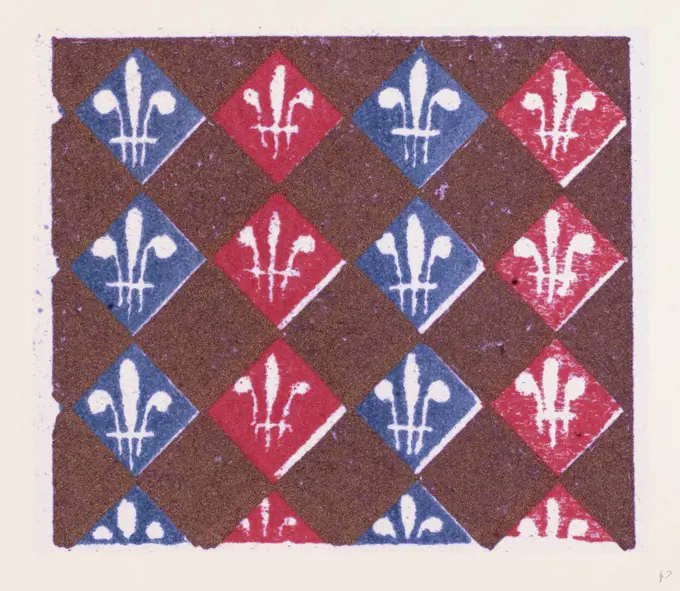
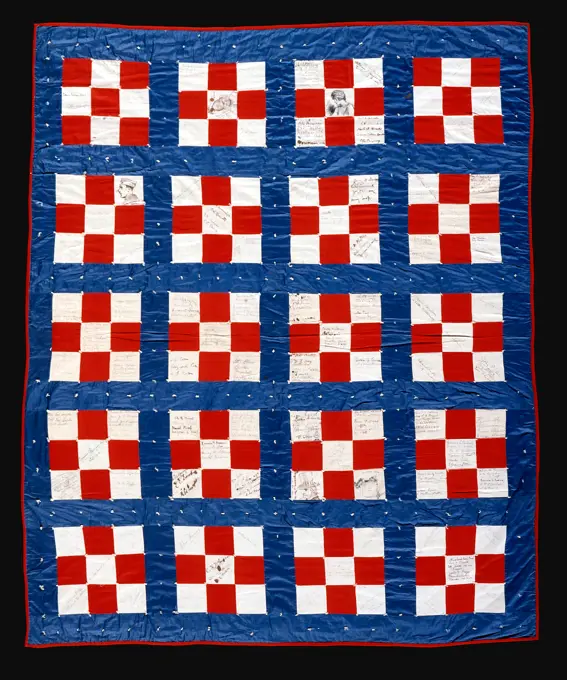
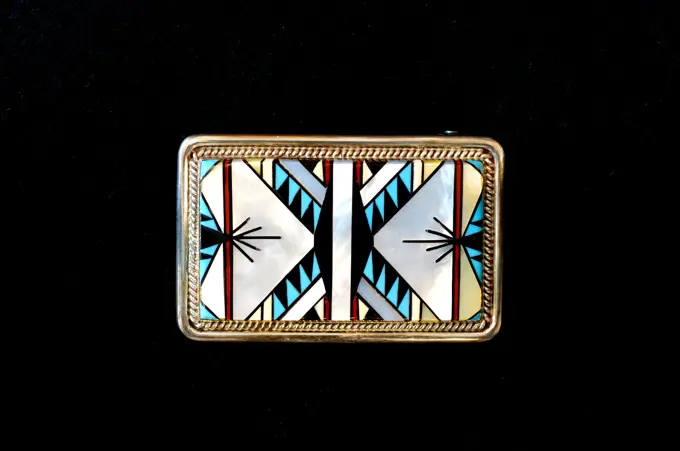
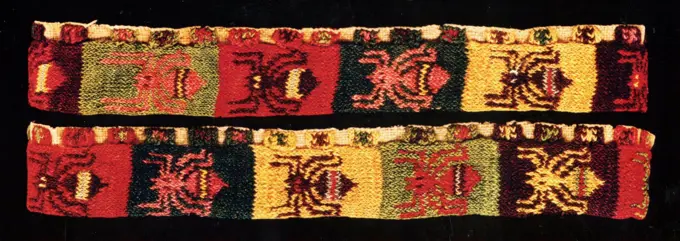
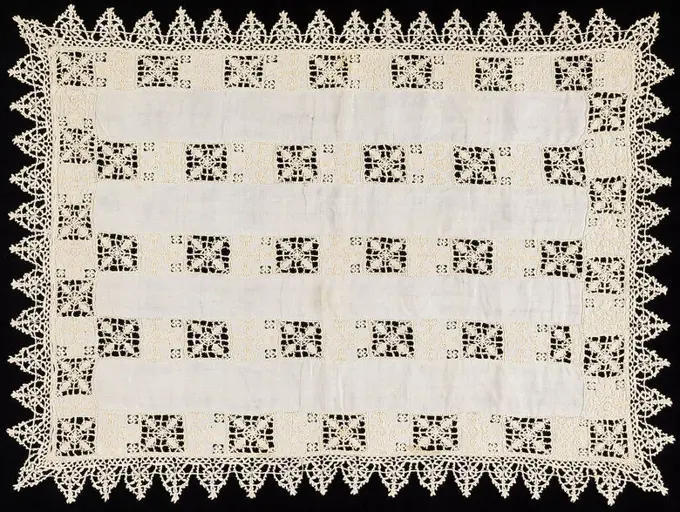
Chalice cover. Date/Period: Mid- 17th century. Chalice cover. Medium: linen. Technique: grid of withdrawn work with reticella style needle lace, embroidery and bobbin lace trim. Author: UNKNOWN.Leaf with ornamental pattern, anonymous, c. 1850 - c. 1950  Leaf with an ornamental pattern of flowers and frame with hanging bubbles.  paper. paint (coating). lacquer (coating) block printing (relief printing process) / lacquering ornament derived from plant formsTie or partial sash, one of a pair, ChinaGeorgian embroidery pattern 84Face from Half of Double Saddle Bag (Khorjin) 19th century. Face from Half of Double Saddle Bag (Khorjin). 19th century. Wool; sumak brocaded, tapestry weave. From Northwestern Iran. Textiles-Woven-BrocadeEmbroidery pattern unknownPanel, 18th century, Silk, India, 18th centuryNeck Emblem or Sash 2nd century B.C.-A.D. 2nd century Pukara. Neck Emblem or Sash. Pukara. 2nd century B.C.-A.D. 2nd century. Camelid and human hair. Peru. Textiles-WovenMulticoloured fabric sampleColorful textiles, blankets for sale, Chichicastenango, GuatemalaFringe Made 1601-1800 France. Silk and gold gilt strip wound around a silk fiber core, plain weave with supplementary patterning warps and extended ground weft cut fringe, grouped and wrapped .nice embroidery patternStrip -Cross Stitched Panel, 19 1/8 x 16 7/8 in. (48.58 x 42.86 cm), Cotton; needlework, ChinaConciliate belt;  End of the 18th century (1791-00-00-1800-00-00);A Chippewa Loom-Beaded Bandoleer Bag Native American Art Medieval ornamentblur in iran antique carpet textile  handmade beautiful arabic ornamentDesigns from porcelain,  paintings, woven fabrics and wooden boxes        Date: 1868Chasuble, Medium: silk, linen, metal Technique: flame (brick, Florentine, bargello) stitch embroidery on loosely woven canvas bound together by silver trimming; lined, Panels of loosely woven linen canvas bound together by silver trimming, and solidly embroidered in bright polychrome silk floss in flame (brick, Florentine, bargello) sittch. Lined with old natural linen., Italy, 18th century, costume & accessories, Chasublethailand abstract cross ceramics step in the temple kho phangan  bay asia and south china seawooden box decorated with a pattern of straw. wooden boxShawl (Llklla), 1965-1975, 30 x 44 in. (76.2 x 111.8 cm), Wool, Bolivia, 20th centuryDorothy Posten, Woven Coverlet, c 1936 Woven CoverletSampler (Mexico); cottonKerchief unknown, angels Cunha Ferraira et compLeMoyne Stars quilt, c. 1880-90, 85 13/16 x 75 1/8 in. (217.96 x 190.82 cm), Cotton; pieced and quilted, United States, 19th century, Pieced quilts, such as this, require fabric components that are uniform in shape and size. Variations can distort the overall design. To ensure standardization, quilters often use templates to cut fabric pieces accurately. In the late 1800s, templates were cut from sheets of tin or paper. Today, they are often made from plastic.Egyptian OrnamentCornelius Christoffels, Coverlet, c 1937 CoverletSash, Medium: silk, Italy, 19th century, woven textiles, SashSample ca. 1840 French, Mulhouse. Sample. French, Mulhouse. ca. 1840. Cotton. Textiles-PrintedTraditional Georgian folk art embroidery vector patternCentral America, Guatemala, Antigua, Textile Museum aka Casa del Tejido. Colorful traditional Guatemalan huipil (blouse, shirt)Embroidery sample unknown, a professional school in KrakowTextile (France); silk, metallic thread; Anonymous bequest in memory of Albert and Rebecca Elsberg; 1938-82-58-dScarf. Culture: American. Manufacturer: Echo Scarfs (American, founded 1923). Date: ca. 1948. Museum: Metropolitan Museum of Art, New York, USA.Bedcover. United States, New York, Ithaca. Date: 1839. Dimensions: 234.9 x 214.2 cm (92 1/2 x 84 3/8 in.). Silk and cotton, variety of plain, satin and twill weaves, some with supplementary and/or self-patterning elements; pieced; quilted; edged with silk, warp-float faced satin weave. Origin: United States. Museum: The Chicago Art Institute, Chicago, USA.Georgian embroidery pattern 9Carpet Manufacture, Cappadocia, Turkey, Cappadocia, Turkey, AsiaMiddle East, Arabian Peninsula, Oman, Muscat, Muttrah. Rugs for sale at the souk in Muttrah.Passement of woven white wool, which has been removed on one of the long sides so that a frills have been created; The wool is decorated lengthwise with embroidered flowers, anonymous, c. 1750 - c. 1790 Passement of white wool, decorated with colored embroidery. The passion consists of a tire of woven wool, which has been removed on one of the long sides so that a fringe has been created. The wool is decorated lengthwise with embroidered flowers in green and different shades of pink; An orange -colored embroidered line runs along the edges. Possibly a passement for clothing or furniture covering. Netherlands (possibly) band: wool. versiering: silk embroidering Passement of white wool, decorated with colored embroidery. The passion consists of a tire of woven wool, which has been removed on one of the long sides so that a fringe has been created. The wool is decorated lengthwise with embroidered flowers in green and different shades of pink; An orange -colored embroidered line runs alonHeadband. Peru, South Coast, Wari, 600-850. Costumes; Accessories. Camelid fiber and cotton, interlocked tapestry, double weaveCoin purse. Culture: Mexican. Date: 1790-1810.The stylized double-headed eagle seen here is a conventionalized image; other images appear to be free-form creations of the maker. The text on the border roughly translates as: "I serve my little father the senor? Dn Jose Cone?ares," a humorous self-reference to the coin purse and its owner. The purse is part of the Mexican beadwork collection of over 600 pieces assembled by Elizabeth Morrow (1873-1955), mother of writer Anne Morrow Lindbergh, the wife of renowned aviator Charles Lindbergh. Morrow collected the objects between 1927 and 1930, when her husband, Dwight Morrow, Sr., served as U.S. ambassador to Mexico. She lent the collection to the Brooklyn Museum in 1938 and upon her death, her children donated it. A collection of 155 pieces of Mexican ceramics and other decorative arts were given to Amherst College, her husband's alma mater. Mrs. Morrow collected Mexican beadwork, along with other examples of colonial and native arts,Ribbon French 19th century View more. Ribbon. French. 19th century. Textiles-TrimmingsSampler, Medium: silk embroidery on cotton foundation Technique: embroidered in cross, stem, satin, long armed cross, threaded running, Roumanian, fern, and buttonhole embroidery stitches on plain weave foundation Label: cotton embroidered with silk in cross, stem, satin, long armed cross, threaded running, Roumanian, fern, and buttonhole embroidery stitches, Vividly colored sampler in which the lower two-thirds is composed of flame patterns. The upper left corner has spot motifs, including a butterfly, dog, sheep, shepherdess, and various buildings; the upper right small floral bands., Mexico, early 19th century, embroidery & stitching, SamplerBedcover (Mosaic or Honeycomb Quilt) Made 1875-1880 United States. Wool, cotton, and silk, plain, twill, and satin weaves; some with supplementary pile warps forming cut solid velvet; some self-patterned; some warp dyed; and some printed; pieced; backed with wool, plain weave; printed; cotton batting .Closeup Of Carpet RollsOld hand made carpet and rugs of traditional typesQuilt, late 19th century, 68 1/2 x 51 1/2in. (174 x 130.8cm), Silk; appliqué; quilted, United States, 19th centuryParfleche, c. 1890-1910, 29 5/16 x 13 5/16 x 4 in. (74.45 x 33.81 x 10.16 cm), Animal hide, pigment, United States, 19th century, Rawhide containers, commonly known as parfleche, were created by all tribes of the Plains region for use as storage containers. These objects were constructed and painted by women, who were taught the designs by previous generations. Each tribe used specific designs and color. Painted abstract designs on parfleche are similar to those that appear on beaded items.Bedcover (Crazy Quilt) Made 1887-1888 Massachusetts. Silk, in a variety of weaves including cut velvet weave and a variety of techniques; pieced; embroidered in silk and chenille threads in a variety of stitches; backed with silk, satin weave .African ethnic ornament set with geometric and floral patterns. Fabric print, tribal embellishment and interior accessory design. African ethnic pattern with tribal geometric motifMedieval ornamentWorld War I Fundraiser QuiltPukalam flower arrangement  Cochin Kochi  Kerala  India 10-August-2008 Copyright: xKrishnadasxMenon/DinodiaxPhotoxBody wrap, c. 1980, 52 1/2 x 85 3/4 in. (133.35 x 217.81 cm) (excluding fringe), Cotton, Nigeria, 20th centuryJacket, from a two-piece set, 26 3/8 x 46 in. (66.99 x 116.84 cm), Cotton, Chinainterior boho pillow cartoon. room furniture, sofa apartment, decor house interior boho pillow sign. isolated symbol vector illustration. interior boho pillow cartoon vector illustrationSouthwest, American Indian art & handicrafts. Classic Zuni inlay belt buckle, blanket pattern.SurfboardsQuilts on Display. 1930 - 1949. Central Plains Region (Kansas City, MO). Photographic Print. Department of the Interior. Bureau of Indian Affairs. Standing Rock Agency. 9/17/1947-. PhotographsBorder from a Small Headcloth orShawl.  Artist: UnknownNorth America,  USA,  South Dakota,  Rapid City,  Prairie Edge Trading Co. Property Release. IMAGE RESTRICTED: Not available to US land tour operators.Sampler 19th century Dutch. Sampler 228667