My Boards
View Pictures
  • My Boards

Ethnic Groups and Traditional Cultures

Vintage photographs showcasing various ethnic groups in traditional attire, representing cultural heritage and historical narratives from different regions.
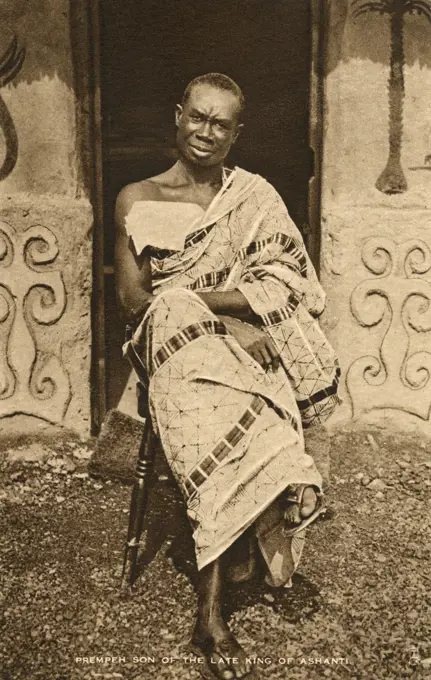
Otumfuo Nana Prempeh I  (1870-1931), (Kwaku Dua III Asamu) - an Asantehene ruler of the Oyoko Abohyen Dynasty of the Akan state of Ashanti.   circa 1910s
Otumfuo Nana Prempeh I (1870-1931), (Kwaku Dua III Asamu) - an Asantehene ruler of the Oyoko Abohyen Dynasty of the Akan state of Ashanti. circa 1910s
172 assets in this story
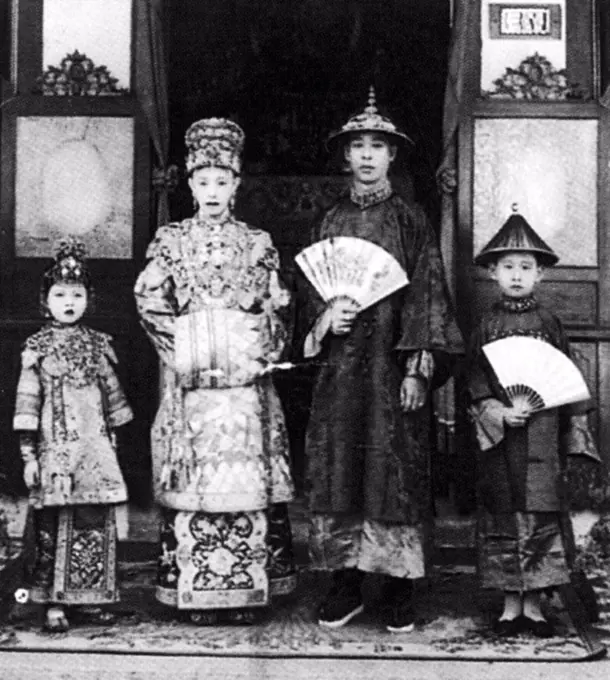
1899-18788039
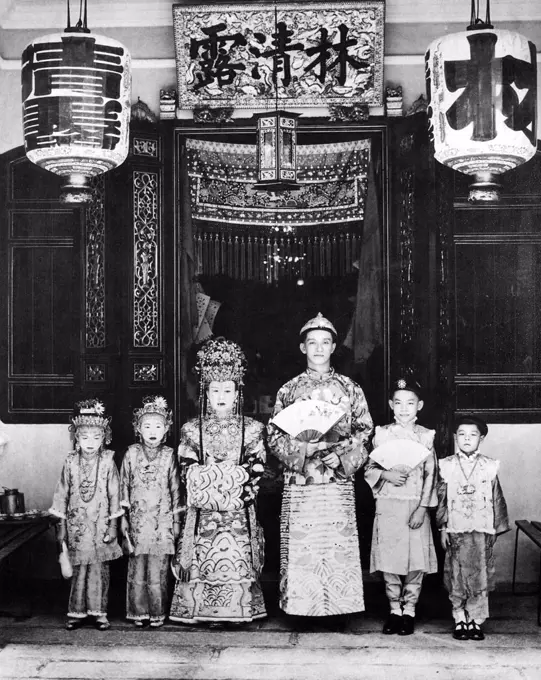
Peranakan Chinese and Baba-Nyonya are terms used for the descendants of late 15th and 16th-century Chinese immigrants to the Malay-Indonesian archipelago of Nusantara during the Colonial era. Members of this community in Malaysia identify themselves as 'Nyonya-Baba' or 'Baba-Nyonya'. Nyonya is the term for the females and Baba for males. It applies especially to the ethnic Chinese populations of the British Straits Settlements of Malaya and the Dutch-controlled island of Java and other locations, who adopted partially or in full Malay-Indonesian customs to become partially assimilated into the local communities. While the term Peranakan is most commonly used among the ethnic Chinese for those of Chinese descent also known as Straits Chinese, it may also be applied to the Baba-Yaya community in Phuket and other provinces of southern Thailand.
1746-29953489
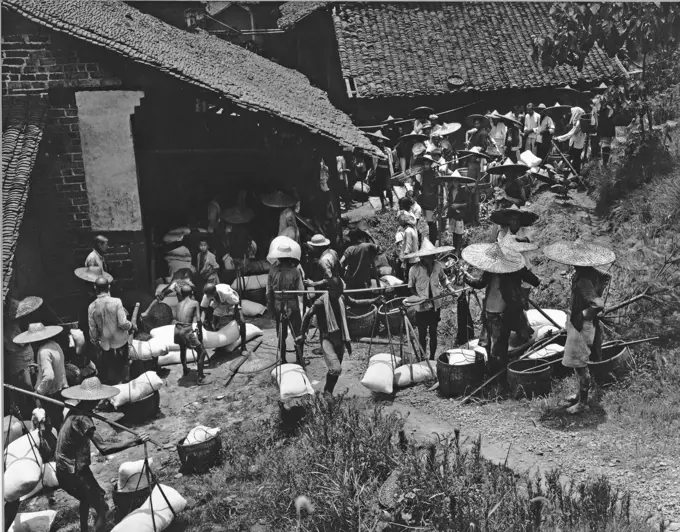
Distribution of rice to starving people, during the famine in Kiangsu Province and Yunnan Province in China. 1946
486-4195
Child in traditional costume of American Indians
1899-18856233
Huế originally rose to prominence as the capital of the Nguyễn Lords, a feudal dynasty which dominated much of southern Vietnam from the 17th to the 19th century. In 1775 when Trịnh Sm captured it, it was known as Phú Xun. In 1802, Nguyễn Phúc Ánh (later Emperor Gia Long) succeeded in establishing his control over the whole of Vietnam, thereby making Huế the national capital. Huế was the national capital until 1945, when Emperor Bảo Đại abdicated and a communist government was established in Hà Nội (Hanoi), in the north. While Bảo Đại was briefly proclaimed 'Head of State' with the help of the returning French colonialists in 1949 (although without recognition from the communists and the full acceptance of the Vietnamese people), his new capital was Sài Gòn (Saigon), in the south.
5513-19225792
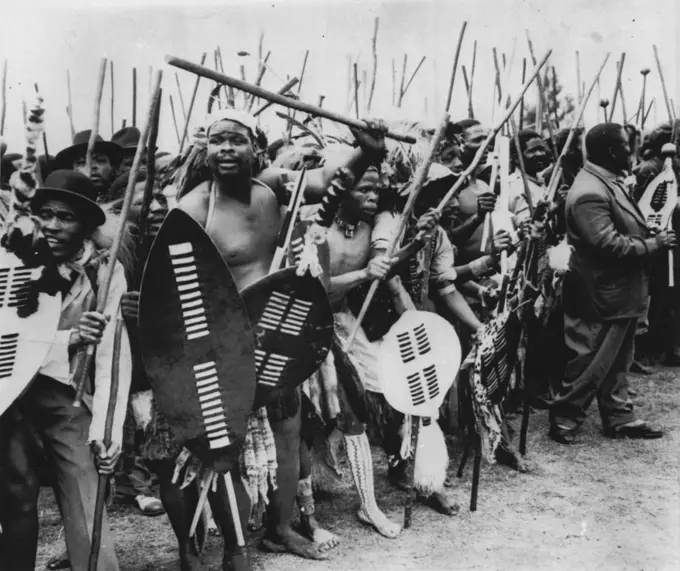
Zulus Honor Nation's Founder -- Zulu tribesmen, some in native dress, others in civilian clothing and still others, in a mixture of each, chant and dance during ceremonies honoring Tahaka, founder of the Zulus, at Stanger, Natal, Africa, recently. A marble monument in honor of Tahaka  was unveiled during the ceremonies, PS: Dig the derby and porkpie hats at left. October 03, 1954. (Photo by AP Wirephoto).
4408-4067
Medicine Man, Native American
1899-18792768
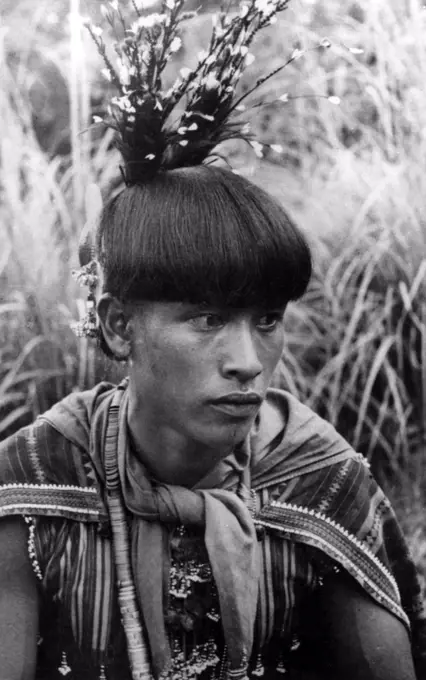
Ifugao is a landlocked province of the Philippines in the Cordillera Administrative Region in Luzon. Covering a total land area of 262,820 hectares, the province of Ifugao is located in a mountainous region characterized by rugged terrain, river valleys, and massive forests. Its capital is Lagawe and borders Benguet to the west, Mountain Province to the north, Isabela to the east, and Nueva Vizcaya to the south. The Rice Terraces of the Philippine Cordilleras and Banaue Rice Terraces are the main tourist attractions in the province. These 2000-year-old terraces were carved into the mountains, without the aid of machinery, to provide level steps where the native Ifugao people can plant rice. In 1995, they were declared a UNESCO World Heritage Site. Ifugao culture revolves around rice, which is considered a prestige crop. There is an elaborate and complex array of rice culture feasts inextricably linked with taboos and intricate agricultural rites, from rice cultivation to rice consumpti
1746-21106721
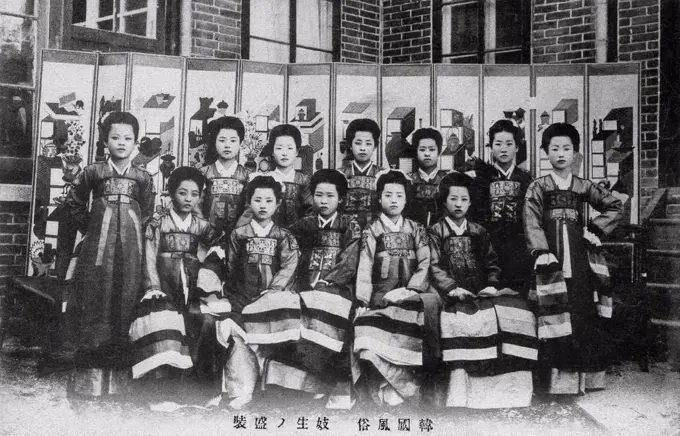
Korean kisaeng dressed up for singing and dancing. A Korean kisaeng is special women's occupation in which the women help to make parties more enjoyable by singing and dancing 1910
1899-18718930
The Karen are a major ethnic group of Burma, though several hundred thousand live in northern Thailand. Linguistically Tibeto-Burman, the Karen maintain a legend that dates them back to the Gobi Desert of Mongolia. There are several branches of Karen the Red Karen (Karenni), Sgaw Karen and Pwo Karen. There is also the hilltribe of Padaung, better known as 'Long-neck Karen'. In present-day Myanmar, the Karen rebel army, the KNU, has continuously fought a bloody civil war with the central Burman government since 1948.
1746-57665624
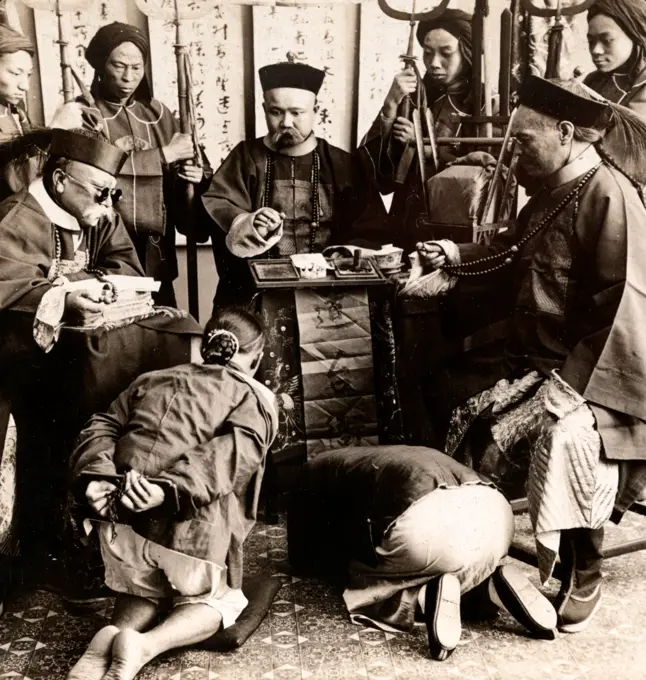
Trial of Boxer rebels during the The Boxer Rebellion, also known as the Boxer Uprising, an anti-foreign, anti-imperialist, and anti-Christian uprising in North China between 1899 and 1901, towards the end of the Qing dynasty.
1899-18788631
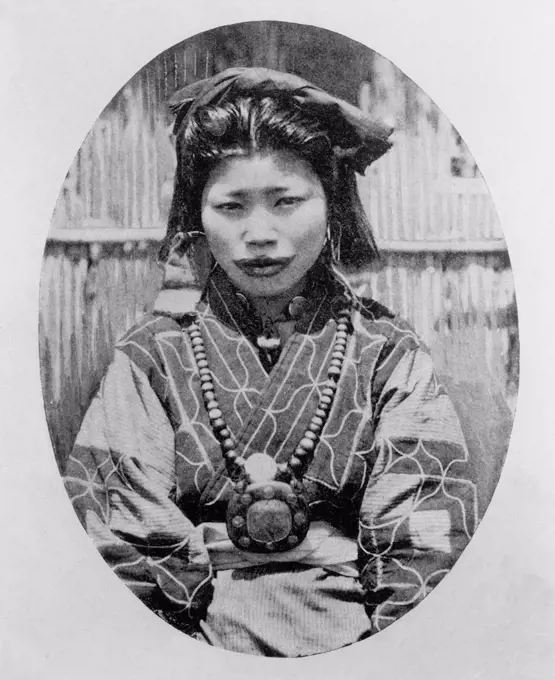
The Ainu, also called Aynu, Aino, and in historical texts Ezo, are indigenous people or groups in Japan and Russia. Historically, they spoke the Ainu language and related varieties and lived in Hokkaidi, the Kuril Islands, and much of Sakhalin. Most of those who identify themselves as Ainu still live in this same region, though the exact number of living Ainu is unknown. This is due to confusion over mixed heritages and to ethnic issues in Japan resulting in those with Ainu backgrounds hiding their identities. In Japan, because of intermarriage over many years with Japanese, the concept of a pure Ainu ethnic group is no longer feasible. Official estimates of the population are of around 25,000, while the unofficial number is upward of 200,000 people.
4220-20412504
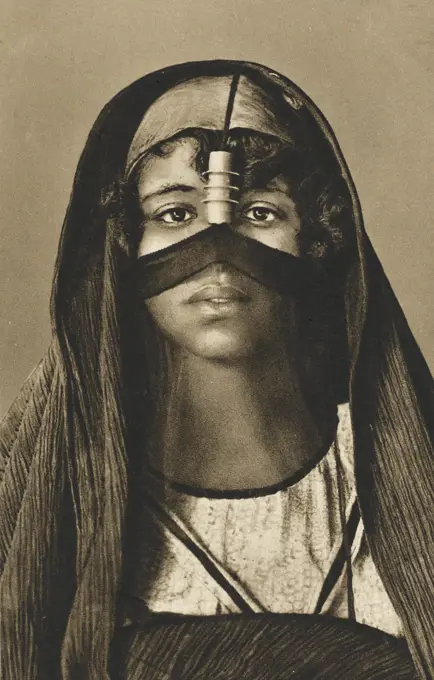
A striking young Egyptian woman in traditional headdress  1920s
1899-18718407
The little prince would most likely have been a relation of King Preah Bat Sisowath who ruled Cambodia from 1904, when King Norodom died, until his death in 1927 when he was succeeded by his son and crown prince, Prince Sisowath Monivong.
6176-67049858
'African Belles in Brazil; Rio De Janeiro and the Organ Mountains', 1875. From, 'Illustrated Travels' by H.W. Bates. Cassell, Petter, and Galpin, c1880, London Belle Sauvage Works.London E.C.
6145-51796224
Bombay, Indies young Brahmane or Sadhu on the steps of a Hindu temple , 1913-1914 - India, Pakistan - Stéphane Passet - (December 16 -January 29) (French - Bombay , Indes Jeune brahmane ou sadhu sur les marches d' un temple hindou). Religious personality, temple, Hinduism, makeup, portrait, nudity, man, Personality, religion, human beings
6145-48850690
Javanese woman wearing an ornate headdress, seated. Woodbury & Page (British, active 1857 - 1908)
1746-21120024
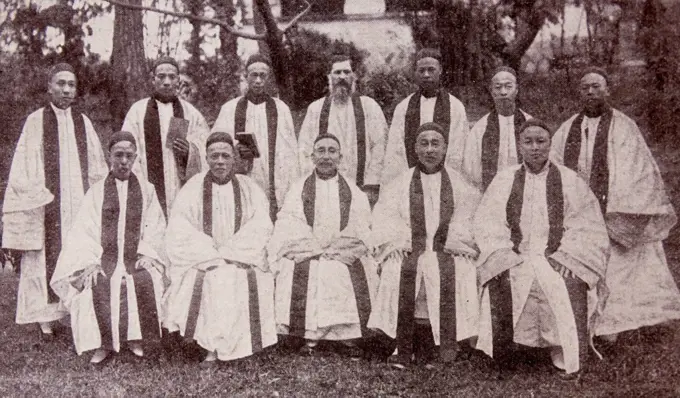
Photograph of Archdeacon Wolfe and a group of Chinese clergymen in Fujian. Dated 1898
1899-18718354
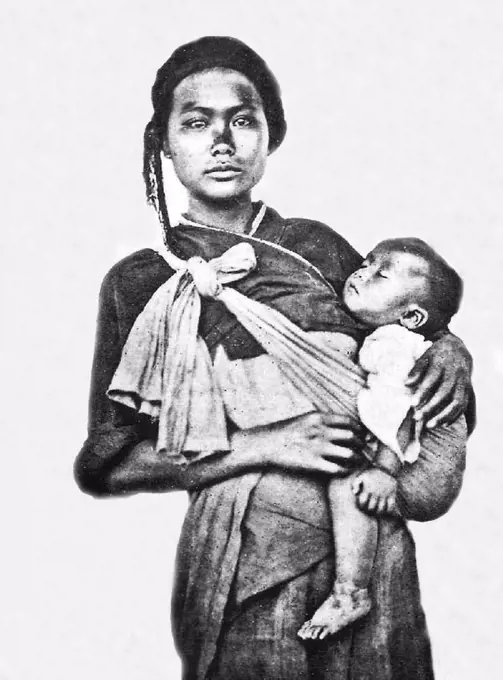
Taiwanese aborigines (Chinese: yuanzhumin; Peh-oe-ji: goan-chu-bin; literally 'original inhabitants') may have been living on the islands for approximately 8,000 years before major Han Chinese immigration began in the 17th century. Taiwanese aborigines are Austronesian peoples, with linguistic and genetic ties to other Austronesian ethnic groups, such as peoples of the Philippines, Malaysia, Indonesia, Madagascar and Oceania. For centuries, Taiwan's aboriginal peoples experienced economic competition and military conflict with a series of colonizing peoples. Centralized government policies designed to foster language shift and cultural assimilation, as well as continued contact with the colonizers through trade, intermarriage and other dispassionate intercultural processes, have resulted in varying degrees of language death and loss of original cultural identity. Taiwan's Austronesian speakers were formerly distributed over much of the island's rugged central mountain range and were co
4220-20424889
Java - Indonesia - Traditional Dance Moves - Dewie Srikandi and Dewie Larasati     Date: circa 1910s
1899-18788491
Palestine is a name given to the geographic region between the Mediterranean Sea and the Jordan River. The region is also known as the Land of Israel, the Holy Land and the Southern Levant. In 1832 Palestine was conquered by Muhammad Ali's Egypt, but in 1840 Britain intervened and returned control of the Levant to the Ottomans in return for further capitulations. The end of the 19th century saw the beginning of Zionist immigration and the Revival of the Hebrew language. The movement was publicly supported by Great Britain during World War I with the Balfour Declaration of 1917. The British captured Jerusalem a month later, and were formally awarded a mandate in 1922. In 1947, following World War II and the Holocaust, the British Government announced their desire to terminate the Mandate, and the United Nations General Assembly voted to partition the territory into a Jewish state and an Arab state. The Jewish leadership accepted the proposal but the Arab Higher Committee rejected it; a
4220-20434396
Nukapu, Solomon Islands - Patteson Memorial Cross. In 1871, a memorial was erected close to the hut where John Patteson, Bishop of Melanesia was killed.     Date: circa 1910s
1899-19135284
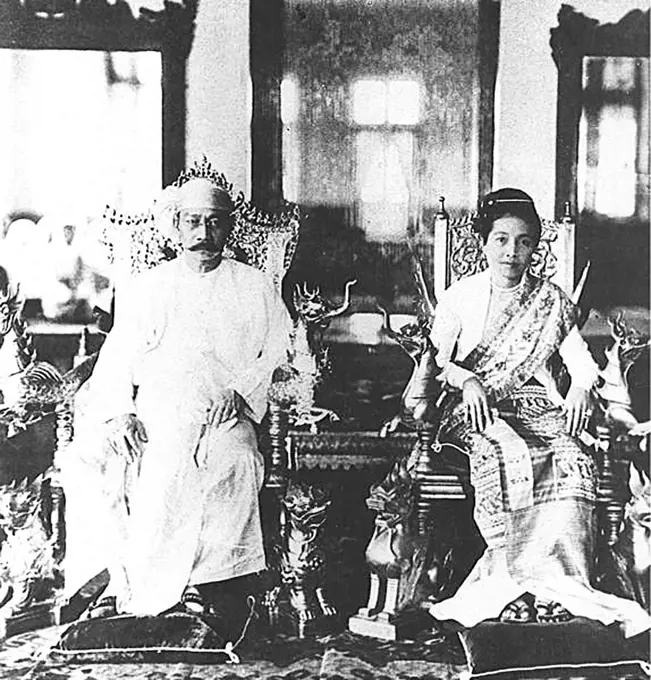
Burma/Myanmar: Sao Hkun Hseng (1866-1902), saopha or Shan feudal lord of Hsipaw (1886-1902), with his queen the mahadevi, c. 1900
6145-29549635
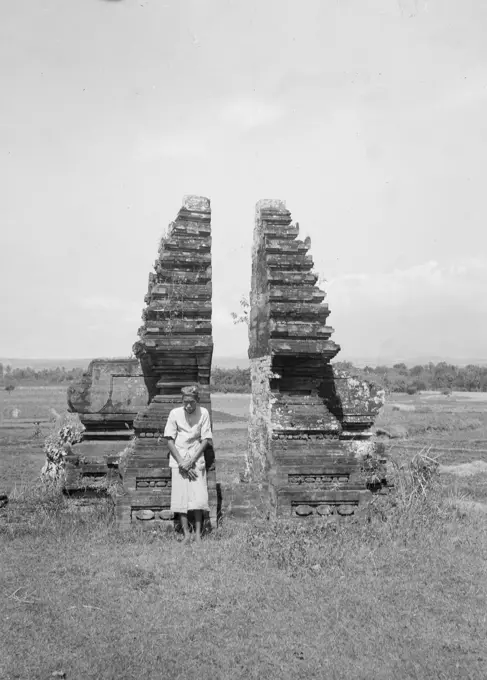
Photo collection Service for army contacts Indonesia. DLC Red Crosswork in Tarukan; opening canteen; Holy grave. Candi Cetho Temple (Karanganyar). 26 May 1948. Indonesia, Dutch East Indies
1746-19660219
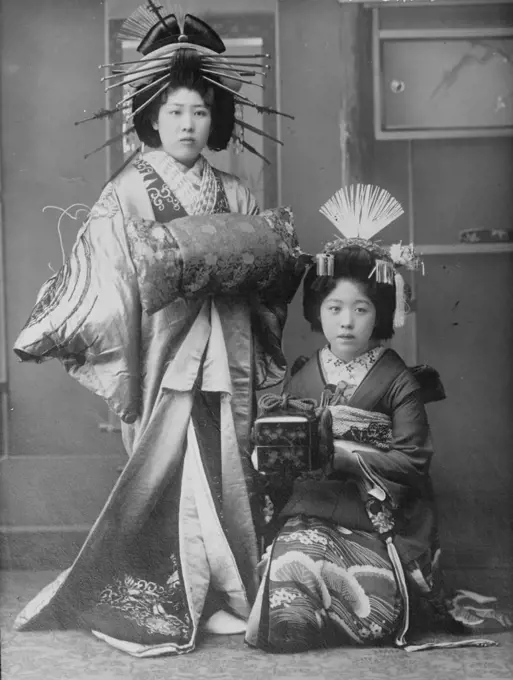
Two Geisha. Photograph late 19th century. Geisha, Japanese courtesans and entertainers in traditional dress.
1525-27818875
Hausa incurred by the international association, vintage engraved illustration. Journal des Voyage, Travel Journal, (1880-81).
1899-18716901
The Casbah (Al Qasbah, 'the Citadel'), district of Algiers is founded on the ruins of old Icosium. It is a small city which, built on a hill, goes down towards the sea, divided between the High city and the Low city. There are houses and and mosques dating from the 17th century, as well as labyrinths of lanes and houses that are both picturesque and confusing to the outsider.
1899-18852426
Phra Bat Somdet Phra Poramenthramaha Mongkut Phra Chom Klao Chao Yu Hua, or Rama IV, known in foreign countries as King Mongkut (18 October 1804 - 1 October 1868), was the fourth monarch of Siam (Thailand) under the House of Chakri, ruling from 1851-1868. He was one of the most revered monarchs of the country. Outside of Thailand, he is best-known as the King in the 1951 play and 1956 film The King and I, based on the 1946 film Anna and the King of Siam - in turn based on the 1944 novel about Anna Leonowens' years at his court, from 1862 to 1867.
1746-21114046
Tunisian woman 1900
4128-48285438
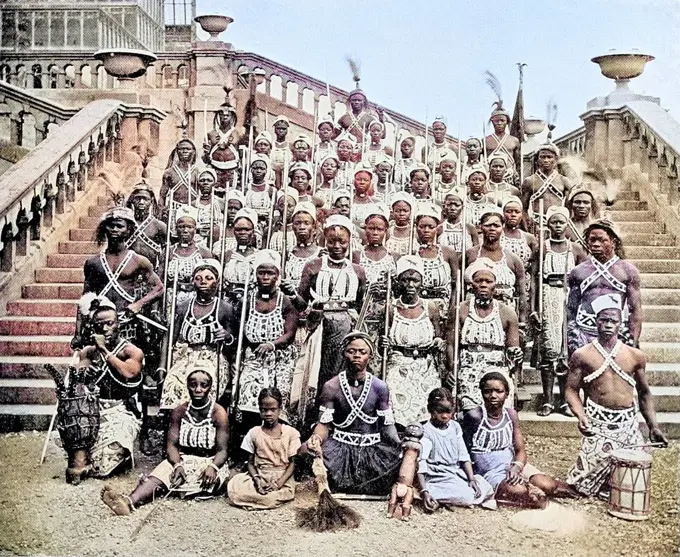
Dahomeyan Amazons
1540-16125525
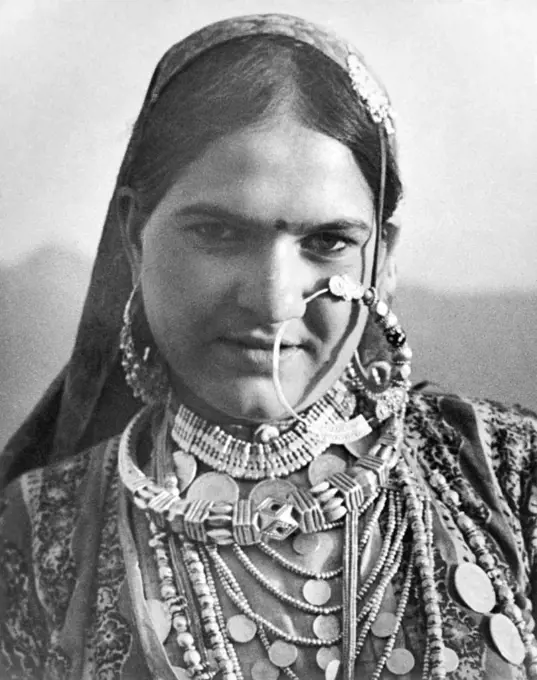
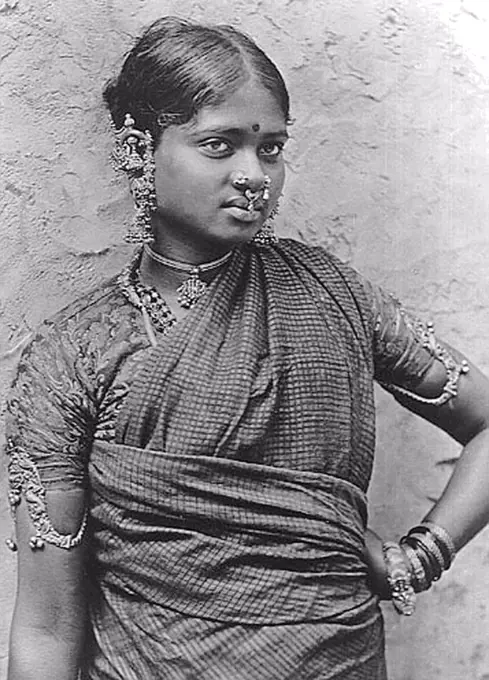
Indian rural lady in traditional dress with nose ring at Jaunsar Bhabar ; Himalaya ; India 1940's
1899-18792782
Ifugao is a landlocked province of the Philippines in the Cordillera Administrative Region in Luzon. Covering a total land area of 262,820 hectares, the province of Ifugao is located in a mountainous region characterized by rugged terrain, river valleys, and massive forests. Its capital is Lagawe and borders Benguet to the west, Mountain Province to the north, Isabela to the east, and Nueva Vizcaya to the south. The Rice Terraces of the Philippine Cordilleras and Banaue Rice Terraces are the main tourist attractions in the province. These 2000-year-old terraces were carved into the mountains, without the aid of machinery, to provide level steps where the native Ifugao people can plant rice. In 1995, they were declared a UNESCO World Heritage Site. Ifugao culture revolves around rice, which is considered a prestige crop. There is an elaborate and complex array of rice culture feasts inextricably linked with taboos and intricate agricultural rites, from rice cultivation to rice consumpti
1788-21792066
Constitutionalists (Fedahi) hanged by Russian troops in Tabriz, the dethronement of the Shah in Persia (Iran), from L'Illustrazione Italiana, Year XXXIX, No 7, February 18, 1912.
1899-18853149
The Konbaung Dynasty was the last dynasty that ruled Burma (Myanmar), from 1752 to 1885. The dynasty created the second largest empire in Burmese history, and continued the administrative reforms begun by the Toungoo dynasty, laying the foundations of modern state of Burma. The reforms proved insufficient to stem the advance of the British, who defeated the Burmese in all three Anglo-Burmese wars over a six-decade span (1824-1885) and ended the millennium-old Burmese monarchy in 1885.
1899-18787615
Peranakan Chinese and Baba-Nyonya are terms used for the descendants of late 15th and 16th-century Chinese immigrants to the Malay-Indonesian archipelago of Nusantara during the Colonial era. Members of this community in Malaysia identify themselves as 'Nyonya-Baba' or 'Baba-Nyonya'. Nyonya is the term for the females and Baba for males. It applies especially to the ethnic Chinese populations of the British Straits Settlements of Malaya and the Dutch-controlled island of Java and other locations, who adopted partially or in full Malay-Indonesian customs to become partially assimilated into the local communities. While the term Peranakan is most commonly used among the ethnic Chinese for those of Chinese descent also known as Straits Chinese, it may also be applied to the Baba-Yaya community in Phuket and other provinces of southern Thailand.
6188-72147465
Maskentypen von dem Fest Tsamm, Tsam-Fest ist ein bedeutendes, rituelles Tanzfest des tibetischen Buddhismus, die Masken stellen eine Vielzahl von Figuren dar, darunter zornige und friedvolle Gottheiten, Schutzgötter, Dämonen, Tiere und historische Personen, 1898, Historisch, authentisch, digital restaurierte Reproduktion von einer Vorlage aus dem 19. Jahrhundert, Record date not stated 1f-4903945
1899-24813178
Drum with the ritual sound of the lama, italian expedition in tibet, 1920-30.
1899-19135287
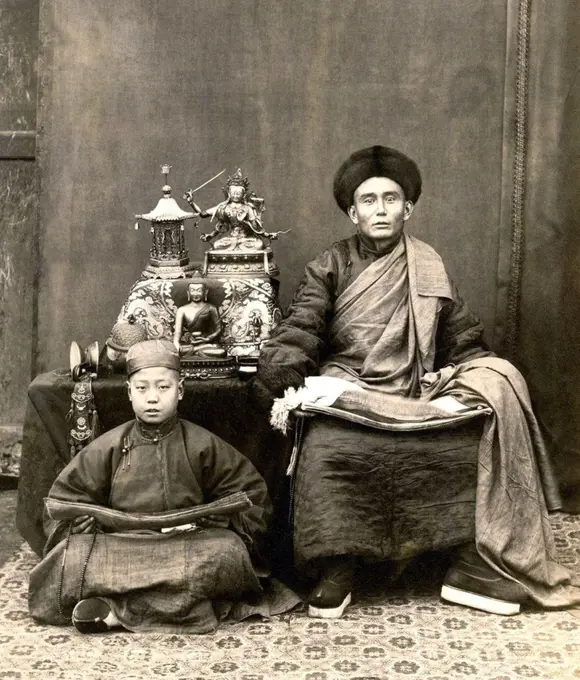
China: Mongolian lama and acolyte, Thomas Child (1841-1898), c. 1880
6145-29328349
Information office and radio broadcaster Dutch New Guinea. During the commemoration of "100 years of mission in New Guinea", the open-air game "Petrus Kafiar" was raised in Hollandiaport; The story of a bistaker, which was sold as a slave to a missionary and was trained to one of the best known native Dutch religious teachers. The photographed scene shows the first contact with the whites. February 1955. New Guinea
1899-18852898
The Kachin are an ethnic minority group that is indigenous to Burma. The northernmost region of Myanmar is Kachin State where about 3 million Kachin people live. They are mostly Christian these days, and are renowned for their traditional herbal medicines.
5513-16125050
Make Up Of A Temple Dancer: He slips bangles on to his arms; some go close to the shoulder pieces, others halfway up the forearm. January 11, 1949. (Photo by Pictorial Press Photo).
5513-19708574
The Sultan Of Pahang Surrounded By His Bodyguard --  New study of The Sultan of Pahang surrounded by the four members of his bodyguard.The sultan is the representative from the Federated Malay States, and is here seen in the robes he will wear at the Coronation of King George VI in Westminster Abbey on May 12th.He visited England some years ago as Crown Prince. May 31,1937.
1838-20373040
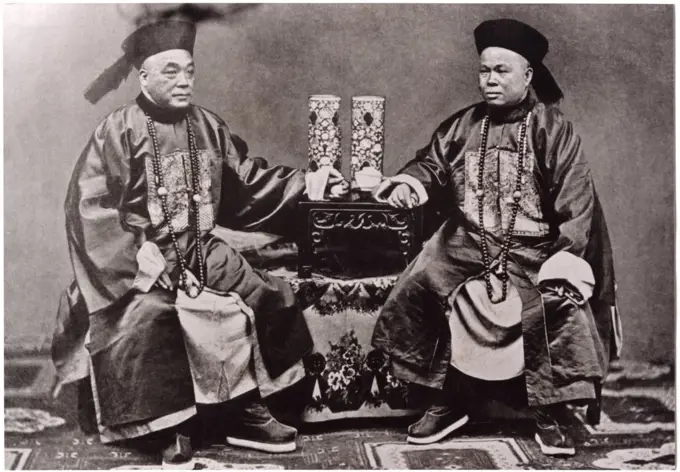
Imperial Mandarin Ministers, Mandarin Square, China, circa 1900
5513-18694634
Double Wedding - In the eyes of the Prophet Mohammed a Willesden register office wedding signifies nothing. Neither does it to Dr. Syeda Nayma Hussain in spite of the gold wedding ring she has worn since last Thursday. July 10, 1952. (Photo by Daily Mail Contract Picture).
1899-18717989
The word Nautch is an anglicized version of nac, a word found in Hindi and Urdu and several other languages of North India, derived from the Sanskrit, Nritya, via the Prakrit, Nachcha. A simple and literal translation of Nautch is 'dance' or 'dancing'. The culture of the performing art of Nautch rose to prominence during the later period of Mughal Empire, and the East India Company Rule. Over a period of time, the Nautch traveled outside the confines of the Imperial courts of the Mughals, the palaces of the Nawabs and the Princely states, and the higher echelons of the officials of the British Raj, to the places of smaller Zamindars, and other places. Some references use the terms Nautch and Nautch girls to describe Devadasis who used to perform Hindu ritual and religious dances in the Hindu temples of India. However, there is not much commonality between the Devadasis and the Nautch girls. The former performed dances in the precincts of the Hindu temples to please the temple deities,
6145-51813394
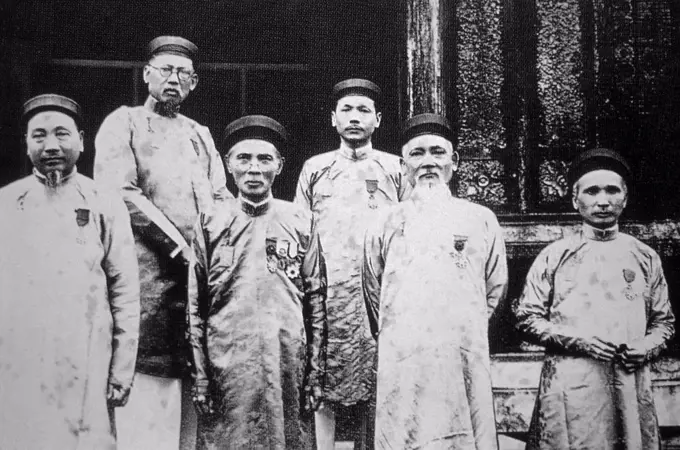
Nam-Giu, province of Hà-Dông, Tonkin, Indochina the canton chief and the village authorities gathered in front of the Dinh (Communal House) , Léon Busy in Indochina (French - Nam-giu , Province de Hà-dông , Tonkin , Indochine Le chef de canton et les autorités villageoises réunis devant le Dinh ( maison communale )). Costume, temple, staircase, Evening, group portrait, religious or votive inscription, greeting, door, hairstyle , headgear, religious architecture, man, Clothing, human beings, registration , information, housing , architecture, Indochina, Tonkin, Namgûi, canton chief and municipal authorities in front of the village genius temple
6145-29298333
Anefo photo collection. Clothing ceremony. September 2, 1947
4408-4940
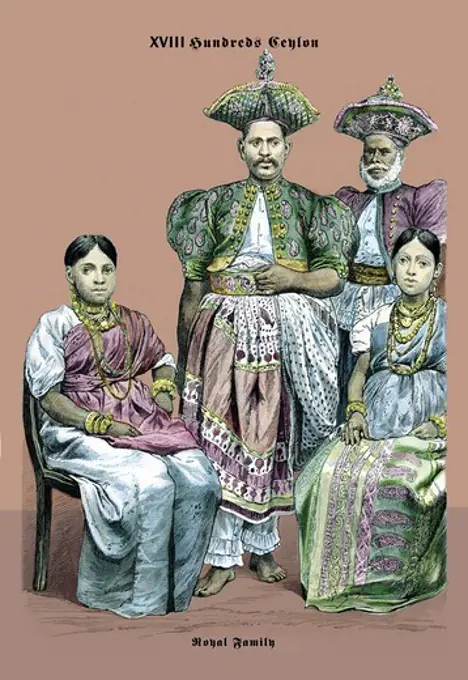
Royal Family of Ceylon, 19th Century, Exotic Costumes from Antiquity to 1800
4220-20432086
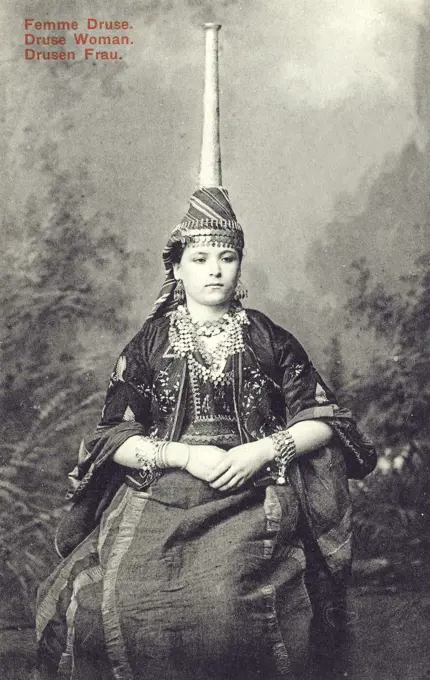
The traditional vertigious tantour hat of a married Druze (a monotheistic religious community) woman of Lebanon (sadly not an example of the popular trend to replicate the landscape of late 19th century Sheffield at parties in Damascus...!!). The tantour, similar to the hennin (worn in the late Middle Ages by European women of the nobility), was popular in the Levant during the nineteenth century, but seldom seen after 1850 - making this card somewhat of a rarity. The height of the tantour was p
1899-18792301
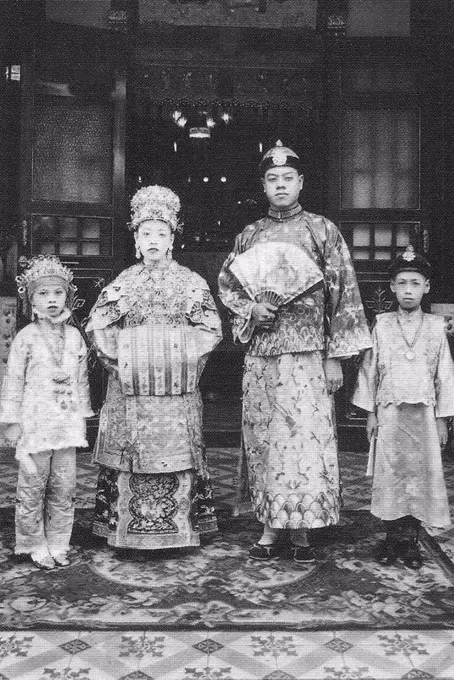
Peranakan Chinese and Baba-Nyonya are terms used for the descendants of late 15th and 16th-century Chinese immigrants to the Indonesian-Malay Archipelago during the Colonial era. Members of this community in Melaka identify themselves as 'Nyonya Baba' instead of 'Baba-Nyonya'. Nyonya is the term for the women and Baba for the men. It applied especially to the ethnic Chinese populations of the British Straits Settlements of Malaya and the Dutch-controlled island of Java and other locations, who had adopted partially or in full Malay customs to become somewhat assimilated into the local communities. In colonial times they were an elite in Singapore, Melaka and Penang, identifying strongly with the British administration. Most have lived for generations along the Straits of Malacca. They were usually traders, the middleman of the British and the Chinese, or the Chinese and Malays, or vice versa because they were often educated in English. Because of this, they almost always had the abilit
1746-21107944
Hindu children of high caste, Bombay, India, c 1922.
6188-64557077
Priests climbing steps, India Copyright: xTxSatyan/DinodiaxPhotox
6188-64660846
Kasturba Gandhi spinning in hut at Sevagram Ashram, Wardha, Maharashtra, India, Asia, 1935 India Copyright: xJayanxMitra/DinodiaxPhotox -
1340-865
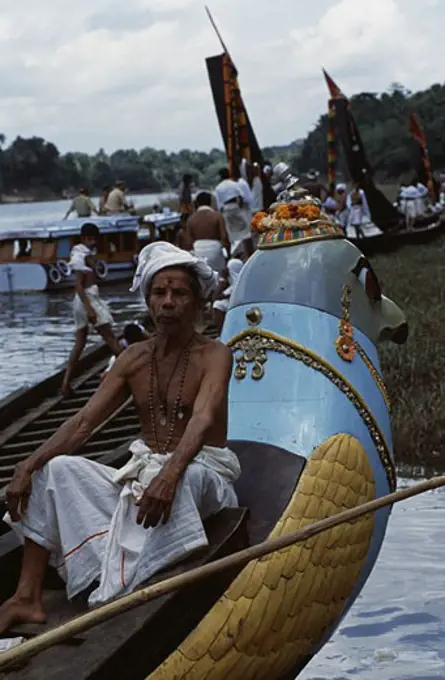
Mature man sitting on a Thiruvonam Thoni a special boat built two centuries ago for temple use, Aranmula Boat Race, Aranmula, Kerala, India
6188-63968833
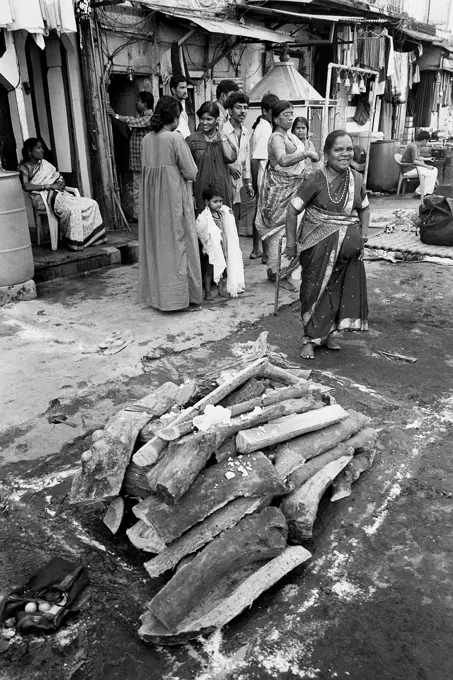
Devdasi now commercial sex workers celebrating yellama festival at Kamatipura, Bombay Mumbai, Maharashtra, India Copyright: xSudharakxOlwe/xDinodiaxPhotox
6176-66097108
This image of a Howling or Whirling Dervish dates to 1903.  A dervish is a member of any of various Muslim ascetic orders, some of which perform whirling dances and vigorous chanting as acts of ecstatic devotion.Dervishes are known for their worship rituals which require adervishto spin very fast causing his clothing to fan out in a circle. The men wear large circular skirts to capitalize on this effect.
6145-29601328
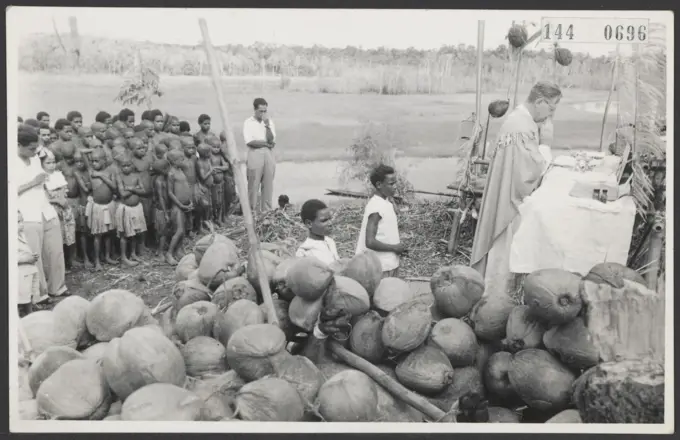
Information office radio broadcaster Dutch Guinea. Catholic mass outdoors. priest stack clappers (coconuts). November 1955. Guinea
1899-18717994
The word Nautch is an anglicized version of nac, a word found in Hindi and Urdu and several other languages of North India, derived from the Sanskrit, Nritya, via the Prakrit, Nachcha. A simple and literal translation of Nautch is 'dance' or 'dancing'. The culture of the performing art of Nautch rose to prominence during the later period of Mughal Empire, and the East India Company Rule. Over a period of time, the Nautch traveled outside the confines of the Imperial courts of the Mughals, the palaces of the Nawabs and the Princely states, and the higher echelons of the officials of the British Raj, to the places of smaller Zamindars, and other places. Some references use the terms Nautch and Nautch girls to describe Devadasis who used to perform Hindu ritual and religious dances in the Hindu temples of India. However, there is not much commonality between the Devadasis and the Nautch girls. The former performed dances in the precincts of the Hindu temples to please the temple deities,
6188-64600853
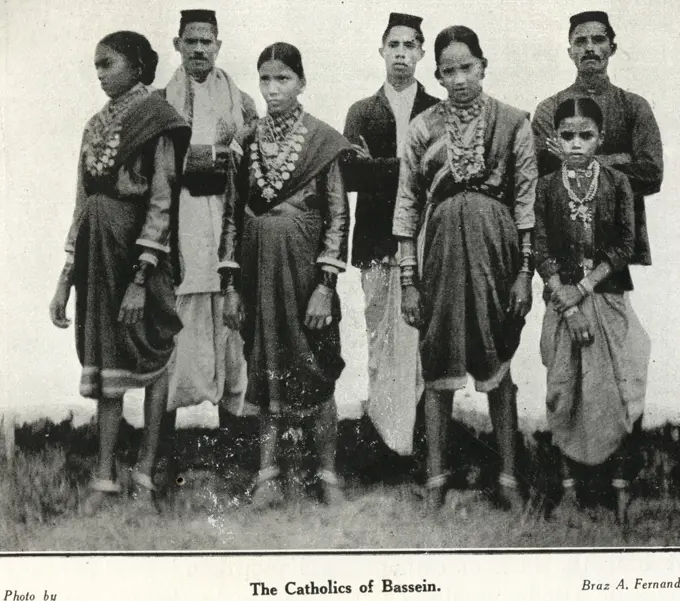
Catholic Community Catholics of Bassein  Vasai  Maharashtra  India Copyright: xJehangirxSorabjee/DinodiaxPhotox
1899-18852799
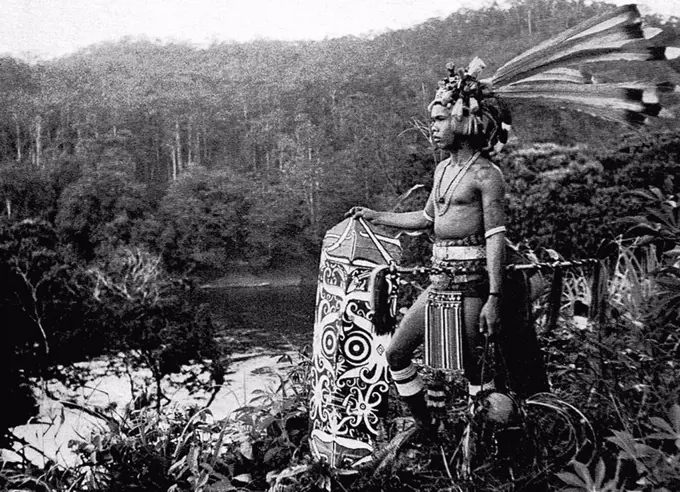
The Dayak or Dyak are native people of Borneo. 'Dayak' is a loose term for over 200 riverine and hill-dwelling ethnic subgroups, located principally in the interior of Borneo, each with its own dialect, customs, laws, territory and culture, although common distinguishing traits are readily identifiable. Dayak languages are categorised as part of the Austronesian languages in Asia. The Dayak were animist in belief; however many converted to Christianity, and some embraced Islam more recently. Estimates for the Dayak population range from 2 to 4 million. Sarawak was established as a state in northwestern Borneo by Sir James Brooke in 1842 when he obtained independent kingdom status from the Sultanate of Brunei as a reward for helping fight piracy and insurgency. In 1888, Charles Anthony Johnson Brooke, the successor of James Brooke, accepted a British Protectorate, which it remained until 1946, when the third ruler Charles Vyner Brooke ceded his rights to the United Kingdom. Since 1963,
1899-18852837
Susuhunan, or in short version Sunan, is a title used by the kings of Mataram and then by the hereditary rulers of Surakarta, Indonesia. The rulers of Surakarta traditionally adopt the reign name Pakubuwono (also spelled Pakubuwana). Susuhunan is specific to the rulers of Surakarta; the rulers of Yogyakarta, who are also descended from the Mataram dynasty have the title Sultan. The full title of the Susuhunan in Javanese is Sampeyan Dalem ingkang Sinuhun Kanjeng Susuhunan Prabhu Sri Paku Buwana Senapati ing Alaga Ngabdulrahman Sayidin Panatagama (His Exalted Majesty, The Susuhunan, King Paku Buwana, Commander-in-chief in war, Servant of the Most Gracious, Caliph who safeguards the Religion).
6176-67039419
'Hindu Ayahs'.  Creator: Unknown.
6188-64600901
Catholic Community Couple  Salsette Christians  India NO MR Copyright: xJehangirxSorabjee/DinodiaxPhotox
6145-50580814
Seminole Indian squaws, Florida , Tichnor Brothers Collection, postcards of the United States
6145-50479248
Brahman priest, in India, painting his forehead with the red and white marks of his sect and caste. Frank and Frances Carpenter Collection , Published in: "The World and Its Cultures" chapter of the ebook Great Photographs from the Library of Congress, 2013, Brahmans,1900-1930, Priests,India,1900-1930.
6188-64584706
Gandhiji center and other leading Indian Passive Resisters at Maritzburg, South Africa, December 31, 1913 Copyright: xVithalbhaixJhaveri/DinodiaxPhotox www.dinodia.com
1746-21115945
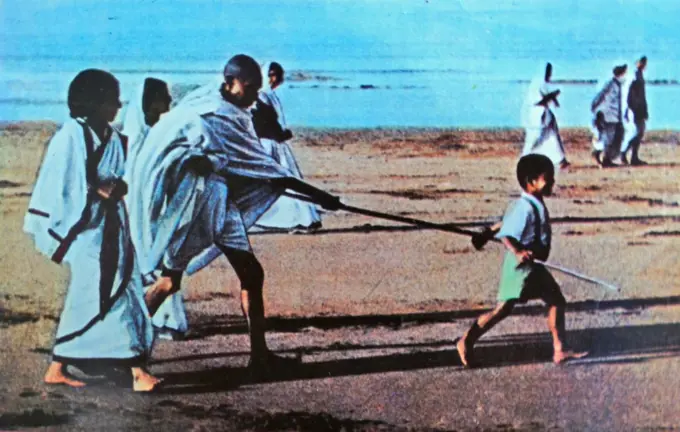
Gandhi in March 1930launches the Salt March to Dandi to make salt, in defiance of the British tax on salt. himself. Mohandas Karamchand Gandhi (1869 ñ 1948) preeminent leader of the Indian independence movement in British-ruled India. Employing nonviolent civil disobedience, Gandhi led India to independence and inspired movements for civil rights and freedom across the world.
1899-19134974
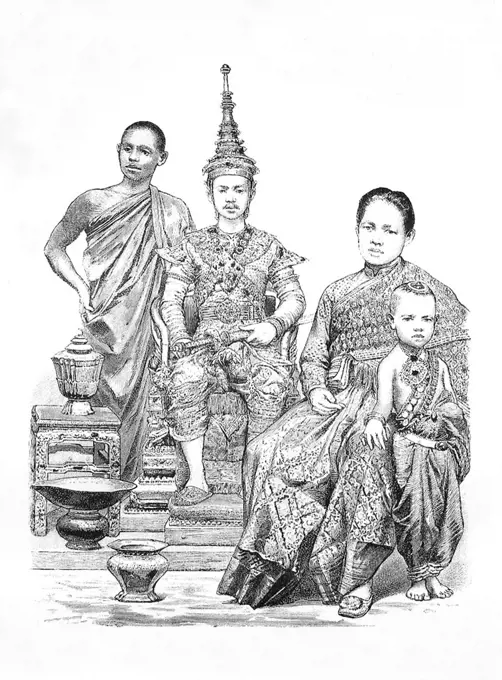
Germany/Siam: A Buddhist Monk, King Chulalongkorn of Siam (1853 - 1910) with wife and child, Munchner Bilderbogen, Braun & Schneider, 1861-1890
1899-18853212
The Javanese are an ethnic group native to the Indonesian island of Java. At approximately 100 million people (as of 2011), they form the largest ethnic group in Indonesia. They are predominantly located in the central to eastern parts of the island. There are also significant numbers of people of Javanese descent in most Provinces of Indonesia, Malaysia, Suriname, South Africa and the Netherlands. Today the majority of the Javanese people identify themselves as Muslims, with a minority identifying as Christians and Hindus, but because Javanese civilization has been influenced by more than a millennium of interactions between the native animism and the Indian HinduBuddhist culture, the influence is still visible in Javanese history, culture, traditions and art forms.
1899-24811401
Asia. Tibet. expulsion of the dalai lama ordered by Emperor 1959.
4220-20410807
Hindu Marriage ceremony - Bombay, India     Date: circa 1910
6145-51809471
Hà-Nôi, Tonkin, Indochina A bonzesse reading in front of two novices, leaning on a shelf supporting a clock, a vase and a tea service , Léon Busy in Indochina (French - Hà-nôi , Tonkin , Indochine Une bonzesse lisant devant deux novices , accoudée à une étagère supportant une pendulette , un vase et un service à thé). Buddhism, woman, religious habit, temple, clock, group portrait, vase, furniture, domestic object, hairstyle , headgear, courtyard, literature, Religion, human beings, clothing, housing , architecture, daily life, art, Indochina, Tonkin, native women: the same
6188-64557219
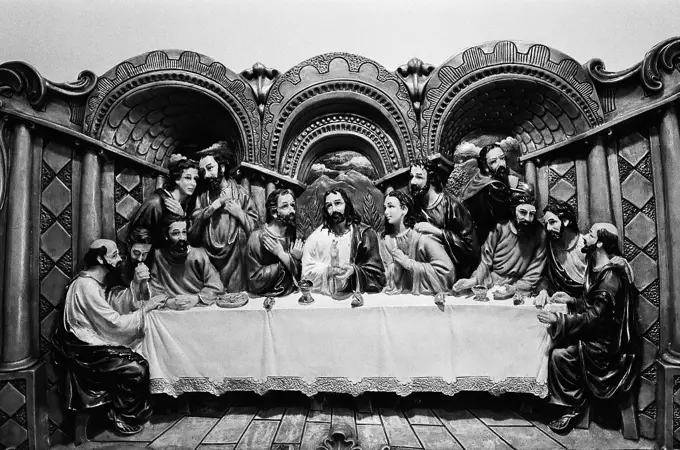
Last supper three dimension mural in catholic home Copyright: xTxSatyan/DinodiaxPhotox
PREVIOUS
of 2
NEXT
2401 S. Ervay, Suite 206
Dallas, Texas 75215
United States
Get Started
Free ResearchMy BoardsMy Cart
For Creators
How To License Your ContentContributor PortalFrame of Mind
Resources
API accessPricing
Contact
+1 866 236 0087help@viewpictures.co.uk Contact form
©2026 View Pictures. All Rights Reserved. -B
This site is protected by reCAPTCHA and Google Privacy Policy and Terms of Service apply.