Exquisite Porcelain Dishes

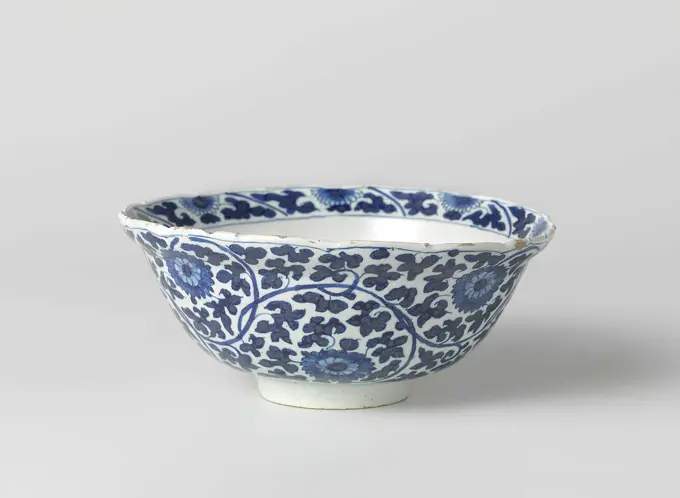
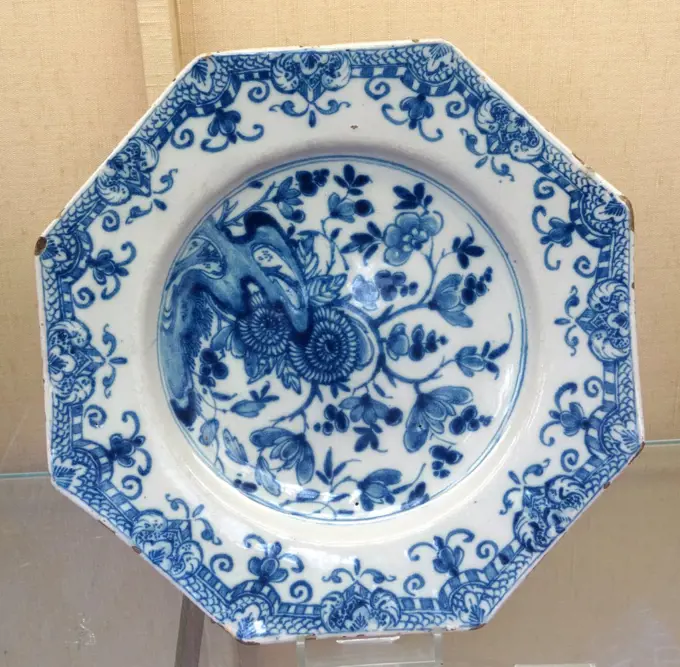
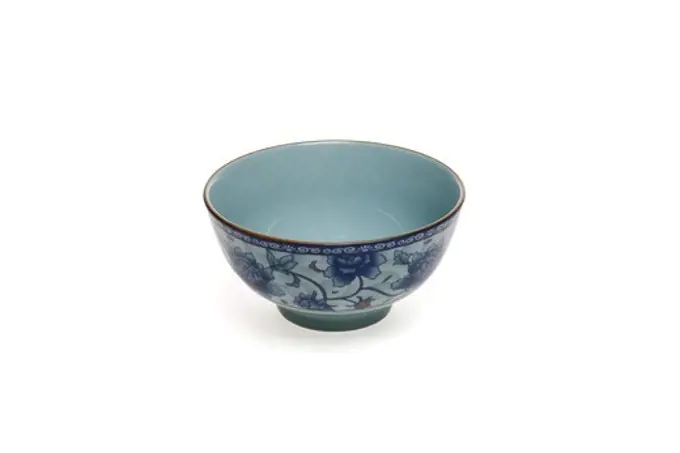
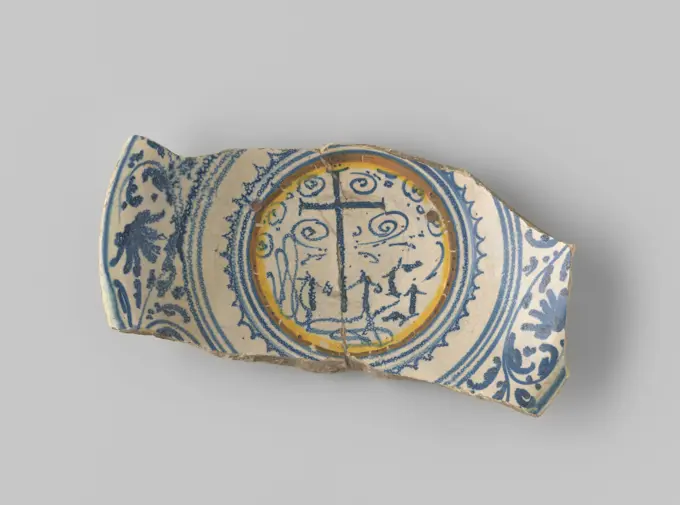
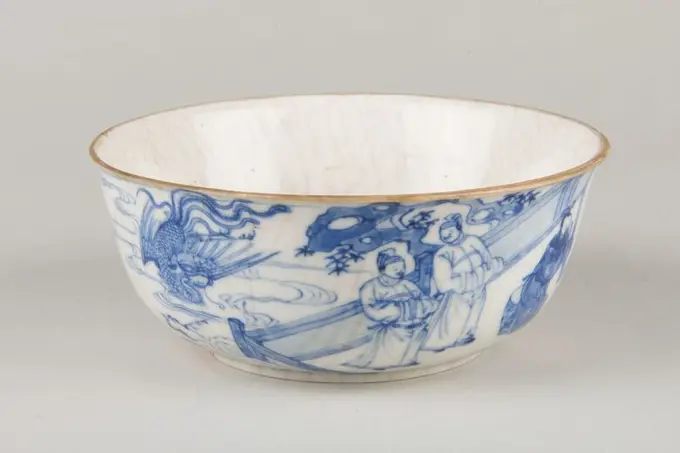
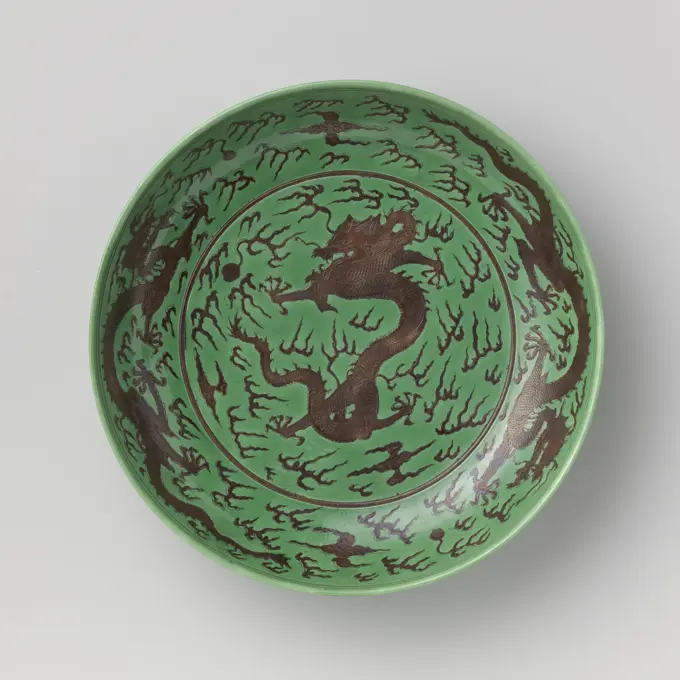
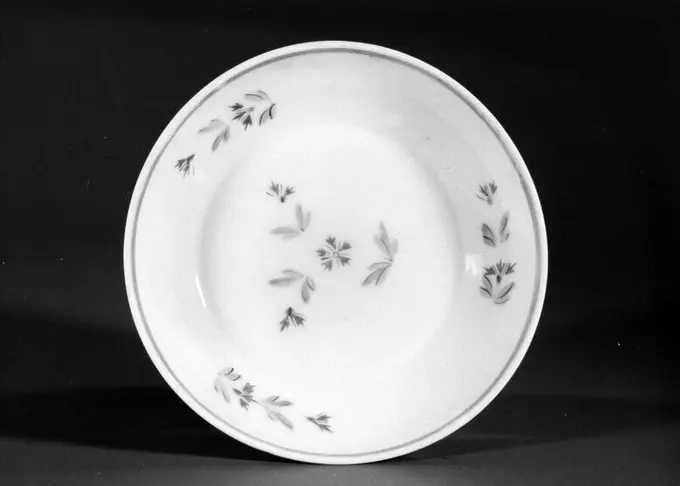
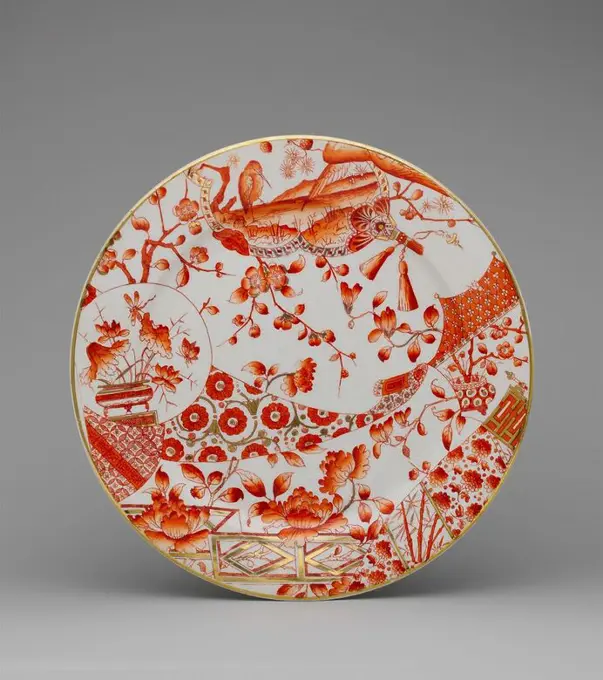
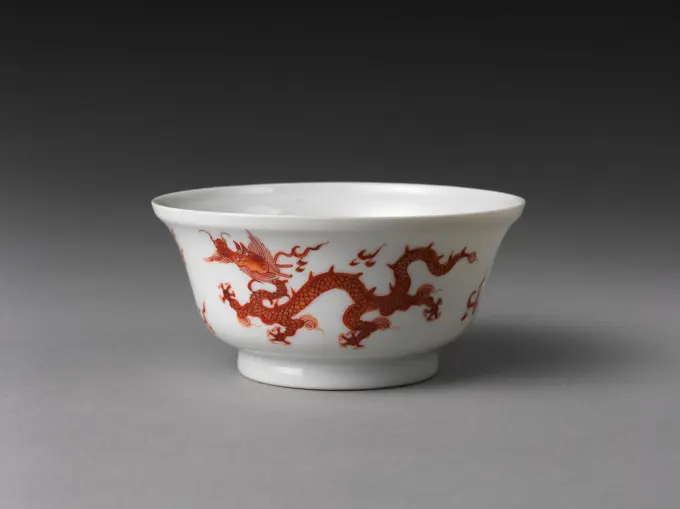
A collection of beautifully painted porcelain dishes and saucers, featuring floral motifs and intricate designs in blue and white tones.
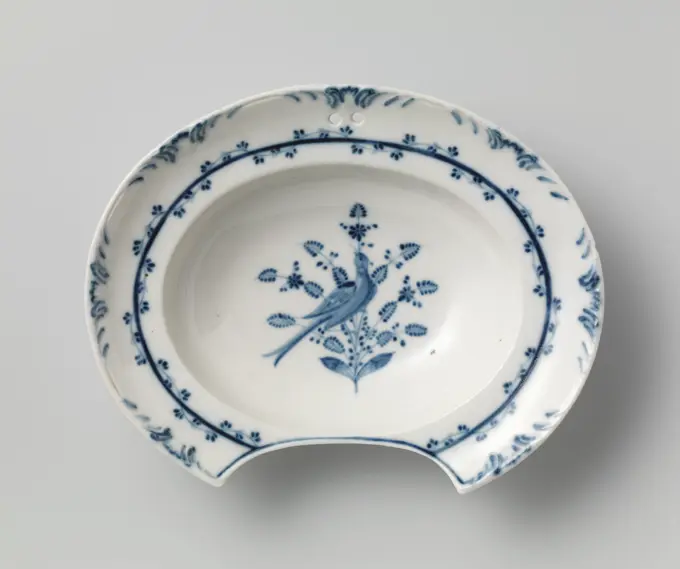
Shaving basin, Manufactuur Oud-Loosdrecht, c. 1778 - c. 1782 Porcelain shaving basin. The edge is decorated with rocaille ornament in relief, which is painted in underlaze blue. On the edge a trim, around which a leaf garland winds, a bird on the flat on a branch with flowers and leaves. The entire painting is in underlaze blue. Two hanging holes in the edge. Loosdrecht porcelain Porcelain shaving basin. The edge is decorated with rocaille ornament in relief, which is painted in underlaze blue. On the edge a trim, around which a leaf garland winds, a bird on the flat on a branch with flowers and leaves. The entire painting is in underlaze blue. Two hanging holes in the edge. Loosdrecht porcelain
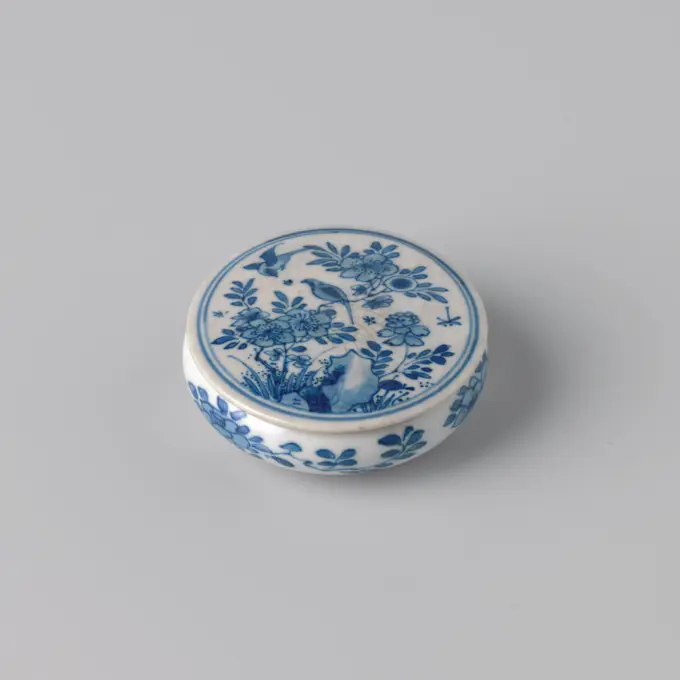
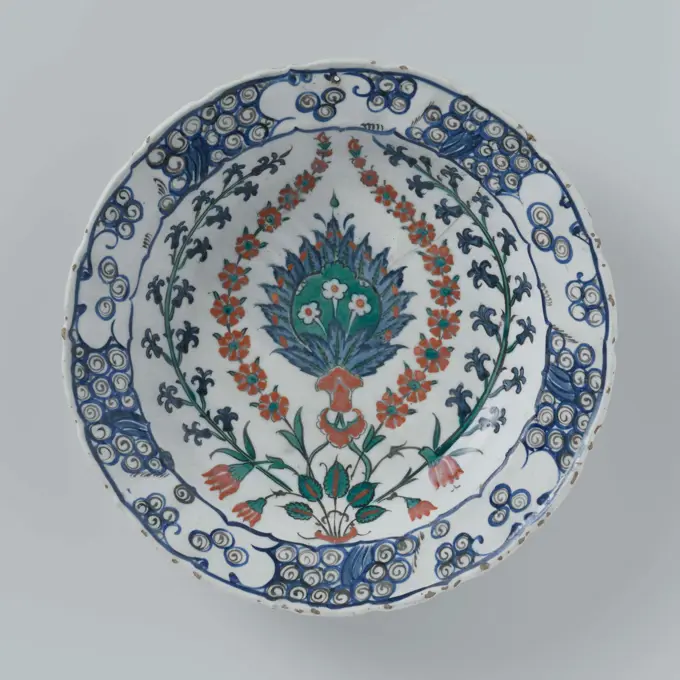
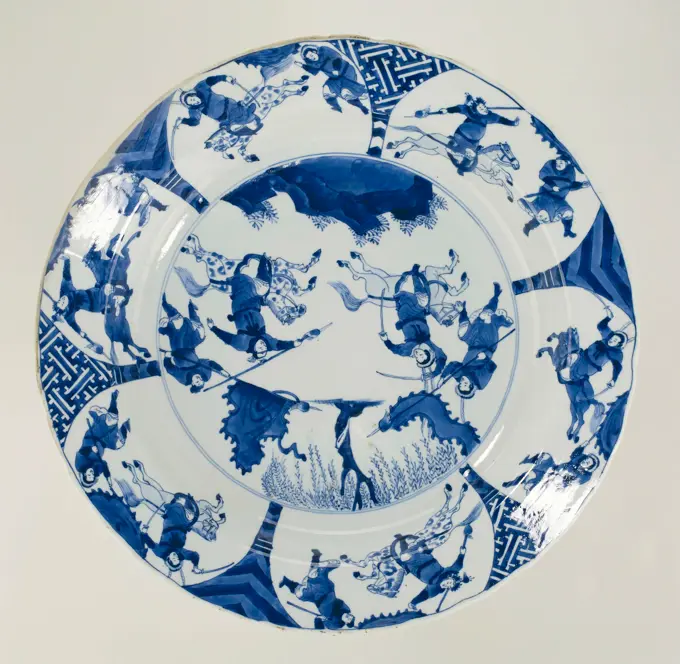
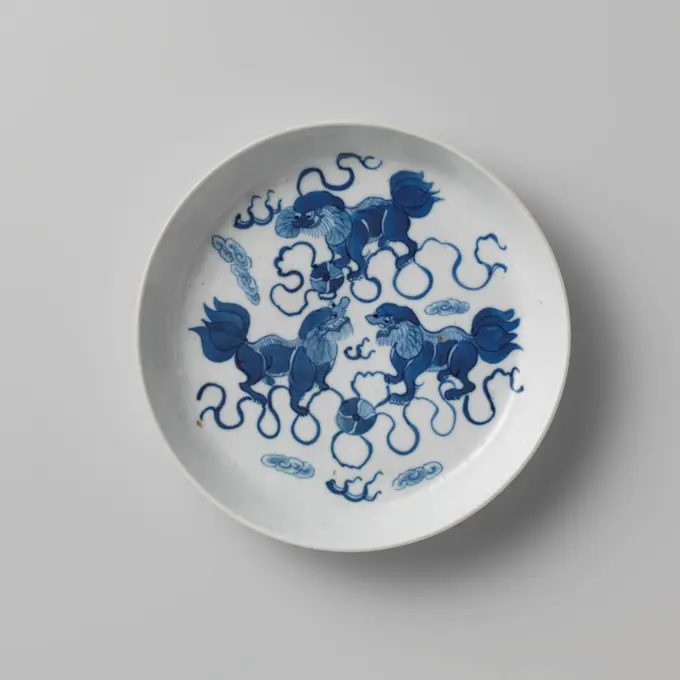
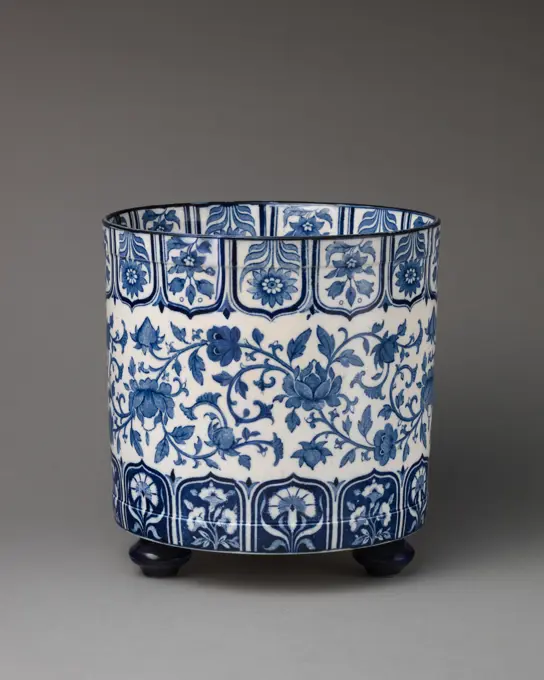
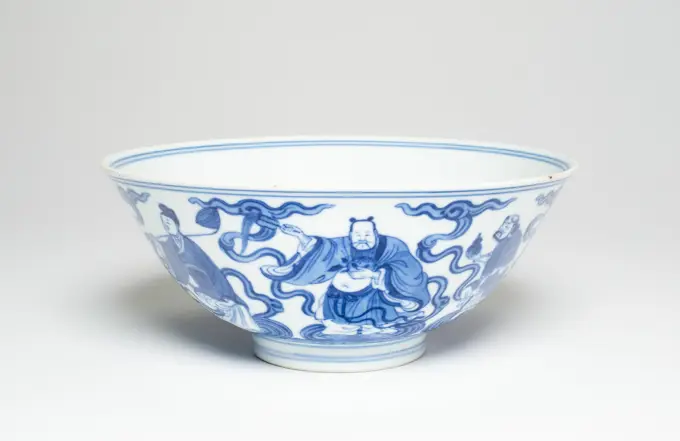
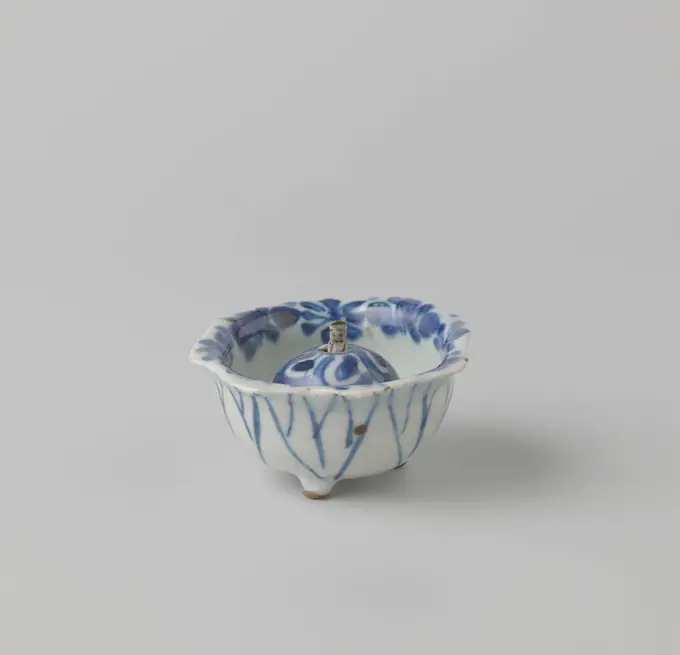
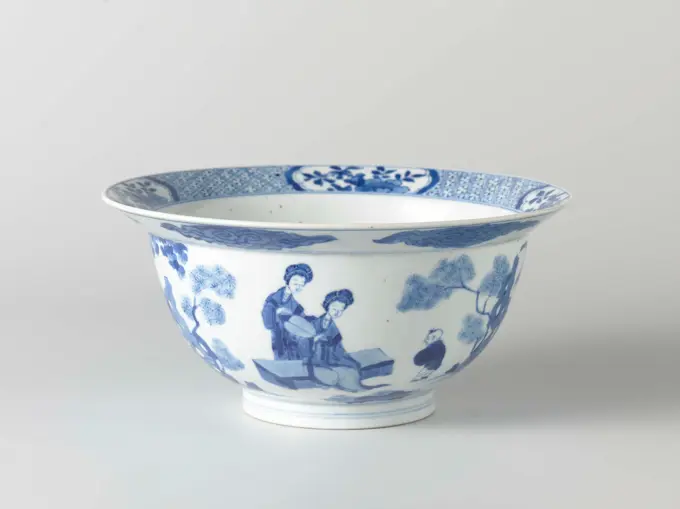
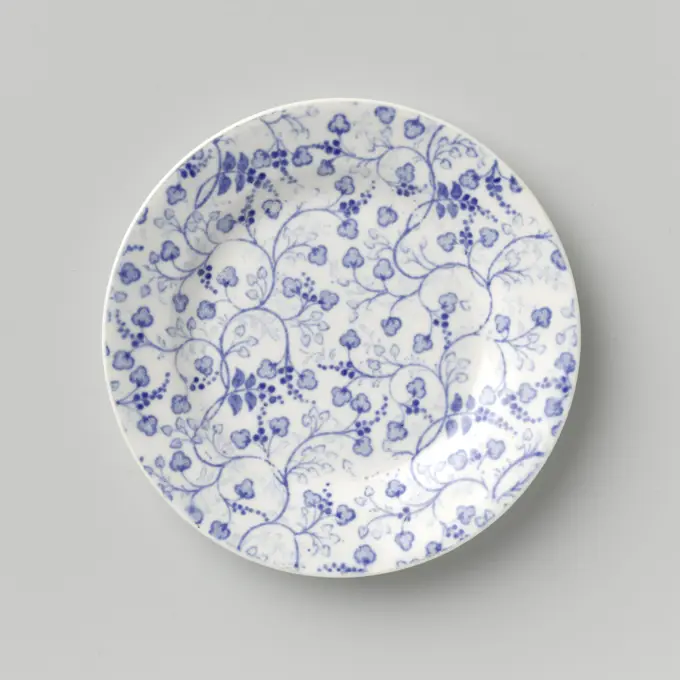
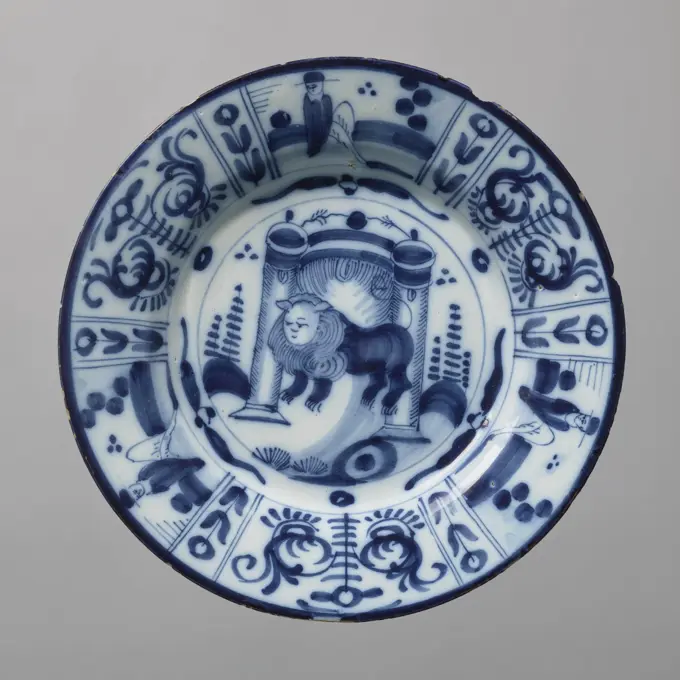
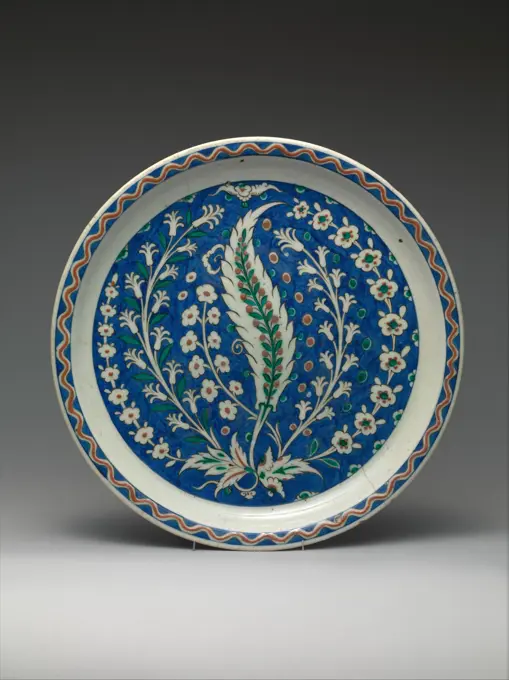
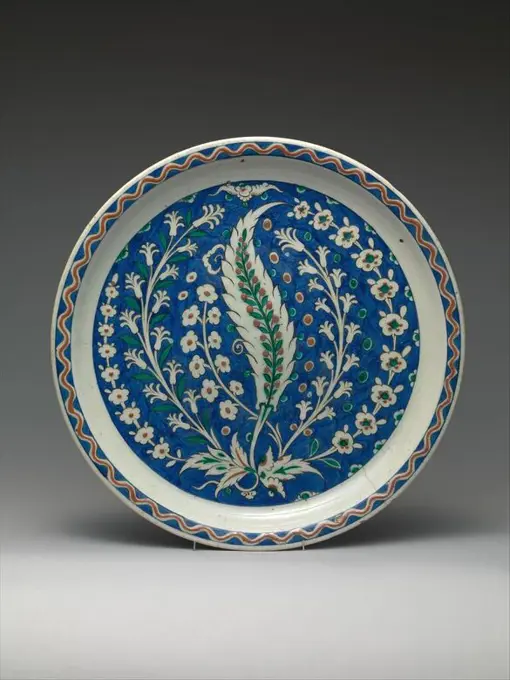
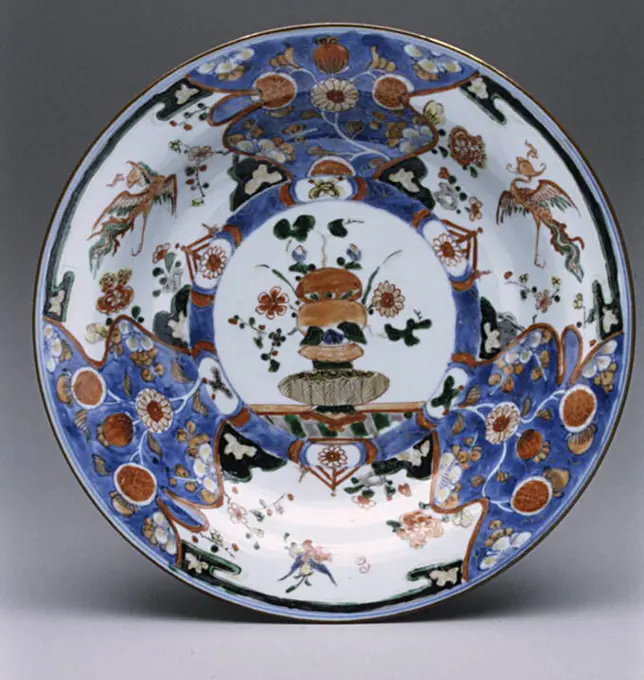
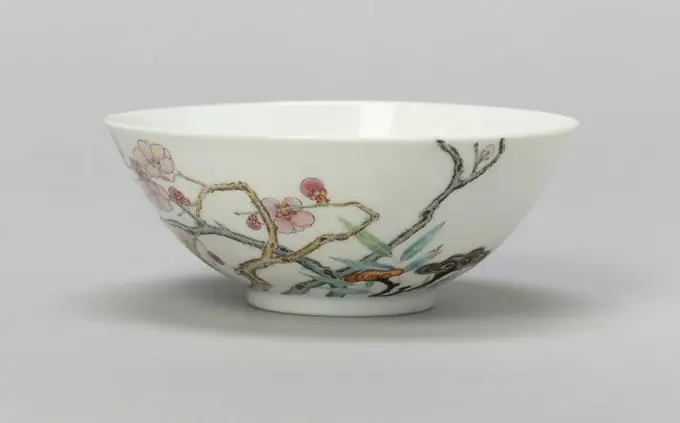
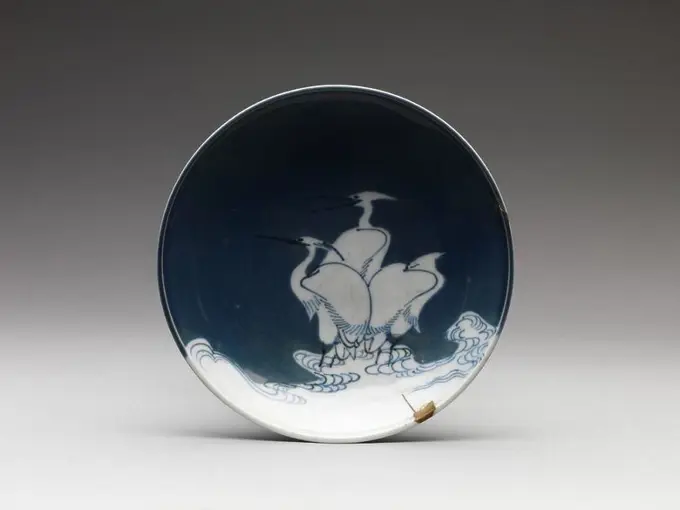
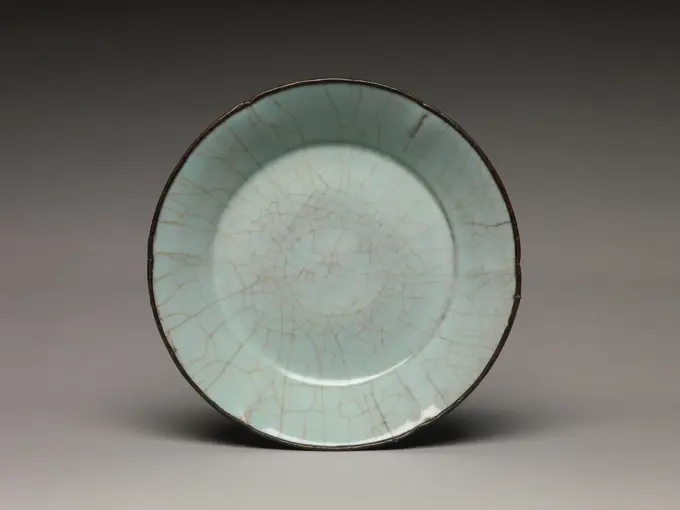
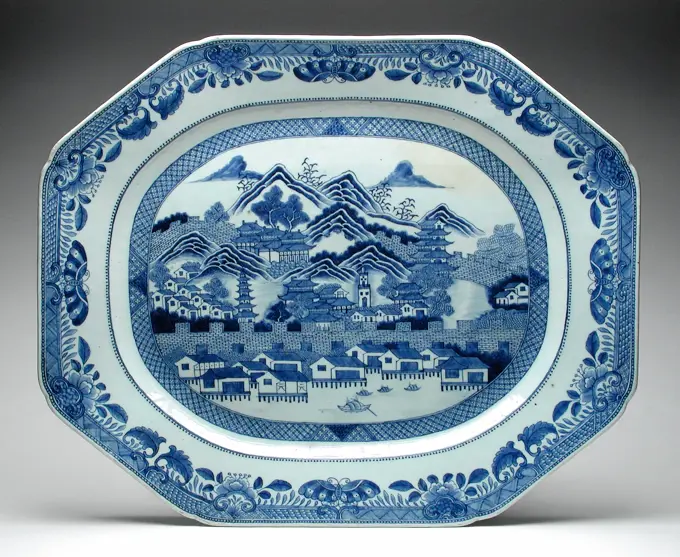
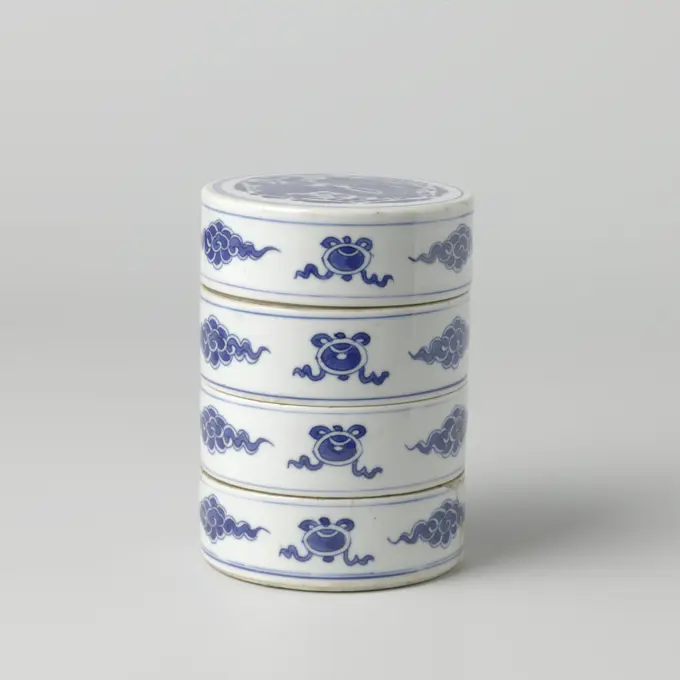
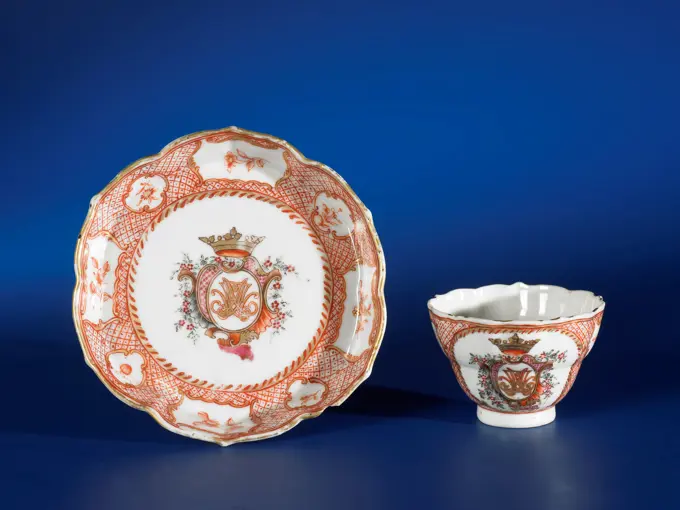
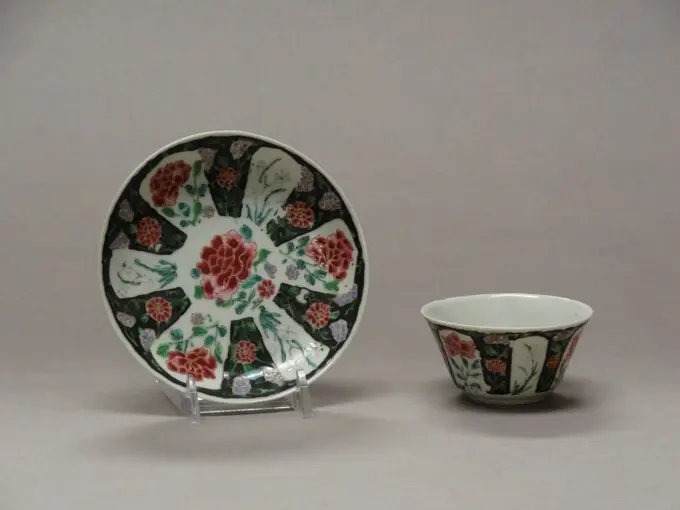
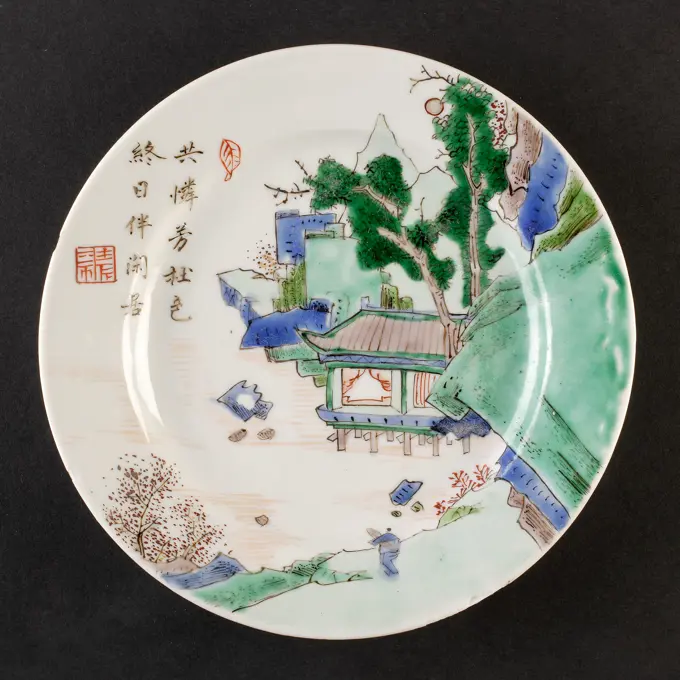
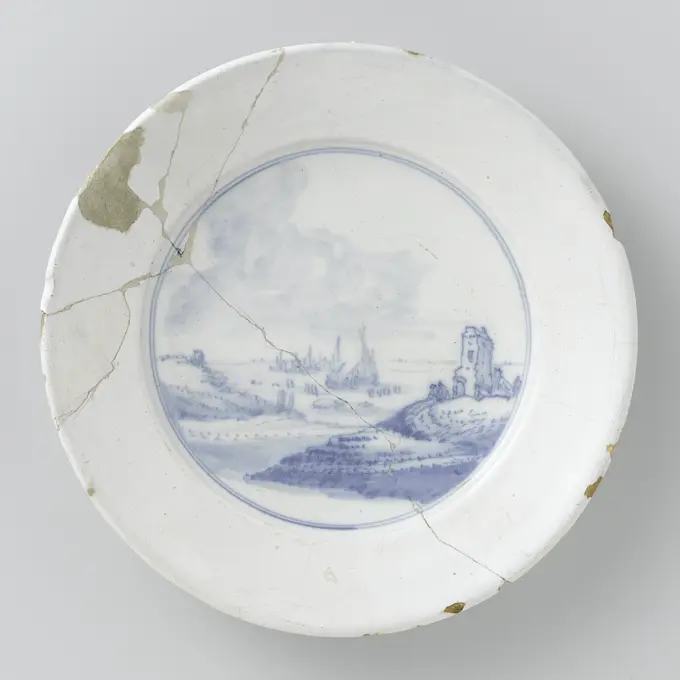
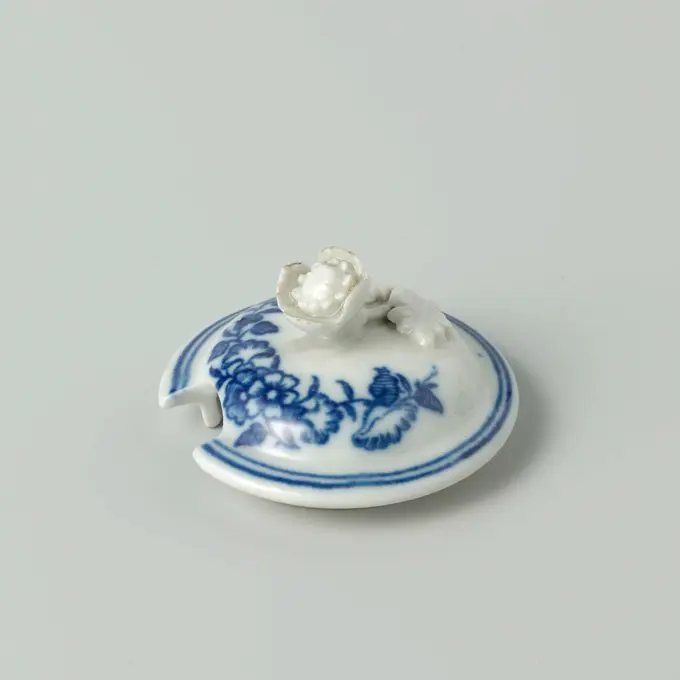
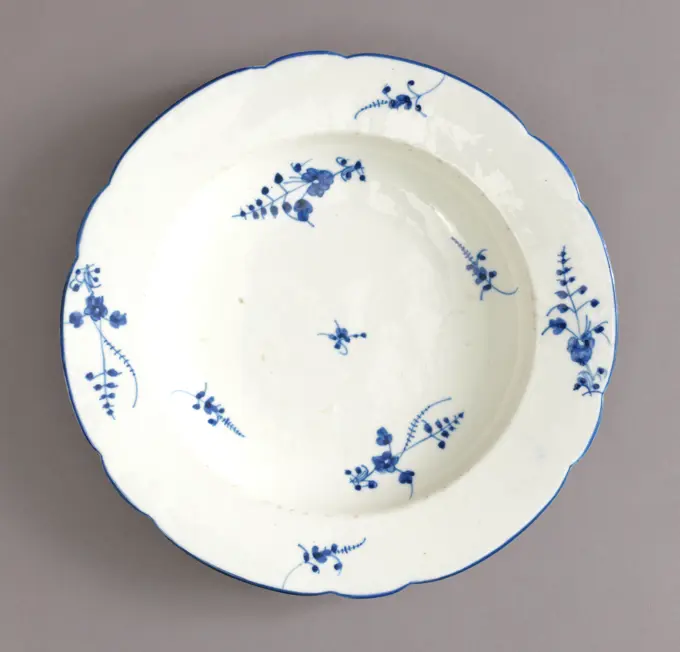
Soup Plate Plate; Manufactured by Chantilly Porcelain Manufactory (France); soft paste porcelain, vitreous enamel. Bowl of faience, entirely with white tining, blue painted with the 'tigerlilly' pattern. Marked on the underside.. Round dish of multicolored painted faïence. The final judgment was painted on the flat and on the edge putti between tendrils ornaments. The plate is marked on the back: Fome SWA.Board, with an Amazon in a landscape on the flat. Pottery plate with red transfer decor. On the flat a landscape with Amazon, followed by a dog. The edge is decorated with flowers.Round box with flowering plans, flower sprays and an erotic scene, anonymous, c. 1720 - c. 1740 Lid of round box made of soft-paste porcelain (pâte tendre), painted in underly glaze blue. On the flat lid a flowering plant (prunus), two birds and an insect with a rock in a double circle. On the underside of the lid an erotic scene of two naked loved ones on a bed, the woman with bound feet. Blue White. China porcelain. soft-paste porcelain. glaze. cobalt (mineral) painting / vitrification Lid of round box made of soft-paste porcelain (pâte tendre), painted in underly glaze blue. On the flat lid a flowering plant (prunus), two birds and an insect with a rock in a double circle. On the underside of the lid an erotic scene of two naked loved ones on a bed, the woman with bound feet. Blue White. China porcelain. soft-paste porcelain. glaze. cobalt (mineral) painting / vitrificationDish with Peony Scroll late 16th-early 17th century China. Dish with Peony Scroll. China. late 16th-early 17th century. Porcelain painted with cobalt blue under transparent glaze (Jingdezhen ware). Ming dynasty (1368-1644), Wanli mark and period (1573-1620). Ceramics. Quartz Fritgoed with lead dish Decorated with a stylized flowering plant in blue, red, black and green on white under a transparent lead-alakali-tingabolic glaze. Iznik.. Dish of porcelain, painted in underglaze blue. On the flat four warriors, two of which on horseback and two with banners, in a landscape with rocks and a tree (willow). On the wall and edge Six flower leaf-shaped cartouches, radiate from the flat with two warriors each. A swastika pattern or blue lines between the cartouches. The outer edge with four flower branches (Peony, Lotus, Chrysanthemum). The outer wall is divided into six compartments with a Ruyi motif. Marked on the underside with the six character mark of Emperor Chenghua in a double circle. Blue White.Bowl with Large Flower Sprays, Flowering Plants and Fish. Bowl of porcelain with slightly spreading edge, painted in underglaze blue and on the glaze red, green, yellow, black and gold. The outside of the bowl with large flower branches interspersed with cartouches with blooming plants; On the foot a band with curlwork, around the foot a decorative bond, on the edge a tire with napkin interspersed with a flower branch in cartouche or twice a loose flower; the inside with the same decoration, except the subjects with flowering plants; Five fish, two shells and aquatic plants on the soil. Marked on the bottom with two fish in a double circle. Email colors possible 19th century Japanese. A crack in the soil. Chinese Imari.Saucer-dish with three shishi with two pearls among clouds, anonymous, c. 1600 - c. 1699 Porcelain scale, painted in undermglaze blue. On the flat three times a shishi (lion dog) and two pearls between clouds. On the bottom an unidentified character. Blue White. Japan porcelain. glaze. cobalt (mineral) painting / vitrification Porcelain scale, painted in undermglaze blue. On the flat three times a shishi (lion dog) and two pearls between clouds. On the bottom an unidentified character. Blue White. Japan porcelain. glaze. cobalt (mineral) painting / vitrificationServing plate - Joseph Clementson, 1839-1864 Joseph Clementson, 1839-1864. Oriental porcelain was no longer so fashionable at the end of the 18th century, yet in practice it continued to be widely used. This salad bowl was made to complete the Japanese service of the Amsterdam regent David van Lennep. The decorations follow those found on colourful Imari porcelain, but the painting is coarser, and the form of the salad bowl does not occur in Japanese ceramics.Footed jardinière 1882 Minton(s) Minton was the most important ceramics factory during the Victorian period and began exhibiting products at the first Great Exhibition of 1851. Founded in 1793 by Thomas Minton at Stoke-on-Trent, the firm initially specialized in transferware pottery before expanding under the ownership of Thomass son Herbert Minton, beginning in 1836. Under the ownership of Colin Minton Campbell, who succeeded his uncle in 1858, the factory became recognized as a specialist producer of Aesthetics movement porcelain, which were inspired by a rich array of exotic and eclectic decorative motifs.. Footed jardinière. British, Stoke-on-Trent, Staffordshire. 1882. Bone china. Ceramics-PorcelainPlate. Pottery plate, with blue continuous floral decor, belonging to a children's service.Dish with hoo-birds and flowering plants in panels on diaper pattern, anonymous, c. 1700 - c. 1724 Porcelain saucer with lobed edge, painted in underly glaze blue and on the glaze blue, red, green, turquoise, black and gold. On the flat a medallion with three stylized flower branches; To the medallion a tire servetwork interspersed with a rank. The wall and edge with servetwork on a background of underly glaze blue. It varied alternately three large cartouches with a flying Hoo bird over flowering plants and three scalloped cartouches with flowering plants. Four times valuables (musical stone, Artemisiablad) on the outer wall. Three prenes on the bottom. Imari. Japan porcelain. glaze. cobalt (mineral). gold (metal) painting / gilding / vitrification Porcelain saucer with lobed edge, painted in underly glaze blue and on the glaze blue, red, green, turquoise, black and gold. On the flat a medallion with three stylized flower branches; To the medallion a tire servetwork interspersed with Bowl with the Eight Immortals 1736-1795 China. Porcelain painted in underglaze blue .For a long time;  18th century (1701-00-00-1800-00-00);Charger. Bristol, England. Date: 1700-1725. Dimensions: 6.4 × 36.2 cm (2 1/2 × 14 1/4 in.). Tin-glazed earthenware. Origin: Bristol. Museum: The Chicago Art Institute, Chicago, USA.Bowl 'Hansel in The Cellar'. Bell-shaped bowl of porcelain on three feet and with an octagonal, lobed edge, painted in underglaze blue. In the bowl a hollow, round increase in which a loose porcelain fig signal is placed. This figure comes up when liquid is poured into the bowl, a so-called 'Hansje in the basement'. A decorative band on this increase; The inner edge with a bond with flower branches. The outside with painted leaf growers. Some chips in the edge. Blue White.Dish. Bowl of porcelain with a spreading edge, painted in underglaze blue. On the outer wall a continuous performance with Chinese ladies (long likes) and playing boys (oceans) in a fenced garden at trees (banana plant, pine) and rocks. On the bottom a seated lady with a range in her hand at a table, rocks and banana plant. The inner edge with napkin interrupted by lobby cartouches with a flower branch. Six cloud motifs on the outer edge. Marked on the underside with the six character mark of Emperor Chenghua in a double circle. Blue White.Porcelain bowl, painted in enamels and gilded. Dated 18th CenturyPlate. Culture: British (American market). Dimensions: Diam. 10 1/8 in. (25.7 cm). Maker: Henshall, Williamson & Co. (ca. 1802-28). Date: ca. 1824-ca. 1828. Museum: Metropolitan Museum of Art, New York, USA.Bord, Petrus Regout, 1867 Plate of earthenware, with blue continuous flower decor, belonging to a children's service. Maastricht . Plate of earthenware, with blue continuous flower decor, belonging to a children's service. Maastricht .Pickle Stand 1770-72 Manufactured by American China Manufactory The form of this stand, which was intended to hold various comfits (sugared fruits or nuts) during the dessert course of a meal, was one of the most ambitious produced at the short-lived factory of Bonnin and MorrisAmerica’s first successful porcelain factory. The Rococo style, emphasizing repeated shell motifs and asymmetrical painted floral sprays, was in vogue in America in the 1770s.. Pickle Stand 13370Dinner plate - George & Charles Mason George & Charles MasonSaucer, the Greek a, c. 1764 - c. 1768  Round dish of blue painted faience. On the flat, a tree (tea tree) For a fence is painted and floral motifs on the edge. The dish is marked with the brand of the Plateelbakkerij De Grieksche A. At the dish, four identical dishes with invnrs belong. BK-NM-13291-A, BK-NM-13291-B, BK-NM-13291-C and BK-NM-13291-E. Delft earthenware. tin glaze.Bowl, 16th century, 6 1/4 x 13 5/16 x 13 5/16 in. (15.88 x 33.81 x 33.81 cm), Porcelain with underglaze blue decor, China, 16th century, This rare, imperial bowl is embellished inside and out with auspicious decoration in brilliant underglaze cobalt blue. The exterior is painted with three large carp and a perch among nine other fish and aquatic plants. Fish are an emblem of wealth and abundance because of the similarity in the pronunciation yu meaning fish and another character pronounced yu meaning abundance. The carp is also a symbol of perseverance, a scholarly virtue. The interior of the vessel is decorated with cloud and crane motifs in the bottom and around the rim. These are standard Daoist emblems for long life.Saucer With Stylized Flowers and Precious Objects. Dish of porcelain with lobby edge, painted in underglaze blue. On the flat a rosette with a flower in a circle in the center, from the flower four lines with a flower in reserve at the end, on the circle branches in reserve; Changed with three lines on the edge styled flower drinks; The back with four valuables (pearl, diamond, artemisia leaf, role). Marked on the underside with the four-character mark of Emperor Yongzheng () In a double circle. Blue White.A bowl with graviata type decoration  flowers on a dark red background unknownSaucer, painted with the text: I have slay that ... already from boove, anonymous, 1785 Daadel van Faience, painted in blue with the text: "I have slay that // oedel green what sal // I do for that // u creator there for // loove it comes tog // all from boove" and "got hears and all that shit wise that does the good grinds evil vliet Delft . Daadel van Faience, painted in blue with the text: "I have slay that // oedel green what sal // I do for that // u creator there for // loove it comes tog // all from boove" and "got hears and all that shit wise that does the good grinds evil vliet Delft .Plate; De Porceleyne Claeuw (Facans Factory; 1658-1840), Lambertus Sanderus (1764-1806); 18th century (1801-00-00-1900-00-00);Dish with Growing Saz and Floral Design first half 17th century. Dish with Growing Saz and Floral Design. first half 17th century. Stonepaste; polychrome painted under transparent glaze. Made in Turkey, Iznik. CeramicsBowl, the white star, c. 1675 - c. 1700 bowl Come from Faience with flowers inspired by the Chinese porcelain Delft .  flowers ~ ornamentDish with Growing Saz and Floral Design. Dimensions: H. 1 3/8 in. (3.5 cm)Diam. 12 7/8 in. (32.7 cm). Date: first half 17th century. Museum: Metropolitan Museum of Art, New York, USA.Saucer with petal-shaped panel around a central medallion, filled with flower sprays, anonymous, c. 1750 - c. 1774 Porcelain saucer, painted in underly glaze blue and on the glaze red and gold. On the flat of the dish a medallion with flour, around the medallion six petal-shaped compartments filled with flower branches; A flower vend between the courses; Three loose flowers on the back. Chinese Imari. China porcelain. glaze. cobalt (mineral). gold (metal) painting / gilding / vitrification Porcelain saucer, painted in underly glaze blue and on the glaze red and gold. On the flat of the dish a medallion with flour, around the medallion six petal-shaped compartments filled with flower branches; A flower vend between the courses; Three loose flowers on the back. Chinese Imari. China porcelain. glaze. cobalt (mineral). gold (metal) painting / gilding / vitrificationFor a long time (ôzara);  around 1860-1870 (1860-00-00-1870-00-00);Saucer With Fish Between water plants. Dish of porcelain with ribbed wall and lobed edge, painted in underglaze blue and on the glaze blue, red, green, yellow, eggplant, black and gold. The flat of the dish with a fish between aquatic plants and four smaller fish between aquatic plants on the wall and edge, the edge with a ruyi motif; Four fish in iron red on the outside. Marked on the bottom with 'yù', jade, in a double circle. Old trader's label on the bottom. Famille Verte.. Porcelain flat plate, painted in underglaze blue. On the flat a Chinese lady, gentleman and boy in a pavilion, outside playing two boys in a fenced garden with tree, rocks and plants; On the edge a continuous landscape with trees, rocks and plants with Chinese ladies: two ladies at a table with objects for a scholar, a lady with a flower in hand, a lady leaning on a branch, a seated lady next to a lady lying on a artemisia leaf, two sitting ladies with one of the valuables; the back with ten different flower branches; On the underside a medallion in the form of a ponda branch. Blue White.Round Box With a Shishi. Round box of porcelain, painted in underglaze blue. A rank on the box. The lid with a shishi (lion dog). Ming porcelain in blue and white.Dish ca. 1720-25 Chinese, for Continental European market In response to the great demand for Japanese Imari, the Chinese developed a version of their own for export. In this so-called Chinese Imari, famille verte enamel colors (dominated by shades of green) are added to the basic palette of red, blue, and gold.. Dish 208258Wall plate due to the 25-year wedding of J.R. Tutein Nolthenius and M.A. Cordes, Carel Adolph Lion Cachet, 1933 Memorial board of earthenware, for the 50-year wedding of J.R. Tutein Nolthenius and M.A. Cordes. The surface is covered on both sides with a tin () Glaze, which makes the scratched decor less clear at the front. The board is decorated with a six -pointed star painted in dark blue. In letters JM and the dates 1883 and 1933 were painted in Oranjebruin, as well as the edge of the board. The board is also painted with leaf motifs and tendrils in green, blue and manganese. Delft earthenware Memorial board of earthenware, for the 50-year wedding of J.R. Tutein Nolthenius and M.A. Cordes. The surface is covered on both sides with a tin () Glaze, which makes the scratched decor less clear at the front. The board is decorated with a six -pointed star painted in dark blue. In letters JM and the dates 1883 and 1933 were painted in Oranjebruin, as well as the edge of the board. The boarLidded pot, anonymous, c. 1700 - c. 1720 Porcelain lid jar, decorated in under -glaze blue. The lid jar is covered with bleu pouddré (powder blue) with two-saved, scalloped cartouches with antiques on the wall of the pot (vase with lotus, ruyi skeptic, tripod, incense burner, books, vase with peacocks, musical stone). Bleu Poudré with blue and white. China porcelain. glaze. cobalt (mineral) painting / vitrification Porcelain lid jar, decorated in under -glaze blue. The lid jar is covered with bleu pouddré (powder blue) with two-saved, scalloped cartouches with antiques on the wall of the pot (vase with lotus, ruyi skeptic, tripod, incense burner, books, vase with peacocks, musical stone). Bleu Poudré with blue and white. China porcelain. glaze. cobalt (mineral) painting / vitrificationBowl with Plum, Peach, Bamboo, and Lingzhi Mushrooms. China. Date: 1723-1735. Dimensions: H. 4.8 cm (1 7/8 in.); diam. 13.3 cm (5 1/3 in.). Porcelain painted in overglaze enamels. Origin: China. Museum: The Chicago Art Institute, Chicago, USA.Dinner plate - William Brownfield & Sons, 1871-1892 William Brownfield & Sons, 1871-1892Plate 1780-1789 Staffordshire. Earthenware (creamware) .Plate - Navy Island (from the Canada side) D'après Podmore, Walker & CompanySaucer-dish with powder blue and fish. Scale with round wall of porcelain, painted with underglaze blue and red. The front is covered with bleu poudré (powder blue) with five fish saved in it; The rear of the wall is also covered with powder blue. Marked on the underside with one of the twelve ornaments, the FÚ symbol, in a double circle. Old label on the bottom with 'Friends of Asian art'. Middle blue with copper red.Dish with Heron Design. Culture: Japan. Dimensions: H. 1 1/4 in. (3.2 cm); Diam. 5 1/2 in. (14 cm). Date: late 17th century. Museum: Metropolitan Museum of Art, New York, USA.Dish late 12th-13th century China The cracks on this dish, made to resemble the accidental cracks that sometimes occurred during the firing of ceramics, are deliberate. The piece is an example of ceramics produced in south China near the Southern Song capital of Hangzhou to re-create imperial wares produced earlier in the north: delicate cracks, sometimes known as crazing, are one of the hallmarks of the famed, and rare, Ru ware produced for the Northern Song court.. Dish 42442Saucer-dish with two warriors meeting in a rocky landscape, anonymous, c. 1700 - c. 1780 Porcelain saucer with round wall, painted in underly glaze blue and on the glaze blue, red, green, yellow, eggplant and black. On the flat a meeting between two warriors, one on foot with two long springs on his helmet and one on horseback; On the left two kneeling people and on the right a servant with a flag; Left behind the scene a dome tent with banner; On the right a rocky landscape. This is probably a scene from the story of General Guo Ziyi (697-781). The edge with various geometric patterns interspersed with a flower in lobed cartouches with a Ruyi motif on either side. Marked on the underside with an artemisia leaf in a double circle. Rand chipped; A crack in the wall. Famle Verte. China porcelain. glaze. cobalt (mineral) painting / vitrification Porcelain saucer with round wall, painted in underly glaze blue and on the glaze blue, red, green, yellow, eggplant and black. On the flat a meetPlatter. China, Qing dynasty, Qianlong period, circa 1800. Furnishings; Serviceware. PorcelainNatfruit scale of blue painted faience, with holes in a star shape, anonymous, c. 1750 - c. 1775 Natfruit scale with holes in a star shape, of blue painted faience. Subtotel is missing. Delft . Natfruit scale with holes in a star shape, of blue painted faience. Subtotel is missing. Delft .Porcelain bowlFragment of a dish, c. 1600 - c. 1650 Fragment of a dish on a low foot ring. Crème shard covered with ting laze on the front and greenish lead glaze at the rear. Painting in blue; On the flat the Christ monogram with cross inside blue, orange and yellow circles. On the edge leaf vines. A private label on the back. Composed of two shards. Northern Netherlands earthenware. tin glaze. lead glaze majolica Fragment of a dish on a low foot ring. Crème shard covered with ting laze on the front and greenish lead glaze at the rear. Painting in blue; On the flat the Christ monogram with cross inside blue, orange and yellow circles. On the edge leaf vines. A private label on the back. Composed of two shards. Northern Netherlands earthenware. tin glaze. lead glaze majolicaBowl (Wan) with Floral Medallions. China, Jiangxi Province, Jingdezhen, Qing dynasty, Qianlong mark and period, 1736-1795. Furnishings; Serviceware. Wheel-thrown porcelain with underglaze blue, clear glaze, and overglaze enamel groundSaucer-Dish With Pearl Chasing Dragons Against a Yellow Ground. Dish of porcelain with round wall, painted in underglaze blue and on biscuit green, yellow, eggplant and black. On the flat in a medallion two pearl roaching dragons between clouds and flames; different flowering plants (O.A. lotus, chrysanthemum, peony, prunus) on the wall; The outside also with dragons. Marked on the underside with the six character mark of Emperor Kangxi in a double circle. Email sur biscuit.Bowl. Culture: China. Dimensions: H. 2 1/4 in. ( 5.7 cm); Diam. 5 5/8 in. (14.3 cm). Museum: Metropolitan Museum of Art, New York, USA.Soup Plate, c. 1775, 1 5/8 x 8 15/16 in. (4.13 x 22.7 cm), Porcelain with enamel and gilded decoration, China, 18th century. An oval butter dish and lid painted with mountain landscapes.Dish with Fans Floating on a Stream. Culture: Japan. Dimensions: H. 2 1/8 in. (5.4 cm); Diam. 7 7/8 in. (20 cm). Date: ca. 1730-1760s.Although various patterns in underglaze cobalt-blue appeared on the exterior of the proto-and early Nabeshima wares, the classic pattern that appears on many of the pieces from the 1680s onward is the cash and comb pattern seen here. The cash is tied with ribbon and appears on the exterior rim of the piece; the comb pattern appears around the exterior of the footring. Museum: Metropolitan Museum of Art, New York, USA.. Scalloped dish of porcelain, painted on the glaze in blue, red, green, yellow, eggplant and black with a bird on blooming prunus branches on rocks with water. Kakiemon style.Dish, the Lampetkan, c. 1740 - c. 1790  Round dish of blue -painted faience, with a scalloped edge and decorated with the heron pattern. The dish is marked: LP can Delft Fabr. Six identical dishes with invnrs belong to the dish. BK-NM-13284-B, BK-NM-13284-C, BK-NM-13284-D, BK-NM-13284-E, BK-NM-13284-F and BK-NM-13284-G. Delft earthenware. tin glaze.Saucer-dish with pearl chasing dragons against a green ground, anonymous, c. 1875 - c. 1899 Porcelain saucer with round wall, painted in underly glaze blue and on biscuit green and eggplant. The dish is covered with a green enamel with pearl pearls after five -clawy dragons and flames. Marked on the underside with the six-character brand of Kangxi in a double circle. Email sur Biscuit. China porcelain. glaze. cobalt (mineral) painting / vitrification Porcelain saucer with round wall, painted in underly glaze blue and on biscuit green and eggplant. The dish is covered with a green enamel with pearl pearls after five -clawy dragons and flames. Marked on the underside with the six-character brand of Kangxi in a double circle. Email sur Biscuit. China porcelain. glaze. cobalt (mineral) painting / vitrificationToy dessert plate - Inconnu / UnknownDish with the coat of arms for Peers of Baraud accollee with Maraschal of Forez, c. 1750, 1 3/4 in. (4.45 cm), Porcelain, China, 18th centuryShards of a sign from V.O.C. ship De 'Witte Leeuw', Anonymous, Before 1613 plate (dishes) Shards of a sign from V.O.C. ship De 'Witte Leeuw', 70 present. Jingdezhen bone china (material)   Sint-HelenaCup. unknown, craftsmanPlate decorated with Japanese Kakiemon-inspired scene with twisted dragon ca. 1752, probably Raised Anchor Period Chelsea Porcelain Manufactory The British fascination for Japanese porcelain is evident in these two plates, which incorporate a Rococo silver shape with a Japanese Kakiemon-inspired design. Watched by a curious tiger, the dragon twists its body around the bamboo stalk in a shape that mimics the undulating edge of each plate.. Plate decorated with Japanese Kakiemon-inspired scene with twisted dragon. British, Chelsea. ca. 1752, probably Raised Anchor Period. Soft-paste porcelain. Ceramics-PorcelainPair of Cups. China. Date: 1723-1735. Dimensions: A: h. 5.7 cm (2 1/4 in.); diam. 10.2 cm (4 in.); B: h.5.7 cm (2 1/4 in.); diam.10.0 cm (3 15/16 in.). Porcelain painted in underglaze blue and overglaze enamels (doucai). Origin: China. Museum: The Chicago Art Institute, Chicago, USA.. Oval ribbed scale from faience. Painted multi-colored.Deep sign from V.O.C. ship De 'Witte Leeuw', Anonymous, Before 1613 plate (dishes) Deep sign from V.O.C. ship the 'Witte Leeuw', 65 present. Five fragments glued together and a shard of two glued together fragments. Jingdezhen bone china (material)   Sint-HelenaOyster Plate c 1881 New York City. Porcelain . Union Porcelain WorksBowl with Flowers on a Coral-Red Ground. China. Date: 1723-1735. Dimensions: H. 6.1 cm (2 3/8 in.); diam. 11.8 cm (4 5/8 in.). Porcelain painted in overglaze enamels. Origin: China. Museum: The Chicago Art Institute, Chicago, USA.Saucer-dish with pearl chasing dragons against a yellow ground, anonymous, c. 1850 - c. 1900 Porcelain saucer with round wall, painted in underly glaze blue and on biscuit green, yellow, eggplant and black. On the flat in a medallion two pearls chasing dragons between clouds and flames; Various flowering plants on the wall (including Lotus, chrysanthemum, peony, prunus); The outside also with dragons. Marked on the underside with the six-character brand of Kangxi in a double circle. Email sur Biscuit. China porcelain. glaze. cobalt (mineral) painting / vitrification Porcelain saucer with round wall, painted in underly glaze blue and on biscuit green, yellow, eggplant and black. On the flat in a medallion two pearls chasing dragons between clouds and flames; Various flowering plants on the wall (including Lotus, chrysanthemum, peony, prunus); The outside also with dragons. Marked on the underside with the six-character brand of Kangxi in a double circle. Email sur Biscuit. China porcelaTiered box composed of three layers with dragon en precious objects, anonymous, c. 1680 - c. 1720 Round stacking box of porcelain consisting of three layers and a lid, painted in underlaze blue. The walls of the boxes and the lid with cloud motifs and valuables (pearl, window, music stone); A double circle on the bottom. Been broken. Blue White. China porcelain. glaze. cobalt (mineral) painting / vitrification Round stacking box of porcelain consisting of three layers and a lid, painted in underlaze blue. The walls of the boxes and the lid with cloud motifs and valuables (pearl, window, music stone); A double circle on the bottom. Been broken. Blue White. China porcelain. glaze. cobalt (mineral) painting / vitrificationBowl with Buddhist Assembly. Culture: China. Dimensions: H. 2 1/16 in. (5.2 cm); Diam. 6 in. (15.2 cm); Diam. of foot 2 3/8 in. (6 cm).Made for use in Japan, either in a Buddhist context or as part of a meal during a Japanese tea ceremony, this charming bowl is painted with a rare scene of a Buddhist assembly. Museum: Metropolitan Museum of Art, New York, USA.Toy plate - Inconnu / UnknownSaucer with a monogram in a crest in a medallion, anonymous, c. 1725 - c. 1749 Dish Chotel with a short, straight, ribbed wall and accolade -shaped border of porcelain, painted on the glaze in blue, red, pink, green, yellow, black and gold. On the flat of the dish the monogram 'JM' in a crowned medallion with a shell motif, servetwork and flower branches; Around the medallion and on the wall servetwork with four small and four large cartouches with flower branches. Underside of the dish unggestive. A crack and two chips in the wall of the dish. European performance in email colors. China porcelain. glaze. gold (metal) painting / gilding / vitrification Dish Chotel with a short, straight, ribbed wall and accolade -shaped border of porcelain, painted on the glaze in blue, red, pink, green, yellow, black and gold. On the flat of the dish the monogram 'JM' in a crowned medallion with a shell motif, servetwork and flower branches; Around the medallion and on the wall servetwork with four smBlackboard with three men in a landscape with arabic buildings. Pottery plate with purple transfer decor. On the flat a representation of three men in a landscape with arabic buildings and a river. The edge of the board with cartouches, alternately filled with bouquets and landscapes.Plate (Assiette), c. 1775-1790. Arras Porcelain Factory (French). Soft-paste porcelain; diameter: 24.6 cm (9 11/16 in.).Lobed plate with a stylized flower and ornamental borders, anonymous, c. 1775 - c. 1799 Plate of porcelain with lobed edge, painted on the glaze in red, pink, green, black and gold. On the flat in the center a stylized flower with a strap with a switch motif and a narrow strap with a leaf motif; On the wall a band with curl work; The edge with a narrow band with leaf motif and a decorative band. A chip in the edge. Famle Rose. China porcelain. glaze. gold (metal) painting / gilding / vitrification Plate of porcelain with lobed edge, painted on the glaze in red, pink, green, black and gold. On the flat in the center a stylized flower with a strap with a switch motif and a narrow strap with a leaf motif; On the wall a band with curl work; The edge with a narrow band with leaf motif and a decorative band. A chip in the edge. Famle Rose. China porcelain. glaze. gold (metal) painting / gilding / vitrificationChinese, Cup and Saucer, 19th century, hard-paste porcelain.Fruit Bowl, c. 1750-70. Worcester Porcelain Factory (British, established 1751). Porcelain; overall: 6 x 70.3 x 22.4 cm (2 3/8 x 27 11/16 x 8 13/16 in.).Blue Majolica Scale, Anonymous, c. 1400 - c. 1950 Blue Majolica bowl, painted with flowers and a flower drink along the edge.  earthenware majolica Blue Majolica bowl, painted with flowers and a flower drink along the edge.  earthenware majolicaA plate;  18th century (1701-00-00-1800-00-00);Paderewski, Ignacy Jan (1860-1941), Paderewski, Ignacy Jan (1860-1941)-collection, qing (style), ceramics, Chinese (culture), gift (provenance), inscriptions, landscape motif, color porcelain, Chinese artDoucai Dish. China. Date: 1821-1850. Dimensions: H. 2.9 cm (1 1/8 in.); diam. 13.7 cm (5 3/8 in.). Porcelain painted in underglaze blue and overglaze enamels. Origin: China. Museum: The Chicago Art Institute, Chicago, USA.Dish from V.O.C.-ship De 'Witte Leeuw', Anonymous, Before 1613  Dish from V.O.C. ship De 'Witte Leeuw', 80 present, consisting of three glued fragments. Jingdezhen porcelain   Sint-HelenaPlate. Worcester Porcelain Factory; Worcester, England, founded 1751. Date: 1765-1775. Dimensions: Diam. 22.2 cm (8 3/4 in.). Soft-paste porcelain, polychrome enamels and gilding. Origin: Worcester. Museum: The Chicago Art Institute, Chicago, USA. Author: Worcester Royal Porcelain Company.Plate with a river face with ships, anonymous, c. 1650 - c. 1675 Round plate of blue painted faience. A river face with ships is painted on the flat. The board is a bottom find from Delft. Delft earthenware. tin glaze.   Delft Round plate of blue painted faience. A river face with ships is painted on the flat. The board is a bottom find from Delft. Delft earthenware. tin glaze.   DelftPlato decorado de "Alentejo". Portugal. Plate decorated from " Alentejo ". Portugal.Bowl with Floral Scrolls 1662-1722 China. Porcelain painted in underglaze blue and overglaze yellow enamel .Mustard pot lid with flower decoration with butterfly. Mustard pot lid with lid and spoon of porcelain. The lid is decorated with a floral rank and is trimmed with concentric circles. Lid knob in the shape of a flower with leaves.Saucer. Culture: French. Dimensions: H. 1 1/4 in. (3.2 cm); Diam. 5 1/2 in. (14 cm). Date: 1815-30. Museum: Metropolitan Museum of Art, New York, USA.Plate. Culture: American. Dimensions: 10 1/8 in. (25.7 cm). Maker: Ott and Brewer (1871-1893). Date: ca. 1880-93.Transfer printing enabled Ott and Brewer to create artistic wares that cost less than those dependent on other decorative techniques. The gilded highlights on this plate indicate that it was nevertheless considered an artistic product. Museum: Metropolitan Museum of Art, New York, USA.Saucer with scattered stylised flowers, anonymous, c. 1840 - c. 1860 Porcelain dish with straight wall, painted on the glaze in blue, red, pink, green, yellow and black. Seven loose, stylized flowers on the front of the dish. Marked on the underside with the six-character seal brand of Emperor Qianlong. Famle Rose. China porcelain. glaze. painting / vitrification Porcelain dish with straight wall, painted on the glaze in blue, red, pink, green, yellow and black. Seven loose, stylized flowers on the front of the dish. Marked on the underside with the six-character seal brand of Emperor Qianlong. Famle Rose. China porcelain. glaze. painting / vitrificationBowl with dragon ca. 1735 Chinese, for European market On the exterior, a dragon sports with a flaming pearl. Because of its auspicious associations, this traditional Chinese motif frequently appeared on objects intended for use at the imperial court. By the sixteenth century, dragons were freely used as motifs on objects intended for public consumption, provided the dragon had only four clawsthe fiveclaw version was reserved for the emperor.. Bowl with dragon. Chinese, for European market. ca. 1735. Hard-paste porcelain painted with enamels over transparent glaze (Jingdezhen ware). Ceramics-Porcelain-Export. Come from Faïence with a show of a drinking company to an engraving of William Hogarth.Plate with a view of Table Rock,Niagara.  Manufacturer: Enoch Wood and Sons, British, 1820-1846 After: Pavel Petrovich Svin’in, Russian, 1788-1839Bord, de porceleyne was, 1750 - 1775 Fowence board. Blue painted with a face on Zaandam, with inscription: Zaandam from the front. Delft . Fowence board. Blue painted with a face on Zaandam, with inscription: Zaandam from the front. Delft .