Exquisite Textile Patterns

Textiles featuring intricate patterns such as embroidered pillow covers and sarongs, showcasing traditional craftsmanship with vibrant colors.

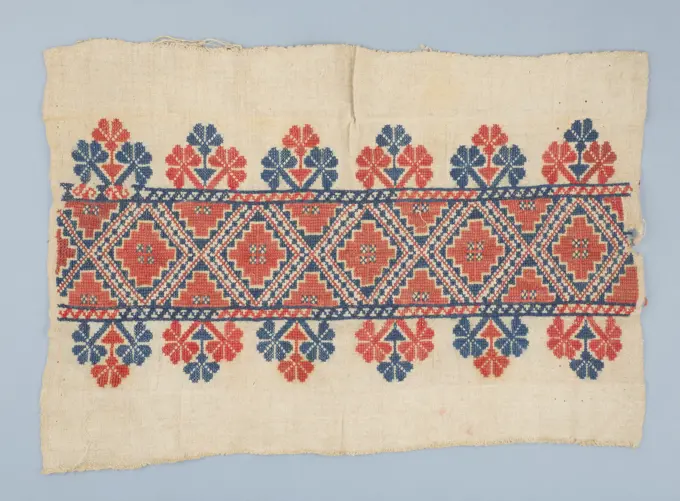
Pillow cover, Medium: silk embroidery on linen foundation Technique: embroidered in counted running stitch on plain weave foundation, Diagonal rows of lozenges with saw-toothed edges embroidered in red, white, buff and yellow silk on a blue ground., Thasos, Greece, 18th century, embroidery & stitching, Pillow cover
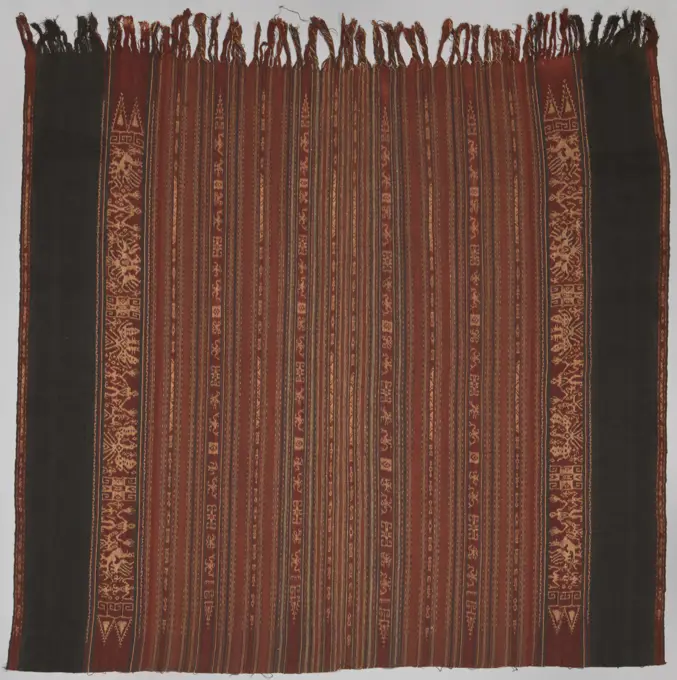
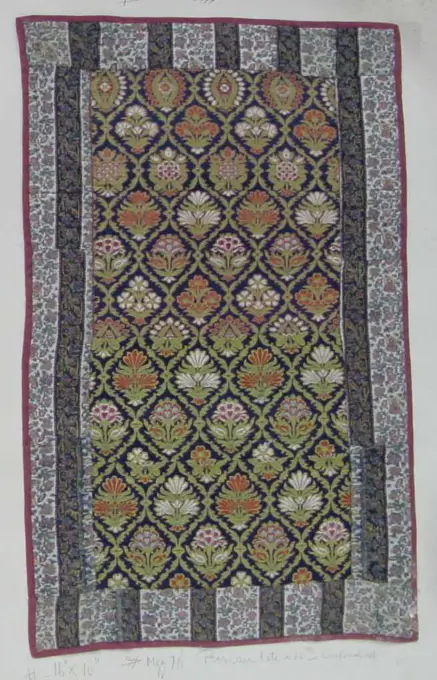
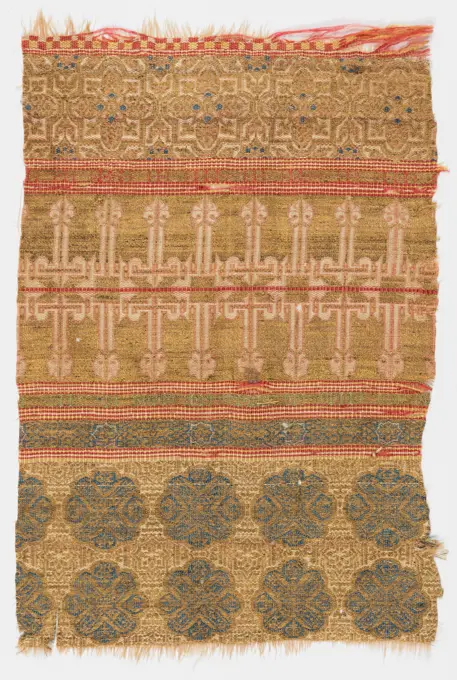
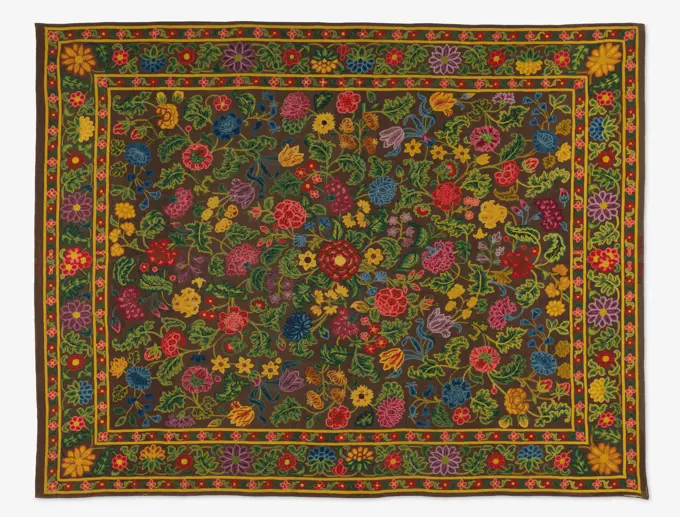
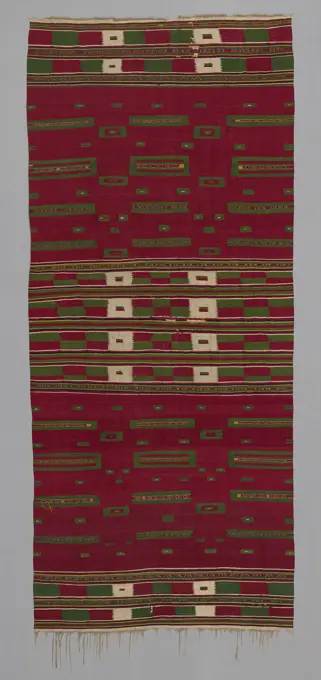
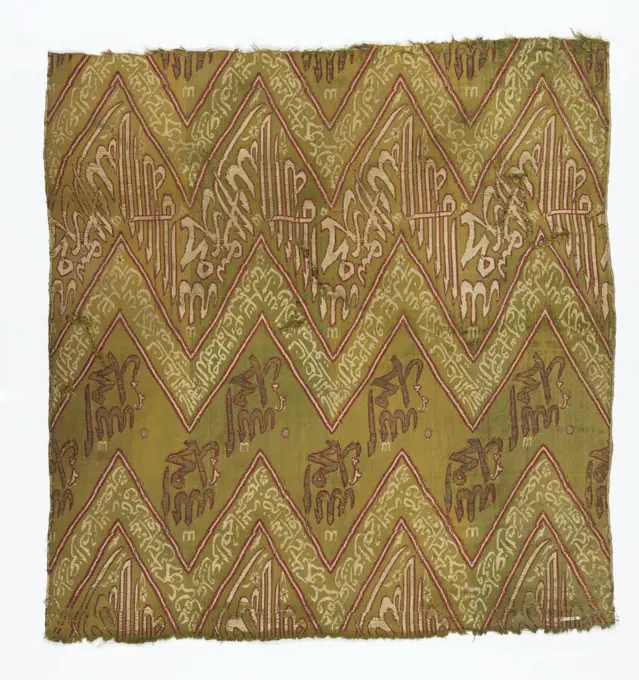
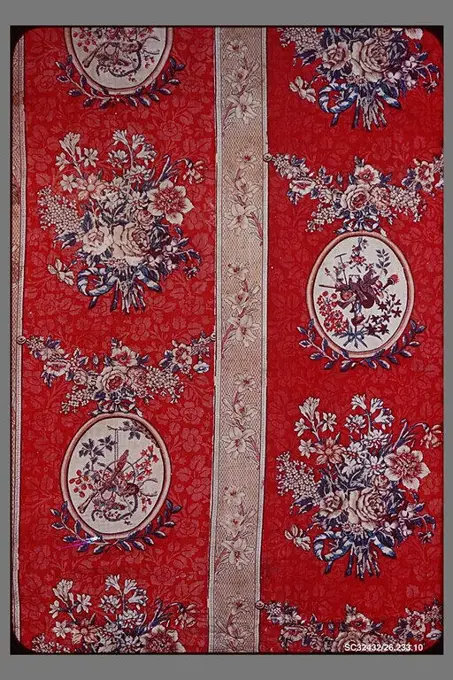
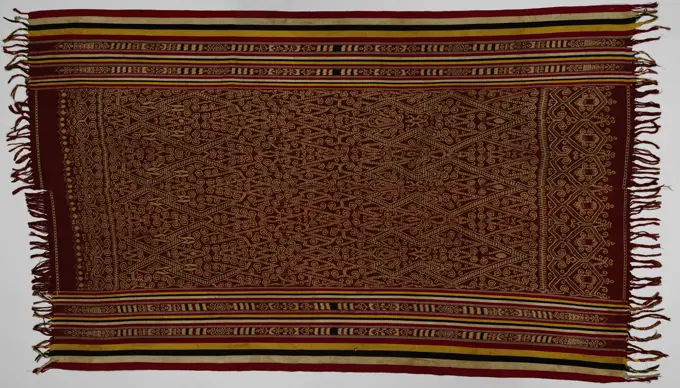
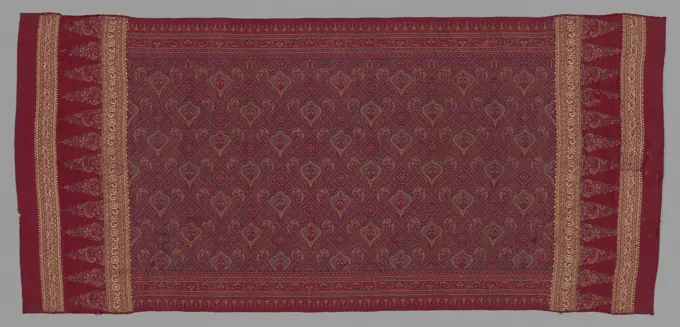
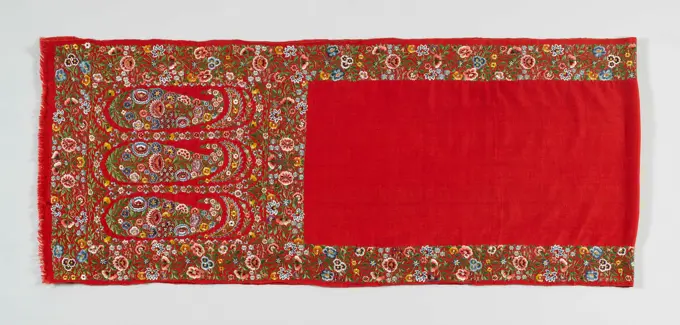
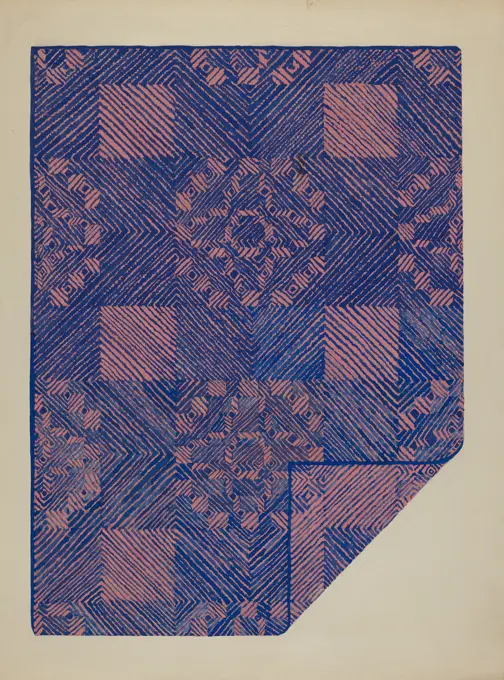
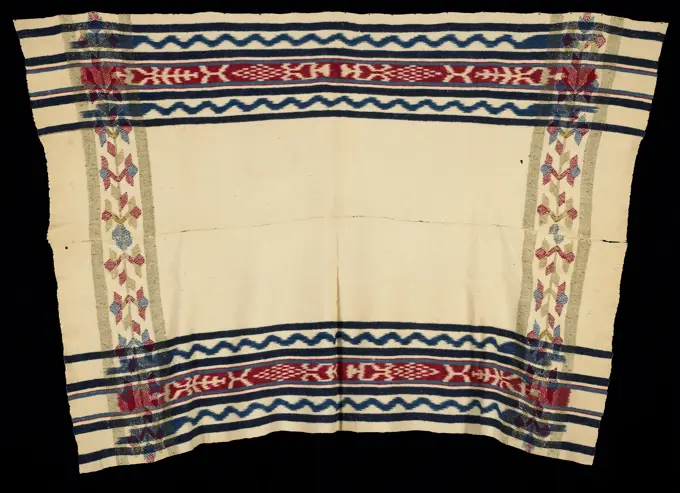
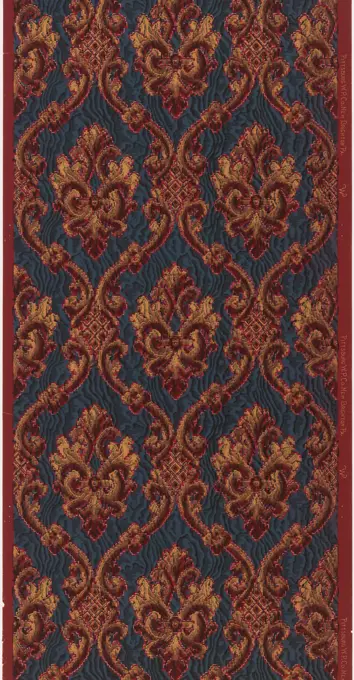
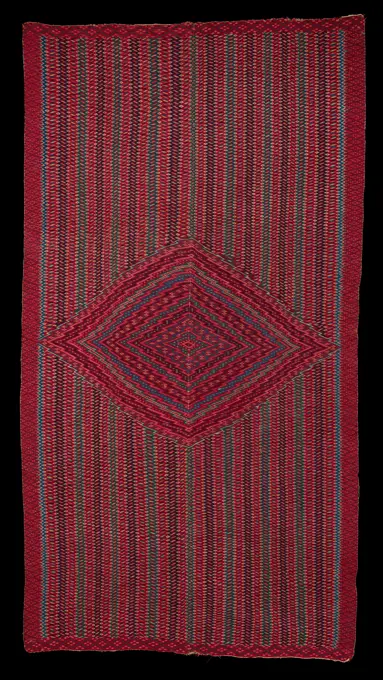
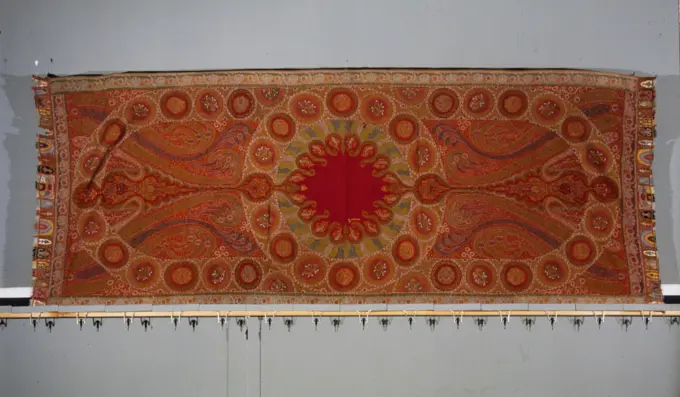
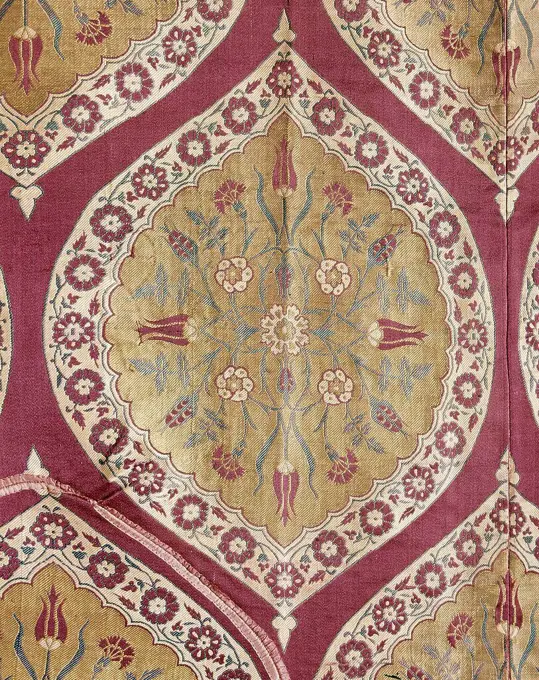
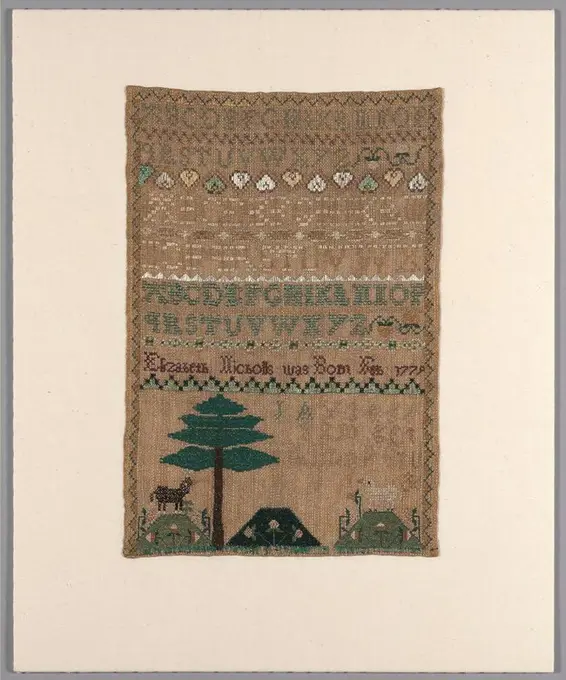
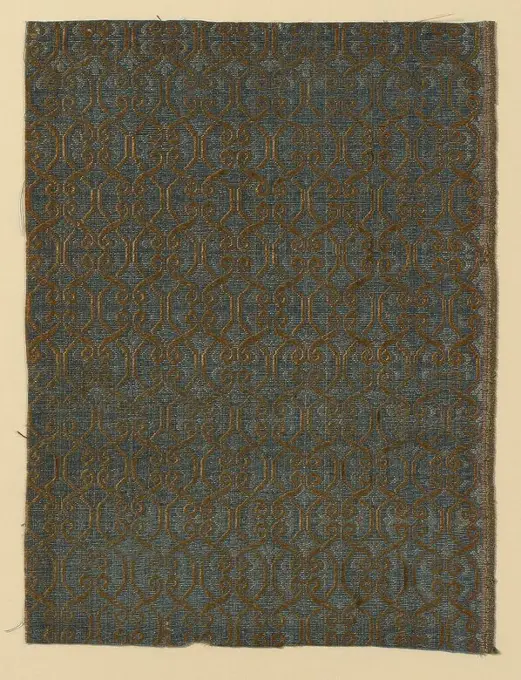
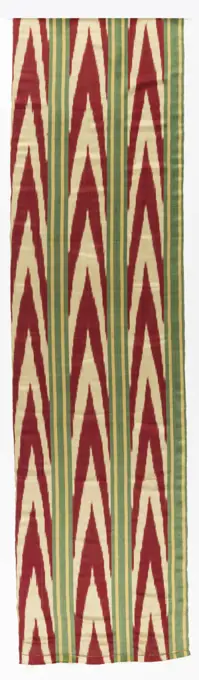
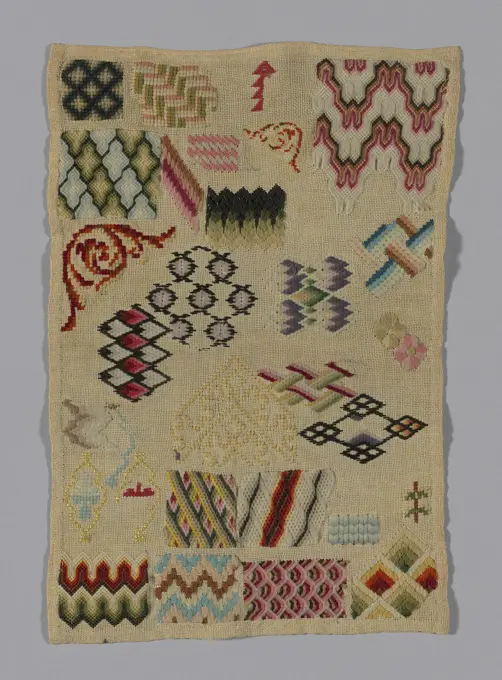
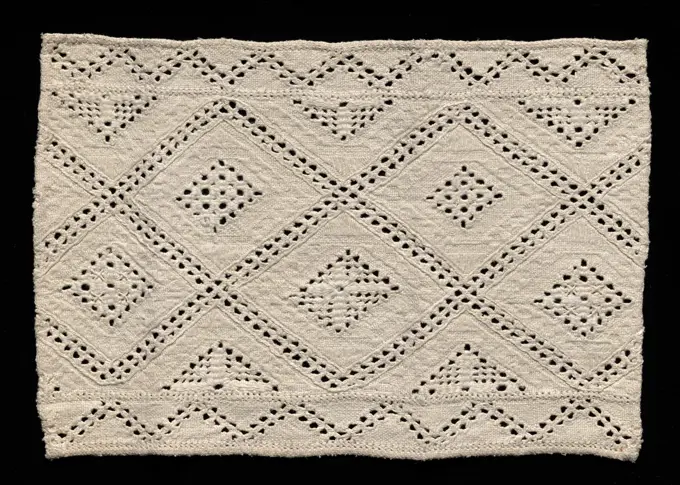
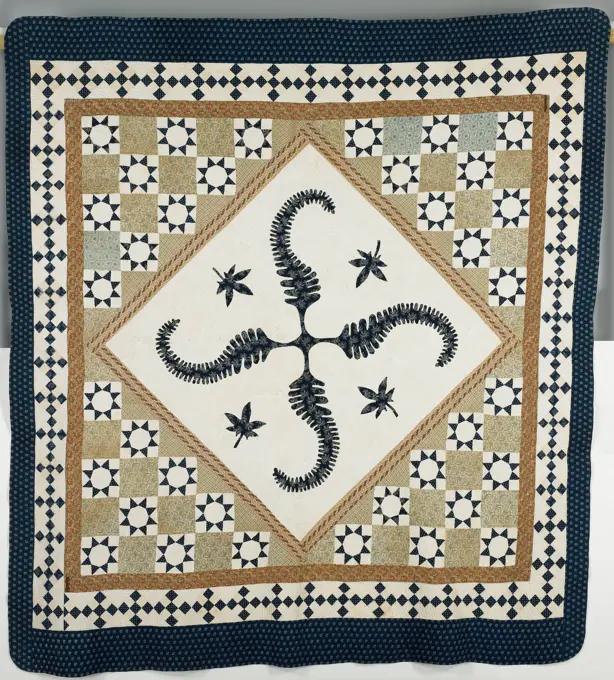
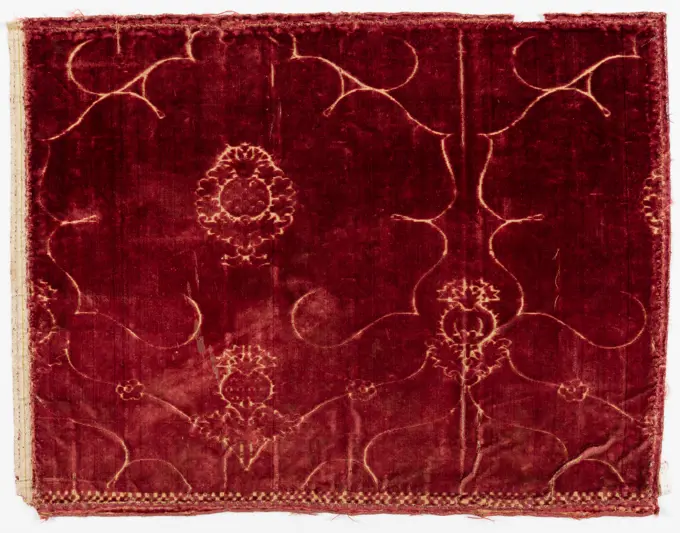
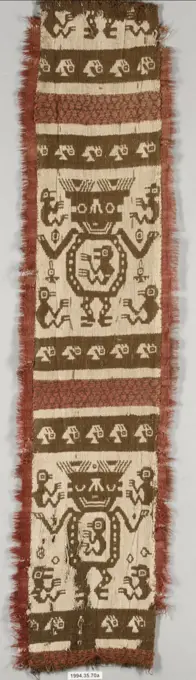
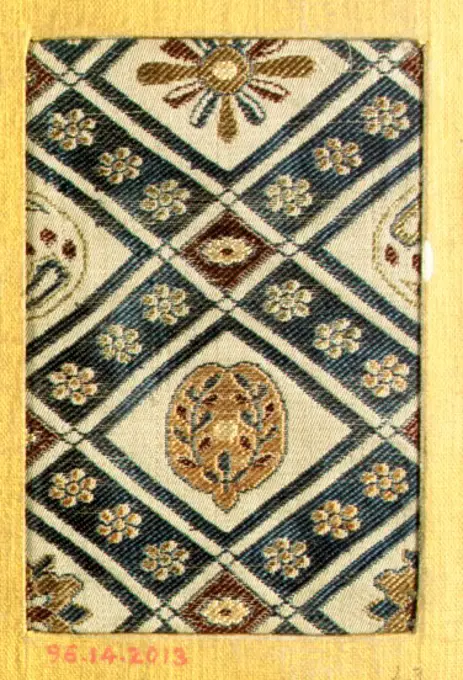
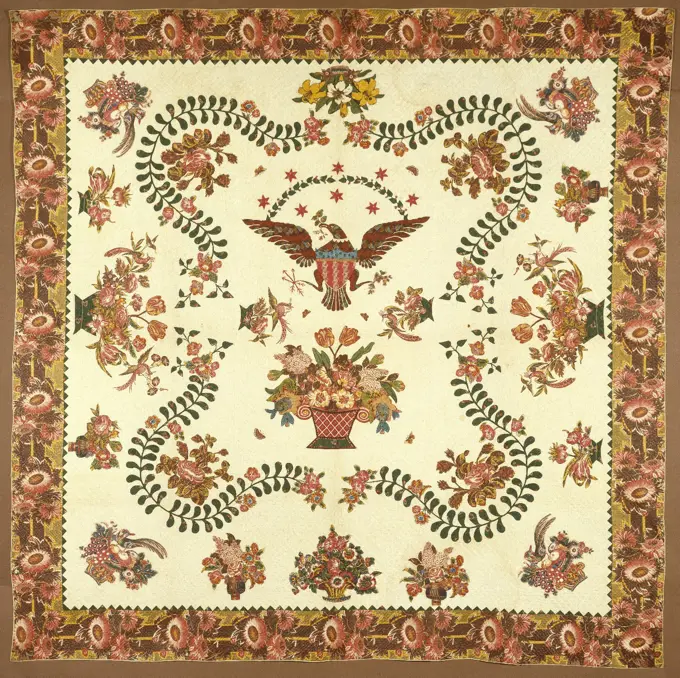
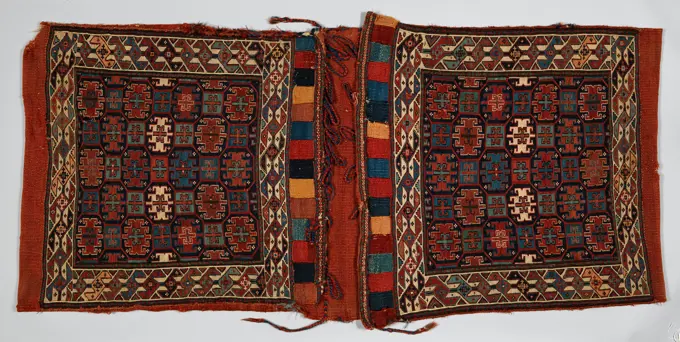
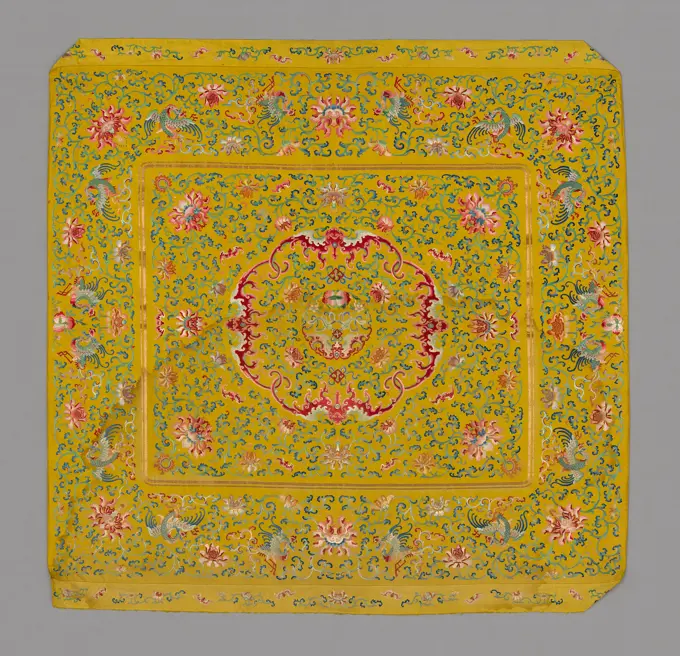
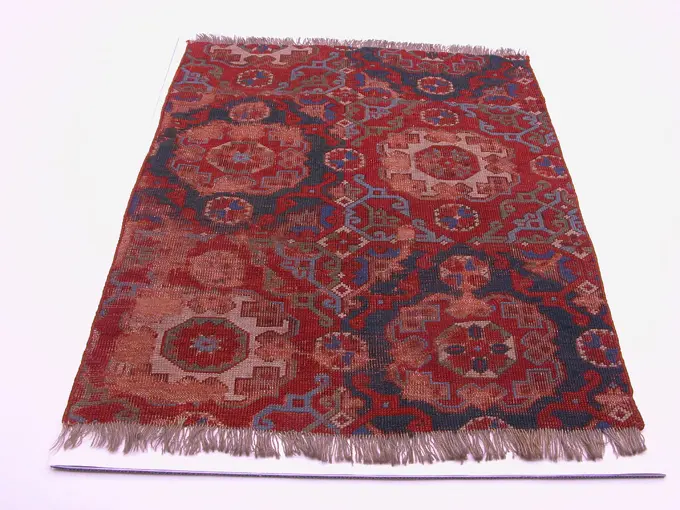
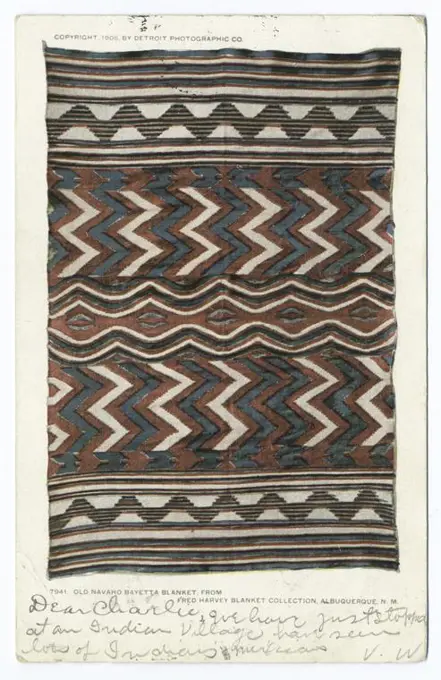
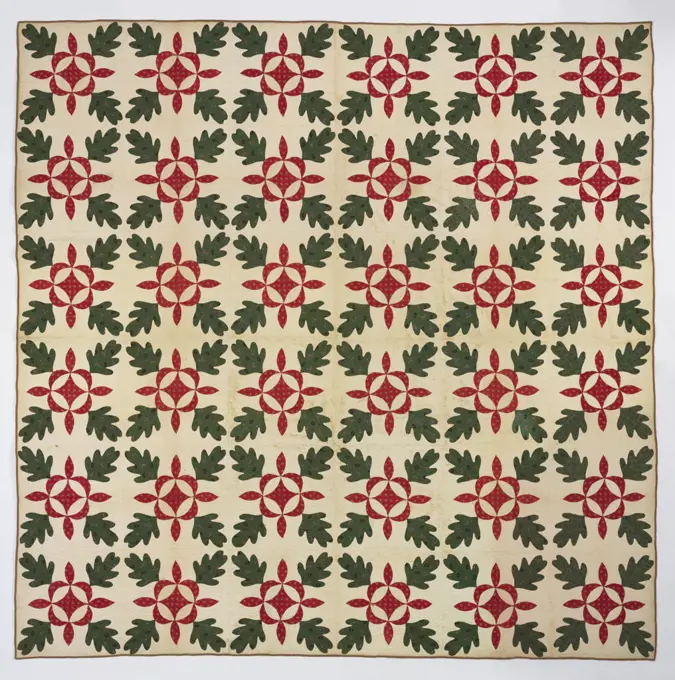
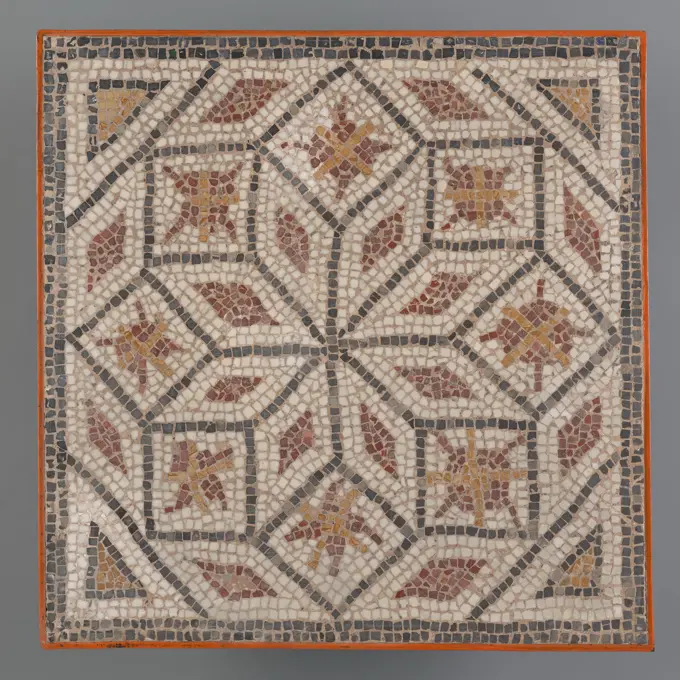
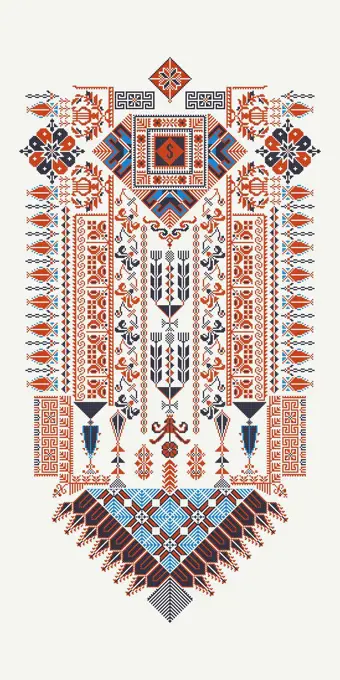
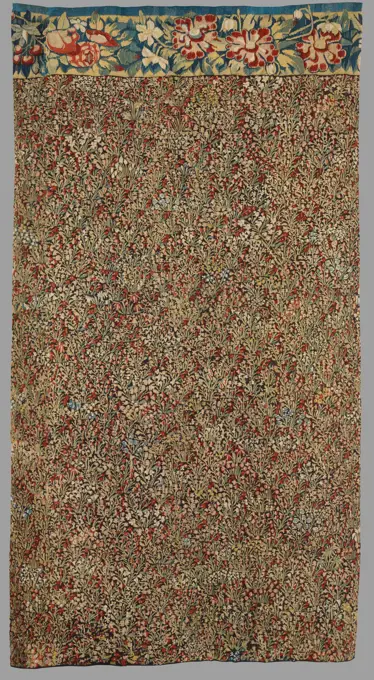
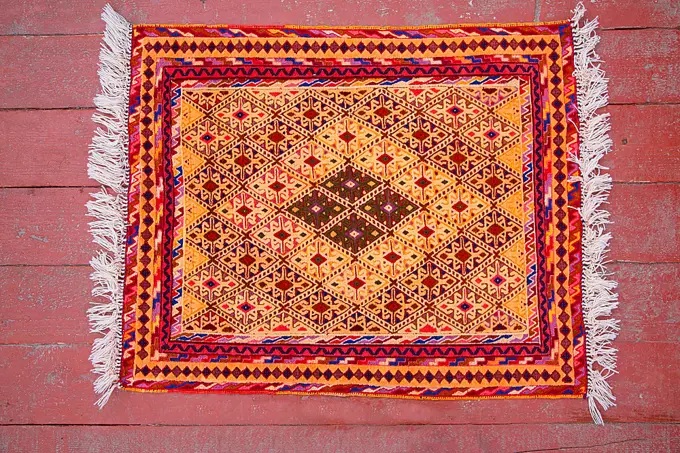
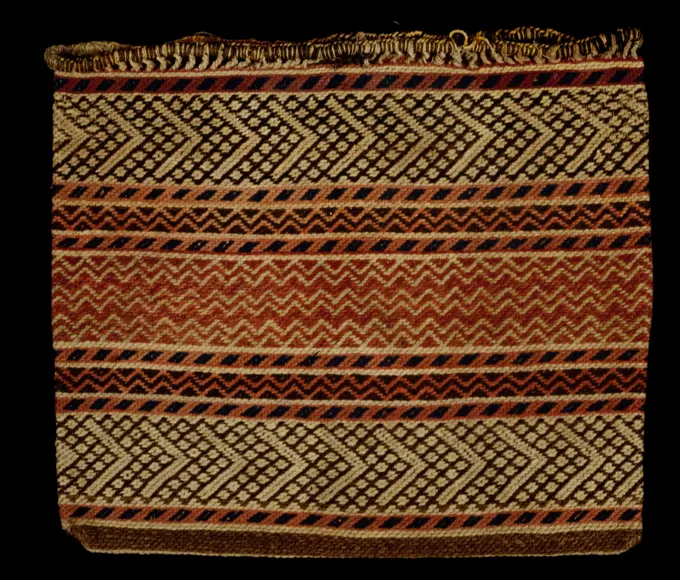
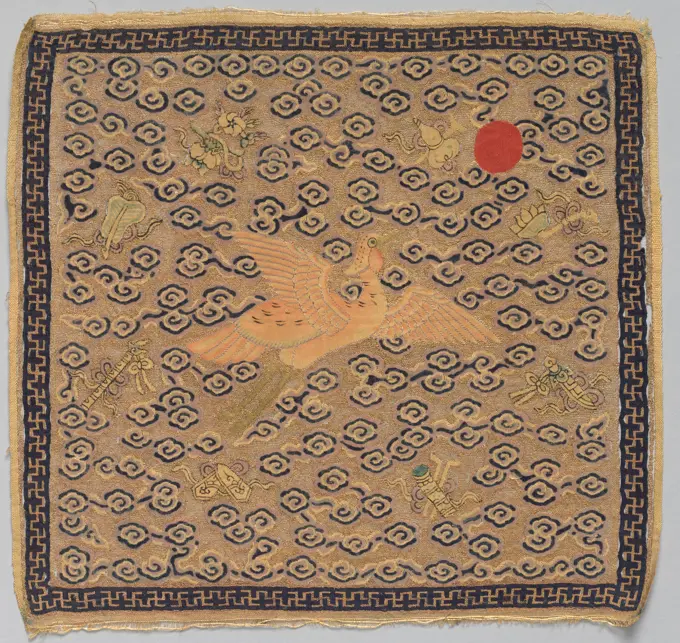
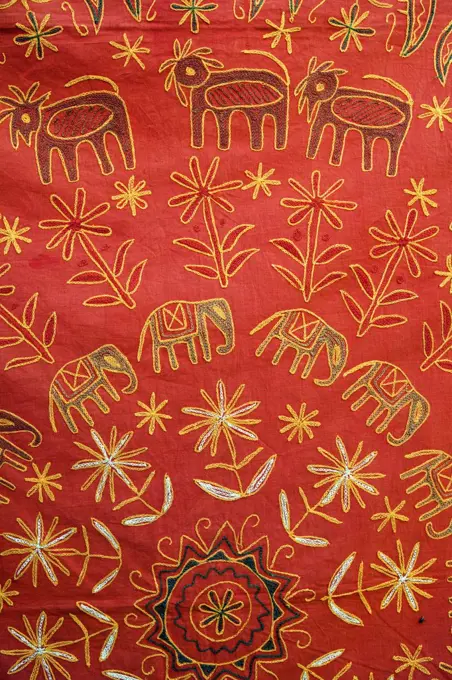
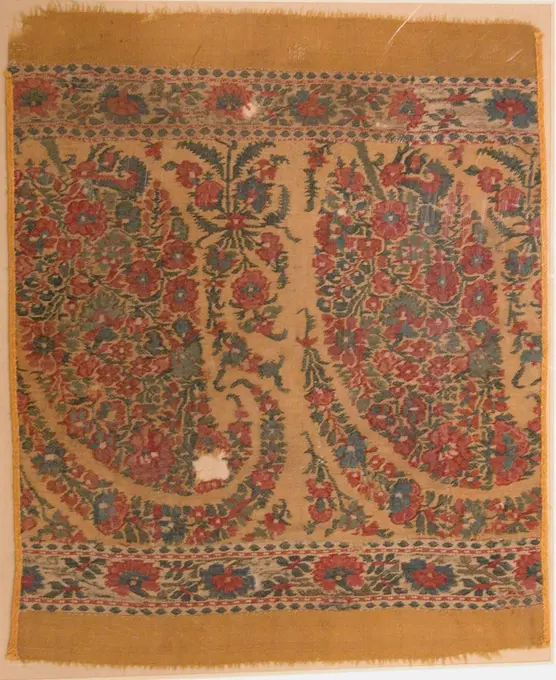
Fragment of Shawl early 19th century. Fragment of Shawl 447417Sampler, Maria Cobos, Medium: wool embroidery, linen foundation Technique: cross stitch on plain weave, Cross borders showing alphabets, numerals, geometric and floral ornament with birds and a house. Unfinished., Spain, 19th century, embroidery & stitching, SamplerHeupdoek, anonymous, before 1940 Rectangular cotton cloth consisting of two halves sewn together in width that form each other's mirror pale in motif. The colors are natural, rust brown, blue and dark blue black. A length sow has short frayers, the other longer fringes from black wires. The motifs are applied in horizontal, running in the order of the day in the cloth in natural rust -brown stock. From the bottom to the middle (the seam): a narrow -in -kissed job; A wide blue -black lane; A wide-in-covered lane with human and bird figures and star motifs with hooks; A number of narrow IMATED lanes with different geometric motifs (8 motif, rinse motif, star motif, zigzag motif) and human and bird figures. These jobs are interspersed by narrow stripes in natural, blue -black, blue on a rust brown stock. Maluku cotton (textile) ikat Rectangular cotton cloth consisting of two halves sewn together in width that form each other's mirror pale in motif. The colors are natural, rust brown, blueFragment Made 1575-1600 Italy. Silk, plain weave with supplementary patterning warps and supplementary pile warps .Textile Fragment late 17th century. Textile Fragment. late 17th century. Silk. Made in Iran. TextilesFragment (Spain); silk, gilded vellum on silk coreCover 18th century. Cover 443071Cloth; PUA. .Cloth; Not until. Cloth with geometric motifs.Carpet, May 1737-May 1745, Abigail Goodwin; Maker: Anna-Maria Goodwin, 112 1/2 × 90 in. (285.75 × 228.6 cm), Canvas, wool, England, 18th century, This entirely hand embroidered textile was probably intended for use as a table covering. Such decorative cloths were highly prized and either covered or removed when the table was used. The embroidery was the work of Abigail Goodwin and her eldest daughter Anna-Maria. It took eight years to complete the project; beginning and end dates (1737 and 1745) are embroidered at each end of the carpet. Tragically, Anna-Maria died in 1743. For the following two years, Abigail continued the project on her own. Among other surviving carpets made during this period, this example is exceptional for its remarkably fresh colors. It is possible that it was never used given its association with Anna-Maria and her unfortunate early death.Tent Hanging or Coverlet (Djerbi) Made 1850-1900 Algeria. Wool, stripes of weft-faced plain weave and stripes of slit and double interlocking tapestry weave, main warp fringe .Band, Medium: linen, silk Technique: silk long armed cross and back stitches on linen plain weave, Pattern of curving plant forms in reserve against a red background. Warp-faced woven band with weft elements forming the fringe attached on two sides., Italy, 16th century, embroidery & stitching, BandBedcover (Flowers and Fruit Bedcover) Made 1847 United States. Cotton, plain weave, pieced and quilted; aplliquÈd with cotton, plain weave, printed; embroidered in wool threads in a variety of stitches; backed with cotton, plain weave .Fragment of a tomb cover, Medium: silk Technique : compound satin Label: silk compound satin, Fragment of woven silk with Zigzag bands of kufic script in cream and red on a yellow-green ground., Iran, 17th-18th century, woven textiles, Fragment of a tomb coverHanging ca. 1785-90 Probably made at Perrenod. Hanging. French, Melun. ca. 1785-90. Cotton. Textiles-PrintedScarf, Medium: silk warp, wool weft Technique: machine woven 2/1 twill (field), 2/1 twill with supplementary weft patterning (end borders), complementary warp-float patterning (side borders); painted silk warps, Machine-woven scarf with undecorated green field and a wide border at each end containing overlapping paisley cones in two shades of red, light blue, yellow-orange, olive green, and ivory. Floral vine border on each side runs the full length of scarf in dark green, dark red and ivory., England, late 19th century, woven textiles, ScarfPiece 18th-19th century Japan. Piece. Japan. 18th-19th century. Silk. Edo (1615-1868). Textiles-WovenDoek, Anonymous, 1900 - 1949  Sarawak cotton (textile)  Sarawak cotton (textile)Velvet Strip, mid-1800s. China, Qing dynasty (1644-1911). Velvet and gold thread; brocade; overall: 178.1 x 54.6 cm (70 1/8 x 21 1/2 in.).Waist Wrapper(Limar). Rectangular scarf from red silk with a narrow embroidered multicolored floral edge and worked palmettes at the ends, including three embroidered standing botas.Towel End (Italy); cotton; Warp x Weft: 40 x 50 cm (15 3/4 x 19 11/16 in.); 1938-31-5Katherine Hastings, Piece of a Coverlet  Cobalt Blue & Rose, c 1936 Piece of a Coverlet - Cobalt Blue & RoseBlanket, c. 1950, 79 1/8 x 57 1/2 in. (200.98 x 146.05 cm), Wool; warp tied resist (jaspe) ikat, Guatemala, 20th centuryTable Carpet with Garlands of Flowers and Rinceaux Made 1650-1675 Flanders. Wool and silk, slit and double interlocking tapestry weave . Manufacture de AubussonPiece 18th-19th century Japan. Piece 67189Sampler. Date/Period: 1600-1650. Sampler. Medium: silk and metal-wrapped silk embroidery, linen foundation . Technique: back, tent, rococo, eyelet, chain, cross, long-armed cross, roumanian, stem, twisted chain, and plaited braid stitches on plain weave. Height: 500 mm (19.68 in); Width: 215 mm (8.46 in). Author: UNKNOWN.Quilt (Star and Triangle). Dated: 1935/1942. Dimensions: overall: 47.4 x 47.8 cm (18 11/16 x 18 13/16 in.). Medium: watercolor and graphite on paper. Museum: National Gallery of Art, Washington DC. Author: Henry Granet.Sidewall (USA); Manufactured by Pittsburg W.P. Co.; machine-printed paper, liquid mica; 92 x 49 cm (36 1/4 x 19 5/16 in.)Woman's Head Shawl (Odhani), 73 7/16 x 59 1/2 in. (186.5 x 151.1 cm), silk, metal staples, metallic trim; dyed, IndiaShawl; Hinggi Kombu. Shawl with a row with horses at the bottom, symbols of the upper world.Serape, c. 1900, 96 × 49 3/4 in. (243.84 × 126.37 cm), Cotton, pigments, Mexico, 20th centurySkirt, 28 1/4 x 25 in. (71.76 x 63.5 cm), Cotton, ChinaShawl, c. 1870, 138 x 53 1/2 in. (350.52 x 135.89 cm), Wool; twill-tapestry weave, embroidery, India, 19th century, Creating an impression of imposing size to reinforce personal importance is an artifice that has been used for centuries. The subtle variations of this theme employed by women to enhance their social standing involved a delicate balance between the desirability of being perceived as small, graceful and retiring and the importance of being recognized as a significant force in society. In the mid-nineteenth century, the use of voluminous crinoline skirts and large, elaborately patterned shawls, such as this one, made sure one was easily seen. In contrast to the abundance of cloth the female would appear quite delicate.Carpet. Dimensions: L. 75 (190.5 cm)W. 50 in. (127 cm). Date: 17th century. Museum: Metropolitan Museum of Art, New York, USA.Sampler, Medium: silk, linen Technique: embroidered in satin and chain stitch on plain weave, Large square sampler by Maria Brigida Sanchez Mansilla is embroidered with a central square containing floral and bird motifs. Center is surrounded by a series of borders containing a variety of geometric and floral patterning., Spain, 1779, embroidery & stitching, SamplerDETALLE DE LA CASULLA BORDADA DE PIO V - SIGLO XVI. Location: CONVENTO DE LAS CLARISAS / MUSEO DE ARTE SACRO. MONFORTE DE LEMOS. LUGO. SPAIN.Sample (USA); cottonFragment of folk embroidery unknownBaltimore Album Quilt Tapestry/Textiles Eva Wilson, Jacquard Coverlet, c 1938 Jacquard CoverletKesrowan, mid 20th century, H.46-1/2 x W.57 in., Silk, metallic thread, Syria, 20th centuryYattha Charkhab, 20th century, 50 x 50 1/4 in. (127 x 127.6 cm), Wool, Bhutan, 20th centurySmall Panel, 14 x 16 3/4 in. (35.6 x 42.5 cm) (overall)14 x 13 3/4 in. (35.6 x 34.9 cm) (single element, panel), North Thailand or LaosTilora, Ajmer, Rajasthan, India. Colorful cloth hanging outside a home.Carpet or hanging ca. 1725 British. Carpet or hanging 229048Set of Two Embroidered Panels, 28 1/8 x 6 in. (71.44 x 15.24 cm) (a)27 7/8 x 6 1/4 in. (70.8 x 15.88 cm) (b), Silk, satin, gold metal thread, paper, cotton; needlework, ChinaLength of furnishing fabric, called "Calimanco". Culture: British, Norwich. Dimensions: Overall: 99 1/2 × 19 1/2 in. (252.7 × 49.5 cm). Date: mid-18th century.Brightly colored wool textiles such as this length of furnishing fabric were a staple of the British textile industry. So-called "calimancos" were made of long-staple worsted wool, had a natural sheen and were long-wearing. These fabrics were used domestically and imported, especially to North America. Many bed quilts and quilted petticoats with plain calamanco linings have survived from the 18th century, but fewer of the striped patterns still exist today. Museum: Metropolitan Museum of Art, New York, USA.Coverlet Fragment (USA); cotton, wool; Warp x Weft: 57 x 32 cm (22 7/16 x 12 5/8 in.); 1953-218-42Sampler. Elizabeth Nicholls (American, 1779-); United States, Massachusetts or New Hampshire. Date: 1767-1800. Dimensions: 39.5 x 26.6 cm (15 1/2 x 10 1/2 in.). Linen, plain weave; embroidered with silk in cross, eyelet, and satin stitches. Origin: United States. Museum: The Chicago Art Institute, Chicago, USA.Fragment. Italy. Date: 1601-1700. Dimensions: 29.2 x 21.8 cm (11 1/2 x 8 5/8 in.). Silk, plain weave with self-patterning ground wefts. Origin: Italy. Museum: The Chicago Art Institute, Chicago, USA.Fragment, Medium: silk, linen Technique: brocatelle Label: Silk and linen compound twill, Fragment of woven fabric with a lion and bird of prey on a curving vine with exotic flowers and foliage, in red with touches of white and blue on a yellow background., Italy or Spain, 17th century, woven textiles, FragmentTextile, Medium: silk, plain compound satin Technique: tied resist patterning in warp (ikat) on plain weave, Chiné vertical stripes in red and white zigzag pattern alternating with green and two half-inch yellow stripes in fancy satin weave., Central Asia, 19th century, printed, dyed & painted textiles, TextilePieced Quilt. Dated: c. 1939. Dimensions: overall: 60.4 x 55.2 cm (23 3/4 x 21 3/4 in.). Medium: watercolor, graphite, and gouache on paperboard. Museum: National Gallery of Art, Washington DC. Author: Douglas Campbell.Sampler Made 1701-1900 France. Cotton, plain weave; embroidered in bargello, cross and tent stitches; in polychrome wool yarns .Needlepoint (Drawnwork) Lace Strip, 19th-20th century. Italy , 19th-20th century. Lace, needlepoint: linen; average: 21 x 30.5 cm (8 1/4 x 12 in.).Princess Feather Quilt, 1830, Elizabeth Alexander, American, 89 x 84 in. (226.06 x 213.36 cm), Cotton; appliqué, quilting, United States, 19th centuryTextile; silkSash Fragments 14th-early 16th century Peruvian. Sash Fragments 316895Piece 18th-19th century Japan. Piece. Japan. 18th-19th century. Silk. Textiles-WovenMedallion Quilt Elizabeth Welsh (American, active early 19th century). Medallion Quilt, ca. 1830. Cotton, 110 1/2 x 109 in. (280.7 x 276.9 cm).  Elizabeth Welshs use of reverse appliqué, in which the fabric that provides the ground for a design is meticulously cut away from the decorative elements that lie below, shows the care that went into creating this patriotic medallion quilt. Since several nearly identical quilts have been attributed to the Baltimore area, it is likely that Welsh had a connection to this region through friends or relatives. In advance of the national Bicentennial in 1976, this pattern was translated into a popular kit, titled “American Eagle.”  ca. 1830Double Saddlebag (Khorjin) ca. 1875 The Shahsevan, whose name means "those who love the king," are Turkic nomads. Their historical migratory range reaches from the southwest shores of the Caspian Sea to the southern part of Transcaucasia. Art historians have identified Shahsevan weavings, including a variety of small-format bags, only in the past half century. Many Shahsevan weavings from the nineteenth and twentieth centuries, especially those with centralized geometric designs, show a striking relationship with Anatolian carpets from the fifteenth and sixteenth centuries. These older textiles are called Memling carpets, after the fifteenth-century Netherlandish painter who depicted them in his religious works. The khorjin saddlebags, such as this piece, continue the Memling design: it features repeated geometric octagonal medallion motifs with stars and angular hooks that develop from the step-like edges. Many of the motifs found on Shahsevan textiles are thought to be centuries-old Carpet late 18th-early 19th century. Carpet 450529Sampler, Elizabeth Andrew, English, Medium: silk embroidery on linen foundation Technique: embroidered in running, double running, fern, eyelet, montenegrin, cross, marking cross, four-sided cross, stem, Roumanian, satin, detached chain, herringbone, and detached looping on plain weave foundation, Multicolor bands of pattern including raised naked figures picking acorns followed by alphabet facing in other direction and signature and date., England, 1661, embroidery & stitching, SamplerCushion Cover Made 1800-1850 China. Embroidered Imperial yellow satin . ManchuFragment. Dimensions: Rug: H. 34 1/4 in. (87 cm)W. 25 3/4 in. (65.4 cm). Date: first half 16th century. Museum: Metropolitan Museum of Art, New York, USA.Old Navaho Bayetta Blanket, Albuquerque, N. M. still image. Postcards. 1905. The Miriam and Ira D. Wallach Division of Art, Prints and Photographs: Photography Collection. Blankets, Navajo Indians , Arts & craftsInsertion ca. 1600 Italian. Insertion 212398Kesa Made 1801-1825 Japan. .Oak Leaf and Orange Peel, Medium: cotton Technique: pieced and sewn patchwork of plain and roller-printed fabrics, quilted, Patchwork quilt in design of oak leaves in green print surrounding ornament of a diamond within a circle of red printed cotton. Backed with white cotton. Lines of quilting follow the pattern., USA, ca. 1840, embroidery & stitching, Quilt, QuiltPanel (Spain); linen, woolMosaic;  4. exercise III W.-I exercise 4th century (275-00-00-325-00-00);Kira, 20th century, 93 1/2 x 55 1/4 in. (237.49 x 140.3 cm), Silk, cotton, Bhutan, 20th centuryKeshan Rug Tapestry/Textiles Slendang (Shoulder Cloth or Wearing Cloth), 1800s. Indonesia, Central Java, 19th century. Batik; cotton; overall: 257.7 x 51.8 cm (101 7/16 x 20 3/8 in.).Child's Quilt, 'Cherry Wreath'. United States, circa 1875. Textiles; quilts. Hand appliquéd, machine quilted cottonLength of Textile, Morocco, 17th-18th century, Plain cloth, ribbed; silkCoverlet 1836 American This light and dark blue wool double cloth coverlet is woven in two panels and seamed at the center. The ground is decorated with various floral motifs associated with the Dutch weavers of the Bergen County, New Jersey/Rockland County, New York, area. The border is composed of birds and tree motifs alternating with vases of flowers. Each of the four corner blocks is decorated with a single large sunflower. The piece has a natural fringe along the bottom.. Coverlet. American. 1836. Wool, woven. Possibly made in Rockland, New York, United States; Possibly made in Bergen, New Jersey, United StatesPiece 18th-19th century Japan. Piece 67595Towel border. Culture: Russian. Dimensions: 18 x 34 in. (45.7 x 86.4 cm). Date: first quarter 19th century.This object is from the collection of Natalia de Shabelsky (1841-1905), a Russian noblewoman compelled to preserve what she perceived as the vanishing folk art traditions of her native country. Traveling extensively throughout Great Russia, she collected many fine examples of textile art of the wealthy peasant class. From the 1870s until moving to France in 1902, Shabelsky amassed a large collection of intricately embroidered hand-woven household textiles and opulent festival garments with rich decoration and elaborate motifs. The Brooklyn Museum holdings include many fine examples including the majority of the garments. Portions of Shabelsky's collection are also housed at the Museum of Fine Arts, Boston, the Cleveland Art Museum, and the Russian Museum of Ethnography in St. Petersburg.In Russian culture the Sirin, Alkonost, and Gamayun are mythical birds with the head and ofteSouth Persian Prayer Rug, 18th century. Artist: Unknown.Fragment Made 1575-1600 Italy. Silk, plain weave with supplementary pile warps forming cut and uncut voided velvet .Egyptian OrnamentPiece 17th century Japan. Piece 71434Textile (India); cotton, silkBand (Italy); linenWoman's Dress (One Panel), 1870-1889. America, Native North American, Southwest, Navajo, Post-Contact, Late Classic Period. Tapestry weave: wool (handspun and bayeta); overall: 133 x 91 cm (52 3/8 x 35 13/16 in.).Breast band, 20th century, 27 1/2 x 14 1/2in. (69.8 x 36.8cm), Cotton, silk; supplementary weft patterning, Myanmar (Burma), 20th centuryThrone Back Cover, 18th century, H.33-1/2 x L.25-1/4 in., silk, China, 18th centuryAsia, Turkey, Istanbul. Typical Turkish carpet workshop and store, rug detail. (Large format sizes available)Indian silk textile with traditional woven pattern. 21st CenturyFragment; medium; silk, linenGeorgian embroidery pattern 88Palestinian Tatreez ornament 4Tapiser;  End of the 16th century (1580-00-00-1600-00-00);arrasyEmbroidery Tatreez pattern, Palestinian fashion vector ornamentcarpet with geometric ornamentStorage Bag, c. 1850-1900, 17 3/4 x 20 in. (45.09 x 50.8 cm), Wool, dye, United States, 19th centuryRank Badge (buzi), 1850-99. China, Qing dynasty (1644-1911). Silk and metal thread; slit tapestry weave (kesi); overall: 29.5 x 31.3 cm (11 5/8 x 12 5/16 in.). Rank badges (also called rank insignia or Mandarin squares) were used in China during the Ming (1368-1644) and Qing (1644-1911) dynasties to demonstrate the wearers rank. In 1391 new clothing regulations directed court officials to wear decorative squares indicating their rank—birds for civil officials and animals for military officials. During the Qing dynasty rank badge design was regulated, and certain creatures were associated with specific ranks. Qing badges depict a representation of the universe with a landscape and a central creature, surrounded by clouds and facing the sun. The sun represented the emperor and this composition showed the officials loyalty to him. An officials wife wore rank badges that mirrored her husbands. Most of the examples in CMAs collection depict creatures facing a sun on the left. AttachedIndia, Rajasthan, Jaisalmer.  Bright dynamic design on silk hand woven floor covering, for sale on a market stall in Jaisalmer Fort.