Exquisite Textile Patterns

Textiles featuring intricate patterns such as embroidered pillow covers and sarongs, showcasing traditional craftsmanship with vibrant colors.

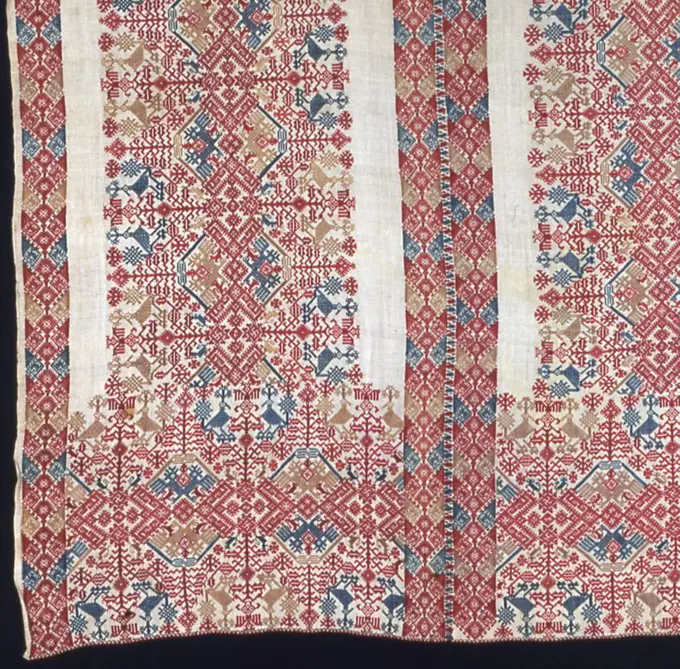
Pillow cover, Medium: silk embroidery on linen foundation Technique: embroidered in counted running stitch on plain weave foundation, Diagonal rows of lozenges with saw-toothed edges embroidered in red, white, buff and yellow silk on a blue ground., Thasos, Greece, 18th century, embroidery & stitching, Pillow cover
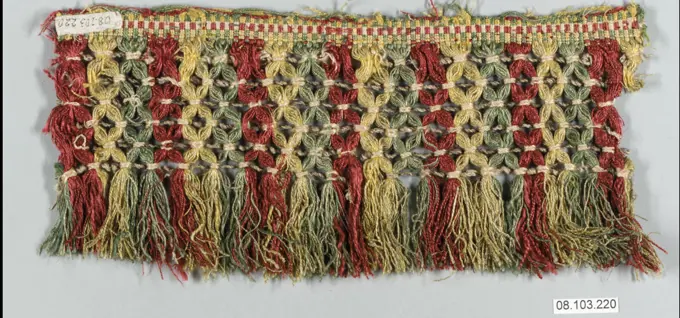
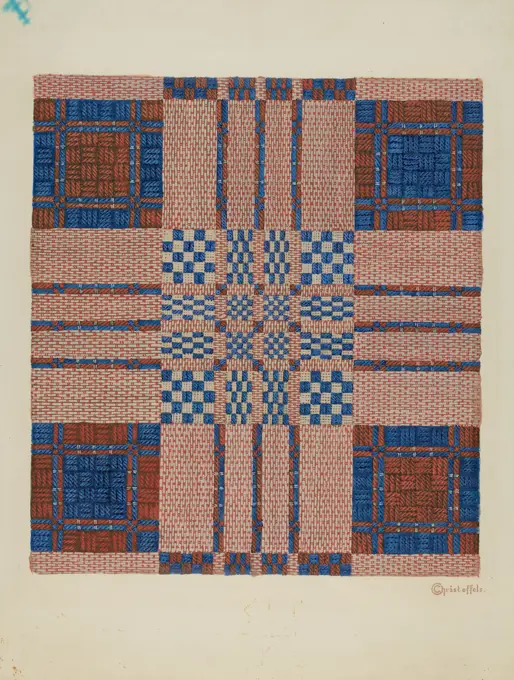
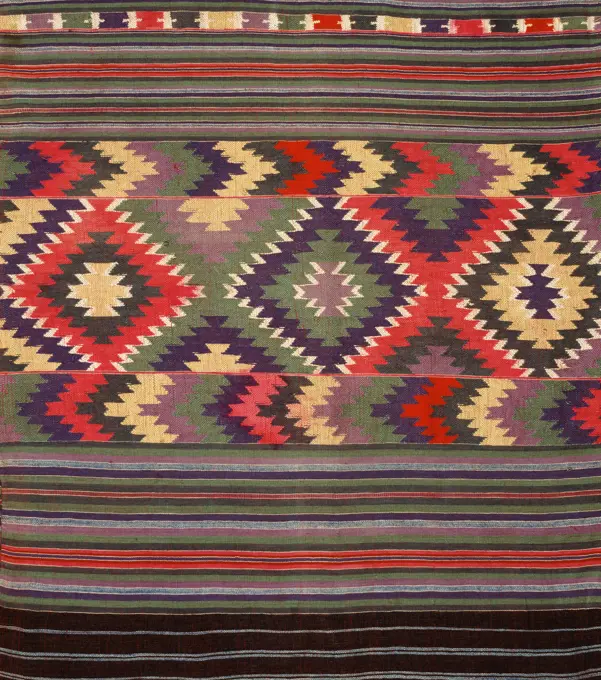
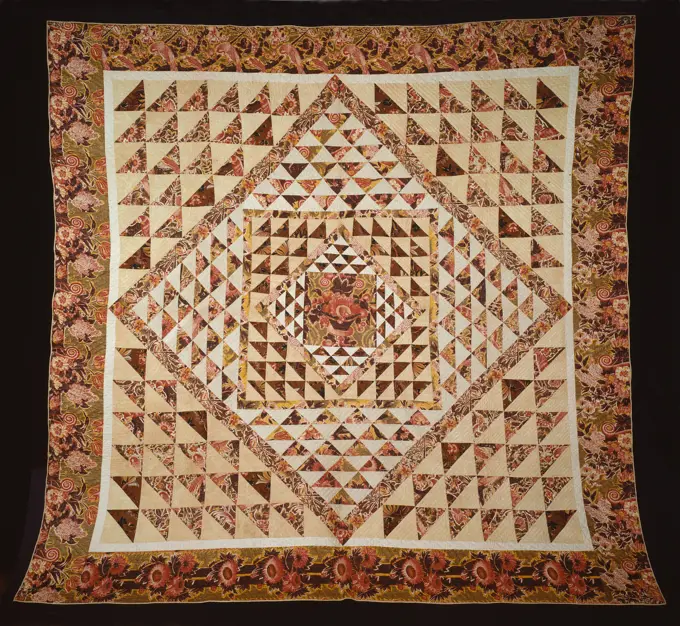
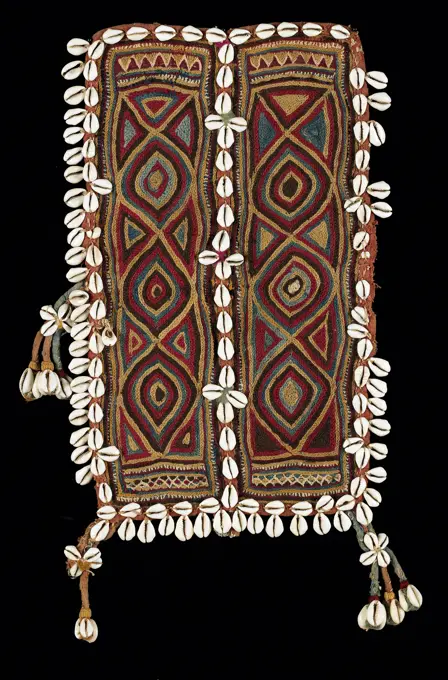
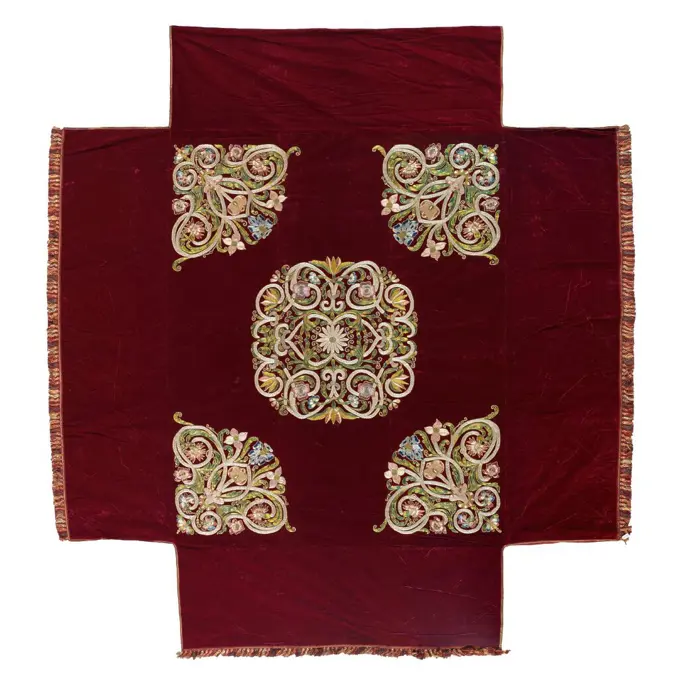
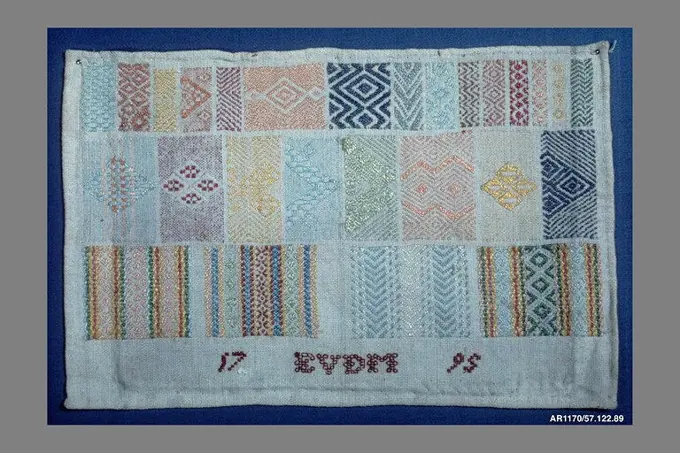
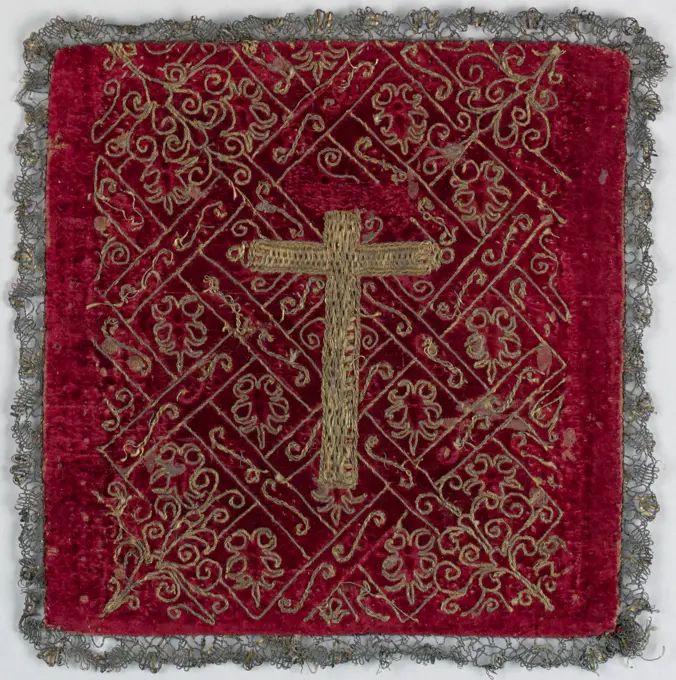
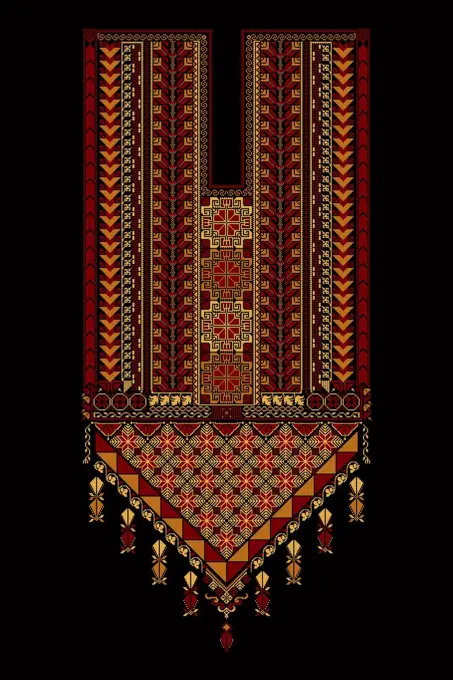
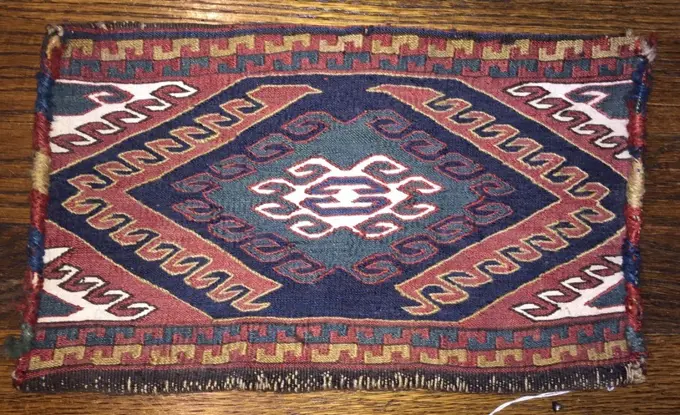
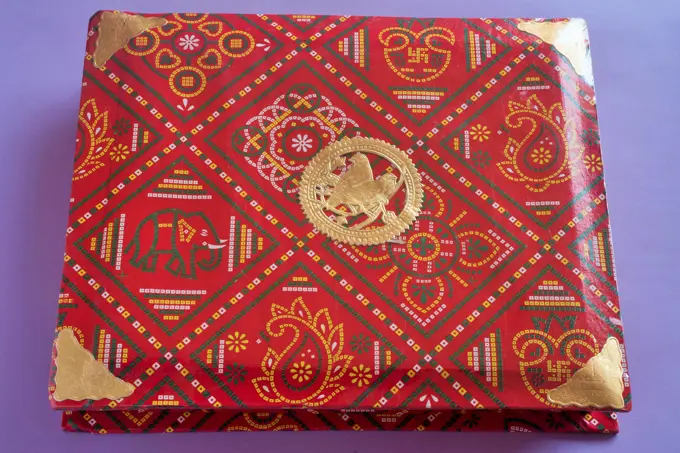
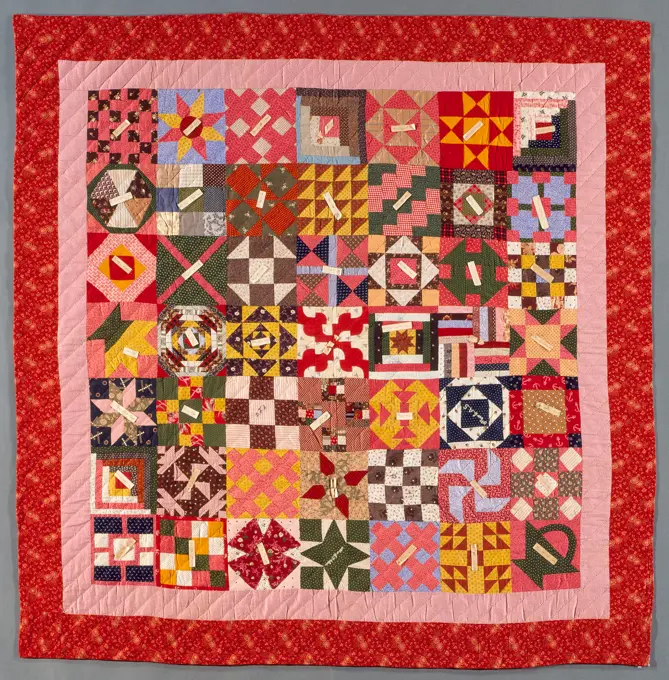
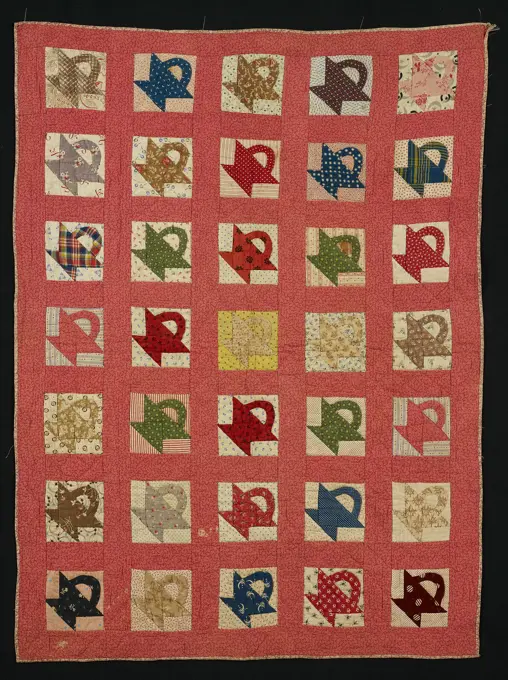
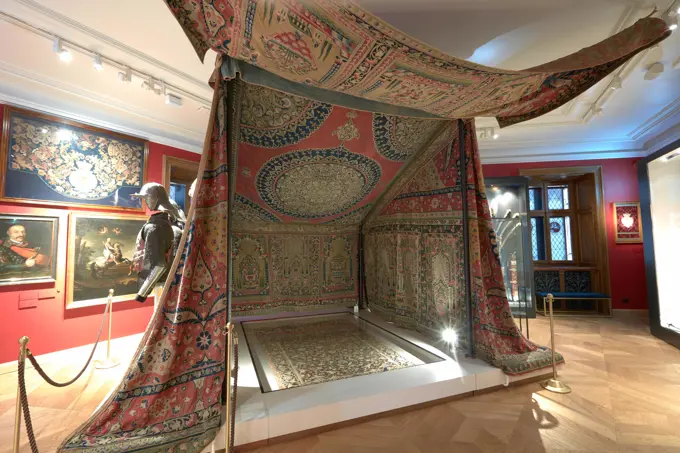
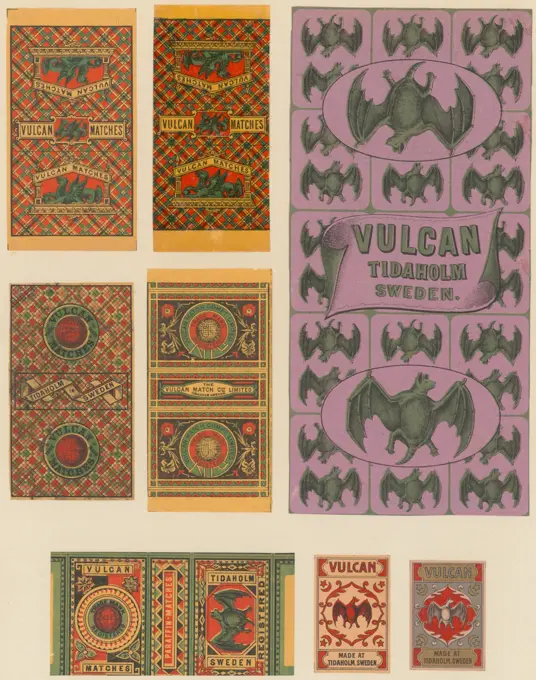
Purse. Culture: American. Date: fourth quarter 18th century. Museum: Metropolitan Museum of Art, New York, USA.Pall covering unknownFragment 16th-17th century Italian or Greek. Fragment. Italian or Greek. 16th-17th century. Linen and silk, drawnwork, punto à rammendo. Textiles-LacesDecorative round Palestinian Tatreez design element over white background, vector illustrationPalempore of Sits with pattern of a tree on red fond. Palempore of Sits with pattern of a tree on red fond.Chalice Cover (Italy); linenCover for Square Table. China, Qing dynasty, Qianlong period, 1736-1795. Textiles. Cut and voided silk velvet (sirong)Sarape 1800-1875 Mexican. Sarape 89939ALFOMBRA DE CUENCA S XVI. Location: PRIVATE COLLECTION. MADRID. SPANIEN.Piece 18th century German. Piece. German. 18th century. Linen. Textiles-WovenFringe 17th century probably European. Fringe. probably European. 17th century. Silk. Textiles-TrimmingsCornelius Christoffels, Coverlet, c 1940 CoverletMan's Wrapper, 19th-20th century, 74 5/16 x 68 in. (188.75 x 172.72 cm) (without fringe), Cotton, Nigeria, 19th-20th centuryTraditional Georgian folk art embroidery vector patternSampler 1798 Dutch. Sampler 228144Ukrainian embroidery pattern 44Uuk kap ilgich, 19th century, 28 1/2 x 16 in. (72.39 x 40.64 cm), Silk, wool; needle chain stitch, Uzbekistan, 19th centurySquare Shawl Made 1840 England. Wool, silk, and cotton, center of weft-float faced 1 3 'Z' twill weave; patterned areas of warp-float faced 3 1 'Z' twill weave with supplementary patterning wefts bound in weft-float faced 1 3 'Z' twill interlacings; attached silk, warp-faced weft ribbed plain weave extended ground weft fringe; two selvages present; woven on loom with Jacquard attachment .Thai textileTextile; silkBedcover Made 1820-1850 United States. Cotton, variety of plain weaves; some roller printed; some glazed; pieced; quilted with cotton thread; backed with cotton, plain weave .Shoulder cloth, 1945-1975, 55 x 16 1/4 in. (139.7 x 41.28 cm) (irregular), Cotton, Vietnam, 20th centuryAnonymous, 1830, shaped by flax with cashmere patterns in pink and blue strips, gray -fitted silk ripped ribbon with purple flower patterns. Cotton canvas back. Palais Galliera, fashion museum of the city of Paris.Border, Medium: silk embroidery on linen foundation Technique: embroidered in stem and darning stitches on plain weave, Narrow band, possibly from a curtain, embroidered in a stylized vine and leaf design in two shades of red, two shades of green, and cream. The design is known as the King pattern., Cyclades, Greece, 18th century, embroidery & stitching, BorderBed Curtain Made 1700-1900 Greece. Linen, plain weave; embroidered with silk in buttonhole, double running, running (pattern darning), satin, or stem stitches; joined by silk, needle-made inserts of oblique interlacing; four loom widths joined .Pompeian ornamentBorder; machine-printed paper, embossed; L x W: 75 x 47 cm (29 1/2 x 18 1/2 in.)Cornelius Christoffels, Coverlet, c 1940 CoverletLocal kilims sold as souvenirs, Pergamon (Pergamum / Bergama) Western TurkeyNeck Panel from a Hat, c. 1900, 16 3/4 x 9 1/2 in. (42.55 x 24.13 cm), Wool, cotton, shells; embroidery, India, 19th-20th centuryAnonymous / 'Quilt for a state bed'. XVIII century. Museum: Museo del Prado, Madrid, España.Embroidered darning sampler 1795 Dutch. Embroidered darning sampler 228017Bag, 20th century, 17 x 8 1/4 in. (43.18 x 20.96 cm), Cotton, mirrors; needlework, India or Pakistan, 20th centuryTextile; silk, metalTatreez ornament template 38Qarabagh Small Bag ca. 1880 While the term "carpet" evokes a heavy, large rectangular textile (either knotted pile or flat-woven tapestry, called kilim) that covers a floor, a vast array of rug genres and techniques can be found in the Islamic world, where they serve various functions in nomadic encampments, villages, cities, and palaces. Flat-woven and richly embroidered textiles, such as this one, belong to the kinds of smaller tribal weavings that were common in the Middle East from Anatolia to Iran; it was generously given to The Met by Inger G. and William B. Ginsberg of New York. Such textiles were woven by nomadic tribes as containers for everyday items. Some were designed specifically to transport or store bedding, flour, salt, and wooden spindles used to make the woolen yarns from which these works were woven. Others were of smaller size, comparable to cross-body women's handbags, or çanta, or also possibly used by children. Most notable is the ubiquitous double saddlebag, knoVector illustration of Ukrainian ornament in ethnic style, identity, vyshyvanka, embroidery for print clothes, websites, bannersDecorated Gift Box, Diwali Festival, Mumbai, Maharashtra, India, Asia Copyright: xNitinxKelvalkar/DinodiaxPhotoxTrimming (USA); wool, linen, silkSampler Friendship QuiltCrib Quilt 1801-1900 United States. Cotton, plain weaves, mostly printed and 2 2 ìZî twill weaves, printed; pieced; appliquÈd with cotton, plain weave, printed; quilted; backed and edged with cotton, plain weave; printed .Sayeban Marquee tent unknownAzerbaijan, Baku. Rugs mounted to a wall in Baku.Matchbox labels, from the Swedish industrial and trading museum.Udevalla - Örebro. (Vulcan).