Father's Day Designs

A compilation of Father's Day themed vector designs with a mix of typography and illustrations, featuring elements like mustaches and heartfelt messages.

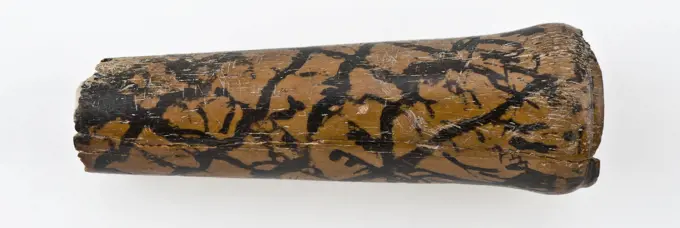
Mummy label Roman Period 30 B.C.-A.D. 364 View more. Mummy label. 30 B.C.-A.D. 364. Wood, ink. Roman Period. From Egypt, Middle Egypt, Oxyrhynchus (Bahnasa), EEF excavations 1904-05
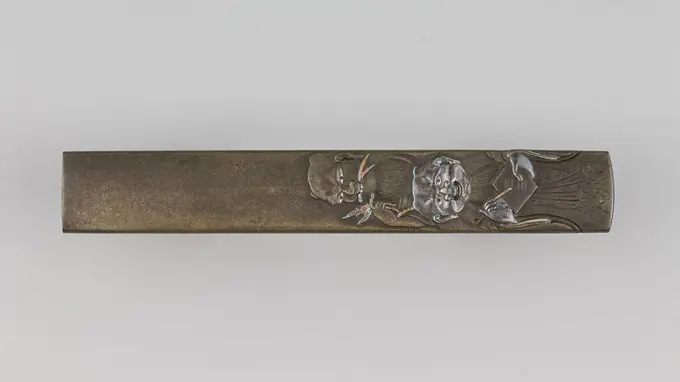
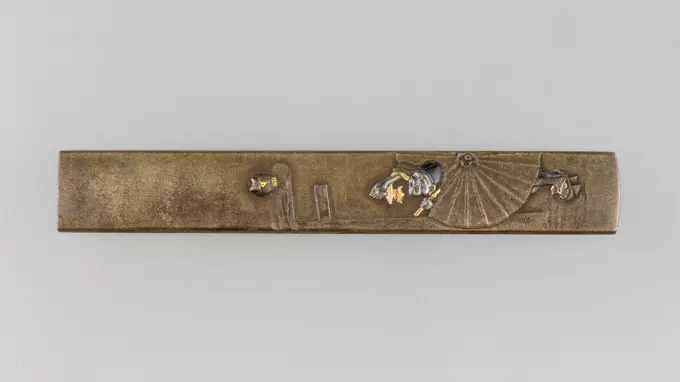
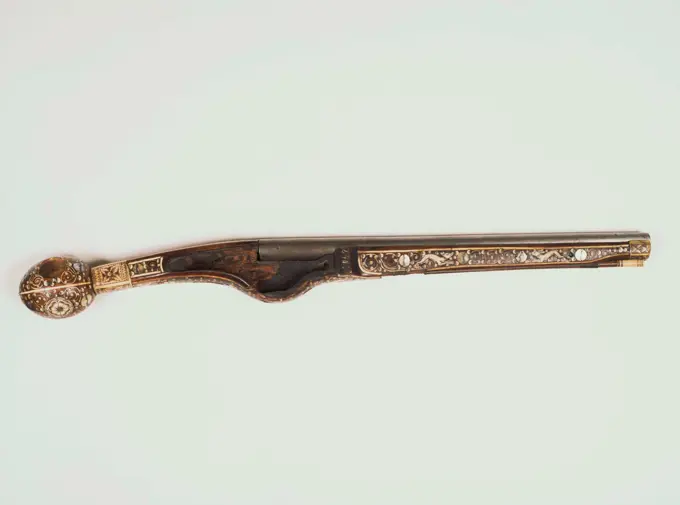
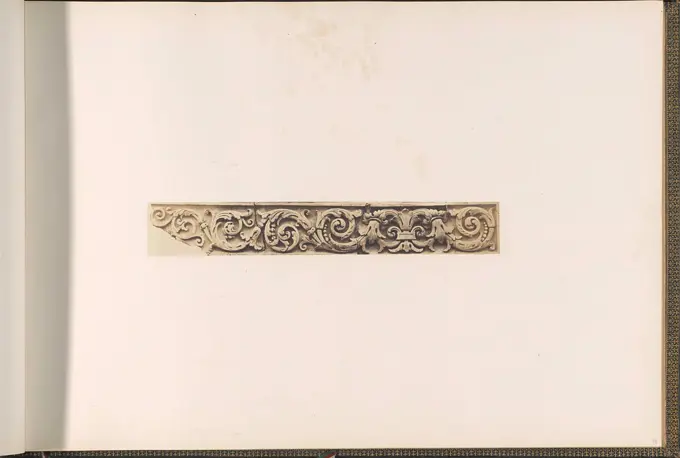
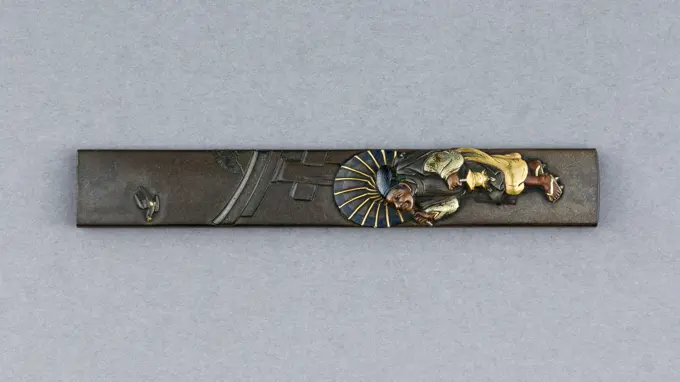
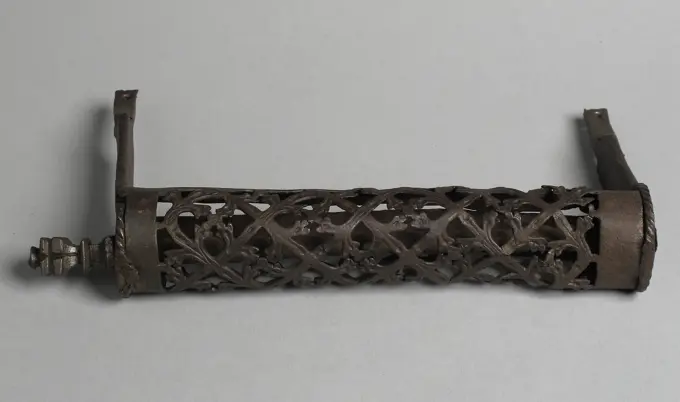
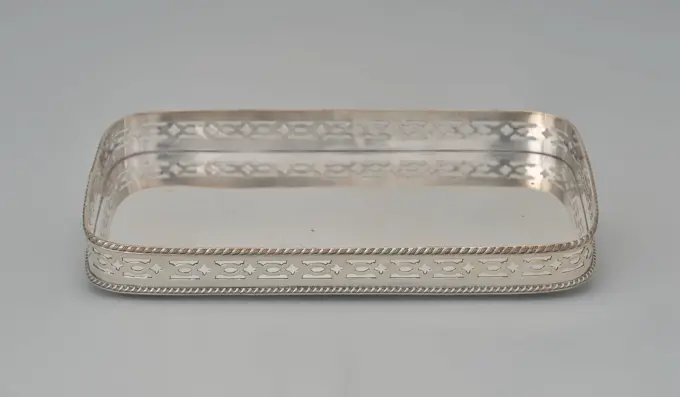
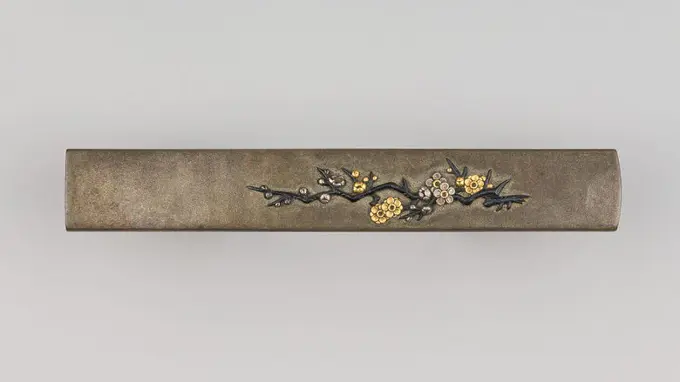
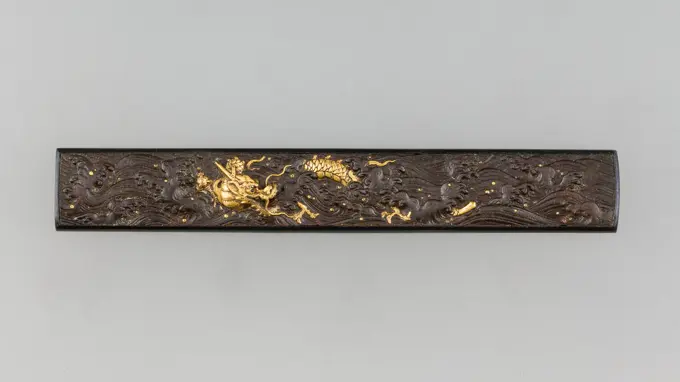
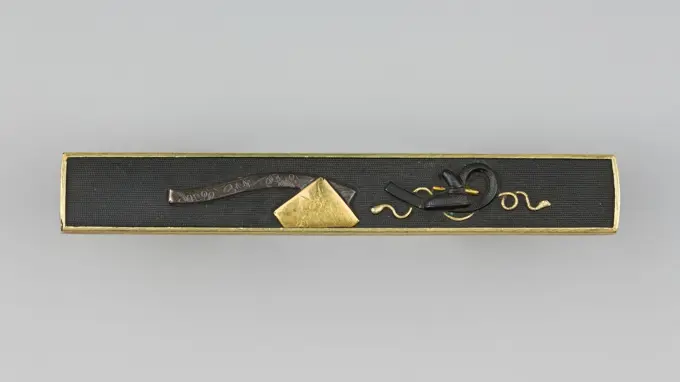
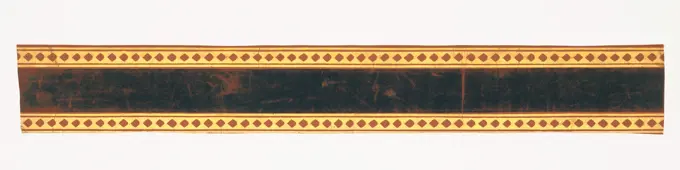
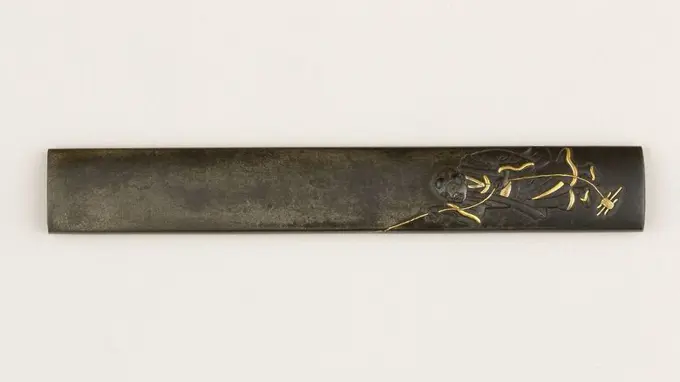
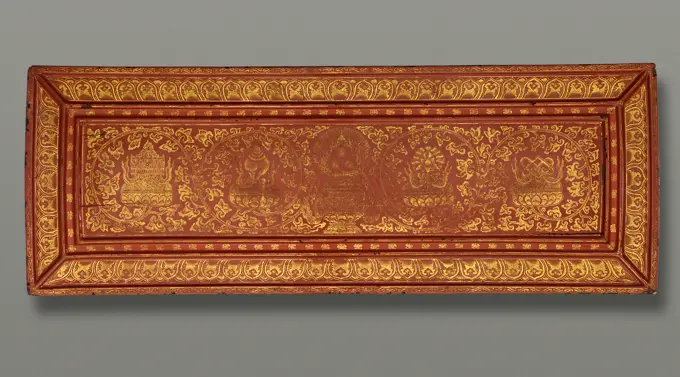
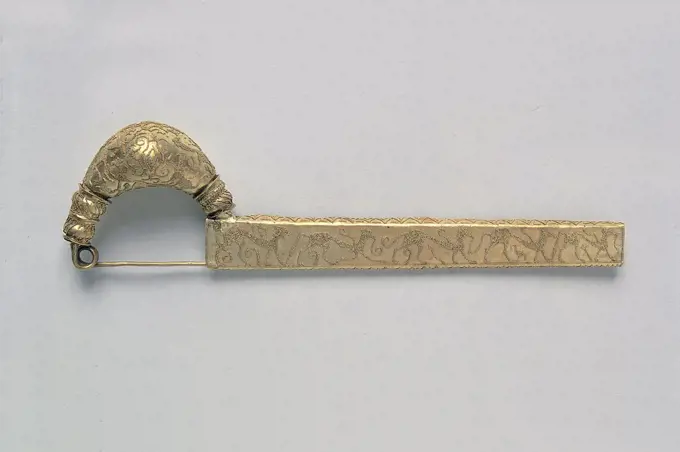
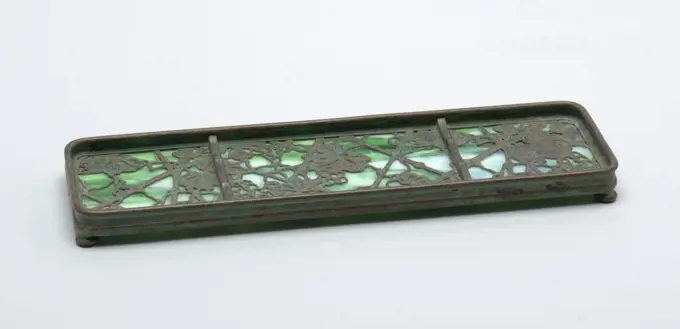
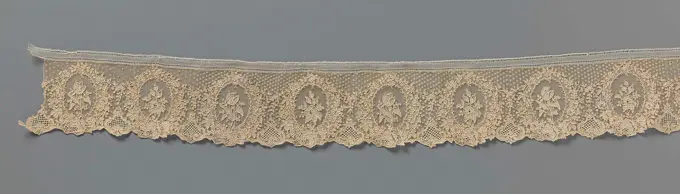
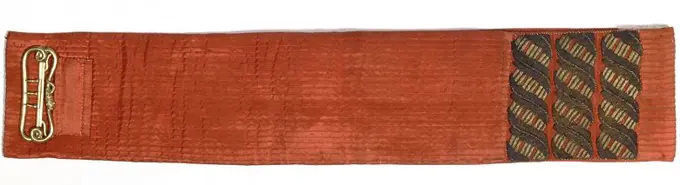
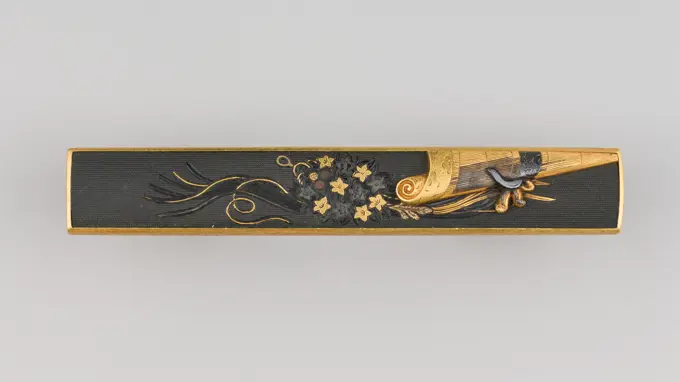
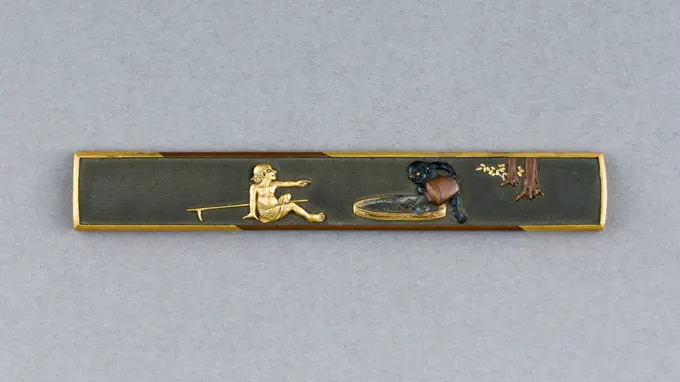
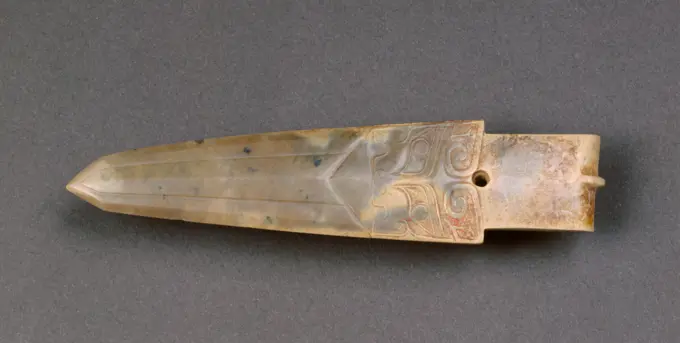
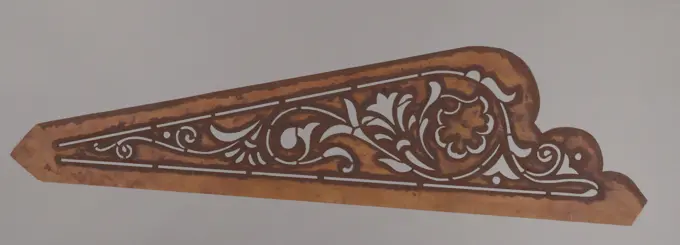
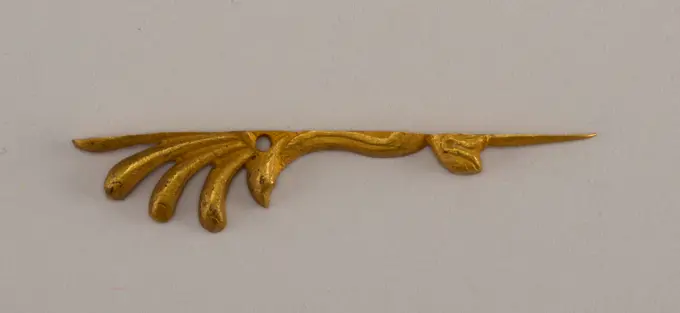
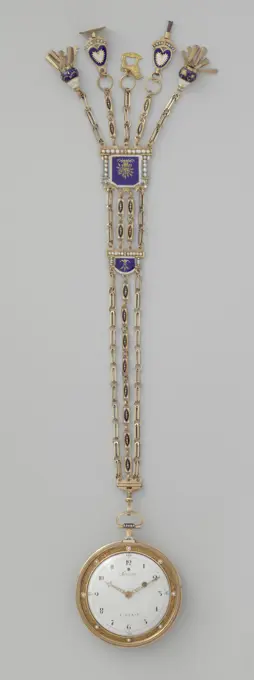
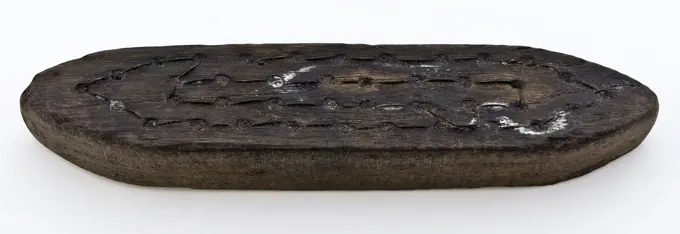
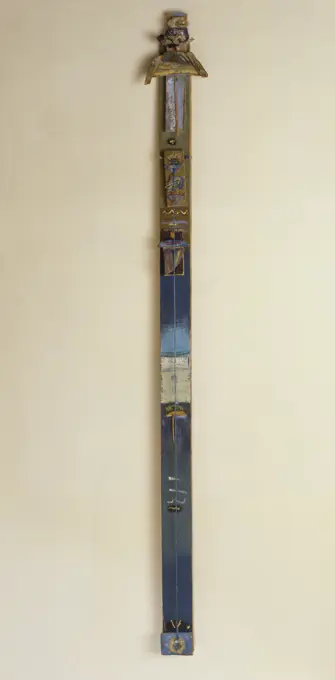
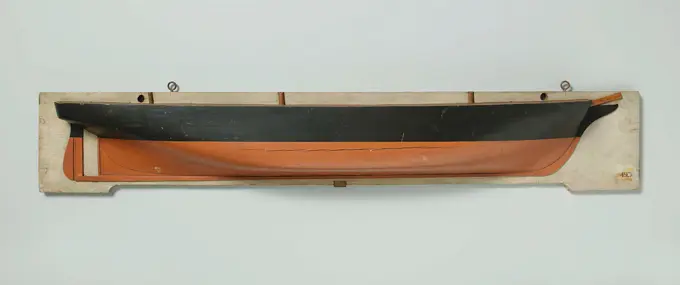
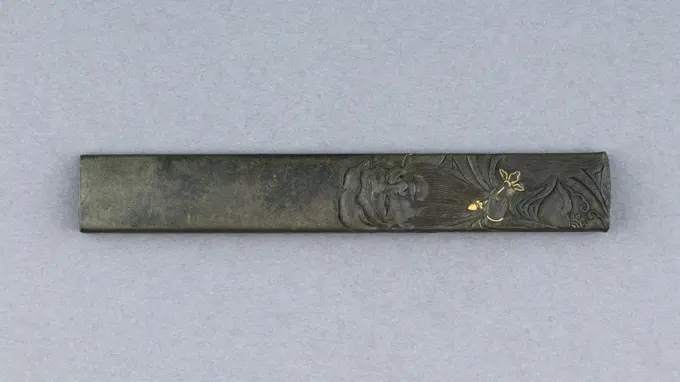
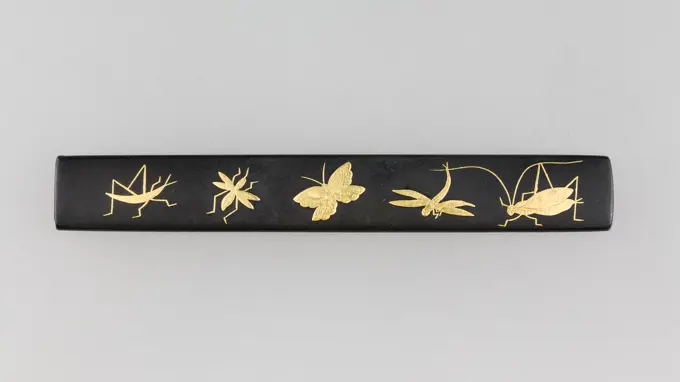
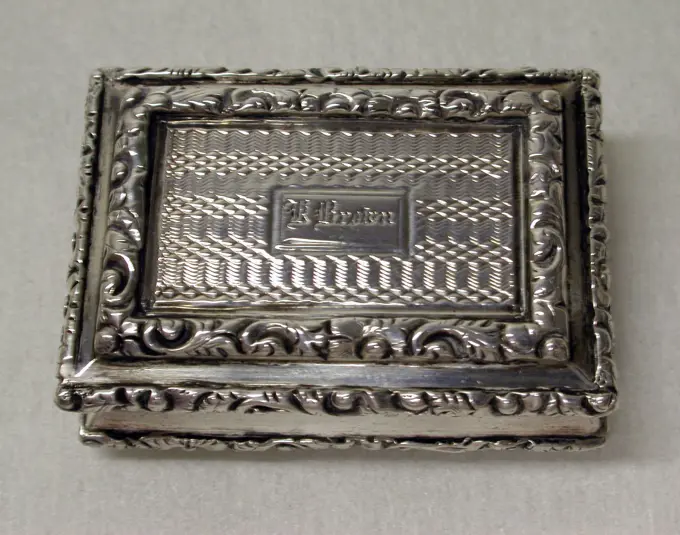
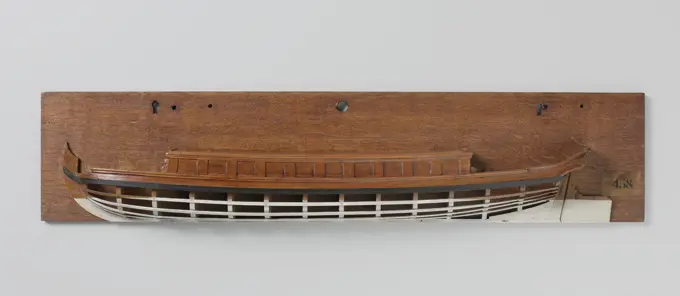
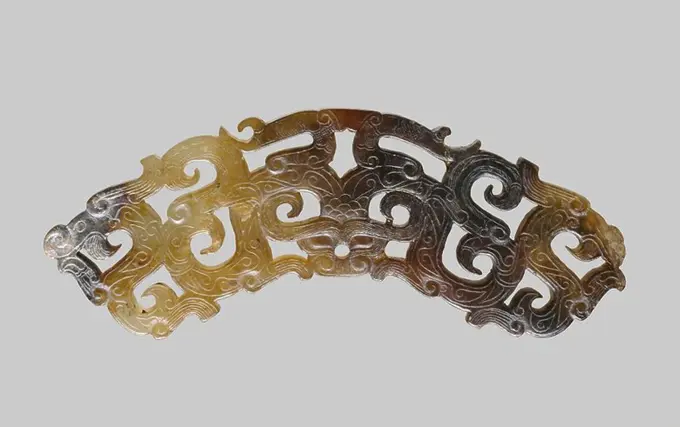
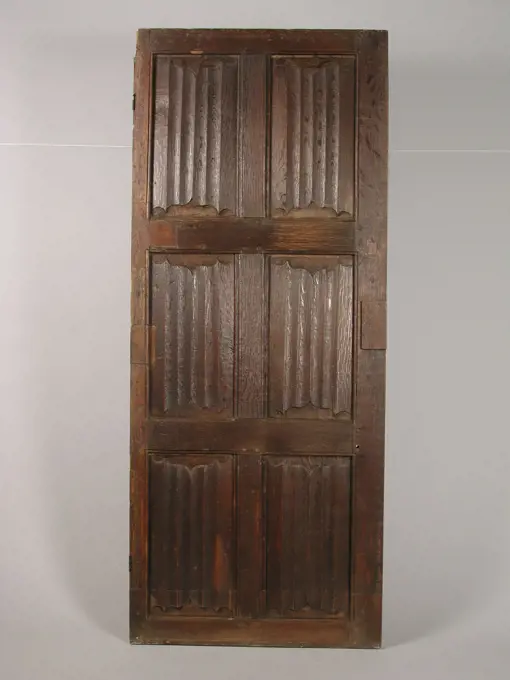
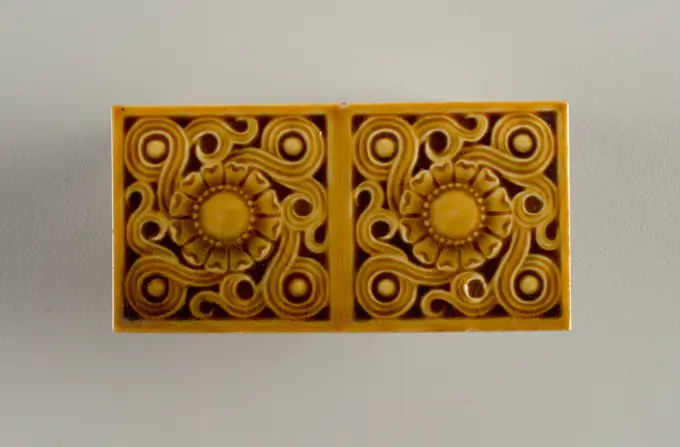
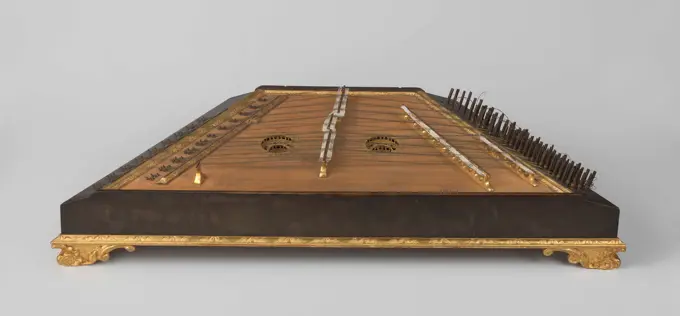
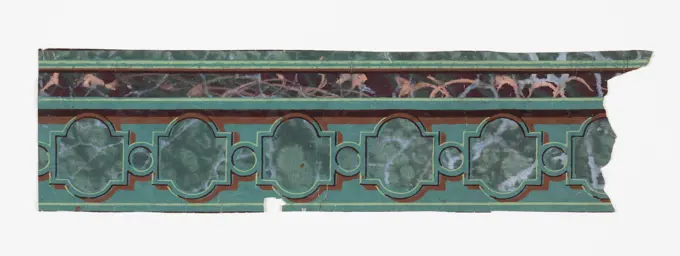
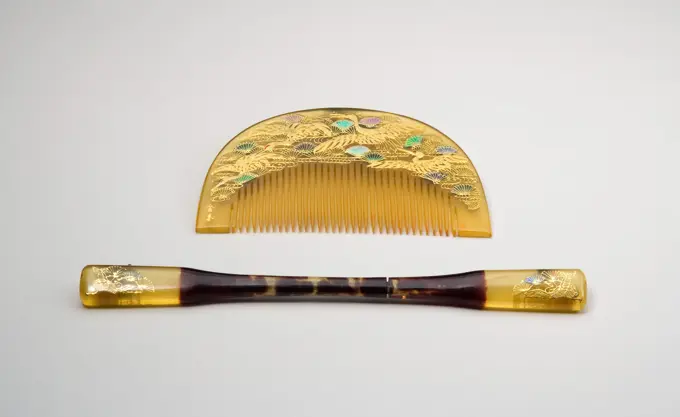
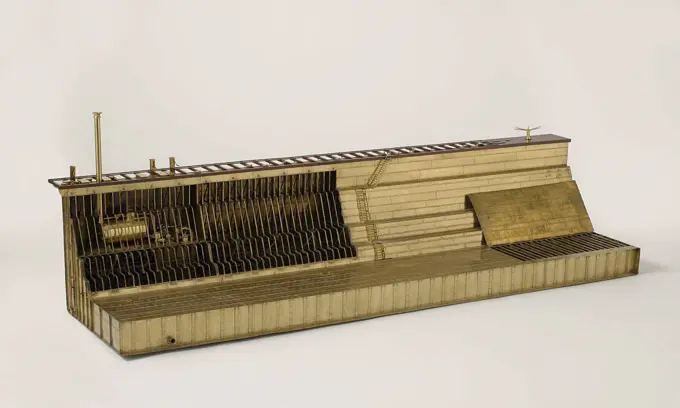
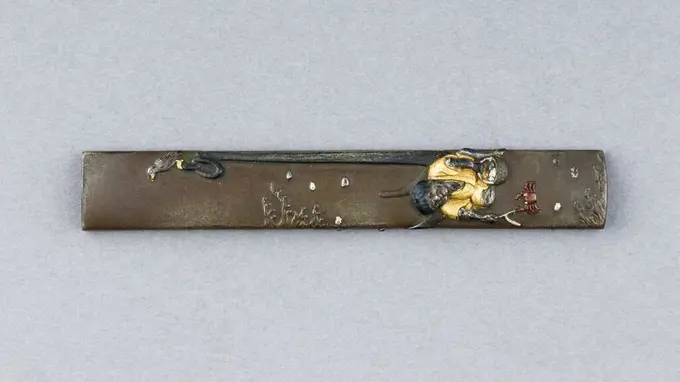
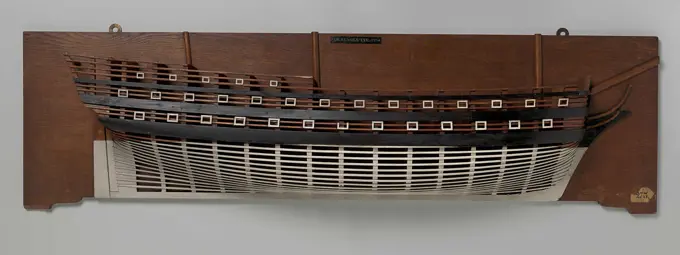
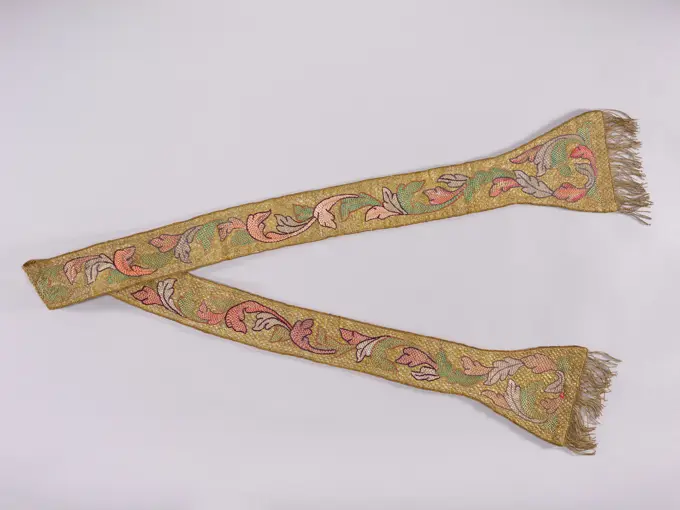
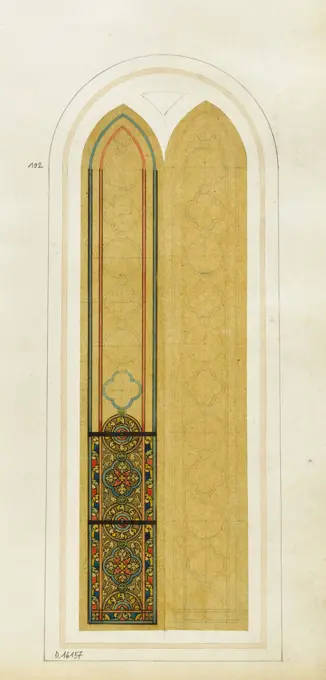
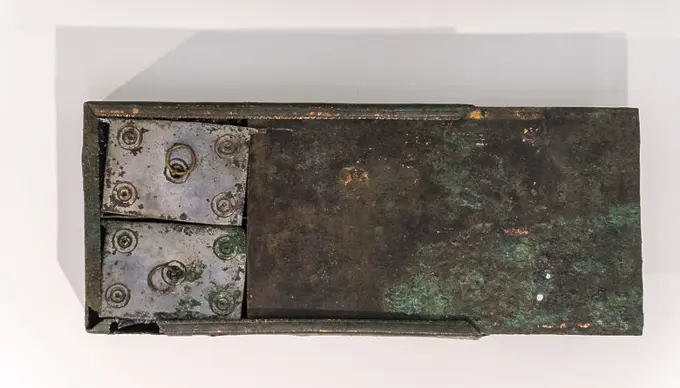
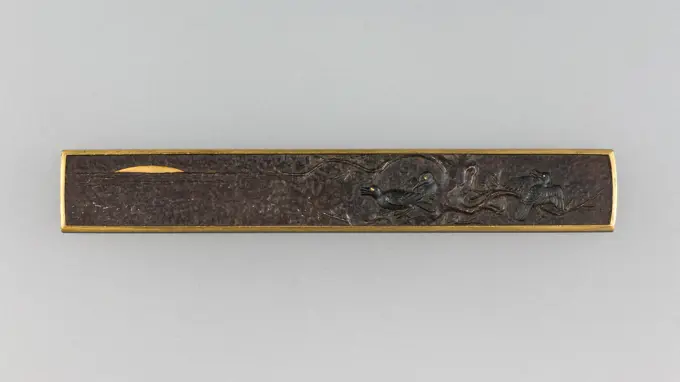
Knife Handle (Kozuka) first half 19th century Japanese A kozuka is a handle of a by-knife that is part of a sword mounting. It is kept in a slot on the reverse of a katana scabbard, often with a matching kōgai (hairdressing tool).. Knife Handle (Kozuka) 29696Knife Handle (Kozuka). Culture: Japanese. Dimensions: L. 3 3/4 in. (9.5 cm); W. 9/16 in. (1.4 cm); thickness 3/16 in. (0.5 cm); Wt. 1.1 oz. (31.2 g). Maker: Katsutora (Japanese, died ca.1825). Date: late 18th century-early 19th century. Museum: Metropolitan Museum of Art, New York, USA.Half Model of a Pilot Vessel.Block model (port) of a tweemaster. On the three shutters and a decomposition. Elliptical fence, closed. The seam is almost flat. V-shaped underwater ship, very sharp wiped back. Both masts slope back.Mummy label Roman Period 30 B.C.-A.D. 364 View more. Mummy label. 30 B.C.-A.D. 364. Wood, ink. Roman Period. From Egypt, Middle Egypt, Oxyrhynchus (Bahnasa), EEF excavations 1904-05Knife Handle (Kozuka) 19th century Hamano Toshihiro Japanese A kozuka is a handle of a by-knife that is part of a sword mounting. It is kept in a slot on the reverse of a katana scabbard, often with a matching kōgai (hairdressing tool).. Knife Handle (Kozuka) 26151Pistol with radlot with richly pickled drawer and flask with ivory and mother-of-pearl. Wood lock gun and with ironed loop with iron round. The lock plate has been removed from the tray. The flask sits on the tray with a wooden screw. The tray is decorated with mother-of-pearl and ivory, various motifs with the figures of a hare and a wolf with floral motifs of mother-of-pearl in between. The square flask is made of ivory and has a flower with four leaves on each side. The flask is round and has four radial lines, between every line a flower with four leaves surrounded by two pearly floral motifs. Under the drawer a wooden loading stick with an ivory cup.Gallon;  19th century (1801-00-00-1900-00-00);Gypsum Model for decoration on the Imperial Library from the Louvre Palace. Share of meeting of the Tuileries at the Louvre 1852-1857, album 4.Knife Handle (Kozuka) ca. 1615-1868 Japanese A kozuka is a handle of a by-knife that is part of a sword mounting. It is kept in a slot on the reverse of a katana scabbard, often with a matching kōgai (hairdressing tool).. Knife Handle (Kozuka) 34697Door Pull 15th-16th century European. Door Pull. European. 15th-16th century. Iron. Metalwork-IronTray;  XIXW. (1860-00-00-1870-00-00);Knife Handle (Kozuka). Culture: Japanese. Dimensions: L. 3 13/16 in. (9.7 cm); W. 9/16 in. (1.4 cm); thickness 1/4 in. (0.6 cm); Wt. 1.1 oz. (31.2 g). Date: 18th century. Museum: Metropolitan Museum of Art, New York, USA.Panel 14th-15th century. Panel 445074Knife Handle (Kozuka) 18th century Japanese A kozuka is a handle of a by-knife that is part of a sword mounting. It is kept in a slot on the reverse of a katana scabbard, often with a matching kgai (hairdressing tool).. Knife Handle (Kozuka). Japanese. 18th century. Iron, gold, copper-gold alloy (shakud), copper-silver alloy (shibuichi). Sword Furniture-KozukaBrass book fitting with end hook, decorative fittings ground find copper brass metal, whipped riveted engraved Double fittings with hook at the end Other ends fan in two pointed triangles Two holes with pins archeology Rotterdam rail tunnel book close adornment Soil discovery: trajectory Rotterdam rail tunnel.Knife Handle (Kozuka) 18th century Japanese A kozuka is a handle of a by-knife that is part of a sword mounting. It is kept in a slot on the reverse of a katana scabbard, often with a matching kgai (hairdressing tool).. Knife Handle (Kozuka). Japanese. 18th century. Copper-gold alloy (shakud), gold, silver. Sword Furniture-KozukaPen Tray (USA); Designed by Louis Comfort Tiffany (American, 1848-1933); favrile glass, bronze; 1.8 x 25.1 x 7.5 cm (11/16 x 9 7/8 x 2 15/16 in.)Ebbehouten ruler, anonymous, 1600 - 1800  Black ruler with one profiled side; The top is inlaid with mother -of -pearl, ivory and turtle in geometric figures. Netherlands (possibly) wood (plant material). ebony (wood). ivory. mother of pearl inlay (process)Blade with round cross section, with copper handle protector, has knife cutlery soil find bone copper metal w 9,5, archeology Rotterdam Noord Agniesebuurt Schiekade St. Franciscus Gasthuis soil found second waste pit under the foundations of former St. Franciscus Gasthuis Schiekade Rotterdam 1977.03.22.Knife Handle (Kozuka). Culture: Japanese. Dimensions: L. 3 13/16 in. (9.7 cm); W. 9/16 in. (1.4 cm); thickness 1/4 in. (0.6 cm); Wt. 1 oz. (28.3 g). Date: ca. 1615-1868. Museum: Metropolitan Museum of Art, New York, USA.Border (possibly England); block-printed and flocked on embossed paper; 47.5 x 6.5 cm (18 11/16 x 2 9/16 in.)Knife Handle (Kozuka). Culture: Japanese. Dimensions: L. 3 13/16 in. (9.7 cm); W. 9/16 in. (1.4 cm); thickness 3/16 in. (0.5 cm); Wt. 1 oz. (28.3 g). Maker: Hamano Haruchika (Japanese, died ca.1850). Date: 19th century. Museum: Metropolitan Museum of Art, New York, USA.Knife Handle (Kozuka). Culture: Japanese. Dimensions: L. 3 7/8 in. (9.8 cm); W. 9/16 in. (1.4 cm); thickness 3/16 in. (0.5 cm); Wt. 1.1 oz. (31.2 g). Date: end of 18th century. Museum: Metropolitan Museum of Art, New York, USA.Sutra Cover (Jingzhiban) with Three Flaming Jewels (Sanbao) and Four of the Eight Buddhist Symbols (Baxiang). China, Chinese, Ming dynasty, Yongle period, 1403-1424. Furnishings; Accessories. Red lacquer on wood core with incised and gold-filled decoration (qiangjin)Leech fibula from the tomb of the 'Lettore di Vetulonia', by Unknown, 4th Century, gold . Italy, Tuscany, Florence, National Archaelogical Museum. Whole artwork. Leech fibula from tomb of the Lettore high-ranking wealth goldsmithery jewellery.Half Model of a Paddle Steamer.Polychromed, completely covered molds model (starboard) of a tweemast passenger steam ship. The model shows two gunpaints. The sheek image is a gold-plated curl. Elliptical fence; Stir with Round Roerk King (Soetermeer's version), stir sheet below. Rock cabinet covered with reverse lifeboat. Completely flat seam, two bark wood and a reehout. Running. Scale 1:40 (derived).Half Model of an 80-Gun Ship of the Line, anonymous, c. 1750 - c. 1800 ship model. half model. builder's model Mallen model (port) of a ship, small back plate. No guns, closed head deck, baking deck and half cover indicated by Gillingen. Get mirror, Hol Wulf, no details of fence or side gallery; No rudder. See to both ends ascending, one mountain wood. Stretch around. Netherlands wood (plant material)   AmsterdamBalance-Beam Scale Insided with Bird, Fish and Geometric Motifs. Possibly Ica; South coast, Peru. Date: 1000-1470. Dimensions: 32.2 x 3.8 cm (9 1/8 x 1 1/2 in.). Wood. Origin: Peru. Museum: The Chicago Art Institute, Chicago, USA.Pen tray, Louis Comfort Tiffany, (American, 1848-1933), Favrile glass, bronze, One piece of a six-piece desk set. Pen tray of favrille glass and bronze in a grapevine pattern. Tray is shallow and rectangular and divided into three sections, the middle being the largest., New York, NY, USA, ca. 1910-20, glasswares, Decorative Arts, Pen trayStrook naaldkant met tulp en rozentak in medaillons.Strip natural-colored coniferous lace: Alençon side. Pattern with a repetitive motif of medallions on a fine hexagonal maase soil, strewn with moes. In the medallions around and around a tulip and a rose roof. The outer edge of the medallions consists of multi-layer flowers and leaves that grow upwards. Ornamental grounds in a single flower and in the space formed by C-Volutes between the medallions. The underside is finished with a sloping edge that comes from the pattern. The top is trimmed with a border clamping side.Molding; wood, painted and gildedKnife Handle (Kozuka). Culture: Japanese. Dimensions: L. 3 13/16 in. (9.7 cm); W. 9/16 in. (1.4 cm); thickness 1/4 in. (0.6 cm); Wt.1.2 oz. (34 g). Date: ca. 1615-1868. Museum: Metropolitan Museum of Art, New York, USA.GALON DE CAPITAN GENERAL DE LA ARMADA ESPANOLA. Location: MUSEO WELLINGTON / ASPLEY HOUSE. LONDON. ENGLAND.Knife Handle (Kozuka) 18th century Japanese A kozuka is a handle of a by-knife that is part of a sword mounting. It is kept in a slot on the reverse of a katana scabbard, often with a matching kgai (hairdressing tool).. Knife Handle (Kozuka). Japanese. 18th century. Copper-gold alloy (shakud), gold, silver, copper, copper-silver alloy (shibuichi). Sword Furniture-KozukaTray 18th century Japan. Tray 57960Knife Handle (Kozuka) 19th century Japanese A kozuka is a handle of a by-knife that is part of a sword mounting. It is kept in a slot on the reverse of a katana scabbard, often with a matching kōgai (hairdressing tool).. Knife Handle (Kozuka) 32145Aguja romana de bronce. Can Serra Museu de Mataró.Ceremonial Dagger-Axe with Animal Masks (Ge), c. 1600-1050 BC. China, Shang dynasty (c.1600-c.1046 BC). Jade (nephrite); overall: 4.4 cm (1 3/4 in.).close up of an empty wooden sign on white background with clipping pathBliżej Kultury unknownStencil 19th century Japan. Stencil. Japan. 19th century. Paper, silk. StencilsBracelet. Culture: American. Dimensions: L. 7 1/2 in. (19.1 cm). Maker: A. J. Hedges & Co. (1877-ca.1965). Date: 1879-90.Nineteenth-century Newark, New Jersey, was home to some of America's most accomplished jewelry manufacturers. Beginning in 1801 with the establishment of the first jewelry production workshop in America, the Newark industry flourished and prospered until its demise with the stock market crash of 1929. The city's two hundred or more factories manufactured everything from gold collar buttons to diamond brooches, coupling exquisite workmanship with technological innovation and supplying clients worldwide. The industry's success was bolstered by the introduction of steam-powered machinery to American factories, the discovery of gold in California in 1849, and the growth of the transcontinental railroad, which transported bars of gold directly to Newark from the California mines. In this unusual design for a link bracelet, the firm of A.J. Hedges & Co. utilized their pateMountKacheltegel, anonymous, c. 1500 - c. 1600 Semi-round, glazed tile edge, in green and blue with a decorative pattern of C-volutes with an abstract French lily within it. This is probably a canine tile of a stove. Germany (possibly) earthenware Semi-round, glazed tile edge, in green and blue with a decorative pattern of C-volutes with an abstract French lily within it. This is probably a canine tile of a stove. Germany (possibly) earthenwarePalmette, HalfWatch with an Allegory of Crowned Fame, Firma Ferrier, c. 1825 - c. 1835 Gold watch with white enamelled dial. In the rear floor in multicolored email a performance of two women with a globe. The glass strap is decorated with filigin and white stones. Parisclockmaker: GERYJERWERERS: Switzerland (POSSIBLY) gold (metal). filigree Gold watch with white enamelled dial. In the rear floor in multicolored email a performance of two women with a globe. The glass strap is decorated with filigin and white stones. Parisclockmaker: GERYJERWERERS: Switzerland (POSSIBLY) gold (metal). filigreeLettering guide template A lettering guide template used to write uniform characters in a drawing nameplate. It consists of a sheet of green plastic with carved alphabet letters, numebers and other symbols Copyright: xZoonar.com/ClaudioxDiviziax 9179765Ancient Egyptian, Scribe's palette, for writing with reeds, from the tomb of Tutankhamen 1323 BC. New KingdomInro with hilly landscape, Nishikawa Yasunobu, c. 1800 - c. 1850 Five -part Inro with a backdrop of hills and maple trees in gold, silver and red. Signed "Nishikawa Yasunobu". Japan wood (plant material). lacquer (coating) Five -part Inro with a backdrop of hills and maple trees in gold, silver and red. Signed "Nishikawa Yasunobu". Japan wood (plant material). lacquer (coating)Knife Handle (Kozuka). Culture: Japanese. Dimensions: L. 3 13/16 in. (9.7 cm); W. 9/16 in. (1.4 cm); thickness 1/4 in. (0.6 cm); Wt. 1 oz. (28.3 g). Date: ca. 1615-1868. Museum: Metropolitan Museum of Art, New York, USA.Wooden brush without hair, elongated with pointed ends, brush soil finds wood metal, sawn drilled bound Wooden brush without wistles Probably oak Elongated with pointed ends Straight side walls conical holes for the hair evenly distributed Binding wire of copper archeology Rotterdam IJsselmonde native woodwork wipe polishing cleaning household dwelling Soil discovery: IJsselmonde Castle from the Rotterdam September cesspit.three dimensional mixed media composition by French-Algerian artist Yves Baume; Born 1933tattered book isolated on white backgroundHalf model or a screw steamer. Polychromed block model (starboard) of a three-mounted screw steam vessel. Gunpaints or decks are not indicated on the model. Elliptical fence; Stir with round roaring (American rudder) and rounded stir sheet; The model has a screw window. Sollect almost flat. Round underwater ship with fairly sharp kimps. The model is an exception in this collection: the underwater ship is red painted, and the skin suspension indicates that the model only indicates the hull within the skin. Scale approx. 1:50 (derived).Ornament 13th century. Ornament 448367Maniple 14th century British. Maniple 466662Knife Handle (Kozuka). Culture: Japanese. Dimensions: L. 3 13/16 in. (9.7 cm); W. 9/16 in. (1.4 cm); thickness 3/16 in. (0.5 cm); Wt. 1 oz. (28.3 g). Date: ca. 1615-1868. Museum: Metropolitan Museum of Art, New York, USA.Frame of pearl with embossed a floral pattern and support part of cut-up leg. Frame with mother-of-pearl of pearl with embossed a floral pattern and support part of opened leg. Back of the frame is unprocessed. Range ring from copper.Band; silk, metal-wrapped threads; Bequest of Marian Hague; 1971-50-50Carte de visite album associated with Dr. Charles J. Russell, surgeon at Chesapeake Hospital, Fort Monroe, Virginia  | Library of CongressKnife Handle (Kozuka) ca. 1615-1868 Japanese A kozuka is a handle of a by-knife that is part of a sword mounting. It is kept in a slot on the reverse of a katana scabbard, often with a matching kōgai (hairdressing tool).. Knife Handle (Kozuka) 34647Tablecloth from white Linnamast with grape pattern, anonymous, c. 1800 - c. 1900 White linen dams of tablecloth with grape pattern. Brand crowned letters "CB 3" surrounded by volutes. Netherlands (possibly) linen (material) damask White linen dams of tablecloth with grape pattern. Brand crowned letters "CB 3" surrounded by volutes. Netherlands (possibly) linen (material) damaskKnife Handle (Kozuka) mid-17th century Japanese A kozuka is a handle of a by-knife that is part of a sword mounting. It is kept in a slot on the reverse of a katana scabbard, often with a matching kōgai (hairdressing tool).. Knife Handle (Kozuka) 29731Knife Handle (Kozuka). Culture: Japanese. Dimensions: L. 3 13/16 in. (9.7 cm); W. 9/16 in. (1.4 cm); thickness 1/4 in. (0.6 cm); Wt. 1.1 oz. (31.2 g). Date: ca. 1615-1868. Museum: Metropolitan Museum of Art, New York, USA.Belt plaque. Culture: China. Dimensions: H. 1 15/16 in. (5 cm); W. 5 1/2 in. (14 cm); D. 3/8 in. (0.9 cm). Date: 16th century. Museum: Metropolitan Museum of Art, New York, USA.Loop.Set of Sword Fittings (Mitokoromono) late 15th-early 16th century Gotō Sōjō Japanese This mitokoromono features a design of crabs.. Set of Sword Fittings (Mitokoromono). Japanese. late 15th-early 16th century. Copper-gold alloy (shakudō), gold. Sword Furniture-KogaiAnklet. Dimensions: l. 18.3 cm (7 3/16 in). Dynasty: Dynasty 12-13. Date: ca. 1981-1640 B.C.. Museum: Metropolitan Museum of Art, New York, USA.Vinaigrette box 1828 Nathaniel Mills. Vinaigrette box 207430Loop. 2 intertwined ribbons, one united with throat, the other bordered by 2 pearl rows; Ardillon with small arc decor in the middle.Half Model of a Tow Yacht, anonymous, 1750 - 1850 ship model. half model. builder's model Polychromed mold model (port) of a flat -bottomed passenger vessel. The skin above the barkwood is closed. The deck is closed and has a long deck house with ten lights. Flat mirror, hollow wulf, hekkbord; Wide rudder, keel with hieling. The Zeeg runs up, one barkhout. Netherlands wood (plant material)Cornice; L x W x D: 37.5 x 8 cm (14 3/4 x 3 1/8 in.)Piece 18th-19th century Japan. Piece. Japan. 18th-19th century. Silk. Textiles-WovenContustion sash Manufaktura Radziw Owska, label: Mad Anski LeonSilk ribbon, in moss green moiré, anonymous, c. 1900 - c. 1950 Silk ribbon, in moss green moiré. West-Europa whole: Silk Silk ribbon, in moss green moiré. West-Europa whole: SilkKnife Handle (Kozuka). Culture: Japanese. Dimensions: L. 3 13/16 in. (9.7 cm); W. 9/16 in. (1.4 cm); thickness 3/16 in. (0.5 cm); Wt. 1.2 oz. (34 g). Date: ca. 1615-1868. Museum: Metropolitan Museum of Art, New York, USA.Old photo album with photos isolated on white. Inkwell Albert Köhler & CieLegs, knife, brown and black, painted grid as decoration, handle knife cutlery soil find leg, sawn painted Legs knife handle. Conical shape Painted in black with roughly shaped grid Cave archeology Rotterdam City center Stadsdriehoek Oudehaven cutting food serving craft Soil discovery: Oude Haven Rotterdam.Bliżej Kultury unknownDragon Pendant. China. Date: 410 BC-290 BC. Dimensions: 2.9 × 9.3 × 0.5 cm (1.1 × 3.7 × 0.2 in.). Jade. Origin: China. Museum: The Chicago Art Institute, Chicago, USA.Room door with letter panels, door building part oak wood, sawn planed chiselled Gothic room door with six letter panels: decorated with vertical on top and bottom serrated hollow scalloped folds The styles and lines in which the panels are located with dowels put together close living environment interior GothicTile (USA); Manufactured by J. & J. G. Low Art Tile Works; glazed stoneware; 7.6 x 15 x 1.0 cm (3 x 5 7/8 x 3/8 in. )Empty brown flower pot. Empty brown flower pot isolated on white backgroundBox (USA); wood (possibly olivewood), painted decorationPsaltery or dulcimer. The dulcimer was played using hand-held hammers and may thus be seen as the forerunner of the piano. The variable dynamics and magical expression of the so-called Pantalon, the giant dulcimer invented by Pantaleon Hebenstreit (1668-1750), inspired many harpsichord makers to find hammer actions for their instruments. This small instrument belonged to Stadtholder Willem v.Border (England); block-printed; 39 x 10 cm (15 3/8 x 3 15/16 in.)Fragment of valence. unknown, authorHairpin with pines and cranes, late 19th century, Unknown Japanese, 6 3/8 × 9/16 × 5/16 in. (16.19 × 1.43 × 0.79 cm), Tortoise shell with gold maki-e and enamels, Japan, 19th centuryHalf Model of a 68-Gun Ship of the Line, anonymous, c. 1797 - c. 1798 ship model. half model. builder's model Polychromed mold model (starboard) of a three -mast. Two thirty gun gates spread over three decks. Willed mirror, Hol Wulf, no fence or side gallery; Straight with square stirring king. The Zeeg rises on both ends, two mountain wood and one reehout. Pretty sharp underwater ship .. Scale 1:50 (derived). Netherlands wood (plant material)Beads, 6 Roman. Beads, 6. Roman. Glass. GlassStrip -Half Model of a 44-Gun Frigate, anonymous, c. 1796 ship model. half model. builder's model Polychromed mold model (starboard) of a three -mast. Fourteen gates on the gun deck; Baking deck and half cover can be distinguished by means of Gillingen. Get mirror, Hol Wulf, no details of fence or side gallery; Straight with square stirring king. The Zeeg rises slightly on both ends, two barkhouts and one reehout. Peaked around. Scale approx. 1:44 (derived). Netherlands wood (plant material)Piece 18th-19th century Japan. Piece 67780Model of part of a floating dock.This model was exhibited at the Exposition Universelle of 1867-1868 in Paris. It represents a floating iron dry dock built in 1863-1864. The dock had been shipped in parts to Surabaya in Indonesia, where it wasassembled and towed to the island of Onrust. The dock comprised two halves. This model represents part of one half.Knife Handle (Kozuka). Culture: Japanese. Dimensions: L. 3 13/16 in. (9.7 cm); W. 9/16 in. (1.4 cm); thickness 1/4 in. (0.6 cm); Wt. 1.1 oz. (31.2 g). Date: ca. 1615-1868. Museum: Metropolitan Museum of Art, New York, USA.Half Model of a 68-Gun Ship of the Line.Polychromed mold model (starboard) of a three-master. Two and thirty gunposes spread over three decks; No baking deck indicated, but the upper campanine. Wrecked mirror, hollow wulf, no fence or side gallery; Stir straight with square roofing. Pretty flat sea, two mountain wooden and one Reehout. Round underwater ship. Scale 1:50 (derived).Stole;  XVII/18th century (1690-00-00-1710-00-00);GSELL-Laurent workshop. Album n ° 3; stained glass project for Mâcon; 2 spans window: ornaments. Pencil, ink of China, watercolor. Paris, Carnavalet museum. Album n ° 3, pencil, two, ink China, window, ornament, project, travee, stained glass, watercolorbronze box for surgical instruments, La Guardia de Jaén, Iberian culture, Iberian Museum of Jaén, Andalusia, Spain.