Fine Ceramics & Dishware

A selection of elegant dishware and ceramics with intricate designs from Japanese and European origins, showcasing craftsmanship from historical contexts.
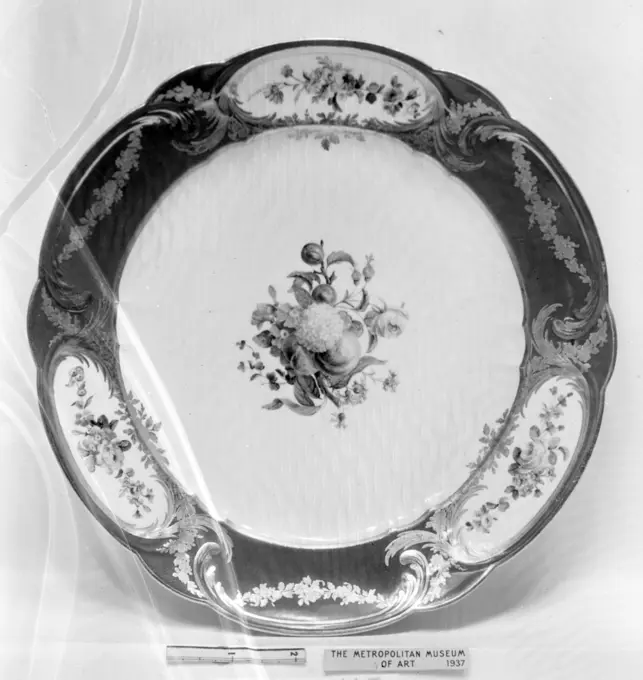
Plate (Assiette à palmes) (1 of 102) (part of a service) 1786 Sèvres Manufactory French. Plate (Assiette à palmes) (1 of 102) (part of a service). French, Sèvres. 1786. Soft-paste porcelain. Ceramics-Porcelain
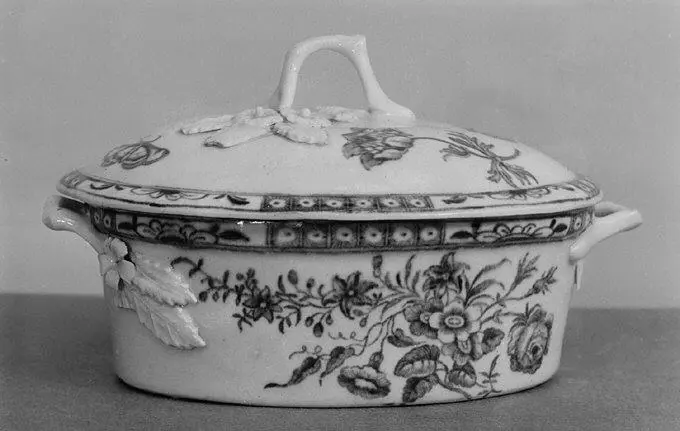
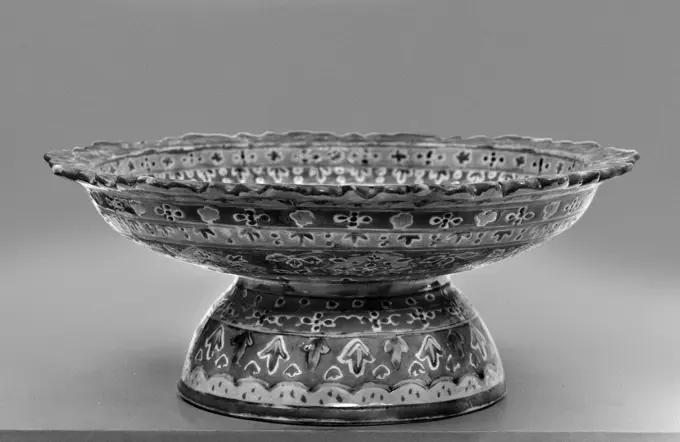
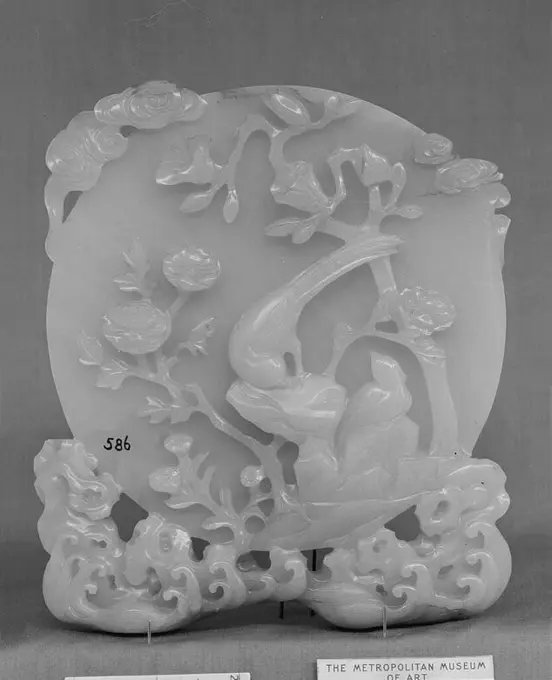
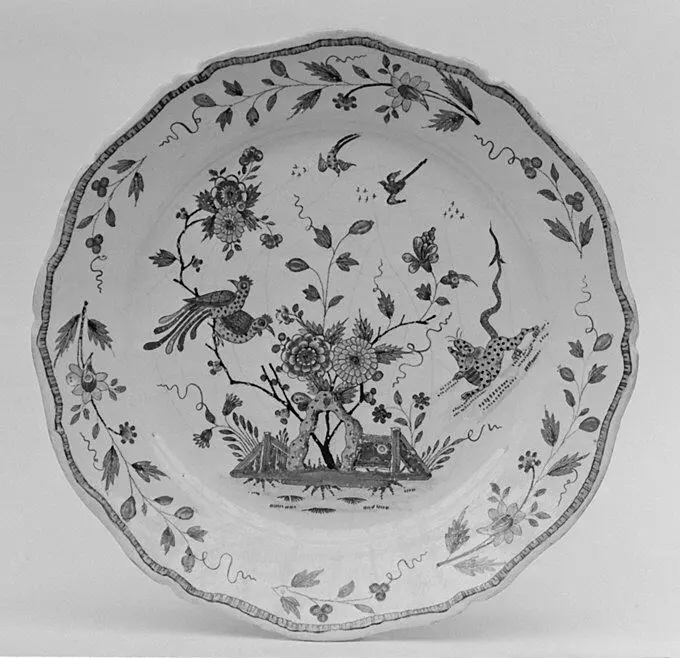
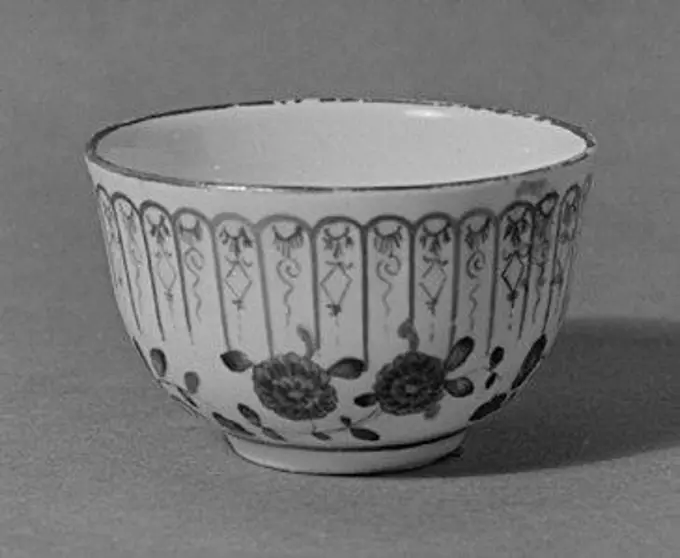
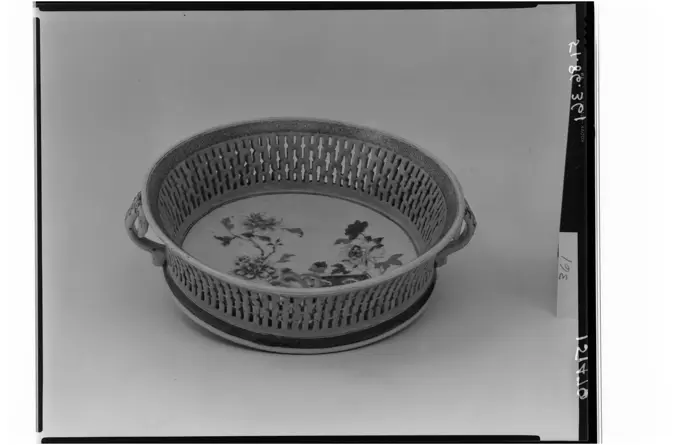
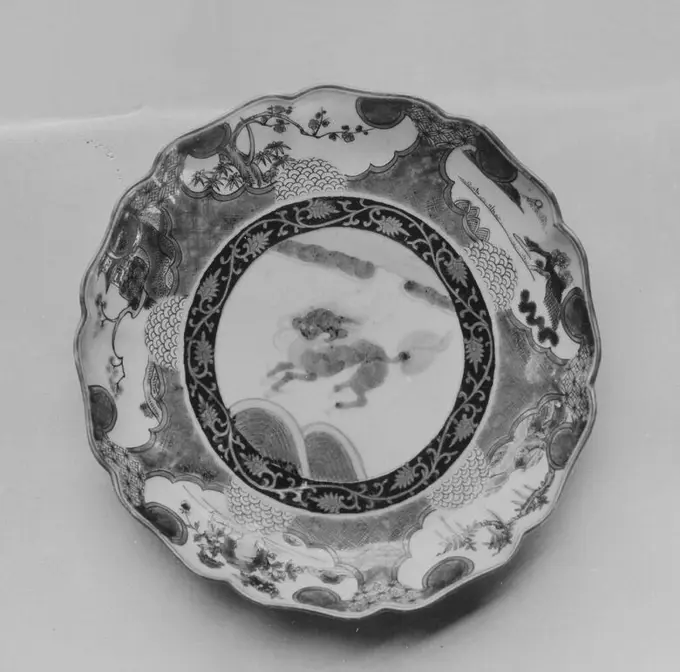
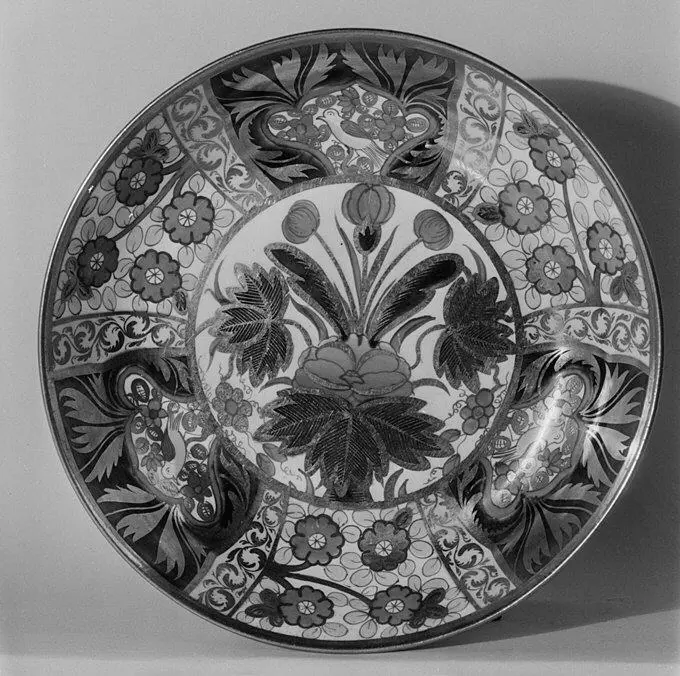
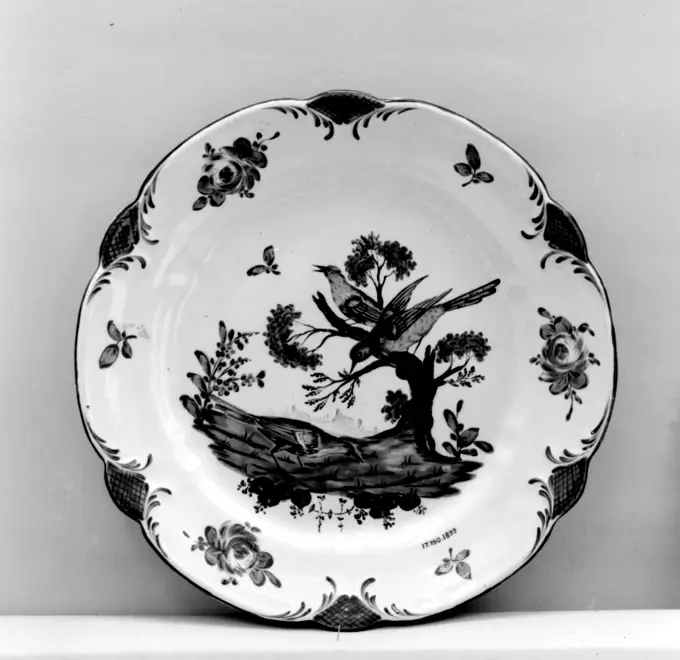
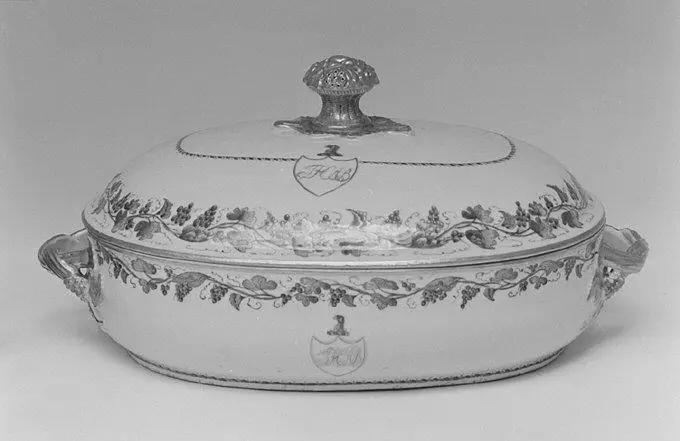
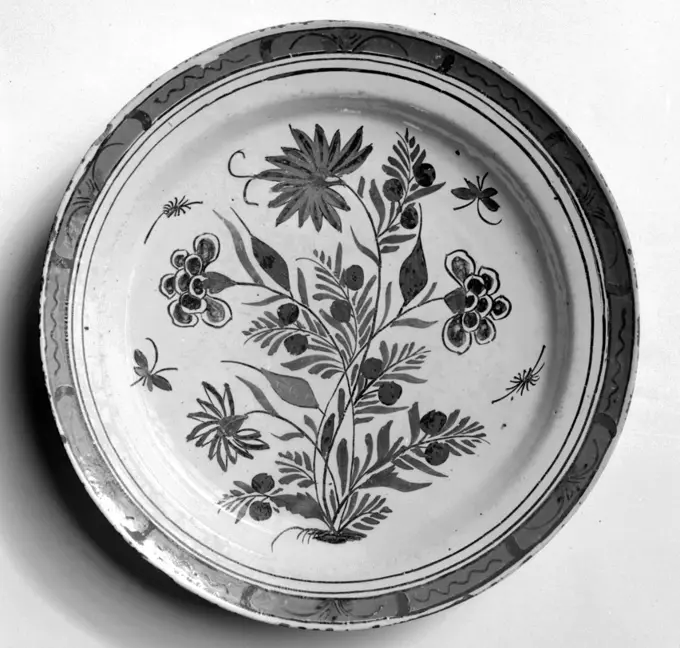
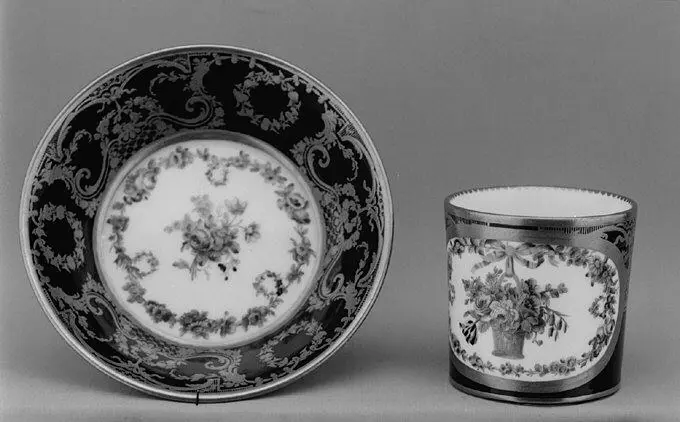
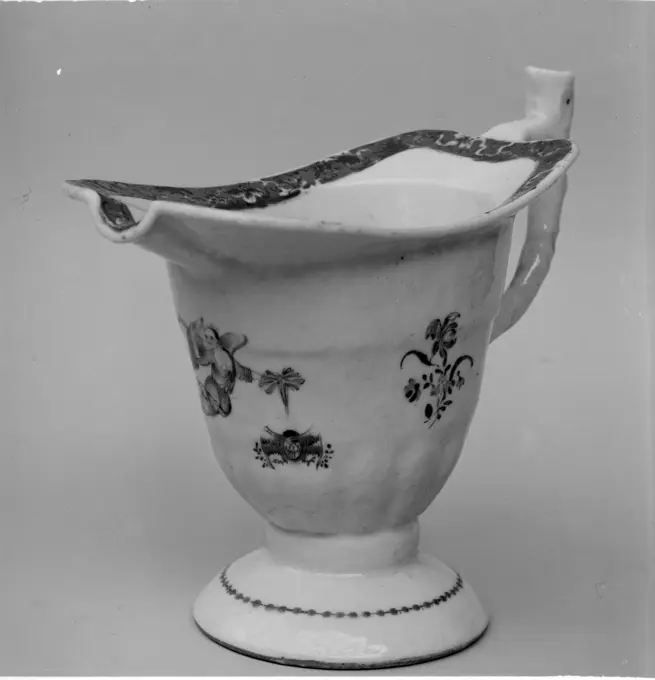
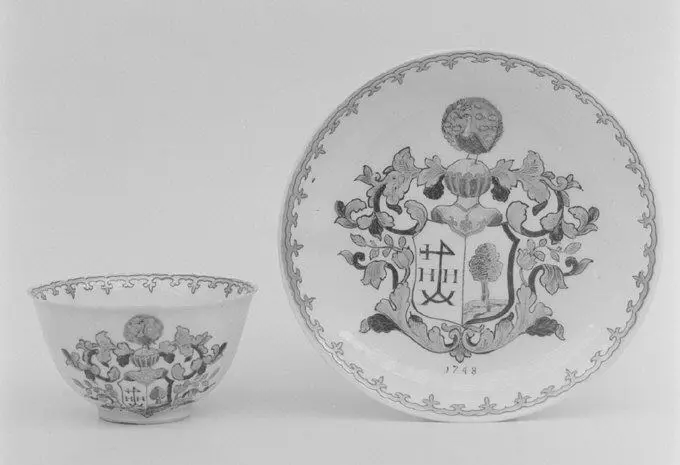
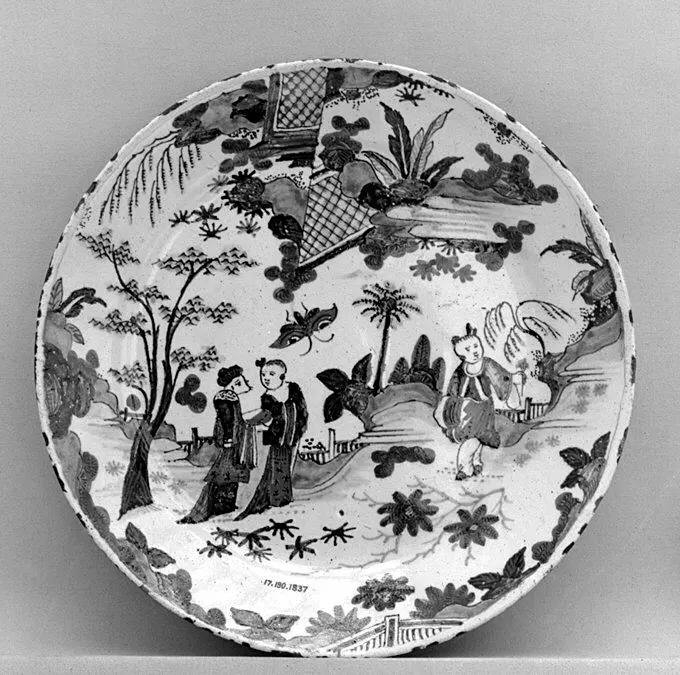
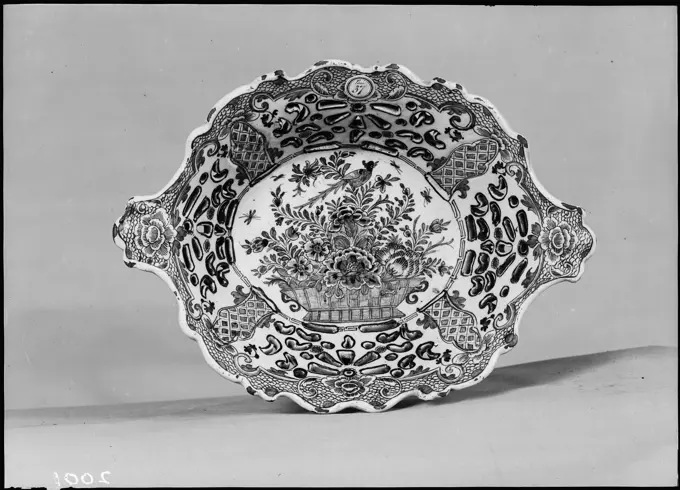
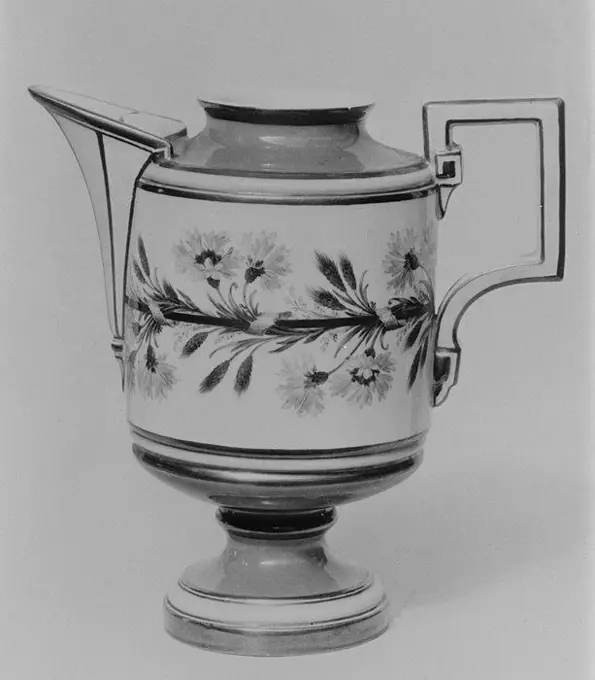
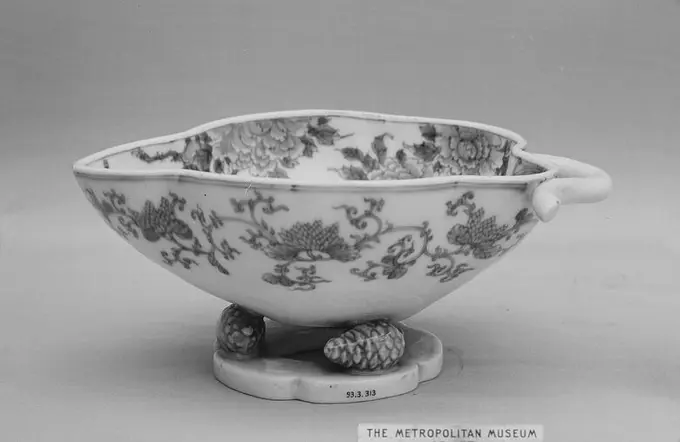
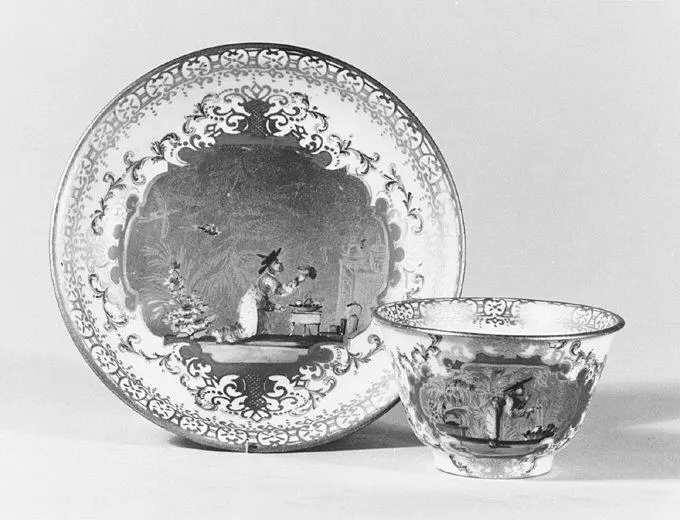
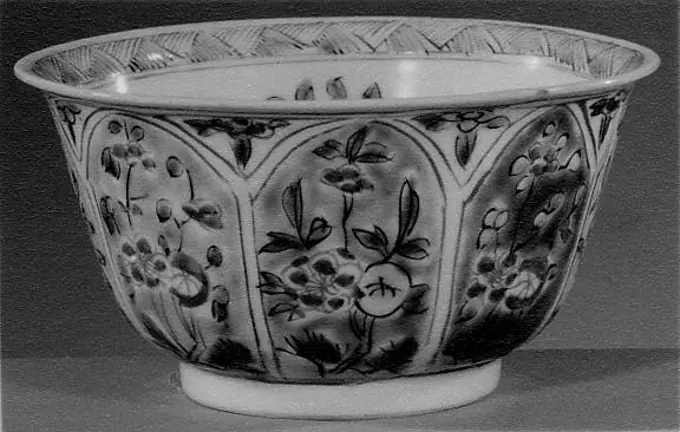
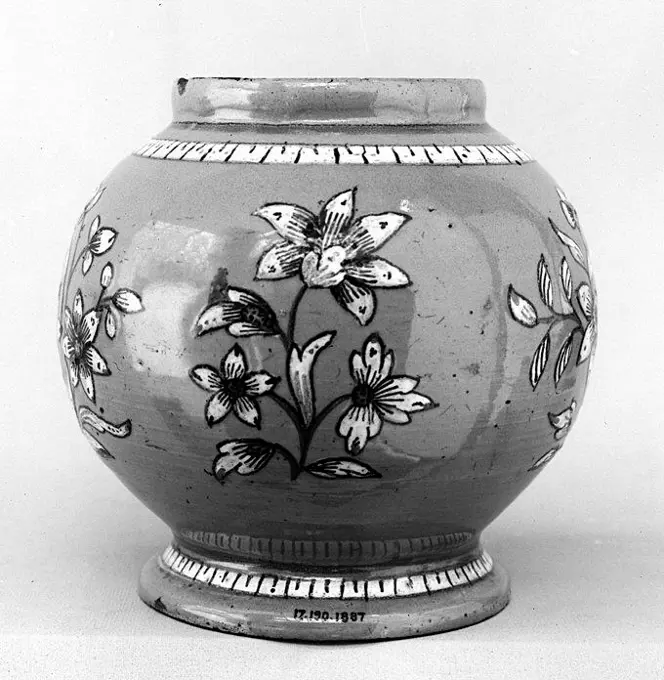
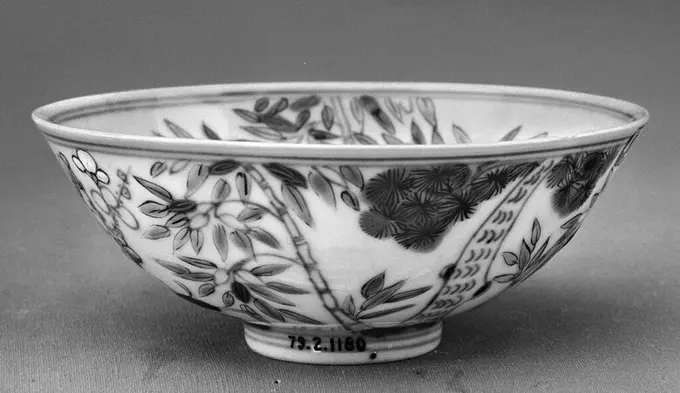
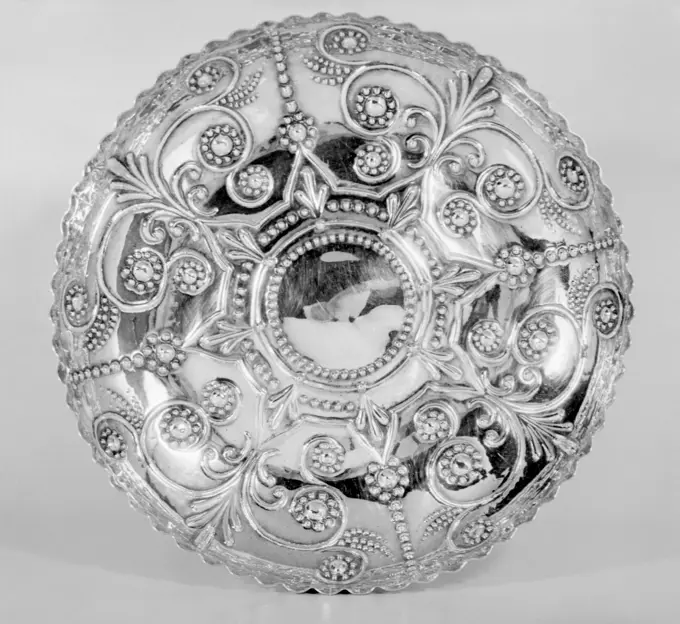
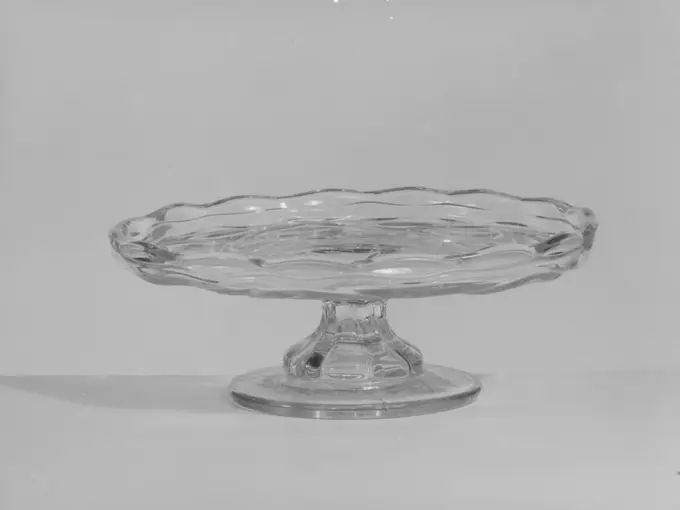
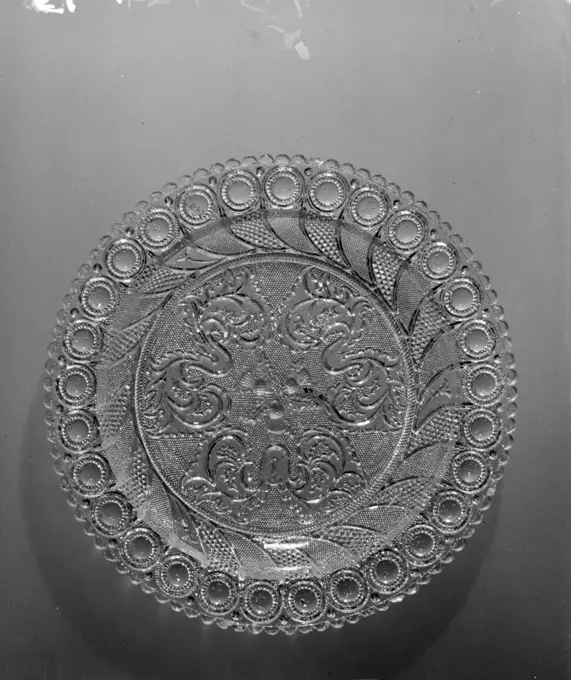
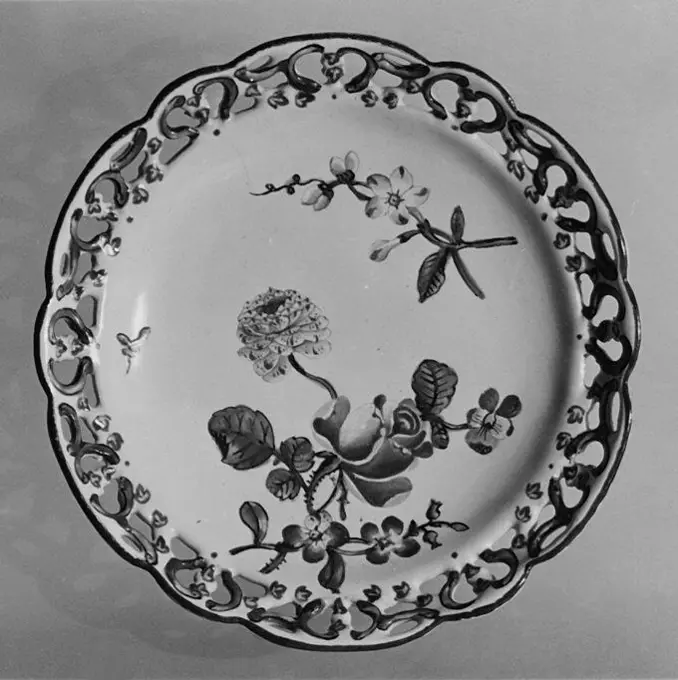
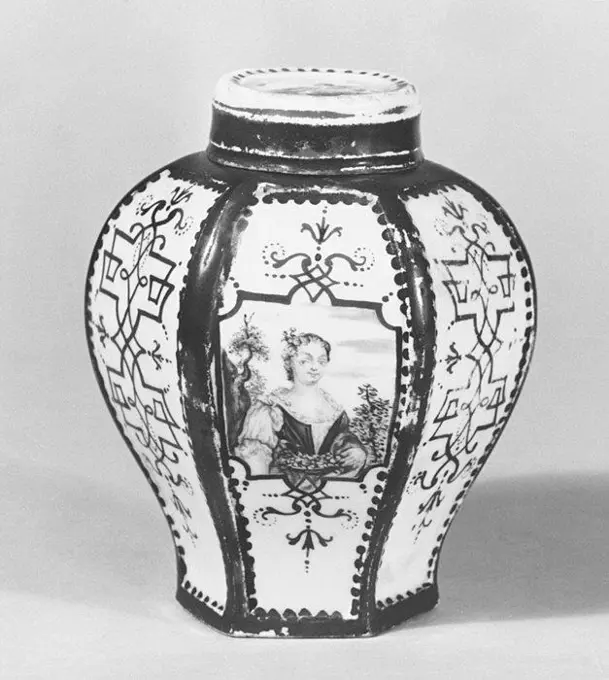
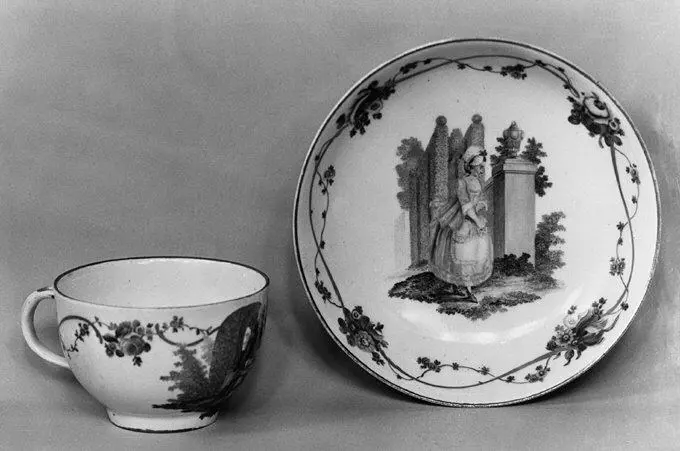
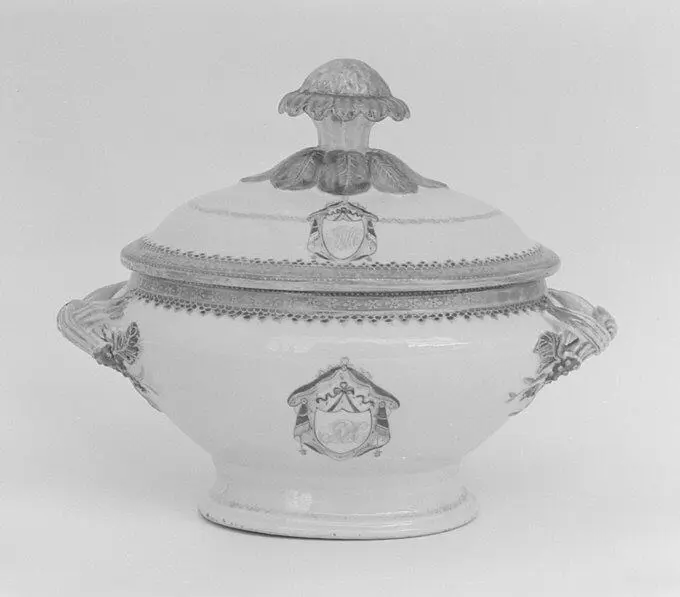
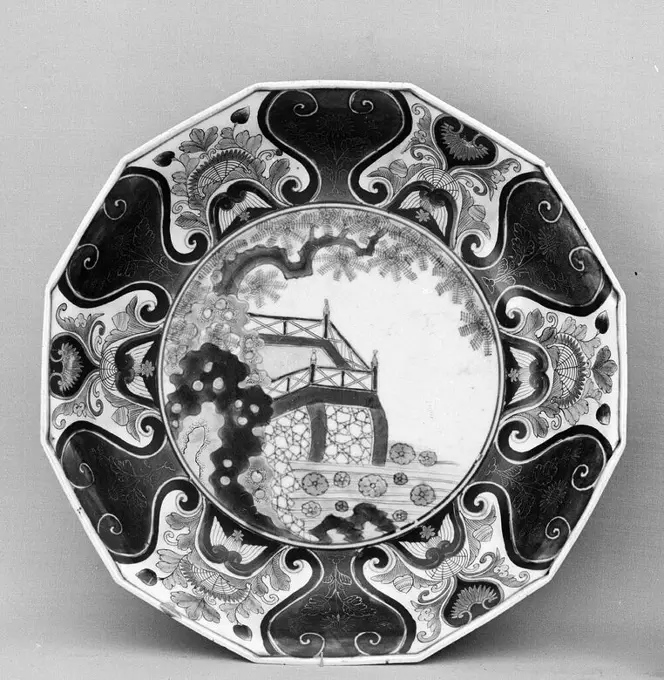
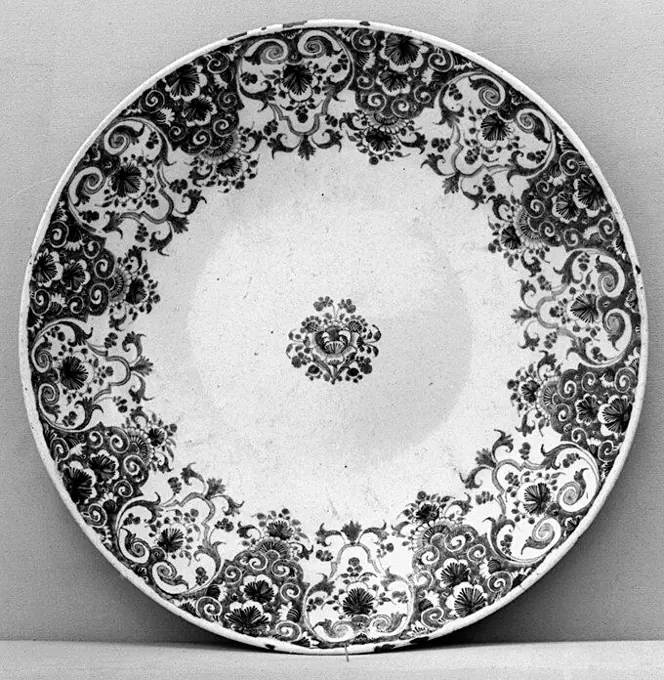
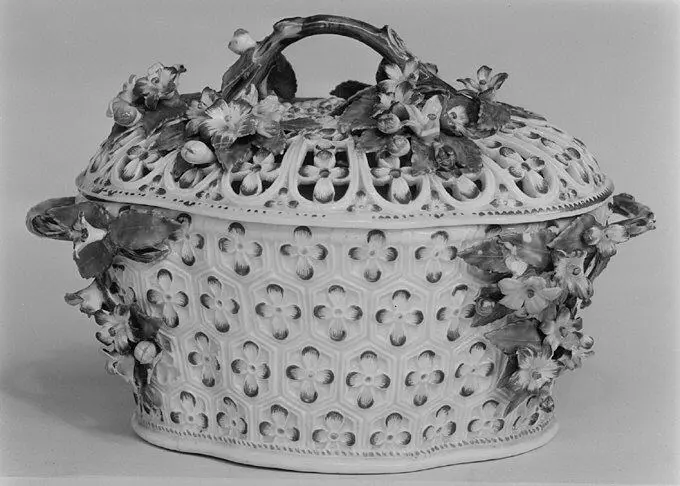
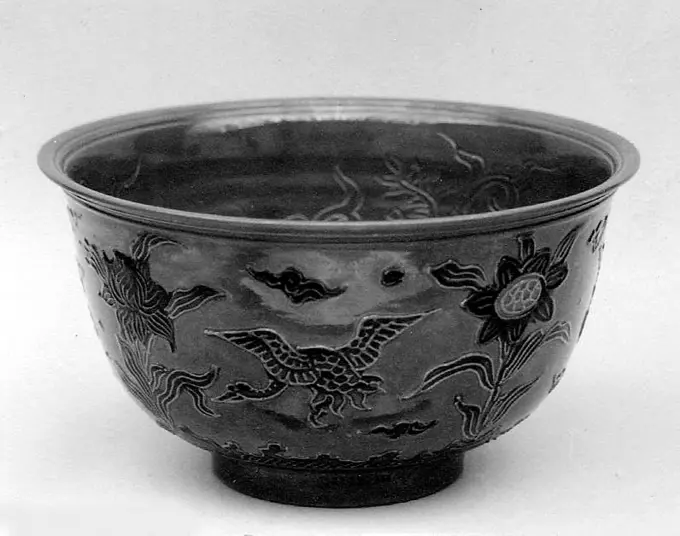
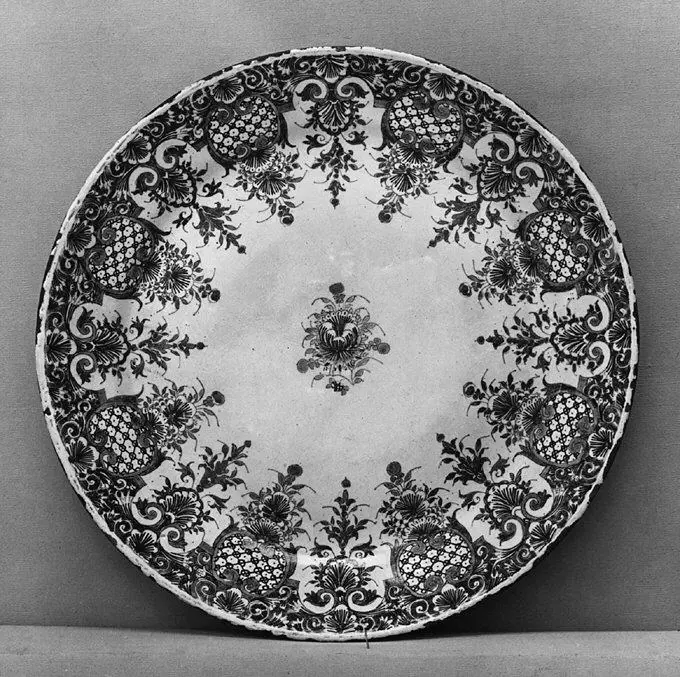
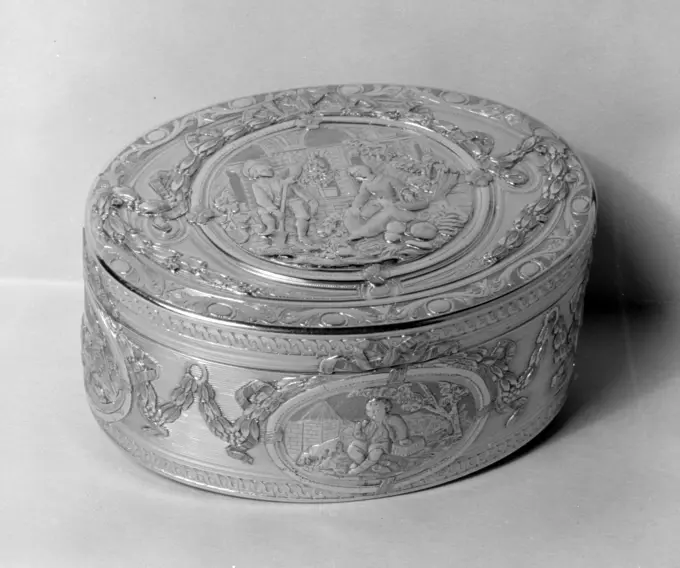
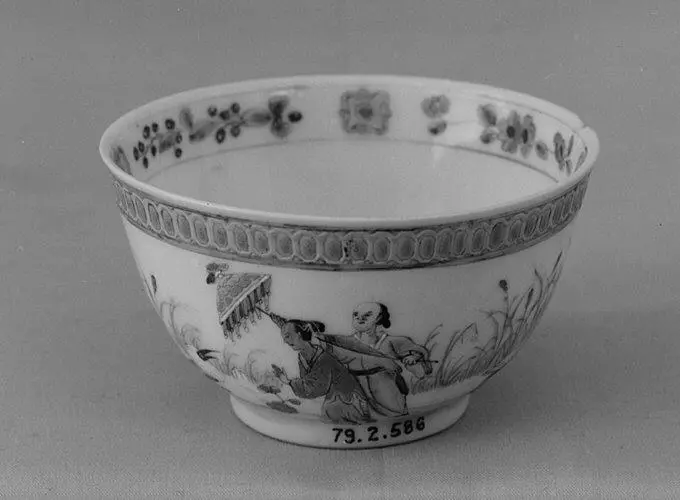
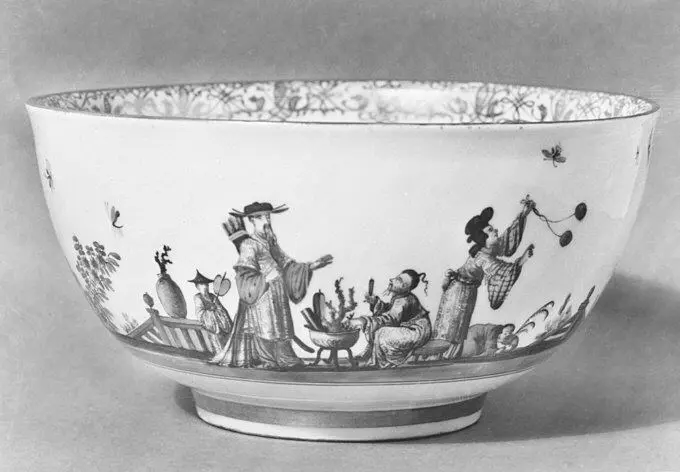
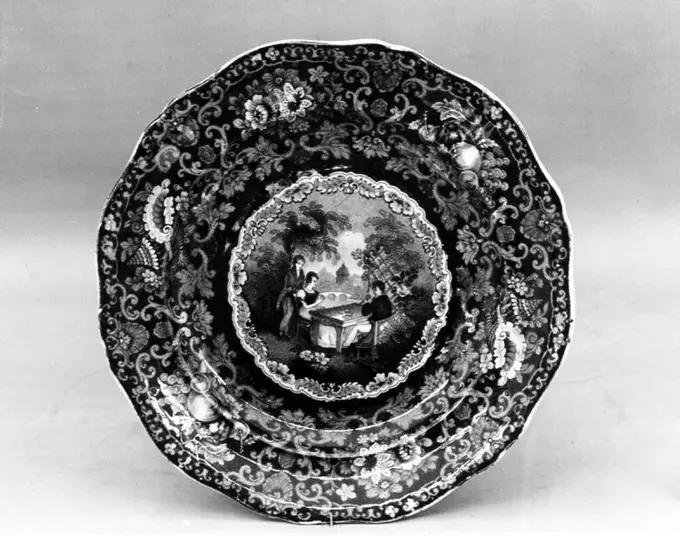
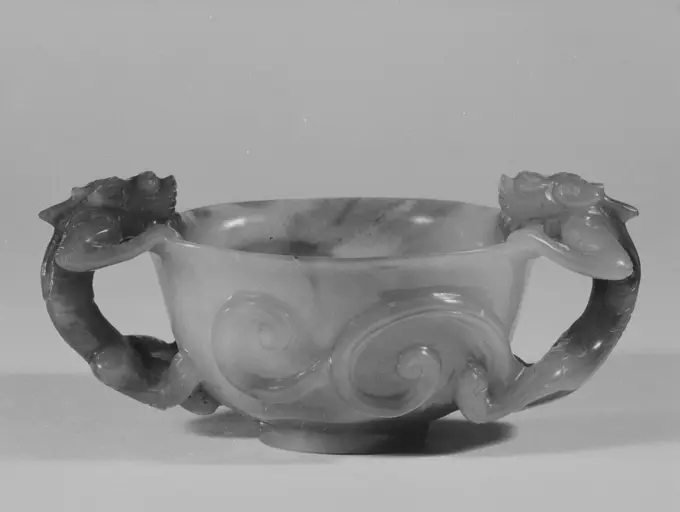
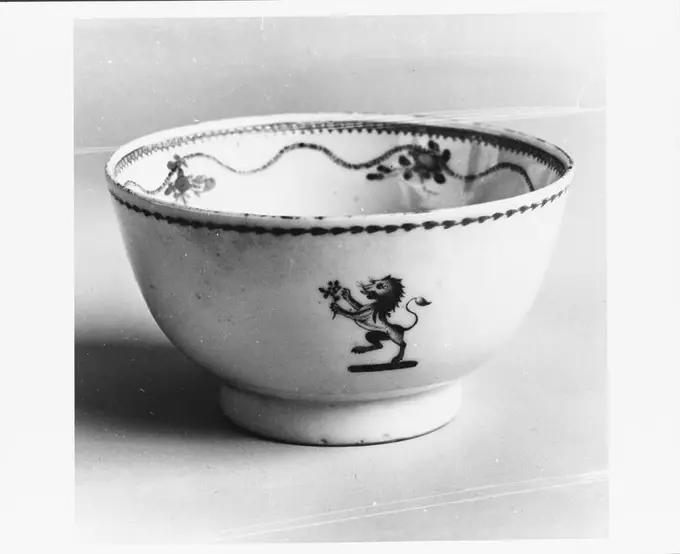
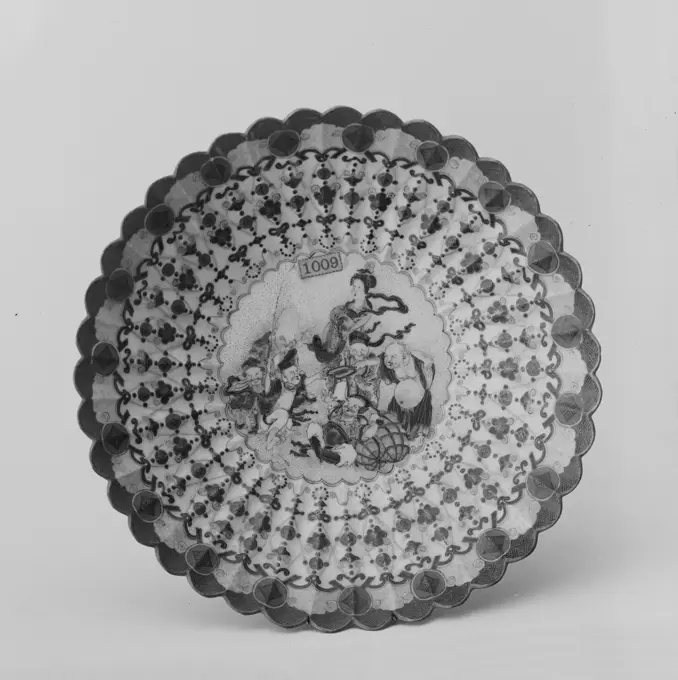
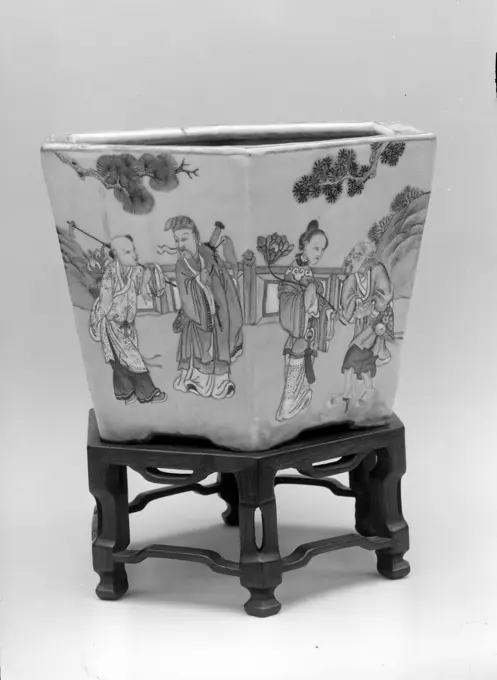
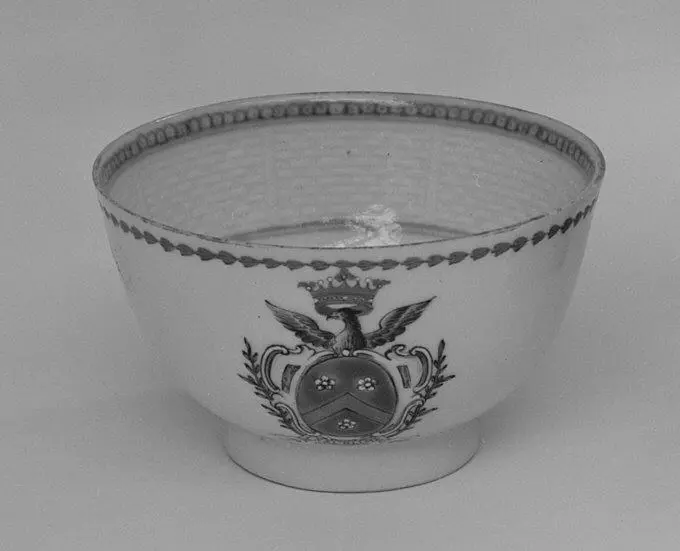
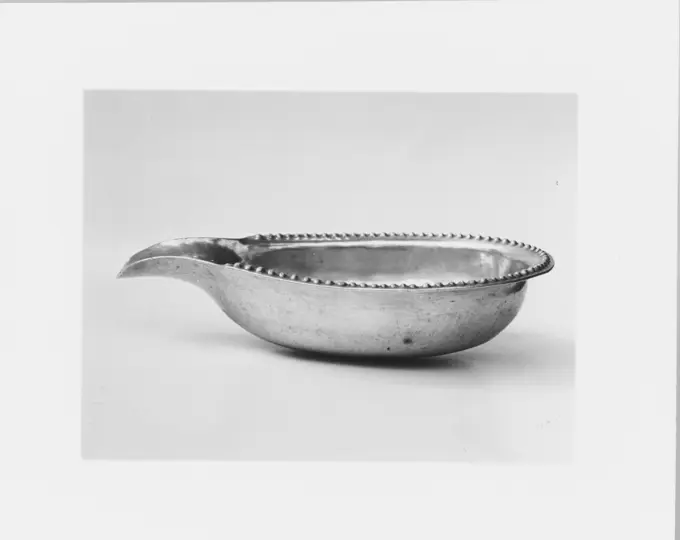
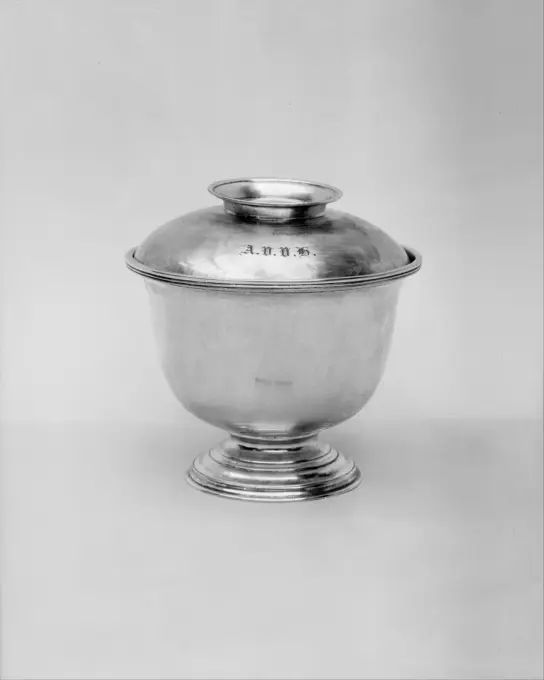
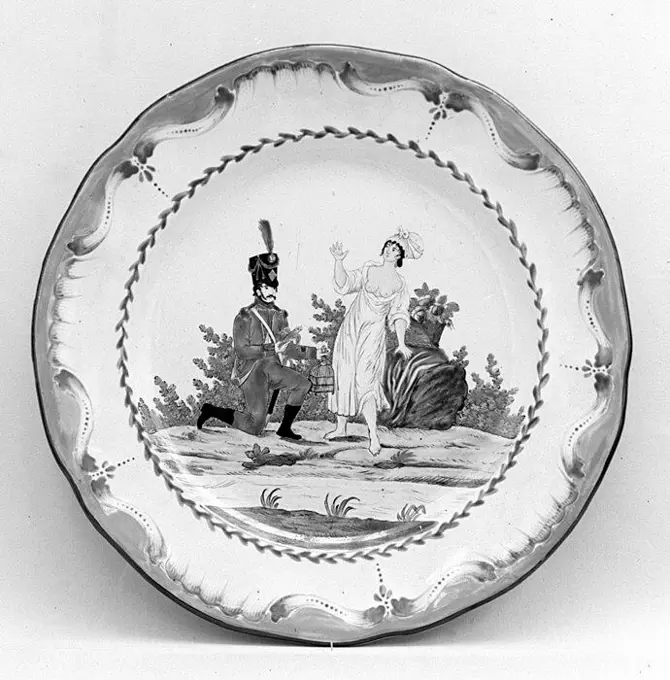
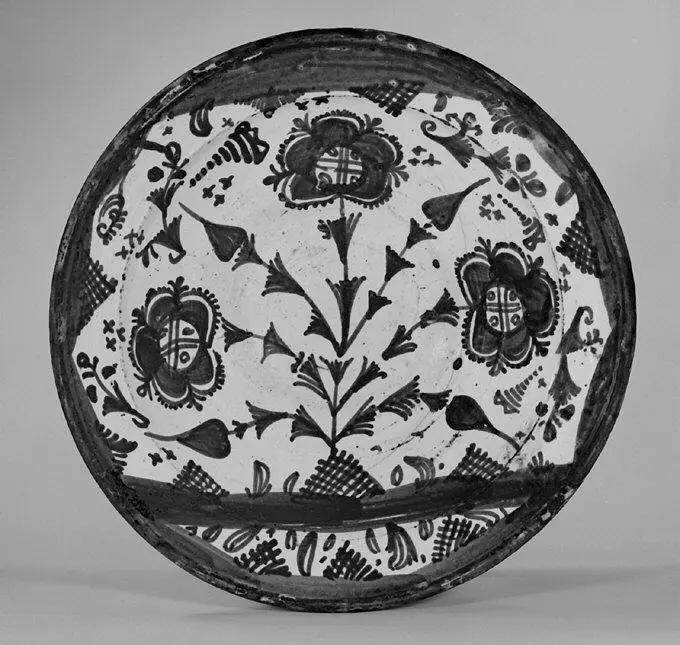
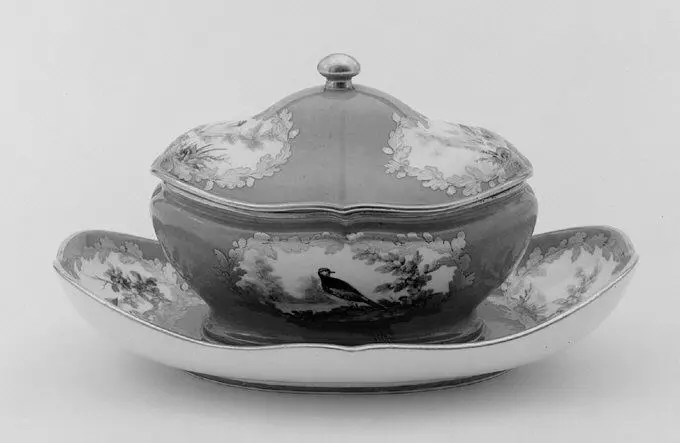
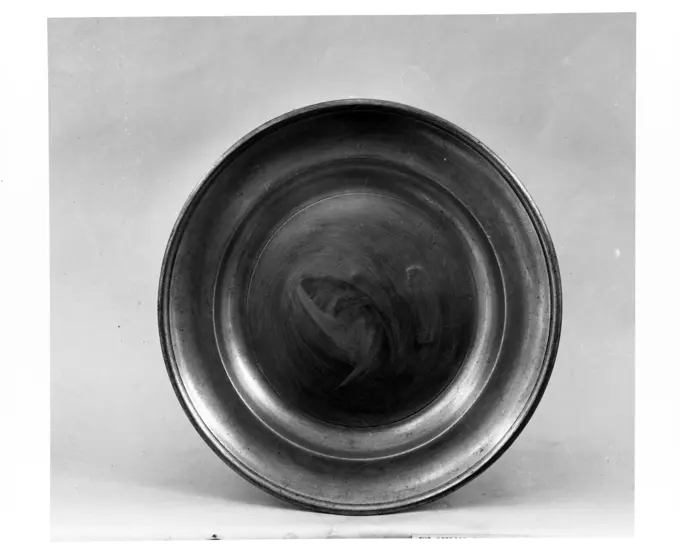
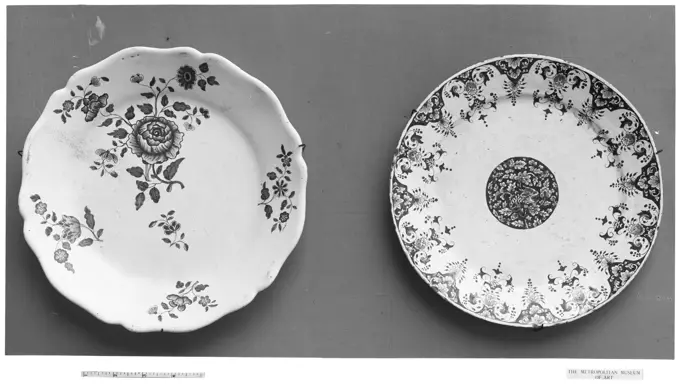
Dish. Culture: Japan. Dimensions: H. 2 7/8 in. (7.3 cm); Diam. 9 1/2 in. (24.1 cm). Date: 1760. Museum: Metropolitan Museum of Art, New York, USA.Plate ca. 1735-40 Factory of Jean-Baptiste Guillibaud Faience, or tin-glazed and enameled earthenware, first emerged in France during the sixteenth century, reaching widespread usage among elite patrons during the seventeenth and early eighteenth centuries, prior to the establishment of soft-paste porcelain factories. Although characterized as more provincial in style than porcelain, French faience was used at the court of Louis XIV as part of elaborate meals and displays, with large-scale vessels incorporated into the Baroque garden designs of Versailles. Earlier examples of French faience attest to the strong influence of maiolica artists from Italy. Later works demonstrate the ways in which cities such as Nevers, Rouen, Lyon, Moustiers, and Marseille developed innovative vessel shapes and decorative motifs prized among collectors throughout Europe. While faience can be created from a wide mixture of clays, it is foremost distinguished by the milky opaque white color achieved by the Teabowl and saucer ca. 1750-55 Imperial Porcelain Manufactory. Teabowl and saucer. Austrian, Vienna. ca. 1750-55. Hard-paste porcelain. Ceramics-PorcelainPlate (Assiette à palmes) (1 of 102) (part of a service) 1786 Sèvres Manufactory French. Plate (Assiette à palmes) (1 of 102) (part of a service). French, Sèvres. 1786. Soft-paste porcelain. Ceramics-PorcelainBasket 1775-1800 Chinese, for European market. Basket. Chinese, for European market. 1775-1800. Hard-paste porcelain. Ceramics-Porcelain-ExportPlate (part of a service) 19th century Derby Porcelain Manufactory. Plate (part of a service) 187977Plate ca. 1725 Chinese, for British market. Plate 205242Plate. Culture: Japan. Dimensions: H. 1 1/4 in. (3.2 cm); Diam. 8 1/2 in. (21.6 cm). Date: 1760. Museum: Metropolitan Museum of Art, New York, USA.Saucer (part of a service) 1800-1830 J. Spode. Saucer (part of a service) 187950 Factory: J. Spode, Saucer (part of a service), 18001830, Soft-paste porcelain, Diameter: 2 3/4 in. (7 cm). The Metropolitan Museum of Art, New York. Gift of Rev. W. P. Eigenbrodt, 1894 (94.5.7)Plate ca. 1788 Levavasseur Faience, or tin-glazed and enameled earthenware, first emerged in France during the sixteenth century, reaching widespread usage among elite patrons during the seventeenth and early eighteenth centuries, prior to the establishment of soft-paste porcelain factories. Although characterized as more provincial in style than porcelain, French faience was used at the court of Louis XIV as part of elaborate meals and displays, with large-scale vessels incorporated into the Baroque garden designs of Versailles. Earlier examples of French faience attest to the strong influence of maiolica artists from Italy. Later works demonstrate the ways in which cities such as Nevers, Rouen, Lyon, Moustiers, and Marseille developed innovative vessel shapes and decorative motifs prized among collectors throughout Europe. While faience can be created from a wide mixture of clays, it is foremost distinguished by the milky opaque white color achieved by the addition of tin oxide to thVegetable dish with cover (part of a service) 1790-1800 Chinese, for British market. Vegetable dish with cover (part of a service) 201358Bowl. Culture: Japan. Dimensions: H. 3 1/4 in. (8.3 cm); Diam. 8 1/2 in. (21.6 cm). Date: 19th century. Museum: Metropolitan Museum of Art, New York, USA.Dish 19th century Dutch. Dish 187875Plate third quarter 18th century French, Rouen Faience, or tin-glazed and enameled earthenware, first emerged in France during the sixteenth century, reaching widespread usage among elite patrons during the seventeenth and early eighteenth centuries, prior to the establishment of soft-paste porcelain factories. Although characterized as more provincial in style than porcelain, French faience was used at the court of Louis XIV as part of elaborate meals and displays, with large-scale vessels incorporated into the Baroque garden designs of Versailles. Earlier examples of French faience attest to the strong influence of maiolica artists from Italy. Later works demonstrate the ways in which cities such as Nevers, Rouen, Lyon, Moustiers, and Marseille developed innovative vessel shapes and decorative motifs prized among collectors throughout Europe. While faience can be created from a wide mixture of clays, it is foremost distinguished by the milky opaque white color achieved by the additioBowl China. Bowl. China. Porcelain decorated in underglaze blue. Qing dynasty (1644-1911), Kangxi period (1662-1722). CeramicsSalt 1759-62 Frankenthal Porcelain Manufactory. Salt 188987 Factory: Frankenthal Porcelain Manufactory, German, Factory director: Joseph Adam Hannong period, 17591762, Salt, 175962, Hard-paste porcelain, Overall: 1 11/16  3 11/16  3 1/4 in. (4.3  9.4  8.3 cm). The Metropolitan Museum of Art, New York. Rogers Fund, 1906 (06.345)Plate (assiette à palmes) (1 of 102) (part of a service) 1772 Sèvres Manufactory French. Plate (assiette à palmes) (1 of 102) (part of a service) 197917Plate (assiette à palmes) (1 of 102) (part of a service) 1780 Sèvres Manufactory French. Plate (assiette à palmes) (1 of 102) (part of a service). French, Sèvres. 1780. Soft-paste porcelain. Ceramics-PorcelainBowl ca. 1740 Meissen Manufactory German. Bowl 199178Saucer ca. 1710-20 Saint-Cloud factory. Saucer 188627 Factory: Saint-Cloud, French, active by 16931766, Saucer, ca. 171020, Soft-paste porcelain, Diameter: 5 in. (12.7 cm). The Metropolitan Museum of Art, New York. Gift of Alfred Duane Pell, 1902 (02.6.66)Cup and saucer ca. 1750 Meissen Manufactory German. Cup and saucer 199214Cup. Culture: China. Dimensions: H. at handles 3 1/8 in. (7.9 cm); H. of bowl 2 5/8 in. (6.7 cm); Diam. of rim. 4 7/8 in. (12.4 cm); Diam. of base 2 3/8 in. (6 cm). Date: late 16th-early 17th century. Museum: Metropolitan Museum of Art, New York, USA.Cup and saucer (gobelet litron et soucoupe) 1776 Sèvres Manufactory French This type of simple cylindrical cup with a steep sided saucer was the most common form of cup produced at the Sèvres factory. They were sold individually as well as in sets, and unusually elaborately decorated examples, such as this one, were sometimes sold for display rather than for use.. Cup and saucer (gobelet litron et soucoupe) 192861Cream Pitcher ca. 1784 Chinese. Cream Pitcher. Chinese. ca. 1784. Porcelain. Made in ChinaCovered jar with flowers late 17th-early 18th century China. Covered jar with flowers 48756Cup and saucer Chinese, for Dutch market 1748 The arms on this cup and saucer are those of Hendrik Hesselink (1723-1780), though they appear to have been rendered incorrectly: the tinctures in the dexter pale should be gules and argent.Soup plate early 19th century Chinese, probably for American market. Soup plate 201090Dish 1720 Japan. Dish. Japan. 1720. White porcelain decorated with blue under the glaze, colored enamels and gold. Edo period (1615-1868). CeramicsPlate ca. 1740-45 French, Rouen Faience, or tin-glazed and enameled earthenware, first emerged in France during the sixteenth century, reaching widespread usage among elite patrons during the seventeenth and early eighteenth centuries, prior to the establishment of soft-paste porcelain factories. Although characterized as more provincial in style than porcelain, French faience was used at the court of Louis XIV as part of elaborate meals and displays, with large-scale vessels incorporated into the Baroque garden designs of Versailles. Earlier examples of French faience attest to the strong influence of maiolica artists from Italy. Later works demonstrate the ways in which cities such as Nevers, Rouen, Lyon, Moustiers, and Marseille developed innovative vessel shapes and decorative motifs prized among collectors throughout Europe. While faience can be created from a wide mixture of clays, it is foremost distinguished by the milky opaque white color achieved by the addition of tin oxide Fruit dish 18th century The Dreye Porceleyne Flesschen. Fruit dish. Dutch, Delft. 18th century. Tin-glazed earthenware. Ceramics-PotteryPlate (assiette à palmes) (1 of 102) (part of a service) 1780 Sèvres Manufactory French. Plate (assiette à palmes) (1 of 102) (part of a service) 197885Milk or hot water jug () 1778-99 Royal Porcelain Manufactory, Berlin. Milk or hot water jug () 188645 Factory: Royal Porcelain Manufactory, Berlin, German, founded 1763, Milk or hot water jug (), 177899, Hard-paste porcelain, Height: 5 3/4 in. (14.6 cm). The Metropolitan Museum of Art, New York. Gift of Alfred Duane Pell, 1902 (02.6.98)Bowl 19th century Japan. Bowl. Japan. 19th century. White porcelain decorated with iron red and blue enamel (Arita ware). Edo (1615-1868) or Meiji period (1868-1912). CeramicsSaucer. Culture: Japan. Dimensions: H. 3 1/4 in. (8.3 cm); Diam. 6 in. (15.2 cm). Date: 1840. Museum: Metropolitan Museum of Art, New York, USA.Teabowl (part of a service) ca. 1723-26 Meissen Manufactory German. Teabowl (part of a service). German, Meissen. ca. 1723-26. Hard-paste porcelain. Ceramics-PorcelainSauceboat and tray ca. 1760 Veuve Perrin Factory Faience, or tin-glazed and enameled earthenware, first emerged in France during the sixteenth century, reaching widespread usage among elite patrons during the seventeenth and early eighteenth centuries, prior to the establishment of soft-paste porcelain factories. Although characterized as more provincial in style than porcelain, French faience was used at the court of Louis XIV as part of elaborate meals and displays, with large-scale vessels incorporated into the Baroque garden designs of Versailles. Earlier examples of French faience attest to the strong influence of maiolica artists from Italy. Later works demonstrate the ways in which cities such as Nevers, Rouen, Lyon, Moustiers, and Marseille developed innovative vessel shapes and decorative motifs prized among collectors throughout Europe. While faience can be created from a wide mixture of clays, it is foremost distinguished by the milky opaque white color achieved by the additTureen with cover early 19th century () Tournai. Tureen with cover 200860Butter dish with cover ca. 1760 Worcester factory. Butter dish with cover 195696Footed dish with floral pattern 19th century China. Footed dish with floral pattern. China. 19th century. "Porcelain painted in overglaze polychrome enamels (Bencharong ware for Thai market). Qing dynasty (1644-1911). CeramicsCup China. Cup 50789Bowl 1720 Japan. Bowl. Japan. 1720. White porcelain decorated with blue under the glaze, iron red and gold, colored enamels (Arita ware). Edo period (1615-1868). CeramicsHot Water Plate 1800-1830 Chinese. Hot Water Plate. Chinese. 1800-1830. Porcelain. Made in ChinaPlate ca. 1805-ca. 1825 British (American market). Plate. British (American market). ca. 1805-ca. 1825. Earthenware, transfer-printed. Made in Staffordshire, EnglandGoblet (Roemer) 19th century German. Goblet (Roemer). German. 19th century. Glass. GlassSaucer (part of a set) ca. 1735-40 Meissen Manufactory German. Saucer (part of a set). German, Meissen. ca. 1735-40. Hard-paste porcelain. Ceramics-PorcelainVase (part of a set) ca. 1750 French, Rouen Faience, or tin-glazed and enameled earthenware, first emerged in France during the sixteenth century, reaching widespread usage among elite patrons during the seventeenth and early eighteenth centuries, prior to the establishment of soft-paste porcelain factories. Although characterized as more provincial in style than porcelain, French faience was used at the court of Louis XIV as part of elaborate meals and displays, with large-scale vessels incorporated into the Baroque garden designs of Versailles. Earlier examples of French faience attest to the strong influence of maiolica artists from Italy. Later works demonstrate the ways in which cities such as Nevers, Rouen, Lyon, Moustiers, and Marseille developed innovative vessel shapes and decorative motifs prized among collectors throughout Europe. While faience can be created from a wide mixture of clays, it is foremost distinguished by the milky opaque white color achieved by the addition oCovered Bowl. Culture: China. Dimensions: Diam. 4 1/2 in. (11.4 cm). Date: first half of the 19th century. Museum: Metropolitan Museum of Art, New York, USA.Dish ca. 1735 Irish, Dublin. Dish 197719Dish late 16th-early 17th century China. Dish 50028Bowl 19th century Seifu Yohei Japanese. Bowl. Seifu Yohei (1803-1861). Japan. 19th century. White porcelain decorated with blue under the glaze, polychrome enamels and gold (Kyoto ware). Edo (1615-1868) or Meiji period (1868-1912). CeramicsCake Plate 1850-70 American With the development of new formulas and techniques, glass-pressing technology had improved markedly by the late 1840s. By this time, pressed tablewares were being produced in large matching sets and innumerable forms. During the mid-1850s, colorless glass and simple geometric patterns dominated. Catering to the demand for moderately-priced dining wares, the glass industry in the United States expanded widely, and numerous factories supplied less expensive pressed glassware to the growing market. At the Exhibition of the Industry of All Nations at New Yorks Crystal Palace in 1853, for example, the New England Glass Company exhibited 130 pieces of one design, "consisting of bowls, tumblers, champagnes, wines, and jelly glasses." This object belongs to one such service. Although the glass manufactory is not known, the glassware is very typical of the large services that were very popular with Americas middle class in the nineteenth century.. Cake Plate. AmerPlate 1830-45 American. Plate. American. 1830-45. Lacy pressed glass. Made in New England, United StatesPair of plates ca. 1750-70 Veuve Perrin Factory Faience, or tin-glazed and enameled earthenware, first emerged in France during the sixteenth century, reaching widespread usage among elite patrons during the seventeenth and early eighteenth centuries, prior to the establishment of soft-paste porcelain factories. Although characterized as more provincial in style than porcelain, French faience was used at the court of Louis XIV as part of elaborate meals and displays, with large-scale vessels incorporated into the Baroque garden designs of Versailles. Earlier examples of French faience attest to the strong influence of maiolica artists from Italy. Later works demonstrate the ways in which cities such as Nevers, Rouen, Lyon, Moustiers, and Marseille developed innovative vessel shapes and decorative motifs prized among collectors throughout Europe. While faience can be created from a wide mixture of clays, it is foremost distinguished by the milky opaque white color achieved by the additiTea caddy (part of a service) ca. 1725, decorated ca. 1740 Meissen Manufactory German. Tea caddy (part of a service) 206032Cup and saucer ca. 1770-80 Ludwigsburg Porcelain Manufactory. Cup and saucer 188644 Factory: Ludwigsburg Porcelain Manufactory, German, 17581824, Cup and saucer, ca. 177080, Hard-paste porcelain, Cup (.96): H. 1-7/8 in. (4.8 cm.) Saucer (.97): Diam. 5 in. (12.7 cm.). The Metropolitan Museum of Art, New York. Gift of Alfred Duane Pell, 1902 (02.6.96, .97)Tureen with cover (part of a service) 1790-1800 Chinese, for British market. Tureen with cover (part of a service) 201022Dish with Stone Wall. Culture: Japan. Dimensions: H. 2 1/4 in. (5.7 cm); Diam. of rim 10 1/4 in. (26 cm); Diam. of foot 6 1/4 in. (15.9 cm). Date: first half of the 18th century. Museum: Metropolitan Museum of Art, New York, USA.Plate ca. 1720 or later French, Rouen Faience, or tin-glazed and enameled earthenware, first emerged in France during the sixteenth century, reaching widespread usage among elite patrons during the seventeenth and early eighteenth centuries, prior to the establishment of soft-paste porcelain factories. Although characterized as more provincial in style than porcelain, French faience was used at the court of Louis XIV as part of elaborate meals and displays, with large-scale vessels incorporated into the Baroque garden designs of Versailles. Earlier examples of French faience attest to the strong influence of maiolica artists from Italy. Later works demonstrate the ways in which cities such as Nevers, Rouen, Lyon, Moustiers, and Marseille developed innovative vessel shapes and decorative motifs prized among collectors throughout Europe. While faience can be created from a wide mixture of clays, it is foremost distinguished by the milky opaque white color achieved by the addition of tin Plate 1787-1815 Thomas Badger. Plate 6087Candlestick (candeliere) ca. 1560-80 Italian, probably Urbino. Candlestick (candeliere). Italian, probably Urbino. ca. 1560-80. Maiolica (tin-glazed earthenware). Ceramics-PotteryDessert basket with cover ca. 1770-80 Worcester factory. Dessert basket with cover 187753 Factory: Worcester, Dessert basket with cover, ca. 177080, Soft-paste porcelain, Width (basket): 7 3/4 in. (19.7 cm); Width (cover): 6 3/4 in. (17.1 cm). The Metropolitan Museum of Art, New York. Gift of Henry G. Marquand, 1894 (94.4.125a, b)Platter (part of a service) 1790-1800 Chinese, possibly for British market. Platter (part of a service) 201336Cup with cover 1740-70 Chinese, for European market. Cup with cover 201275Bowl with Cover ca. 1675 Kakiemon I Japanese. Bowl with Cover. Kakiemon I. Japan. ca. 1675. Porcelain decorated in blue under the glaze and iron red. CeramicsDish ca. 1825 British (American market). Dish. British (American market). ca. 1825. Earthenware, gaudy dutch. Made in Staffordshire, EnglandSaucer (part of a service) 1750-70 Chinese, for Continental European market. Saucer (part of a service) 201216Bowl 1800 Eiraku Hozen. Bowl. Eiraku Hozen (Japanese, 1795-1854). Japan. 1800. Porcelain glazed with recessed design in enamels (Kyoto ware). Edo period (1615-1868). CeramicsPlate ca. 1705-20 French, Rouen Faience, or tin-glazed and enameled earthenware, first emerged in France during the sixteenth century, reaching widespread usage among elite patrons during the seventeenth and early eighteenth centuries, prior to the establishment of soft-paste porcelain factories. Although characterized as more provincial in style than porcelain, French faience was used at the court of Louis XIV as part of elaborate meals and displays, with large-scale vessels incorporated into the Baroque garden designs of Versailles. Earlier examples of French faience attest to the strong influence of maiolica artists from Italy. Later works demonstrate the ways in which cities such as Nevers, Rouen, Lyon, Moustiers, and Marseille developed innovative vessel shapes and decorative motifs prized among collectors throughout Europe. While faience can be created from a wide mixture of clays, it is foremost distinguished by the milky opaque white color achieved by the addition of tin oxide Plate ca. 1735 Meissen Manufactory German. Plate 193339Fan early 18th century French. Fan 209971Snuffbox 1762-63 French, Paris In eighteenth-century Europe, Paris led the production of high-quality luxury goods. Parisian goldsmiths made a wide range of small, personal articles such as snuffboxes; étuis to hold sealing wax, tweezers, or utensils for sewing; souvenirs, which contained thin ivory tablets for note taking; and shuttles for knotting lace. Gold snuffboxes and boxes decorated with portrait miniatures were prized and frequently given as royal gifts, often to ambassadors or members of the court in lieu of cash payments for their services. Coveted and admired, these boxes were produced from a variety of materials. The best were skillfully made of gold and embellished with diamonds, enameled decoration, lacquer, and other luxurious materials. By the middle of the century, the taking of snuff had become an entrenched social ritual, and the snuffbox, too, had become an important social prop. Snuffboxes were considered highly fashionable accessories, with some merchants advertiTeabowl ca. 1736-38 After a design by Cornelis Pronk Dutch The Dutch East India Company, which dominated the export of Chinese porcelains to Europe in the seventeenth and early eighteenth centuries, commissioned the Dutch artist Cornelis Pronk (1691-1759) to supply designs that could be copied on porcelain intended for export. This design of a lady with a parasol was one of Pronks most popular compositions, and was employed by Japanese porcelain painters as well.. Teabowl 208946Cup ca. 1725-30 Meissen Manufactory German. Cup 197671Bowl (part of a set) ca. 1735-40 Meissen Manufactory German. Bowl (part of a set). German, Meissen. ca. 1735-40. Hard-paste porcelain. Ceramics-PorcelainPlate. Culture: British (American market). Dimensions: Diam. 7 3/4 in. (19.7 cm). Maker: Possibly Davenport (active 1794-1887). Date: ca. 1820-60. Museum: Metropolitan Museum of Art, New York, USA.Covered pot. Culture: Japan. Dimensions: H. 12 1/2 in. (31.8 cm); Diam. 7 1/2 in. (19.1 cm). Date: 19th century. Museum: Metropolitan Museum of Art, New York, USA.Coupe late 19th century China. Coupe. China. late 19th century. Jade. JadeSalt (part of a service) 1790-1800 Chinese, possibly for British market. Salt (part of a service) 201265Cup. Culture: Chinese. Dimensions: H. 1 7/8 in. (4.8 cm); Diam. 3 1/2 in. (8.9 cm). Date: 1785-90. Museum: Metropolitan Museum of Art, New York, USA.Dish 1830-50 Probably Boston & Sandwich Glass Company. Dish. American. 1830-50. Lacy pressed glass. Made in Sandwich, Massachusetts, United StatesPlate. Culture: China. Dimensions: Diam. 13 1/2 in. (34.3 cm). Date: late 18th-19th century. Museum: Metropolitan Museum of Art, New York, USA.Order of Saint Michael 1701 Medalist: André Chalochet. Order of Saint Michael 207648The Deposition late 16th century Italian. The Deposition. Italian. late 16th century. Rock crystal. Cut, polished, reverse painted, reverse gilt.. GlassDish 19th century Japan. Dish. Japan. 19th century. White porcelain decorated with polychrome enamels (Hizen ware, Kutani type). Edo (1615-1868) or Meiji period (1868-1912). CeramicsJardiniere 1700-1800 Chinese. Jardiniere. Chinese. 1700-1800. Porcelain, teak. Made in ChinaTea cup (part of a service) 1770-85 Chinese, probably for Swedish market. Tea cup (part of a service) 201179Plate ca. 1760 British, Staffordshire. Plate 197607Pap Boat 1800-1830 Joel Sayre. Pap Boat. American. 1800-1830. Silver. Made in New York, New York, United StatesTray for a fruit basket (part of a service) 1785-1800 Chinese, for British market. Tray for a fruit basket (part of a service) 201191Sugar Bowl 1854-62 Cooper and Fisher. Sugar Bowl 2309Plate 1731-63 Robert Bonynge. Plate. American. 1731-63. Pewter. Made in Boston, Massachusetts, United StatesPlate ca. 1815-25 French, Les Islettes Faience, or tin-glazed and enameled earthenware, first emerged in France during the sixteenth century, reaching widespread usage among elite patrons during the seventeenth and early eighteenth centuries, prior to the establishment of soft-paste porcelain factories. Although characterized as more provincial in style than porcelain, French faience was used at the court of Louis XIV as part of elaborate meals and displays, with large-scale vessels incorporated into the Baroque garden designs of Versailles. Earlier examples of French faience attest to the strong influence of maiolica artists from Italy. Later works demonstrate the ways in which cities such as Nevers, Rouen, Lyon, Moustiers, and Marseille developed innovative vessel shapes and decorative motifs prized among collectors throughout Europe. While faience can be created from a wide mixture of clays, it is foremost distinguished by the milky opaque white color achieved by the addition of tinPlate 17th century Spanish, Valencia. Plate 187970 Spanish, Valencia, Plate, 17th century, Enameled earthenware, Overall (confirmed): 15 3/8 x 3 3/4 in. (39.1 x 9.5 cm). The Metropolitan Museum of Art, New York. Gift of Henry G. Marquand, 1894 (94.4.365)Sugar bowl with cover (sucrier de Monsieur le Premier) (one of a pair) (part of a service) ca. 1772 Sèvres Manufactory French The table services produced at Sèvres in the eighteenth century were highly prized and extremely expensive. They were not only purchased by the Crown and members of the aristocracy but also given by the king as diplomatic gifts to foreign courts and visiting dignitaries, and the esteem in which they were held did much to enhance the factorys prestige and fortunes. Because the number of pieces composing a service was very large, the cost was enormous, but this did not deter many courtiers from ordering a dinner or dessert service, or both.One of the most celebrated services produced at Sèvres was delivered to Louis-René-Édouard, prince de Rohan-Guémenée (1734-1803), on September 7, 1772. All of the pieces were decorated with the rich turquoise ground color known as bleu céleste and with birds encircled by an elaborate gilt wreath of oak leaves and acorns. Many oBowl ca. 1720-30 British, Bristol. Bowl 187736 Dutch, Delft, Bowl, 18th century, Tin-glazed earthenware, Diameter: 12 1/4 in. (31.1 cm). The Metropolitan Museum of Art, New York. Gift of Henry G. Marquand, 1894 (94.4.102)Bucket 1840 Japan. Bucket. Japan. 1840. Porcelain decorated in blue (Koto ware). Edo period (1615-1868). CeramicsPlate 1780-88 Joseph Danforth. Plate. American. 1780-88. Pewter. Made in Middletown, Connecticut, United StatesTable Screen with Pheasant and Magnolia. Culture: China. Dimensions: H. 6 3/4 in. (17.2 cm); W. 5 7/8 in. (15 cm); Diam. 11/16 in. (1.8 cm). Date: 18th century. Museum: Metropolitan Museum of Art, New York, USA.Plate 1756 Meissen Manufactory German. Plate 201705Plate 18th century French, Sinceny Faience, or tin-glazed and enameled earthenware, first emerged in France during the sixteenth century, reaching widespread usage among elite patrons during the seventeenth and early eighteenth centuries, prior to the establishment of soft-paste porcelain factories. Although characterized as more provincial in style than porcelain, French faience was used at the court of Louis XIV as part of elaborate meals and displays, with large-scale vessels incorporated into the Baroque garden designs of Versailles. Earlier examples of French faience attest to the strong influence of maiolica artists from Italy. Later works demonstrate the ways in which cities such as Nevers, Rouen, Lyon, Moustiers, and Marseille developed innovative vessel shapes and decorative motifs prized among collectors throughout Europe. While faience can be created from a wide mixture of clays, it is foremost distinguished by the milky opaque white color achieved by the addition of tin oxi