Floral and Artistic Vases

Diverse collection of vases from various cultures, emphasizing floral designs and unique ceramic techniques through the centuries.

Vase with flowers 18th century China. Vase with flowers. China. 18th century. Porcelain painted in gold over blue glaze (Jingdezhen ware). Qing dynasty (1644-1911). Ceramics
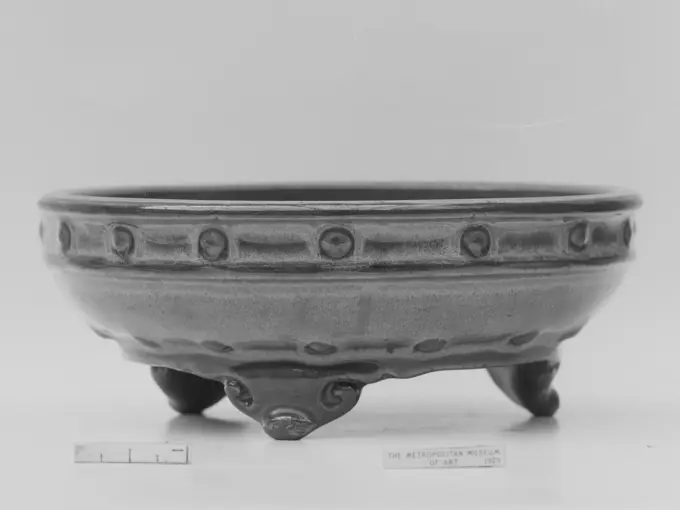
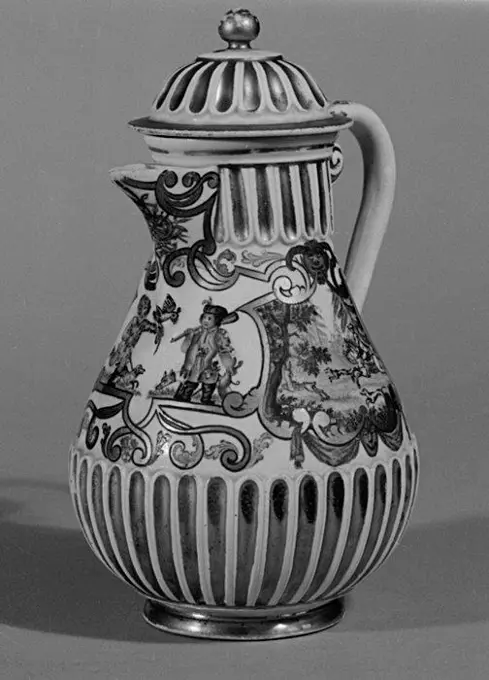
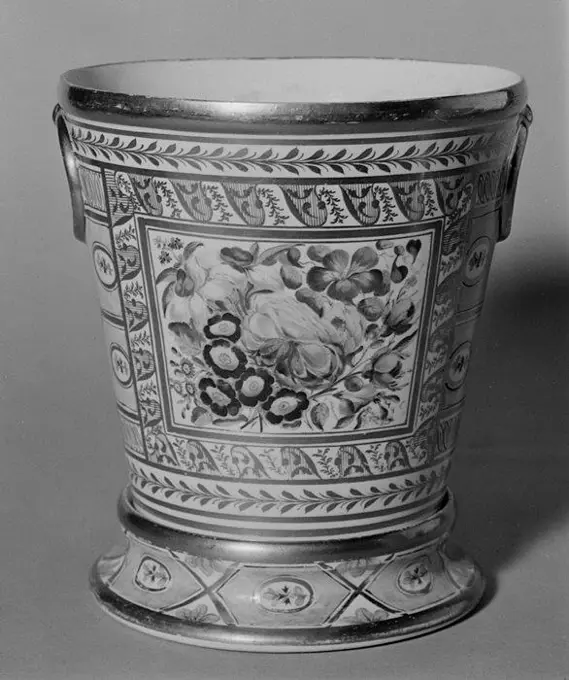
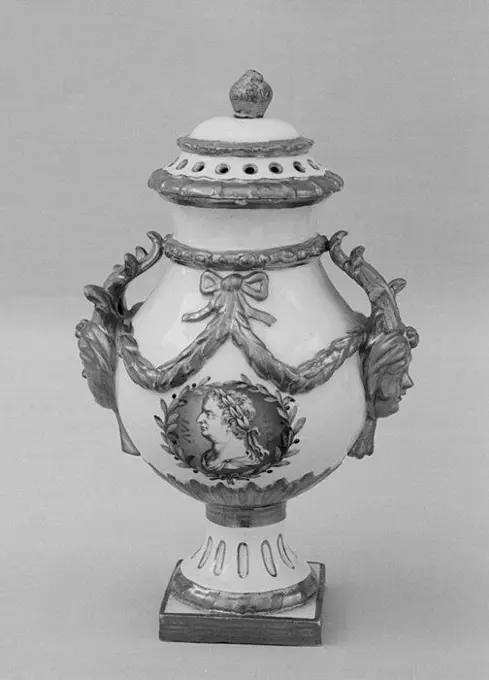
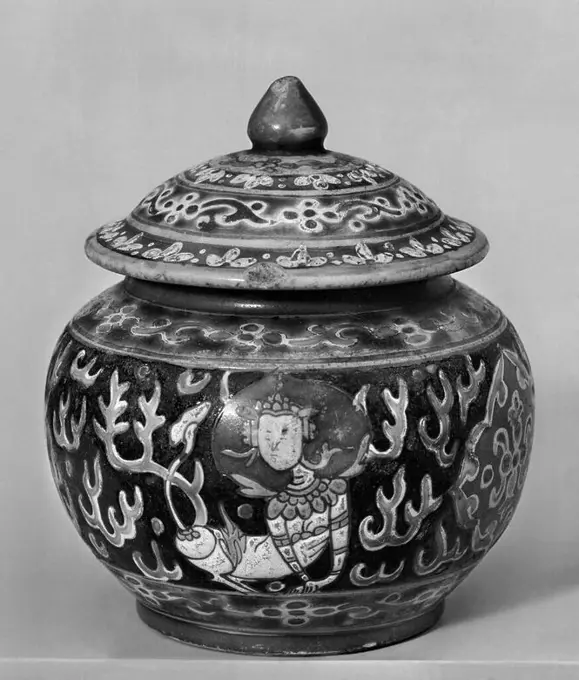
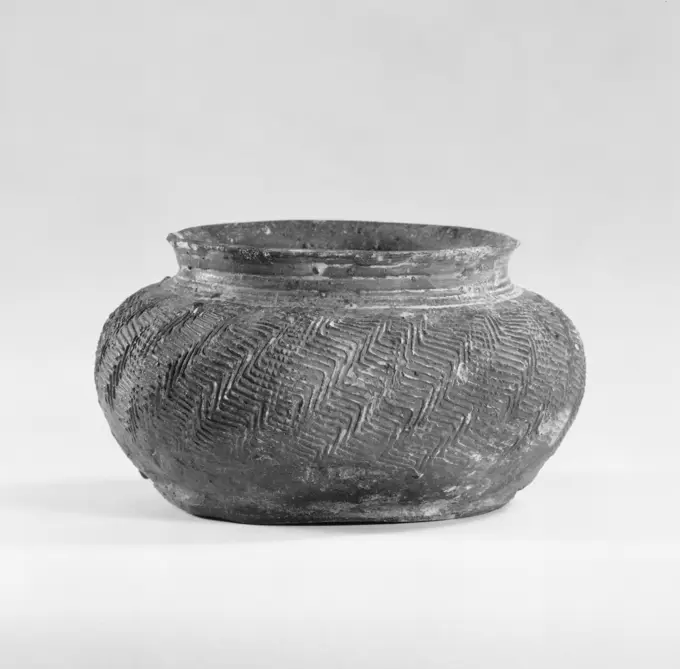
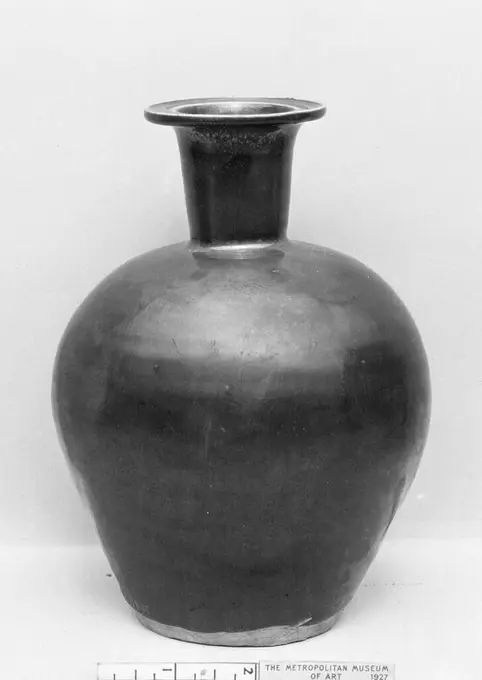
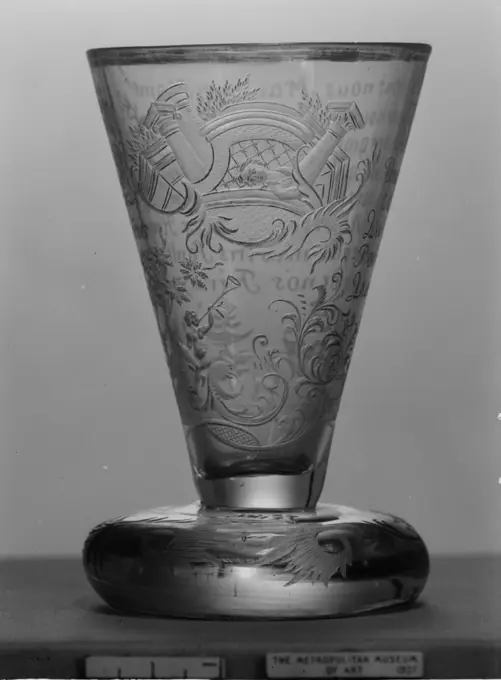
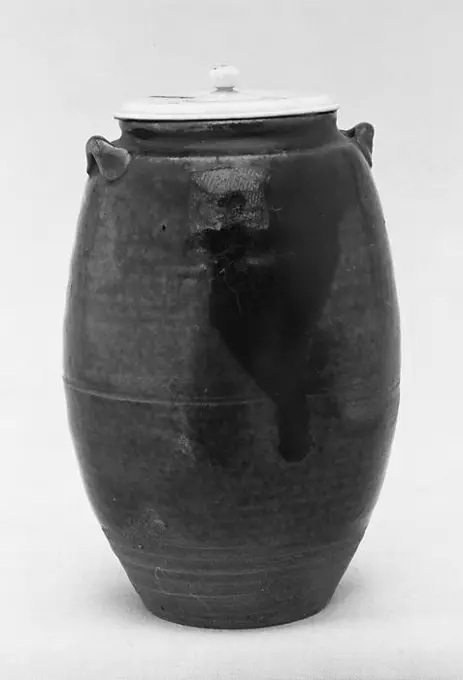
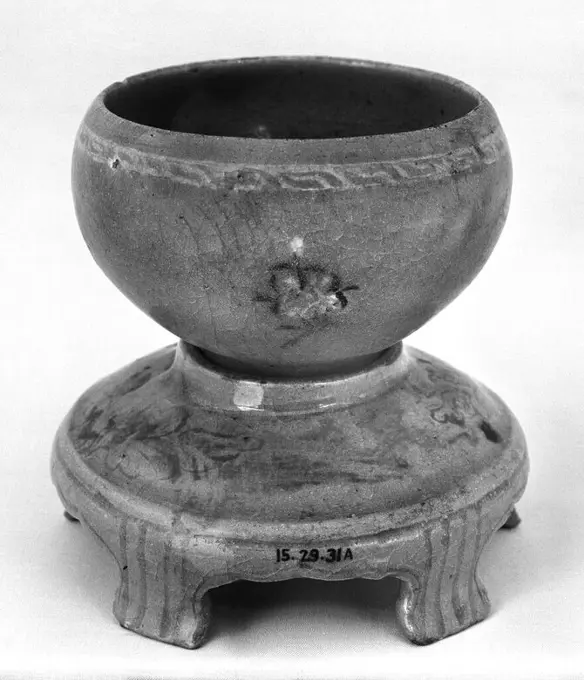
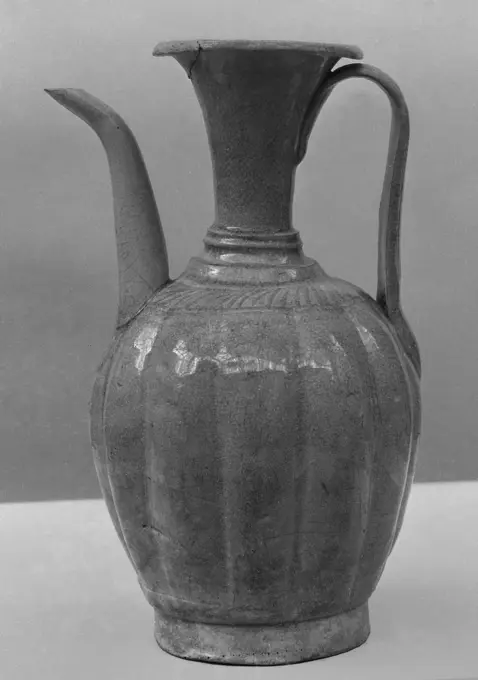
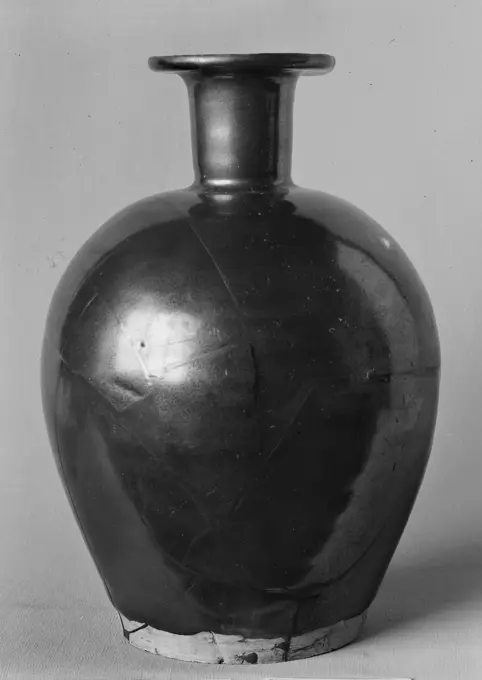
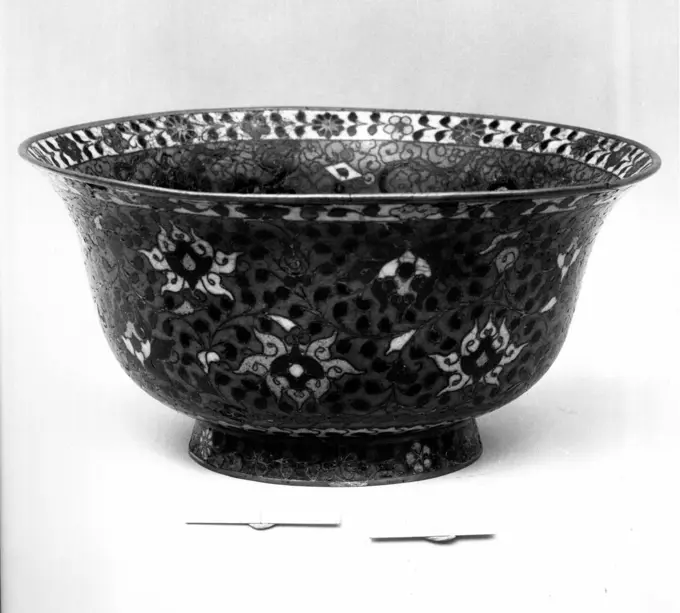
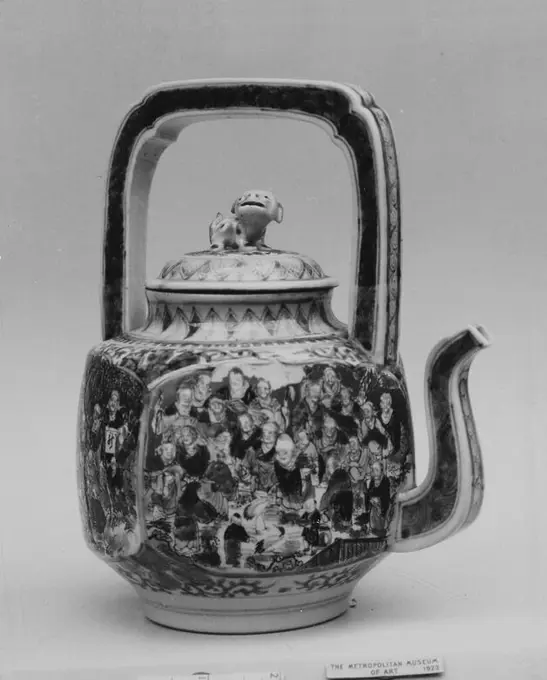
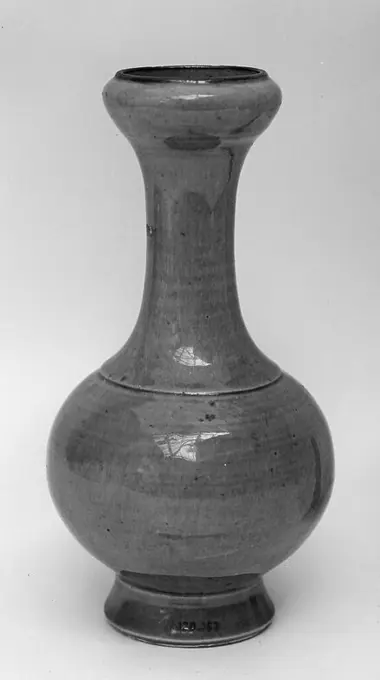
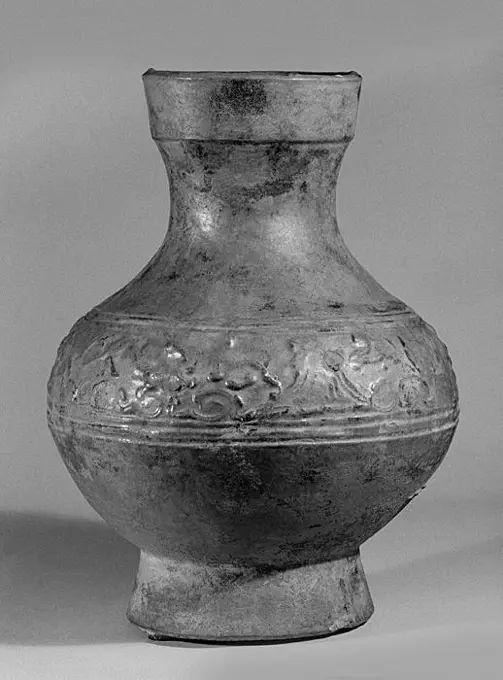
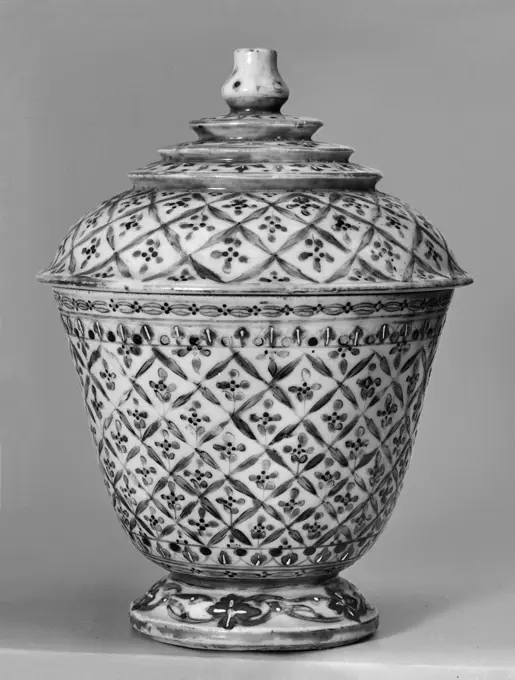
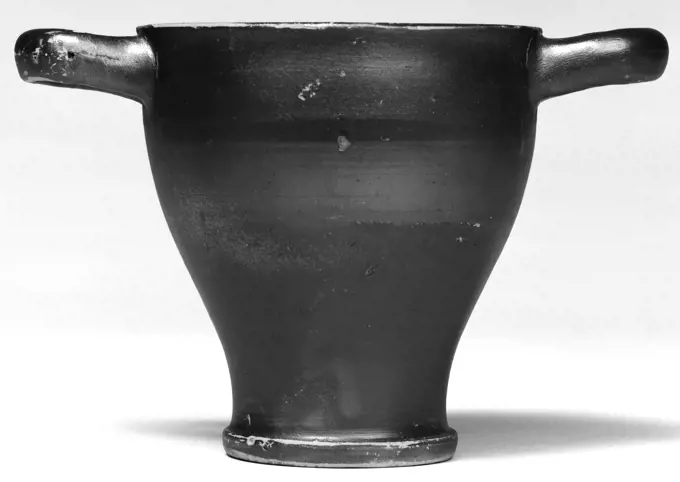
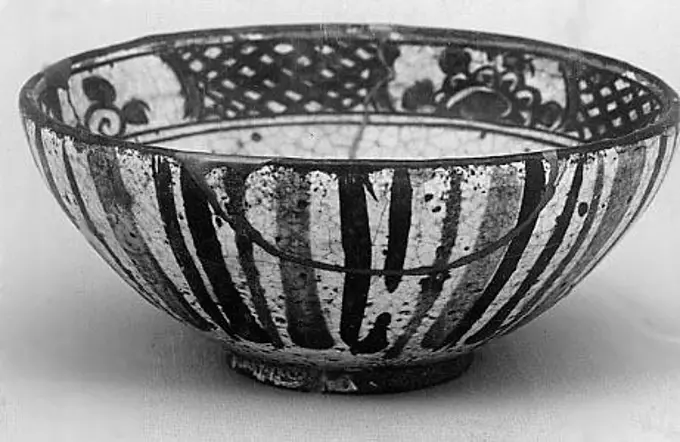
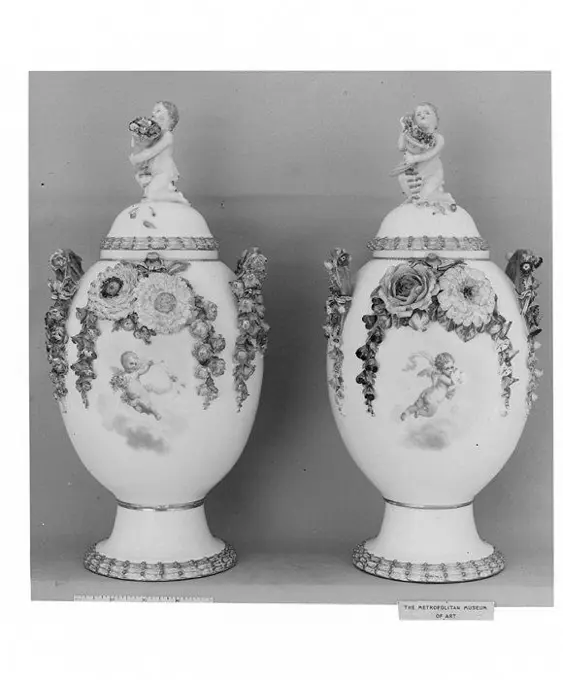
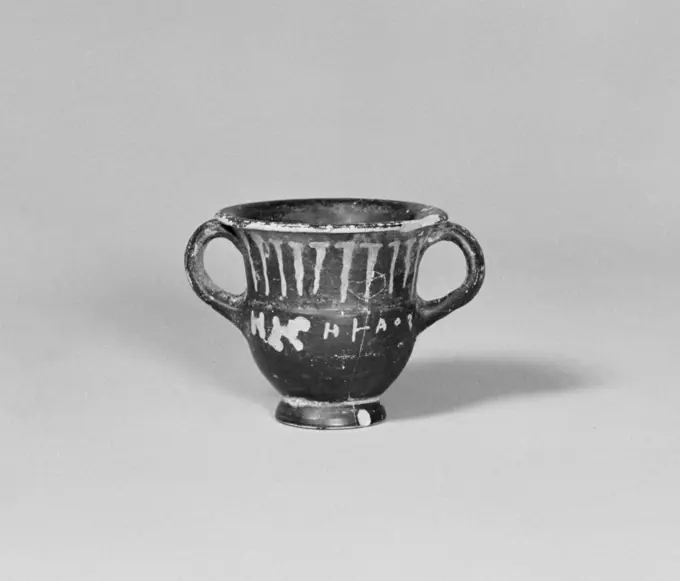
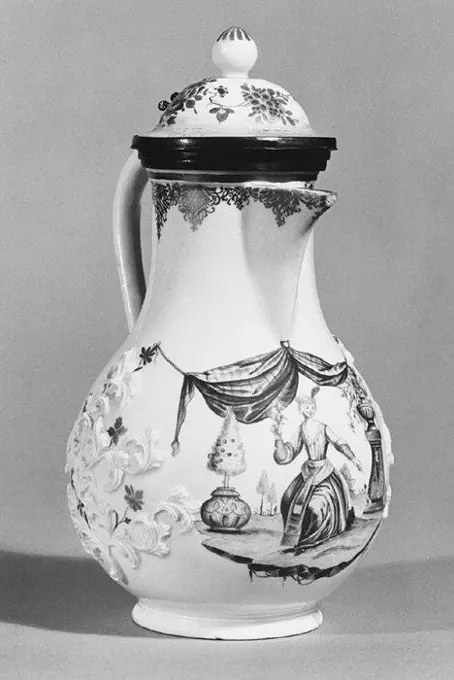
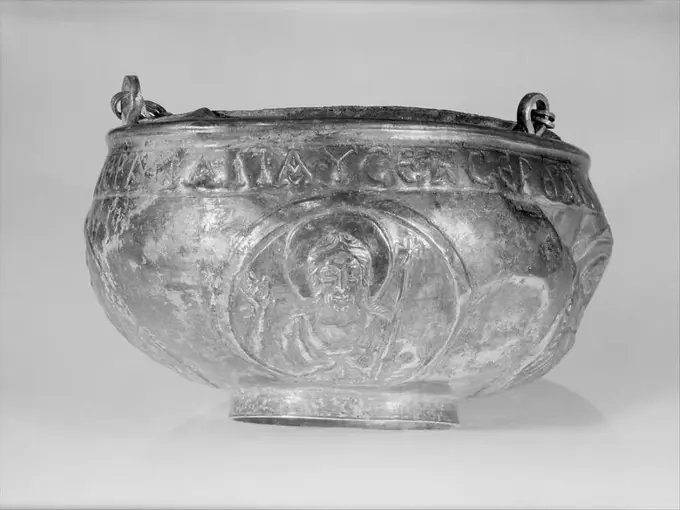
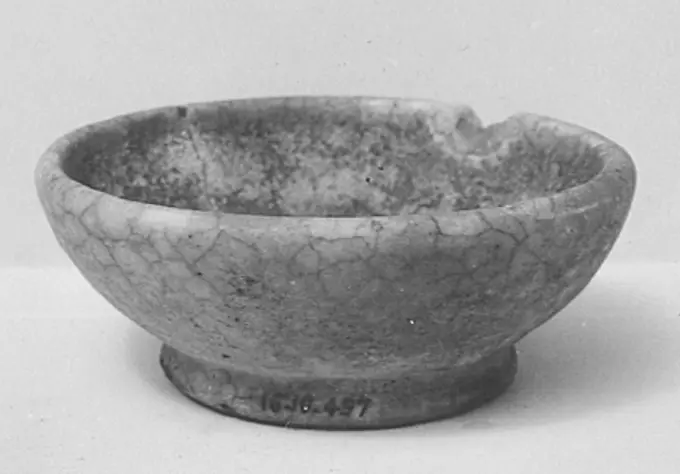
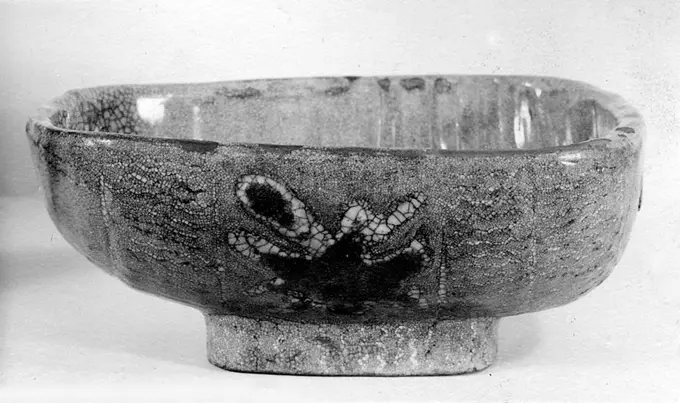
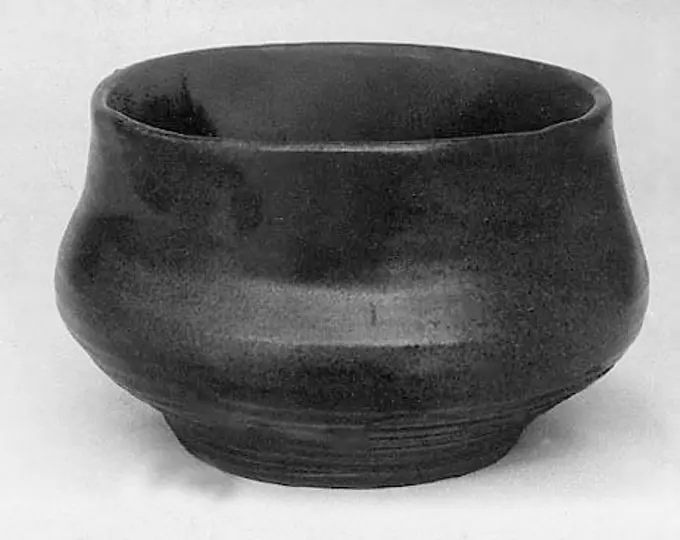
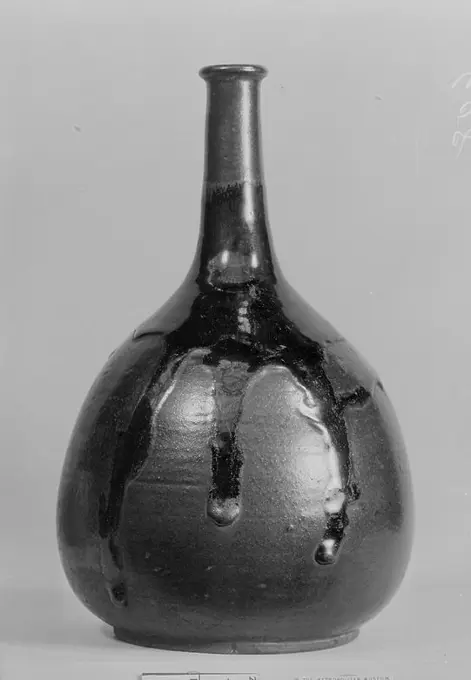
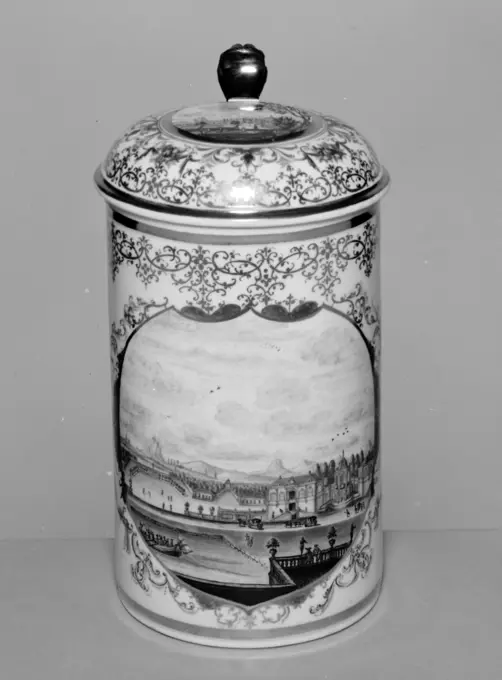
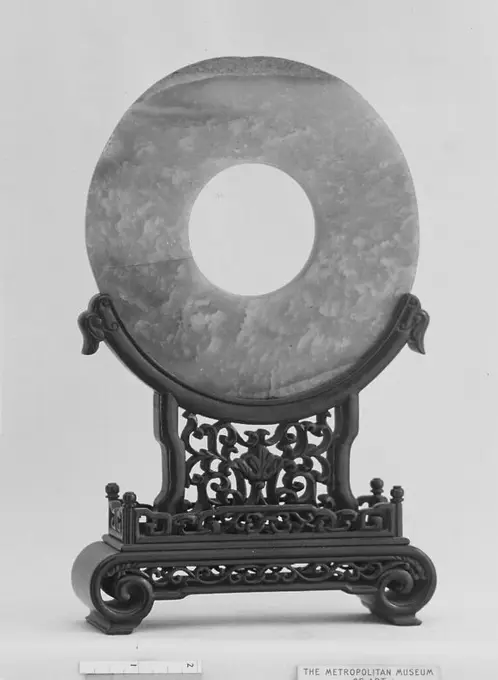
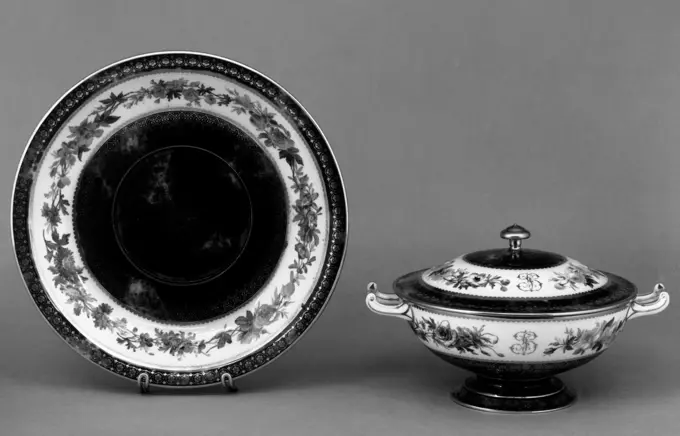
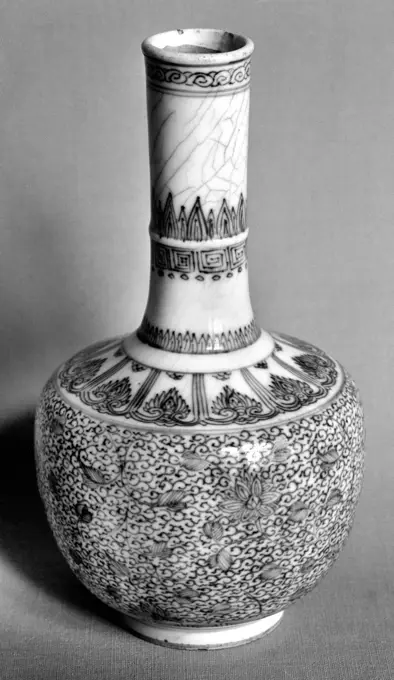
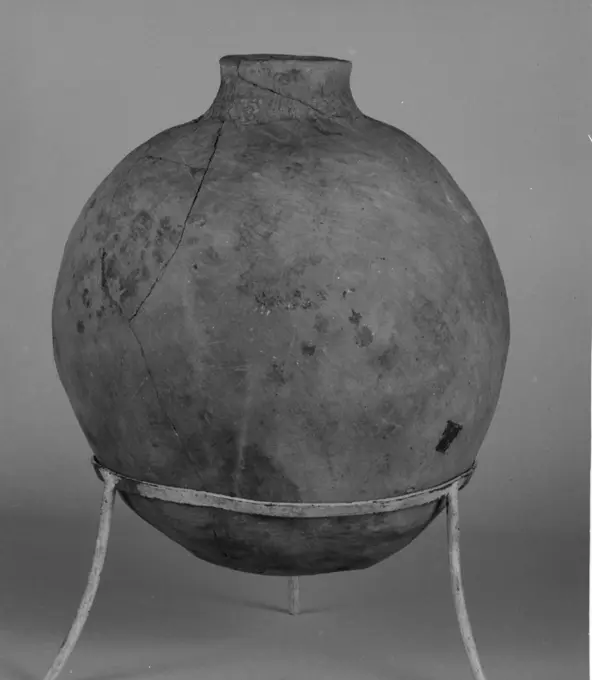
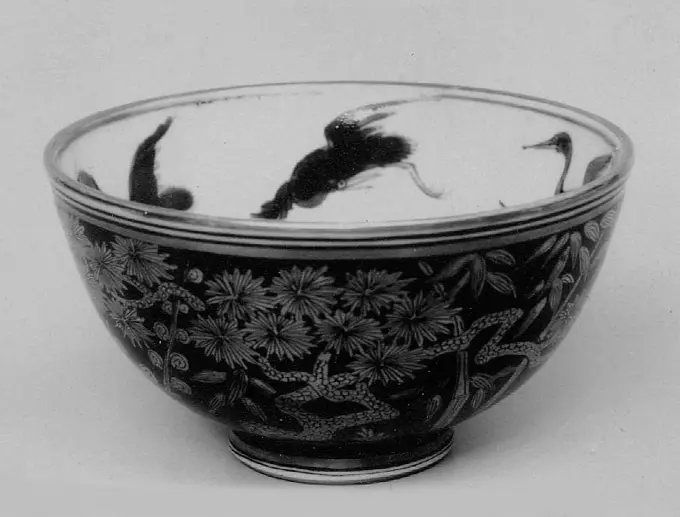
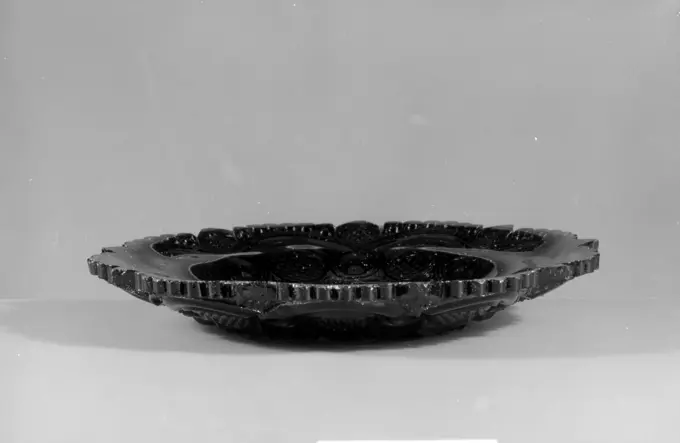
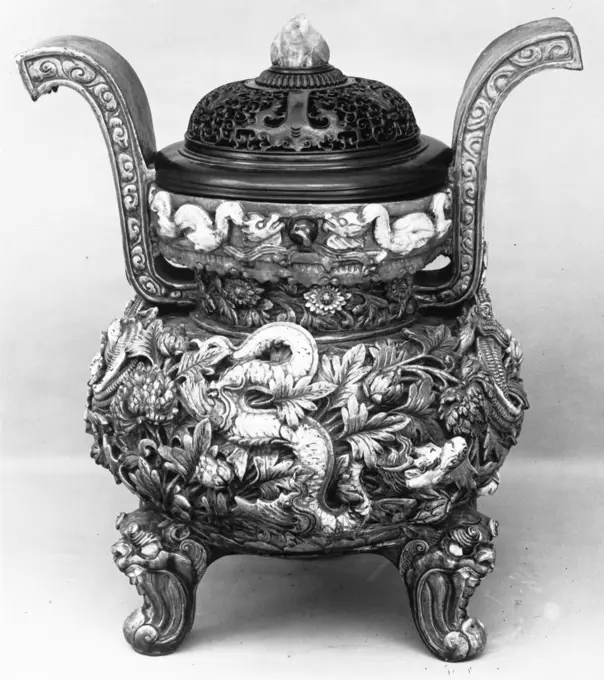
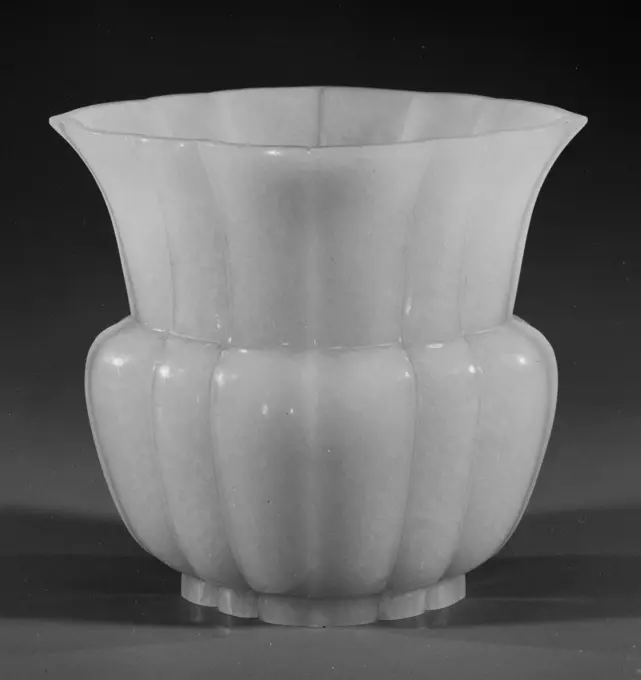
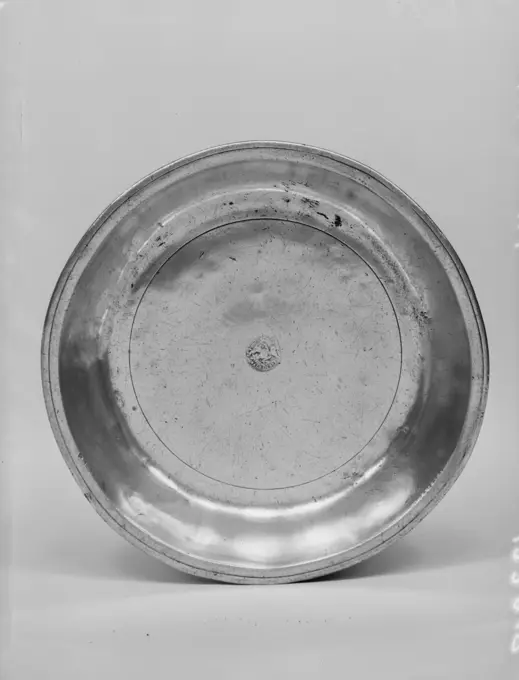
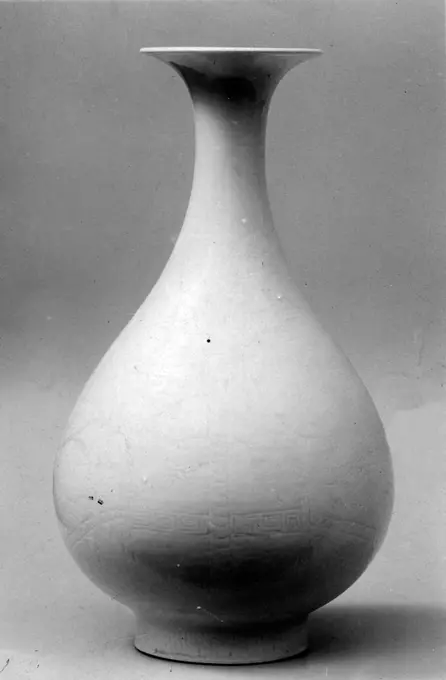
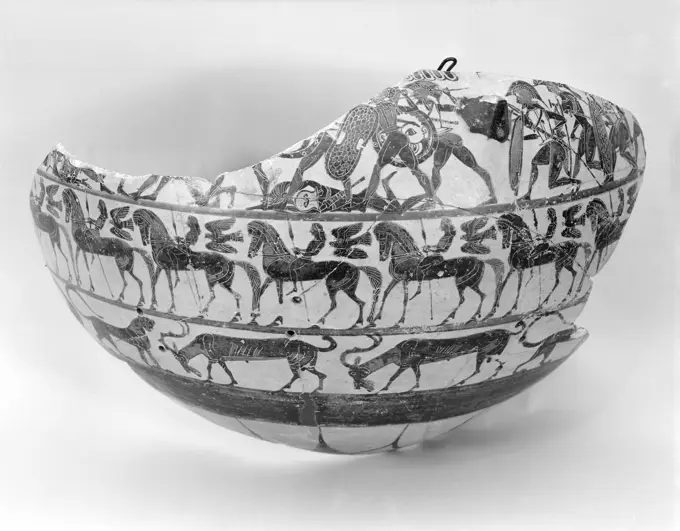
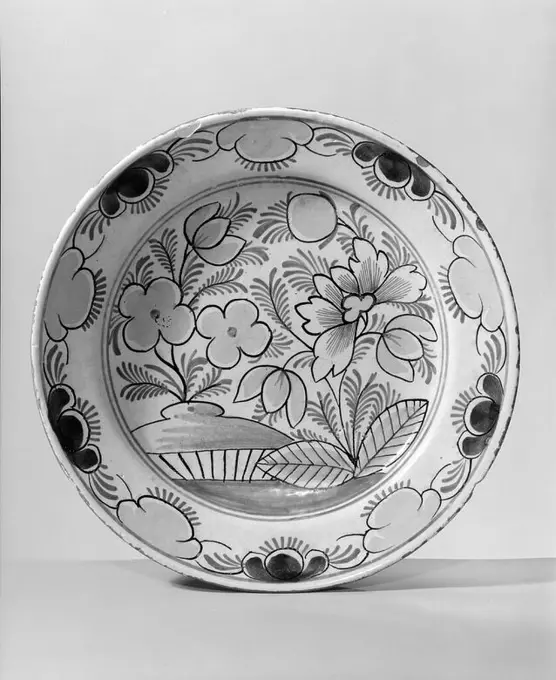
Vase with flowers 18th century China. Vase with flowers. China. 18th century. Porcelain painted in gold over blue glaze (Jingdezhen ware). Qing dynasty (1644-1911). CeramicsVase China. Vase 40677Cachepot with stand (one of a pair) ca. 1805 Coalport British. Cachepot with stand (one of a pair) 201362Bottle with Bulbous Neck 14th century Thailand. Bottle with Bulbous Neck. Thailand. 14th century. Terracotta. CeramicsWine bottle 1780 Japan. Wine bottle. Japan. 1780. Porcelain decorated with enamels (Arita ware, Imari type). Edo period (1615-1868). CeramicsVessel ca. 7th century B.C. Iran. Vessel 324729Vase (part of a garniture) ca. 1780-90 Fürstenberg Porcelain Manufactory. Vase (part of a garniture) 187859 Factory: Frstenberg Porcelain Manufactory, German, founded 1747, Vase (part of a garniture), ca. 178090, Hard-paste porcelain, Height: 7 1/2 in. (19.1 cm). The Metropolitan Museum of Art, New York. Gift of Henry G. Marquand, 1894 (94.4.354a, b)Covered Jar. Culture: China. Dimensions: H. 3 5/8 in. (9.2 cm); Diam. 3 1/4 in. (8.3 cm). Date: late 18th-19th century. Museum: Metropolitan Museum of Art, New York, USA.Vase. Culture: China. Dimensions: H. 8 1/2 in. (21.6 cm). Museum: Metropolitan Museum of Art, New York, USA.Vase. Culture: American. Designer: Designed by Louis Comfort Tiffany (American, New York 1848-1933 New York). Dimensions: H. 5 1/2 in. (14 cm). Maker: Tiffany Studios (1902-32). Manufacturer: Attributed to Tiffany Glass and Decorating Company (American, 1892-1902) or. Date: 1893-1925. Museum: Metropolitan Museum of Art, New York, USA.Jar (Guan) 8th-5th century B.C. China. Jar (Guan) 49898Cricket cage 18th-19th century China. Cricket cage. China. 18th-19th century. Gourd, ivory. Qing dynasty (1644-1911). Cricket cagesVase. Culture: China. Dimensions: H. 7 1/4 in. (18.4 cm). Date: 11th-12th century. Museum: Metropolitan Museum of Art, New York, USA.Wineglass ca. 1760 German, Silesia The heavy foot on this glass indicates that it was of the type used as a "firing glass," to be pounded on the table after a toast. The engraved inscription is an English version of the inscription (from an old song "The Freemasons' Health," 1740): "Then join hand in hand / T'each other firm stand / Let's be merry and put a bright face on. / What mortal can boast / So noble a toast / As a Free or an accepted Mason". Wineglass. German, Silesia. ca. 1760. Glass. GlassWine Container with Cover (Hu) China. Wine Container with Cover (Hu) 44331Covered jar with flowers mid-18th century China. Covered jar with flowers 48650Covered Bowl first half of the 19th century China. Covered Bowl. China. first half of the 19th century. Porcelain painted in overglaze polychrome enamels and gilt. Qing dynasty (1644-1911). CeramicsTea Jar 18th century Japan. Tea Jar. Japan. 18th century. Clay covered with glaze and an overglaze; two-handled with left-handed itogiri (Takatori ware). Edo period (1615-1868). CeramicsVase with Stand. Culture: Korea. Dimensions: Vase H. 1 7/8 in. (4.8 cm); Diam. 3 7/8 in. (9.9 cm)Stand H. 2 in. (5.1 cm); Diam. 2 3/4 in. (7 cm). Date: first half of the 13th century. Museum: Metropolitan Museum of Art, New York, USA.Wine Pot 13th century Korea. Wine Pot. Korea. 13th century. Clay. Goryeo dynasty (918-1392). CeramicsCovered Bowl. Culture: China. Dimensions: H. 2 1/2 in. (6.4 cm); Diam. 3 in. (7.6 cm). Date: late 18th-19th century. Museum: Metropolitan Museum of Art, New York, USA.Bottle China. Bottle. China. Pottery. Song dynasty (960-1279). CeramicsBowl China. Bowl 40696Lime Pot with Chicken Head and Tail late 11th century Cambodia. Lime Pot with Chicken Head and Tail. Cambodia. late 11th century. Stoneware (Khmer ware). Angkor period. CeramicsCup (part of a service) ca. 1740 Possibly after a design by Cornelis Pronk Dutch. Cup (part of a service) 202538Wine pot with cover. Artist: Kitei (Japanese). Culture: Japan. Dimensions: H. (with handle) 8 3/8 in. (21.3 cm); L. 6 7/8 in. (17.5 cm). Date: late 19th century. Museum: Metropolitan Museum of Art, New York, USA.Vase. Culture: China. Dimensions: H. 6 in. (15.2 cm). Museum: Metropolitan Museum of Art, New York, USA.Pitcher 1885-90 American or British. Pitcher. American or British. 1885-90. Blown satin pink and green glass. Possibly made in England; Possibly made in United StatesWine container (hu) 1st-2nd century China. Wine container (hu) 45860Covered cup with floral pattern 19th century China. Covered cup with floral pattern. China. 19th century. Porcelain painted in overglaze polychrome enamels (Bencharong ware for Thai market ). Qing dynasty (1644-1911). CeramicsCampanian Black Glazed Skyphos; Campania, South Italy; 323 - 31 B.C; Terracotta; 10.5 × 15.9 × 9.5 cm (4 1,8 × 6 1,4 × 3 3,4 in.)Bowl ca. 1600 China. Bowl 52761Pilgrim bottle Italian, Venice (Murano) probably 19th century View more. Pilgrim bottle. Italian, Venice (Murano). probably 19th century. Glass, enamelled and gilt. GlassIncense Burner 18th century China Although seemingly random, the gold splashes on the surface of this incense burner and its matching stand were carefully applied to give the otherwise flat surface a sense of movement and depth.. Incense Burner 61294Vase 1830-70 American. Vase. American. 1830-70. Parian porcelain. Probably made in Bennington, Vermont, United StatesSmall Gourd-Shaped Bottle 1800 Japan. Small Gourd-Shaped Bottle. Japan. 1800. Porcelain decorated with underglaze blue (Kyoto ware). Edo period (1615-1868). CeramicsCoffeepot ca. 1770 Pfalz-Zweibrücken Porcelain Manufactory. Coffeepot 199838Bowl China. Bowl. China. Pottery. Song dynasty (960-1279). CeramicsCoffeepot ca. 1725 Vienna. Coffeepot 206012Covered bowl with floral pattern 19th century China. Covered bowl with floral pattern 46198Tankard 18th century German, Silesia (Bunzlau) German stoneware tankards were brought to America in large numbers on Dutch fur-trading ships. Shards of these popular vessels have been uncovered at seventeenth century sites in New York and New England.. Tankard 194600Incense Burner. Culture: Japan. Dimensions: H. 3 in. (7.6 cm). Date: 1620. Museum: Metropolitan Museum of Art, New York, USA.Ice cream cup (tasse à glace) (one of thirty-one) (part of a service) Manufactory Sèvres Manufactory French Decorator Edme François Bouillat père French 1771Pitcher.  Maker: Boston and Sandwich Glass Works, American, 1826-88Teabowl 17th century Japan. Teabowl 58853Pair of vases 1880-90 Royal Porcelain Manufactory Danish. Pair of vases 188876 Factory: Royal Porcelain Manufactory, Danish, 1775present, Pair of vases, 188090, Hard-paste porcelain, Height (each): 15 in. (38.1 cm). The Metropolitan Museum of Art, New York. The F.O. Matthiessen Collection, Gift of Mrs. Emma Matthiessen, in memory of her husband, 1904 (04.6.1a, b, .2a, b)Wine Bottle 18th century Japan. Wine Bottle. Japan. 18th century. Clay covered with streaked glaze; left-handed itogiri (Seto ware). Edo period (1615-1868). CeramicsApulian Krateriskos with Inscription. Xenon Group (Greek (Apulian))Pocket Bottle. Culture: American. Dimensions: 6 1/8 x 5 in. (15.6 x 12.7 cm). Date: ca. 1821-40. Museum: Metropolitan Museum of Art, New York, USA.Tea jar 18th century Japan. Tea jar 63098Coffeepot ca. 1715-40 Meissen Manufactory German. Coffeepot. German, Meissen with German, Augsburg mounts. ca. 1715-40. Hard-paste porcelain, silver. Ceramics-PorcelainTerracotta vase with strainer, spout, and three handles late 8th-early 7th century B.C. Greek, Attic While the shapes of most vases correspond to an established typology, this unusual piece was probably produced for a specific purpose. The strainer at the top permitted the solid portion of a mixture to be separated from the liquid portion, which could then be poured through the spout. The bail handle at the top allowed the vase to be suspended; the two handles at the sides facilitated lifting and pouring.. Terracotta vase with strainer, spout, and three handles 255062 Greek, Attic, Terracotta vase with strainer, spout, and three handles, late 8thearly 7th century B.C., Terracotta, H. 8 1/4 in. (21 cm). The Metropolitan Museum of Art, New York. Rogers Fund, 1960 (60.11.4)Cocoon-Shaped Jar China. Cocoon-Shaped Jar 44332Bottle 1820-40 American. Bottle. American. 1820-40. Blown molded glass. Made in United StatesThe Attarouthi Treasure - Censer. Culture: Byzantine. Dimensions: Overall (without chain): 3 3/8 x 5 3/16 x 4 15/16 in. (8.5 x 13.2 x 12.6 cm)Overall (hanging with chain): 16 5/16 x 5 3/16 x 4 15/16 in. (41.5 x 13.2 x 12.6 cm)Diam. of foot: 2 5/16 in. (5.8 cm). Date: 500-650.With a youthful Christ with a cruciform halo, Saint John the Forerunner, the Virgin Mary in orant pose, a deacon saint (probably Saint Stephen), and crossesInscribed in Greek: For the sake of the repose of the souls of Ertha and Stephen, children of Kyriakos Saint John the Forerunner's long hair and beard refers to his time in the Judean wilderness before his baptism of Christ (Matthew 3:1-12, John 1:1-34). Museum: Metropolitan Museum of Art, New York, USA.Cup 18th century Japanese. Cup 206063Vase China. Vase. China. Jadeite. Qing dynasty (1644-1911), Qianlong period (1736-95). JadeTea jar 18th century Japan. Tea jar. Japan. 18th century. Clay; dark brown glaze flecked and shaded with lighter tones (Seto ware). Edo period (1615-1868). CeramicsVase. Culture: China. Dimensions: H. 10 7/16 in. (26.5 cm). Date: 18th century. Museum: Metropolitan Museum of Art, New York, USA.Footed Bowl Ptolemaic Period 304-30 B.C. View more. Footed Bowl. 304-30 B.C.. Faience. Ptolemaic Period. From Egypt, Upper Egypt, Thebes, Asasif, Courtyard CC 41, Radim, Burial 5A.Ptol. x, MMA excavations, 1915-16Bowl ca. 1600 Japan. Bowl 63118Wine bottle. Culture: Japan. Dimensions: H. 9 in. (22.9 cm). Date: 1800. Museum: Metropolitan Museum of Art, New York, USA.Teabowl early 19th century Kenzan III Japanese. Teabowl. Kenzan III (Japanese, 1767-1810). Japan. early 19th century. Clay, ribbed and covered a mottled glaze (Kenzan ware). Edo period (1615-1868). CeramicsTeapot 1820 Japan. Teapot. Japan. 1820. White porcelain decorated in red and gold (Koto ware). Edo period (1615-1868). CeramicsBowl (one of a pair) 18th century French. Bowl (one of a pair) 732424Bottle. Culture: Japan. Dimensions: H. 10 3/8 in. (26.4 cm); Diam. 6 1/4 in. (15.9 cm). Date: ca. 1630. Museum: Metropolitan Museum of Art, New York, USA.Tankard ca. 1735 Meissen Manufactory German. Tankard. German, Meissen. ca. 1735. Hard-paste porcelain. Ceramics-PorcelainJar 1700-1720 Dutch. Jar 4492Ritual Object (Bi). Culture: China. Dimensions: Diam. 6 1/4 in. (15.9 cm); Th. 3/16 in. (.5 cm). Date: ca. late 3rd-2nd millennium B.C.. Museum: Metropolitan Museum of Art, New York, USA.Altar cruet (one of a pair) early 17th century Italian, Milan. Altar cruet (one of a pair) 206280Incense Burner. Culture: China. Dimensions: H. 5 1/2 in. (14 cm); Diam. 5 in. (12.7 cm). Museum: Metropolitan Museum of Art, New York, USA.Cup (part of a service) 1775 Chinese, for European market. Cup (part of a service) 194500Jug German 17th-19th century View more. Jug. German. 17th-19th century. White stoneware. Ceramics-PotteryBowl 1780 Japan. Bowl. Japan. 1780. White porcelain decorated with blue under the glaze, colored enamels (Arita ware). Edo period (1615-1868). CeramicsCup 19th century Japan. Cup 46492Jar 3500 B.C. Thailand. Jar. Thailand. 3500 B.C.. Pottery with painted decoration. CeramicsWine pot 1790 Japan. Wine pot. Japan. 1790. Faience with design in relief, decorated in enamels (Kyoto ware). Edo period (1615-1868). CeramicsJar with handle 8th century China. Jar with handle 52568Sèvres Porcelain Manufactory, Covered Ecuelle and Stand, 1865-66, hard-paste porcelain.Vase 18th century China. Vase. China. 18th century. Porcelain with tea-dust glaze (Jingdezhen ware). Qing dynasty (1644-1911). CeramicsVase. Culture: China. Dimensions: H. 5 1/4 in. (13.3 cm). Museum: Metropolitan Museum of Art, New York, USA.Quart Measure 1700-1800 British (American market). Quart Measure 5000Bottle vase with floral scrolls early 18th century China. Bottle vase with floral scrolls. China. early 18th century. Soft-paste porcelain painted in underglaze cobalt blue (Jingdezhen ware). Qing dynasty (1644-1911), Kangxi period (1662-1722). CeramicsStorage jar 3rd-2nd century B.C. () Paracas. Storage jar. Paracas. 3rd-2nd century B.C. (). Ceramic, mica. Peru. Ceramics-ContainersBowl 1800 Eiraku Hozen. Bowl 63031Dish 1835-40 Possibly Boston & Sandwich Glass Company. Dish. American. 1835-40. Lacy pressed amethyst glass. Made in Sandwich, Massachusetts, United StatesPlate 1700-1800 Dutch. Plate. Dutch. 1700-1800. Earthenware. Made in Delft, South Holland, NetherlandsTripod incense burner with dragon amid flowers 16th century China. Tripod incense burner with dragon amid flowers 45851Vase China. Vase. China. Jade. Qing dynasty (1644-1911). JadeBowl with Flower 12th century China. Bowl with Flower 61304Basin ca. 1806-15 George Lightner. Basin. American. ca. 1806-15. Pewter. Made in Baltimore, Maryland, United StatesVase China. Vase 50981Pitcher 1850-70 American. Pitcher. American. 1850-70. Pressed glass. Made in United StatesMug 1800-1810 Chinese. Mug. Chinese. 1800-1810. Porcelain. Made in ChinaGoblet 1850-60 American With the development of new formulas and techniques, glass-pressing technology had improved markedly by the late 1840s. By this time, pressed tablewares were being produced in large matching sets and innumerable forms. During the mid-1850s, colorless glass and simple geometric patterns dominated. Catering to the demand for moderately-priced dining wares, the glass industry in the United States expanded widely, and numerous factories supplied less expensive pressed glassware to the growing market. At the Exhibition of the Industry of All Nations at New Yorks Crystal Palace in 1853, for example, the New England Glass Company exhibited 130 pieces of one design, "consisting of bowls, tumblers, champagnes, wines, and jelly glasses." This object belongs to one such service. Although the glass manufactory is not known, the glassware is very typical of the large services that were very popular with Americas middle class in the nineteenth century.. Goblet. American. 18Fragment of a terracotta column-krater (bowl for mixing wine and water) ca. 590-570 B.C. Attributed to the Cavalcade Painter This large vase was decorated with a band of fighting warriors, a cavalcade of riders, and a band of goats and panthers.. Fragment of a terracotta column-krater (bowl for mixing wine and water). Greek, Corinthian. ca. 590-570 B.C.. Terracotta; black-figure. Middle Corinthian. VasesVase 1893 Designed by Louis Comfort Tiffany American. Vase 9413Vase with scholar's objects 19th century China. Vase with scholar's objects. China. 19th century. Porcelain with blue glaze and raised decoration (Jingdezhen ware). Qing dynasty (1644-1911). CeramicsBottle. Culture: Japan. Dimensions: H. 8 9/16 in. (21.7 cm); W. 11 1/2 in. (29.2 cm). Date: 1840. Museum: Metropolitan Museum of Art, New York, USA.Plate. Culture: Dutch. Dimensions: H. 2 in. (5.1 cm); Diam. 12 1/8 in. (30.8 cm). Date: 1700-1800. Museum: Metropolitan Museum of Art, New York, USA.