Floral and Artistic Vases

Diverse collection of vases from various cultures, emphasizing floral designs and unique ceramic techniques through the centuries.

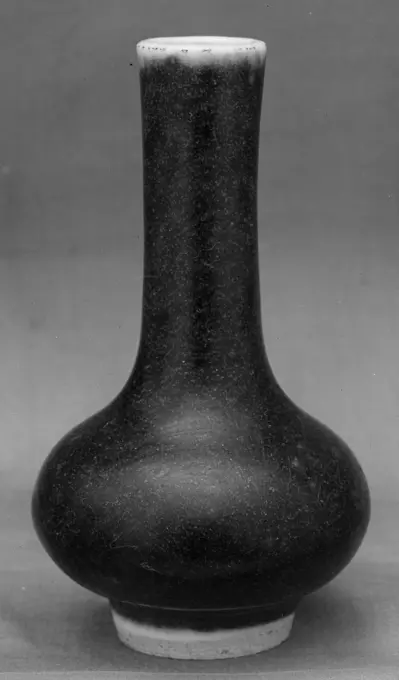
Vase with flowers 18th century China. Vase with flowers. China. 18th century. Porcelain painted in gold over blue glaze (Jingdezhen ware). Qing dynasty (1644-1911). Ceramics
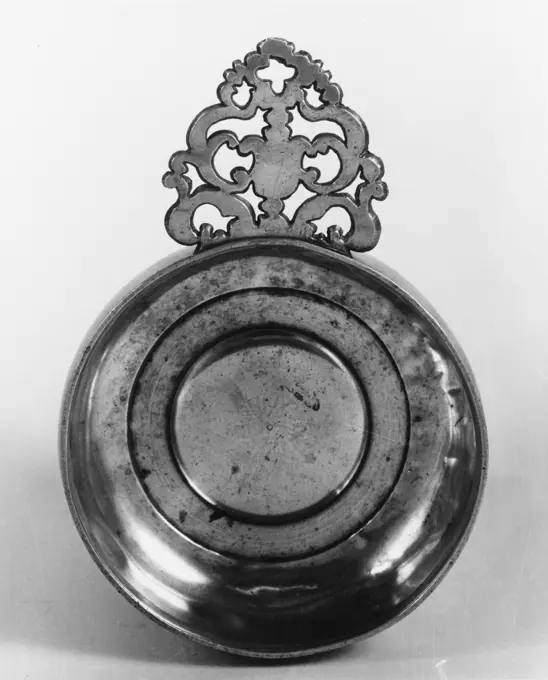
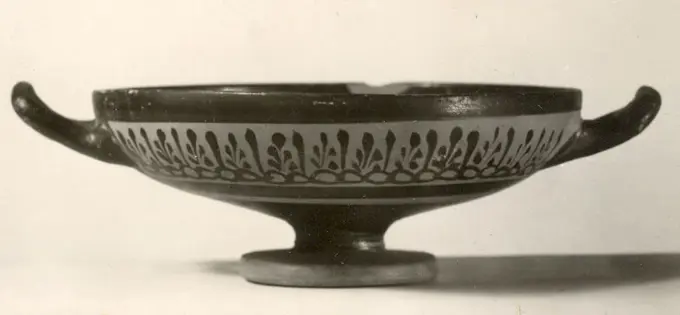
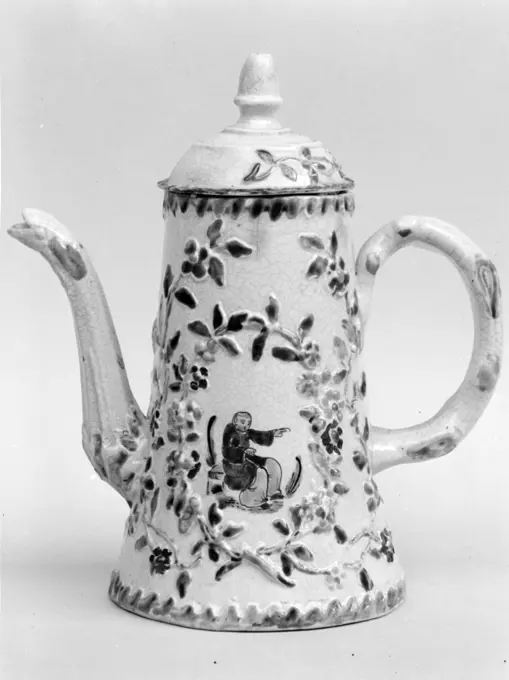
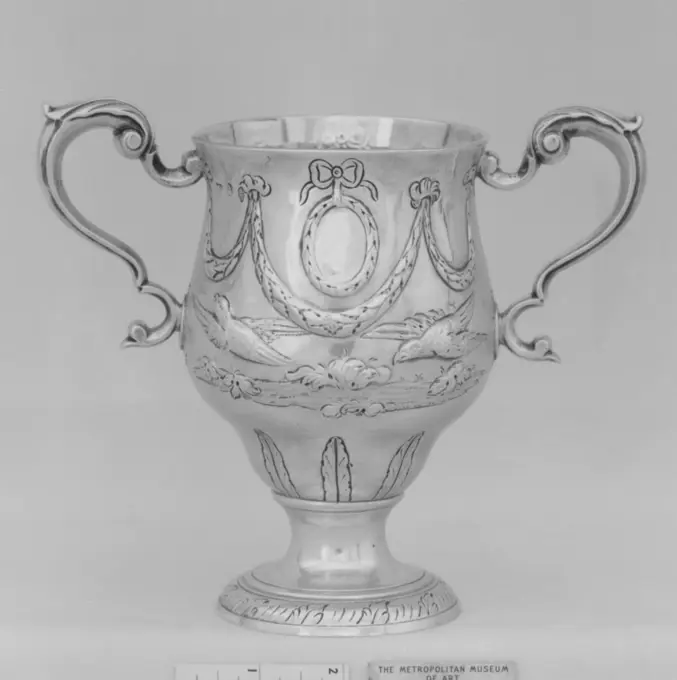
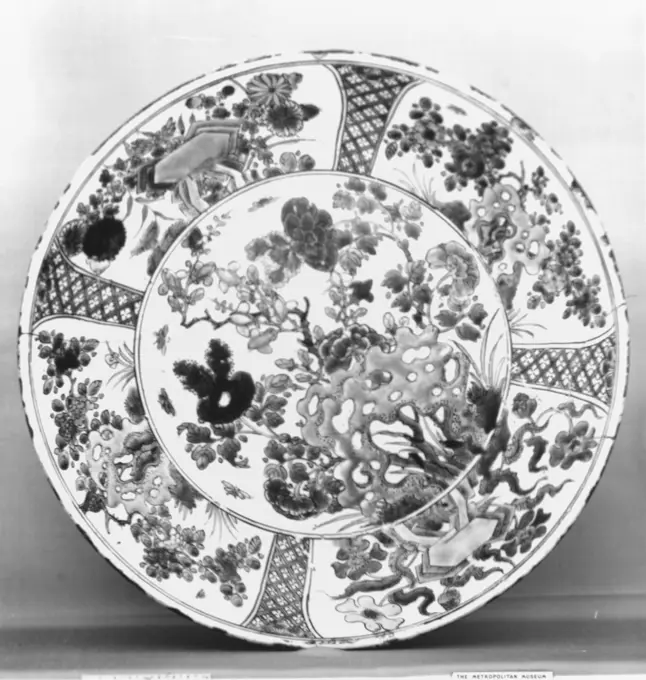
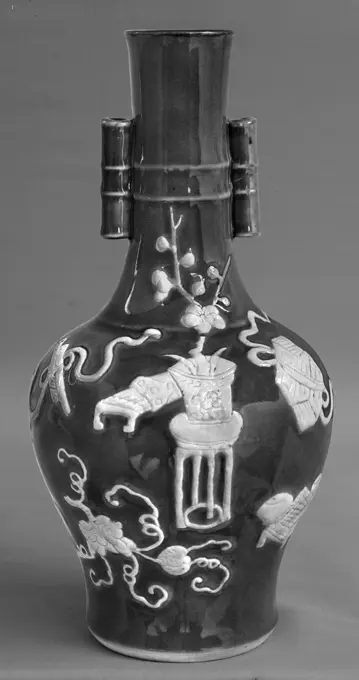
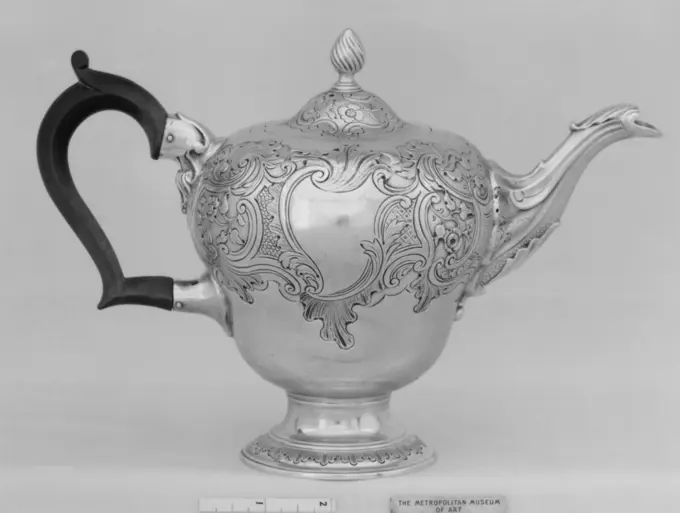
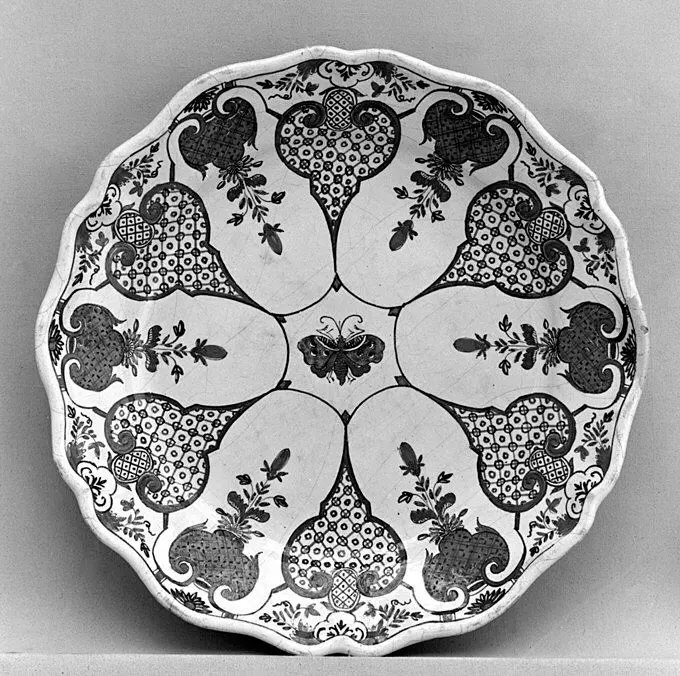
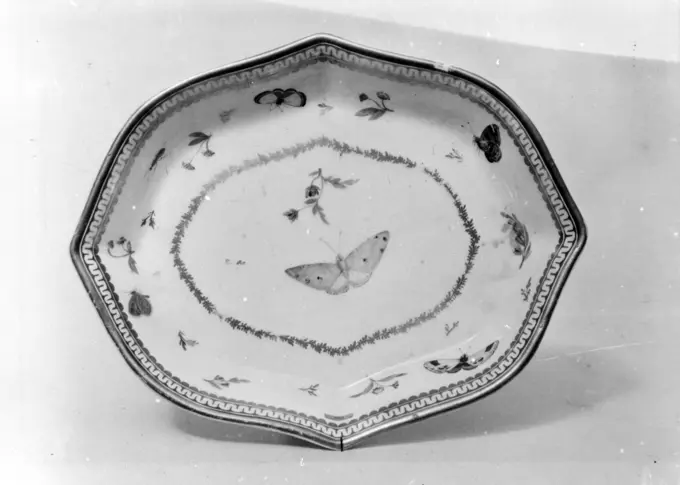
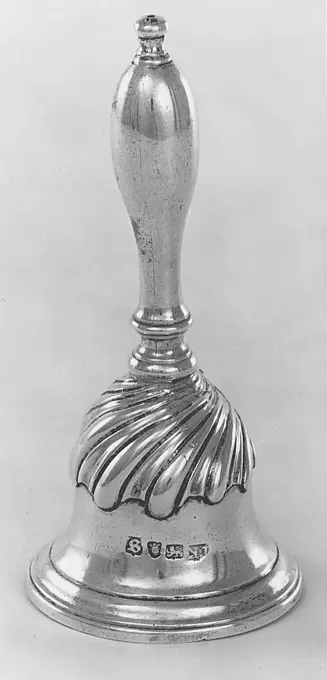
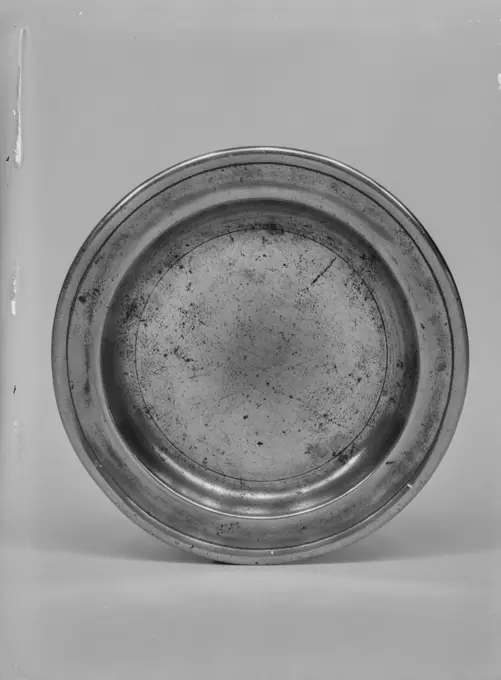
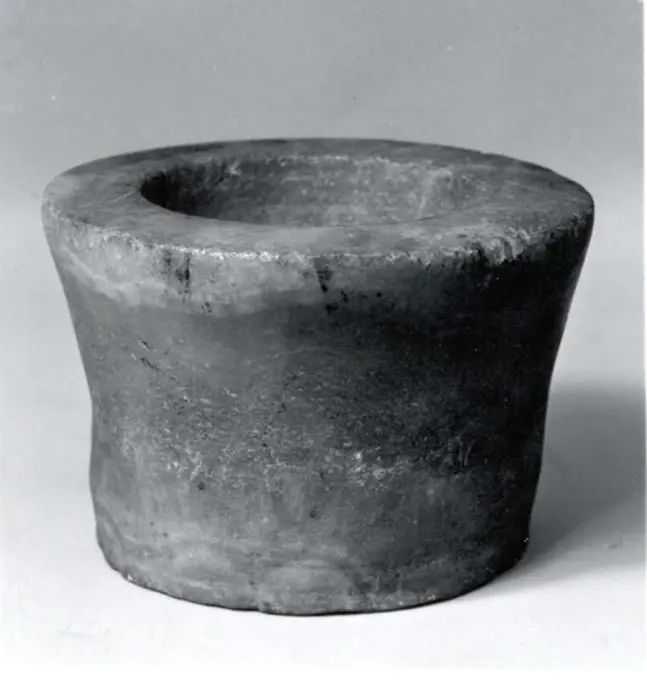
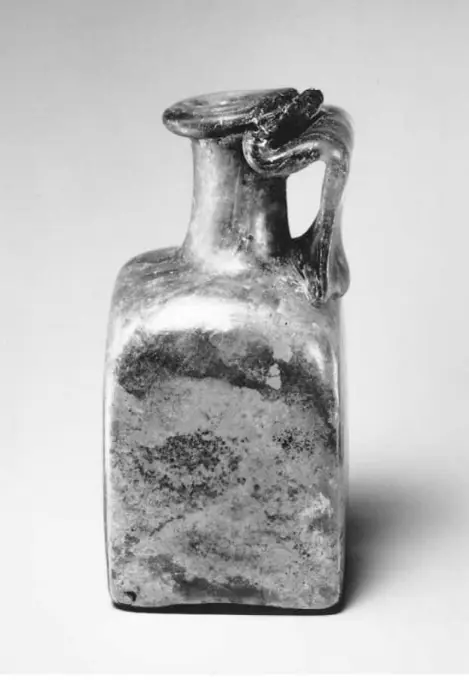
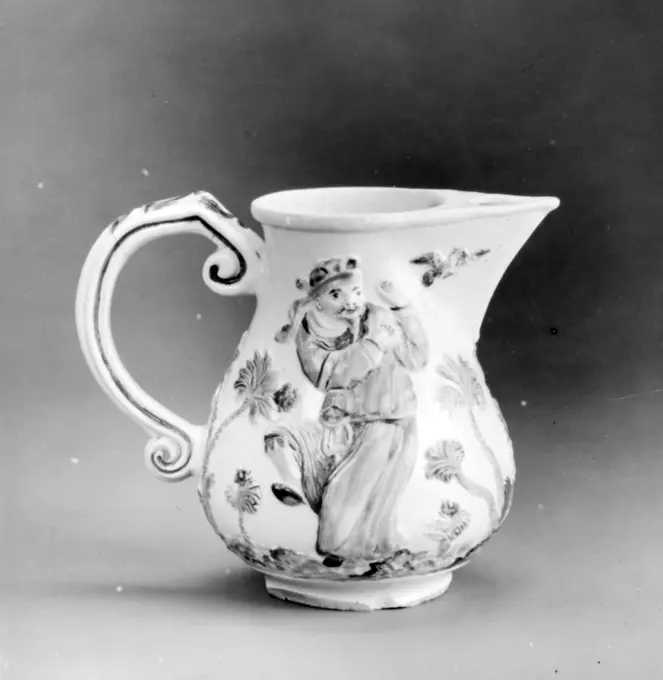
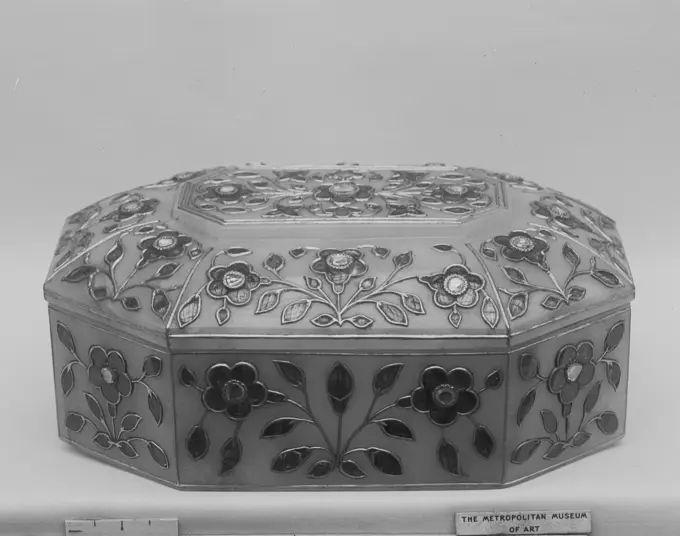
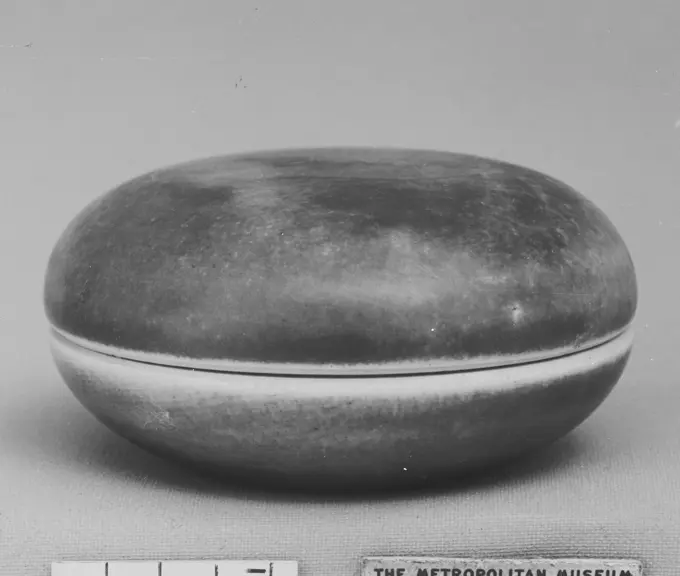
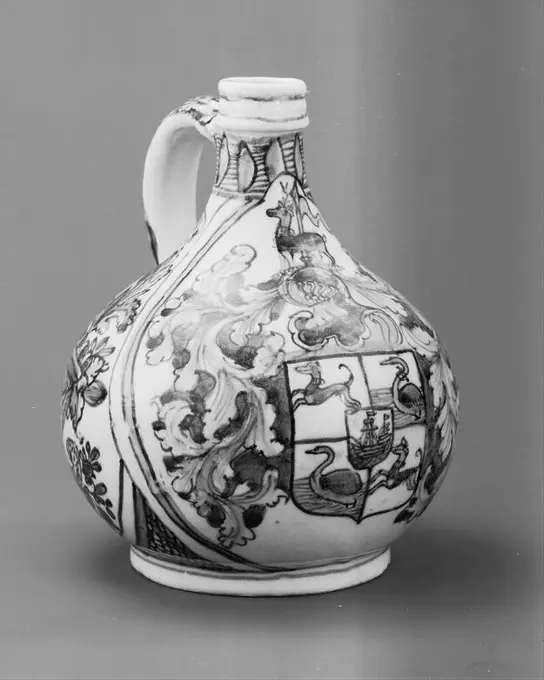
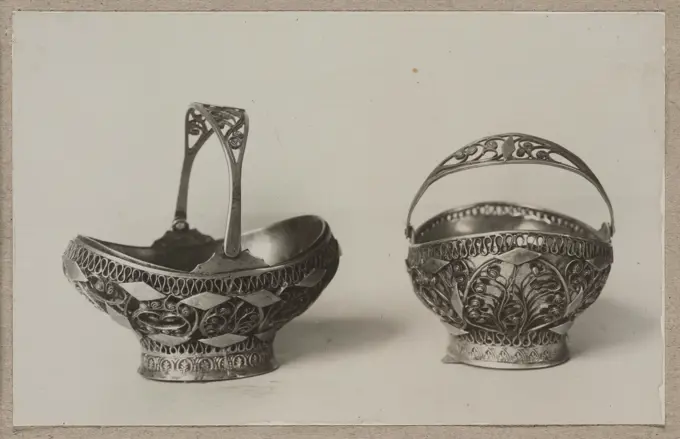
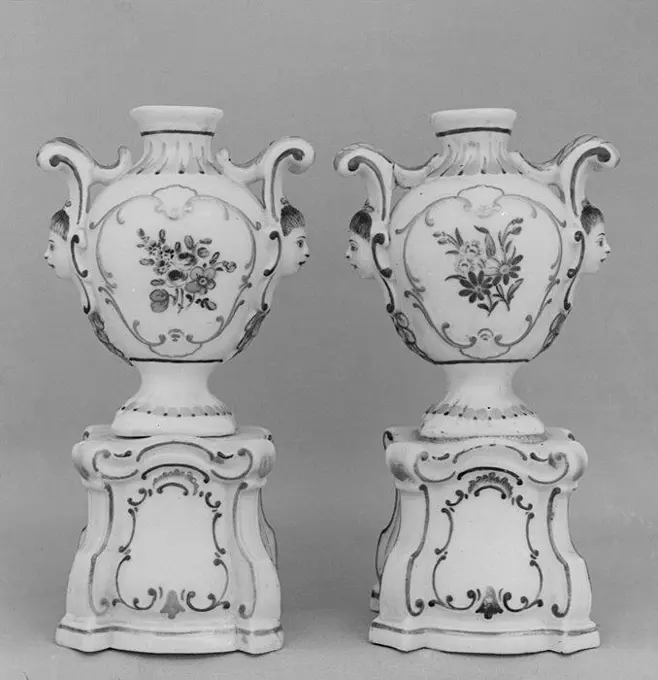
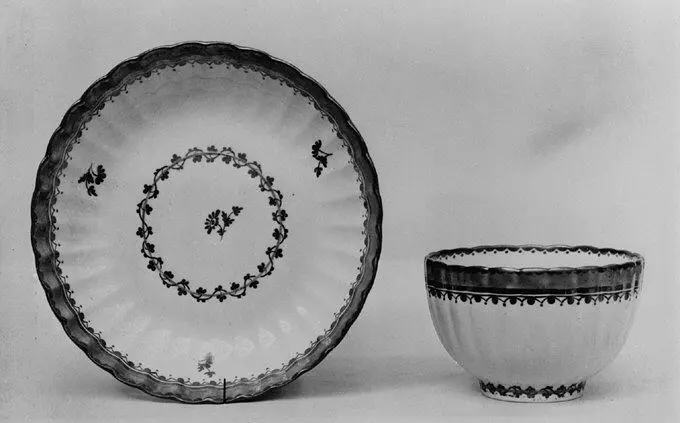
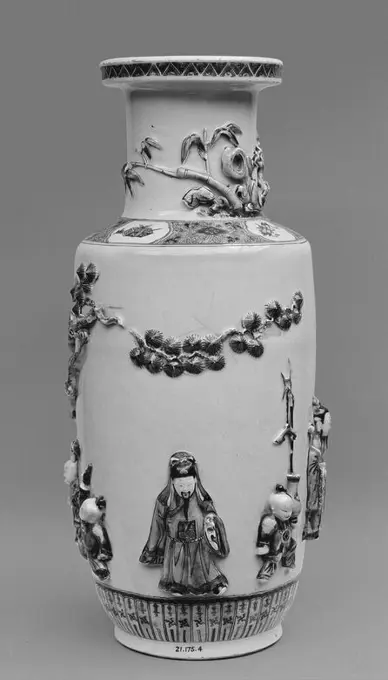
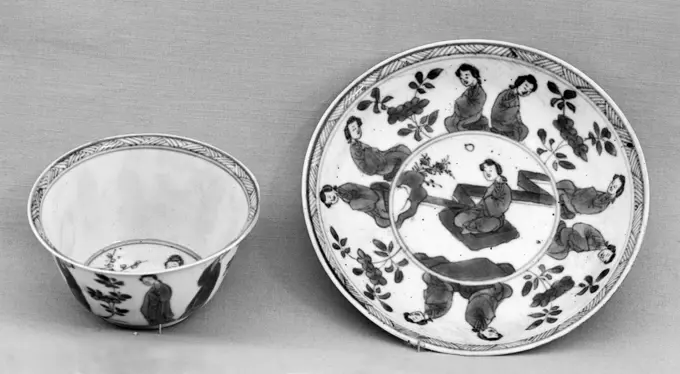
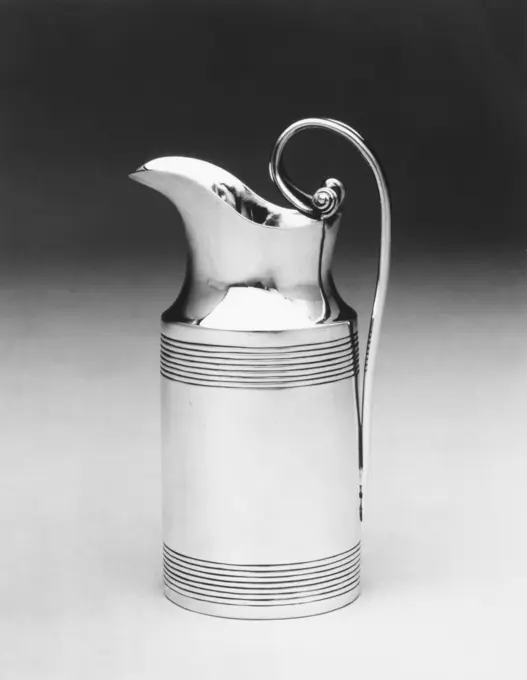
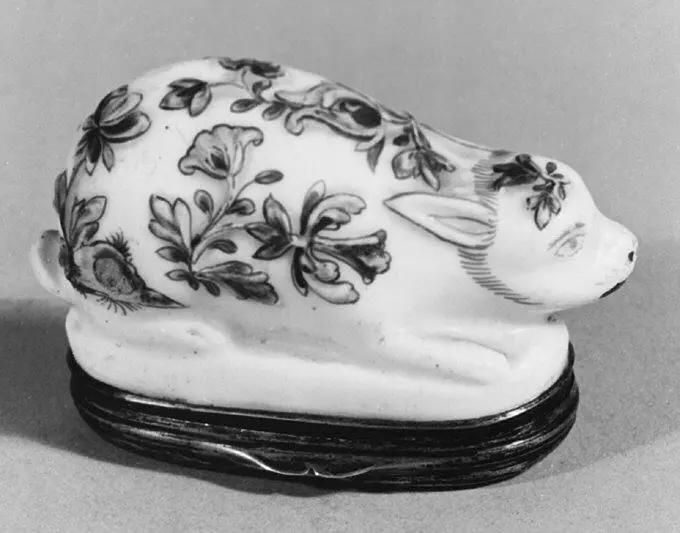
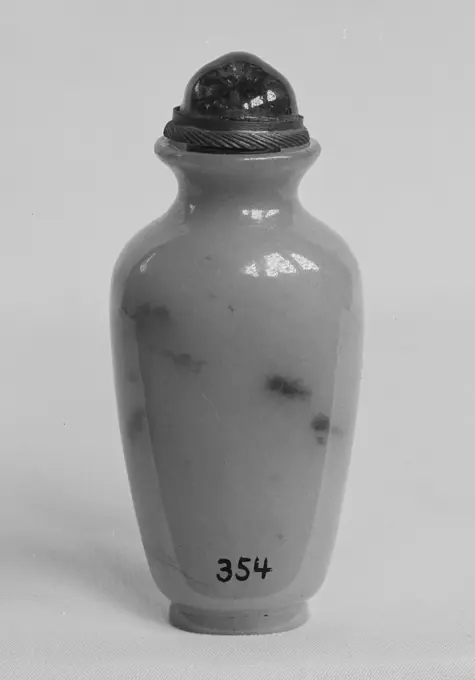
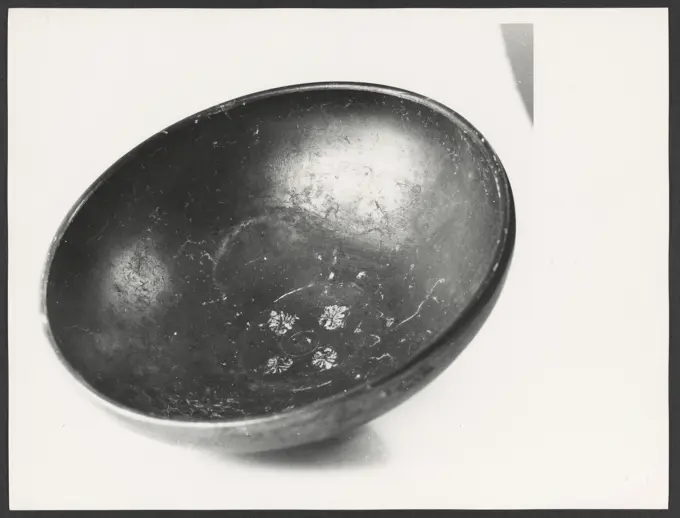
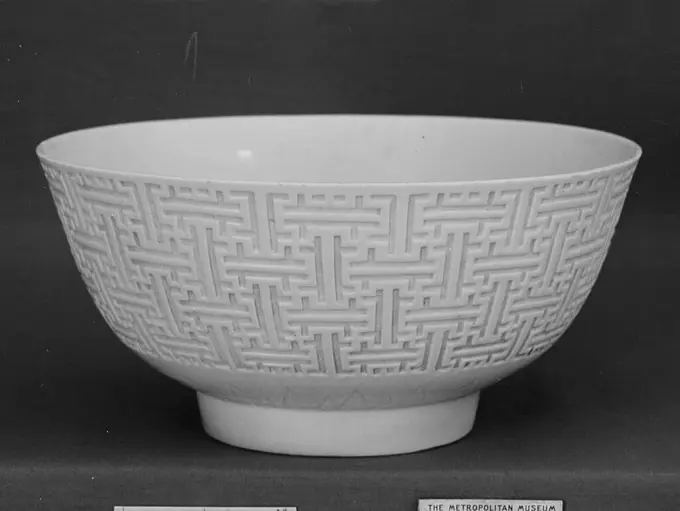
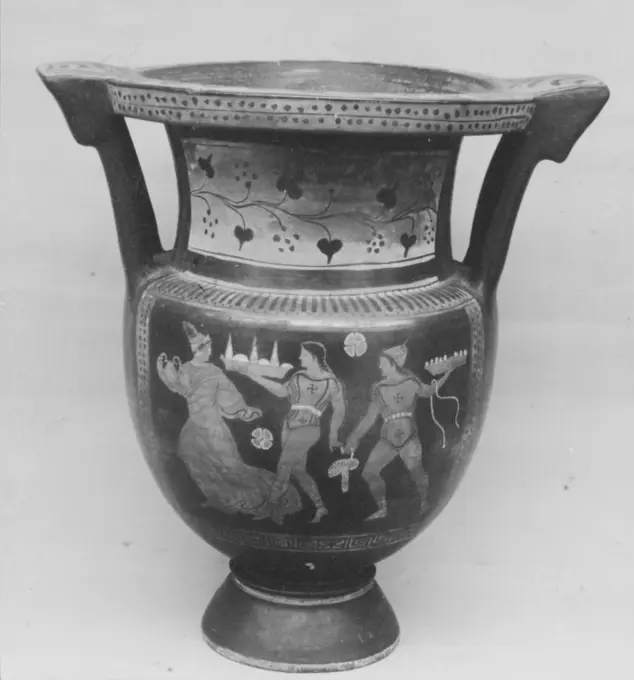
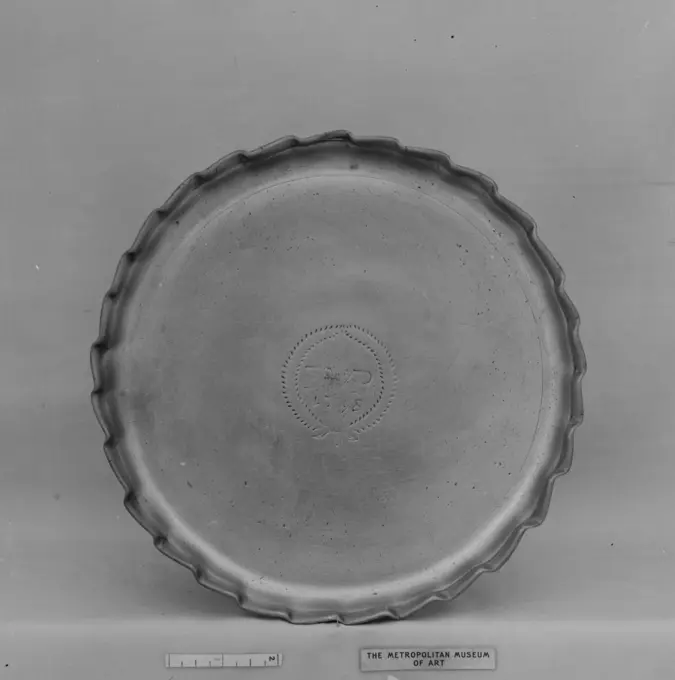
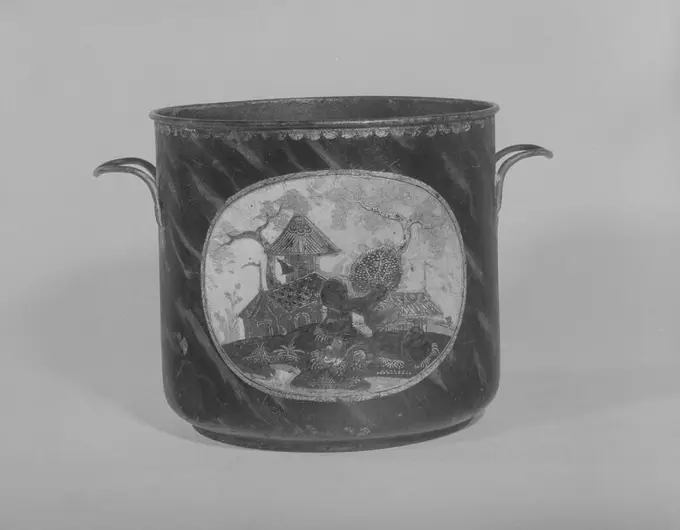
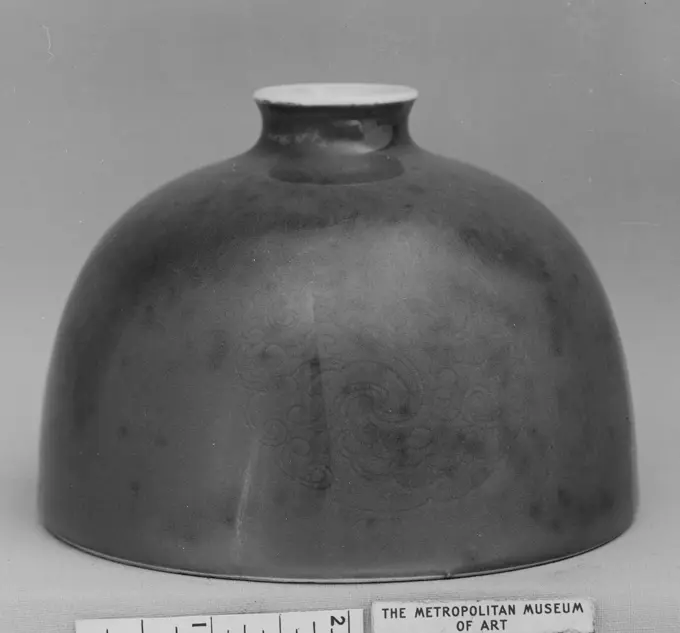
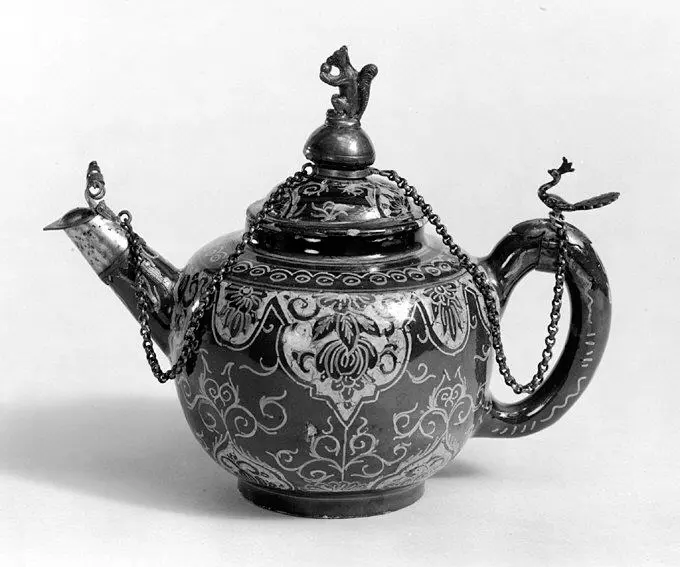
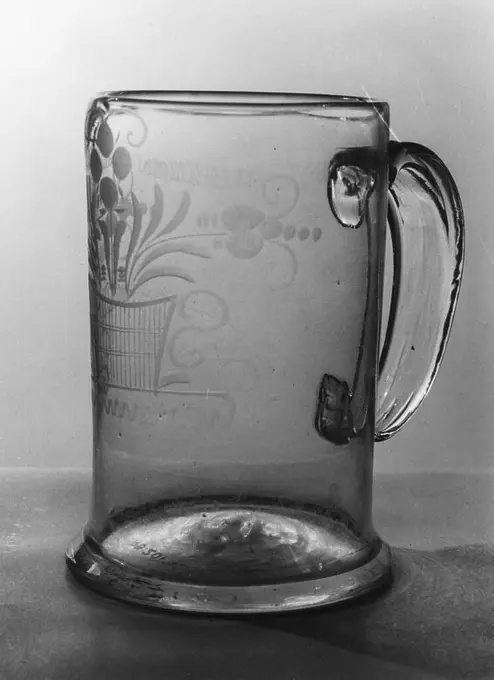
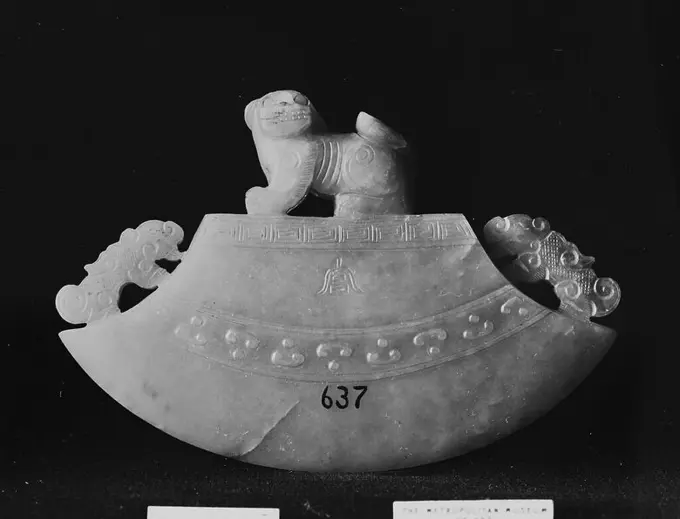
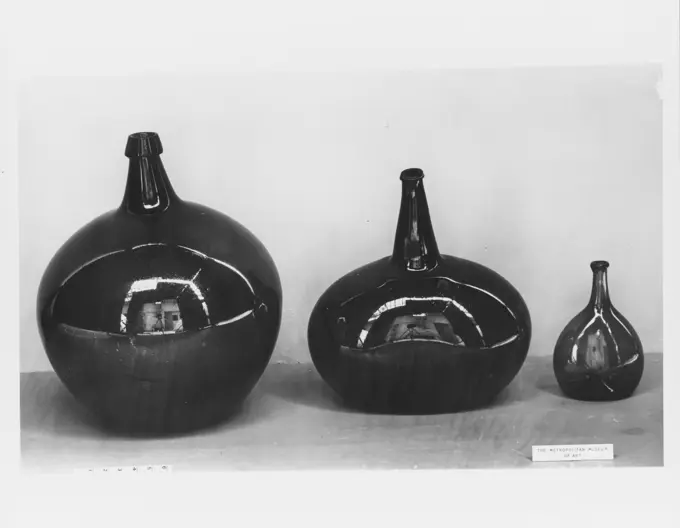
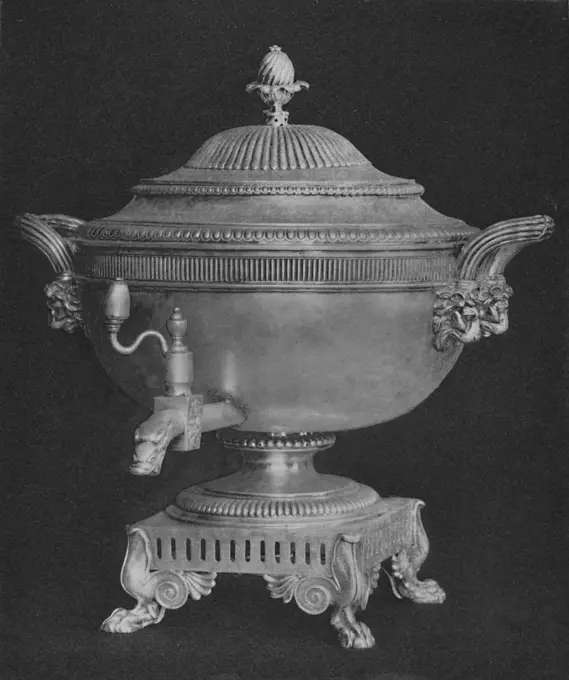
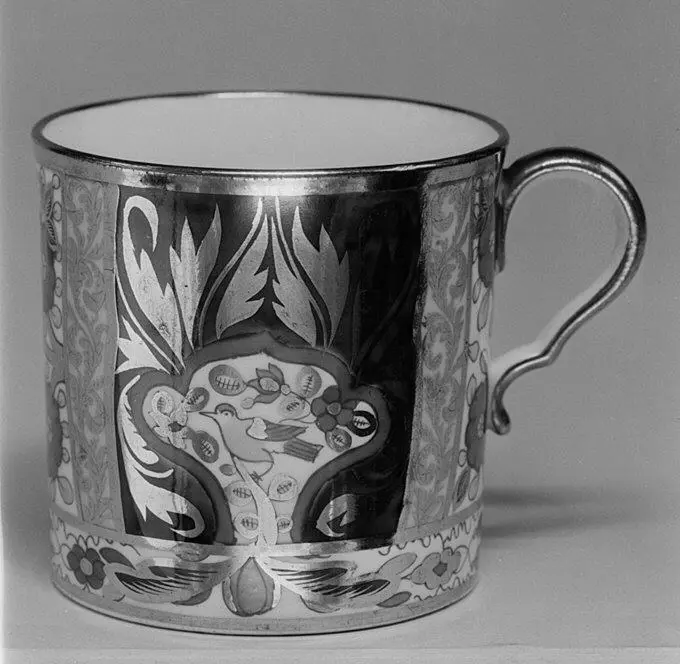
Cup (part of a service) 1800-1830 J. Spode. Cup (part of a service) 187956 Factory: J. Spode, Cup (part of a service), 18001830, Soft-paste porcelain, Height: 2 1/4 in. (5.7 cm). The Metropolitan Museum of Art, New York. Gift of Rev. W. P. Eigenbrodt, 1894 (94.5.13)Bowl with narrative scene late 17th-early 18th century China. Bowl with narrative scene. China. late 17th-early 18th century. Porcelain panted in underglaze cobalt blue (Jingdezhen ware). Qing dynasty (1644-1911), Kangxi period (1662-1722). CeramicsBottle 18th-19th century Japan. Bottle. Japan. 18th-19th century. Pottery covered with a crackled glaze (Seto ware). Edo period (1615-1868). CeramicsBowl ca. early 18th century China. Bowl 53966Two-handled cup ca. 1750-70 British, Staffordshire. Two-handled cup 197550Porringer 1788 David Melville. Porringer. American. 1788. Pewter. Made in Newport, Rhode Island, United StatesTeabowl ca. 1825 Japan. Teabowl. Japan. ca. 1825. Roughly moulded, showing wheelmarks; fawn-colored clay, light gray glaze almost to the foot; design of daikon (large radish) in brown outlines with leaves in brown and blue (Awata ware). Edo period (1615-1868). CeramicsSalve pot last quarter 16th century British. Salve pot 205200Kyliks czarnofigurowy. unknown, author, warsztat attycki, workshopCup possibly late 16th century amber, with 18th-19th century metalwork mount German This gold-mounted, enameled amber cup reflects the taste of the electors of Saxony and resembles the work of Gabriel Gipfel, whose rock-crystal and enameled gold crucifix, and several jeweled pendants are in the Green Vaults in Dresden.. Cup 193526Coffeepot ca. 1750 British, Staffordshire. Coffeepot. British, Staffordshire. ca. 1750. Salt-glazed stoneware. Ceramics-PotteryTumbler 1700-1800 American. Tumbler 9005Teapot with portraits of King George III (1738-1820) and Queen Charlotte (1744-1818) ca. 1761-63 Style of Whieldon type. Teapot with portraits of King George III (1738-1820) and Queen Charlotte (1744-1818). British, Staffordshire. ca. 1761-63. Lead-glazed earthenware. Ceramics-PotteryKohl jar ca. 1635-1458 B.C. Second Intermediate Period-Early New Kingdom. Kohl jar. ca. 1635-1458 B.C.. Travertine (Egyptian alabaster), malachite (ground). Second Intermediate Period-Early New Kingdom. From Egypt, Upper Egypt, Thebes, Asasif, Courtyard CC 41, Tomb R 2, Burial E 5, In coffin, MMA excavations, 1915-16. Dynasty 17-18Cup. Culture: Japan. Dimensions: H. 2 5/8 in. (6.7 cm); W. 2 3/4 in. (7 cm). Date: 19th century. Museum: Metropolitan Museum of Art, New York, USA.Tea jar 18th century Japan. Tea jar. Japan. 18th century. Clay, light brown underglaze and thick dark brown overglaze (Seto ware). Edo period (1615-1868). CeramicsTwo-handled cup ca. 1775 Matthew West. Two-handled cup 192163Dish 17th century China A palette of richly colored transparent enamels dominated by shades of green, famille verte reached Europe at about the same time as the Japanese Imari and Kakiemon color schemes and was largely overshadowed by them. During the latter half of the seventeenth century this motif and color scheme were widely used on porcelains intended for both the local and export markets. The bird-and-flower patterns are usually taken from woodblock prints of the period.. Dish 42196Prunus Vase. Culture: China. Dimensions: H. 5 1/4 in. (13.3 cm). Museum: Metropolitan Museum of Art, New York, USA.Vase. Culture: China. Dimensions: H. 15 in. (38.1 cm); Diam. 6 in. (15.2 cm). Date: ca. 18th century. Museum: Metropolitan Museum of Art, New York, USA.Vessel 15th-16th century Inca. Vessel 313275Beaker 1622 Probably by Andreas Pauli. Beaker 192007Vase with scholar's objects China 19th century View more. Vase with scholar's objects. China. 19th century. Porcelain with blue glaze and raised decoration (Jingdezhen ware). Qing dynasty (1644-1911). CeramicsPlate 1804-after 1860 Thomas Danforth Boardman. Plate. American. 1804-after 1860. Pewter. Made in Hartford, Connecticut, United StatesPair of candlesticks. Culture: French. Dimensions: Height (each): 7 1/4 in. (18.4 cm). Date: late 18th-early 19th century. Museum: Metropolitan Museum of Art, New York, USA.Jar with lotus scrolls late 16th century China. Jar with lotus scrolls 48640Teapot 1769-70 Possibly by John Deacon. Teapot 192139Plate ca. 1750 French, Sinceny Faience, or tin-glazed and enameled earthenware, first emerged in France during the sixteenth century, reaching widespread usage among elite patrons during the seventeenth and early eighteenth centuries, prior to the establishment of soft-paste porcelain factories. Although characterized as more provincial in style than porcelain, French faience was used at the court of Louis XIV as part of elaborate meals and displays, with large-scale vessels incorporated into the Baroque garden designs of Versailles. Earlier examples of French faience attest to the strong influence of maiolica artists from Italy. Later works demonstrate the ways in which cities such as Nevers, Rouen, Lyon, Moustiers, and Marseille developed innovative vessel shapes and decorative motifs prized among collectors throughout Europe. While faience can be created from a wide mixture of clays, it is foremost distinguished by the milky opaque white color achieved by the addition of tin oxide tBottle China. Bottle 53944Tray (probably for a teapot) ca. 1785-1800 Nyon. Tray (probably for a teapot). Swiss, Nyon. ca. 1785-1800. Hard-paste porcelain. Nyon. Ceramics-PorcelainVase China. Vase 47435Tankard second half 17th century probably German, Muskau German stoneware tankards were brought to America in large numbers on Dutch fur-trading ships. Shards of these popular vessels have been uncovered at seventeenth century sites in New York and New England.. Tankard 194592Cup with Cover China 18th centuryMaker's mark I.K, probably John King, Bell, 1773/74, silver.Plate 1777-1818 Thomas Danforth, III. Plate. American. 1777-1818. Pewter. Possibly made in Philadelphia, Pennsylvania, United States; Possibly made in Stepney, Connecticut, United StatesVessel ca. 2900-2700 B.C. Sumerian. Vessel 323770Glass square bottle with base inscription 2nd-3rd century A.D. Roman Translucent blue green; handle in same color.Slanting rim folded out, over, and in, and flattened on top surface, forming a restricted oval opening to mouth; concave cylindrical neck; uneven shoulder with rounded outer edges; square body with vertical sides; flat bottom, slightly pushed in at center with circular pontil scar; broad strap handle applied in a thick pad across shoulder, drawn up at a slant, turned in at an acute angle, and trailed onto neck and underside of rim.On bottom, Greek inscription in relief, written in retrograde in three lines: OMO at top, NOI at bottom, and A to one side in the middle.Intact, although top end of trail on handle is broken off with weathered edges, and one crack down side at one corner; many large and elongated bubbles; dulling, pitting, and iridescence, with patches of encrustation and black weathering on exterior, encrustation, weathering, and iridescence on interior.Many everPitcher ca. 1720 Vienna. Pitcher. Austrian, Vienna. ca. 1720. Hard-paste porcelain. Ceramics-PorcelainPorringer. Culture: American. Dimensions: 1 7/8 x 7 3/4 x 5 1/2 in. (4.8 x 19.7 x 14 cm). Maker: Samuel Melville (1793-1800); Thomas Melville (1764-1796). Date: 1793-1800. Museum: Metropolitan Museum of Art, New York, USA.Miniature Bottle China. Miniature Bottle. China. Porcelain with ox-blood glaze. Qing dynasty (1644-1911), Kangxi period (1662-1722). CeramicsBox with cover 18th-19th century India. Box with cover. India. 18th-19th century. Jade (nephrite) with gold and stone inlays. Mughal period (1526-1858) or Qing dynasty (1644-1911). JadeMug (one of a pair) 18th century South American (Bolivian). Mug (one of a pair) 206737Rouge Box China. Rouge Box. China. Porcelain. Qing dynasty (1644-1911), Kangxi period (1662-1722). CeramicsVase ca. 1730 Meissen Manufactory German. Vase 205962Bucket Japan 1840 View more. Bucket. Japan. 1840. Porcelain decorated in blue (Koto ware). Edo period (1615-1868). CeramicsBottle. Culture: Portuguese, Lisbon. Date: 17th century. Museum: Metropolitan Museum of Art, New York, USA.Lazio Roma Rome SS. Giovanni e Paolo, Museum37. Hutzel, Max 1960-1990 Medieval: Ceramic fragments, sculptural fragments, fresco fragments, inscribed tomb markers. Houses one of the best collections of Malagan medieval ceramics for casting wall monuments, copies of which are housed in campanile. Specific Location: Museum Antiquities: Ceramic fragments, sculptural fragments, architectural fragments Object Notes: Basilica has separate record and is filed separately. German-born photographer and scholar Max Hutzel (1911-1988) photographed in Italy from the early 1960s until his death. The result of this project, referred to by Hutzel as Foto Arte Minore, is thorough documentation of art historical development in Italy up to the 18th century, including objects of the Etruscans and the Romans, as well as early Medieval, Romanesque, Gothic, Renaissance and Baroque monuments. Images are organized by geographic region in Italy, then by province, city, site complex and monument.Goblet with cover ca. 1850 Bohemian. Goblet with cover. Bohemian. ca. 1850. Glass. GlassLazio Latina Sezze Antiquarium Comunale48. Hutzel, Max 1960-1990 German-born photographer and scholar Max Hutzel (1911-1988) photographed in Italy from the early 1960s until his death. The result of this project, referred to by Hutzel as Foto Arte Minore, is thorough documentation of art historical development in Italy up to the 18th century, including objects of the Etruscans and the Romans, as well as early Medieval, Romanesque, Gothic, Renaissance and Baroque monuments. Images are organized by geographic region in Italy, then by province, city, site complex and monument.Vase with lion and bird late 18th century China. Vase with lion and bird. China. late 18th century. Soft-paste porcelain painted in underglaze cobalt blue (Jingdezhen ware). Qing dynasty (1644-1911), Qianlong period (1736-95). CeramicsCandlestick first half 14th century. Candlestick 444562Fragmentary Attic Black-Figure Psykter-Oinochoe. UnknownJar and Cover. Culture: Japan. Dimensions: H. (with cover) 6 in. (15.2 cm). Date: 19th century. Museum: Metropolitan Museum of Art, New York, USA.Tankard 1700-1800. Tankard 8172Campania Caserta Carditello Plazzo Reale74. Hutzel, Max 1960-1990 German-born photographer and scholar Max Hutzel (1911-1988) photographed in Italy from the early 1960s until his death. The result of this project, referred to by Hutzel as Foto Arte Minore, is thorough documentation of art historical development in Italy up to the 18th century, including objects of the Etruscans and the Romans, as well as early Medieval, Romanesque, Gothic, Renaissance and Baroque monuments. Images are organized by geographic region in Italy, then by province, city, site complex and monument.Koszyczek - salt shaker (18th century) a Urla against the background of the Leopold Méyet collection, in the collections of the National Museum in Warsaw - two copies, general view;  around 1920-1922 (not after 17.05.1922) (1918-00-00-1922-00-00);Crystals engraved can be from the Louvre.Kyì-waìng late 19th century Burmese. Kyì-waìng 501805Bowl on Wood Stand 19th century China. Bowl on Wood Stand. China. 19th century. Glass. GlassPlate 1814-18 Samuel Campmell. Plate. American. 1814-18. Pewter. Made in Baltimore, Maryland, United StatesPair of small vases 1770-80 Doccia Porcelain Manufactory Italian. Pair of small vases 189034 Factory: Doccia manufactory, Pair of small vases, 177080, Hard-paste porcelain, Height (each): 4 1/2 in. (11.4 cm). The Metropolitan Museum of Art, New York. Rogers Fund, 1906 (06.395a, b)Cup and saucer ca. 1785 Crown Derby. Cup and saucer 188693 Factory: Crown Derby, British, Cup and saucer, ca. 1785, Soft-paste porcelain, Cup (.174): H. 2 1/8 in. (5.4 cm.) Saucer (.175): Diam. 5 1/4 in. (13.3 cm.). The Metropolitan Museum of Art, New York. Gift of Alfred Duane Pell, 1902 (02.6.174, .175)Vase. Culture: China. Dimensions: H. 16 3/4 in. (42.5 cm); W. 7 in. (17.8 cm). Museum: Metropolitan Museum of Art, New York, USA.Cup and saucer with ladies late 17th-early 18th century China. Cup and saucer with ladies. China. late 17th-early 18th century. Porcelain with blue glaze and incised decoration (Jingdezhen ware). Qing dynasty (1644-1911), Kangxi period (1662-1722). CeramicsMilk jug ca. 1805 C. G. K. The cleanness and simplicity of the design of this jug and its mate (see 1994.407.1) distinguish them as fine examples of late Neoclassicism. The cylindrical form is enlivened by the subtle curve of the rim, the tapered shoulder, and the two bands of horizontal lines. Also notable is the simple attenuated handle that bifurcates at the top and terminates in two small scrolls. These unusually elegant and restrained vessels must have been part of a tea or coffee service.Jeffrey H. Munger, 2004. Milk jug 237243Poll photo collection. Advertising photography. Coffee pan for putting coffee, with milled coffee in a filter at the top. January 1, 1932Cup 17th century Japan. Cup 52375Simeon Soumaine, Tankard, c. 1723-25, silver.Vase 19th century Japan. Vase. Japan. 19th century. Porcelain with glaze and designs in relief (Awaji ware). Edo (1615-1868) or Meiji period (1868-1912). CeramicsPlinth. Culture: French. Dimensions: Height: 12 1/2 in. (31.8 cm). Date: 18th century. Museum: Metropolitan Museum of Art, New York, USA.Vase with two ears decorated with a geometric motif, c. 1875 - c. 1900 photograph   cardboard. photographic support albumen print container of ceramics: jar, jug, pot, vase. applied arts, arts and crafts; industrial design. ornament ~ geometric motifsSnuffbox ca. 1748 Saint-Cloud factory In eighteenth-century Europe, Paris led the production of high-quality luxury goods. Parisian goldsmiths made a wide range of small, personal articles such as snuffboxes; étuis to hold sealing wax, tweezers, or utensils for sewing; souvenirs, which contained thin ivory tablets for note taking; and shuttles for knotting lace. Gold snuffboxes and boxes decorated with portrait miniatures were prized and frequently given as royal gifts, often to ambassadors or members of the court in lieu of cash payments for their services. Coveted and admired, these boxes were produced from a variety of materials. The best were skillfully made of gold and embellished with diamonds, enameled decoration, lacquer, and other luxurious materials. By the middle of the century, the taking of snuff had become an entrenched social ritual, and the snuffbox, too, had become an important social prop. Snuffboxes were considered highly fashionable accessories, with some merchants Bowl ca. 1765 British (American market). Bowl. British (American market). ca. 1765. Stoneware. Made in Staffordshire, EnglandSnuff Bottle China. Snuff Bottle. China. Jadeite. Ming dynasty (1368-1644). Snuff BottlesGourd-Shaped Bottle 18th century Japan. Gourd-Shaped Bottle 62533Campanian Black Glazed Skyphos. UnknownLazio Latina Sezze Antiquarium Comunale36. Hutzel, Max 1960-1990 German-born photographer and scholar Max Hutzel (1911-1988) photographed in Italy from the early 1960s until his death. The result of this project, referred to by Hutzel as Foto Arte Minore, is thorough documentation of art historical development in Italy up to the 18th century, including objects of the Etruscans and the Romans, as well as early Medieval, Romanesque, Gothic, Renaissance and Baroque monuments. Images are organized by geographic region in Italy, then by province, city, site complex and monument.Bowl. Culture: China. Dimensions: H. 3 3/4 in. (9.5 cm); W. 7 3/4 in. (19.7 cm). Museum: Metropolitan Museum of Art, New York, USA.Terracotta column-krater (mixing bowl) ca. 375-350 B.C. Attributed to the Painter of the Bari Orestes Obverse, woman and two Oscan youths Reverse, three youthsThe figures carry paraphernalia for an observancetrays with cakes, a nestoris (an Italic type of jar), and a bunch of grapes that suggests a Dionysiac connection.. Terracotta column-krater (mixing bowl) 246568Bowl ca. 1720-25, decorated ca. 1725-30 Meissen Manufactory German. Bowl. German, Meissen with German, Augsburg decoration. ca. 1720-25, decorated ca. 1725-30. Hard-paste porcelain. Ceramics-PorcelainPlate 18th century possibly Dutch. Plate. possibly Dutch. 18th century. Pewter. Metalwork-PewterVase early 17th century Italian (Venice). Vase 460897Candlestick 1820-60 United Society of Believers in Christs Second Appearing (“Shakers”), Mount Lebanon, New York. Candlestick 1216Nodaut Porcelain Factory (Raincy, Seine-et-Oise), Pair of Candlesticks, 1890-1900, hard-paste porcelain.Cachepot. Dimensions: 6 9/16 x 9 5/8 in. (16.7 x 24.4 cm). Date: 1700-1800. Museum: Metropolitan Museum of Art, New York, USA.Flask 17th century possibly French or Italian, Venice. Flask. possibly French or Italian, Venice. 17th century. Glass. GlassBliżej Kultury unknownWater Jar 17th-18th century China. Water Jar. China. 17th-18th century. Porcelain with peach-bloom glaze. Qing dynasty (1644-1911), Kangxi period (1662-1722). CeramicsTeapot 1692-1730 Het Jonge Moriaenshooft Factory. Teapot 206633Mug. Dimensions: H. 5 7/8 in. (14.9 cm). Date: 1770-1820. Museum: Metropolitan Museum of Art, New York, USA.Bottle 17th century possibly Spanish. Bottle. possibly Spanish. 17th century. Glass. GlassProduktbild.Ceremonial Axe. Culture: China. Dimensions: H. 4 15/16 in. (12.6 cm); W. 3 7/16 in. (8.7 cm); D. 5/8 in. (1.6 cm). Museum: Metropolitan Museum of Art, New York, USA.Etruscan civilization, Bucchero kantharos, From Vulci, Montalto di Castro, Viterbo ProvinceMaker: Benjamin Hiller, American, 1688-1745, Tankard, ca.1715-25, Silver, 6 1/2 in. (16.5 cm), Made in Boston, Massachusetts, American, 18thcentury, Containers -MetalsGlassware. Three trimmings Glassware. Three trimmings. Black and white projection plate. 1900-1930. Photograph of Jacques-Ernest Bulloz (1858-1942).Bottle American 1800-1900 View more. Bottle. American. 1800-1900. Free-blown glass. Made in United StatesButter dish with cover possibly German 19th centuryPlate ca. 1720 or 19th century Possibly The "Greek A" Factory. Plate. Dutch, Delft. ca. 1720 or 19th century. Faience (tin-glazed earthenware). Ceramics-Pottery'Urn presented to Thomas Backhouse by Committee on American Captures 1806', 1928. Artist: Unknown.