Floral and Artistic Vases

Diverse collection of vases from various cultures, emphasizing floral designs and unique ceramic techniques through the centuries.

Vase with flowers 18th century China. Vase with flowers. China. 18th century. Porcelain painted in gold over blue glaze (Jingdezhen ware). Qing dynasty (1644-1911). Ceramics
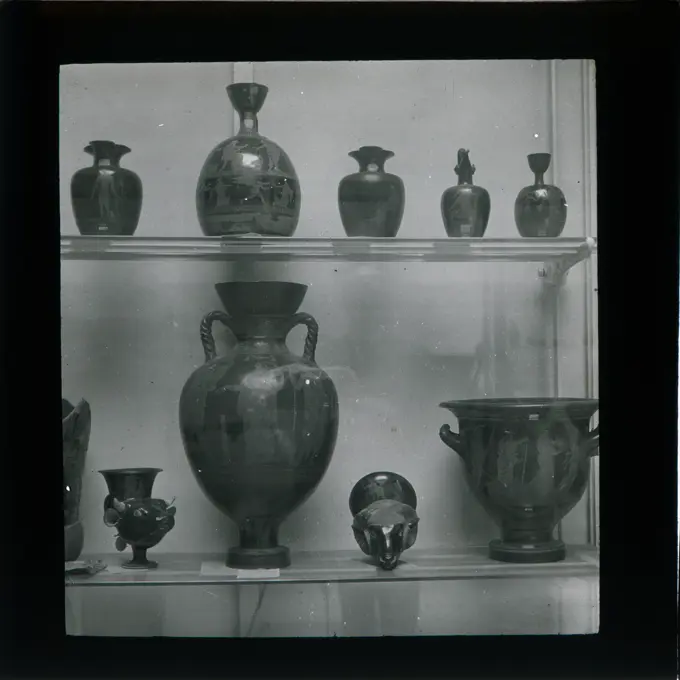
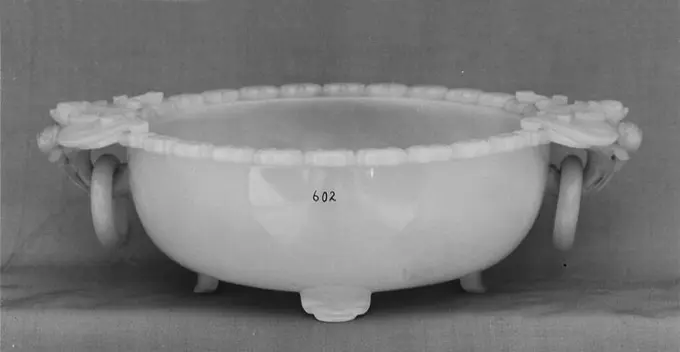
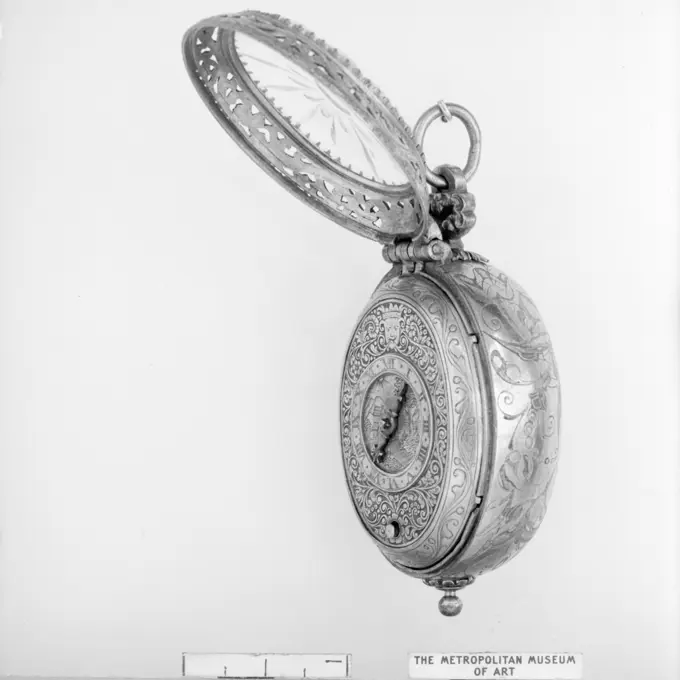
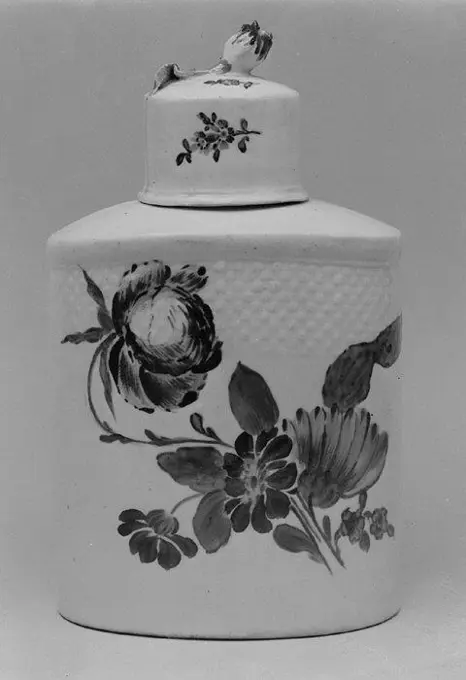
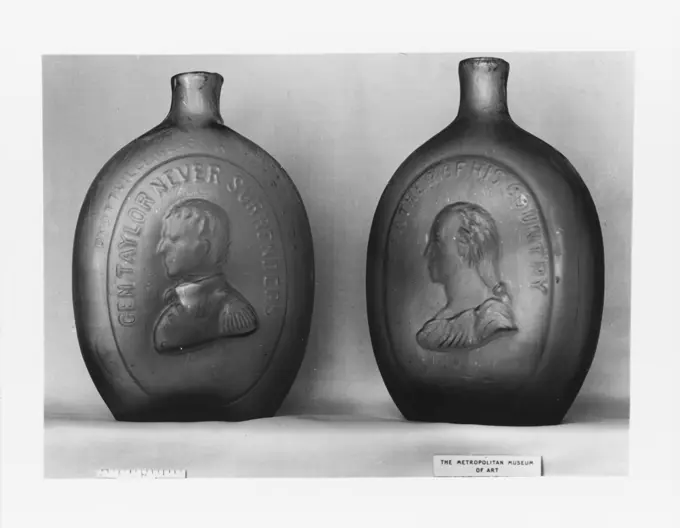
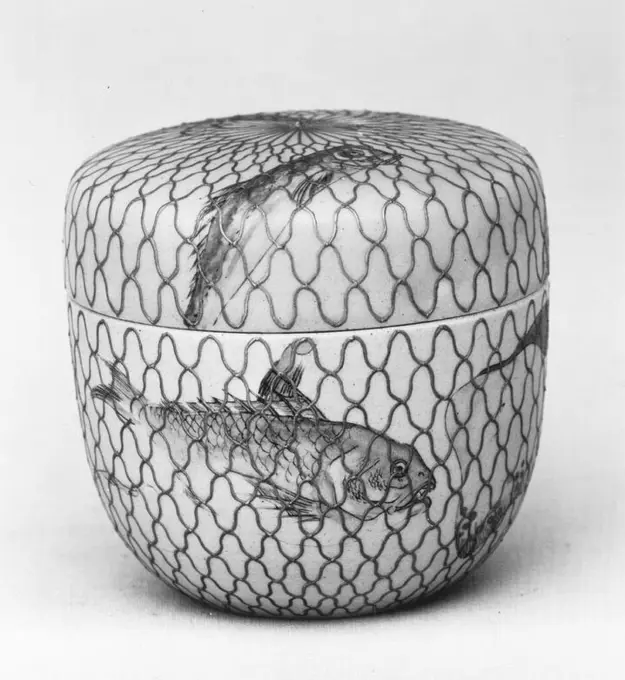
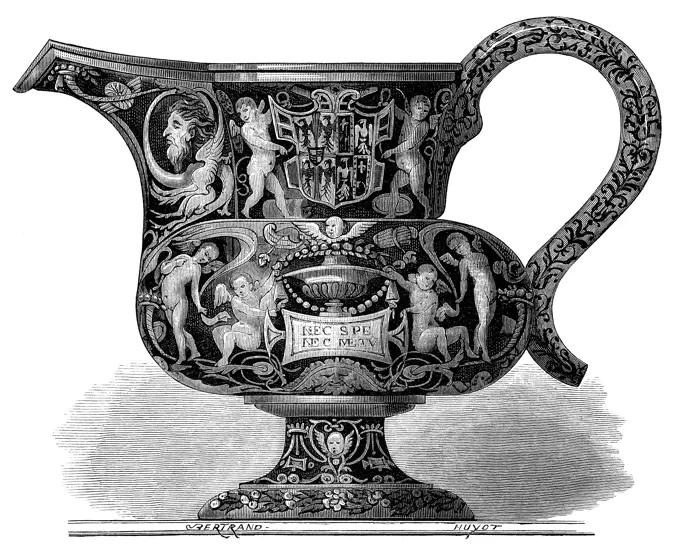
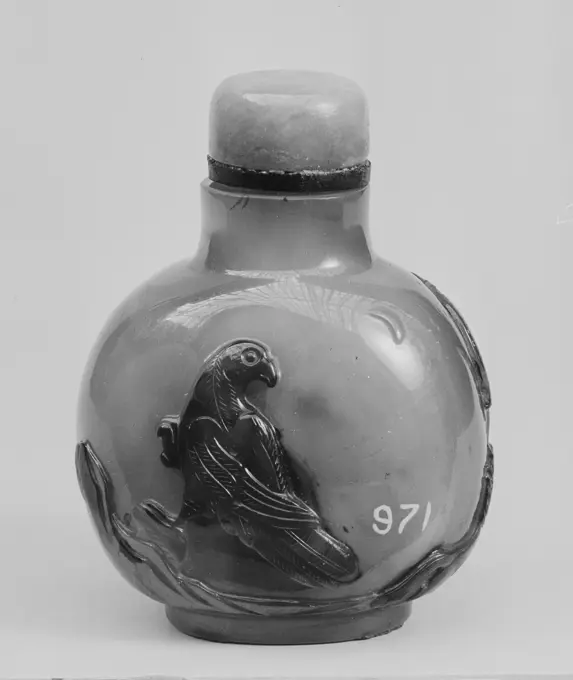
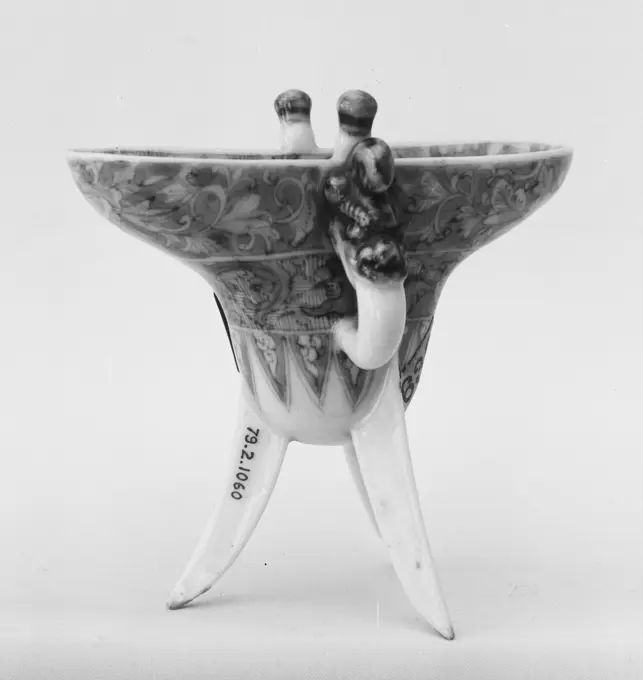
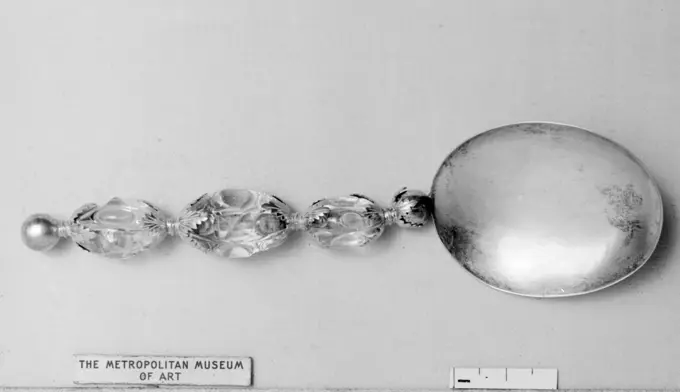
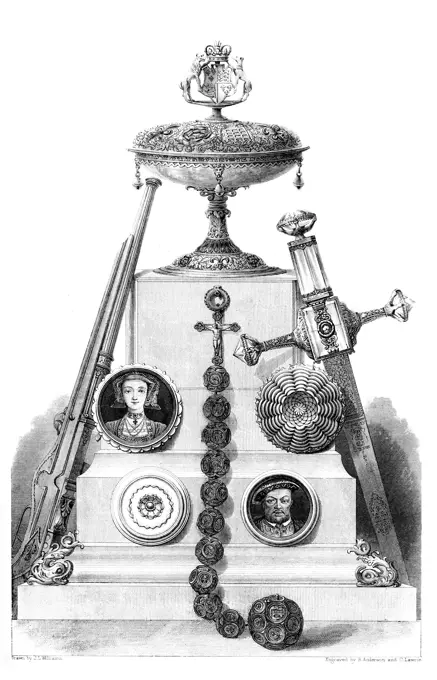
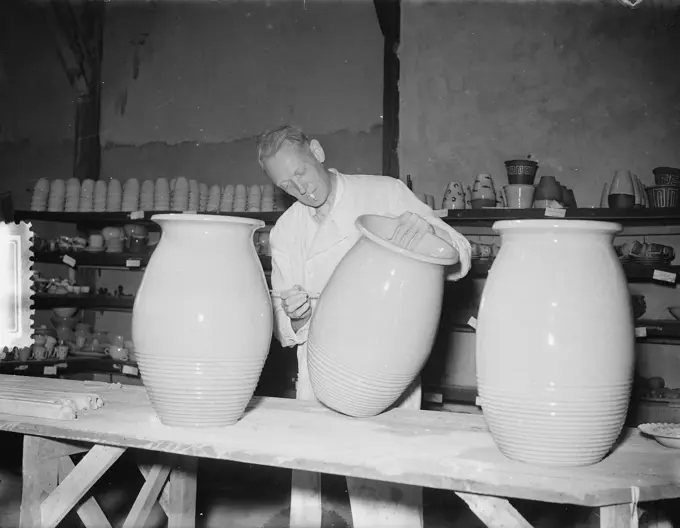
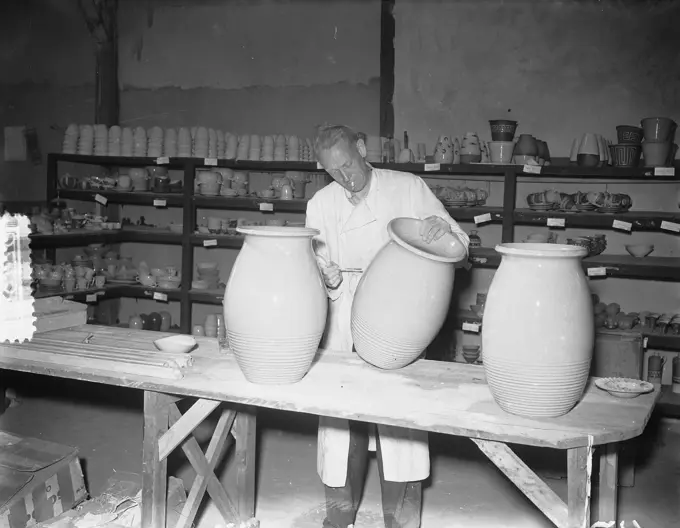
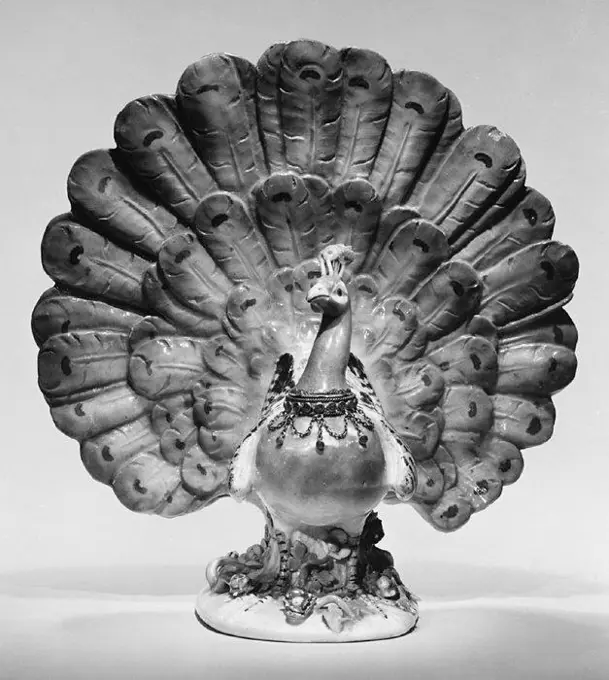
Beaker first half 19th century probably Austrian. Beaker. probably Austrian. first half 19th century. Glass. GlassDoor Knob 1800-1830. Door Knob 3365Louis XVIII of France ca. 1815-25 French. Louis XVIII of France 195493Naples National Museum, 1900-1926, Italy, by Samuel Hurst Seager. Gift of S. Hurst Seager, 1926.Bowl with handles. Culture: China. Dimensions: H. 3 3/8 in. (8.5 cm); W. 10 7/8 in. (27.6 cm); D. 8 1/16 in. (20.5 cm). Museum: Metropolitan Museum of Art, New York, USA.Watch ca. 1640-60 Watchmaker: David Buschman. Watch 194108Lazio Latina Sezze Antiquarium Comunale43. Hutzel, Max 1960-1990 German-born photographer and scholar Max Hutzel (1911-1988) photographed in Italy from the early 1960s until his death. The result of this project, referred to by Hutzel as Foto Arte Minore, is thorough documentation of art historical development in Italy up to the 18th century, including objects of the Etruscans and the Romans, as well as early Medieval, Romanesque, Gothic, Renaissance and Baroque monuments. Images are organized by geographic region in Italy, then by province, city, site complex and monument.Caddy ca. 1775 Limbach Porcelain Manufactory. Caddy 199297Flask ca. 1848 Dyottville Glass Works. Flask. American. ca. 1848. Free-blown molded gray glass. Made in Philadelphia, Pennsylvania, United StatesDisk: Emblem of Heaven China. Disk: Emblem of Heaven 42797Minoan vase with octopus motif , Antiquities, Vases. Nicholas Catsimpoolas CollectionSweden, Blekinge, Blekinge, Karlskrona, Karlskrona, external marina (depicted, town).Sweden, Blekinge, Blekinge, Karlskrona, Karlskrona, External War Gogs (depicted, City)Tea Caddy (Natsume). Culture: Japan. Dimensions: H. 3 in. (7.6 cm). Date: 1800-1830. Museum: Metropolitan Museum of Art, New York, USA.Italian hanap, Faience, 16th century Italian hanap, Faience, 16th century Copyright: xZoonar.com/Heinz-DieterxFalkensteinx 21665072Snuff bottle with stopper 18th-19th century China. Snuff bottle with stopper. China. 18th-19th century. Agate, jadeite. Qing dynasty (1644-1911). Snuff BottlesBeaker and saucer 18th century possibly Chantilly. Beaker and saucer. French, possibly Chantilly. 18th century. Tin-glazed soft-paste porcelain. possibly Chantilly (French). Ceramics-PorcelainOldman collection pieces : Shield and 3 carved pieces gelatin dry plate negatives, black-and-white negativesVase with Decoration of Blossoming Plum. Culture: China. Dimensions: H. 18 1/4 in. (46.4 cm); Diam. 8 3/4 in. ( 22.2 cm). Museum: Metropolitan Museum of Art, New York, USA.Libation Cup 18th century Japan. Libation Cup. Japan. 18th century. White porcelain decorated with blue under the glaze (Hirado ware). Edo period (1615-1868). CeramicsSpoon 1600-1635 German. Spoon 188175 German, Spoon, 16001635, Silver gilt, rock crystal, L: 6 in. (15.2 cm). The Metropolitan Museum of Art, New York. Gift of Mrs. Samuel P. Avery, 1897 (97.2.141)Bowl. Culture: China. Dimensions: H. 2 3/4 in. (7 cm); W. 6 in. (15.2 cm). Museum: Metropolitan Museum of Art, New York, USA.Flask 1850-60 Westford Glass Company. Flask. American. 1850-60. Free-blown molded green glass. Made in Westford, Connecticut, United StatesPot with Plant. Culture: China. Dimensions: H. 15 3/4 in. (40 cm); W. 10 1/2 in. ( 26.7 cm). Museum: Metropolitan Museum of Art, New York, USA.Bell late 18th-early 19th century Northern Italian. Bell 192372Tea caddy (part of a service) 1795-1800 Chinese, for American market. Tea caddy (part of a service) 201323Relics Associated with King Henry VIII, 16th century; Black and White Illustration;Anefo photo collection. Farm con. Laren Nh. August 23, 1952. LarenAnefo photo collection. Farm con. Laren Nh. August 23, 1952. LarenPeacock 1741 Meissen Manufactory German Porcelain birds have their origins in the princely tradition of maintaining collections of living animals and birds in menageries and aviaries, which were viewed as microcosms of the universe, and emblems of royal power and enlightenment. These collections often included exotic birds such as parrots, admired for their rarity, as well as more familiar native species.In 1731 the Meissen manufactory began a new genre in European porcelain, producing several hundred life-size and near-life-size porcelain birds and animals, many destined for the Japanese Palace of Augustus the Strong, Elector of Saxony (1670-1733). To create them, factory modelers found inspiration in nature, looking both to living and stuffed specimens, as well as zoological illustrations and Asian porcelain precedents. The great Meissen modeler Johann Joachim Kändler is known to have copied from life the birds kept at the royal aviary at Schloss Moritzburg.Surviving prints and drawi