Floral Table Covers and Patterns

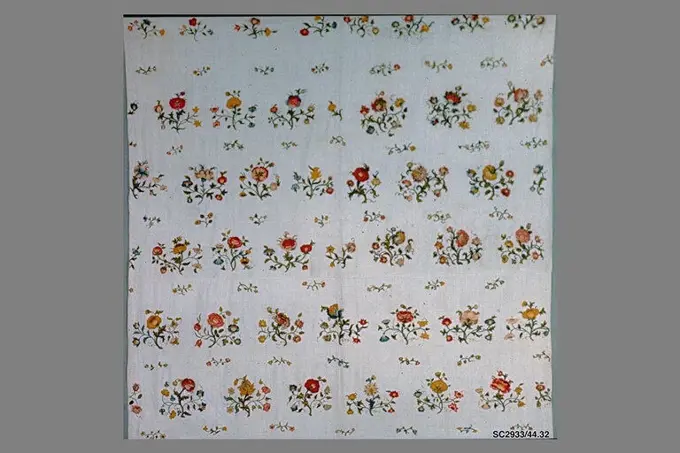
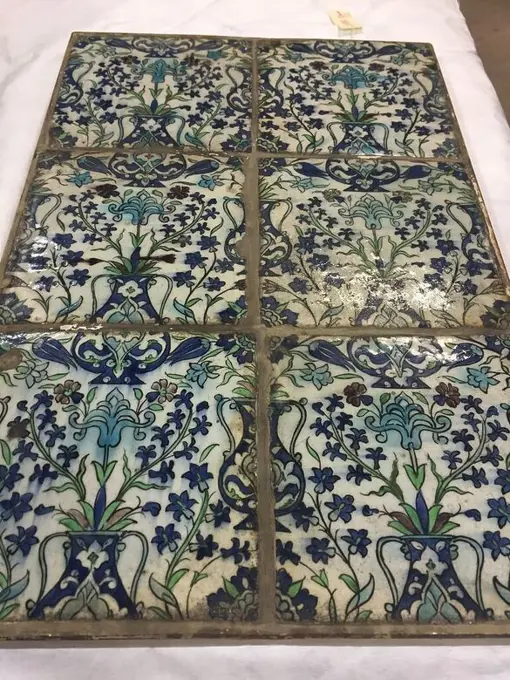
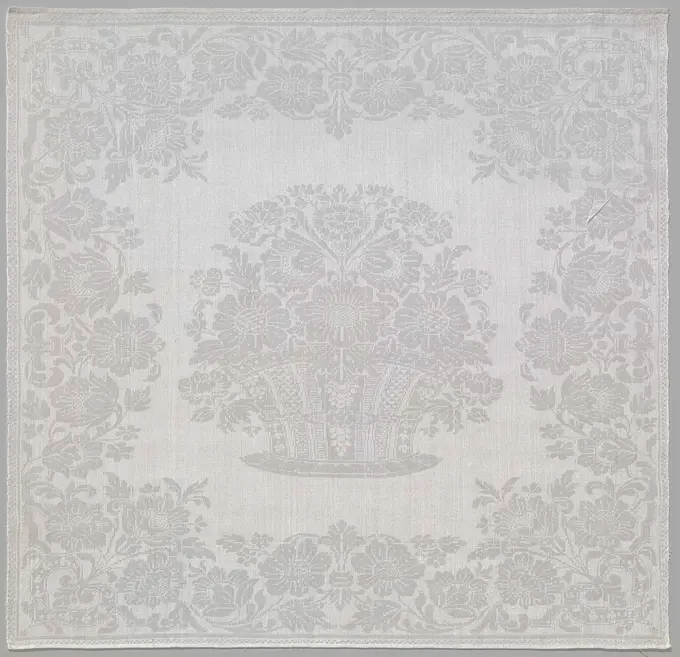
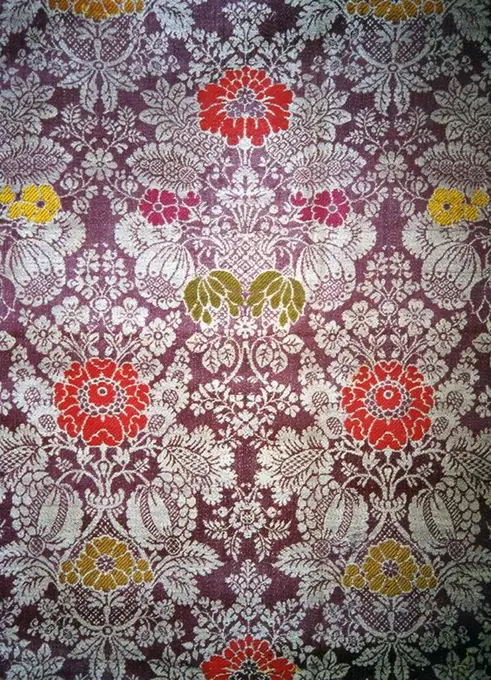
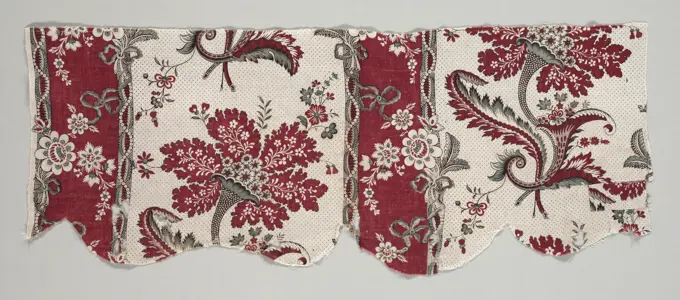
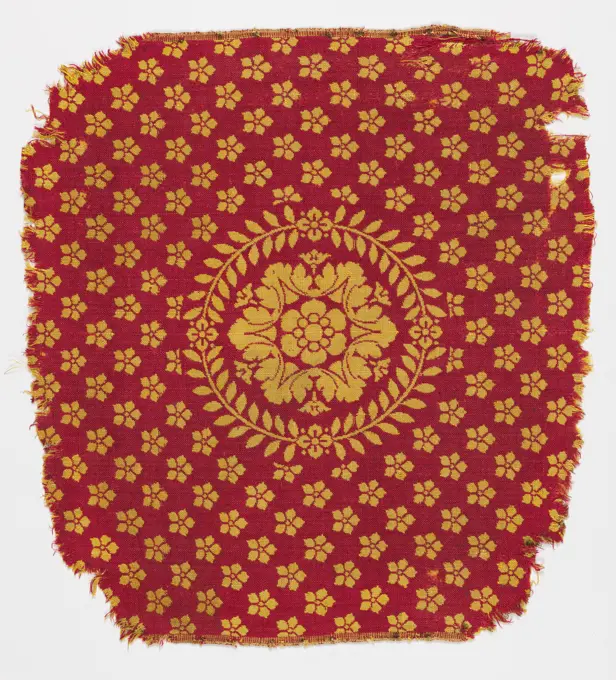
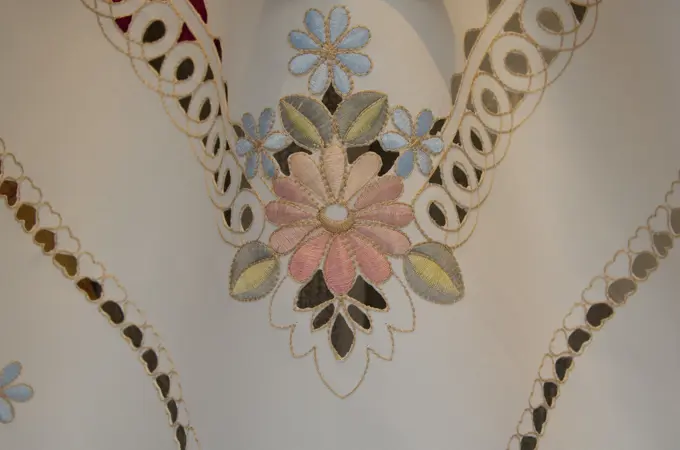
Elegant textile fragments and patterns featuring intricate floral designs in soft colors, highlighting embroidery and historic fabric techniques from different cultures.

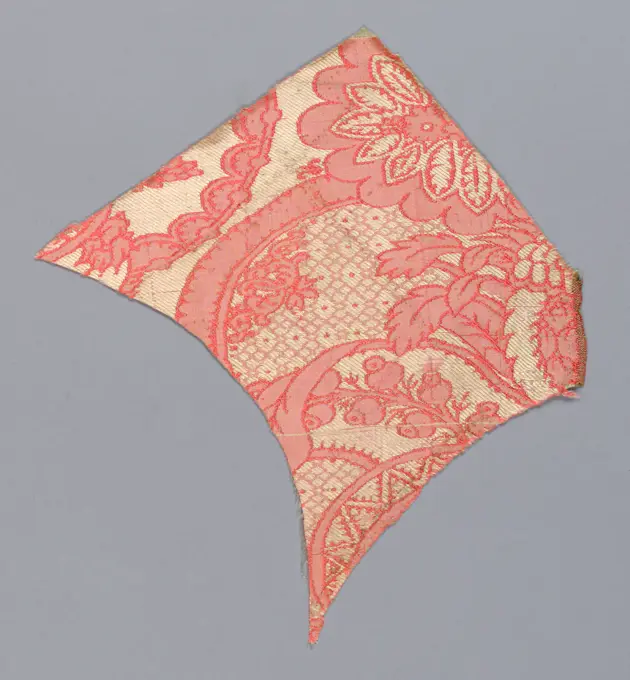
Textile (France); cotton
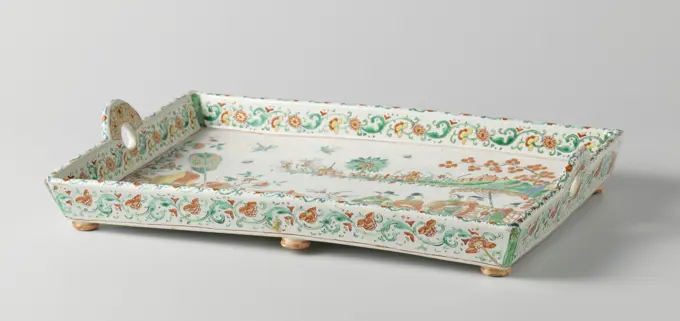
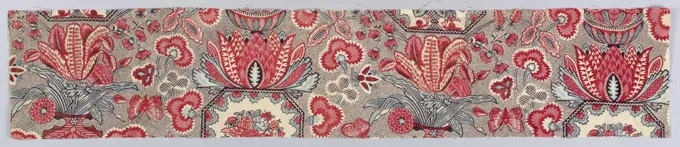
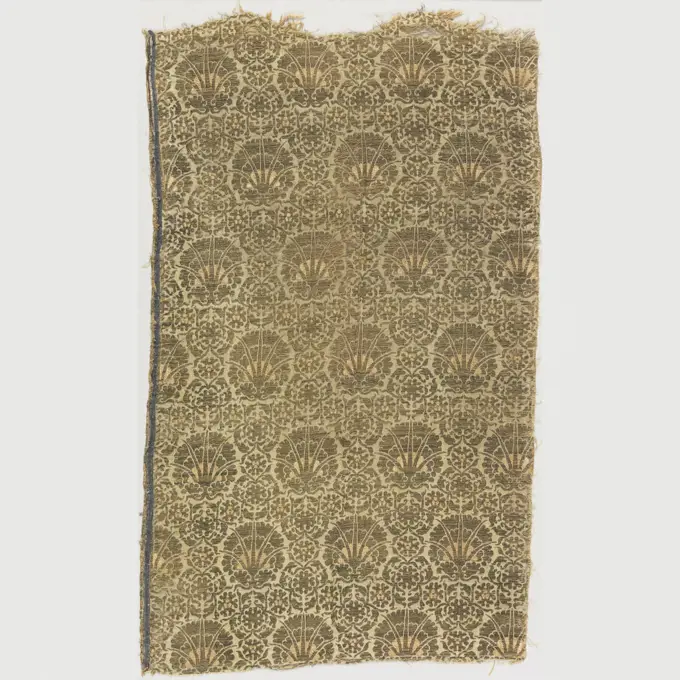
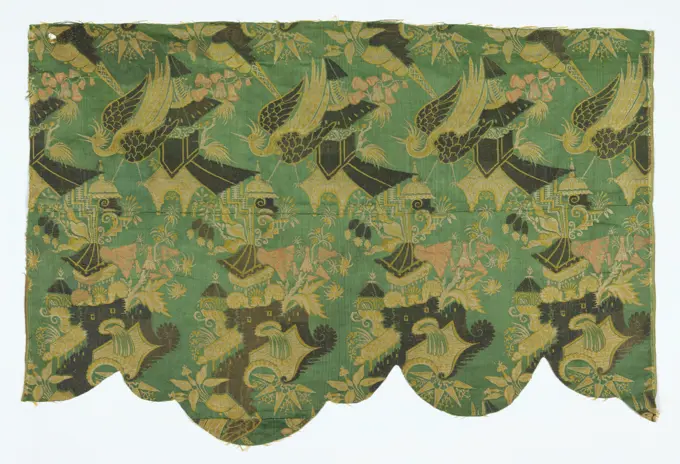
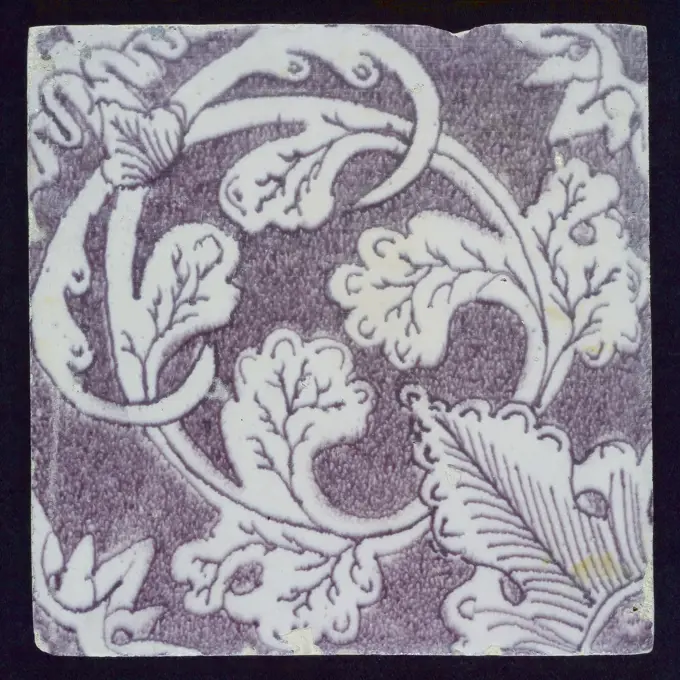
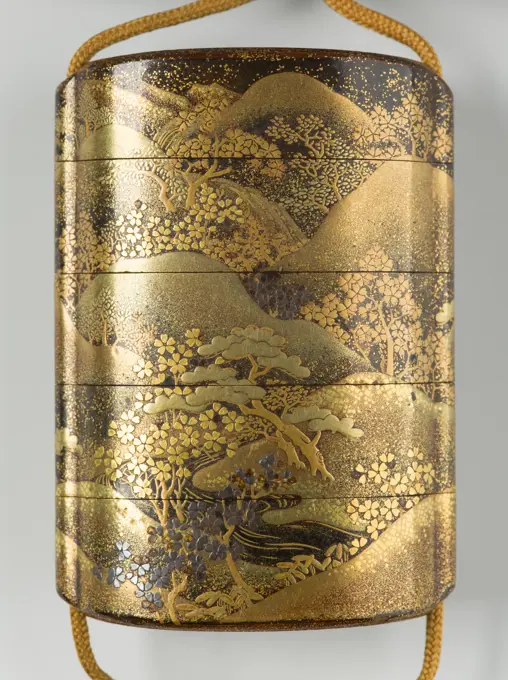
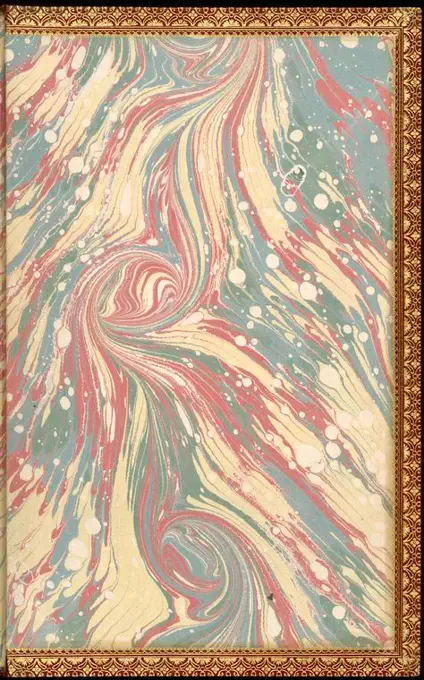
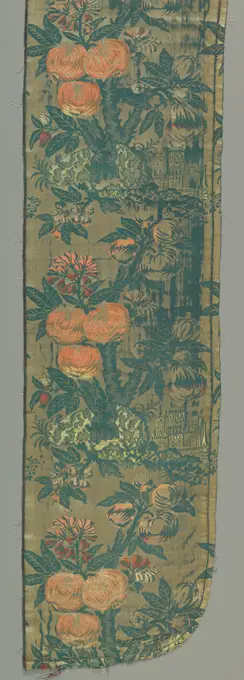
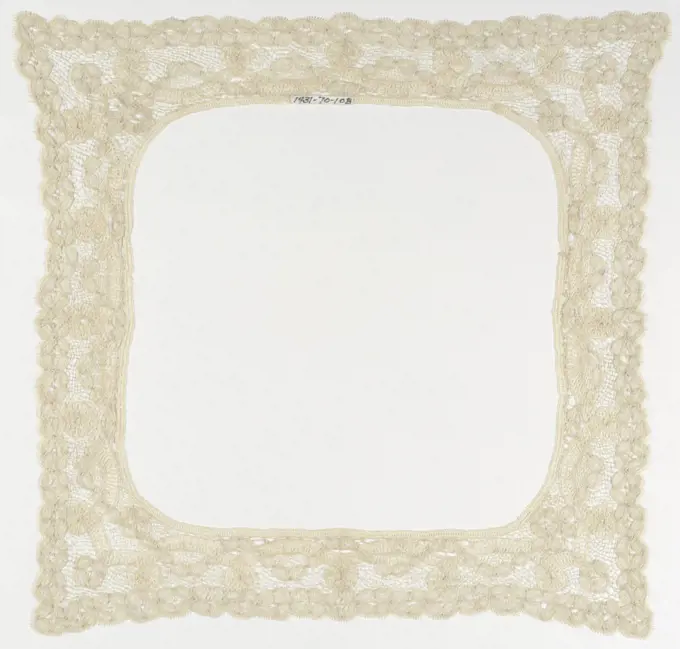
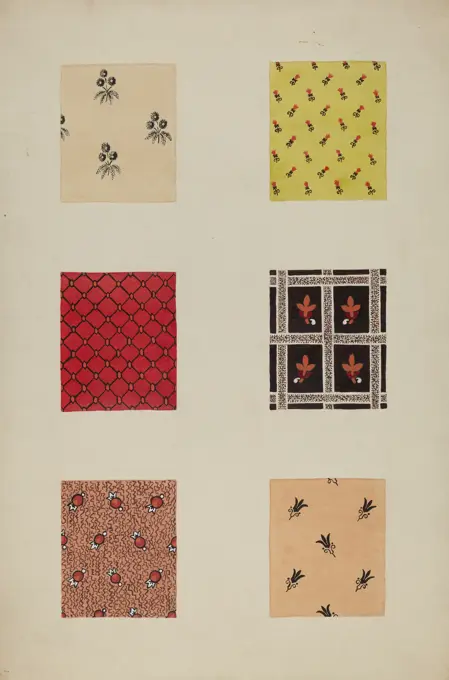
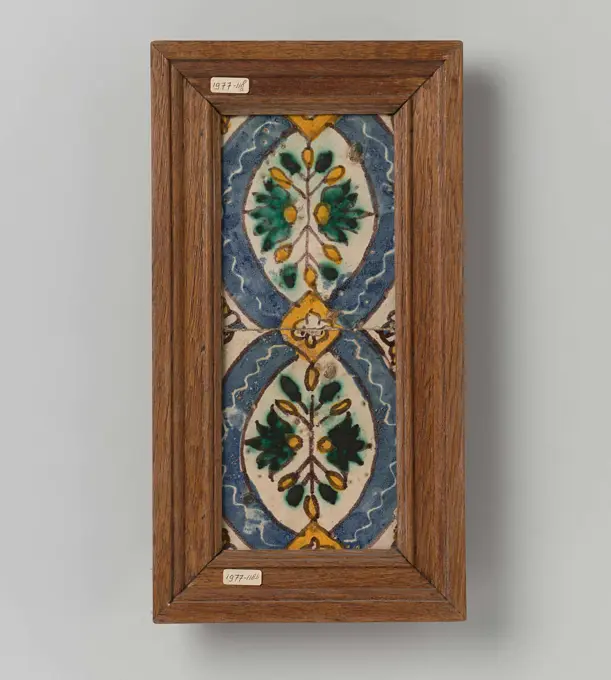
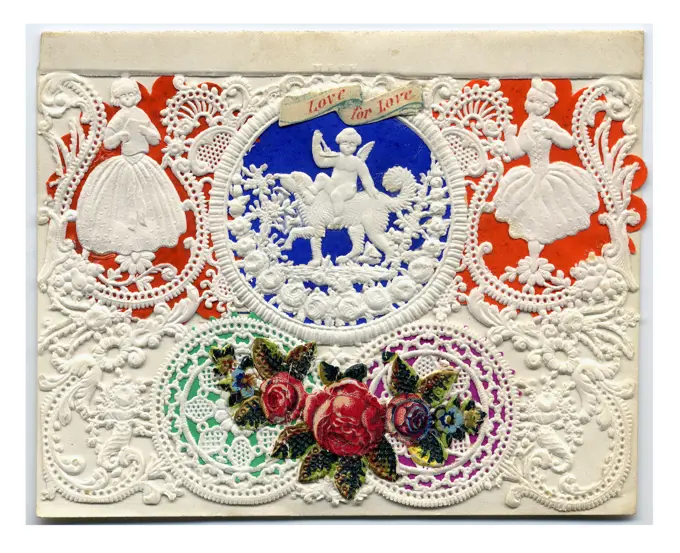
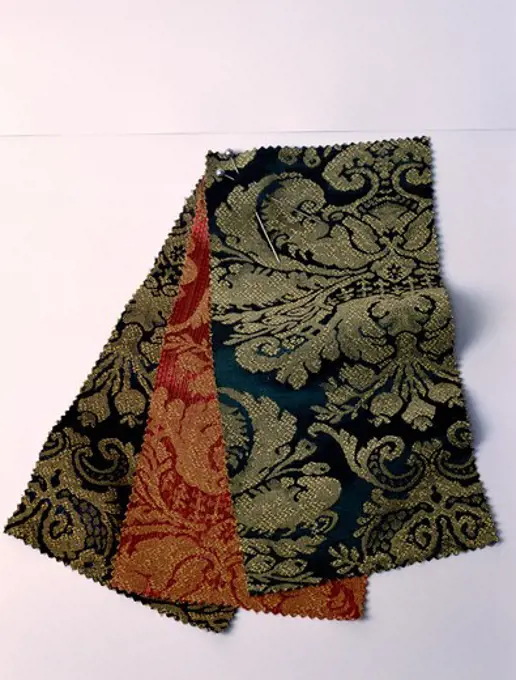
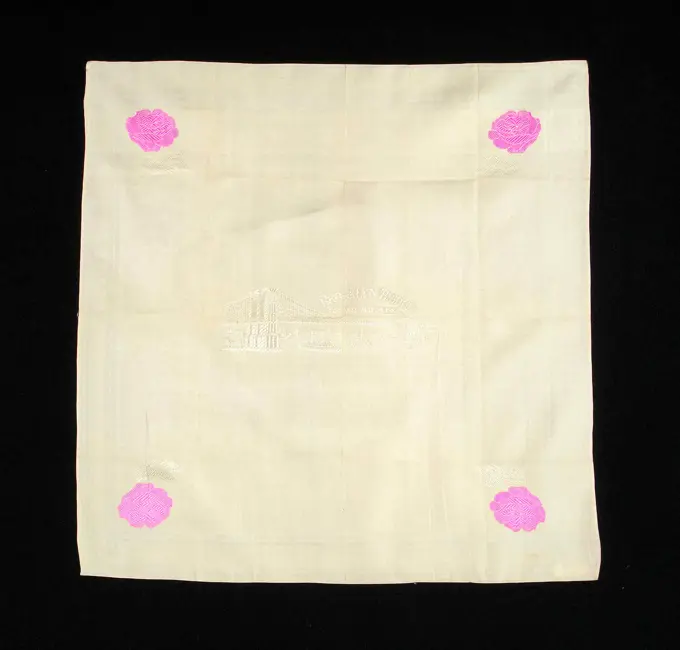
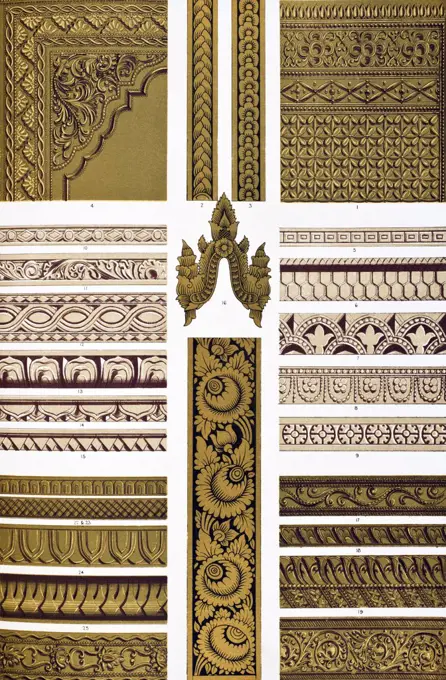
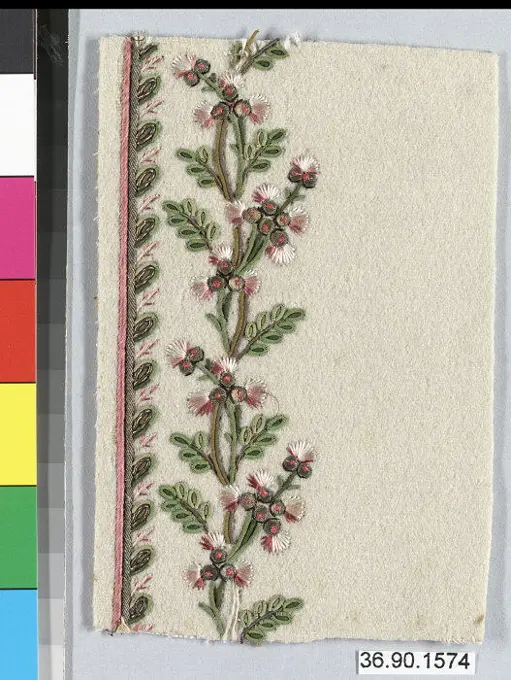
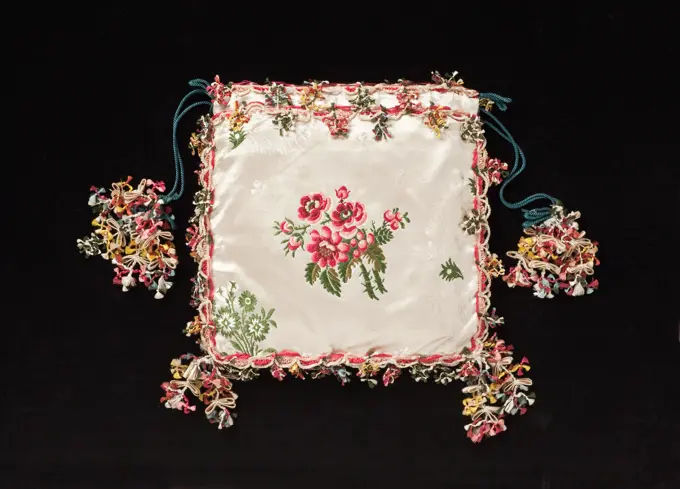
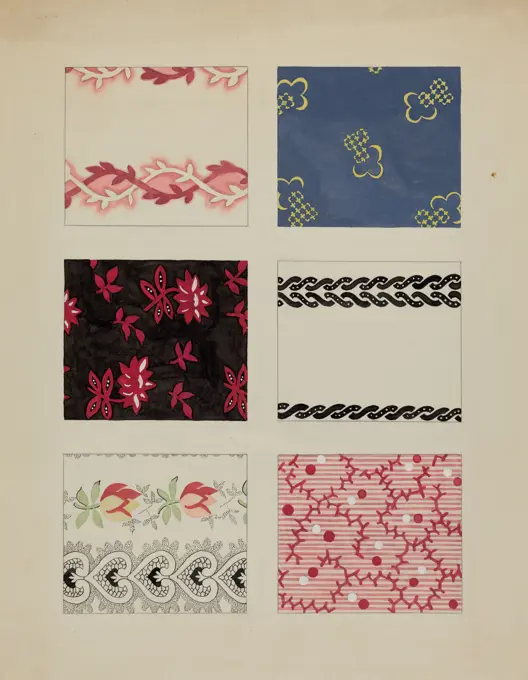
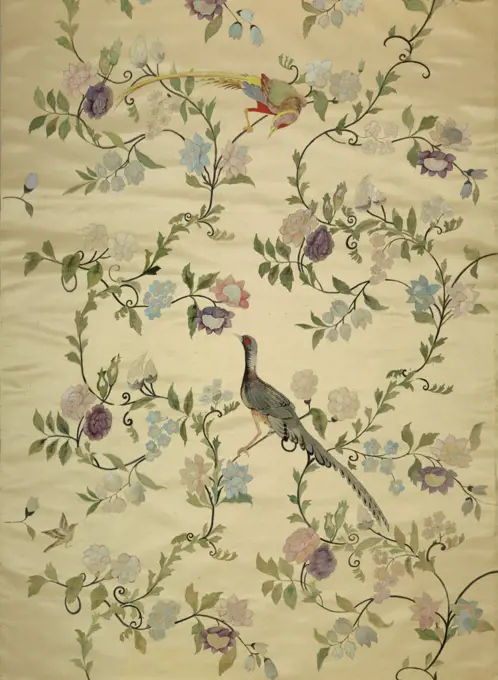
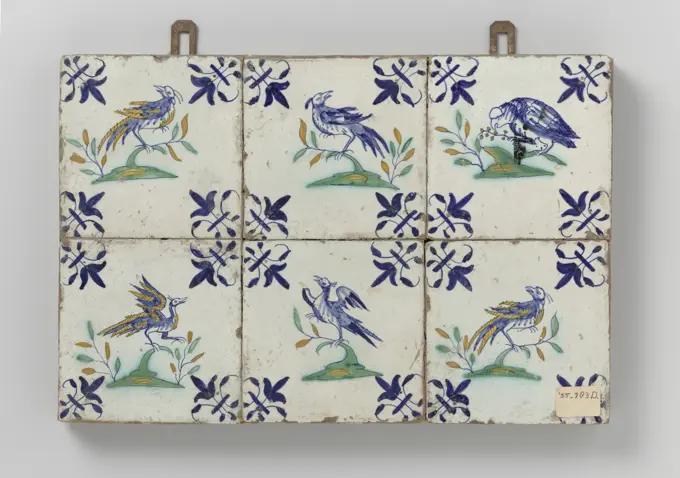
Ellen Duncan, Bookmark, c 1936 BookmarkEmbroidered kerchief trimming unknownHanging ca. 1734-75 French. Hanging 226996Bücher Open books displaying Dostoevsky s texts, arranged to showcase the depth and complexity of his literary works. LicenseRF Copyright: xZoonar.com/NAILIAxSCHWARZx 23264421Fragment; cotton; Warp x Weft (left selvedge present): 57.5 x 27.4 cm (22 5/8 x 10 13/16 in.) Repeat H x W: 19.1 x 16.5 cm (7 1/2 x 6 1/2 in.)Tile Panel. Dimensions: H. 49 in. (124.5 cm)W. 28 3/4 in. (73 cm)D. 2 in. (5.1 cm)Wt. 54 lbs. (24.5 kg). Date: late 16th century. Museum: Metropolitan Museum of Art, New York, USA.Fragment Made 1775-1800 Japan. Fancy compound satin, silk and gilt paper; 2 strips to m.m. .Sampler, Medium: silk and metal-wrapped silk embroidery, linen foundation Technique: cross and double running stitches on plain weave, Detached motifs of religious significance plus animals, birds, flowers., Germany, 1697, embroidery & stitching, SamplerVeil. unknown, authorNapkin with flowers. White Linen Damask Napkin with a floral basket pattern, Brand IG 4 WH KroonChurch tablecover. Orzechowska, Anna (XVIII w.), authorRibbon Samples (France); silk, metallic threadDouble door: four panels, two pilasters, three gilt moldings for the door frame ca. 1715 French. Double door: four panels, two pilasters, three gilt moldings for the door frame 189702 French, Double door: four panels, two pilasters, three gilt moldings for the door frame, ca. 1715, Carved, painted and gilded oak, a,b - doors with their trim i,j,k: 106-1/4 x 53-1/2 in. (269.9 x 135.9 cm) c,e,f,h - panels: H. from 102 to 104-3/4 in. (259.1 to 266.1 cm); W. from 20-1/2 to 22 in. (52.1 to 55.9 cm) d - pilaster: 94-1/2 x 12 in. (240 x 30.5 cm) g - pilaster: 94-1/2 x 12-1/2 in. (240 x 31.8 cm). The Metropolitan Museum of Art, New York. Gift of J. Pierpont Morgan, 1906 (07.225.448ak)Sidewall, Machine-printed paper, liquid mica, Medallion stripe pattern. Large-scale foliate medallions, printed on green stripe. Medallions are linked together with swags of bell flowers., USA, 1905-1915, Wallcoverings, SidewallDelft faience tray, with Chinese figures on a terrace, anonymous, c. 1730 - c. 1760 Leaf multicolored painted with a terrace with Chinese figures to prints by Pieter Schenk. Delft . Leaf multicolored painted with a terrace with Chinese figures to prints by Pieter Schenk. Delft .Fragment, embroidery using silk on satin weave silk., roughly circular fragment of dark blue satin embroidered with polychrome silk in design of cloud motif, leaves, lotus, bats etc. with central circular flower. incomplete design cut from larger pieces., China, 19th century, embroidery & stitching, FragmentBorder (France); block-printed on handmade paper; 86 x 16.5 cm (33 7/8 x 6 1/2 in.)Ottoman ancient Handmade Turkish Tiles with floral patternsTextile, Medium: cotton Technique: block printed on plain weave (black, two reds, blue), Fragment of a framed basket of flowers and an urn on top of a large flower on a black picotage background., France, ca. 1800, printed, dyed & painted textiles, TextileTextile, Medium: silk, metal-wrapped linen Technique: 4&1 satin with supplementary wefts, Spiked palmettes in horizontal rows. One selvage., 14th-17th century, woven textiles, TextileTextile (France); silkDecorative Floral ElementsLetter bag () In a flat, rectangular model of white cotton, decorated with Zaans stitching in large flower and fantasy motifs, anonymous, c. 1800 - c. 1840  Letter bag () In a flat, rectangular model of white cotton, completely processed with Zaans stitching in large flower and fantasy motifs. Along the edges a piping of white linen ribbon. The bag is folded double, an opening inside in the middle, creating two courses. The bag is unlined and wounded with a linen ribbon. Zaanstreek whole: Cotton (textile). Bies: Linen (Material) embroideringStola of gold brocade, c. 1700 - c. 1725 Stola of gold brocade. The Stola has club -shaped ends (from the priest). The Stola includes a stola with invnr. BK-1972-1-F. Both stolas belong to nine ecclesiastical tissues with embroidery with invnrs. BK-1972-1-A to BK-1972-1-I and a non-corresponding bursa with invnr. BK-1972-1-J. France textile materials. brocade (textile) embroidering Stola of gold brocade. The Stola has club -shaped ends (from the priest). The Stola includes a stola with invnr. BK-1972-1-F. Both stolas belong to nine ecclesiastical tissues with embroidery with invnrs. BK-1972-1-A to BK-1972-1-I and a non-corresponding bursa with invnr. BK-1972-1-J. France textile materials. brocade (textile) embroideringFragments, Medium: silk Technique: velvet, Panel of green silk velvet on yellow ground in seven pieces, cut and uncut; pattern of floral spray. Trimmed with tassel fringe., Italy, 16th-17th century, woven textiles, FragmentsFragment of silk fabric  two types of flower patterns in a row composition unknownPersian ornamentTextile Swatches Onondaga Silk Company, Inc. (1925-1981). , 1948-1959. 72 silk; 28 metal, largest component (a): 22 1/2 x 18 1/2 in. (57.2 x 47 cm).    1948-1959Piece 18th-19th century Japan. Piece 67371Plug of multicolored silk on linen .. Stop stack with multicolored embroidery. The embroidery consists of the initials MF, in 1772 under a crown, whereas around four continue patterns.Fragment of silk fabric  colourful wavy river” pattern unknownFragment (France); silkPart of Chasuble. Date/Period: 1525 - 1550. Silk, silver and gold. Height: 73.50 mm (2.89 in); Width: 59 mm (2.32 in). Author: UNKNOWN.Tuch mit Blumendekor - Cloth with flowers Tuch mit Blumendekor - Cloth with flowers Copyright: xZoonar.com/lantapixx 6036653Four tiles with flower and leaf ornaments. Four tiles (2 x 2) multicolored (blue, yellow and orange) painted with flower and leaf ornament inside geometric motifs.Needlework ChairCoverRuth M Barnes, Hooked Rug, c 1936 Hooked RugPanel. England, Norwich. Date: 1725-1750. Dimensions: 55.6 × 55.5 cm (21 7/8 × 21 7/8 in.)Warp repeat: 44.8 cm (17 5/8 in.)Weft repeat: point. Wool, 7:1 satin damask weave with supplementary brocading wefts bound in weft-float faced 1:3 'Z' twill interlacings; full loom width and fragment joined. Origin: England. Museum: The Chicago Art Institute, Chicago, USA.Strip of Woodblock Printed Cotton, 1798. France, Beautiran, late 18th century. Woodblock print on cotton; overall: 37.4 x 95.2 cm (14 3/4 x 37 1/2 in.).Khiva, Xorazm Region, Uzbekistan, Central Asia. Traditional red rug at the Khan palace.Field of sixteen tiles with flower pots, anonymous, c. 1625 - c. 1670 Field of sixteen tiles (4 x 4) with a multicolored (blue, green and orange) flowerpot with an ox head in the corners. Netherlands earthenware. tin glaze majolica Field of sixteen tiles (4 x 4) with a multicolored (blue, green and orange) flowerpot with an ox head in the corners. Netherlands earthenware. tin glaze majolicaSeamless vintage ornament. Vector illustration.Textile; cottonFragment Made 1600-1650 Italy. cisele voided cloth velvet .Fragment red brochureed silk with a multi -colored pattern with bouquet and flower garlands and so -called lace edge, c. 1740 - c. 1760 Fragment of red sides of soil with ditto darker figures, weaving with multicolored bouquets and flowers and so -called lace edge. Netherlands (possibly) silk Fragment of red sides of soil with ditto darker figures, weaving with multicolored bouquets and flowers and so -called lace edge. Netherlands (possibly) silkThree textile fragments, Anonymous, 1600 - 1625 Three textile fragments of two different rugs on a leaf, embroidery and Shibori-Zome on silk. Japan silk Three textile fragments of two different rugs on a leaf, embroidery and Shibori-Zome on silk. Japan silkFragment. Italy. Date: 1601-1625. Dimensions: 22.9 x 14.8 cm (9 x 5 7/8 in.). Silk, cut, uncut velvet against twill weave foundation. Origin: Italy. Museum: The Chicago Art Institute, Chicago, USA.Ornament tile with diagonal decor, sprinkled manganese fond, wall tile tile sculpture ceramic earthenware glaze, baked 2x glazed painted Square yellow shard two nail holes. Purple sprinkled with white fond.CDK unknownField of sixteen tiles with fruit scales. Field of sixteen tiles (4 x 4) each with a blue-painted fruit bowl on foot with pomegranates and grape fees. In the corners, a meander.Frieze (USA); Manufactured by Liberty Paper & Bag Co.; machine-printed paper; 186.5 x 49.5 cm (73 7/16 x 19 1/2 in.)Textile; Manufactured by Schwartz-Huguenin; cottonBack doubleur. bindings (gathered matter components), Book covers. 1825 - 1826. Spencer Collection. BookbindingNapkin of linen damask with a historical scene .. Napkin of Linen Damask with the glorification of Charles III as king of Spain after the battle at Ramilies. The napkin is labeled in red with a cross stitch: MVM 12 FVB and belongs to a napkin with Invnr. BK-1977-305-a.Textile; silk; 1957-89-1-a,d-fSample early 19th century French. Sample 224736Textile; cottonFragment multicolored striped silk tissue, silkwever Heshuyzen, 1750 - 1800 Fragment multicolored silk tissue. The pattern has white and light blue stripes between which yellow stripes with black dots. Haarlem silk Fragment multicolored silk tissue. The pattern has white and light blue stripes between which yellow stripes with black dots. Haarlem silkBorder (USA); 24 x 13 cm (9 7/16 x 5 1/8 in.)Germany, Franconia, Rothenburg. Typical German souvenirs, cut-out embroidery tablecloth.Fragment of silk fabric unknownDarning sampler, Medium: linen, wool, silk Technique: embroidered in running and cross stitches on plain weave foundation, Fifteen darning patches., Germany, late 19th century, embroidery & stitching, Darning samplerTextile; linen; 1952-173-1-a,bPersian ornamentFragments; silk; Warp x Weft (a): 45.5 x 25 cm (17 15/16 x 9 13/16 in.) Warp x Weft (b): 29 cm (11 7/16 in.)Silk Damask Textile, 1450-1599. Italy, second half of the 15th century. Damask, silk; overall: 20 x 54.5 cm (7 7/8 x 21 7/16 in.).Invitation cardSidewall, Maxwell & Co., S.A., Chicago, Illinois, USA, Machine-printed paper, On green ground with vertical bands in dark green bordered by gold beaded frame, gold rinceaux; staggered motifs of white scrolled vases containing bouquet of pink and white flowers., USA, 1905-1915, Wallcoverings, SidewallBorder (USA); block-printedBorder for handkerchief, Medium: linen Technique: machine made tape with needlework fillings, Handkerchief border made from different types of machine made tapes. Spaces between tapes are filled with needleworked stitches., USA, late 19th century, lace, Border for handkerchiefField of sixteen tiles with trie tulips. Field of sixteen tiles (4 x 4) each with a multicolored (blue, orange, green and purple) painted three-tulip inside a brace with in the corners, a wing blade, so-called dries tiles.Sample Card; Produced by American Print Works; cotton on paperKatherine Hastings, Quilt Patches, c 1938 Quilt PatchesHand work mast National style of manual embroidery.Hand work masterpieces. Copyright: xZoonar.com/andriixsalivonx 1746448. Bag in a flat, rectangular model, fully knitted with multicolored beads, against an ivory-colored fond of beads. The front and back have an identical image, consisting of a colored bouquet of flowers and branches that come up from a horn. The bouquet is surrounded by a yellow-over list of S-Volutes and C-Volutes interspersed with small blue and red flowers. Against the top edge on the inside of the bag by a tunnel a green blue rip ribbon, which is stretched at the beginning and end. The inside of the bag is lined with an unforeseen green blue side.Turkish Orientalist scenes. Culture: French. Dimensions: Overall: 99 x 67 3/4 in. (251.5 x 172.1 cm). Date: second quarter 19th century. Museum: Metropolitan Museum of Art, New York, USA.Tile. Tile of pottery, painted in blue, green, yellow and manganese, blue oval within which symmetrical leaf motif. Parts of rosettes in the corners. With BK-1977-118-A in modern wooden table.Tile. Tile of pottery, painted in blue, green, yellow and manganese, blue oval within which symmetrical leaf motif. Parts of rosettes in the corners. With BK-1977-118-B in modern wooden table.Retro Flower SeamlessValentine - Love for LoveCushion 1620-40 British or Dutch. Cushion 222233Textile Sample from Sample Book 19th century Japan. Textile Sample from Sample Book 68108Textile (England); cotton; Warp x Weft: 74.5 x 77.5 cm (29 5/16 x 30 1/2 in.); Bequest of Elinor Merrell; 1995-50-360Close-up of dark red and green fabric samplesBorder - Sample (USA); machine-printed paper; 48 x 27 cm (18 7/8 x 10 5/8 in.)Handkerchief 1883 American. Handkerchief 170221Textile (England); cottonPanel, Medium: linen Technique: punto in aria needle lace, Design consists of a large basket filled with floral and foliated forms. The basket seems to have been cut from a large flounce to fit into the oval top of a mirror., France, 1700-1750, lace, PanelArras chair cover. unknown, authorHindoo No 3 Plate LVIII From The Grammar of Ornament by Owen Jones published by Day & Son London 1865Woman's Informal Robe with Garden Roundels. Culture: China. Dimensions: 43 x 52 in. (109.22 x 132.08 cm). Date: early 18th century.The roundels on this robe show garden rocks with flowers, fruit, and auspicious elements such as the endless knot and bats ( fu, a homophone with the word for good fortune). At the lower edge of the garment, two pairs of Chinese lions gambol with beribboned balls in a flower-filled garden setting. Museum: Metropolitan Museum of Art, New York, USA.Embroidery sample for a mans suit ca. 1785 French. Embroidery sample for a mans suit 224662Woman's Bag (Reticule). France, circa 1799. Costumes; Accessories. Silk satin with weft-float and supplementary weft patterning, silk floss and chenille passementerie with silk fly fringe, and silk cordTextile (France); cottonDorothy Posten, Materials from Quilt, c 1936 Materials from QuiltFragment, Medium: silk Technique: painted on tabby weave, Flowering branches and scrolls in polychrome on a tan background. Two birds in center sitting on branches. One bird painted in grey with a red eye, the other light blue, brown and yellow with spots of bright red., France, 18th century, printed, dyed & painted textiles, FragmentField of six tiles with birds, anonymous, c. 1640 - c. 1660 Field of six tiles (2 x 3) each with a multicolored (blue, green, yellow and orange) painted bird on a ground with a lily in the corners. Netherlands earthenware. tin glaze majolica Field of six tiles (2 x 3) each with a multicolored (blue, green, yellow and orange) painted bird on a ground with a lily in the corners. Netherlands earthenware. tin glaze majolicaBorder (France); block-printed and flocked on handmade ppaer; Overall: 25.5 x 60 cm (10 1/16 x 23 5/8 in.)Ribbon, Medium: silk Technique: warp printed, Ribbon with warp-printed design of closely-spaced flowers in rose, blue, brown and green. Green picot edges., France, early 19th century, printed, dyed & painted textiles, RibbonRed silk sachet on the front painted with a bouquet of flowers, lined all around with twisted red silk cord, c. 1910 - c. 1920 Sachet of red silk on the front painted with a bouquet of flowers, lined all around with twisted red silk cord. The inside is stitched in diamond pattern. Glove Sachet. Netherlands (possibly) whole: velvet (fabric weave). Painting: Oil Paint (Paint). Lining: Silk. cord: Sachet of red silk on the front painted with a bouquet of flowers, lined all around with twisted red silk cord. The inside is stitched in diamond pattern. Glove Sachet. Netherlands (possibly) whole: velvet (fabric weave). Painting: Oil Paint (Paint). Lining: Silk. cord: