Floral Textile Fragments

Historic textile fragments showcasing intricate floral patterns woven in silk and metallic yarns. Designs hail from 17th to 19th century Europe.
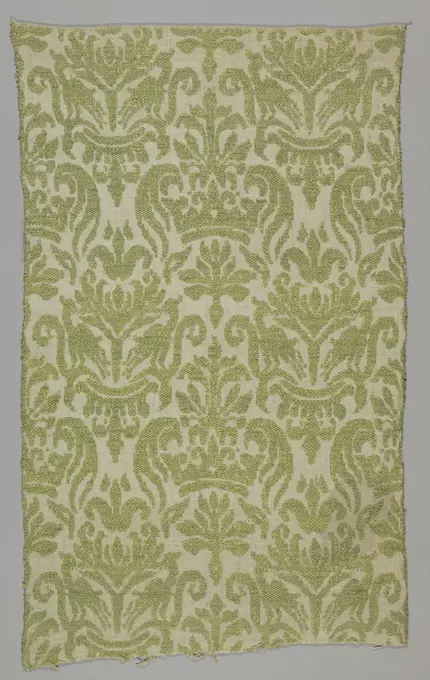
Textile, Medium: linen, cotton Technique: two interconnected structures, Large allover design with French royal crown and heraldic lilies in light green on off-white ground., France, 17th century, woven textiles, Textile
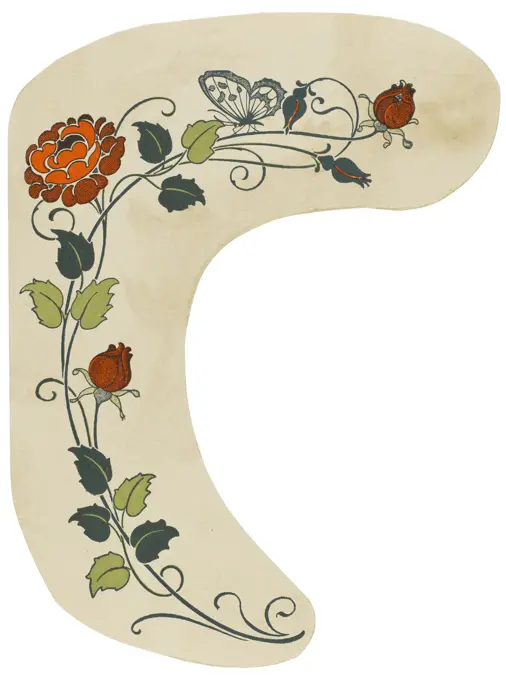
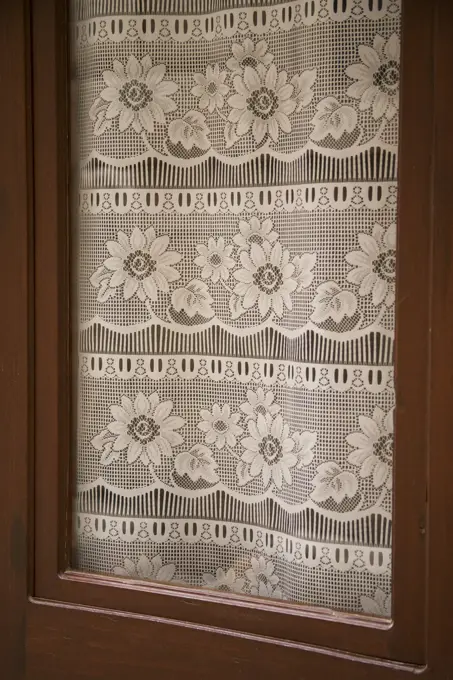
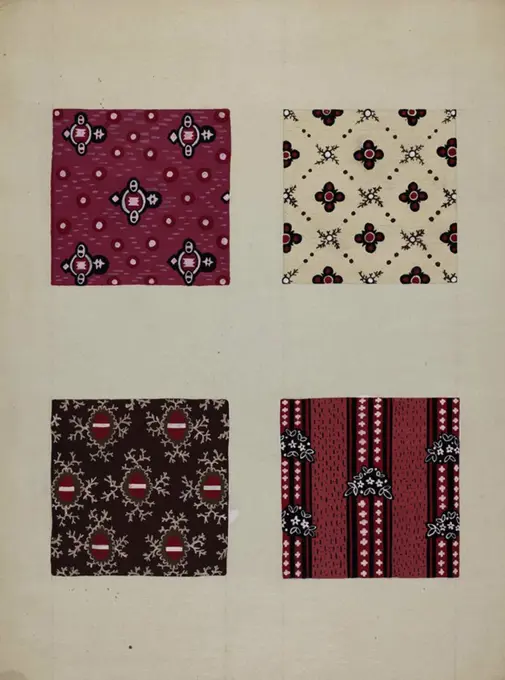
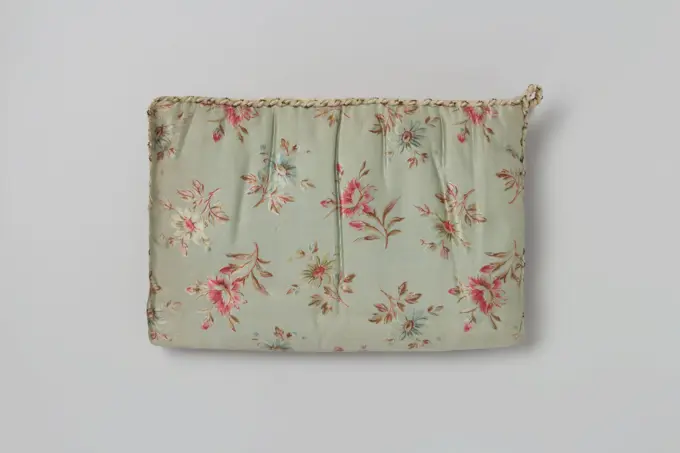
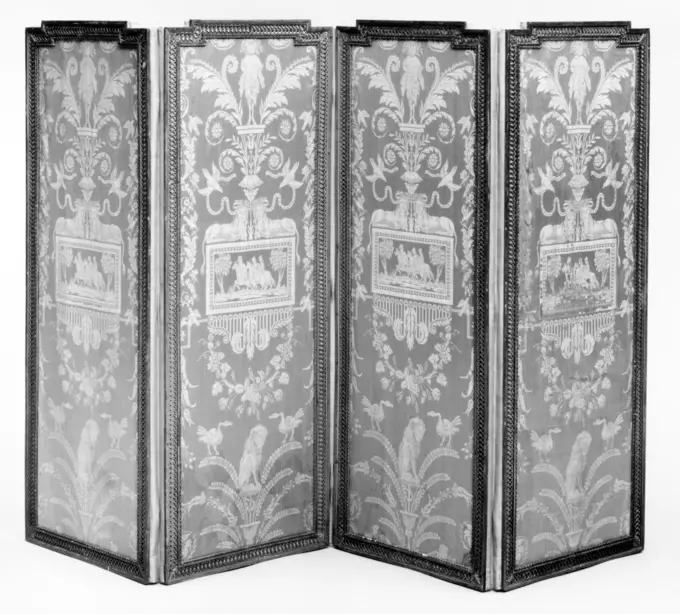
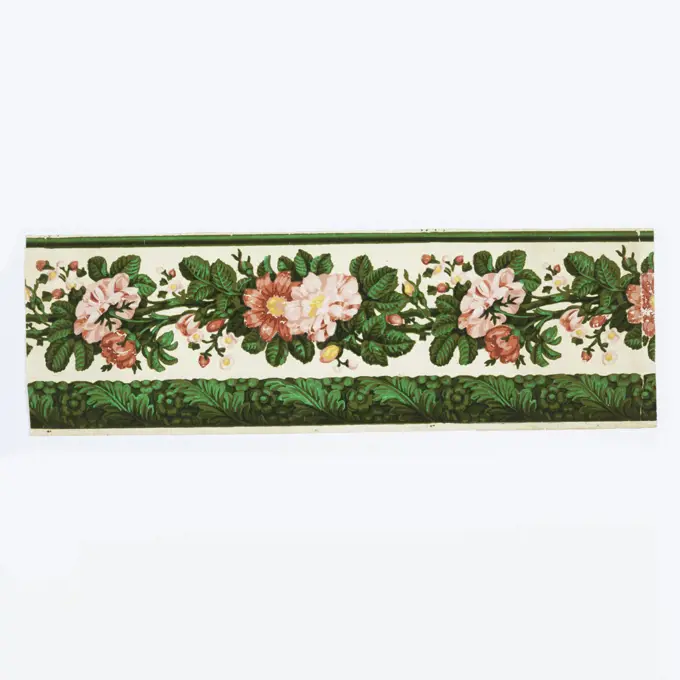
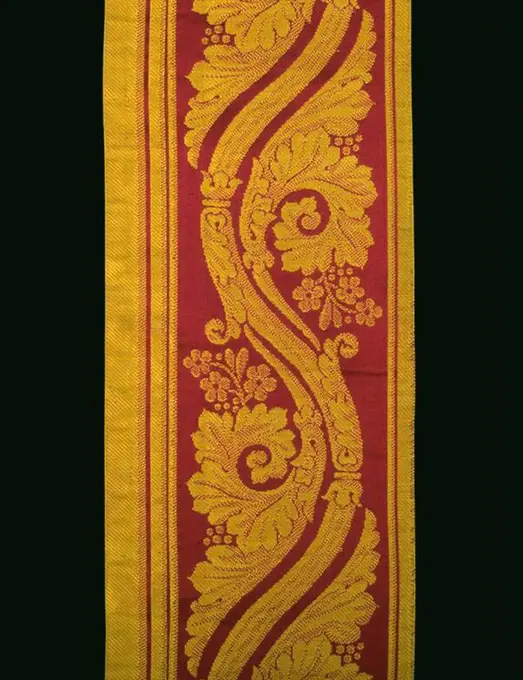
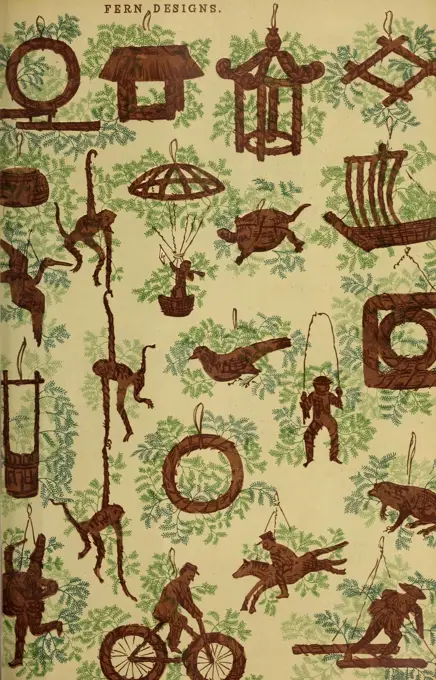
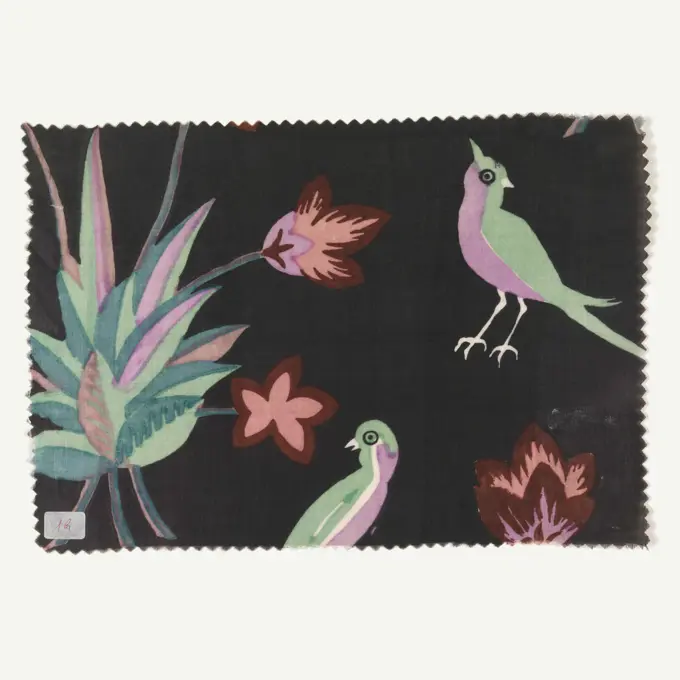
Portugal, Detail of old chair, close_upDecorative floral motif  featuring a rose with buds and  open flower, and a butterfly        Date: circa 1900Textile Swatches Onondaga Silk Company, Inc. (1925-1981). , 1948-1959. Silk, 23 1/4 x 17 3/4 in. (59.1 x 45.1 cm).    1948-1959Fragment; silk; Warp x Weft: 32.5 x 8.5 cm (12 13/16 x 3 3/8 in.) Warp x Weft: 22 x 8.5 cm (8 11/16 x 3 3/8 in.); 1961-119-3-BFragments of TAFTY  the motive of the wavy river ' unknownabstract vintage seamless spring floral ornamentCroatia, Dalmatia, Korcula Island, Korcula town. Traditional lace curtain in window of door.Textile with peony on itMaterials from Quilt. Dated: c. 1937. Dimensions: overall: 30.4 x 23 cm (11 15/16 x 9 1/16 in.). Medium: watercolor, gouache, and graphite on paperboard. Museum: National Gallery of Art, Washington DC. Author: Katherine Hastings.Sachet of blue -green silk on the front A spreading motif of woven pink and blue flowers, lined all around with twisted white silk cord and gold thread, c. 1910 - c. 1920 Sachet of blue -green silk on the front A spreading motif of woven pink and blue flowers, lined all around with twisted white silk cord and gold thread. In the inside in diamond pattern. Glove Sachet. Netherlands (possibly) whole: Silk. Lining: Silk. cord:. cord: Sachet of blue -green silk on the front A spreading motif of woven pink and blue flowers, lined all around with twisted white silk cord and gold thread. In the inside in diamond pattern. Glove Sachet. Netherlands (possibly) whole: Silk. Lining: Silk. cord:. cord:Panel (Dress or Furnishing Fabric). Produced by the Wiener Werkstätte (1903-1932); Austria, Vienna. Date: 1903-1905. Dimensions: 190.5 x 143.5 cm (75 x 56 1/2 in.)Warp repeat: 73 cm (28 3/4 in.). Linen, plain weave; block printed; edged with cotton, plain weave; two widths joined. Origin: Vienna. Museum: The Chicago Art Institute, Chicago, USA.Forest cloth for antependium with a narrow linen center piece and three sides needle side. For an antependium with a middle part in linen tissue that is finished along two long and one short side with a continuous wide edge natural-colored needle side: Flat Venetian side. The side looks like the other short side to have been cut. The symmetrical pattern consists of curved acanthus leaves and varied flowers. The motifs are made up of feston stitches, in which different patterns have been realized in the flowers and leaves with recesses. The motifs are not entirely 'flat', but have light relief contour lines. The outer sides of the side are finished with a fine bow rim. A purple piece of textile is sewn at one corner on which a fragment side is set at the rear that comes from the damaged and provisionally restored flower top in this corner.Damask napkin with Dessin Bokken, 1900 - 1935 Damboasts napkin with design goats, equipped with monogram 'vd' from the linen weaving mill of Dissel and in white embroidered monogram 'GW', owner's brand of the Gogh-Wibaut couple. Eindhoven linen (material) damask Damboasts napkin with design goats, equipped with monogram 'vd' from the linen weaving mill of Dissel and in white embroidered monogram 'GW', owner's brand of the Gogh-Wibaut couple. Eindhoven linen (material) damaskThebes, Luxor, Egypt. Botanical designs on fabric at a market.Textile Swatches Onondaga Silk Company, Inc. (1925-1981). , 1948-1959. 56 polyamide; 25 acetate; 19 metal, largest component (a): 35 x 18 in. (88.9 x 45.7 cm).    1948-1959Sidewall (England); Manufactured by Jeffrey & Company (United Kingdom); machine-printed on continuous paper; 75 x 56.5 cm (29 1/2 x 22 1/4 in.)Background for design of stories in social network. Doodle style greeting card.Muslin baby blanket on white background studio shotCondolence cards depicting flowers.. Proofs, Greeting cards. 1865 - 1899. The Miriam and Ira D. Wallach Division of Art, Prints and Photographs: Print Collection. FlowersAlbumFour-leaf folding screen (Paravent) ca. 1780 French Screens were very fashionable during the eighteenth-century as is illustrated in depictions of contemporary interiors. They were made in different sizes: tall multi-leaf folding screens (paravents) were placed in front of doorways to exclude drafts, and others, shorter ones, stood in front of the mantelpiece to shield from the heat of the fire (the latter were known as an écran de cheminée). The frames of the paravents could be covered with paper, leather, or fabric but could also be exposed, carved, and gilded as is the case with this neoclassical four-leaf screen with its stepped top. Its frame displays two continuous interwoven bands of openwork guilloche motifs between plain moldings as well as a border of ribbon-tied laurel leaves. The four corners of each panel are carved with a leaf motif. Such screens were often ordered as a set with seat furniture and a fire screen and would have been covered with the same fabric.. Four-leaf Border, Block-printed and flocked on paper, Wide central band of vining red and pink flowers and buds. Across the bottom edge is scrolling acanthus wrapped around a floral rod. Narrow green band along top edge. Printed in pink, red, green flock, shades of green, yellow and white on a white ground., France, 1825-40, Wallcoverings, BorderFragment, Medium: cotton Technique: printed on plain weave, Corner fragment with a dark red ground has a paisley pattern in orange, light blue, white, black, and red., USA, 1850-1900, printed, dyed & painted textiles, FragmentBorder. France. Date: 1804-1814. Dimensions: 137.2 × 15.9 cm (54 × 6 1/4 in.)Warp repeat: 22.5-23.9 cm (8 7/8-9 3/8 in.). Silk, warp-float faced 4:1 satin weave with weft-float faced 3:1 twill interlacings of secondary binding warps and supplementary patterning wefts. Origin: France. Museum: The Chicago Art Institute, Chicago, USA.Ceiling medallion, Block-printed paper, Large vining floral with stem starting at corner acanthus boss, and reaching up to sunflower-like circle with deep blue center. Wallpaper roll., USA, 1875-1906, Wallcoverings, Ceiling medallionDescriptive Catalogue Flowering Ornamental Trees Shrubs Bulbs Herbs Climbers Fruit Trees &c. &c. &c. Yokohama Japan Yokohama Nursery Co. Japan Catalogs Perennials Yokohamashi Nursery Stock Nurseries Horticulture Fern Designs, The design features a whimsical assortment of hanging motifs, showcasing playful illustrations of various objects and characters entwined with fern-like foliage. Prominent elements include a series of monkey figures engaged in different activities, such as swinging and climbing, alongside a charming bird, a turtle, and a decorative sleigh. Additional highlights include items like a bicycle, a hanging lantern, and a carousel horse, all arranged in a harmonious pattern that emphasizes both movement and creativity. The overall composition combines a sense of nostalgia with a touch of whimsy, reflecting a vintage aesthetic through its intricate details and engaging designs.Church napkin;  XVII century (1601-00-00-1700-00-00);Close-up of a ball of fabricSample, Vogelweide; Designed by Wiener Werkstätte (Austria), Fredericka Löw-Lazar (Austrian, 1891-1975); Austria; silk; Warp x Weft: 19.1 x 27.3 cm (7 1/2 x 10 3/4 in.)Voucher for 1 Polish zloty, dominant cash register Otwock or Winiary, B.R. (1860-1865) Dominual cash register in Otwock or Winiarach, Maksymilian Fajans Artistic and Little InstitutionPillow Modern pillow isolated with clipping path included Copyright: xZoonar.com/Baloncicix 7143143