Fragmented Historical Artifacts

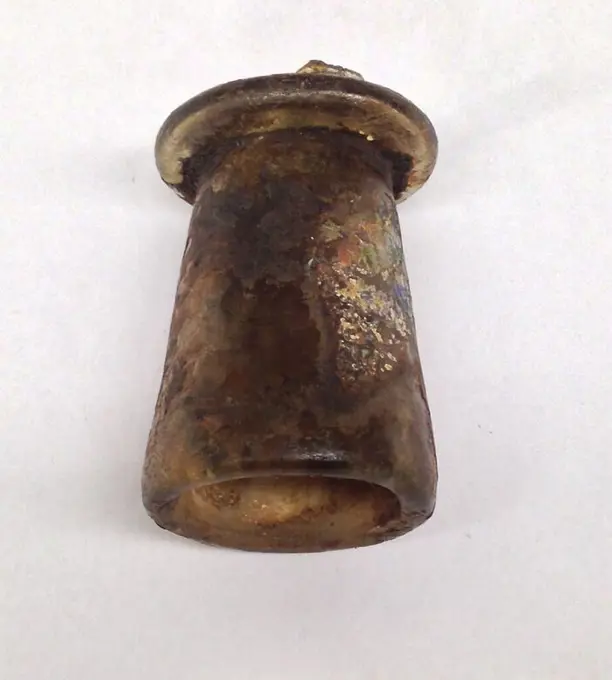
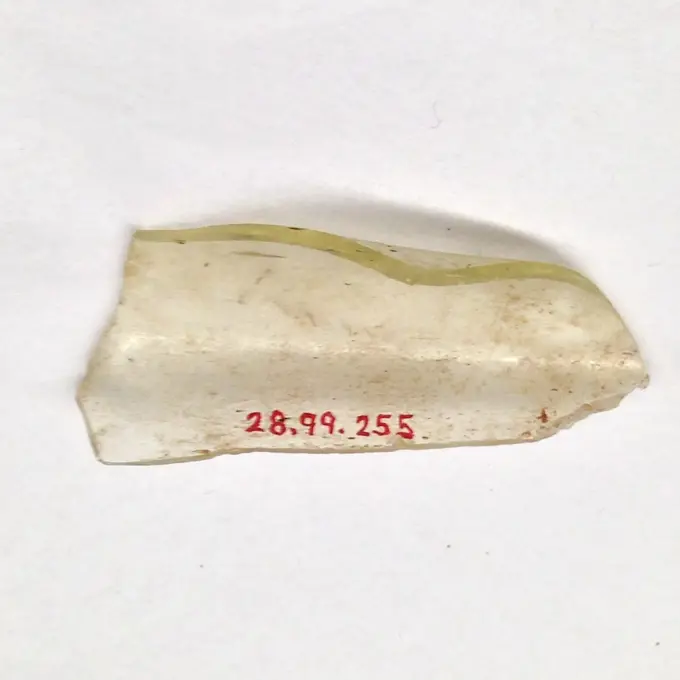
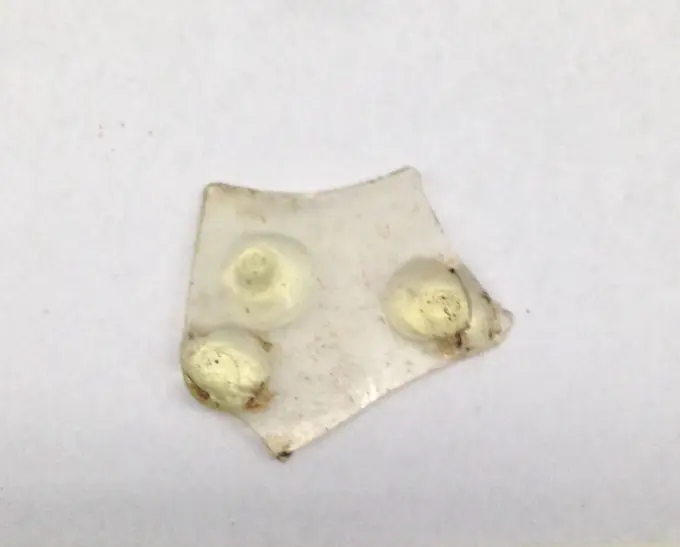
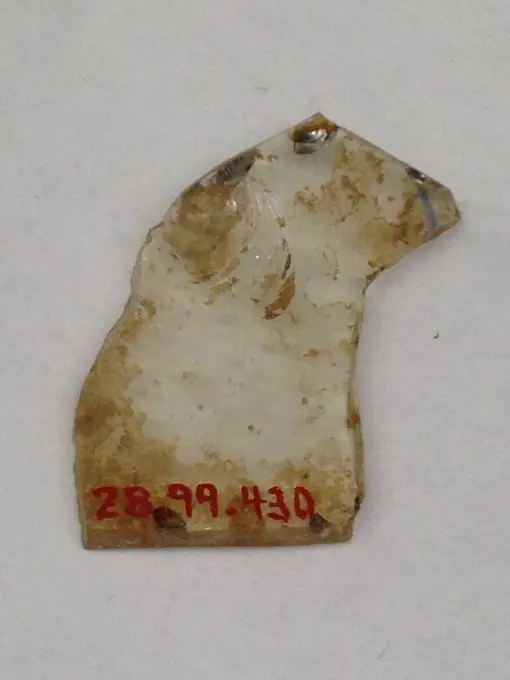
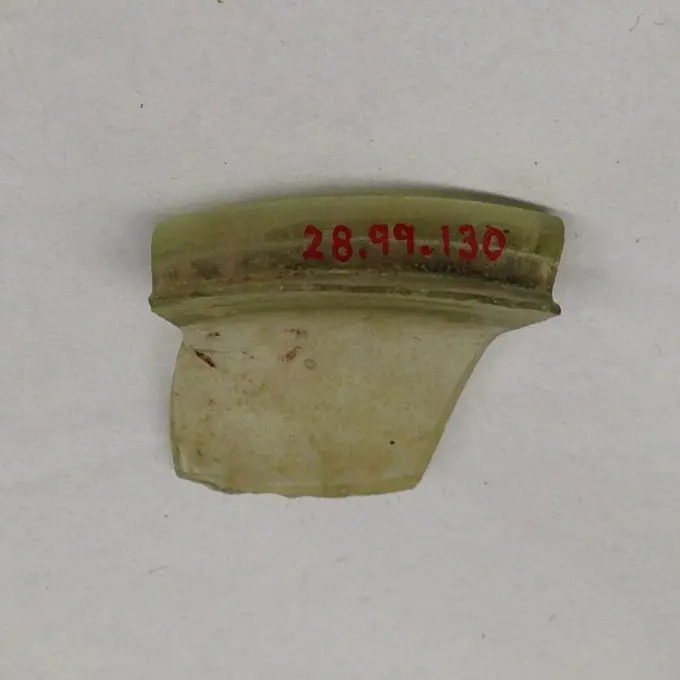
Archaeological glass and ceramic fragments from the Middle Ages, showcasing the beauty of ancient craftsmanship and their historical significance.
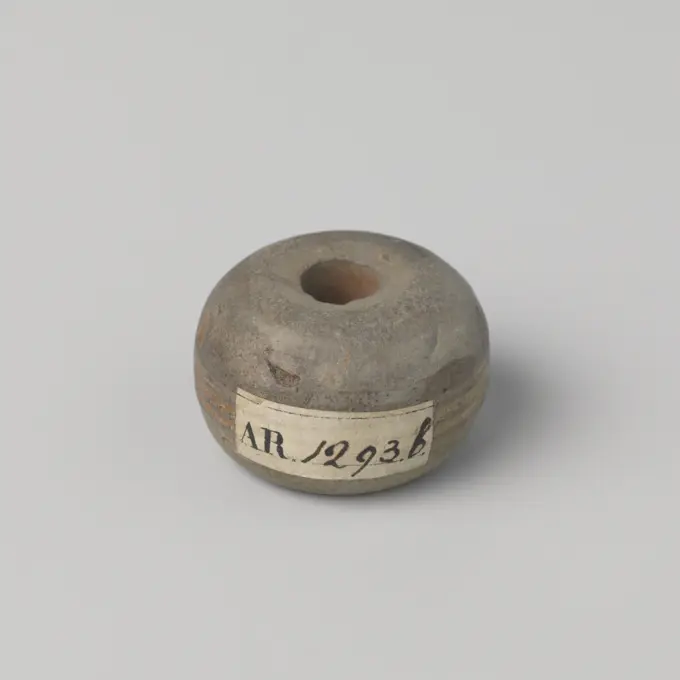
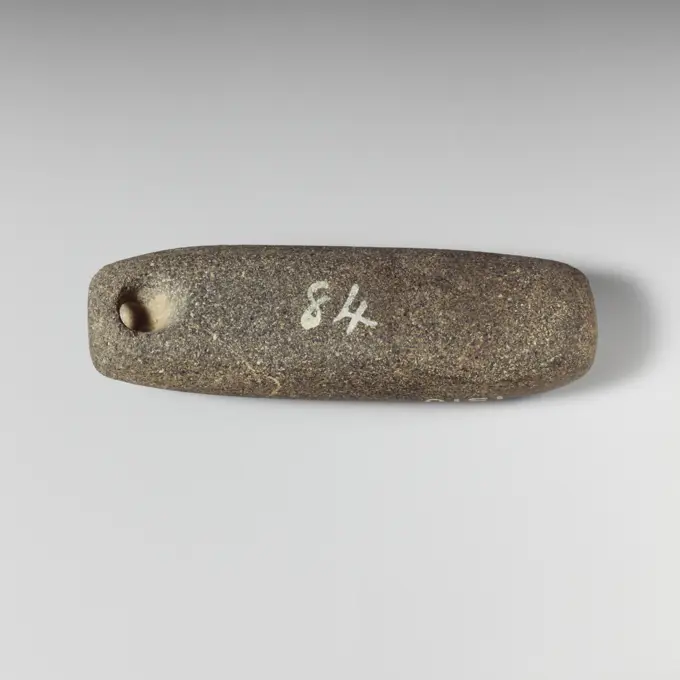
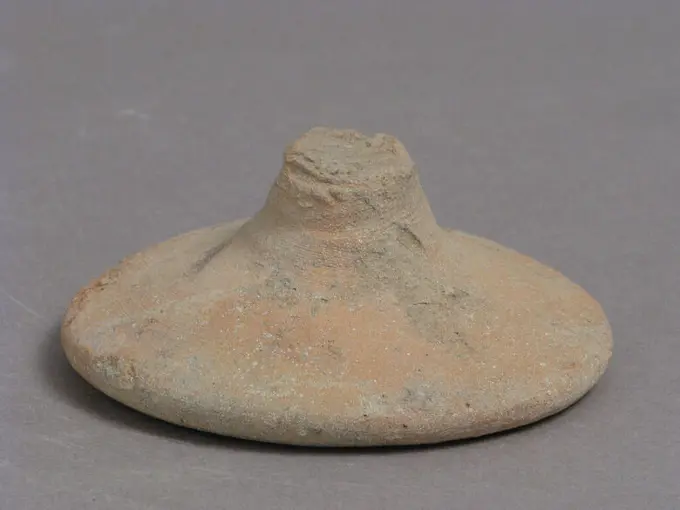
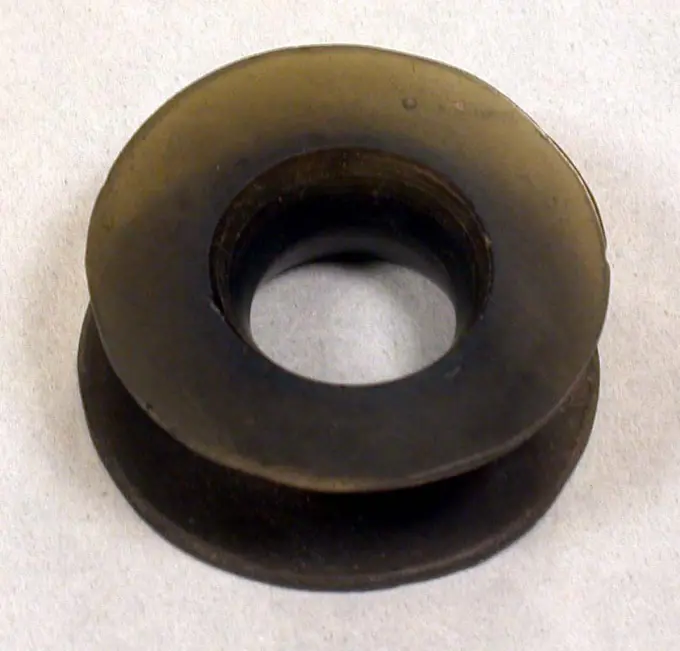
Spinning stone, anonymous, c. 1600 - c. 1699 Spider of stoneware. A tire of Ingangrifted lines on the widest part of the stone. Germany stoneware. glaze vitrification Spider of stoneware. A tire of Ingangrifted lines on the widest part of the stone. Germany stoneware. glaze vitrification
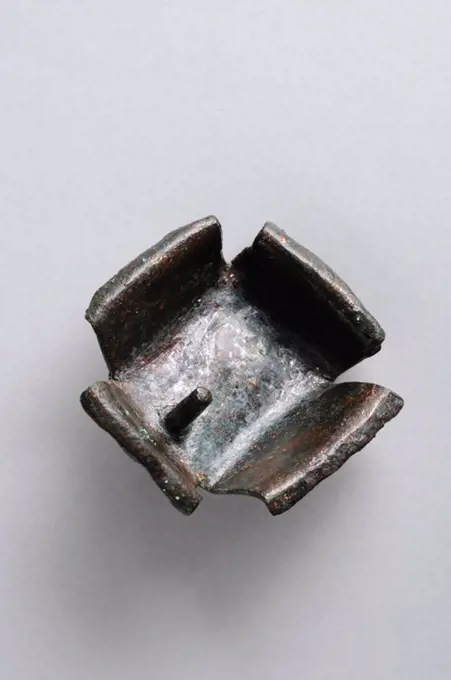
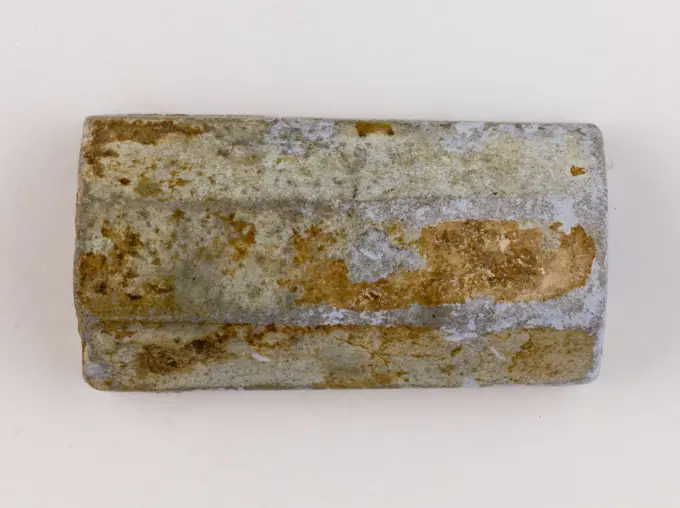
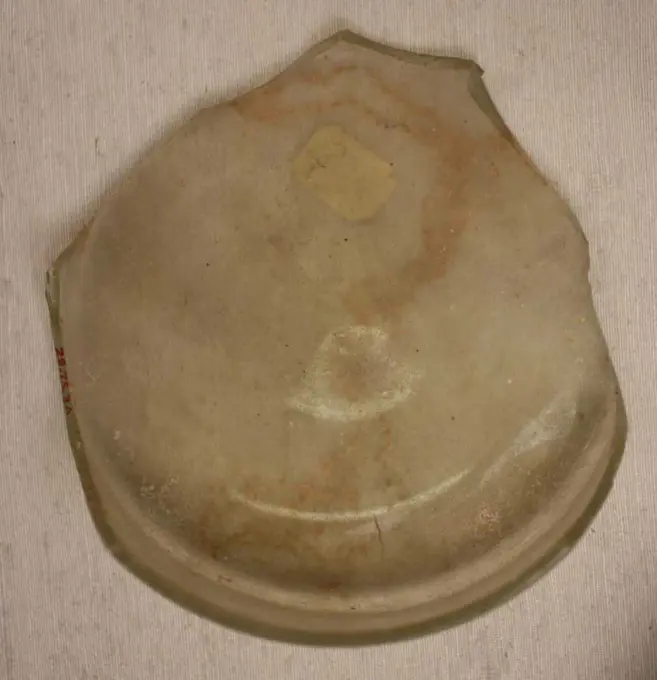
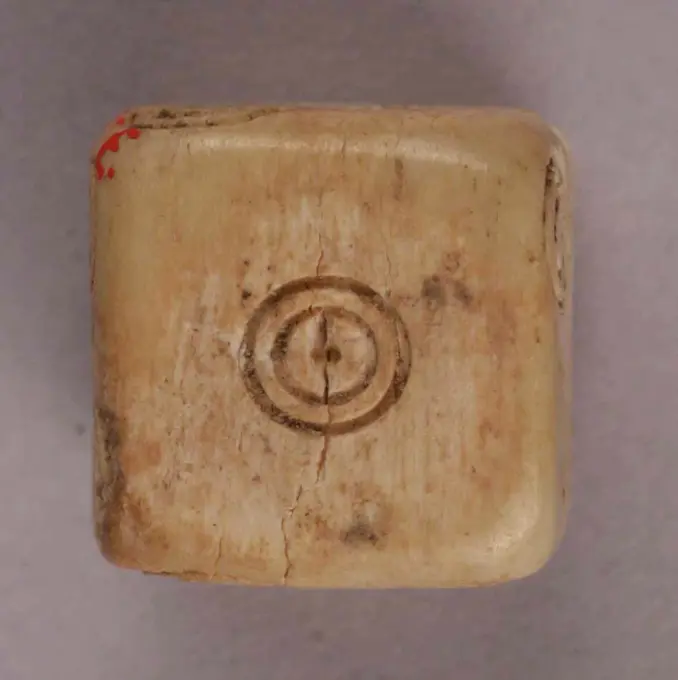
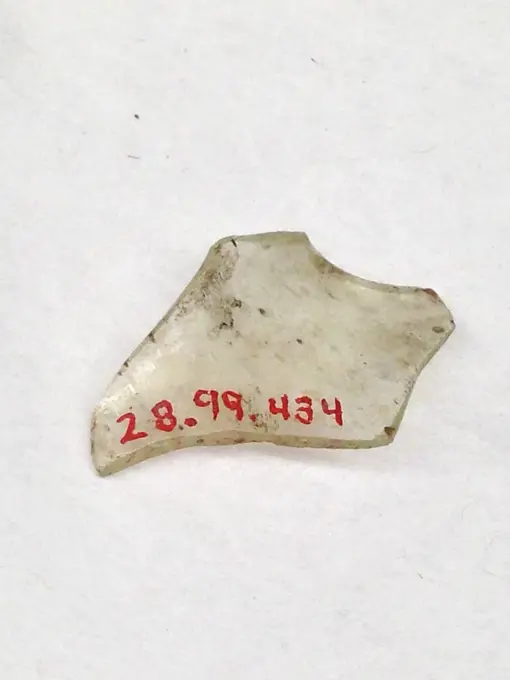
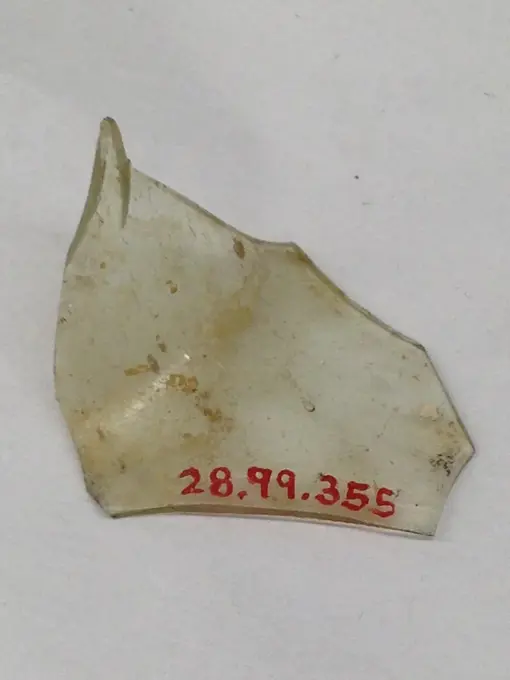
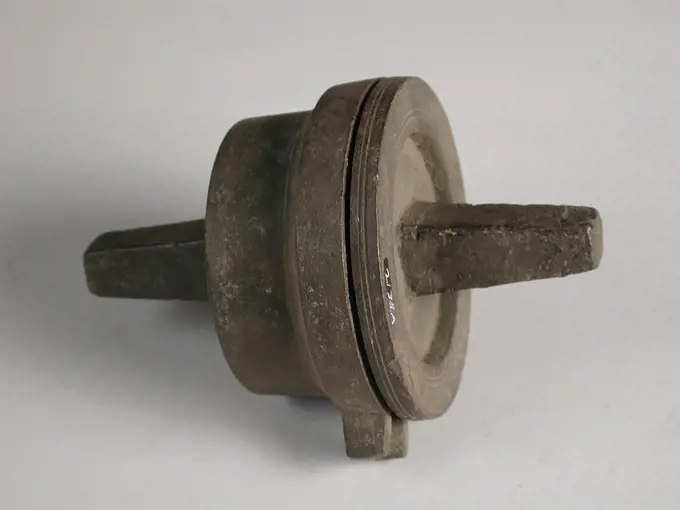
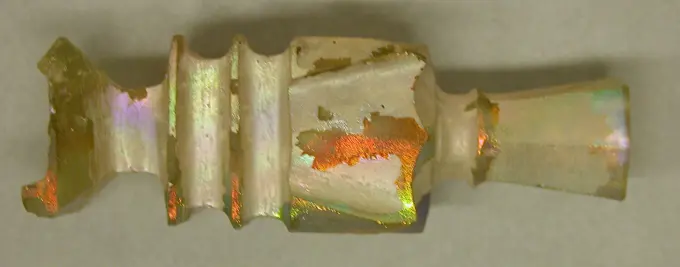
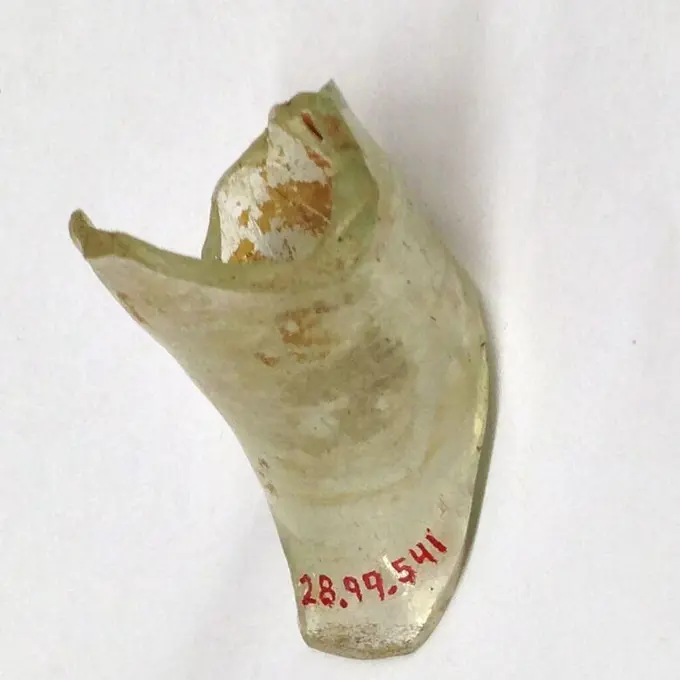
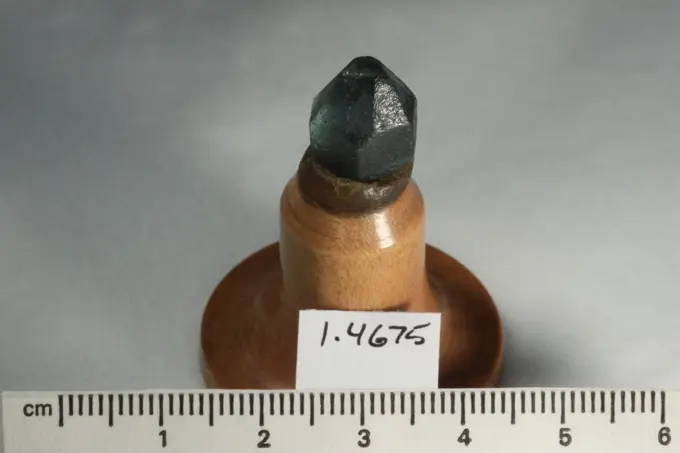
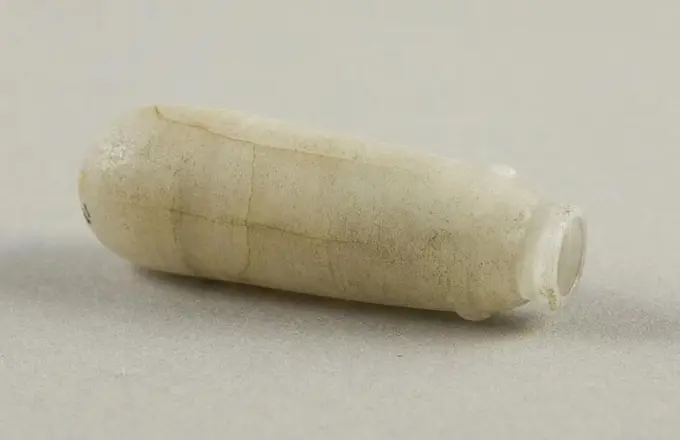
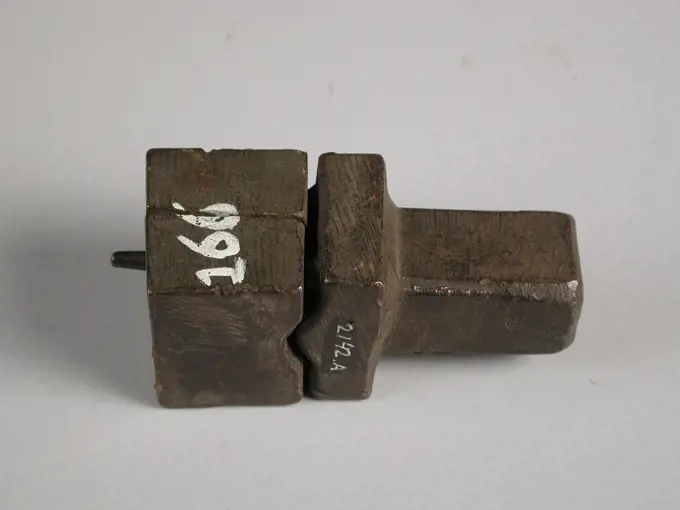
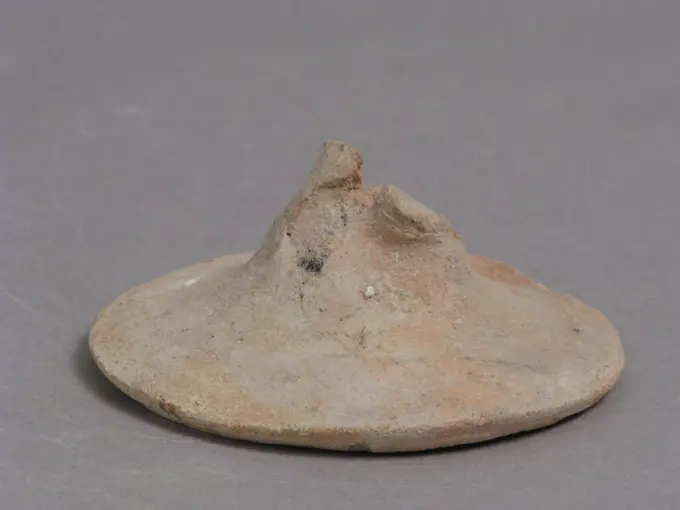
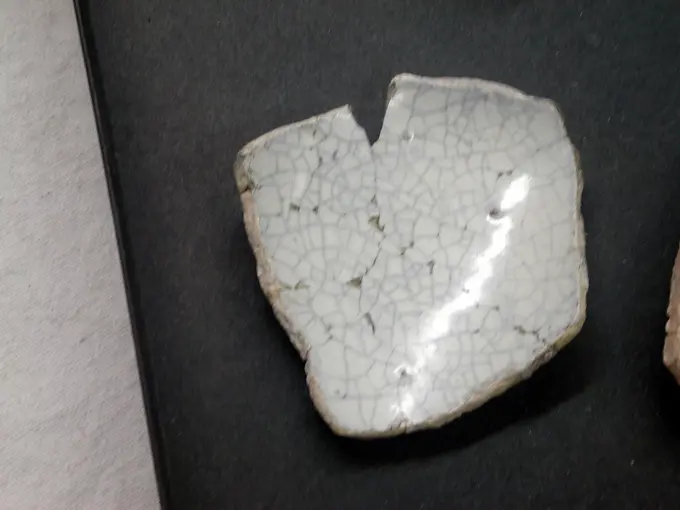
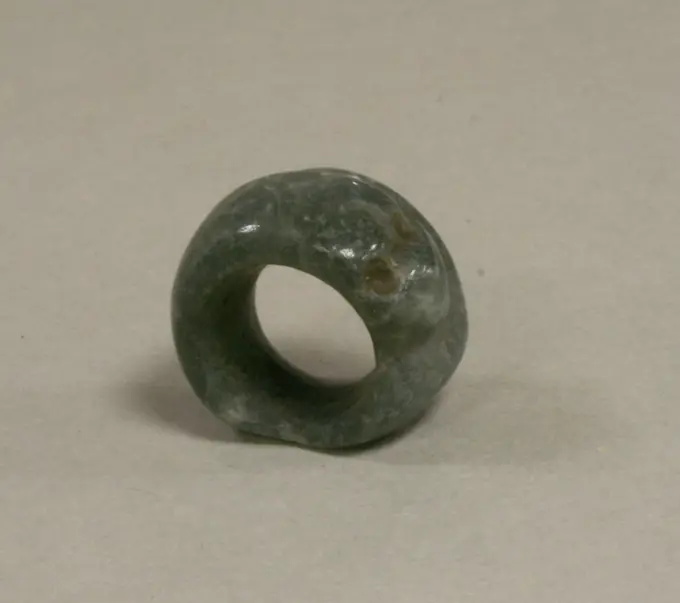
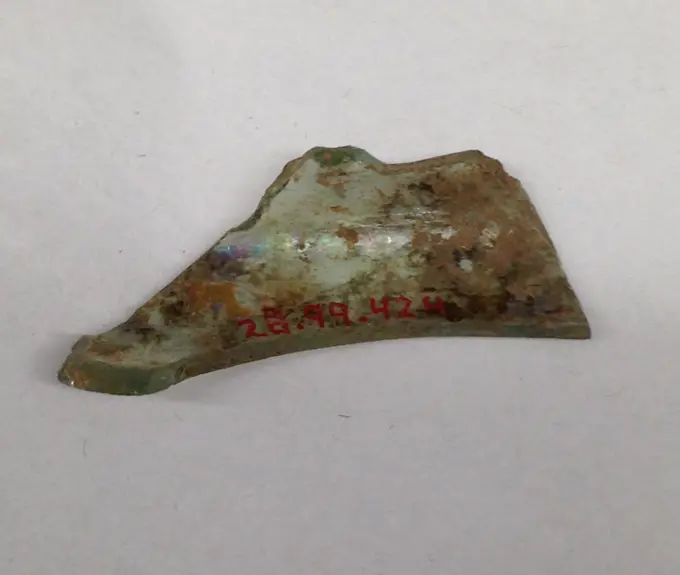
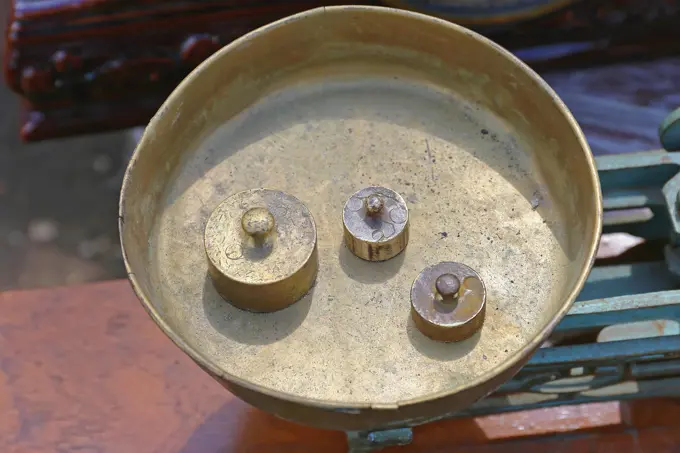
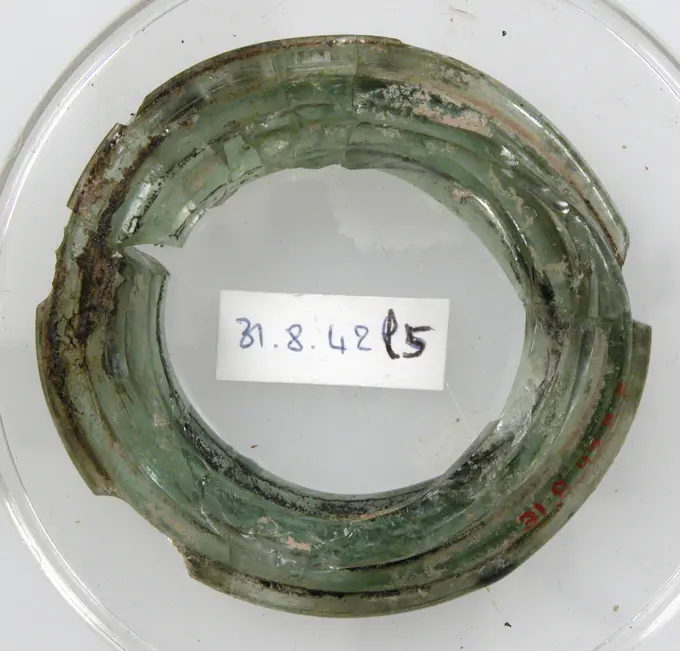
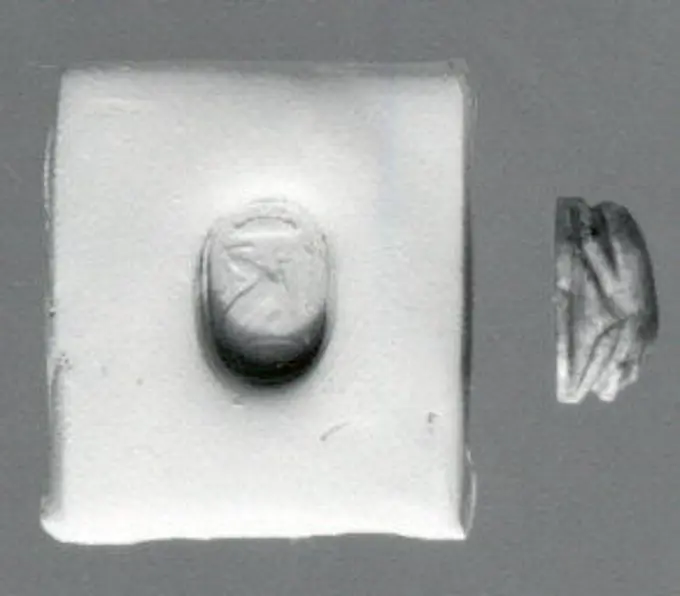
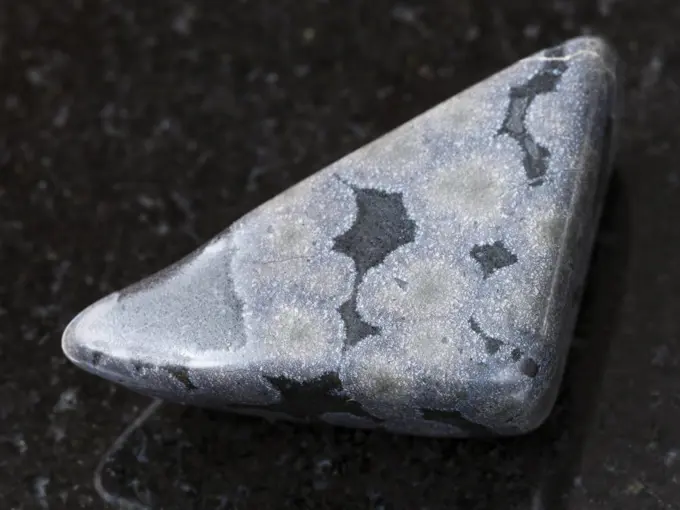
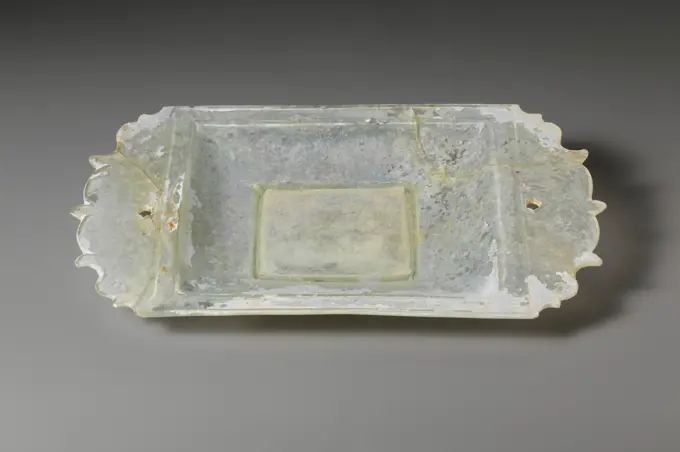
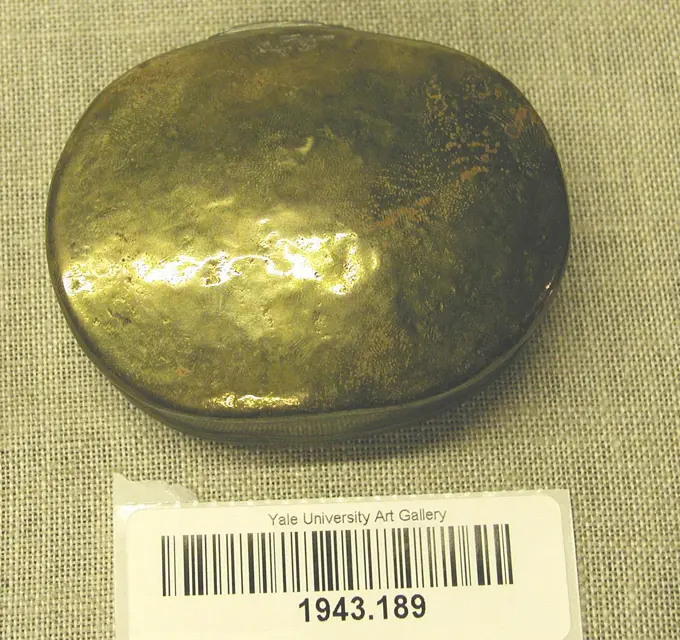
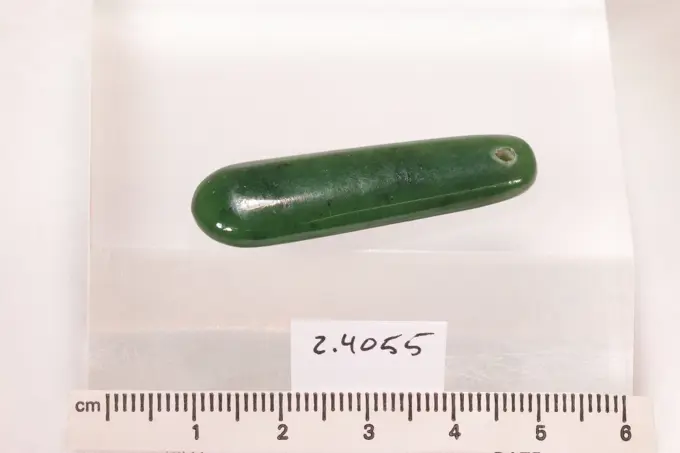
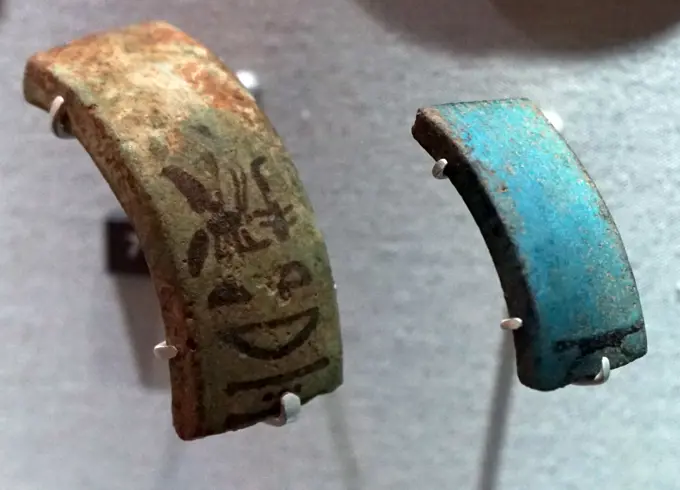
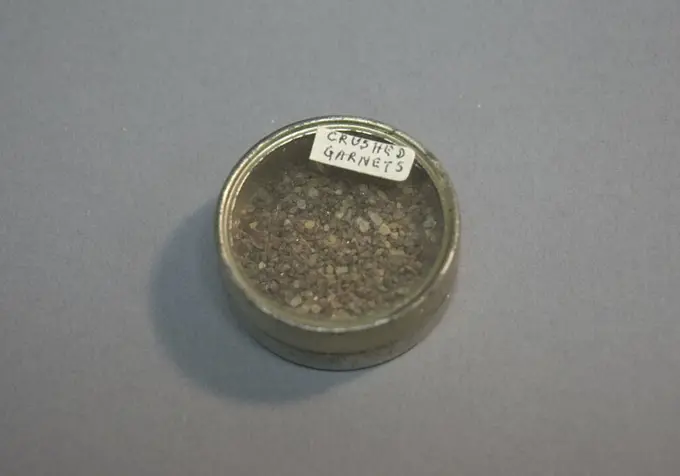
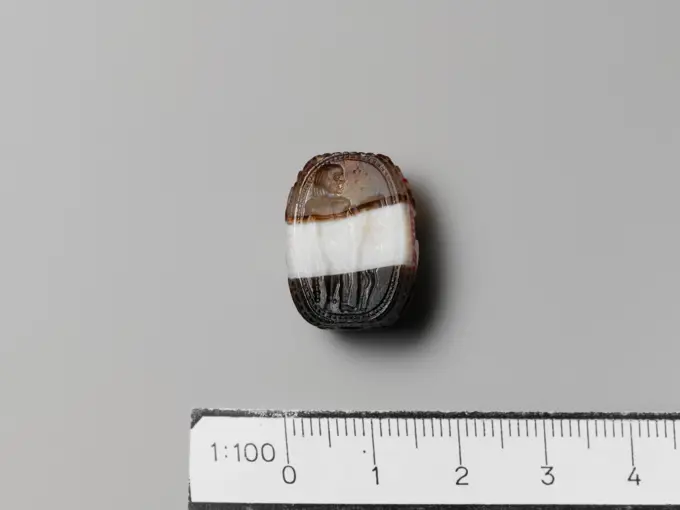
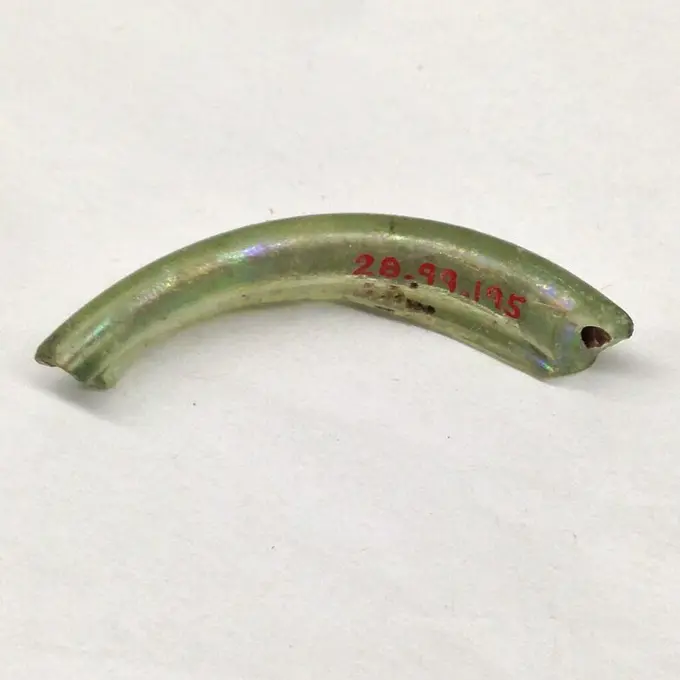
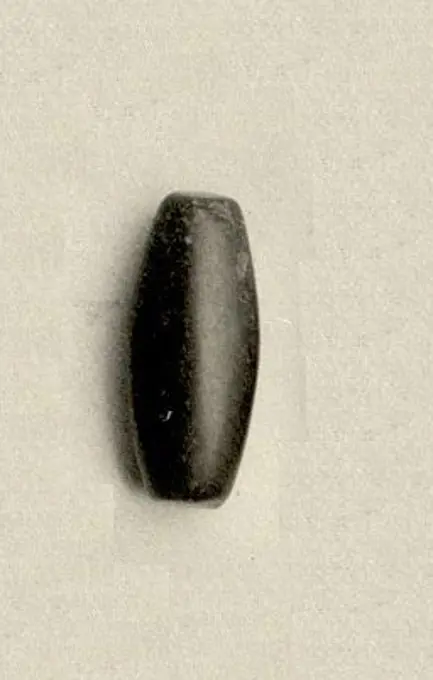
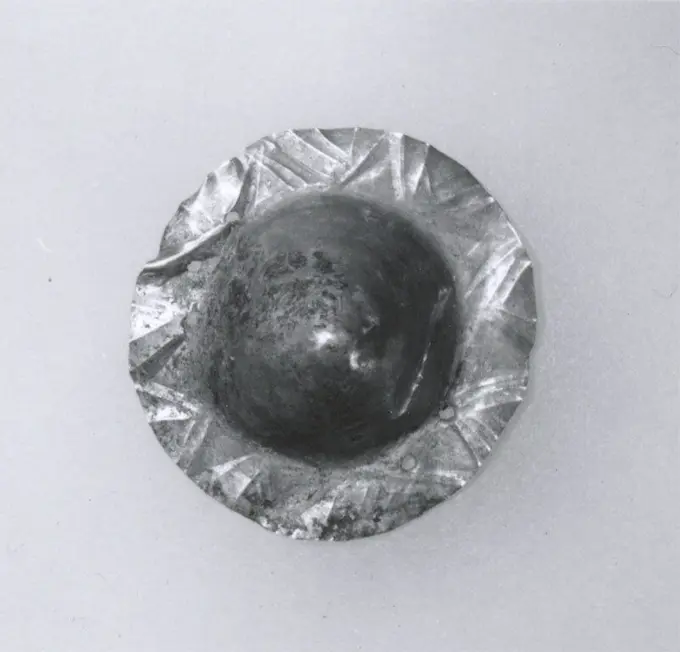
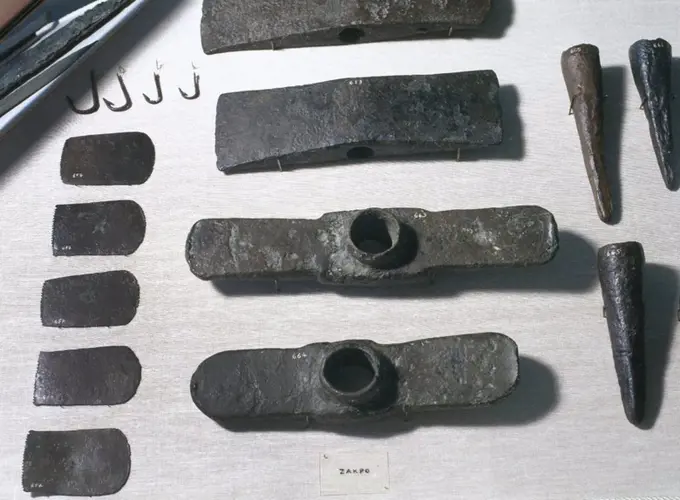
Fragment. Culture: European or Middle Eastern. Dimensions: L. 1 1/8 in. (2.9 cm). Date: ca. 1150-ca. 1250. Museum: Metropolitan Museum of Art, New York, USA.Fragment ca. 1150-ca. 1250 European or Middle Eastern. Fragment. European or Middle Eastern. ca. 1150-ca. 1250. Glass, ceramic. Glass-VesselsFragment ca. 1150-ca. 1250 European or Middle Eastern. Fragment 693893Fragment ca. 1150-ca. 1250 European or Middle Eastern. Fragment 694179Fragment of a bottle. Culture: Syrian. Dimensions: (b) L. 2 1/2 in. (6.4 cm). Date: 13th century. Museum: Metropolitan Museum of Art, New York, USA.Fragment ca. 1150-ca. 1250 European or Middle Eastern. Fragment 695147Goldweight Bean Pod, 19th-20th century, 2 1/8 x 9/16 in. (5.4 x 1.43 cm), Brass, Ghana, 19th-20th centurySpinning stone, anonymous, c. 1600 - c. 1699 Spider of stoneware. A tire of Ingangrifted lines on the widest part of the stone. Germany stoneware. glaze vitrification Spider of stoneware. A tire of Ingangrifted lines on the widest part of the stone. Germany stoneware. glaze vitrificationFragment ca. 1150-ca. 1250 European or Middle Eastern. Fragment 694211Fragment. Culture: European or Middle Eastern. Dimensions: L. 1 1/2 in. (3.8 cm). Date: ca. 1150-ca. 1250. Museum: Metropolitan Museum of Art, New York, USA.Fragment. Culture: European or Middle Eastern. Dimensions: L. 1 5/8 in. (4.1 cm). Date: ca. 1150-ca. 1250. Museum: Metropolitan Museum of Art, New York, USA.Bronze candle holder. Width 3, 8 cm Height 4 cm thickness 0, 2 cm ( 1 St - 3 rd CE ) - Roman period, from the " House of Hyppolytus "- Archaeological site of Complutum in Alcalá de Henares ( Madrid ). SPAIN.Fragment. Pierre, China, Han dynasty (206 BC AP.J.-C.). Paris, Cernuschi museum. Asian art, Chinese art, Han dynastyTwo Glass Fragments 9th century. Two Glass Fragments 453508Fragment ca. 1150-ca. 1250 European or Middle Eastern. Fragment 695297Dice 9th-10th century This object was excavated at Nishapur.Nishapur was a vital city in the early and middle Islamic periods, located along one of the main trajectories that connected Iran and West Asia Islamic lands with Central Asia and China. These itineraries are often referred to by the term Silk routes’ but were in fact crucial to the movement of constellations of materials and objects, as well as people and ideas. The diverse population of Nishapur and its surroundings, from the better-researched elite groups of merchants, land-owning aristocracy, and literates, to the less-known artisans, farmers, miners, and servants, were instrumental in adapting global cultural trends to create their own distinctive visual languages. This is seen in the material remains of everyday life in medieval Nishapur - from pots and pans to lighting devices, inkwells, textiles and trimmings, jewelry, games and toys, talismanic devices, weapons, coins, and architectural fragments.Nishapur lost its poFragment ca. 1150-ca. 1250 European or Middle Eastern. Fragment 696603Forsterite. minerals. Europe; Italy; Campania Region; Mt. VesuviusPlanets-manager. Cornalet Collection Sites 2013-2016. Numismatic.Tea jar with cover ca. 1725 Japan. Tea jar with cover 63097Fragment ca. 1150-ca. 1250 European or Middle Eastern. Fragment 695395Fragment. Culture: European or Middle Eastern. Dimensions: L. 2 1/8 in. (5.4 cm). Date: ca. 1150-ca. 1250. Museum: Metropolitan Museum of Art, New York, USA.Fragment ca. 1150-ca. 1250 European or Middle Eastern. Fragment 695269Spindle Whorl 10th-early 16th century Mexican. Spindle Whorl 307701Basalt whetstone or polisher Cypriot Polisher.. Basalt whetstone or polisher 243909Button or Bead 9th-10th century The dot-in-circle motif recalls designs presumed to be of magical significance, most likely an abstract eye to ward off the evil-eye, which serves an apotropaic function. Easily reproduced with a tool and visible in many cultures and times, this symbol may have lost its meaning, and become simply a decorative pattern, or may have one that we have not yet discovered.. Button or Bead 450067Glass Fragment 13th century Crusader. Glass Fragment 729827Master stretch on unidentified Ardillon. A row of stones.Two-piece bronze mold for screw cap of large storage bottle or jug, mold casting tool tools base metal bronze, cast turned Two-piece bronze mold for casting screw cap for bottle top: 2834 165 Rotterdam tin foundry tin stainer tin Meeuws Druy craft Shapes are from the van origins 18th century Rotterdam tinnegieter J Druy. The large molds that were not signed or dated were the property of the tinker guild and were rented to the small tin caster.Polishing Stone (pulidor) before 16th century Mexican. Polishing Stone (pulidor) 317084Bottle ca. 9th-10th century. Bottle 452361Pyroxene. minerals. North America; USA; Tennessee; Polk County; DucktownSpindle Whorl 9th-15th century Mexican. Spindle Whorl 315839Fragment. Culture: European or Middle Eastern. Dimensions: L. 2 in. (5.1 cm). Date: ca. 1150-ca. 1250. Museum: Metropolitan Museum of Art, New York, USA.Lid. Culture: Coptic. Dimensions: Overall: 1 1/4 x 2 7/8 in. (3.2 x 7.3 cm). Date: 4th-7th century. Museum: Metropolitan Museum of Art, New York, USA.Terracotta oil lamp ca. A.D. 90140 Roman, Italian On discus: three sheep grazing.. Terracotta oil lamp. Roman, Italian. ca. A.D. 90140. Terracotta; mold made. Mid Imperial. TerracottasCorundum. minerals. North America; USA; Montana; Granite County; PhilipsburgFragment ca. 1150-ca. 1250 European or Middle Eastern. Fragment 695313Carnavalet Museum, Medals CollectionFragment of a Cup 14th-15th century. Fragment of a Cup. 14th-15th century. Earthenware; white slip with polychrome decoration under transparent glaze. Attributed to Egypt. CeramicsAlabastron (Container for Scented Oil). Egyptian. Date: 664 BC-332 BC. Dimensions: H. 6.2 cm (2 7/16 in.); diam. 2.2 cm (7/8 in.). Calcite. Origin: Egypt. Museum: The Chicago Art Institute, Chicago, USA. Author: Ancient Egyptian.Three-piece bronze mold for crane, mold casting tools tool kit base metal bronze, molded turned Three-piece bronze mold for casting part of crane side: 2834 230 and an X over the two sides as marking how to use the form Rotterdam tin foundry tin tin Meeuws Druy artisan Shapes are from the originally 18th century Rotterdam tinnegieter J Druy. The large molds that were not signed or dated were the property of the tinker guild and were rented to the small tin caster.Lid 4th-7th century Coptic. Lid 478902Willemite. minerals. Denmark; Greenland; JulianehabFragment ca. 1150-ca. 1250 European or Middle Eastern. Fragment 695165Stamp 5th-6th century Atlantic Watershed. Stamp 313381Fragment first half 17th century Mexican. Fragment 211518Finger Ring 1st-8th century Olmec. Finger Ring 313249Fragment ca. 1150-ca. 1250 European or Middle Eastern. Fragment 695385TobaccoCaseStone Beads probably 8th-12th century. Stone Beads. probably 8th-12th century. Stone. Excavated in Iran, Nishapur. JewelryEar Spool before 16th century Mexican. Ear Spool 317402Hammered Silver Miniature Drum 11th-mid-15th century Chimú or Chancay. Hammered Silver Miniature Drum 308975Menning in the form of a letter block on the three hundred -year commemoration of the intake of the Briel by the Watergeuzen 1872, Johan Enschedé & Zn., 1872 history medal Elongated letter cube for a winged letter A, on two sides text. Haarlem lead (metal) castingSphalerite. minerals. Europe; Switzerland; Valais Canton; BinnWeights on Scales Antique Masses Weights on Balances Scales Pan Copyright: xZoonar.com/MarkoxBericx 7576333Rim of a Vessel 4th century Coptic. Rim of a Vessel 479195Acanthite; Argentite. minerals. Europe; Germany; Saxony; Freiberg; Himmelfahrt MineAnatase. minerals. South America; BrazilStamp seal (scarab) with monster 9th - 7th century B.C. or later Phoenician. Stamp seal (scarab) with monster. Phoenician. 9th - 7th century B.C. or later. Lapis lazuli. Iron Age II. Levant or Syriapolished Variolite stone on dark background macro shooting of natural mineral rock specimen - polished Variolite stone on dark granite background from Yalguba region, Karelia, Russia Copyright: xZoonar.com/ValeryxVoennyyx 11391847Glass serving dish Second half of the 1st-2nd century A.D. Roman Colourless with green tinge.Rim ground smooth; horizontal border with two raised lines on each side of shallow rectangular bowl; sides sloping in to flat bottom; two large horizontal handles with roughly cut hole at center of each and cut decoration along outer edge; at corners, four small incised circles; raised hollow foot of rectangular shape, made by applying thick trail to bottom of bowl and then ground smooth; trail applied at one corner and run all way around bottom.Broken and repaired across one handle and one end of the other with side of tray; some milky weathering and iridescence; dulling and pitting.Such glass vessels may have been made in imitation of rock crystal and marble tablewares, although there are also similar examples in silver plate and the rectilinear shape and sharp edges are much more appropriate for metalwork than glass.. Glass serving dish 257876Bead probably 8th-12th century This object was excavated at Nishapur.Nishapur was a vital city in the early and middle Islamic periods, located along one of the main trajectories that connected Iran and West Asia Islamic lands with Central Asia and China. These itineraries are often referred to by the term Silk routes’ but were in fact crucial to the movement of constellations of materials and objects, as well as people and ideas. The diverse population of Nishapur and its surroundings, from the better-researched elite groups of merchants, land-owning aristocracy, and literates, to the less-known artisans, farmers, miners, and servants, were instrumental in adapting global cultural trends to create their own distinctive visual languages. This is seen in the material remains of everyday life in medieval Nishapur - from pots and pans to lighting devices, inkwells, textiles and trimmings, jewelry, games and toys, talismanic devices, weapons, coins, and architectural fragments.Nishapur loFaience Inlay ca. 1184-1153 B.C. New Kingdom, Ramesside This decorative tile may be associated with the ceramic art of the reign of Ramesses III. It was probably used to form a horizontal pattern of alternating lily leaves, buds, and open blossoms.. Faience Inlay. ca. 1184-1153 B.C.. Faience. New Kingdom, Ramesside. From Egypt. Dynasty 20Rod Finial in the Shape of a Foliate Form Second half of the 8th-second half of the 10th century Indonesia (Java). Rod Finial in the Shape of a Foliate Form 50124Lip of a Vessel 4th-early 5th century Coptic. Lip of a Vessel 479607Silver. minerals. North America; USA; Colorado; Cashin MinePowderhornRound Plaque 3rd century B.C.-A.D. 2nd century Vicús. Round Plaque 315577Pipette with serum on a beige background. High quality photo.Hanukkah DreidelIvory and wood game from the tomb of King Tutankhamen. Saddle (Kura). Culture: Japanese. Dimensions: burr plate: H 12 3/4 in. (32.4 cm); W. 16 in. (40.6 cm) cantle plate: H. 11 1/8 in. (28.3 cm); W. 14 in. (35.6 cm). Date: 17th century. Museum: Metropolitan Museum of Art, New York, USA.Lead Role from the wreck of the East Indies' t Vliegend Hart ,, 1700 - 1735 lead Tubes rolled plates. Silver gray of color. Roll of Lead. Middelburg lead (metal)Chalcocite. minerals. North America; USA; Connecticut; Hartford County; BristolFragments of pipe heads and pipes from the wreck of the East Indians' t Vliegend Hart, WS, 1700 - 1735  Six broken heads of earthen Goudse pipes, heel brand ws and one (without steel) with a five -leaf flower or leaf as heel brand. Two shards of a head. Twenty -four pieces of stem. Gouda pipe clayRhodochrosite. minerals. North America; USA; Colorado; Lake County; Alicante, John Reed MineSelection of objects from the En Gedi hoard. Found wrapped in a woven mat in a cave above Nahal Mishmar in the Judean Desert, over 6,500-5,500 years ago. It is thought that the objects belong to the En Gedi sanctuary about 12km away. Made from copper, ivory and stone.TobaccoBoxActinolite. mineralsFaience bracelet fragments 1292-1185 BC, Ancient EgyptianEmergency Skacheltje, J.C. Nienaber (Possibly), 1940 - 1945  On a square iron plate with diagonally cut corners there is a round iron container, in which a square container with cement inside that has disappeared for the most part. On one side at the foot an elongated opening, three opening in the bottom that together form three -quarters of a circle. Amsterdam iron (metal). cement (construction material) forging  NetherlandsBottom of Flask. Culture: Syrian. Dimensions: Diam. 3 in. (7.6 cm). Date: 13th century. Museum: Metropolitan Museum of Art, New York, USA.Bead 7th century or earlier Japan. Bead 60597Bowl sherd ca. 8th-7th century B.C. Assyrian. Bowl sherd 324640Vanadinite. minerals. North America; USA; Arizona; Yuma CountyStibiotantalite. minerals. North America; USA; California; San Diego County; Mesa GrandeBrookite. minerals. Asia; Pakistan; Baluchistan; KharanStudents' downloadContainer of Crushed Garnets. Culture: China. Dimensions: Overall (container): H. 5/8 in. (1.6 cm); Diam. 1 1/2 in. (3.8 cm). Date: 20th century. Museum: Metropolitan Museum of Art, New York, USA.Agate scarab 450-400 B.C. Etruscan Herakles and a standing man. The carving of the latter is in an unfinished state.. Agate scarab. Etruscan. 450-400 B.C.. Banded agate. Classical. GemsFragment. Culture: European or Middle Eastern. Dimensions: L. 1 15/16 in. (4.9 cm). Date: ca. 1150-ca. 1250. Museum: Metropolitan Museum of Art, New York, USA.Gold. minerals. North America; USA; Oregon; Linn County; Santiam District, White Bull LodeWeight ca. 1981-1640 B.C. Middle Kingdom. Weight. ca. 1981-1640 B.C.. Hematite. Middle Kingdom. From Egypt, Memphite Region, Lisht North, Cemetery, MMA excavations, 1920-22. Dynasty 12-13Boss or appliqué 1st millennium B.C.-A.D. 1st century Iran. Boss or appliqué 326953ARTE MINOICO. GRECIA. DOBLES HACHAS Y ANZUELOS. Procedentes del Palacio de Zakros, fechado hacia el 1600-1450 a. C. (Epoca de los Nuevos Palacios). Museo de Heraklio. CRETA.Copper. minerals. Australia; Australia; New South Wales; Yancowinna; Broken Hill; Broken Hill minesVinaigrette box 1806 Samuel Pemberton. Vinaigrette box 207446Barite. minerals. Europe; England; Derby County; MatlockWeights placed on weighing scale Weights placed on weighing scale Copyright: xZoonar.com/RealityImagesx 22199987