Fragmented Historical Artifacts

Archaeological glass and ceramic fragments from the Middle Ages, showcasing the beauty of ancient craftsmanship and their historical significance.
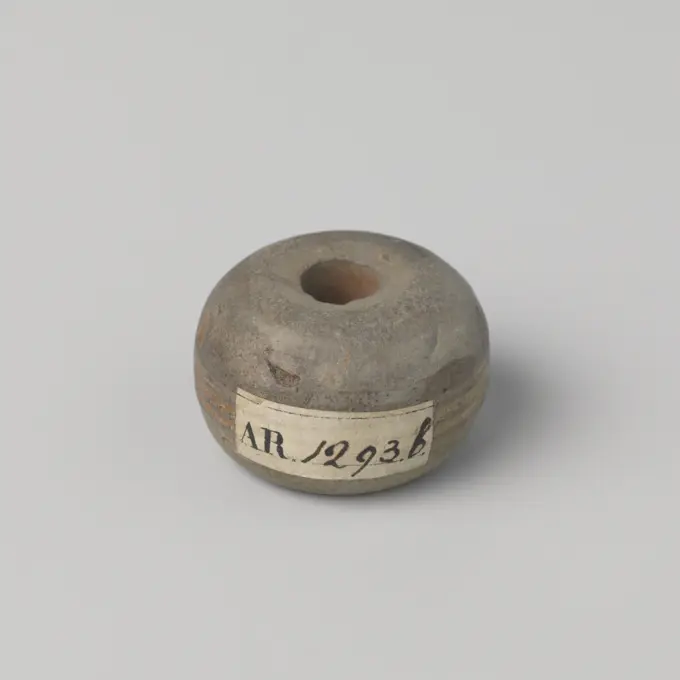
Spinning stone, anonymous, c. 1600 - c. 1699 Spider of stoneware. A tire of Ingangrifted lines on the widest part of the stone. Germany stoneware. glaze vitrification Spider of stoneware. A tire of Ingangrifted lines on the widest part of the stone. Germany stoneware. glaze vitrification
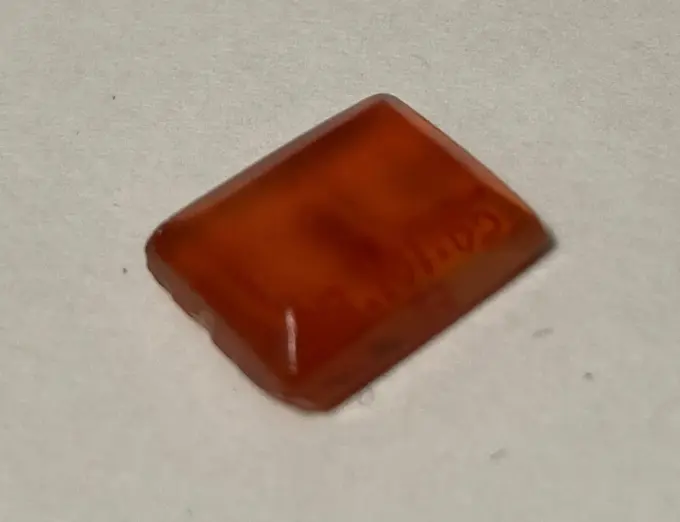
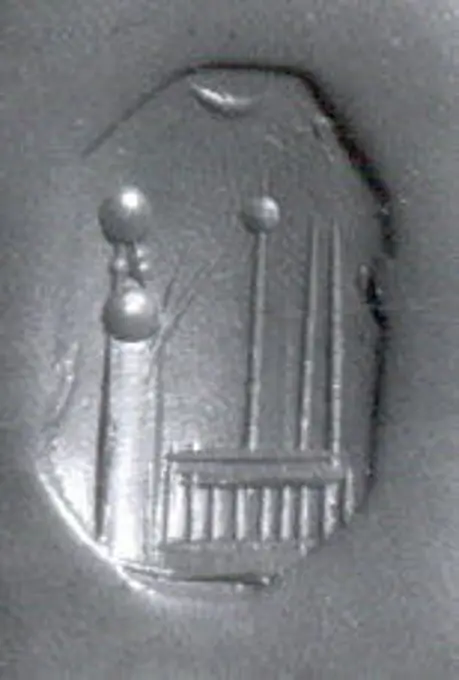
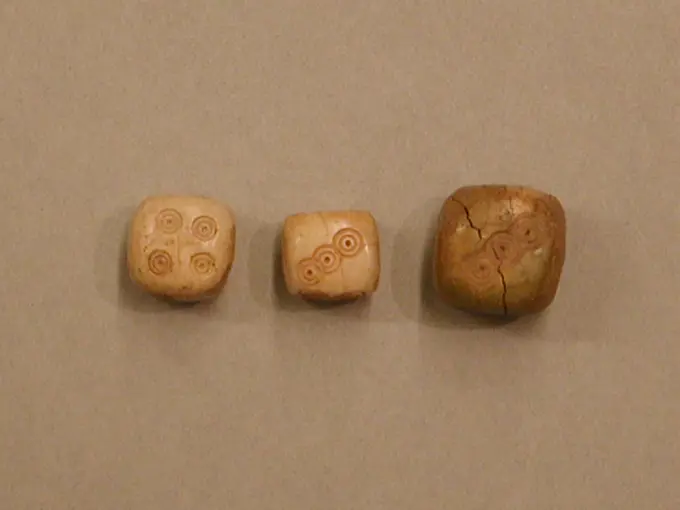
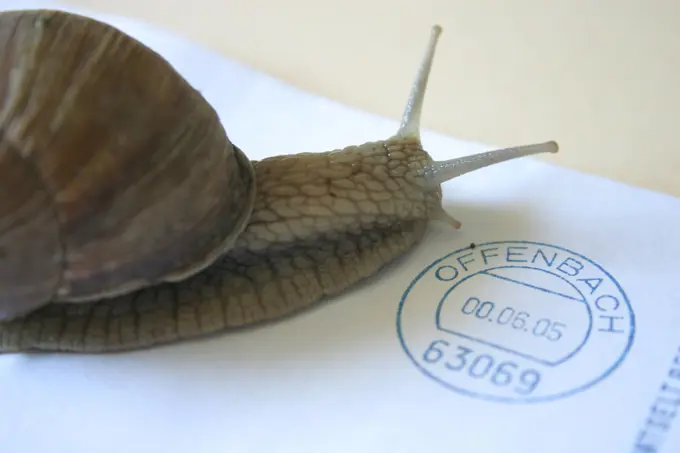
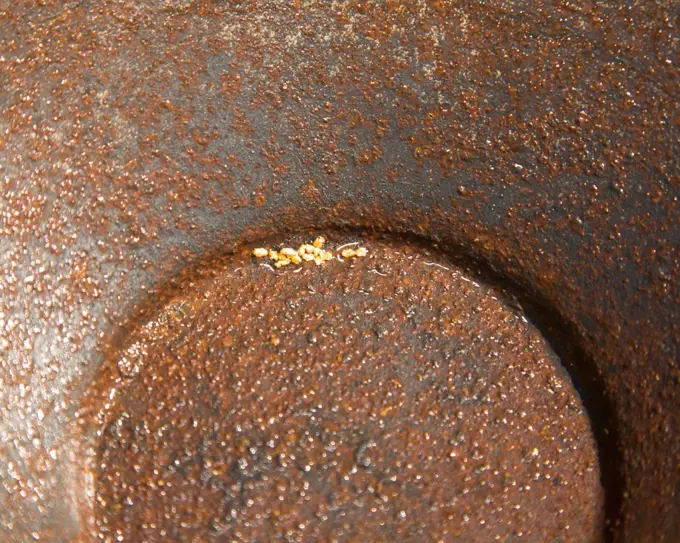
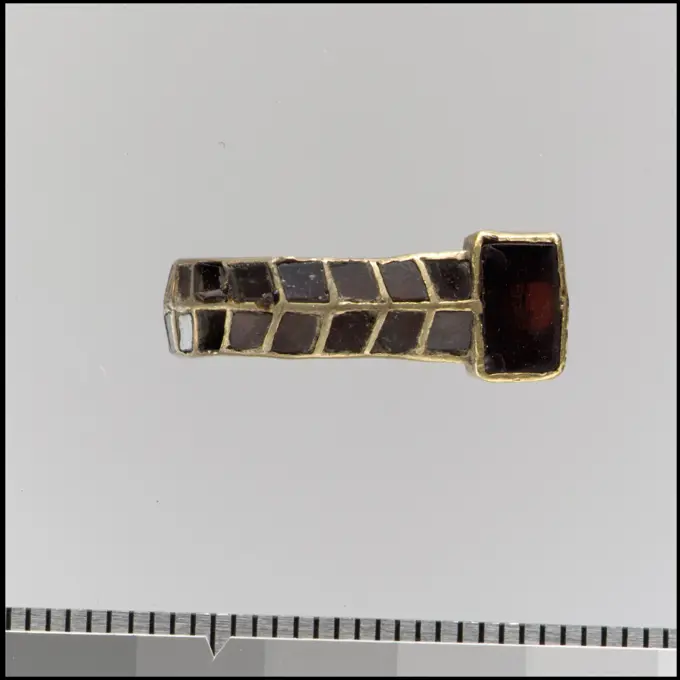
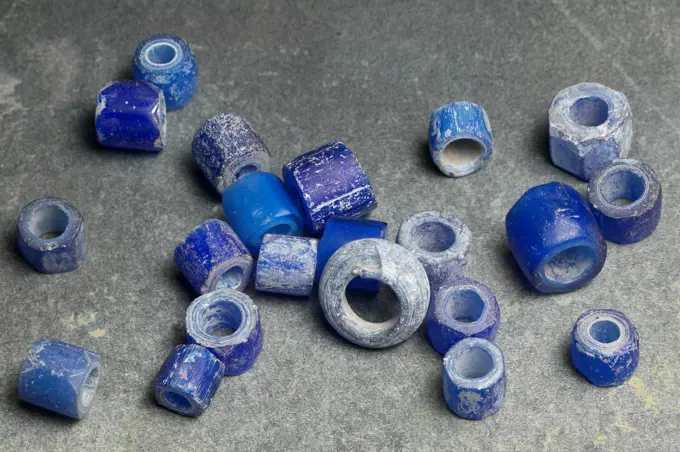
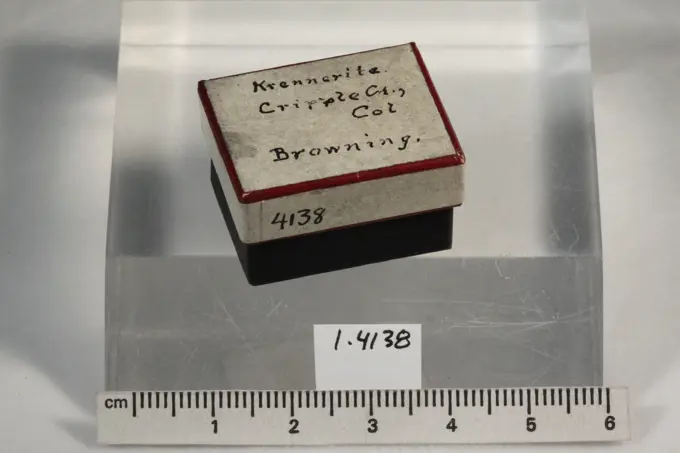
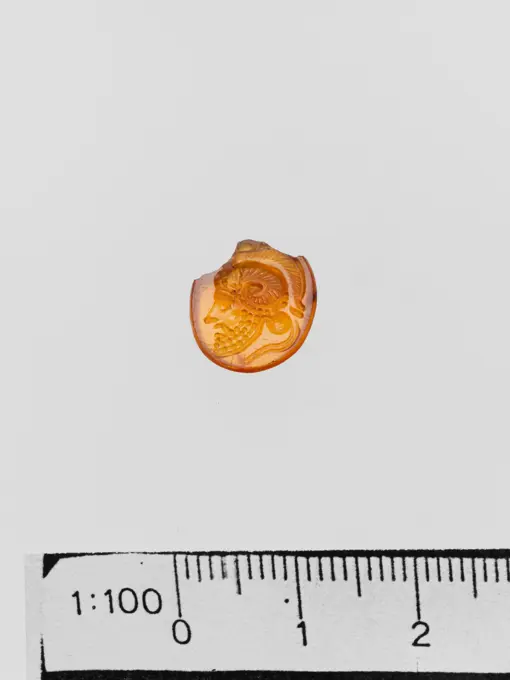
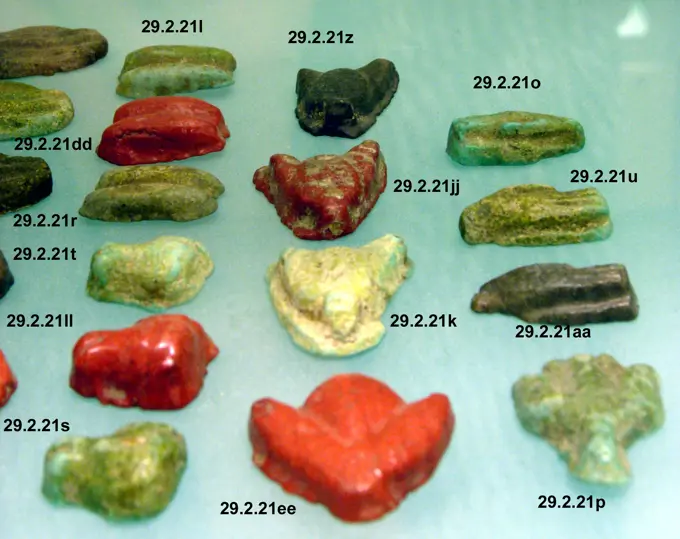
A daguerreotype portrait of a young woman by Hermann Krone, created around 1850. The portrait depicts mid-19th century fashion and formal studio composition.Kernite. minerals. North America; USA; California; Kern County; Kramer DistrictQuartz. minerals. North America; USA; Colorado; Saguache County; Bidell, nearBead probably 8th-12th century. Bead. probably 8th-12th century. Stone (). Excavated in Iran, Nishapur. JewelryBronze und Griff der Stange bronze and handle of rod, cave of Santimamine, Kortezubi, Arkeologi Museoa, museum aqueologico, Bilbao, Bizkaia, Pais Vasco, Spain Copyright: xZoonar.com/Tolox 22845402Buttons, Cut and drilled horn, Two circular beige to tan buttons; each with four holes., USA, 19th century, costume & accessories, Decorative Arts, ButtonsFaceted stone 8th-13th century This object was excavated at Nishapur.Nishapur was a vital city in the early and middle Islamic periods, located along one of the main trajectories that connected Iran and West Asia Islamic lands with Central Asia and China. These itineraries are often referred to by the term Silk routes’ but were in fact crucial to the movement of constellations of materials and objects, as well as people and ideas. The diverse population of Nishapur and its surroundings, from the better-researched elite groups of merchants, land-owning aristocracy, and literates, to the less-known artisans, farmers, miners, and servants, were instrumental in adapting global cultural trends to create their own distinctive visual languages. This is seen in the material remains of everyday life in medieval Nishapur - from pots and pans to lighting devices, inkwells, textiles and trimmings, jewelry, games and toys, talismanic devices, weapons, coins, and architectural fragments.Nishapur loStamp seal (octagonal pyramid) with cultic scene 7th - 6th century B.C. Assyro-Babylonian. Stamp seal (octagonal pyramid) with cultic scene. Assyro-Babylonian. 7th - 6th century B.C.. Flawed neutral Chalcedony (Quartz). Neo-Assyrian / Neo-Babylonian. MesopotamiaSeal Stone 10th-11th century Early Islamic seal stones were made from a variety of stones that came in many shapes and forms. The undeciphered inscription on this pink carnelian stone is a single word and is probably a name. Personal seals served as an individuals official signature in the Near East long before the advent of Islam. Among the many stones employed as seals, carnelian was by far the most popular, owing at least in part to its availability, toughness, and resistance to abrasion. It was also noted to be the favorite stone of the Prophet Muhammad.. Seal Stone 449312Garnet group. minerals. North America; USA; Connecticut; New Haven County; New Haven; Lighthouse PointDice 9th-10th century The dot-in-circle motif recalls designs presumed to be of magical significance, most likely an abstract eye to ward off the evil-eye, which serve an apotropaic function. Easily reproduced with a tool and visible in many cultures and times, this symbol may have lost its meaning, and become simply a decorative pattern, or may have one that we have not yet discovered.. Dice 454632Kaliborite. minerals. Europe; Italy; Sicily; CalascibettaHeart shaped gold color metal object in handSchneckenpost vineyard snail on an envelopeGold in a PanTongue from a buckle 450-500 Ostrogothic. Tongue from a buckle 469023Pearceite. minerals. North America; USA; Montana; Lewis and Clark County; MarysvilleBohemian cobalt blue glass beads used for trading circa 1900. These blue beads are often found at Venda and Matabele iron age sites. Mashatu Game Reserve. Nothern Tuli Game Reserve. Botswana.Krennerite. minerals. North America; USA; Colorado; Teller County; Cripple CreekCopper. minerals. North America; USA; Michigan; Keweenaw County; Eagle Harbor; Central MineEighteen Medium Piloncito Coins Second half of the 8th-second half of the 10th century Indonesia. Eighteen Medium Piloncito Coins 50074Police seizure silver block Copyright: xHemangixNakwe/DinodiaxPhotoxGlass Fragments 4th century Coptic. Glass Fragments 479147Printing blocks. cast bronze typeface letters, 1406 AD. KOREA.Sard ring stone 3rd-2nd century B.C. Italic Helmet with visor representing the face of a bearded man.. Sard ring stone. Italic. 3rd-2nd century B.C.. Sard. Hellenistic. GemsFoundation Deposits ca. 1295-1070 B.C. New Kingdom, Ramesside. Foundation Deposits. ca. 1295-1070 B.C.. Faience. New Kingdom, Ramesside. From Egypt, Upper Egypt, Foundation deposit. Dynasty 20Chinese script viewed through a magnifying glassCarnelian ring stone 3rd-2nd century B.C. Italic Goat walking to left with a grasshopper on its back.. Carnelian ring stone. Italic. 3rd-2nd century B.C.. Sard. Hellenistic. GemsOld oil filter littering the seabedDisplay for the development of Salmon eggs or fry, Yukon Outdoor School Program, Department of Fisheries and Oceans, DFO, McIntyre Creek hatchery, Whitehorse, Yukon Territory, Canada, North America