Geometric Ceramic Bowls

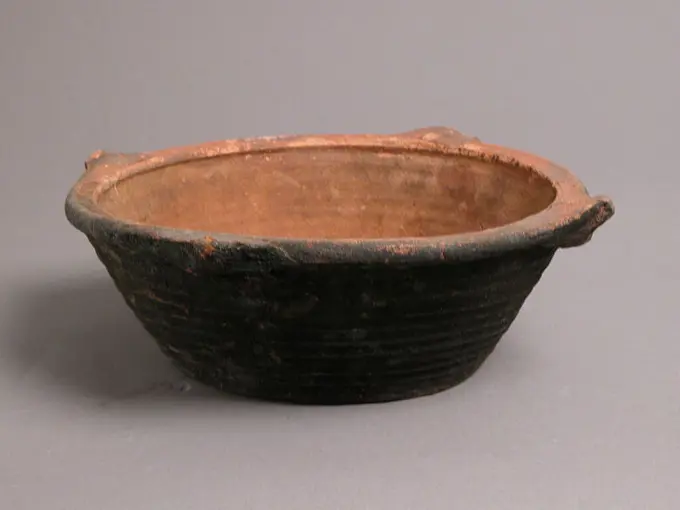
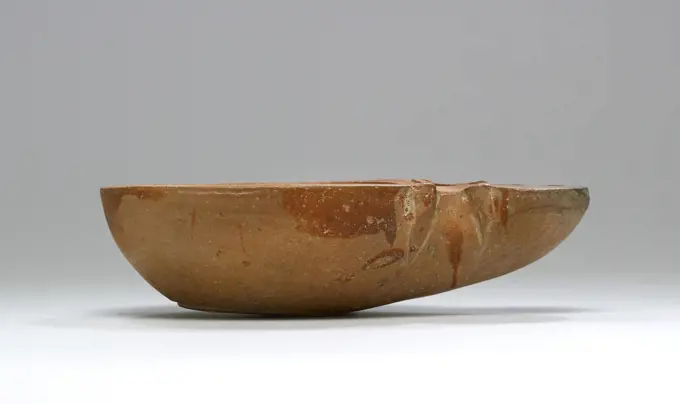
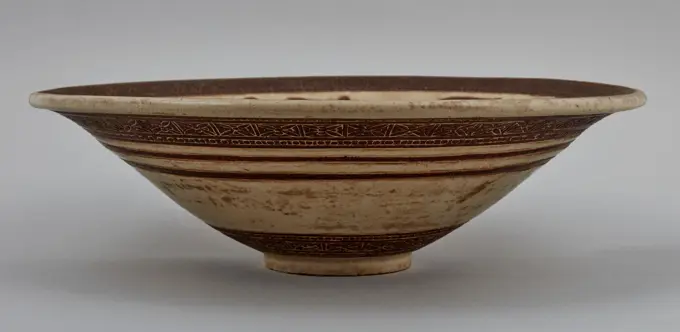
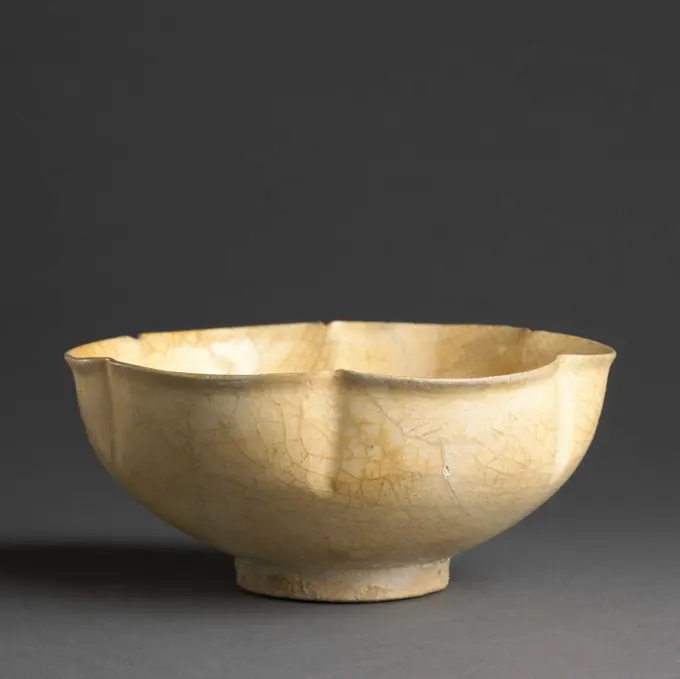
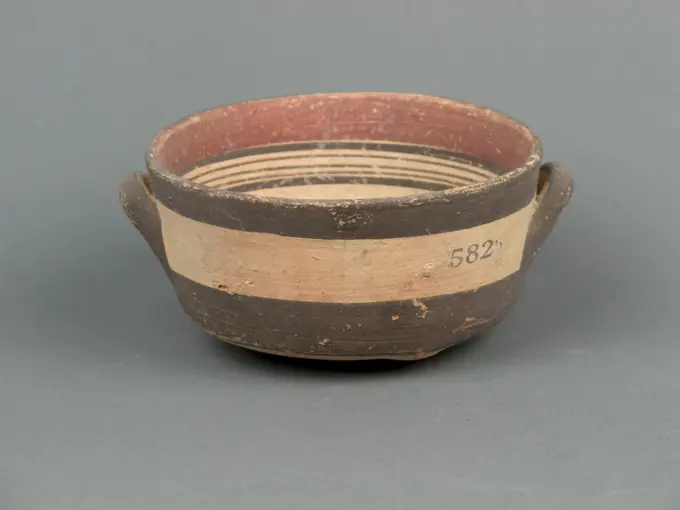
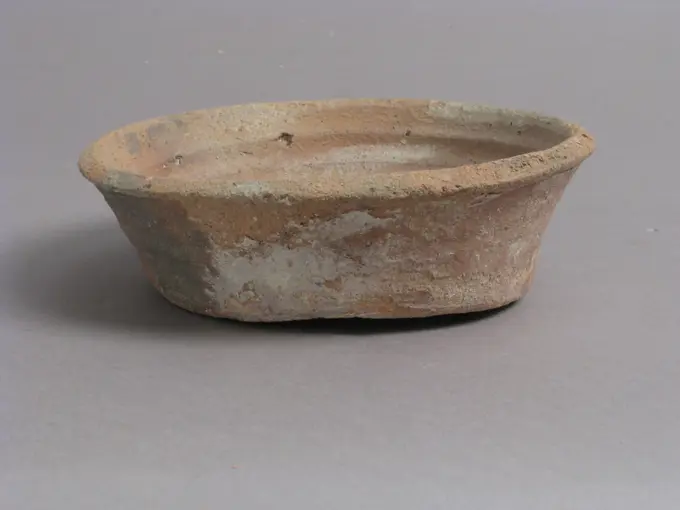
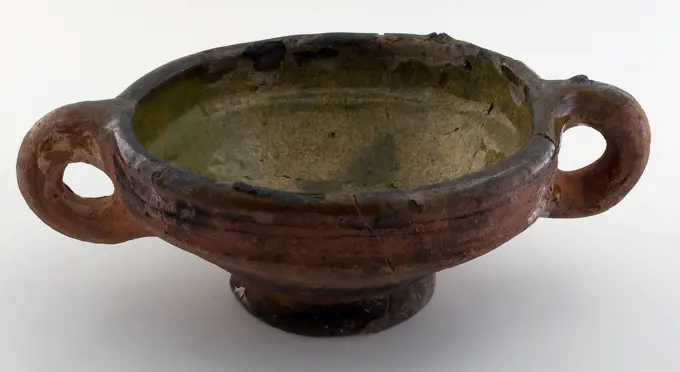
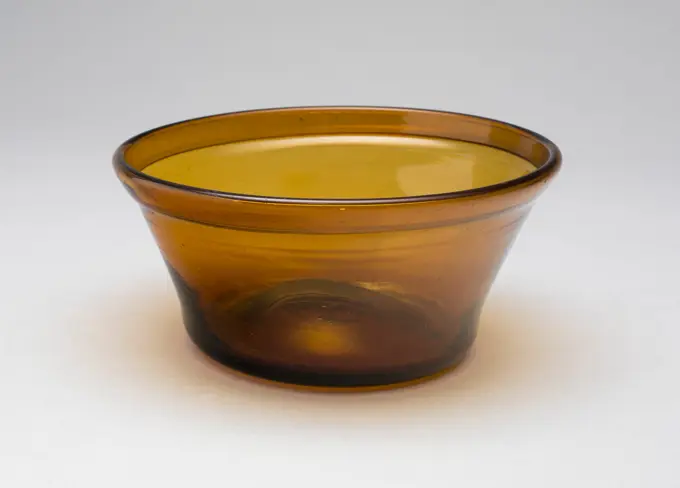
A collection of earthenware bowls featuring intricate geometric and floral designs, showcasing varying shapes and colors, including blues and browns.

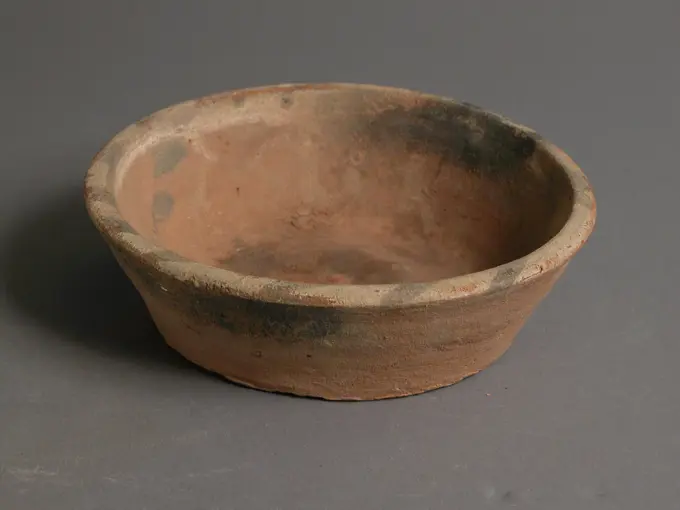
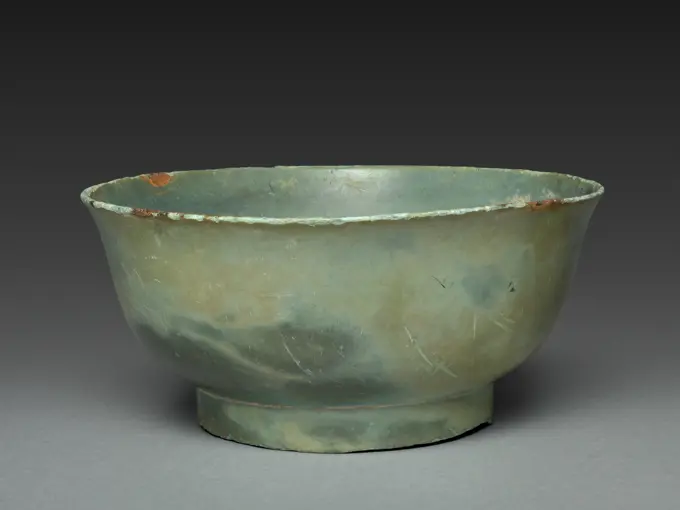
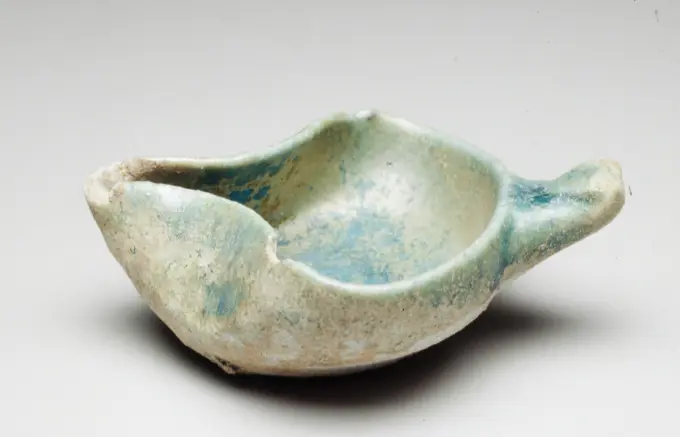
Miniature basin ". Terracotta with green lead glaze. Han dynasty (206 BC-220 AD). Paris, Cernuschi museum. Chinese art, miniature pool, han dynasty, han time, container, terracotta
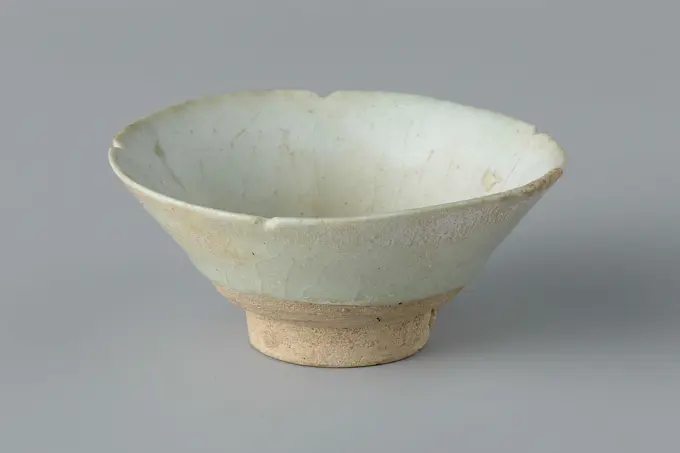
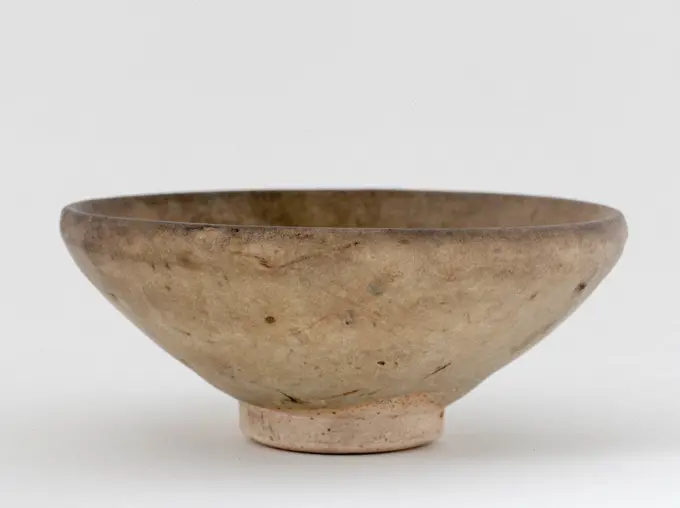
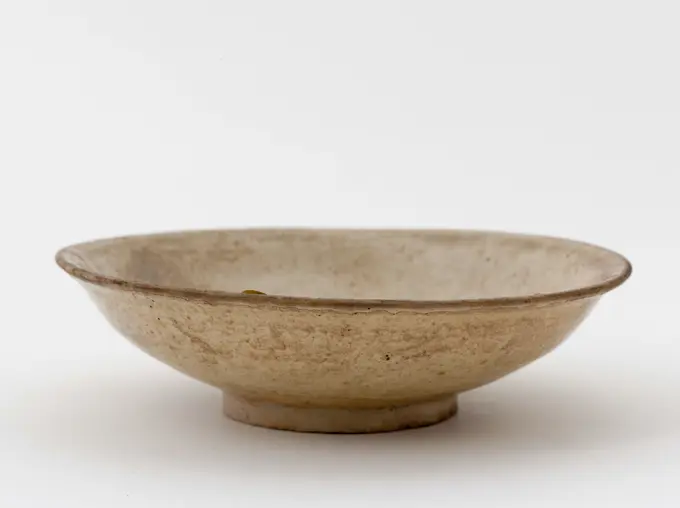
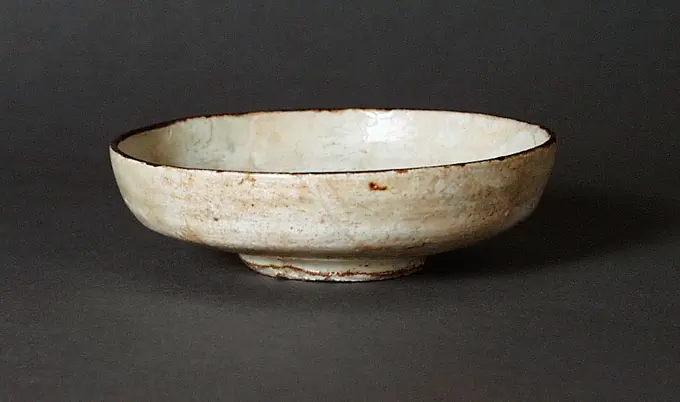
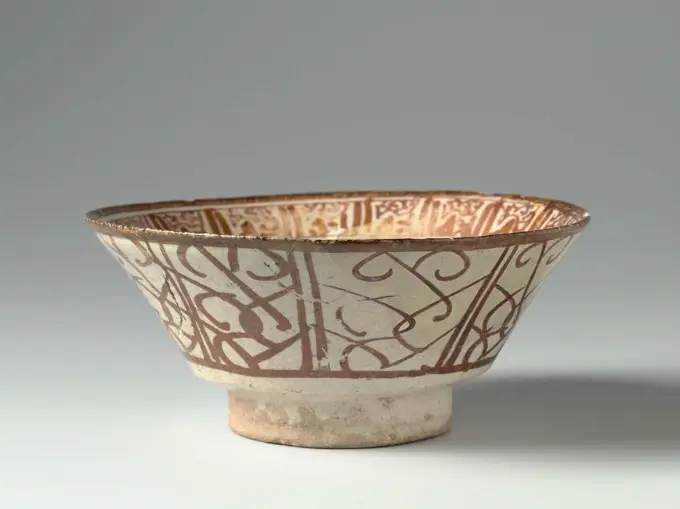
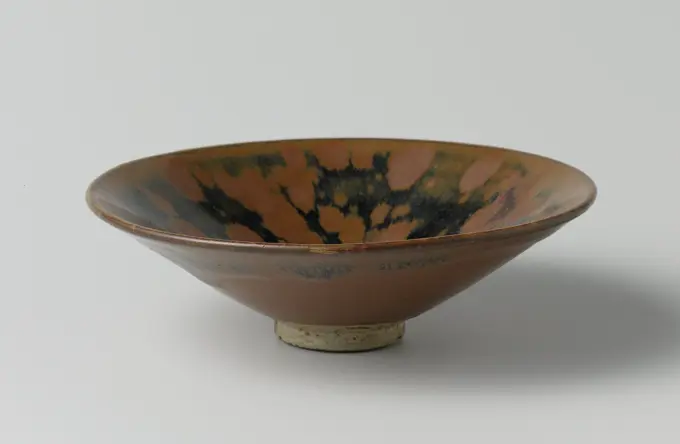
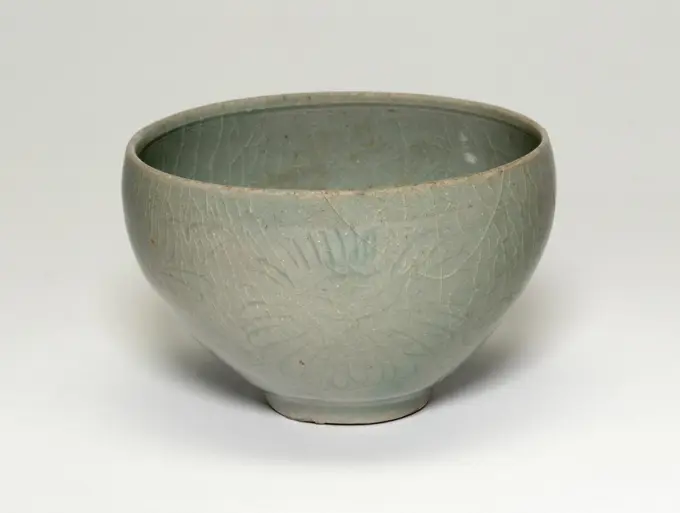
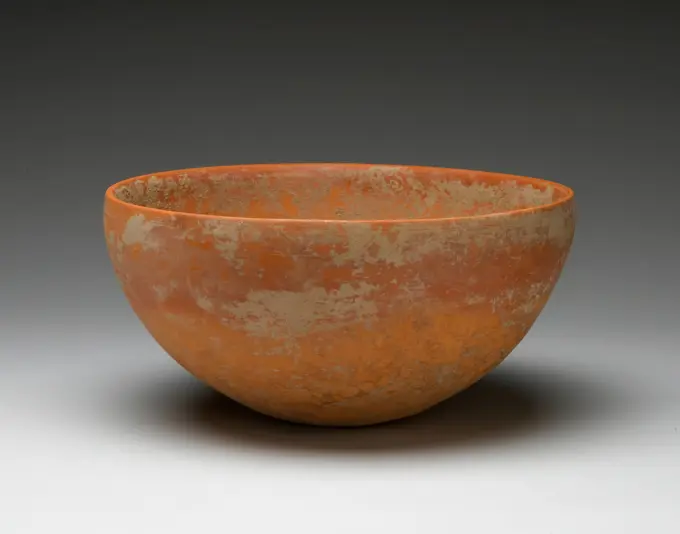
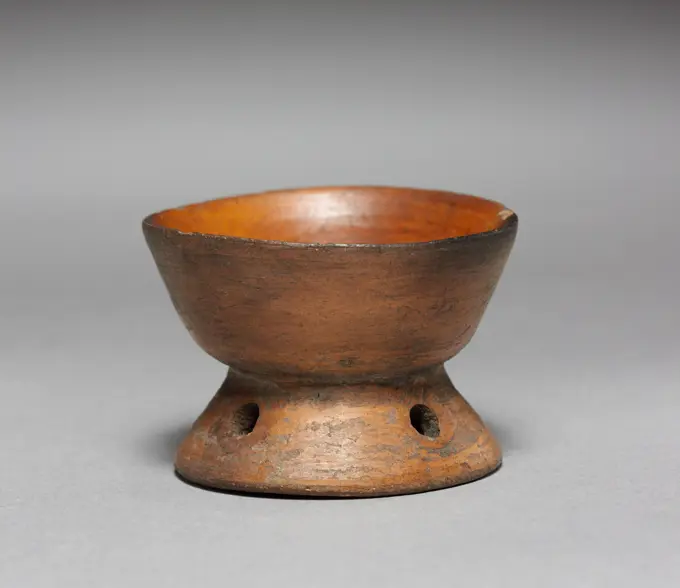
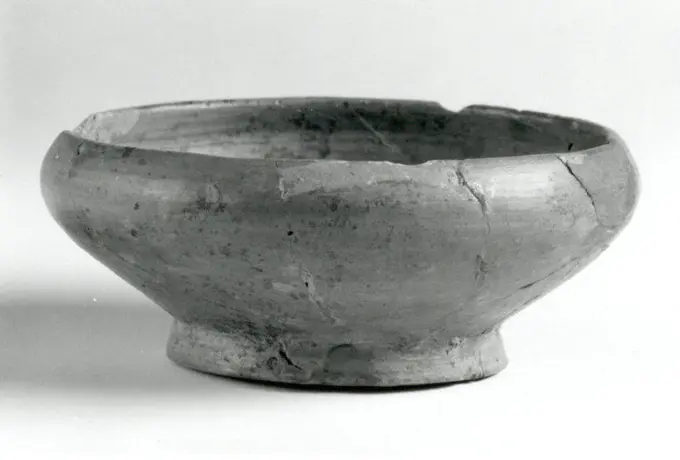
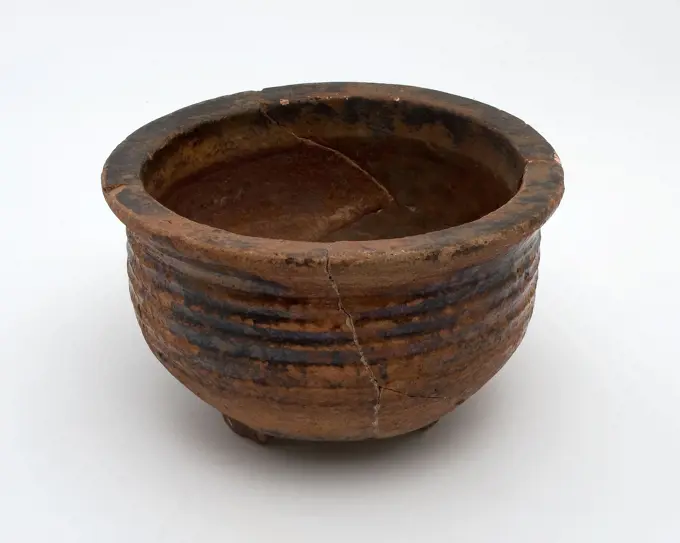
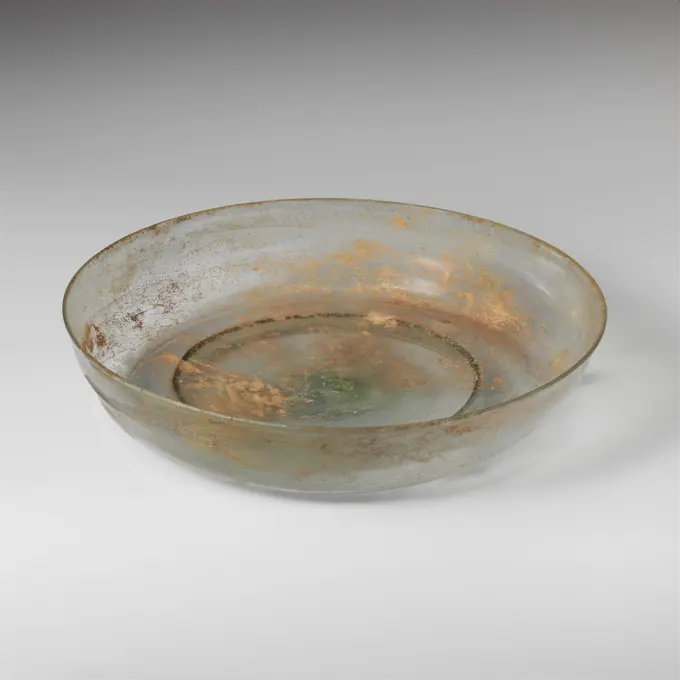
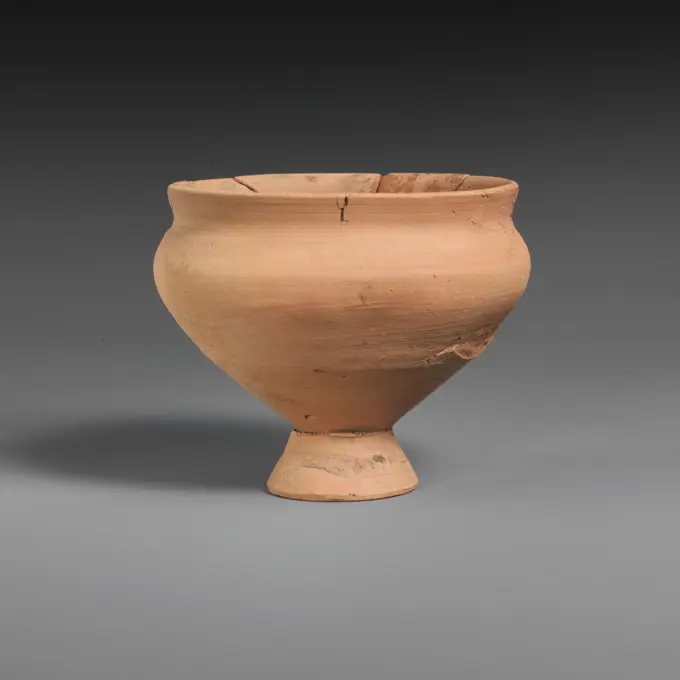
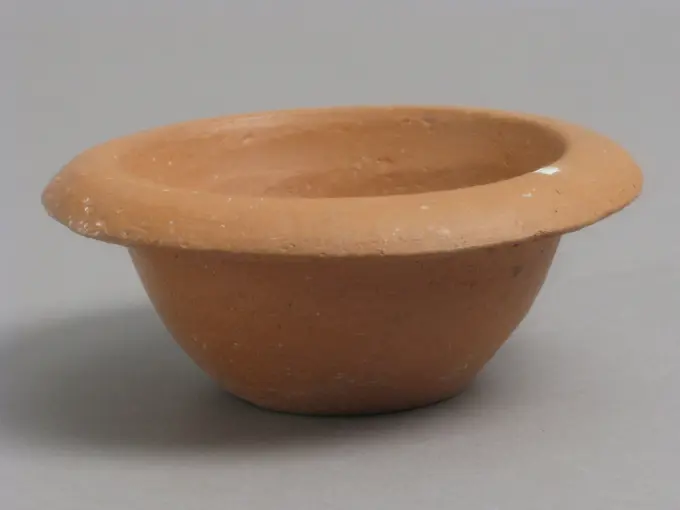
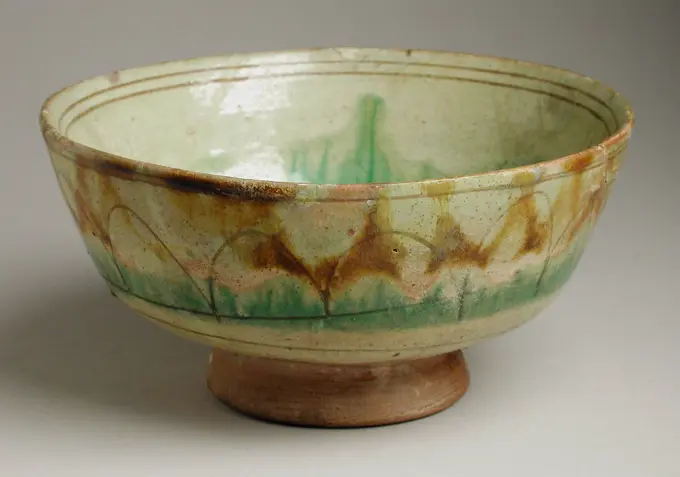
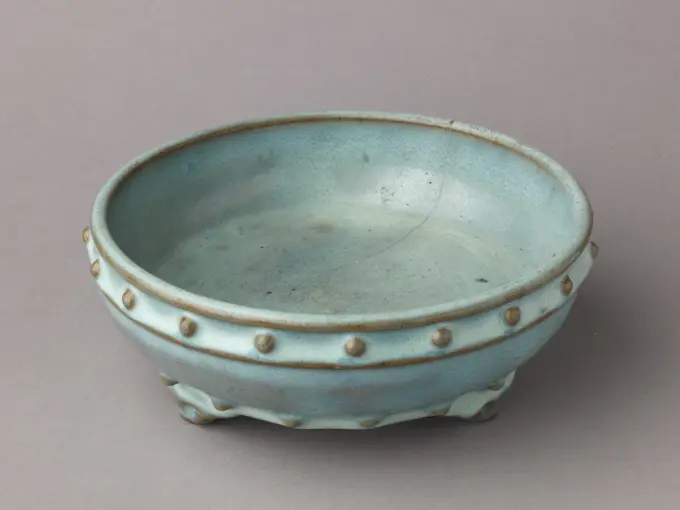
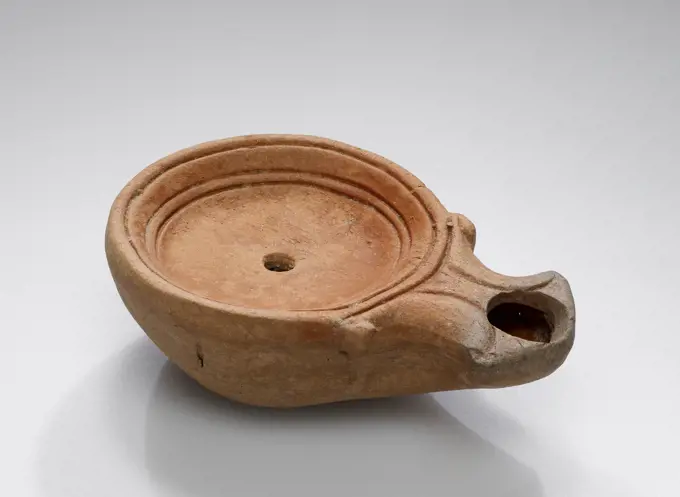
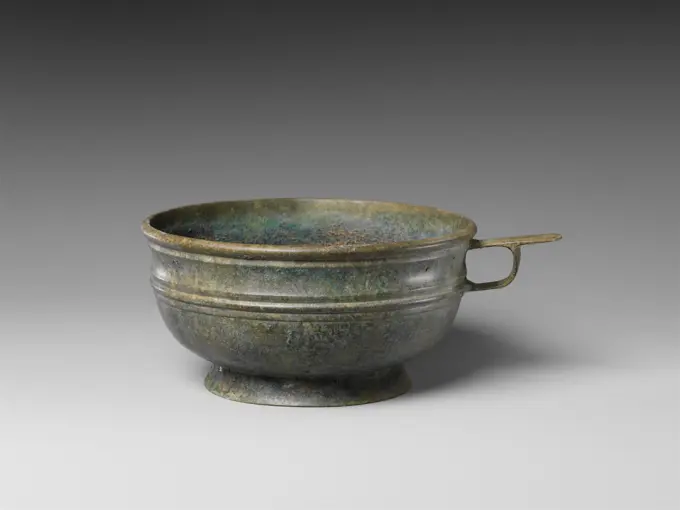
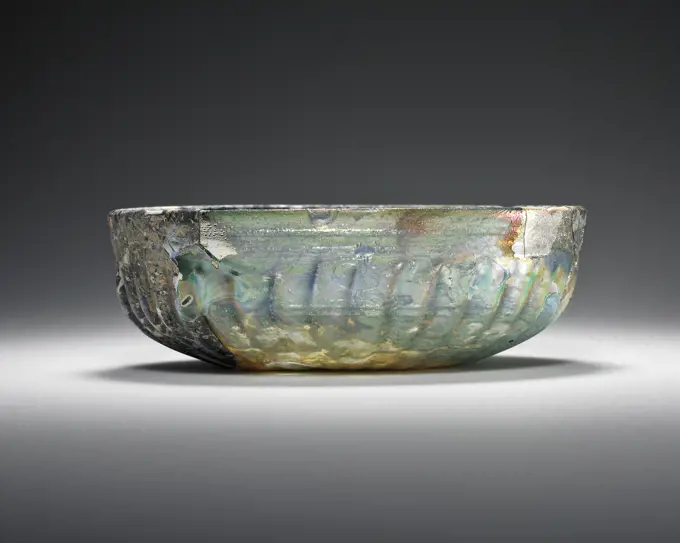
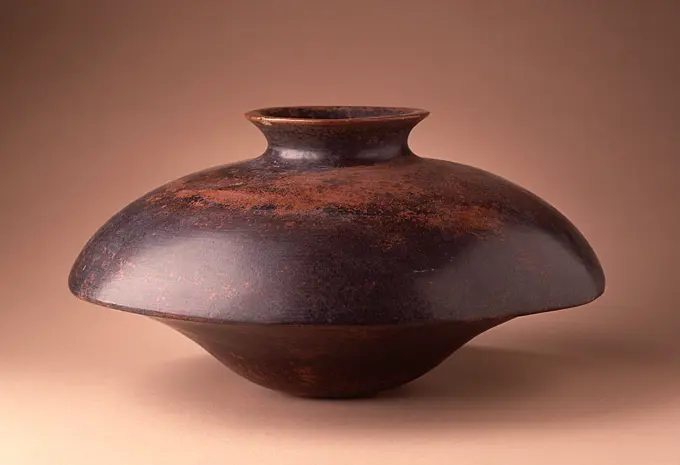
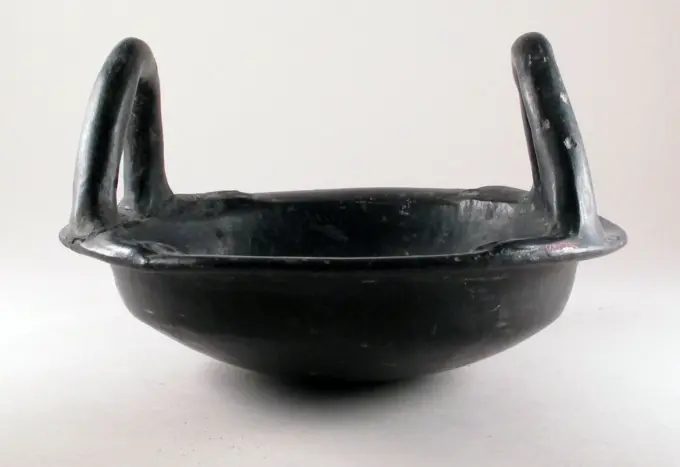
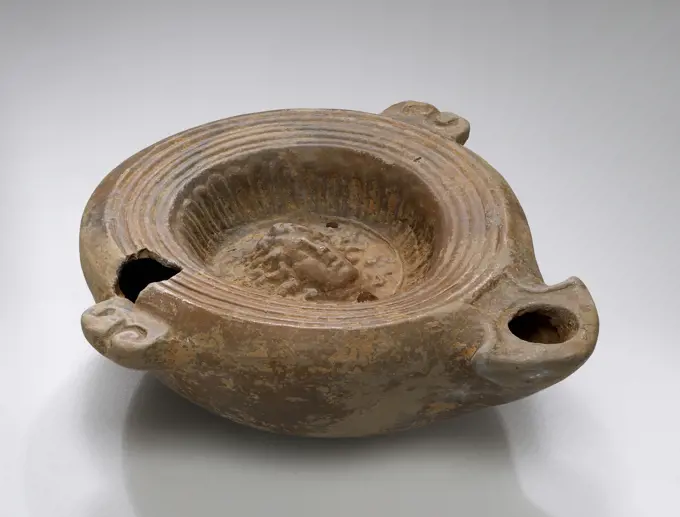
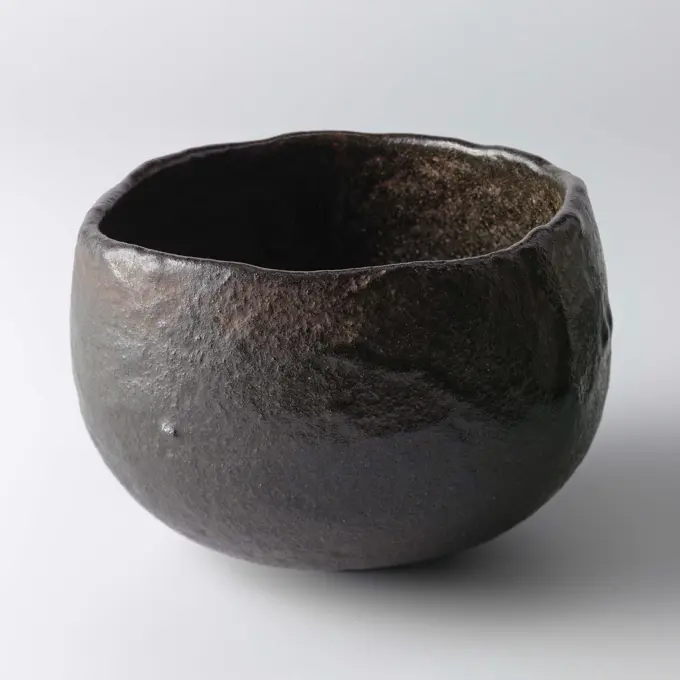
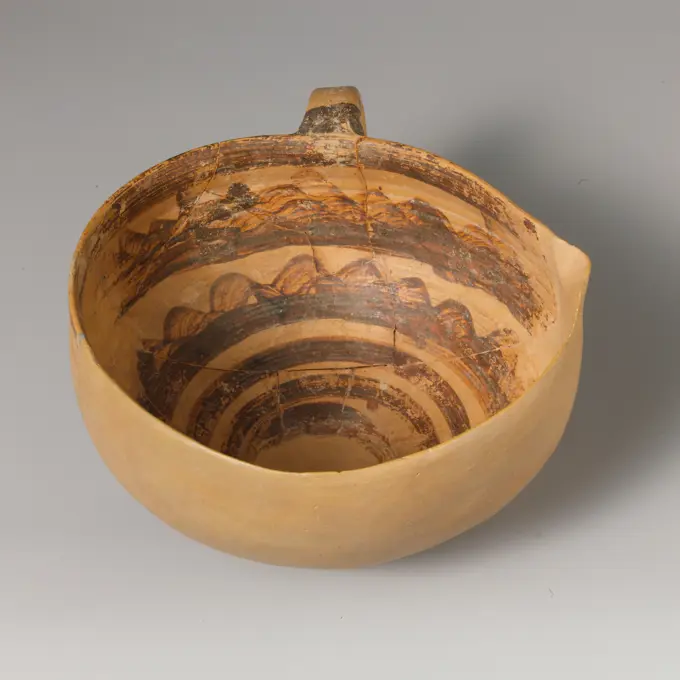
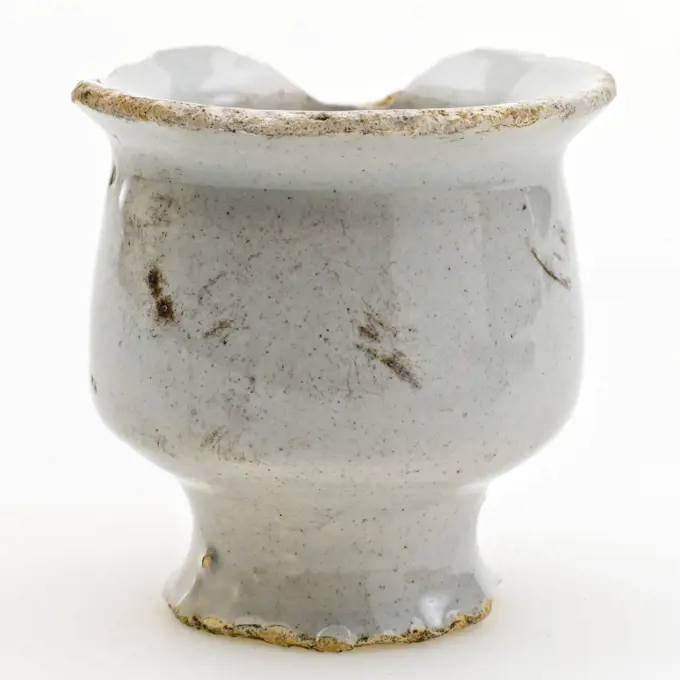
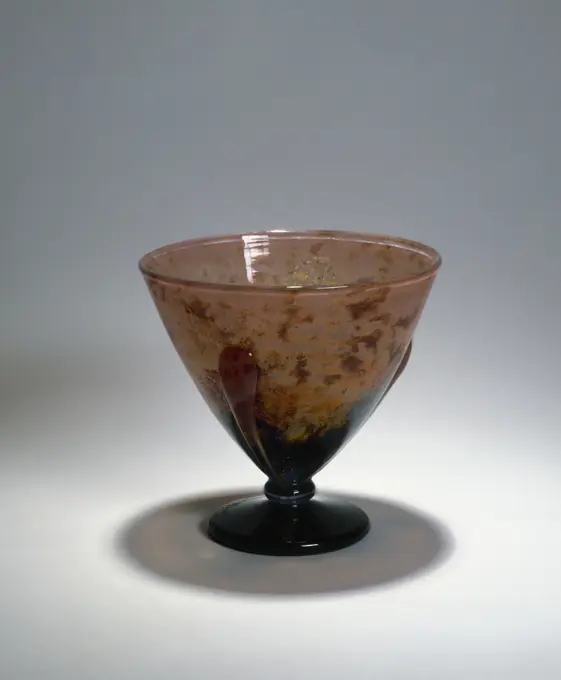
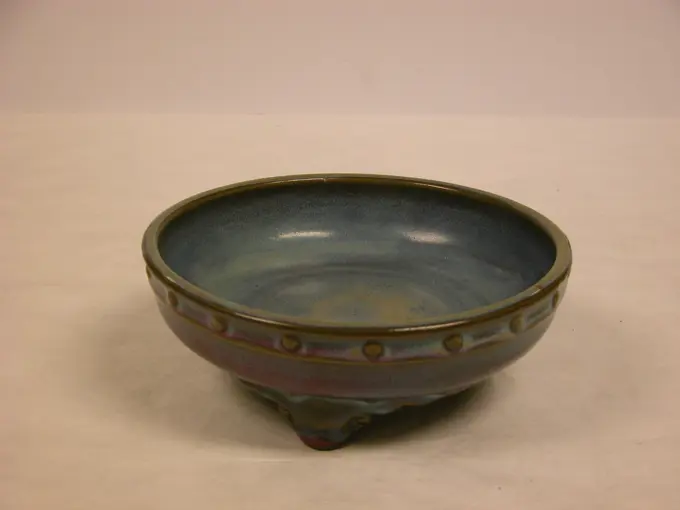
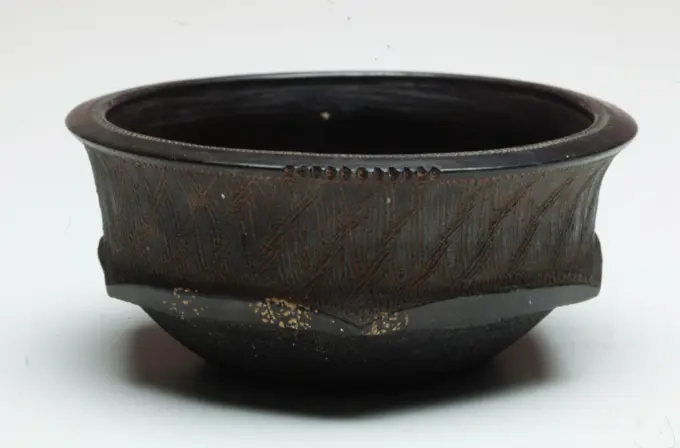
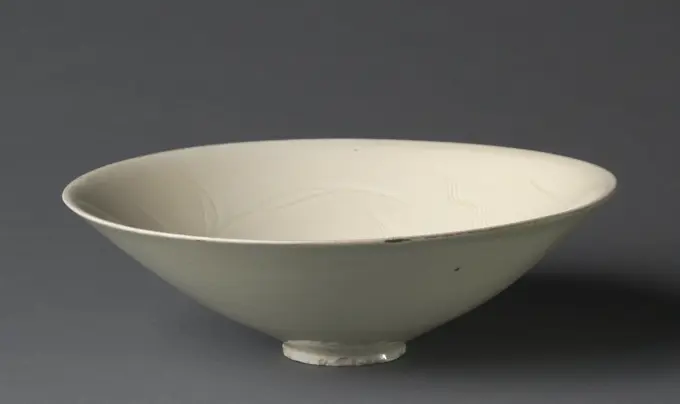
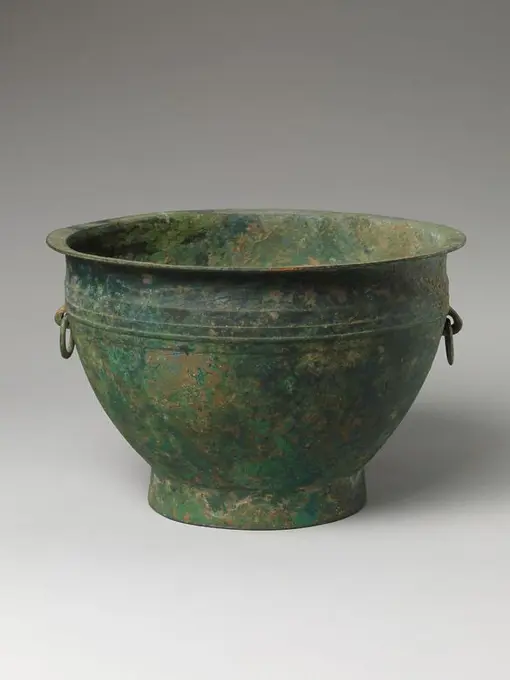
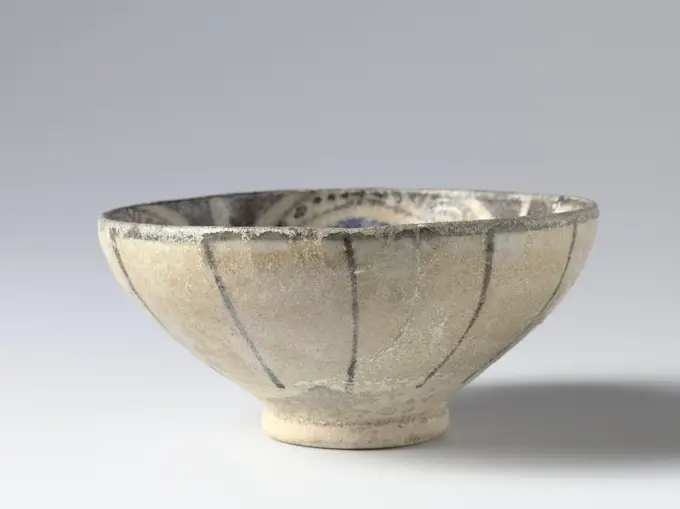
Bowl with a geomatrical pattern in four panels, anonymous, c. 1200 - c. 1399 Come from quail fritry with a geometric decoration in brown and blue under the transparent alarm laze. Iran earthenware. glaze. cobalt (mineral) painting / vitrification Come from quail fritry with a geometric decoration in brown and blue under the transparent alarm laze. Iran earthenware. glaze. cobalt (mineral) painting / vitrificationBowl with incised floral scrolls, anonymous, c. 1100 - c. 1299 Come of earthenware decorated with flower vines in Sgraffito, input in the Engobe of Witte Slib and all covered with purple lead glaze. Garrus earthenware. glaze engraving / vitrification Come of earthenware decorated with flower vines in Sgraffito, input in the Engobe of Witte Slib and all covered with purple lead glaze. Garrus earthenware. glaze engraving / vitrification. Come of pottery (quartz frying) with a straight, flared wall and four times lobed edge, partially covered with a transparent glaze with a light blue hue. The lower part of the bowl is unglazed. Imitation of the Chinese Qingbai.Bol ". Beige covered sandstones. Yuan dynasty (1279-1368). Paris, Cernuschi museum. Chinese art, bowl, Chinese ceramic, beige covered, yuan dynasty, yuan, gres, terracotta periodCup ". GRS covered ivory. Paris, Muse Cernuschi. Coupe Vietnamese art, Vietnamese collection, cup, ivory covered, gres, archeological vestigeTenmoku tea bowl. Ceramic. Seto-MINO (Japan), 17th century. Paris, Cernuschi museum. 59520-8 Asian art, bowl, ceramic, tenmoku, 17th century, thePlateBowlMiniature basin ". Terracotta with green lead glaze. Han dynasty (206 BC-220 AD). Paris, Cernuschi museum. Chinese art, miniature pool, han dynasty, han time, container, terracottaBowl. Culture: Coptic. Dimensions: H: 2 1/16 in. (5.3 cm); Diameter: 5 in. (12.7 cm). Date: 4th-7th century. Museum: Metropolitan Museum of Art, New York, USA.Basin, 1100s-1200s. China, Hebei province, Quyang, Jin dynasty (1115-1234). Cream-glazed porcelain with incised decoration, Ding ware; overall: 15.6 x 30.2 cm (6 1/8 x 11 7/8 in.).Bowl, 1st century BCE - 1st century CE, 4 9/16 x 7 15/16 x 7 1/4 in. (11.59 x 20.16 x 18.42 cm), Glazed ceramic, Vietnam, 1st century BCE - 1st century CEBowl. Culture: Coptic. Dimensions: Overall: 2 7/8 x 4 1/8 in. (7.3 x 10.4 cm). Date: 4th-7th century. Museum: Metropolitan Museum of Art, New York, USA.Bowl. Culture: Coptic. Dimensions: Overall: 2 1/2 x 5 7/8 in. (6.3 x 14.9 cm). Date: 4th-7th century. Museum: Metropolitan Museum of Art, New York, USA.Deep bowl. Artist: Chinese , Jin/Yuan Dynasty. Culture: Chinese. Dimensions: Diameter: 7 3/8 in. (18.7cm.). Date: 13th-14th century. Museum: Metropolitan Museum of Art, New York, USA.Glass bowl. Culture: Roman. Dimensions: H.: 2 1/2 in. (6.4 cm)Diam.: 3 3/16 x 4 1/4 x 1 9/16 in. (8.1 x 10.8 x 4 cm). Date: 2nd-3rd century A.D..Translucent light green; foot ring in same color.Outsplayed rim with rounded, thickened outer lip; oval body with side expanding slightly downwards, then turned in at a sharp angle; slightly convex bottom on interior; applied tubular low oval base ring with pushed-in bottom and pontil scar.Intact; many bubbles, blowing striations, and some black impurities; patches of creamy brown weathering, dulling, and iridescence. Museum: Metropolitan Museum of Art, New York, USA.. Come from Quartz Fritgoed Decorated in Polychrome Luster with a rider and trade decoration with script, curlwork or tin on substrate of oprake white tin-lead-alkali acid.Tea bowl unknownBowl 4th-7th century Coptic. Bowl 477346Dish with Incised Rings 1301-1400 Northern. Stoneware with celadon glaze .Bowl or Cup. Roman. Date: 50 AD-150 AD. Dimensions: 4.5 × 7.7 × 7.7 cm (1 3/4 × 3 × 3 in.). Glass, blown technique. Origin: Roman Empire. Museum: The Chicago Art Institute, FLORENCIA, USA. Author: ANCIENT ROMAN.Tea bowl with a 'patridge-feather' glaze, anonymous, c. 960 - c. 1279 Theekom van Steengoed with a straight, spreading wall, partially covered with a red-brown glaze with dark spots (Patridge-Feather). The lower part of the bowl is unglazed. Henan (Cizhou). China stoneware. glaze vitrification Theekom van Steengoed with a straight, spreading wall, partially covered with a red-brown glaze with dark spots (Patridge-Feather). The lower part of the bowl is unglazed. Henan (Cizhou). China stoneware. glaze vitrificationCome from V.O.C.-Schip De 'Witte Leeuw', Anonymous, Before 1613 bowl Come from V.O.C. ship the 'Witte Leeuw', 100 present. The shard is transparent glassy white and has little ingrained dirty. The glaze is gray tinted, crawls and has pinholes and baking cracks. The glaze is peeling off over the lip edge. The bottom is glazed and the foot ring is faceted. Swatow porcelain   Sint-HelenaBowl, 1700s. Korea, Joseon dynasty (1392-1910). Bronze; overall: 7.3 cm (2 7/8 in.).Terracotta Megarian bowl 1st century B.C. Greek, Pergamene () Narrow bands of tiny rosettes and interlocking ivy above a zone of alternating long petals, acanthus leaves and rosettes. On medallion, an eight petal rosette framed by two ridges.The reddish-brown glaze of this bowl, similar to that on 17.194.1825 nearby, suggests it was made in Asia Minor, and perhaps more specifically, Pergamon. Red-ware, as this type of pottery is called, had a relatively short period of production. It was ultimately supplanted by red-glossed Roman terra-sigillata and Arrentine pottery beginning around the middle of the 1st century B.C. Examples of such later wares may be seen in case 49 in this gallery.. Terracotta Megarian bowl 250253 Greek, Pergamene , Terracotta Megarian bowl, 1st century B.C., Terracotta, h. 3 1/16 in. (7.8 cm) H. 3 1/16 in. (7.8 cm). The Metropolitan Museum of Art, New York. Gift of J. Pierpont Morgan, 1917 (17.194.1886)Small Bowl with Peony Flowers 1000-1035 Korea. Celadon-glazed stoneware with underglaze incised decoration .Wash Basin 1849-58 United States Pottery Company. Wash Basin. American. 1849-58. Mottled brown earthenware. Made in Bennington, Vermont, United StatesBowl, c. 4500 BCE, 5 3/8 x 10 1/2 x 10 1/2 in. (13.65 x 26.67 x 26.67 cm), Banpo type Earthenware, China, 45th-46th century BCE, The Yangshao culture (c. 5000-3000 BCE) located in the middle region of the Yellow River (Huang he) was at its zenith in the fifth millenium BCE. A complex neolithic settlement was discovered at the village of Banpo near Xi'an in Shanxi province which became the namesake to a whole range of ceramic artifacts made in this region. Banpo phase (4800-4300 BCE) pottery is rich in shapes and decorative techniques including painting.Dish Roman Blue glazed dish with offset rim.. Dish. Roman. Terracotta. VasesGlobular pot with high right collar ". Terracotta. Vietnam-Xe-Xive s. Paris, Cernuschi museum. 72186-47 High right collar, Vietnamese object, globular pot, terracottaDish, before 1521. Mexico, 16th century or earlier. Terracotta; diameter: 4.7 cm (1 7/8 in.).Turquoise bowl with ribs and teardrop-shapes in relief, anonymous, c. 1100 - c. 1199 Come from quartz-frit goods decorated with ribs and drop shapes containing a flower branch in relief over which a monochrome turquoise glaze. Iran earthenware. glaze vitrification Come from quartz-frit goods decorated with ribs and drop shapes containing a flower branch in relief over which a monochrome turquoise glaze. Iran earthenware. glaze vitrificationBowl ca. 4th-3rd century B.C. Seleucid This small bowl has a ring base and an inturned rim. It is made of a buff clay and decorated with a red slip. It was excavated at Pasargadae in southwestern Iran, about 90 km northeast of Shiraz. Pasargadae was the first capital of the Achaemenid Persian Empire, founded by Cyrus the Great c. 546 B.C. The bowl was found at the Tall-i Takht, a massive artificial platform presumably built as the site of a royal palace but converted into a fortified compound after Darius established a new capital at Persepolis around 520. However, the coin hoards and other finds from the Takht, including this bowl, show that it continued to be occupied down into the second century B.C., long after the fall of the Achaemenid Empire.. Bowl 326383Earthenware bowl or saucepan on three stand fins, rotations around the side wall, bake pot holder soil find ceramic earthenware glaze lead glaze, hand-turned glazed baked Pottery bowl or pot Possibly saucepan Red shard low-energy glazed Thick rotations on the side on the outside Bowl-shaped bottom Slightly extending top edge . Three double stand fins archeology Poortugaal Albrandswaard indigenous pottery cooking kitchen food preparation nutrition Soil discovery Poortugaal Terp I closed.Glass dish 4th century A.D. Roman Colorless with pale blue green tinge.Rounded, slightly thickened vertical rim; convex side to body, tapering downwards then curving sharply in to pushed-in outer section of bottom; applied tubular foot ring, splayed outwards; inner section of bottom slightly convex with thickened dome and pontil scar at center.Intact; many pinprick, some elongated horizontally, and a few very large bubbles; dulling, pitting, and patches of brownish iridescent weathering.Greenish blown glass plate with thick base.. Glass dish 239887Terracotta kantharos (drinking cup with high handles) 7th century B.C. Greek, Attic From the Hymettos deposit (see 30.118.1). Terracotta kantharos (drinking cup with high handles). Greek, Attic. 7th century B.C.. Terracotta. Geometric. VasesBowl. Culture: Coptic. Dimensions: H: 2 7/16 in. (6.2 cm); Diameter: 7 11/16 in. (19.5 cm). Date: 4th-7th century. Museum: Metropolitan Museum of Art, New York, USA.Lamp, North Africa; 1st - 4th century; Terracotta; 3 x 7.5 x 11.2 cm (1 3,16 x 2 15,16 x 4 7,16 in.)Large dish with Khmer decor (username), 1930. Ceramics, ivory and brown covered sandstones. Cernuschi Museum, Asia Museum of Asia in the city of Paris.. Quartz frying goods come with a six times lubricated wall; A beige shard covered with a colorless alkalilation.Bowl with scrolls and decorative lines, anonymous, c. 900 - c. 999 Come of earthenware decorated in manganese brown sludge with curl work and line decoration on Engobe from white sludge, with local yellow lead glaze. Nishapur earthenware. glaze painting / vitrification Come of earthenware decorated in manganese brown sludge with curl work and line decoration on Engobe from white sludge, with local yellow lead glaze. Nishapur earthenware. glaze painting / vitrificationTerracotta conical cup. Culture: Minoan. Dimensions: Overall: 1 5/8 x 3 1/8in. (4.1 x 8cm). Date: ca. 2200-1900 B.C..From Knossos, Crete. Museum: Metropolitan Museum of Art, New York, USA.Bowl with floral scrolls. Come from stoneware, covered with a dark green glaze. The inner wall with pressed flower drinks; The inner edge is unforded. A crack in the bowl. Celadon (Yaozhou).Lamp. UnknownOintment jar and cover ca. 1878-1749 B.C. Middle Kingdom A light blue stone called anhydrite came into use during the 12th Dynasty. This vessel was recovered from a tomb containing two burials, including that of a woman. The ancient Egyptians used stone jars to store perfumed oils, ointments, and cosmetics, items considered essential in life and the afterlife, at least for those who could afford them.. Ointment jar and cover 543967Bowl 4th-7th century Coptic Bowls such as these were common throughout Egypt. These two bowls were found outside of the el-Dier fortress. While the forms are typical of pottery production throughout Egypt, the bowls are made of local clay indicating production at a local ceramic workshop.. Bowl 478819Bowl 7th-8th century Maya. Bowl. Maya. 7th-8th century. Ceramic, slip, pigment. Guatemala, Mesoamerica. Ceramics-ContainersIncised bowl with dots. Culture: Paracas. Dimensions: Overall: 2 1/2 in. (6.35 cm)Other: 7 7/8 in. (19.99 cm). Date: 5th-3rd century B.C.. Museum: Metropolitan Museum of Art, New York, USA.Bowl. Byzantine, 11th-12th century. Furnishings; Serviceware. CeramicBulb bowl, Numbered Jun ware 13th-14th century Chinese. Bulb bowl, Numbered Jun ware 460663Footless Cup or Lid. Culture: Coptic. Dimensions: Overall: 1 11/16 x 3 9/16 in. (4.3 x 9 cm). Date: 4th-7th century. Museum: Metropolitan Museum of Art, New York, USA.Lamp, Asia Minor; 1st - 4th century; Terracotta; 2.6 x 5.1 x 7.7 cm (1 x 2 x 3 1,16 in.)Nap lid, anonymous, c. 1590 - 1596 lid Lid of which a border has been saved at the base, with convex outer wall which ends in a flat surface. Two edges have been saved for decoration.  wood (plant material)   Nova Zembla. Saving HuysBowl -Bowl. Culture: Coptic. Dimensions: H: 2 1/16 in (5.2 cm); Diameter: 4 7/16 in. (11.2 cm). Date: 4th-7th century. Museum: Metropolitan Museum of Art, New York, USA.Earthenware chamber pot, ease of use on stand, double conical in shape with standing ear, pot holder sanitary soil found ceramic earthenware glaze lead glaze, hand-turned glazed baked Pottery chamber pot on stand ring. Red shard entirely glazed except the bottom of the bottom. Fine crackle in glaze layer Double conical in shape. Wide neck opening with narrow flat pot edge Small foot. Standing and pinched bandoor above the edge excellent Rotations on the shoulder archeology indigenous pottery drains night sleeping room hygieneBowl Late Period 664-332 B.C. View more. Bowl. 664-332 B.C.. Pottery. Late Period. From Egypt, Upper Egypt, Thebes, Deir el-Bahri, Senenmut Quarry, Embalmer's cache, MMA excavations, 1927-28. Dynasty 27-30BowlGlass bowl. Culture: Roman. Dimensions: 1 15/16 × 6 1/4 in. (4.9 × 15.9 cm). Date: late 1st century B.C.-early 1st century A.D..Colorless with pale yellow green tinge.Rounded vertical rim; sides curving in to slightly uneven, flat bottom.Decoration of horizontal wheel-cut grooves on interior, comprising a single broad groove below rim and a band of two narrow grooves around lower body.Intact; many pinprick bubbles; dulling, pitting, and weathering, and brilliant iridescence, with some patches of the original polished surface.Colorless shallow glass bowl with incised lines. Museum: Metropolitan Museum of Art, New York, USA.Pottery ointment jar, cylindrical model, red shard, internally glazed, ointment jar pot holder soil find ceramic earthenware glaze lead glaze, hand turned glazed baked Pottery ointment jar cylindrical model red shard internal glazed Flat thin wide top edge. Narrowing of the boiler above the standing surface. Stand surface coarse finished archaeology Rotterdam health care indigenous pottery store pharmacy sell craft Soil discovery provenance unknown (Rotterdam and surroundings).Terracotta stemless kylix (drinking cup) ca. 500-475 B.C. Greek, Attic This cup and its counterpart, 74.51.1385, are noteworthy for their elegant shape, fine potting, and use of a coral red slip. During the second quarter of the fifth century B.C., there was renewed interest in colorful effects on Attic vases, leading to a resurgence of special techniques such as white ground and coral red. It is interesting also that the two cups were found on Cyprus.. Terracotta stemless kylix (drinking cup) 240957Bowl with Handle and Foot Ring Korea. Bowl with Handle and Foot Ring. Korea. Bronze. Goryeo dynasty (918-1392). MetalworkRibbed Bowl; Eastern Mediterranean or Italy; 1st century B.C; Glass; 4.5 x 12.7 cm (1 3,4 x 5 in.)Bowl with a turquoise glaze, anonymous, c. 1100 - c. 1299 Come of earthenware covered with a monochrome turquoise lead glaze. Iran earthenware. lead glaze vitrification Come of earthenware covered with a monochrome turquoise lead glaze. Iran earthenware. lead glaze vitrificationVessel. Mexico, Colima, 200 BCE-500 CE. Ceramics. Slip-painted ceramicMarble bowl ca. 2700-2400 B.C. Cycladic Handmade bowls such as this were among the most popular stone vessels in the Early Cycladic II period. Many examples with known provenance come from tombs and are often found in association with Cycladic figurines. The vessels were likely used in funerary rituals, possibly associated with the figurines.. Marble bowl 257424Vessel with Star Designs. Peru, South Coast, Nazca, Nasca, 1-600 CE. Ceramics. Slip-painted ceramicStand ca. 550-500 B.C. Etruscan Hollow stand with six triangular openings.. Stand. Etruscan. ca. 550-500 B.C.. Terracotta. Archaic. VasesBowl Cypriot 850-750 BCE Deep bowl with two handles and bands in black and red. View more. Bowl. Cypriot. 850-750 BCE. Terracotta. Cypro-Geometric III. VasesTerracotta lekane (dish) late 8th century B.C. Greek, Attic From the Hymettos deposit (see 30.118.1). Terracotta lekane (dish). Greek, Attic. late 8th century B.C.. Terracotta. Geometric. VasesGlobular Ewer. China. Date: 960 AD-1279. Dimensions: H. 10.3 cm (4 1/16 in.); diam. 13.5 cm (5 5/16 in.). Stoneware with partial slip-coated decoration. Origin: China. Museum: The Chicago Art Institute, Chicago, USA.Lobed Flowerpot 1400-1499 China. Jun ware; stoneware with opaque reddish-blue glaze .Bowl 4th-7th century Coptic. Bowl 478872Miniature Pedestal Bowl 15th-early 16th century Aztec. Miniature Pedestal Bowl 316881Earthenware pap bowl with two standing sausage ears, on stand, internal yellow glazed, papkom bowl crockery holder soil find ceramic earthenware glaze lead glaze, hand-turned glazed baked Half spherical body stand ring two vertical sausage unusually with papules of this shape which usually have lying ears. Edge glazed internal yellow glazed on clay pad Some profile rings along the upper edge on the outside. Red shard. Restoration is repainted archeology Rotterdam City Triangle Groenendaal underground pit indigenous pottery serve table porridge eat food Soil discovery in cesspool at subway station Groenendaal RotterdamBowl mid-12th century. Bowl 452728Gray pot with an upwardly curled upper edge on narrow base, storage pot pot holder earthenware ceramic pottery, hand-turned baked Conical pot with folded rim gray shard unglazed Curved side wall Stand surface with light soul archeology Valckensteyn Poortugaal Albrandswaard indigenous pottery import store save basement Soil discovery Poortugaal castle ValckensteynPan c 1825 Mantua. Blown glass . Mantua Glass WorksLamp, Anatolia; 1st - 4th century; Terracotta; 3.6 x 10.5 x 11 cm (1 7,16 x 4 1,8 x 4 5,16 in.)Oil bottle decorated with floral scrolls and lotus petals 12th century Korea Small flat bottles like this stored oil for womens hair.. Oil bottle decorated with floral scrolls and lotus petals 42276. Most Raku ware is glazed in a single colour. The pleasure of these bowls lies in unforeseen details and in the tactile quality of their thick, irregular glaze. Some bowls have contrasting decorations (where the dark glaze was scraped off). Here, for instance, the ornament takes the form of flaming pearls, a symbol of wisdom and insight.Terracotta one-handled cup ca. 1600-1450 B.C. Minoan Decorated with bands and waves on the interior.. Terracotta one-handled cup 247648Pottery test, pipe test, square model with round bottom on four legs, bandoor on corner, test fire test heating soil discovery ceramics earthenware glaze lead glaze, hand turned hand shaped glazed fired Square fire test of red-brown earthenware three legs of which one plastered in gypsum on corner rotations archeology Valckensteyn Poortugaal Albrandswaard indigenous pottery heating kitchen fire footstool hand warmer foot warmer Soil discovery: canal at kitchen castle Valckensteyn at Poortugaal now Albrandswaard 1961.Low Bowl 1300-1392 Korea. Celadon-glazed stoneware with underglaze inlaid decoration of black and white clays .Faience ointment jar on stand foot with slanted top edge, ointment jar pot holder soil find ceramic earthenware glaze tin glaze, hand-turned baked glazed fried Pot on narrow constricted foot edge rim Rozegele shard entirely except underside white glazed tin glaze. Faience archeology Rotterdam healthcare indigenous pottery ointment care craft pharmacy packaging Soil discovery Rotterdam.Daum brothers. "Arcades Cups", before 1923. Suffering glass, inclusion of gold. Museum of Fine Arts of the City of Paris, Petit Palais. Art Nouveau, Arcade Cup, Gold inclusion, Breath glassBulb Bowl China. Bulb Bowl 52643Bowl. Egypt, Late Period, 712-332 B.C.. Furnishings; Serviceware. BronzeBowl with an inscription and scrolls, anonymous, c. 1300 - c. 1399 Come of earthenware on a high foot decorated with Ingrift (sgraffito) a inscription and terres and slibreliëf under transparent glaze. Egypt earthenware. glaze engraving / vitrification Come of earthenware on a high foot decorated with Ingrift (sgraffito) a inscription and terres and slibreliëf under transparent glaze. Egypt earthenware. glaze engraving / vitrificationBowl with a turquoise glaze, anonymous, c. 1175 - c. 1224 Come from quail fritry covered with a monochrome turquoise alkaledlaze. Iran earthenware. glaze vitrification Come from quail fritry covered with a monochrome turquoise alkaledlaze. Iran earthenware. glaze vitrificationBowl with Foliate Rim and White Ribs 960 CE-1279 China. Stoneware with black glaze .Bowl, 20th century, 2 3/4 x 6 x 6 in. (7 x 15.2 x 15.2 cm), Ceramic, Democratic Republic of the Congo, 20th centuryTraveling cup ca. 1503 probably Italian, Rome The arms are those of a pope of the Piccolomini family of Siena, either Pius II (r. 1458-64) or Pius III (r. 1503), but more likely the latter.. Traveling cup 209058MACETERO VIDRIADO EN TONOS VERDES AMARILLOS Y NEGROS-S XX ARTE POPULAR. Location: ALFARERIA LAS VISTILLAS. Malaga. SPAIN.Tea Bowl with DragonMedallionsVotive Oil Lamp, c. 1250, 1 1/8 x 3 1/2 x 2 3/4in. (2.9 x 8.9 x 7cm), Glazed ceramic, Iran, 13th centuryBowl with Ducks among Waves and Reeds, 1100s. China, Hebei province, Quyang, Northern Song dynasty (960-1127). Cream-glazed porcelain with incised decoration, Ding ware ; diameter: 20.3 cm (8 in.); overall: 5.4 cm (2 1/8 in.).Czarek Ch`ing Pai Yao Blue green white enamel with ripped birds unknownConical Bowl 918 CE-1392 Korea. Celadon-glazed stoneware with underglaze incised decoration .Colander for Food Steamer (Xian). Culture: China. Dimensions: H. 8 1/4 in. (21 cm); Diam. 11 1/2 in. (29.2 cm). Museum: Metropolitan Museum of Art, New York, USA.