Geometric Textile Fragments

A collection of colorful textile fragments featuring intricate geometric designs and patterns, showcasing various weaving techniques and historical styles.

Luntaya hanging (Ichat), mid 20th century, 40 x 39 1/2 in. (101.6 x 100.33 cm), Silk, Myanmar (Burma), 20th century
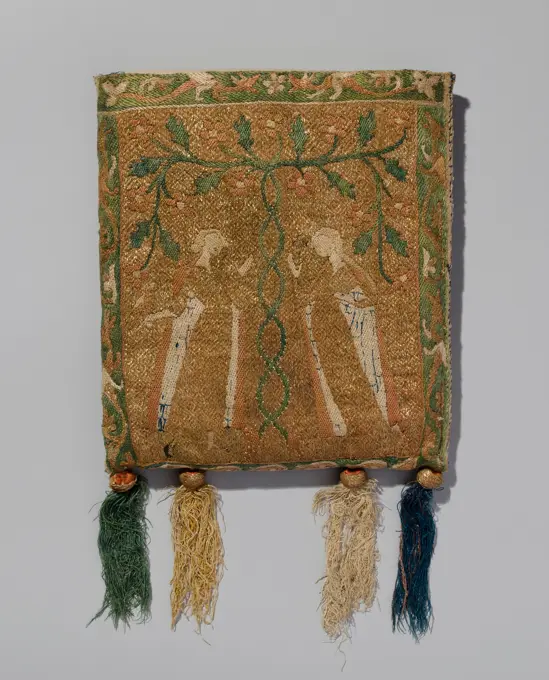
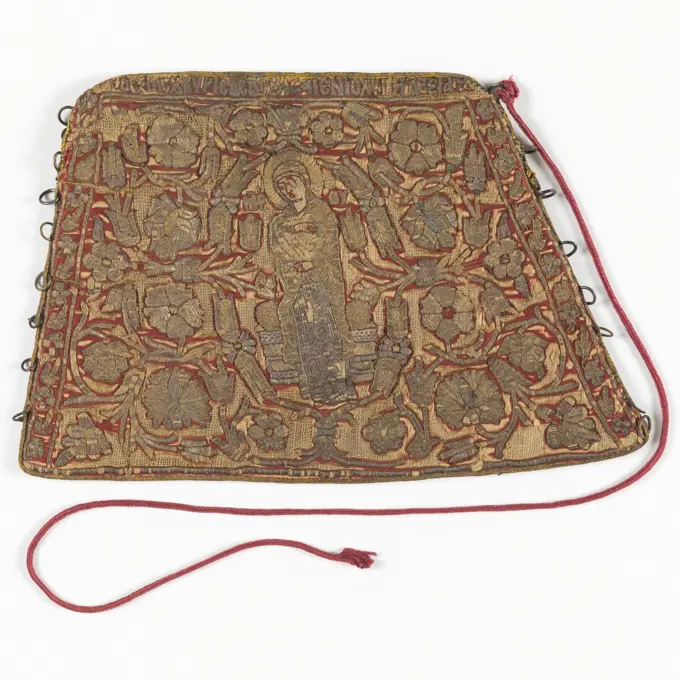
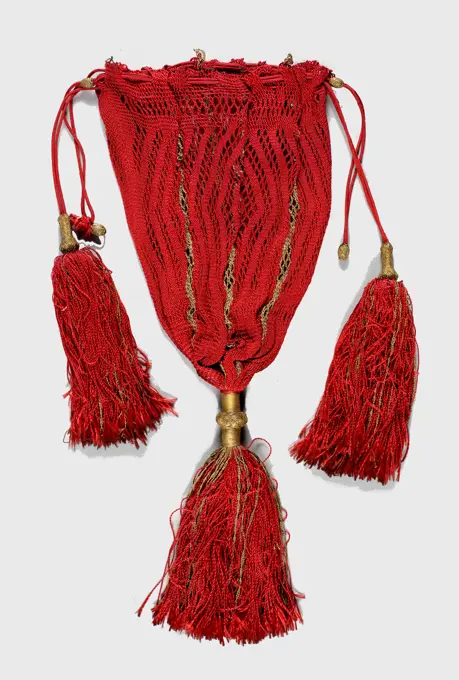
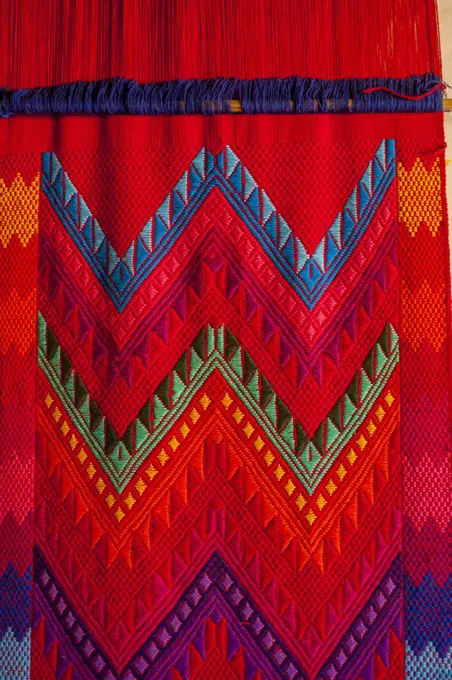
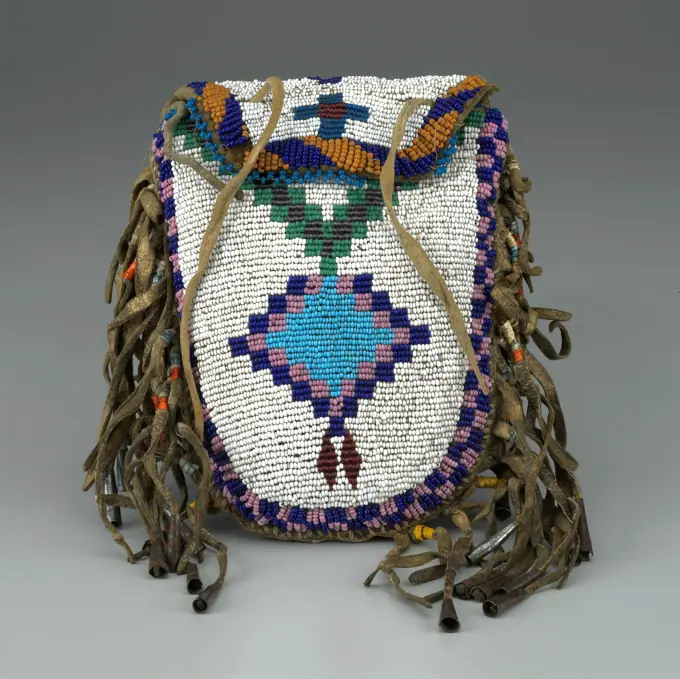
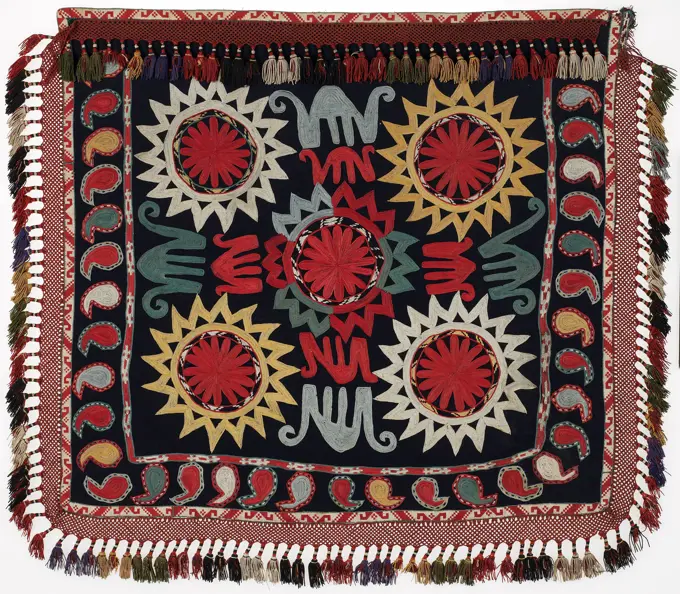
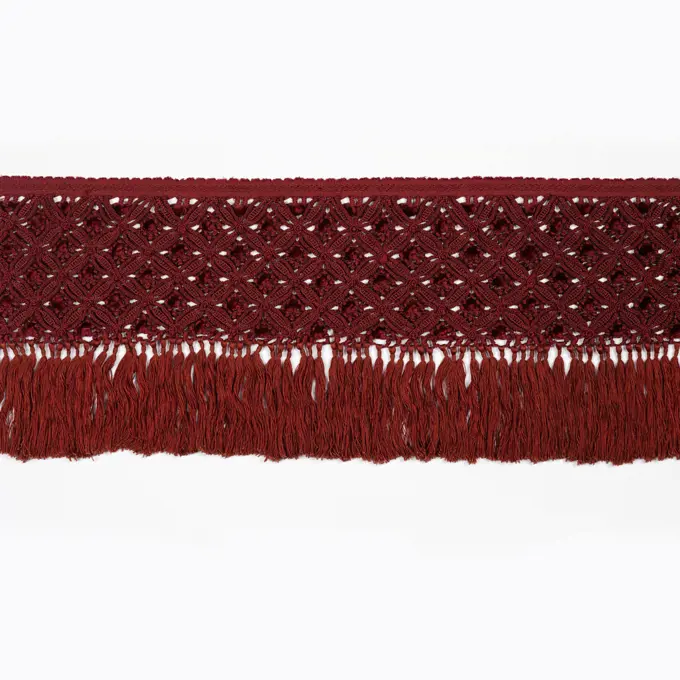
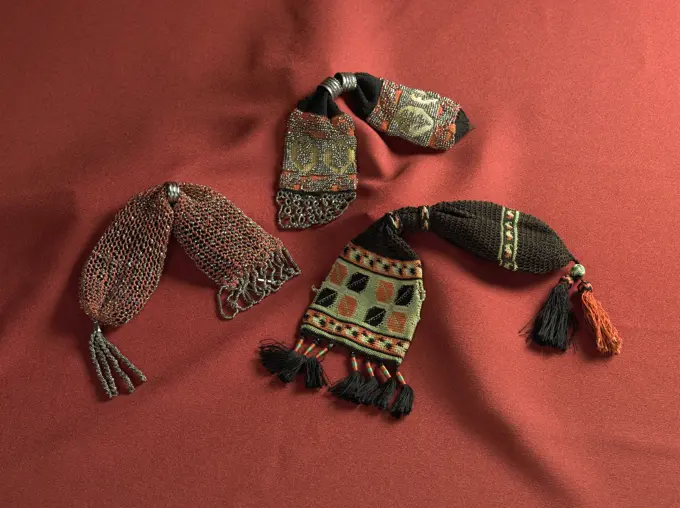
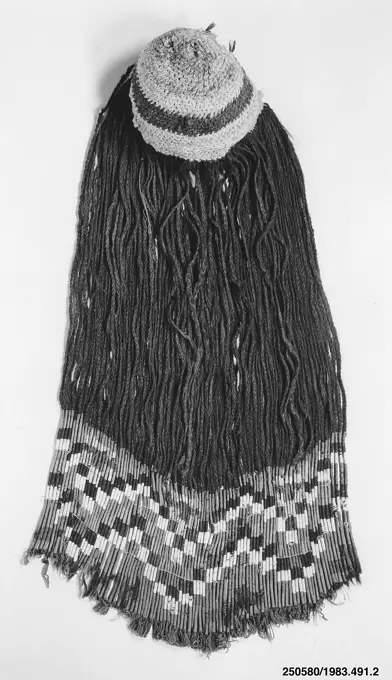
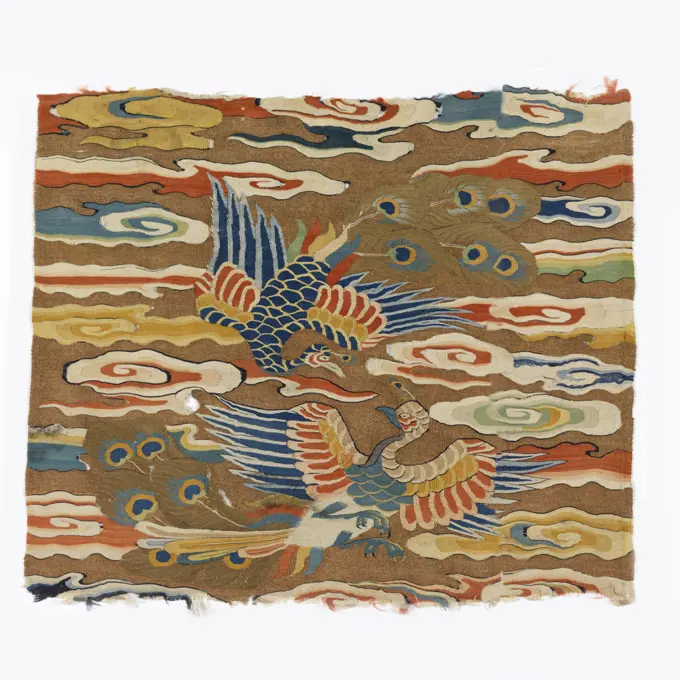
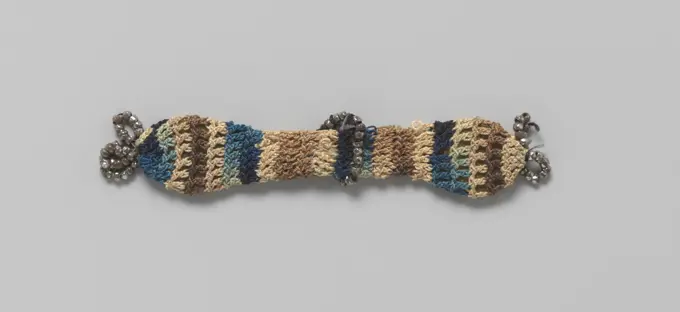
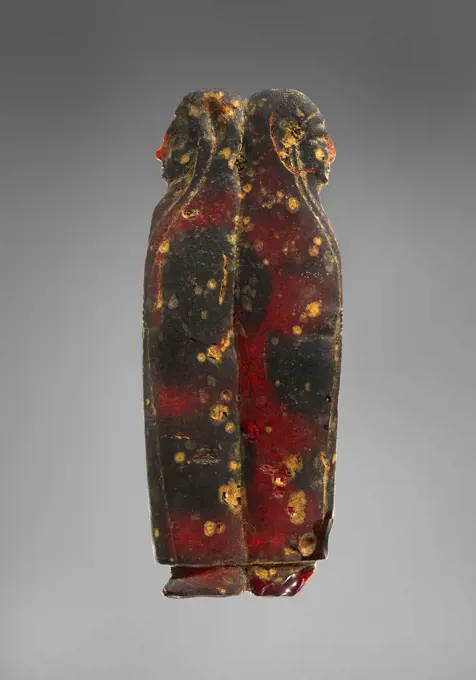
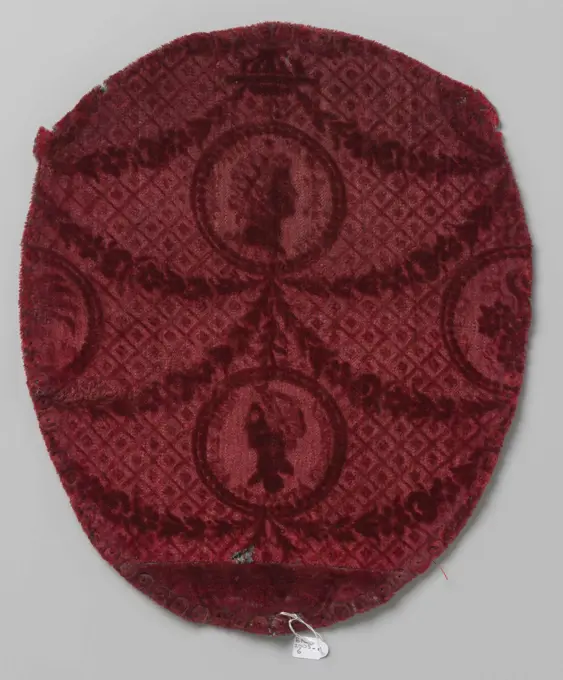
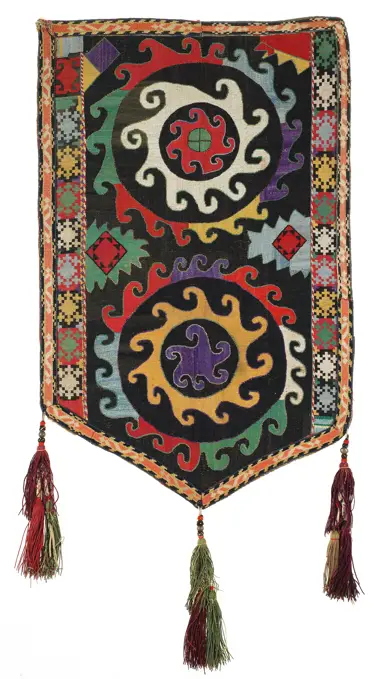
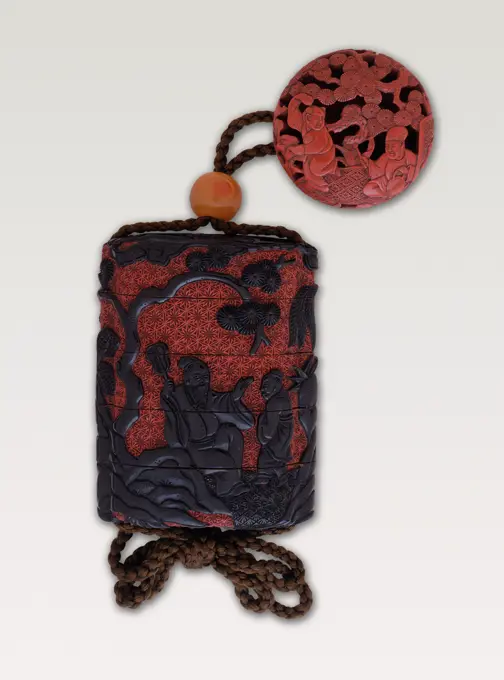
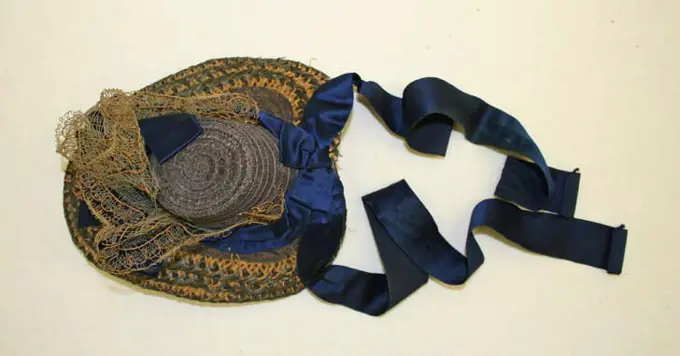
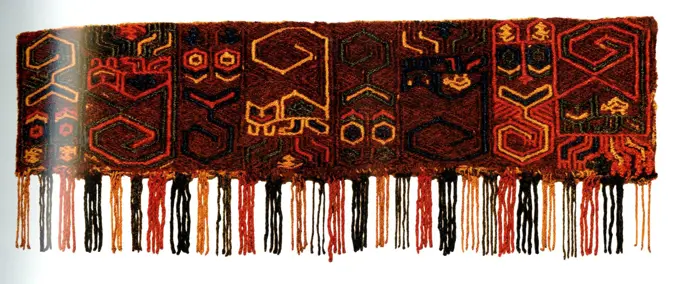
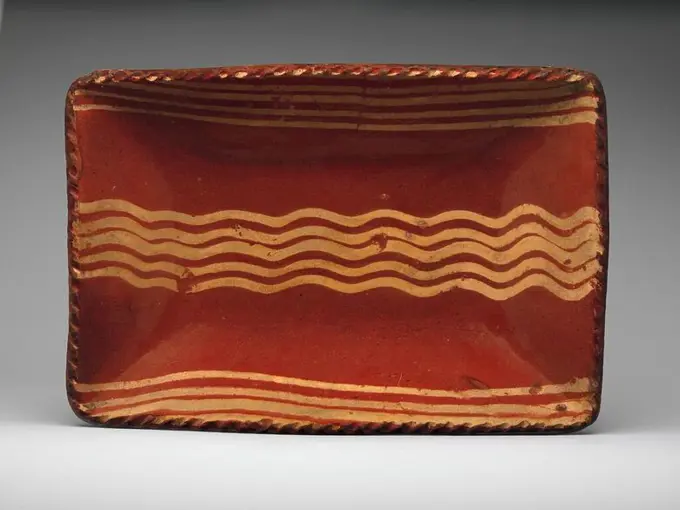
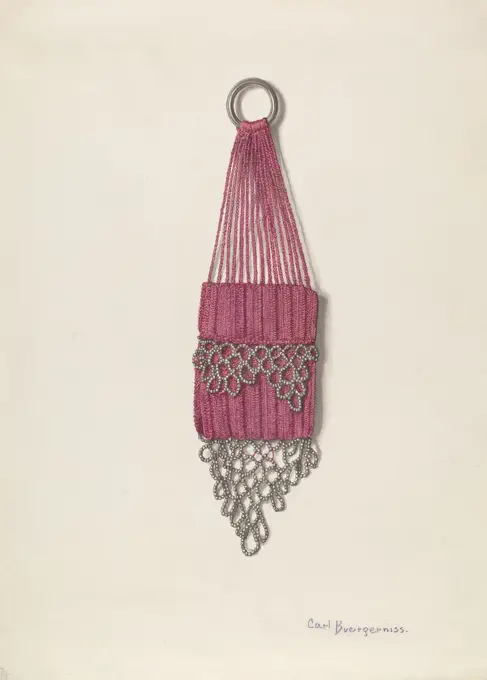
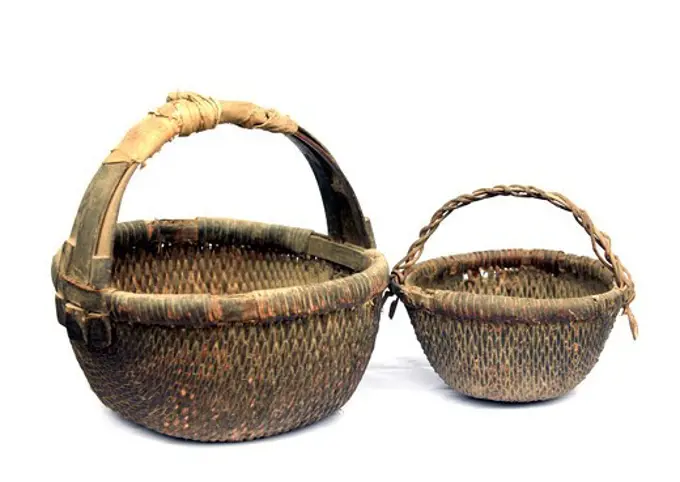
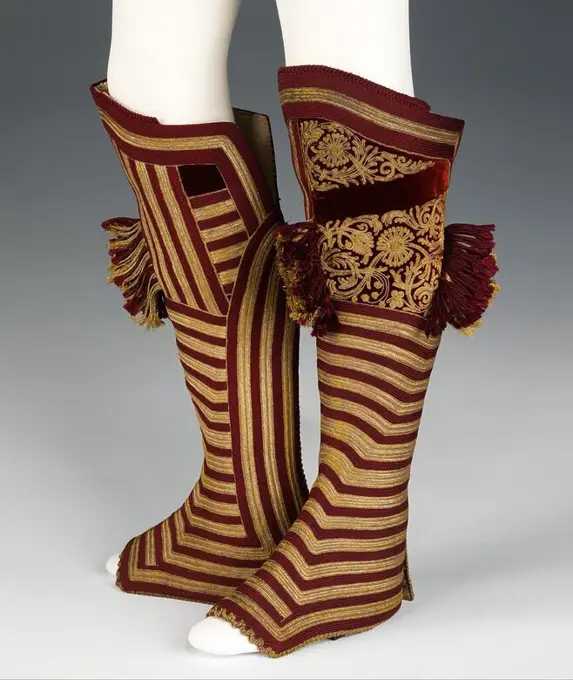
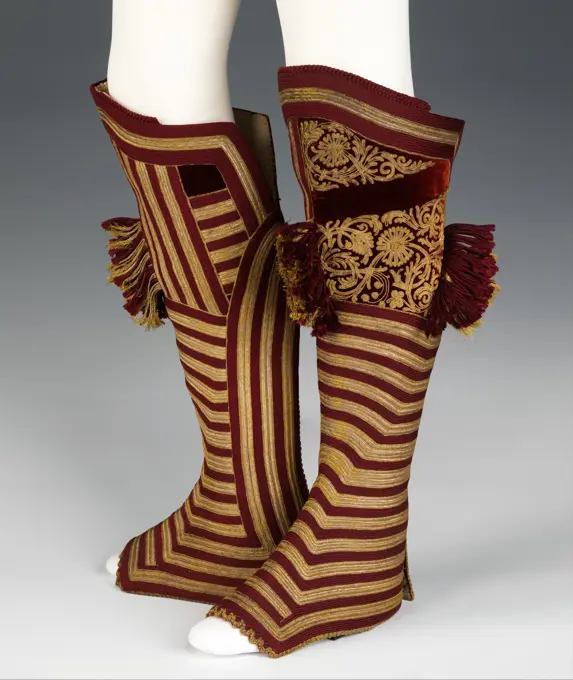
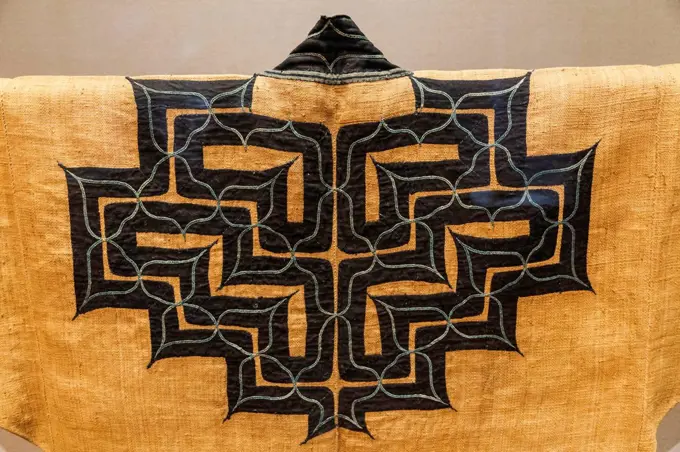
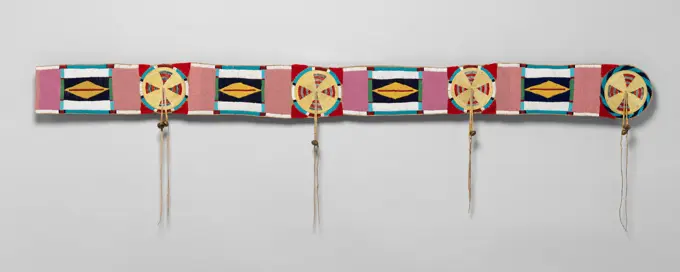
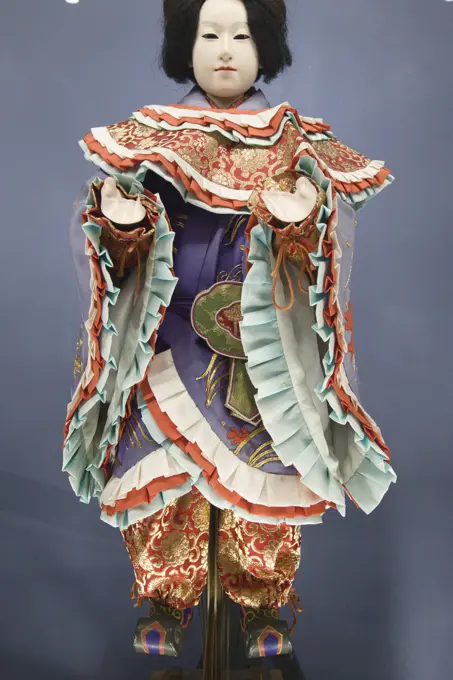
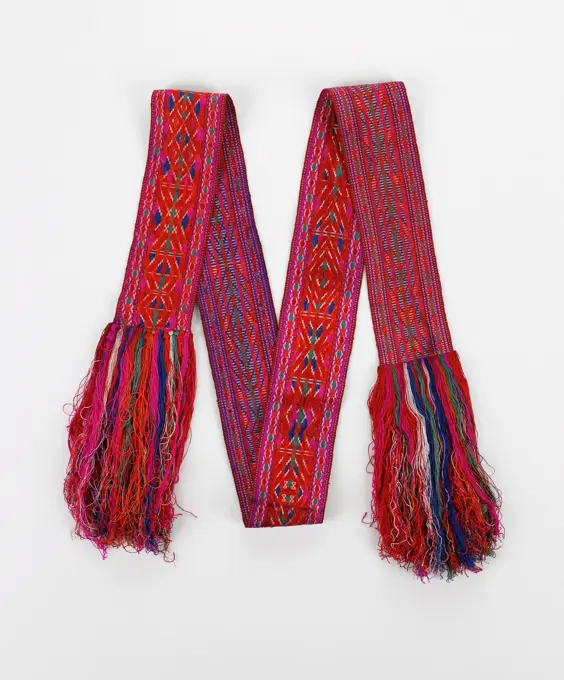
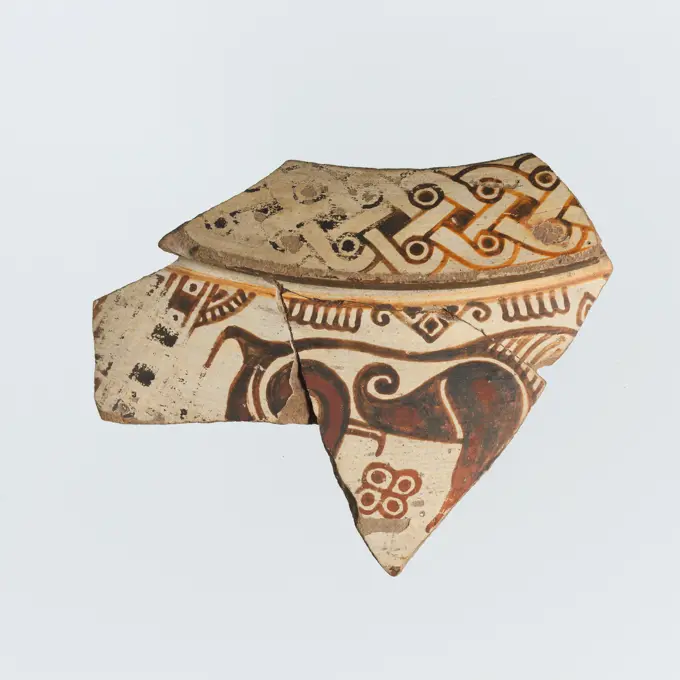
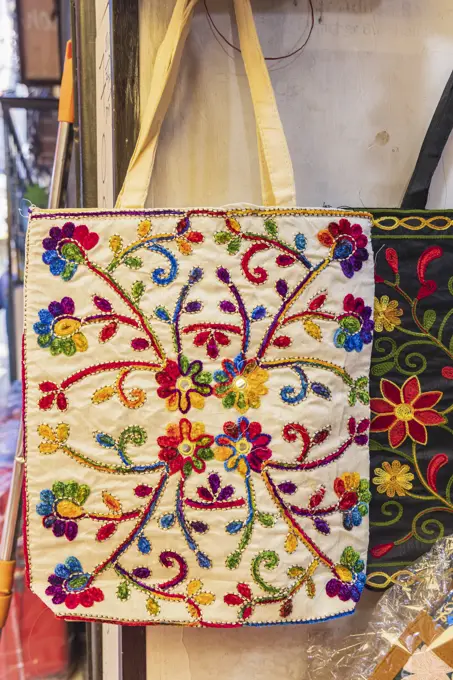
Tunic Fragment 7th-10th century Peruvian. Tunic Fragment. Peruvian. 7th-10th century. Cotton, camelid hair. Peru. Textiles-WovenFringe early 19th century Italian. Fringe 224934Pouch (Forel) 14th century French This embroidery illustrates either a popular story or a courtly pastime. A lady and gentleman stand beneath a tree; she cradles a small dog under her arm and he offers her a flower or ring. This scene is commonly represented on fourteenth-century ivory mirror backs. The bag may have been made by a professional embroiderer or by the woman who carried it, inasmuch as skill in fine needlework was considered essential for ladies.. Pouch (Forel). French. 14th century. Silk and metal thread on canvas.. Textiles-EmbroideredCuff; silk, linen, metalHat -Basket, 19th-20th century, 9 x 7 1/8 x 9 in. (22.9 x 18.1 x 22.9 cm), Natural plant fibers, United States, 19th-20th centuryPouch 1830-60 possibly German. Pouch 168395Fringe, Medium: cotton, White bedspread fringe made from groups of warp threads crossed obliquely and knotted to form diamond shapes. Tassel at the bottom of each diamond., USA, early 19th century, trimmings, FringeBag (USA); glass beads, silk, metalPouch ca. 1847 American. Pouch 170527Apron first quarter 18th century British. Apron 121929Oranjelint, Anonymous, Mathias de Sallieth, 1787 - 1788 ribbon (material) In a bow knotted orange ribbon with medallion portraits of Wilhelmina (left) and Willem V, blossom branches that are held together by a ribbon at the bottom. On the ends three crowned coats of arms (Prussian eagle, England, Nederlandse Leeuw), connected to each other with a ribbon together. Netherlands silk. paper printingBourse. GAL1960.13.10Pouch from ecrinkey woolen fabric, decorated with a multicolored non-figurative contours in (felt) marker, at the bottom a brush with green, pink and purple ends, anonymous, c. 1900 - c. 1925 Pouch from ecrinkey woolen fabric, decorated with a multicolored non-figurative contours in (felt) marker. The fabric has passed along a seam and is stretched at the bottom, on which an unadorned strip and a brush of the same woolen fabric, with green, pink and purple colored ends. With a braided cord of purple side, yellow wool and beige cotton, which is strung by a tunnel along the top edge. The bag is unlined. Netherlands whole: Wool. Cord: Silk. Cord: Cotton (textile). Cord: Wool drawing / braiding Pouch from ecrinkey woolen fabric, decorated with a multicolored non-figurative contours in (felt) marker. The fabric has passed along a seam and is stretched at the bottom, on which an unadorned strip and a brush of the same woolen fabric, with green, pink and purple colored ends. With a braided coColorful Mayan fabrics on display at the weaving center in Antigua, Guatemala.Pouch, c. 1885, 6-1/4 x 4-1/2 x 2-1/4 in. (15.9 x 11.4 x 5.7 cm), Buffalo hide, beads, metal, porcupine quills, United States, 19th century, This pouch was made to hold special personal objects, a purpose reflected in its construction. The tin cones attached to the ends of the fringe would make a pleasing sound when the wearer moved. The choice of bead colors and motifs makes this object a tour de force of the A'aninin style, which is known for the feathered motif, unusual bead colors, and the spotstitch technique of applying beads.Tile fragment of clumps of sedge and papyrus plants from the palace of Ramesses II New Kingdom, Ramesside ca. 1279-1213 B.C. View more. Tile fragment of clumps of sedge and papyrus plants from the palace of Ramesses II. ca. 1279-1213 B.C.. Faience, mortar. New Kingdom, Ramesside. From Egypt, Eastern Delta, Qantir (Piramesse), Palace of Ramesses II. Dynasty 19Cap 10th-14th century Arica. Cap 316959Semicircular, flat pouch of ceriseroid satin embroidered with symmetrical flower and leaf motif in gold thread, with drawstring and silk brushes. Semicircular, flat pouch of ceriseroid satin embroidered with symmetrical flower and leaf motif in gold thread, with drawstring and silk brushes. Model: Two pattes with eight scented holes. Trimmed with string of gold thread on the seams. Twisted silk cord with brushes from floss silk. Lined with ceriserode side. Decoration: in the middle a tulip surrounded by thin side branches from a leaf rosette and acanthus drinks. Decoration on front and back is the same.Border Fragment 3rd-2nd century B.C. Nasca. Border Fragment 315796Trim, fringe, 18th-19th century, 23 x 5 in. (58.42 x 12.7 cm), Passementerie, 18th-19th centuryIlgich, 19th century, 30 1/4 x 28 1/2 in. (76.84 x 72.39 cm), Wool, silk; double chain stitch, chain stitch, continuous-thread couching, outline, detached chain stitch, stem-stitch filling, spaced satin stitch, Uzbekistan, 19th centuryTrimming, Medium: silk Technique: macramé Label: macramé, Deep border of red silk macramé with fringe of knotted tassels., Italy, 19th century, knotted, knitted and crocheted textiles, TrimmingPoursaires with two knit in knitting, one rounded side, the other right, garnished with fringes of steel pearls or pampilles and balls. Around 1860. Red knitting, steel pearls, steel glans, steel fringe, steel rings. Red, beige and brown silk knit, steel pearl, steel rings. Black silk knit, jade green, red, passenger, steel rings. Galliera, fashion museum of the city of Paris. Geometric patterns. Accessory, purse, flowing, femininePoursaires with two knit in knitting, one rounded side, the other right, garnished with fringes of steel pearls or pampilles and balls. Around 1860. Red knitting, steel pearls, steel glans, steel fringe, steel rings. Red, beige and brown silk knit, steel pearl, steel rings. Black silk knit, jade green, red, passenger, steel rings. Galliera, fashion museum of the city of Paris. Accessory, purse, flowing, feminineCap Woven with Human Hair 14th-16th century Inca. Cap Woven with Human Hair. Inca. 14th-16th century. Camelid hair, human hair. Peru. Textiles-WovenRank badge, Medium: silk, gilded paper-wrapped silk thread Technique: plain weave with discontinuous wefts (tapestry or k'ossu), Two parts of a rank badge with a pair of peacocks on a cloud background., China, before 1644, woven textiles, Rank badgeTobacco scholarship. 1830. GAL1948.11.27Floral collar of Faience beads. Tutankhamun treasure.Nakshi kantha, a type of embroidered quilt, is a centuries-old Bengali art tradition of the Bengal region, notable in Bangladesh and Indian states of West Bengal, Tripura and part of Assam. The basic material used is thread and old cloth. The colourful patterns and designs that are embroidered resulted in the name "Nakshi Kantha", which was derived from the Bengali word "naksha", which refers to artistic patterns.These items are preserved at the "Bangladesh Folk and Karur art Museum". Bangladesh.Belt. Culture: European. Date: 1700-1709. Museum: Metropolitan Museum of Art, New York, USA.Two decorated christmas giftbags with name tagsFair, cream, blue and brown striped, crocheted, with 4 play marks (Spielmarken), J. Stork Beurs, cream, blue and brown striped, crocheted. With 4 playmarks (Spielmarken). Mint leak.   crocheting Beurs, cream, blue and brown striped, crocheted. With 4 playmarks (Spielmarken). Mint leak.   crochetingPeruvian weaving for sale in a market in Lima, Peru.Fringe (Italy); silkPendant: Addorsed Females; Italy; 600 - 550 B.C; Amber; 40 × 102 × 13 mm, 39.3 g (1 9,16 × 4 × 1,2 in., 0.0866 lb.);Scarf 1860-65 European. Scarf 119149Choli 19th century Indian. Choli 86214Seat covering: back, oval, made of red shaved and pressed velvet with staggered pattern of medallions connected by garlandes, filled with antique emperor head with inscription: ..... Sol ... ROM ... (mid up) and antique women's head with inscription : Augusta ...... (center below). Ground with grid motif .. seat covering: back, oval, red shaved and pressed velvet with staggered pattern of medallions connected by garlands, filled with antique emperors head with inscription: ..... Sol ... ROM ... (center above) And antique women's head with inscription: Augusta ...... (center below). Ground with grid motif.Uuk kap Ilgich, early 20th century, 32 x 16 in. (81.28 x 40.64 cm), Silk, cotton, metal; cross-stitch, chain stitch, Uzbekistan, 20th centuryEmbroidered Picture (Spain); silk, metal, linen; Warp x Weft: 13 x 13 cm (5 1/8 x 5 1/8 in.); Bequest of Mrs. Henry E. Coe; 1941-69-186Chief's Mantle (Manta de Cacique), 20th century, 60 x 54 1/2 in. (152.4 x 138.43 cm) (including fringes), Wool; ikat, Chile, 20th centuryDRIVE CART;  beginning of the 20th century (1901-00-00-1932-00-00);Museum of Ceramic Works, Great Karatay Medrese, Konya, Turkey, Konya, Turkey, AsiaConciliate belt;  2nd half 18th century (1751-00-00-1800-00-00);Fragment Made 900 CE-1470 Peru. Top cotton, plain weave with paired warps.Center cotton, plain weave double cloth; two selvages present. .Bag, Medium: agave Technique: knotted netting, Pouch with all-over chevron pattern, three triangles at each side, in knotted netting (close-set knots form pattern). Twisted cord gathers it around edge. undyed. Dark tan., Peru, 1000-1400, non-woven textiles, BagPair of scent pouches, 19th century, 3 1/4 x 3 1/2 in. (8.3 x 8.9 cm), silk, metal threads, China, 19th centuryDrawstring bag 1785 American. Drawstring bag 116946Shirt -Chinese Scholars in a Garden (Inrō/Ojime/Netsuke Ensemble). Japan, 19th century. Costumes; Accessories. inrō Carved black lacquer (tsuikoku) over carved red lacquer (tsuishu) ground; ojime bead of agate?; netsuke carved red lacquer (tsuishu)Hat 1880s American. Hat 113382Dragon Robe, 1909-1911, L.56-1/4 in., silk, China, 20th centuryMantleBorder.  Artist: UnknownBow Case and Quiver, c. 1885, 63 3/16 x 13 1/2 x 6 in. (160.5 x 34.29 x 15.24 cm) (without tassels), Otter skin, wool, cotton, beads, metal, wood, United States, 19th century, Highly decorated bowcase and quiver sets were worn by men of high status among the Apsaalooka. Composed of otter skin and large beaded panels, this type of object is included among other prestigious accoutrements such as shields and feathered headdresses, which also marked a man's honor and importance in his community. Explorers who met the Apsaalooka in the 1830s wrote that only very well-dressed men owned an elaborately ornamented bowcase and quiver set.Conciliate belt;  18th century (1701-00-00-1800-00-00);Pillow form whimsey, 8 5/8 x 9 1/8 x 2 1/8 in. (21.91 x 23.18 x 5.4 cm), Beads, cotton, United StatesTapa (Siapo) Samoan. Tapa (Siapo). Barkcloth, pigment, 49 1/2 x 59 in. (125.7 x 149.9 cm).   Arts of the Pacific IslandsMitts early 19th century European. Mitts 119820Mirror and Case 19th century China. Mirror and Case. China. 19th century. Silk, paper and glass. Qing dynasty (1644-1911). Textiles-EmbroideredBag of red and white and black striped twill cotton, anonymous, 1850 - 1900 Bag of red and white and black striped twill cotton. Netherlands cotton (textile) twill Bag of red and white and black striped twill cotton. Netherlands cotton (textile) twillFragment with Animal and Geometric Decoration Coptic. Fragment with Animal and Geometric Decoration, 5th-7th century C.E. Wool, 3 1/4 x 3 1/4 in. (8.3 x 8.3 cm).   Egyptian, Classical, Ancient Near Eastern Art 5th-7th century C.E.Twilled Saddle Blanket, c. 1890, 49 1/2 × 31 1/2 in. (125.73 × 80.01 cm), Wool, pigments, United States, 19th centuryBasket, 1900-1942, 1 x 1 x 1 in. (2.5 x 2.5 x 2.5 cm), Natural plant fibers, United States, 20th century, In the early 1900s, many Euro-American women traveling through the Southwest region of the United States became infatuated with miniature Native American baskets, and some became avid collectors. Native women basket makers responded to this demand by creating ever-smaller baskets, utilizing the same harvesting, processing, and coiling techniques as those for personal use. Creating tightly woven, tiny baskets in an expanding range of designs and styles for their new clientele required the same levels of expertise and knowledgebut perhaps even more dexterity and skill.Dish. Culture: American. Dimensions: 12 3/8 x 8 3/8 in. (31.4 x 21.3 cm). Date: ca. 1780-90. Museum: Metropolitan Museum of Art, New York, USA.One pair of earrings. UnknownBeadwork jewellery made by Zulu PeopleCarl Buergerniss, Coin Purse, c 1941 Coin PurseMiser's purse, Medium: silk, metal Technique: crochet, Crocheted maroon silk decorated with bands of gold beads in stylized patterns. Two gold rings, with floral patterns in relief, control the side opening. Gold pendant at each end., France, early 19th century, costume & accessories, Miser's purseSelection of Ottoman Turkish traditional tassels in various colorsBasket, 19th-20th century, 8 5/8 x 8 1/8 x 8 1/8 in. (21.9 x 20.6 x 20.6 cm), Natural plant fibers, United States, 19th-20th centuryChief Blanket (Third Phase) 1870-1890 New Mexico. Wool, dovetail tapestry weave with lazy lines ; twined warp ends and selvages; corner tassels . Navajo (Diné)Pocket; wool embroidery, linen foundation, cotton backingClose-up of threadOld objects basketUniform gaiters. Culture: Spanish. Date: 1790-1820.This object was collected by Stewart Culin (1858-1929) during a collection expedition in 1922. Culin was the Brooklyn Museum's first Curator of Ethnology, serving from 1903 to 1929. Possessing an insatiable curiosity and appetite for collecting objects of all kinds, Culin conducted over twenty worldwide collecting expeditions between 1901 and 1928. The trips covered American Indian territories, New England, Asia, India, Great Britain, and all of Eastern and Western Europe. The seven expeditions between 1917 and 1928 were specifically focused on collecting regional textiles and costumes from Eastern and Western Europe and, to a lesser extent, New England. Culin's goals for these trips were not just to expand the Museum's holdings, but also to preserve their cultural contexts. He did so through amassing photographs, notebooks, and ephemera which documented the social, commercial, and cultural circumstances surrounding their acquisition.Uniform gaiters 1790-1820 Spanish This object was collected by Stewart Culin (1858-1929) during a collection expedition in 1922. Culin was the Brooklyn Museum's first Curator of Ethnology, serving from 1903 to 1929. Possessing an insatiable curiosity and appetite for collecting objects of all kinds, Culin conducted over twenty worldwide collecting expeditions between 1901 and 1928. The trips covered American Indian territories, New England, Asia, India, Great Britain, and all of Eastern and Western Europe. The seven expeditions between 1917 and 1928 were specifically focused on collecting regional textiles and costumes from Eastern and Western Europe and, to a lesser extent, New England. Culin's goals for these trips were not just to expand the Museum's holdings, but also to preserve their cultural contexts. He did so through amassing photographs, notebooks, and ephemera which documented the social, commercial, and cultural circumstances surrounding their acquisition. His collecting phSarong (Luntaya), 20th century, 46 7/8 x 32 13/16 in. (119.06 x 83.34 cm), Silk, cotton, Myanmar (Burma), 20th centurySash, 20th century, 131 5/8 x 7 3/4 in. (334.33 x 19.69 cm), Cotton; supplementary weft patterning, Guatemala, 20th centuryCanopy (Tempat Sembayang,Langit-Langit)Bhutan, Thimphu. Traditional Bhutanese hand woven textiles.Material sample -North American Indian artifact,  Wappo ceremonial basket,  USA,  California,  19th centuryPair of Epaulettes for Drummers, Fifers, and Horn Blowers of the Royal Netherlands Army, c. 1825  Pair of swallow nests for tamboers, pijpers, horn blowers of the national infantry. A semi -round white cloth shoulder cover, with faded yellow galons, ditto crossed galons on the white sheet. Outdoor model blue -gray lining (quilted). Damaged yellow fringe. Netherlands cloth. wool. linen (material)   NetherlandsJapan, Hoshu, Tokyo, Ueno Park, Tokyo National Museum, Honkan Hall, Detail of Design on a Hokkaido Ainu Coat dated 19th centuryMulticolored fabric PeruJewelry from Indian Arts and Crafts Board displayWoman's Vest, c. 1920s, 17 3/4 x 15 1/4 in. (45.09 x 38.74 cm), Velvet, Poland, 20th centuryBlanket strip ca. 1850 Niimíipuu / Nez Perce , Native American Blanket strips cover the seam of two sewn-together halves of a bison hide, often used for mens robes. Born of utility, the strips themselves became symbolic objects. Plains and Plateau men wore them on robes with or without seams, and they later appeared on trade blankets. The rosettes of this rare Plateau strip are constructed of quill-wrapped horsehair.. Blanket strip. Niimíipuu / Nez Perce , Native American. ca. 1850. Tanned leather, glass beads, horsehair, porcupine quills, dye, wool cloth, and brass bells. Possibly made in Idaho, United States; Possibly made in Washington, United States; Possibly made in Oregon, United StatesPatternFob late 18th century French. Fob 101489Japan, Inuyama, Culture Museum, karakuri doll, festival,Belt, 84 x 3 1/2 in. (213.36 x 8.89 cm) (including fringe), Silk, cotton, ChinaHat American 1860sCoverlet. Dated: c. 1940. Dimensions: overall: 26.7 x 35.6 cm (10 1/2 x 14 in.). Medium: watercolor and pen and ink on paper. Museum: National Gallery of Art, Washington DC. Author: Cornelius Christoffels.Conciliate belt;  2nd half 18th century (1751-00-00-1800-00-00);Skirt, 44 x 27 9/16 in. (111.76 x 70.01 cm), Cotton, glass beads; needlework, VietnamDifferent coloured bangles Fragment of a terracotta dinos (deep round-bottomed bowl) ca. 600 B.C. East Greek, Chiot Three fragments joined; bull.. Fragment of a terracotta dinos (deep round-bottomed bowl) 254833Sokalipura, Srinagar, Jammu and Kashmir, India. Embroidered handbag for sale at a market.