Geometric Textile Fragments

A collection of colorful textile fragments featuring intricate geometric designs and patterns, showcasing various weaving techniques and historical styles.

Luntaya hanging (Ichat), mid 20th century, 40 x 39 1/2 in. (101.6 x 100.33 cm), Silk, Myanmar (Burma), 20th century
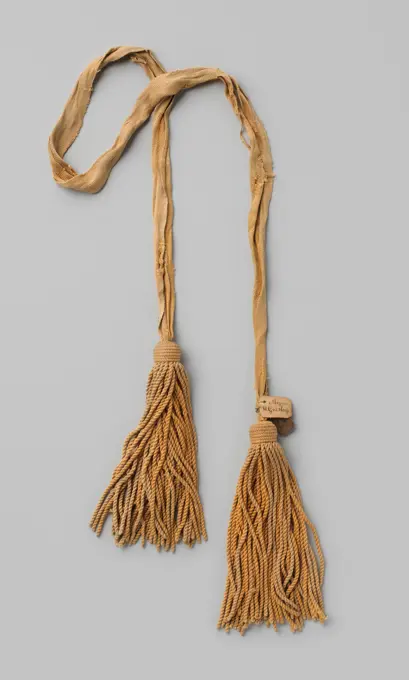
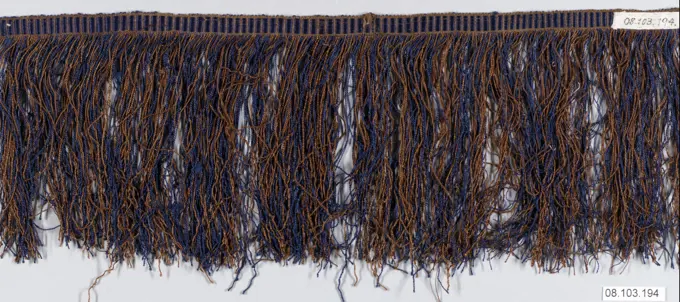
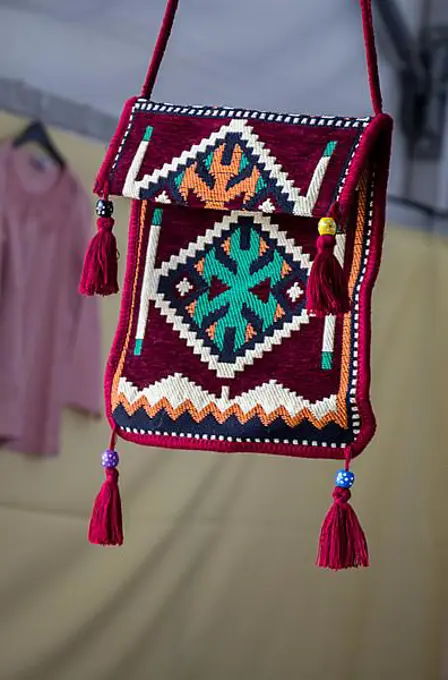
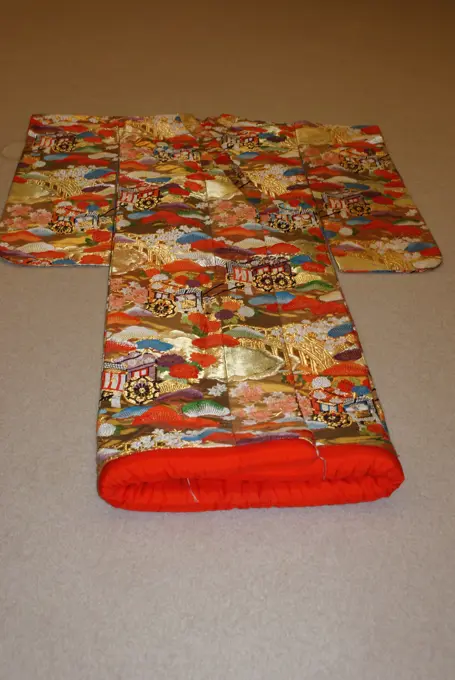
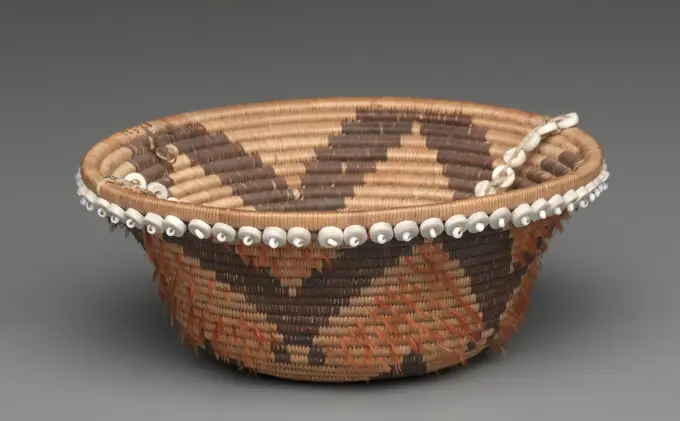
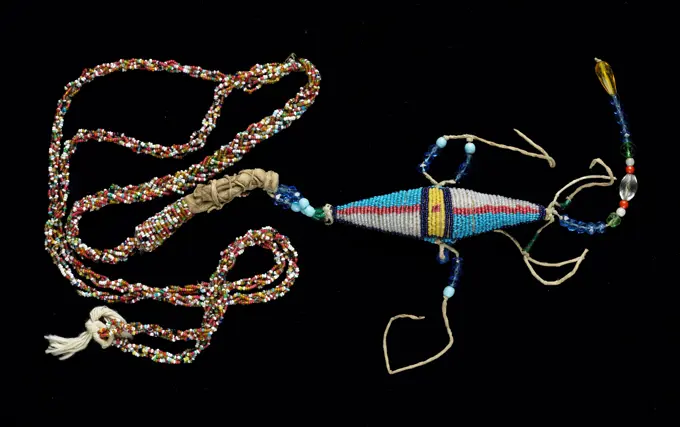
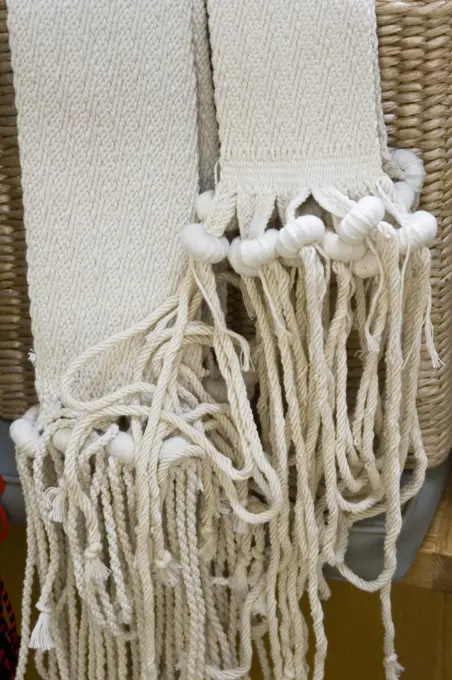
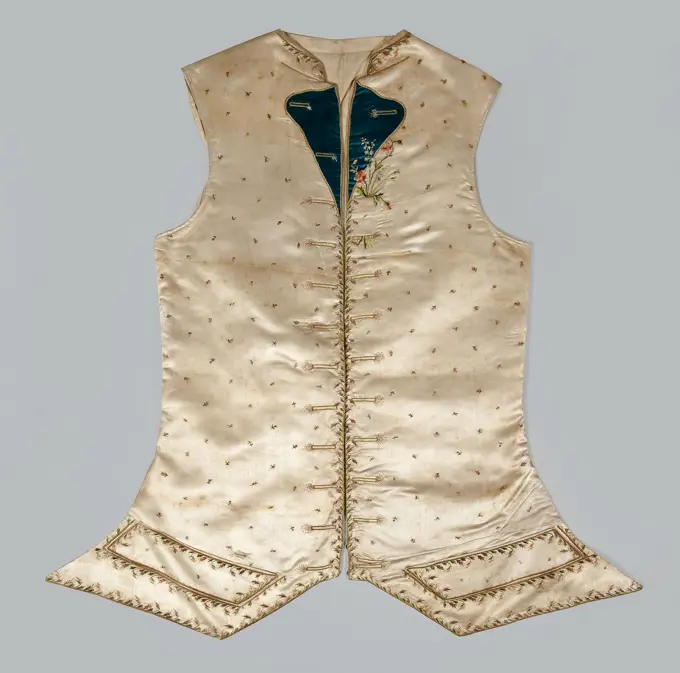
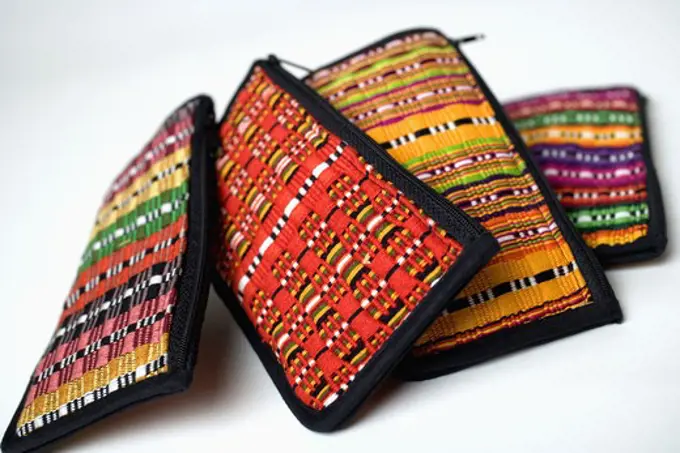
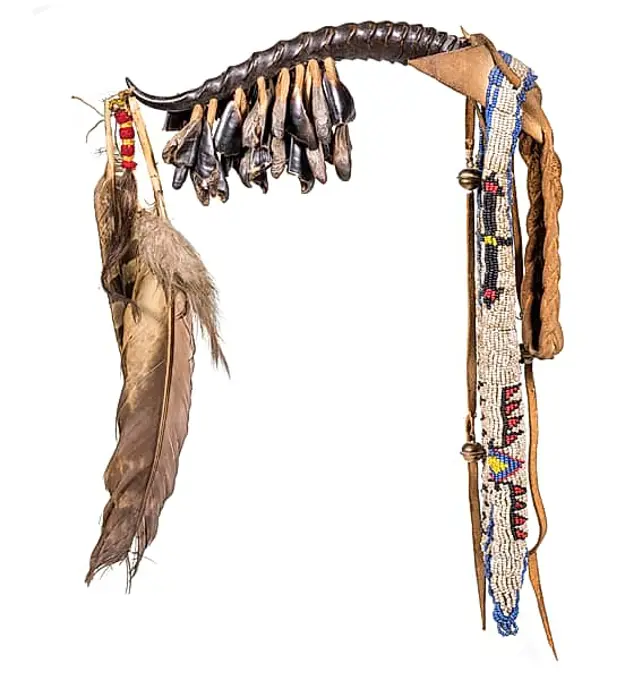
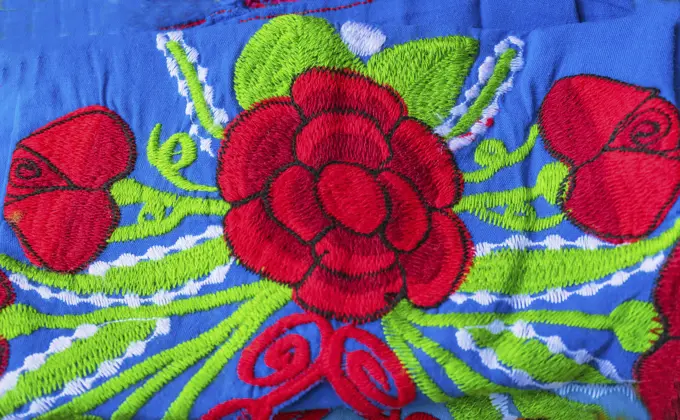
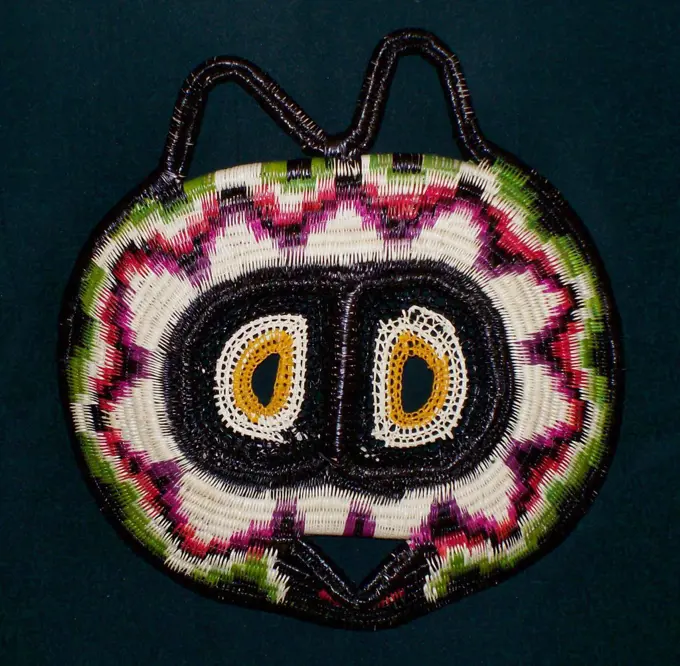
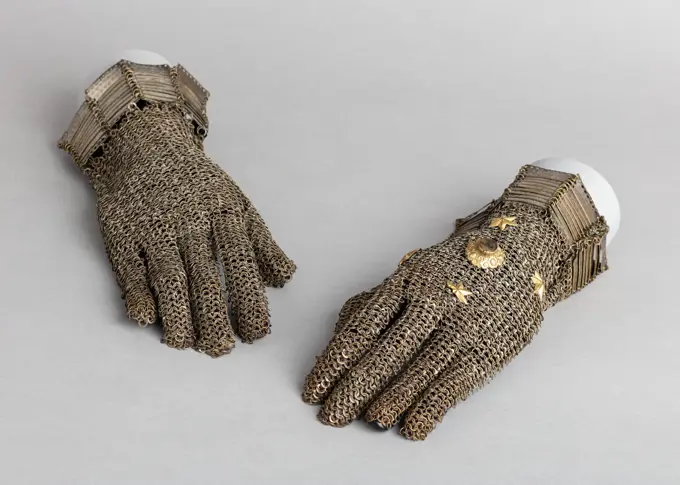
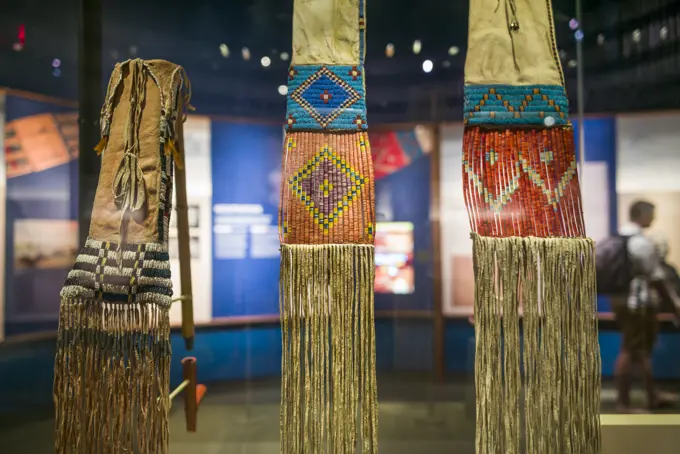
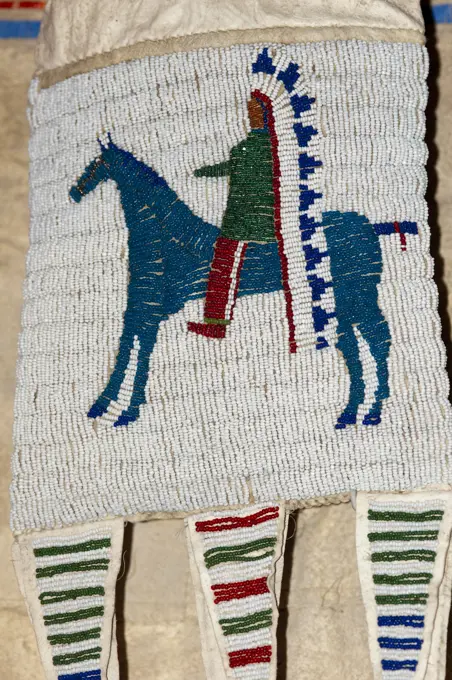
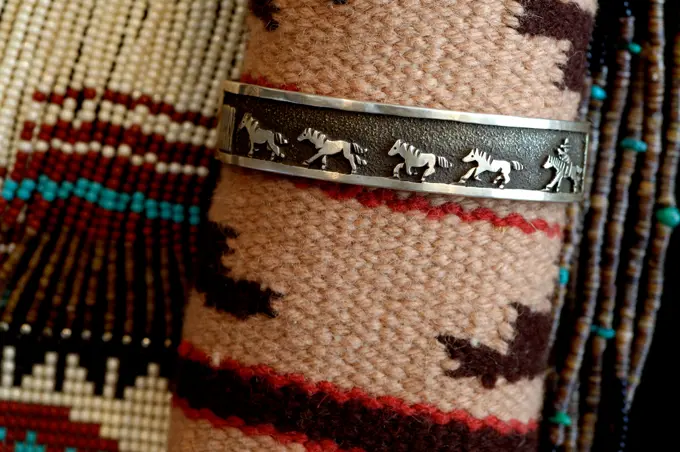
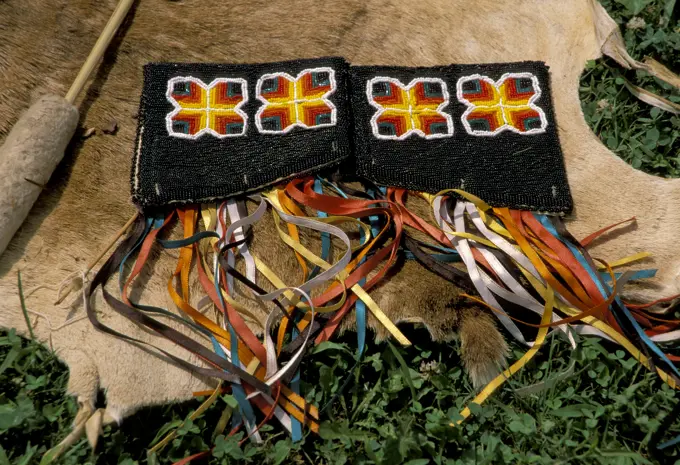
Snuff Bottle, 1750-1825, 2 1/4 x 1 1/4in. (5.7 x 3.2cm), Coral, jadeite, ChinaTrim, green fringe, 18th-19th century, 36 1/2 x 5 in. (92.71 x 12.7 cm), Passementerie, 18th-19th centurySjerp M. 1815 with brushes M. 1860, for officers army (voluntary hunters) Schutterij or Marines, Anonymous, c. 1860  Sash from Oranje Cord side, in Egyptian braid, (the whole whipped), with holes. On both sides brushes with frills in the same side. Sash was tied. Learn on one of the sides with number 27 and label with text: Major W.G. v.d. Heap. Netherlands silkCoverlet Fragment (USA); wool, cottonFringe Spanish or Italian 18th-19th centuryLace pillow Austrian 20th centuryFaiyum Oasis, Egypt. Decorative woven ceiling in a sun shelter near Faiyum Oasis.Chinese new year ornamentvintage dreamcatcher isolated on black backgroundParasol 1860s probably French. Parasol 104649Scale Armor ca. 18th century Chinese. Scale Armor. Chinese. ca. 18th century. Iron, tin, textile (hemp, velvet), pigment, gold. Armor for Man-Scale ArmorTraditional style handmade woven bags made of fabricWedding robe (uchikake) with design of carriages, bridges, pine, maple leaves, and cherry blossoms, 20th century, Unknown Japanese, 75 1/2 × 52 in. (191.77 × 132.08 cm), Silk, Japan, 20th century, The carriages shown on this wedding robe, which illustrates a scene from The Tale of Genji, call to mind aristocratic culture of the Heian period (794-1185), when they served as vehicles for wealthy elites in Kyoto. This is the same narrow slice of classical Japanese society highlighted in The Tale of Genji. This type of carriage appears frequently in all manner of Genji pictures. Arched bridges, the other primary motif on this robe, may suggest the famous arched bridge over the Uji River, which serves as a setting for parts of The Tale of Genji.Tassel 18th century French. Tassel 213546IMG_73433 Easter egg isolated on white background. Easter eggs, also called Paschal eggs, are eggs that are sometimes decorated Copyright: xZoonar.com/VladimirxNenovx 16448184Close up of the djembe isolated on black backgroundEmpress dollMale hat unknownKathryn Uhl, Lady's Carpet Bag, c 1936 Lady's Carpet BagSouth Africa, Cape Town. Stellenbosch, Dorp Street, Africa Silks. Textiles made of local African silk, loom.Embroidery of flowers on cloth  Rajasthan  India Copyright: xMohammedxSharif/DinodiaxPhotoxGloves 17th century British. Gloves 122097Gift Basket, 1895. California, Pomo, Lytton Springs, Alexander Valley, late 19th-early 20th century. Bulrush, Sedge; Coiled (3 rods); diameter: 5 x 11.6 cm (1 15/16 x 4 9/16 in.).Amulet, 1800-1899, 41 1/2 in. (105.41 cm) (overall), Animal hide, beads, United States, 19th century, This amulet necklace would have been worn by an Apsaalooka mother to honor the sacred connection between her and her child. Some amulets of this type contain the child's umbilicus.Basket, 20th century, 9 1/4 x 9 1/4 in. (23.5 x 23.5 cm), Natural plant fibers, United States, 20th centuryNecklaces on display, Sanxingdui Museum, Sichuan Province, ChinaWrapper ca. 1845 American. Wrapper 174755A basket full of beautiful hand woven traditional Hopi white cotton belts used as ceremonial wedding sashes made by Hopi weaver Marvin Pooyouma from Hotevilla ArizonaPainted wooden canoe from Taiwan. Dated 20th CenturyCollar unknownWaistcoat. unknown, authorClose-up of decorative pursesTassels Made 500 CE-900 CE Peru. . Nazcanice handkerchief embroidered with white fringeDance rattle of the North American Indians made of horn with deer hooves and feathers cut out on whiteNumber 2021 with a Christmas ball Zentangle. Vector decorative objectColorful Mexican blanket, Oaxaca, Juarez, Mexico.Retarpe robe with horizontal band, 18th-19th century, Unknown Sakhalin Ainu, 47 3/4 × 51 3/4 in. (121.29 × 131.45 cm) (overall), Cloth: nettle fiber; cotton appliqué and embroidery, Russia, 18th-19th centuryWounaan Indian owl mask of woven palm-frond fibre, from Panama.South Africa, Kwazulu Natal, Melmoth, Detail Of Colourful Zulu Bead NecklaceHistoria. Siglo XIII. Sobrevesta, túnica sin mangas colocada sobre la cota de malla que cubría al caballero medieval.Gauntlets of Mail 17th century Hungarian From about the third century B.C. through the early fourteenth century A.D., mail, also called chain mail, was the predominant and most effective type of body armor known in Europe. From about the mid-fifteenth century onward, mail was used in conjunction with full plate armor to fill the gaps between plates. Separate mail sleeves were made to be worn with a cuirass (breastplate and backplate); shaped panels of mail called gussets, covered the armpits or the crooks of the elbows and were attached to arming jackets, garments specially tailored to be worn under armor; and mail breeches, called brayettes or pairs of paunces, could be worn by men fighting on foot.. Gauntlets of Mail. Hungarian. 17th century. Steel, gilding. MailGloves; cotton, glass beadsLegging strip -Ensemble 1865-70 American. Ensemble 174653USA, Washington D.C. National Museum of the American Indian interior exhibit (Editorial Use Only)American native objects pictograms set watercolor. Native american indial tribal amulets and household items collection with feathers headdress watercolor abstract isolated vector illustrationLakota beadwork close-up detail of a horse with rider in headdress decorates a pipe bagSouthwest, American Indian art & handicrafts. Classic Navajo handicrafts. Navajo blanket, silver horse bracelet, and Navajo bead work.Ecuador. Famous Otavalo Market which dates back to pre-Inca times. Typical Ecuadorian wool textile souvenirs.Contemporary Shawnee beaded wrist bands worn during dances.