Glass and Ceramic Fragments

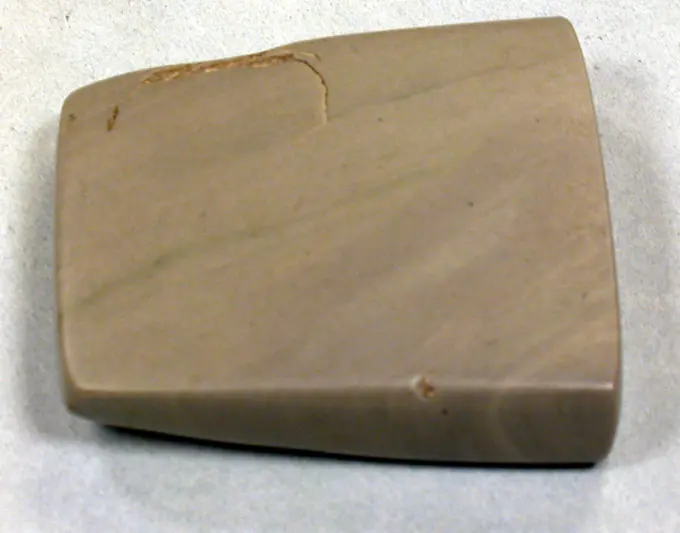
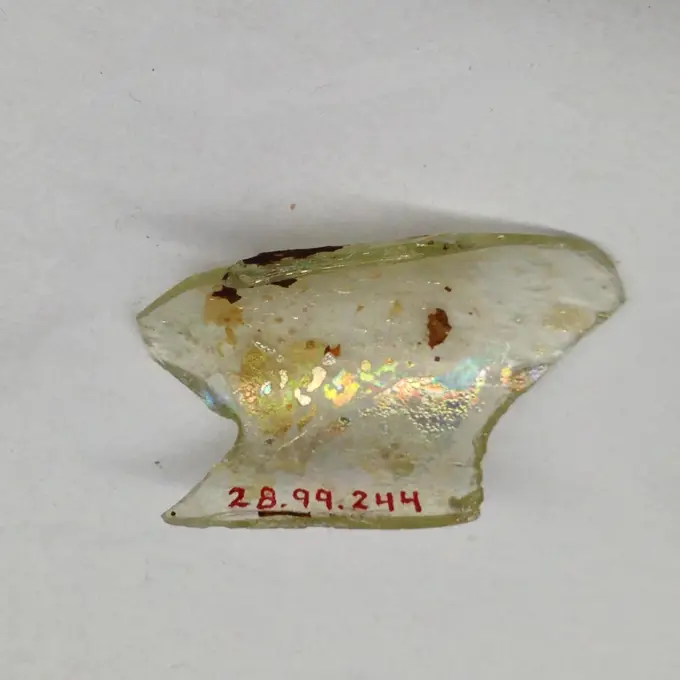
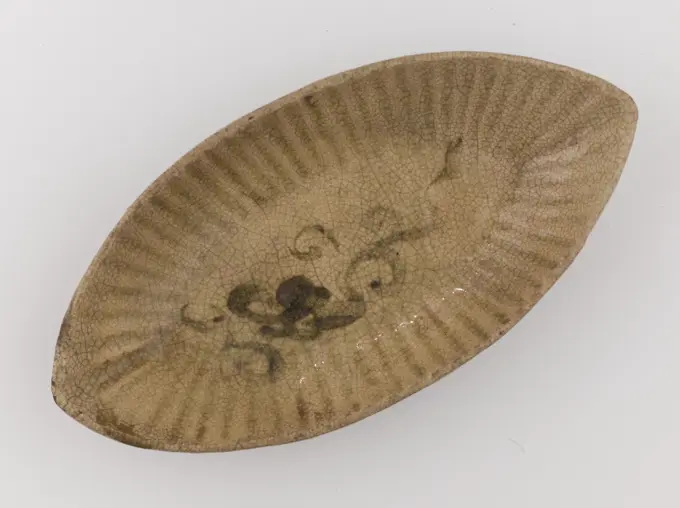
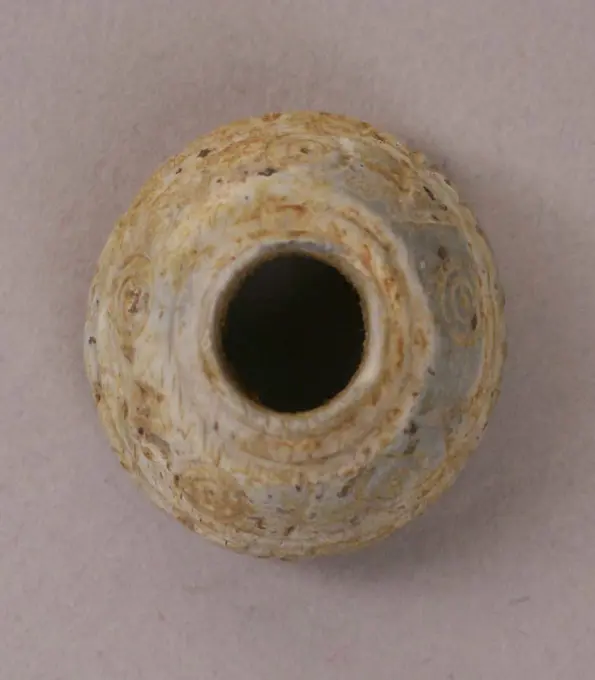
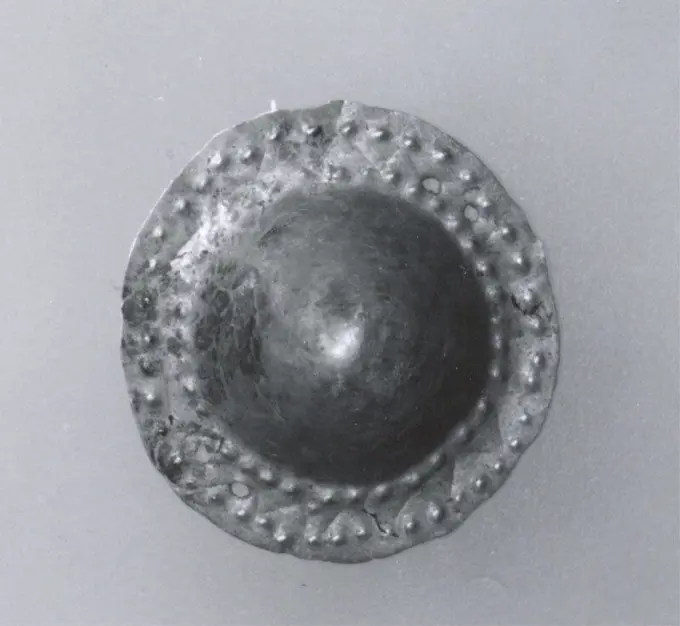
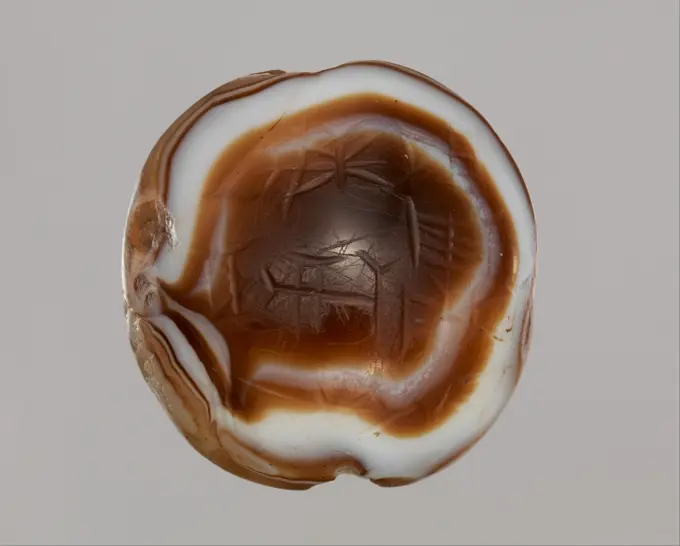
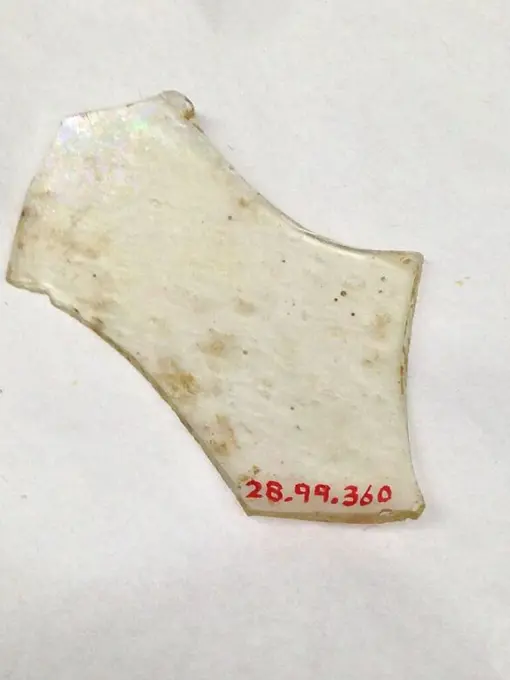
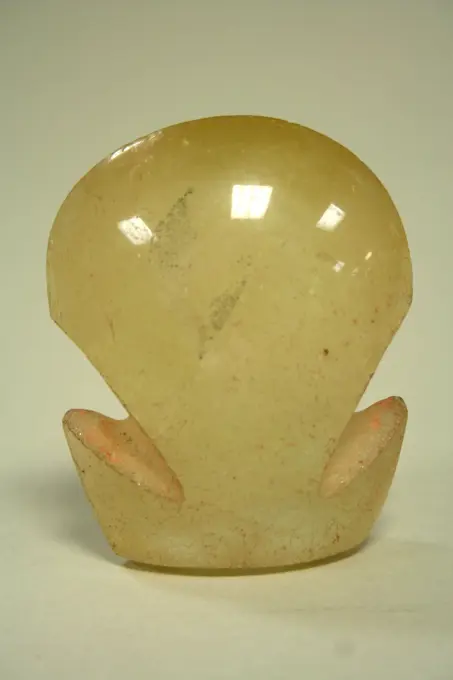
Fragments of ancient glass and ceramics showcasing different textures and shapes, indicative of historical artistry.

Fragment ca. 1150-ca. 1250 European or Middle Eastern. Fragment 695352
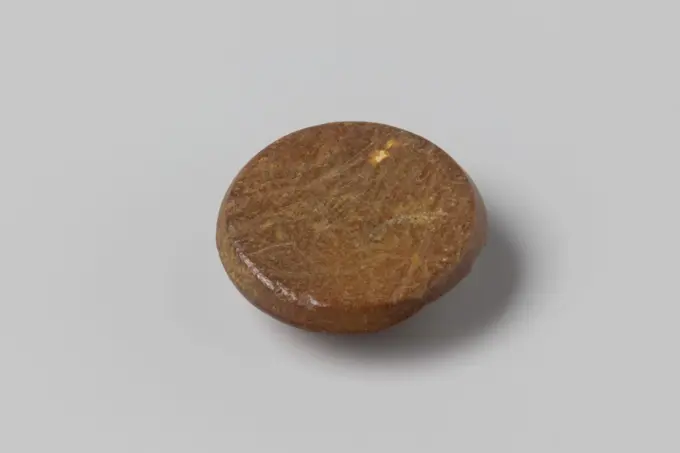
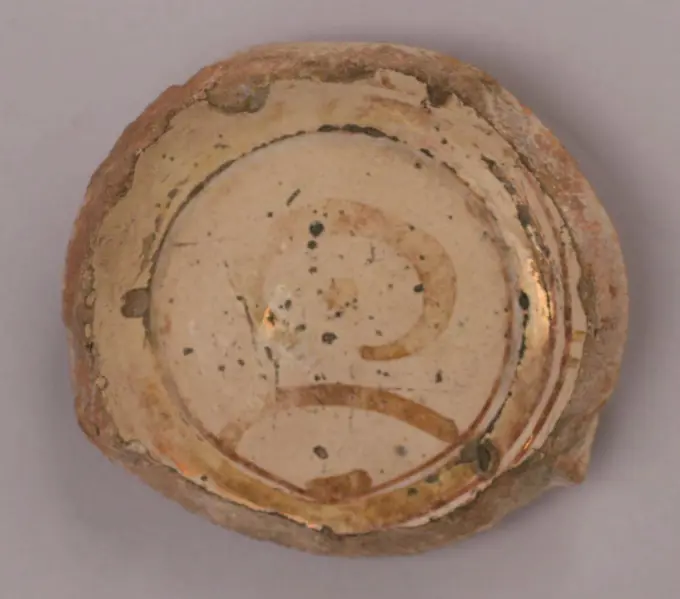
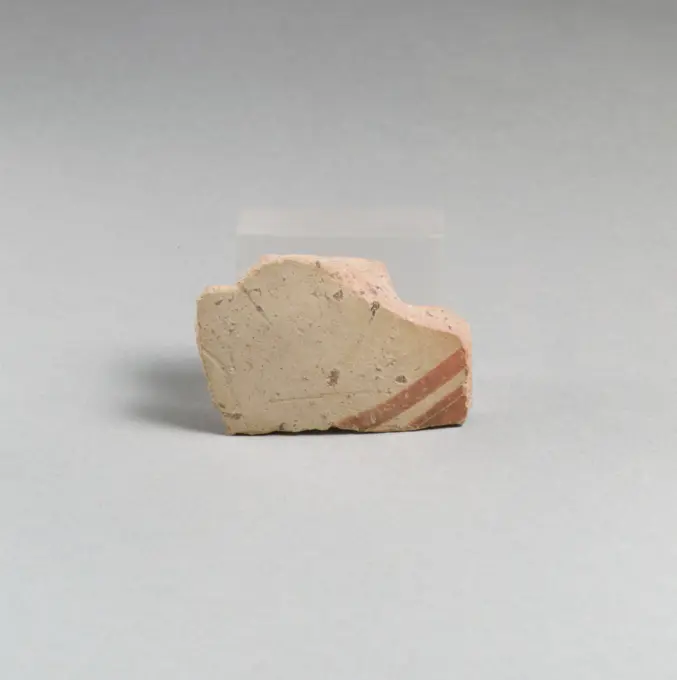
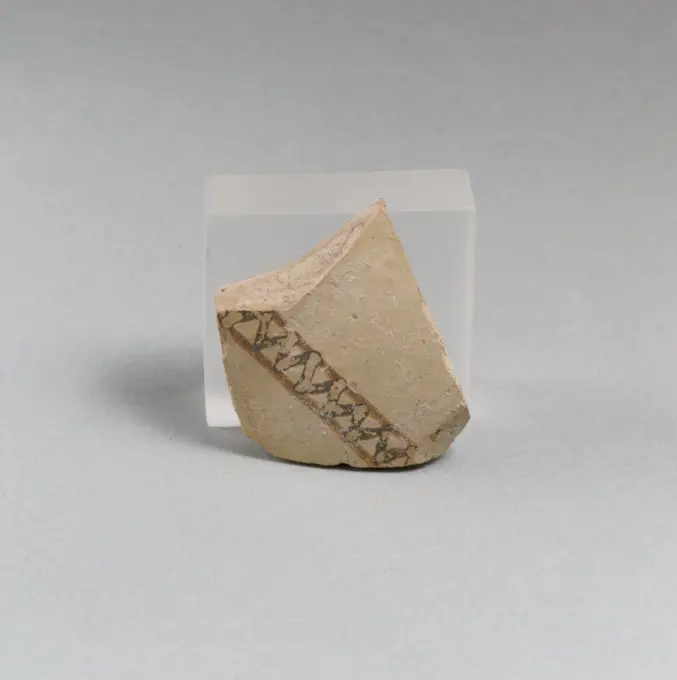
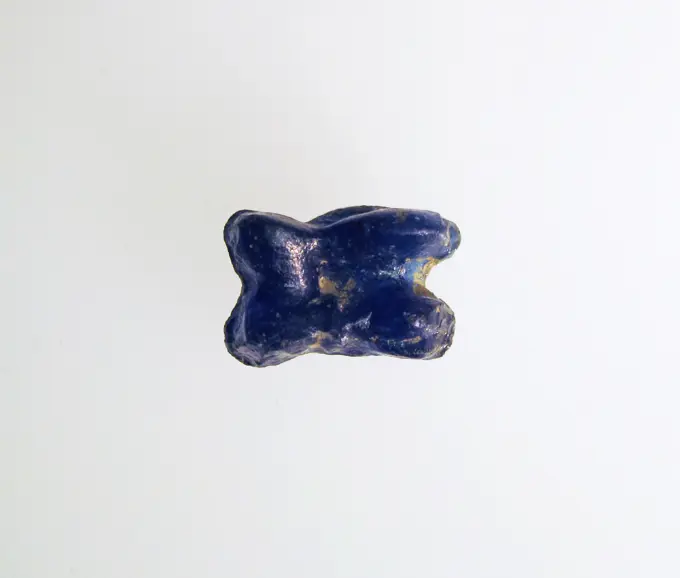
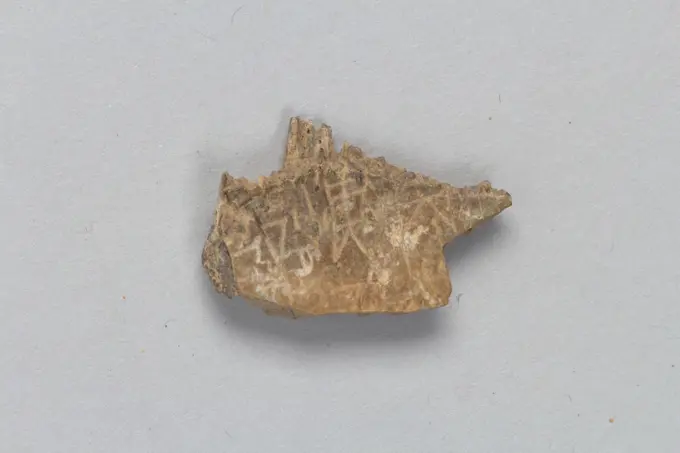
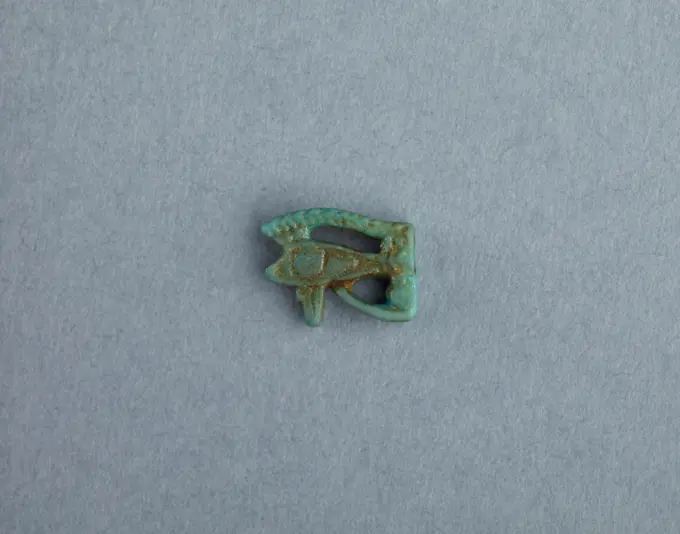
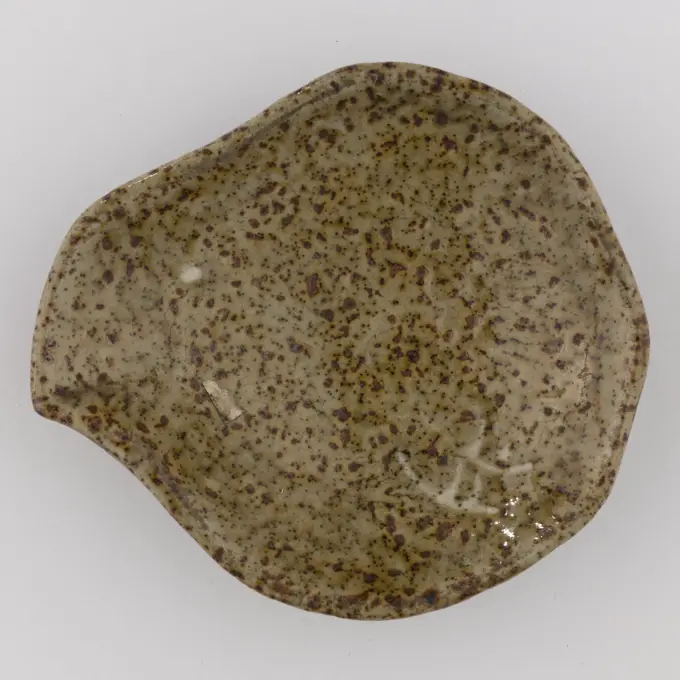
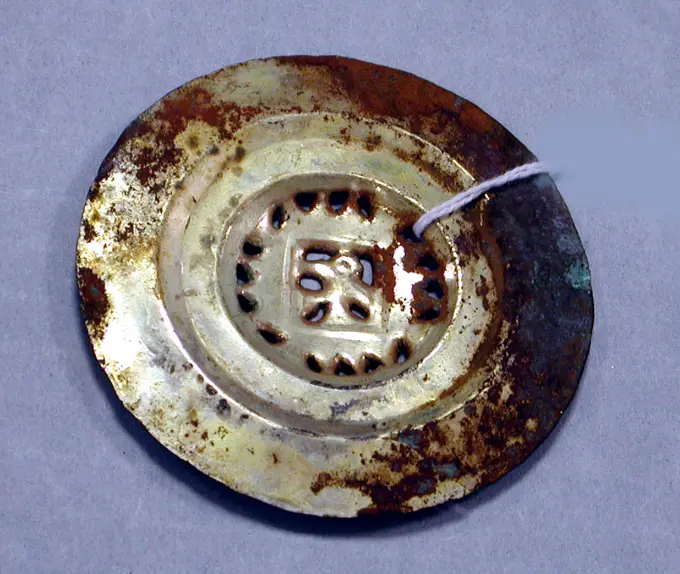
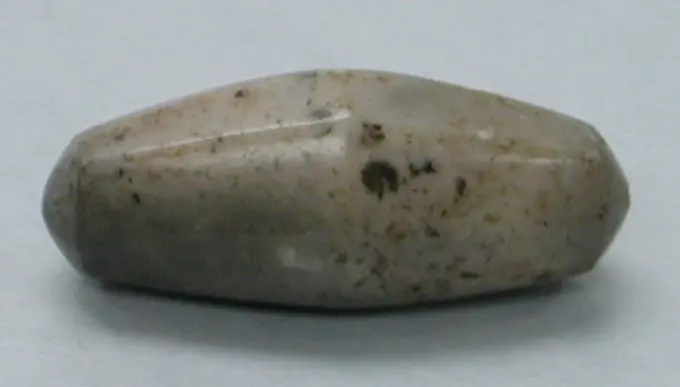
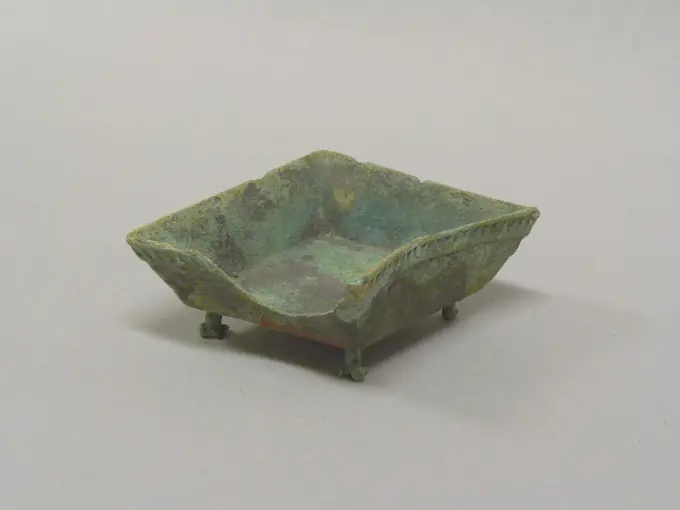
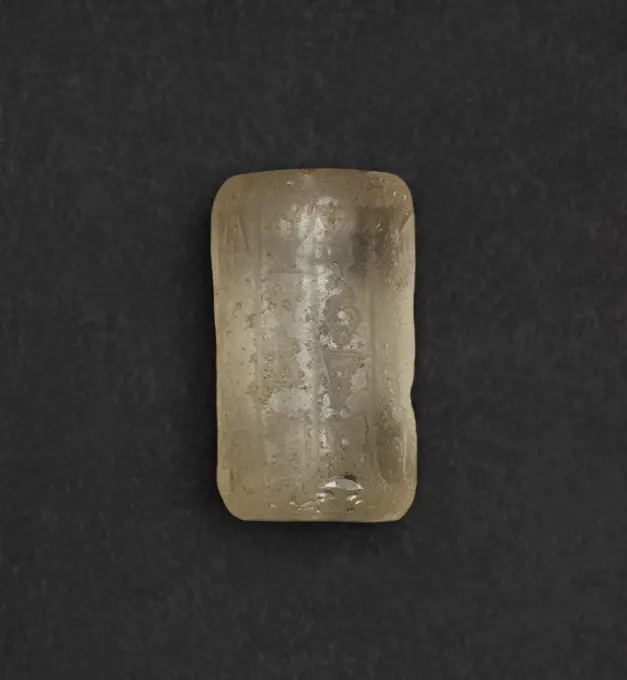
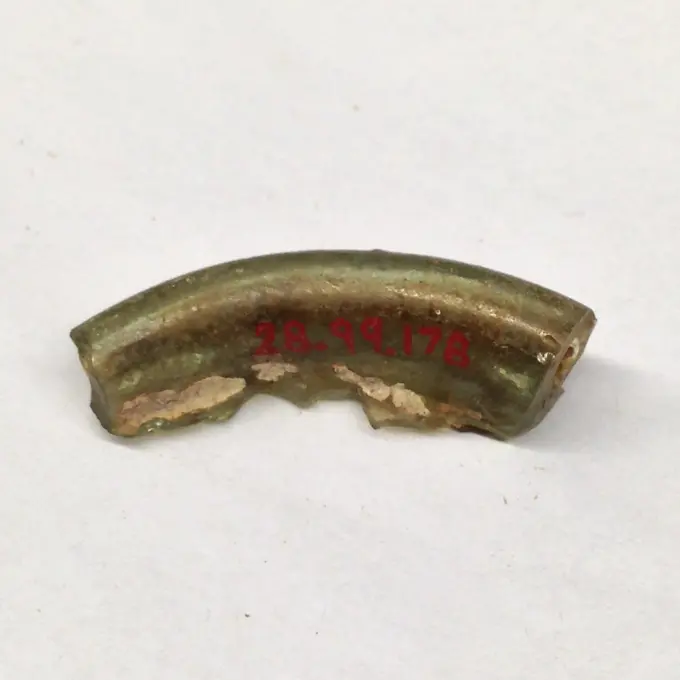
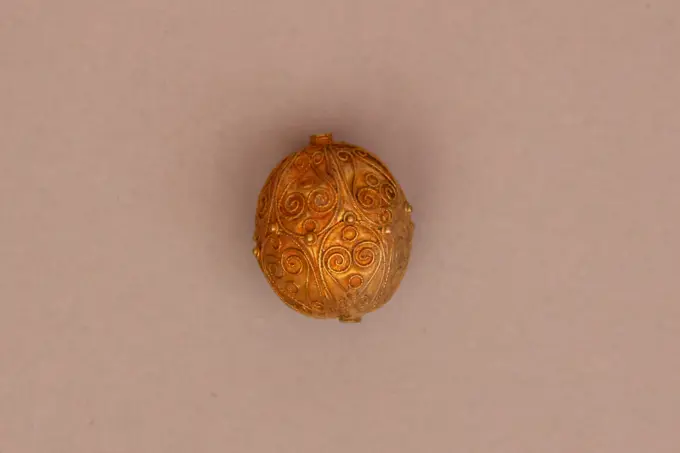
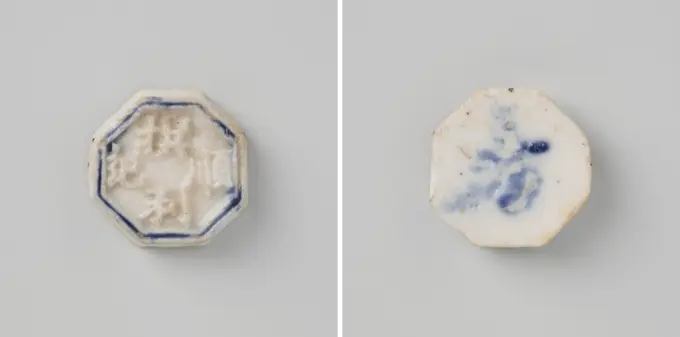
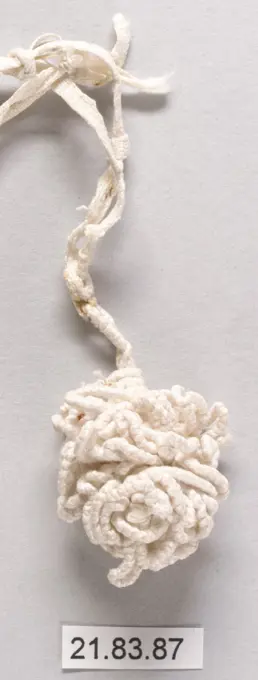
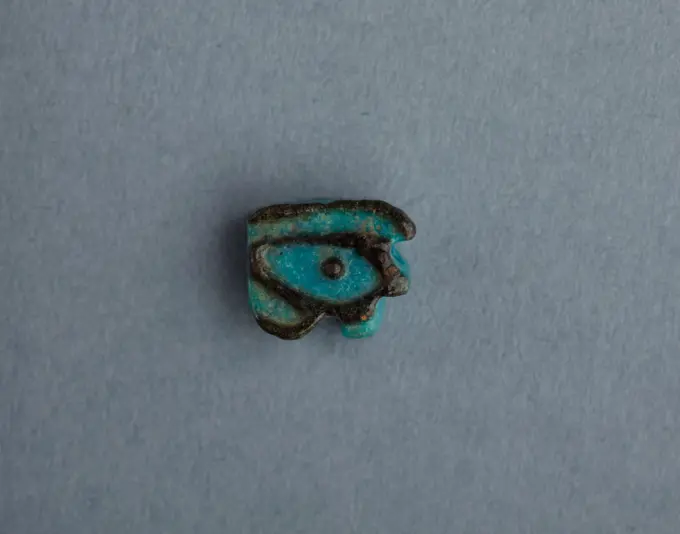
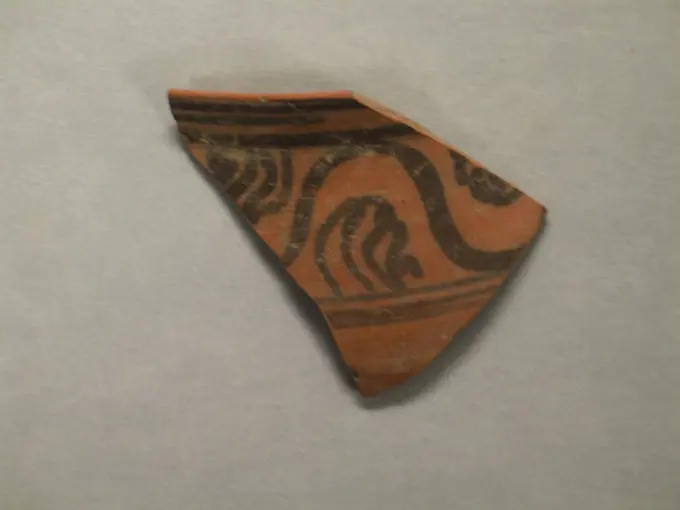
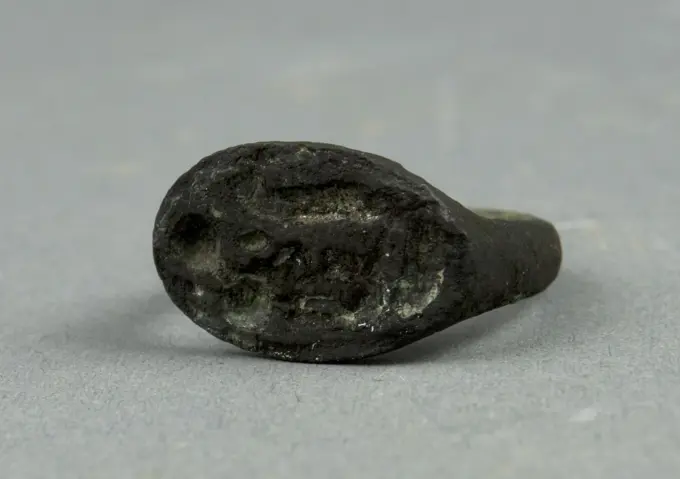
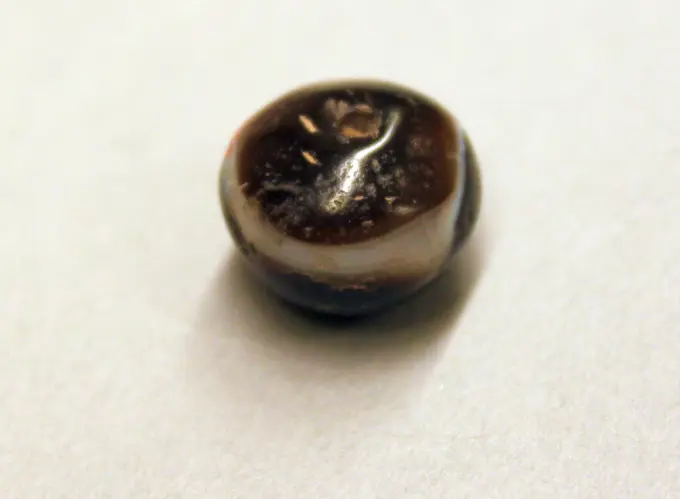
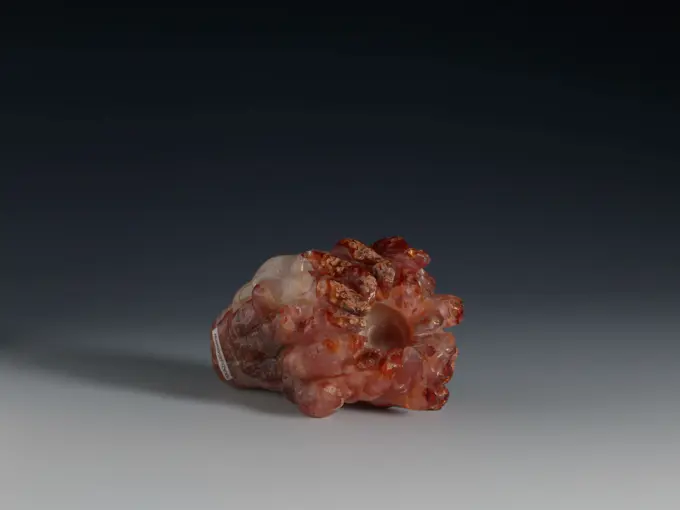
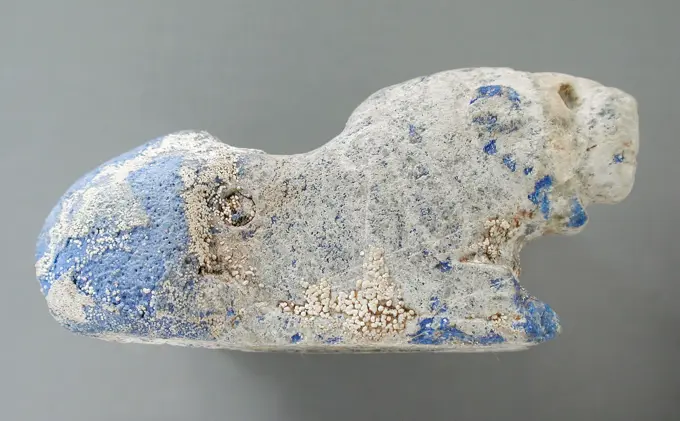
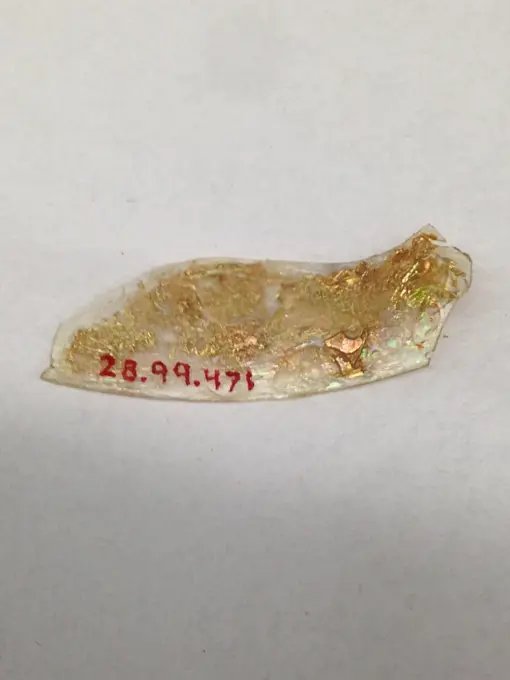
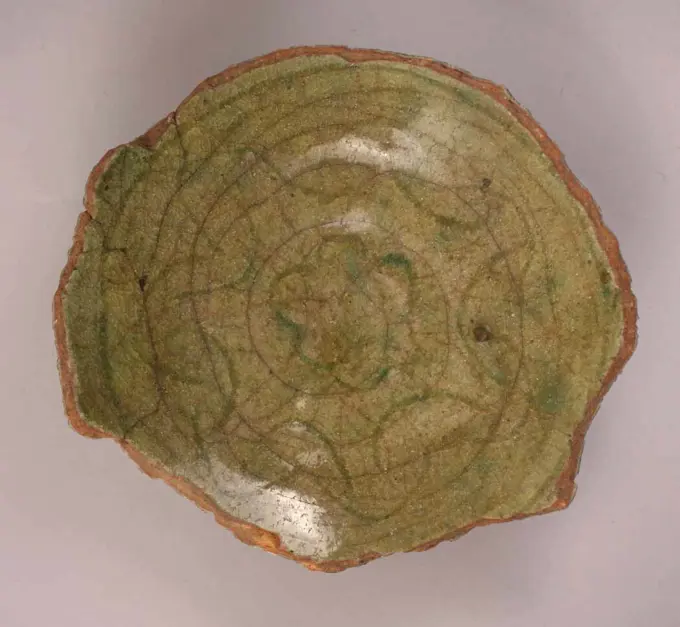
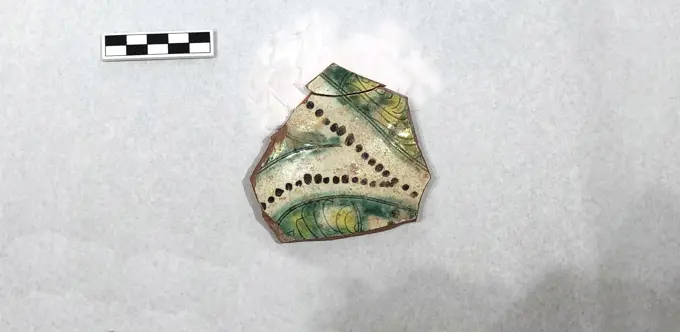
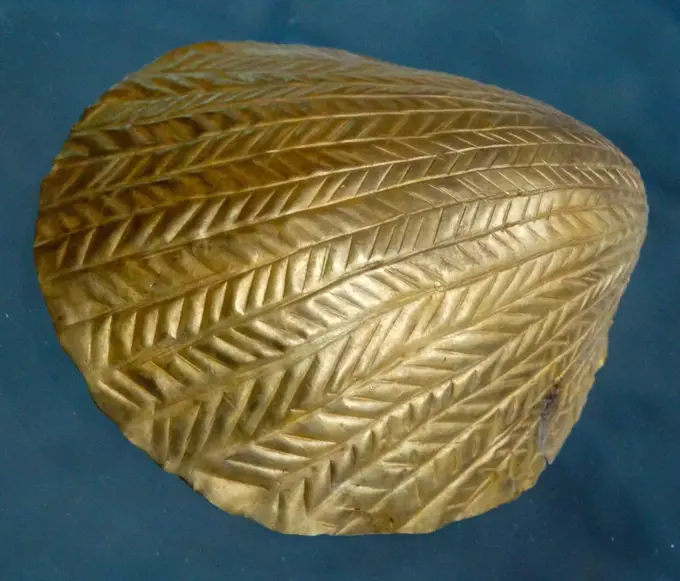
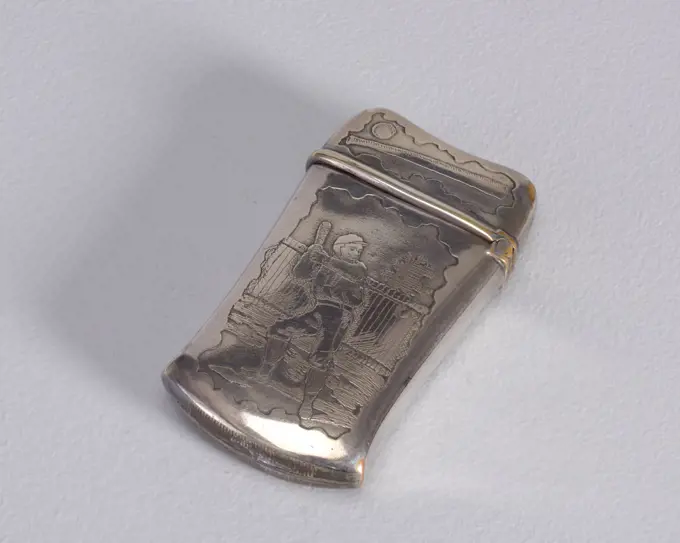
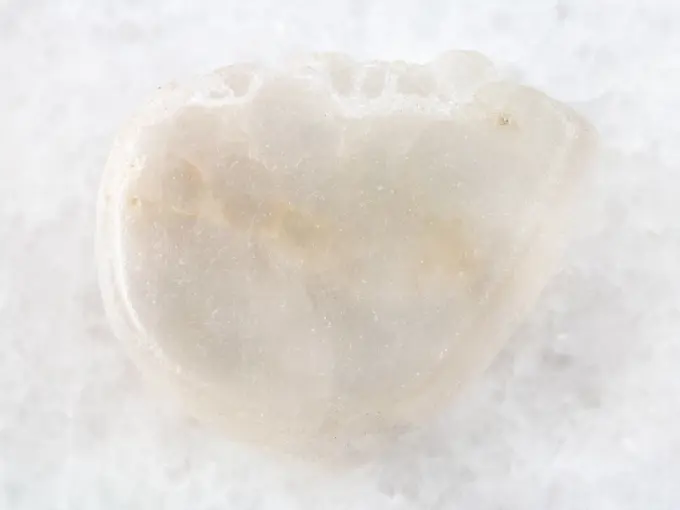
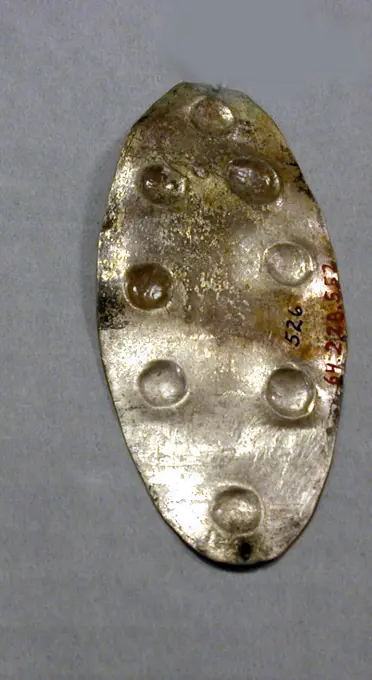
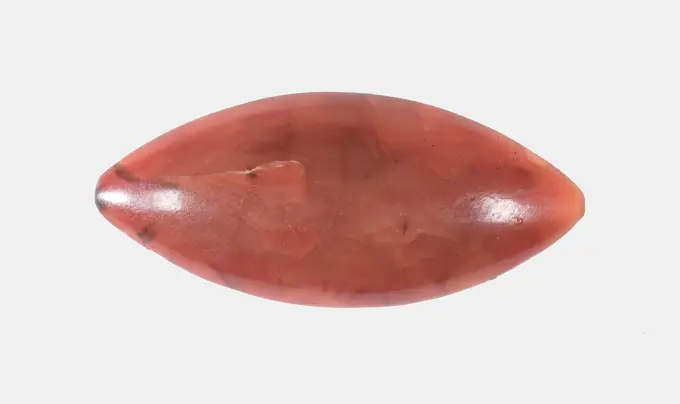
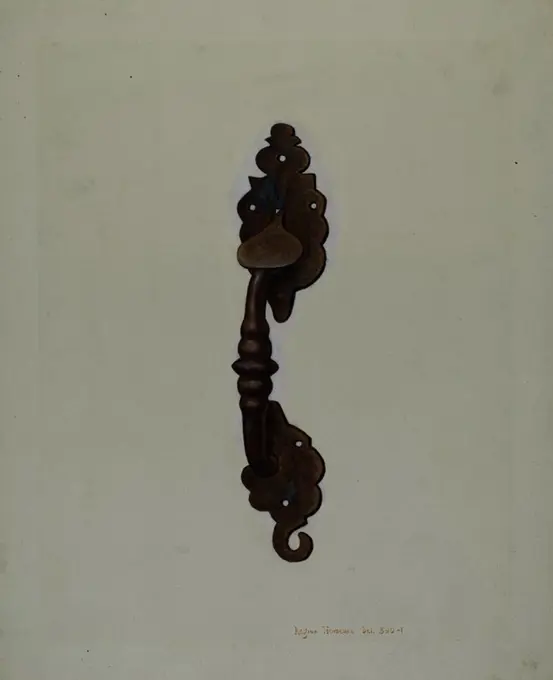
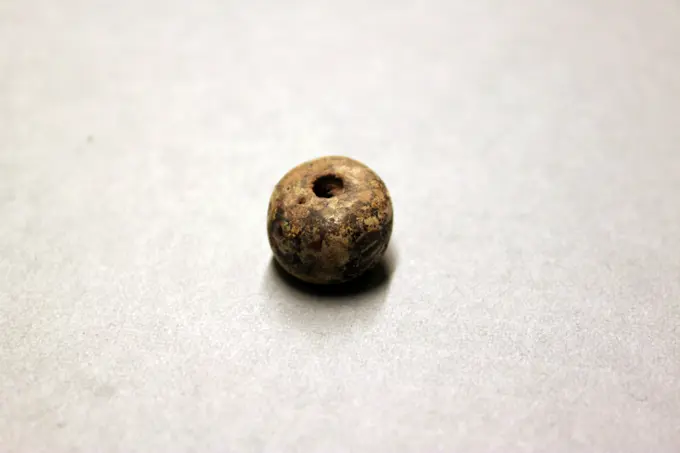
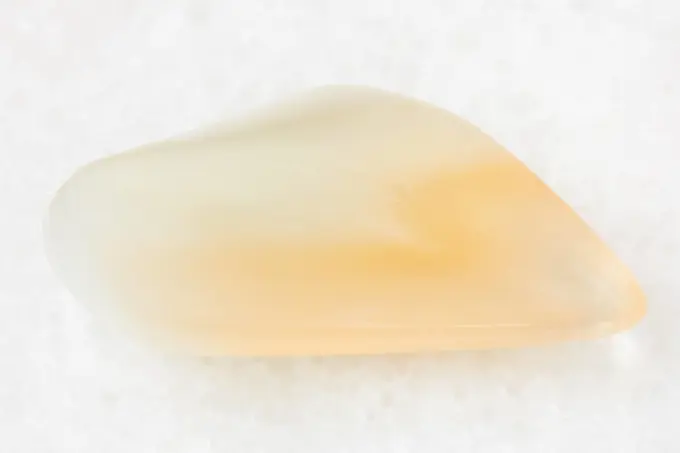
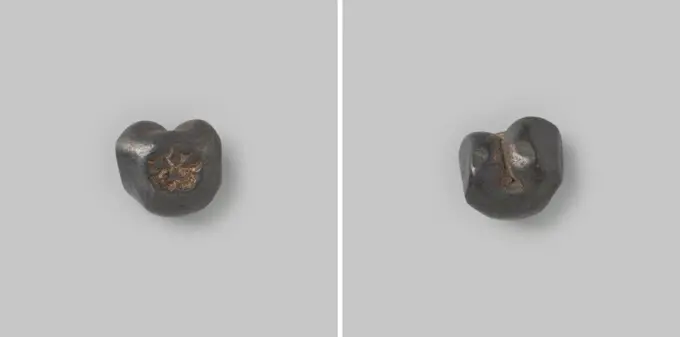
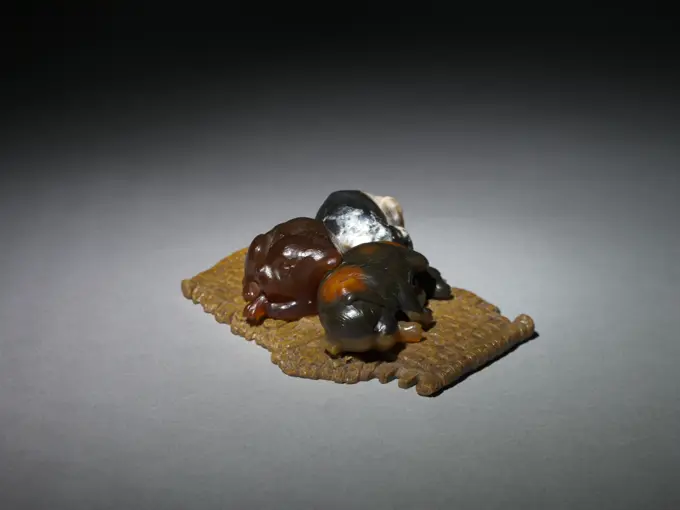
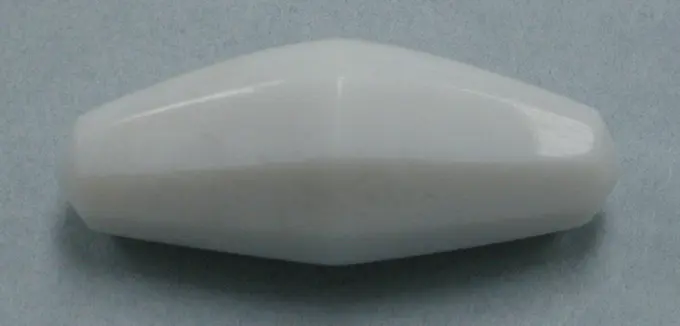
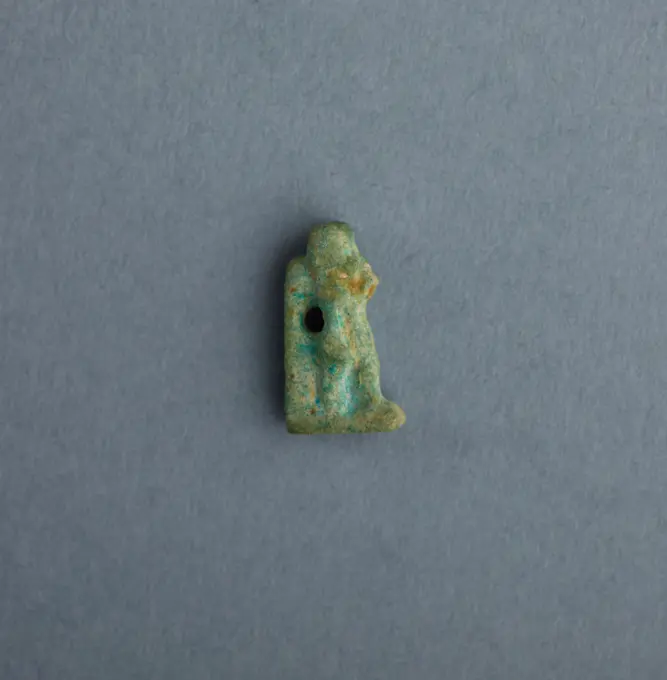
Fragment ca. 1150-ca. 1250 European or Middle Eastern. Fragment 695352Fragment of a Glass Bottle 13th century Syrian. Fragment of a Glass Bottle 729830Detailed and colorful image of jasper mineralFragment ca. 1150-ca. 1250 European or Middle Eastern. Fragment 694336Button from the wreck of the East Indians Hollandia, Anonymous, 1700 - in or before 1743 button Knoop. (1) sim. NG 1980-27H1502 (1.8d, 0.3t) Netherlands bone (material)   SecondFragment of a Bowl 15th century. Fragment of a Bowl 445564Vase fragment ca. 3000-2200 B.C.. Vase fragment 251322 Vase fragment, ca. 30002200 B.C., Terracotta, 1 1/4  2  1/4 in. (3.2  5  0.6 cm). The Metropolitan Museum of Art, New York. Gift of Gisela M. A. Richter, 1923 (23.121.22)Vessel lid in the form of a turtle ca. 3500-2650 B.C. Predynastic, Naqada II-Early Dynastic Period. Vessel lid in the form of a turtle. ca. 3500-2650 B.C.. Travertine (Egyptian alabaster), paste. Predynastic, Naqada II-Early Dynastic Period. From EgyptVase fragment ca. 1400-1300 B.C. Mycenaean. Vase fragment 248278Fragment ca. 1150-ca. 1250 European or Middle Eastern. Fragment 694398Pendant with Monster Mask. China. Date: 1300 BC-1000 BC. Dimensions: 7.0 × 4.2 × .4 cm (2 3/4 × 1 5/8 × 3/16 in.). Jade. Origin: China. Museum: The Chicago Art Institute, Chicago, USA.Glass astragal (knucklebone) 3rd-2nd century B.C. Greek Translucent cobalt blue.Shaped like the knucklebone of a sheep or goat. Solid with continuous mold seam along sides and ends.Intact, but slight chipping at one end; pinprick and larger bubbles; dulling and patches of faint weathering.In antiquity, one of the most popular games of chance was played with astragaloi, knucklebones of sheep and goats. They could be used like dice or like jacks, thrown in the air and caught on the back of the hand. Knucklebones have been found in tombs where they must have been intended to help the deceased while away endless time.. Glass astragal (knucklebone). Greek. 3rd-2nd century B.C.. Glass; cast in a two-part mold. Hellenistic. GlassVase fragment Minoan. Vase fragment 247833Oracle bone fragment China. Oracle bone fragment. China. Inscribed bone. Shang dynasty (ca. 1600-1046 B.C.). BoneAmulet - WadjetCup. Sandstone, covered with ash, white slip decor. Around 1850-1875. Paris, Cernuschi museum. Japanese art, Japanese ceramic, cup, ash covered, white slip, gres, 19th 19th 19th 19th 19th 19th centuryMagnesit MagnesitCopper Disk Ornament 12th-15th century Chimú (). Copper Disk Ornament 315301Button ca. 9th-7th century B.C. Assyrian. Button 324637Earflare. Mexico or Guatemala, Maya, 600-900 CE. Stone. JadeiteCoin fromEngland.  Artist: UnknownCoin Weight 12th century. Coin Weight 453545Stone Pulidor before 16th century Mexican. Stone Pulidor 317128Footed Square Vessel 500 B.C.-A.D. 300 Indonesia (Java). Footed Square Vessel 51634Arrowhead ca. 10,000 B.C.-5000 B.C. European, Italian peninsula. Arrowhead. European, Italian peninsula. ca. 10,000 B.C.-5000 B.C.. Stone. Archery Equipment-ArrowheadsCharançon: Import hallmark. Silver punch 2nd title for Paris, 1798-1809; Grosse guaranteed punch for Paris, 1798-1809.Dragon Pendant. China. Date: 1100 BC-900 BC. Dimensions: 1 3/4 × 1 1/16 × 3/16 in. Jade. Origin: China. Museum: The Chicago Art Institute, Chicago, USA.Pulidor (polishing stone) () before 16th century Peruvian (). Pulidor (polishing stone) () 317630Fragment ca. 1150-ca. 1250 European or Middle Eastern. Fragment. European or Middle Eastern. ca. 1150-ca. 1250. Glass, ceramic. Glass-VesselsGlass bowl, possibly an inkwell ca. 2nd-3rd century A.D. Roman Colorless, with attachment in same glass.Narrow circular mouth with horizontal rounded lip; concave discus; rounded vertical shoulder; sides of body curving in sharply to pushed-in bottom with traces of central pontil scar; small oval knob-like attachment on outer edge of shoulder with tiny central hole.Complete, but with large cracks running across body; few bubbles; dulling and iridescent weathering.. Glass bowl, possibly an inkwell 249369Ravier. Sandstone, Céladon covered, iron brown under the cover. Paris, Cernuschi museum. Art of the table, Japanese art, Japanese ceramic, gres, ravier, dishGagate Jet gemstone on white macro shooting of natural mineral rock specimen - Gagate Jet gemstone on white marble background from Georgia Copyright: xZoonar.com/ValeryxVoennyyx 11949917Button or Bead 9th-10th century This object was excavated at Nishapur.Nishapur was a vital city in the early and middle Islamic periods, located along one of the main trajectories that connected Iran and West Asia Islamic lands with Central Asia and China. These itineraries are often referred to by the term Silk routes’ but were in fact crucial to the movement of constellations of materials and objects, as well as people and ideas. The diverse population of Nishapur and its surroundings, from the better-researched elite groups of merchants, land-owning aristocracy, and literates, to the less-known artisans, farmers, miners, and servants, were instrumental in adapting global cultural trends to create their own distinctive visual languages. This is seen in the material remains of everyday life in medieval Nishapur - from pots and pans to lighting devices, inkwells, textiles and trimmings, jewelry, games and toys, talismanic devices, weapons, coins, and architectural fragments.Nishapur lCylindrical sealDetailed and colorful image of magnesite mineralFragment ca. 1150-ca. 1250 European or Middle Eastern. Fragment 694332Bead 11th century. Bead. 11th century. Gold; filigree and granulation. Attributed to Egypt or Syria. JewelryAmber on yellowSpeelhuisensning from Thailand, 1760-1871 ,, 1760 - 1871 coin Octagonal porcelain playing house fencing, which is also used as a mint. Front: Four Chinese characters. Rail side: a Chinese character or decoration.  porcelainFragment. Culture: European or Middle Eastern. Dimensions: L. 1 1/2 in. (3.8 cm). Date: ca. 1150-ca. 1250. Museum: Metropolitan Museum of Art, New York, USA.Fragment ca. 1150-ca. 1250 European or Middle Eastern. Fragment 695416Tassel 17th century Italian. Tassel. Italian. 17th century. Linen. Textiles-TrimmingsAmulet - WadjetEngraved Gem Neptune. UnknownCup: Judith and Holopherne, Italian Majolique de Deruta, around 1520 (reverse). Museum of Fine Arts of the City of Paris, Petit Palais. 27010-3 Ceramic, cup, deruta, faience, Italy, Italian majolica, reverseShard ca. 4th-5th century Pakistan. Shard 50861Carved amulet. UnknownFoundation Turtle Offering 8th-12th century Indonesia (Central Java). Foundation Turtle Offering. Indonesia (Central Java). 8th-12th century. Gold. MetalworkBurned paper Burned paper isolated on white background Copyright: xZoonar.com/DaniyaxMelnikovax 18776573Fragment. Culture: European or Middle Eastern. Dimensions: L. 2 1/4 in. (5.7 cm). Date: ca. 1150-ca. 1250. Museum: Metropolitan Museum of Art, New York, USA.Vase Fragment 1st century B.C.-1st century A.D. Roman Man seated.. Vase Fragment 250294Ring Nebmaatre is the Lord (Amenhotep III) 1390 BCE-1352 BCE Egypt. Bronze . Ancient EgyptianBeads and Pendants 8th-13th century. Beads and Pendants 855898Przycisk w kształcie owocu cytryny. unknown, craftsmanDeployment;  VIII-XII century (701-00-00-1200-00-00);Arabian (culture), Islam (culture), message (provenance)Dish (USA); pressed glassFragment of a Bowl 14th-15th century. Fragment of a Bowl 446334Hollow Bracelet. Iran, Luristan, circa 1000-650 B.C.. Jewelry and Adornments; bracelets. BronzeFragment ca. 1150-ca. 1250 European or Middle Eastern. Fragment 696554Bifacial Stone Tool. Egypt, Abydos, Neolithic Period (5500 - 3100 BCE). Tools and Equipment. FlintFragment ca. 1150-ca. 1250 European or Middle Eastern. Fragment 694180Plate; presumably Egypt; 3rd - 4th century; Glass; 4.5 x 23 cm (1 3,4 x 9 1,16 in.)Fragment 13th-14th century. Fragment. 13th-14th century. Earthenware; incised decoration under gray-green glaze. Made in Egypt. CeramicsFragment of a Bowl 9th-10th century. Fragment of a Bowl. 9th-10th century. Earthenware; white slip, incised and splashed with polychrome glazes under transparent glaze (sgraffito ware). Excavated in Iran, Nishapur. Attributed to Iran, Jovain. CeramicsFragment ca. 1150-ca. 1250 European or Middle Eastern. Fragment 696639Stamp seal ca. late 3rd-early 2nd millennium B.C. Bactria-Margiana Archaeological Complex. Stamp seal. Bactria-Margiana Archaeological Complex. ca. late 3rd-early 2nd millennium B.C.. Copper alloy. Bronze Age. Bactria-MargianaBeads and Pendants. Dimensions: 48.101.91j: H. 11/16 in. (1.7 cm)W. 7/16 in. (1.1 cm)D. 5/16 in. (0.8 cm)48.101.91k: H. 11/16 in (1.8 cm) W. 7/16 in. (1.1 cm) D. 1/4 in. (0.7 cm). Date: 8th-13th century. Museum: Metropolitan Museum of Art, New York, USA.A drop of cosmetic gel with a flower on a pink background. A perfect illustration for your product.Three-Footed Bowl 8th-9th century The basic shape of this glass vessel also appears in pottery produced at the time. The three flat coils running down the sides of the vessel, as well as the three feet, were applied after the basic shape of the bowl had been achieved.. Three-Footed Bowl 451808Gold vessel containing green pigment and gold shell for cosmeticsBoss or appliqué 1st millennium B.C.-A.D. 1st century Iran. Boss or appliqué 326952Megatooth Shark (Carcharodon megalodon) fossil and modern Great White Shark teethBOINA DE UNIFORME DE BRIGADAS NAVARRAS. Location: EXPOSICION DE LA GUERRA CIVIL ESPAÑOLA. MADRID. SPAIN.Bead with cuneiform inscription of Kurigalzu I or II ca. 14th century B.C. Kassite Eye-like beads and stones, made from naturally occurring agate formations, are found throughout Mesopotamian history. At least by the end of the third millennium B.C., rulers began carving short inscriptions on these stones, dedicating them to the gods. Some eyestones, like this example, are drilled through the side with a hole allowing the beads to be strung, perhaps as part of jewelry. Whatever the use of these stones, as elements of jewelry or otherwise, it is clear that their eye-like appearance was an important and potent part of their meaning. The inscribed eyestones, some of which were dedicated for the life” of the individual, seem to evoke the desire to be looked upon with favor by the gods. The beneficent gaze of the gods was especially important to kings, who depended on divine favor for a successful and long-lasting reign. Indeed, of all the examples of inscribed eyestones known throughout MFragment. Culture: European or Middle Eastern. Dimensions: L. 2 7/8 in. (7.3 cm). Date: ca. 1150-ca. 1250. Museum: Metropolitan Museum of Art, New York, USA.Glass base fragment. Culture: Roman. Dimensions: Height: 1 1/2 in. (3.8 cm)Diameter: 2 7/16 in. (6.2 cm). Date: ca. 4th century A.D..Colorless.Integral, tubular base with rounded edge; horizontal upper side, then curving up and inward as short, broad pedestal to bottom edge of body; deep, conical kick at center of bottom, with pontil scar around apex.Complete base, broken off from body of vessel; pinprick and a few larger bubbles; dulling and iridescent weathering, with thicker creamy weathering inside kick. Museum: Metropolitan Museum of Art, New York, USA.Door Knob; porcelainDog harness fastener -Axe Head 12th-5th century B.C. Chavin. Axe Head 315733Fragment. Culture: European or Middle Eastern. Dimensions: L. 1 in. (2.5 cm). Date: ca. 1150-ca. 1250. Museum: Metropolitan Museum of Art, New York, USA.Baseball Player, Silver-plated metal, Oblong, with curved sides, slightly concave lid, slightly convex bottom, featuring large reserve with ragged edges, in the center of which is etched a baseball player at bat, a fence and tree in background. Lid features similar reserve with ragged edges in which is a baseball bat and ball. The reverse features a woven or mesh-like decoration with wavy lines and irregular reserve, in which is inscribed the name J.H. Eustace. Lid hinged on side. Striker on bottom., ca. 1890, containers, Decorative Arts, Matchsafe, Matchsafetumbled Ulexite gemstone on white marble macro shooting of natural mineral rock specimen - tumbled Ulexite gemstone on white marble background from California, USA Copyright: xZoonar.com/ValeryxVoennyyx 11949490Pendant in the Form of a Bird, 1100-771 BCE, 1 3/8 x 1 1/2 x 3/16 in. (3.49 x 3.81 x 0.48 cm), Slightly calcified, translucent light green jade, China, 11th-8th century BCEHammered Silver Ornament with Repoussé Disks 8th-mid-16th century Peru; north coast (). Hammered Silver Ornament with Repoussé Disks. Peru; north coast (). 8th-mid-16th century. Silver (hammered), gilt. Peru. Metal-OrnamentsVessel, 1900s. María Martinez (American, c. 1887-1980). Ceramic; overall: 7.1 x 9.6 cm (2 13/16 x 3 3/4 in.).Silver medallion and faience 'eye' beads. From Punic rock-cut tombs in the limits of Rabat (Victoria), Gozo, Malta. Gozo Museum of Archaeology. Cittadella de Victoria. Gozo. Malta.Sweret bead ca. 1981-1950 B.C. Middle Kingdom. Sweret bead. ca. 1981-1950 B.C.. Carnelian. Middle Kingdom. From Egypt, Memphite Region, Lisht North, Tomb 954, Sloping passage, MMA excavations, 1921-22. Dynasty 12, earlySuffolk Latch. Dated: c. 1939. Dimensions: overall: 28.2 x 22.8 cm (11 1/8 x 9 in.). Medium: watercolor, graphite, and goauche on paperboard. Museum: National Gallery of Art, Washington DC. Author: Regina Henderer.Bead 9th-12th century. Bead. 9th-12th century. Glass; marvered. Excavated in Iran, Nishapur. Glasstumbled yellow moonstone adularia gem on white macro shooting of natural mineral rock specimen - tumbled yellow moonstone adularia gemstone on white marble background Copyright: xZoonar.com/ValeryxVoennyyx 119498911/4 tical of salung uit Thailand, 1650-1850, , 1650 - 1850 coin Silver, grain -shaped mint. Equipped with one consequence (KRA): Lotusbloem  silver (metal) castingThumb Ring, 1736-95. China, Qing Dynasty (1644-1911), Qianlong reign (1736-95). White jade; diameter: 3.3 cm (1 5/16 in.); overall: 2.6 cm (1 in.).Sleeping Puppies on a Mat, c. 1895-1915. House of Fabergé (Russian, 1842-1918). Agate, chalcedony; overall: 2.9 x 11.7 x 9.9 cm (1 1/8 x 4 5/8 x 3 7/8 in.).Polishing Stone (pulidor) before 16th century Mexican. Polishing Stone (pulidor) 317048Fragment. Culture: European or Middle Eastern. Dimensions: L. 1 1/4 in. (3.2 cm). Date: ca. 1150-ca. 1250. Museum: Metropolitan Museum of Art, New York, USA.Glass mosaic ribbed bowl fragment. Culture: Roman. Dimensions: Overall: 2 1/2 x 1 3/16 in. (6.4 x 3 cm). Date: late 1st century B.C.-early 1st century A.D..Rim fragment.Translucent honey brown, cobalt blue, and opaque white.Slightly everted rim with rounded inner lip; at top, side tapering downward, then bulging outward with convex curving profile.Ribbon mosaic pattern formed from lengths of one or more canes in a brown ground with wavy white and blue threads in parallel lines; on exterior, two vertical slender ribs, with flattened tops and rounded outer edges, tapering downward.Polished exterior; pitting of surface bubbles on exterior; dulling and creamy iridescent weathering on interior, rim, and jagged edges; one edge ground flat.Part of the rim and side of a deep ribbed bowl. Museum: Metropolitan Museum of Art, New York, USA.Amulet - AnubisFragment. Culture: European or Middle Eastern. Dimensions: L. 1 1/4 in. (3.2 cm). Date: ca. 1150-ca. 1250. Museum: Metropolitan Museum of Art, New York, USA.Rare Huge Wishing Stone with Beautiful Quartzite Line,  Cavaleiro