Glass and Ceramic Fragments

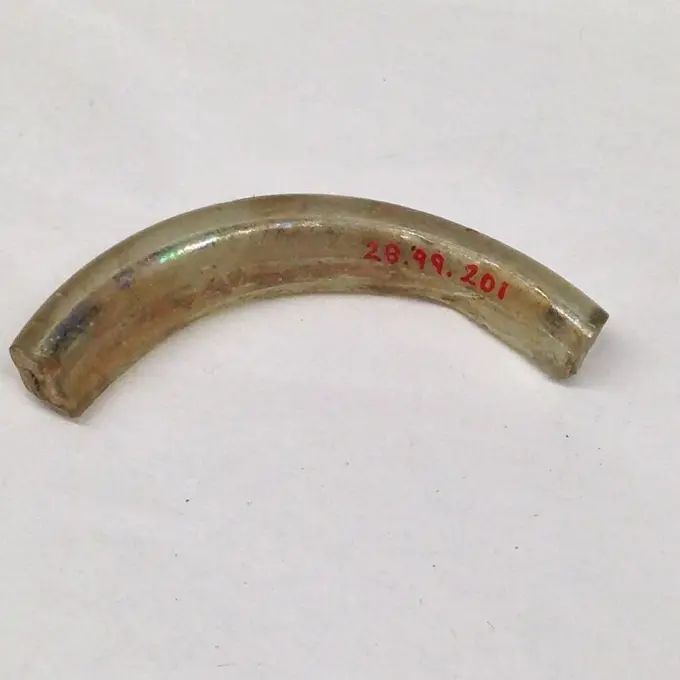
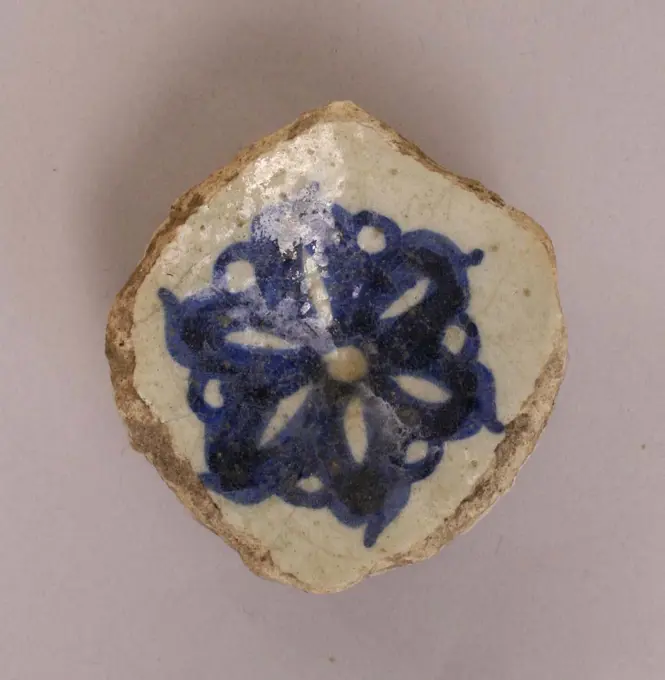
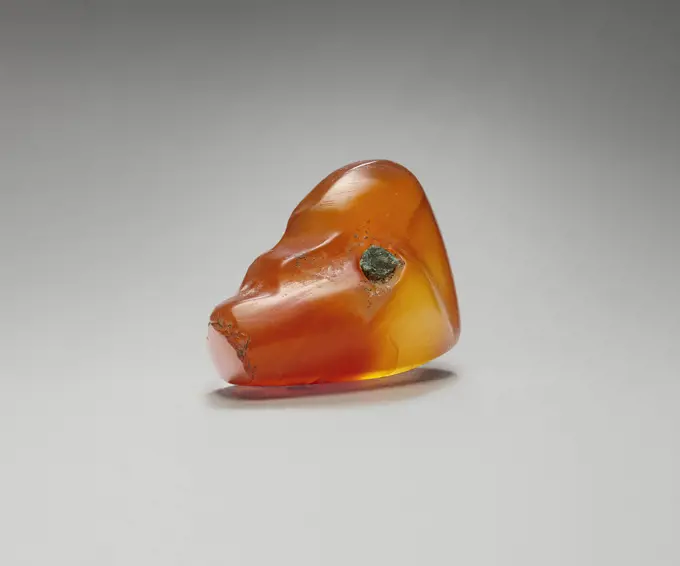
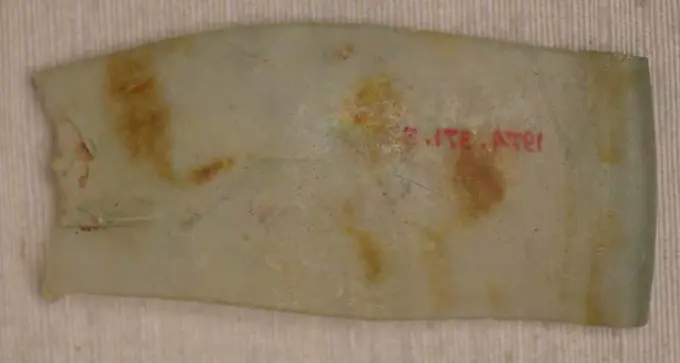
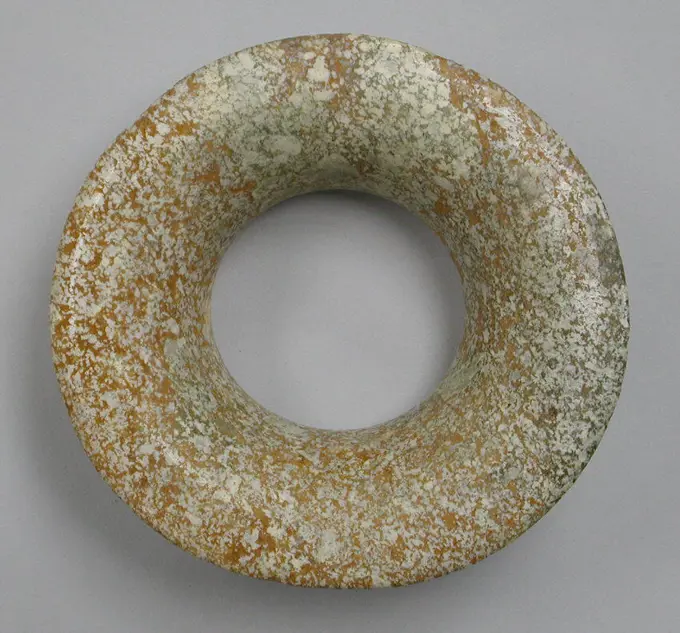
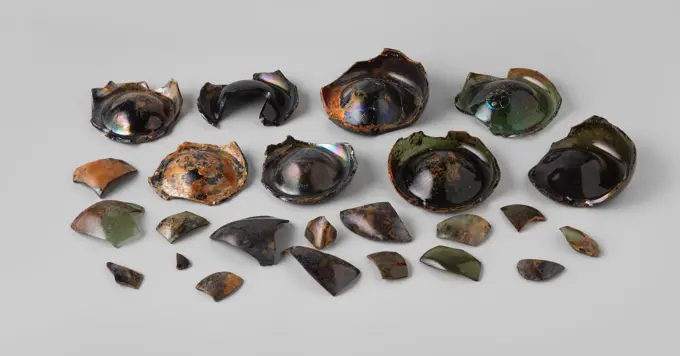
Fragments of ancient glass and ceramics showcasing different textures and shapes, indicative of historical artistry.

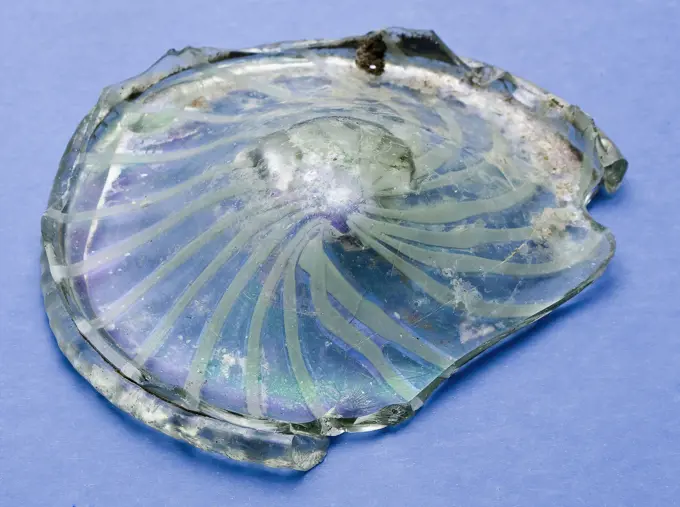
Fragment ca. 1150-ca. 1250 European or Middle Eastern. Fragment 695352
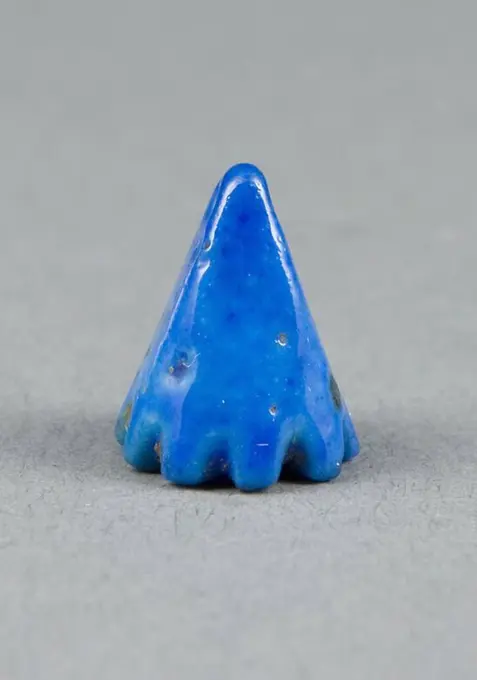
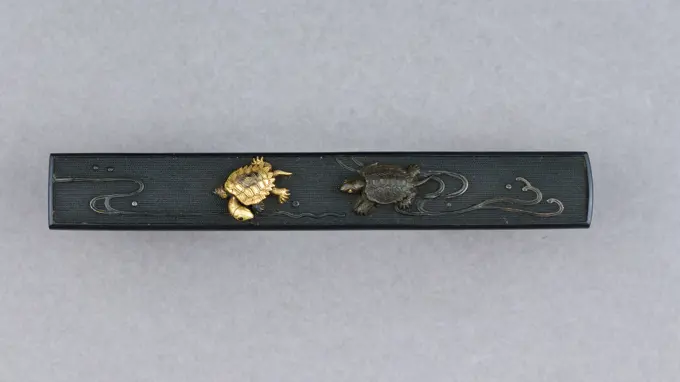
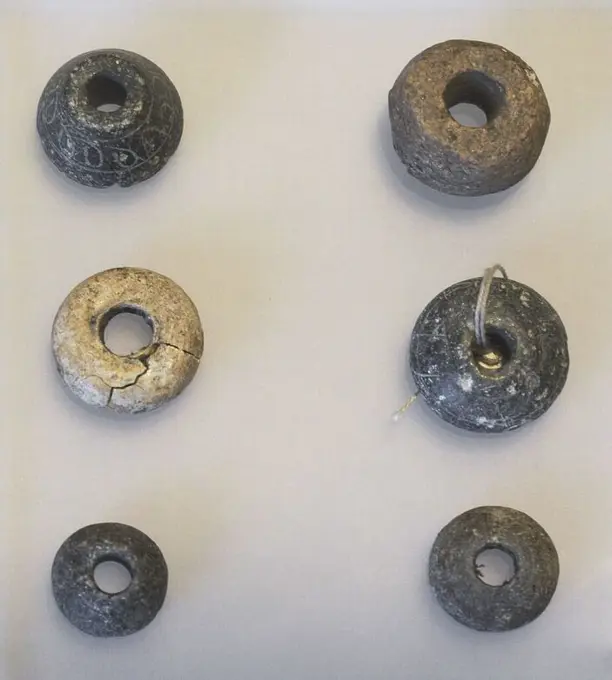
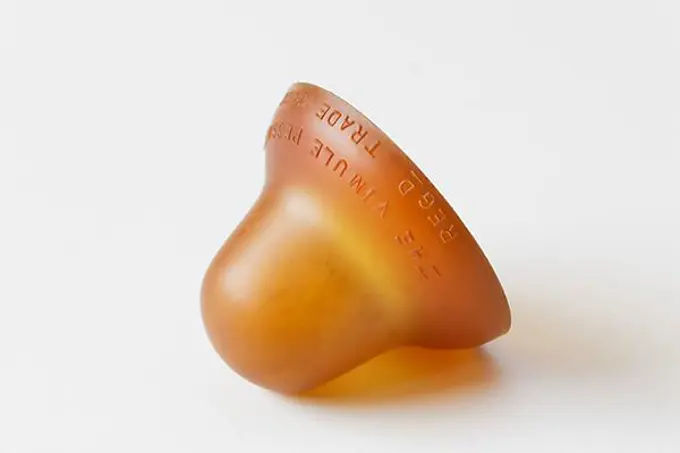
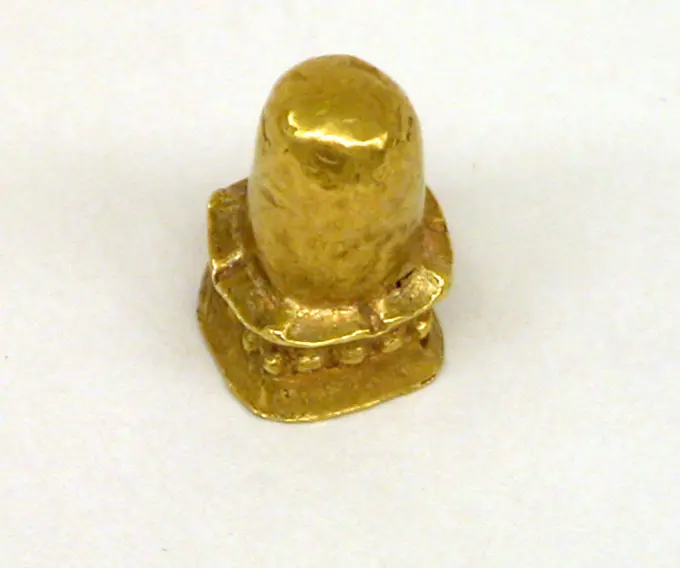
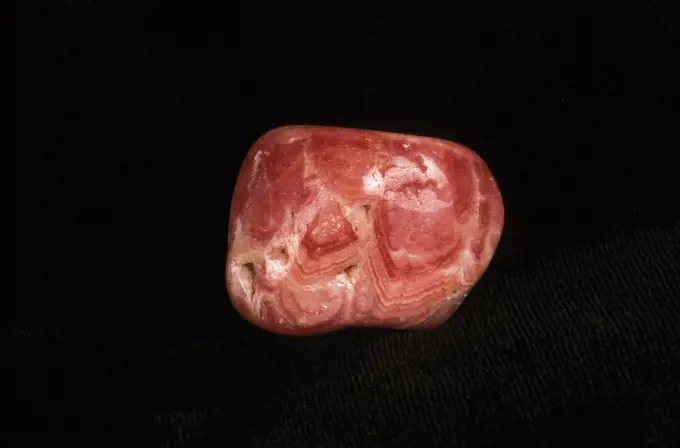
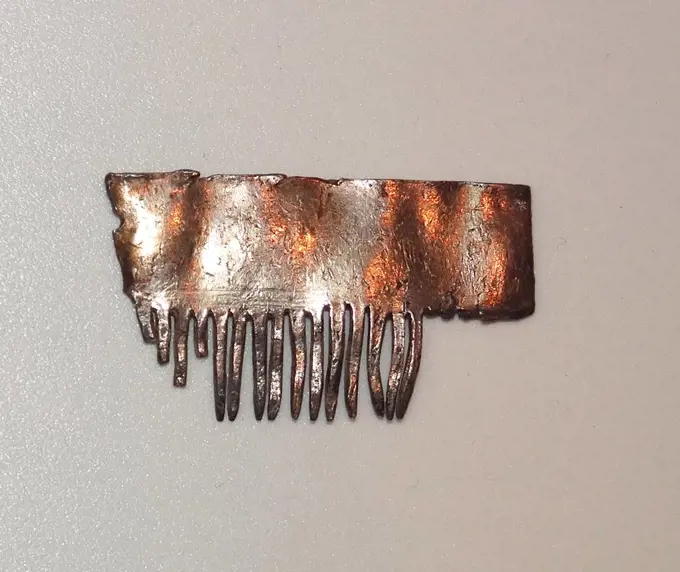
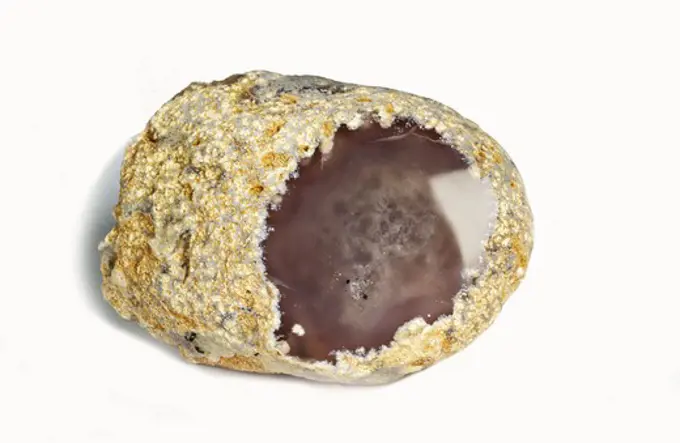
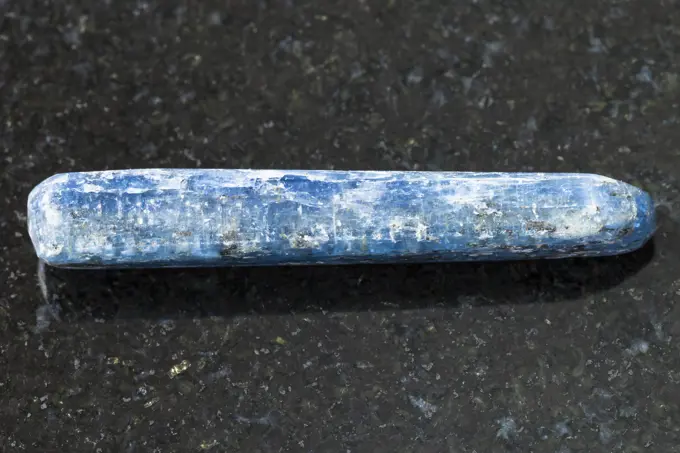
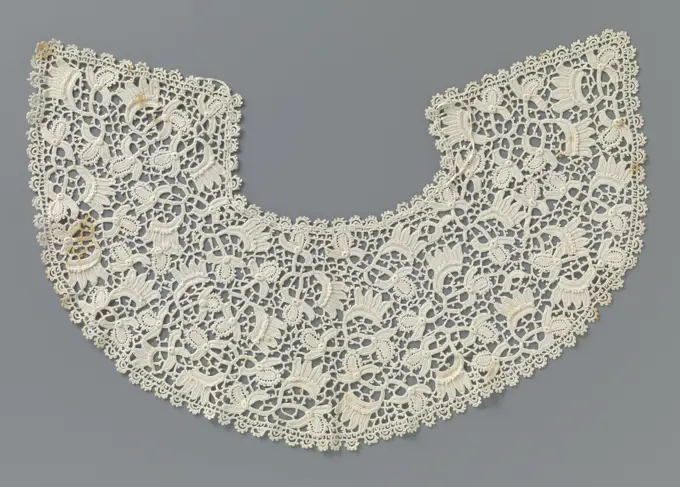
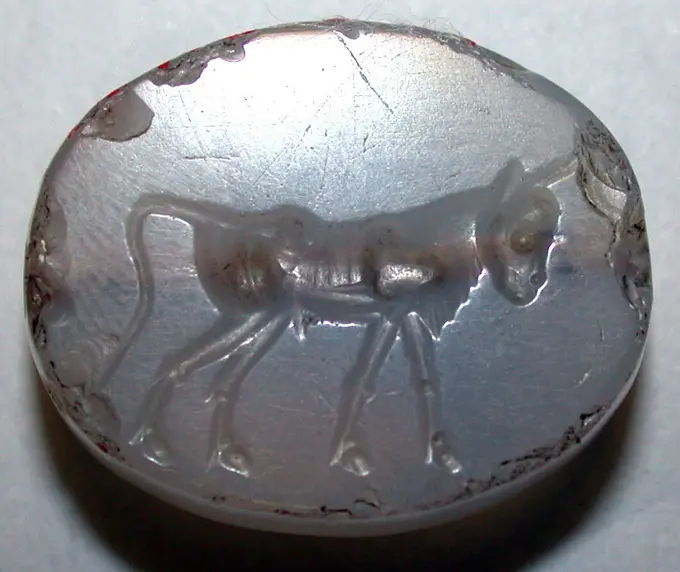
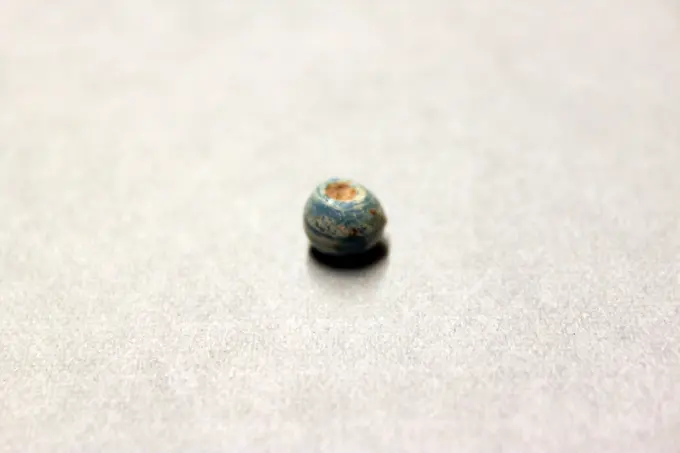
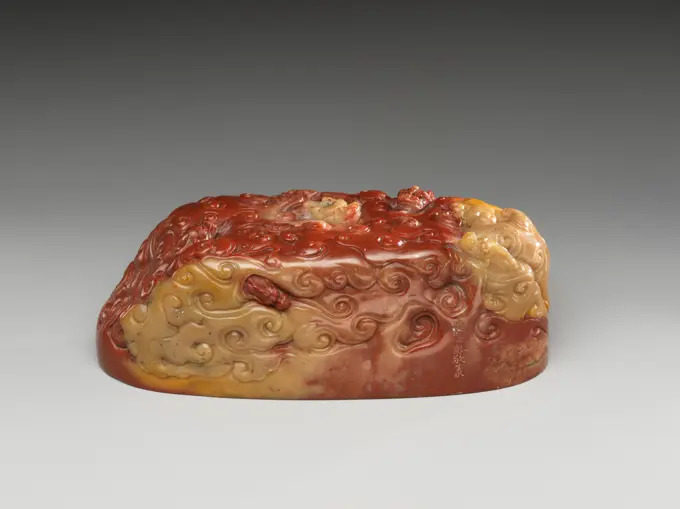
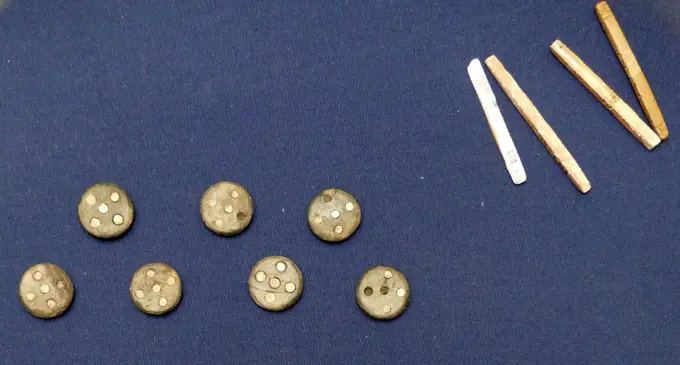
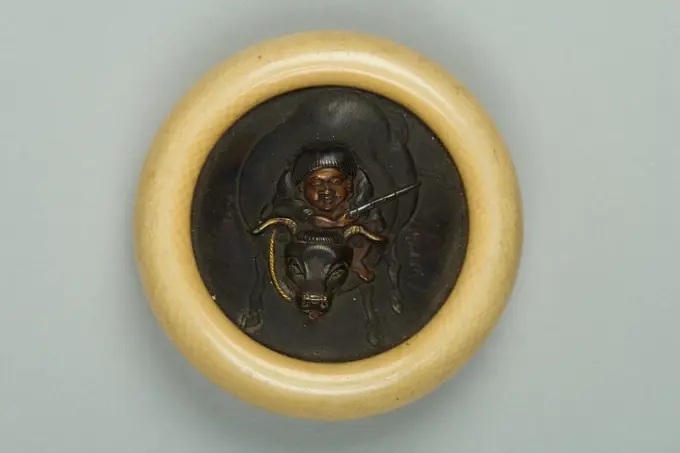
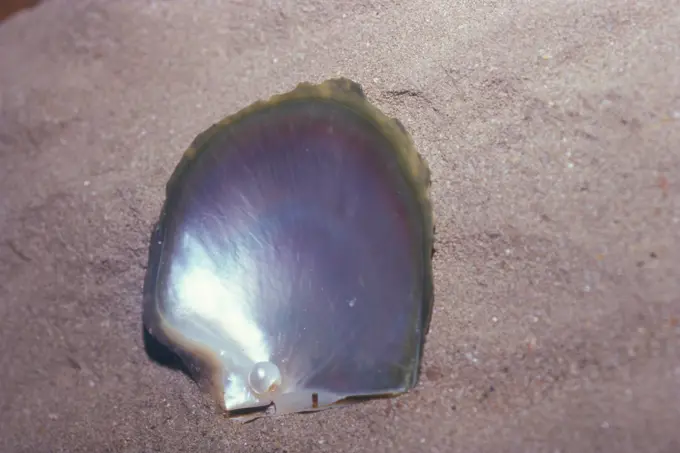
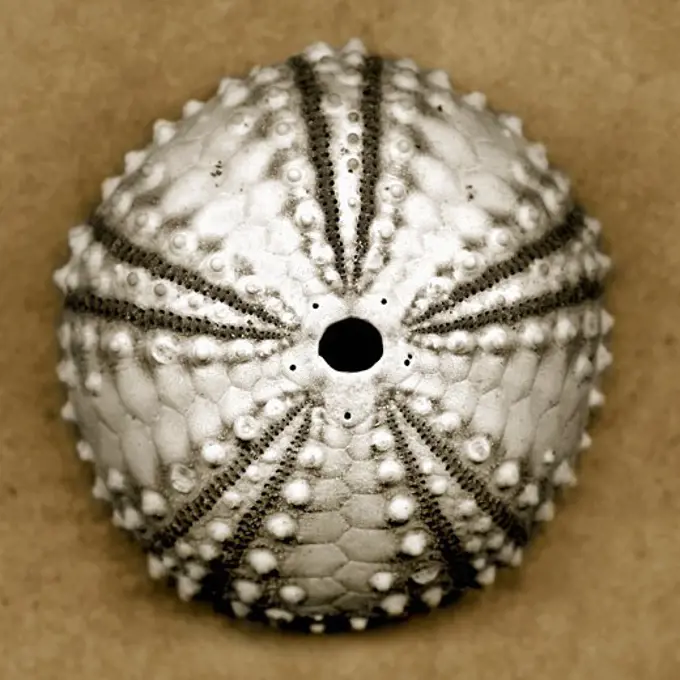
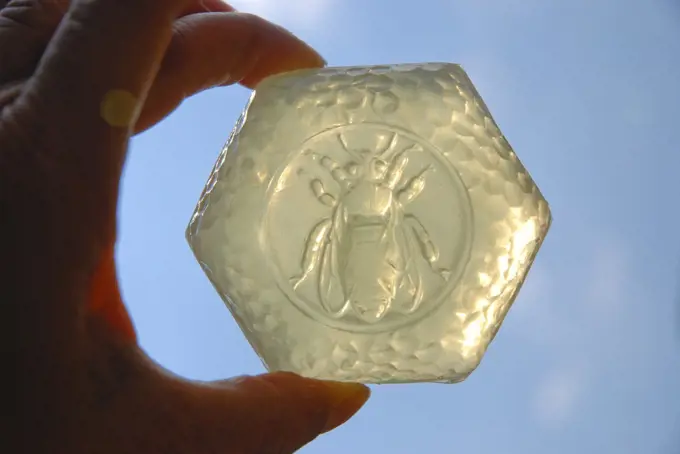
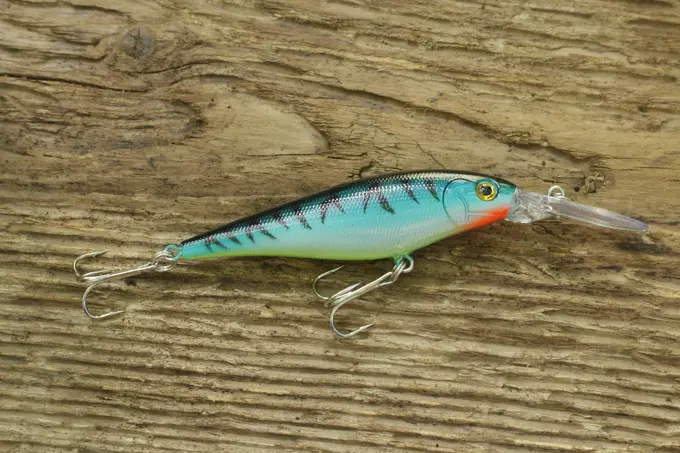
Siege from Haarlem. One-sided, diamond-shaped emergency with beveled corners. Front: Three stamps above each other, right a beat; From bottom to top: Master sign: Rijkeappel; Stadsware: inverted sword with two stars on either side, on point of sword a cross; Year; Beat: Lion on a shield. Reverse: Blank.Pendant in the Shape of a Lotus Blossom. Egyptian. Date: 1550 BC-664 BC. Dimensions: 1.3 × 1.3 × 1.3 cm (5/8 × 1/2 × 1/2 in.). Faience. Origin: Egypt. Museum: The Chicago Art Institute, Chicago, USA. Author: Ancient Egyptian.Small black stone (usual name), -276. Rock. Carnavalet museum, history of Paris.Knife Handle (Kozuka) 18th century Japanese A kozuka is a handle of a by-knife that is part of a sword mounting. It is kept in a slot on the reverse of a katana scabbard, often with a matching kōgai (hairdressing tool).. Knife Handle (Kozuka) 35055Zapinka do pasa. unknown, craftsmanA Red Abalone (Haliotis rufescens) shell. California, USA, February.Textile industry. Middle Ages. Decorated spindle whorl. They were placed in the spindle as a counterweight. From the Tower of Hrcules (La Coru–a, Galicia, Spain. Archaeological and History Museum (San Anton Castle). A Coru–a, Galicia, Spain.Berthe with fan -shaped flour, anonymous, c. 1895 - c. 1909 Berthe of natural -colored needle side: Buranokant or flat Venetian net soil side. A wide -clocking model shows a rolling pattern of wide -standing, irregularly expiring treings with leaves, flowers in the shape of a fan, a pomegranate and so on. The relief is equal to width everywhere and does not show any picot. Italy linen (material). cotton (textile) grounded Ventian point Berthe of natural -colored needle side: Buranokant or flat Venetian net soil side. A wide -clocking model shows a rolling pattern of wide -standing, irregularly expiring treings with leaves, flowers in the shape of a fan, a pomegranate and so on. The relief is equal to width everywhere and does not show any picot. Italy linen (material). cotton (textile) grounded Ventian pointOffering table belonging to the Lady of the House, named Ity, and to Heny. Alabaster. Middle Kingdom Egyptian (2040-1640 BC).Stone Pulidor before 16th century Mexican. Stone Pulidor 317067Fragment of soil and stand ring of drinking cup, façon de Venise, vetro fili, drinking cup drinking utensils holder soil find glass, hand-blown glass application Fragment of bottom of stand and opening of wall of drinking cup in clear colorless glass in façon de Venise style vetro fili. Pontil mark under raised bottom (h 2.0 cm) of which 14 part is missing. Bottom-mounted and intricate 19 opaque white glass wires that curve to the right and continuous to the start wall. As stand ring used around flat and serrated glass wire of which 14 is missing. Various steps to the wall with right-angled opaque white glass wires archeology Rotterdam rail tunnel drink Soil discovery: rail tunnel Rotterdam.Bead in the Shape of a Fish, 600-900, 7/16 x 3/4 x 1/4 in. (1.1 x 1.9 x 0.6 cm), Stone, Myanmar (Burma), 7th-10th centuryHair comb made of imitation turtle, U-shaped with smooth rounded back, anonymous, c. 1885 - c. 1900 Hair comb from imitation turtle, U-shaped with smooth rounded back. Netherlands (possibly) celluloid (cellulosic). cellulose acetate filing / polishing Hair comb from imitation turtle, U-shaped with smooth rounded back. Netherlands (possibly) celluloid (cellulosic). cellulose acetate filing / polishingA dolphin wooden figurine isolated on a white backgroundNecklace ca. 2030-1640 B.C. Middle Kingdom. Necklace 742973Amulet of a Hawk 1070 BCE-656 BCE Egypt. Faience . Ancient EgyptianMuschel freigestellt Muschel auf weissem Hintergrund Copyright: xZoonar.com/unknownx 839140Sunflower seeds on wood backgroundFragment ca. 1150-ca. 1250 European or Middle Eastern. Fragment 695304Fragment of a Bowl or Cup 13th-16th century. Fragment of a Bowl or Cup 452436rostig 2-rusty 2 rostig 2-rusty 2 Copyright: xZoonar.com/murxxxx 1131018Amulet - WadjetVase fragment ca. 4000-3000 B.C. Neolithic, Thessaly. Vase fragment 253224 Neolithic, Thessaly, Vase fragment, ca. 40003000 B.C., Terracotta, length 2 1/8in. (5.4cm). The Metropolitan Museum of Art, New York. Anonymous Gift, 1930 (30.119.19)Portrait of two Reed Bunting eggs on a white backgroundCervical cap, mechanical means of contraception, contraception, birth control in woman, inscription The Vimule Pessary, registered trade markLinga Second half of the 8th-second half of the 10th century Indonesia (Java). Linga 50112Medical equipment and fish oil pills on stainless steel background with copy spaceAnillo, obra de Emili Armengol, 1977. Colección privada.Polishing Stone (pulidor) before 16th century Mexican. Polishing Stone (pulidor) 317053Figure of a lion 18th century China. Figure of a lion 44114Ruby Stone Against Black BackgroundCut-up open ring and ëthistleí brooches, made in Ireland AD 800s-early AD 900a.Agate Stone Against White BackgroundAzurite. minerals. Asia; Pakistan; Gilgit-Baltistan; K2 MountainFragment 9th century. Fragment 448704polished Kyanite crystal gemstone on dark macro shooting of natural mineral rock specimen - polished Kyanite crystal gemstone on dark granite background Copyright: xZoonar.com/ValeryxVoennyyx 11380722Helmet pierced by a stone on white background. Safety and road accidentsCollar of crocheted side with brush -like leaves, anonymous, c. 1890 - c. 1909 Collar of natural Irish crocheted side. Pattern of flower stalks with brush -like leaves, put together with picoted bars. Raised circular flower hearts and a layered edge along the stem where the leaves spring. Finished on all sides with a border shells in the form of double arches. Ierland (possibly) cotton (textile) Collar of natural Irish crocheted side. Pattern of flower stalks with brush -like leaves, put together with picoted bars. Raised circular flower hearts and a layered edge along the stem where the leaves spring. Finished on all sides with a border shells in the form of double arches. Ierland (possibly) cotton (textile)Bead China. Bead 43133Stamp seal (scaraboid) with animal 7th - 6th century B.C. or later Assyro-Babylonian or Achaemenid. Stamp seal (scaraboid) with animal 327695Stone Chisel before 16th century Costa Rica. Stone Chisel 317273Beads 8th-13th century. Beads. 8th-13th century. Glass; drilled. Excavated in Iran, Nishapur. GlassFragment. Culture: European or Middle Eastern. Dimensions: L. 2 1/4 in. (5.7 cm). Date: ca. 1150-ca. 1250. Museum: Metropolitan Museum of Art, New York, USA.Sewing instruction book samples, USA, 1829, sample books, Sewing instruction book samplesFragment of a Bowl or Cup 13th-16th century. Fragment of a Bowl or Cup 452438Rim sherd ca. late 3rd millennium B.C.. Rim sherd 326135Tiny CarnelianDuck, ca. 323 B.C.-A.D.256, Carnelian, Yale-French Excavations atDura-Europos, Excavated in Dura-Europos, Syria, Syrian,Dura-Europos, Greco-Roman orParthian, JewelryBlade ca. 4600-3600 B.C. Ghassulian. Blade 326559Fragment 9th century. Fragment 452687Broche, obra de Emili Armengol, siglo XX. Colección privada.Paper weight with chi dragons 18th century China. Paper weight with chi dragons. China. 18th century. Soapstone. Qing dynasty (1644-1911). HardstoneThe royal game of Ur, or game of twenty squares, is a game of ancient Mesopotamia. It is known by two plateaux, discovered in royal tombs of Ur by Leonard Woolley in the 1920s. dated about 2600 BC. BC,Nose Ornament, 18th-20th century, 4-5/16 x 2-7/8 x 1/16 in. (11.0 x 7.3 x 0.2 cm), Tortoise shell, Solomon Islands, 18th-20th centuryTwo Beads 19th century Tibet. Two Beads 37647tumbled Sodalite gemstone on dark background macro shooting of natural mineral rock specimen - tumbled Sodalite gemstone on dark granite background Copyright: xZoonar.com/ValeryxVoennyyx 11383922Netsuke 19th century Japan. Netsuke. Japan. 19th century. Ivory with silver disk inlaid with gold. Edo (1615-1868) or Meiji period (1868-1912). NetsukeJapanese gilded, box in the shape of a persimmon fruit. Wood with painted lacquer design in slight relief, 19th century. Birmingham MuseumStone Earflare before 16th century Mexican. Stone Earflare 317111Moldy onion peelnotched ring, Museum of prehistory and archeology (MUPAC), Santander, Cantabria, Spain.Shards of wine bottles from the wreck of the East Indians' t Vliegend Hart ,, 1700 - 1735  Shards of onion -shaped wine bottles of green glass that has been in red (port) wine. Netherlands .Defendant Coleman's Exhibit B.  Central Plains Region (Kansas City, MO). Photographic Print.Diamond with inclusion, star in rough diamond, under magnifying glass, exhibition stand Gustav O. cock Diamond Cuttery, Inhorgenta, Trade Fair for Jewellery Watches Gemstones, Luxury, Munich, Upper Bavaria, Bavaria, Germany, EuropePearl in oyster Copyright: xVivekxThayil/DinodiaxPhotoxTectus Pyramis Pearl Seashell on a black sand background Close-up of Tectus Pyramis Pearl sea shell on a black sand background Copyright: xZoonar.com/SerhiixZarevx 21889737fingers in white glove holds spessartine crystals on white backgroundUrchin John Kuss (b.20th C. American) Photographblur in iran antique door entrance and      decorative handle for backgroundEngland, London, The City, Museum of London, Exhibit of Ancient Flint Tools from Swanscombe dating from 420, 000-380, 000BCStatuette of a Female Figure 20th century China. Statuette of a Female Figure 60650Hand holding Beautiful sea shell on a white backgroundAmethyst ring stone 4th century B.C. Greek Griffin biting a deer in the neck.. Amethyst ring stone. Greek. 4th century B.C.. Amethyst. Late Classical. GemsSlate bullies form, after c. 1350  Convex -conian casting mold, to the foot, and four-kanter, divided into two halves in the length. Two rows of half balls have been eroded on the inside, with a supply channel in the middle. Inscription: VV2AB. Netherlands slate (rock). iron (metal). lead (metal) casting  WageningenEdna C Rex, Fan, c 1938 FanMarriage Pendant (Thali). Dimensions: H: 1 3/4 in (4.4 cm)W: 1 in (2.5 cm)D: 7/8 in (2.2 cm). Date: 17th-19th century.Pendants such as these are known to be worn at weddings in South India on necklaces of glass beads or silk. The form is apotropaic and phallic, ensuring protection and fertility of the bride. The use of gold is particularly important as this material is considered to be sacred in Hinduism. Museum: Metropolitan Museum of Art, New York, USA.Torn paper with blank space for your messageLewSet of SevenDoorknobsstone age flint tools from Norway circa 10,000 BCCarving base -Katyayana  statues for worship for luckWooden heart on beige backgroundBaltic macoma, Baltic clam, Baltic tellin (Macoma balthica) shells on white backgroundGranadillas on Black Background,Button (France); pear shell and brassBees Wax SoapStack of stones representing loveTerracotta fragment of a kylix (drinking cup) 6th/5th centuries B.C. Greek, Attic Part of a handle. Terracotta fragment of a kylix (drinking cup). Greek, Attic. 6th/5th centuries B.C.. Terracotta; black-figure. Archaic. VasesPerforated Disk (Bi). China, probably Henan Province, Erlitou, Late Neolithic period or early Bronze Age, Erlitou culture, about 2000-1700 B.C.. Sculpture. Abraded jadeFragments 10th century These fragments were excavated at Nishapur.Nishapur was a vital city in the early and middle Islamic periods, located along one of the main trajectories that connected Iran and West Asia Islamic lands with Central Asia and China. These itineraries are often referred to by the term Silk routes’ but were in fact crucial to the movement of constellations of materials and objects, as well as people and ideas. The diverse population of Nishapur and its surroundings, from the better-researched elite groups of merchants, land-owning aristocracy, and literates, to the less-known artisans, farmers, miners, and servants, were instrumental in adapting global cultural trends to create their own distinctive visual languages. This is seen in the material remains of everyday life in medieval Nishapur - from pots and pans to lighting devices, inkwells, textiles and trimmings, jewelry, games and toys, talismanic devices, weapons, coins, and architectural fragments.Nishapur lost Fragment 8th-9th century. Fragment 448784Stack of stones representing joyGlass Fragments 4th century Coptic. Glass Fragments 479164polished Ulexite TV rock natural mineral stone polished Ulexite TV rock natural mineral stone on sheet of paper with letter. Ulexite is known as TV rock due to fiber-optic effect: stone transmits light along fibers by internal reflection Copyright: xZoonar.com/ValeryxVoennyyx 9268488striped wobbler bait for fishing striped wobbler for fishing on wooden background Copyright: xZoonar.com/IVASHUTINx 9747594