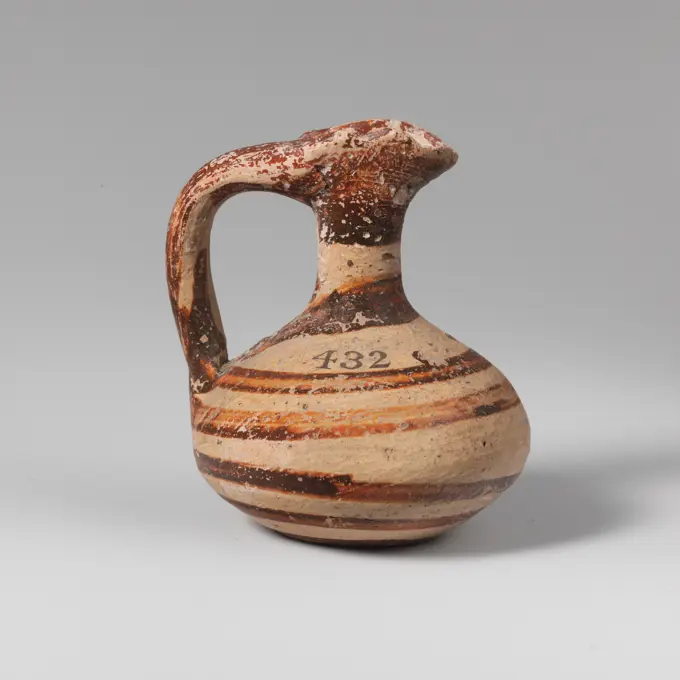
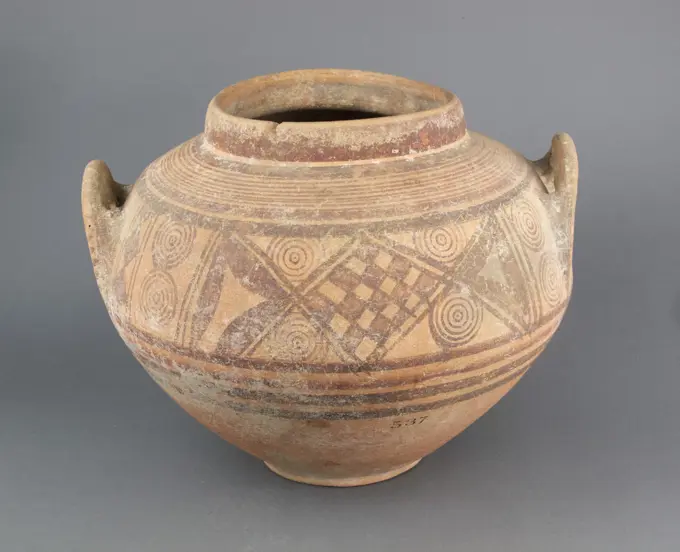
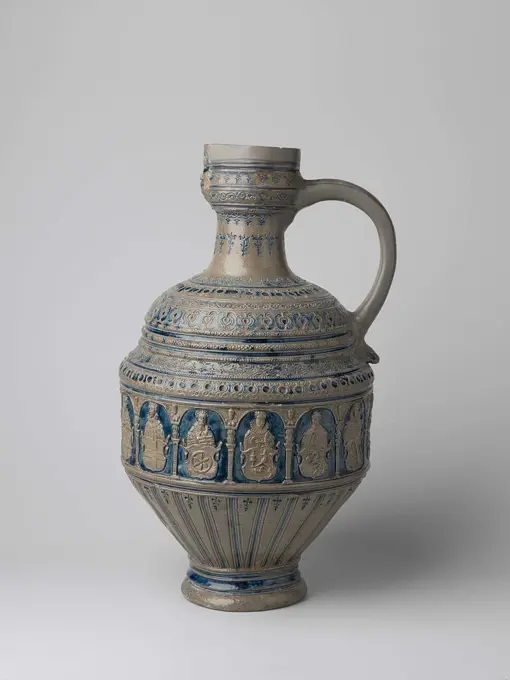
Glass Jugs and Bottles

Assortment of ancient glassware including jugs and perfume bottles, showcasing intricate designs and historical significance.
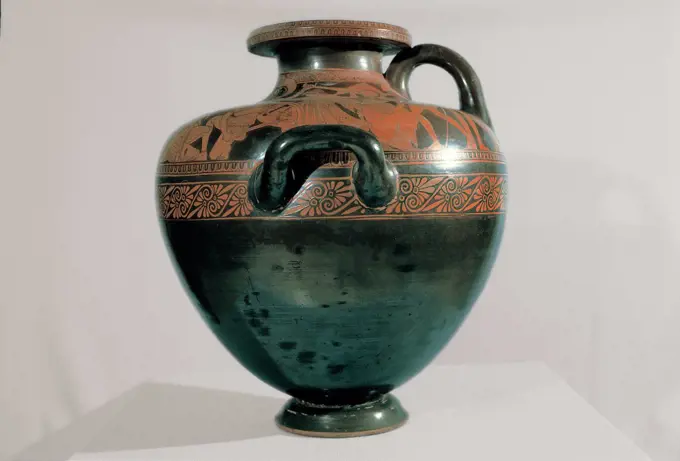
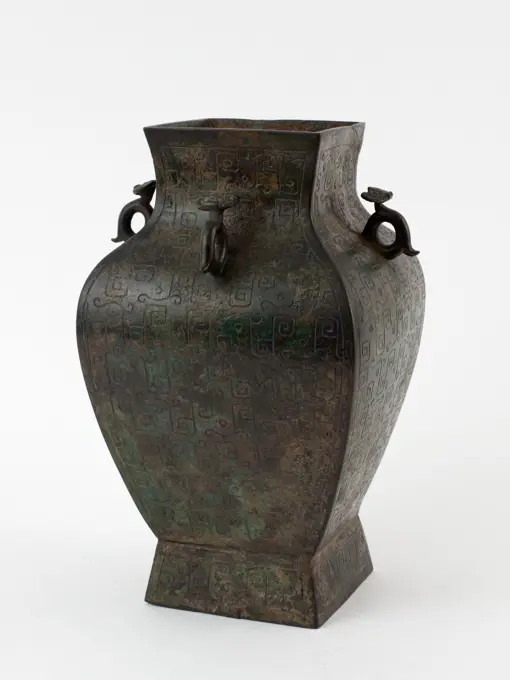
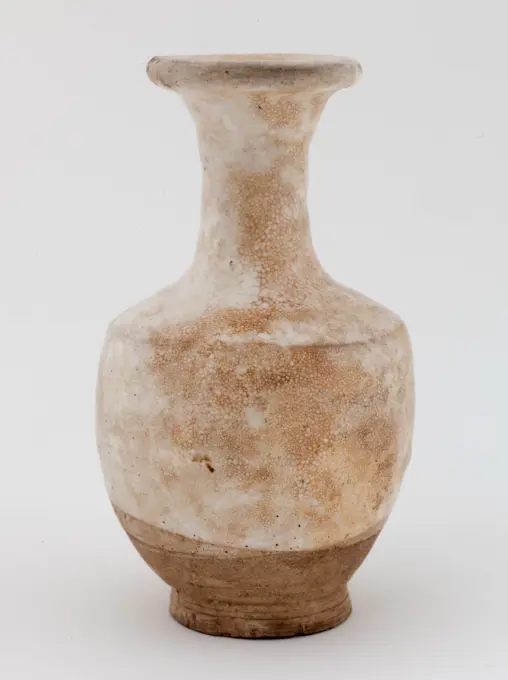
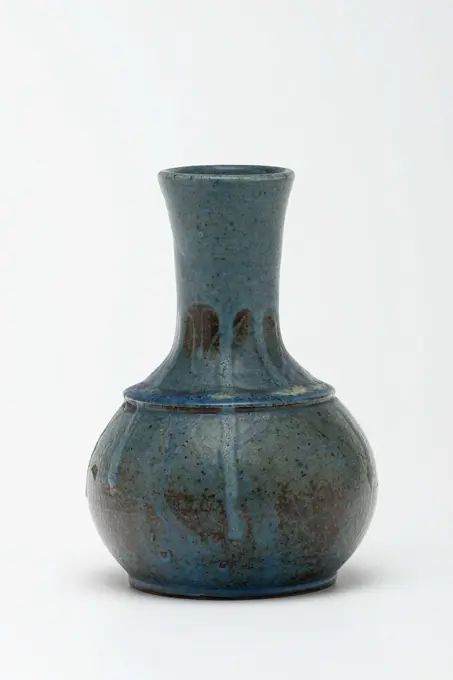
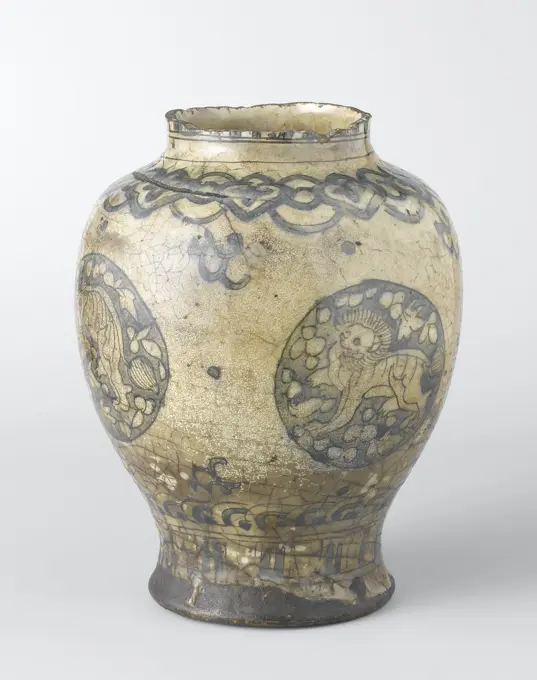
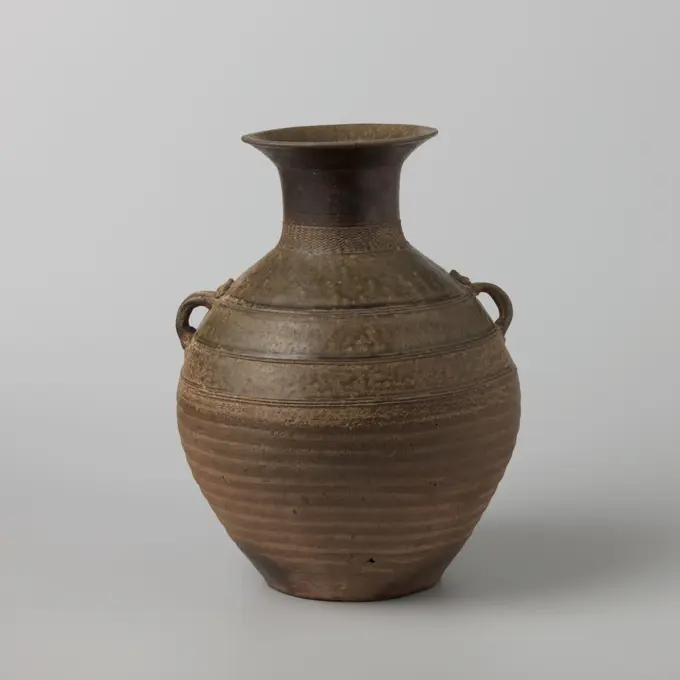
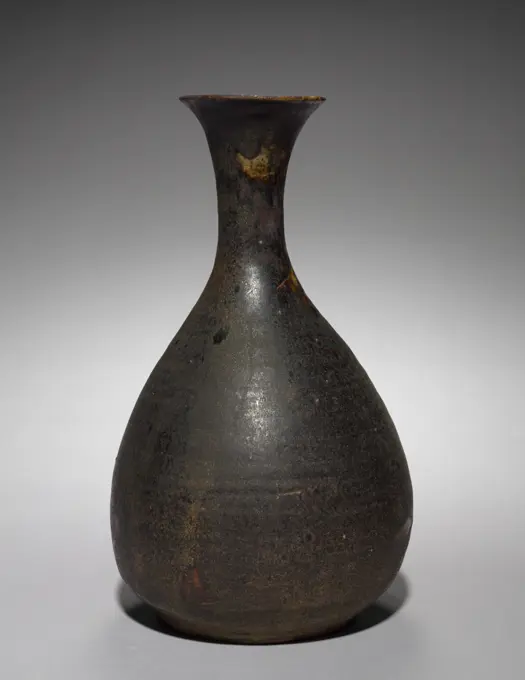
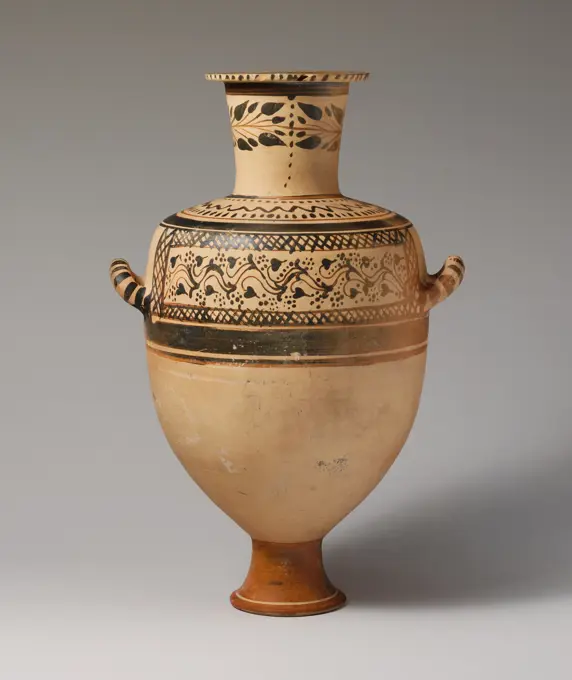
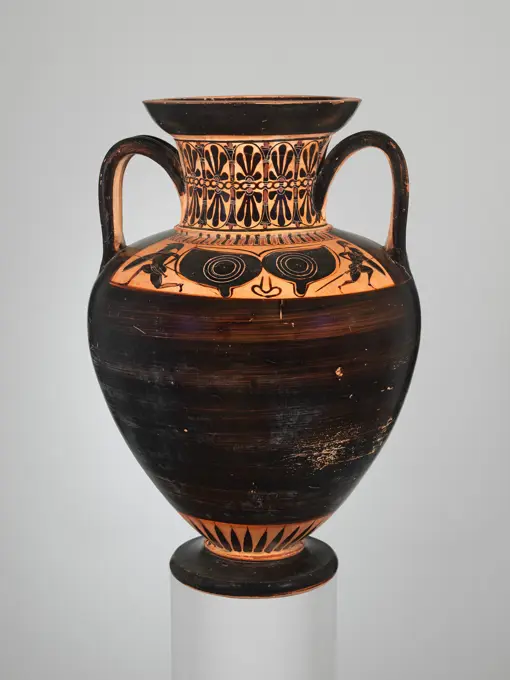
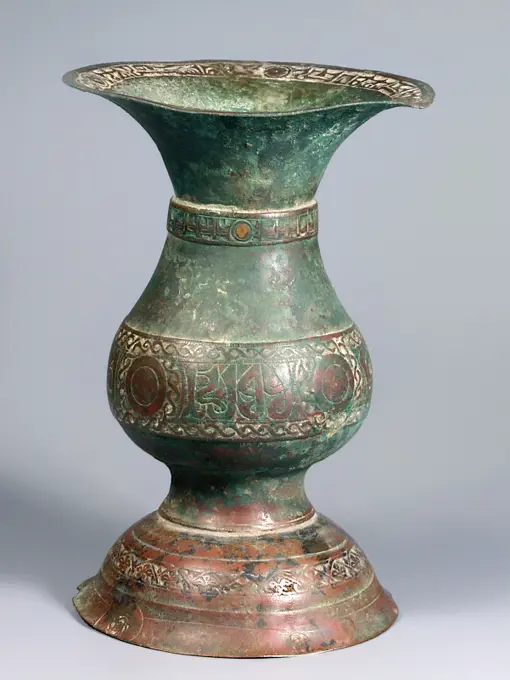
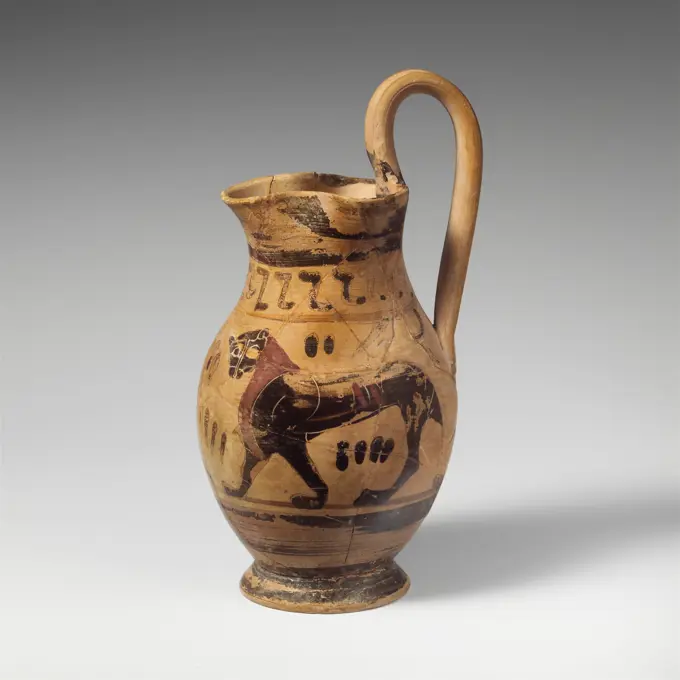
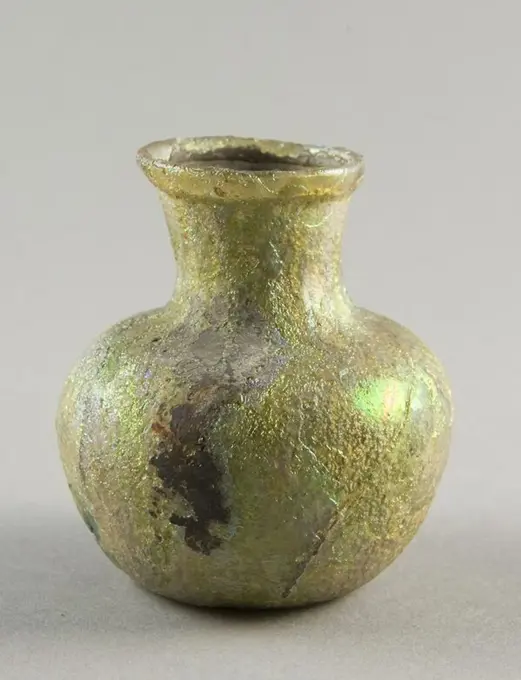
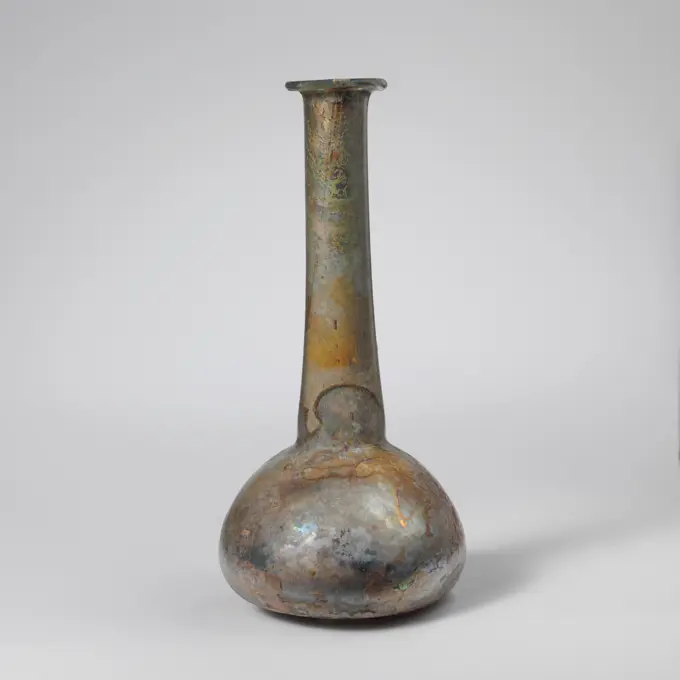
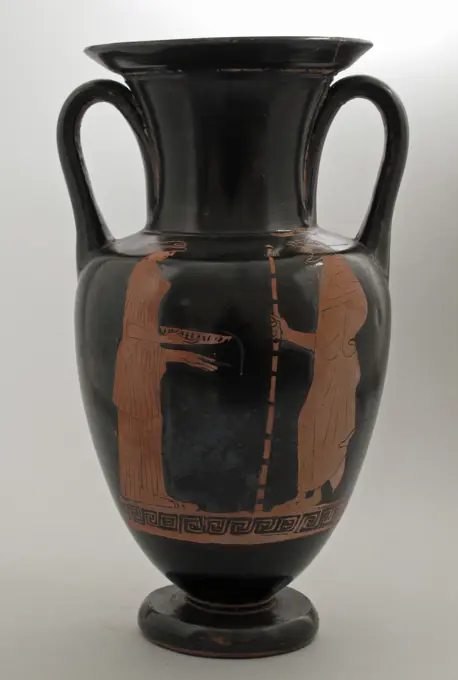
Red-figured Attic clay hydria, by Unknown, 6th Century, pottery, turn on lathe, red figures . Italy, Campania, Naples, National Archaeological Museum. Whole artwork. Front hydria red figures Attic pottery vase flared-disk foot globular body protruding lip two horizontal side handles one behind vertical frieze with decoration on the shoulders.
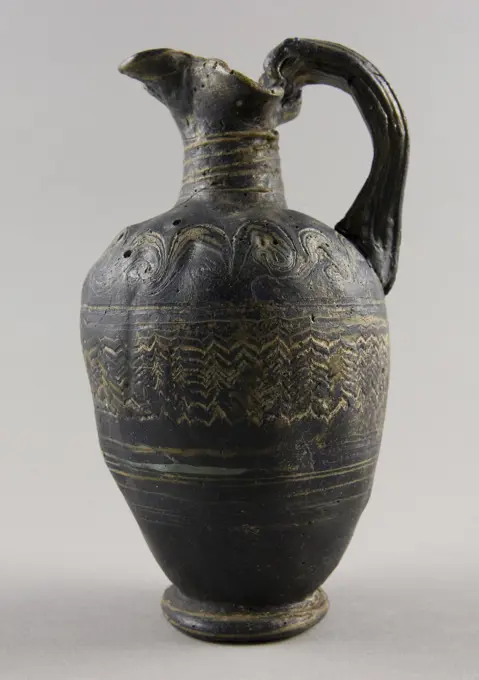
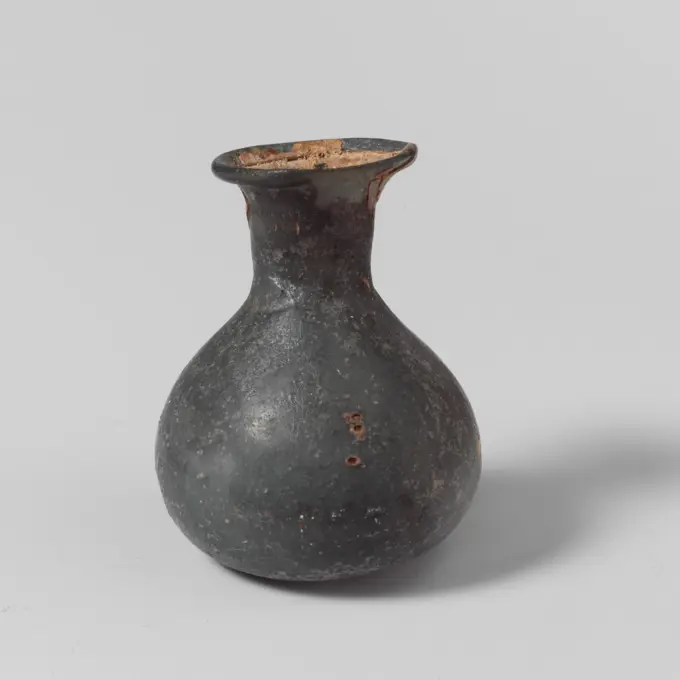
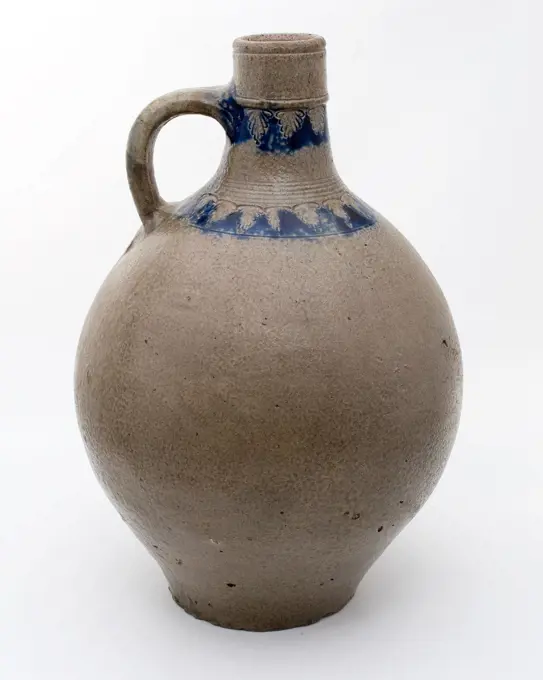
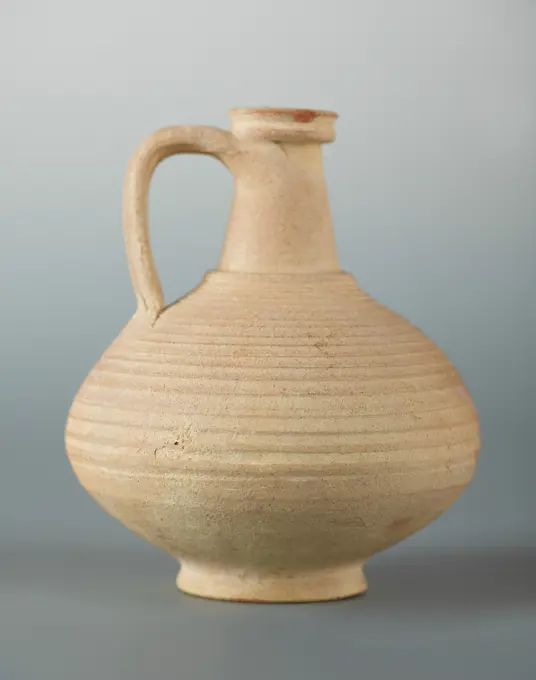
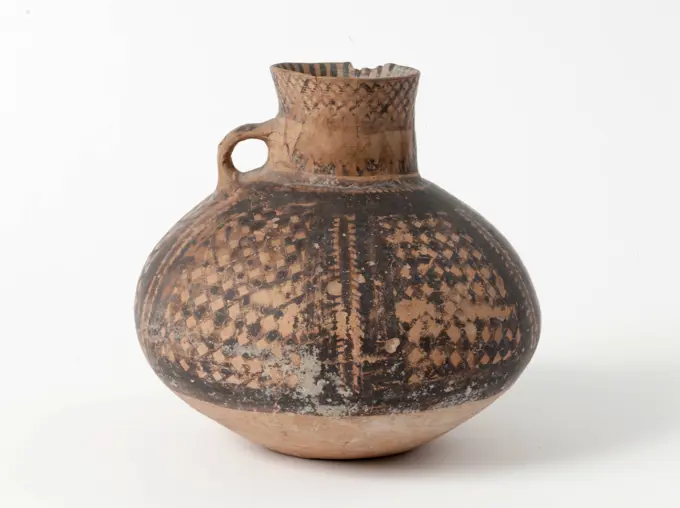
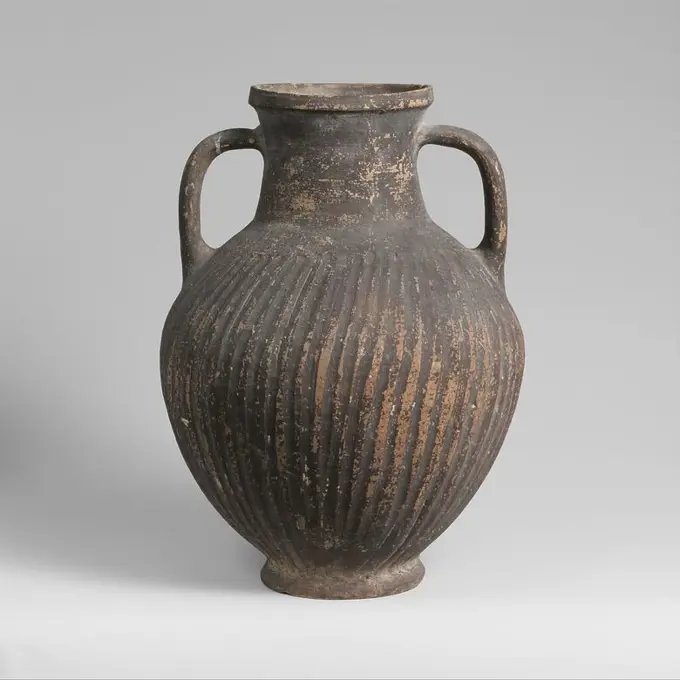
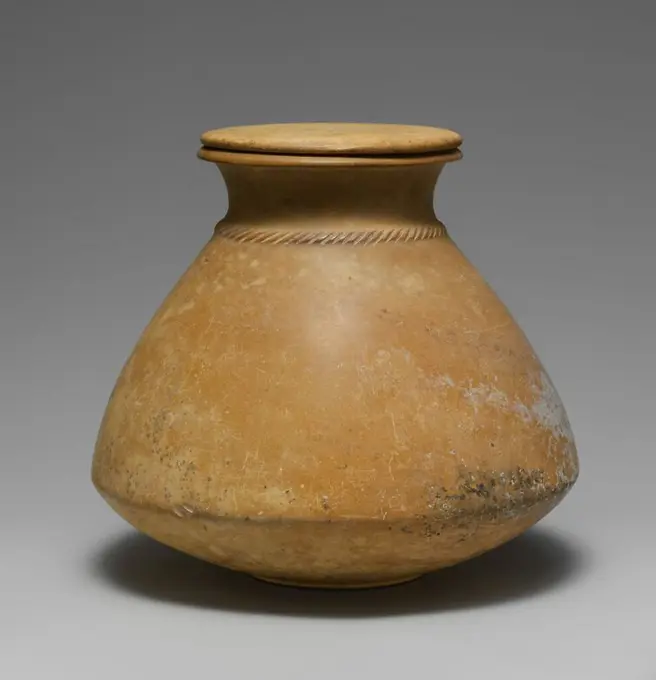
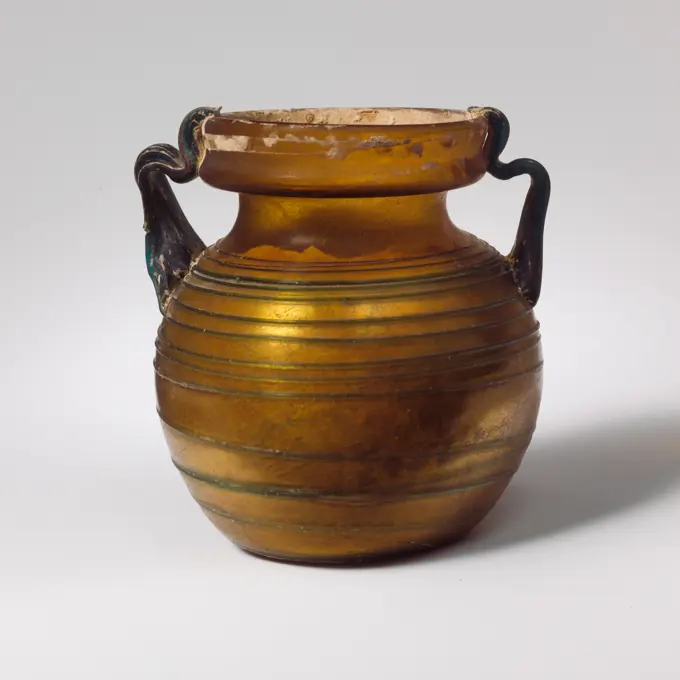
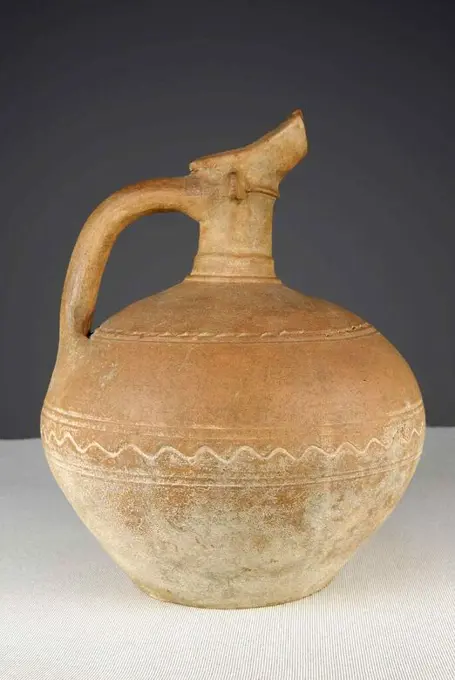
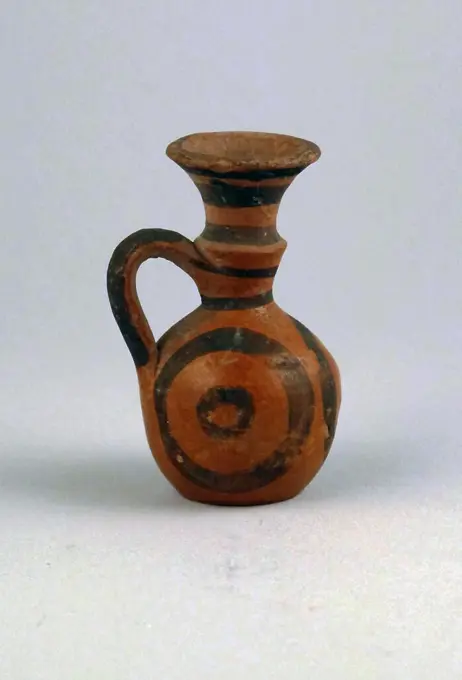
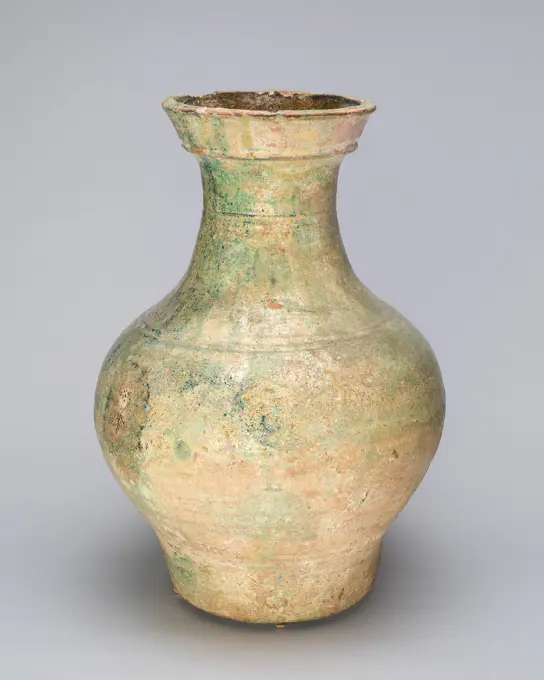
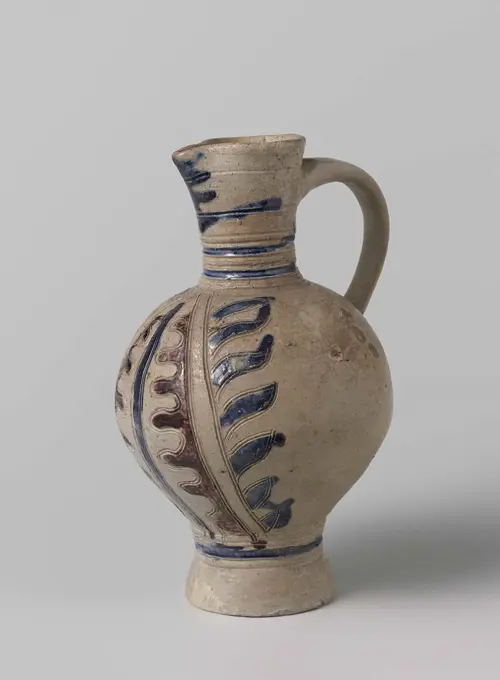
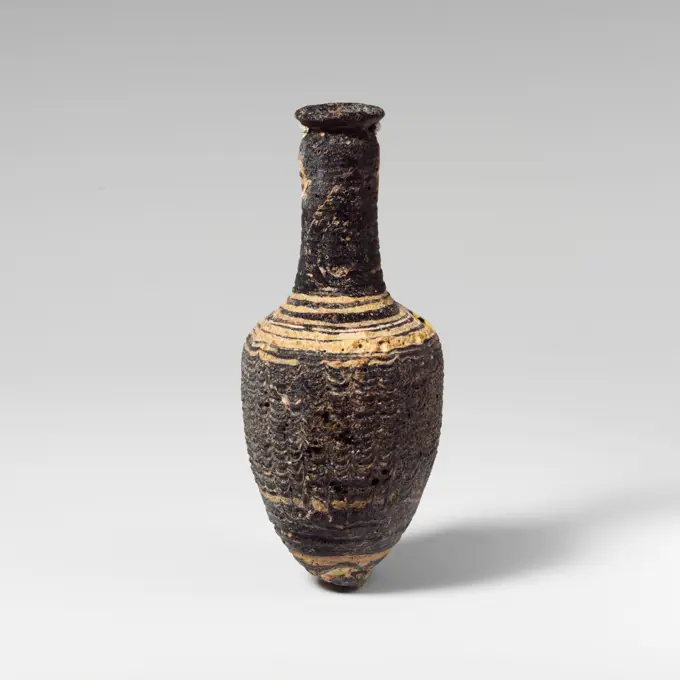
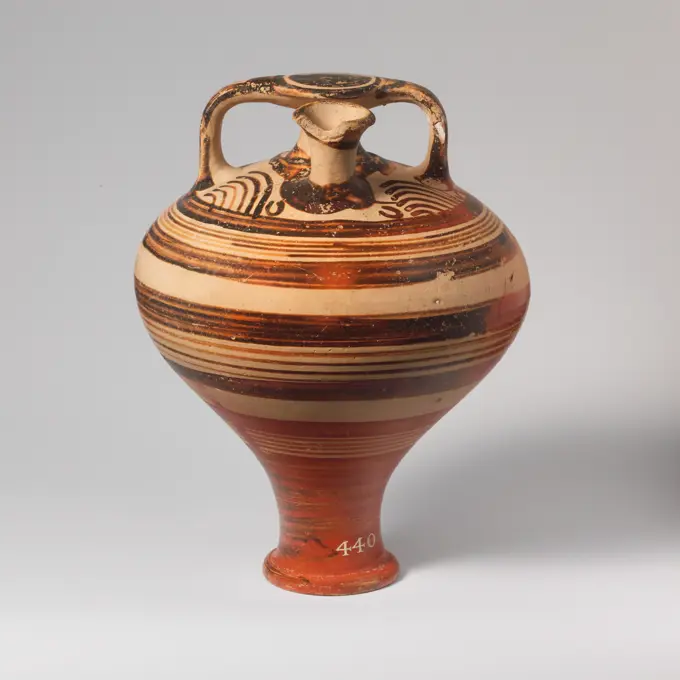
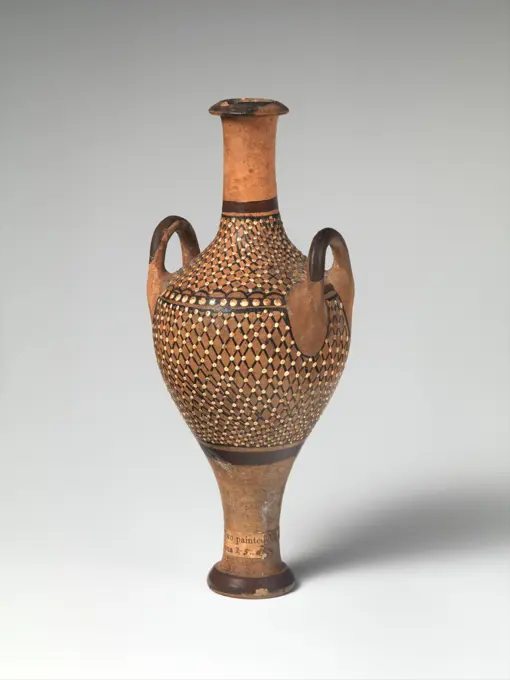
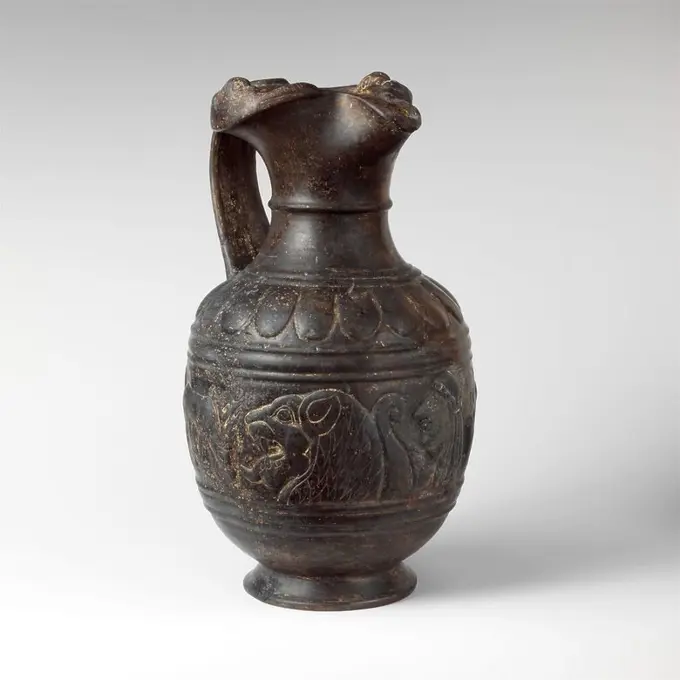
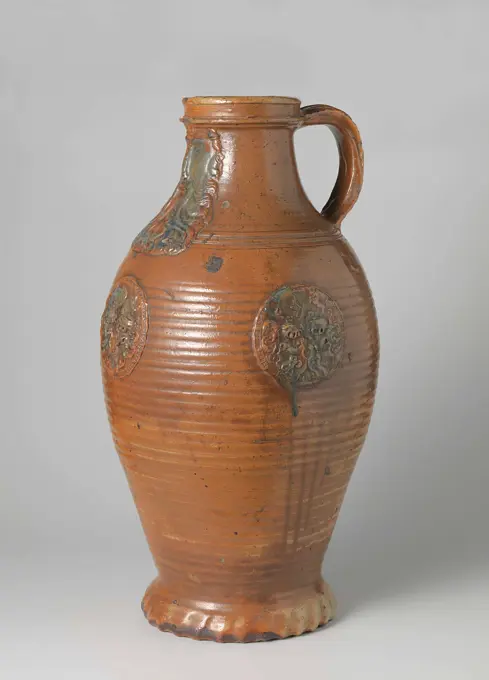
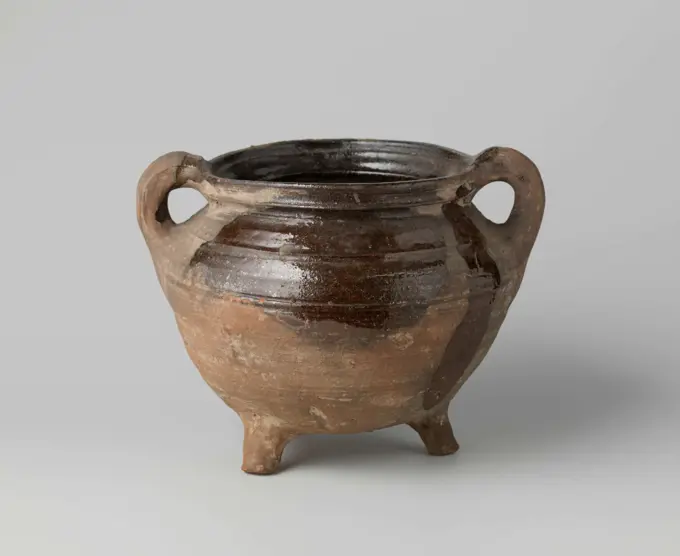
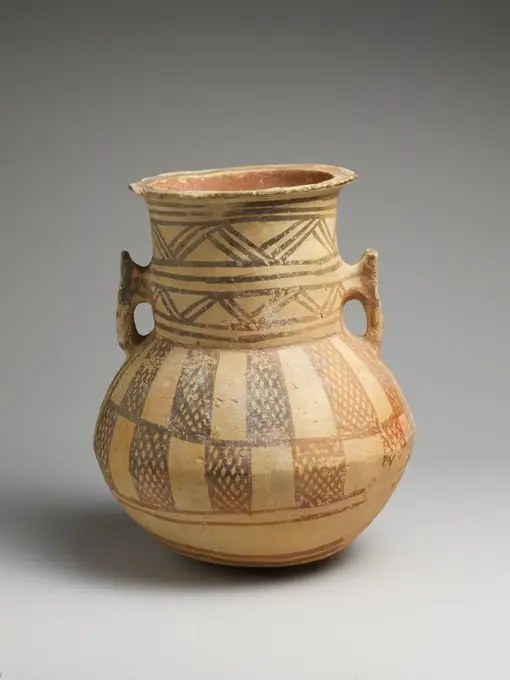
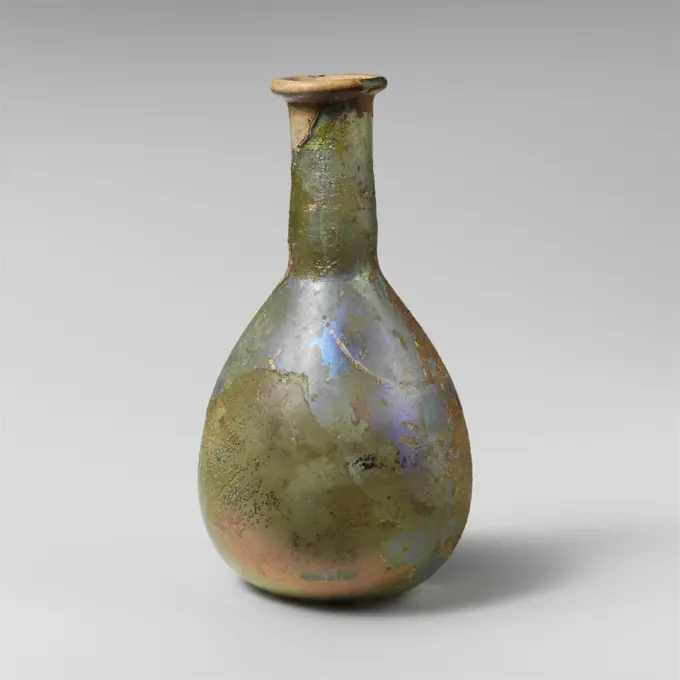
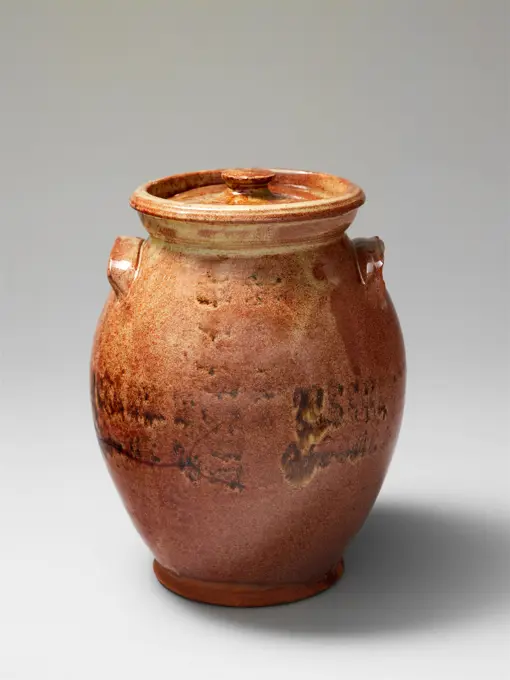
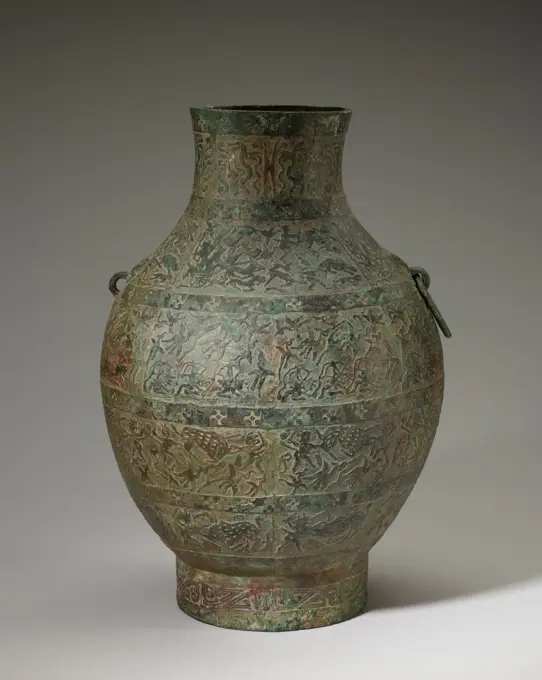
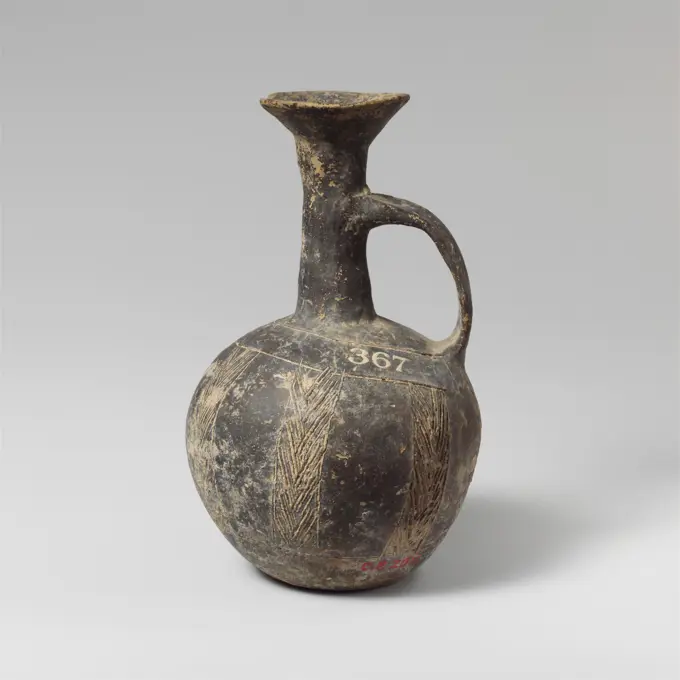
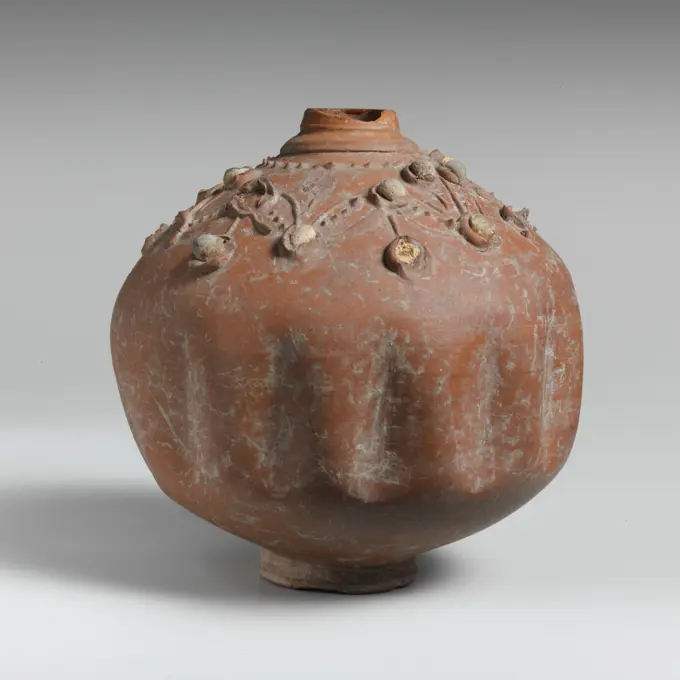
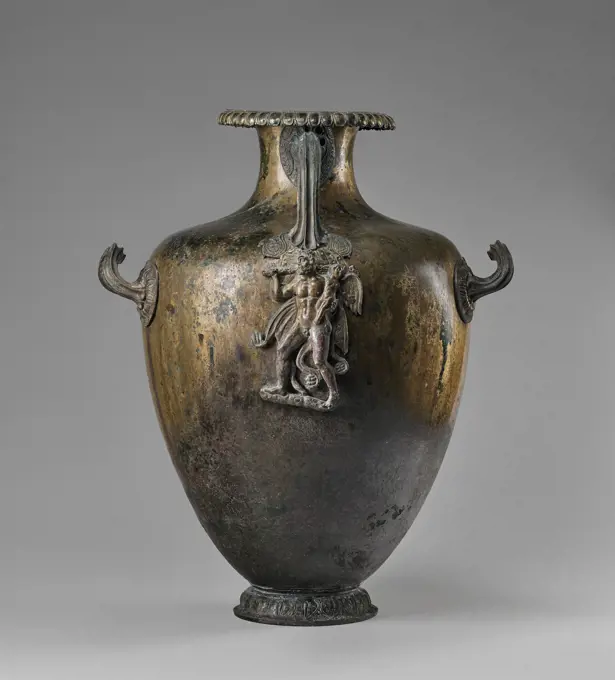
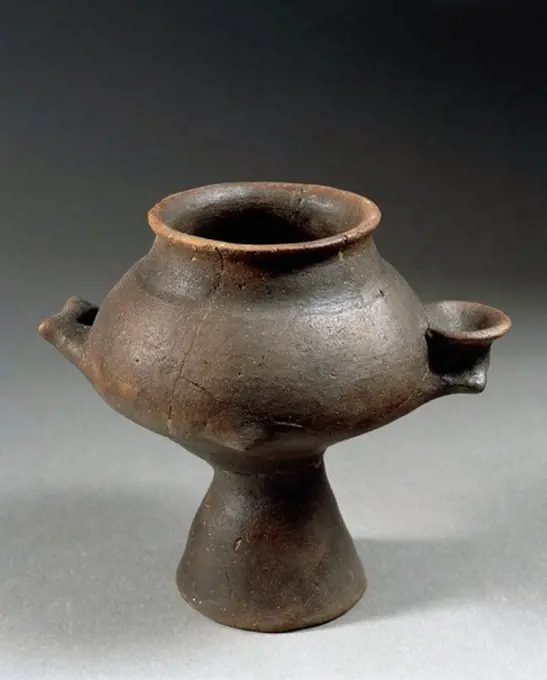
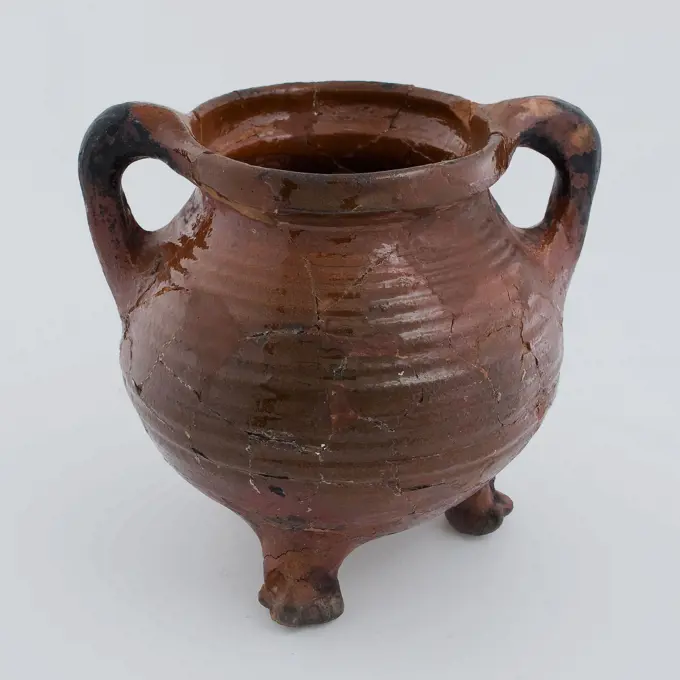
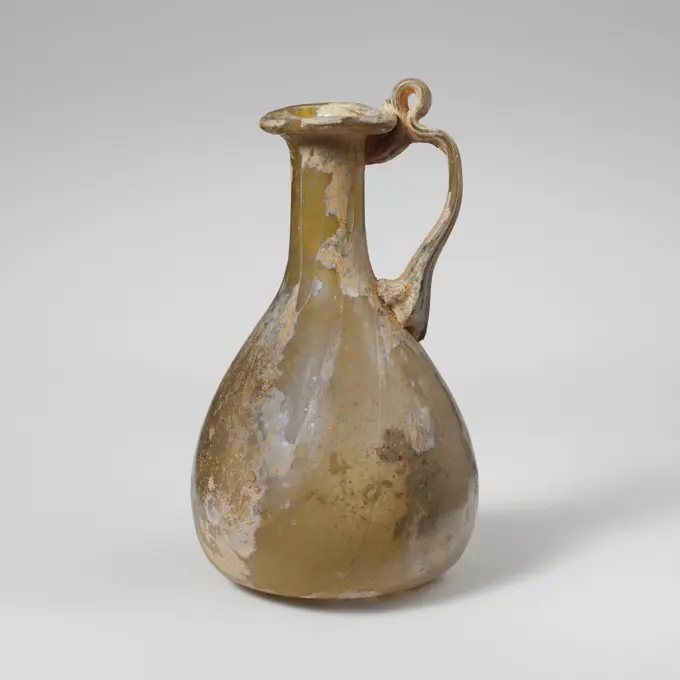
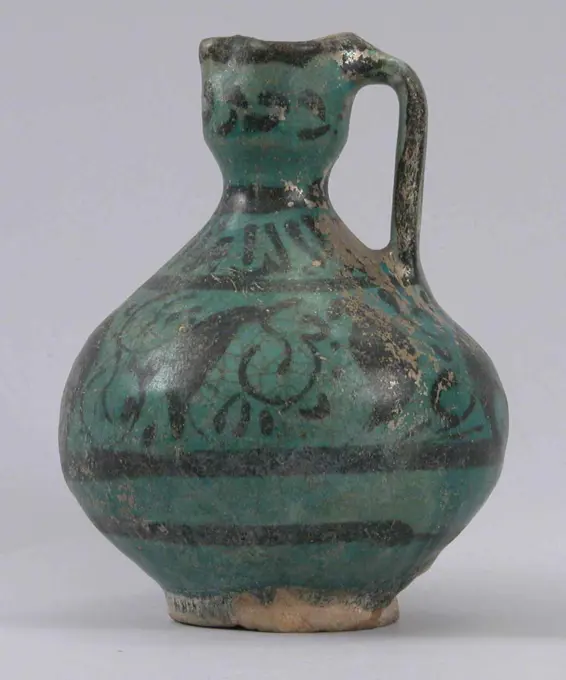
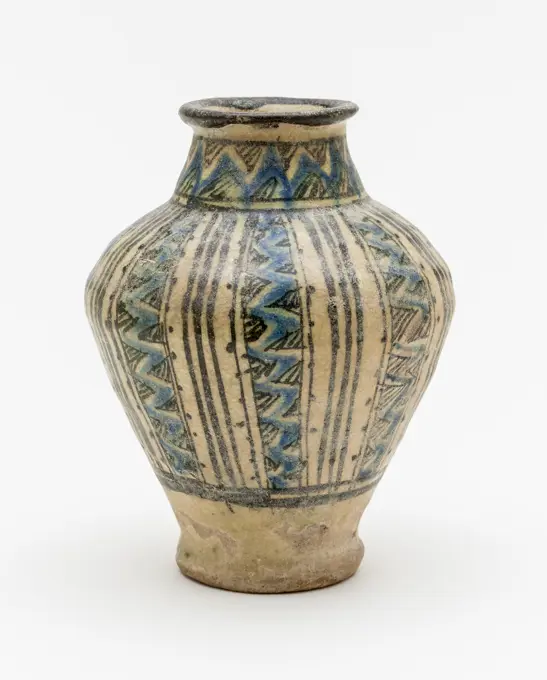
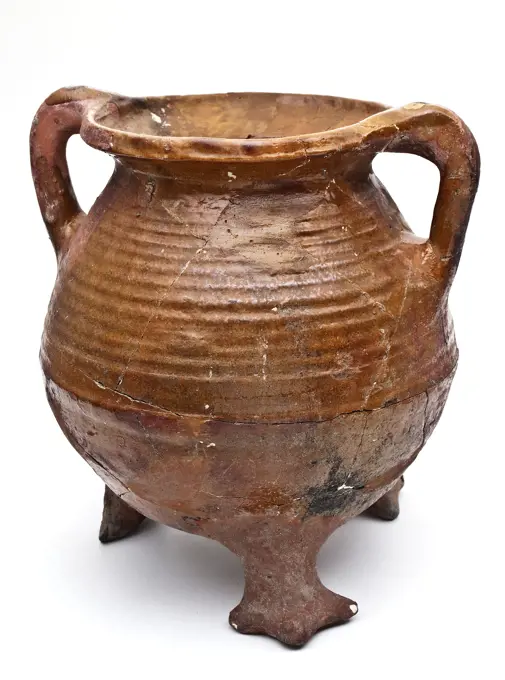
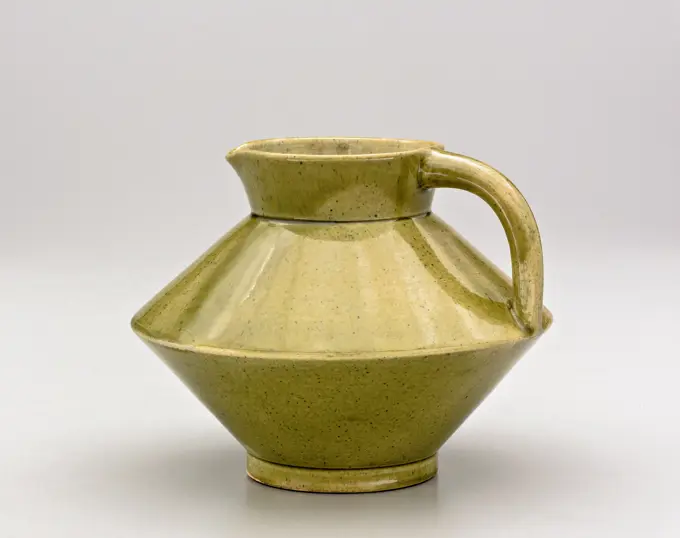
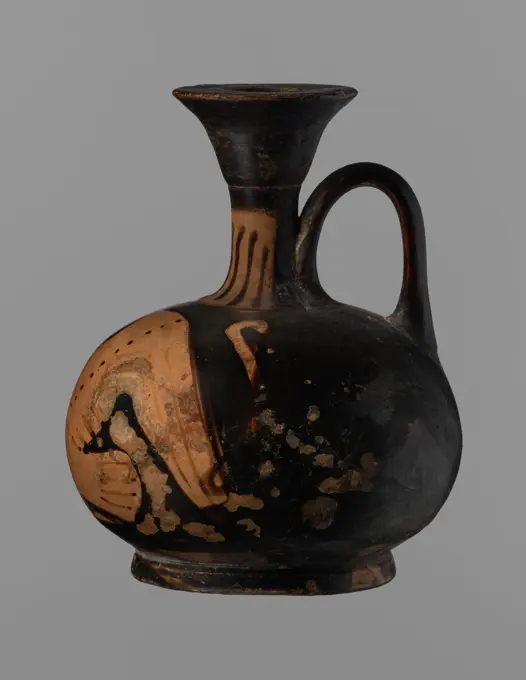
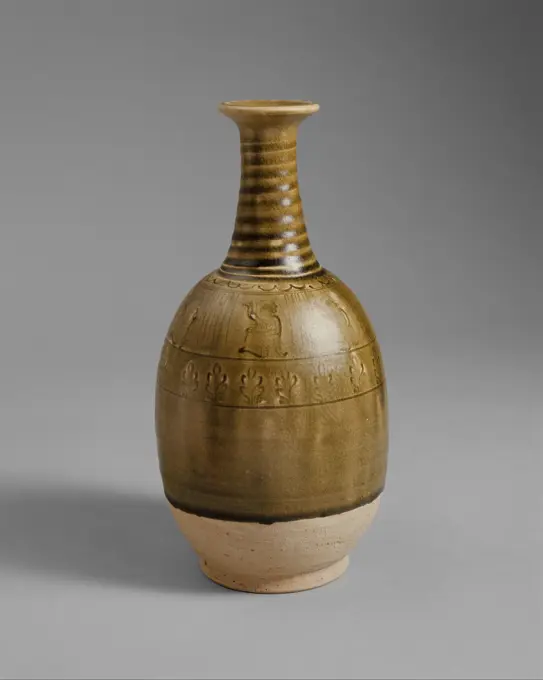
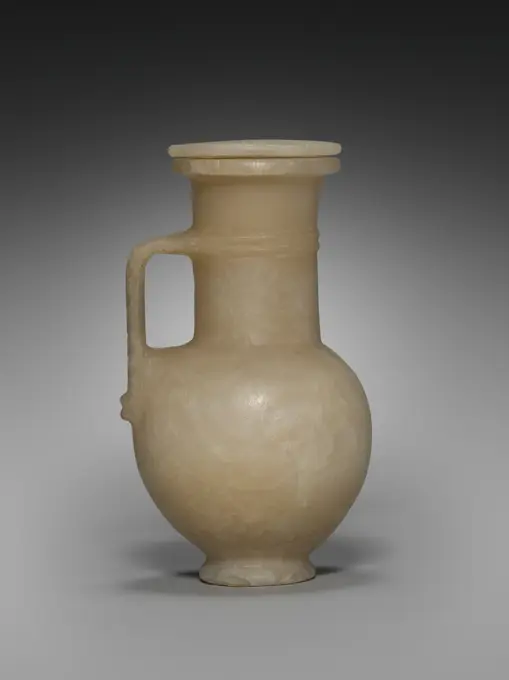
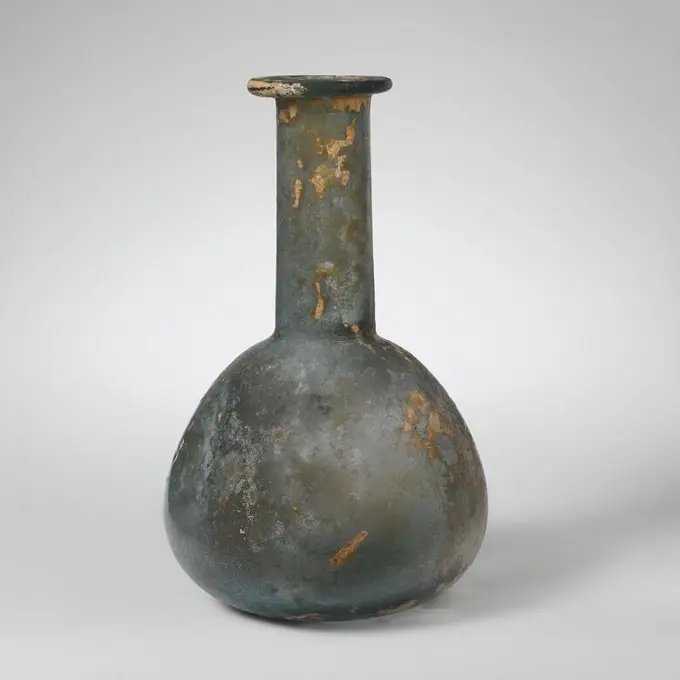
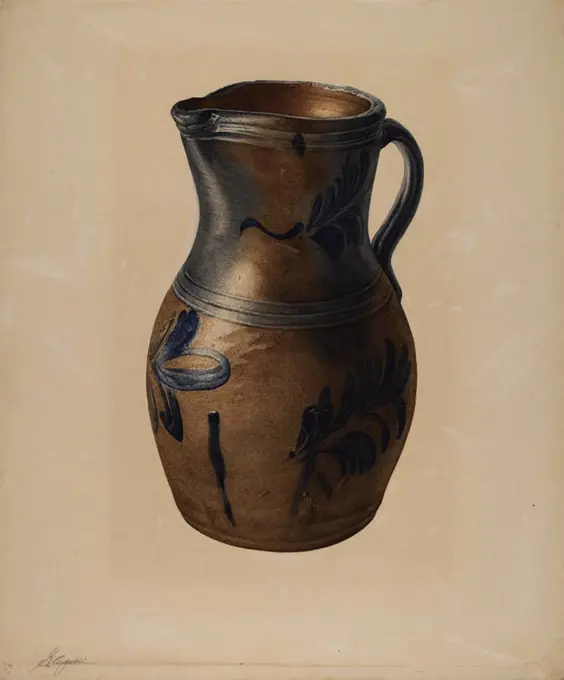
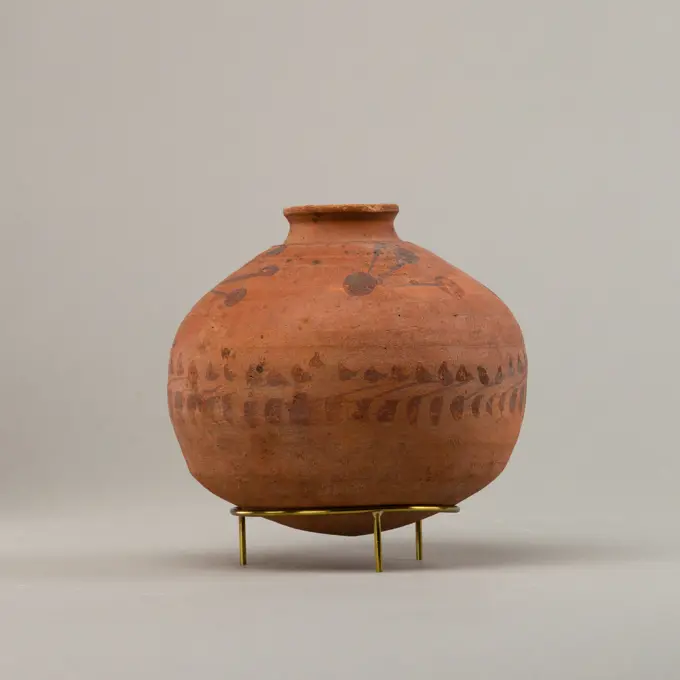
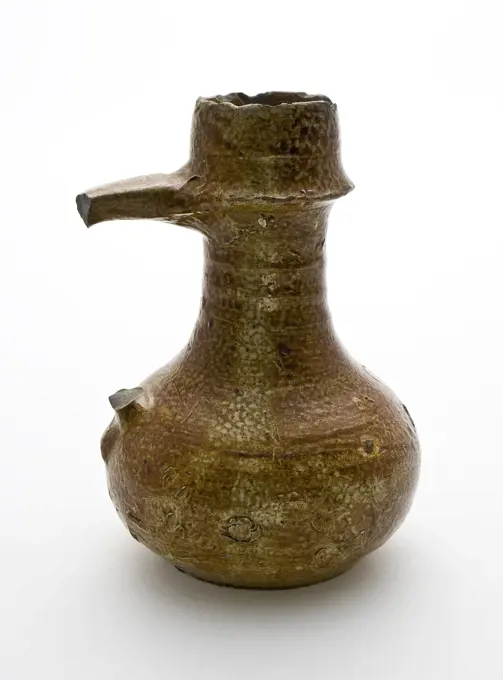
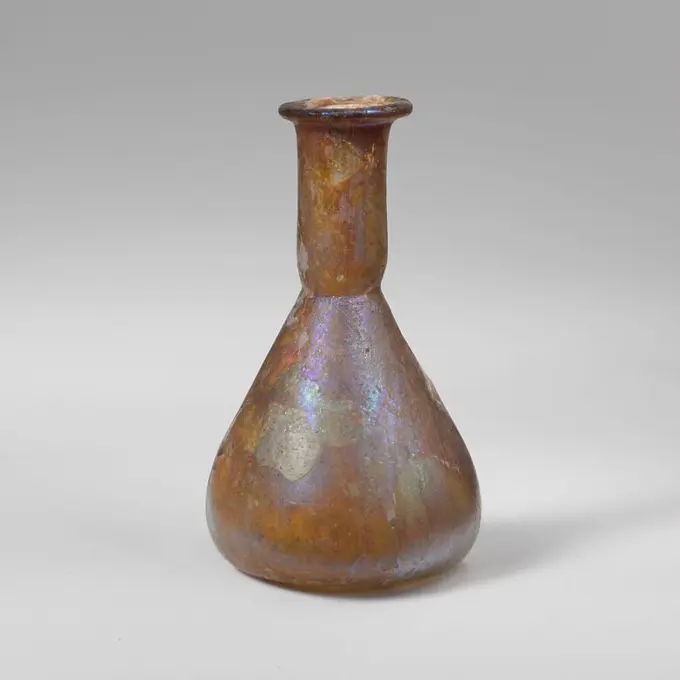
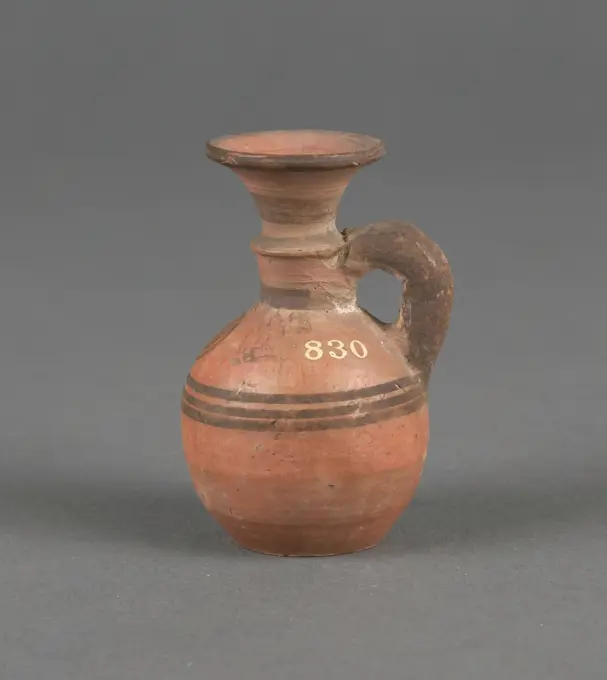
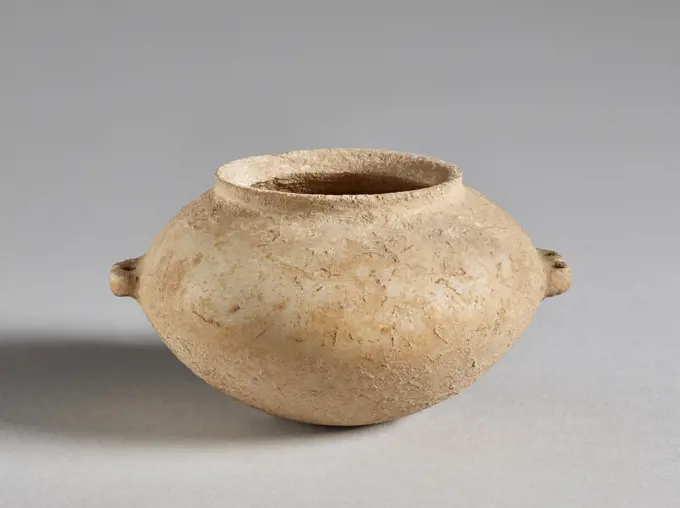
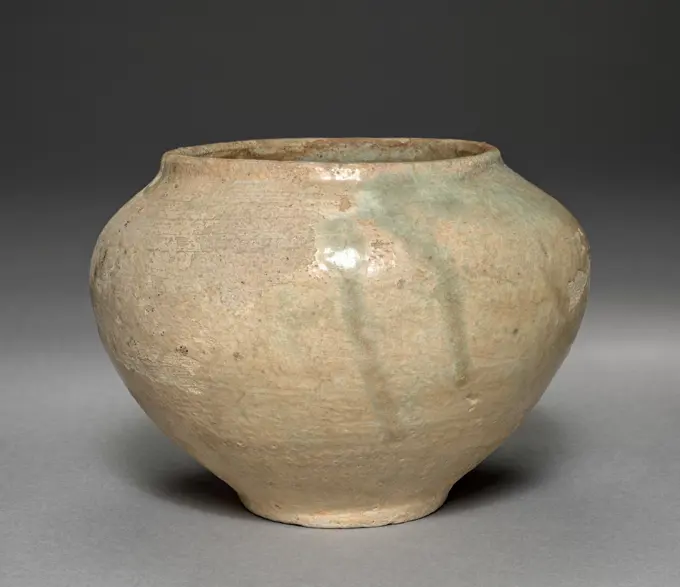
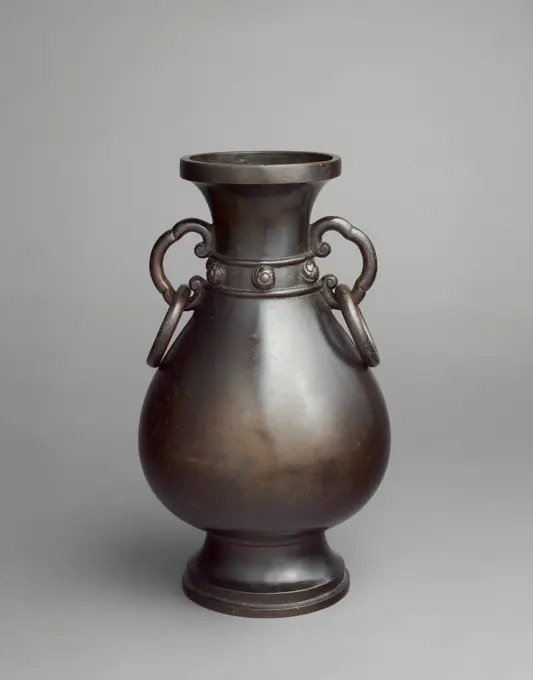
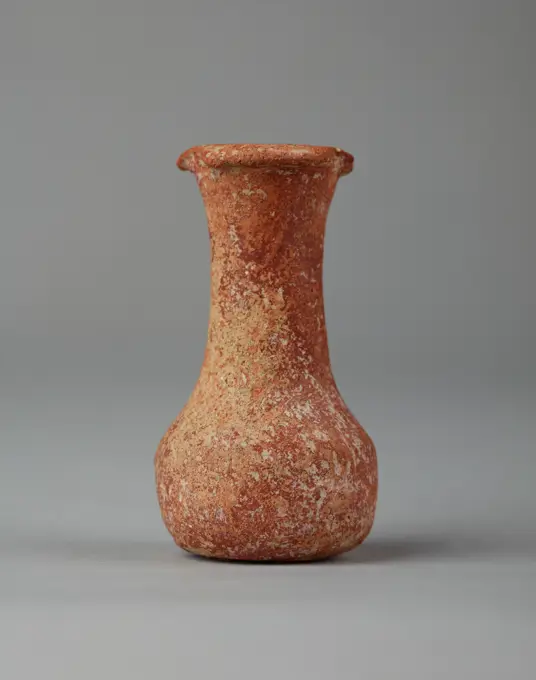
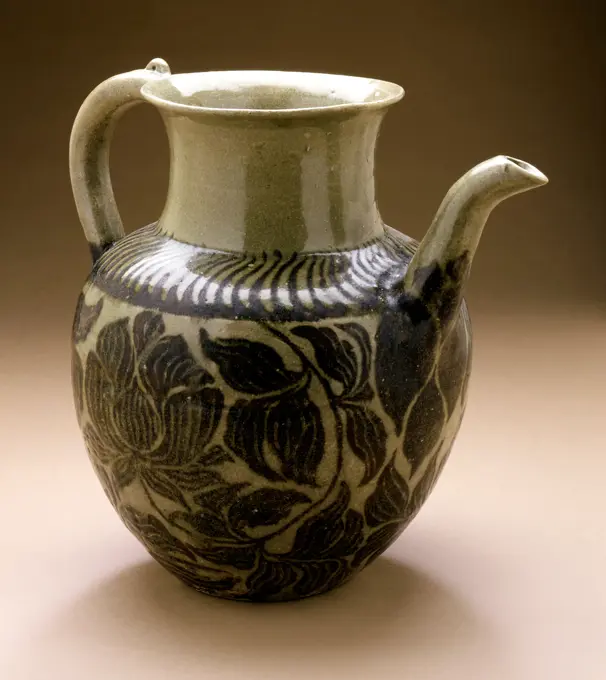
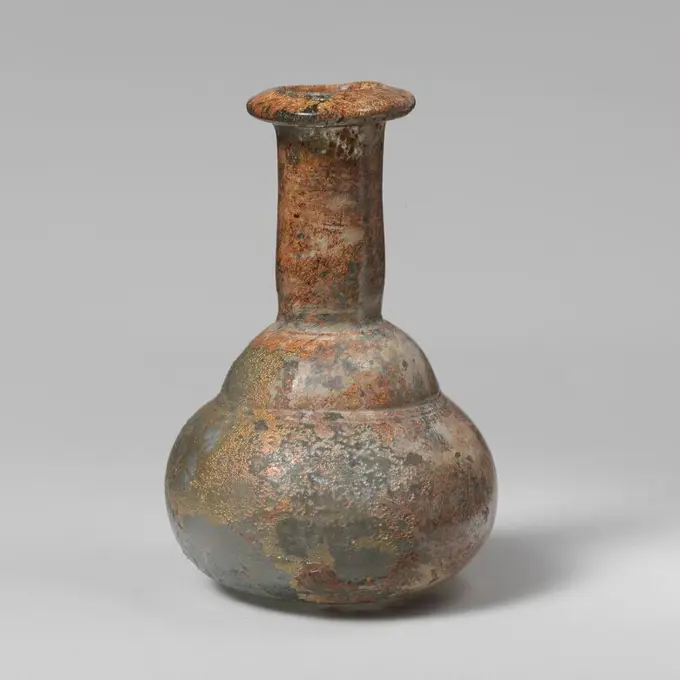
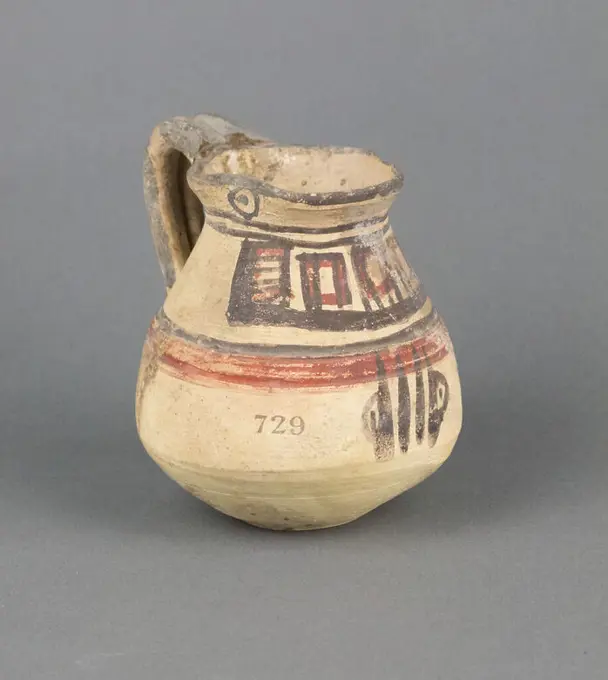
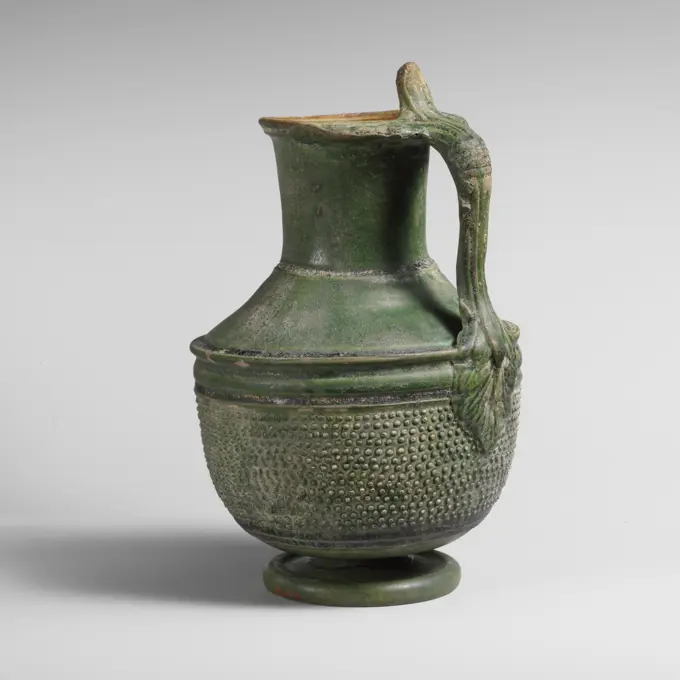
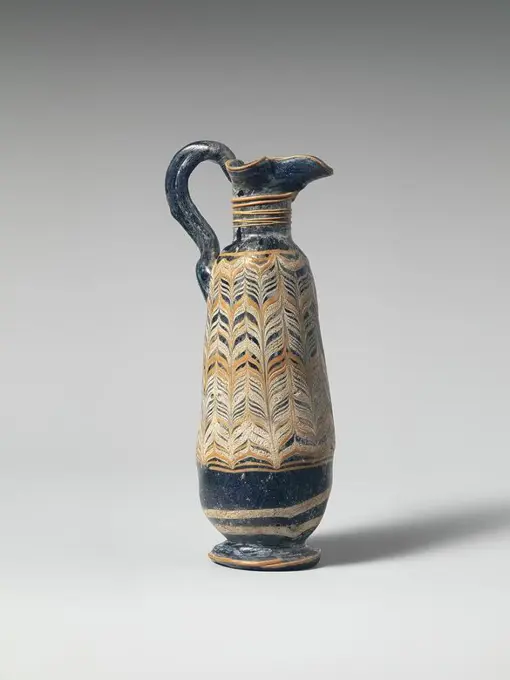
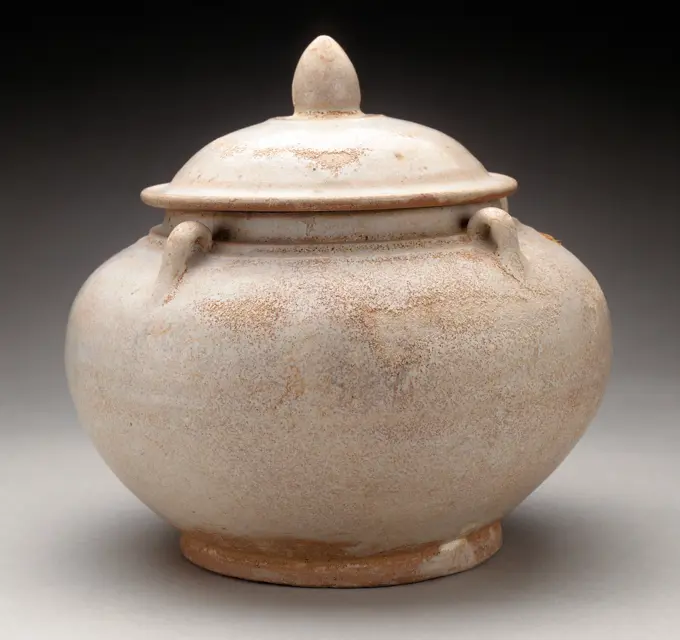
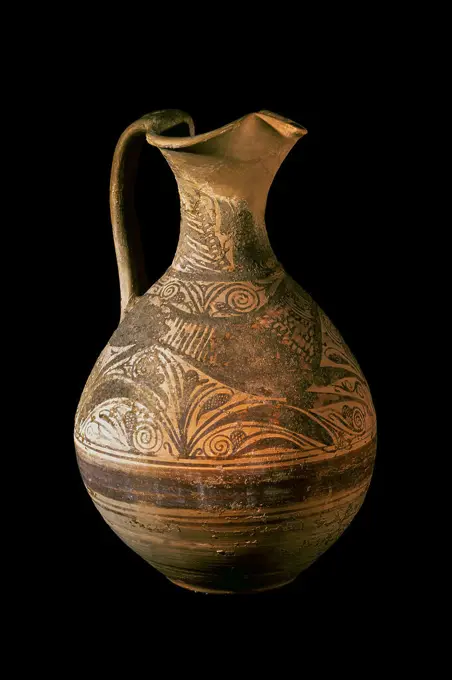
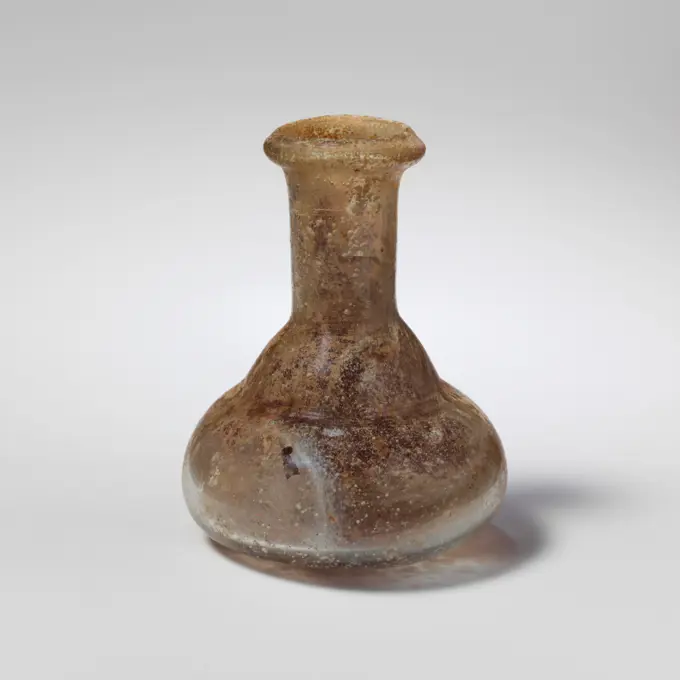
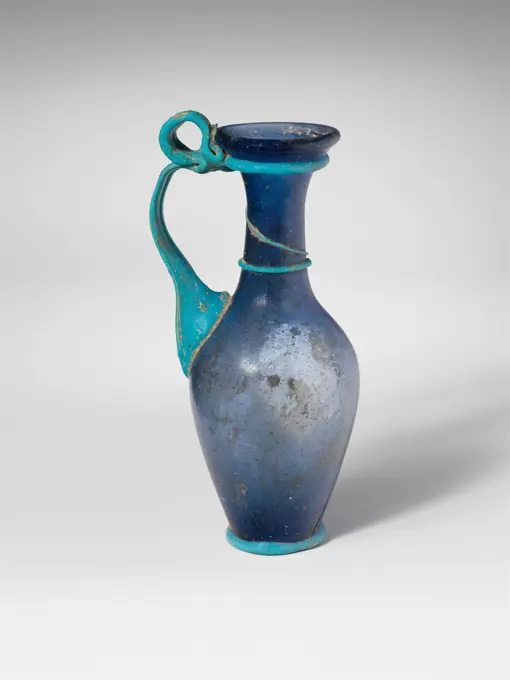
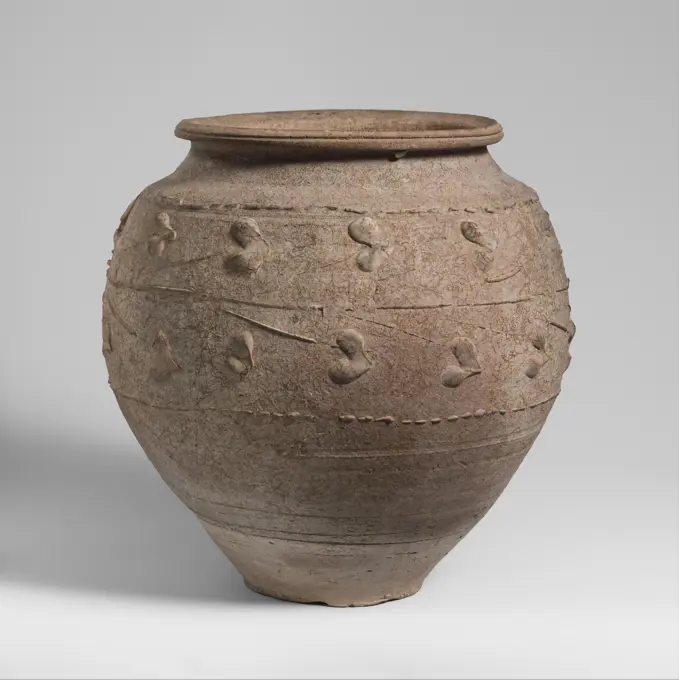
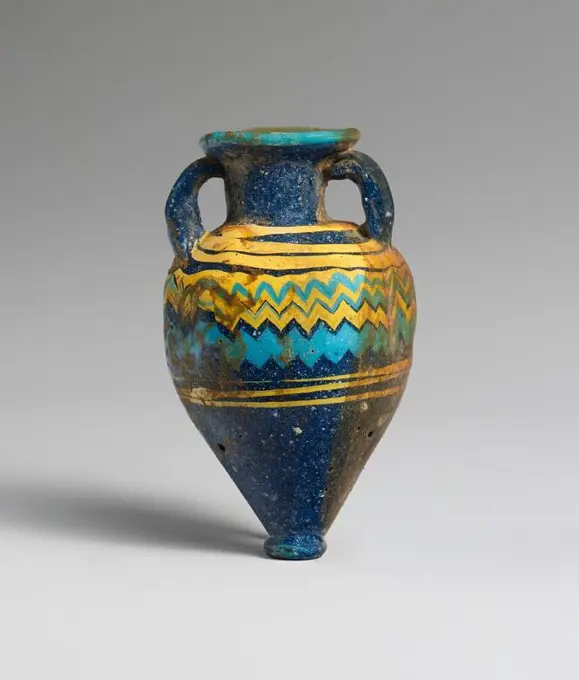
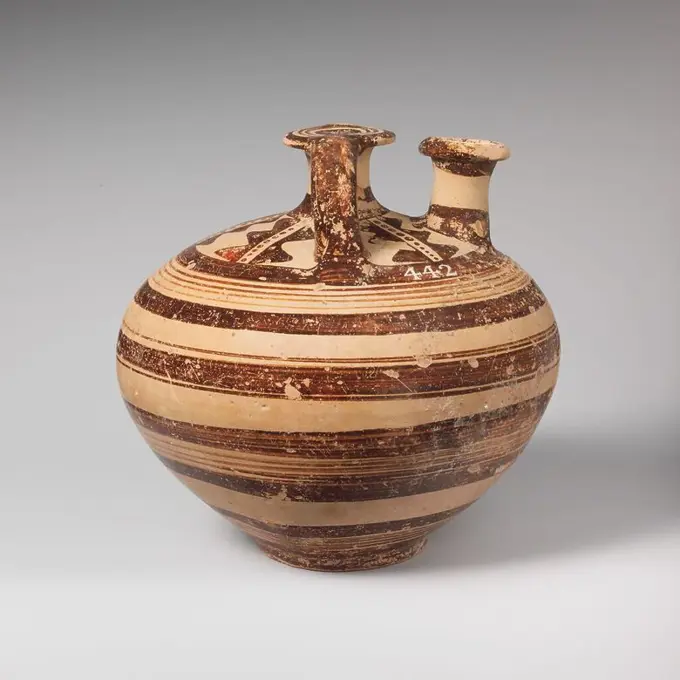
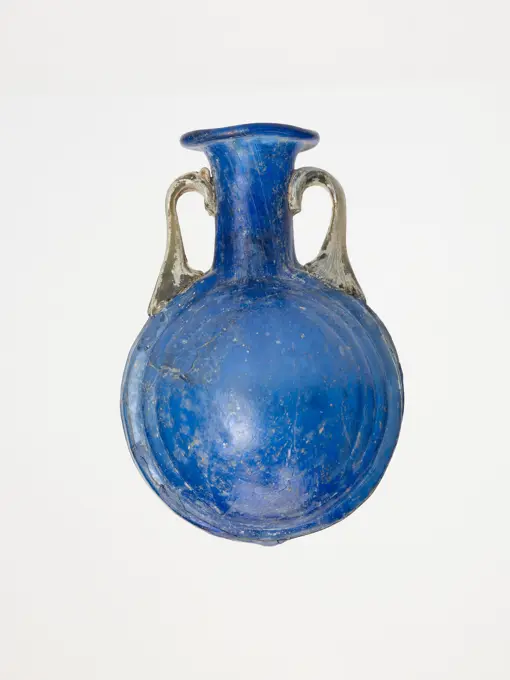
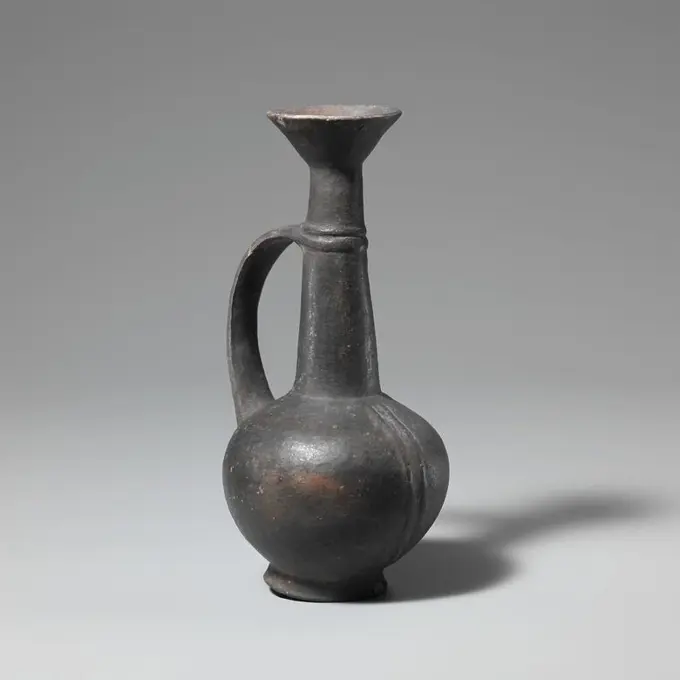
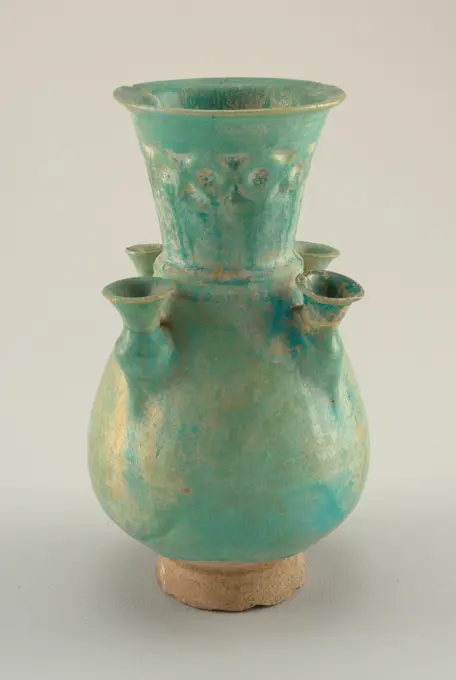
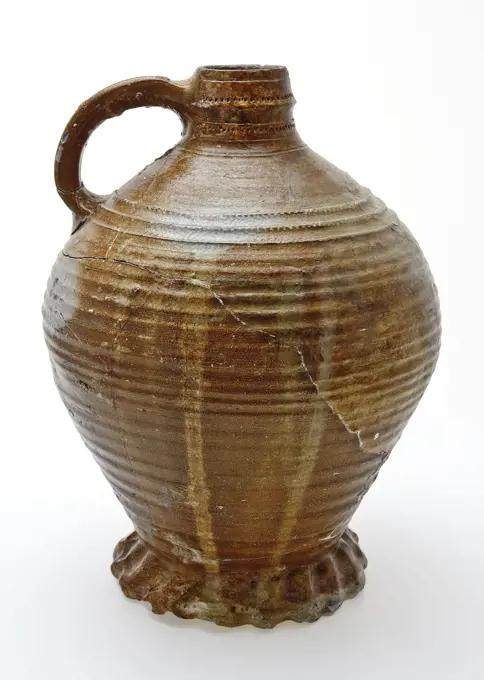
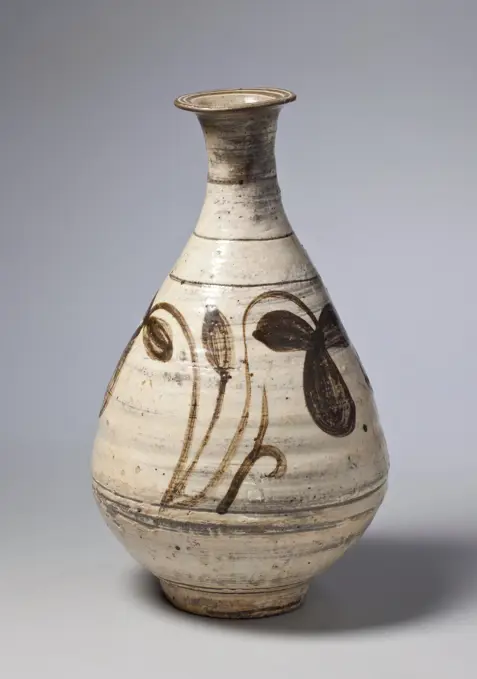
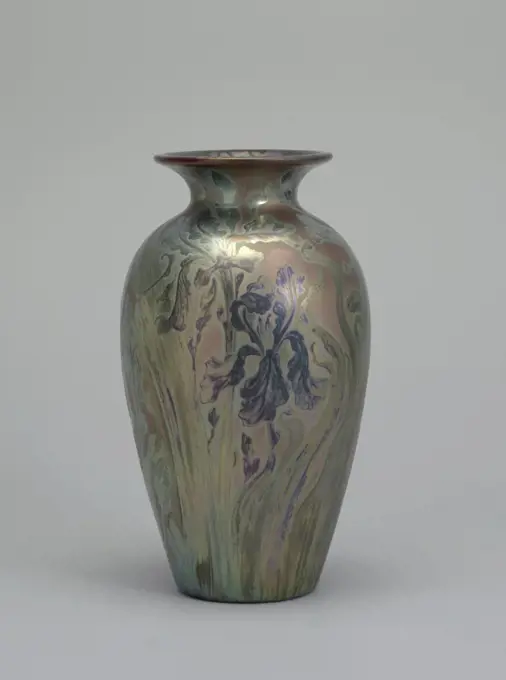
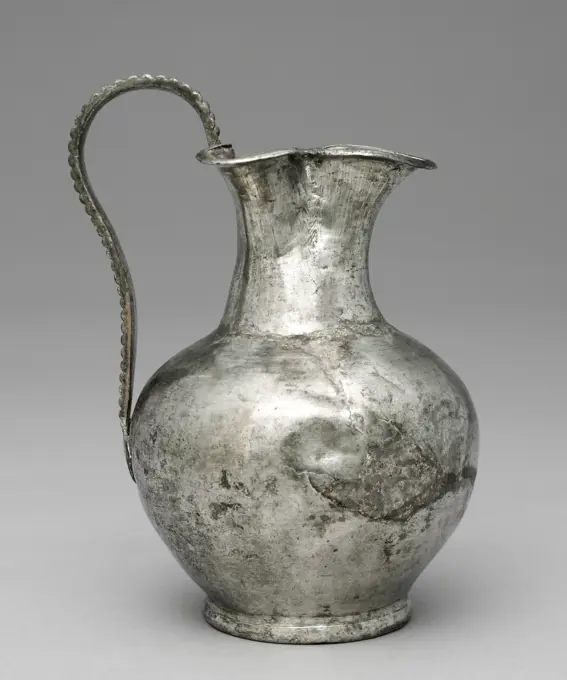
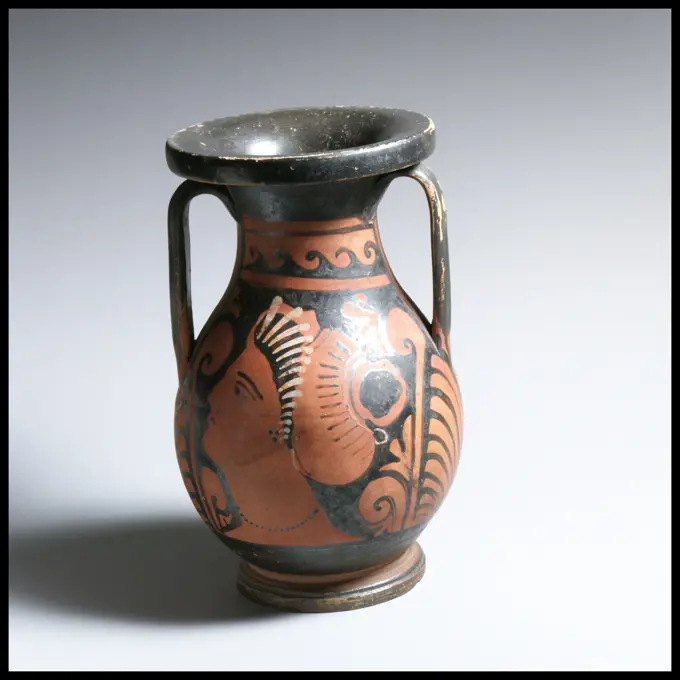
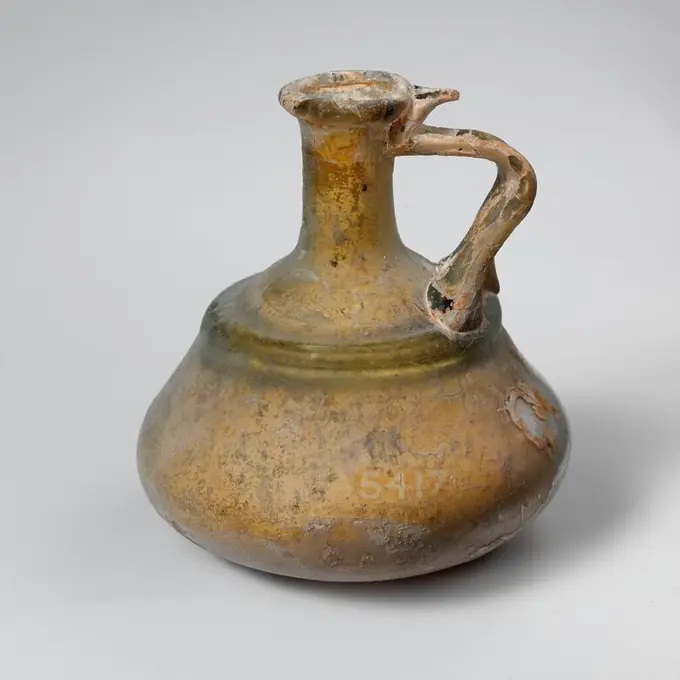
Glass jug. Culture: Roman. Dimensions: 2 11/16 in. (6.8 cm)Other: 2 7/16 in. (6.2 cm)Diam. of rim: 3/4 in. (1.9 cm). Date: mid-1st-2nd century A.D..Small one-handled jugTranslucent pale blue green; handle in same color.Rim folded out, round, and in; slender, cylindrical neck; slightly convex slanting shoulder with raised, tubular fold below; body flaring downward with concave sides; broad, shallow, rounded bottom; strap handle with ribs at side edges applied to shoulder above fold, drawn up and out, turned in horizontally to top of neck and underside of rim, and trailed off with backward projection.Intact; pinprick bubbles; dulling, pitting, and iridescent weathering. Museum: Metropolitan Museum of Art, New York, USA.Pitcher 600 BCE-201 BCE Egypt. Glass . Ancient EgyptianGlass perfume bottle 2nd-3rd century A.D. Roman Miniature perfume bottleTranslucent pale light blue.Rim folded out, over, and in; flaring mouth; short, funnel-like neck; bulbous body; flattened bottom.Intact; pinprick bubbles and blowing striations; dulling, pitting, and patches of iridescent weathering.. Glass perfume bottle. Roman. 2nd-3rd century A.D.. Glass; blown. Mid Imperial. GlassLarge stoneware jug with blue, stamped band around neck and shoulder, sausage ear, jug crockery holder soil find ceramic stoneware glaze salt glaze, hand turned decorated glazed baked Large stoneware jug dark gray shard with salt glaze bandor profiled rings. Dedicated traces on the bottom archeology import pottery serve drink wine beer table serveLazyRed-figured Attic clay hydria, by Unknown, 6th Century, pottery, turn on lathe, red figures . Italy, Campania, Naples, National Archaeological Museum. Whole artwork. Front hydria red figures Attic pottery vase flared-disk foot globular body protruding lip two horizontal side handles one behind vertical frieze with decoration on the shoulders.Jar ". Terracotta with polychrome decoration. Neolithic period (around 8000 BC). Paris, Cernuschi museum. Anse, Chinese art, Chinese Ceramic, container, jar, decorative motif, Neolithic period, container, terracottaTerracotta amphora (jar). Culture: Cypriot. Dimensions: H. 9 15/16 in. (25.3 cm). Date: 1050-950 B.C..The dark slip and the vertical grooves may reflect the influence of metal vases. Museum: Metropolitan Museum of Art, New York, USA.Carinated Stone Jar with Rope Pattern. Dimensions: H. 16.7 cm (6 9/16 in); diam. 18.7 cm (7 3/8 in)Diam. of lid 9.9 cm (3 7/8 in). Dynasty: Dynasty 18, early. Date: ca. 1550-1458 B.C..This limestone vessel with its baggy shape and sharp carination of the lower body is a traditional Egyptian shape called the deshret-jar. The form is common in pottery found in burials from the Old Kingdom onward. A raised band with carved diagonal lines imitating a twisted cord decorates the base of the neck. The vessel was deposited in the lowest chamber of a pit tomb cut into the forecourt of a reused Middle Kingdom tomb and belonged to the burial of a man named Nakht. The tomb was covered over during the construction of the causeway of Hatshepsut's mortuary temple sometime after year 7 of her reign. Museum: Metropolitan Museum of Art, New York, USA.Glass jar 4th century A.D. Roman, Palestinian Translucent deep honey yellow; handles and trail in translucent deep turquoise blue.Rim slightly outsplayed, with rounded vertical lip; below, folded flange, turned in at base to cylindrical neck, expanding downwards; globular body; pushed-in bottom with interior kick and pontil scar at center; two rod handles (one much wider than the other) applied in claw pads over trail to upper body, drawn up, then folded in onto flange, drawn up again, and trailed off on top edge of rim.Single fine trail applied on bottom and wound round in a spiral almost seventeen times, smoothed into side on lower body, but in relief on upper body, ending around base of neck.Intact; pinprick bubbles; dulling and slight weathering on exterior, soil encrustation, thick creamy weathering, and brilliant iridescence on interior.. Glass jar. Roman, Palestinian. 4th century A.D.. Glass; blown and trailed. Late Imperial. GlassDouble baluster vase. Acquired by the artist on the Paris World Expo 1900Ceramic jug. Dimensions: H. 35.6 cm (14 in.). Date: early 1st millennium B.C.. Museum: Metropolitan Museum of Art, New York, USA.Jug, miniature. Culture: Cypriot. Dimensions: H. 2 in. (5.1 cm). Date: ca. 500-300 B.C..Miniature handle-ridged jug with horizontal bands and concentric circles. Museum: Metropolitan Museum of Art, New York, USA.Jar 206 CE-220 CE China. Stoneware with lead green glaze and underglaze molded decoration .Jug of stoneware with one ear. Jug of stoneware. Decorated with ornaments in blue and purple. With one ear.Vase lei. Bronze. Chine. Par musée musée malée. 70625-14 Anse, Chinese art, bronze, lei vaseGlass amphoriskos (perfume bottle) 2nd to mid-1st century B.C. Greek, Eastern Mediterranean Uncertain color, appearing black, with base-knob in translucent greenish yellow; trails in opaque yellow and opaque white.Rim-disk, sloping deeply inward, with rounded edge and tooled indent around top of neck; tall cylindrical neck; broad angular shoulder; ovoid body, turning in to almost pointed bottom; vestiges of large knob-base; very slight vestiges of two vertical strap handles applied over trails on shoulder and pressed on to sides of neck.Yellow trail applied to top of neck and wound spirally down and across shoulder, a second thin white trail applied around neck, then both tooled into a close-set festoon pattern to lower body, with twenty-five uneven upward strokes, and continuing in thick spiral lines to pointed bottom.Body complete but most of handles and base-knob missing, with most of trails completely weathered, leaving only indentations in body; dulling, severe pitting, and iridesTerracotta stirrup jar ca. 1300-1190 B.C. Mycenaean Broad and narrow bands and degenerate floral treatment.. Terracotta stirrup jar 240335Amphoriskos (oil flask) ca. 340-320 B.C. Greek, South Italian, Apulian, Gnathian These two flasks, 2015.641 and 2015.642, undoubtedly for oil, have been known since the early 1880's, when they were purchased by the noted British archaeologist Augustus Henry Lane Fox Pitt-Rivers. They remained with his descendants until 1992. Documentation indicates that they were found together at Capua, a major center in the Italian region of Campania. However, the technique of decoration, in which color is applied onto the vase, points to neighboring Apulia as the place of production. The simple motifs are adapted with exceptional sureness to the irregular surfaces of the respective shapes. Under the spout, the askos additionally shows a suspended theatrical mask between ribbons and ivy leaves, popular details associated with the wine god, Dionysos.. Amphoriskos (oil flask) 698734Vase ". Sandstone, white slip under transparent cover. China, Song Dynasty (960-1279) / Yuan (1279-1368). Paris, Cernuschi museum. Chinese art, Chinese Ceramic, container, Song dynasty, Yuan dynasty, Song time, Yuan, GRES, Terracotta, Vase, VaseVase. Acquired by the artist at the World's Fair 1900 in ParisBaluster vase with four medallions with a lion, c. 1600 - c. 1699 vase Balus-shaped vase of quartz fritry, painted under the glaze in green-blue with four medallions with a lion in a beige stock. A decorative tire on the shoulder and above the foot. Mouth edge and foot are very damaged. A lid is missing. Iran earthenware. glaze painting / vitrificationVase with C-shaped Handles, anonymous, c. -206 - c. 220 Egg -shaped vase of stoneware with a spreading neck and flat edge, partially covered with a green glaze. Horizontal ribs on the abdomen; The shoulder with two C-shaped ears with a modeled S-shaped decoration at the top. A decorative tire on the neck. A crack in the edge. Celadon (YUE). China stoneware. glaze vitrification Egg -shaped vase of stoneware with a spreading neck and flat edge, partially covered with a green glaze. Horizontal ribs on the abdomen; The shoulder with two C-shaped ears with a modeled S-shaped decoration at the top. A decorative tire on the neck. A crack in the edge. Celadon (YUE). China stoneware. glaze vitrificationTerracotta oinochoe (jug). Culture: Etruscan. Dimensions: H.: 12 1/8 in. (30.8 cm). Date: ca. 550 B.C..Trefoil lip, with two stags, two lion-heads, and two human heads in relief. Museum: Metropolitan Museum of Art, New York, USA.Wide-Mouth Bottle with Floral Scrolls. Thailand, Sawankhalok, circa 16th century. Furnishings; Accessories. Wheel-thrown stoneware with cream slip, underglaze brown painted decoration, and pale blue glazeKoulse pot. Egg-shaped pot of stoneware (Koulse pot) with a short cylindrical neck, a grooved ear and a tied base. The neck has a beard man and the belly is decorated with three medallions with a double arm with writing "Geradt von Hanzler ... 1582" and horizontal ridges. There is a hole in the bottom.Spherical pot of pottery. Spherical pot of pottery, on three legs and with two ears. The pot has a wide neck.Terracotta amphora. Culture: Cypriot. Dimensions: H. 7 1/4 in. (18.4 cm). Date: 1900-1600 B.C..Amphora with globular body, zigzag bands and lattice panels. Museum: Metropolitan Museum of Art, New York, USA.Glass perfume bottle 1st century A.D. Roman Translucent pale blue green.Rim folded out, over, and in; cylindrical neck; piriform body; small, flat bottom.Intact; pinprick bubbles; deep pitting and brilliant iridescence, with creamy enamel-like weathering around rim and top of neck.. Glass perfume bottle 244601Covered jar American ca. 1820-60Hu wine vessel, 5th century BCE, 13 7/8 × 9 3/8 in., 6.4 lb. (35.24 × 23.81 cm, 2.9 kg), Bronze, China, 5th century BCE, This storage vessel is one of an important group of hunting-scene hu. They show the influence of the nomadic art of Chinas northern frontier. The four major bands depict men hunting birds, deer, boars, and tigers with spears, knives, and bows. Panels on the vessels shoulders show an archer shooting from the back of a four-horse chariot with driver. These pictorial scenes of human activity represent a revolutionary departure in bronze art. Previously, during the Shang and Zhou periods, sacred symbols and stylized animals were formally arranged with regard to hierarchy and strict symmetry. The subject here appears secular rather than religious.Stoneware jug be used with round necks, belly with partly kerfsneded decor and stamp decoration, jug crockery holder soil find ceramic stoneware clay engobe glaze salt glaze, hand turned stamped glazed baked carved Stoneware jug gray shard greyish brown salt glaze and brown engobe sausage ear with long pointed tail profiled rings around the neck Profiled foot archeology import pottery serve serve drink wine beerTerracotta jug ca. 1600-1050 B.C. Cypriot The shape of this jug is typically Cypriot, but the decoration was likely inspired by Tell el-Yahudieh Ware pottery imported to Cyprus from Egypt.. Terracotta jug 240947Terracotta flask 2nd century A.D. Roman On the shoulder is barbotine decoration inset with small chunks of colored glass.. Terracotta flask. Roman. 2nd century A.D.. Terracotta. VasesWater Jar with Herakles and Eros; Greece; mid-4th century B.C; Bronze; 48 × 39.6 × 31.5 cm (18 7,8 × 15 9,16 × 12 3,8 in.)Two-handled vaseGrape on three legs, two standing sausage ears and rotating feathers on the shoulder, grape cooking pot crockery holder kitchen utensils earthenware ceramics earthenware glaze lead glaze, hand turned glazed baked Pottery grape on three legs and two pinched standing sausage ears Ears protruding above the edge Rotary edges of the rim to the beginning of the bottom Round model slightly drop-shaped. Red shard almost completely glazed. Feathered claw feet Low and straight neck edge. Roethesten op de beneden Restauration is repainted archeology underground pit Rotterdam City center Stadsdriehoek Groenendaal indigenous pottery cooking kitchen food preparation Soil discovery: underground pit Groenendaal large waste pit at ± 4 meters - N..P 1977.06.27.Glass jug 2nd-3rd century A.D. Roman Small, one-handled jugColorless with pale green tinge; handle in same color.Uneven rim folded out, round, and partially in, with beveled outer edge; flaring mouth; short cylindrical neck, curving out at base to bulbous body with convex sides; flat but slightly uneven bottom; handle attached as pad to body, drawn out, up, and round, and trailed on to top of neck and outer edge of rim with loop above rim.Intact; some large bubbles, blowing striations, and glassy inclusions; dulling, some pitting, and iridescence, with areas of creamy weathering.. Glass jug 239691Ewer 12th-13th century. Ewer 445270Jar. Egypt or Syria, 14th century. Ceramics. Fritware, underglaze-paintedHigh pottery grape on three claw feet, sparing lead glaze and rings, two ears, grape cooking pot tableware holder utensils earthenware ceramics earthenware glaze lead glaze, hand turned set pinched glazed baked Pottery grape on three legs Two standing sausage ears lightly squeezed. Pouch-shaped body Coarse rotations around the shoulder. Sparely glazed Oblique upper edge archeology Capelle aan den IJssel House in Capelle castle indigenous pottery food preparation kitchen cooking Soil discovery: House in Capelle cesspool 1420-1425 Capelle aan den IJssel.Kohl jar decorated wtih Horus falcon and grotesque figure ca. 1550-1295 B.C. New Kingdom. Kohl jar decorated wtih Horus falcon and grotesque figure 553833Stoneware jug be pinched, miscreated from proto stoneware, can crockery holder soil find ceramic stoneware, hand-turned baked stoneware can be pinched. Turning laths over the entire height Cylindrical neck. Proto stoneware. Misbakel leak and highly deformed archeology Rotterdam Coolhaven indigenous pottery import drinking serve wine beer Soil discovery Rotterdam found during digging in Coolhaven.. Pot of stoneware with a ribbed wall, partly covered with a white sludge. The belly is spherical. The bottom is unglazed. Cizhou (Juluxian).Bronze jug. Culture: Roman. Dimensions: H. 8 3/16 in. (20.7 cm). Date: ca. 1st century B.C.-1st century A.D..The molding on the lip is inlaid with silver. Museum: Metropolitan Museum of Art, New York, USA.Oinochoe. Culture: Etruscan. Dimensions: Overall: 4 3/4 in. (12 cm)Diameter: 2 15/16 × 1 13/16 in. (7.5 × 4.6 cm).Above, Eros flying; below, female head, profile to left. Museum: Metropolitan Museum of Art, New York, USA.Lamp, Asia Minor; 1st - 4th century; Terracotta; 2.8 x 8 x 11 cm (1 1,8 x 3 1,8 x 4 5,16 in.)Pitcher ca. 1880-89 Chelsea Keramic Art Works The Chelsea Keramic Art Works was the first American ceramics firm to designate itself an "art pottery." It was founded in Chelsea, Massachusetts, by members of the Robertson family, all of whom had honed their skills in the ceramics industry in Britain before coming to this country. Hugh Robertson, the guiding force behind the pottery, created work that was not only inspired by classical Greek pottery but also by forms and decoration that align with English Reform design. This pitcher, with a pale olive-green glaze, has an angular profile resonant with the British designer Christopher Dressers innovative shapes, such as the pottery he designed for the English firms Watcombe and Linthorpe, as well as the glass and metalwork he conceived for various manufacturers.This vase is from the Robert A. Ellison Jr. Collection of American art pottery donated to the Metropolitan Museum in 2017 and 2018. The works in the collection date from the mid-18Aryball lease;  2. PO. 4th century BC (-350-00-00--301-00-00);Bottle 6th-7th century China. Bottle. China. 6th-7th century. Glazed stoneware with incised and impressed decoration. probably Sui dynasty (581-618). CeramicsLong-Necked Flask with Strap Handle and Lid, 1401-1353 BC. Egypt, New Kingdom, Dynasty 18, reign of Tuthmosis III, to Amenhotep III, 1479-1353 BC. Travertine; diameter: 9.1 cm (3 9/16 in.); diameter of mouth: 6.8 cm (2 11/16 in.); overall: 16.9 cm (6 5/8 in.).Black-glazed Bottle, 1200s. Korea, Goryeo period (918-1392). Glazed stoneware; overall: 31 cm (12 3/16 in.).Glass perfume bottle. Culture: Roman. Dimensions: 6 1/16in. (15.5cm)Other: 3 11/16in. (9.4cm)Diam. of rim: 1 5/8 in. (4.2 cm). Date: 1st-2nd century A.D..Translucent blue green.Uneven rim folded out, over, and in, and pressed flat on top causing constriction in mouth; cylindrical neck, expanding slightly downward with tooling marks around its base; bulbous body; curving bottom, flat at center.Intact; some larger and pinprick bubbles; pitting, dulling, and iridescence; patches of enamel-like weathering. Museum: Metropolitan Museum of Art, New York, USA.Vase with archaistic decoration China first half of the 19th century View more. Vase with archaistic decoration. China. first half of the 19th century. Porcelain with crackled glaze and brown biscuit-relief decoration simulating bronze (Jingdezhen ware). Qing dynasty (1644-1911). CeramicsPitcher. Dated: c. 1940. Dimensions: overall: 45.5 x 37.5 cm (17 15/16 x 14 3/4 in.) Original IAD Object: 13" High 6 3/4" Dia(top, through lip) 6" Dia(base). Medium: watercolor, graphite, and colored pencil on paperboard. Museum: National Gallery of Art, Washington DC. Author: Giacinto Capelli.Jar with painted vines 270 B.C.-A.D. 320 Meroitic Period. Jar with painted vines. 270 B.C.-A.D. 320. Pottery, paint. Meroitic Period. From Egypt and SudanSmall stoneware jug with ear, low belly and long neck, stand surface, jug crockery holder soil find ceramic stoneware clay engobe glaze salt glaze, hand turned glazed baked stoneware jug gray shard brown engobe and salt glaze large bandoor with short tail protruding ring around neck at the level of the ear. Low belly and slim long neck. Stand surface. Fuzzy spinning glasses archeology import pottery serve save drink packagingGlass perfume bottle. Culture: Roman. Dimensions: 2 11/16 in. (6.9 cm)Other: 1 9/16in. (4cm)Diam. of rim: 3/4 in. (1.9 cm). Date: 2nd-3rd century A.D..Colorless with greenish tinge.Rim folded out, over, and in, flattened unevenly into mouth at an angle; cylindrical neck, tooled in at base; sides of body sloping out and downward; bottom slightly concave at center.Intact; some bubbles; iridescent weathering. Museum: Metropolitan Museum of Art, New York, USA.Jug, miniature ca. 1050-900 B.C. Cypriot Miniature handle-ridge jug with horizontal bands and concentric circle on front of shoulder.. Jug, miniature. Cypriot. ca. 1050-900 B.C.. Terracotta. Iron Age. VasesTerracotta Hadra hydria (water jar) late 3rd century B.C. Greek, Ptolemaic, Cretan This is a "dropped floor" hydria, so-called because the floor of the vessel is extended down into its tall foot increasing the overall capacity. The ovoid body and sharply offset shoulder and neck are also characteristic of this shape. The silhouette style, which was commonly used on these hydriae, is shown off to good effect in the well preserved floral and geometric patterns that decorate this vase.. Terracotta Hadra hydria (water jar) 245550Spherical Pyxis; Cyclades, Greece; 2700 - 2200 B.C; Marble; 7.6 × 11.7 cm (3 × 4 5,8 in.)Bronze jug. Culture: Cypriot. Dimensions: H. 8 7/8 in. (22.5 cm). Date: ca. 6th century B.C..The handle ends above in a snake's head, below in a lion's mask. The lion motif as well as the mouth and foot of the vase are typically Greek, while the jug's form is Cypriot, suggesting that the piece may have been made by a Greek craftsman working on Cyprus. Museum: Metropolitan Museum of Art, New York, USA.Jar, 300s-400s. Korea, Three Kingdoms period (57 BC-AD 668). Pottery, glazed;Vase (one of a pair) 15th century China These vases are stylistically consistent with Ming imperial ritual vessels and are likely to have been the products of the imperial workshops of the fifteenth century. Originally they would have served as flower vases on a ritual altar, where they would have been placed together with an incense burner and two candlesticks.. Vase (one of a pair). China. 15th century. Bronze. Ming dynasty (1368-1644). MetalworkConical ointmentEwer with Peony Scroll Design in Underglaze Iron. Korea, Goryeo dynasty (918-1392), 12th century. Furnishings; Serviceware. Wheel-thrown stoneware with brown painted decoration and green glazeGlass perfume bottle. Culture: Roman. Dimensions: 2in. (5.1cm)Other: 1 5/16 in. (3.3 cm)Diam. of rim: 11/16 in. (1.7 cm). Date: 1st century A.D..Small perfume bottleTranslucent pale blue green.Rim folded out, over, and in, with beveled upper surface; tall cylindrical neck, with tooling marks around base; convex sloping shoulder with prominent tooling marks below; squat bulbous body; slightly flattened bottom.Intact; pinprick bubbles; dulling and pitting; patches of enamel-like weathering and brilliant iridescence. Museum: Metropolitan Museum of Art, New York, USA.Glass perfume bottle. Culture: Roman. Dimensions: H.: 3 in. (7.6 cm)Diam.: 2 1/2 x 3/4 in. (6.4 x 1.9 cm). Date: early 1st century A.D..Translucent cobalt blue; trail in uncertain color, possibly opaque white.Outsplayed, rounded rim; cylindrical neck; broad, piriform body; flat bottom.Single trail, applied to edge of bottom, wound round body in a spiral fifteen times as a thick marvered trail at bottom, then becoming a fine trail in relief on body, ending below neck.Intact, but small cracks in bottom; some bubbles; dulling, limy brown weathering, and faint iridescence. Museum: Metropolitan Museum of Art, New York, USA.Juglet. Culture: Cypriot. Dimensions: 3 7/8in. (9.9cm). Date: 750-600 B.C..Wide-mouthed jug with conventional desings. Museum: Metropolitan Museum of Art, New York, USA.Terracotta neck-amphora (jar) ca. 525-510 B.C. Attributed to the Antimenes Painter Obverse and reverse, between warriors, eyesA major iconographical innovation in Attic vase-painting about 540 B.C. was the introduction of pairs of eyes. Traditionally attributed to Exekias, it appears most commonly on cups but occurs on nearly every other shape. The motif was intended to ward off evil. In the context of the symposium (drinking party), it may have served against sickness and hangovers.. Terracotta neck-amphora (jar). Greek, Attic. ca. 525-510 B.C.. Terracotta; black-figure. Archaic. VasesOLYMPUS DIGITAL CAMERATerracotta oinochoe: olpe (jug) 1st half of 6th century B.C. Related to the Group of the Early Olpai Two panthers.. Terracotta oinochoe: olpe (jug) 252591 : Related to the Group of the Early Olpai, Terracotta oinochoe: olpe (jug), 1st half of 6th century B.C., Terracotta, 6 3/4in. (17.1cm) Other (height with handle): 6 3/4in. (17.1cm). The Metropolitan Museum of Art, New York. Gift of the American Society for the Excavation of Sardis, 1926 (26.164.28)Jar. Roman, Eastern Mediterranean. Date: 101 AD-400 AD. Dimensions: 7.7 × 7.4 × 7.4 cm (3 × 3 × 3 in.). Glass, blown technique. Origin: Mediterranean Region. Museum: The Chicago Art Institute, Chicago, USA. Author: ANCIENT ROMAN.Askos gnathia dekorowany przedstawieniami ptaków. Grupa Pocolom (ca 300-250 a.C.), school, Pracownia Małych Stempelków (300-250 p.n.e.), workshopGlass perfume bottle late 1st-mid-2nd century A.D. Roman Translucent pale blue green.Rim folded out, over, and in, with uneven lip around mouth; cylindrical neck, expanding downward; squat, bulbous body; slightly convex bottom.Intact; many bubbles; thick, creamy weathering on interior; dulling and iridescent weathering on exterior.. Glass perfume bottle 239636Terracotta jug 1st half of 1st century A.D. Roman Footed jug with raised dot design. Much of the lead-glazed pottery of the Early Imperial period was produced in the Roman East at various sites on the western and southern coasts of Asia Minor.. Terracotta jug. Roman. 1st half of 1st century A.D.. Terracotta; lead-glazed ware. Early Imperial, Julio-Claudian. VasesGlass oinochoe (perfume jug). Culture: Eastern Mediterranean or Italian. Dimensions: 5 15/16 × 2 in. (15.1 × 5.1 cm)Diam. of foot: 1 5/8 in. (4.1 cm)Height (without handle): 5 11/16 in. (14.5 cm). Date: late 4th-early 3rd century B.C..Translucent cobalt blue, with handle and pad-base in same color; trails in opaque yellow and opaque white.Applied slender trefoil rim-disk with long spout; cylindrical neck; narrow angular shoulder; straight-sided cylindrical body, expanding downward, and then curving in to applied circular pad-base with thick rounded edge and uneven flattish bottom; strap handle attached in pad to top of body over trail decoration, with horizontal tooling indent above pad, drawn up and round in a loop, arching above the rim-disk, and pressed onto back of rim-disk and top of neck.A fine yellow trail attached at edge of rim-disk; another unmarvered yellow trail wound spirally six and a quarter times around neck; a third yellow trail, marvered, begun on lower edge of sTerracotta beaker with painted inscription 3rd century A.D. Roman, Rhenish Red vase with dark brown glaze; white barbotine decoration, white painted letters"MISCE" between large white spots.. Terracotta beaker with painted inscription 250069Covered Jar. Thailand, Sawankhalok, 16th century. Furnishings; Serviceware. Stoneware with white glazeOINOCHOE IBERICO PROCEDENTE DE ARCHENA (MURCIA) - SIGLOS IV Y III AC. Location: MUSEO ARQUEOLOGICO DE CATALUÑA. Barcelona. SPAIN.Glass perfume bottle 1st century A.D. Roman Small perfume bottleTranslucent pale blue green, with purple streaks.Rim folded out, over, and in, with beveled upper surface and vertical inner lip; slightly funnel-shaped neck, with tooling marks around base; convex sloping shoulder with prominent tooling marks below; squat bulbous body; uneven bottom, slightly concave at center.Intact; pinprick bubbles; pitting, dulling, and brilliant iridescent weathering on one side.Colorless round blown glass vase with short wide neck.. Glass perfume bottle 239778Glass jug 4th century A.D. Roman Translucent cobalt blue; handle, trail, and base ring in opaque turquoise blue.Rim folded over and in, and smoothed into side of flaring mouth; cylindrical neck, expanding downwards and joining imperceptibly with bulbous body, tapering to applied base ring; small, pushed-in bottom with pontil mark; two-ribbed strap handle attached to upper body with long, downward fins at edges, drawn up and outwards in a curve, then turned in and trailed onto underside of mouth over trail decoration and lip of rim, with a hollow projecting loop above. Thick trail wound horizontally around underside of mouth, then dropped in a fine trail down neck, and then wound horizontally slightly more than once around lower neck.Broken on body with one large hole and cracks extending to bottom, some of trail around neck also missing; many pinprick bubbles; some soil encrustation and iridescent weathering.. Glass jug 245697Neck-amphora ca. 440 B.C. Attributed to the Richmond Painter Obverse, woman pouring a libation for a king; reverse, youth.. Neck-amphora. Greek, Attic. ca. 440 B.C.. Terracotta; red-figure. Classical. VasesTerracotta jar with barbotine decoration 2nd-3rd century A.D. Roman Light unglazed gray urn with barbotine vine and interrupted line pattern on shoulder.. Terracotta jar with barbotine decoration. Roman. 2nd-3rd century A.D.. Terracotta. VasesJar. Dimensions: H. 16 1/4 in. (41.3 cm)Max. Diam. 13 1/2in. (34.3cm). Date: late 12th-first half 13th century. Museum: Metropolitan Museum of Art, New York, USA.Glass amphoriskos (perfume bottle). Culture: Greek, Eastern Mediterranean. Dimensions: H.: 2 11/16 in. (6.8 cm). Date: late 6th-5th century B.C..Translucent blue, with handles in same color; trails in opaque yellow and opaque turquoise blue.Broad, uneven, slightly inward-sloping rim-disk, with off-center mouth; cylindrical neck, with slight downward taper; almost horizontal shoulder; top-shaped body; circular base-knob with slanting flat bottom; two vertical strap handles applied to shoulder, drawn up, and pressed onto neck and underside of rim-disk.A turquoise blue trail attached at edge of rim-disk; a thick yellow trail applied at base of neck, wound down in a spiral across shoulder and around top of body, then tooled into an uneven close-set zigzag pattern on upper part of body, where a turquoise blue trail is added, mingling with the yellow; below, a second, thicker turquoise blue trail also forms part of the zigzag pattern; a fine yellow trail wound horizontally two and a half Jar ". Terracotta covered Céladon. Three kingdoms. Han dynasty (206 BC-220 AD). Paris, Cernuschi museum. Anse, Chinese art, Chinese Ceramic, Han dynasty, Han time, oval form, jar, terracotta, three kingdomsTerracotta stirrup jar. Culture: Mycenaean. Dimensions: H. 5 3/4 in. (14.6 cm.). Date: ca. 1375-1300 B.C..Broad and narrow bands and degenerate floral ornament. Museum: Metropolitan Museum of Art, New York, USA.Bottle 1 CE-100 CE Roman Empire. Initially affordable only among the wealthy, glass was used in ancient Rome as containers for oils, perfume, and tablewares. The variety of glass-making techniques reveals the changing tastes and fashions over the centuries. During the 1st century A.D., cast glass was a novel form that was a luxury for the Roman household, but by the end of the century, the innovation of blown glass - the technique used to create this vessel - allowed for less labor-intensive and less expensive production and meant people of lesser means could afford it. Blown glass became so popular it nearly supplanted ceramic and even bronze wares in the home.. Glass . Ancient RomanCypriote ring based juglet. Dimensions: H. 13.7 (5 3/8 in); diam. 6.5 cm (2 9/16 in). Dynasty: Dynasty 18. Date: ca. 1500-1400 B.C..Containers such as these (12.181.263, 12.181.264) were first imported into Egypt in the early Eighteenth Dynasty and are often found in modest burials. The shape of some of them, such as the one here with the longer neck, seems to be modeled after the inverted seedpod of the poppy (Papaver somniferum), cut to release its sap. This suggests that the jars once held opium, which is made from the sap. Opium is a powerful sedative that can be used not only as a painkiller but also in the treatment of diar-rhea, dysentery, fever, and similar complaints. Museum: Metropolitan Museum of Art, New York, USA.Lamp; earthenware, glaze; 23 x 13 cm (9 1/16 x 5 1/8 in.)Large stoneware jug on heavy pinched foot, radstamp decoration around neck and shoulder, jug holder kitchen utensils earthenware ceramics stoneware glaze salt glaze, hand-turned glazed baked Large stoneware jug on heavy pinched foot Completely covered with gray-brown speckled salt glaze. Spins on the entire height except between the shoulder and the neck. Decorated with triangle pattern with radial stamp Dent in the belly to the left of the ear. Wide ear with groove over the middle archeology inn The Heart Geervliet Bernisse indigenous pottery import drink store donate transport store cellar warehouse Soil discovery: Geervliet Dorpsplein 1 demolition Trouw put 5 stadsherberg 't Hart 1985.Bottle with floral design, late 15th century, Unknown Korean, 11 1/4 × 6 1/2 × 6 9/16 in. (28.58 × 16.51 × 16.67 cm), Buncheong ware; earthenware with iron-brown underglaze, Korea, 15th century, This Buncheong bottle features a painterly design of peony leaves brushed onto the clay in iron-brown pigment, a style associated with the kilns of sacred Mount Gyeryong near Hakbong-ri, west of the city of Daejeon. When the early rulers of the Yi dynasty rejected Buddhism in favor of Confucianism, many Buddhist monks were forced to return to secular life. These former monks of Gyeryong set up kilns and began to produce Buncheong, which they decorated rapidly with simple designs in iron oxide over a cream-colored background. Such wares were greatly admired for their freshness and spontaneity. Iron-painted Buncheong was only produced for a short period of time in Hakbong-ri, just a few decades from the end of the 1400s into the early 1500s. Thereafter, the Hakbong-ri kilns began producing porcelVase, Jacques Sicard, French, 1865-1923, Glazed and lustered earthenware, Gray-white clay body, cast. Monumental elongated ovoid body with flaring rim; no foot. Decorated with full-length irises in full bloom with slightly whiplash leaves and stems that extend up over the body and shoulder. Interior of flaring rim decorated with short wavy lines. Decoration in metallic lustres on an iridescent ground in shades of muted greens, peacock blue, dark purple, lavender, salmon pink and gold over a copper lustre glaze. Interior covered with copper-red lustre glaze. Bottom glazed a light green high glaze., Zanesville, Ohio, USA, ca. 1902, ceramics, Decorative Arts, VaseEwer with a Trefoil (Three-Part) Spout, AD 300-600. Byzantium, Syria, early Byzantine period, 4th century-7th century. Silver with niello; diameter: 8 cm (3 1/8 in.); overall: 20.7 x 13.1 cm (8 1/8 x 5 3/16 in.).Pelike ca. 350-325 B.C. Greek, South Italian, Apulian. Pelike 244863Terracotta tankard late 8th century B.C. Greek, Attic From the Hymettos deposit (see 30.118.1). Terracotta tankard 253157 Greek, Attic, Terracotta tankard, late 8th century B.C., Terracotta, H. 2 1/4 in. (5.7 cm). The Metropolitan Museum of Art, New York. Gift of the Greek Government, 1930 (30.118.24)Terracotta beak-spouted jug ca. 1600-1050 B.C. Mycenaean Handle and broad bands.. Terracotta beak-spouted jug. Mycenaean. ca. 1600-1050 B.C.. Terracotta. Late Bronze Age. VasesAmphora 850-750 B.C. Cypriot Geometric decoration in black and red.. Amphora. Cypriot. 850-750 B.C.. Terracotta. Cypro-Geometric III. VasesKeurvorstenkan. Gray with blue can of stoneware. 8 figures are shown on the straight-walled center piece of the abdomen.