Glass Jugs and Bottles

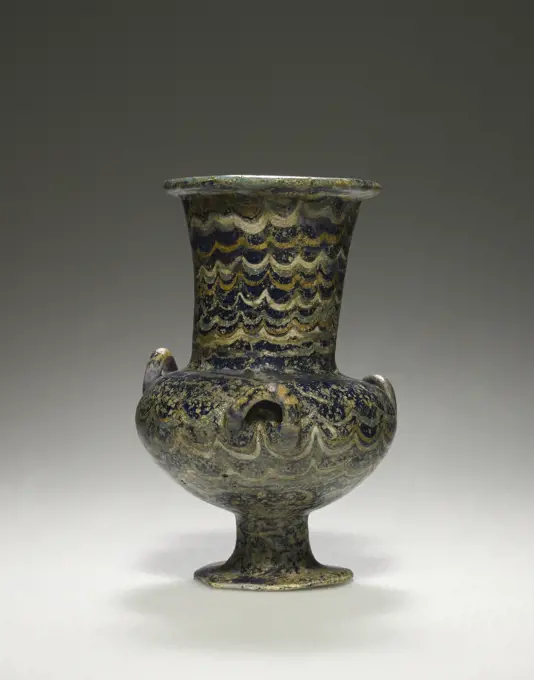
Assortment of ancient glassware including jugs and perfume bottles, showcasing intricate designs and historical significance.
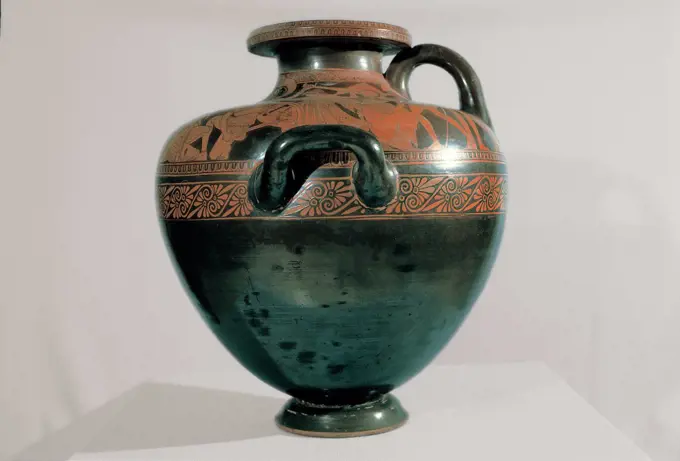
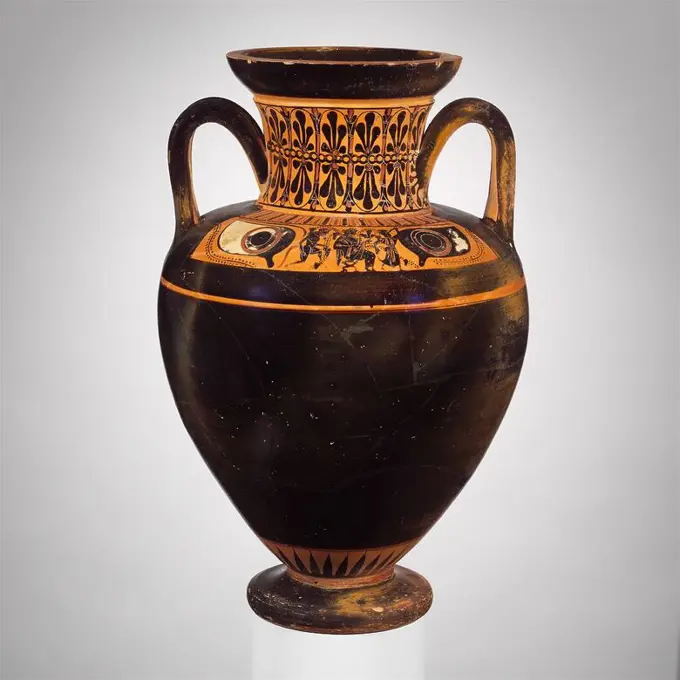
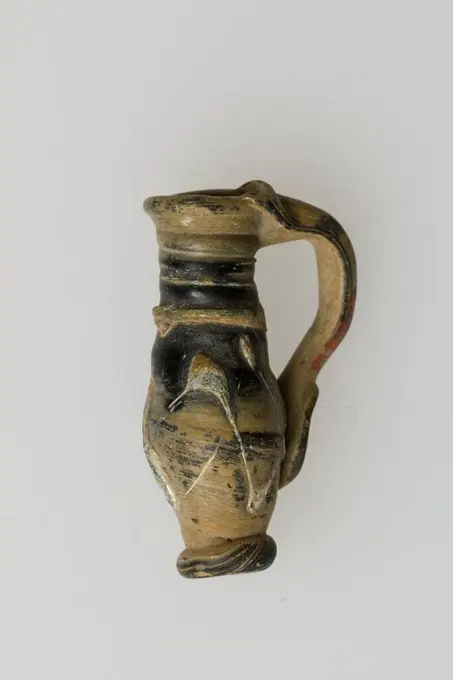
Red-figured Attic clay hydria, by Unknown, 6th Century, pottery, turn on lathe, red figures . Italy, Campania, Naples, National Archaeological Museum. Whole artwork. Front hydria red figures Attic pottery vase flared-disk foot globular body protruding lip two horizontal side handles one behind vertical frieze with decoration on the shoulders.
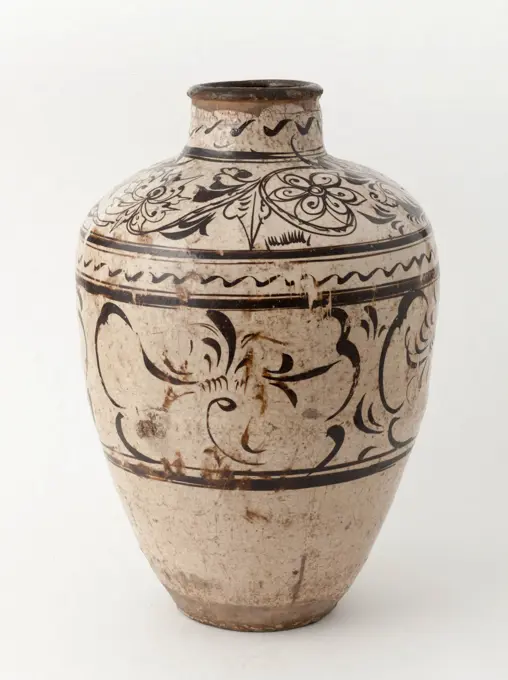
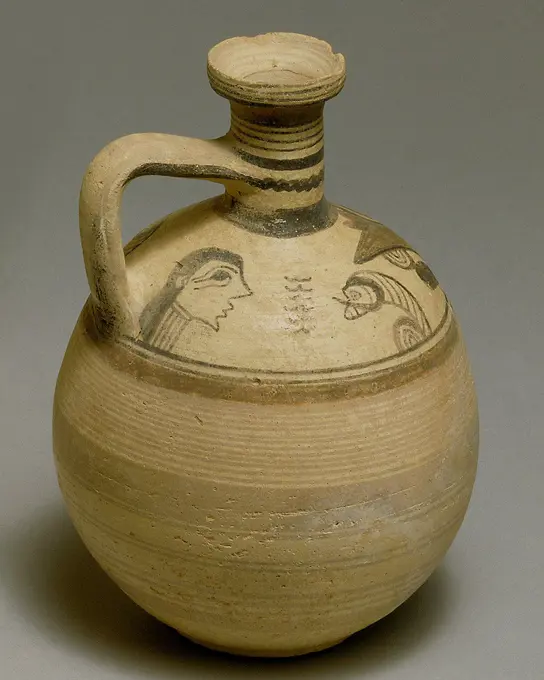
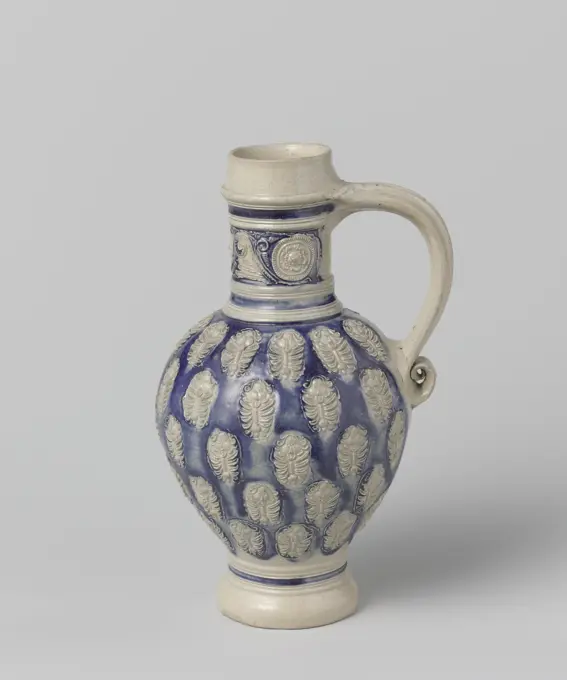
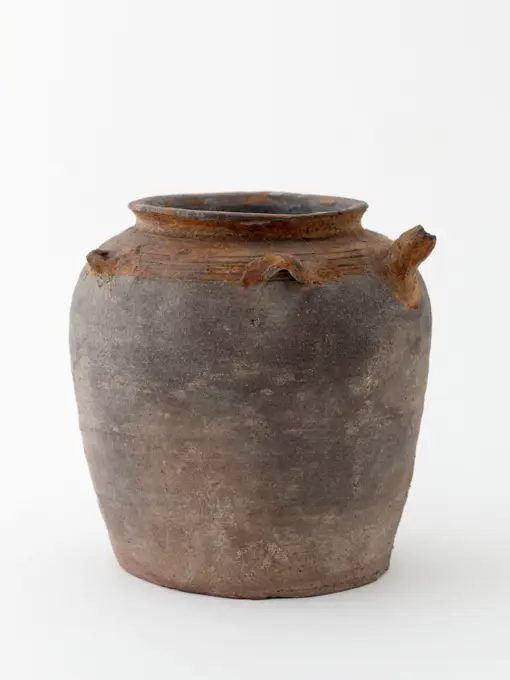
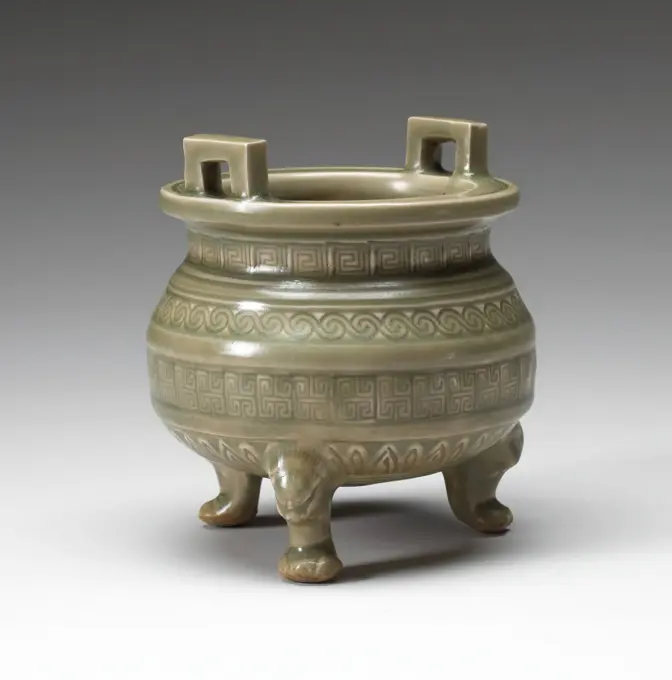
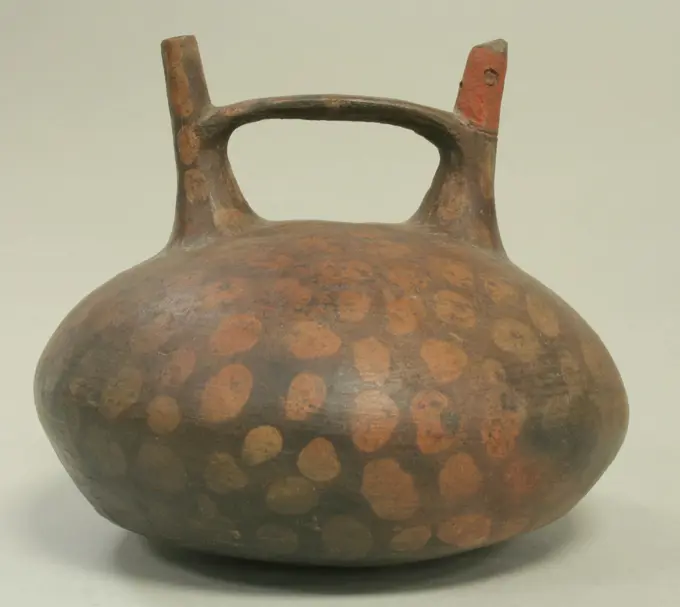
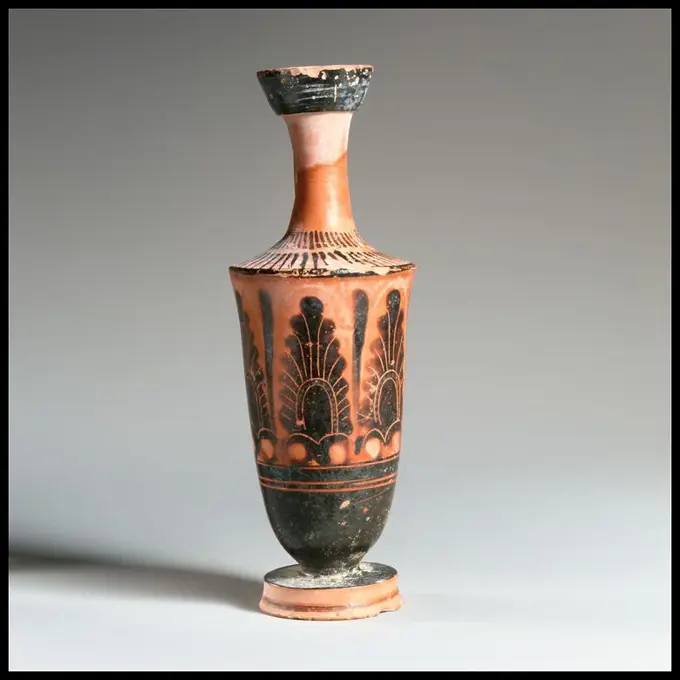
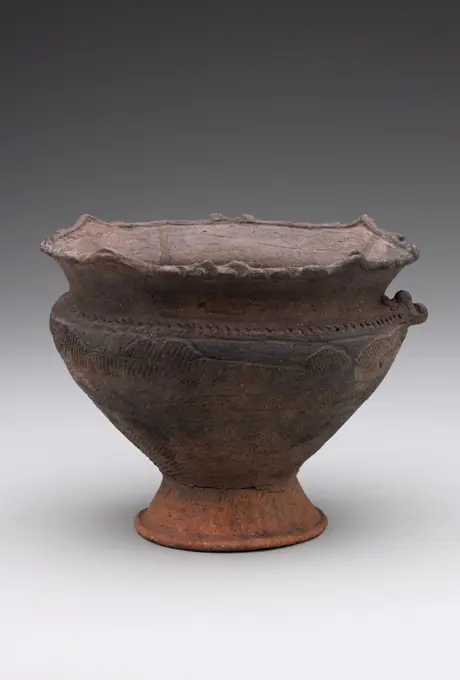
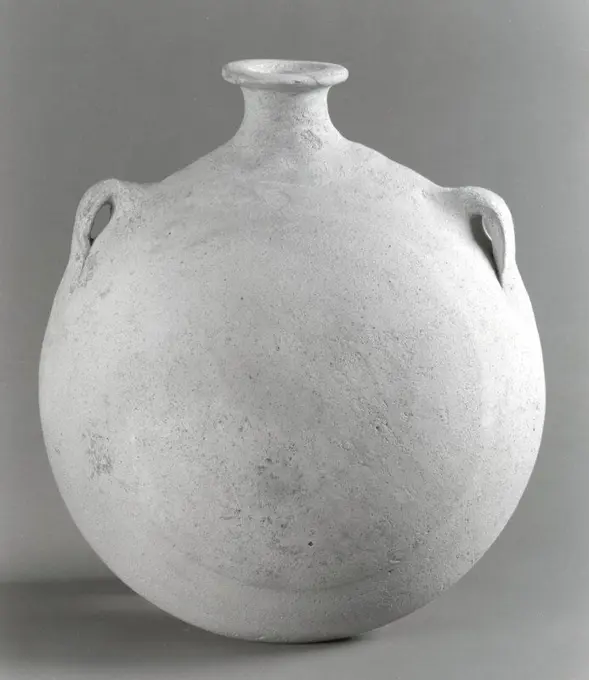
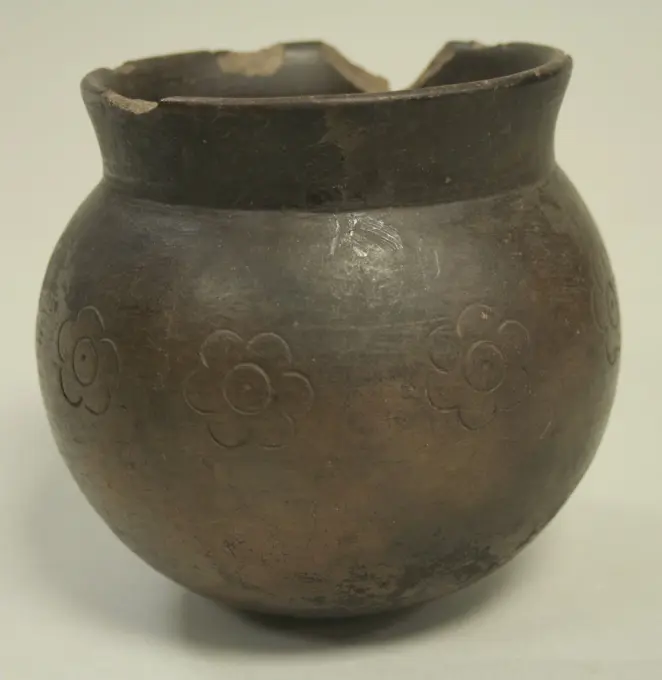
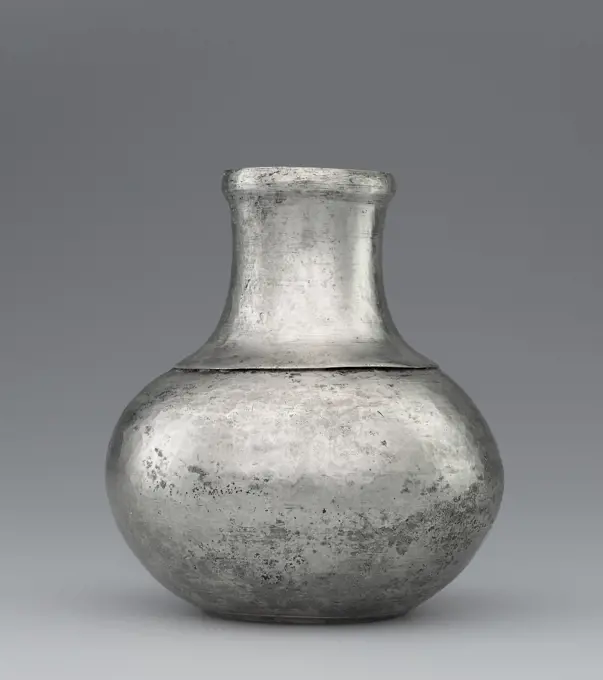
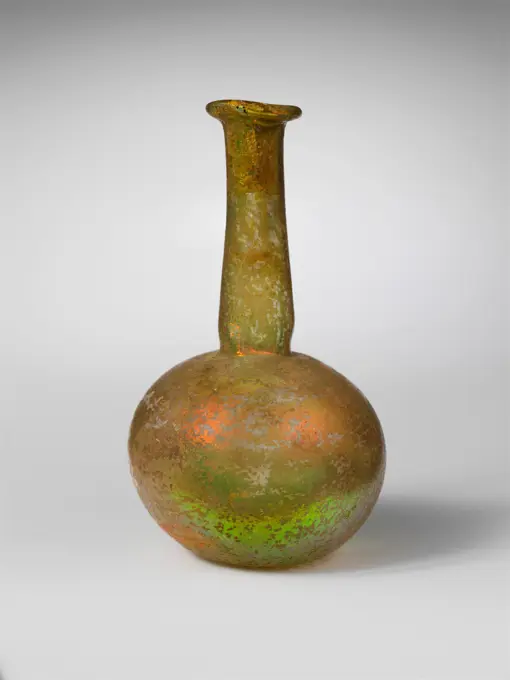
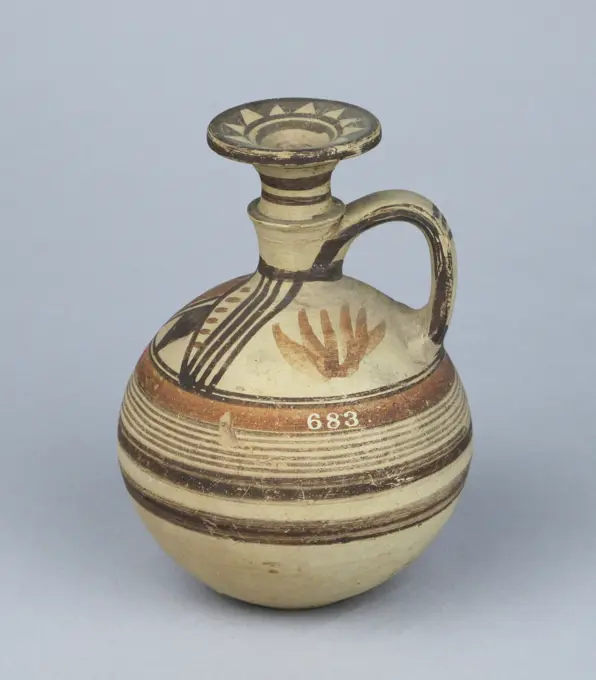
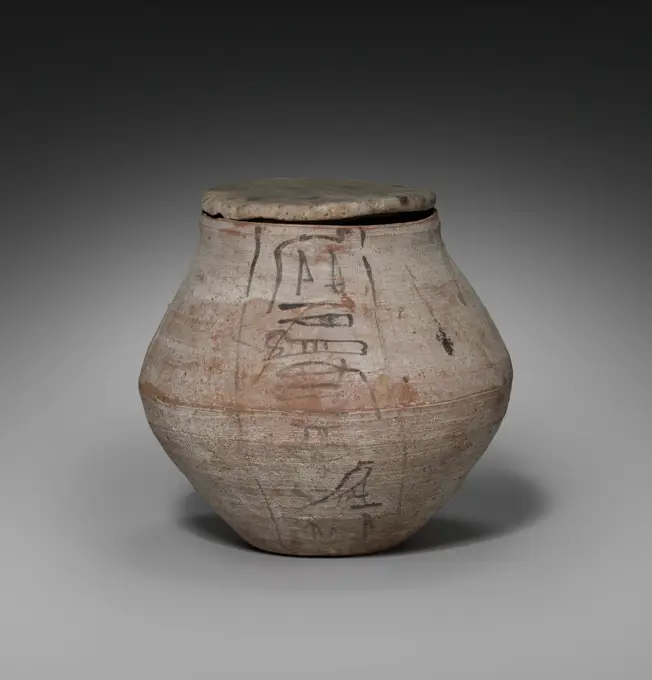
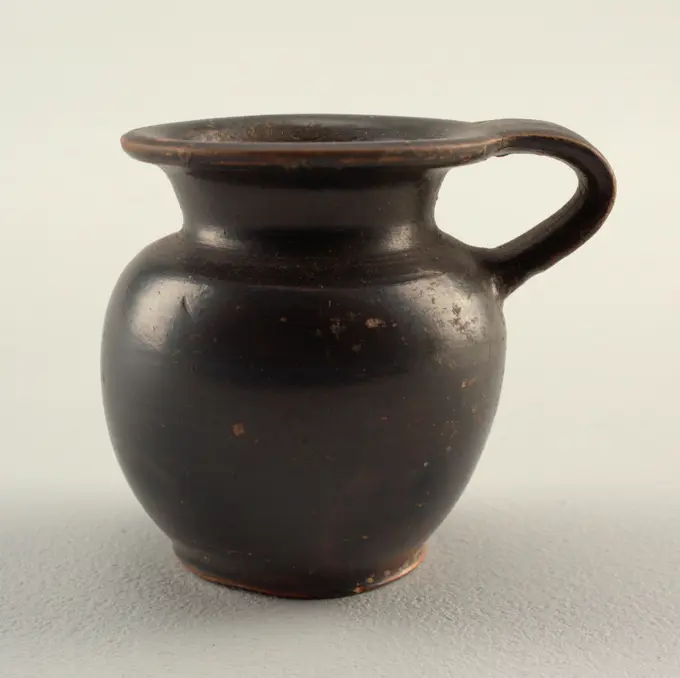
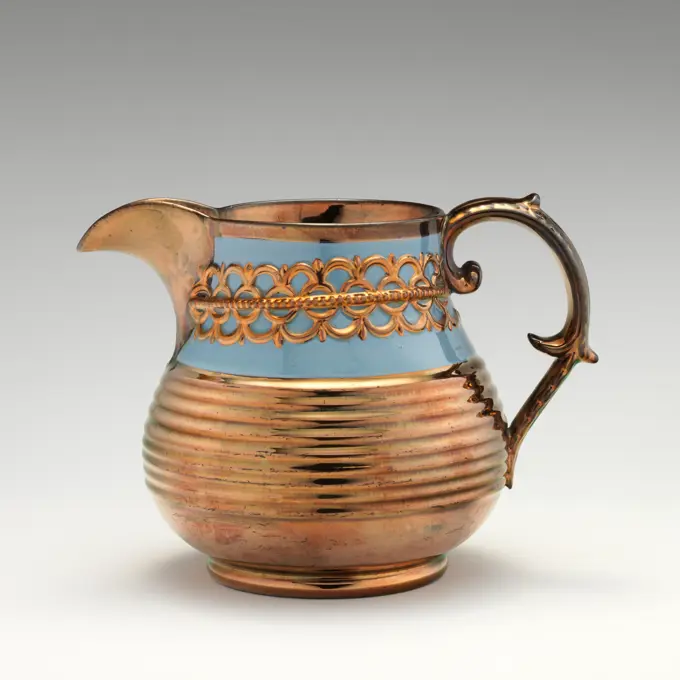
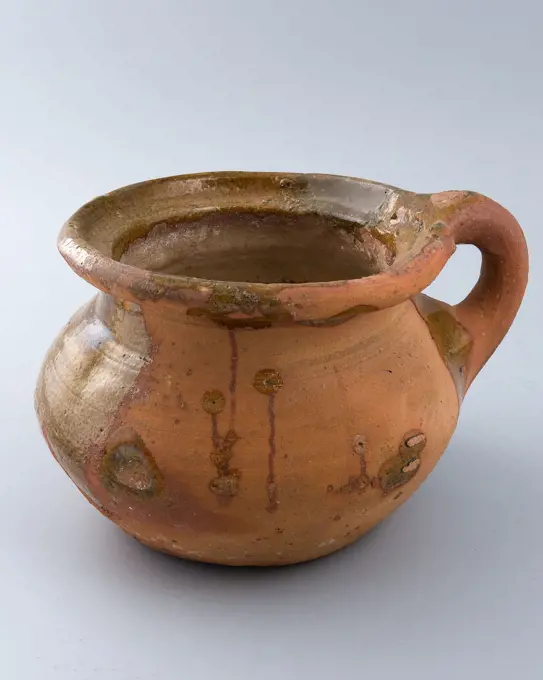
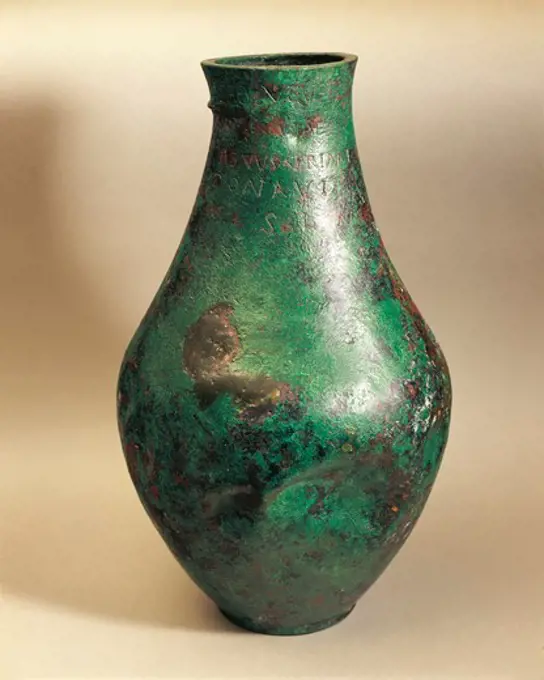
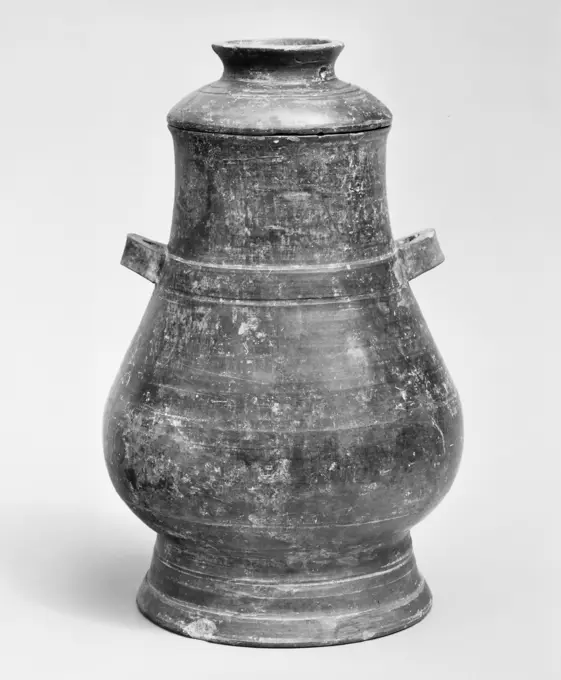
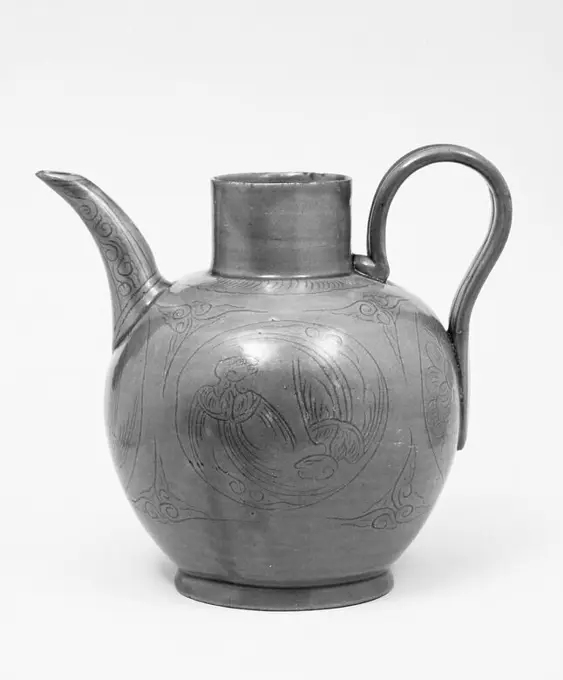
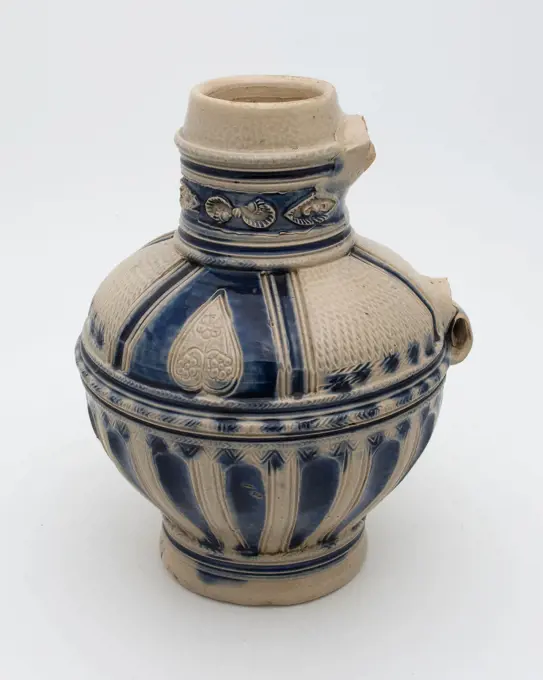
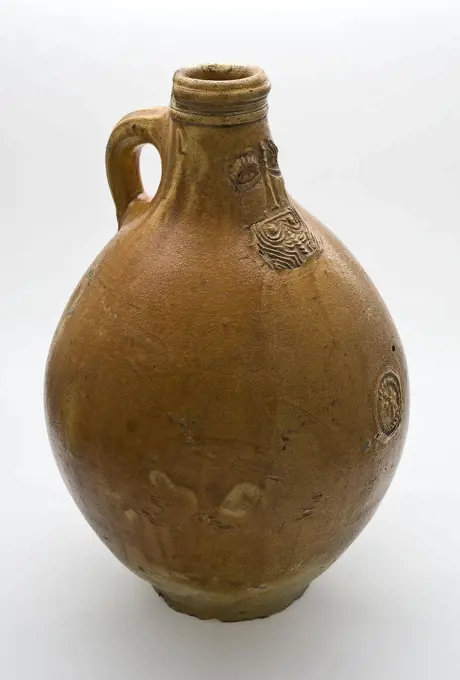
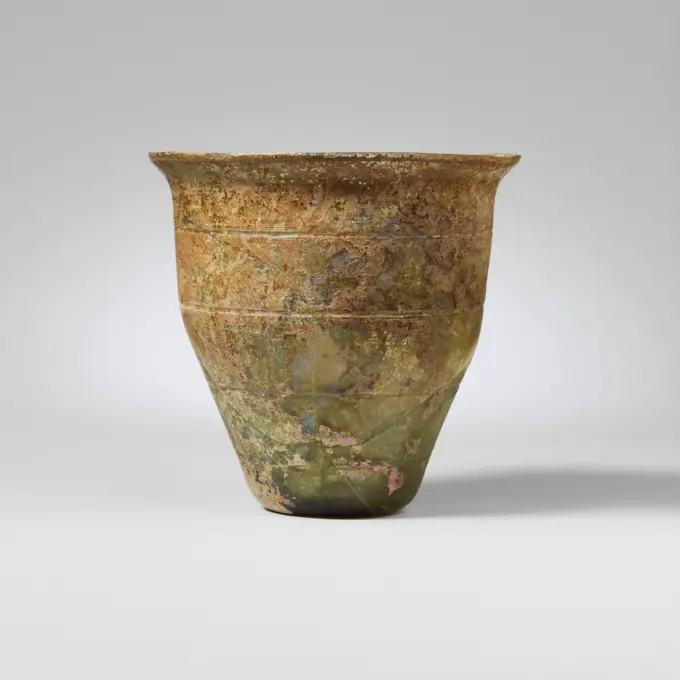
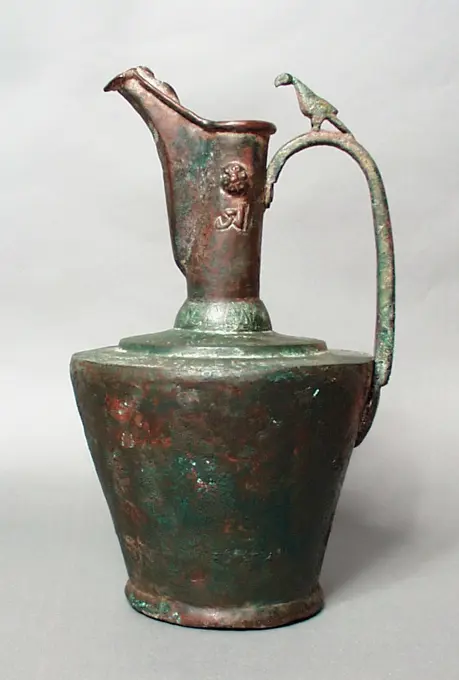
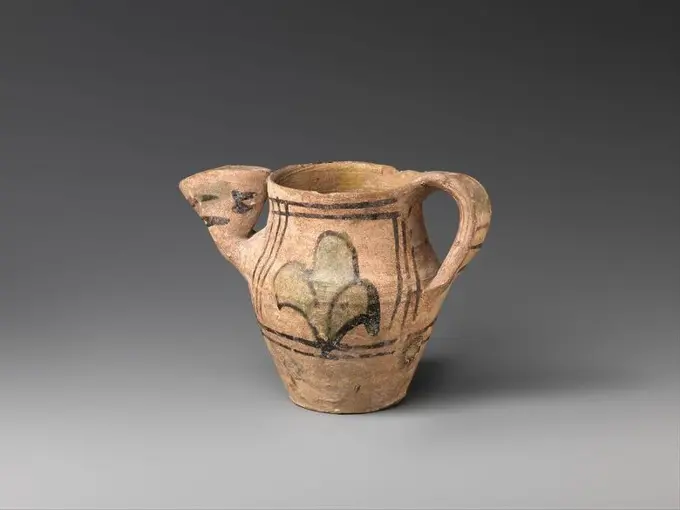
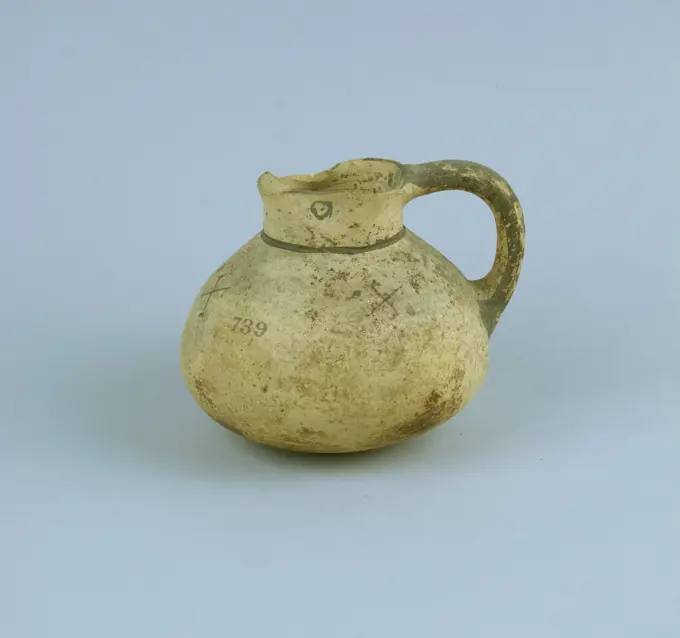
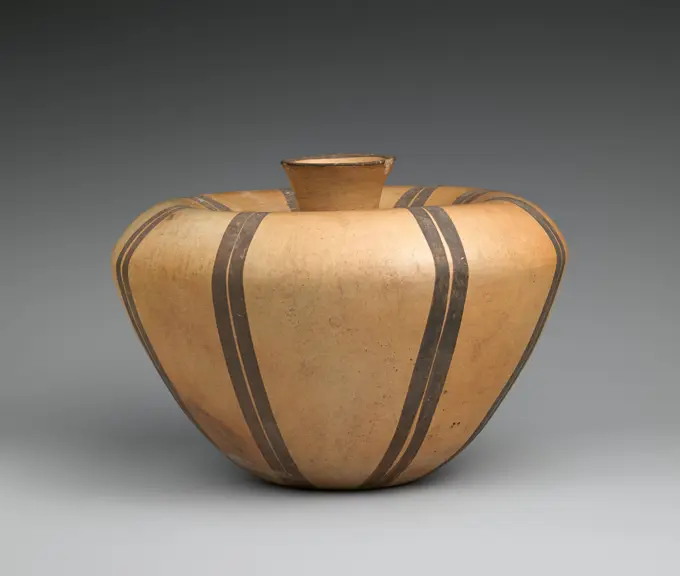
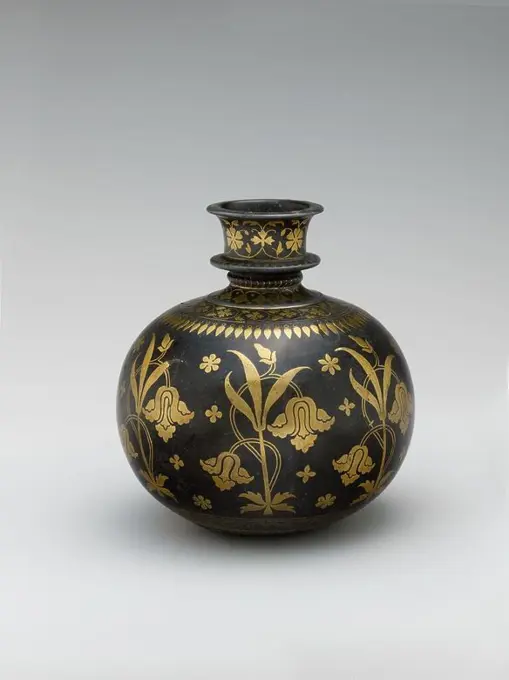
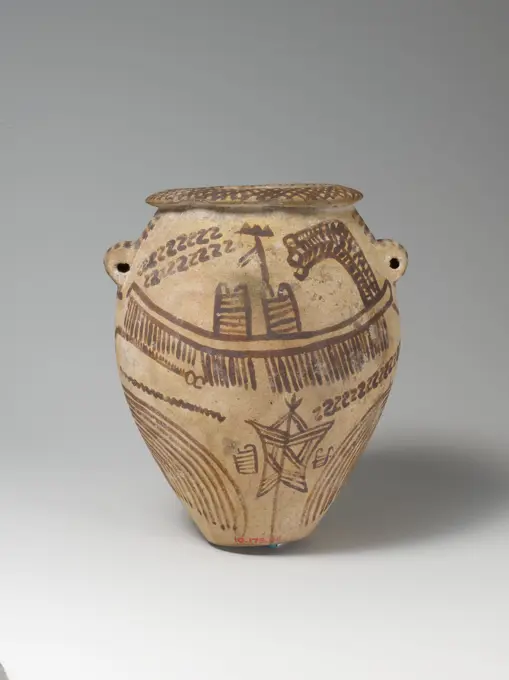
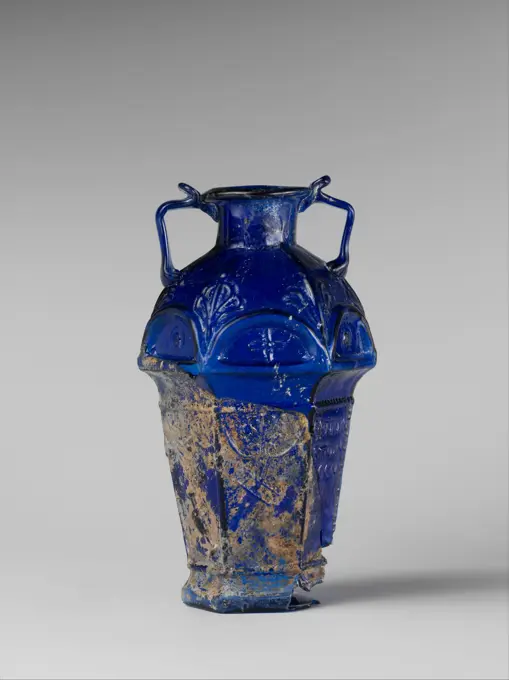
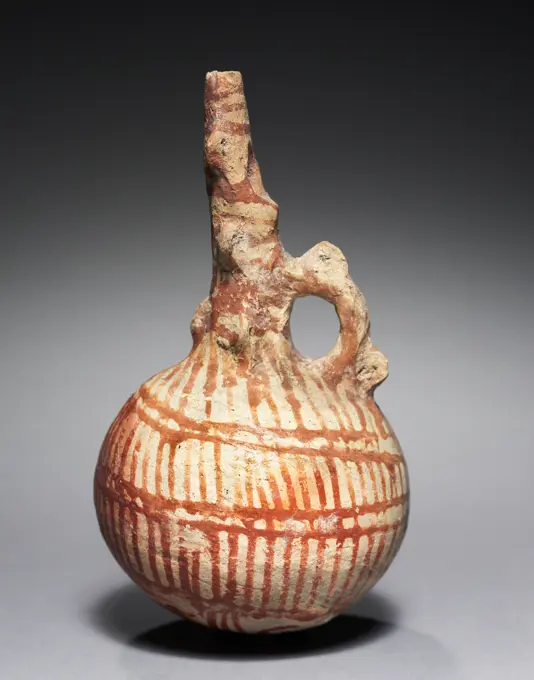
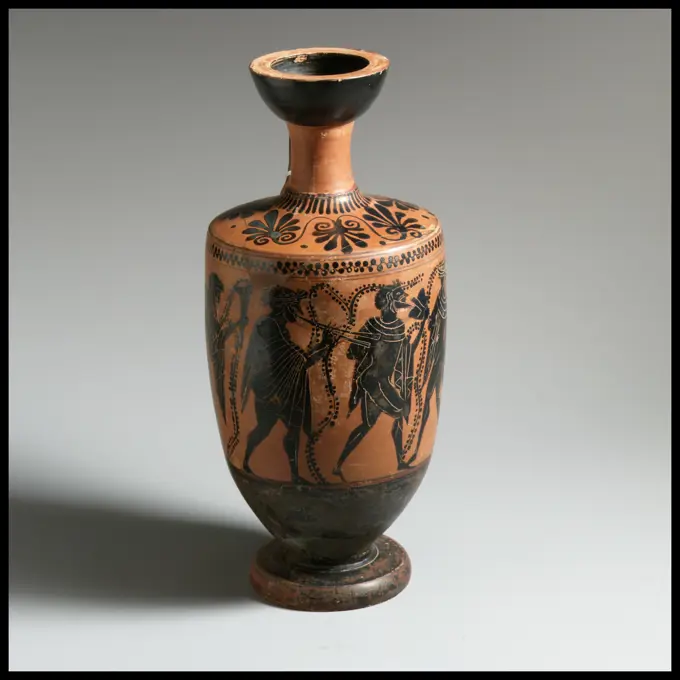
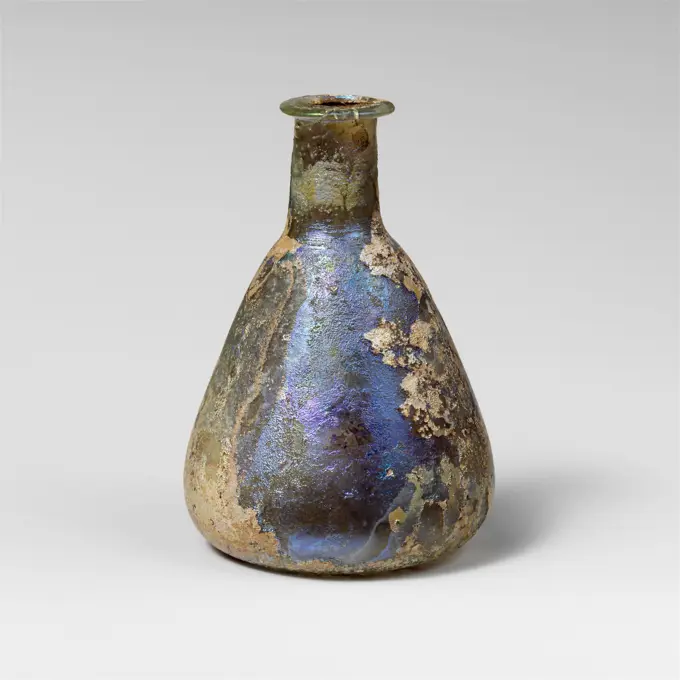
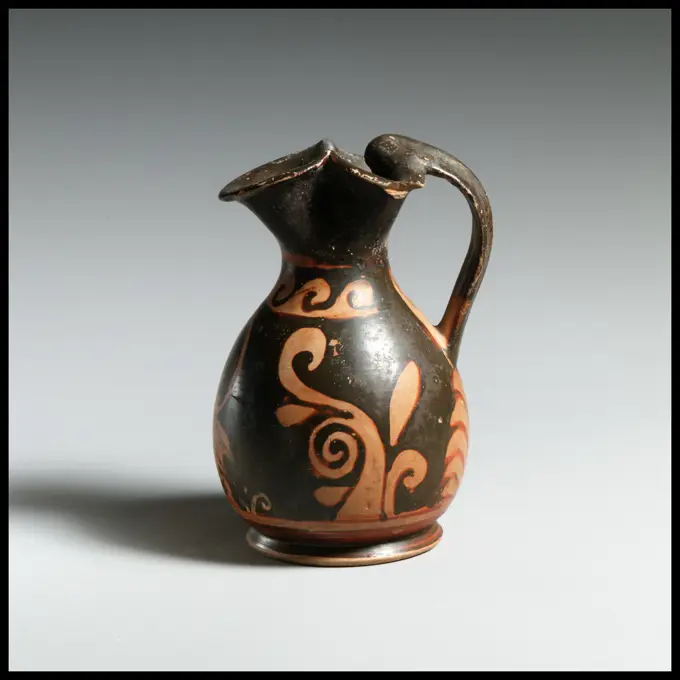
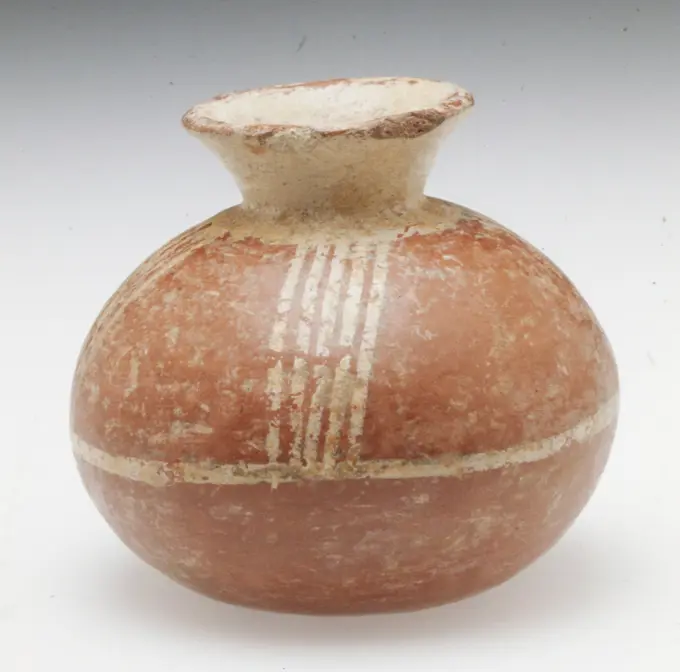
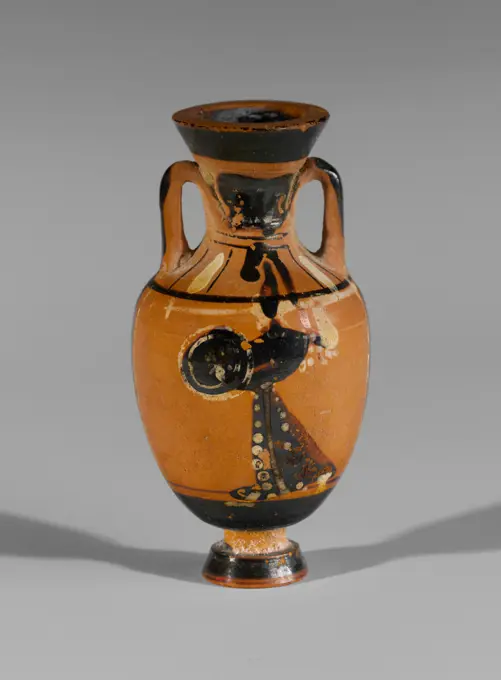
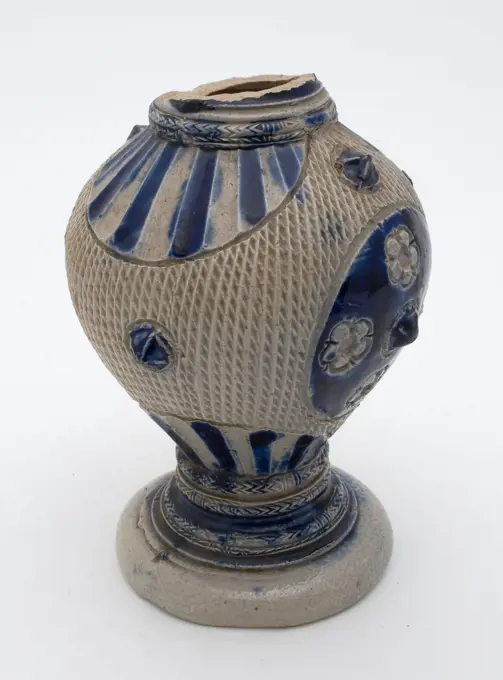
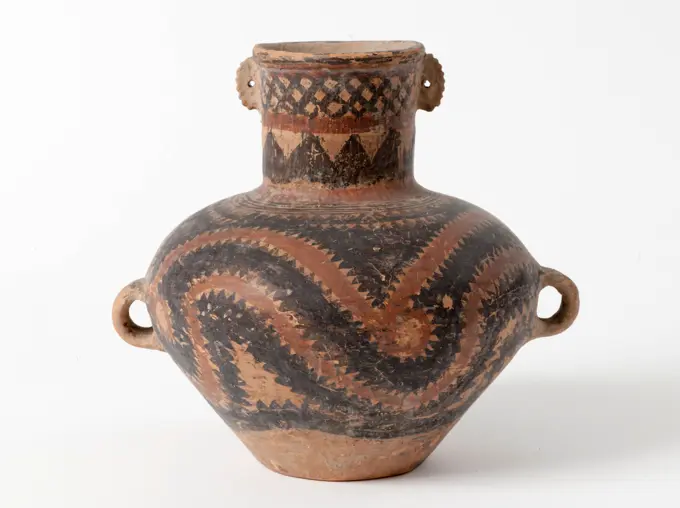
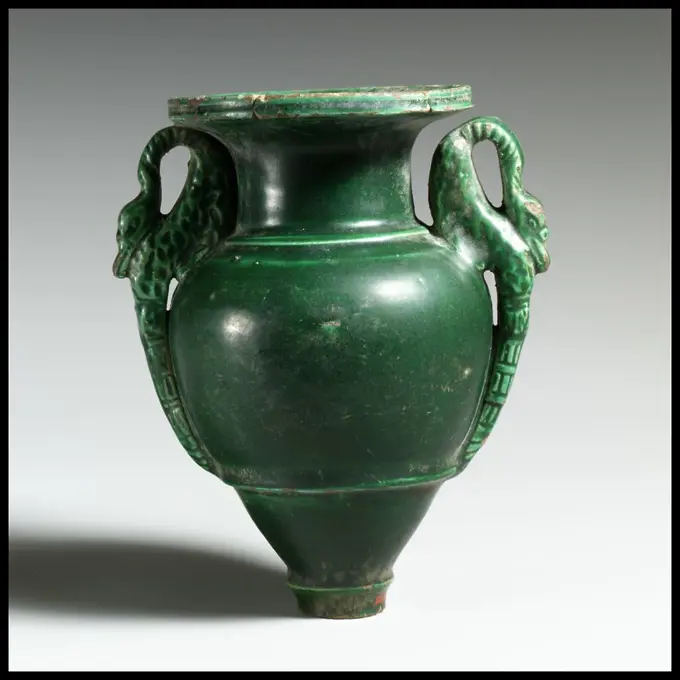
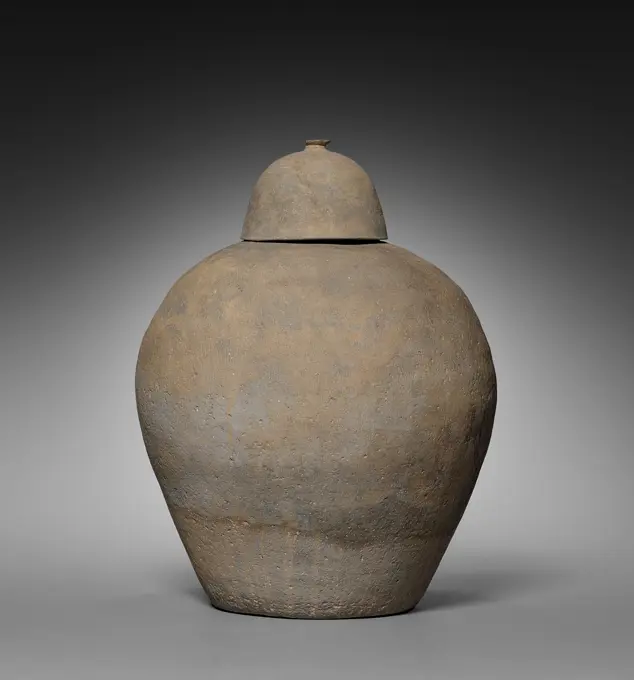
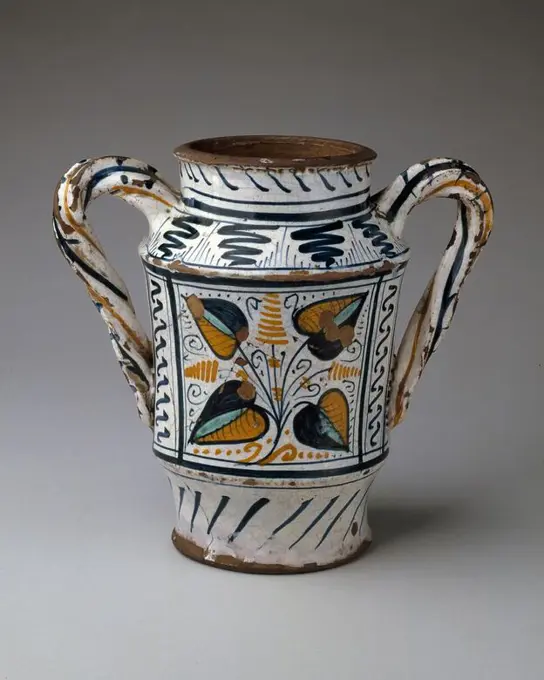
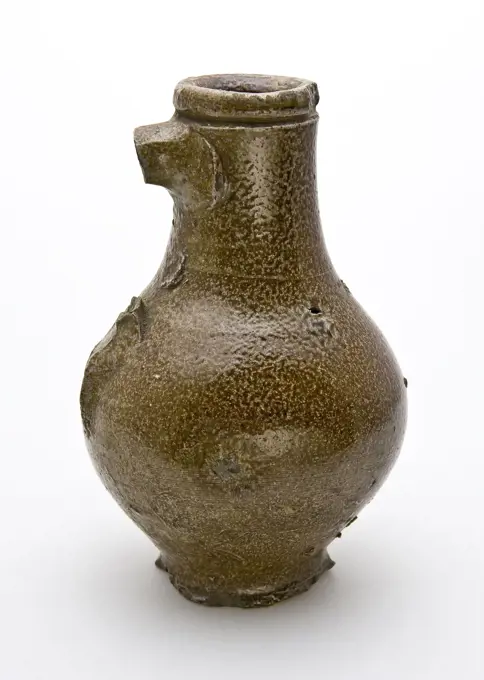
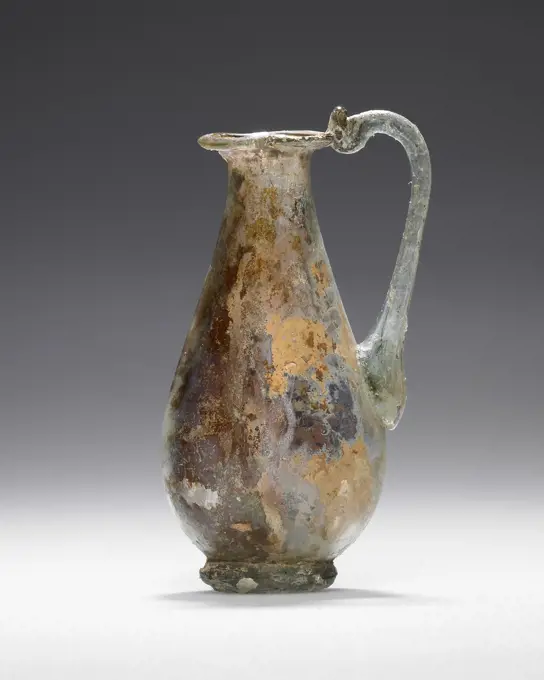
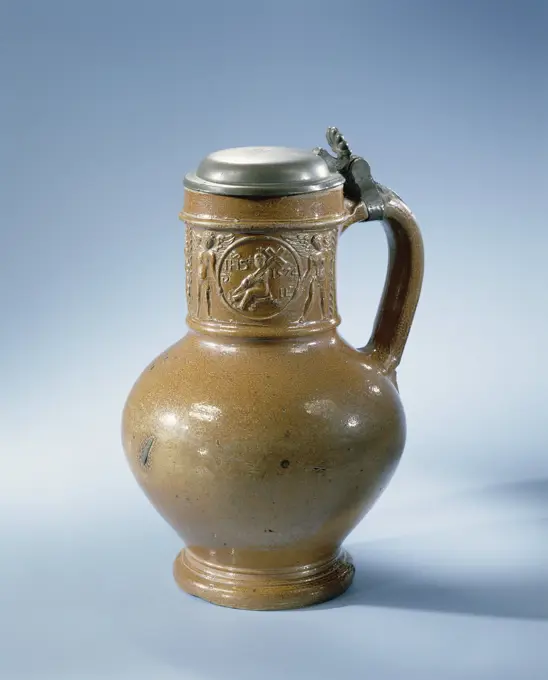
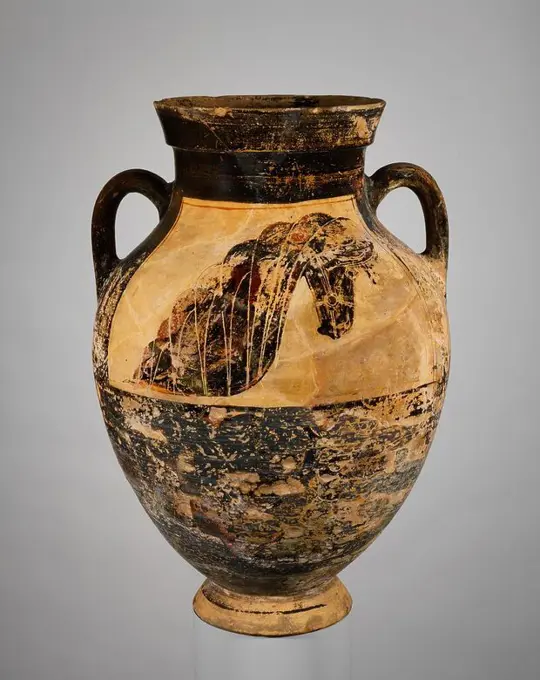
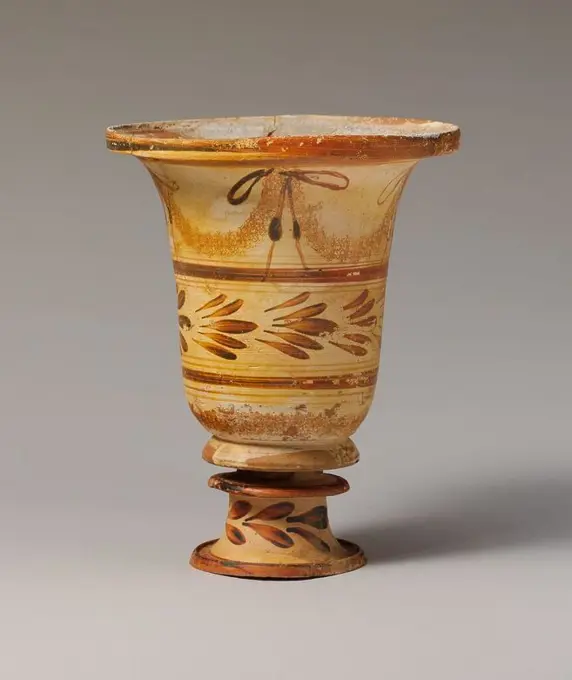
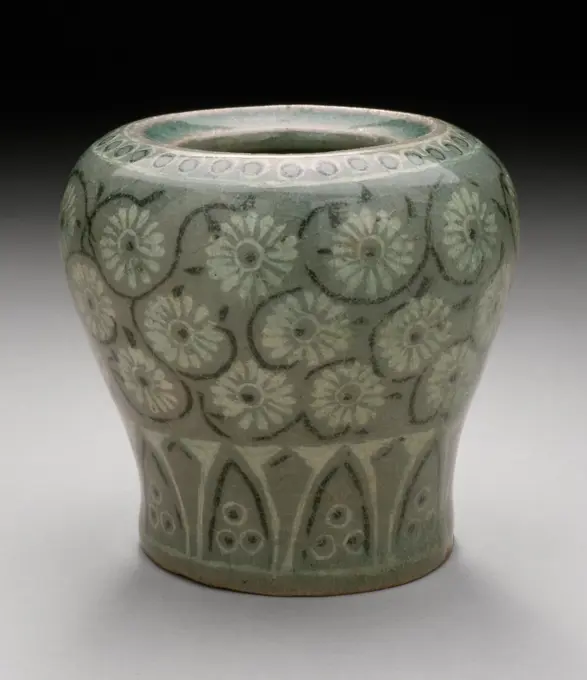
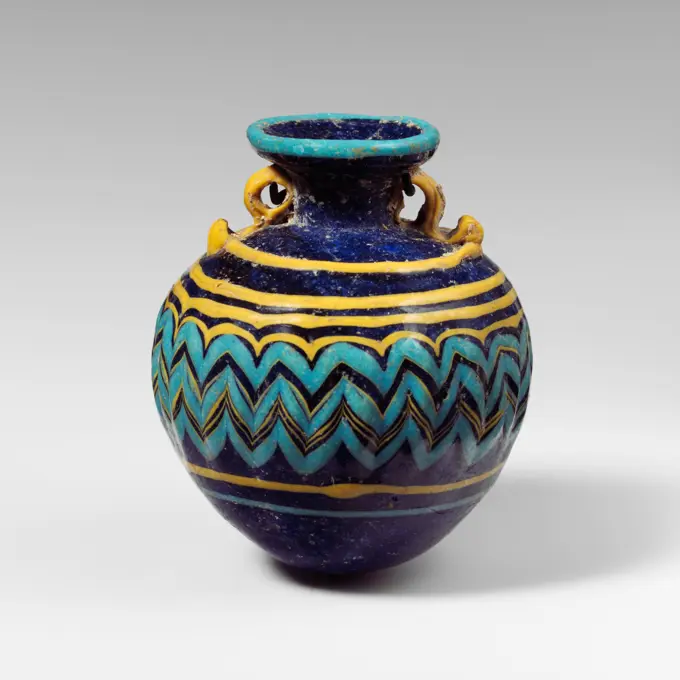
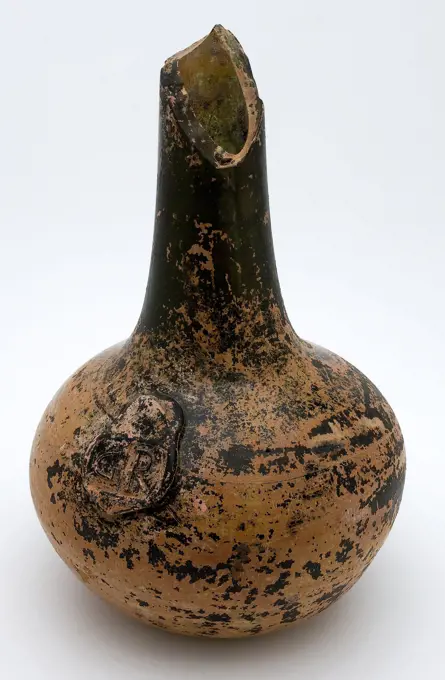
Terracotta oinochoe (jug). Culture: Greek, Attic. Dimensions: H. 2 7/16 in. (6.2 cm). Date: early 7th century B.C..From the Hymettos deposit (see 30.118.1). Museum: Metropolitan Museum of Art, New York, USA.Jarre. Grès at couverted crème Peppere en hun. Dyanstie yuan (1279-1368). Parior prickles. Chinese art, Chinese Ceramic, Decor, Gres, Jar, Flower motifTerracotta jug 6th century B.C. Lydian Archaic Lydian pottery shows a predilection for special effects such as marblizing, slips, and, as here, a combination of burnishing and applied color.. Terracotta jug 248833Terracotta jug ca. 750-600 B.C. Cypriot In this extraordinary evocative depiction, a woman faces off a horned serpent whose head looks vaguely like that of a ram. The protagonists appear well matched. In many cultures the line between human beings and animals, real or mythological, is permeable. The representation may be associated with an animal fable. Even more, it recalls the dialogue between Eve and the serpent in the Book of Genesis.. Terracotta jug 240118Jug with medallions, anonymous, c. 1650 - c. 1699 Jug of stoneware on high foot with an egg -shaped body and narrow neck. The C-shaped ear is attached to the neck and shoulder. Profiles on the foot and the neck. Partly covered with cobalt blue. Five rows of small printed and imposed medallions in relief on the belly. On the neck three medalions with a flower, interspersed by tenders. Westerwald. Westerwald stoneware. glaze. cobalt (mineral) vitrification Jug of stoneware on high foot with an egg -shaped body and narrow neck. The C-shaped ear is attached to the neck and shoulder. Profiles on the foot and the neck. Partly covered with cobalt blue. Five rows of small printed and imposed medallions in relief on the belly. On the neck three medalions with a flower, interspersed by tenders. Westerwald. Westerwald stoneware. glaze. cobalt (mineral) vitrificationBox and its cover (common name). Sandstone with brown-black decoration under cover. Cernuschi Museum, Asia Museum of Asia in the city of Paris.Verseuse. "Gres. Vietnam-Xive-Xive s. Paris, museum prizes. 72187-34 GRES, Vietnamese object, VerseuseJug ca. 1000-750 B.C. Iran This jug has a globular body, a flat base and a narrow mouth. It is made of pinkish-buff clay. It was excavated at It was excavated at Shaffe, a cemetery site in Luristan in the Zagros Mountains of western Iran. It is often thought that the inhabitants of Luristan in this period were pastoral nomads, who moved with their herds from the high valleys of the Zagros during the summer to lowland pastures in the winter. This theory arises from the dearth of evidence for settlements, and the occurrence of isolated cemetery sites, such as Shaffe. At the same time, the infrastructure necessary for bronze working, an important industry in Luristan, suggests that some sedentary settlements must have existed. In all likelihood these settlements were not located on mounds, but at lower elevations near water sources where agriculture could be practiced.. Jug 324003Terracotta oinochoe (jug). Culture: Greek, South Italian. Dimensions: H. 6 5/8 in. (16.8 cm). Date: late 4th century B.C.-early 3rd century B.C..The use of applied color for decoration was not limited, in Southern Italy, to Apulia. This vase may be Campanian. Museum: Metropolitan Museum of Art, New York, USA.Tripod Censer, 10th-11th century, 5 1/8 x 4 5/8 x 4 5/8 in. (13.02 x 11.75 x 11.75 cm), Yaozhou ware Porcelaneous stoneware with molded and carved décor under a celadon glaze, China, 10th-11th century, The antiquarian aesthetic and introspective atmosphere of both the northern and southern Song dynasties (960-1279) is reflected in the quiet elegance of this small censer possibly intended for the scholar's table. The grayish-bodied, porcelaneous stoneware of the Dongchuan district in Shanxi province was known as Yaozhou ware and was commonly referred to as northern celadon. This rare vessel takes the archaic form of an ancient bronze ding tripod. The body is molded with complex, square fretwork, key fret and 's' scroll bands vaguely simulating the interlocking patterns cast into the ancient ceremonial bronzes. A vessel such as this would have been perfectly at home in a Song dynasty scholar's studio. The eleventh and twelfth centuries were a period of intense academic interest in the anDouble Spout and Bridge Bottle with Bird 5th-2nd century B.C. Paracas. Double Spout and Bridge Bottle with Bird 308645Terracotta neck-amphora (jar). Culture: Greek, Attic. Dimensions: H. 15 15/16 in. (40.5 cm). Date: last quarter of the 6th century B.C..Obverse, between eyes, Dionysos with maenad and satyrReverse, between eyes, satyr and maenadThis vase belongs to a class of neck-amphorae of the late sixth century B.C. in which the decoration is confined to the shoulder, often between eyes. Museum: Metropolitan Museum of Art, New York, USA.Bottle late 14th century Thailand. Bottle 37543Lekythos. Culture: Greek, Attic. Dimensions: H. 16.21 cm.. Date: 1st quarter of 5th century B.C.. Museum: Metropolitan Museum of Art, New York, USA.High FootedBowlPilgrim flask ca. 4th-3rd century B.C. Seleucid This lentoid (i.e., lens-shaped) ceramic vessel is made of yellowish buff clay. It has a narrow mouth, and small loop handles at the shoulder. It was excavated on the Tall-i Takht at Pasargadae in what is today southwestern Iran. Pasargadae was the first capital of the Achaemenid Persian Empire, founded by King Cyrus ca. 550 B.C. After his death ca. 530 B.C. further work at the site was carried out by his successors Cambyses and Darius, but in the 510s Darius shifted his focus to the new capital Persepolis. The Tall-i Takht, a massive platform, was probably intended to be the site of a royal palace which was never completed. Instead a large mudbrick structure was built there, possibly a royal storehouse, which stood until ca. 280 B.C. when the Tall-i Takht was burned, possibly during a revolt against the Seleucids.Vessels of this shape are often called pilgrim flasks’ because of their resemblance to the souvenir vessels sold at ChristianJar 6th-3rd century B.C. Paracas. Jar 308420Vase Pendant. Culture: Egyptian possibly. Dimensions: 1 1/8 × 5/8 × 3/8 in. (2.9 × 1.6 × 1 cm). Date: 4th-5th century. Museum: Metropolitan Museum of Art, New York, USA.Pitcher with Stepped-Interlocking Motifs and Vertical Hatching. Ancestral Pueblo (Anasazi), Kayenta Black-on-white; Kayenta area, north-east Arizona, United States. Date: 900 AD-1450. Dimensions: 19.1 × 15.2 cm (7 1/2 × 6 in.). Ceramic and pigment. Origin: Arizona. Museum: The Chicago Art Institute, Chicago, USA.Jar; Eastern Mediterranean; 50 - 25 B.C; Silver; 13.8 × 12.4 cm (5 7,16 × 4 7,8 in.)Bowl with Two Spouts, 500-100 BCE, 6 3/4 in. (17.15 cm), Ceramic, Costa Rica, 5th-1st century BCEVase China. Vase 40675Jar with flower sprays and applied ribs on the sides, anonymous, c. 1300 - c. 1400 Porcelain jar with spherical body, short neck and two ring -shaped ears, painted in underlaze blue. The belly is divided is six courses, separated by an elevated pearl edge. A stylized flower branch in three courses. The glaze is somewhat brown and crawled. Blue-white (Qinghua). China porcelain. glaze. cobalt (mineral) painting / vitrification Porcelain jar with spherical body, short neck and two ring -shaped ears, painted in underlaze blue. The belly is divided is six courses, separated by an elevated pearl edge. A stylized flower branch in three courses. The glaze is somewhat brown and crawled. Blue-white (Qinghua). China porcelain. glaze. cobalt (mineral) painting / vitrificationGlass perfume bottle 2nd-3rd century A.D. Roman Colorless ().Rim folded unevenly out, over, and in; cylindrical neck with indent in one side, expanding downward and tooled in around base; globular body; small, flat bottom.Intact; many bubbles; pitting and brilliant iridescent weathering.. Glass perfume bottle 239646Covered vessel, 1st century BCE - 1st century CE, 3 7/8 x 4 7/16 x 4 1/4 in. (9.84 x 11.27 x 10.8 cm), Glazed ceramic, 1st century BCE - 1st century CEJug with a star-shaped medallion, anonymous, c. 1650 - c. 1724 Can be made of stoneware on a high base with a spherical body and long neck with pinched spout. Profiles on the neck and foot. Partly covered with cobalt blue and mangangan purple. On the abdomen in relief a printed and imposed, star -shaped medallion against a blue background. A purple band on the shoulder and blue lines on the neck and foot. Westerwald. Westerwald stoneware. glaze. cobalt (mineral). manganese oxide vitrification Can be made of stoneware on a high base with a spherical body and long neck with pinched spout. Profiles on the neck and foot. Partly covered with cobalt blue and mangangan purple. On the abdomen in relief a printed and imposed, star -shaped medallion against a blue background. A purple band on the shoulder and blue lines on the neck and foot. Westerwald. Westerwald stoneware. glaze. cobalt (mineral). manganese oxide vitrificationJug 750-600 B.C. Cypriot Handle-ridge jug with bands and lotus flowers.. Jug. Cypriot. 750-600 B.C.. Terracotta. Cypro-Archaic I. VasesShawabty Jar with Lid, 1295-1069 BC. Egypt, New Kingdom, Dynasty 19 (1295-1186 BC) - Dynasty 20 (1186-1069 BC). Nile silt ware; lid of limestone; diameter: 23.5 cm (9 1/4 in.); diameter of mouth: 11.3 cm (4 7/16 in.); overall: 22.9 cm (9 in.).Cup; terra-cottaVase;  XVIII/19th century (1791-00-00-1810-00-00);Pitcher British 19th century View more. Pitcher. British. 19th century. Lustreware. Ceramics-PotteryJug with Pewter Lid, 1602. Germany, Raeren, 17th century. Stoneware, brown glaze; overall: 26.9 x 19.6 cm (10 9/16 x 7 11/16 in.).Can. Can be from stoneware. The belly is spherical with a profiled tire. For the neck, under the spout a lion's head. With pewter lid. The can possible a counterfeit.Earthenware chamber pot with curved bottom and standing sausage ear, pot holder sanitary soil find ceramic earthenware glaze lead glaze, hand turned glazed baked Pottery chamber pot with curved bottom Thick standing sausage ear attached to the rim. Pretty wide neck opening. Curvaceous belly Heavy outstanding top edge. Stand with high soul Internal glazed exterior only some tears glaze. Thick layer of lime scale on the inside Restoration is color-repainted archeology underground pit Rotterdam City triangle Groenendaal indigenous earthenware night sleeping room hygiene disposal Soil discovery: underground pit Groenendaal about 195 meters. Found 1975-10-07.Ewer. Eastern Mediterranean, first half of 13th century. Glass. Glass, free-blown and tooled with applied handleFrance, Alesia, Vase dedicated to the Celtic deities, bronzeGourd-Shaped Ewer with Lotus Flowers 1165-1235 Korea. Celadon-glazed stoneware with underglaze incised decoration .Vase (Hu) ca. 2400-2000 BC China. Vase (Hu) 49139Jug Jug; stonewareEwer with Parrots. Culture: China. Dimensions: H. 6 1/4 in. (15.9 cm). Date: 10th century.Introduced to China in the first and second century, tropical parrots from mainland and island Southeast Asia quickly became a motif in the decorative arts, valued for their exoticism and their purported ability to speak Chinese. Museum: Metropolitan Museum of Art, New York, USA.Terracotta jar 2nd-3rd century A.D. Roman The molded figures on the body of this container can be identified as Dionysus standing and Silenus riding on a donkey. The jar is a rare, but not unheard of, example of eastern pottery imported into Italy.. Terracotta jar 247417Stoneware jug with shoulder-carved decor, stamped point medallions and flutes on belly, jug crockery holder soil find ceramic stoneware glaze salt glaze, hand turned stamped glazed glazed baked carved Stoneware jug light gray shard with salt glaze bandoor with curled tail profiled neck and foot neck frieze archeology indigenous pottery import serve serve wine beerStoneware Bartmann jug, also called Bellarmine jug, with small rosette on the belly, Bartmann jug crockery holder soil find ceramic stoneware glaze salt glaze h 32.0 hand turned decorated glazed baked stoneware Bartmann jug beard mask on the neck. Small rosette on the belly. Large pitcher on stand archeology Rotterdam Oude Plantage indigenous pottery import transport packaging drink Soil discovery: Oude Plantage Rotterdam 1956.Glass cup 1st-2nd century A.D. Roman Colorless with pale greenish tinge.Uneven, knocked-off rim; flaring collar below rim; carinated sides tapering downward; concave bottom.Cut decoration on sides comprising a fine line immediately below rim, one horizontal wheel-cut groove with fainter lines above 9/16 in. (15 mm) below rim, another with fainter lines below 1 1/4 in. (32 mm) below rim, and a third 2 in. (50 mm) below rim, with a band of fainter lines below 9/16 in. (15 mm) below last groove.Broken and repaired, with one large piece missing from rim; pinprick bubbles; some dulling and slight pitting, but most of surfaces covered in creamy brown weathering and iridescence.. Glass cup 23981635mm originalJar, Ritual Scenes. Culture: Maya. Dimensions: H. 11 1/2 in. x Diam. 12 in. (29.2 x 30.5 cm). Date: 8th-9th century.The Classic Maya depicted many scenes of ritual imbibing of alcohol through enemas, and on this jar, several such scenes unfold around an upper and lower register. In paired-figure scenes, three around the neck and four around the body of the jar, a woman is shown taking care of a child, preparing a mixture in an enema bladder or gourd, and helping a male administer an enema to himself. The characters are painted in red, orange, and black, on a light orange background. The outflaring rim of the vessel is painted red, and the two registers are divided with three bands of geometric motifs. The woman wears different long dresses in each scene with red-and-black geometric patterns, a white headband, and body paint on her face and arms. Her long hair hangs to her waist as she performs her tasks. The male accompanying her wears body paint, a headdress, and large ear spools. HItaly, Apulia, Fasano, Gnatia, Jug ornamented with garlands, potteryJar ca. 9th century B.C. Iran. Jar 325012Jug ca. 3rd-7th century A.D. Sasanian. Jug 322998Bronze oinochoe (jug). Culture: Etruscan. Dimensions: H. 11 15/16 in. (30.3 cm). Date: 5th century B.C..This type of beaked jug was probably produced in Vulci. It was exported to many sites in Italy and Central Europe, especially to the Celtic peoples living in the areas of present-day France and Germany. Museum: Metropolitan Museum of Art, New York, USA.Ovoid vessel with a long neck, anonymous, c. 1100 - c. 1299 Egg-shaped jug of quail fritry with a long neck, covered with a monochrome turquoise alternal laze. Iran earthenware. glaze vitrification Egg-shaped jug of quail fritry with a long neck, covered with a monochrome turquoise alternal laze. Iran earthenware. glaze vitrificationOinochoe. UnknownJug with Flattened Spout. Culture: Italian. Dimensions: Overall: 3 3/4 x 4 13/16 x 2 7/8 in. (9.6 x 12.3 x 7.3 cm). Date: ca. 1300. Museum: Metropolitan Museum of Art, New York, USA.Oinochoe Cypriot Decorated with swastikas.. Oinochoe. Cypriot. Terracotta. Iron Age. VasesJar 2nd-4th century Nayarit (Chinesco) This sizable jar has a flat bottom with strongly flaring walls which curve in at the shoulder towards the spout which is recessed into the center. The burnished surface is covered with light yellow slip. Eight pairs of vertical parallel brown lines divide the surface into even segments.. Jar. Nayarit (Chinesco). 2nd-4th century. Ceramic. Mexico, Mesoamerica, Nayarit. Ceramics-ContainersBase for a Water Pipe (Huqqa) with Irises. Dimensions: H. 6 7/8 in. (17.5 cm)Diam. 6 1/2 in. (16.5 cm). Date: late 17th century.This huqqa base, with irises and other flowers, would have originally been fitted with a long stem supporting a brazier and a pipe through which the smoker would have inhaled. Many of the known examples of huqqa bases from the seventeenth and eighteenth centuries were made in the Deccan and decorated with the type of metal inlay known as bidri, in which the base metal of the object is darkened through a chemical process in order to highlight the inlaid metal of the ornament. Museum: Metropolitan Museum of Art, New York, USA.Vessel 14th century German (). Vessel. German (). 14th century. Copper alloy, cast. Metalwork-Copper alloyGlass amphoriskos 1st century A.D. Roman Translucent pale honey yellow, with handles in translucent pale green.Everted irregular rim, partially folded over and in, and fire-polished; cylindrical neck with vertical ridges on either side; rounded shoulder; elongated bulbous body, tapering downward; slanting, concave bottom with rounded edge; two rod handles dropped onto underside of rim and top and neck, then drawn out and down in S-curves to shoulder, and pinched off. Raised mold seams on neck, extending down sides, but not visible on bottom.On body, decoration in blurred relief with two scenes, one on each half of mold: (a) tree with pointed leaves and branch extending across top of scene, from which a bag or wineskin is suspended; beneath tree, man seated on rock, facing right and leaning towards an animal, identified as Ajax slaughtering a sheep; (b) ship with high prow and stern, single mast, sail drawn up to spar and criss-cross rigging below spar; in stern, diminutive helsman; in Decorated ware jar illustrating boats and trees ca. 3650-3500 B.C. Predynastic, Naqada II. Decorated ware jar illustrating boats and trees. ca. 3650-3500 B.C.. Pottery, paint. Predynastic, Naqada II. From EgyptCrock. Dated: c. 1940. Dimensions: overall: 23.5 x 31.3 cm (9 1/4 x 12 5/16 in.) Original IAD Object: 4 3/8" High 5 7/8" Dia.(top) 5 1/2"Dia.(bot). Medium: watercolor and graphite on paperboard. Museum: National Gallery of Art, Washington DC. Author: John Tarantino.Stoneware jug, ear, blue band around neck and foot ring, pear-shaped, jug crockery holder soil find ceramic stoneware glaze salt glaze, opening 7.5 hand turned glazed baked Stoneware jug dark gray shard with salt glaze sausage ear profiled foot decorated with cobalt blue Pear shaped model archeology import pottery serve drink beer wine waterJug. Culture: Italic-Native, South Italian (Daunian). Dimensions: H. with handle 14.3 cm.; diameter 11.20 cm.. Museum: Metropolitan Museum of Art, New York, USA.Jar with the weapon of Trier. Spherical jar of stoneware. The jug is decorated with three times the weapon of Trier and the inscription "Carl Casp DC ... PERP 1656".Terracotta skyphos (drinking cup). Culture: Greek, South Italian, Apulian. Dimensions: H. 9.53 cm. Diameter 8.9 cm.. Museum: Metropolitan Museum of Art, New York, USA.Glass hexagonal amphoriskos 1st half of 1st century A.D. Roman Translucent cobalt blue; handles in same color.Rim folded out, round, and in, with uneven beveled upper edge; short cylindrical neck; hexagonal sloping shoulder; hexagonal body, curving in at top below shoulder, then straight-sided but tapering downwards, and curving out to projecting plain band at bottom; flat hexagonal bottom; two strap handles applied to shoulder, drawn up and slightly outwards, then turned in, folded into a flattened thumb rest, projecting outwards above rim, and trailed off on underside of rim and top of neck.On shoulder, six palmettes with alternating inward and outward facing leaves at angles, and six recessed semicircular pediments with thick raised rib-like edges on panels, decorated alternately with circular bosses comprising two small concentric circles and a central dot and a plain four-armed cross; on body, six panels, each surrounded by raised lines and each containing a different device: 1) GJug, c. 1725-1600 BC. Cyprus, Middle Cypriot III. White painted ware; diameter: 7 cm (2 3/4 in.); overall: 16.5 cm (6 1/2 in.).Lekythos 6th century B.C. Greek, Attic. Lekythos 245604Glass perfume bottle 1st century A.D. Roman Colorless with pale blue green tinge.Rim folded out, over, and in, flattened on top; short, cylindrical neck, with tooling marks around base; conical body, rounded at base; concave bottom.Complete, but broken and repaired on one side of rim; many pinprick bubbles; deep pitting, dulling, and iridescent weathering.Contains large black (burnt ) solid object.. Glass perfume bottle 244589Terracotta oinochoe: chous (jug) ca. 350-325 B.C. Attributed to the Heavy Chin Group Head of Dionysos wearing an ivy wreath.. Terracotta oinochoe: chous (jug) 255199 : Attributed to the Heavy Chin Group, Terracotta oinochoe: chous (jug), ca. 350325 B.C., Terracotta, H. 5 1/8 in. (13 cm). The Metropolitan Museum of Art, New York. Rogers Fund, 1965 (65.11.18)Globular bowl, 3rd-7th century, 4 x 4 in. (10.2 x 10.2 cm), Polychromed earthenware, Mexico, 3rd-7th centuryTerracotta miniature Panathenaic amphora ca. 400 B.C. Attributed to the Bulas Group Obverse, AthenaReverse, athlete seated with a race torchThe seated athlete on the reverse is holding a special kind of torch used in races; it is designed to protect the hand of the runner.. Terracotta miniature Panathenaic amphora 254219 : Attributed to the Bulas Group, Terracotta miniature Panathenaic amphora, ca. 400 B.C., Terracotta, H. 3 1/4 in. (8.3 cm); diameter 1 5/8 in. (4.2 cm). The Metropolitan Museum of Art, New York. Rogers Fund, 1941 (41.162.52)Covered Jar With Floral Scrolls. Stoneware lid pot, painted in underglaze blue. On the wall a bond with continuous flower drinks. Below and above three horizontal lines. The glaze is slightly gray. Blue White.Vase Hu ". Terracotta with green lead glaze. Han dynasty (206 BC-220 AD). Paris, Cernuschi museum. Chinese art, Chinese ceramic, han dynasty, han time, terracotta, humJug with roundels and medallions, anonymous, c. 1600 - c. 1610 Jug of stoneware on high foot with a cylindrical body, round shoulder and wide, ribbed neck. Profiles on the body and the foot. On the belly in relief a printed and laid bond with rosettes in braided windows, interrupted by three medallions. The middle medallion with the pelican that feeds her boy from her chest. On the left a weapon with the brand 'H.K.' And a different weapon on the right. Above the inscription 'Gott Allin die ehr vnd geine menshen mehr anno 1600'. The lower part of the abdomen runs slanted and is divided into entered courses, just like the shoulder. On the neck a bond in relief with masks in medallions, connected by rolling and leaf vines. Raeren. Rae stoneware. glaze vitrification Jug of stoneware on high foot with a cylindrical body, round shoulder and wide, ribbed neck. Profiles on the body and the foot. On the belly in relief a printed and laid bond with rosettes in braided windows, interrupted by thStoneware funnel cup or jug with kerfsnedecor and two blue rosettes, Funnel neck cup can be crockery holder soil find ceramic stoneware glaze salt glaze, hand turned fried glazed carved Stoneware funnel neck gray shard with salt glaze. Possibly stoneware jug with high attached ear archeology import pottery drink wine serve beerAthenian Hydria, 440-430 BC. Greek Attic.. An ancient Greek pitcher with three handles, used for storing water.Jar ". Terracotta with polychrome decoration. Neolithic period (around 8000 BC). Paris, Cernuschi museum. Anse, Chinese art, Chinese Ceramic, container, jar, decorative motif, Neolithic period, container, terracottaJar ca. 1000 B.C. Iran. Jar 325528Terracotta amphora (two-handled jar). Culture: Roman. Dimensions: 5 5/16in. (13.5cm). Date: ca. late 1st century A.D..Handles in the form of snakes. Museum: Metropolitan Museum of Art, New York, USA.Italian 16th Century, Mortar with Dolphin shaped Handles, early 16th century Mortar with Dolphin-shaped HandlesCan with lid of silver in which a weapon with a helmet sign, anonymous, c. 1575 - c. 1625 Can of lead glaze pottery, with a silver blow lid. The jug has a spherical body and a long slender neck. A silver profiled frame is mounted around the foot. The ear is C-shaped. A weapon with a helmet sign is engraved in the lid. The jug is covered with blue, brown, green and purple sludge layers that are shaken. Matching Foedraal. ItalyNetherlands earthenware. lead glaze. silver (metal) Can of lead glaze pottery, with a silver blow lid. The jug has a spherical body and a long slender neck. A silver profiled frame is mounted around the foot. The ear is C-shaped. A weapon with a helmet sign is engraved in the lid. The jug is covered with blue, brown, green and purple sludge layers that are shaken. Matching Foedraal. ItalyNetherlands earthenware. lead glaze. silver (metal)Burial Urn with Cover, AD 300s-500s. Korea, Three Kingdoms period (57 BC-AD 668). Earthenware with impressed design; overall: 55.8 cm (21 15/16 in.); outer diameter: 43 cm (16 15/16 in.). Produced in closed kilns built on hillsides during the Three Kingdoms period, this lidded jar once contained the cremated remains of the dead. This type of burial jar became widespread after the introduction of Buddhism, as cremation became a common practice in Korea.Apothecary Jar (albarello). Culture: Italian, probably Florence or vicinity. Dimensions: H. 8 7/16 in. (21.4 cm). Date: ca. 1470-90. Museum: Metropolitan Museum of Art, New York, USA.Small stoneware jug with deep lying line under neck edge, bullet-shaped belly, jug holder soil find ceramic stoneware clay engobe glaze salt glaze h 13.0 neck 3.7 belly 8.6 stand 4.6 hand turned glazed baked Stoneware jug gray shard brown engobe and brindled salt glaze ingrown under the neck edge sausage ear with short pointy tail. Small size and ball-shaped belly archeology import pottery oil store packageMiniature Oinochoe; Eastern Mediterranean; 2nd - 3rd century; Glass; 6.5 cm (2 9,16 in.). Egg-shaped dust teabus or chair of stoneware with an ivory lid, partially covered with a brown mottled glaze. The bottom of the bus is unglazed. KinkaZan.Jug with the Christ Child on medallions, Jan Emens Mennicken, 1574 Jug of stoneware on stand ring with a spherical body and wide neck. The C-shaped ear is attached to the neck and shoulder. Profiles on the foot and neck. Covered with a brown Engobe. On the neck in relief two printed and imposed courses with a medallion worn by two angels. In the medallion the Christ child with the cross and the inscriptions 'IHS', 'G' in mirror image and '1574 ie'. Attached to the ear a pewter frame with half a weapon on the inside of the lid. Raeren. Rae Stoneware. Glaze. Engobe. frame: tin (metal) vitrification Jug of stoneware on stand ring with a spherical body and wide neck. The C-shaped ear is attached to the neck and shoulder. Profiles on the foot and neck. Covered with a brown Engobe. On the neck in relief two printed and imposed courses with a medallion worn by two angels. In the medallion the Christ child with the cross and the inscriptions 'IHS', 'G' in mirror image and '1574 ie'. Attached tKrateriskos; Egypt; about 1403 - 1347 B.C; Glass; 9.6 × 6 cm (3 3,4 × 2 3,8 in.). Sakefles from stoneware with a twisted neck and narrow, short edge, covered with a green glaze. The bottom is unglazed. Some chips in the foot. Together with AK-NM-6606, come with a couple.Oinochoe. UnknownJug. Late Roman or Byzantine; Eastern Mediterranean. Date: 301 AD-400 AD. Dimensions: 17.6 × 10.1 × 7.9 cm (6 7/8 × 4 × 3 1/8 in.). Glass, blown technique. Origin: Syria. Museum: The Chicago Art Institute, Chicago, USA.Terracotta amphora (jar). Culture: Greek, Attic. Dimensions: H. 22 11/16 in. (57.6 cm). Date: ca. 600 B.C..Obverse and reverse, head of a horseThe so-called Horse-Head amphorae were produced during the first half of the sixth century B.C., especially the early part. With few exceptions, the subject of the front and back is a horse's head and neck. While the precise significance is unclear, the reference is clearly to the horse as a symbol of status and wealth. The vases vary in size and were widely exported in antiquity, to Italy, the eastern Mediterranean, and Egypt. Their function would have varied as well. Because of its size and the signs of wear, this example may have stood on a grave. Museum: Metropolitan Museum of Art, New York, USA.Glass miniature jar. Culture: Roman, Syrian. Dimensions: H.: 4 5/8 in. (11.8 cm). Date: 4th-5th century A.D..Semi-translucent green, appearing opaque black; handles in same color; trail in opaque white.Irregular everted rim; short, concave neck; narrow, almost horizontal shoulder; bulbous, oval body with thick side; round, thick bottom, with off-center semicircular pontil scar; two handles applied to edge of shoulder and top of side over top of trail decoration, drawn up and in, attached to lip of rim, with excess glass looped over and trailed back along left side of handle, with tooled indents at top facing outwards and flattened on inside above rim.On body, continuous trail applied as a horizontal zigzag band.Complete, but internal crack running down side and across bottom, and one upward spike of trail missing; dulling, pitting of surface bubbles, patches of thick creamy brown weathering, especially on the inside and trail, and faint iridescence on trail.Probably used for storiTerracotta flaring bowl on stand. Culture: Greek, Asia Minor. Dimensions: h. with stand 9 in. (22.9 cm); h. without stand 7 1/4 in. (18.4 cm). Date: 2nd-1st century B.C..The unusual shape of this bowl, with flaring foot and rim, and bell shaped contour resembles an attenuated calyx krater without handles. While exact parallels for the form of this vessel are scarce, its decoration of swags and bows tied with olives are motifs that find close correspondance on Lagynos ware, as demonstrated by 47.11.1 in this case. The stand on which this bowl rests may be a small incense burner, suggested by its similarity to such objects also from Sardis. Museum: Metropolitan Museum of Art, New York, USA.Vase, 1644-1911. China, Qing dynasty (1644-1911). Porcelain; overall: 7.7 cm (3 1/16 in.).Jar with Inlaid Chrysanthemum Scrolls and Arabesque Design. Korea, Korean, Goryeo dynasty (918-1392), 13th-14th century. Furnishings; Serviceware. Wheel-thrown stoneware with incised and slip-filled decoration and green glazeGlass aryballos (perfume bottle) late 6th-5th century B.C. Greek, Eastern Mediterranean Translucent cobalt blue, with handles in opaque yellow; trails in opaque yellow and opaque turquoise blue.Broad inward-sloping rim-disk; short cylindrical neck; right-angled shoulder; almost spherical body; convex, somewhat pointed bottom; two vertical ring handles with knobbed tails, applied over trail decoration, extend from shoulder to underside of rim-disk.Turquoise blue trail applied to outer edge of rim-disk; a yellow trail, unmarvered, applied on upper body and wound spirally, at first in horizontal lines, then tooled into a close-set zigzag pattern around central section of body, formed by shallow vertical tooling indents; three thick turquoise blue trails applied over yellow, forming a bold, even design; below this, a yellow trail and a turquoise blue trail wound horizontally once around body.Intact; white gritty impurities in body; slight dulling and pitting, and small patches of brown encBelly bottle, shaft and globe with glass seal, belly bottle bottle holder soil find glass, free blown and shaped stamped Circular thick-walled bottle in clear green glass english shaft and globe model Pontil mark under slightly raised bottom. Body with 6,5 cm outward facing wall to convex shoulders and long (11.0 cm) rejuvenated (6.0 - 3.1 cm) neck with upper part broken off. Glass seal with letters on the wall with letters: GR seal: GR package archeologyPot 15th century French. Pot 465887 French, Pot, 15th century, Earthenware, Overall: 5 3/8 x 5 3/8 in. (13.7 x 13.7 cm). The Metropolitan Museum of Art, New York. Gift of J. Pierpont Morgan, 1917 (17.194.2200)Offering Jar 5th-6th century Japan. Offering Jar. Japan. 5th-6th century. Pottery. Ceramics