Glass Jugs and Bottles

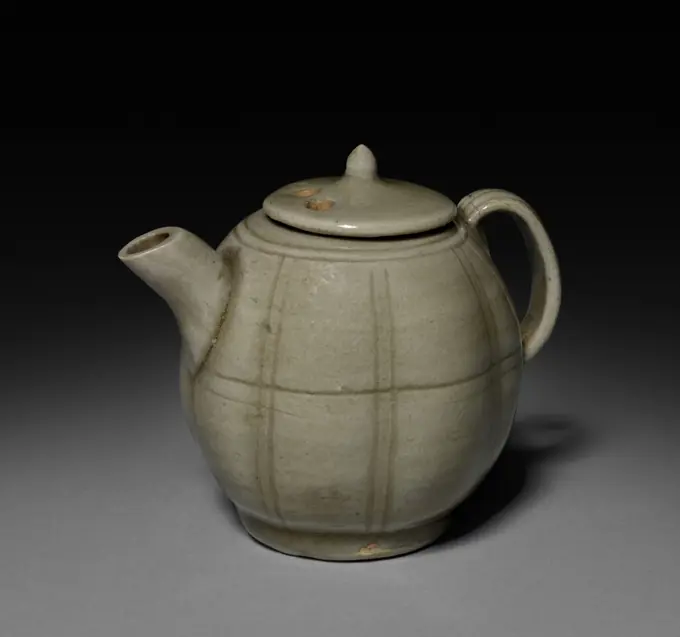
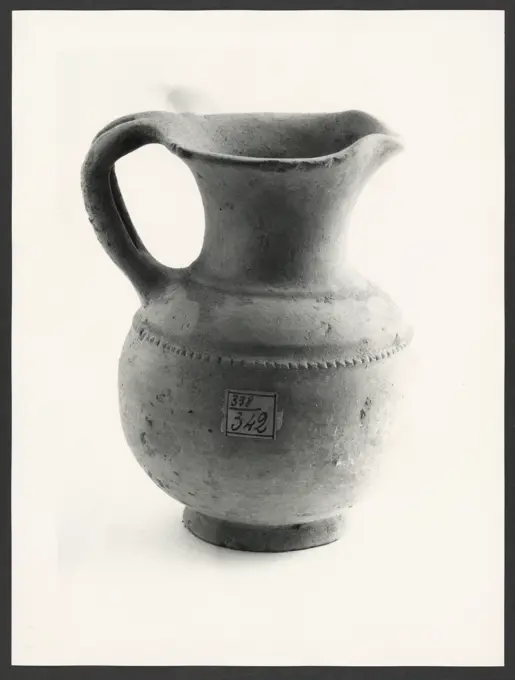
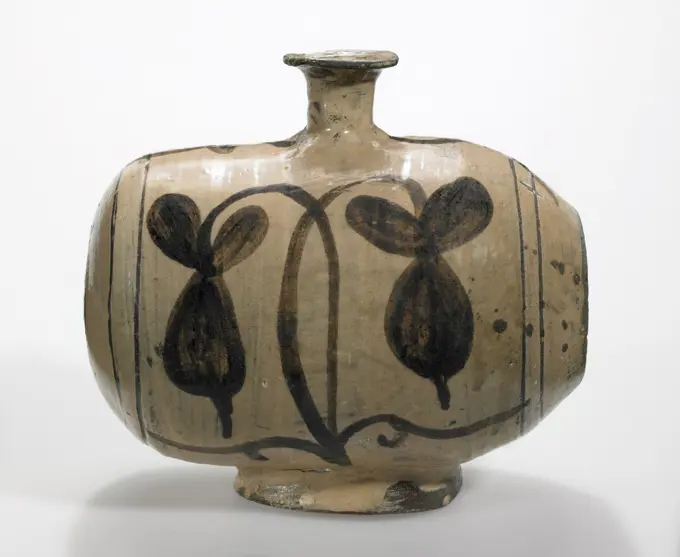
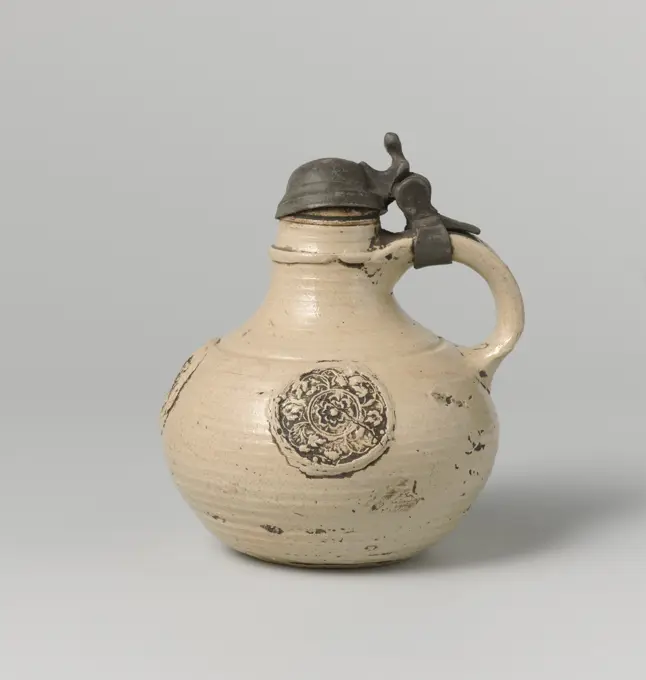
Assortment of ancient glassware including jugs and perfume bottles, showcasing intricate designs and historical significance.
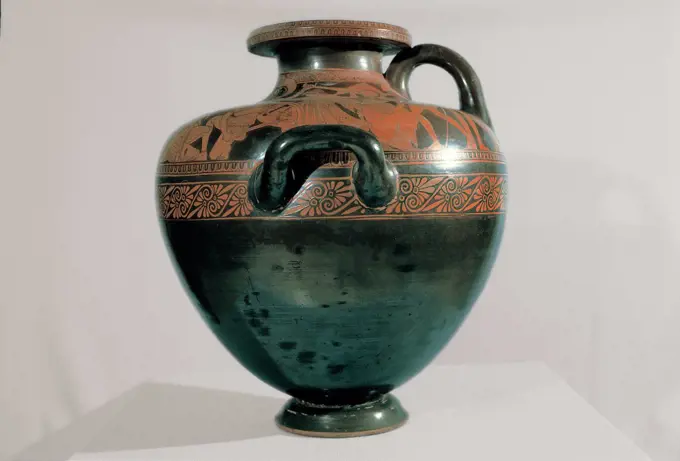
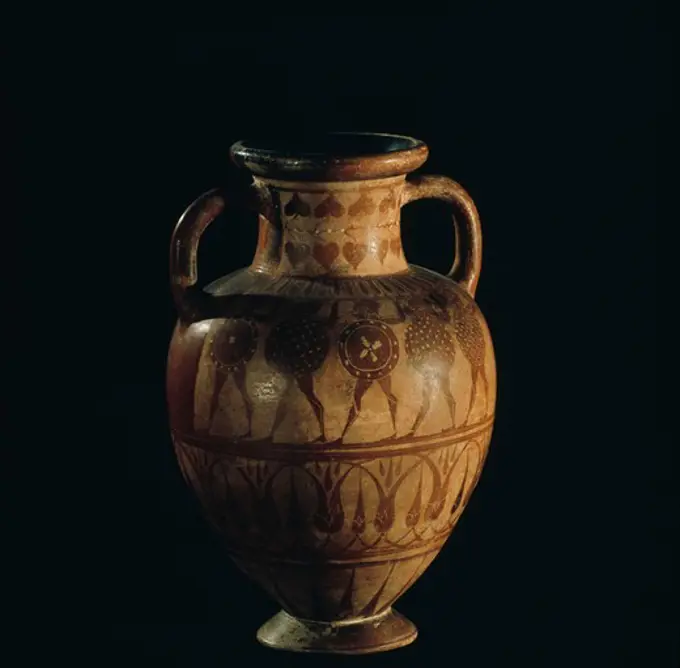
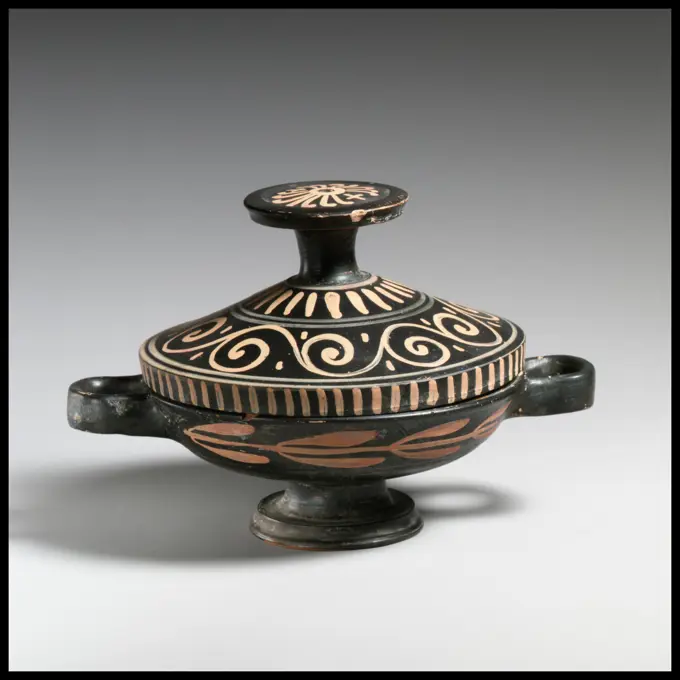
Red-figured Attic clay hydria, by Unknown, 6th Century, pottery, turn on lathe, red figures . Italy, Campania, Naples, National Archaeological Museum. Whole artwork. Front hydria red figures Attic pottery vase flared-disk foot globular body protruding lip two horizontal side handles one behind vertical frieze with decoration on the shoulders.
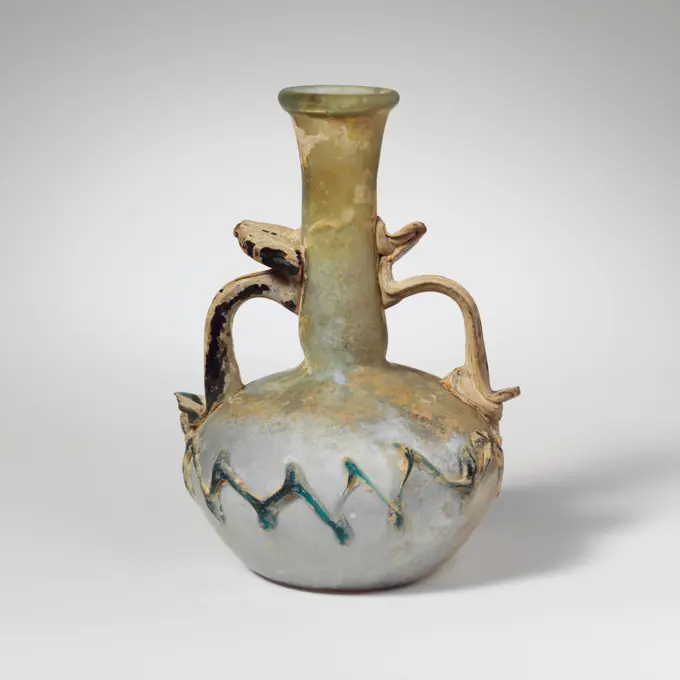
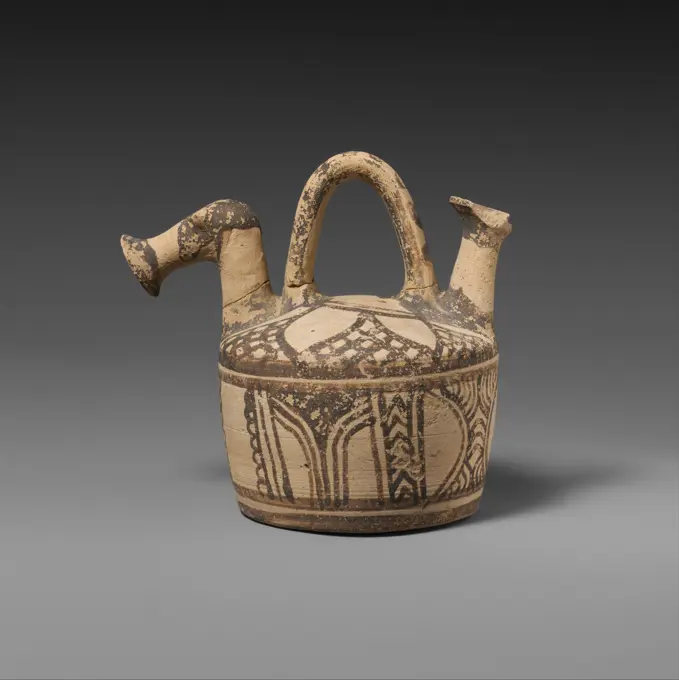
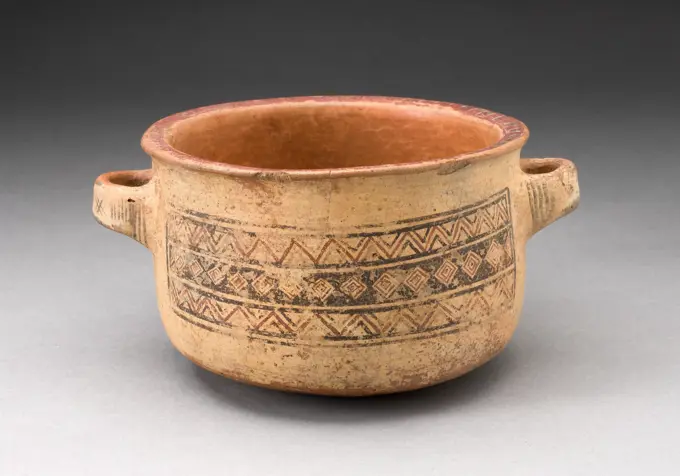
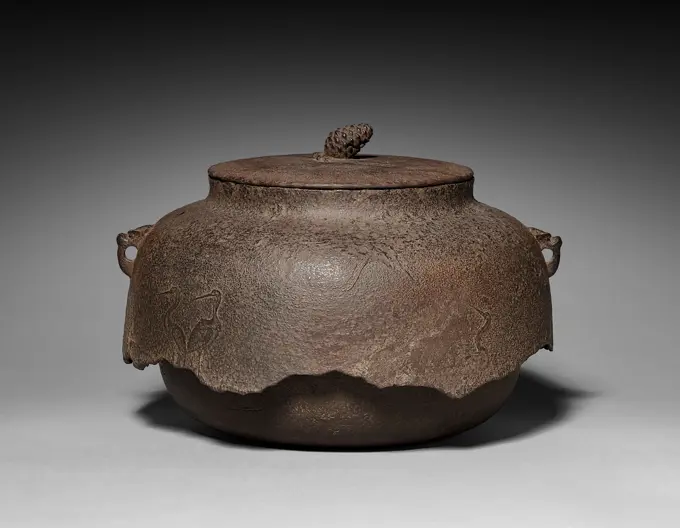
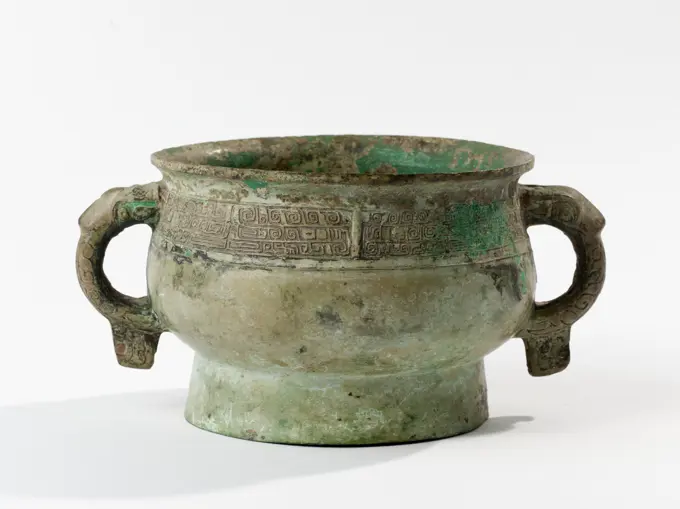
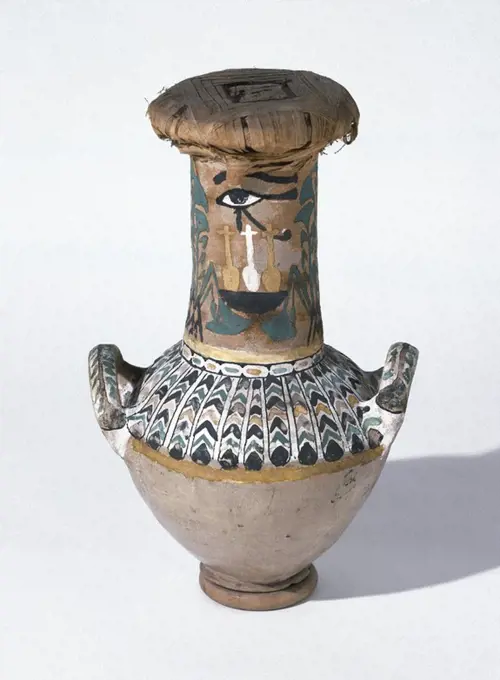
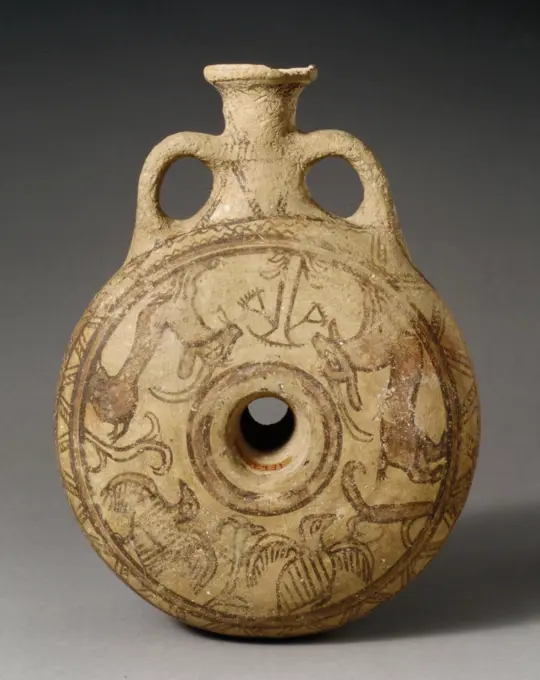
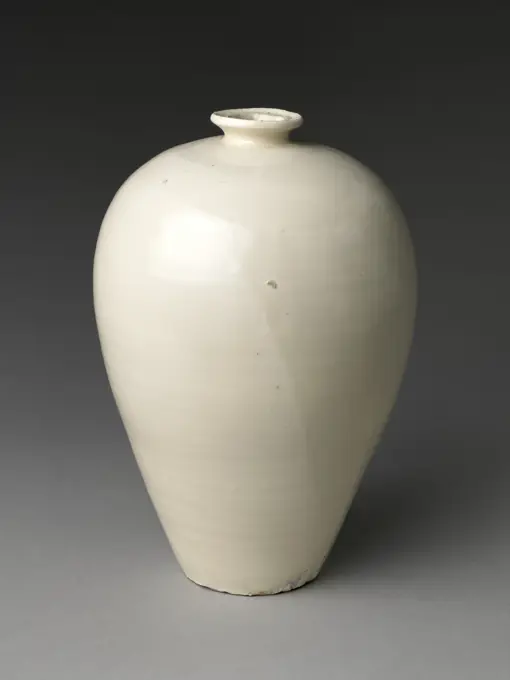
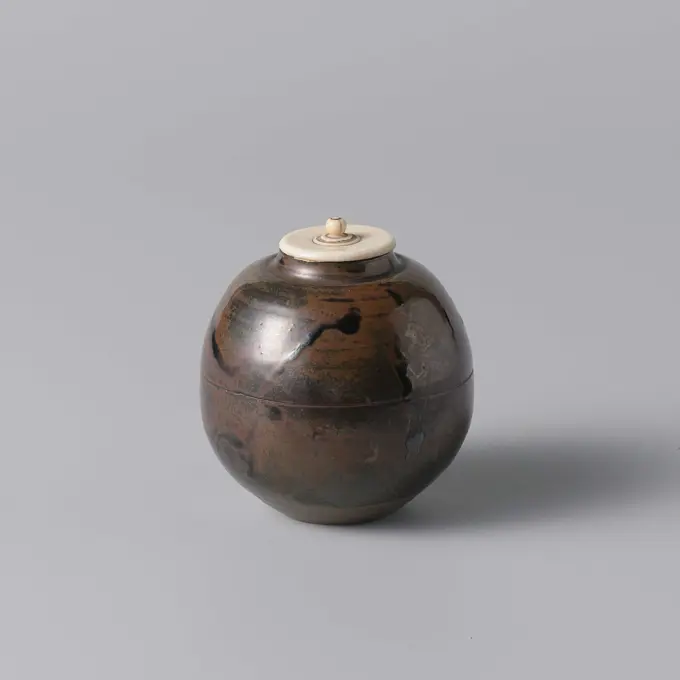
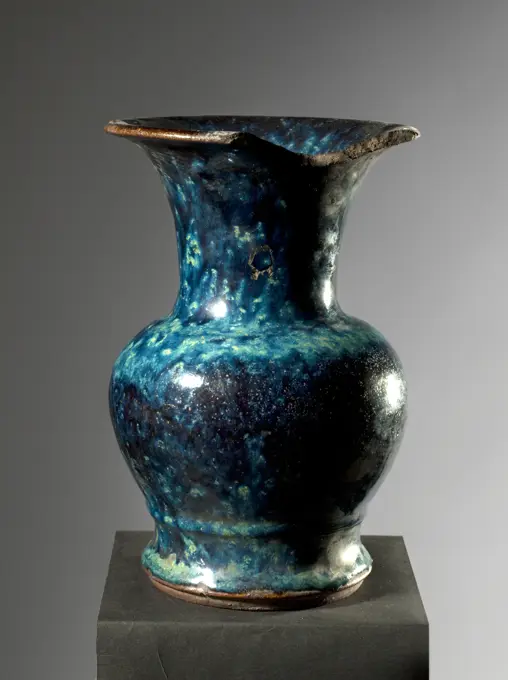
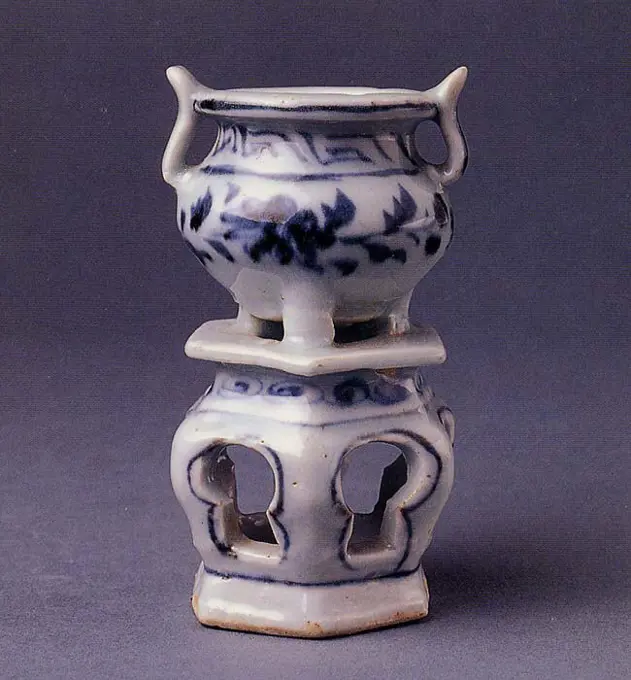
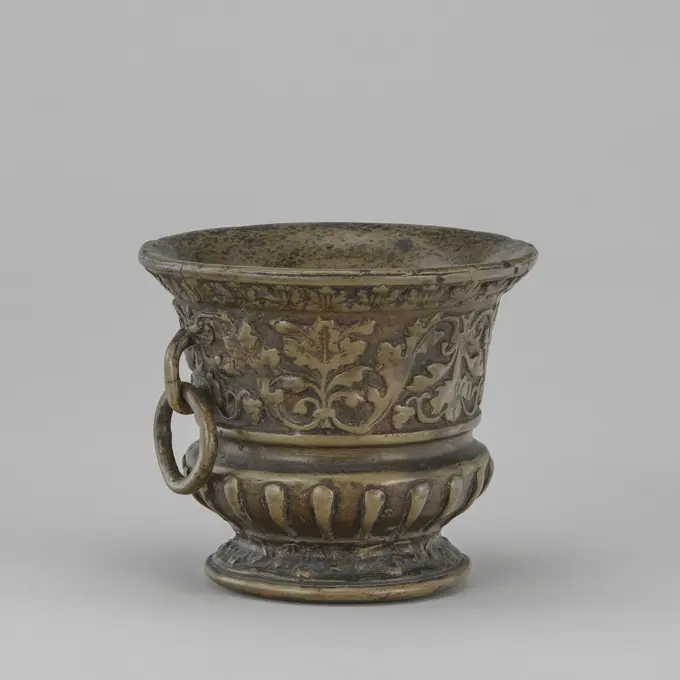
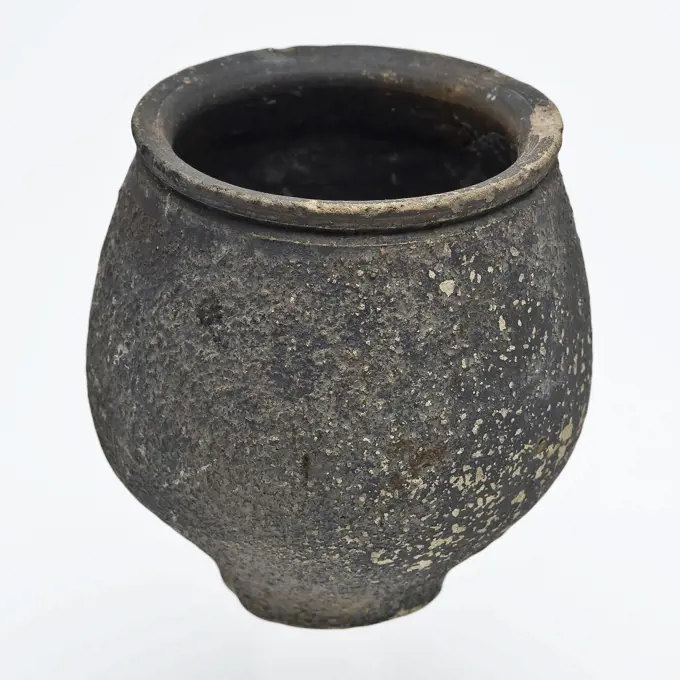
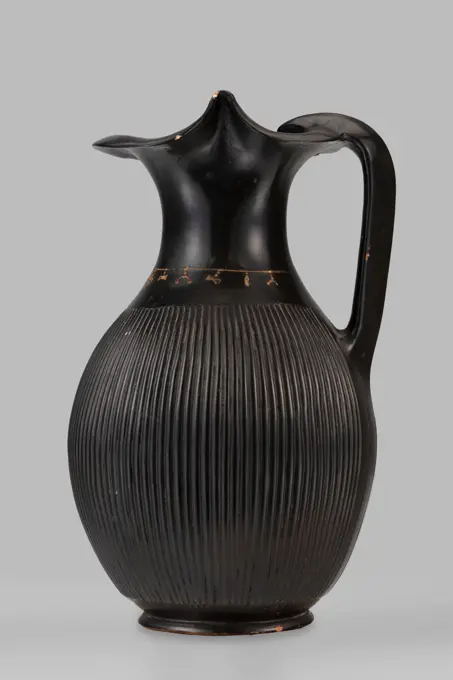
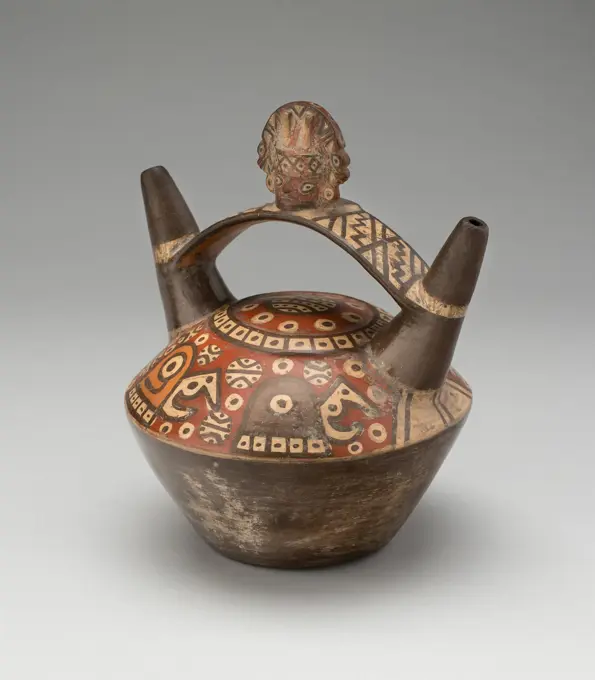
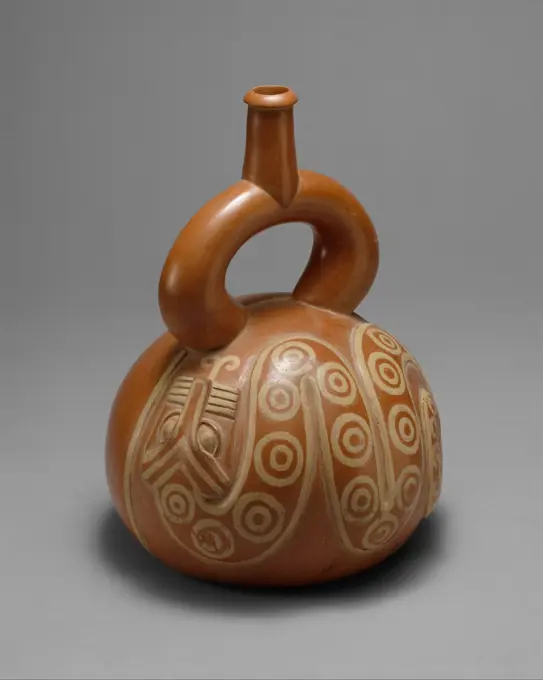
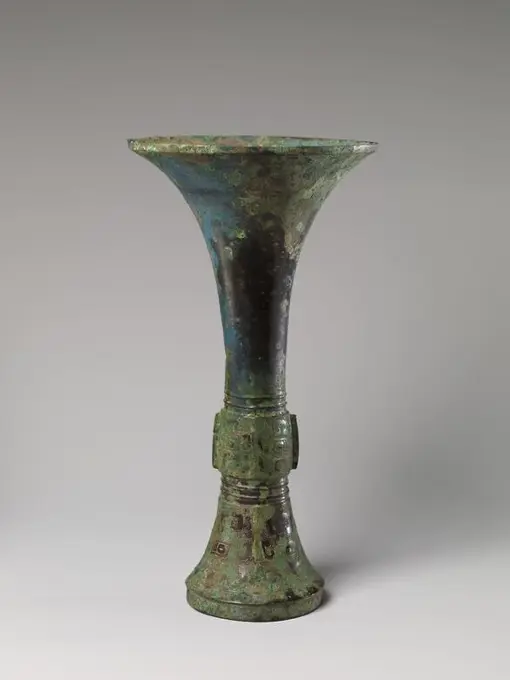
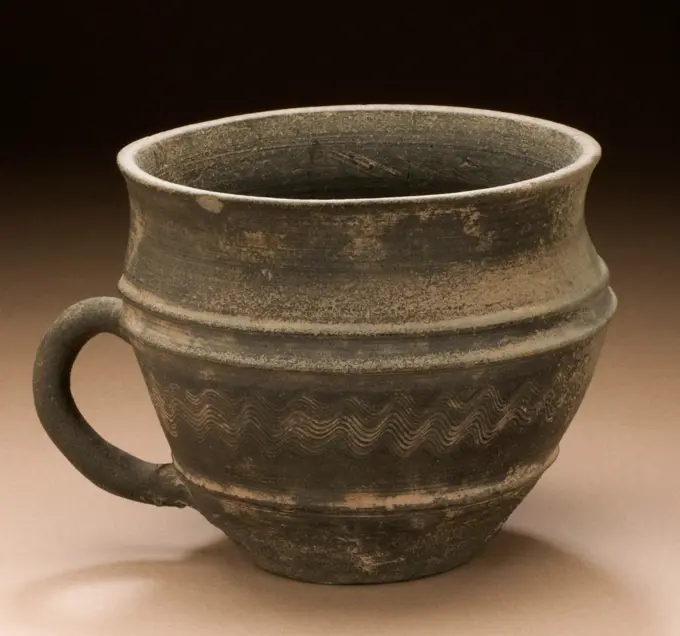
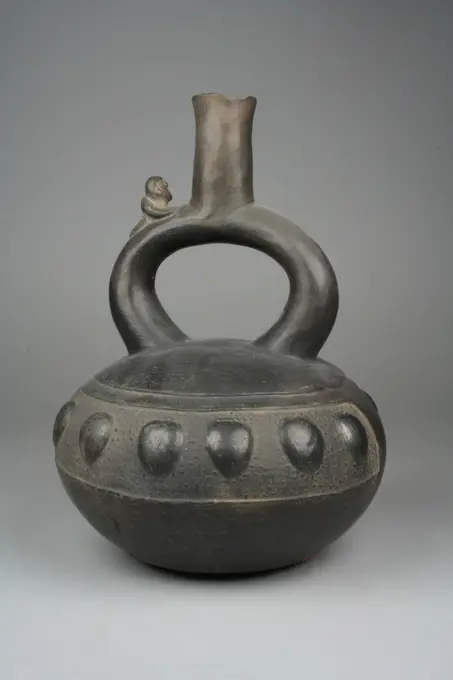
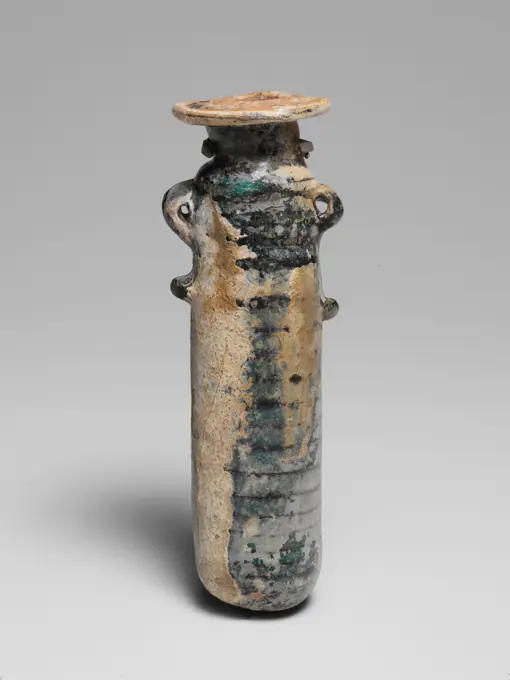
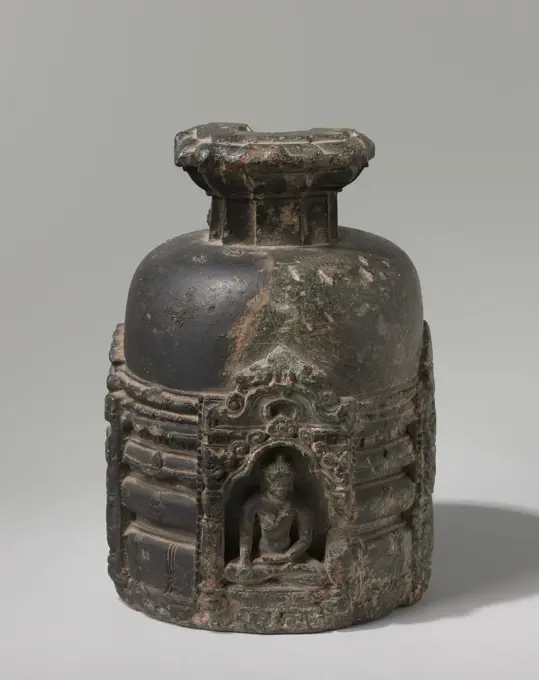
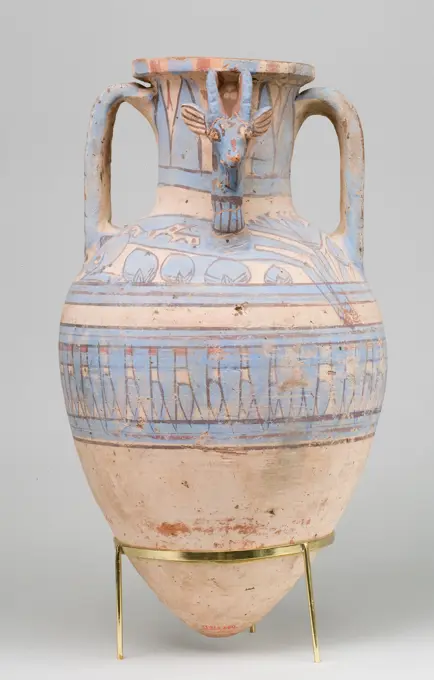
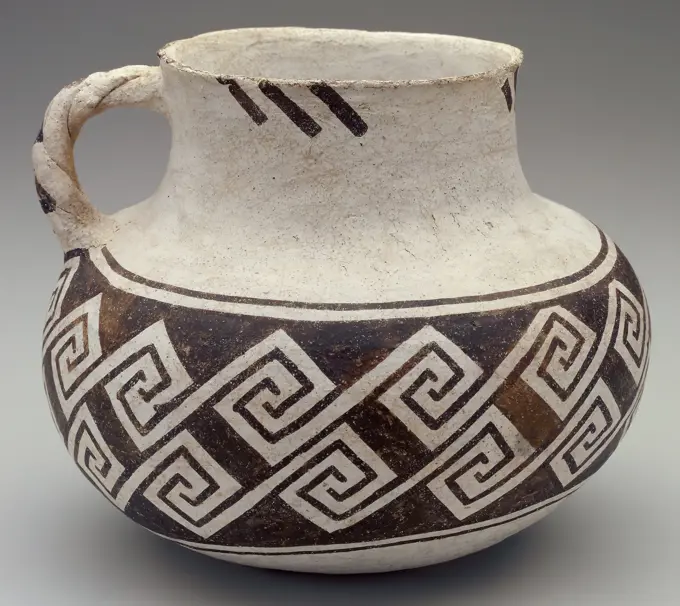
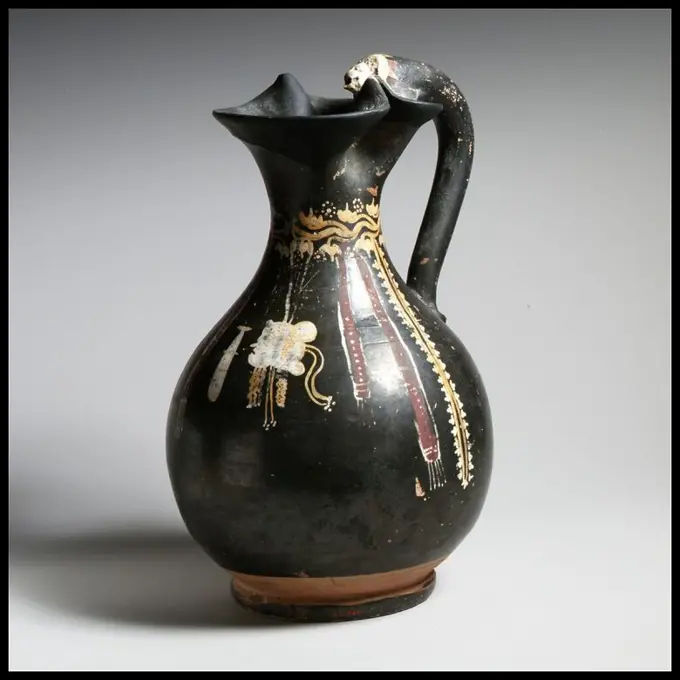
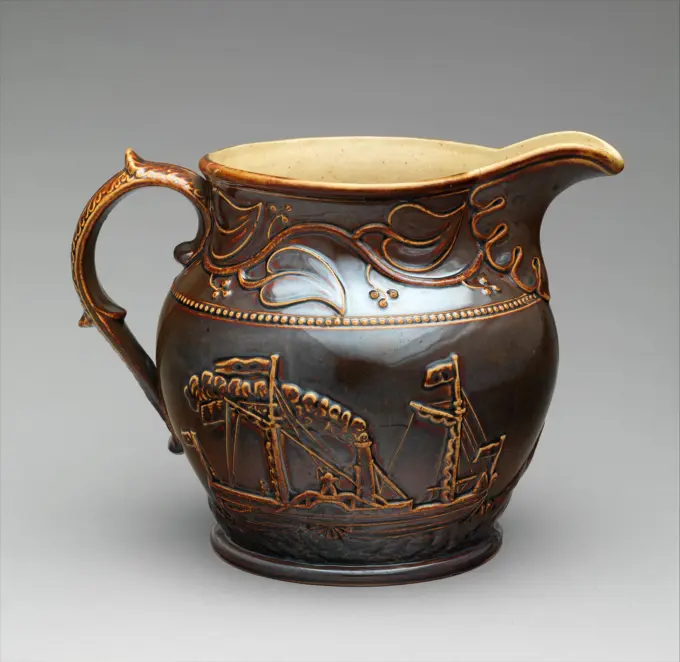
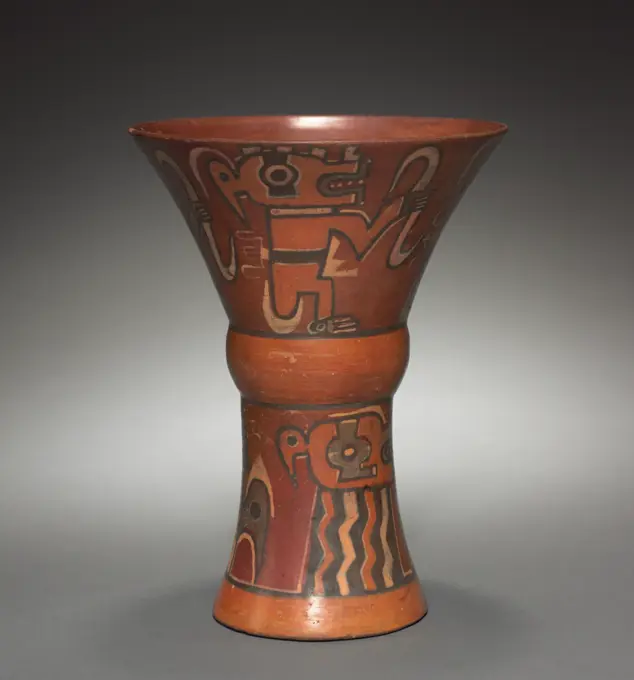
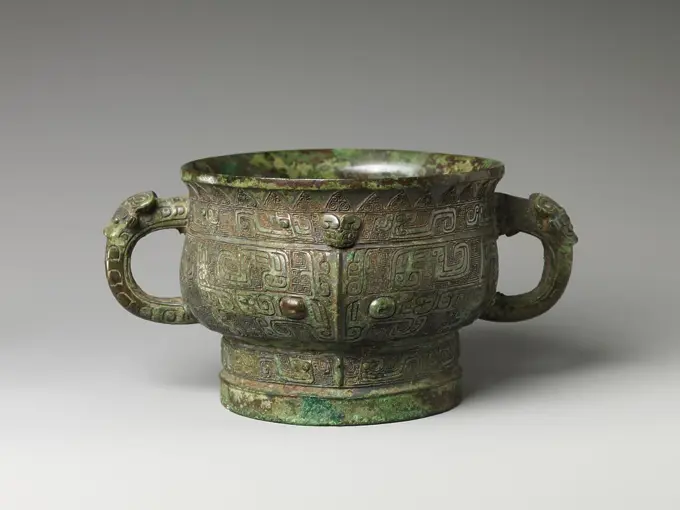
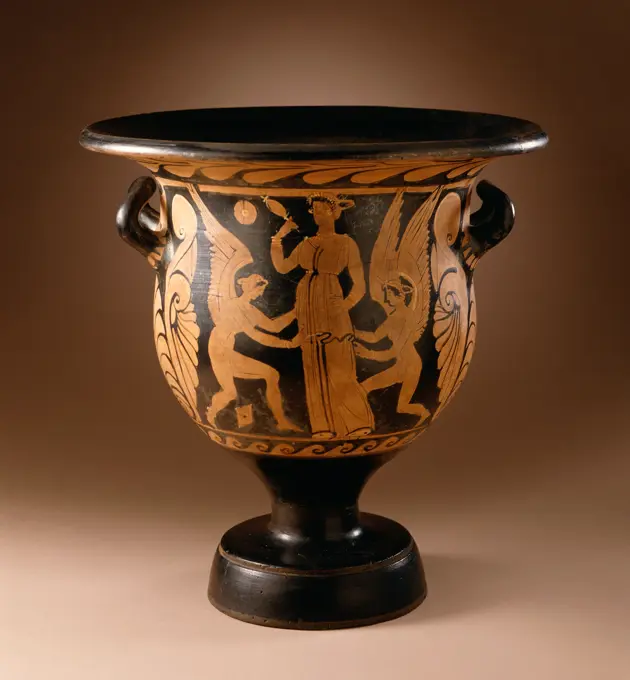
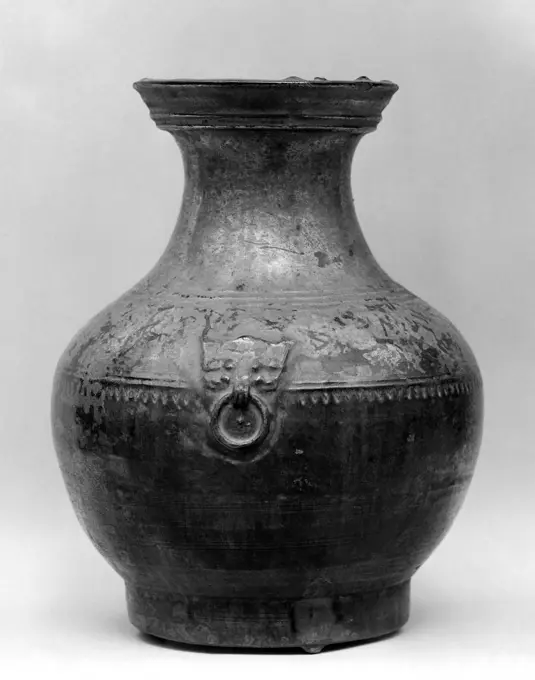
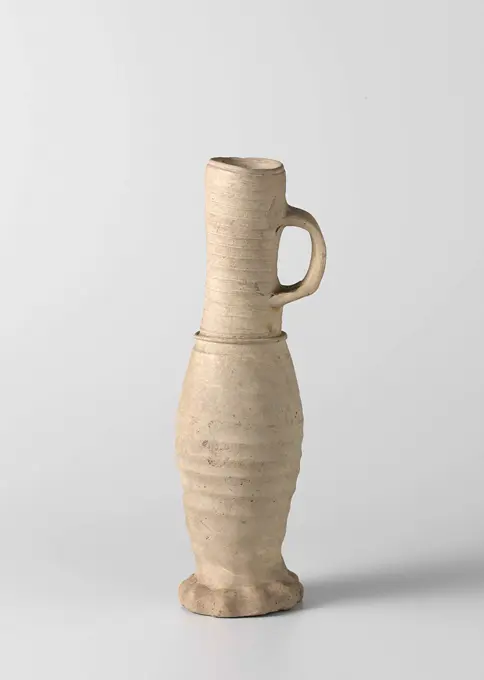
Can with polychrome stylized flower pattern, Arnhemsche Fayencefabriek, c. 1910 Can of brown earthenware, flattened spherical body with cylindrical long neck with spout and ear between mouth edge and shoulder. Painted in green, yellow, turquoise, blue, black and white, with a stylized flower pattern. Arnhem earthenware vitrification Can of brown earthenware, flattened spherical body with cylindrical long neck with spout and ear between mouth edge and shoulder. Painted in green, yellow, turquoise, blue, black and white, with a stylized flower pattern. Arnhem earthenware vitrificationGlass two-handled bottle 4th-5th century A.D. Roman Translucent pale blue green; handles and trail in translucent turquoise blue.Tubular rim, folded out, over, and in; tall, slightly concave cylindrical neck, with tooled horizontal indent around base; squat, bulbous body; pushed-in bottom with pontil mark; two handles applied in pads with tooled outward projections onto upper body, drawn up and curved in onto neck and trailed off vertically up neck with tooled projections above.Around body a single trail applied horizontally in an irregular zigzag pattern.Intact; bubbles and blowing striations; dulling, slight pitting, creamy brown weathering, and iridescence.. Glass two-handled bottle 256713Terracotta askos (flask with spout and handle over the top) 1200-1050 B.C. Cypriot The rather deep cylindrical body is provided with a bird's head, neck, and tail.. Terracotta askos (flask with spout and handle over the top) 240417Glass alabastron (perfume bottle). Culture: Greek, Eastern Mediterranean. Dimensions: H.: 2 1/2 in. (6.4 cm). Date: late 6th-5th century B.C..Translucent cobalt blue, with handles in same color; trails in opaque white.Slightly concave horizontal rim-disk, with projecting rough edge to mouth; cylindrical neck; narrow rounded shoulder; slightly convex sides to cylindrical body, tapering upwards; convex bottom; two vertical ring handles with knobbed tails, applied over trail decoration; one larger and higher than the other.A trail attached at edge of rim-disk; another trail applied on neck in a thick marvered pad, wound down, tooled into an irregular feather pattern, with strokes mixing and blurring trails with blue ground.Intact; dulling, pitting, and patches of brownish weathering. Museum: Metropolitan Museum of Art, New York, USA.Terracotta bowl early 1st century A.D. Roman, Cypriot This mold-made bowl was produced locally imitating Italian Arretine ware.. Terracotta bowl. Roman, Cypriot. early 1st century A.D.. Terracotta; red-glazed, mold-made. Early Imperial. VasesVase late 15th century Italian, Faenza. Vase. Italian, Faenza. late 15th century. Maiolica (tin-glazed earthenware). Ceramics-PotteryBowl. Culture: China. Dimensions: H. 4 1/2 in. (11.4 cm); Diam. 5 1/4 in. (13.3 cm). Museum: Metropolitan Museum of Art, New York, USA.Lazio Viterbo Viterbo Museo Civico37. Hutzel, Max 1960-1990 Views of paintings (Middle Ages through 18th c.), frescoes, a tabernacle, coffin, sculpture reliefs, portal fragments, busts, sculpture, tapestry found in the Pinacoteca, Second floor gallery and Second floor cloister sequences. Antiquities: Many views of Etruscan and Roman fragments, sculpture, sarcophagi, pottery, masks, jewelry and other objects found in the Storeroom sequence (inventory numbers on back of prints), and the Cloister, Second floor Cloister, Valle Giulia, Sala Romana and Sala Etrusca sequences. General Notes: There are eight separate numerical sequences for this location. The cloister as an architectural structure, rather than museum site, is documented in the record and file for S. Maria della Verita, Cloister, all views of which are stored in Medieval core collection. Five views from the Museo Civico Second floor cloister sequence are stored in Medieval. German-born photographer and scholar Max Hutzel (1911-Lécythe Aryballisque. Red figures. Athens (Greece), 450-440 BC Museum of Fine Arts of the City of Paris, Petit Palais. 58664-18 Greek antiquity, Greek art, red figure, perfume oil, aryballisque lecythe, body care, ancient vase, Greek vaseMinature Handled Bowl with Textile-like Design Made 1450-1532 Peru, southern. Ceramic and pigment . IncaFlask. Eastern Mediterranean, Roman, 4th century CE. Tools and Equipment; flasks. GlassGlass alabastron (perfume bottle). Culture: Greek, Eastern Mediterranean or Italian. Dimensions: H.: 5 5/8 in. (14.3 cm). Date: mid-4th-early 3rd century B.C..Translucent cobalt blue, with handles in same color; trails in opaque white (appearing very pale greyish blue) and opaque yellow.Rim-disk; tall cylindrical neck; sloping shoulder; slightly bulbous cylindrical body; small convex bottom; on body, two large lug handles, applied over trail pattern, both with tooled upward indents.A white trail applied to neck and wound spirally down across body, ending in circle around bottom; another yellow applied to rim-disk and trailed down across neck and upper body over white trail, tooled into a close-set zigzag pattern with shallow vertical ribbing around middle of body, then continuing in uneven horizontal lines and ending with a thick blob spiral around base of body.Broken and repaired; most of rim-disk and part of neck missing, one large crack with losses around body, and one large holKettle with Crane Design, 1392-1573. Japan, Muromachi period (1392-1573). Iron; diameter: 30.4 cm (11 15/16 in.); diameter of mouth: 18.6 cm (7 5/16 in.); overall: 18.2 cm (7 3/16 in.); with handle: 31.5 cm (12 3/8 in.). Water supplied from a jar such as the fine Shino-ware vessel (1972.9.a-b) was transferred to an iron kettle for boiling as part of the tea ceremony. Former CMA director Sherman Lee described the jagged, broken skirt of this kettle as "attractively damaged," complementing the unobtrusive wispy designs on its rough metal surface. The character of this kettle-worn, coarse, the "perfection" of symmetry destroyed-was cherished by tea masters for its powerful humility.Jug with round base and round spout, Incised Red Polished Ware, Early Bronze Age, 2000 BC. from CyprusGlass alabastron (perfume bottle). Culture: Greek, Eastern Mediterranean. Dimensions: 4 9/16 × 1 3/8 in. (11.5 × 3.4 cm)Diam. of rim: 1 1/8 in. (2.8 cm). Date: 5th century B.C..Opaque dark purple, with handles in same color; trails in opaque yellow and opaque turquoise blue.Broad slightly uneven horizontal rim-disk; short cylindrical neck; narrow rounded shoulder; straight-sided cylindrical body with upward taper; convex bottom; two vertical ring handles with tails, applied over trail decoration.A yellow trail attached at edge of rim-disk; another thicker yellow trail applied to neck; a fine turquoise blue trail also applied at top of body; both wound down in a spiral, tooled into a pattern in part resembling a zigzag, in part a feather, ending with a thick turquoise blue trail around the bottom.Intact; dulling, pitting, and weathering with areas of yellow-brown encrustation. Museum: Metropolitan Museum of Art, New York, USA.VesselGui type vase ". Bronze. Zhou dynasty in the West (1046-771 BC). Paris, Cernuschi museum. 100438-11 Asian art, bronze, western zhou dynasty, gui, guy vaseEgypt. Polychromed vase sealed with fabric. From the tomb of royal architect Kha (Deir el-Medina). 1400 BC. 18th dynasty. New Kingdom. Egyptian Museum. Turin. Italy.. Fabric tea bus or chair of stoneware with an ivory lid, partially covered with a green-brown glaze. The lower part of the bus is unglazed. Old label on the inside with 'karatsu / 18th'; Old label on the bottom with 'W587'. Karatsu.Ceramic Kantharos with geometrical decorationTigerware Jug with Silver Mounts. Germany, Rhineland, and England, London. Date: 1562. Dimensions: H: 22.5 cm (8 7/8 in.). Stoneware, salt-glazed, with silver gilt mounts. Origin: Germany. Museum: The Chicago Art Institute, FLORENCIA, USA.Terracotta lentoid flask 11th century B.C. Levantine Both sides of the flask are decorated with goats, birds, and rudimentary foliage. The skeletal character of the birds' wings provides a noteworthy antecedent to the renderings on Cypro-Archaic vases. The origin of this piece has been much discussed. The shape, clay, burnishing, and other technical features have stronger parallels in Levantine than in Cypriot pottery. Indeed, it is probably one of the earliest Phoenician vases imported into Cyprus.. Terracotta lentoid flask 240017Vase 11th-12th century China Vases in this shape have long been known as prunus vases” or meiping, a Chinese term that is also a homonym for beautiful vessel. Despite their name, it seems likely that such vessels were used as bottles for wine or other beverages, as well as to display plum blossoms and other flowers.. Vase. China. 11th-12th century. Stoneware with white glaze (Cizhou ware). Northern Song dynasty (960-1127). CeramicsEtruscan Amphora, Italy, Private Collection. Dust tea bus or chair of stoneware with an ivory lid, partially covered with a golden brown glaze. The lower part of the bus is unglazed. Nasu-type. Old label on the bottom with 'W569'. Seto.Vase. Sandstone with dark blue covered speckled with lighter blue and white. Paris, Cernuschi museum. 78839-19 Asian art, Chinese art, gres, container, vaseCenser on Attached Stand 14th-early 15th century China. Censer on Attached Stand 42499Pul with Frisian with Christ and the twelve apostles in Relief. Pul with ear of pottery, with Frisian with Christ and the twelve apostles in relief, polychrome painted. Above the figures a bond with the names.Vase 18th century probably Spanish. Vase. probably Spanish. 18th century. Glazed earthenware. Ceramics-PotteryItalian 16th Century, Mortar with Vine scrolls, Loop, and Ring, 16th century Mortar with Vine scrolls, Loop, and RingEarthenware cup, ball model small stand, roughly varnished earthenware, Roman, drinking cup drinking utensil holder soil find ceramic pottery paint, hand-turned baked lacquered Small beaker. Rough and varnished earthenware. Yellow shard dark mat gray top layer. Sphere model with very small standing surface Thin upper edge with groove on the outside Roman archeology Poortugaal Albrandswaard East Abtspolder indigenous pottery import drinking wine water serving Soil discovery: found in the Oost Abtspolder near Poortugaal.Gray mustard jar with profiled upper edge, mustard pot pot holder soil find ceramic stoneware glaze salt glaze, rotated Oval with thicker round neck edge. Fine turns throughout the body. Light gray shard salt glaze archeology Rotterdam City center Stadsdriehoek Mariniersweg Kipstraat Hoogstraat packing soil finding corner Mariniersweg Kipstraat Hoogstraat.Wine bottle with wine from the wreck of the East Indians' t Vliegend Hart ,, 1700 - 1735 wine Uivid wine bottle of green glass filled with red (port) wine and closed with cork and wire that the cork had to hold in place. Netherlands glass. wineOinochoe dekorowana motywem naszyjnika en barbotine. unknown, authorVessel with Abstract Motifs and a Modeled Head 700 CE-900 CE Peruvian North Coast. Ceramic and pigment . TiwanakuKettle with rocaille ornament and flower garlands. The object consists of the following parts largely from plate driven: the pot placed on a ring, the spout, the lid and the button, the two ornaments around the handle tips and the handle. The pot, the spout and the lid have driven rocaille ornament and flower garlands. The lid knob has the shape of a bird. The molded ornaments around the attachments consist of a mask surrounded by seedilles and a mask surrounded by flower garlands. The brace-shaped handle has been restored in a few places. The pot has a new soil, the wall, the spout and the handle are dented.Mosque Lamp of Sultan Barquq. Dimensions: H. 14 5/8 in. (37.1 cm)Max. diam. 9 5/8 in. (24.4 cm)Diam. with handles: 10 1/16 in. (25.6 cm). Date: ca. 1382-99.As the ambitious design on this lamp demonstrates, by the late fourteenth century, glassmakers had resolved the difficulty of applying enamel to the underside of their vessels and continued their pursuit of ever-larger sizes. Dedicated to Sultan Barquq (r. 1382-89, 1390-99), this piece bears the epigraphic type of blazon adopted by sultans at this time. Museum: Metropolitan Museum of Art, New York, USA.Bottle with Snake 2nd-5th century Moche The ceramic stirrup-spout bottle was an important vessel among peoples on the Peruvian north coast from the second millennium B.C. onward. The globular chamber of this pleasing, well-proportioned bottle is shaped to accommodate the undulating body of a big serpent worked in relief on one half of the chamber. The reptile's large head has catlike eyes, whiskers, and a bifurcated tongue. A mythological creature known as the "eared" serpent may be depicted, as it often assumes feline characteristics such as whiskers and fangs. The serpent's body is outlined in white and decorated with concentric circles. The elegant arch of the spout, which could serve as a handle, thickens toward the juncture with the chamber, and from its center rises its short tapering end. The shape of the spout indicates an early date in the long ceramic sequence of the Moche. Snakes were common and depictions of them abound. Although their meaning is unclear, the annual sheddinOinochoe z przedstawieniem kobiety i Erosa z tympanonem. unknown, authorJug. Culture: Italic-Native, South Italian (Daunian). Dimensions: H. 11.00 cm.. Date: ca. 550-450 B.C.. Museum: Metropolitan Museum of Art, New York, USA.CERAMICA. PILA BAUTISMAL. MUEL ( ZARAGOZA ).Wine Vessel. Culture: China. Dimensions: H. 11 1/8 in. (28.3 cm); Diam. of upper rim: 5 7/8 in. (14.9 cm); Diam. of base 3 3/8 in. (8.6 cm). Date: 11th century B.C.. Museum: Metropolitan Museum of Art, New York, USA.Cup with Handle. Korea, Three Kingdoms period, Old Silla kingdom (57 B.C.-A.D. 668), 5th-7th century. Furnishings; Serviceware. Wheel-thrown and applied stoneware with combed decorationWine Pot: Southern Celadon Ware, 1200s-1300s. China, Southern Song Dynasty (1127-1279) - Yuan Dynasty (1271-1368). Glazed porcelain; diameter: 8 cm (3 1/8 in.); overall: 6.4 cm (2 1/2 in.).Jar 4th-7th century Coptic. Jar 478668Cup late 17th century. Cup. late 17th century. Stonepaste; luster-painted on opaque white glaze. Attributed to Iran. CeramicsLarge Stone Vessel 2789 B.C. Egypt Lazio Viterbo Viterbo Museo Civico03. Hutzel, Max 1960-1990 Views of paintings (Middle Ages through 18th c.), frescoes, a tabernacle, coffin, sculpture reliefs, portal fragments, busts, sculpture, tapestry found in the Pinacoteca, Second floor gallery and Second floor cloister sequences. Antiquities: Many views of Etruscan and Roman fragments, sculpture, sarcophagi, pottery, masks, jewelry and other objects found in the Storeroom sequence (inventory numbers on back of prints), and the Cloister, Second floor Cloister, Valle Giulia, Sala Romana and Sala Etrusca sequences. General Notes: There are eight separate numerical sequences for this location. The cloister as an architectural structure, rather than museum site, is documented in the record and file for S. Maria della Verita, Cloister, all views of which are stored in Medieval core collection. Five views from the Museo Civico Second floor cloister sequence are stored in Medieval. German-born photographer and scholar Max Hutzel (1911-Bottle in the Shape of a Bale of Rice, 15th century, Unknown Korean, 7 3/4 x 8 3/8 x 5 9/16 in. (19.69 x 21.27 x 14.13 cm), Buncheong ware; earthenware with slip and underglaze iron brown, Korea, 15th century, In the early Joseon dynasty, Korean potters produced a type of ceramic known as Buncheong (literally translated as 'powder-green'), so named because the glaze applied to these vessels was greenish in color. Decoration of Buncheong wares took many forms, including stamped and inlaid designs, as well as lively patterns carved in light slip applied to the surface. This vessel takes the shape of a bale of rice, which is a common sight in all East Asian countries during rice-harvesting season. Bottles such as this one were first thrown on the potters wheel, then turned on their sides for the application of the spout and footSake bottle with a twisted neck and green glaze, anonymous, c. 1800 - c. 1825 Sakefles of Steengoed with a twisted neck and narrow, short edge, covered with a green glaze. The underside is unglazed. A few chips in the foot. Forms together with AK-NM-6606, Kom, a couple. Japan stoneware. glaze vitrification Sakefles of Steengoed with a twisted neck and narrow, short edge, covered with a green glaze. The underside is unglazed. A few chips in the foot. Forms together with AK-NM-6606, Kom, a couple. Japan stoneware. glaze vitrificationVase. unknown, craftsmanAlabastron Third Intermediate Period or later ca. 1070-664 B.C. This elegant faience alabastron (defined as an elongated vessel with a narrow neck) may once have held unguents or perfumes. The small lug handles on the sides are not pierced, thus are decorative rather than functional. On one side, a crocodile and ibises in front of lotus stalks are crudely incised. On the other side are bands of rosette decoration with a hieroglyphic inscription between them. View more. Alabastron. ca. 1070-664 B.C.. Faience. Third Intermediate Period or later. From Egypt. Dynasty 21-25Jug with a roundel in medallions, Anno Knütgen (attributed to workshop of), c. 1590 - c. 1630 Jug of stoneware on standing surface with a spherical body and narrow neck. The C-shaped ear is attached to the neck and shoulder. Profile on the neck. The jug is decorated with rotation and three times a printed and imposed medallion in relief with a rosette surrounded by leaf vines. Attached to the ear a pewter frame with lid. Siegburg. Siegburg Stoneware. Glaze. frame: tin (metal) vitrification Jug of stoneware on standing surface with a spherical body and narrow neck. The C-shaped ear is attached to the neck and shoulder. Profile on the neck. The jug is decorated with rotation and three times a printed and imposed medallion in relief with a rosette surrounded by leaf vines. Attached to the ear a pewter frame with lid. Siegburg. Siegburg Stoneware. Glaze. frame: tin (metal) vitrificationLekanis 4th century B.C. Attributed to the Xenon Group. Lekanis 255327Cosmetics Container with Animals; Perhaps by the Chimaera Painter (Greek (Corinthian), active 600 - 575 B.C.); Greece (Corinth); about 570 B.C; Terracotta; 21.7 × 22.2 cm (8 9,16 × 8 3,4 in.)ancient oriental metal teapot on dark background. antique bronze tableware. ancient metal utensilsCeramics, Italy 16th century. JugPapyrus column amulet 664-332 B.C. Late Period This amulet, meant to be worn, carried, or offered to a deity in the belief that it will magically bestow a particular power or form of protection, depicts a papyrus scepter or column. This plant, named wadj, meaning green” or fresh”, and the choice of green-blue faience all strongly evoke vitality and regenerative power, qualities desirable for the living and the dead. Plaques featuring a relief scepter are particular to the Late and Ptolemaic Periods.. Papyrus column amulet 550964Ewer with 'Tughra-Illuminator' Style Decoration 1525-40. Ewer with 'Tughra-Illuminator' Style Decoration. 1525-40. Stonepaste; painted in blue under transparent glaze. Made in Turkey, Iznik. CeramicsYatsushiro (ceramic production center) water pot (Mizusashi) (usual name), 1800. Dark brown sandstone, incised decor. Inlaid. Cernuschi Museum, Asia Museum of Asia in the city of Paris. The foot or base of the utensils of this type is reserved in cookie and reveals a dark red shard often picked with black. The base of the pots is generally smooth; However, that of this pot was turned by forming a spiral groove. A technique attested by the excavations carried out on the sites of the ovens of Yatsushiro (mm). Finely drawn peony motifs with white, with a strip of pearls above.Stirrup Spout Bottle 12th-15th century Chimú. Stirrup Spout Bottle 313309JARRO DE LA LIEBRE. Nº INV. MAG 677. (ALTURA 15 CM. DIAMETRO 22 CM) MUSULMAN. (EXPOSICION :ARTE ISLAMICO ESPAÑOL)(DEPOSITO: MUSEO ARQUEOLOGICO DE GRANADA ).Glass alabastron (perfume bottle) 5th century B.C. Greek, Eastern Mediterranean Uncertain, appearing opaque black, with handles in same color; trails in opaque turquoise blue.Broad horizontal rim-disk with rounded, raised lip around mouth; slanting cylindrical neck, tapering downwards; narrow rounded shoulder; straight-sided cylindrical body; lopsided convex bottom; two large vertical ring handles with knobbed tails, applied over trail decoration; one longer than the other.A trail attached at edge of rim-disk; another trail applied to top of body, wound in a close-set, regular spiral down body, ending around bottom.Intact; some limy encrustation down one side, and rest covered with iridescent creamy white weathering.. Glass alabastron (perfume bottle). Greek, Eastern Mediterranean. 5th century B.C.. Glass; core-formed, Group I. Classical. Glass. Basement on four sides in Haut-relief, decorated with four Dhyani Buddhas in diamond attitude seated in niches. Made from black limestone. Votive steak.Ewer (France); Style of Bernard Palissy (French, 1510 - 1590); lead-glazed earthenwareCan. Fopkan from stoneware. The wide, cylindrical neck is open. On one side of the ear under the mouth is a short, round spout, in tin. Decorated with an edge of enclosed acanthus leaves above the foot. The belly is strewn with rosettes printed in quite high relief in diamond form.Glass bottle. Culture: Roman. Dimensions: H.: 9 5/16 in. (23.6 cm). Date: 1st-early 2nd century A.D..Translucent pale blue green.Collared rim, folded out, down, round, and up, with vertical rounded outer lip; tall, slender, cylindrical neck, expanding downwards and tooled in horizontally around base; piriform body; concave bottom.Intact; few bubbles; some surface pitting and scratching, dulling, creamy brown weathering, and iridescence. Museum: Metropolitan Museum of Art, New York, USA.Naczynie. unknown, authorJug with pewter lid. Uneven, light brown colored jug with a pewter lid. Belly with a straight-walled center piece that is decorated with eight scenes with soldiers. Decorated shoulder and neck.Jug, anonymous, c. 1550 - c. 1649  Jug of stoneware on the standing surface with a printed, spherical body and wide neck. The C-shaped ear is attached to the neck and shoulder. Profiles on the neck and shoulder. Covered with a brown Engobe. Frechen/ raeren. Cheek stoneware. glaze. engobe vitrificationVase with scenes of wrestling possibly Italian 18th-19th century Vase is based on an engraving in Montflacon "L'Antiquité expliquée," 1719-1724. View more. Vase with scenes of wrestling. possibly Italian. 18th-19th century. Bronze. Sculpture-BronzePitcher British 19th centuryCupSitula (Bucket for Holy Water) 860-880 Carolingian Buckets such as this were used for sprinkling holy water upon the faithful during processions. Ivory examples are exceptionally rare, and this one is the earliest to survive. An entire section of an elephant tusk, hollowed out, made it possible to decorate the surface of this bucket with scenes from the life of Jesus. On the lower register are depicted the Annunciation, the Visitation, the Nativity, the Dream of Joseph, and the Baptism of Jesus. On the upper register are the Betrayal, the Flagellation, the Last Supper, the Ascension, the Holy Women at the Sepulchre, and the Crucifixion. Listen to experts illuminate this artwork's story Listen Play or pause #2950. Situla (Bucket for Holy Water) Supported by Bloomberg Philanthropies We're sorry, the transcript for this audio track is not available at this time. We are working to make it available as soon as possible.. Situla (Bucket for Holy Water) 464438Gray Bartmann jug, also called Bellarmine jug, enchanted glaze, oval appliqué with floral pattern, Bartmann juggejug tableware holder soil find ceramics stoneware clay engobe glaze salt glaze, hand turned stamped glazed glazed baked stoneware jug gray shard beige gray speckled salt glaze with tears over the lower half archeology import pottery drink transport packageBlue-Painted Ibex Amphora from Malqata ca. 1390-1353 B.C. New Kingdom This remarkable vase was found during the Museum's excavations of the palace of Amenhotep III at Malqata in western Thebes. The head of the ibex had broken off, but was found nearby. Like much of the pottery at Malqata, this amphora was made of a red clay covered with a cream colored slip and decorated with blue, red, and black paint.For more blue-painted ware from this site, see 11.215.461-.469, .471-.473, .477, .489.. Blue-Painted Ibex Amphora from Malqata. ca. 1390-1353 B.C.. pottery, white cream slip, paint. New Kingdom. From Egypt, Upper Egypt, Thebes, Malqata, Palace of Amenhotep III, Atitu's (rubbish) hole, MMA excavations, 1910-11. Dynasty 18Peru, Lima. Decorative Inca water jars at the National Museum of Archeoligy, Anthropology and History of Peru.Pitcher, 10th-12th century, 7 x 8 in. (17.78 x 20.32 cm), Ceramic, pigment, United States, 10th-12th centuryTerracotta oinochoe (jug). Culture: Greek, South Italian, Gnathian. Dimensions: H.: 9 5/16 in. (23.7 cm). Date: ca. 325-300 B.C..Theatrical mask, alabastron (perfume vase), and fillets (bands)Though associated primarily with Apulia, the Gnathian technique was also used in other regions of Italy. This example may be Apulian or Campanian. The mask is that of one of the stock courtesans in comedies of the late fourth and early third centuries B.C. The alabastron may reflect a predilection of the courtesan. The vines and ivy have a Dionysiac reference. Museum: Metropolitan Museum of Art, New York, USA.Naczynie baniaste. nieznany warsztat północno mezopotamski (ca 2600-ca 2350 a.C.), workshopVase from 1875 AD (Qing Dynasty) in an exhibit at the Shanghai Museum, a museum of ancient Chinese art, situated on the Peoples Square in the Huangpu District of Shanghai, China.Ewer 14th century. Ewer 447130Pitcher Manufacturer Salamander Works 1836-50 Rockingham ware, named after the Rockingham Pottery in England, is loosely defined as earthenware pottery embellished with a mottled brown glaze, often with relief-molded decoration. It was produced in the United States in the decades of the middle of the nineteenth century, a significant era for the American pottery industry when British workers, designers, and mold makers emigrated from Englands flourishing Staffordshire potting district, bringing with them British factory practices, techniques, and designs. Many examples are direct copies of their British prototypes; others are loosely inspired by them. The earliest in this country date to the early 1830s, and such ware continued through the third quarter of the nineteenth century. It was produced at numerous potteries from Trenton and Jersey City, New Jersey, to Connecticut, Baltimore, and Ohio. Such distinctive vessels, with their naturalistic decoration were a feature in middle-class Ink Well And Lid (USA); Designed by Louis Comfort Tiffany (American, 1848-1933); glass, bronzeCANTARO VIDRIADO Y DECORADO EN BLANCO-CUELLO CORTO Y ESTRECHO CON DOS ASAS. Location: ALFARERIA. ALBA DE TORMES. SALAMANCA. SPAIN.Aryball lease black and black -headed;  4th century BC (-400-00-00--301-00-00);Satsuma (Ceramic production region) Double bulging flower vase (Hisago-Gata Hana-ike) (username), 1750. Covered, inscrusation. Cernuschi Museum, Asia Museum of Asia in the city of Paris.Jug with a portrait and lions, anonymous, c. 1632 - c. 1650 Jug of stoneware on stand ring with a spherical abdomen and narrow neck. The C-shaped ear is attached to the neck and shoulder. Profiles on the neck. Partly covered with cobalt blue. On the shoulder an entry line with a tire with stamped semi -circles against a blue background. The belly with three printed and imposed medallions, the middle flanked by crowned lions. In the medallions a portrait with the edge of 'ich.brins.der.Hers.lebstenvm.i.ervnt .... 1632'. A frame with lid is attached to the ear. A beaten brand on the inside of the lid. Westerwald. Westerwald Stoneware. Glaze. Cobalt (Mineral). frame: tin (metal) vitrification Jug of stoneware on stand ring with a spherical abdomen and narrow neck. The C-shaped ear is attached to the neck and shoulder. Profiles on the neck. Partly covered with cobalt blue. On the shoulder an entry line with a tire with stamped semi -circles against a blue background. The belly with three pGlass alabastron (perfume bottle). Culture: Greek, Eastern Mediterranean or Italian. Dimensions: H.: 5 1/8 in. (13 cm). Date: mid-4th-early 3rd century B.C..Translucent pale honey brown, with handles in darker honey brown; trails in opaque yellow, opaque turquoise blue, and opaque white.Broad horizontal rim-disk, with radiating tooling marks on underside; cylindrical neck, expanding downwards; narrow sloping shoulder; straight-sided cylindrical body, with slight upward taper; convex bottom; below shoulder, two vertical ring handles, not pierced through, with short pointed trails, applied over trail pattern.Traces of a fine (yellow ) trail attached to lower edge of rim-disk; on body, alternating bands of yellow, turquoise, and white, tooled from shoulder to undercurve at bottom into a close-set feather pattern in eleven vertical panels with alternating upward and downward strokes.Broken and repaired around body, with several holes and gaps in joins; dulling, some deep pitting holesChinese Tui,  Ming Dynasty, Transitional Period, 1620-1644Kero (Waisted Cup), 400-1000. Bolivia, Cochabamba(), Tiwanaku style, 400-1000. Earthenware with colored slips; overall: 22.3 x 17 cm (8 3/4 x 6 11/16 in.).Bowl;  19th century (1801-00-00-1900-00-00);Jug 301 CE-400 CE Syria. Glass vessels were part of the luxurious domestic decoration displayed in wealthy households in both urban villas and rural estates in the later Roman and early Byzantine eras (about 300ñ725). Glass vessels were used for a variety of purposes, including cosmetic containers. In the kitchen and for dining, pitchers served water and wine, and small cups were used for drinking. Glass was also used for lamps to light the home.Byzantine glass craftsmen improved upon the techniques, forms, and decorative motifs they had inherited from their Roman predecessors. An imperial edict of 337 exempted glassworkers from personal taxes and attested to their relative status in society; it remained in effect for several centuries. These artisans would, in turn, pass on their craft to successive generations, including those who worked under Islamic rule after the important Byzantine provinces of Egypt, Palestine, and Syria were conquered in the seventh century.. Glass, blown technMegalithic terracotta urn pot, Sangam age, Amaravathy dam, Tamil Nadu, India, AsiaFood Serving Vessel (Gui). Culture: China. Dimensions: H. 4 5/8 in. (11.7 cm); W. (betw. handles) 9 1/4 in. (23.5 cm); Diam. of rim 6 1/4 in. (15.9 cm); Diam. of foot 4 3/4 in. (12.1 cm). Date: 12th century B.C.. Museum: Metropolitan Museum of Art, New York, USA.Double Spout and Bridge Vessel Depicting Incised and Painted Abstract Feline Face Made 650 BCE-150 BCE Peru. Ceramic and pigment . ParacasBell-Krater with Two Female Acrobats, and Cupids Attending a Woman. Rhomboid Group (Italy, Campania, circa 330 B.C.-310 B.C.). South Italy, Campania, circa 330-310 B.C.. Furnishings; Serviceware. Red-figure ceramic with added white and yellowVase China. Vase. China. Pottery. Han dynasty (206 B.C.-A.D. 220). CeramicsChip-carved jug, anonymous, c. 1750 - c. 1780 Jug of stoneware on stand ring with a spherical belly and wide neck. The C-shaped ear is attached to the neck and shoulder. The jug is completely decorated with notch cut. Westerwald. Westerwald stoneware. glaze vitrification Jug of stoneware on stand ring with a spherical belly and wide neck. The C-shaped ear is attached to the neck and shoulder. The jug is completely decorated with notch cut. Westerwald. Westerwald stoneware. glaze vitrificationJacoubaan van Steengoed. Jacoubaan van Steengoed. The can be ribbed.