Glass Jugs and Bottles

Assortment of ancient glassware including jugs and perfume bottles, showcasing intricate designs and historical significance.
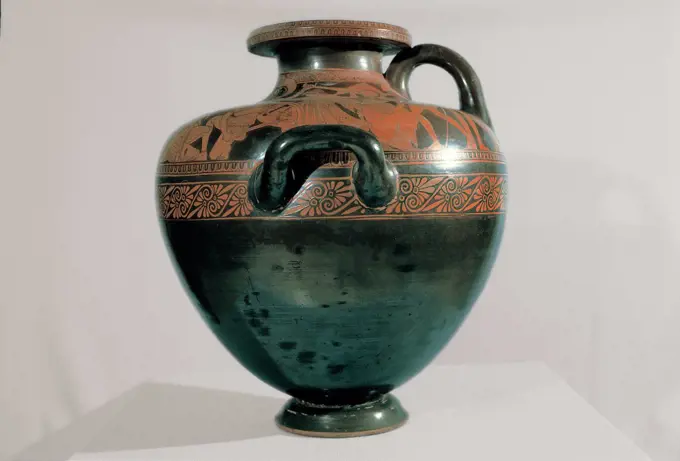
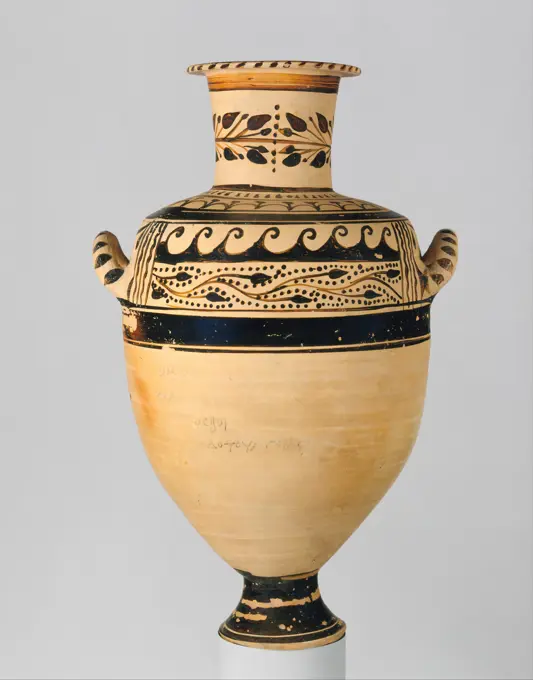
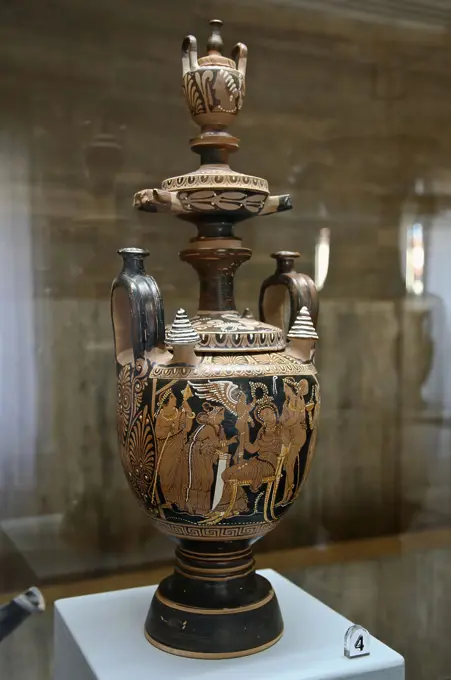
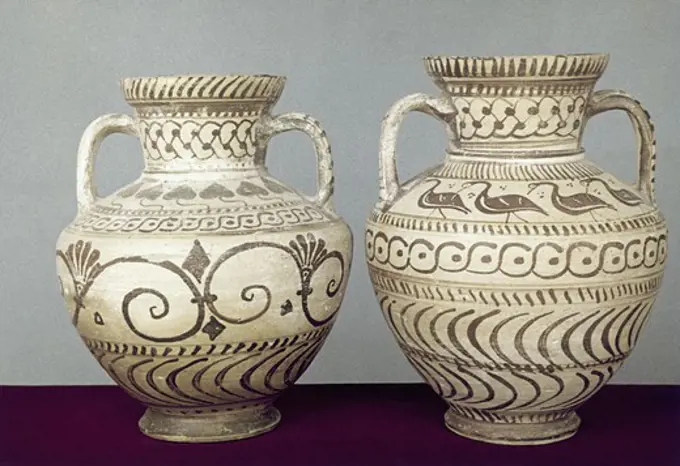
Red-figured Attic clay hydria, by Unknown, 6th Century, pottery, turn on lathe, red figures . Italy, Campania, Naples, National Archaeological Museum. Whole artwork. Front hydria red figures Attic pottery vase flared-disk foot globular body protruding lip two horizontal side handles one behind vertical frieze with decoration on the shoulders.
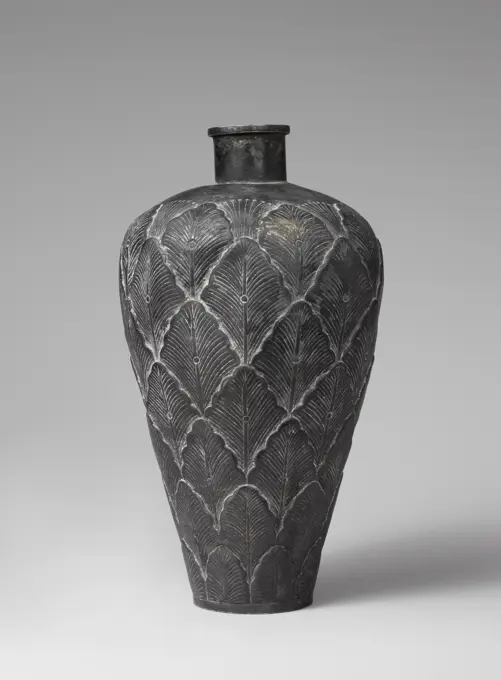
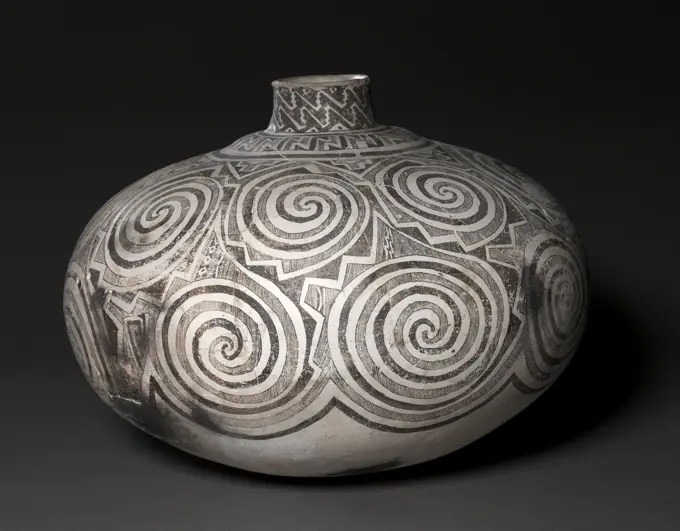
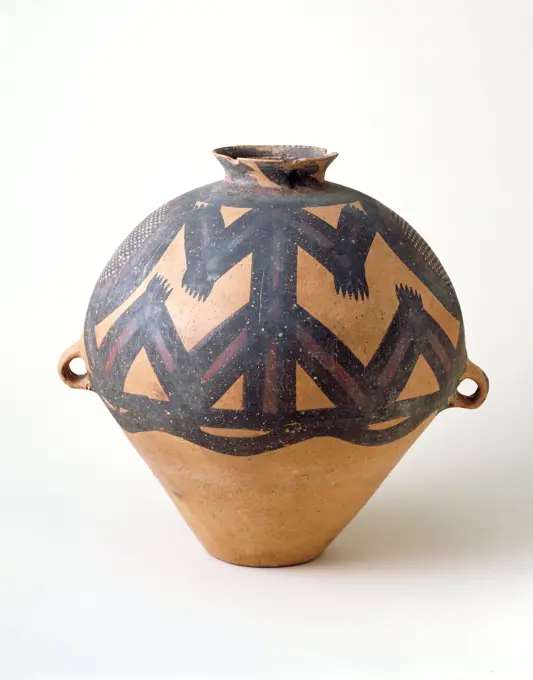
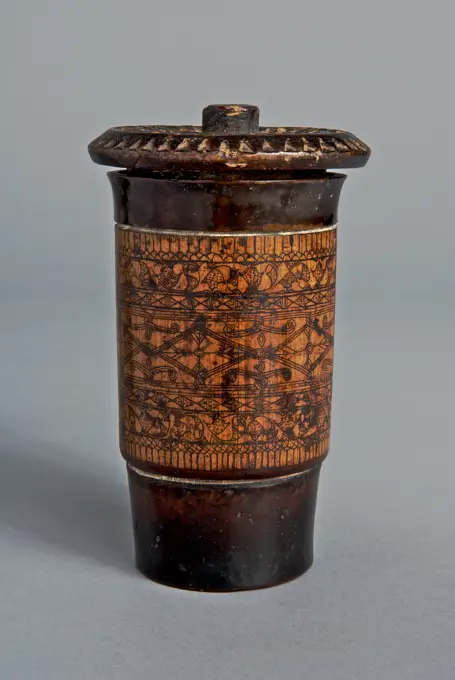
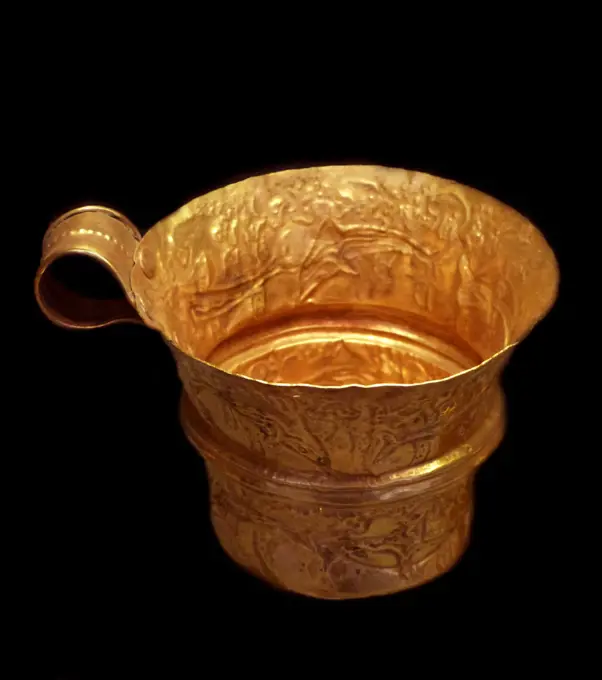
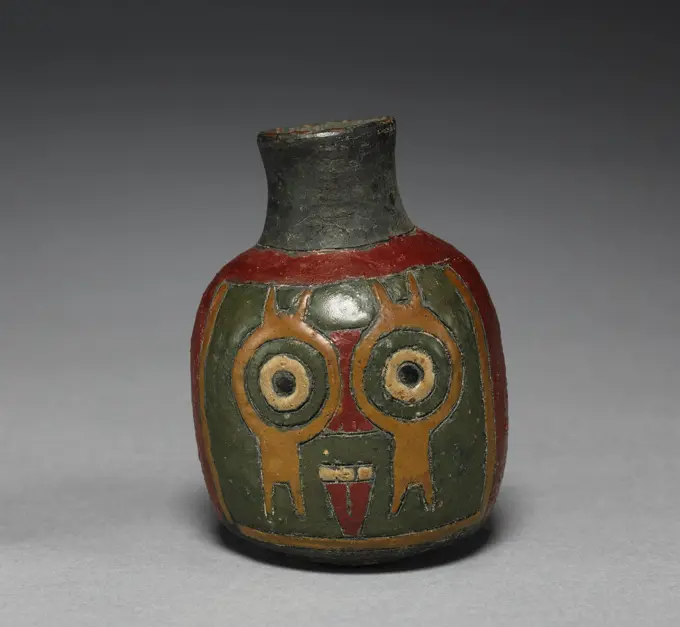
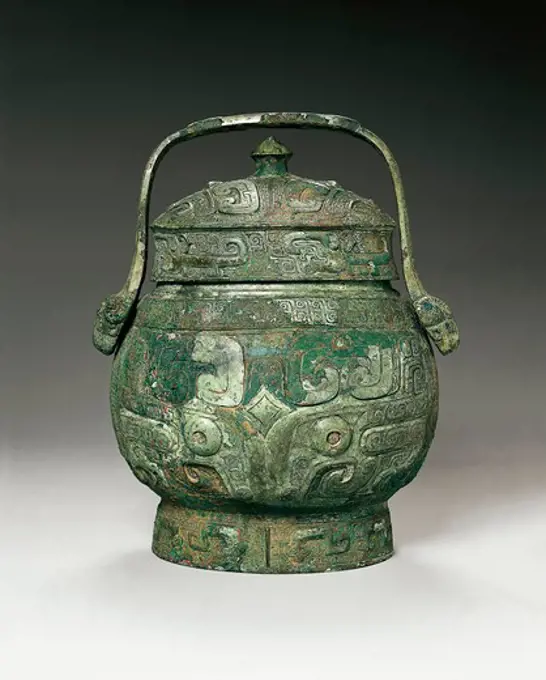
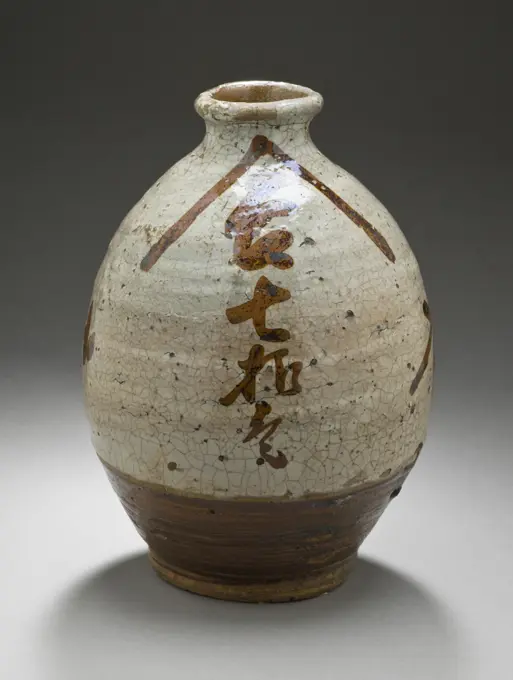
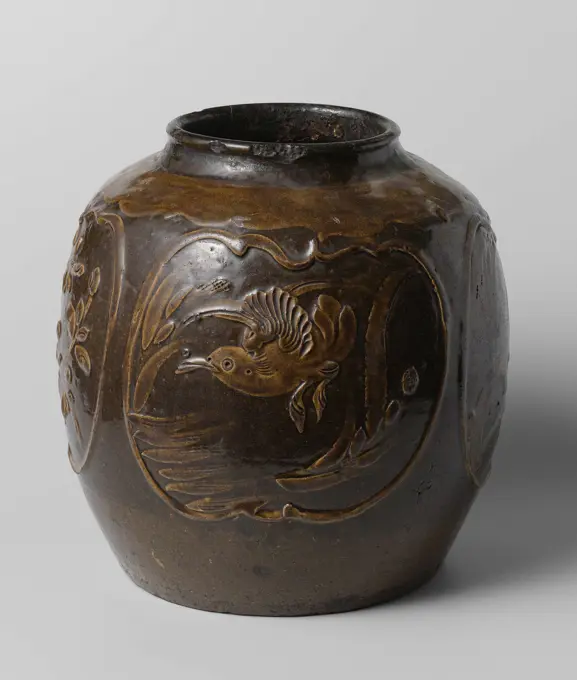
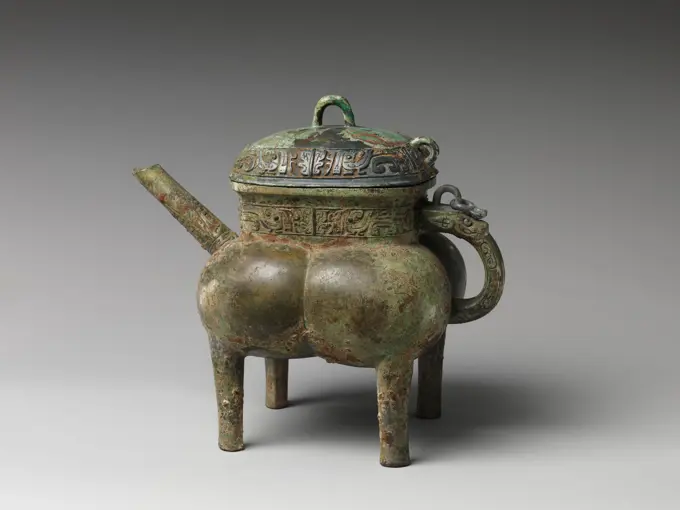
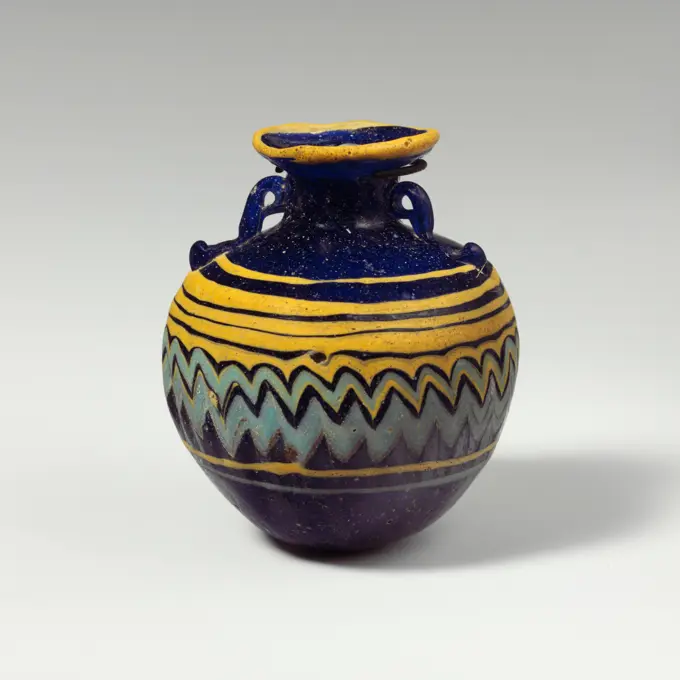
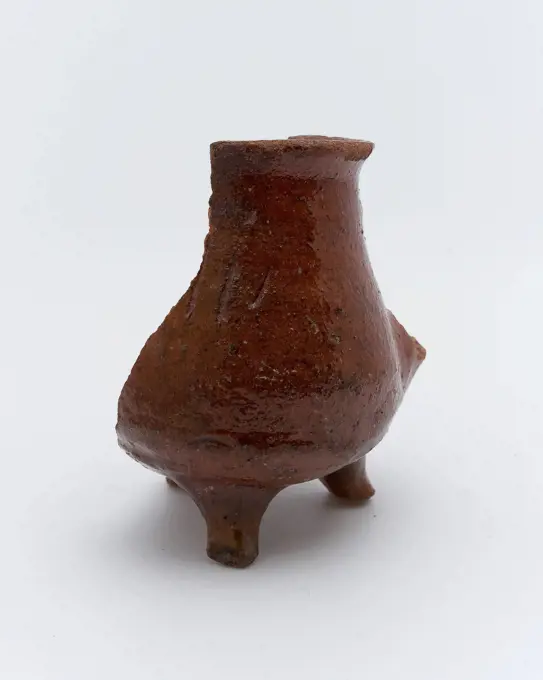
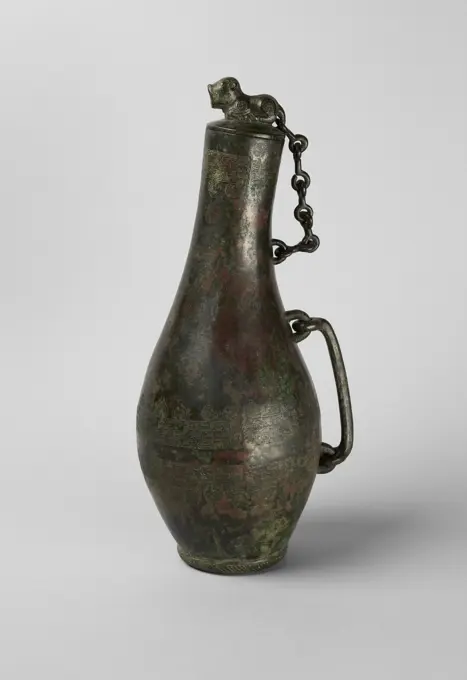
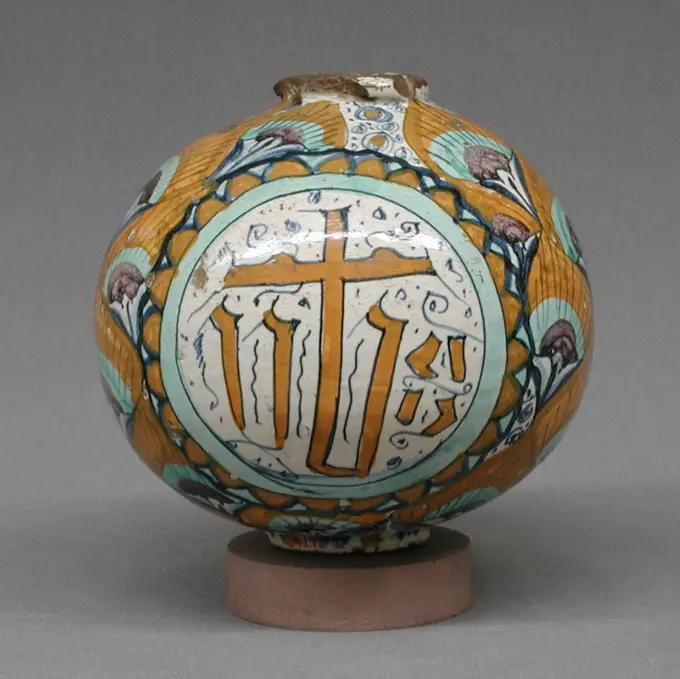
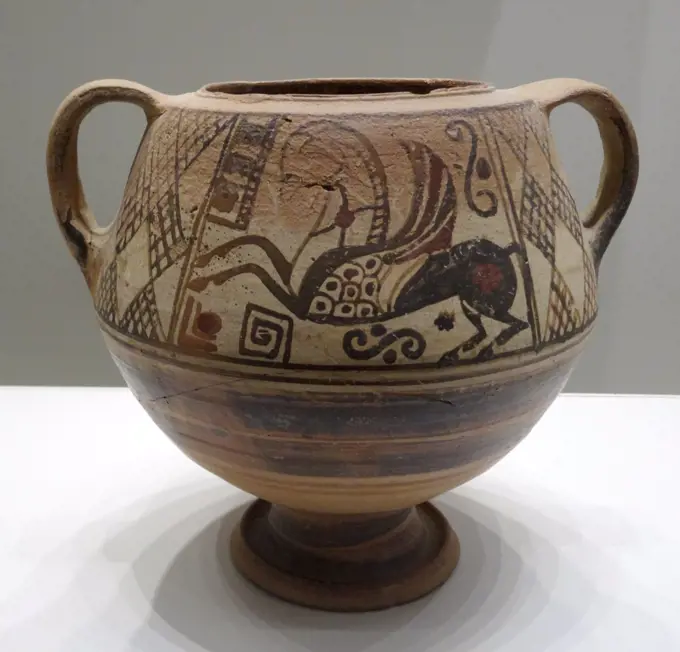
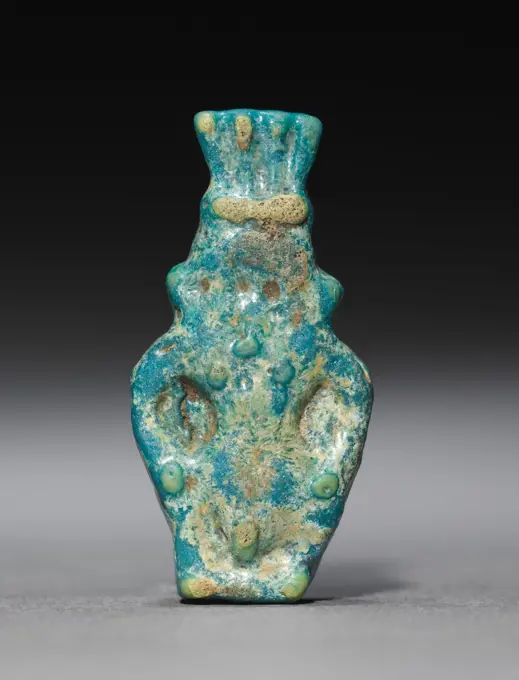
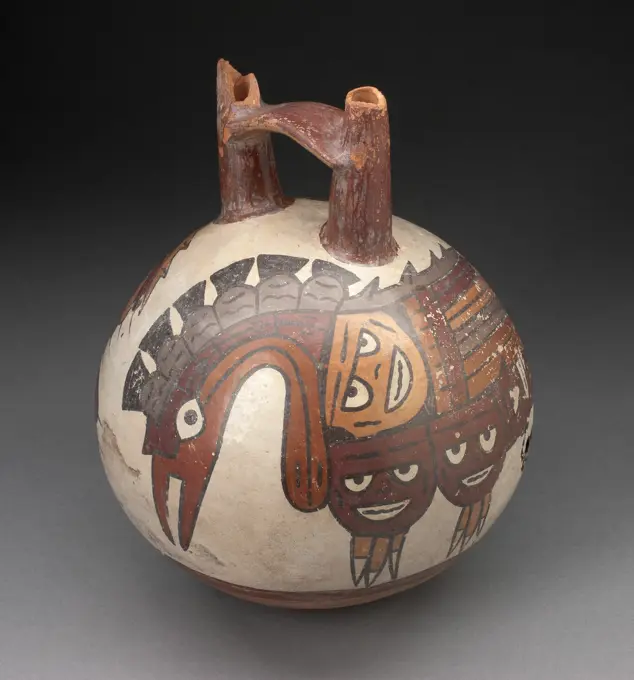
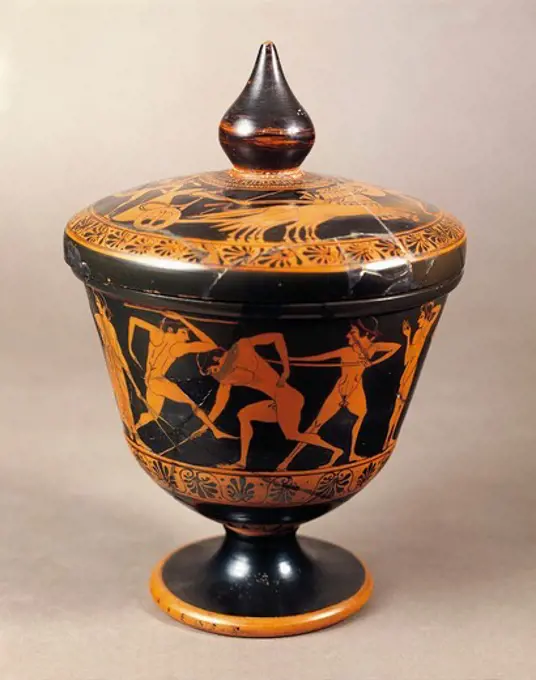
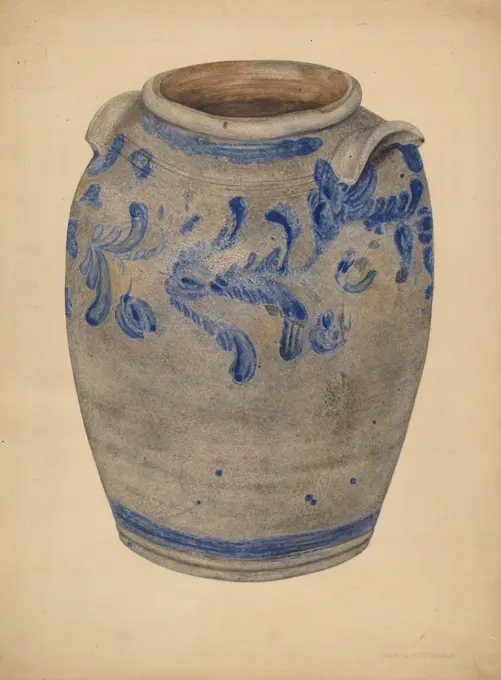
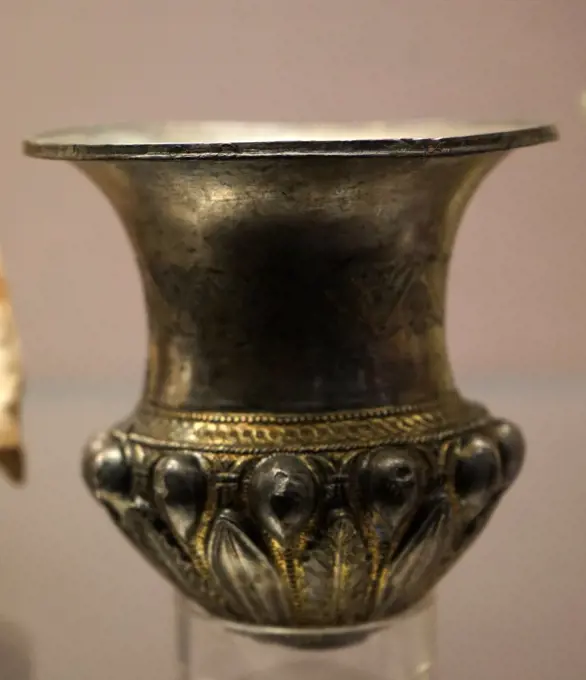
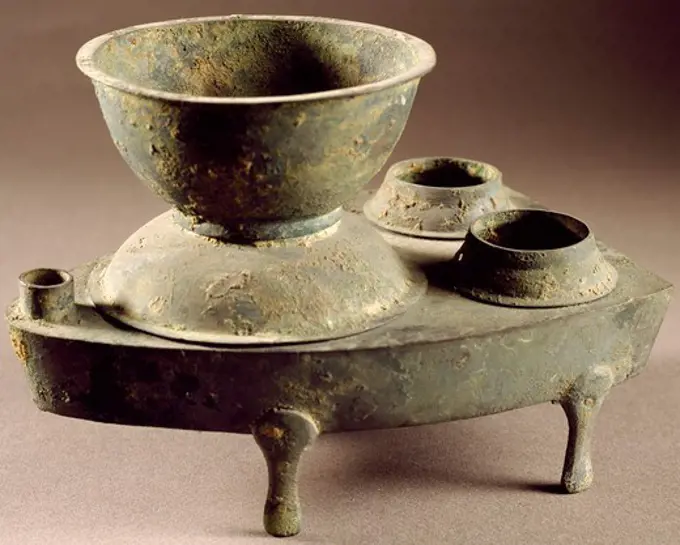
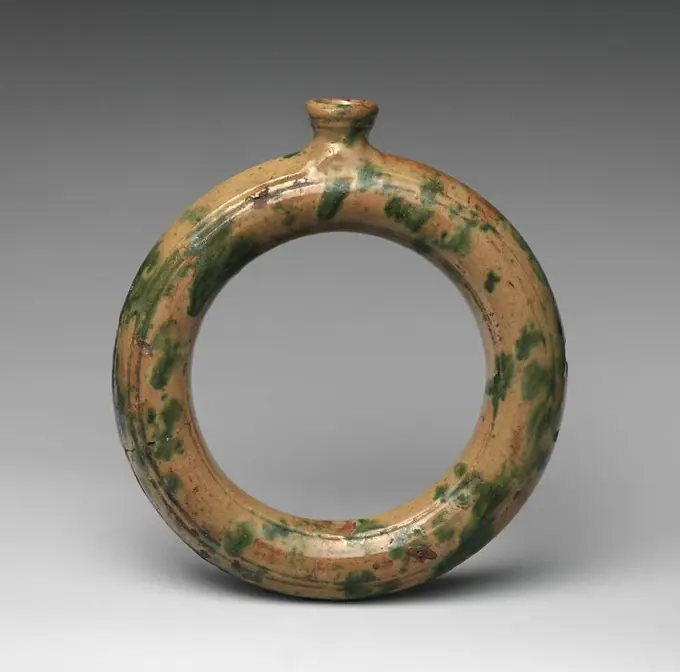
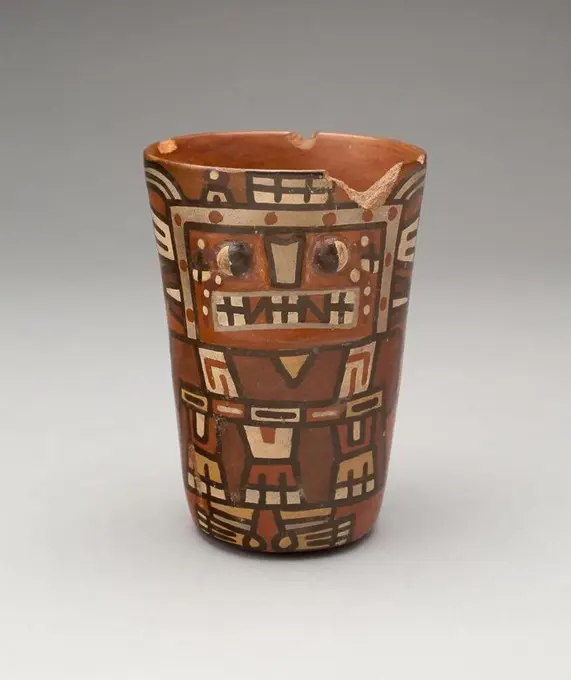
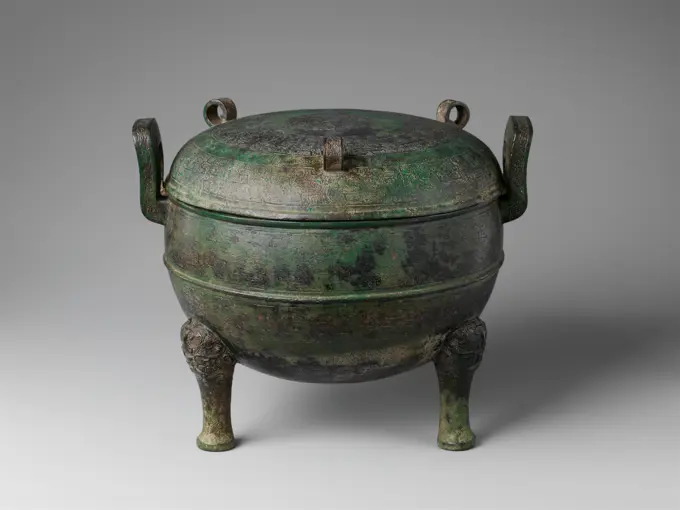
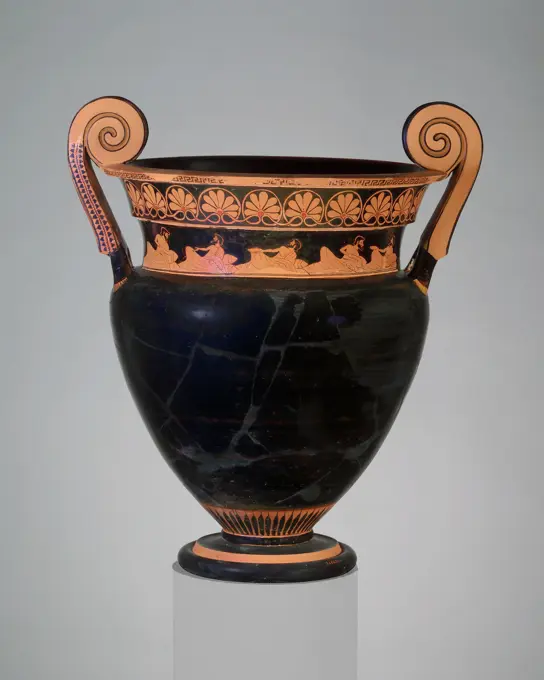
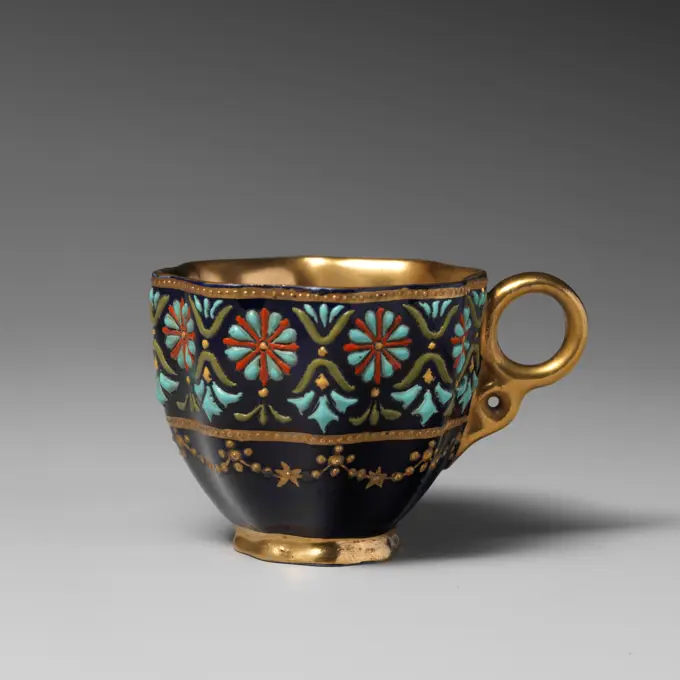
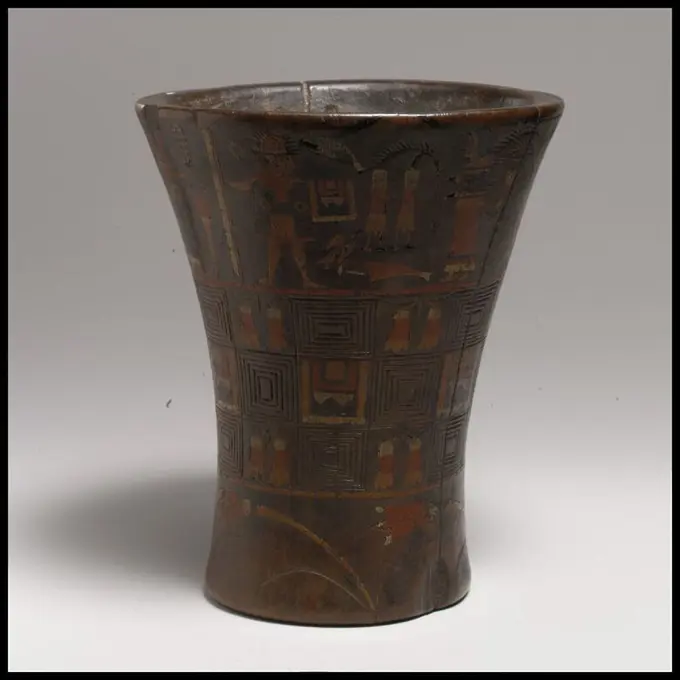
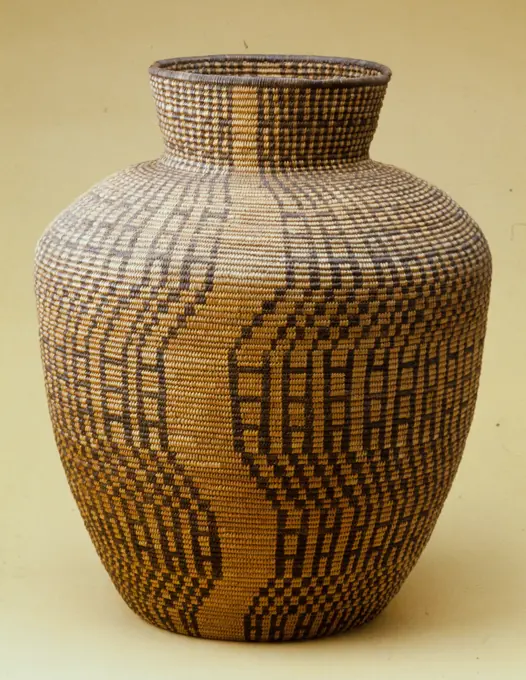
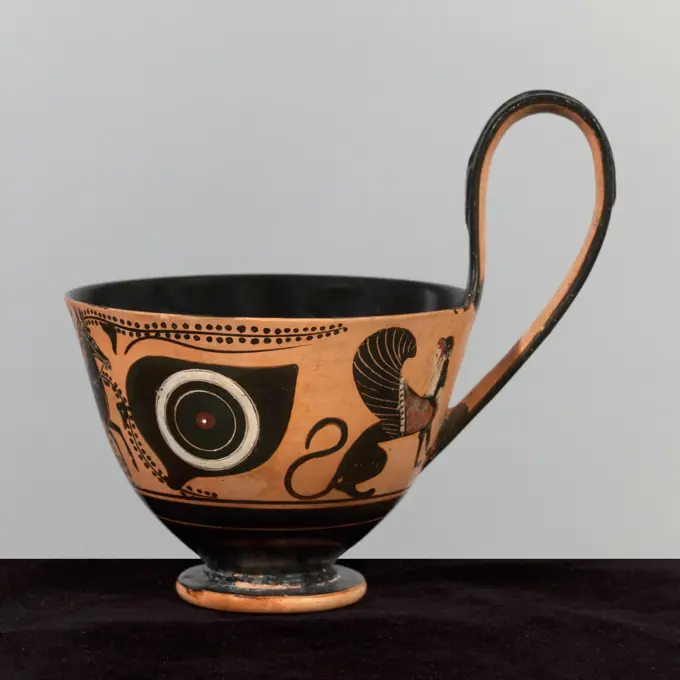
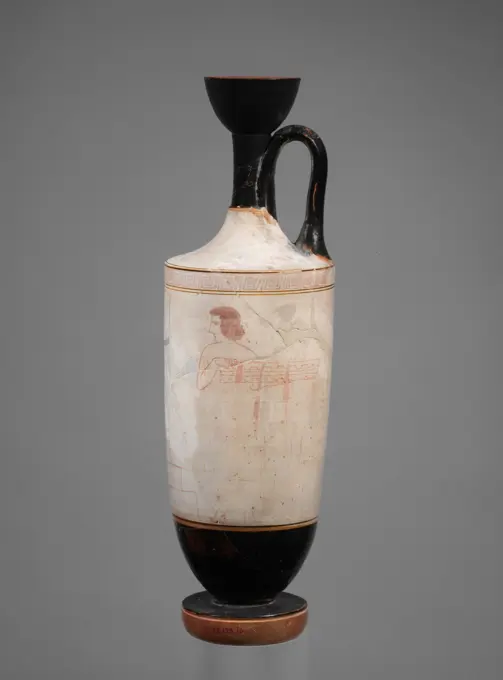
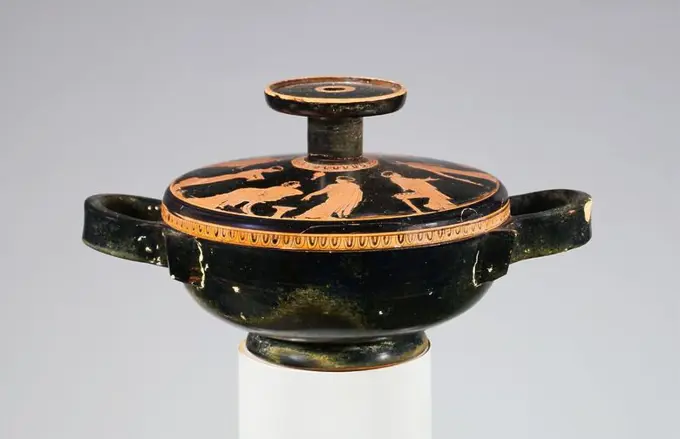
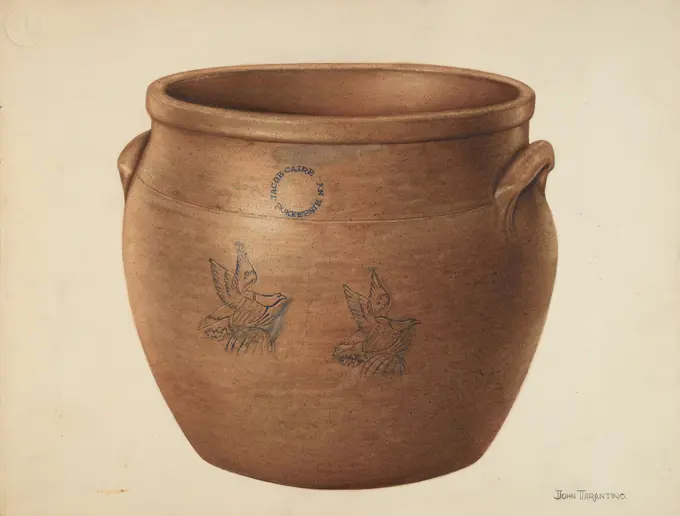
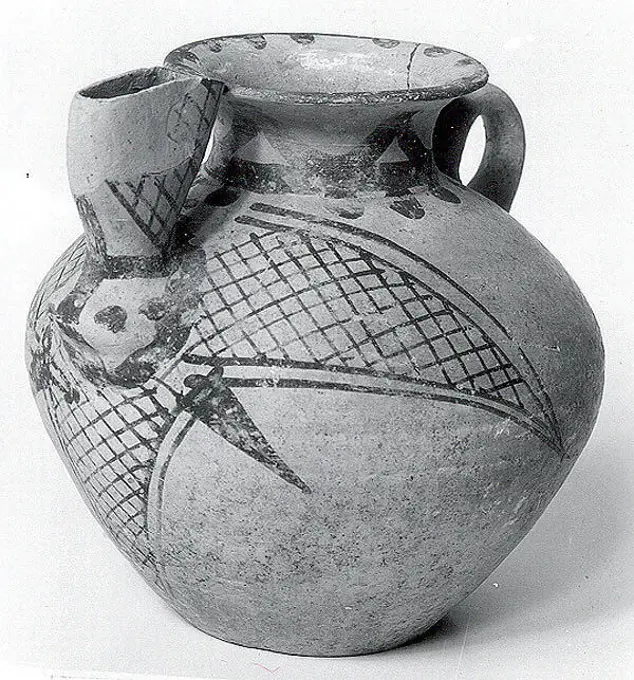
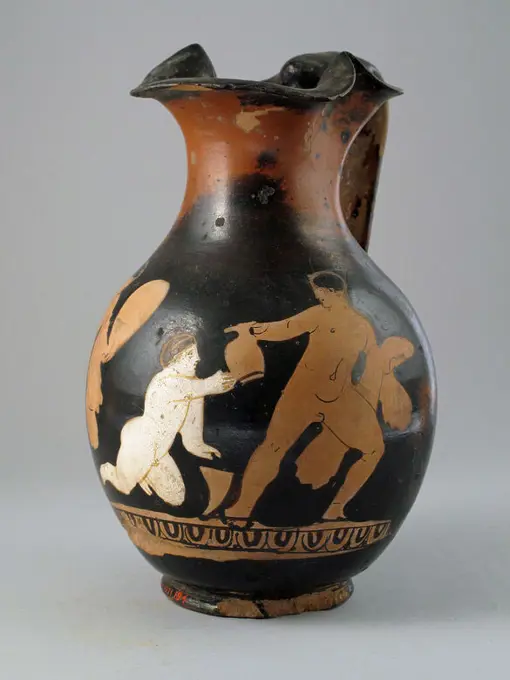
Terracotta lekythos (oil flask). Culture: Greek, Attic. Dimensions: H. 12 1/2 in. (31.8 cm)diameter 3 3/4 in. (9.5 cm). Date: ca. 450 B.C..Prothesis (laying out of the dead)The prothesis, a central part of funerary ritual, is represented in the Metropolitan Museum's collection as early as the mid-eighth century B.C. The essential elements--the deceased laid out on a bier, surrounded by members of the household and mourners--remained unchanged over centuries. In this depiction, there is obvious interest in differentiating the mourners and exploiting the contrast between the light background and the surfaces of opaque color. Museum: Metropolitan Museum of Art, New York, USA.Bottle with Overlapping Petals 11th-early 12th century China. Bottle with Overlapping Petals 73230Can. Can be made from stoneware with pewter lid. The neck is decorated with arabesk ornament. Drugging and three ovals with lion heads on the belly.Stirrup Spout Bottle in Cactus Form 1st century B.C.-A.D. 2nd century Moche. Stirrup Spout Bottle in Cactus Form. Moche. 1st century B.C.-A.D. 2nd century. Ceramic, slip, pigment. Peru. Ceramics-ContainersGlass jar. Culture: Roman. Dimensions: H.: 2 3/4 in. (7 cm)Diam.: 3 1/8 x 2 3/4 x 1 3/8 in. (7.9 x 7 x 3.5 cm). Date: 4th century A.D..Translucent blue green; trail and foot ring in dark cobalt blue.Horizontal, rounded rim; broad outsplayed mouth; concave cylindrical neck; bulbous body; solid applied foot ring; flat bottom, with traces of pontil mark.Trail wound round from left to right in zigzag between outer edge of shoulder and rim, forming openwork collar.Body intact, but slightly more than half of trail missing; some pinprick bubbles; dulling, some patches of limy soil encrustation, whitish weathering, and iridescence. Museum: Metropolitan Museum of Art, New York, USA.Glass one-handled bottle. Culture: Roman. Dimensions: Diam.: 3 3/8 x 1 1/4 x 1 3/4 in. (8.6 x 3.2 x 4.4 cm)H.: 5 5/8 in. (14.3 cm). Date: late 1st-early 2nd century A.D..Translucent yellow green; handle in same color.Collared rim folded out, down, round, up, and out, with a stepped profile and a flattened upper edge; cylindrical neck, with tooling indent around the base; conical body with bulbous side curving in at base; hollow, slightly outsplayed foot ring; pushed-in bottom; strap handle with a single central projecting rib applied to top of body, drawn up and outwards in a loop, then turned in, and pressed onto side of rim, with vertical projecting flat thumb rest and trail ending on top of neck; at lower end of handle, a long trail extends down side of body, tooled with seven horizontal notches.Intact; some bubbles and a few glassy inclusions; faint weathering on exterior, patches of soil encrusted weathering and iridescence on interior. Museum: Metropolitan Museum of Art, New Jug. Jug of stoneware in the shape of a beer lying on a foot, with a neck and an opening from above in the middle. The jug has two ears and has an outlet with a spout on the front. The jug is decorated with seven medallions in which a weapon. A weapon has the writing "J. Van Fernandes San Vittores" and five weapons are equal to each other.Olla (Jar), c. 1100-1250. Southwest, Arizona, Anasazi, Tularosa black-on-white, 12th-13th century. Ceramic, slip; overall: 30 x 40.5 cm (11 13/16 x 15 15/16 in.).Funerary Storage Jar, c. 2300 BCE, 19 x 4 3/4 in. (48.26 x 12.07 cm), Machang type Earthenware with painted decor, China, 24th-23rd century BCE, The seemingly abstract zigzag designs on the burial storage jar are a stylized version of a human-like stick figure. The neck of the jar in this case represents the head. Built from coils of clay, the vessel relates in shape to the earlier Banshan (2600-2300 BCE) jars shown here, but its proportions are more elongated and its surface is matte and unburnished. Related Machang (2200-2000 BCE) type jars have been excavated in Gansu and Qinghai provinces in northwest China.Vessel with Image of Figure in Profile and Crossed Bands. Mexico, Basin of Mexico, Teotihuacán, Teotihuacan, 450-650 CE. Ceramics. Stuccoed ceramic with post-fire applied paintNer Tamid (eternal lamp), late 19th-early 20th century, 4 15/16 x 10 1/4 x 5 5/8 in. (12.54 x 26.04 x 14.29 cm), Brass, silver inlay, Syria, 19th-20th century, European tourists visiting the Near East capitals of Cairo, Damascus, and Jerusalem vied for souveniers of beautiful inlaid metalwork of the Mamluk era (1250-1570), generating a 19th century revival of the style that lasted until WWI. This elaborately engraved and silver inlaid oil lamp was crafted by a series of craftsmen using the same techniques as the Mamluks and may have been used as a synagogue lamp.Flask with Zodiac Medallions. Dimensions: H. 12 in. (30.5 cm)W. 10 1/4 in. (26 cm). Date: first half 14th century, with additions first half 20th century.All twelve of the zodiac signs appear in the molded medallions on this flask. The fact that Gemini and Sagittarius appear in the center, however, suggests that it was made to commemorate a specific event, perhaps a marriage or the birth of a child. Museum: Metropolitan Museum of Art, New York, USA.Container for Spools of Thread (AbalAbal)Gold cup with repose representation of dolphins within a seascape. Mycenaean Greece was a cultural period of Bronze Age Greece taking its name from the archaeological site of MycenaeCup 15th century French. Cup 465893 French, Cup, 15th century, Earthenware, Overall: 2 1/4 x 2 1/2 in. (5.7 x 6.4 cm). The Metropolitan Museum of Art, New York. Gift of J. Pierpont Morgan, 1917 (17.194.2206)Small Bottle with Feline, 700 BC-1. Peru, South Coast, Paracas (Cavernas) style (700 BC-AD 1). Earthenware, resin-based paint; diameter: 7.5 cm (2 15/16 in.); overall: 10.2 cm (4 in.).Bronze Yu vase, Shang dynastyPortable Sake Bottle. Japan, Edo period (1615-1868), 19th century. Ceramics. Hizen ware, Takeo type; stoneware with white slip, iron oxide, and clear glazeBulbous bottle, bottle holder soil find glass, slightly sloping neck with enforced all-round sharp glass wire, and flattened expanded lip archeology packaging. Egg-shaped pot of stoneware, partly covered with a white sludge and an olive brown glaze. On the wall a decoration embossed of four scalloped cartouches with a blooming plant or a flying bird. On the shoulder a decorative bond under the glaze in white sludge. The bottom is unglazed. Some chips in the edge; A crack in the edge and wall. Old label on the bottom with 'W081'.Terracotta tri-colour funerary tripod, China. Chinese Civilisation, Tang Dynasty and Five Dynasties Period, 7th-10th century.Spouted Wine Vessel (He) 12th-11th century BC China. Spouted Wine Vessel (He). China. 12th-11th century BC. Bronze. Shang (ca. 1600-1046 B.C.)-Western Zhou (1046-771 B.C.) dynasty. MetalworkGlass aryballos (perfume bottle) late 6th-5th century B.C. Greek, Eastern Mediterranean Translucent blue, with same color handles; trails in opaque yellow, probably with another in opaque turquoise blue. Broad inward-sloping rim-disk with radiating tooling marks on underside; short cylindrical neck; angular shoulder; almost spherical body; convex, slightly pointed bottom with small indent at center; two ring handles with knobbed tails extend from shoulder to neck.A yellow trail applied to outer edge of rim-disk; another broad yellow trail applied on upper body and wound down in spiral, at first in horizontal lines, then tooled into a close-set zigzag pattern around central section of body, formed by uneven, shallow vertical tooling indents; a second trail in turquoise blue added to middle of body, mingling with the yellow trail; below zigzag pattern, a yellow and a turquoise blue trail wound once round body .Intact; dulling, pitting, and faint iridescence.. Glass aryballos (perfume botFragment earthenware toy cooking jug, on three legs, grape cooking pot crockery holder kitchenware toy relaxing device soil find ceramic earthenware glaze lead glaze, hand-turned glazed baked Three legs pear-shaped body and slightly flared rim Ear. Red glazed inside and outside. Probably toys because the legs are also completely glazed and soot and traces of use are missing Decorated or marked on the outside of the kettle Inlaved on belly three vertical lines archeology Rotterdam railway tunnel indigenous pottery playing child cooking kitchen Soil discovery: rail tunnel Rotterdam.Teapot with flower sprays, anonymous, c. 1800 - c. 1825 Teapot of stoneware with a printed egg -shaped body and the spout perpendicular to the ear, covered with a brown glaze and painted on the glaze with a white sludge. On the shoulder a wide band with flower branches and mushrooms (Lingzhi) . The flat lid with a decoration in white sludge. Japan stoneware. glaze painting / vitrification Teapot of stoneware with a printed egg -shaped body and the spout perpendicular to the ear, covered with a brown glaze and painted on the glaze with a white sludge. On the shoulder a wide band with flower branches and mushrooms (Lingzhi) . The flat lid with a decoration in white sludge. Japan stoneware. glaze painting / vitrificationTerracotta Hadra hydria (water jar) 213 B.C. Greek, Egypt, Alexandria-Hadra Painted in Greek: "Year 9, Mecheir; Damo..., son of Nearchos, Member of the Sacred Embassy, of Boeotia; by Theodotos, agorastes.". Terracotta Hadra hydria (water jar) 245549Terracotta kylix: Cassel cup (drinking cup). Culture: Greek, Attic. Dimensions: H. 3 7/16 in. (8.7 cm)diameter 5 1/4 in. (13.4 cm). Date: 3rd quarter of 6th century B.C..Exterior, four bands of ornamentThe Cassel cup is one of the secondary types of drinking cup developed in Athens just after the middle of the sixth century B.C. It is characterized by its small size and exterior decoration consisting entirely of friezes of ornament--in this case, tongues, ivy, laurel, and rays. Museum: Metropolitan Museum of Art, New York, USA.Pul with pewter lid, decorated with daffodils and tulips. Pul by red-brown stoneware with pewter lid. A tin ring around the foot. Above some profiled edges and a relief with lying windows and circles in white. On the body a decoration in white and blue, consisting of daffodils and tulips, executed in relief. Above again a relief with windows and circles in white. The mouth edge is trimmed with a pewter edge. A pewter's trim is over the ear. In the lid the letters E.L.B are engraved.JARRO LITURGICO VISIGODO DE BRONCE. Location: MUSEO ARQUEOLOGICO NACIONAL-COLECCION. MADRID. SPANIEN.Anonymous, vase HU (usual name), 0700. CERUNUSCHI Museum, Museum of Arts in Asia in the city of Paris.Bronze kyathos (ladle) 450-400 B.C. Etruscan At bottom, ornamental band; tongue pattern and beading on lip.. Bronze kyathos (ladle) 248651Stone vases, from Mochlos, Crete, GreeceGlobe 15th century or later Italian, possibly Deruta. Globe. Italian, possibly Deruta. 15th century or later. Maiolica (tin-glazed earthenware). Ceramics-PotteryVessel decorated with a winged monster. From Phrygia, Turkey from the 8th-7th century BC.Late Proto-Corinthian Piriform Aryballos. UnknownVase Necel, Franciszek (1868 1935)Glass alabastron (perfume bottle) late 6th-5th century B.C. Greek, Eastern Mediterranean Opaque red brown, with handles in same color; trails in opaque white.Broad horizontal rim-disk; very short cylindrical neck; narrow rounded shoulder; slightly convex sides to body, tapering upwards; convex bottom; two vertical ring handles with knobbed tails, applied over trail decoration.A trail attached at edge of rim-disk; another trail applied to neck, wound in a spiral around body, tooled into a close-set zigzag pattern with alternate upward and downward strokes, and ending in a circle around bottom.Broken and repaired, with one chip in rim-disk and several large holes and cracks in body; dulling, pitting, but very little weathering.. Glass alabastron (perfume bottle) 249984Amphoriskos. UnknownPitcher 1800-1830 American. Pitcher 5674Ancient glazed ewer pottery exhibits at the Shanghai Museum, Shanghai, China.JARRITO DE LOS BERCHULES CON ATAURIQUES Y EPIGRAFIA - SIGLO XV - NAZARI. Location: INSTITUTO VALENCIA DE DON JUAN-COLECCION. MADRID. SPAIN.Keltiberische Vase Celtiberian vase, Museum of Romanization, Calahorra, La Rioja, Spain, Europe Copyright: xZoonar.com/BartomeuxBalaguerxRotgerx 22945824A utilitarian container, this nearly spherical cast bronze vessel survives in surprisingly good condition. Two goat heads on the shoulder, each with inlaid silver eyes, serve as decorative attachments, holding two hand-wrought linked chains - a shorter one to secure the stopper and a longer one for hanging or carrying the vessel. The round body of the vessel is nicely complemented by a decorative program of shallowly incised bands and concentric circles. Canteen or Balsamarium, 150 BCE-50 CE. Roman, late Republican-early Imperial (c. 50 BCE - 50 CE). Bronze, cast; height: 17.8 cm (7 in.).Kadzielniczka  Triogen with handles unknownAmulet of Bes, 30 BC-AD 395. Egypt, Greco-Roman Period, Roman Empire. Polychrome faience; average: 3.7 x 1.8 x 0.7 cm (1 7/16 x 11/16 x 1/4 in.).Double Spout Bridge Vessel Depicting Long-Necked, Crested Bird with Anthropomorphic Features 180 BCE-500 CE Peru, southern. Ceramic and pigment . NazcaAnonymous. Cernuschi Museum, Asia Museum of Asia in the city of Paris.MortarCiborium with lid, depicting scenes of athletes exercisingMary Fitzgerald, Stoneware Crock, 1935 1942 Stoneware CrockGlas, anonymous (possibly), c. 1000 - c. 1099 Light green glass on a foot ring with a layer but wide -ranging body with rounded shoulders. A straight, wide neck and a ribbed, flat handle. Glassblower: Iranyriëegypt glass Light green glass on a foot ring with a layer but wide -ranging body with rounded shoulders. A straight, wide neck and a ribbed, flat handle. Glassblower: Iranyriëegypt glassRoyal Flemish” Ewer, Lion and Arms” Pattern. Manufacturer: Mount Washington Glass Company, American, 1876-1907Set clay and ceramic jugs isolated on white backgroundWater Ewer 1780-1785 Burslem. Stoneware (basaltware) . Wedgwood Manufactory (Manufacturer)Land in shape;  19th century (1890-00-00-1910-00-00);Marriage vase (Lebes Gamikos.) Red figure pottery (340-330 BC) Licinela, tomb 13, Paestum. Archaeological site of Paestum, Campania, Italy.Jug or 'Jacobakan', anonymous, c. 1450 - c. 1550 Ribbed, narrow Kan (Jacobakan) of stoneware on wavy foot with an egg -shaped body and long neck. The C-shaped ear is attached to the neck. The jug is decorated with turning virgins and a profile on the shoulder. Attached to the ear a 19th century silver frame with lid. Engraved Jacoba van Beyeren, 'Vrov IACOB', with weapon and the edge writing 'rys.hoeck.vrov.iacob.is. no.bastert'. Siegburg. Siegburg Stoneware. Glaze. frame: Silver (Metal) vitrification Ribbed, narrow Kan (Jacobakan) of stoneware on wavy foot with an egg -shaped body and long neck. The C-shaped ear is attached to the neck. The jug is decorated with turning virgins and a profile on the shoulder. Attached to the ear a 19th century silver frame with lid. Engraved Jacoba van Beyeren, 'Vrov IACOB', with weapon and the edge writing 'rys.hoeck.vrov.iacob.is. no.bastert'. Siegburg. Siegburg Stoneware. Glaze. frame: Silver (Metal) vitrificationVase; Bielino (Manufaktura Fajansu; 1779-1800), Wolff, Karol (fl. Ca 1800); around 1790 (1785-00-00-1795-00-00);Bronisław Krystall. Testament (Warsaw - exhibition - 2015/2016), Krystall, Bronisław (1887-1983) - collection, chinoiserie, Far Eastern motifs, cobaltCeramic pithos in form of three ceramic loops with marine motifs by Kamares, from Palace of FestosBottle (Roman Empire, probably Syria); glassJug (Bartmann jug) with coats of arms and portraits, anonymous, c. 1598 - c. 1610 Jug (beard fancier bush) of stoneware on standing surface with a spherical body and narrow, short neck. The getting c-shaped ear is attached to the neck and shoulder. Profiles on the neck. Covered with a brown engobe and cobalt blue. On the abdomen three times a large, printed and imposed medallion in relief. The middle medallion shows a weapon with a double eagle, the date '1598' and a cartouche with an illegible inscription. The weapon is worn by lions. On either side of this a medallion with a portrait of a emperor, each with the edge writing 'Ceasar AVG PR Imp p ... Claudiu ...'. Two small with a weapon between the large medallions. A rectangular compartment with a weapon flanked by lions and curls over the shoulders. On the neck, continuously on the shoulder, a bearded man. Frechten. Cheek stoneware. glaze. engobe. cobalt (mineral) vitrification Jug (beard fancier bush) of stoneware on standing surfaCollar bottle. Terracotta. Neolithic. Paris, Carnavalet museum. Bottle, collar, neolithic, terracotta, dishes, archeological vestigeVijzel, decorated with French lilies and Hermen, Anonymous, c. 1600 - c. 1625 The cast round mortar extends upwards and has a round -protruding profiled edge, decorated with twenty to the left pointing French lilies. The Frisian consists of twelve times repeated with garlands, rolling and wreath decorated Herm. The Puy bronze (metal) casting The cast round mortar extends upwards and has a round -protruding profiled edge, decorated with twenty to the left pointing French lilies. The Frisian consists of twelve times repeated with garlands, rolling and wreath decorated Herm. The Puy bronze (metal) castingVase. Bronze. Chine. Par musée musée malée. 70005-25 Handle, Chinese art, bronze, decorative motif, snake, head, vase, animalBell-shaped gilded silver beaker, decorated with curved lotus flower petals and bosses. From Ithaka, Greece. Dated 250 BCPalace Ware beaker ca. 8th-7th century B.C. Assyrian. Palace Ware beaker 324210Oven with a Hein pot to cook steamed rice, bronze model, China. Chinese Civilisation, Han Dynasty, 1st century.Ring bottle. Culture: American. Dimensions: H. 8 1/2 in. (21.6 cm). Date: 1800-1830. Museum: Metropolitan Museum of Art, New York, USA.Drinking Cup (Kero) with an Abstracted Masked Figure. Tiwanaku-Wari; Bolivia or Peru. Date: 600 AD-1000. Dimensions: 11.1 × 7.8 cm (4 3/8 × 3 1/16 in.). Ceramic and pigment. Origin: Peru, southern. Museum: The Chicago Art Institute, Chicago, USA.Ritual Tripod Cauldron with Cover (Ding) 5th-4th century B.C. China. Ritual Tripod Cauldron with Cover (Ding). China. 5th-4th century B.C.. Bronze. Eastern Zhou dynasty (770-256 B.C.). MetalworkFragment of stoneware peasant wicker with writing and dance pairs under arcades in frieze, dated, farmer's pitcher crockery holder fragment soil find ceramic stoneware clay engobe glaze salt glaze, V TASTE BASTOR ICH DISTANCE DY KAPM ... archeology import pottery serve serve drink wine beer wedding marriage party dancingTerracotta volute-krater (bowl for mixing wine and water) ca. 500 B.C. Attributed to the Karkinos Painter Obverse, mounted AmazonsReverse, symposiumFive men reclining on cushions are shown conversing at a symposium (drinking party). Two guests usually shared one couch, but in this abbreviated view the legs of the couches are missing so everyone appears to be on a single long cushion.. Terracotta volute-krater (bowl for mixing wine and water). Greek, Attic. ca. 500 B.C.. Terracotta; red-figure. Late Archaic. Vasesagadir city morocco medina landmark arab wood vaseTeacup ca. 1881-91 Coalport. Teacup. British, Coalport. ca. 1881-91. Porcelain. Ceramics-Porcelainagadir medina vase agadir city morocco medina landmark arab wood vase Copyright: xZoonar.com/tudorxantonelxadrianx 7381318Kero. Culture: Quechua. Dimensions: H. 7 7/8 in. (20 cm). Date: 16th-18th century.This kero follows the predominant early colonial format, confining its complex main scene to the upper register. Museum: Metropolitan Museum of Art, New York, USA.Skyphos. Culture: Greek, South Italian, Apulian. Dimensions: H. 6.07 cm.. Date: ca. 350-300 B.C.. Museum: Metropolitan Museum of Art, New York, USA.Bottle ca. 8th-7th century B.C. Assyrian. Bottle 324398WAZKA  turquoise blue enamel and extruded plant decoration unknownTripod Cauldron oF Ran (Ran ding) Made 1200 BCE-1000 BCE China. On this vessel, monster masks are cast in bold, high relief against a background of finely squared spirals, in a style that reflects the fullest development of Shang surface design. Each mask is composed of prominent horns, eyes, nose, upper jaw, and ears. The low ridge or flange, which bisects each mask, marks a division in the clay mold assembly used to cast this vessel. This type of three-legged cauldron is the most common of all ritual vessels; even after the end of Chinaís Bronze Age, it remained a symbol of the political authority and legitimacy of the ruling house. Cast on the inside wall is the family emblem Bing.Originally golden in color, this vessel developed a surface corrosion or patina during centuries of burial underground. It was subsequently cleaned, recoated, and darkened probably by heating. The resulting smooth, blackish brown surface is characteristic of many bronzes that have come down to us from collVase Greek Art Terra cottaTerracotta lekythos (oil flask). Culture: Greek, Attic. Dimensions: H. 12 7/8 in. (32.7 cm)diameter 4 5/8 in. (11.7 cm). Date: ca. 490-480 B.C..Athena holding spear and helmet, owl at left. Museum: Metropolitan Museum of Art, New York, USA.Basket, c. 1900, 20 1/4 x 16 x 16 in. (51.44 x 40.64 x 40.64 cm), Plant fibers, United States, 19th-20th century, There are six major divisions among the Indé (Apache) peoples. Of them, the Jicarilla and Western Indé are most known for their baskets. The Western Indé construct coils made from cottonwood that are stitched with willow and devil's claw. Their baskets chief value is in its size and perfection of a streamline shape. Like their Piman neighbors, most Western Indé baskets were made for Euro-American customers by the turn of the century. Their two primary forms are shallow bowls and vase-shaped baskets. Simple baskets with modest designs were characteristic of the years between 1860 and 1890. The black rim of devil's claw is a common feature on Western Indé baskets. Designs on bowls radiate from the center, and in between the radiating spokes, Western Indé basket makers are known to add figures of dogs, deer or humans to their designs.Vatican group G57. Kyathos. Black figures. Around 520-510 BC. 76113-6 Greek antiquity, ancient art, Greek art, drink, ceramic, black figure, kyatos, pottery, terracotta, Greek vase, wineSoul of majolica bowl, manganese, blue on white, bird on fence, backside not glazed!, bowl dish tableware holder soil find ceramic earthenware enamel, baked unloosed underside. Polychrome archeology adorn serving foodTerracotta lekythos (oil flask) ca. 440-430 B.C. Attributed to the Painter of Athens 1934 Two women at a tombThe woman at the left kneels and gesticulates in mourning. The economy and sureness of the drawing are as noteworthy as the fact that her sentiment is expressed by her pose, not by any facial expression. The figure on the right holds a basket with fillets.. Terracotta lekythos (oil flask). Greek, Attic. ca. 440-430 B.C.. Terracotta; white-ground. Classical. VasesMayan polychrome vase. Provenance unknown. (600-900 AD) Ceramic. This vase with straight walls represents a double scene; one on a dark background and the other on a light background.. Zodiac cup from bronze. Dated.Vase with flowers and ornamental lines, company Wed. N.S.A. Brantjes and Co., 1895 - 1904 Vase (two pieces: A and B), multi -colored decorated with flowers and ornamental lines. Purmerend earthenware Vase (two pieces: A and B), multi -colored decorated with flowers and ornamental lines. Purmerend earthenwareAlabastron; Eastern Mediterranean; 6th - 4th century B.C; Glass; 9.6 cm (3 3,4 in.)Terracotta lekanis (covered dish). Culture: Greek, Attic. Dimensions: H. with lid 5 in. (12.7 cm)diameter 6 9/16 in. (16.7 cm). Date: last quarter of 5th century B.C..Interior scene with womenVases of this type were often presented as wedding gifts, and the scenes on them tend to show women dressing and grooming themselves. Here, the seated woman leaning back to speak to a woman behind her may be a bride whom the others are preparing for her wedding. Museum: Metropolitan Museum of Art, New York, USA.Bardo Museum, Tubnisia: 11th Century Fatimid, Islamic apothecary jars, pottery dishesClay pot isolated on white background. Eco-friendly household utensils.Vase set in bronze. unknown, craftsmanOld ceramic cup isolated on white background .Free space for text.John Tarantino, Crock, 1940 CrockVase;  1790 (1790-00-00-1790-00-00);Tripod Pyxis. UnknownSpouted jar ca. 900-700 B.C. This pitcher has a squat body with a rounded shoulder, a short neck, and a flaring rim. A short spout emerges from one side of the body just below the shoulder and connects to the rim. A rounded handle connects the shoulder and the rim on the other side. The pitcher is buff, with painted reddish-brown decorations, including three rays with crosshatching surrounding the spout and dots on the rim. The combination of the spout and painted decorations suggest the form of a bird. The body and neck were made separately on a wheel, with the handle and spout added later.This pitcher is very similar to those excavated at Tepe Sialk, near Kashan in central Iran. Sialk was the site of a fortified town, constructed in the early first millennium B.C. Several hundred yards from the town there was a large cemetery, called Necropolis B by the archaeologists who explored it between 1933 and 1937. The graves were pits covered with pitched roofs made of stone or clay, and in Oinochoe, chous. Culture: Greek, Attic. Dimensions: 6 1/4 × 4 in. (15.9 × 10.2 cm)Diam. of foot: 2 1/4 in. (5.8 cm). Date: early 4th century B.C.. Museum: Metropolitan Museum of Art, New York, USA.