Glass Jugs and Bottles

Assortment of ancient glassware including jugs and perfume bottles, showcasing intricate designs and historical significance.
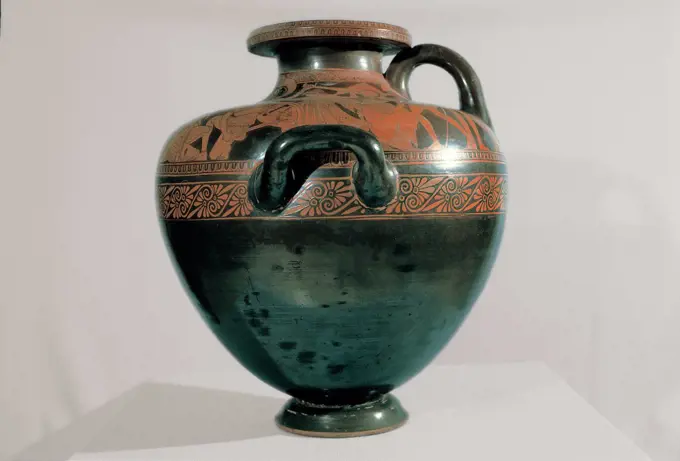
Red-figured Attic clay hydria, by Unknown, 6th Century, pottery, turn on lathe, red figures . Italy, Campania, Naples, National Archaeological Museum. Whole artwork. Front hydria red figures Attic pottery vase flared-disk foot globular body protruding lip two horizontal side handles one behind vertical frieze with decoration on the shoulders.
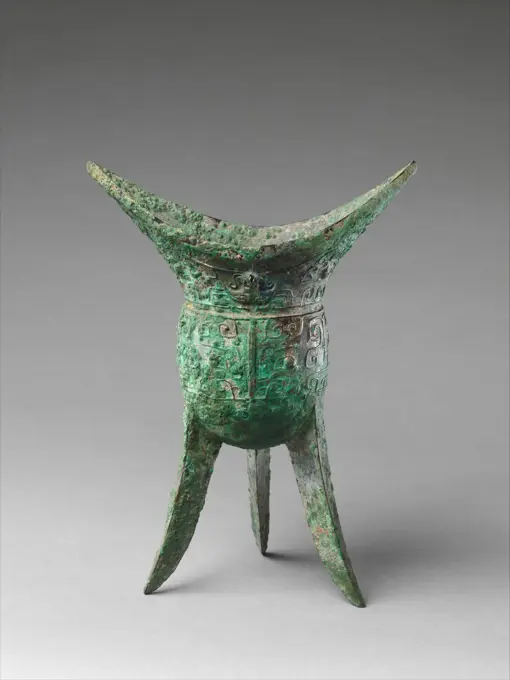
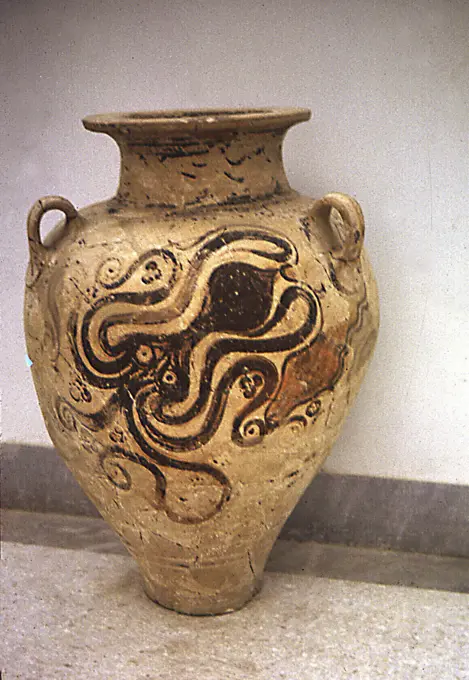
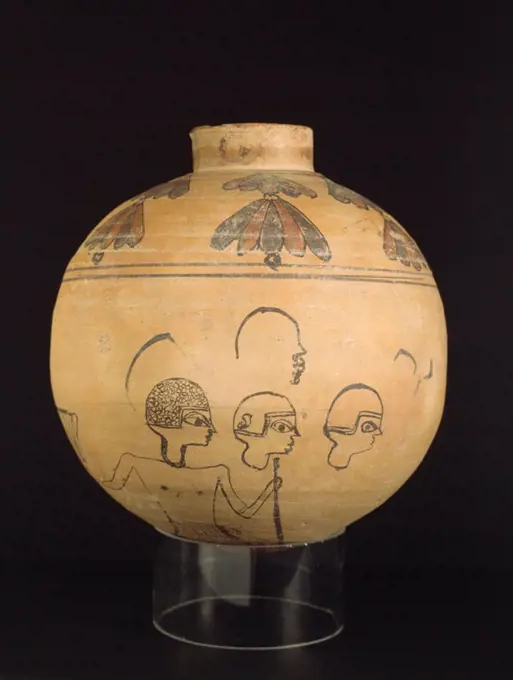
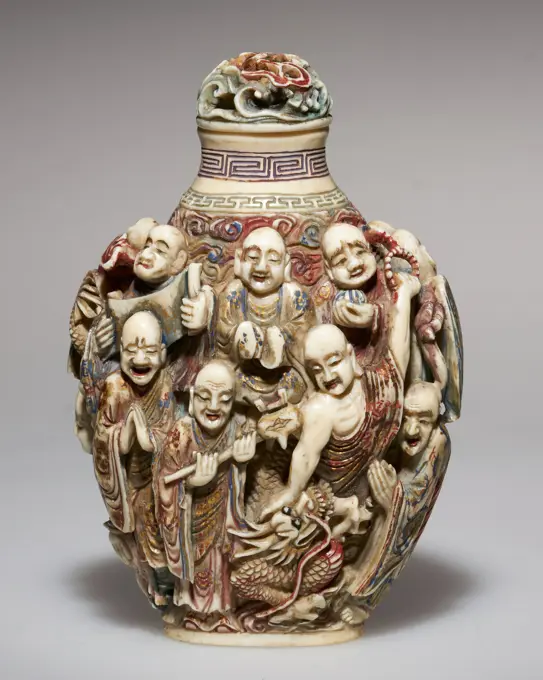
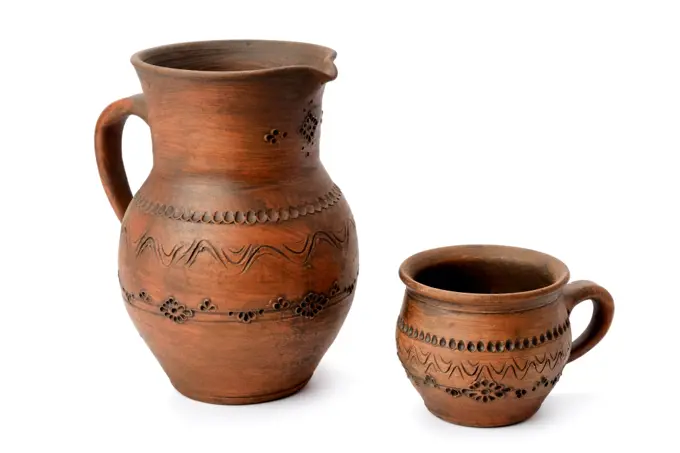
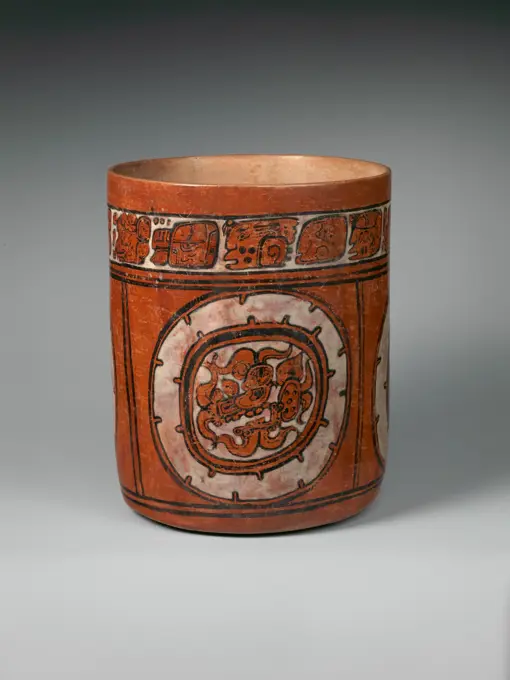
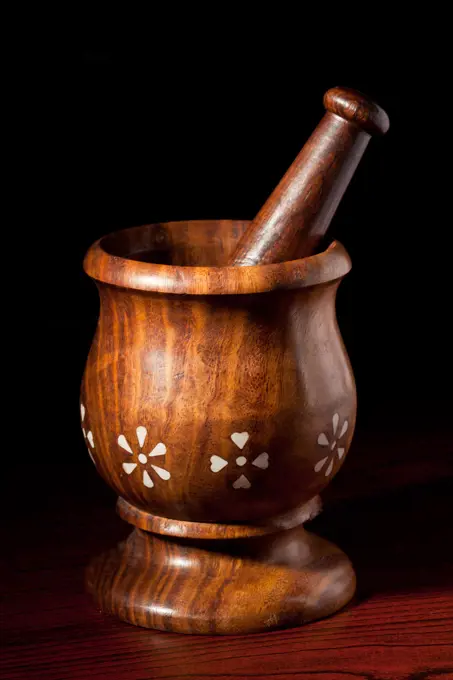
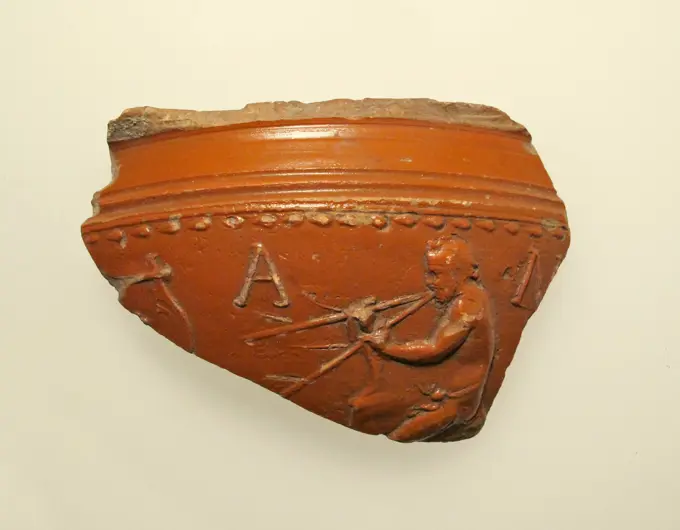
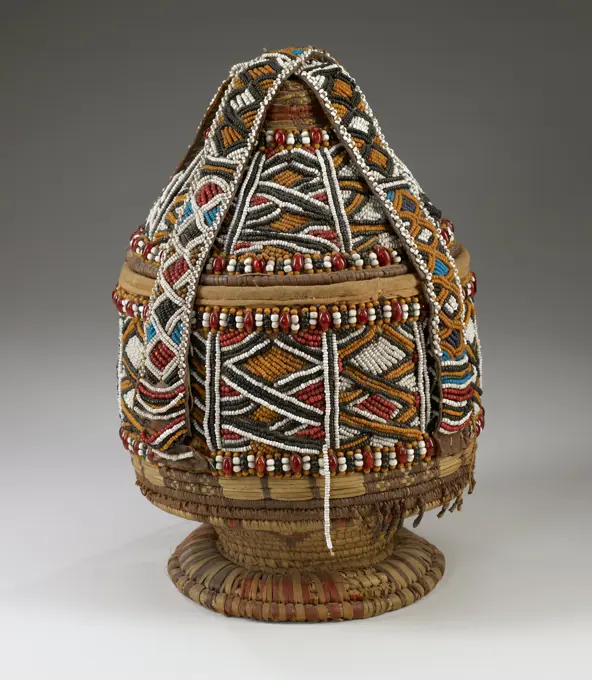
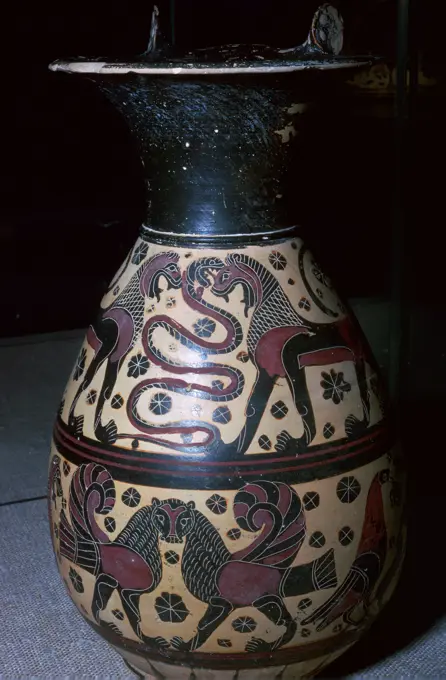
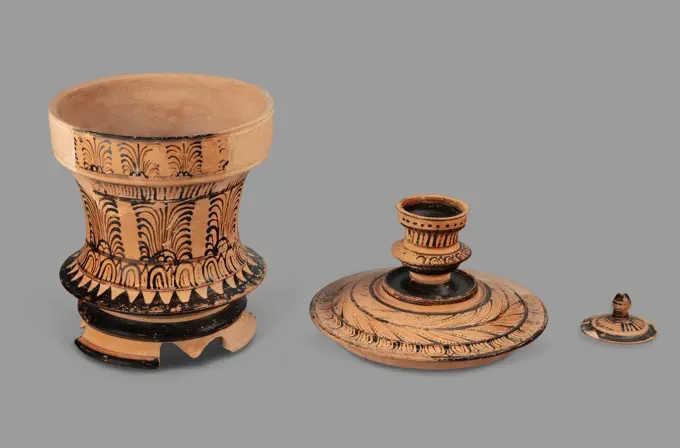
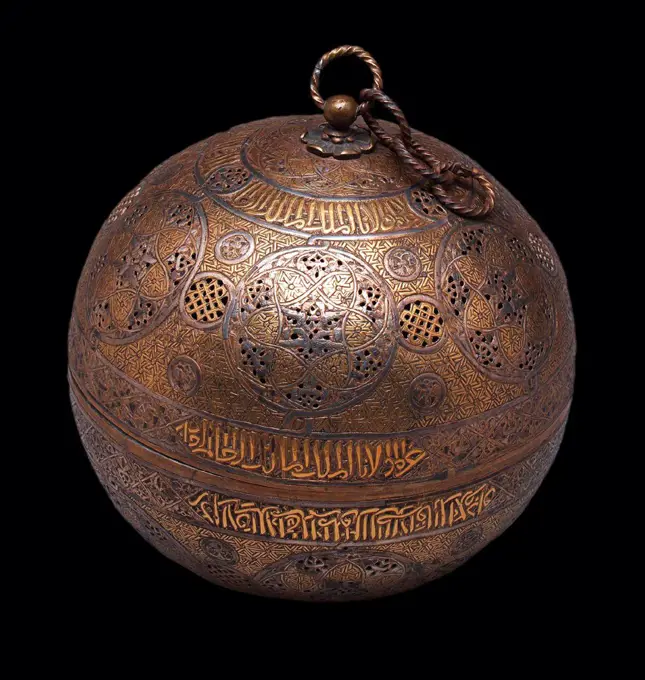
Decorated jug. Free Field Style. Pottery. 8th-6th centuries BC. From Cyprus. Neues Museum. Berlin. Germany.Ritual Wine Vessel (Jiao) late 11th century B.C. China This elaborate set of wine vessels provides an idea of the splendor of Shang and early Zhou ritual ceremonies. The set is said to have come from a tomb uncovered in 1901; shortly thereafter, it entered the collection of Duan Fang, a senior Manchu official and one of the preeminent antiquarians of the late Qing period. The pieces vary in style and execution. Although eleven of the vessels are inscribed, only one grouping shares identical inscriptions: the two wine containers, or you (nos. 2, 3) and the tall wine container, or zun (no. 4). A second grouping has largely comparable inscriptions: the spouted water vessel, or he (no. 5) and one cup, or zhi (no. 11).A partial reconstruction of the sets arrangement in the tomb may be established from corrosion outlines on the three principal vessels—the two wine containers, or you, and the central tall wine container, or zun—that were etched onto the surface of the altar table. The diagraBenin Bronze tusk holder; Nigeria; West Africa 1600-1700 ADPitcher. After statue by: Hiram Powers, American, 1805-1873Covered Wine Pot China. Covered Wine Pot. China. Bronze, gold, silver. Ming dynasty (1368-1644). MetalworkWine Warmer (Zun) 206 BCE-9 CE China. This type of cylindrical vessel has been identified as a wine warmer (zun) through a similar inscribed example excavated in northern China. The vessel may have been used for a variety of foods or wines, but its short legs indicate that it was probably not designed to be placed over a fire. This metal shape was modeled after early boxes of lacquered wood that served as cosmetic containers (lian).. Gilt bronze .Minoan Octopus Vase from Knossos, Bronze Age, GREECE.Hu wine vessel on display in the Shanghai Museum, ChinaMug c 1850-1890 New Jersey. Earthenware . Daniel GreatbatchTea caddy 1740-50 British, Staffordshire. Tea caddy. British, Staffordshire. 1740-50. Salt-glazed stoneware. Ceramics-PotteryPeru, Pre-Inca civilization, Nazca culture, Double spout and bridge vessel with painted imaginary sea otterBotella de cerámica, hecha a torno, de pasta fina de color anaranjado, cocción oxidante. Encontrada en la tumba 32 de la necrópolis meroítica de Nag Gamus en Masmas, en la nubia egipcia. Altura: 23 cm. Diámetro: 21 cm. Museum: MUSEO ARQUEOLOGICO, MADRID, SPAIN.Snuff Bottle, 1850-1900, 3 7/8 x 2 1/2 in. (9.8 x 6.4 cm), Ivory, pigment, China, Qing dynastyclay jug and a mug isolated on white backgroundThe Great Chalice of Antioch, also known as, The Holy Chalice. Believed to have been used by Jesus during the Last Super. This beautiful communion cup is supposed to have belonged to the Christian church founded by Constantine at Antioch in 341.Cylindrical Vessel 6th-9th century Maya This polychrome cylindrical vessel is identified by the text around the rim as a Classic Maya (ca. a.d. 250-900) "drinking cup." The design layout is less common than the full figure scenes and deity depictions seen on many Maya vessels. The interpretation of the well drawn profile deity head is that it may be one of many forms of a watery serpent creature, a common image in Maya art, often with smoke clouds issuing from the top, bottom, left and right side of the head. The split scroll motifs could also be read as representing vegetal forms linking the deity to agriculture, spring, and the concept of regeneration and regrowth.. Cylindrical Vessel. Maya. 6th-9th century. Ceramic. Guatemala or Mexico, Mesoamerica. Ceramics-ContainersWooden mortar and pestle on dark wood background. Stamper of cast iron. This is slightly wider to the ends.Vase Fragment 1st century B.C.-1st century A.D. Roman Satyr fluting with a kithara in the field.. Vase Fragment. Roman. 1st century B.C.-1st century A.D.. Terracotta. VasesOba's Royal Crown. Africa, Nigeria, Yoruba peoples, early to mid-19th century. Jewelry and Adornments; crowns. Glass beads embroidered on plain weave striped and printed cotton over a metal frameBasket, early 20th century, Unknown, 13 x 10 x 10 in. (33.02 x 25.4 x 25.4 cm), Fibers, leather, beads, cowrie shells, cloth, Somalia, 20th century, This Somali wedding basket was given to the bride on her wedding day. It would become a place to store personal items, such as jewelry, but first it would be used for a playful wedding-day ritual. Filled with treats, the basket would be covered and tied shut with string. Male guests, including the groom, would then compete to open it within a certain amount of time. In the end, the groom was expected to winthe tied basket being a metaphor for his wife.Corinthian wine jug, 6th century BC. Artist: UnknownBasket, early 20th century, 6 3/8 x 5 x 5 in. (16.19 x 12.7 x 12.7 cm), Plant fibers, United States, 20th centuryPyksis from the lid; Unknown Beock workshop; 2. PO. 4th century BC (-350-00-00--301-00-00);Beocja, Falkenhausen, Ernst von (1925) - collection, KingdomTerracotta cup 1st century B.C.-1st century A.D. Roman. Terracotta cup. Roman. 1st century B.C.-1st century A.D.. Terracotta; Arretine ware. Early Imperial. VasesShown here are various Mycenaean and later Greek vases. The Mycenaean Period went from 1700-1100 BC. The early styles shown here are Mycenaean down to the early 7th century (600s BC).Spherical incense burners from thie period, very few of which have survived, were hung from the ceiling or from the vault of an arch, while an ingenious system of gimbals inside the sphere stabilized the burning incense in the swinging container.PILA BAUTISMAL ROMANICA. Location: ST. PETER'S CHURCH. BUDIA. Guadalajara. SPAIN.Cerámica, arqueología.