Glassware and Vases

Elegant glass and ceramic vases, showcasing intricate styles and colors, ranging from ancient Roman designs to modern interpretations.
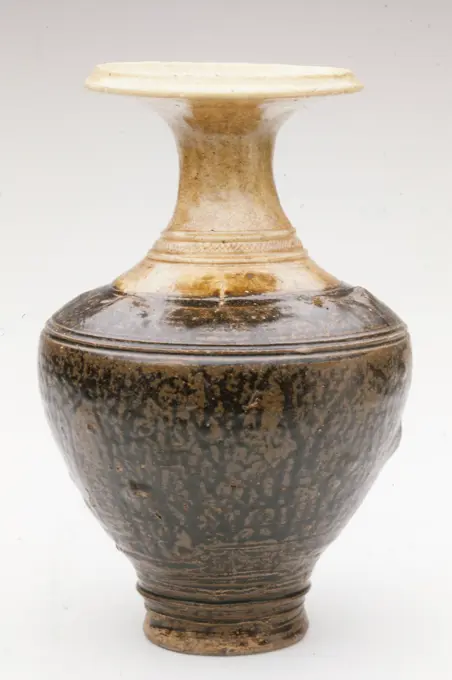
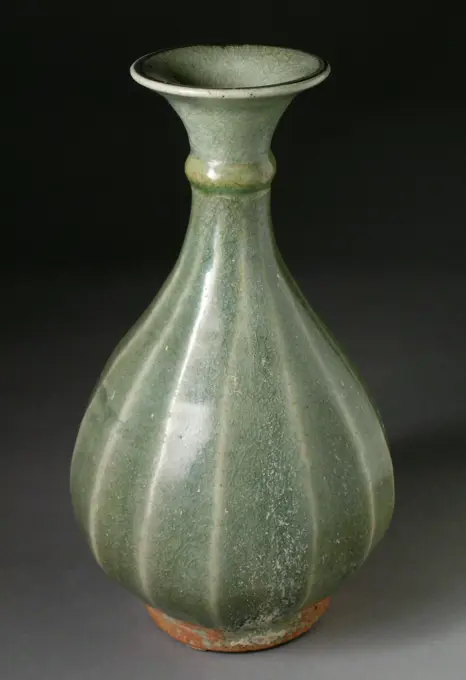
Baluster Jar, 13th century, 11 3/4 x 7 13/16 x 7 13/16 in. (29.85 x 19.84 x 19.84 cm) (at shoulder), Khmer ware Stoneware with incised decor under green and brown glaze, Thailand, 13th century
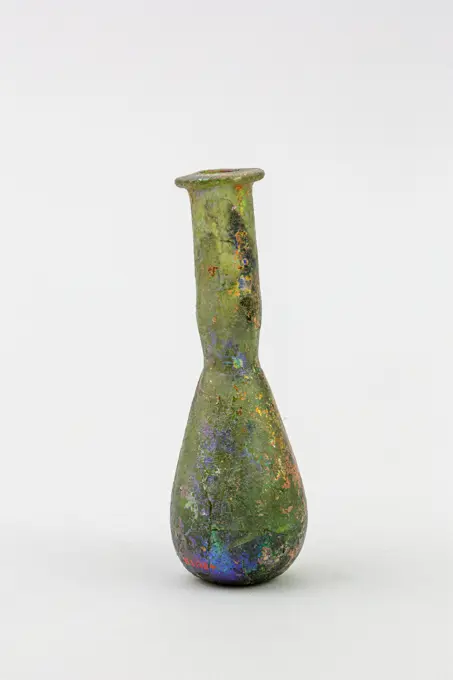
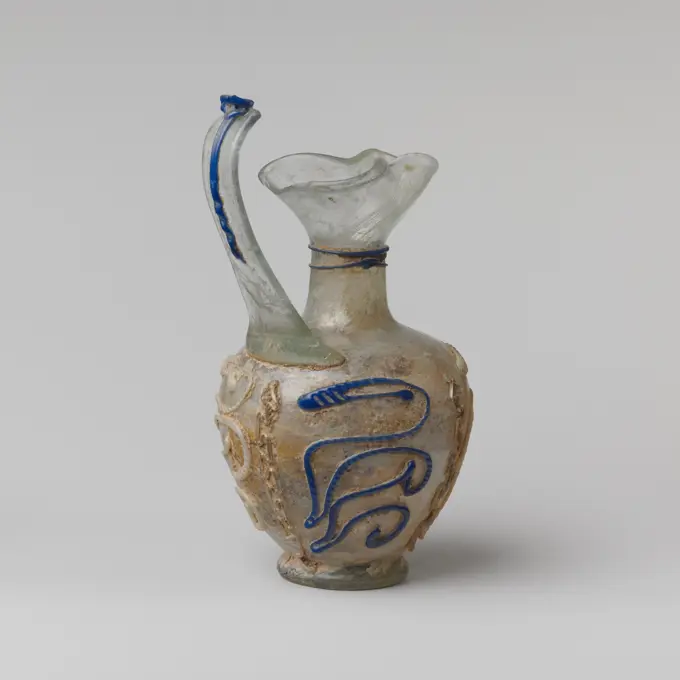
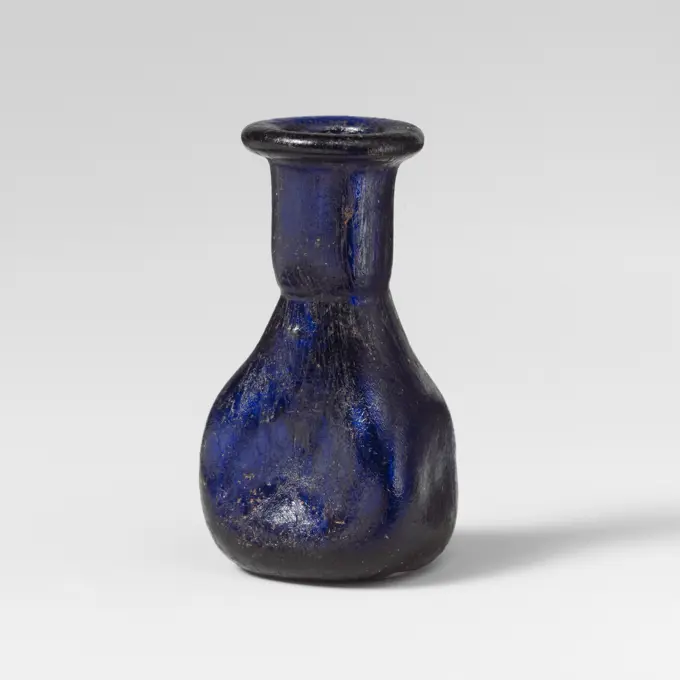
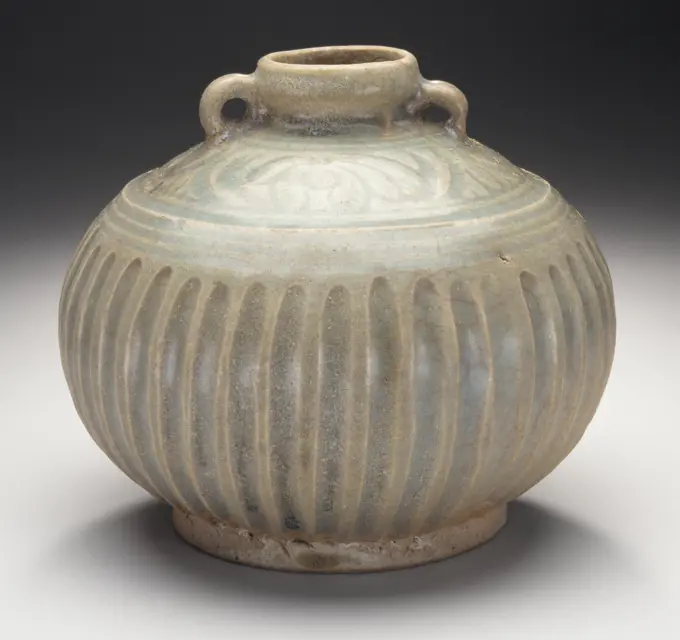
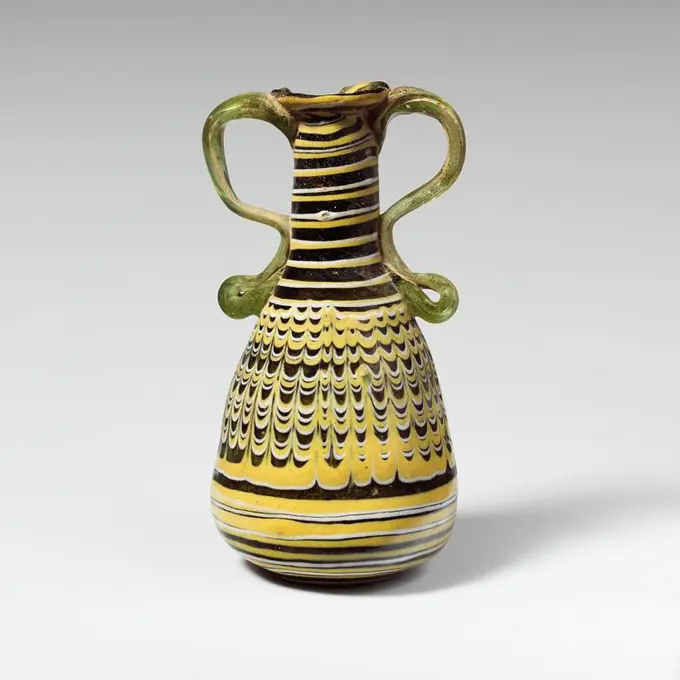
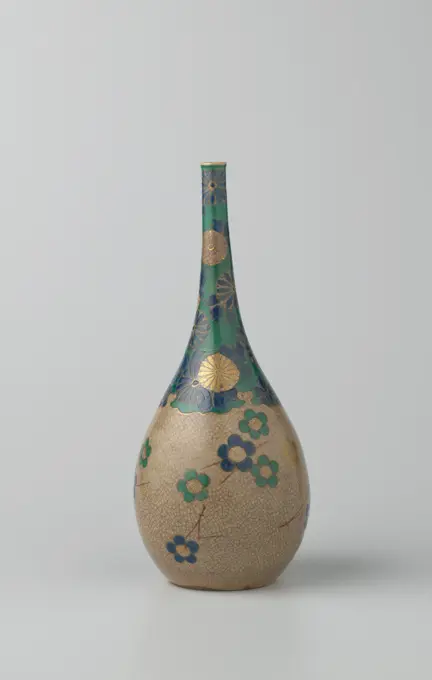
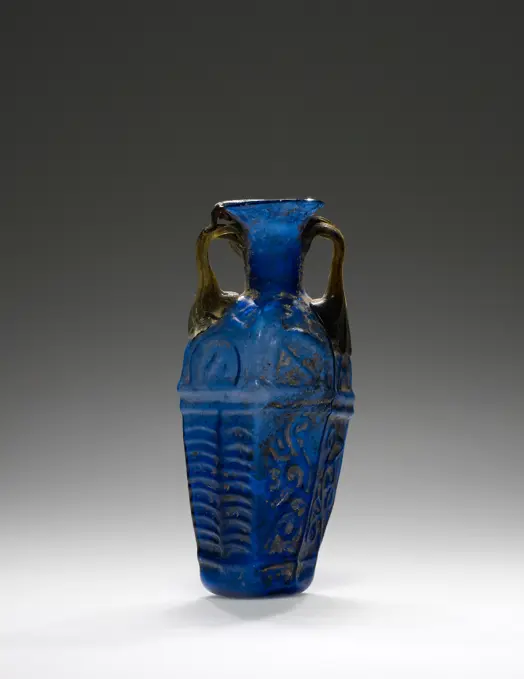
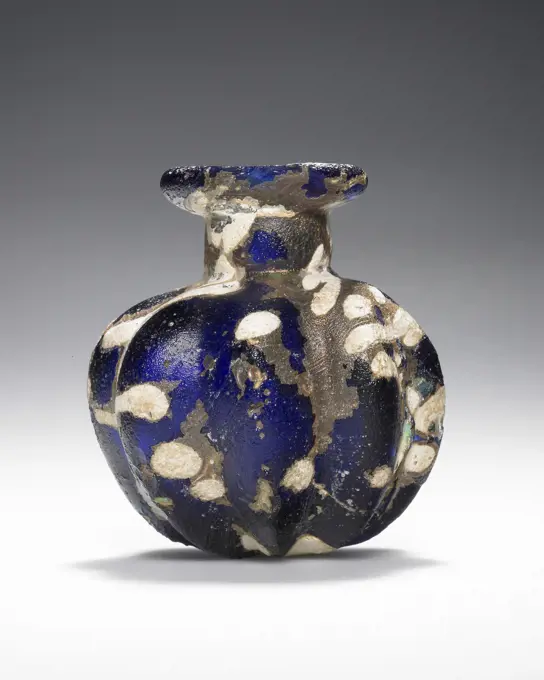
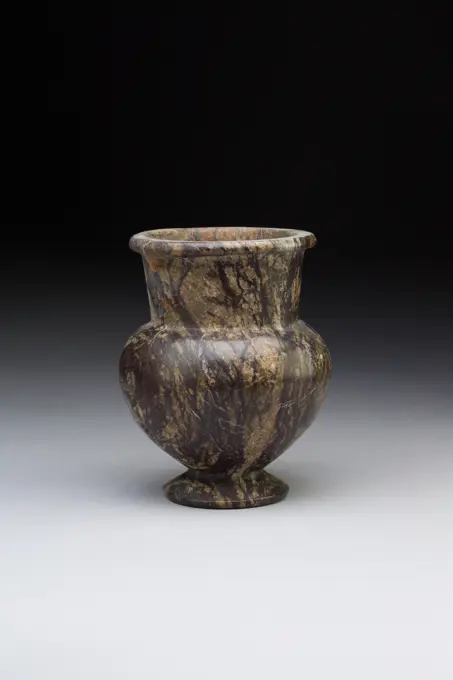
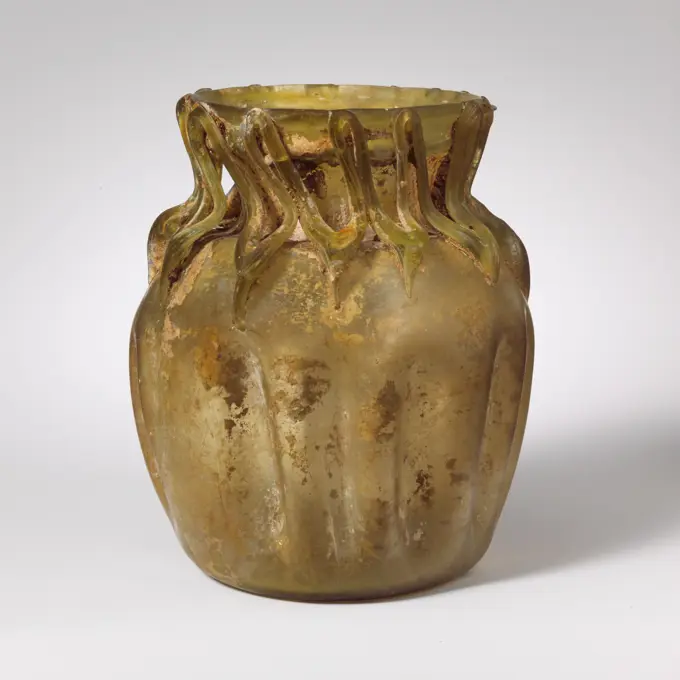
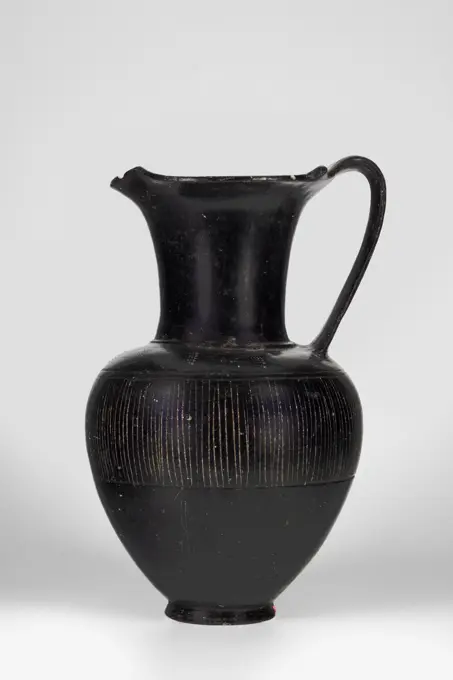
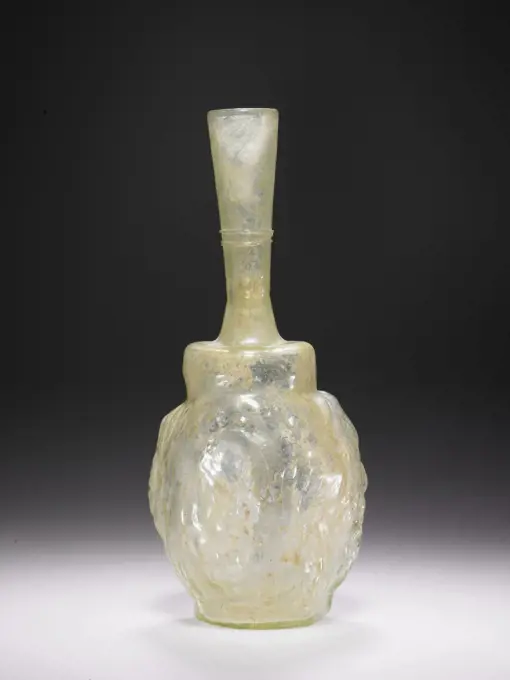
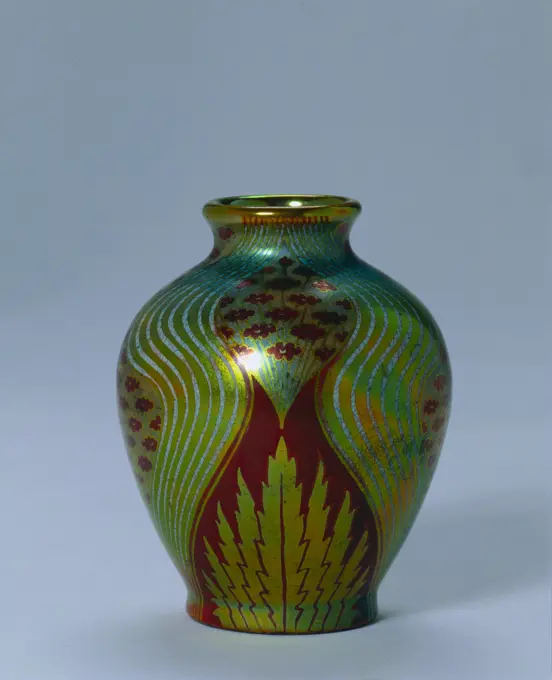
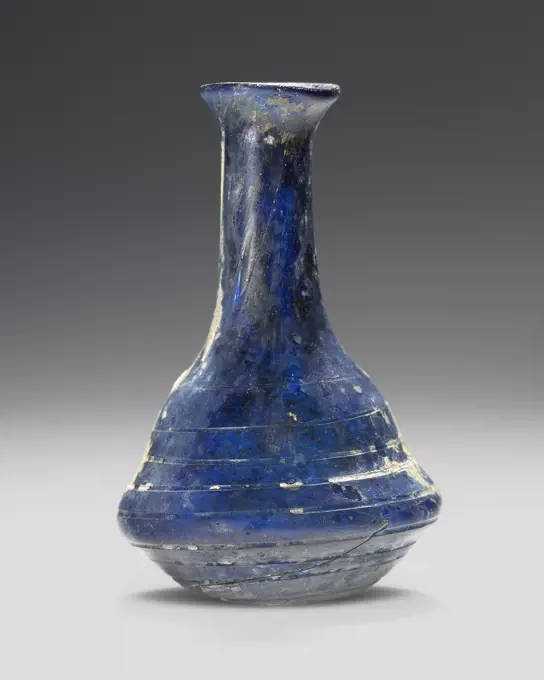
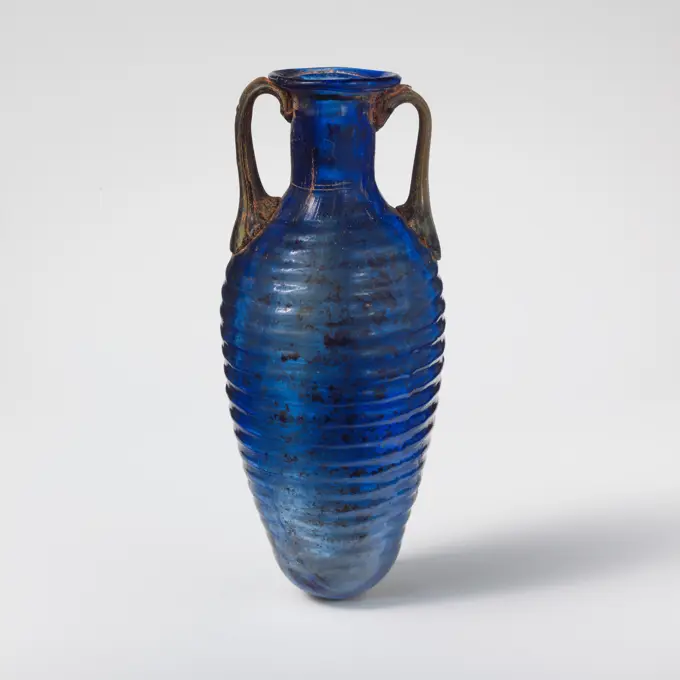
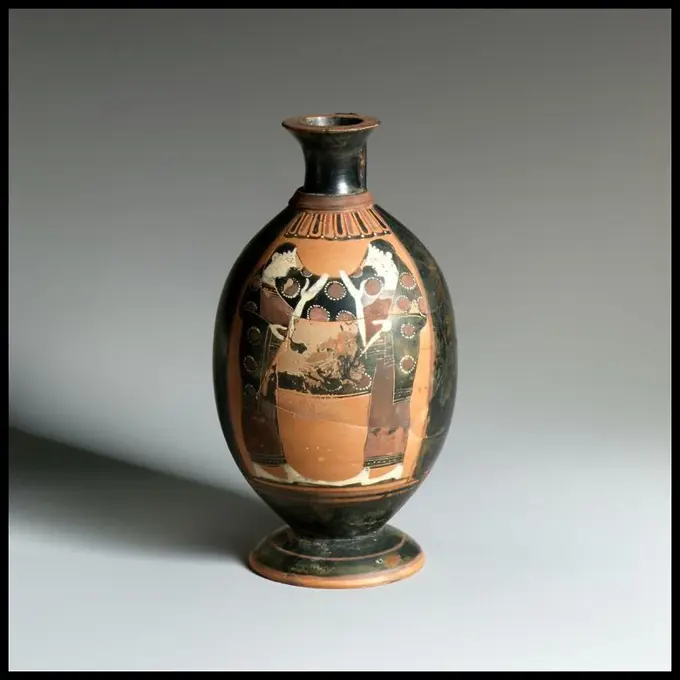
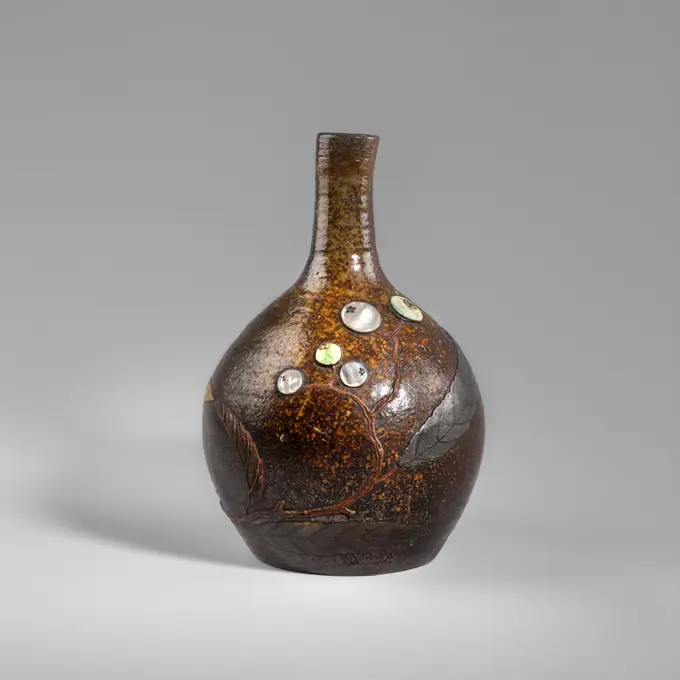
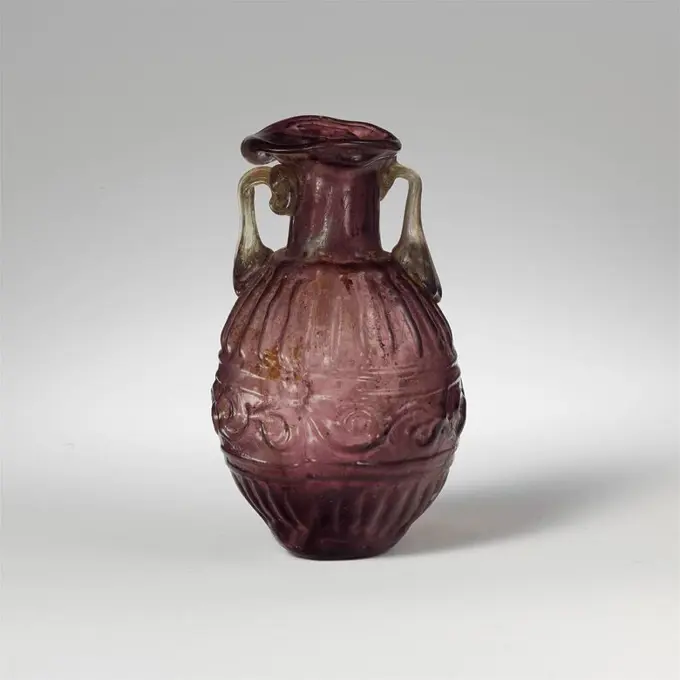
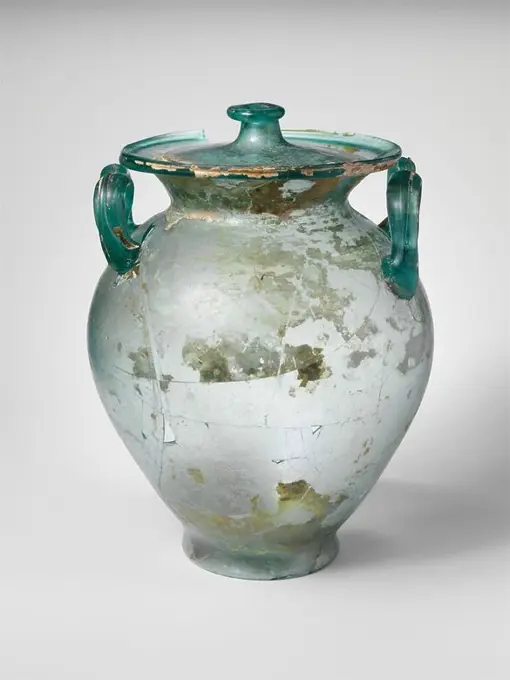
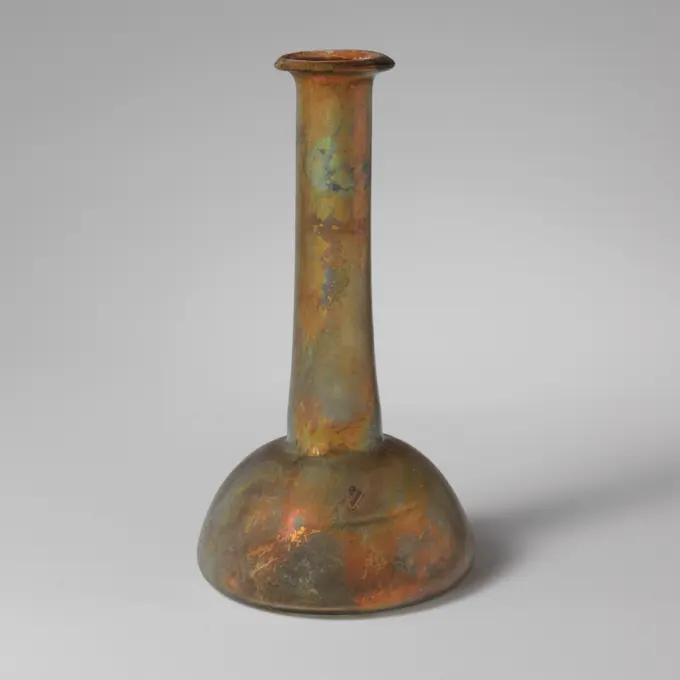
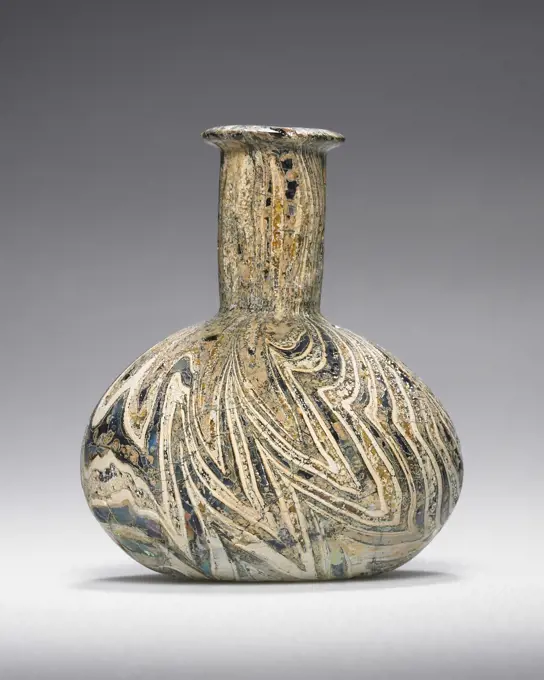
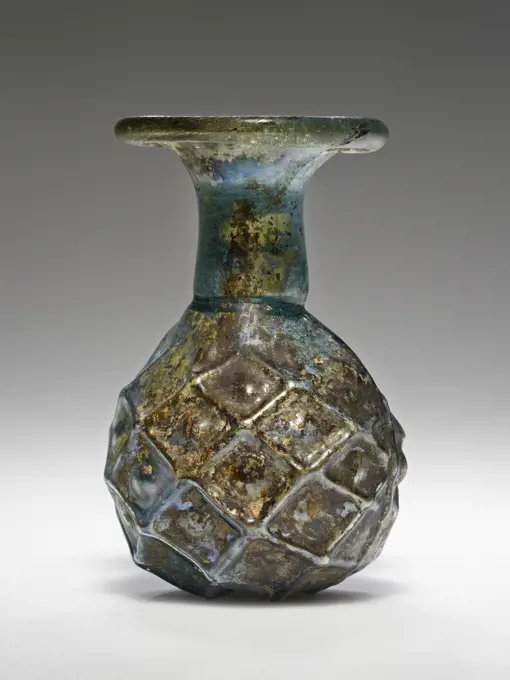
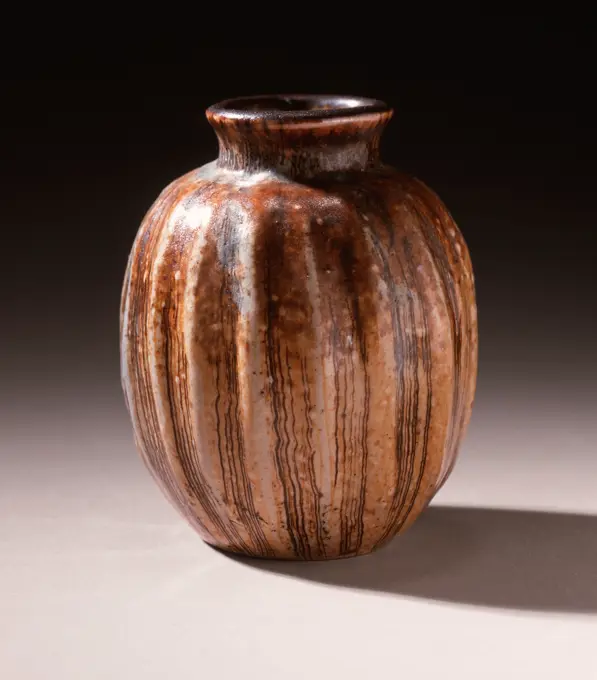
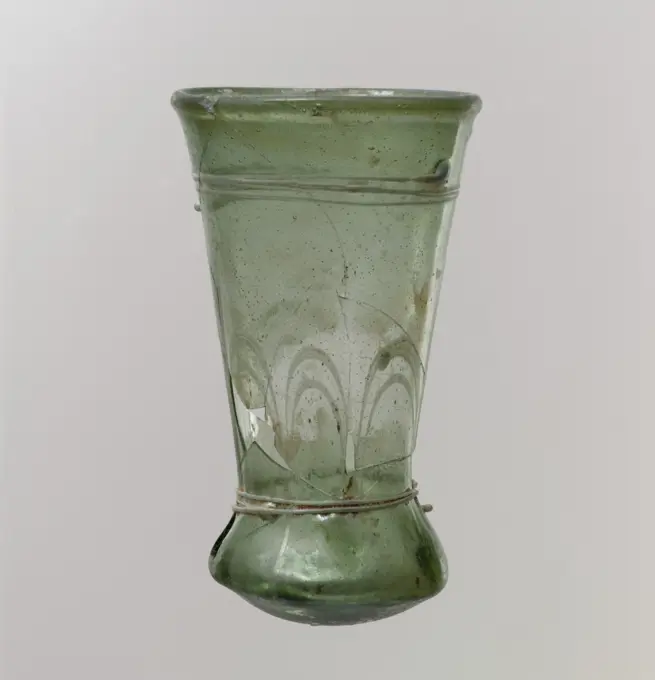
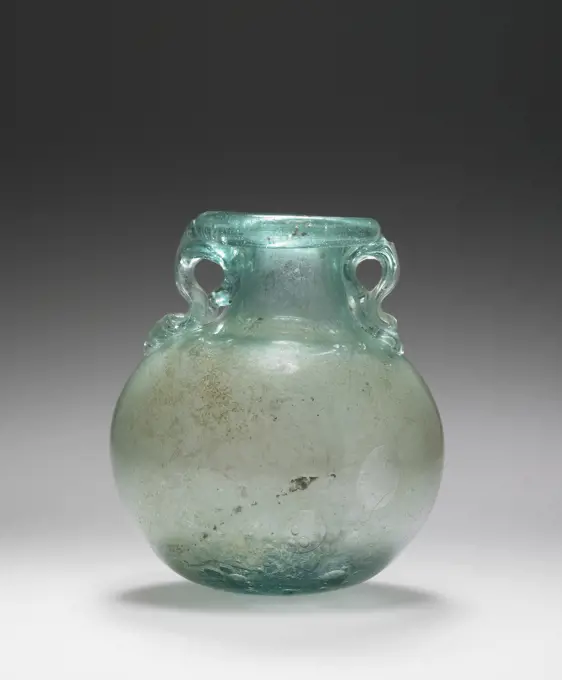
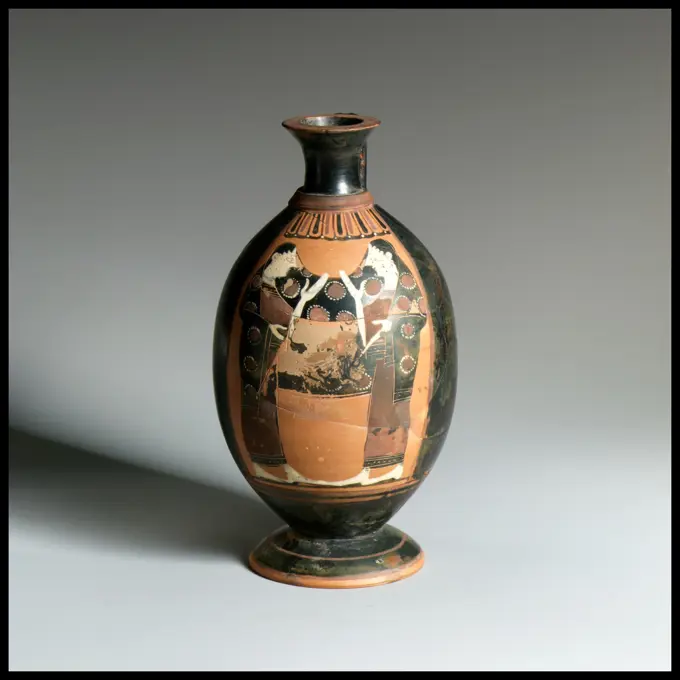
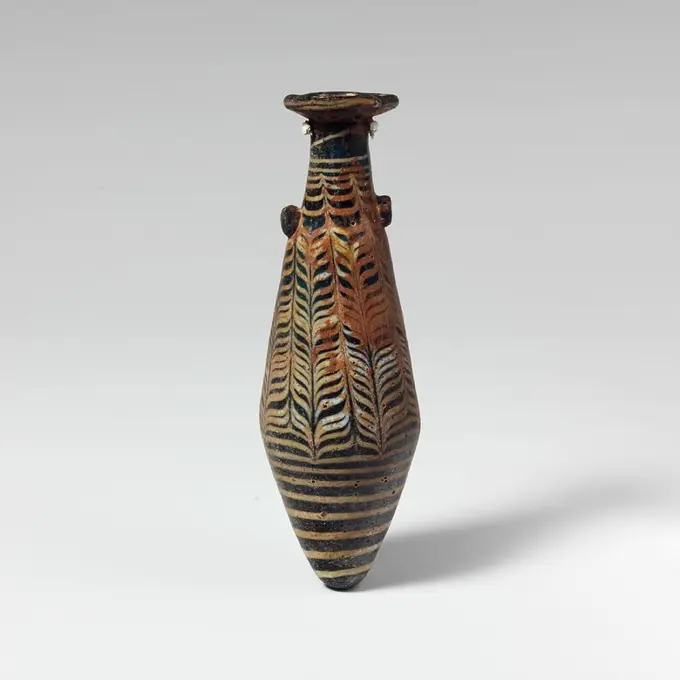
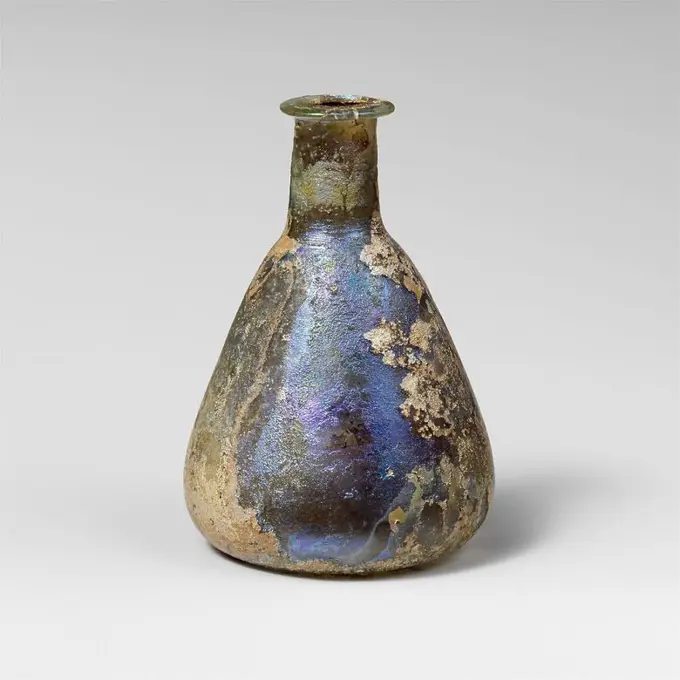
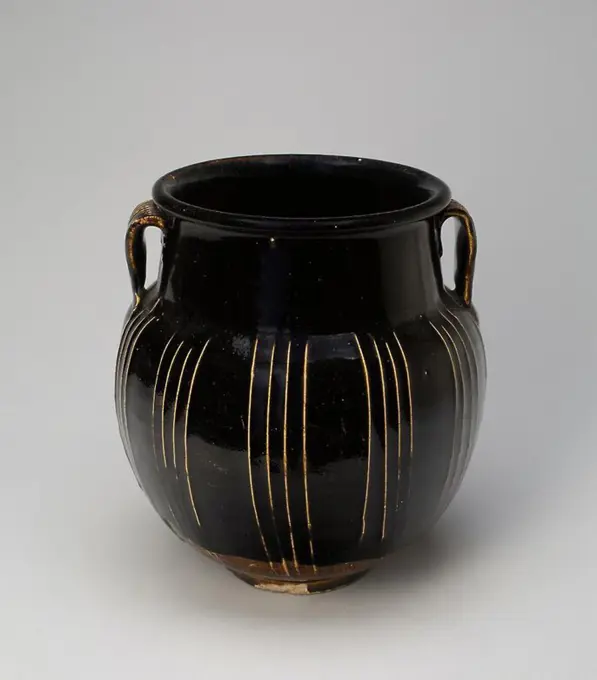
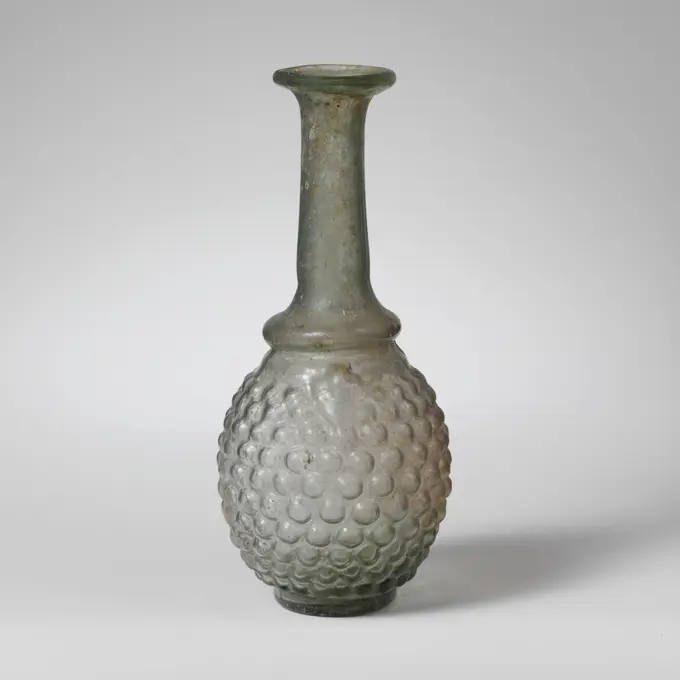
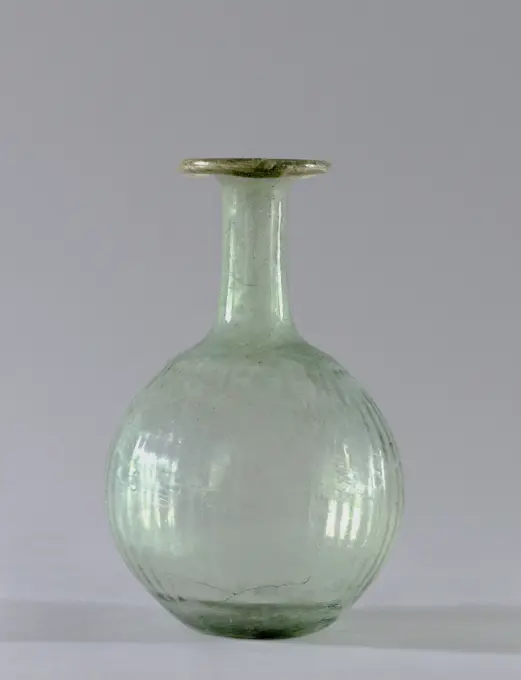
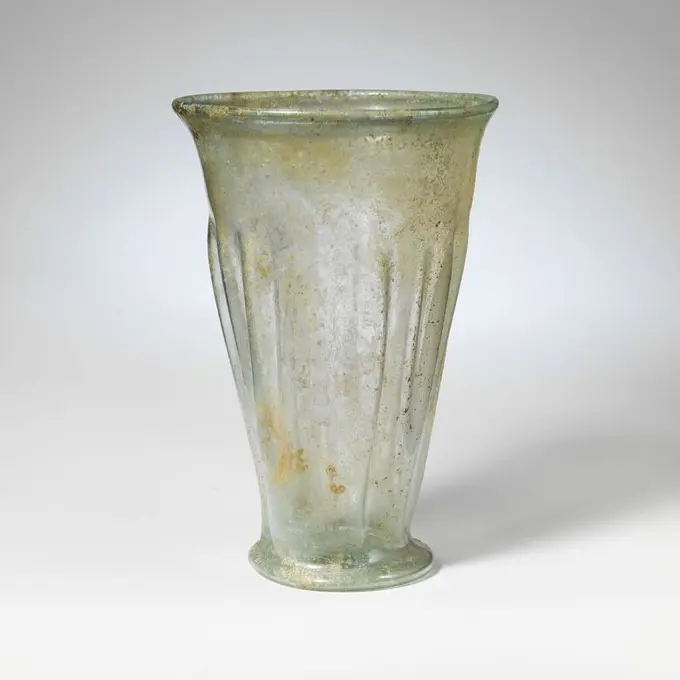
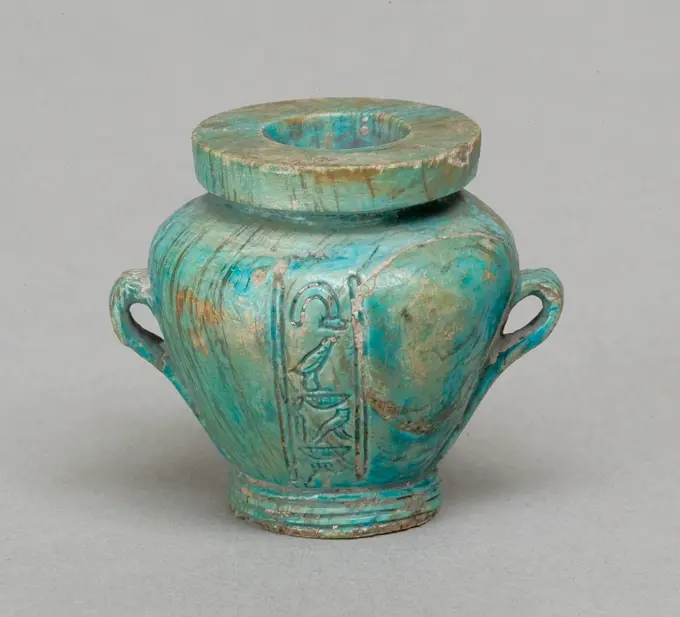
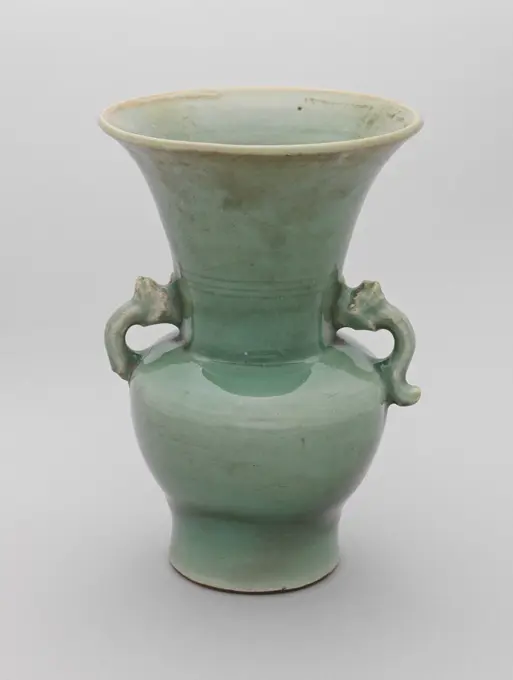
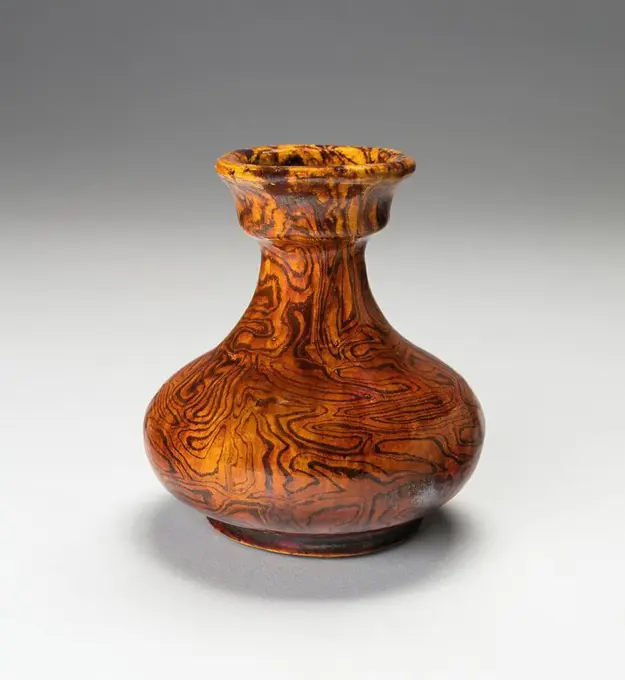
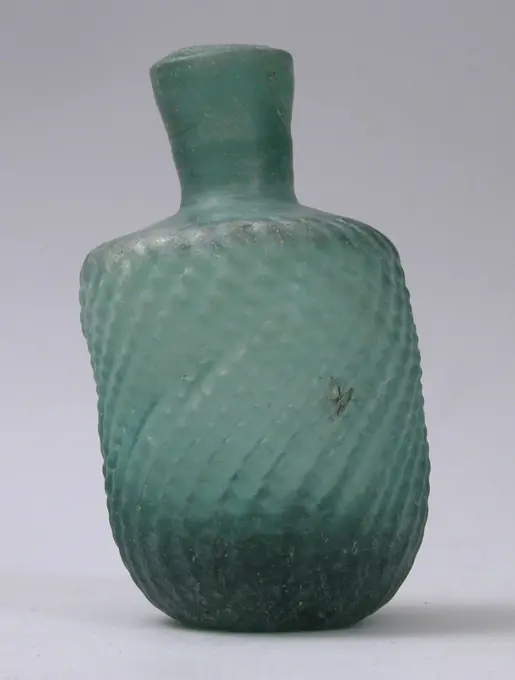
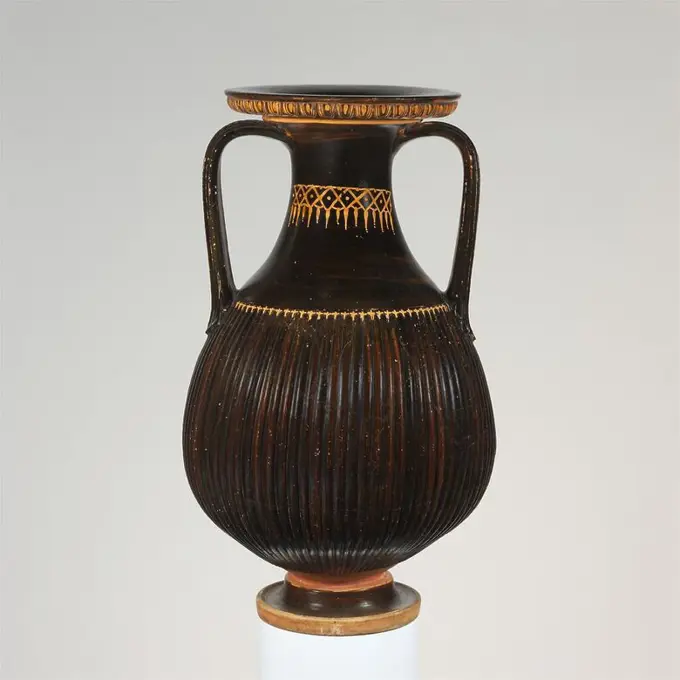
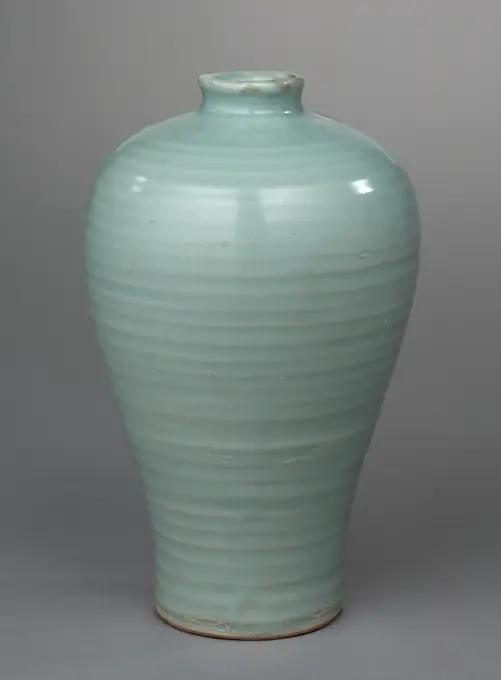
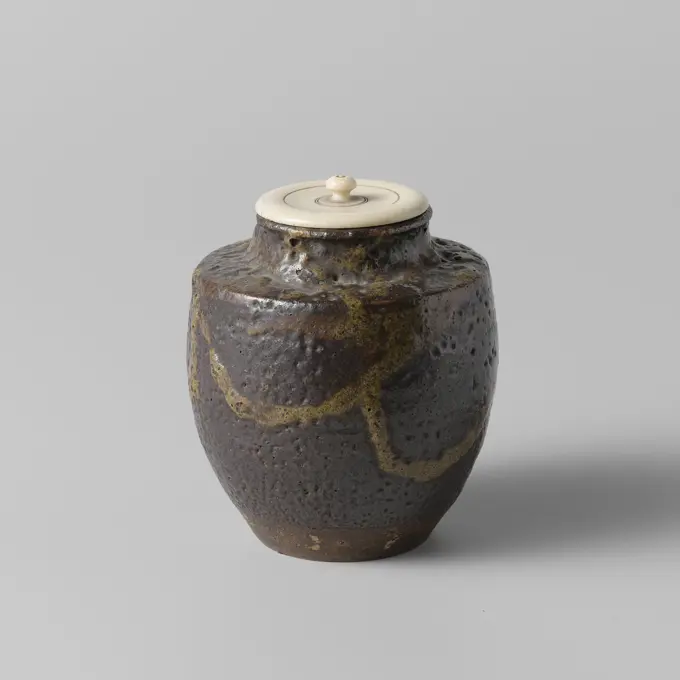
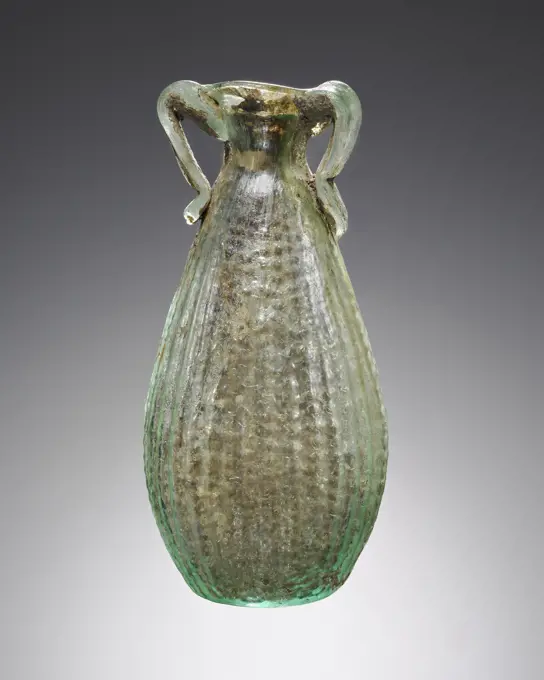
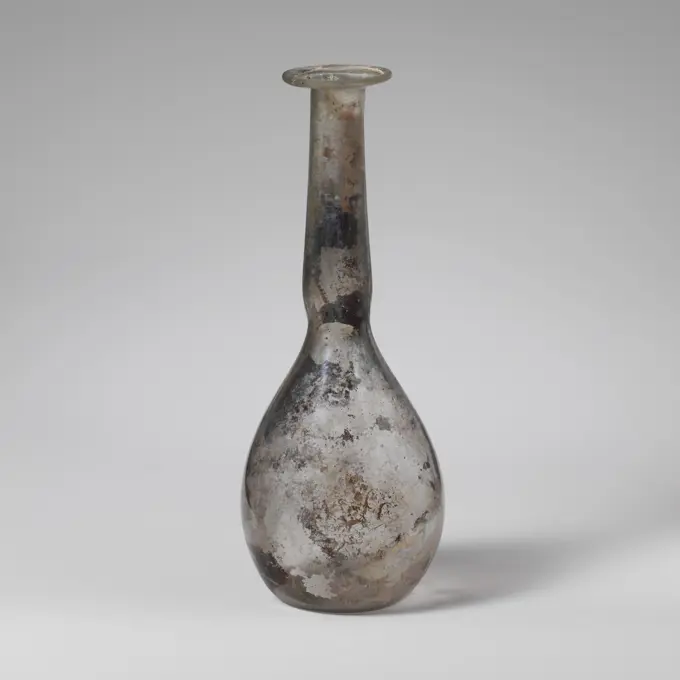
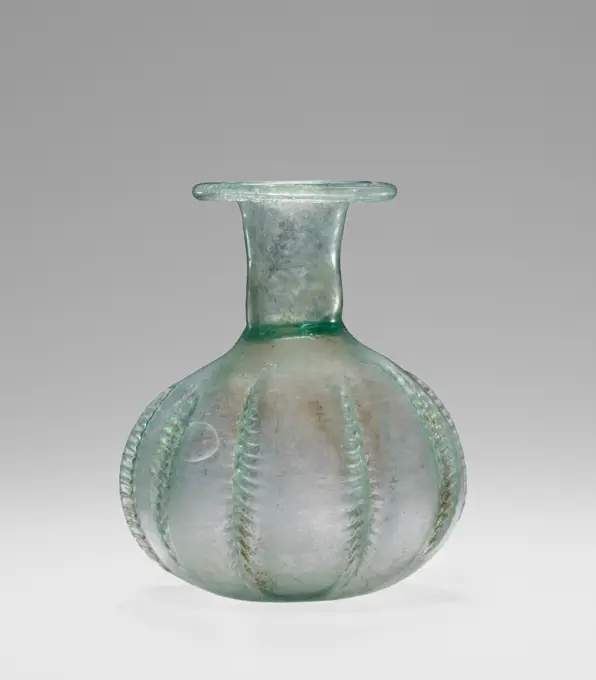
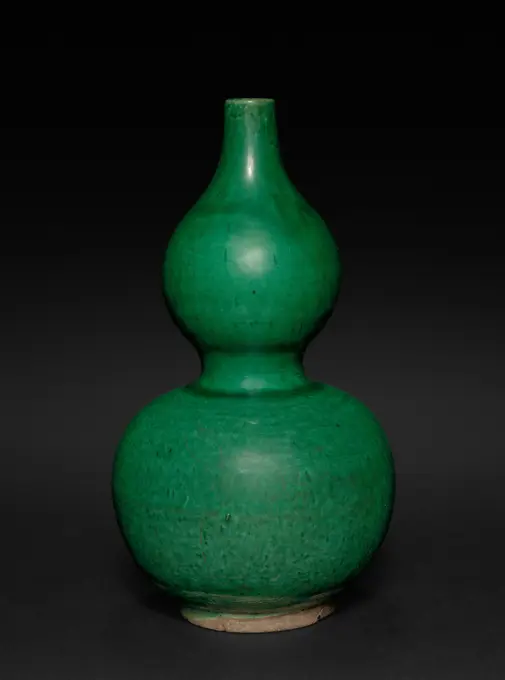
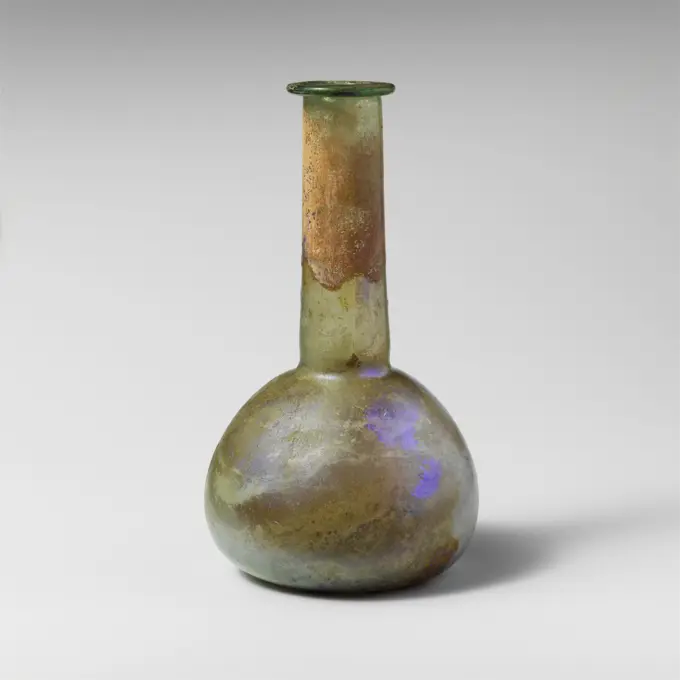
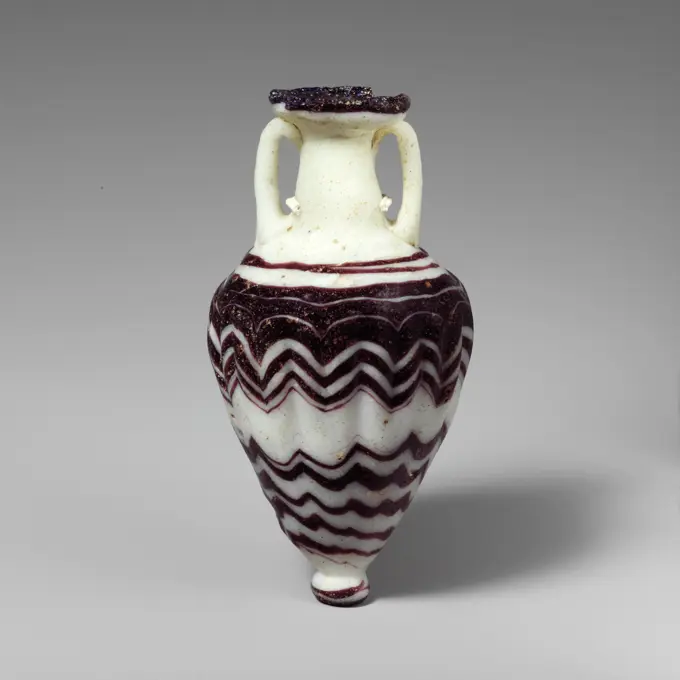
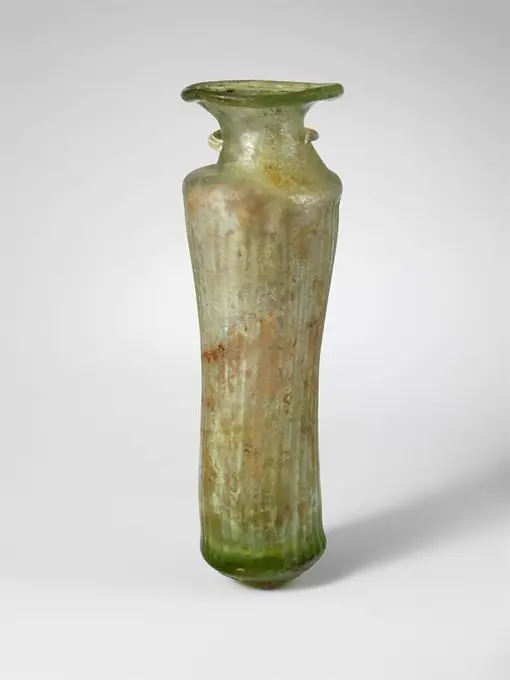
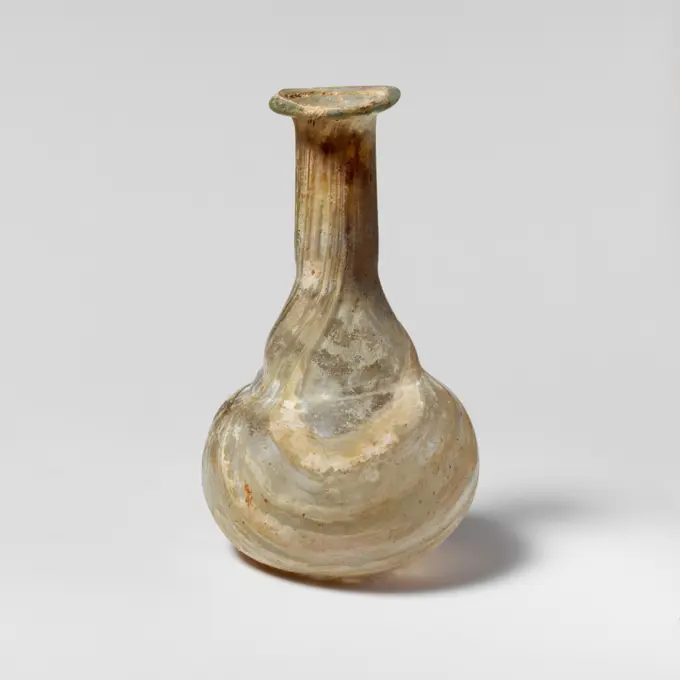
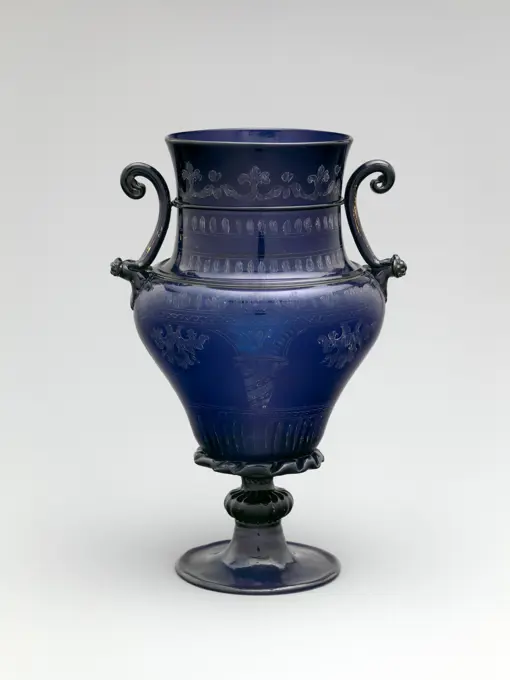
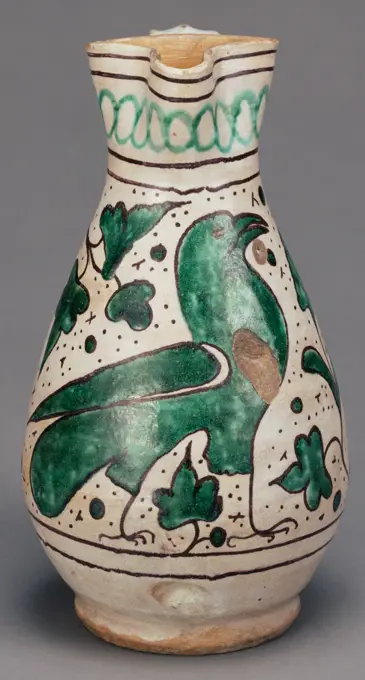
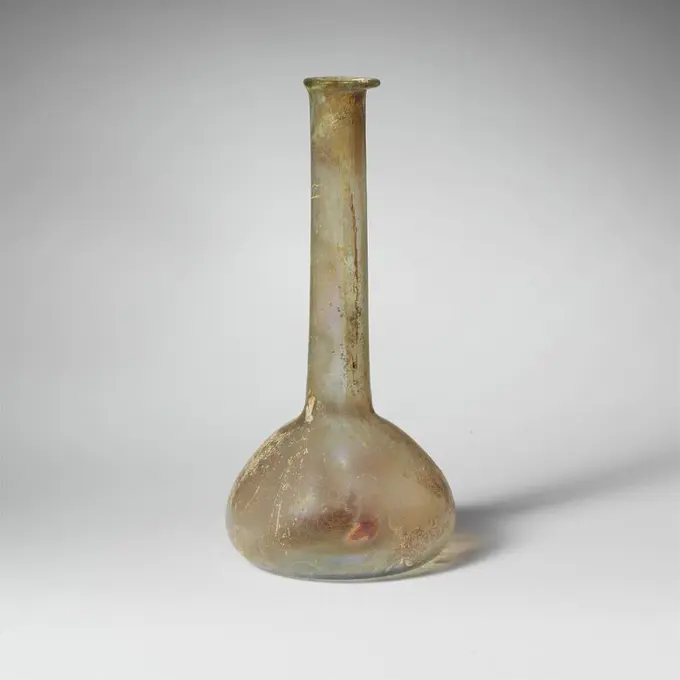
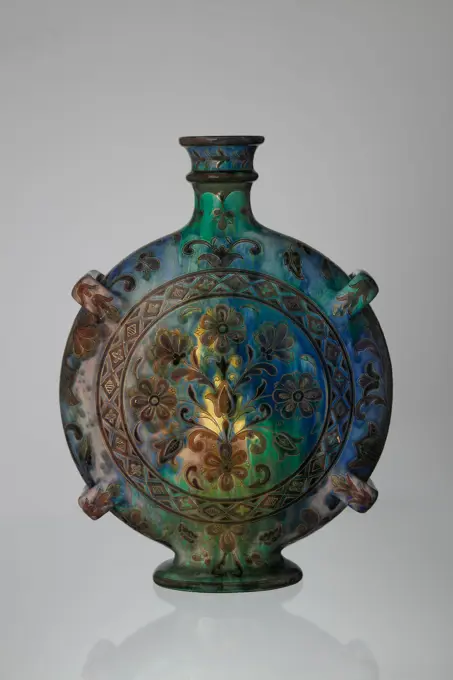
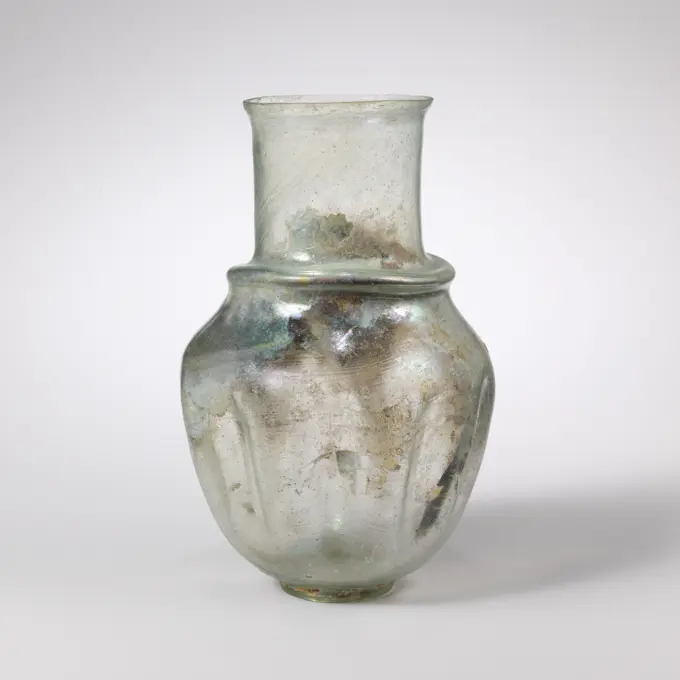
Glass indented jar 2nd-4th century A.D. Roman Translucent pale blue green; base ring in same color.Slightly outsplayed, uneven, knocked-off rim; tall and broad cylindrical neck, with hollow folded flange at base; sloping shoulder; bulbous body with side tapering downwards; circular, applied base ring; almost flat bottom.On body, nine elongated, vertical indents.Intact; many pinprick and a few larger bubbles, and blowing striations; iridescence and small patches of soil encrustation and weathering on exterior; thick soil deposits on interior, covering brilliant iridescent weathering.With nine indents on body.. Glass indented jar 245358Vase c 1840-1880 Indiana. Earthenware . Artist unknownBaluster Jar, 13th century, 11 3/4 x 7 13/16 x 7 13/16 in. (29.85 x 19.84 x 19.84 cm) (at shoulder), Khmer ware Stoneware with incised decor under green and brown glaze, Thailand, 13th centuryPear-shaped vase with shishi, Monster Heads and Gilded Bands with Ruyi Motif. Pear-shaped vase of porcelain with flared neck and raised edge, covered with a monochrome cracked gray glaze and on biscuit gold. On either side on the shoulder a sample head with ring; Around the foot, shoulder and neck a band with Ruyi motif, decoration in gold-plated biscuit. Flaging flakes. Monochromes.Glass flask Roman 4th-5th century CE Translucent pale blue green.Fine rim folded over and in; funnel-shaped mouth; cylindrical neck, expanding slightly downwards; globular body; slightly concave bottom.Intact; a few bubbles; slight dulling and patches of limy encrustation on exterior, soil encrustation, weathering, and iridescence on interior. View more. Glass flask. Roman. 4th-5th century CE. Glass; blown. Late Imperial. GlassUnguentariumGlass perfume bottle Roman late 1st-3rd century CE Thick-walled bottle.Translucent green.Everted rim, folded over and in, with beveled upper surface; cylindrical neck, with a broad tooled indent around base; elongated conical body, curving in to uneven, slightly concave bottom.Complete, but broken and repaired, with cracks running from rim to bottom; pinprick and elongated bubbles, with blowing striations; dulling, pitting, and iridescent weathering. View more. Glass perfume bottle. Roman. late 1st-3rd century CE. Glass; blown. Imperial. GlassGlass jug late 3rd-early 4th century A.D. Roman Translucent light green; handle, base ring, and trails in same color.Rounded, thickened rim; flaring mouth; cylindrical neck, expanding downwards; sloping shoulder; body with straight side tapering downwards; outsplayed, solid base ring, made by tooling; deep kick and pontil scar on bottom; broad strap handle with five ribs applied to shoulder with long claws extending down to top of body, drawn up and outwards, then turned in, and trailed onto top of neck and underside of mouth with one open loop above.On underside of mouth, a single thick horizontal trail; a fine trail wound unevenly once around upper part of neck.Complete, but with cracks in neck and upper body; many pinprick bubbles; dulling, iridescence, and small patches of limy weathering.. Glass jug 245398Glass jug (oinochoe) with snake-thread decoration 2nd-3rd century A.D. Roman, Rhineland Colorless with pale blue green tinge; handle in same color; opaque white, opaque blue, and colorless trails.Trefoil rim, with rounded lip; cylindrical neck, expanding downwards; sloping shoulder; piriform body; tubular base ring; flat bottom with pontil scar at center; strap handle applied in a long pad to shoulder, drawn up and outwards in a curve and then turned inwards (and probably dropped on to back of rim).Around top of neck, a fine blue trail wound 2½ times in a spiral; on body, four separate trails, flattened and serrated, alternately white and blue, each making a similar abstract curvilinear pattern, and between them four vertical colorless trails, each in a compact key pattern; on handle, part of a single blue trail with projection at top.Body complete, but broken and repaired handle, with back of rim and top of handle missing; pinprick bubbles and blowing striations, with larger elongatedBottle 9th-10th century The main decoration of this iridescent glass bottle is made of horizontal rows of hexagons, in a "honeycomb" pattern. This faceted effect was created by slicing off portions of the surface from the original spherical shape. This pattern was well known in Iran and Mesopotamia in the Sasanian era and was revived by the glass-cutters of the early Islamic period... Bottle. 9th-10th century. Glass, colorless with yellowish tinge; blown, cut. Attributed to Iran. GlassPitcher 1800-1825 England. Glass .Glass flask. Culture: Roman, Syrian. Dimensions: Overall: 7 7/8in. (20cm). Date: 3rd-4th century A.D..Colorless with grey green tinge.Everted rim, folded over and in; funnel-shaped mouth; cylindrical neck, expanding slightly downwards; tall conical body, with straight side, then curving in to pushed-in bottom.Body decorated in relief with numerous faint vertical ribs, which extend from below neck to undercurve, fading towards bottom.Intact; some bubbles; dulling and faint iridescence on exterior, large patches of creamy brown weathering on interior. Museum: Metropolitan Museum of Art, New York, USA.Glass perfume bottle 4th century A.D. Roman Small perfume bottleTranslucent cobalt blue.Rim folded out, over, and in, and flattened into mouth; cylindrical neck, tooled in around base; steeply sloping shoulder; roughly squared body with indented sides; pushed-in bottom with traces of large round pontil mark.Intact; dulling, slight pitting, and faint iridescence.. Glass perfume bottle 239748Jar 101 CE-300 CE Syria. Glass, blown technique . Ancient LevantineSmall ball vase. Gift of the artist 1898Ring-handled Jar. Thailand, Sawankhalok, circa 15th century. Furnishings; Serviceware. Stoneware with celadon glazeFujiwara Yû (1932-2001). Vase. Greing the bixture. Paris, Museum Causori. Bizen Gres, seeBamboo-shaped Sake Bottle. Japan, Edo period, mid-19th century. Ceramics. Shōdai ware; stoneware with iron and rice straw ash glazesGlass amphoriskos (perfume bottle). Culture: Greek. Dimensions: 4 9/16 × 2 7/16 × 2 5/16 in. (11.7 × 6.2 × 5.9 cm)Diam. of rim: 1 1/8 in. (2.8 cm). Date: 2nd-mid-1st century B.C..Translucent yellow green, appearing black; handles in translucent light green; trails in opaque yellow and opaque white.Inward-sloping oval rim-disk, with projecting jagged edge to mouth and tooling indent underneath; tall cylindrical neck; small sloping shoulder; conical body, expanding downwards, then turned in sharply to flat bottom; two s-shaped rod handles applied in a loop across shoulder and top of body over trail decoration, drawn up lower part of neck, and then looped out and in, forming large ears, and pressed onto top of neck and underside of rim-disk.Yellow trail applied around lip of rim and a white trail applied on underside of rim-disk, both then wound in a spiral around neck and shoulder to body, partly as alternating, partly as overlapping lines, then tooled into a close-set festoon patterOinochoe in bronze from the Tomb of Vix in Burgundy, France. Greek civilization, 6th-5th Centuries BC.Bottle with flower and pine needle motifs, anonymous, 1700 - 1799 Round bottle with long neck of cream -colored stoneware with a decoration in green, blue and gold glaze from partially saved chrysanthemums and floral motifs, on the belly motifs of scattered pine needle and prunus blossoms.  kyōyaki. Kyoto stoneware. earthenware. vitrification Round bottle with long neck of cream -colored stoneware with a decoration in green, blue and gold glaze from partially saved chrysanthemums and floral motifs, on the belly motifs of scattered pine needle and prunus blossoms.  kyōyaki. Kyoto stoneware. earthenware. vitrificationAmphoriskos. UnknownDark Blue Marbled Flask; Eastern Mediterranean; 5th - 7th century; Glass; 5.5 x 5.2 cm (2 3,16 x 2 1,16 in.)Bottle with Verticle Ribs. Thailand, Sawankhalok, 15th-16th century. Furnishings; Accessories. Wheel-thrown stoneware with carved decoration and celadon glazeUnguent Jar from Neferkhawet's Tomb ca. 1504-1447 B.C. New Kingdom Two cosmetic jars of dark stone were found inside the coffin of Amenemhat, a scribe who lived during the joint reign of Hatshepsut and Thutmose III. The jars were located near the right leg of the mummy next to a hes-vase made of faience. Both contained a brown resinous crust and appear to have been closed with a piece of linen cloth that was tied around the neck with linen cord that was secured with a mud seal.Amenemhat was the son of a man named Neferkhawet, and his burial was found in the family tomb in Western Thebes. This tomb was excavated by the Museum's Egyptian Expedition in 1935 and, at the end of the excavation season, this jar came to New York and the other went to the Egyptian Museum in Cairo.. Unguent Jar from Neferkhawet's Tomb. ca. 1504-1447 B.C.. Serpentine. New Kingdom. From Egypt, Upper Egypt, Thebes, Asasif, Tomb of Neferkhawet (MMA 729), east chamber, Burial of Amenemhat (V), inside coffin by knees,Glass jar 4th century A.D. Roman, Syrian Translucent pale yellow green; trail in same color.Rounded, everted rim with hollow, folded flange below; wide cylindrical neck tapering downwards; pushed-in, almost horizontal shoulder; biconical body; concave bottom with central, thick kick inside and raised circular pontil mark.Single trail wound round from left to right in zigzag between upper section of body and underside of rim, forming openwork collar, with narrow loops at top and pointed fins at bottom; on body, thirteen irregular vertical indents.Intact; pinprick bubbles; dulling, pitting of surface bubbles, patches of soil encrustation and weathering, and some iridescence.. Glass jar 245798Oinochoe bucchero nero. unknown, authorHead Flask; Eastern Mediterranean; about 2nd century; Glass; 19.4 cm (7 5,8 in.)Terracotta one-handled cup late 1st century A.D. Roman Banding around foot, belly, and neck.. Terracotta one-handled cup 250909 Roman, Terracotta one-handled cup, late 1st century A.D., Terracotta, H. 4 5/16 in. (11 cm); diameter 4 5/16 in. (11 cm). The Metropolitan Museum of Art, New York. Purchase, 1920 (20.27)Glass jar. Culture: Roman. Dimensions: H.: 2 1/4 in. (5.7 cm)Diam.: 2 1/2 x 2 1/2 in. (6.4 x 6.4 cm). Date: 4th century A.D..Translucent light blue green; trail in same color.Uneven horizontal rim, partially tubular, folded up and in; broad, outsplayed mouth; short, concave neck; sloping shoulder; squat, bulbous body; deep kick in bottom with pontil scar at center.Trail wound round from left to right in zigzag between outer edge of shoulder and rim, forming openwork collar, with one indent in shoulder where lower end of zigzag was applied too firmly.Body complete, but cracked, and about half of trial missing; many pinprick bubbles; dulling, pitting, patches of limy soil encrustation, whitish weathering, and brilliant iridescence. Museum: Metropolitan Museum of Art, New York, USA.BottleMiniature Vase, c. 1900. Zsolnay Factory (Hungarian). Pottery; diameter: 5.8 cm (2 5/16 in.); overall: 7.2 cm (2 13/16 in.).Ointment Flask; Roman Empire; 1st century; Glass; 7 x 4.5 cm (2 3,4 x 1 3,4 in.)Glass amphoriskos with horizontal ribs 2nd half of 1st century A.D. Roman Translucent cobalt blue, with handles in a semi-opaque mixture of blue, white, and yellowish brown.Rim folded out, over, and in; flaring, uneven mouth; cylindrical neck with irregular horizontal ridges and indents around top; ovoid body, tapering to plain, rounded bottom; two rod handles attached to upper body in pads, drawn up and in, then pressed onto top of neck and underside of rim. One continuous mold seam around body, extending to top of neck.Body decorated with eighteen concentric, horizontal ribs.Intact; some bubbles; slight dulling and weathering on exterior, with some soil encrustation on neck and around handles, encrustation, weathering, and brilliant iridescence on interior.Translucent blue bottle with opaque, bluish handles.. Glass amphoriskos with horizontal ribs 249479Terracotta lekythos (oil flask). Culture: Greek, Attic. Dimensions: H. 6 7/8 in. (17.5 cm). Date: ca. 550 B.C..Two women wrapped in one cloakLekythoi were traditionally placed as offerings in tombs or on grave monuments. The elongated shape of this example is typical of the earliest form. The subject of two women wrapped in one mantle was favored by the Pharos Painter (pharos is a word for "cloak"). There are also contemporary representations of two males with one cloak. The meaning may be sexual. Museum: Metropolitan Museum of Art, New York, USA.Sake cylinder (Tokekuri);  19th century (1801-00-00-1899-00-00);Grohman, Henryk (1862-1939) - collection, bwa, cylinders, gift (provenance), Japanese (culture), sake, Japanese artJugGlass amphoriskos (perfume flask). Culture: Roman, Syrian. Dimensions: H.: 3 in. (7.6 cm). Date: 1st century A.D..Translucent, slightly streaky purple, with handles in colorless glass with a smoky green tinge.Misshapen tubular rim, folded out, over, and in, forming irregular flaring mouth; cylindrical neck; very narrow horizontal shoulder; ovoid body; cylindrical base, with flat but uneven bottom; two small rod handle attached in a claw pad to top of body, drawn up, round, and in, and trailed onto upper part of neck. One prominent continuous mold seam down neck, around body, and across bottom.On body, frieze of twenty-two downturned rounded ribs on upper body and twenty-eight upturned rounded ribs on lower body, joined by a central band of tendril scrolls bordered above and below by two horizontal raised lines.Intact; some bubbles; faint iridescence on exterior, some weathering and iridescence on interior. Museum: Metropolitan Museum of Art, New York, USA.Storage pot. unknown, craftsmanVase bottle (common name). Sandstone with brown-black decoration under cover. Cernuschi Museum, Asia Museum of Asia in the city of Paris.Small JugAndré Metthey (1871-1920). Vase. Earthenware. Museum of Fine Arts of the City of Paris, Petit Palais. Art Menager, Dragon, Faience, object of decoration, vase, 19th 19th 19th 19 19th 19th centuryGlass cinerary urn with lid. Culture: Roman. Dimensions: Overall: 11 3/4 in. (29.8 cm)Diam.: 9 5/8 x 7 1/2 x 4 1/2 in. (24.4 x 19.1 x 11.4 cm)H. (Height w/ Lid): 13 in. (33 cm)Overall (Lid): 1 1/2 in. (3.8 cm)Diam. (Lid): 5 7/8 in. (14.9 cm). Date: mid-1st-2nd century A.D..Urn: Translucent blue green; handles in same color.Everted rim, folded down, round, up, and in, and flattened in to mouth, forming a solid, angular collar; flaring mouth; narrow, concave neck; large, piriform body; splayed hollow foot; concave bottom; two vertical, arched M-shaped handles, attached on opposite sides of upper body, each made of a thick trail, applied as a large circular pad, drawn across body from left to right, and trailed off back along top of handle.Broken and repaired, with holes in rim, body, and foot; pinprick bubbles and a few glassy inclusions; dulling, some pitting, patches of thick iridescent weathering, and small areas of soil encrustation.Lid: Translucent blue green.Thin, plain, hSprinkler Flask. UnknownGlass perfume bottle 2nd-3rd century A.D. Roman Translucent blue-green.Thick rim folded out, over, and in, with beveled upper surface; cylindrical neck, expanding downward, with tooling marks around base; squat, bulbous body, with convex sides; concave bottom.Intact; pinprick bubbles and blowing striations; deeply pitted and weathered, with brilliant iridescence on most of surface.. Glass perfume bottle 239676Vase;  19th century (1801-00-00-1900-00-00);Flask; Eastern Mediterranean; 1st century; Glass; 6.1 cm (2 3,8 in.)Vessel, 1st century BCE - 1st century CE, 2 1/2 x 2 3/4 x 2 5/8 in. (6.35 x 6.99 x 6.67 cm), Glazed ceramic, Vietnam, 1st century BCE - 1st century CESprinkler Flask; Eastern Mediterranean; 3rd - 4th century; Glass; 7.3 cm (2 7,8 in.)Small Ribbed Gourd Vase. R.W. Martin & Brothers (England, London, circa 1873-1914). England, January 1897. Furnishings; Accessories. Salt-glazed stonewareGlass Beaker late 6th-early 7th century Frankish. Glass Beaker 465755 Frankish, Glass Beaker, late 6thearly 7th century, Glass, Overall: 3 5/8 x 2 1/16 in. (9.2 x 5.2 cm). The Metropolitan Museum of Art, New York. Gift of J. Pierpont Morgan, 1917 (17.193.410)Aryballos; Rhineland, Germany; 1st - 2nd century; Glass; 7.5 x 6.7 cm (2 15,16 x 2 5,8 in.)Terracotta lekythos (oil flask) ca. 550 B.C. Attributed to the Pharos Painter Two women wrapped in one cloakLekythoi were traditionally placed as offerings in tombs or on grave monuments. The elongated shape of this example is typical of the earliest form. The subject of two women wrapped in one mantle was favored by the Pharos Painter (pharos is a word for "cloak"). There are also contemporary representations of two males with one cloak. The meaning may be sexual.. Terracotta lekythos (oil flask). Greek, Attic. ca. 550 B.C.. Terracotta; black-figure. Archaic. VasesGlass alabastron (perfume bottle). Culture: Greek, Eastern Mediterranean. Dimensions: H.: 4 11/16 in. (11.9 cm). Date: 2nd-mid-1st century B.C..Translucent deep turquoise blue, with handles in same color; trail in opaque white.Moderately broad rim-disk, sloping inward, with projecting jagged inner edge to neck; slender cylindrical neck, expanding downwards; straight-sided fusiform body expanding downward, then tapering in to pointed bottom; two lug handles applied over trail at top of body.Trail attached near bottom, drawn up in a spiral to point of carination, tooled into a close-set feather pattern around side, arranged in uneven panels of alternating eight upward and seven downward strokes, then tooled into a narrow band of festoons, and wound round again in spiral ending on outer lip of rim. Intact; dulling, pitting, faint iridescence, and patches of thick brown weathering. Museum: Metropolitan Museum of Art, New York, USA.Glass perfume bottle. Culture: Roman. Dimensions: Overall: 3 3/16in. (8.1cm)Diam.: 2 3/16 x 13/16 in. (5.6 x 2.1 cm). Date: 1st century A.D..Colorless with pale blue green tinge.Rim folded out, over, and in, flattened on top; short, cylindrical neck, with tooling marks around base; conical body, rounded at base; concave bottom.Complete, but broken and repaired on one side of rim; many pinprick bubbles; deep pitting, dulling, and iridescent weathering.Contains large black (burnt ) solid object. Museum: Metropolitan Museum of Art, New York, USA.Ovoid Jar with Vertical Ribs and Two-Loop Handles. China. Date: 1100-1234. Dimensions: H. 21.3 cm (8 3/8 in.); diam. 20.5 cm (8 1/16 in.). Northern black ware; Cizhou type; glazed stoneware with trailed white slip. Origin: China. Museum: The Chicago Art Institute, Chicago, USA.Double gourd-shaped vase with two handles. Gourd-shaped vase of stoneware, covered with a green glaze. The lower part with reimbursement of arrival and three horizontal lines. Two small, semicircular ears from the lower part to the upper. Celadon.Glass bottle shaped like a bunch of grapes 3rd century A.D. Roman Translucent blue green.Rim folded out, round, and in, and pressed into flaring mouth; cylindrical neck expanding downwards, with slight horizontal tooled indent around base; shoulder sloping down and out, with hollow projecting roll below; ovoid body; low cylindrical base, with concave bottom. Pontil scar at center of bottom. Body blown into a three-part mold of two vertical sections, extending from base to top of body, and a disk-shaped base section.On body, a pattern of stylized grapes comprising eleven interlocking rows of twenty-two unevenly-spaced hemispherical knobs, and at top two indistinct leaves opposite each other, centered between the mold seams; on bottom, three narrow raised concentric circles.Intact; many bubbles; patches of dulling, pitting, and iridescent weathering.Bottles, jars, and handled jugs whose body is made in the shape of a stylized bunch of grapes have been found mainly in the Syro-PalestinianBottle. Low-Empire. Glass. Paris, Carnavalet museum. BOTTLE Antiquity, Low-Empire, Roman time, bottle, glass, glassware, ancientGlass beaker. Culture: Roman. Dimensions: Height: 4 1/4 in. (10.7 cm)Diam.: 2 7/8 in. × 1 3/4 in. (7.3 × 4.4 cm). Date: 2nd-3rd century A.D..Translucent blue greenFlaring rim with thickened, rounded lip; sides tapering downward, turned out at bottom to form low base ring; slightly convex bottom with uneven tooled surface.Fourteen vertical indents in body of irregular length and depth.Intact; some pinprick and larger bubbles; dulling, pitting, and iridescence, with patches of creamy brown weathering. Museum: Metropolitan Museum of Art, New York, USA.Jug. Syria or Palestine, about 4th century. Furnishings; Serviceware. Thread decor glassToilet vase with two handles, inscribed for the Seal Bearer Kemes ca. 1850-1775 B.C. Middle Kingdom This small vessel  used most probably as a container for eye paint (kohl)  imitates the shape of a Canaanite jar, a large two- handled storage vessel of clay that was used in the trade of oils and resins from the Levant into Egypt at this time. This Egyptian miniature version is inscribed for the "Seal Bearer Kemes, "possessor of reverence." It was found  together with several other small vessels and a female figure  in a basket (called "toilet basket I" by the excavators) deposited west of the pyramid of Amenemhat I at Lisht North. A date for the group is suggested by the shape of a small ointment jar (44.4.3) also in the group.. Toilet vase with two handles, inscribed for the Seal Bearer Kemes. ca. 1850-1775 B.C.. Glazed steatite. Middle Kingdom. From Egypt, Memphite Region, Lisht North, cemetery west of pyramid of Amenemhat I, so-called "toilet basket I," not with burial. Dynasty Vase (usual name). Sandstone, Céladon. Cernuschi Museum, Asia Museum of Asia in the city of Paris.Broad Pear-shaped Jar with Everted Mouth Rim. China. Date: 618 AD-906 AD. Dimensions: H: 10.2 × diam. 9.5 cm (4 1/4 × 3 3/4 in.). Marbled earthenware with amber glaze. Origin: China. Museum: The Chicago Art Institute, Chicago, USA.Glass perfume bottle Roman 1st century CE Translucent brownish yellow.Everted, rounded rim; cylindrical neck with tooling indent around base; conical body; uneven bottom with off-center hollow.Complete, but crack in body; pinprick bubbles; dulling, slight pitting, and iridescent weathering. View more. Glass perfume bottle. Roman. 1st century CE. Glass; blown. Early Imperial. GlassBottle with twisted ribbing 10th-11th century This small green bottle was created in a mold. The vertical ribs were twisted counterclockwise by the glassmaker outside the mold to create the final ridged decoration - thirty ridged vertical ribs from the base to the shoulder. The dating and place of provenance are confirmed by archaeological evidence gathered in Central Asia.. Bottle with twisted ribbing. 10th-11th century. Glass, blue-green; dip-molded, blown. Made in Central Asia. GlassVase with archaistic design late 18th century China. Vase with archaistic design 46025Terracotta pelike (jar). Culture: Greek, South Italian, Apulian. Dimensions: H. 21 1/8 in. (53.6 cm). Date: ca. 400-350 B.C..A necklace with pendants adorns the neck. Museum: Metropolitan Museum of Art, New York, USA.Vase (Meiping), 1200s. China, Zhejiang Province, Longquan region, Southern Song dynasty (1127-1279). Green-glazed porcelaneous stoneware, Longquan ware; overall: 23.5 cm (9 1/4 in.).Bottle 19th century. Bottle 443116Flask; Roman Empire; 1st century A.D; Glass; 7.3 × 4.8 cm (2 7,8 × 1 7,8 in.)Tea caddy with a green brown glaze, anonymous, c. 1700 - c. 1799 Dust bar or Chare van Steengoed with an ivory lid, partially covered with a green brown glaze. The lower part of the bus is unglazed. Old label on the inside with 'karatsu/ 18th'; Old label on the bottom with 'W587'. Karatsu. KARATSU stoneware. glaze. deksel: ivory vitrification Dust bar or Chare van Steengoed with an ivory lid, partially covered with a green brown glaze. The lower part of the bus is unglazed. Old label on the inside with 'karatsu/ 18th'; Old label on the bottom with 'W587'. Karatsu. KARATSU stoneware. glaze. deksel: ivory vitrificationBasket Amphoriskos; Workshop of the Floating Handles (Roman); Eastern Mediterranean; 1st century; Glass; 8.3 cm (3 1,4 in.)Glass perfume bottle 2nd-3rd century A.D. Roman Colorless with pale blue green tinge.Thick, rounded rim, folded out, over, and in, with fairly broad collar to mouth; cylindrical neck, expanding downward and tooled in around base; elongated piriform body; pushed-in bottom with kick and slight trace of pontil scar.Intact; a few elongated and pinprick bubbles; slight dulling on exterior; iridescent weathering on interior.. Glass perfume bottle 239677Sprinkler Flask. UnknownJug; Whieldon, Thomas (Ceramik; 1719-1795); 1765 (1765-00-00-1765-00-00);Double Gourd-shaped Green Vase, 1368- 1644. China, Ming dynasty (1368-1644). Stoneware; overall: 20.2 cm (7 15/16 in.).Double Head Oinochoe. UnknownGlass perfume bottle 2nd-3rd century A.D. Roman Translucent pale blue green.Rim folded out, over, and in, flattened on top and forming slight constriction to mouth; cylindrical neck, expanding slightly downwards, with tooled indent around base; bulbous body; flat bottom.Intact; pinprick bubbles and blowing striations; dulling, pitting, and iridescent weathering, with soil encrustation on interior.. Glass perfume bottle 244596Glass amphoriskos (perfume bottle) late 6th-5th century B.C. Greek, Eastern Mediterranean Opaque white, with handles and knob-base in same color; trails in translucent purple.Broad, inward-sloping oval rim-disk with radiating tool marks on upper surface and small mouth; tall cylindrical neck tapering upward; broad, sloping shoulder; elongated ovoid body tapering to a point; slanting circular base-knob with rounded edge and flat bottom; two vertical strap handles applied at top of shoulder, drawn up vertically, turned in, and pressed on to underside of rim-disk and top of neck.One uneven trail attached at edge of rim-disk; another trail wound round in an uneven spiral on shoulder, then tooled into a zigzag pattern on upper body, with twenty-two deep vertical tooling indents; a third trail applied to lower body, also tooled into an irregular zigzag pattern; finally, a fourth trail applied around edge and underside of knob-base.Complete, but part of rim-disk broken and repaired, leaving oPitcher, c. 1890. Emile Gallé (French, 1846-1904). Applied glass and enamel decoration; diameter: 15.1 cm (5 15/16 in.); overall: 26.9 x 17 cm (10 9/16 x 6 11/16 in.).Glass bottle. Culture: Roman. Dimensions: 6in. (15.2cm). Date: 4th-5th century A.D. or later.Translucent light green, with yellow green streak in bottom.Uneven rim folded out, round, up, and in; flaring mouth; misshapen cylindrical neck; horizontal shoulder, pushed in on one side; tall, straight-sided body, tapering downwards to projecting bulge at junction with thick, solid, knob-like rounded base with pontil scar.On side, 34 almost vertical ribs.Intact; bubbles and blowing striations; dulling, pitting, and faint iridescence on exterior, reddish soil encrustation and iridescent weathering on interior. Museum: Metropolitan Museum of Art, New York, USA.Ovoid Vase With a Red Glaze. Egg-shaped vase of porcelain with a thin neck with trumpet-shaped mouth, covered with a monochrome, lightly cracked red (sang the boeuf) glaze. Partly glazed within the foot ring; Lip edge is white. Monochromes.Jug. Culture: American. Dimensions: H. 18 in. (45.7 cm). Maker: Jonathan Fenton (1766-1835). Date: 1810-35. Museum: Metropolitan Museum of Art, New York, USA.Water jar with spout (vase à bec) second half 16th century French, La Chapelle-des-Pots This water jar comes from Saintes in southwestern France, which was an important center of ceramic production beginning as early as the thirteenth century. The city produced highly creative and versatile ceramics of the finest quality, including those of Saintes-born potter Bernard Palissy. This water jug's bold economic form testifies to the strength of the city's tradition in this craft. Its shape responds perfectly to its function: the round body is echoed in the hoop strap over the cylindrical neck, and three more straps join the neck to the waist in order to facilitate pouring. The thick lead glaze in bright green that coats and protects its surface is standard for lead-glazed green wares from the region. Its form appears to be unique to the sixteenth century.. Water jar with spout (vase à bec) 208120Glass perfume bottle 1st century A.D. Roman Translucent honey yellow.Plain rounded rim; flaring mouth; neck expanding downward; bulbous body; concave bottom.Broken around body, with two large holes in sides; many bubbles; iridescent weathering and pitting; some dulling.. Glass perfume bottle 239629Glass perfume bottle 1st century A.D. Roman Small perfume bottleTranslucent pale blue green; trails in thin opaque white.Uneven rim folded out, over, and in; short, flaring mouth; cylindrical neck, with tooling marks around base; convex sloping shoulder with prominent tooling marks below; squat globular body; slightly concave bottom.Fine white trails forming swirling pattern.Broken and repaired around body; a few pinprick bubbles; dulling and iridescent weathering; creamy enamel-like weathering on interior of neck.. Glass perfume bottle 239777Vase ca. 1550-1600 (modern foot) Austrian, Hall In 1468 the first Habsburg Holy Roman Emperor, Frederick III, deliberately dropped a glass vase presented to him by the Venetian government, implying that its humble materials were unworthy of him. Mere decades later, Northern royalty courted Venetian glassmakers as they set up workshops in London, Kassel, and the Tyrol. Threatening Venices monopoly and divulging professional secrets, the Italian glassmakers faced exile from their homeland. The rich blue hue of this vase, probably made by Venetians supported by Ferdinand II, Archduke of Austria, was achieved by adding cobalt to the mix; the finely engraved surface decoration was originally picked out in gold-infused paint.[Elizabeth Cleland, 2017. Vase. Austrian, Hall. ca. 1550-1600 (modern foot). Glass, engraved. GlassTea caddy with a goldenbrown glaze, anonymous, anonymous, c. 1600 - c. 1800 Dust bar or Chare van Steengoed with an ivory lid, partly covered with a golden brown glaze. The lower part of the bus is unglazed. Nasu type. Old label on the bottom with 'W569'. SETO. Japan stoneware. glaze. deksel: ivory vitrification Dust bar or Chare van Steengoed with an ivory lid, partly covered with a golden brown glaze. The lower part of the bus is unglazed. Nasu type. Old label on the bottom with 'W569'. SETO. Japan stoneware. glaze. deksel: ivory vitrificationTerracotta hydria (water jar). Culture: Greek, South Italian, Apulian. Dimensions: H. 20 3/4 in. (52.7 cm). Date: 4th century B.C..A pendant necklace circles the base of the neck. Museum: Metropolitan Museum of Art, New York, USA.Vase 1897 Pierre-Adrien Dalpayrat French. Vase 487474Zinc jug cover; Annaberg (ceramic family; 16th-19th century); 1990s (1690-00-00-1699-00-00);Jar 12th century. Jar. 12th century. Earthenware; iridescent turquoise glaze. Probably from Iran, Nishapur. CeramicsTerracotta oinochoe (jug) ca. 350-330 B.C. Attributed to the Knudsen Group Decorated with ivy vine.. Terracotta oinochoe (jug) 255331Green-Painted Jug with a Bird. UnknownGlass perfume bottle. Culture: Roman. Dimensions: Overall: 4 5/8in. (11.8cm)Diam.: 2 1/4 x 3/4 in. (5.7 x 1.9 cm). Date: 2nd-3rd century A.D..Colorless with light blue tinge.Lop-sided rim, folded out, over, and in, slightly flattened on top; tall cylindrical neck; squat bulbous body; flat bottom with slight concavity at center.Intact; pinprick bubbles and blowing striations; faint dulling, weathering, and brilliant iridescence. Museum: Metropolitan Museum of Art, New York, USA.Roman civilization, glass containers for ointmentsCylinder National Potter School in KołomyjaTall Vase with chrysanthemum and bamboo design, early 20th century, Unknown Korean, 9 7/8 × 8 × 8 in. (25.08 × 20.32 × 20.32 cm), Porcelain with cobalt-blue and copper-red design under clear glaze, Korea, 20th centuryGlass alabastron (perfume bottle) late 4th-early 3rd century B.C. Greek, Eastern Mediterranean Semi-opaque cobalt blue, with handles in same color; trails in opaque white.Broad horizontal rim-disk, made as a spiral coil around top of neck; short cylindrical neck; narrow sloping shoulder; straight-sided cylindrical body; convex bottom; on upper body, two vertical ring handles, pierced, applied over trail pattern.A trail attached at edge of rim-disk; another trail applied from shoulder to edge of bottom, tooled into a festoon pattern with six upward strokes, forming loops at top of body.Intact, except for part of trail on rim-disk; dulling, some pitting, and faint iridescent weathering.. Glass alabastron (perfume bottle). Greek, Eastern Mediterranean. late 4th-early 3rd century B.C.. Glass; core-formed, Group II. Early Hellenistic. Glass