Glassware and Vases

Elegant glass and ceramic vases, showcasing intricate styles and colors, ranging from ancient Roman designs to modern interpretations.
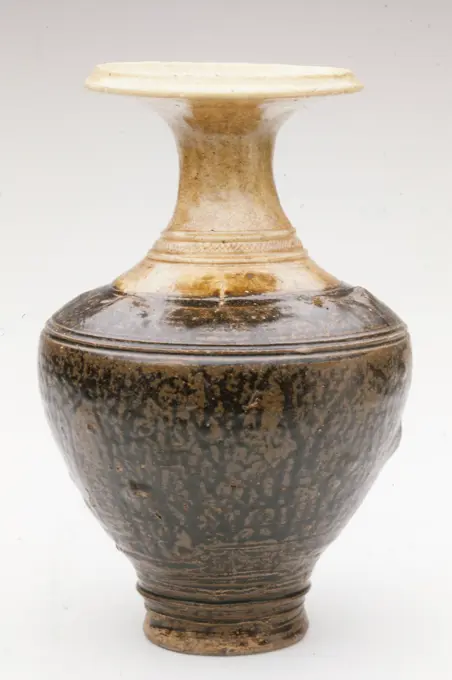
Baluster Jar, 13th century, 11 3/4 x 7 13/16 x 7 13/16 in. (29.85 x 19.84 x 19.84 cm) (at shoulder), Khmer ware Stoneware with incised decor under green and brown glaze, Thailand, 13th century
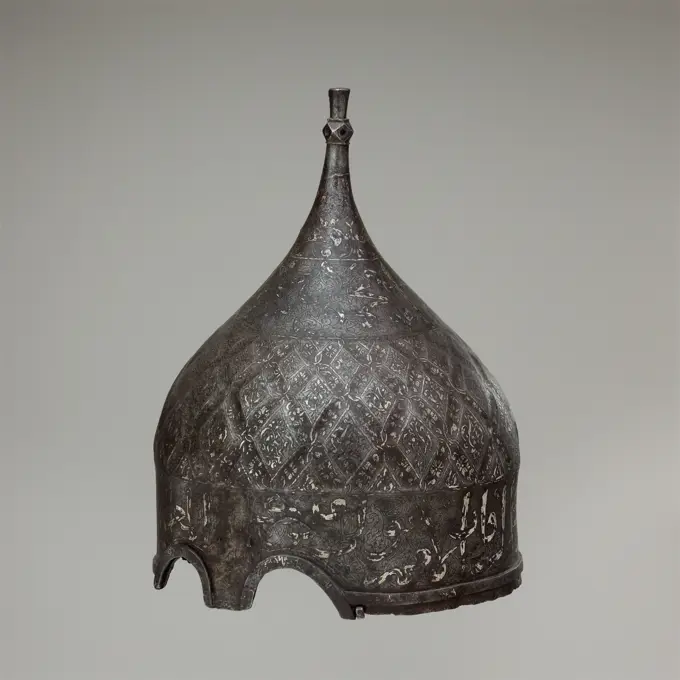
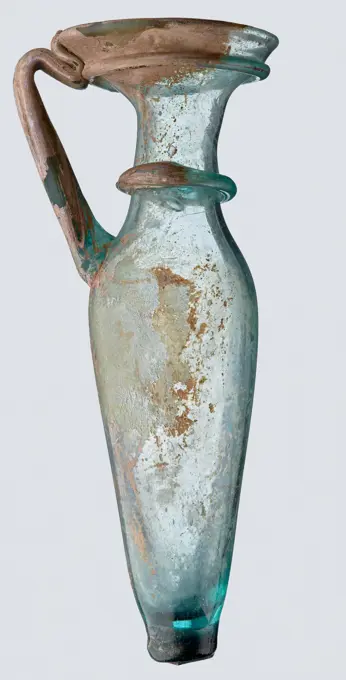
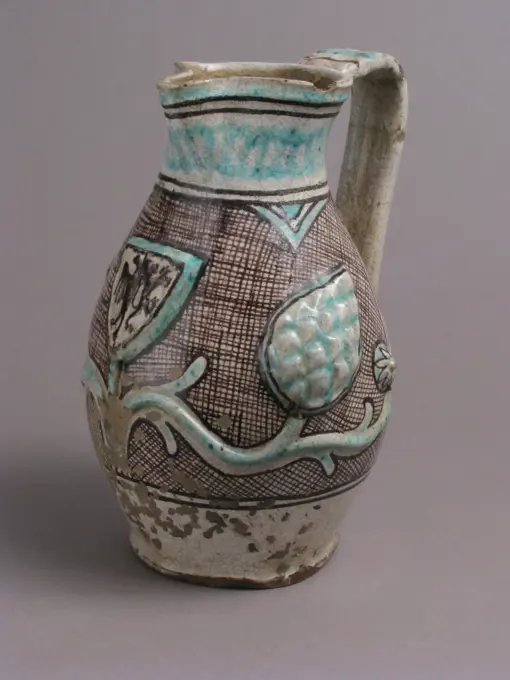
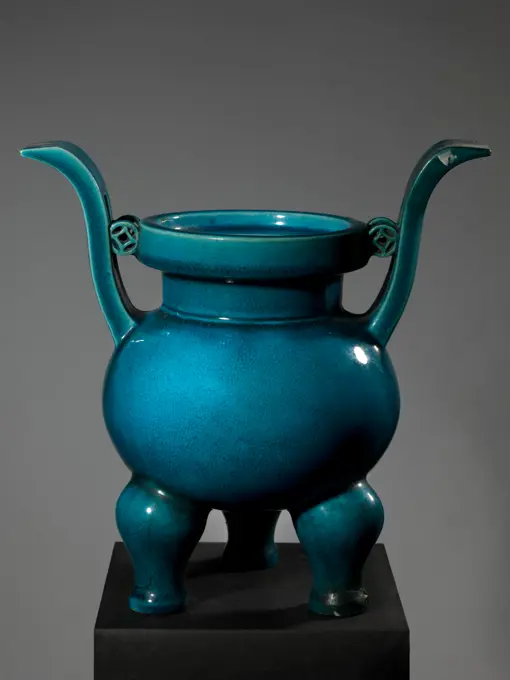
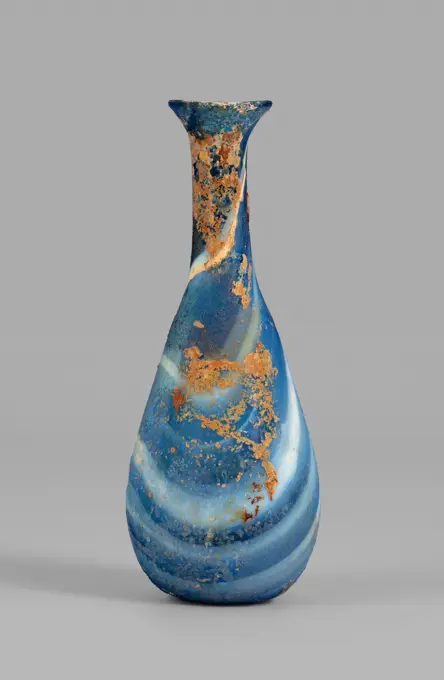
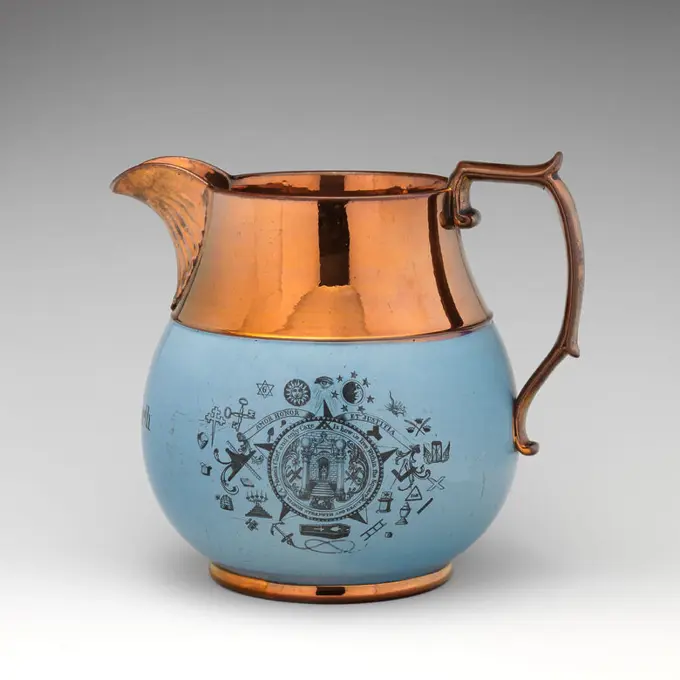
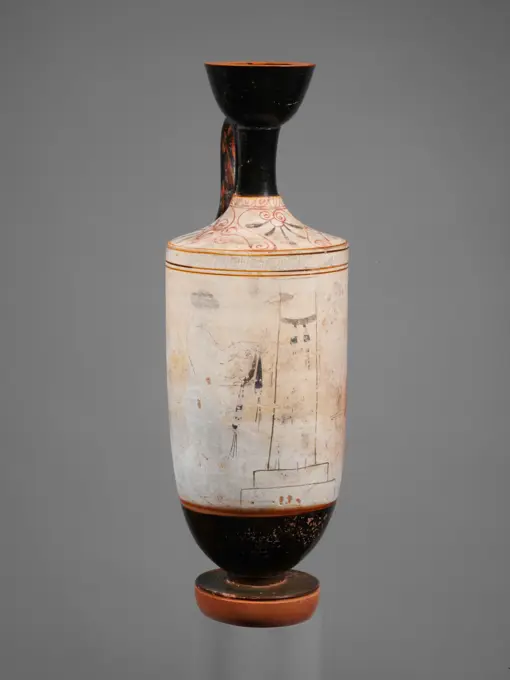
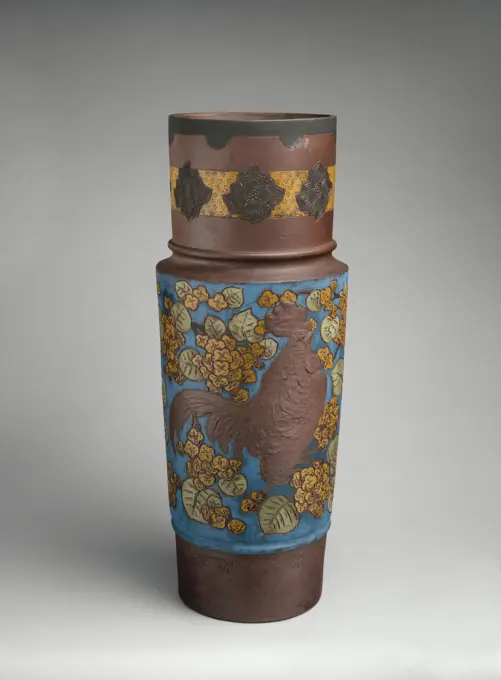
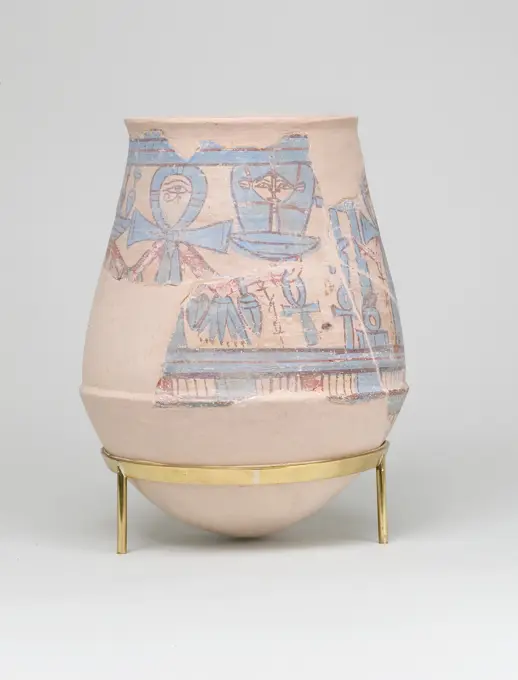
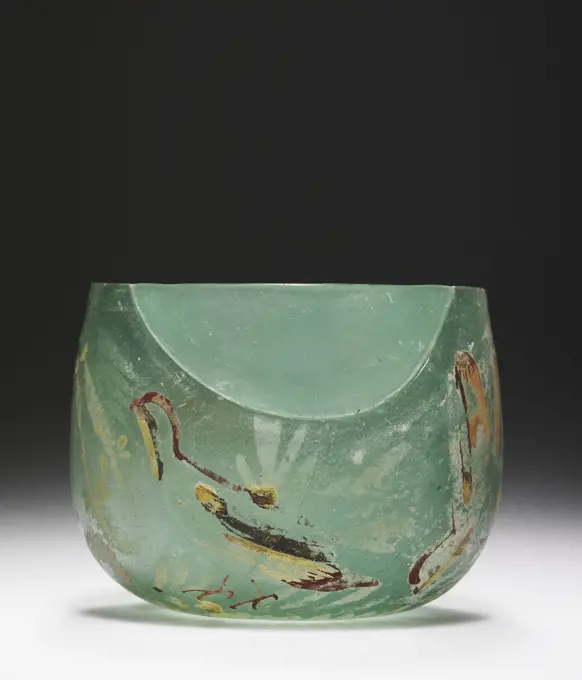
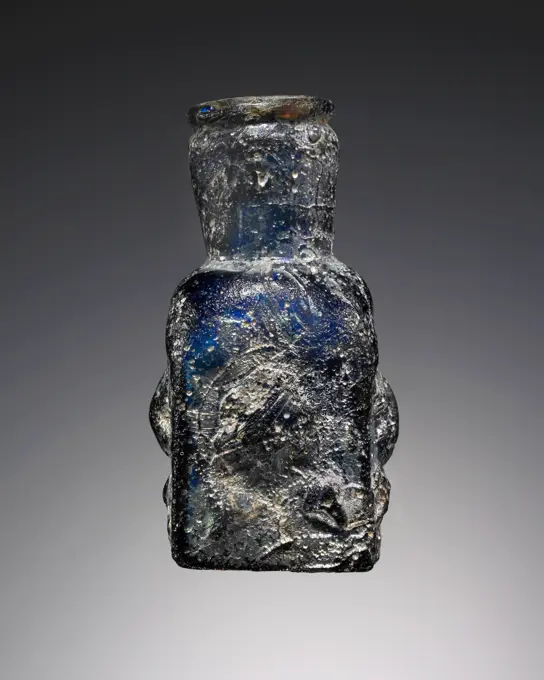
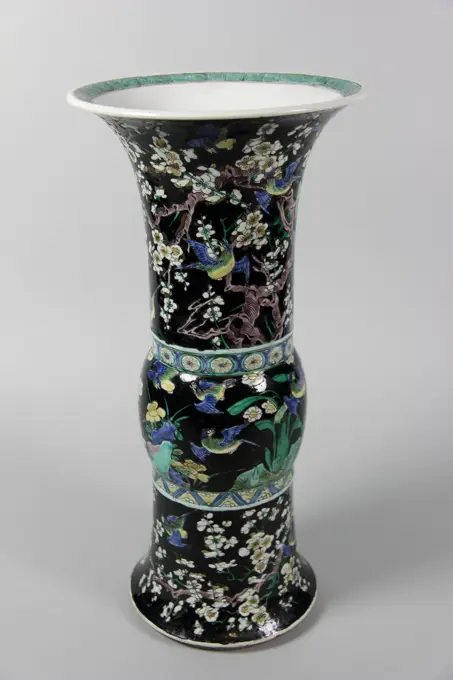
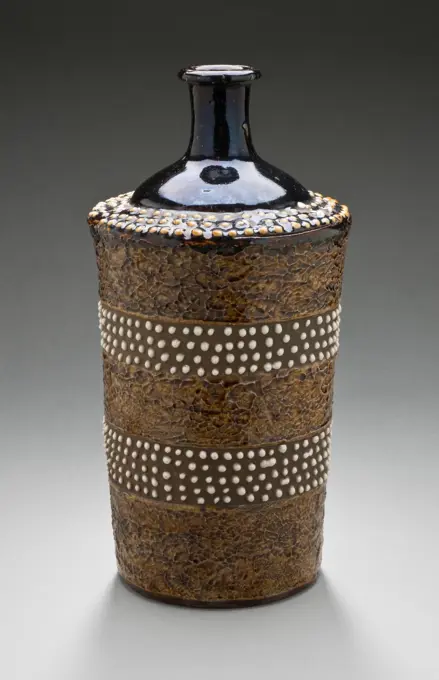
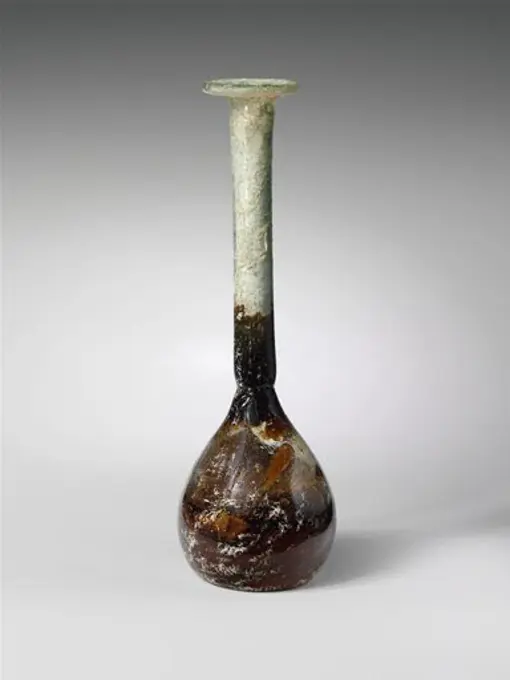
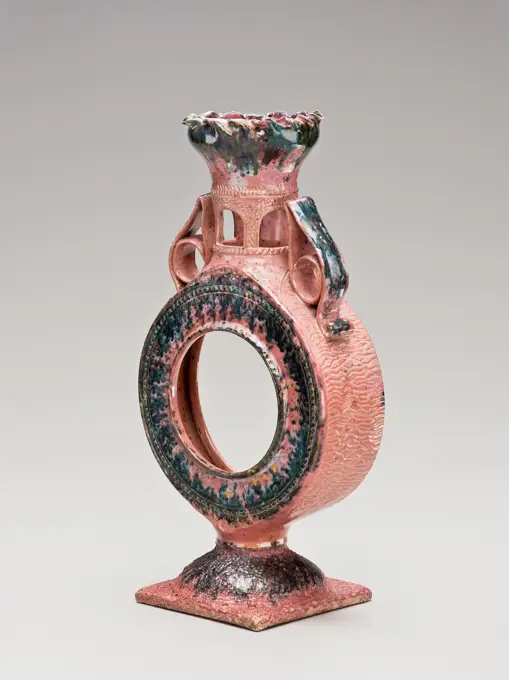
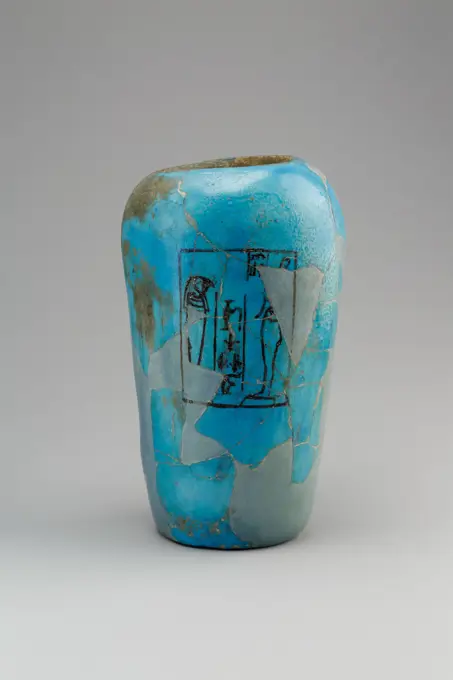
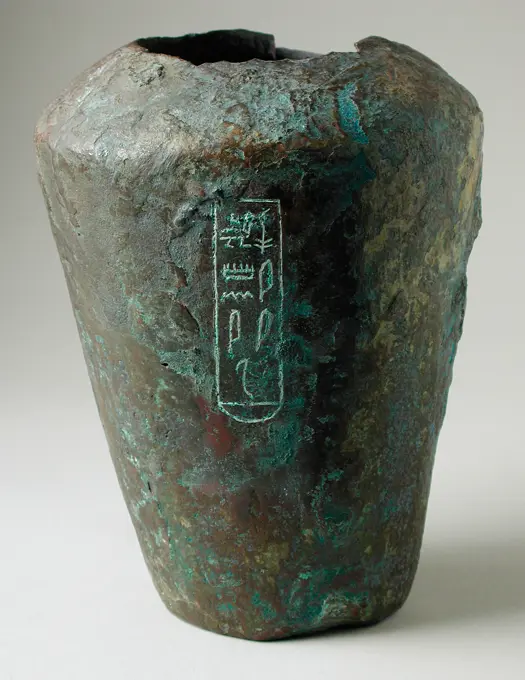
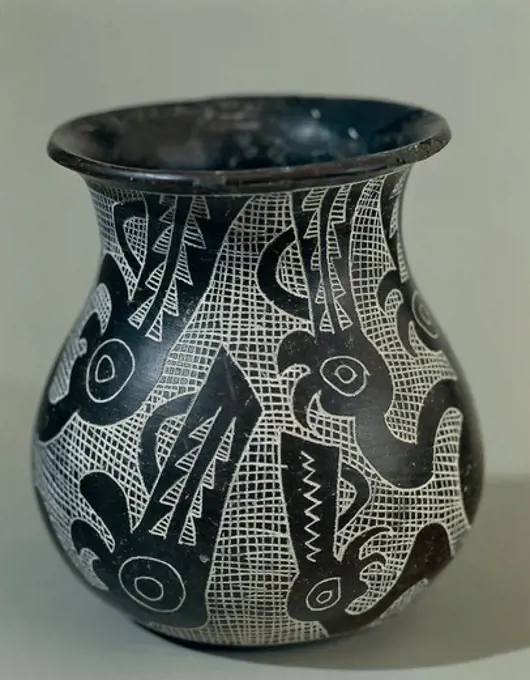
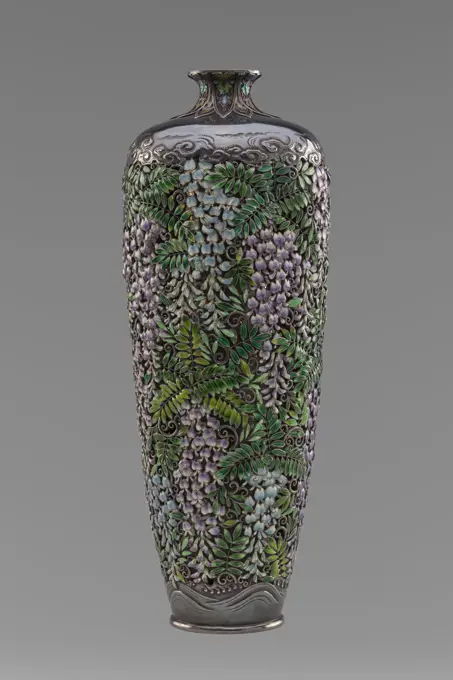
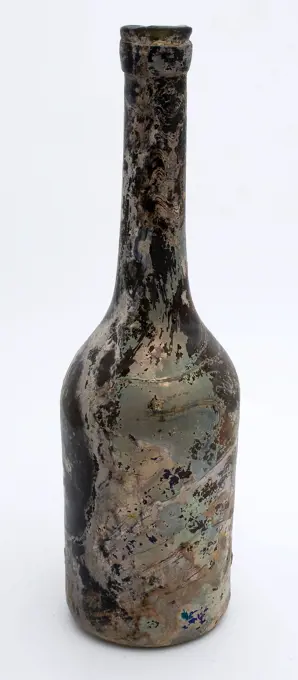
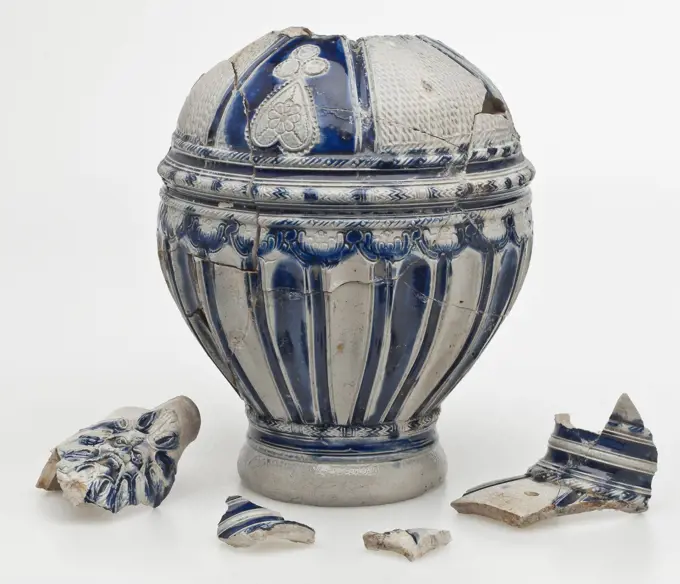
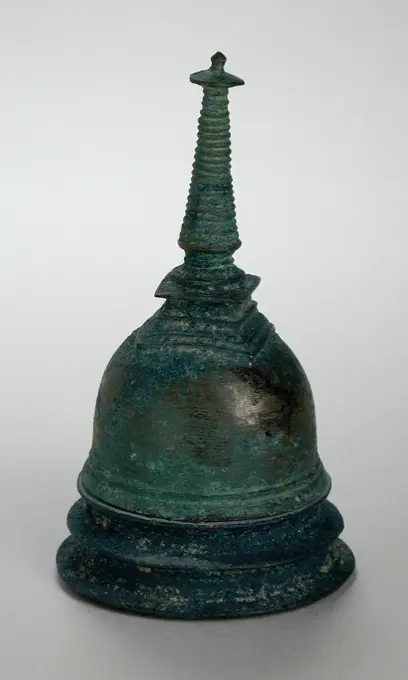
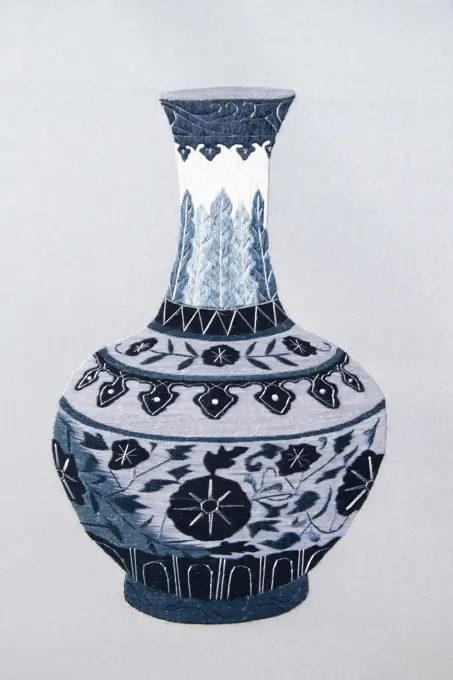
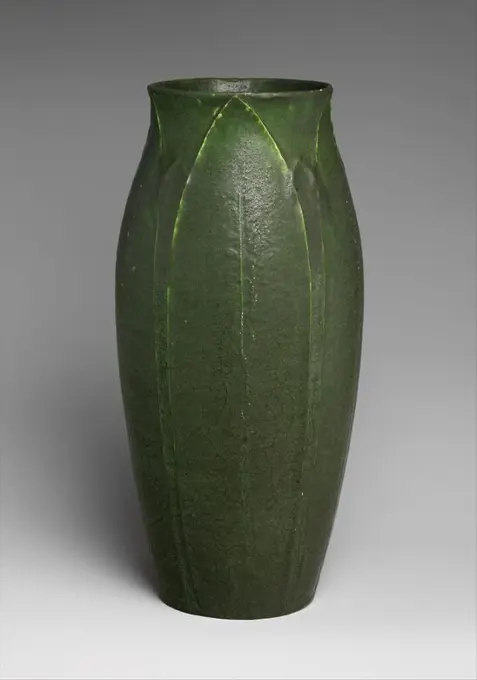
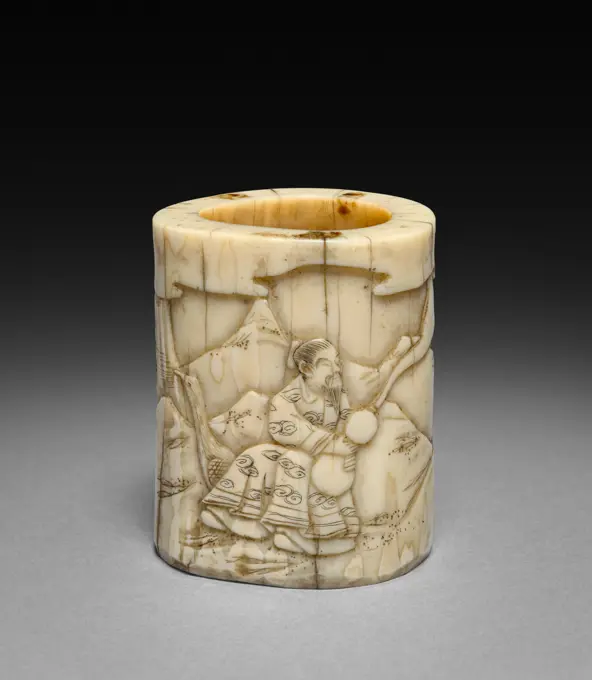
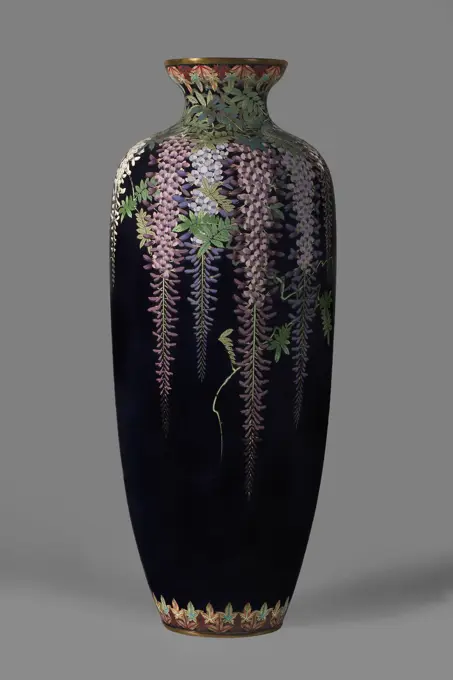
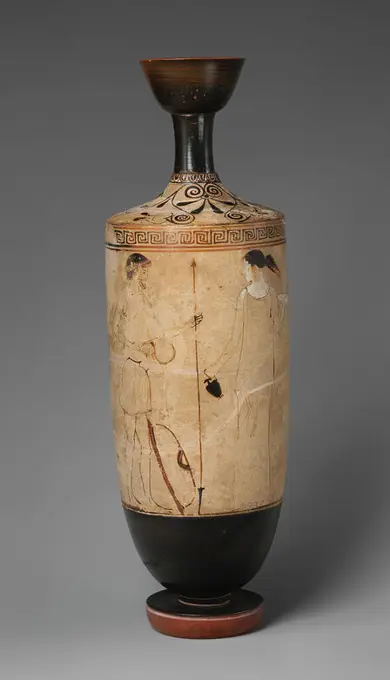
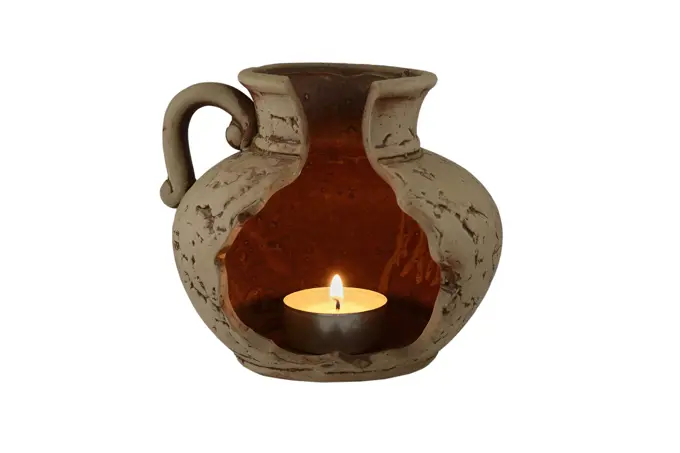
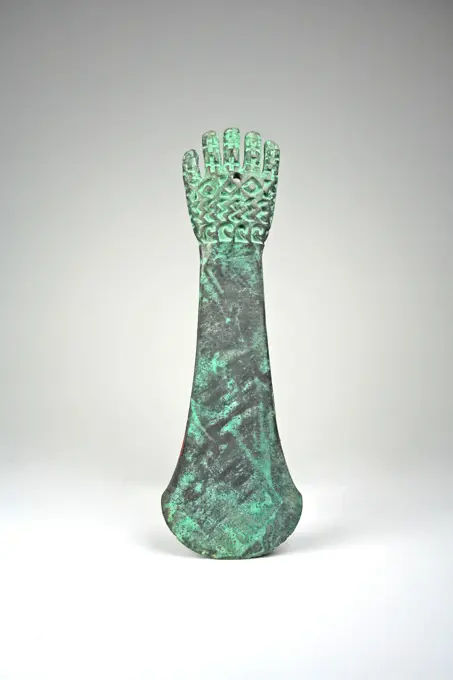
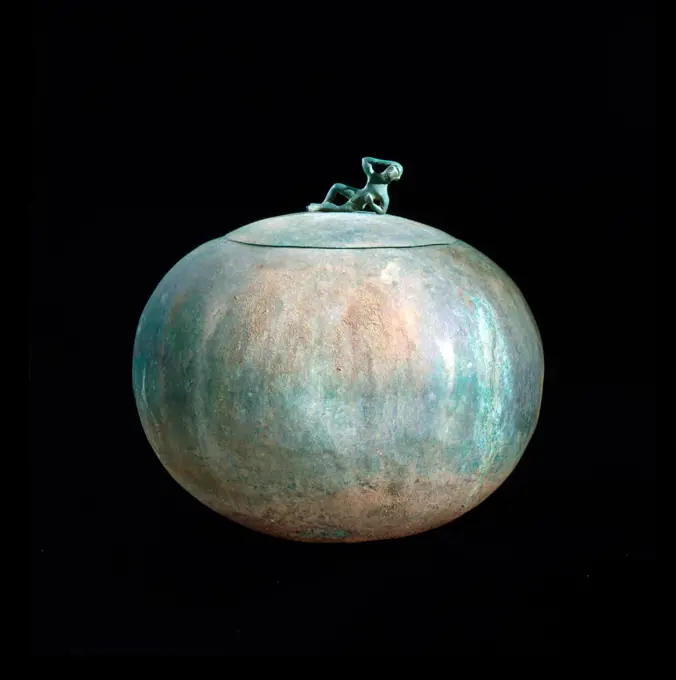
Vat van twisted, solid wood, anonymous, c. 1700 - c. 1800 A barrel of solid maple wood. Amsterdam (possibly) maple (wood) A barrel of solid maple wood. Amsterdam (possibly) maple (wood)Stoneware Bartmann jug, also called Bellarmine jug, with small rosette on the belly, dark brown mottled glaze, Bartmann juggeruik tableware holder soil find ceramic stoneware glaze salt glaze, hand turned glazed baked Stoneware beard jug with small rosette on the belly. Speckled dark brown glaze Embossed rosette consists of circle with four-leaved flower. Stand area archeology Rotterdam Kralingen-Crooswijk Struisenburg Oostmaaslaan indigenous pottery import drink kitchen room store Soil discovery: Oostmaaslaan and's Gravenweg Rotterdam.Lotiform Chalice. Dimensions: h. 14.5 cm (5 11/16 in). Dynasty: Dynasty 22-25. Date: ca. 945-664 B.C..The fragrant blossom of the blue lotus is a common motif in all forms of Egyptian art. Because it opened its petals to the sun each morning, the flower became a symbol of creation and rebirth. During the Third Intermediate Period, faience chalices derived from the shape of the blossom and other faience delicacies were decorated with relief scenes evoking a constellation of myths having to do with the birth of the king as child of the sun god out of the watery marsh environment, and thus the renewal of the world out of the flooded land anticipated with the beginning of the Inundation at the Egyptian New Year.Here, against a background of water filled with fish, papyrus clumps and water reeds, the marshes are evoked as a magical environment: the central register shows a man with a calf or cow over his shoulders, a huge water bird, and a horned animal all riding along in a light papyrusBelly bottle, belly bottle bottle holder soil find glass, bottom in which crack and triangular hole Body with convex ascending wall to convex shoulders and rejuvenated, neck with imposed all-round sharp glass thread of which approx. quarter broken) and flattened lip with various chips to wrap archeologyTurban Helmet late 15th century Turkish, possibly Istanbul, in the style of Turkman armor Helmets of this type are usually called turban helmets because of their large bulbous shape and the flutings that imitate the folds of a turban. Because certain dervish groups wore turbans wound with a prescribed number of folds to represent an important mystical number, it is likely that turban helmets were regarded not merely as armor but also a kind of religious insignia, their very shape marking the wearer as a fighter in the Holy War.Turban helmets, together with mail-and-plate armor of matching decoration, were intended for the heavy cavalry and are recorded as early as the fourteenth century. This example appears to have belonged to the dynasty of the Aq Quyunlu (White Sheep Turkoman) that ruled northwestern Iran and Anatolia in the fifteenth century. The inscriptions, damascened with gold and silver, glorify temporal rulers, wish the owner well, or give advice on how to attain virtue.. TurPorcelain vase with flambe enamel by Ernest Chaplet (1835-1909)Cylindrical (wine) bottle, clock model, bottle holder soil find glass, free blown and molded in mold blown glass application Cylindrical (wine) bottle in clear green glass bell model. Pontil mark under wide upset bottom Straight body to convex shoulders and slightly rejuvenated neck with round irregularly flattened glass wire and sloppy flattened sloping lip archeology packageFlaszka. warsztat wschodniJug 15th century Italian. Jug 471836Vase Gallè, omileGlass perfume bottle Roman late 1st-2nd century CE Translucent pale blue-green.Uneven rim folded round and in; flaring mouth; tall cylindrical neck, expanding downwards, with horizontal indent around base; elongated, slender piriform body; flattened bottom, with pontil mark.Intact; some pinprick bubbles; some pitting and creamy iridescent weathering on exterior, thick creamy weathering and brilliant iridescence on interior. View more. Glass perfume bottle. Roman. late 1st-2nd century CE. Glass; blown. Mid Imperial. GlassIncense burner. Turquoise glaze sandstone. Paris, Cernuschi museum. 78840-13 Asian art, burn-brurge, old ceramic, covered, email, glacide, refinement, terracotta, terracotta emailleeUNGUENTARIUM; Unknown eastern workshop, unknown Italian workshop; 1. PO. 1st century (1-00-00-50-00-00);Ant., V., FroehnerJug. Culture: British. Dimensions: 8 3/4 × 7 in. (22.2 × 17.8 cm). Date: ca. 1810. Museum: Metropolitan Museum of Art, New York, USA.Flask. UnknownMina Lowry, Pitcher, 1935 1942 PitcherVase (vaso). Culture: Italian, Deruta. Dimensions: Height: 9 13/16 in. (24.9 cm). Date: ca. 1530-40. Museum: Metropolitan Museum of Art, New York, USA.Terracotta lekythos (oil flask) ca. 440 B.C. Attributed to the Painter of Munich 2335 Two women at a tombAlthough tomb scenes do not usually depict activity, it appears that the woman at the left is about to tie another fillet around the shaft of the monument. The figure on the right holds a situla (bucket) and an alabastron (perfume vase). Representations such as this one are invaluable for showing how specific shapes were used. The situla is quite rare under all circumstances.. Terracotta lekythos (oil flask). Greek, Attic. ca. 440 B.C.. Terracotta; white-ground. Classical. VasesPitcher 1854-57 Attributed to American Porcelain Manufacturing Company. Pitcher 5762Glass mosaic perfume bottle early 1st century A.D. Roman Translucent blue, with opaque white trails.Plain, rounded rim; very narrow flaring mouth; cylindrical neck; piriform body; small, pushed-in bottom.Marvered white trails applied to surface, forming three eye-like swirls around body.Complete, except for chip in rim and mouth; one large weathered bubble in body; pitting and weathering.. Glass mosaic perfume bottle 249499Loraine Makimson, Fire Extinguisher, c 1940 Fire ExtinguisherBronze kyathos (single-handled cup). Culture: Etruscan. Dimensions: H. with handle 8 1/2 in. (21.6 cm). Date: 6th century B.C..This elegant bronze cup, its handle decorated with a lotus finial, represents a type that frequently appears in bucchero examples, especially ones associated with Vulcian workshops. Museum: Metropolitan Museum of Art, New York, USA.Snuff Bottle. Culture: China. Dimensions: H. 3 in. (7.6 cm). Date: second half of 18th century. Museum: Metropolitan Museum of Art, New York, USA.Kalebassen shaped vase. Acquired in 1893 by the artist.Vase with rooster ca. 1884 Haviland & Co. American and French This vase is a monumental example of the brown stoneware Chaplet produced for Haviland in the 1880s. Inspired by rustic European folk pottery, these pieces often incorporated traditional themes of country life. The rooster on this vase is a Gallic cockerel, a national emblem of France.. Vase with rooster. French, Paris. ca. 1884. Stoneware. Ceramics-PotteryBlue-painted Jar from Malqata with Hathor Emblem ca. 1390-1353 B.C. New Kingdom This jar has been decorated with a series of personified ankh hieroglyphs. Each ankh has an eye of Horus, or "wedjat" eye, painted in the loop at the top, and two outstretched arms painted red. The best preserved ankh holds two baskets, one of which contains an emblem of the goddess Hathor (see also 11.215.472).. Blue-painted Jar from Malqata with Hathor Emblem. ca. 1390-1353 B.C.. pottery, slip, paint. New Kingdom. From Egypt, Upper Egypt, Thebes, Malqata, Palace of Amenhotep III, MMA excavations, 1910-11. Dynasty 18Vase. Gift by Mr. Wilhelm G. Clasen, HamburgVase. Dimensions: H. 9.3 cm (3 11/16 in), Diam. 6.4 cm (2 1/2 in). Dynasty: Dynasty 18. Reign: reign of Amenhotep III. Date: ca. 1390-1353 B.C.. Museum: Metropolitan Museum of Art, New York, USA.CERAMICA DE ALMERIA - JARRA CON DECORACION DE RAYAS. Location: MUSEO DEL PUEBLO ESPAÑOL, MADRID, SPAIN.Cup; Roman Empire; 1st century; Glass; 6.5 x 8 cm (2 9,16 x 3 1,8 in.)Anonymous (n. - d.), Bottle (main title). Ceramic, pseudo-faïnce (siliceous terracotta covered with a white slip under lead glaze). Petit Palais, Museum of Fine Arts of the City of Paris.Flask. UnknownZodiac Funerary Jar, 13th century, 13 9/16 x 6 3/16 x 6 3/16 in. (34.45 x 15.72 x 15.72 cm) (overall), Unglazed stoneware with incised, molded, and appliqué décor, China, 13th century, Made specifically for the tomb, this unglazed storage jar displays the animals of the four directions (dragon, phoenix, tiger, snake entwined tortoise) in high relief around the neck. Around the belly appear the twelve animals of the zodiac standing in correct order: pig, rat, ox, tiger, hare, dragon, snake, horse, ram, monkey, cockerel, and dog. The directional animals are freely modeled while the robed bodies of the zodiac figures are mold-made with attached, freely modeled heads. The jar also contains Buddhist iconography evidenced by the incised lotus petals (a symbol of spiritual purity) around the vessel base, and the elongated lid modeled in the form of a stupa spire. The jar thus merges two important belief systems, yin yang wu-hsing and Buddhism in its decorative schemes. In the broadest sense, Vase with birds and flowers 19th century China. Vase with birds and flowers. China. 19th century. PPorcelain painted in polychrome enamels over a black ground (Jingdezhen ware, famille noire), wooden stand. Qing dynasty (1644-1911). CeramicsSake Bottle. Japan, late 18th-early 19th century. Ceramics. Agano ware; stoneware with white slip trail, dark brown and "beaten brush" amber iron glazesCreamer 1760-75 Thomas Arnold. Creamer 2652Glass perfume bottle 2nd-3rd century A.D. Roman Translucent pale blue green.Thick, rounded rim, folded out, over, and in, smoothed into fairly broad collar to mouth; tall, cylindrical neck, tooled in around base; elongated piriform body; pushed-in bottom with kick and slight trace of pontil scar.Intact; elongated and large bubbles; slight dulling, lime encrustation on exterior and inside mouth. The neck is blocked up with stones and earth, leaving deep brown-colored contents sealed in body, partially solidified and partially still liquid.. Glass perfume bottle 239680Clock case and vase 1898 George E. Ohr In many ways George Edgar Ohr was the quintessential Arts and Crafts potter, combining artistic vision with extraordinary skill with his hands. Working in the seaside resort town of Biloxi, Mississippi, he dug the clay, processed and prepared it, threw the shape on the wheel, altered the piece according to his vision, mixed and applied his own glazes, fired the kiln, created his own style of advertising, and took his wares on the road. Ohrs personal mantra was "no two alike," and he was as eccentric as his work was individualistic, with its manipulated forms on ultra-thin thrown vessels, crimping, ruffling, off-centering, and twisting, to create unprecedented forms for the 1890s. To these forms, he applied his own completely new and unusual glazes, applied by sponging, splashing, and spattering, resulting in works that in many ways anticipated the abstract art movements that would find form decades later.Although Ohr did virtually all of the workCanopic Jar Inscribed for Qebehsenuef ca. 712-332 B.C. Late Period. Canopic Jar Inscribed for Qebehsenuef 552595Gourd-Shaped Sake Bottle with Aoi Crests. Culture: Japan. Dimensions: H. 12 in. (30.5 cm); Greatest diam. 7 in. (17.8 cm). Date: 18th century. Museum: Metropolitan Museum of Art, New York, USA.Broken Vessel with Modern Inscription. Egypt, Third Intermediate Period - Late Period (1081 - 332 BCE) or earlier. Furnishings; Serviceware. BronzeSake Bottle with Squared Form. Japan, late 17th-early 18th century. Ceramics. Takatori ware; stoneware with rice straw ash drip and iron glazesVase engraved with figures of animals, from Aguada, Argentina, 650-850 A.D.Pitcher (Germany); Manufactured by Villeroy and Boch (Germany); porcelainBell. Western Iran, circa 1000-650 B.C.. Tools and Equipment; musical instruments. Bronze, castVase; Hiratsuka, Mohei (1836-); around 1880-1890 (1880-00-00-1890-00-00);Incense Burner, 1st-2nd century, 3 5/8 x 5 1/2 x 5 1/2 in. (9.21 x 13.97 x 13.97 cm), Bronze, China, 1st-2nd centuryEwer (Iran); gilt and enameled glassEwer in the Shape of a Bird. Culture: China. Dimensions: H. 7 3/4 in. (19.7 cm); W. 4 in. (10.2 cm); L. 7 1/2 in. (19.1 cm). Date: 16th century. Museum: Metropolitan Museum of Art, New York, USA.Glass rectangular bottle 2nd-3rd century A.D. Roman Translucent blue green, with same color handles.Thick rim folded out, round, and in, and pressed into top of broad, oval mouth; oval neck, expanding downwards, with tooling indents around base; horizontal shoulder with rounded, sloping corners; vertical, thick-walled sides, with irregular patterns of shallow grooves on front and back (from mold ); rectangular bottom with irregular, off-center indent; two broad strap handles, tooled into three ribs on outer surface, attached to outer edge of shoulder on short sides, drawn up vertically, turned in at an acute angle and trailed onto top of neck and underside of rim.Mold mark on bottom comprising a large lozenge enclosing a circle in relief.Cracked and broken, with about half of rim missing and one hole in top of body below one handle; slight dulling and iridescence on exterior; areas of thick soil encrustation, weathering, and iridescence on interior.. Glass rectangular bottle 249461Cylindrical bottle, bottle holder bottomfound glass, free blown and shaped glass application Cylindrical bottle in clear green glass. Pontil mark under pointed soil. Cylindrical body to slender shoulders, long cylindrical neck with imposed circumferential wide glass wire and flared lip of which about quarter is missing archeology packagingLazio Viterbo Viterbo Museo Civico29. Hutzel, Max 1960-1990 Views of paintings (Middle Ages through 18th c.), frescoes, a tabernacle, coffin, sculpture reliefs, portal fragments, busts, sculpture, tapestry found in the Pinacoteca, Second floor gallery and Second floor cloister sequences. Antiquities: Many views of Etruscan and Roman fragments, sculpture, sarcophagi, pottery, masks, jewelry and other objects found in the Storeroom sequence (inventory numbers on back of prints), and the Cloister, Second floor Cloister, Valle Giulia, Sala Romana and Sala Etrusca sequences. General Notes: There are eight separate numerical sequences for this location. The cloister as an architectural structure, rather than museum site, is documented in the record and file for S. Maria della Verita, Cloister, all views of which are stored in Medieval core collection. Five views from the Museo Civico Second floor cloister sequence are stored in Medieval. German-born photographer and scholar Max Hutzel (1911-Vase Pałowy school and artistic school in Krakow (PSPA)Fragment Westerwald jug on stand foot, decorated with lobes, frieze and appliqués, jug fragment soil find ceramic stoneware glaze salt glaze, hand turned stamped cobalt oxide glazed fried jug-fragment stoneware gray with blue salt-glaze neck with mask geometric ornament kerfsnede. Convex jar on stand foot ovoid. Slim neck with shaving clip. Lobbes over the bottom half frieze with ridge in the middle and above that fields with kerfsneetechniek and heart shape in blue fields. Neck with appliqué's archeology Valckensteyn Poortugaal Albrandswaard indigenous pottery import serving pouring drink drinking kitchen Soil discovery: castle Valckensteyn in Poortugaal now Albrandswaard 1961-1962.Votive Stupa. Sri Lanka, 12th-13th century. Sculpture. Copper alloyWijnkan with lid from V.O.C. ship De 'Witte Leeuw', Before 1613 lid Wijnkan with lid from V.O.C. ship the 'Witte Leeuw'. Incomplete. Jingdezhen bone china (material)   Sint-HelenaCovered Tripod, 19th century, 10 1/2 in. (26.67 cm), Light green jadeite with white and green markings, China, 19th centuryVase with vertical ornaments in blue and gold. Porcelain vase, painted with vertical ornaments in blue and gold. Labeled with scepter in underglaze blue; Rijfsappel; KPM and anniversary brand in red; 65 or 59 in gold; Inserting: form number 6929 and the letters K O.Knife, Hand. Culture: Moche. Dimensions: H x W: 9 1/4 x 2 7/8in. (23.5 x 7.3cm). Date: 1st-3rd century. Museum: Metropolitan Museum of Art, New York, USA.Italy, Friuli-Venezia Giulia, Balm jars from the necropolis of Aquileia, polychrome glassBottle -Lazio Viterbo Viterbo Museo Civico87. Hutzel, Max 1960-1990 Views of paintings (Middle Ages through 18th c.), frescoes, a tabernacle, coffin, sculpture reliefs, portal fragments, busts, sculpture, tapestry found in the Pinacoteca, Second floor gallery and Second floor cloister sequences. Antiquities: Many views of Etruscan and Roman fragments, sculpture, sarcophagi, pottery, masks, jewelry and other objects found in the Storeroom sequence (inventory numbers on back of prints), and the Cloister, Second floor Cloister, Valle Giulia, Sala Romana and Sala Etrusca sequences. General Notes: There are eight separate numerical sequences for this location. The cloister as an architectural structure, rather than museum site, is documented in the record and file for S. Maria della Verita, Cloister, all views of which are stored in Medieval core collection. Five views from the Museo Civico Second floor cloister sequence are stored in Medieval. German-born photographer and scholar Max Hutzel (1911-Chinese silk embroidery depicting a blue traditional vase, Baisha, Yunnan Province, China CAP/MEL Mel Longhurst/ China Copyright: xMelxLonghurst/CapitalxPicturesxVase. Culture: American. Dimensions: H. 11 1/4 in. (28.6 cm); Diam. 13 15/16 in. (35.4 cm). Maker: Grueby Faience Company (1894-ca. 1911). Date: ca. 1900-1910.When selecting American-made ceramics for his interiors, Frank Lloyd Wright gravitated toward geometric silhouettes in muted matte glazes such as those produced by the Grueby Faience Company. Popular among early twentieth-century American Arts and Crafts enthusiasts, Grueby's earthenware pieces and architectural tiles were inspired by Japanese forms and glazed using French techniques. This vase, while not original to the room, is similar to others found in Wright interiors. Wright often designed high shelves around the walls of a room for the display of ceramics and other decorative objects. Museum: Metropolitan Museum of Art, New York, USA.Ancient antique broken jug, cartoon museum ceramic pottery. Isolated cartoon vector old cracked earthenware pitcher. Vessel for wine or oil, artefact with cracks, greek or roman pattern and handle. Ancient antique broken jug, museum ceramic potteryGlobular Jar. China. Date: 1662-1722. Dimensions: H. 9.8 cm (3 7/8 in.); diam. 12.1 cm (4 3/4 in.). Porcelain with crackled robin's-egg blue glaze. Origin: China. Museum: The Chicago Art Institute, Chicago, USA.Ritual Bell, 19th century, 13 7/16 x 9 x 6 3/4 in. (34.13 x 22.86 x 17.15 cm) (including attached base), Wood, string, Democratic Republic of the Congo, 19th centuryVessel in Form of a Mandarin Duck or Wild Goose 701 CE-750 CE China. Earthenware with three-color (sancai) lead glazes .Carved Tusk with Chinese Immortal, c. 1868-1912. Japan, possibly Meiji period (1868-1912). Carved ivory; overall: 5.7 cm (2 1/4 in.).Vessel Depicting a Mythological Scene. Maya, Codex Style; Petén region, Guatemala or Mexico. Date: 600 AD-800 AD. Dimensions: 16.5 × 11.4 cm (6 1/2 × 4 1/2 in.). Ceramic and pigment. Origin: Guatemala. Museum: The Chicago Art Institute, Chicago, USA.Vase decorated with wisteria flowers and leaves on dark blue background.Glass beaker with snake-thread decoration. Culture: Roman. Dimensions: H.: 5 13/16 x 3 1/8 x 2 7/8 in. (14.8 x 7.9 x 7.3 cm). Date: ca. 3rd century A.D..Colorless with pale green tinge; trails in same color.Tall beaker or goblet, with side tapering downwards and curving in at base; stem consists of a solid, slightly convex knob; broad, shallow foot, made from a separate gather is concave, with rounded, thickened edge, and small central pontil scar.On body, three vertical abstract floral sprays, comprising stems and broad, down-turned leaves, applied as separate trails, all flattened and decorated with crisscross patterns, and one small additional spray near bottom on one side.Broken and repaired, with some weathered broken edges; all of rim and much of body missing, but foot intact; a few bubbles; slight dulling and patches of brilliant iridescent weathering. Museum: Metropolitan Museum of Art, New York, USA.Terracotta lekythos (oil flask). Culture: Greek, Attic. Dimensions: H. 14 3/4 in. (37.5 cm). Date: ca. 460 B.C..Libation at warrior's departureFrom the end of the sixth century B.C., the lekythos served as a funerary vase to contain offerings of oil for the dead. During the second quarter of the fifth century, white-ground lekythoi, on which the decoration was painted over a white slip, became the typical funerary vase. While the subject here is the libation at the departure of a warrior, the shape suggests that the warrior did not return alive and that this vase was placed on his grave. Museum: Metropolitan Museum of Art, New York, USA.Cup with a dragon motif among clouds, over the waves unknownEin wunderschönes, rustikales Keramikwindlicht mit offenem, durchbrochenem Krugdesign Ein wunderschönes, rustikales Keramikwindlicht mit offenem, durchbrochenem Krugdesign LicenseRF Copyright: xZoonar.com/MIKHAILxOLYKAYNENx 23160537Knife, Hand 1st-3rd century Moche. Knife, Hand 314951House Model Depicting a Ritual Feast 100 BCE-300 CE Nayarit state. Ceramic and pigment . NayaritPUCHERO CON DOS ASAS - VIDRIADO PARCIAL EN VERDE - PARA FUEGO. Location: ALFARERIA. SPAIN.Ancient broken pottery vase or old ceramic cracked jug pot, vector antique amphora. Ancient Greek or Roman vase with cracks, archeology ceramic pitcher or antique jug with handles and ornament. Ancient broken pottery vase, ceramic cracked jugBronze urn. Allegedly from Santa Maria (Capua Vetere), Etrusco-Campanian from Capua, c. 500 B.C.