Gold Ancient Jewelry

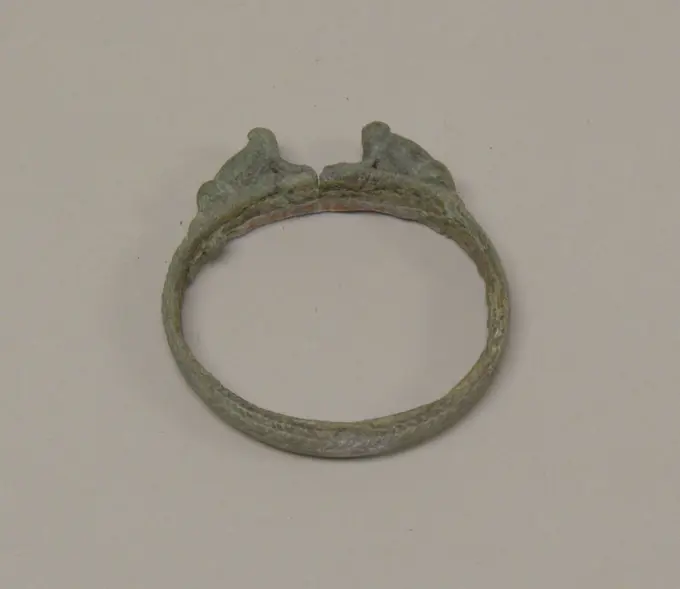
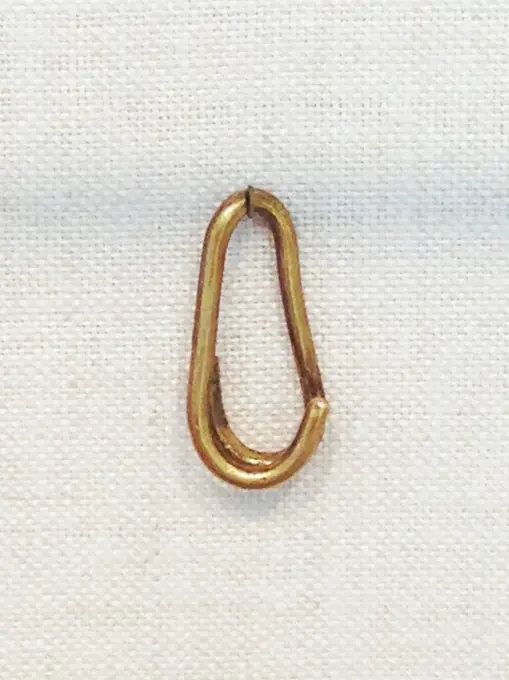
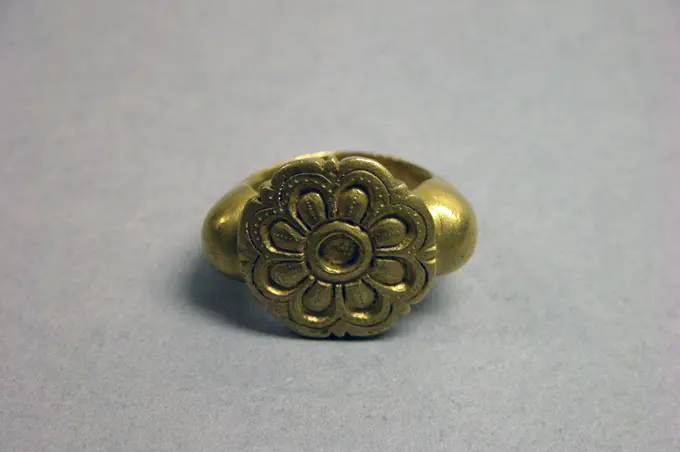
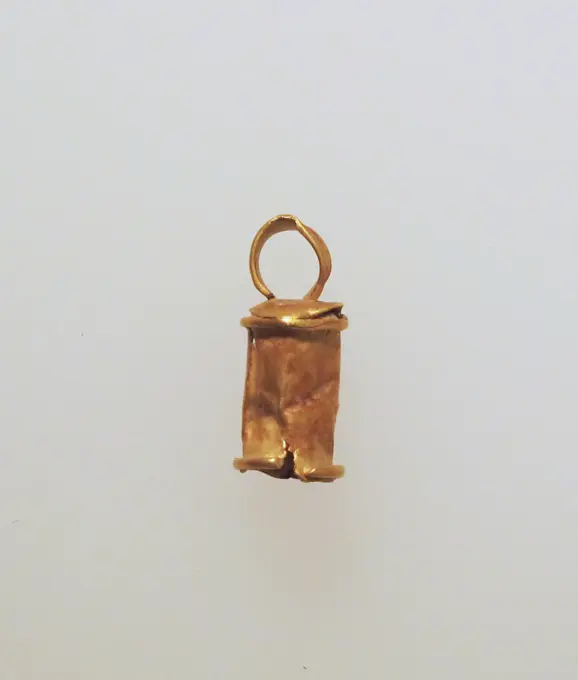
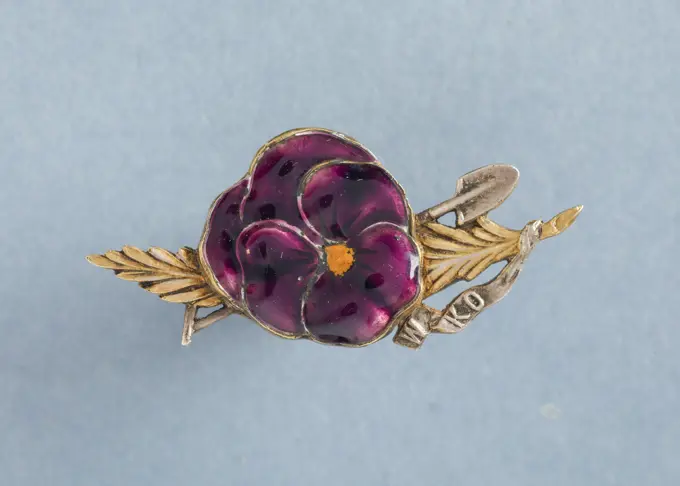
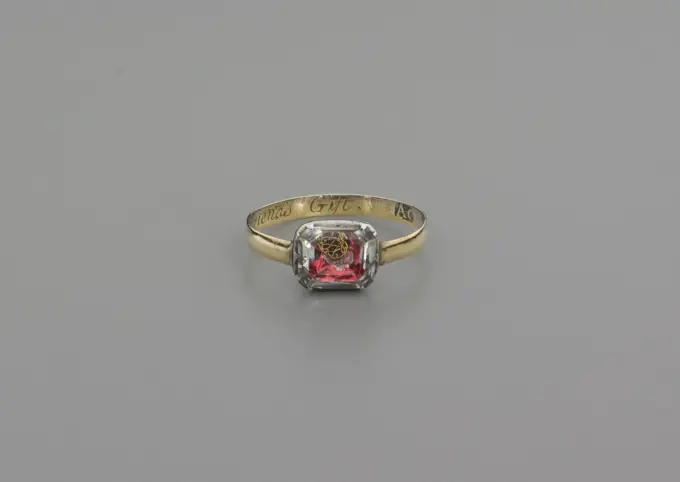
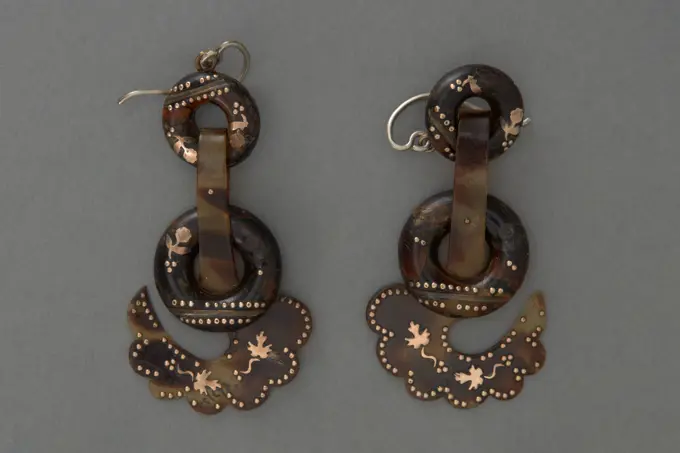
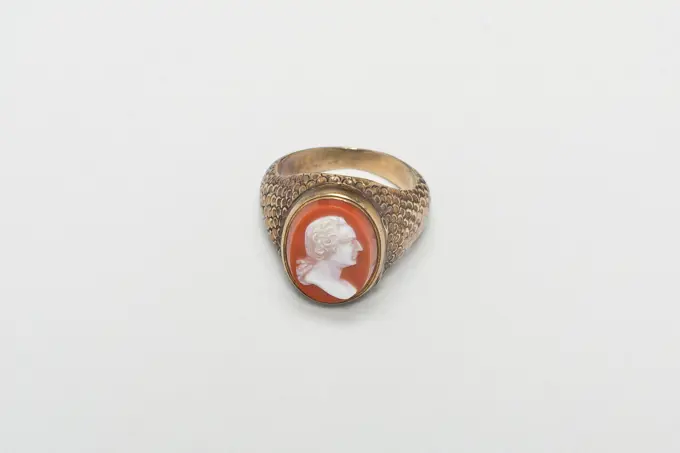
An assortment of gold jewelry pieces, including earrings and decorative items from various ancient cultures, showcasing historical craftsmanship.

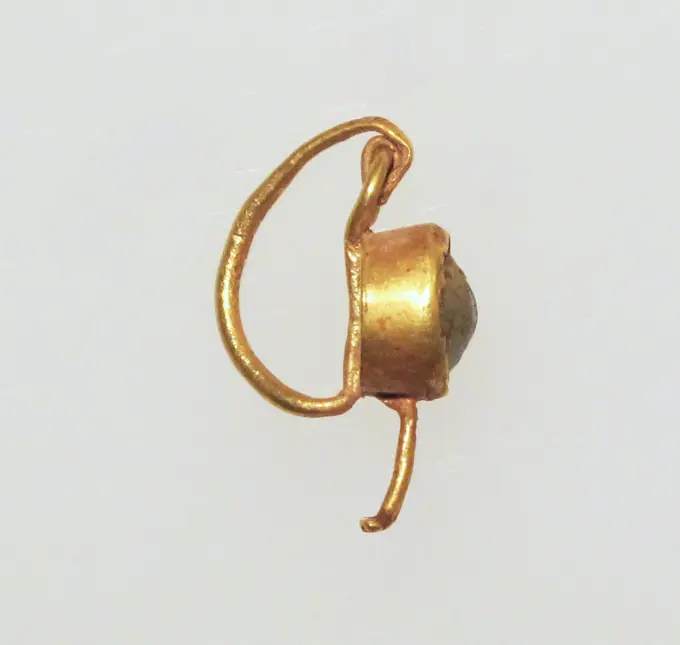
Lobster Claw with Pearl Matchsafe; probably Japan; brass, glass pearl; 2.6 x 5.6 x 1.6 cm (1 x 2 3/16 x 5/8 in. )
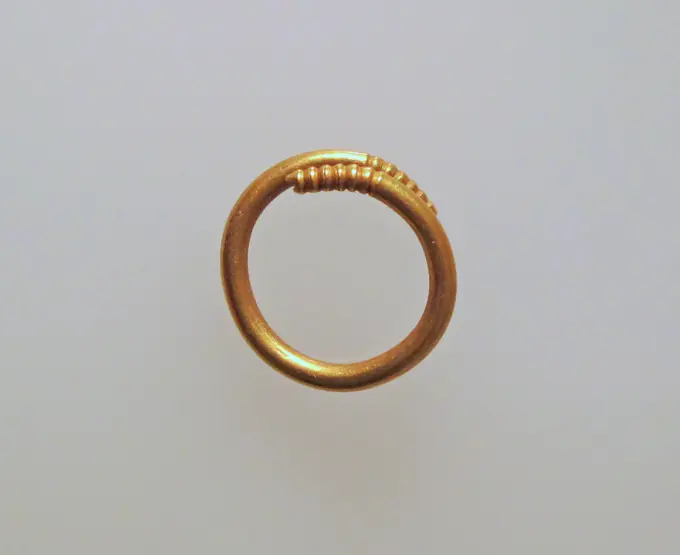
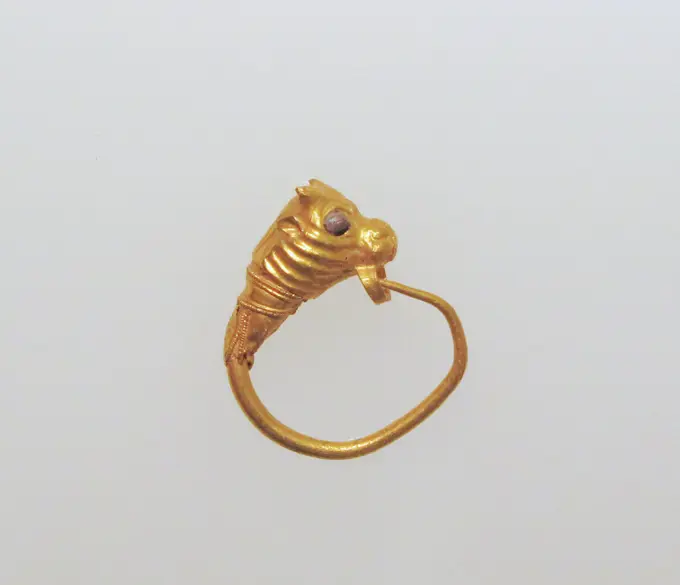
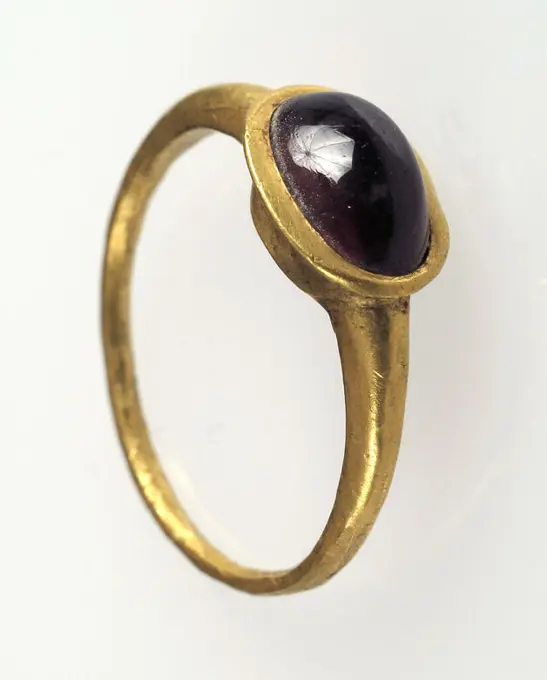
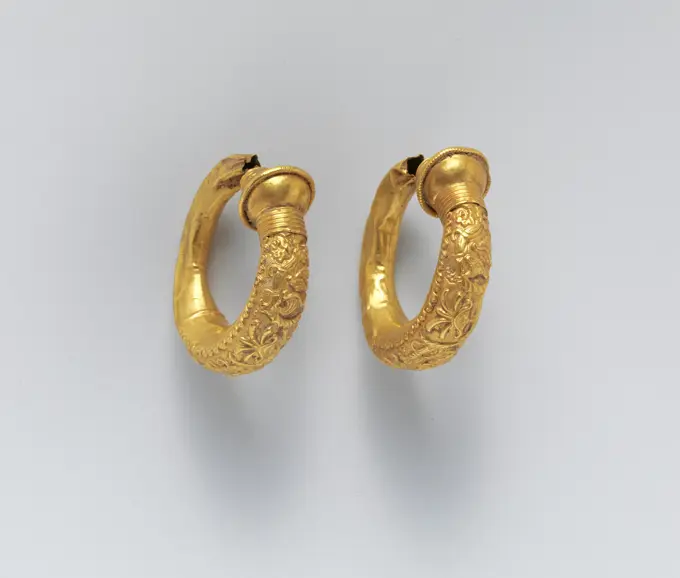
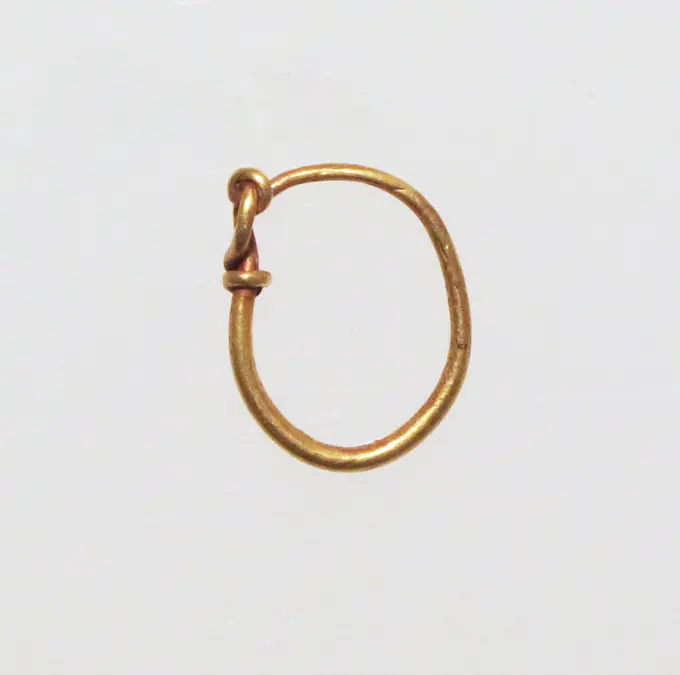
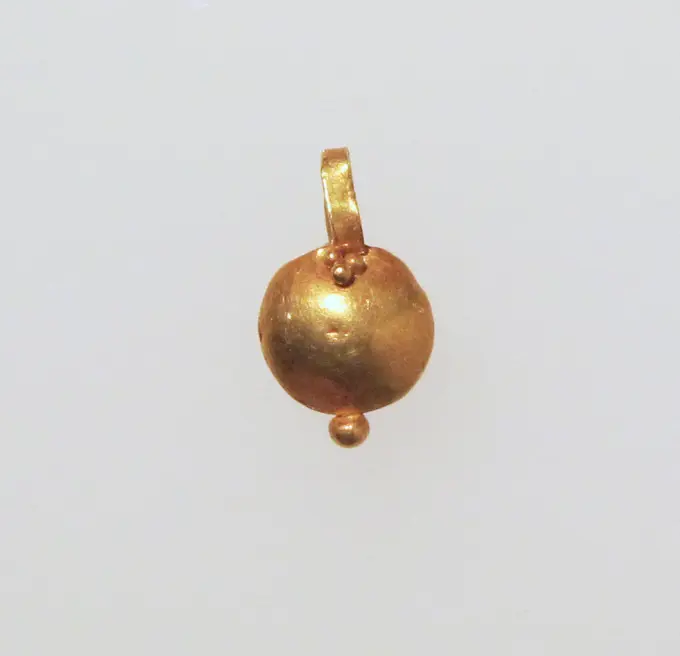
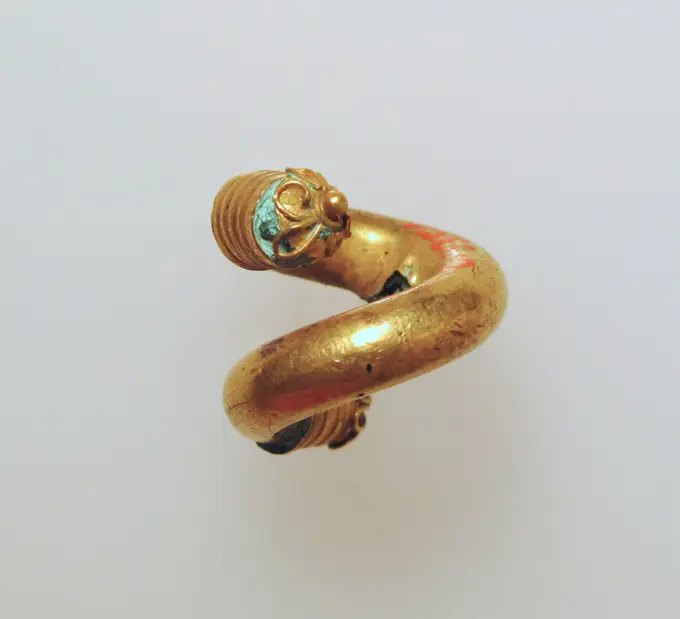
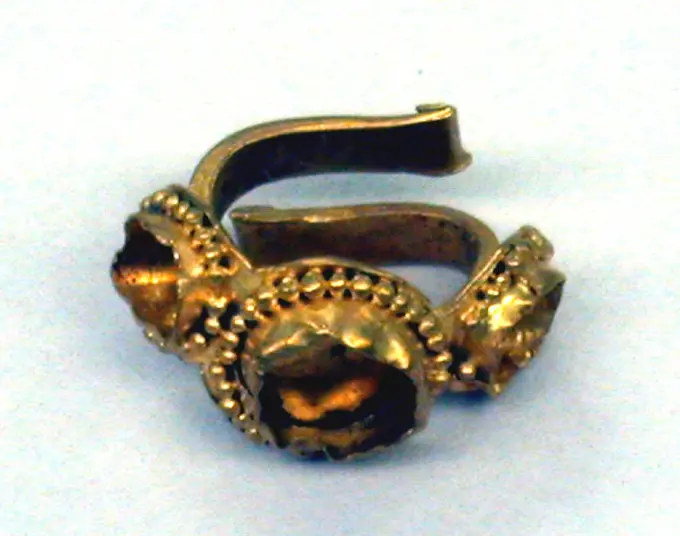
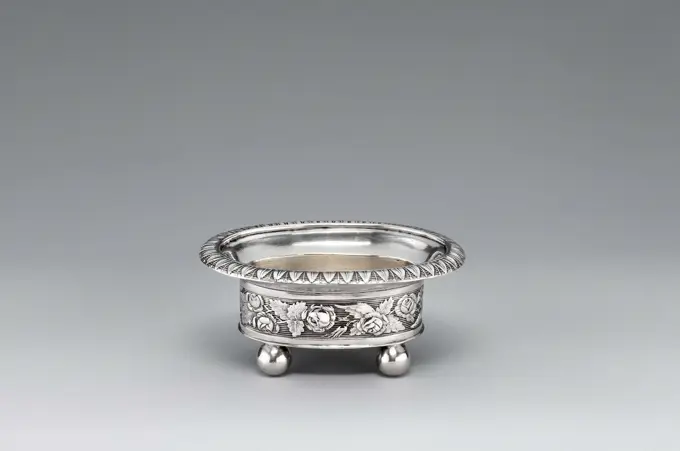
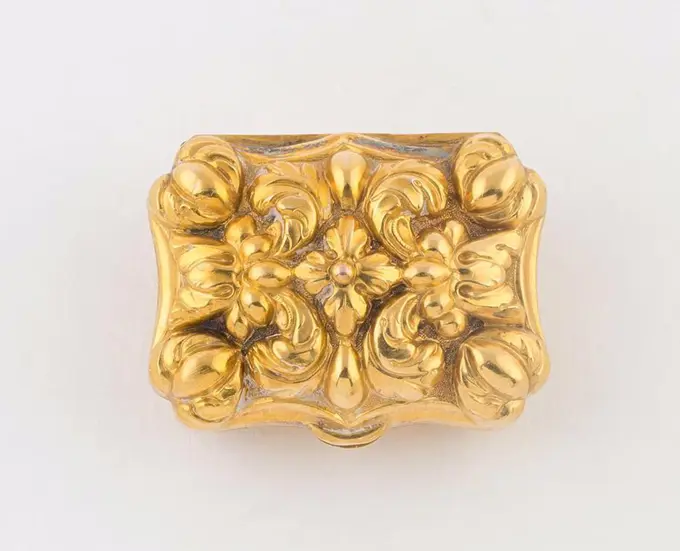
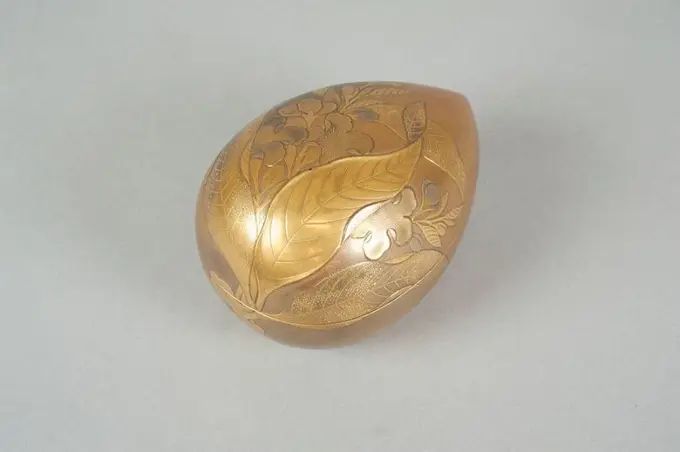
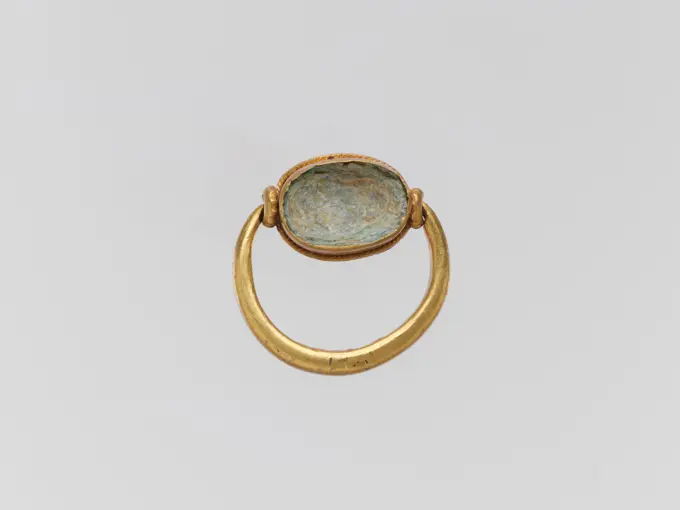
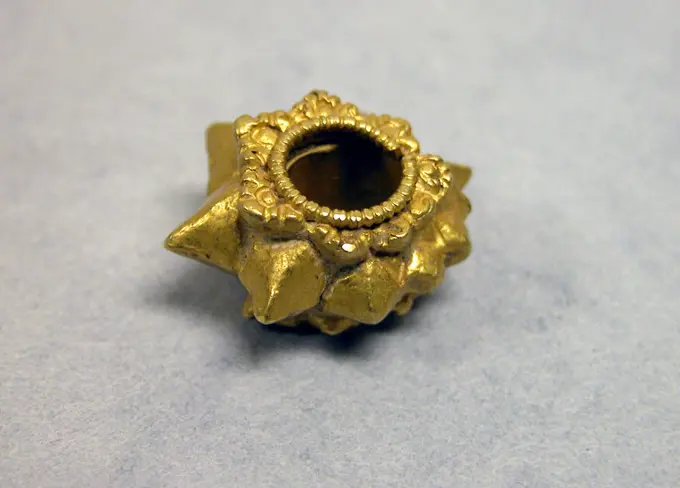
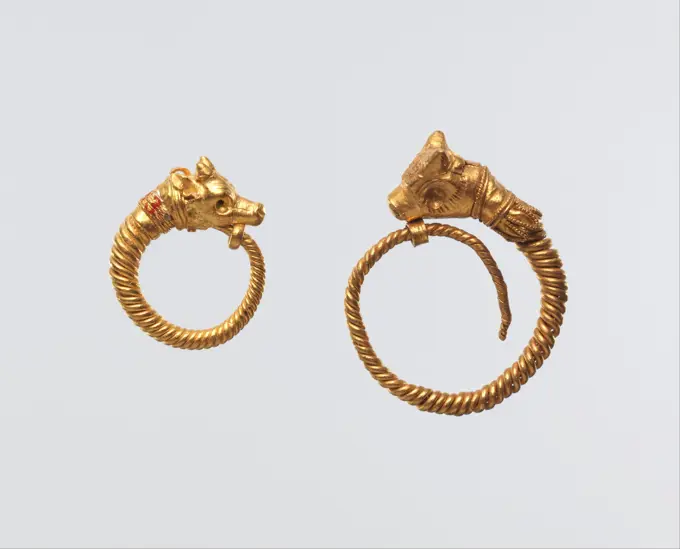
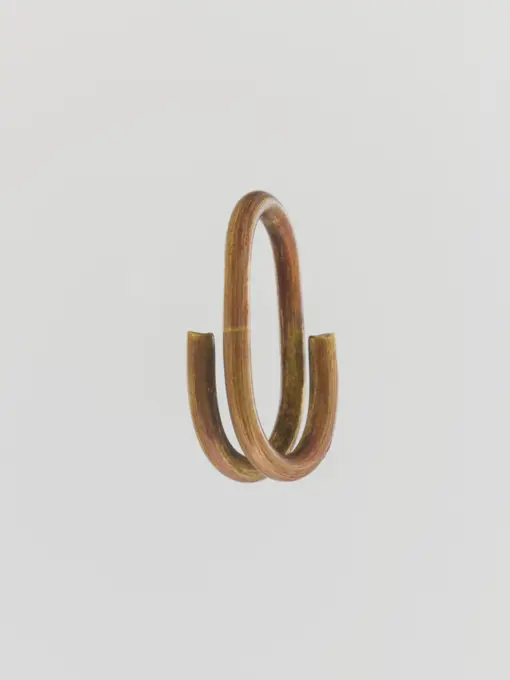
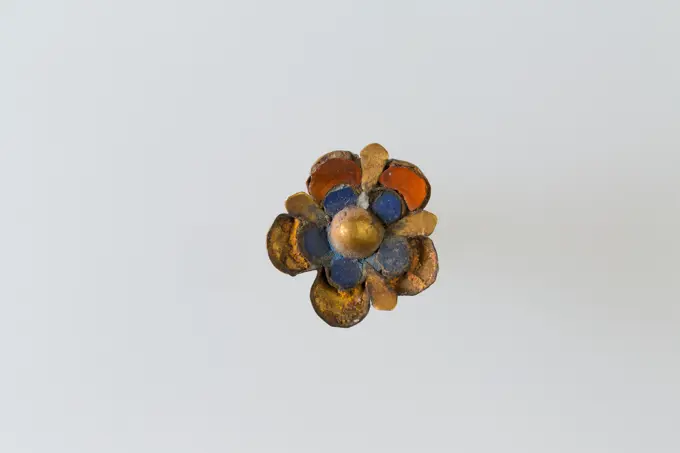
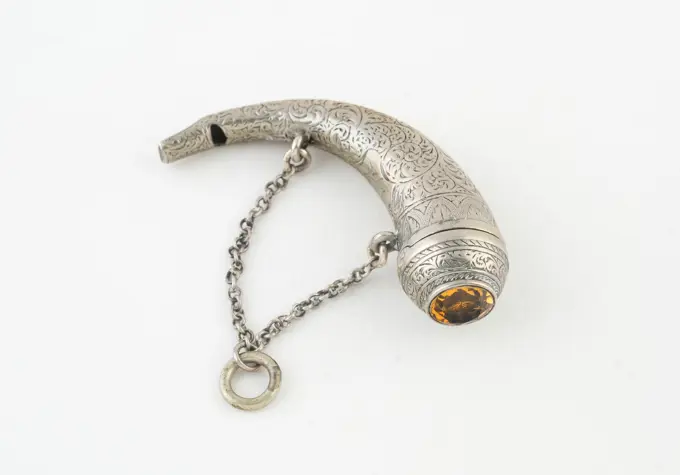
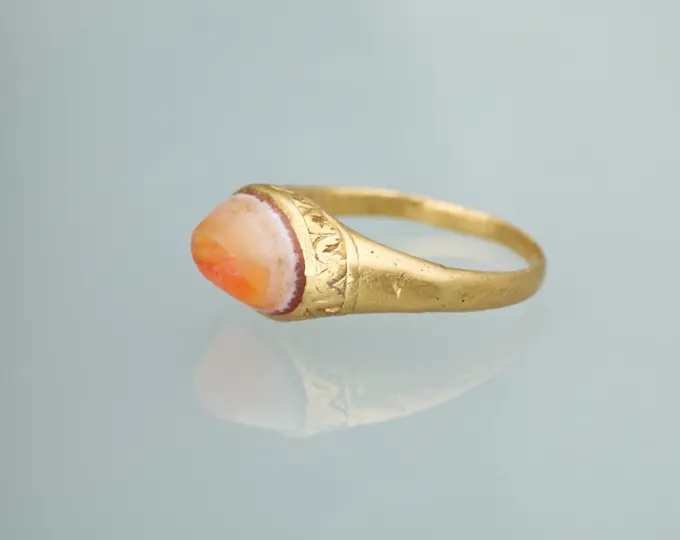
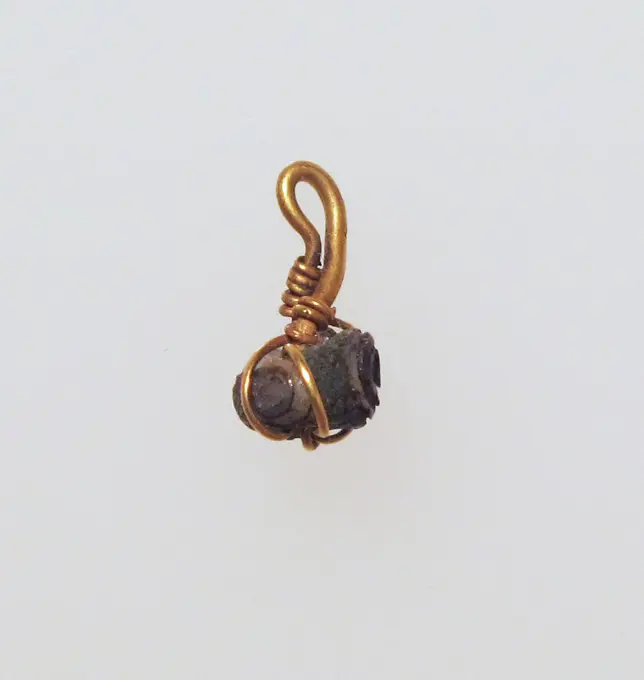
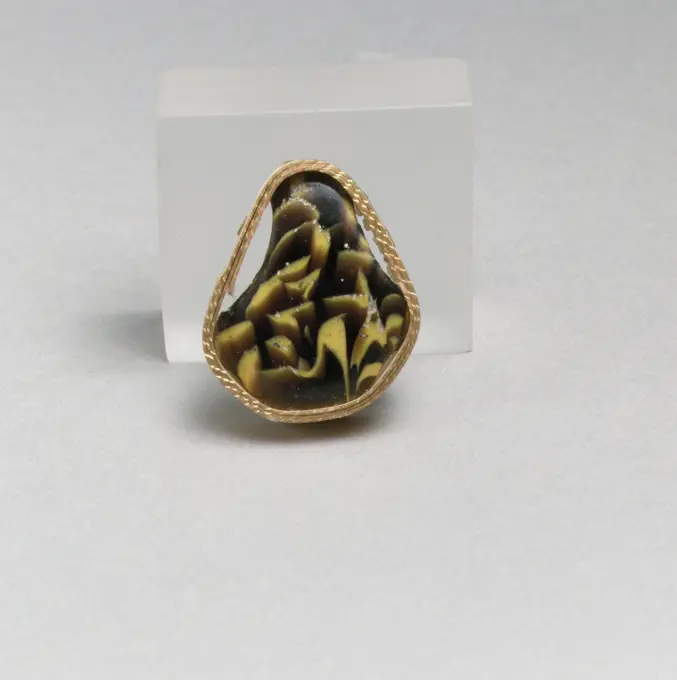
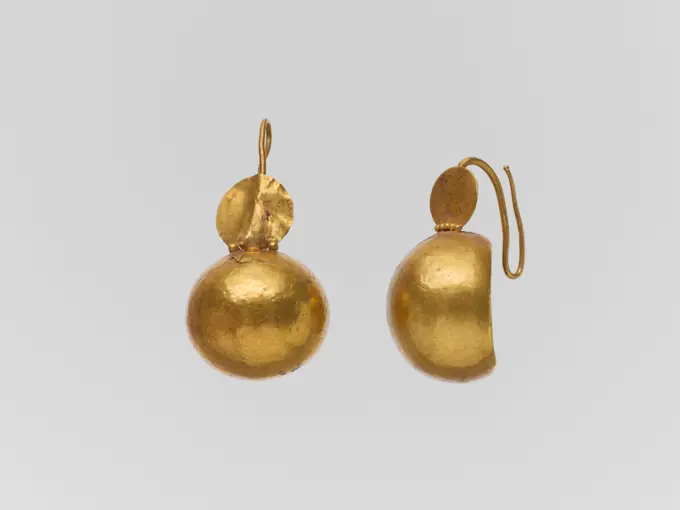
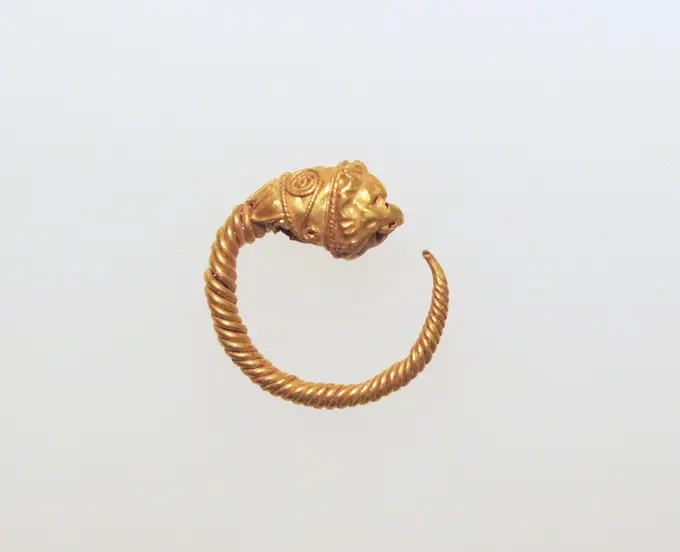
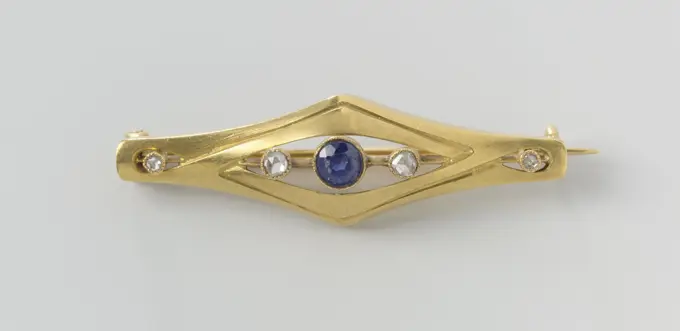
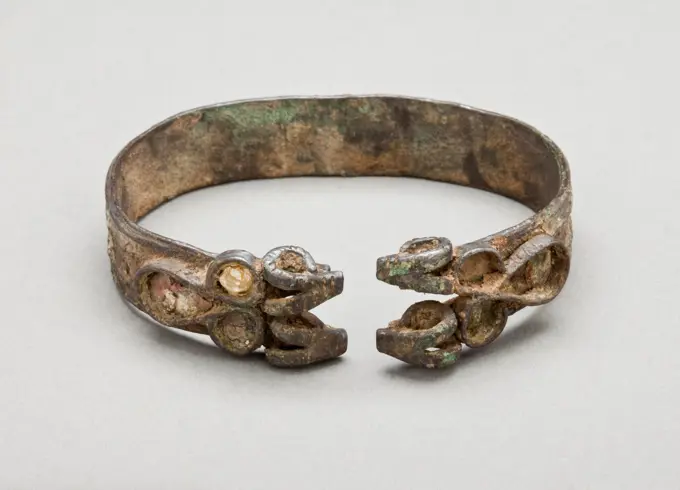
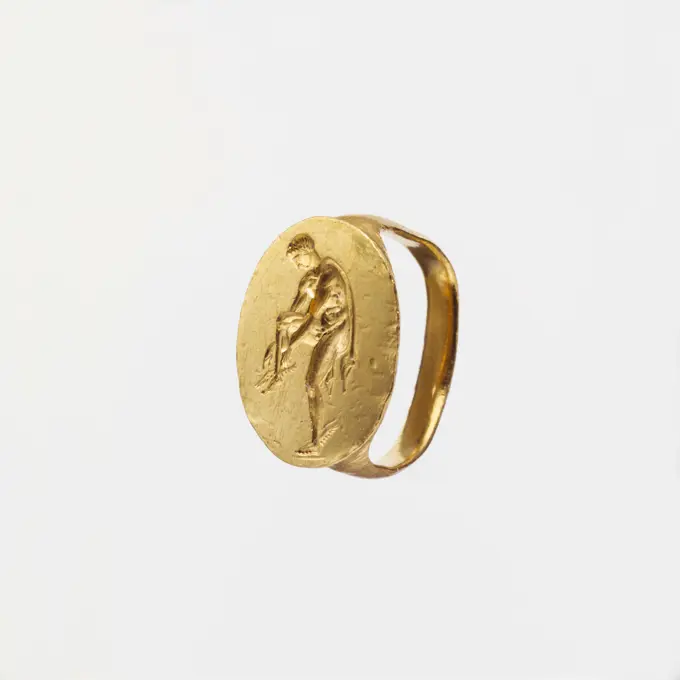
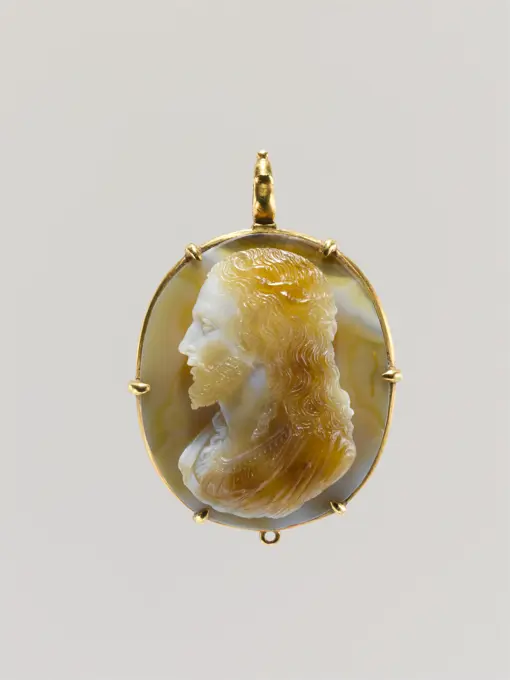
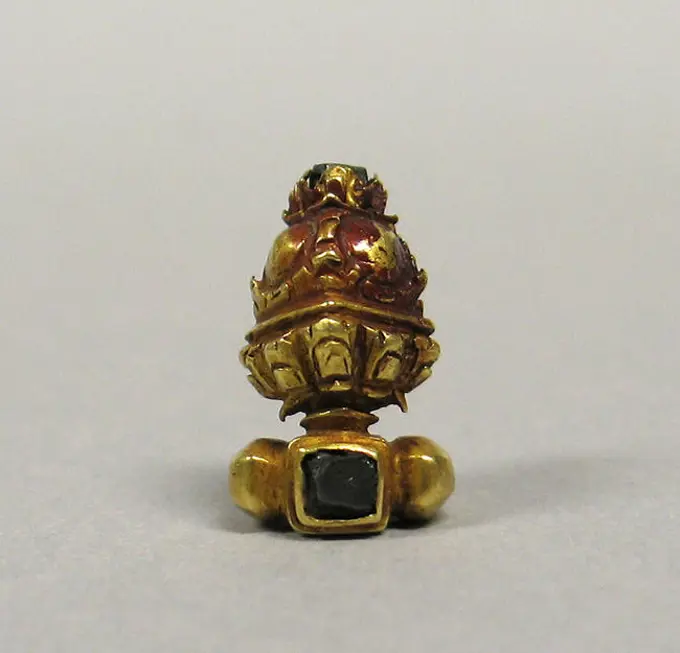
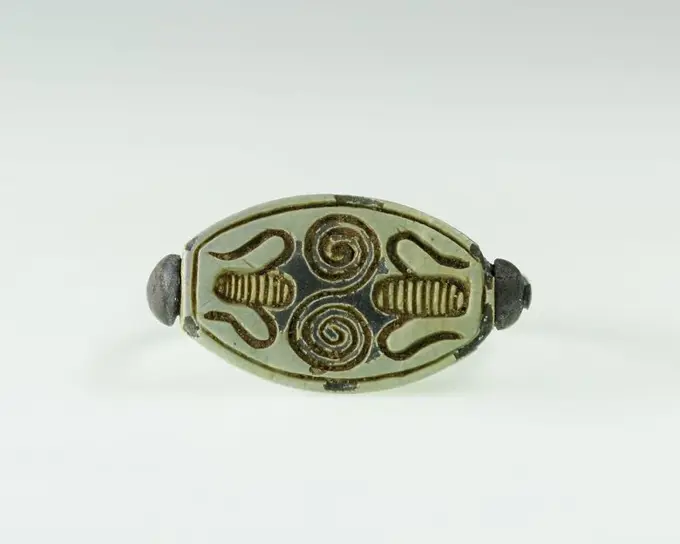
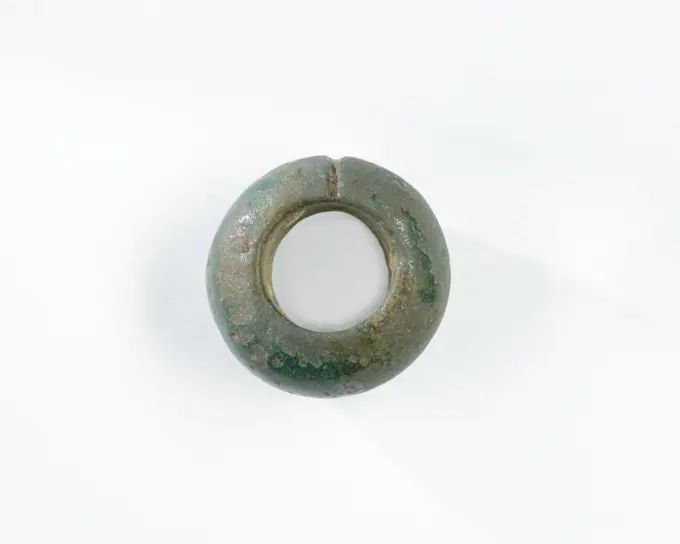
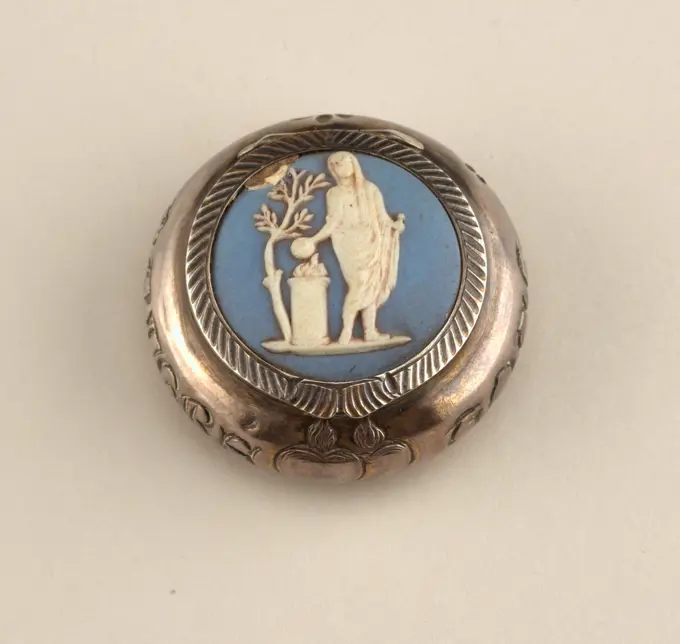
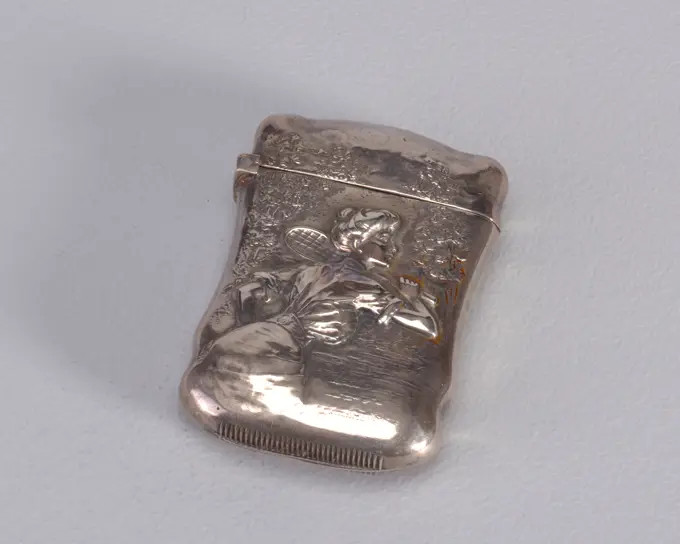
Lobster Claw with Pearl Matchsafe; probably Japan; brass, glass pearl; 2.6 x 5.6 x 1.6 cm (1 x 2 3/16 x 5/8 in. )Earring with paste setting 1st-3rd century A.D. Roman. Earring with paste setting 243219Gold earring with head of a lion Greek 4th3rd century BCEEarring, crescent-shaped. Earring, crescent-shaped 243302Spirals Cypriot. Spirals 242542Ring with Almond-Shaped Bezel and Granulate Designs Last quarter of the 10th-last quarter of the 15th century Indonesia (Java). Ring with Almond-Shaped Bezel and Granulate Designs 50119Gold earring with head of a bull 4th-3rd century B.C. Greek. Gold earring with head of a bull. Greek. 4th-3rd century B.C.. Gold. Classical or Hellenistic. Gold and SilverFinger Ring. Culture: Frankish. Dimensions: Overall: 15/16 x 7/8 x 5/16 in. (2.4 x 2.2 x 0.8 cm)bezel: 7/16 x 5/16 in. (1.1 x 0.8 cm). Date: 7th century. Museum: Metropolitan Museum of Art, New York, USA.Gold trumpet-shaped earrings with relief decoration 5th-4th century B.C. Etruscan Decorated in floral repoussé patterns of palmettes and acanthus leaves.. Gold trumpet-shaped earrings with relief decoration 245869Earring with plain loop and disc. Earring with plain loop and disc 243129Ring. Ring 243488Gold earring with disc and pendant (missing) 2nd century A.D. Roman. Gold earring with disc and pendant (missing). Roman. 2nd century A.D.. Gold. Mid Imperial. Gold and SilverGold loop earring. Gold loop earring 243198Earring, boat-shaped Cypriot. Earring, boat-shaped 242601Gold trumpet-shaped earrings 4th-3rd century B.C. Etruscan Hollow gold, with minimal use of filigree to decorate the flaring knobs.. Gold trumpet-shaped earrings 245871Pendant, lentoid. Pendant, lentoid 243109Ring with glass bezel 1st century B.C.-3rd century A.D. Roman. Ring with glass bezel. Roman. 1st century B.C.-3rd century A.D.. Gold, glass in bezel. Imperial. Gold and SilverSpirals Cypriot. Spirals 242530Three Rings, anonymous, c. 800 - c. 1200 Ring, decorated with the "SRI sign". Indonesia gold (metal) Ring, decorated with the "SRI sign". Indonesia gold (metal)Matchsafe (USA); silver; Overall: 6.9 x 4.5 x 1 cm (2 11/16 x 1 3/4 x 3/8 in.)Glass bracelet ca. 2nd-4th century A.D. Roman Translucent very dark green, appearing black.Circular band; round in section but with groove around inner side; flattened into square section at seam where ends of rod have been pressed together with irregular tooling marks; small pontil scar on outer edge of opposite side.Intact; elongated bubbles; dulling, faint iridescence, and patches of thick, creamy weathering.. Glass bracelet 239929Pair of Ear Ornaments, Comma and Star 8th-12th century Indonesia (Central Java). Pair of Ear Ornaments, Comma and Star 64214Ring, Gold, carved shell, Italy, 19th century, jewelry, Decorative Arts, RingVulture and falcon amulet ca. 2150-2050 B.C. Late Old Kingdom-First Intermediate Period. Vulture and falcon amulet 556117Earring or spiral 5th century B.C. Cypriot Gold plated bronze.. Earring or spiral 242787Bracelet, Hammered Wire 8th-12th century Indonesia (Central Java). Bracelet, Hammered Wire 64290Earring-loop type. Earring-loop type 243149Garment Clasp 14th-15th century or earlier Visayas. Garment Clasp 317659Key lock. A lock with clover-shaved lid.Pair of Ear clips in Quadrefoil Shape with Granulate Design Second half of the 8th-second half of the 10th century Indonesia (Java). Pair of Ear clips in Quadrefoil Shape with Granulate Design 50049Salt-cellar. Loehlein, Teodor (fl. ca 1840), goldsmithCopper narrow round band, from solar watch, watch timepiece measuring instrument soil find copper metal, Circular shaped copper band with embossed numbers and letters Inside two rows with numbers: 1 to 8 and 4 to 12 Inside mark: crowned archeology Rotterdam measuring rail tunnel measuring time Soil discovery: trajectory Rotterdam rail tunnel.Engraved scaraboid gem set into a swivel ring. UnknownVinaigrette. Possibly France. Date: 1835-1845. Dimensions: 3.4 × 2.3 cm (1 1/3 × 7/8 in.). Gold. Origin: France. Museum: The Chicago Art Institute, Chicago, USA.Gold earring with pelta disc and pendant 2nd century A.D. Roman. Gold earring with pelta disc and pendant 243181Oval silver loop of 1786. GAL1990.148.10 Polylobé hallmark. Local of the Paris Commune House in 1786.pEar ornament 8th-12th century Indonesia (Central Java). Ear ornament 64198Bangle (1 of 2), 185-72 BC. India, Sunga Period (185-72 BC). Gilt bronze;Incense Box (Kogo) in the Shape of a Peach. Culture: Japan. Dimensions: L. 4 1/2 in. (11.4 cm); Diam. 2 7/8 in. (7.3 cm). Date: second half of the 19th century. Museum: Metropolitan Museum of Art, New York, USA.Miniature Round Basket, late 1800s-early 1900s. California, Pomo, late 19th-early 20th century. Plant materials; diameter: 1.1 cm (7/16 in.).Gold ring with glass paste ring stone 6th-5th century B.C. Greek or Cypriot Blue green paste, decayed.. Gold ring with glass paste ring stone. Greek or Cypriot. 6th-5th century B.C.. Gold, glass paste. Archaic. Gold and SilverRing, Albertus van Haasel, 1772 Gold ring. Decorated with a wreath of Filigreinn rounds with buttons and roses varied at the points of pairs, between two pearl edges. Amsterdam gold (metal) filigree Gold ring. Decorated with a wreath of Filigreinn rounds with buttons and roses varied at the points of pairs, between two pearl edges. Amsterdam gold (metal) filigreeBracelet;  19th century (1801-00-00-1900-00-00);Silver bracelet with gold lion's head finials. Culture: Greek. Dimensions: Diam.: 3 1/8 in. (7.9 cm). Date: 5th-4th century B.C..Finials in the form of lions' heads. Museum: Metropolitan Museum of Art, New York, USA.Gold earring with disc and pendant 2nd century A.D. Roman. Gold earring with disc and pendant 243166Spirals Cypriot. Spirals 242541Bracelet with Busts of Isis; Egypt; 3rd - 2nd century B.C; Gold; 5.5 cm (2 3,16 in.)Earring with Star and Granules 8th-12th century Indonesia (Central Java). Earring with Star and Granules 64266Stirrup. Culture: West Slavic. Dimensions: H. 5 1/2 in. (14 cm); W. 4 3/4 in. (12.1 cm); D. 1 1/8 in. (2.9 cm); Wt. 4.1 oz. (116.2 g). Date: 10th-11th century.This simple stirrup of Slavic type is said to have been found on the site of Dolkheim, today in Northern Poland.Horses had great importance in Slavic society, in both its social and religious aspects. Equestrian equipment, like stirrups, spurs and bits, are regularly found in their burials, even after their Christianization, among the goods warriors wanted to bring with them to the afterlife. The elite would sometimes even be accompanied by sacrificed horses, a meaningful practice at that time, considering the high economic value of horses. Museum: Metropolitan Museum of Art, New York, USA.Gold earring with head of a bull 4th-3rd century B.C. Greek. Gold earring with head of a bull 242858Earring with bull head terminal 4th-mid 2nd century BC Ptolemaic Period Hoops formed of wound wire with animal head terminals are the commonest type of Hellenistic earring. The bull-head earring appears throughout the Mediterranean, probably a positive image because of the physical and sexual prowess attributed to bulls. Examples like this one predate those that have bead added to the collar of the earring behind the bull head.. Earring with bull head terminal 560739Gold spiral ca. 1600-1100 B.C. Cypriot Of plain wire with one turn.. Gold spiral. Cypriot. ca. 1600-1100 B.C.. Gold. Late Bronze Age. Gold and SilverEarring with ball pendant. Dimensions: Other: 3/8 x 1 1/2 x 1 1/16 in. (1 x 3.8 x 2.7 cm). Museum: Metropolitan Museum of Art, New York, USA.Floral Ornament ca. 1390-1353 B.C. New Kingdom. Floral Ornament. ca. 1390-1353 B.C.. Gold, carnelian, lapis lazuli. New Kingdom. From Egypt, Upper Egypt, Thebes, Malqata, Palace of Amenhotep III, MMA excavations 1911-12. Dynasty 18Vinaigrette with Whistle in the Form of a Hunting Horn 1835-1845 Scotland. Silver, silver gilt, cairngorm .Stirrup-shaped Ring with Red Stone Second half of the 8th-second half of the 10th century Indonesia (Java). Stirrup-shaped Ring with Red Stone 50207RingRing Inlaid with Oval-Shaped Red Stone with Ribbed Hoop 8th-early 10th century Indonesia (Java). Ring Inlaid with Oval-Shaped Red Stone with Ribbed Hoop 50209Pendant. Pendant 243116Ring with Purple Stone Second half of the 8th-second half of the 10th century Indonesia (Java). Ring with Purple Stone 50259Glass mosaic fragment late 1st century B.C.-early 1st century A.D. Roman Body fragment.Translucent deep purple, appearing chocolate brown, and opaque yellow.Convex curving side.Mosaic pattern formed from sections of a single cane in purple ground with large irregular yellow streaks and swirls.Polished exterior and edges; pitting of surface bubbles on exterior; dulling and pitting on interior. Cut down into a tear-drop shape, perhaps in antiquity.. Glass mosaic fragment 257277Golden RingGold earring with convex disk and small disk 1st-2nd century A.D. Roman Convex discs of plain foil.. Gold earring with convex disk and small disk. Roman. 1st-2nd century A.D.. Gold. Imperial. Gold and SilverCachet with the weapons of Gerard Johan Vreelandt and Petronella fish tree. A sharpened birchrythal hangs on the golden dangle with wearing eye and carrying ring. On three sides, a round stamp is cut into the stone with a coat of arms: two times a different weapon, the third a combination of the first two. The stone is thus attached to the golden pendant that it can turn around its shaft and can be stamped separately with the three stamps.Gold earring with head of a lion 4th3rd century B.C. Greek. Gold earring with head of a lion 242928Brooch, Lodewijk Willem van Kooten (II), c. 1908 - c. 1911 Brooch of gold with a sapphire in the middle and two diamonds on either side. Amsterdam gold (metal). diamond (mineral). sapphire (mineral) Brooch of gold with a sapphire in the middle and two diamonds on either side. Amsterdam gold (metal). diamond (mineral). sapphire (mineral)Bracelet. Western Iran, circa 550 - 330 B.C.. Jewelry and Adornments; bracelets. SilverBumpPin with a rosette-shaped head. unknown, authorPendant in the form of a ram's head View more. Pendant in the form of a ram's head. Gold. Gold and Silver'Subway N.Y.', T. S. Gilbert, Silver, Oblong, rounded corners, curved top, with raised curves and counter curves on perimeter and where lid's bottom edge meets the box body. Central reserve features image of a train inside the Wall Street station tunnel, above which 'Subway N.Y.' is inscribed. Inscribed on reverse reserve is the mongram 'WCP' or 'WCG'. Lid hinged on left. Slightly concave striker on bottom., ca. 1904, containers, Decorative Arts, Matchsafe, MatchsafePair of Drop Earrings with Rubies 8th-12th century Indonesia (Central Java). Pair of Drop Earrings with Rubies 64259Gold finger ring engraved with an image of Hermes late 4th century B.C. Greek, South Italian, Tarentine The broad oval bezel of this heavy gold ring is engraved with an intaglio showing the youthful messenger-god Hermes balancing on his left leg as he fastens a wing to his raised right foot. The god wears a short mantle that encircles his neck and hangs down his back. Winged sandals or boots are a standard attribute of Hermes, but it is unusual to find the wings attached to the figure's ankles rather than to some form of footwear. Since its first publication over a century ago, this ring has been associated with a notable sculptural type in monumental Greek sculpture, the Sandal-Binder Hermes, traditionally ascribed to the sculptor Lysippos. Echoes of this particular composition, showing the god tying or untying his winged sandal, appear in decorative arts as well, notably on coins of Sybrita, in Crete, dated to the late fourth century B.C. Our ring, however, can be stylistically groupPair of Sword-Grip Ornaments (Menuki) 1859 Japanese Menuki are a pair of ornamental sword fittings attached to either side of a sword hilt.. Pair of Sword-Grip Ornaments (Menuki). Japanese. 1859. Gold, silver, copper, copper-gold alloy (shakud). Sword Furniture-MenukiBust of Christ ca. 1600 Northern Italian The carvers drill followed the dark to pale amber coloration, offsetting hair and beard against pale flesh.. Bust of Christ 198339Pendant with pomegranate. Pendant with pomegranate. Gold, agate. Gold and SilverOpen Bracelet with Two Facing Frogs 300 B.C.-A.D. 400 Thailand. Open Bracelet with Two Facing Frogs. Thailand. 300 B.C.-A.D. 400. Bronze. Late period. JewelryEarring with head of lions. Earring with head of lions. Gold. Gold and SilverGold spiral ca. 1600-1100 B.C. Cypriot Of plain wire with one turn.. Gold spiral. Cypriot. ca. 1600-1100 B.C.. Gold. Late Bronze Age. Gold and SilverRing of cannon boat iron 2 of J.C.J. from Speyk. An iron ring of the gunboat No.2 from J.C.J. From Speyk with floral motifs wide to the octagonal flat part.Pair of Wire Wrapped EarOrnamentsStirrup-shaped Ring with Lotus Pattern on Bezel Second half of the 8th-second half of the 10th century Indonesia (Java). Stirrup-shaped Ring with Lotus Pattern on Bezel. Indonesia (Java). Second half of the 8th-second half of the 10th century. Gold. Central Javanese period. JewelryRing (France); gold, rose diamondsBead pendants, tubular Cypriot. Bead pendants, tubular. Cypriot. Gold. Gold and SilverCommemorative badge of higher gardening coursesGoldring.   Maker: Andrew Oliver, American, ca. 1725-1776Ring, Jan van Ysselmuiden (attributed to), 1693 Unkinded Golden Ring. Amsterdam gold (metal) Unkinded Golden Ring. Amsterdam gold (metal)A pair of earringsString of 46 disc beads 30 B.C.-A.D. 364 Roman Period. String of 46 disc beads 570526Ring c 1800-1900 United States. Gold . Artist unknownEar Ornament, Pendant with Stone 8th-12th century Indonesia (Central Java). Ear Ornament, Pendant with Stone. Indonesia (Central Java). 8th-12th century. Gold. JewelryRing of Hatnefer. Dimensions: Ring: H. 2.3 cm (7/8 in.); W. 2.1 cm (13/16 in.)Cowroid: L. 1.7 cm (11/16 in.); wW 1.2 cm (1/2 in.); H. 0.7 cm (1/4 in.). Dynasty: Dynasty 18, early. Reign: reign of Thutmose II-Early Joint reign. Date: ca. 1492-1473 B.C..This ring was found on the middle finger of Hatnefer's left hand. It has been set with an amulet shaped like a cowrie shell and inscribed on the base with a geometric pattern vaguely resembling a lizard. The rings and small scarabs found on Hatnefer's mummy (36.3.3,-.6) were personal jewelry, not part of her funerary equipment. Museum: Metropolitan Museum of Art, New York, USA.Penannular Earring ca. 1550-1295 B.C. New Kingdom. Penannular Earring. ca. 1550-1295 B.C.. Glass. New Kingdom. From Egypt; Probably from Northern Upper Egypt, Deir el-Ballas. Dynasty 18Pair of Earrings with Ibex Head Finials. Greek. Date: 300 BC-201 BC. Dimensions: . Gold and garnet. Origin: Ancient Greece. Museum: The Chicago Art Institute, Chicago, USA.Few egg -shaped cufflinks of silver, c. 1940 Few egg -shaped cufflinks of silver with floral relief with mechanism. Jogjakarta silver (metal) Few egg -shaped cufflinks of silver with floral relief with mechanism. Jogjakarta silver (metal)Box; silverGilded glass earring 1st century B.C.-A.D. 1st century Roman Period Gilded or silvered glass was especially popular from the mid first century BC to the mid first century AD. Here a gilded bead hangs as a pendant from a hoop with ring beads of granules above and below the bead.. Gilded glass earring. 1st century B.C.-A.D. 1st century. Glass, gold. Roman Period. From EgyptBead ornament, circular 3rd century A.D. Roman. Bead ornament, circular. Roman. 3rd century A.D.. Gold. Late Imperial. Gold and SilverFemale Playing Badminton Matchsafe; USA; silver; 6 x 4.2 x 1.5 cm (2 3/8 x 1 5/8 x 9/16 in. )Engraved Ring 8th-12th century Indonesia (Central Java). Engraved Ring 64413