Gold Artifacts and Ornaments

Historical gold objects including spirals, furniture mounts, and decorative pieces from various periods and cultures.

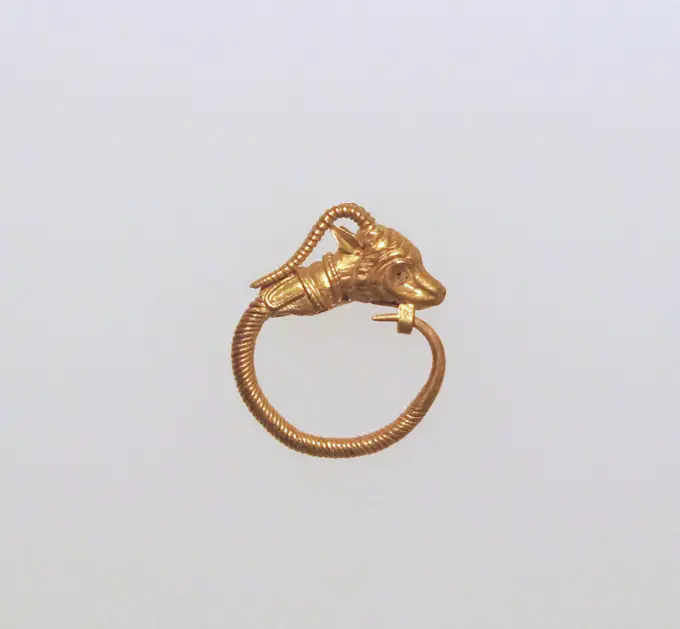
Hair Ringlet with Ram Head, c. 4th Century BC. Greece, Hellenistic period. Gold; overall: 3.5 cm (1 3/8 in.).
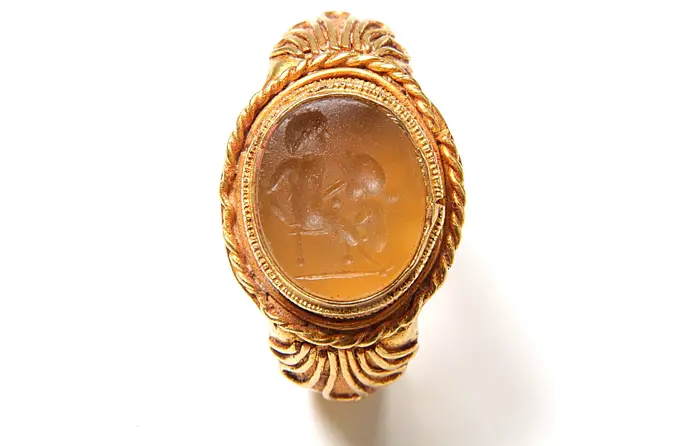
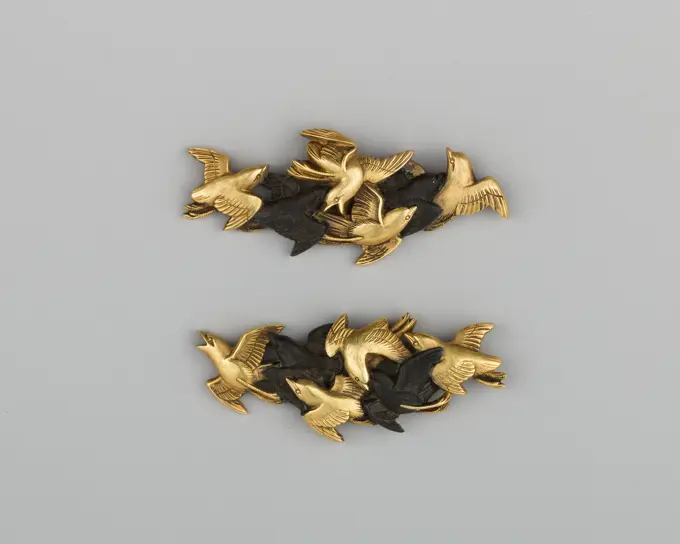
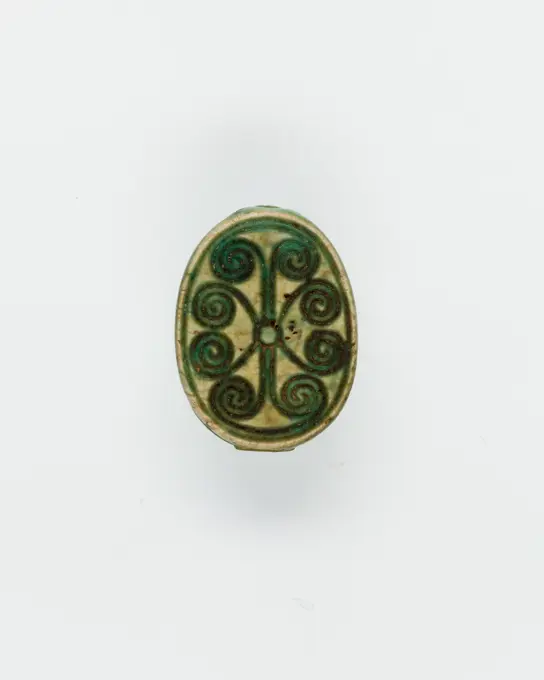
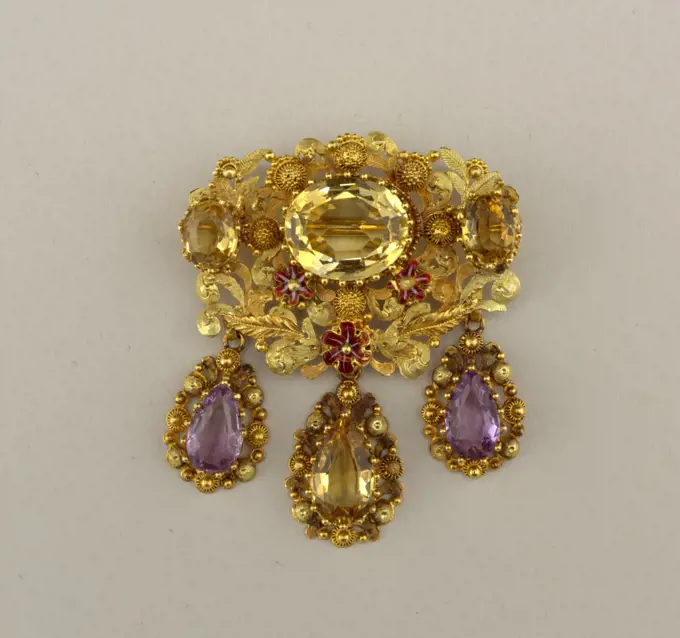
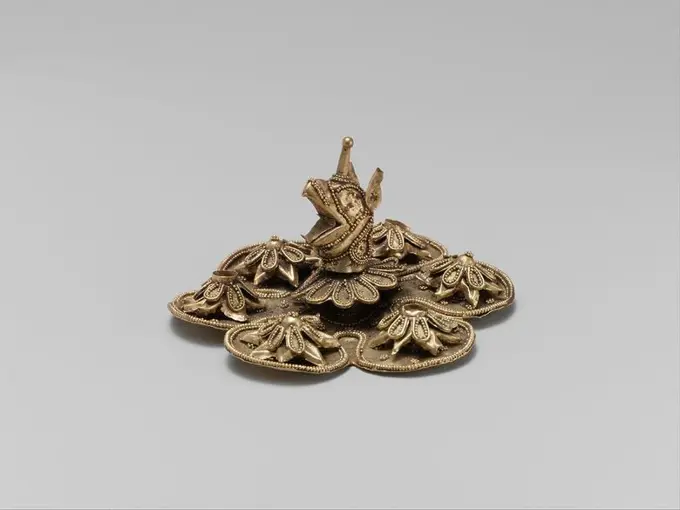
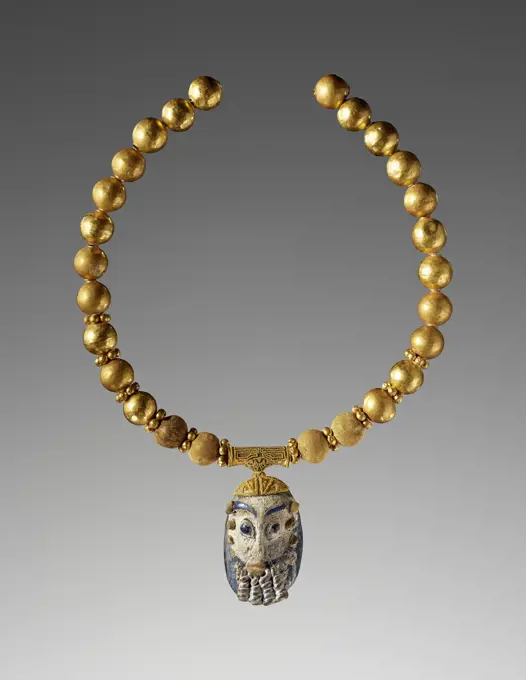
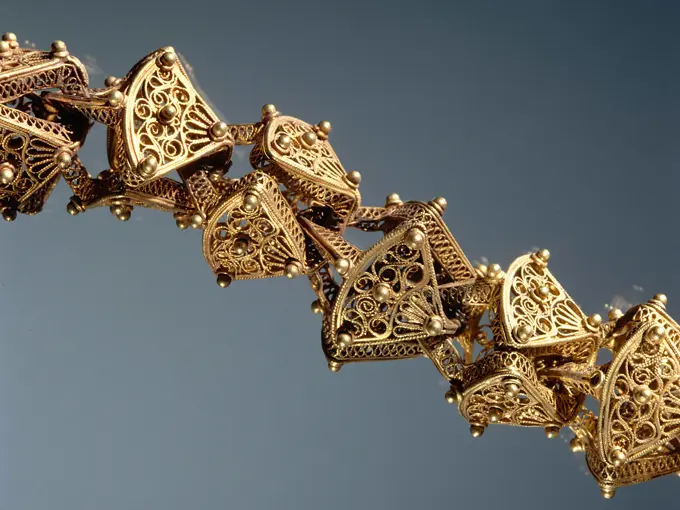
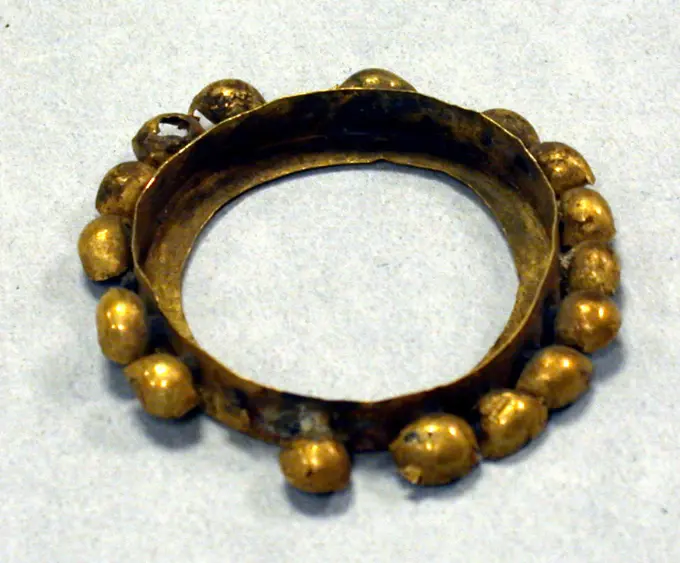
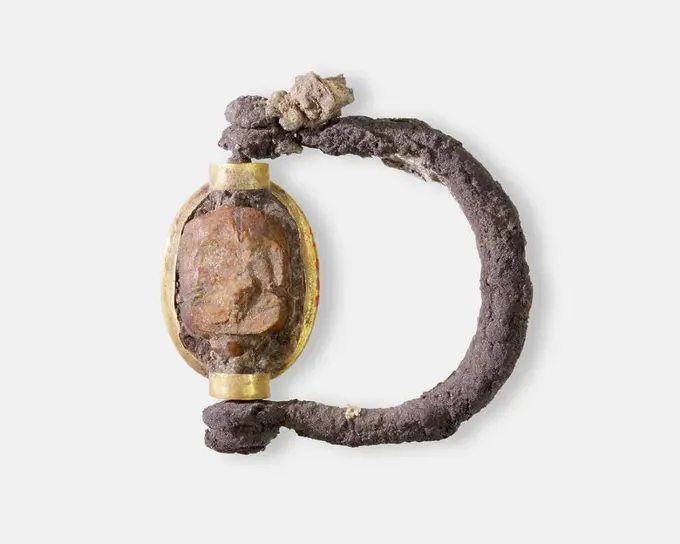
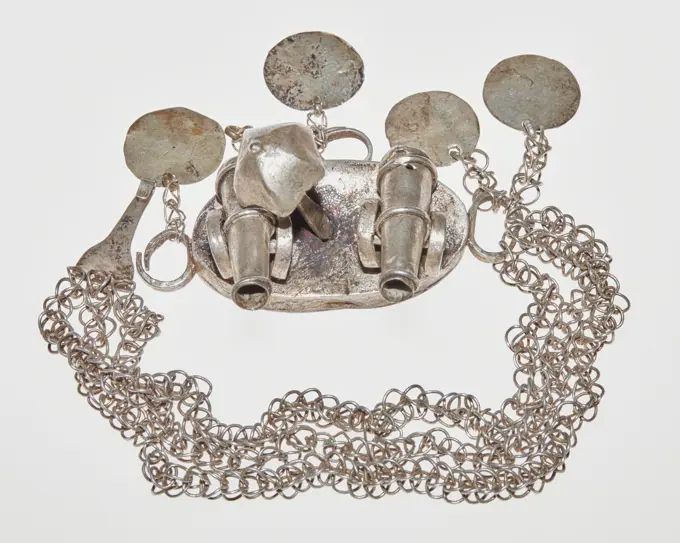
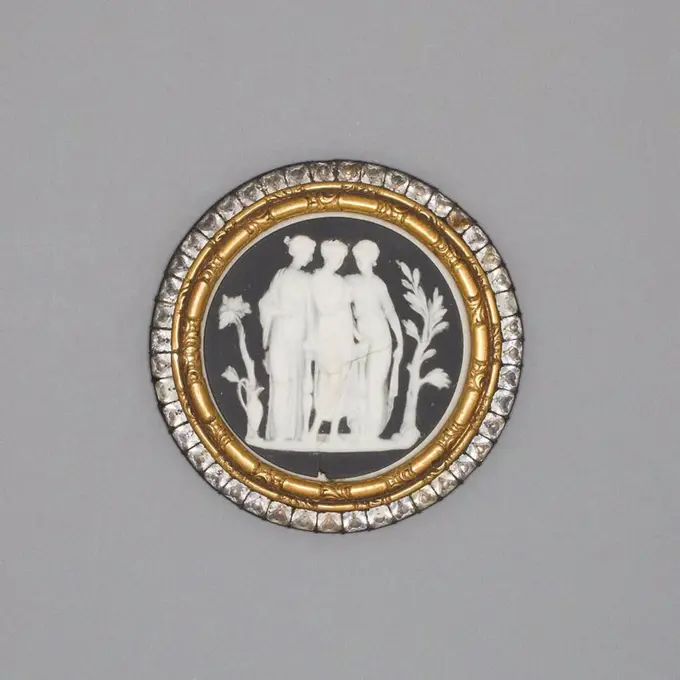
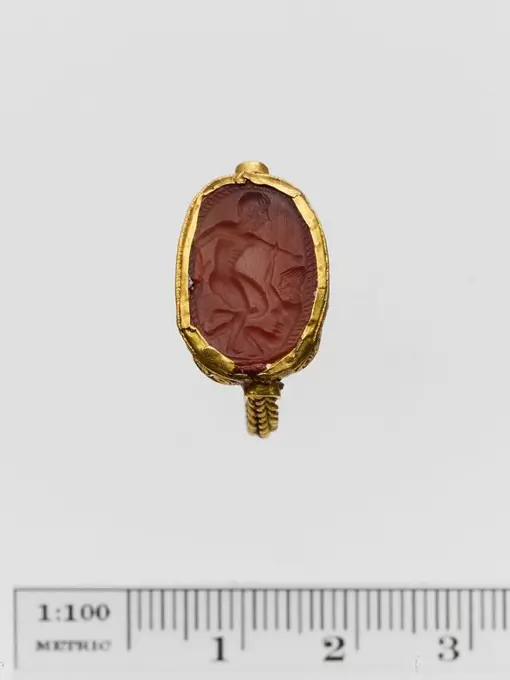
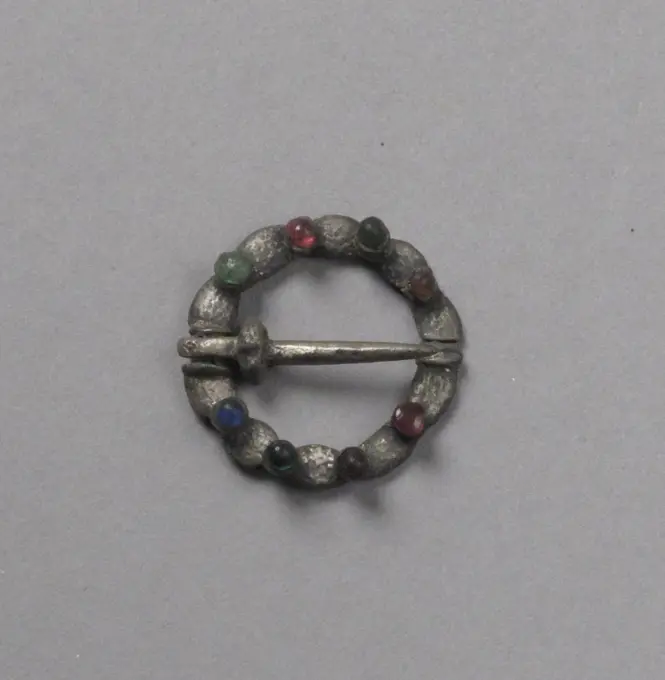
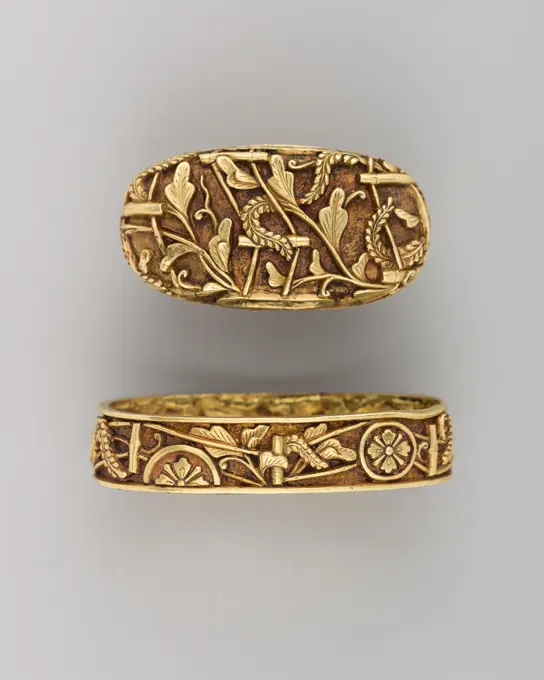
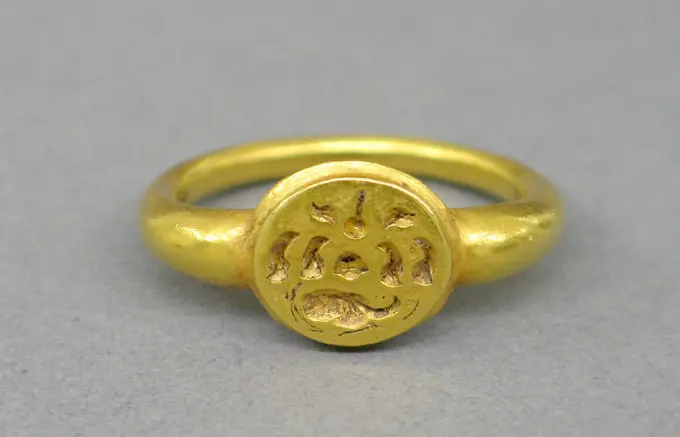
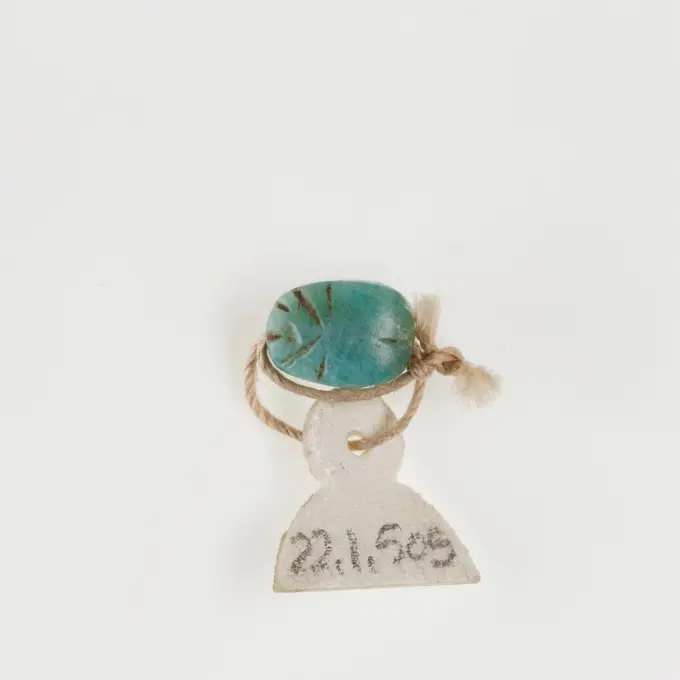
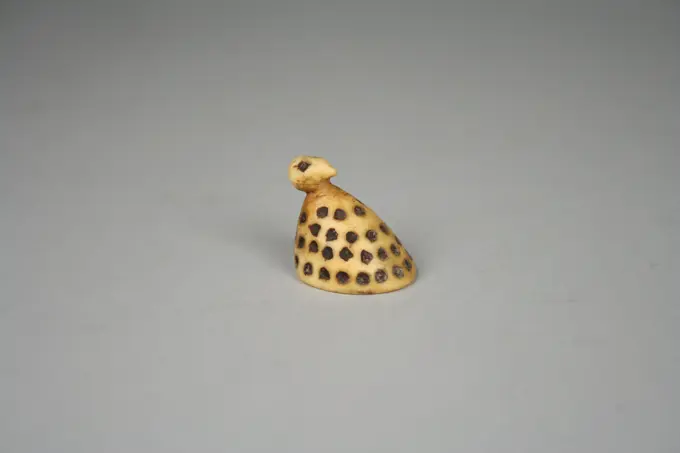
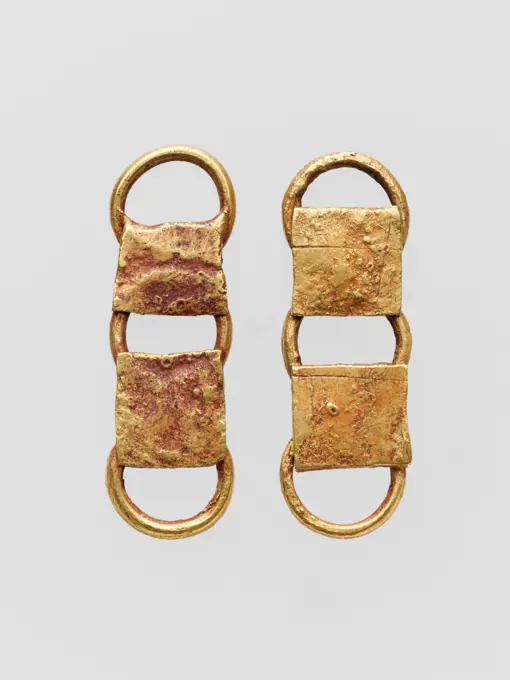
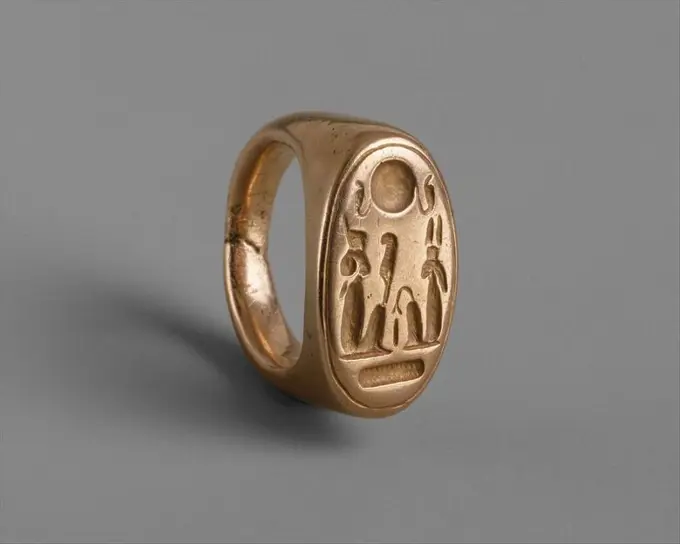
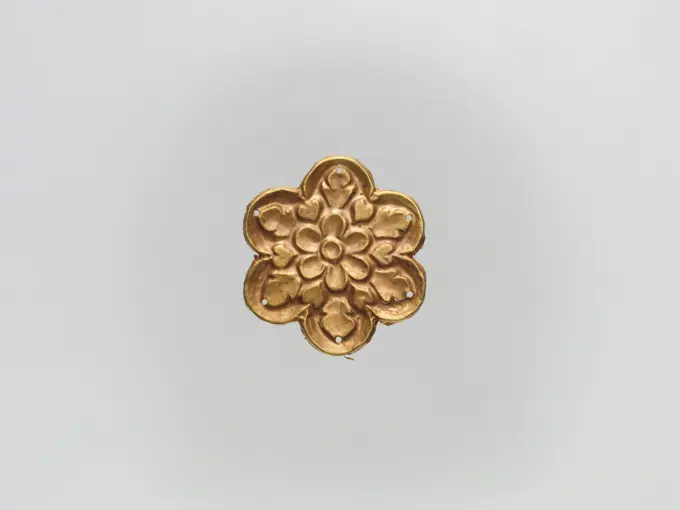
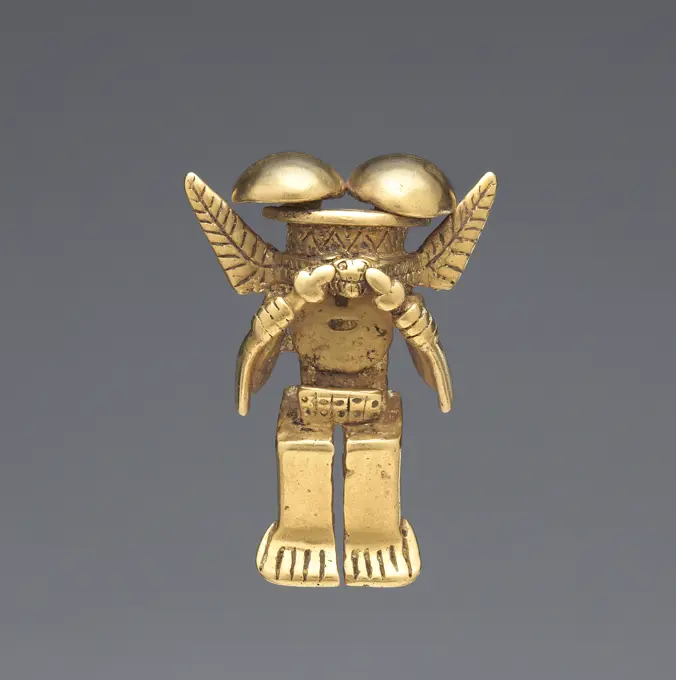
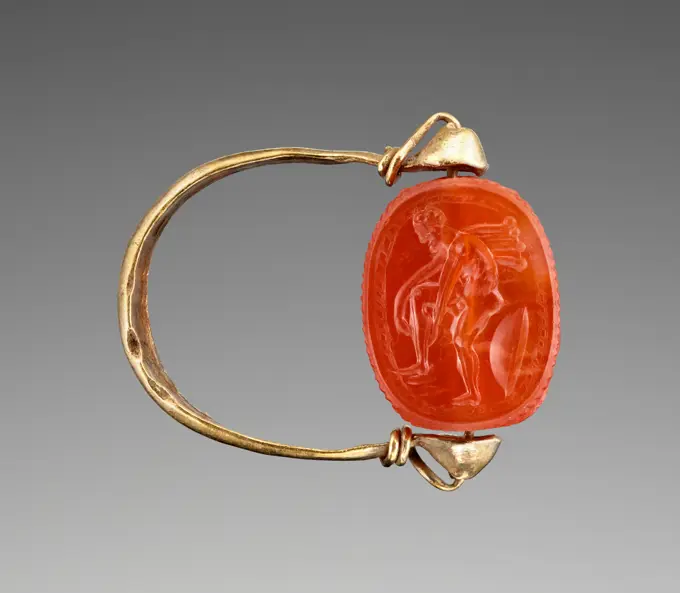
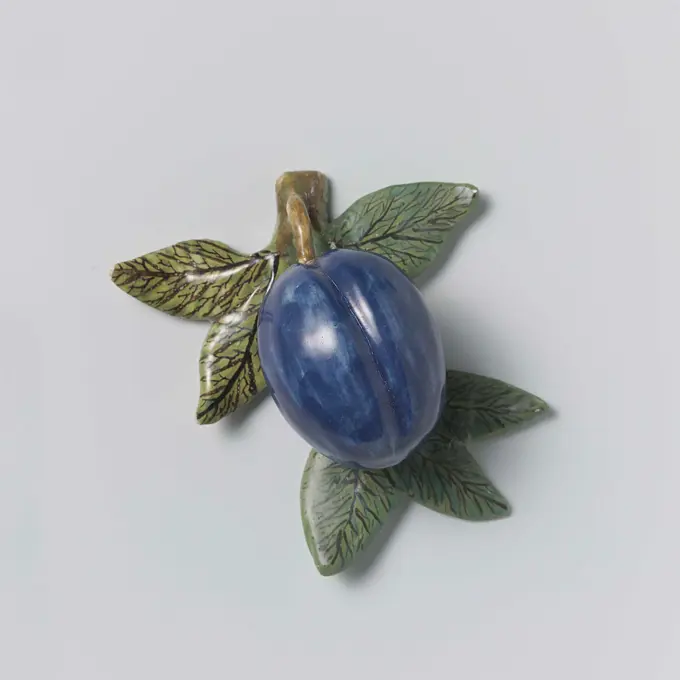
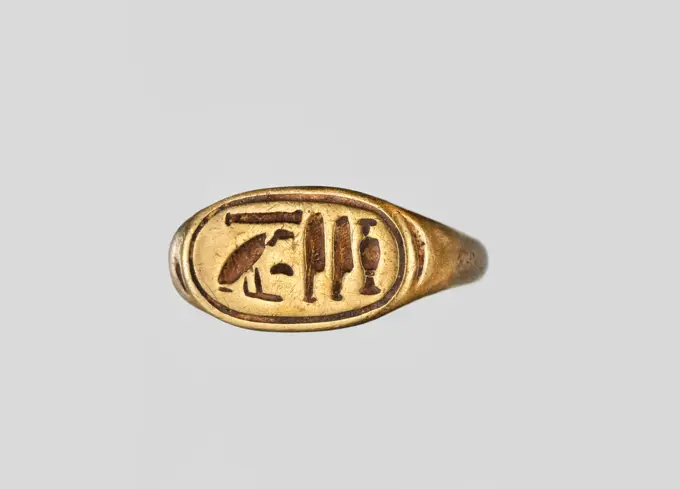
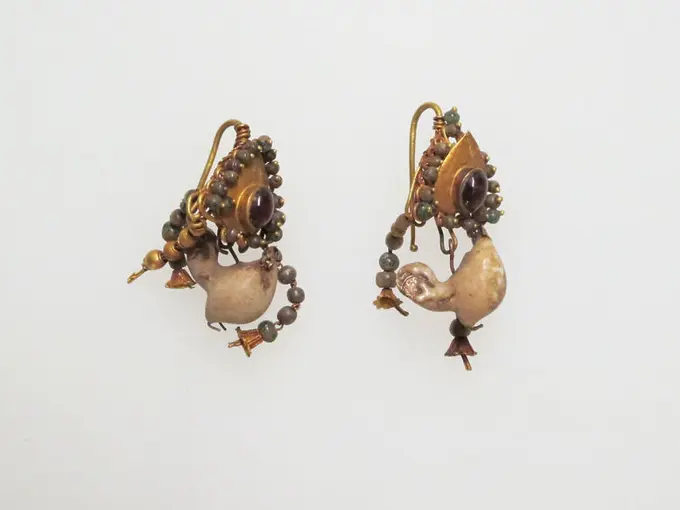
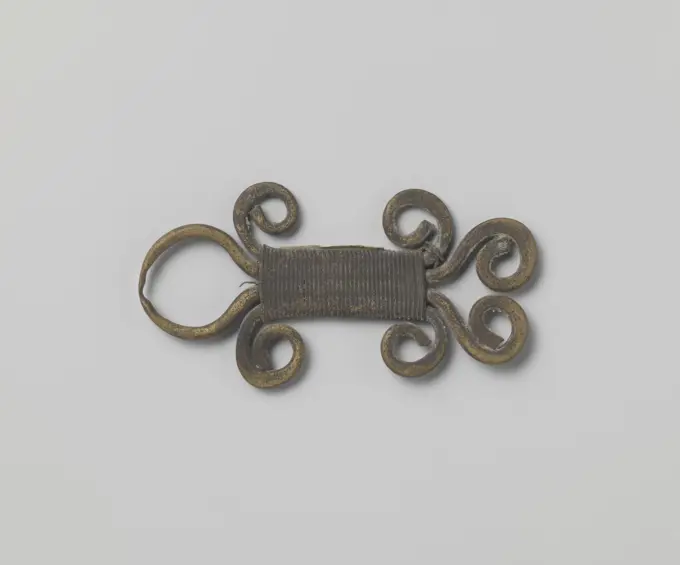
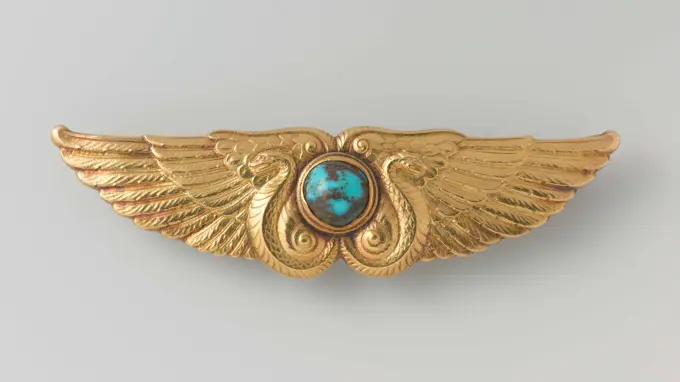
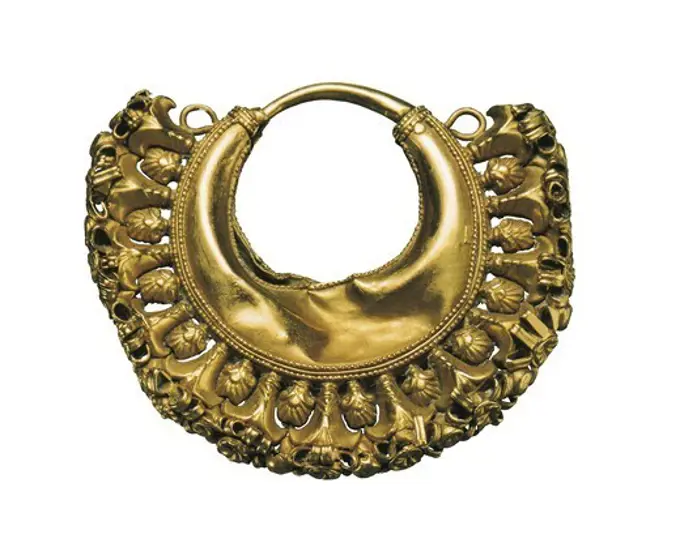
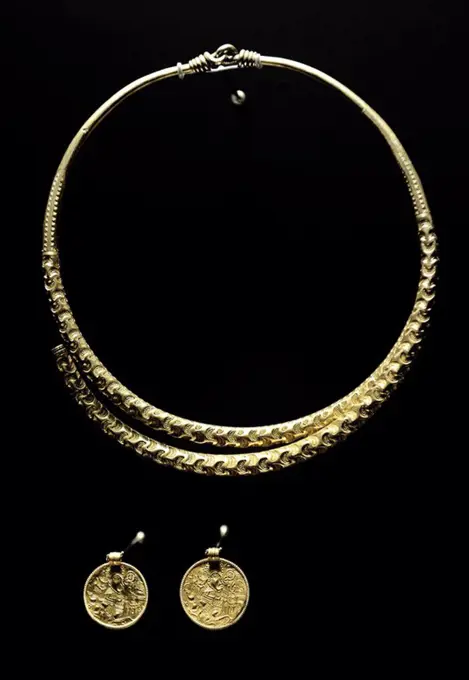
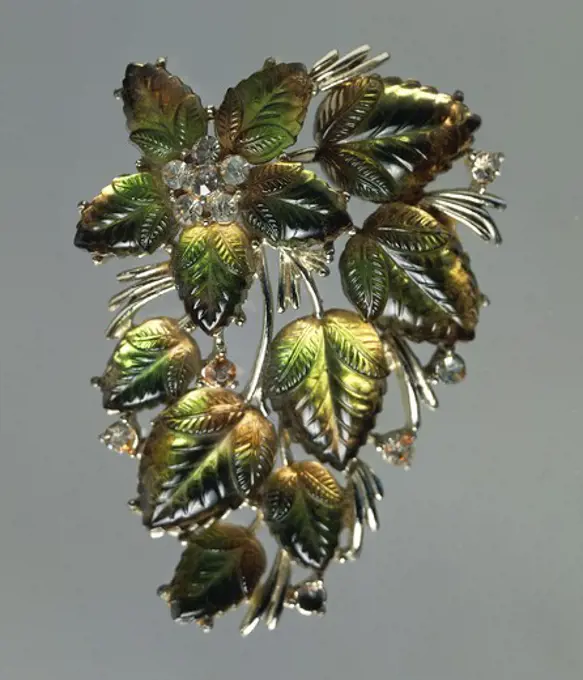
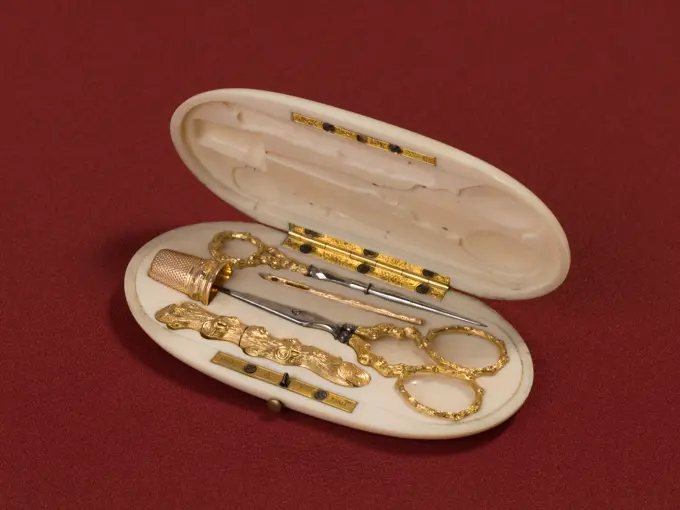
Pendant 1400-1599 Italy. Cameo agate; mount rock crystal and gold .. Gold ring. The fluted band is decorated with alternating windows and cups. At the top of the ring is a plate decorated with cartouches, shells and a man's portrait.Fart with GEMM from scenes erotic;  IV-III century BC (-400-00-00--201-00-00);Greece, Rupiński G., Purchase (provenance)Loop.Pair of Sword-Grip Ornaments (Menuki) 18th century Japanese Menuki are a pair of ornamental sword fittings attached to either side of a sword hilt.. Pair of Sword-Grip Ornaments (Menuki). Japanese. 18th century. Copper-gold alloy (shakud), gold. Sword Furniture-MenukiScarab ca. 1492-1479 B.C. New Kingdom. Scarab 552427Brooch, Gold, enamel, citrines, amethyst, Paris, France, ca. 1820-40, jewelry, Decorative Arts, BroochGold rosette with the head of a griffin. Culture: Greek, Rhodian . Dimensions: H. 7/8 in. (2.2 cm)diameter 1 5/8 in. (4.1 cm). Date: ca. 630-620 B.C..This is one of a half-dozen ornaments of special shapes still in existence; four belong to a group found on the island of Melos. All bear a combination of figural heads and rosettes embellished with granulation and filigree. Their purpose is unclear. They may have been sewn to a cloth or leather backing. Museum: Metropolitan Museum of Art, New York, USA.Necklace; Etruria; 525 - 500 B.C; Gold and glass; 33 × 4 × 2.5 cm (13 × 1 9,16 × 1 in.)Chain of the King of Ternate. Chain of the king of Ternate, eighteen carat gold chain consisting of 105 identical Ajour processed hexaeder-shaped links from Filigrein. Each link is made up of three fan-shaped openwork surfaces with five button ornaments. Open-worked attachments in triangular form to the faint bent tops. The punctured tops are attached to each other.Snuffbox. unknown, authorCircular Pendant with Incised Scalloped Design Second half of the 8th-second half of the 10th century Indonesia (Java). Circular Pendant with Incised Scalloped Design 50099Hammered Gold Band with Bells 1st-mid-16th century Peru; north coast (). Hammered Gold Band with Bells 308904Scarab Ring of Neferkhawet. Dimensions: Scarab in bezel: L. 2 cm (13/16 in.); W. 1.3 cm (1/2 in.); H. 0.8 cm (5/16 in.); Diam. of ring 2.5 cm (1 in.). Dynasty: Dynasty 18, early. Reign: reign of Thutmose I-early sole Thutmose III. Date: ca. 1504-1447 B.C.. Museum: Metropolitan Museum of Art, New York, USA.Pendant in the form of a Gorgoneion eye charm. Pendant in the form of a Gorgoneion eye charm 243062Dog in Feathered Hat and Ruffled Collar, Silver, In the shape of a seated dog with ruffled collar and feathered hat, inscribed on band on reverse side of hat 'Rd.1465'(- illegible impression). Lid opens at bottom, hinge on side above tail. Striker recessed in bottom., late 19th century, containers, Decorative Arts, Matchsafe, MatchsafeEgyptian-style saucer. Kaiserliche Porzellanmanufaktur in Wien (1744-1864), factoryBracelet with cannon and umbrella ornaments and coin pendants, late 19th century, 1 1/4 × 2 3/4 × 2 3/4 in. (3.18 × 6.99 × 6.99 cm) (ornament only), Silver, Benin, 19th century, More than one hundred years ago, the elite of the Danhomé Kingdom in West Africa would have worn these silver ornaments to adorn themselves and show off their wealth, and also to protect themselves from harm and evil. Fashioned by jewelers from imported silver coins, the ornaments were embellished with tiny sculptures that refer to past kings, heroic wars, and the Vodun religion. The coins attached to the ornaments date from between 1873 and 1910, bridging the last decades of the independent Kingdom and the first 15 years of French colonial rule.Cameo with Three Graces. Wedgwood Manufactory; England, founded 1759. Date: 1775-1799. Dimensions: Diam. 4.1 cm (1 5/8 in.). Stoneware (jasperware). Origin: Burslem. Museum: The Chicago Art Institute, Chicago, USA.Wedding ring with inscription: Aelgen. Ians. Follicken. Lambertsen. HVVS. Vrov. Is anonymous, c. 1550 Wedding ring of gold, in the form of a spiral wounded belt. Lastly an inscription. Northern Netherlands gold (metal) Wedding ring of gold, in the form of a spiral wounded belt. Lastly an inscription. Northern Netherlands gold (metal)Gold earring with head of an antelope 4th3rd century B.C. Greek Consisting of a circlet of gold wire, twisted or plain, which tapers from an animal's head at the front end to a hooked point which passes through a loop below the animal's throat.. Gold earring with head of an antelope 242917Pendant (England or United States); gold, blue and white enamel, carbuncle garnet, rose diamonds, and eight half pearls (hollow gold)Loop . A row of stones."Grand Central Palace Exposition" Matchsafe; USA; plated brass; 7.3 x 3.9 x 1 cm (2 7/8 x 1 9/16 x 3/8 in. )Glass bracelet. Culture: Roman. Dimensions: H.: 3/8 in. (1 cm)Diam.: 2 1/4 in. (5.7 cm). Date: ca. 2nd-4th century A.D..Translucent cobalt blue.Irregular circular band; round in section but misshapen where tooled in one section and where ends of rod were pressed together; pontil scar on outer edge of opposite side.Intact; elongated bubbles; dulling, faint iridescence, and patches of creamy weathering. Museum: Metropolitan Museum of Art, New York, USA.Ring. Doreau, Romain (fl. 1848-1863), jewellerTieback. Culture: American. Dimensions: Dimensions unavailable. Date: ca. 1860. Museum: Metropolitan Museum of Art, New York, USA.Mosaic glass fragment late 1st century B.C.-early 1st century A.D. Roman Translucent cobalt blue and opaque white.Convex curving side.Marbled mosaic pattern in blue ground with irregular pattern of white lines and streaks.Polished exterior; pitting of surface bubbles; dulling and iridescent weathering on interior, especially between cane sections.. Mosaic glass fragment. Roman. late 1st century B.C.-early 1st century A.D.. Glass; cast. Early Imperial. GlassSilversmith's Art, Great Britain 19th century. Pair of gilded silver coasters, George III style.Bracelet 18th-19th century View more. Bracelet. 18th-19th century. Gold. Made in Northern India. JewelryWire brooch of gold with five milkopals, c. 1953 - c. 1966 Wire brooch made of gold with five milkstones with a ball closure. Four opalen are oval cabochon sharpened and one around Cabochon. Amsterdam gold (metal). opal grinding Wire brooch made of gold with five milkstones with a ball closure. Four opalen are oval cabochon sharpened and one around Cabochon. Amsterdam gold (metal). opal grindingPompom Holder withChainGold fibula (safety pin) with recumbent lion Etruscan 6th-5th century BCE The large repoussé lion is carefully modeled to indicate ribs and mane. The coil of the fibula's spring doubles as its tail. View more. Gold fibula (safety pin) with recumbent lion. Etruscan. 6th-5th century BCE. Gold. Archaic-Classical. Gold and Silver. A black git brooch. The oval brooch is surrounded by a golden border with pearls. In the middle a diamond with a rosette of small diamonds.Ring late 18th century. Ring 453206Torque, 12 3/8 x 12 1/8 x 1 3/4 in. (31.43 x 30.8 x 4.45 cm), Silver, ChinaFour-Sided ornament. Four-anger tube fragment, opened.Carnelian seal set in a gold ring. Culture: Greek. Dimensions: Length: 1/2 in. (1.2 cm). Date: mid-6th century B.C..Youth seizing a crouching girl by the hair. Museum: Metropolitan Museum of Art, New York, USA.Gold ring with glass paste ring stone 6th-5th century B.C. Greek or Cypriot Blue green paste, decayed.. Gold ring with glass paste ring stone. Greek or Cypriot. 6th-5th century B.C.. Gold, glass paste. Archaic. Gold and SilverHeadSnake Bracelet. UnknownEarring, boat-shaped Cypriot. Earring, boat-shaped 242610Stud 18th century-19th century French. Stud 124058Earrings. Culture: American. Dimensions: Earrings: 1 1/16 x 5/8 x 1 1/2 in. (2.7 x 1.6 x 3.8 cm). Maker: Edward Burr (active 1838-68). Date: ca. 1836-50.By the mid-nineteenth century, Americans were experiencing an era of innovation in science and industry. Among the latter was the jewelry industry, which, like fashions in dress, looked to Europe for inspiration. A nostalgic romanticism infused contemporary styles in both England and America. Such mid-eighteenth-century motifs as flowers and scrolls began to reappear. This lovely half-set of brooch and earrings emulates French and English designs in the use of dark blue enamel set with diamonds and pearls. Enameling was still a little-practiced art in America, requiring the skills of a specialized craftsman. The process involved heating vitreous (glassy) enamels to bond them onto a metal surface, in this case gold. This jewelry is still housed in its original box, the lid of which is imprinted with the name and address of the jeweler:Clenched Hand, Originally plated brass, In the form of a clenched hand with ruffled cuff, thumb between index finger and middle finger. Circular lid at base, hinged on back. Striker on bottom., late 19th century, containers, Decorative Arts, Matchsafe, MatchsafeRing Brooch last quarter 13th century British or French Although a large amount of inexpensive jewelry was manufactured during the Middle Ages, little has survived, because of the scant value placed upon it. Many examples, including this piece, were lost accidentally and later unearthed in excavations.. Ring Brooch 471819Ear Ornament Second half of the 8th-second half of the 10th century Indonesia (Java). Ear Ornament 49979Hollow Ring, Foliate and Oval 12th-14th century Indonesia (East Java). Hollow Ring, Foliate and Oval 64302Brooch. Culture: American or European. Date: ca. 1850. Museum: Metropolitan Museum of Art, New York, USA.COLGANTE DEL TESORO DE BENTARIQUE-(ALMERIA) FILIGRANA EN ORO-HISPANOMUSULMAN. Location: MUSEO ARQUEOLOGICO NACIONAL-COLECCION. MADRID. SPAIN.Sword-Hilt Collar and Pommel (Fuchigashira) 16th century Japanese A fuchigashira is a pair of matching sword fittings comprising the fuchi (collar at the base of the grip of the sword hilt) and kashira (pommel cap at the end of a sword hilt).. Sword-Hilt Collar and Pommel (Fuchigashira). Japanese. 16th century. Copper, gold. Sword Furniture-Fuchi-KashiraPendant in the form of a rosette with acorn, 5 Greek. Pendant in the form of a rosette with acorn, 5. Greek. Gold. Gold and SilverRing with Oval Bezel with Fish Motif and "Sri" Inscription Second half of the 9th-first quarter of the 10th century Indonesia (Java). Ring with Oval Bezel with Fish Motif and "Sri" Inscription 50307Ring with Bezel Composed of Tortoise Motif Second half of the 8th-second half of the 10th century Indonesia (Java). Ring with Bezel Composed of Tortoise Motif 50137Scarab ca. 1981-1550 B.C. Middle Kingdom-Second Intermediate Period. Scarab 560943Water Bird 10th-16th century Inuit. Water Bird 309450Blue Gem EarOrnamentTwo gold belt attachments 1st century B.C.-1st century A.D. Roman Two rectangular belt attachments each showing three hoops attached to two squares.. Two gold belt attachments. Roman. 1st century B.C.-1st century A.D.. Gold. Late Republic or Early Imperial. Gold and SilverPair of Sword-Grip Ornaments (Menuki). Culture: Japanese. Dimensions: L. of each 2 in. (5.1 cm); Wt. of each 0.4 oz. (11.3 g). Date: 18th century. Museum: Metropolitan Museum of Art, New York, USA.Finger Ring depicting King Akhenaten and Queen Nefertiti as Shu and Tefnut. Dimensions: diam. 2.5 cm (1 in); l. of bezel 2.3 cm (7/8 in). Dynasty: Dynasty 18. Reign: reign of Akhenaten. Date: ca. 1353-1336 BC.This ring was found at Amarna. The hieroglyphs may be read as an ideogram. The two seated figures are probably Akhenaten (left) and Nefertiti (right) as the deities Shu (air as indicated by the feather he holds) and Tefnut (moisture). They were father and mother of the earth and sky, which are symbolically represented by the earth hieroglyph (below) and by the sun disk flanked by two sacred cobras (above). Museum: Metropolitan Museum of Art, New York, USA.Flower-Shaped Clothing Plaque 7th-9th century China (Xinjiang Autonomous Region, Central Asia) The nomadic communities of Central Asia used such plaques to embellish clothing and horse trappings. As these nomadic cultures herded animals and were constantly moving, their artistic production was expressed in portable objects that marked the wearers status and wealth. The outstanding preservation of these fragile ornaments suggests they were used in conjunction with burials, where the body was aggrandized with valuable textiles and augmented with gold. Although it is difficult to date and place these objects geographically, their presence in Central Asia and has a long, established history.. Flower-Shaped Clothing Plaque 65211Scarab Finger Ring. Dimensions: L. of scarab and bezel 1.8 cm (11/16 in); w. 1.3 cm (1/2 in); h. 0.8 cm (5/16 in)H. of ring 1.7 cm (11/16 in); w. at bezel 2.2 cm (7/8 in). Dynasty: Dynasty 18. Reign: Joint reign of Hatshepsut and Thutmose III. Date: ca. 1479-1458 B.C.. Museum: Metropolitan Museum of Art, New York, USA.Animal-Headed Figure Pendant, AD 1-800. Colombia, Quimbaya or Yotoco style, 1st-8th century. Cast gold; overall: 5.5 x 3.9 x 1.9 cm (2 3/16 x 1 9/16 x 3/4 in.). The same creature, with a human body but the head of an animal, appears in both pendants. It holds batons to its mouth, and whiskers or ears flare from the sides of the head. The headdress domes are mystifying; they have been described as mushrooms or gourds, among other things.Arc-shaped pendant (huang). China. Date: 900 BC-700 BC. Dimensions: 3.5 × 11.0 × 0.3 cm (4 15/16 × 1 3/8 × 1/8 in.). Jade. Origin: China. Museum: The Chicago Art Institute, Chicago, USA.Furniture Hardware Retailer Henry Kellam Hancock 1820-30Scarab. UnknownPlum of multicolored painted faïence. Faïence artificial fruit, representing a plum. Painted multi-colored.Fragment goudgalon.Fragment gold galon, decorated with garlands with flowers and a branch with leaves and flowers.Pierścień z imieniem Hesy-en-Mut ("w łaskach u Mut"). unknown, authorNecklaceEarring with pendant of birds and glass beads. Culture: Greek. Dimensions: Other (.a): 3/4 × 5/8 × 1 9/16 in. (2 × 1.6 × 3.9 cm)Other (.b): 11/16 × 9/16 × 1 9/16 in. (1.8 × 1.5 × 4 cm). Museum: Metropolitan Museum of Art, New York, USA.Tumors for Polish outfit with clips;  Ok. PO. 18th century (1746-00-00-1755-00-00);Contact, Rocaille (ornament), rococo (style), men's costumes, Sarmatian costumes, Polish costume, purchase (provenance), ŻupanyChristmas angel ornament against white backgroundCopper hook, anonymous, c. 1400 - c. 1950 Copper hook.  copper (metal) Copper hook.  copper (metal)Boho style golden frame with feathers.Bracelet with wedjat eye amulets and barrel beads ca. 1000-945 B.C. Third Intermediate Period Strung on this single strand of 2-ply linen cord are three gold barrel beads alternating with wedjat eye amulets, one of faience and two of dark blue glass. The wedjat amulets represent the healed eye of the falcon-god Horus, a powerful symbol of protection and regeneration. This is one of four bracelets found around the left wrist of Henettawys mummy.. Bracelet with wedjat eye amulets and barrel beads 577250Glass bracelet ca. 2nd-4th century A.D. Roman Translucent cobalt blue.Irregular circular band; round in section but misshapen where tooled in one section and where ends of rod were pressed together; pontil scar on outer edge of opposite side.Intact; elongated bubbles; dulling, faint iridescence, and patches of creamy weathering.. Glass bracelet 239932Pierre Delabarre / 'Jasper boat-shaped cup with a dragon'. 1625 - 1654. Enamel, Bloodstone, Polychrome jasper, Opal, Gold. Museum: Museo del Prado, Madrid, España.Pair of Sword-Grip Ornaments (Menuki). Culture: Japanese. Dimensions: L. of each 1 1/2 in. (3.8 cm); W. of each 3/4 in. (1.9 cm); Wt. of each 0.3 oz. (8.5 g). Date: 18th century. Museum: Metropolitan Museum of Art, New York, USA.Gold funerary wreath 4th-3rd century B.C. Etruscan Gold funerary wreath of leaves, rosette in center and figure of owl embossed on each end.. Gold funerary wreath. Etruscan. 4th-3rd century B.C.. Gold. Classical. Gold and SilverPair of Earrings, Pennanular Hoop 8th-12th century Indonesia (Central Java). Pair of Earrings, Pennanular Hoop 64228Cone and BudOrnament, 11th-14thcentury, Gold; cast, 2.82 × 1.89 cm, 5.417 g (1 1/8 × 3/4 in., 5.417g), Made in Java, Indonesia, Java, 11th-14thcentury, JewelryWinged Conch BirdRingPair of Earrings "a grappolo". Italy, Etruscan, late 4th or 3rd century B.C.. Jewelry and Adornments; earrings. GoldArmband with Spirals. Culture: European Bronze Age. Dimensions: Overall: 5 5/16 x 4 1/2 x 4 7/16 in. (13.5 x 11.5 x 11.3 cm)of spiral: 2 5/8 in. (6.6 cm). Date: 14th-12th century B.C.. Museum: Metropolitan Museum of Art, New York, USA.. Brooch of gold and turquoise, in the form of two spread wings on which a round turquoise flanked by 2 hoses.Treasure of Aliseda. 7th c. BC. Gold earring. Tartessian art. Jewelry. SPAIN. MADRID (AUTONOMOUS COMMUNITY). Madrid. National Museum of Archaeology. Proc: SPAIN. EXTREMADURA. CACERES. Aliseda.TieredFinialWomen's slippers; Marczewski, Józef (Warsaw; Szewska Studio; Ca 1830-Ca 1840); 1836 (1836-00-00-1836-00-00);Pair of spherical gold earrings 6th-5th century B.C. Greek Gold balls with filigree.. Pair of spherical gold earrings. Greek. 6th-5th century B.C.. Gold, enamel. Archaic or Classical. Gold and SilverPendantGudme. Home of the gods. 3rd-7th century. Gold jewerly. Golden neck ring with locks and bracteates from Hesselager. National Museum of Denmark.Earrings 1804-9 French. Earrings 104854Silversmith's art, Italy, 20th century. Silver brooch by Coro, with glass paste floral decoration, 1950s.Necessary sewing. Around 1865. Galliera, fashion museum of the city of Paris. Broodering necessary Embroidery, scissors, sewing, necessary seam, second empireShirt. Two golden shirt buds of a filigree. Stuck.Pendant Necklace. UnknownJewellery ring isolated on the black backgroundBasket Earring 11th-12th century. Basket Earring 442859Jewellery ring isolated on the black background