Gold Decorative Artifacts

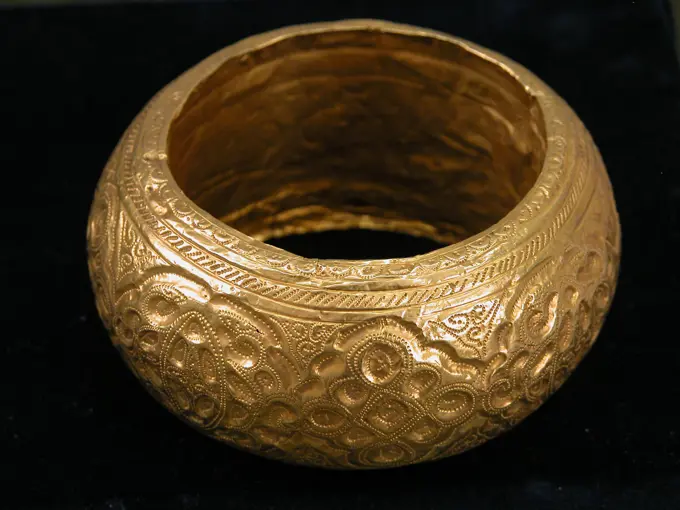
Intricate gold artifacts and jewelry pieces, emphasizing craftsmanship through elegant designs and historical significance.

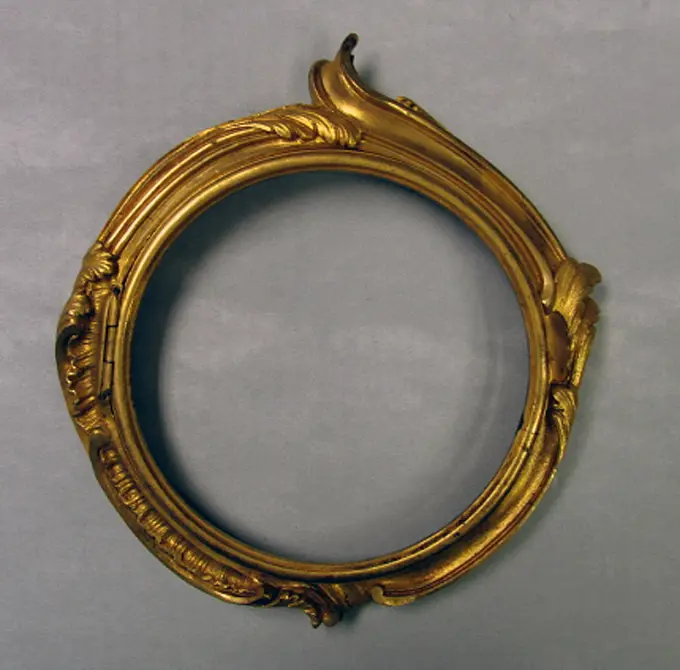
Fragment, medallion, wood, painted and gilded, Broken in 3 pieces, possibly Italy, late 18th century, Decorative Arts, Fragment, medallion
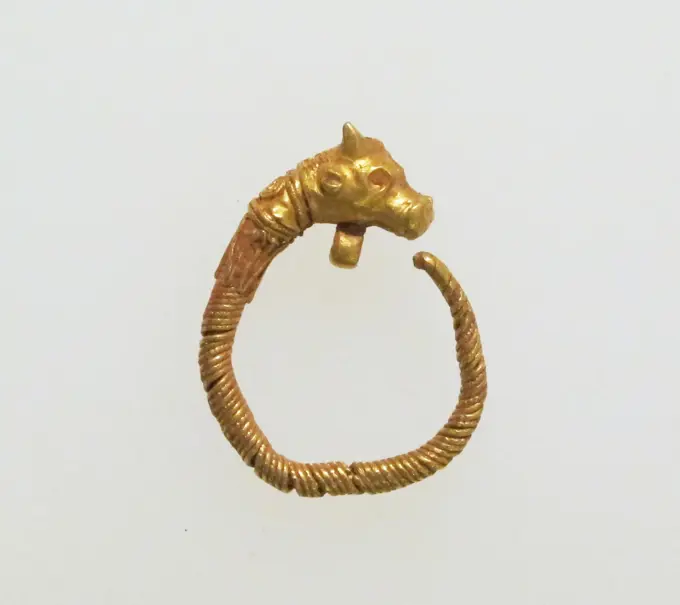
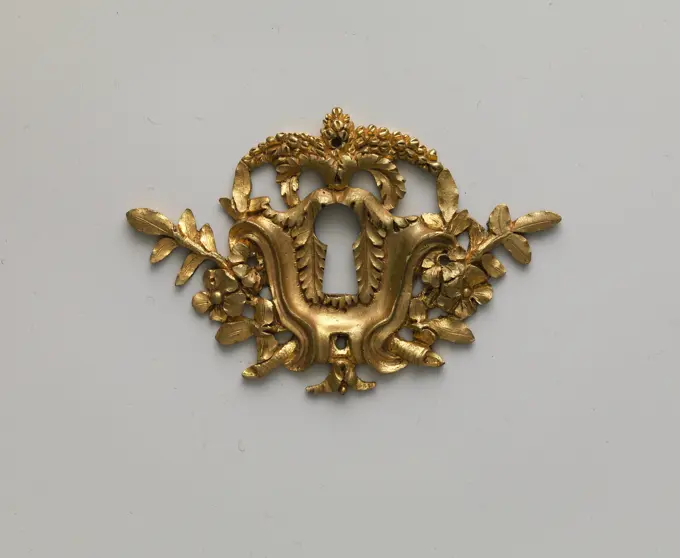
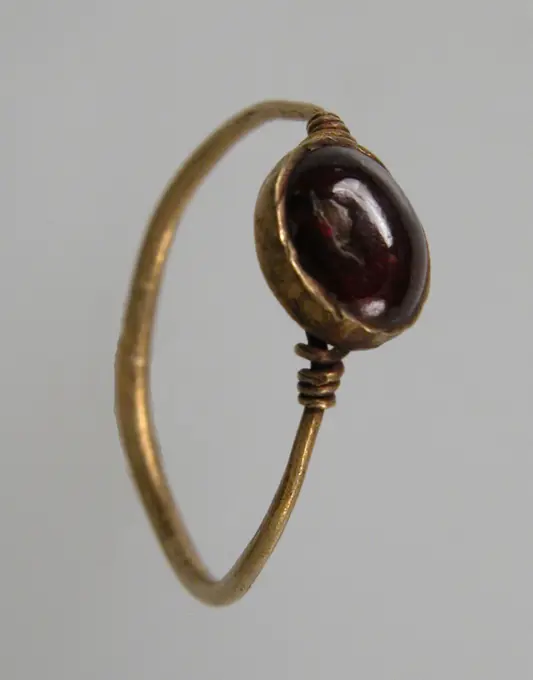
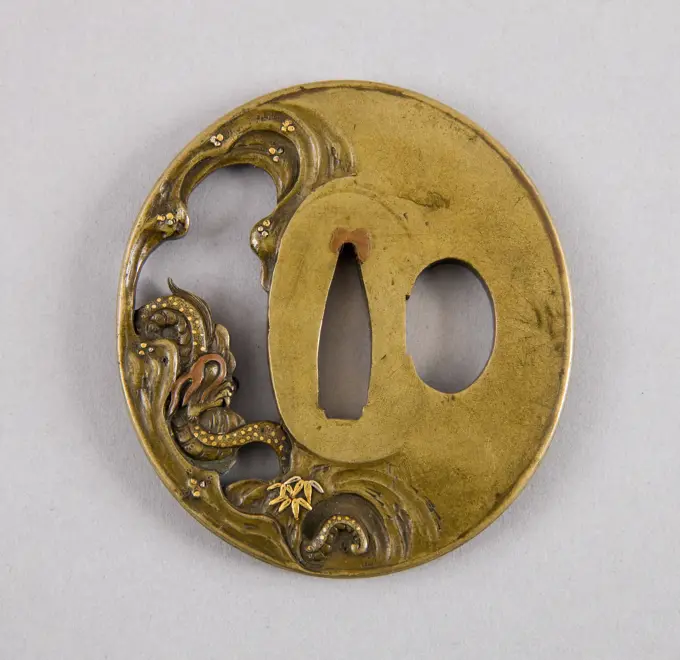
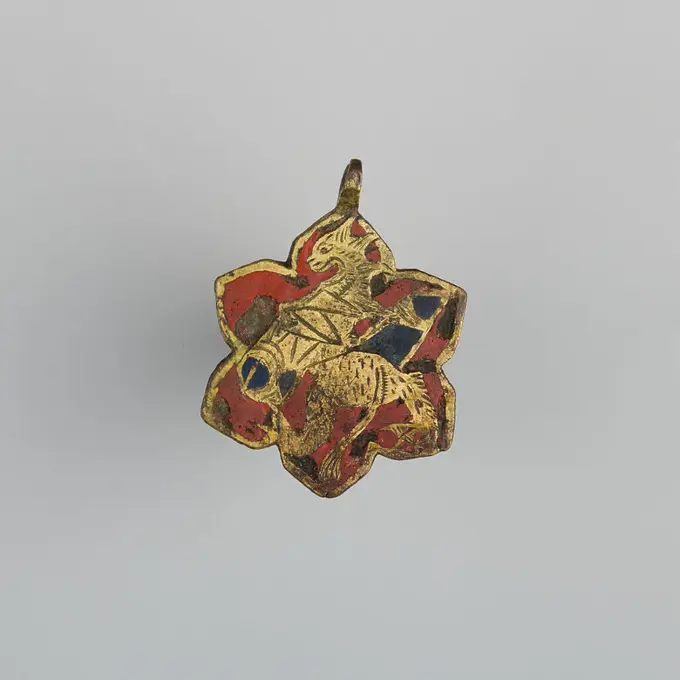
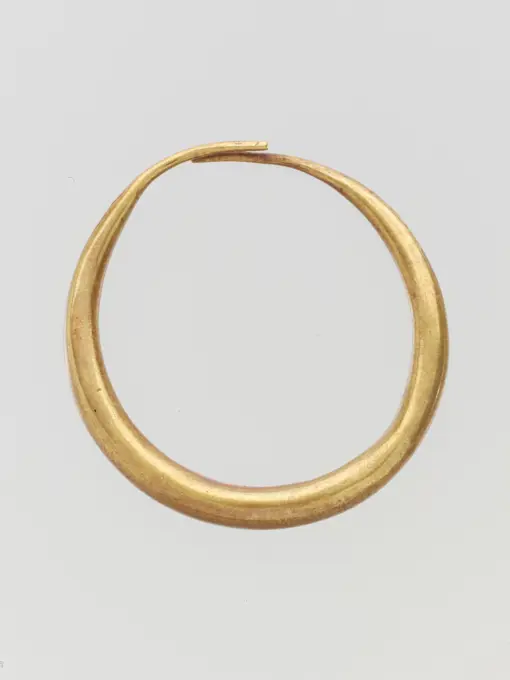
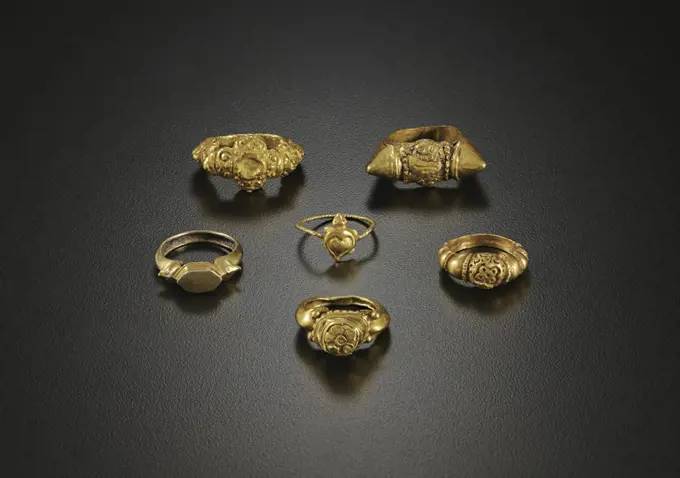
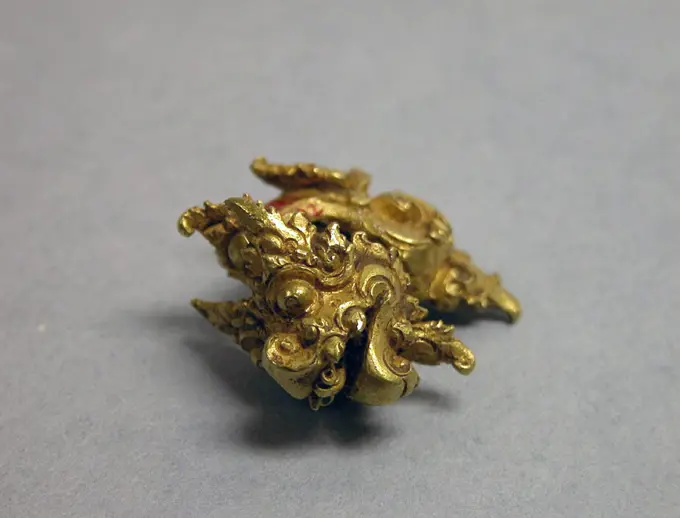
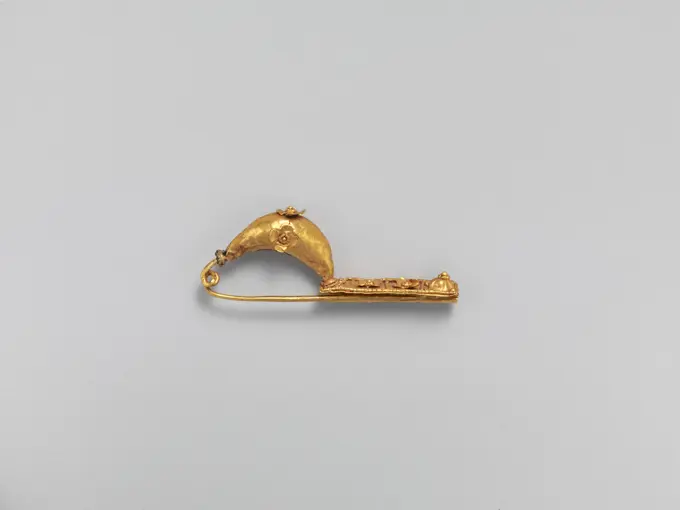
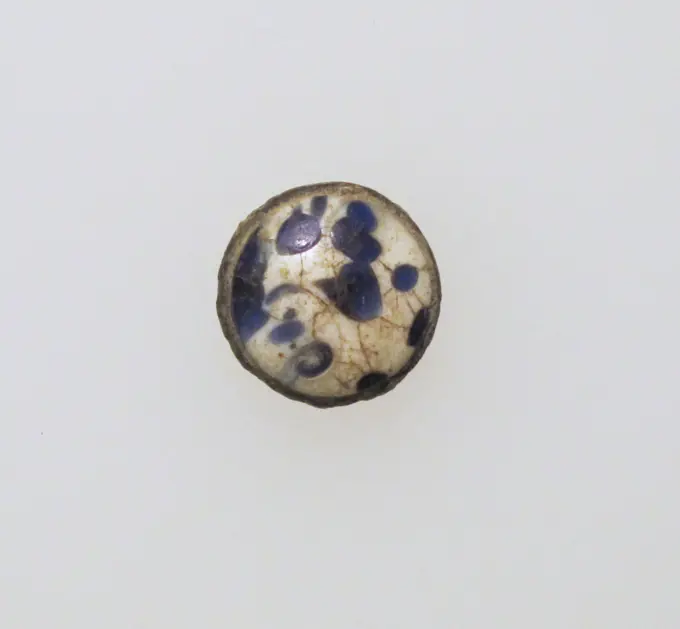
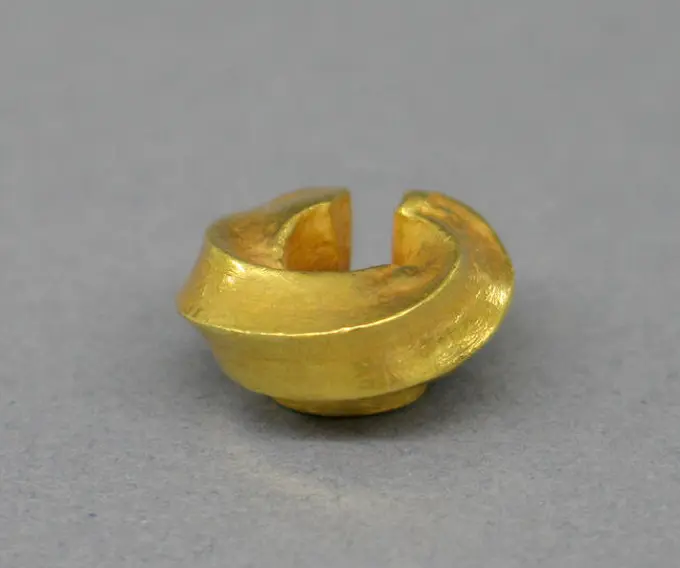
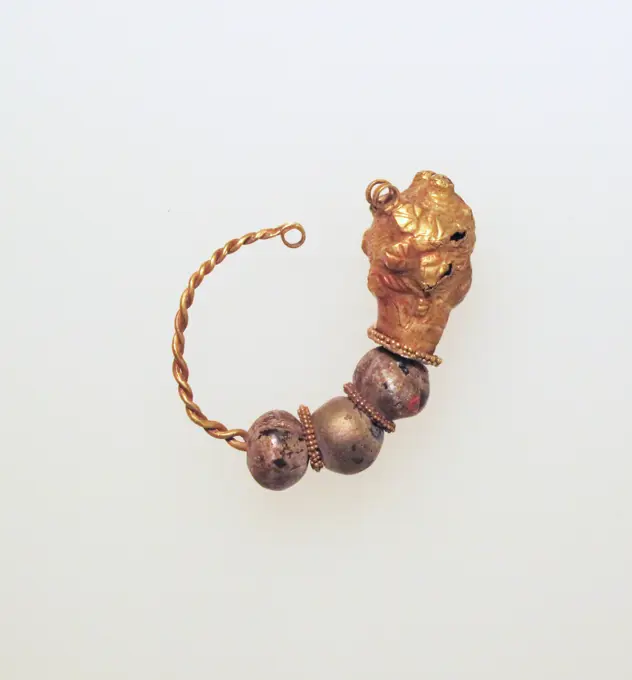
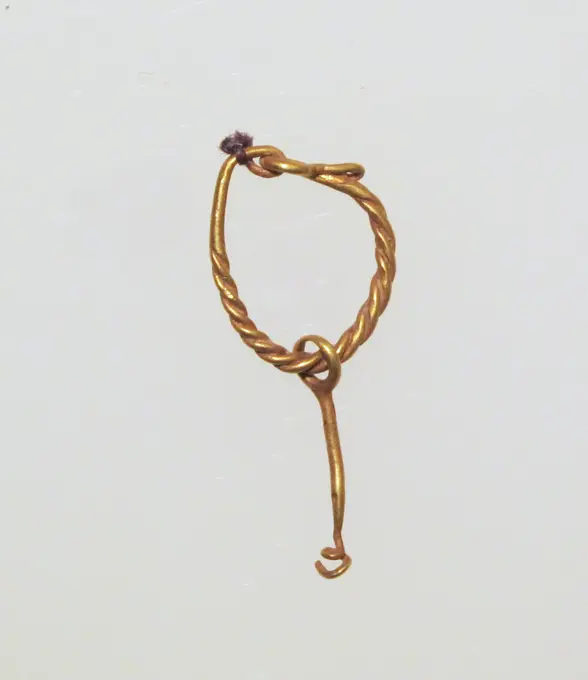
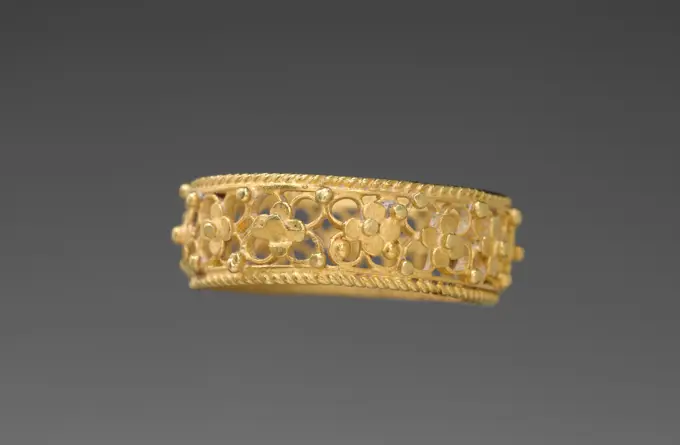
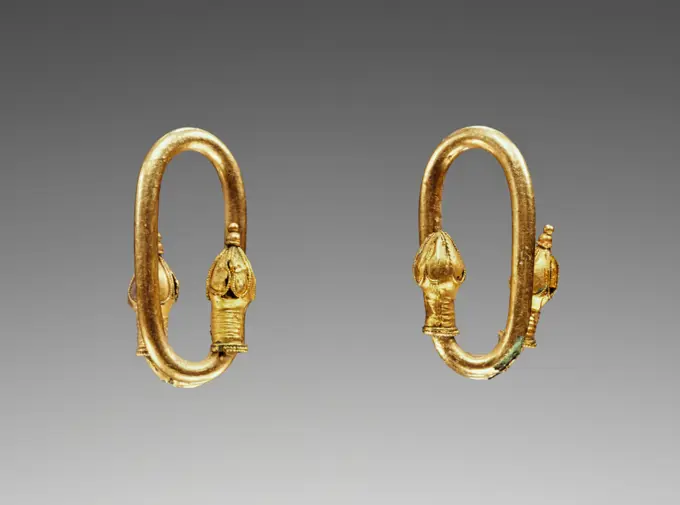
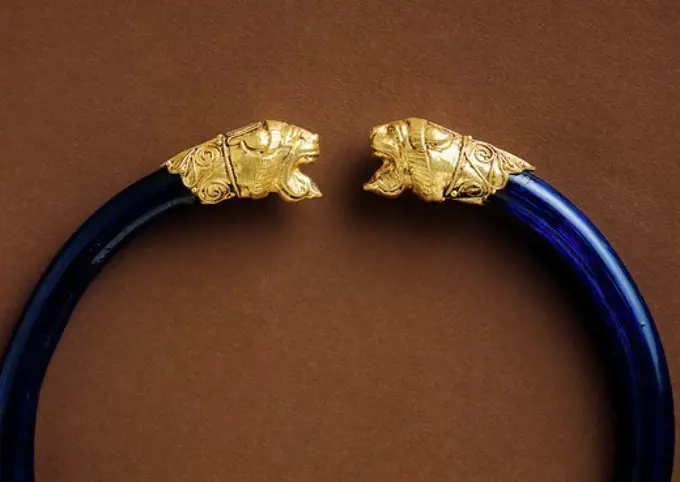
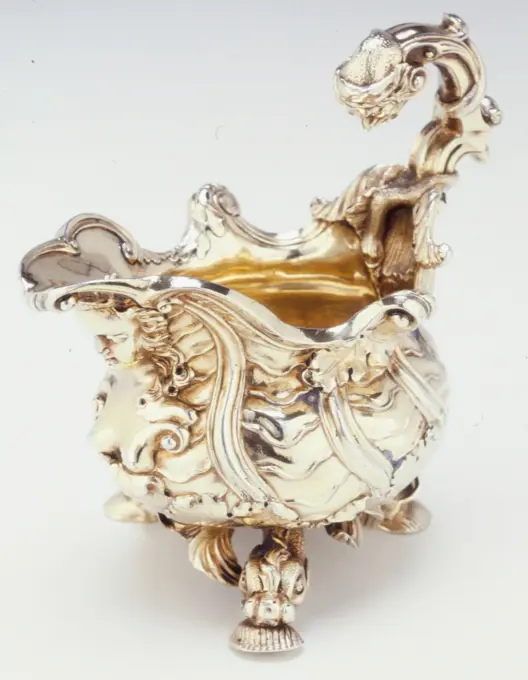
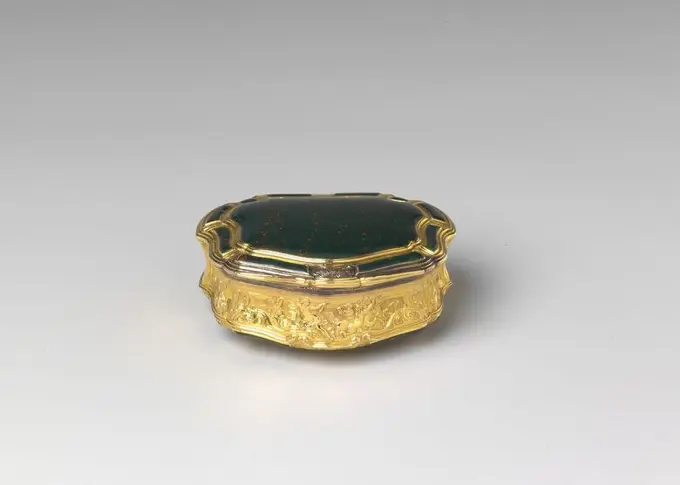
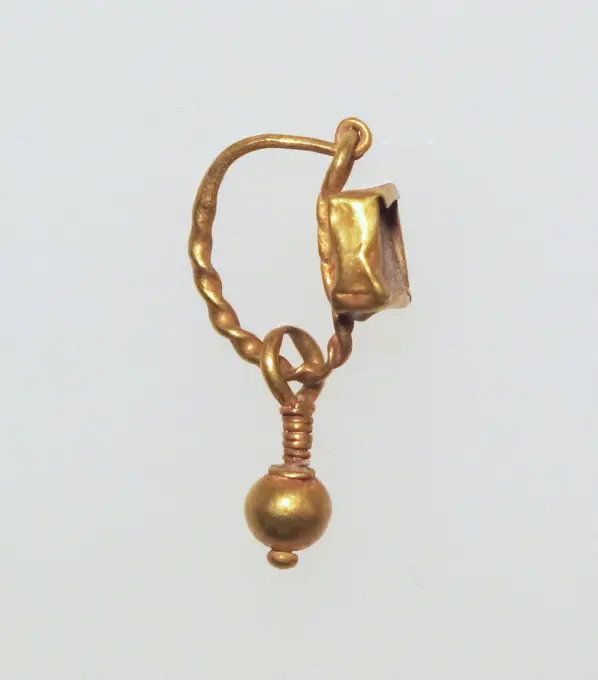
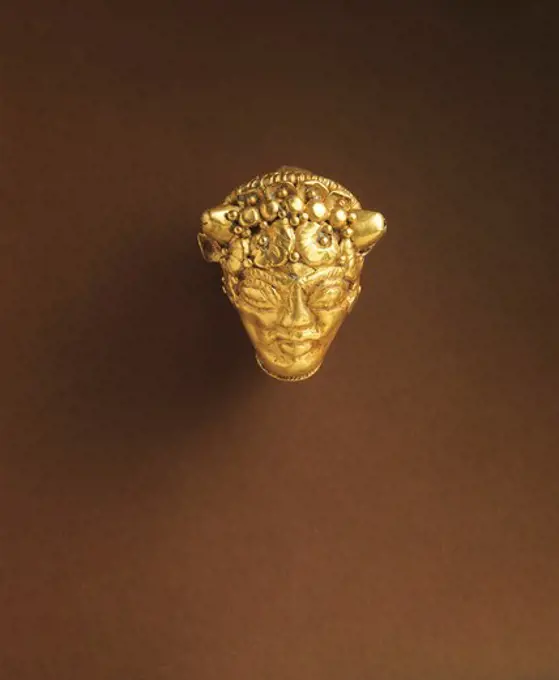
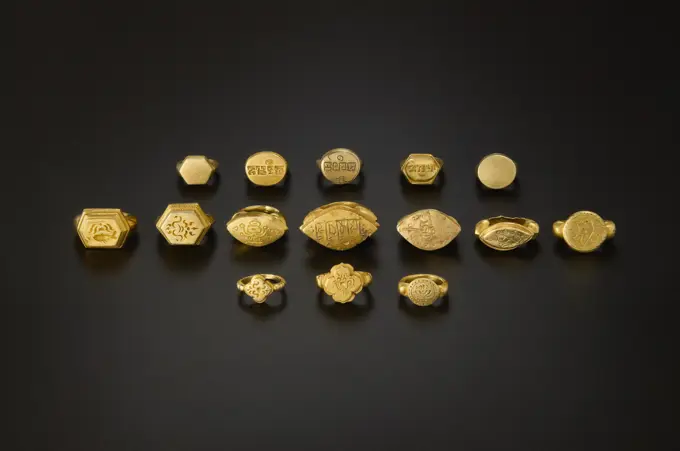
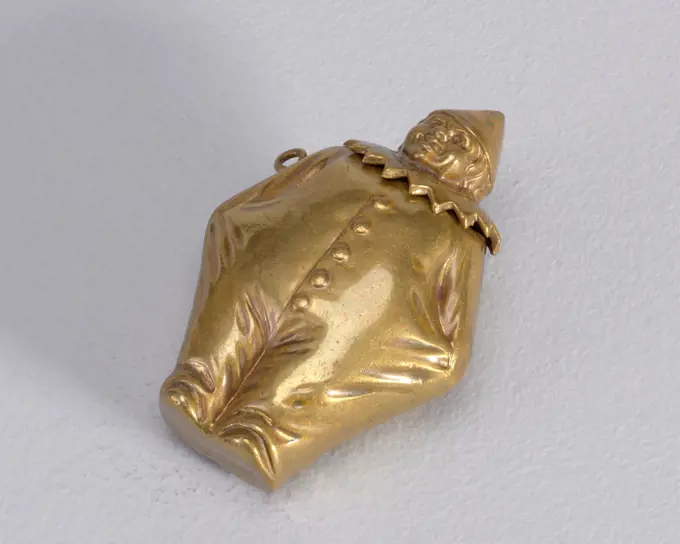
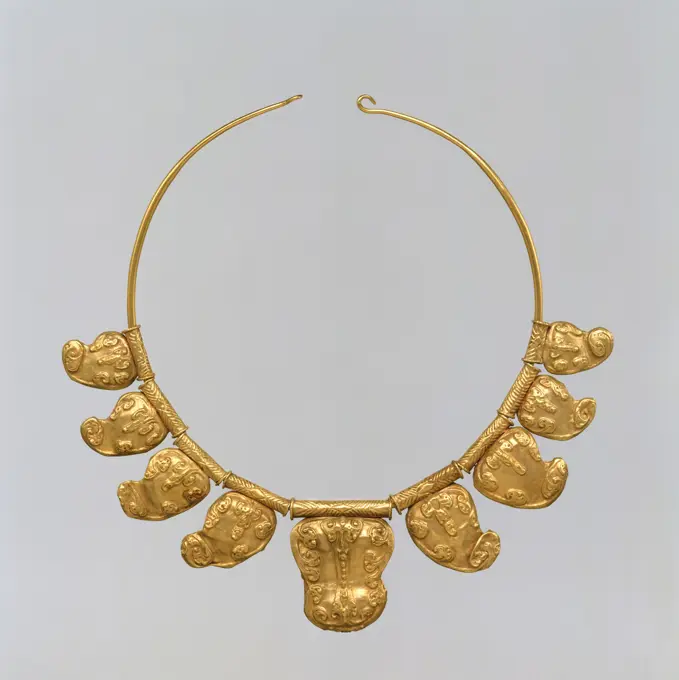
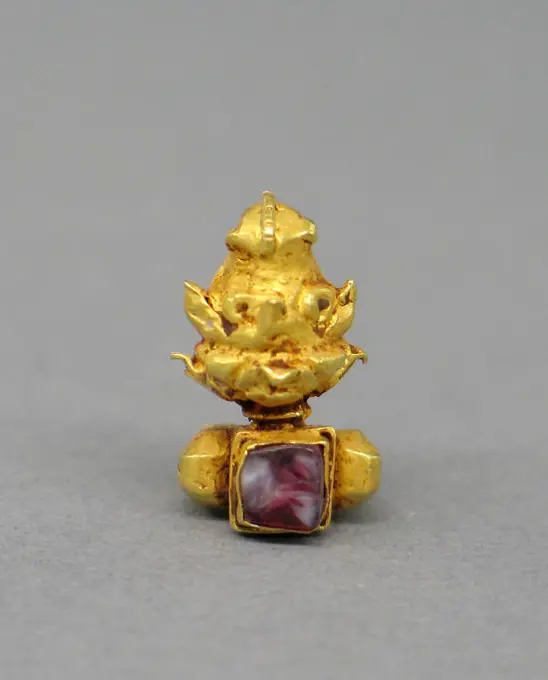
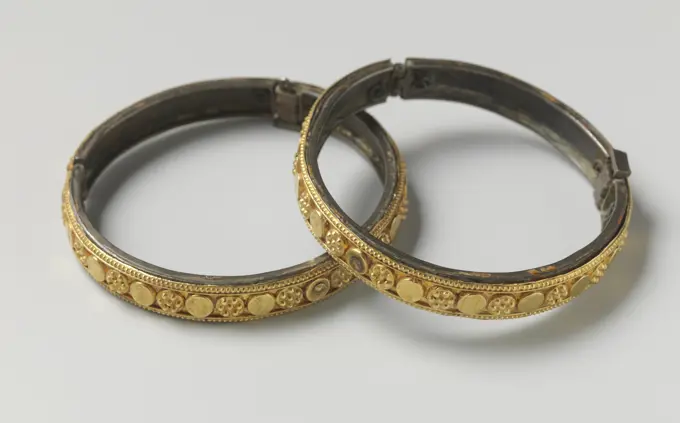
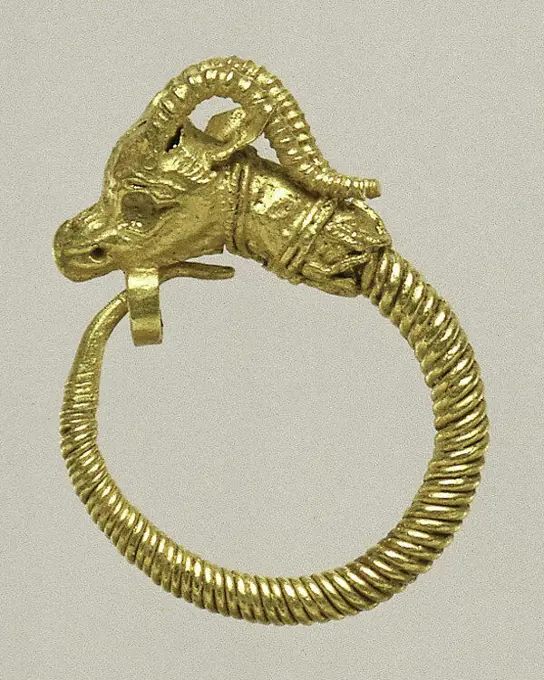
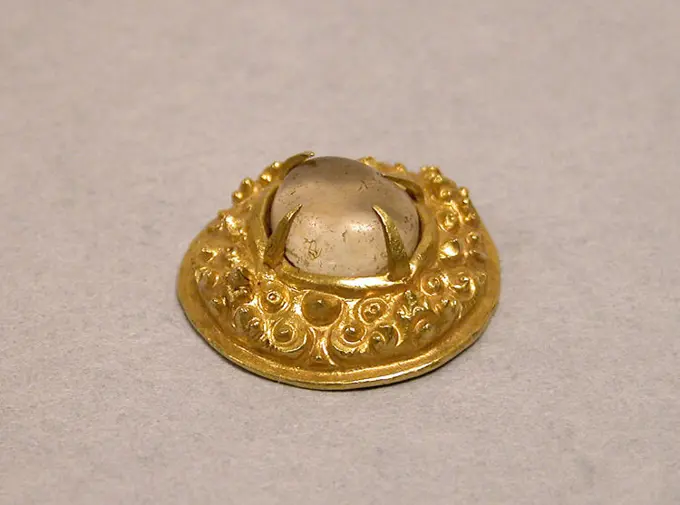
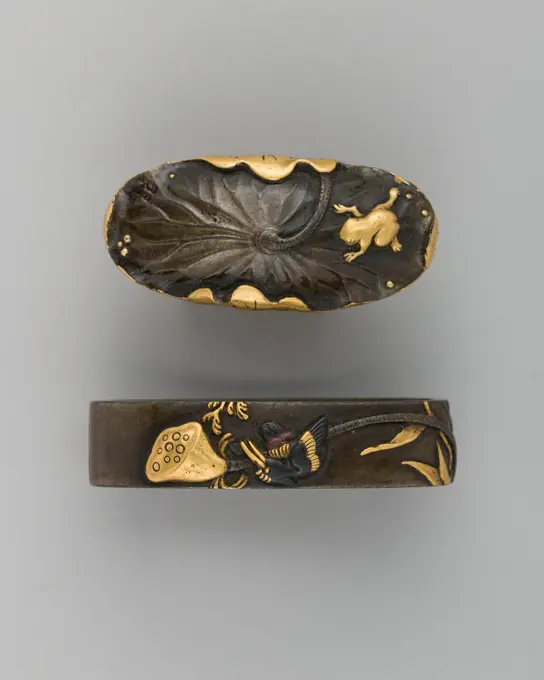
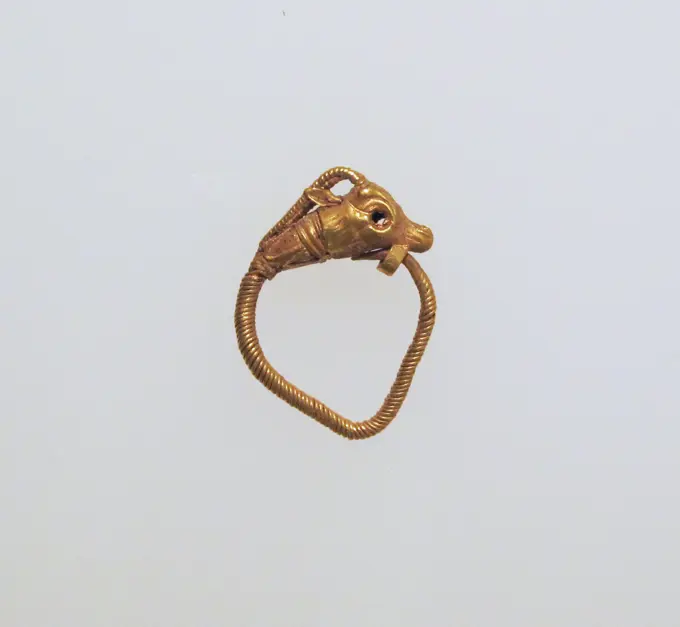
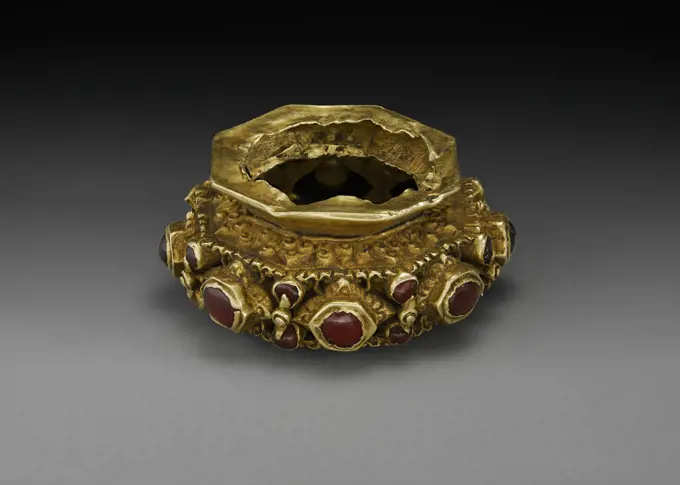
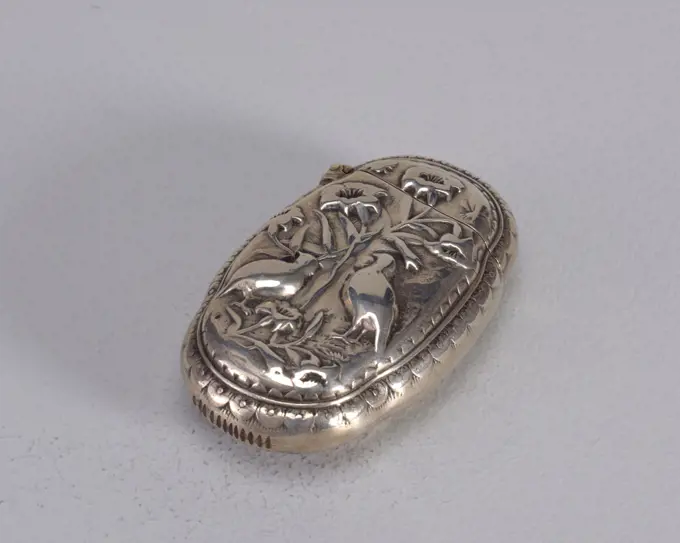
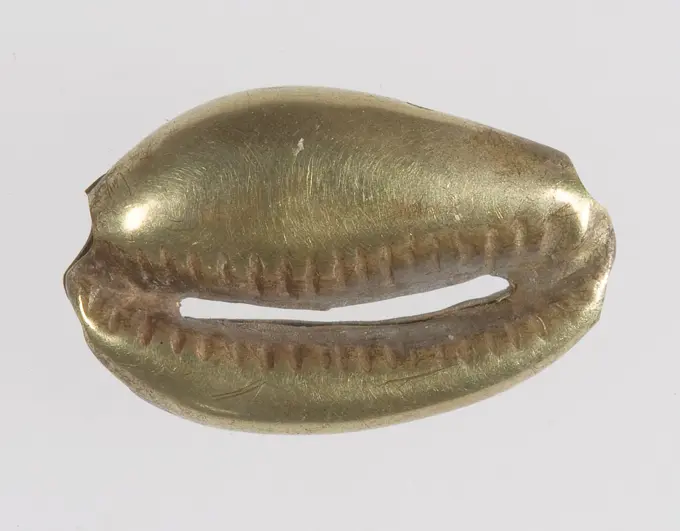
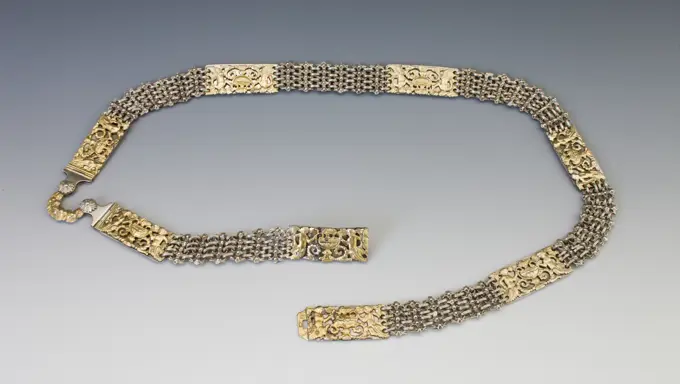
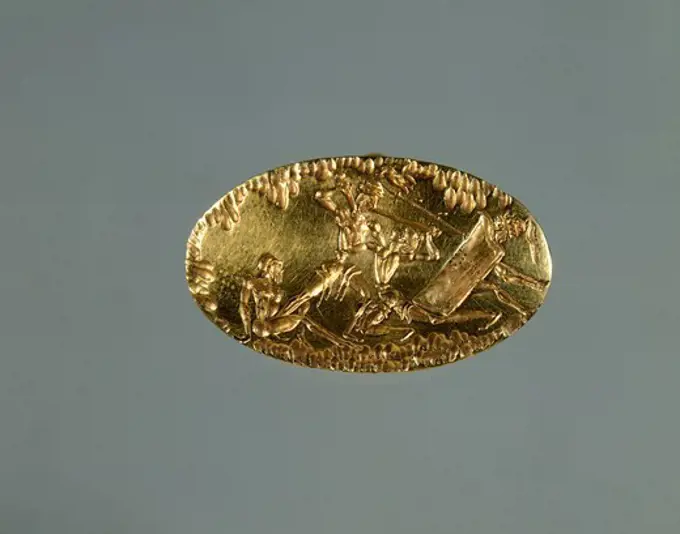
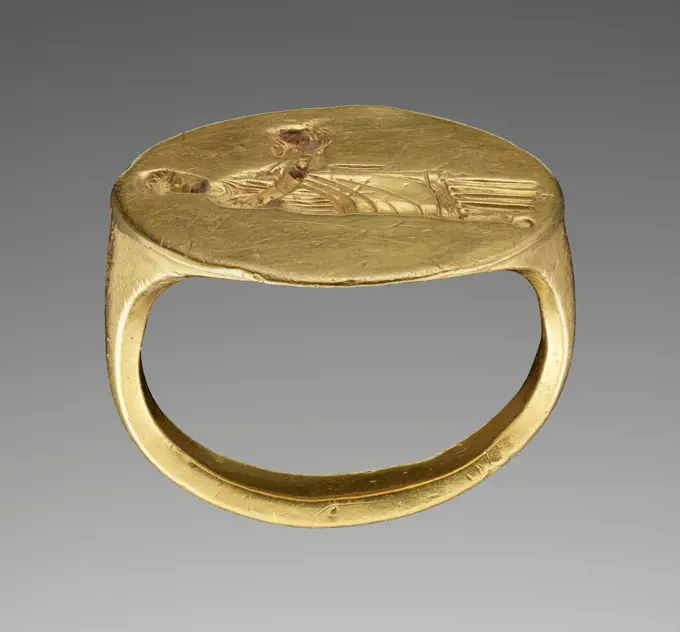
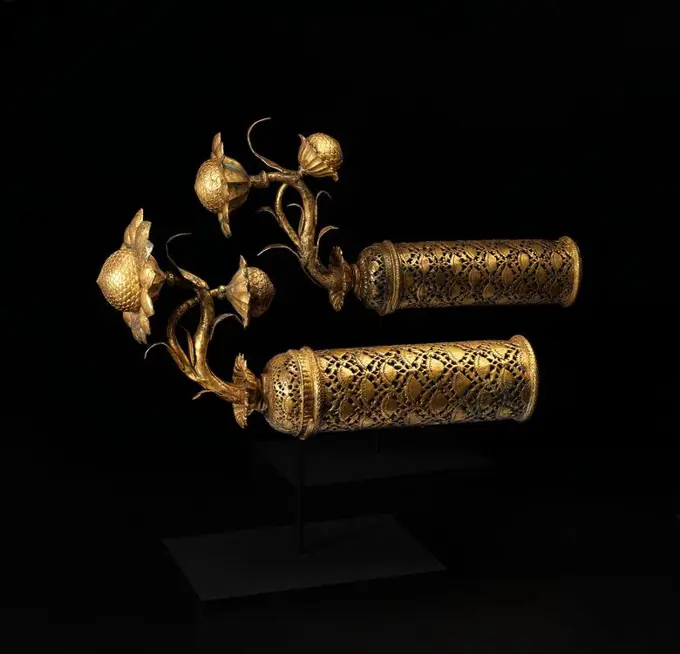
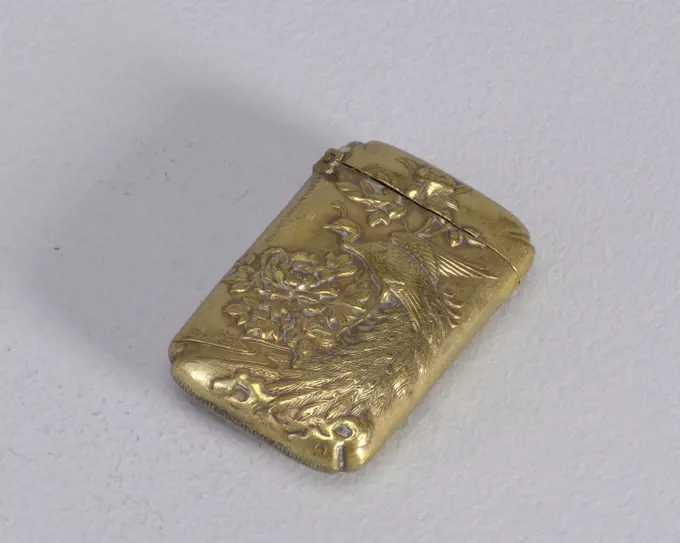
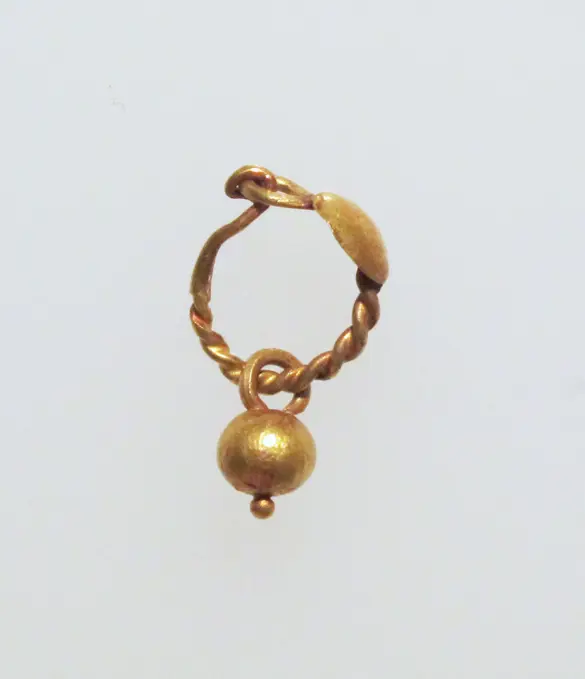
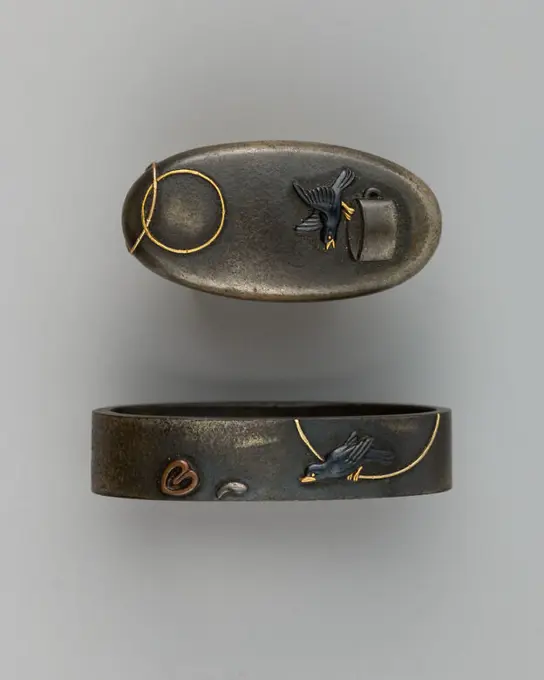
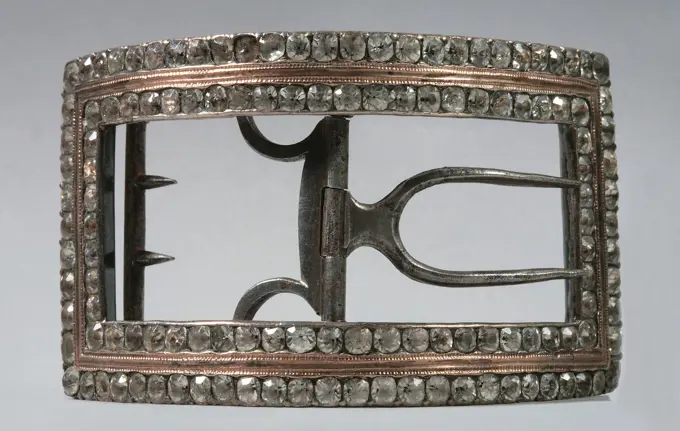
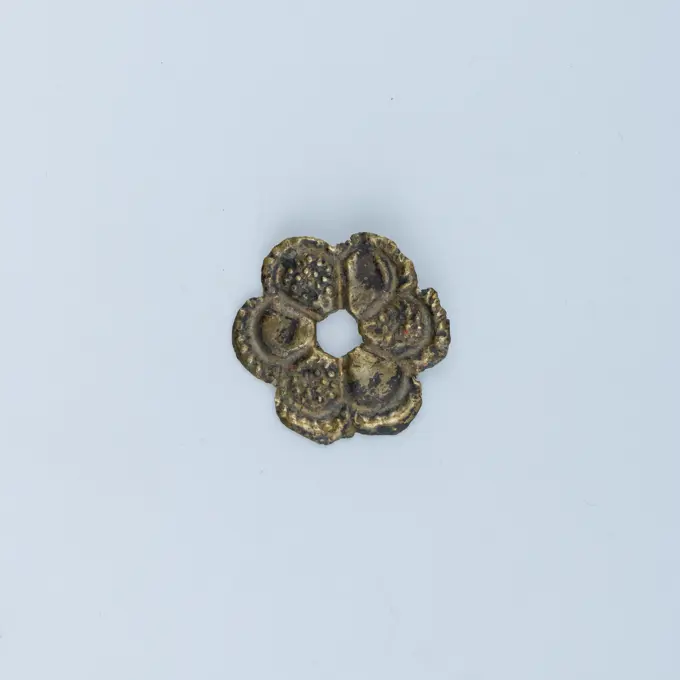
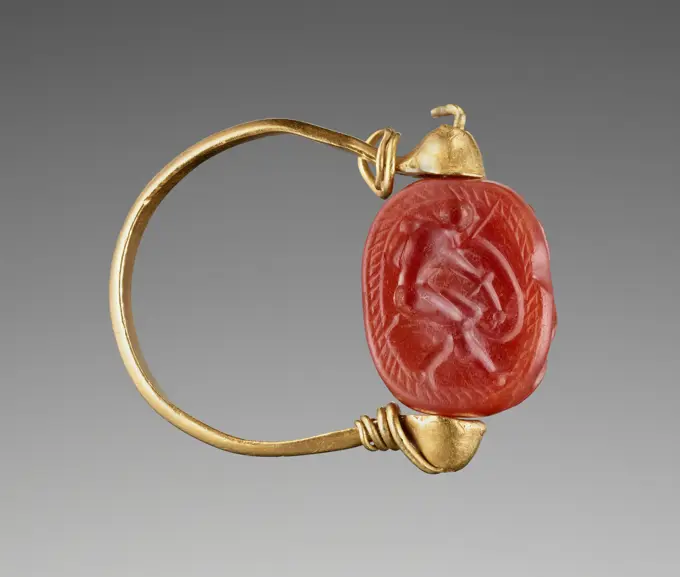
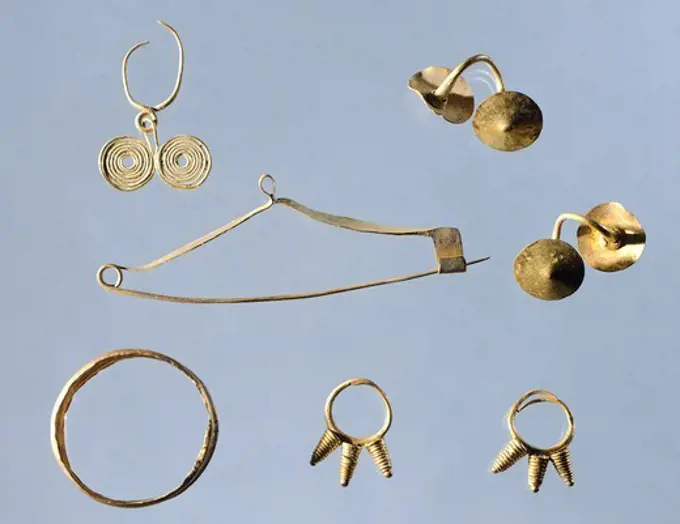
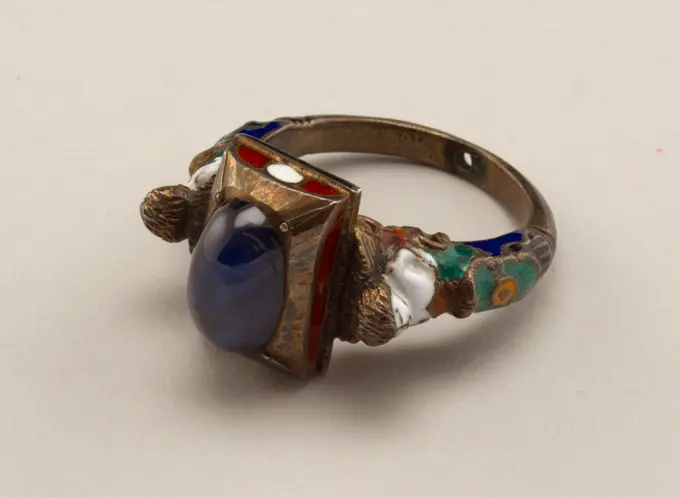
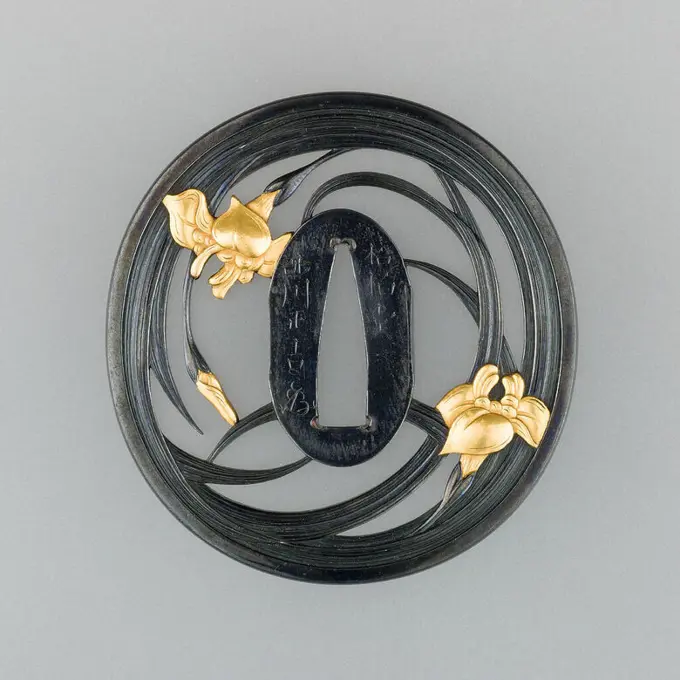
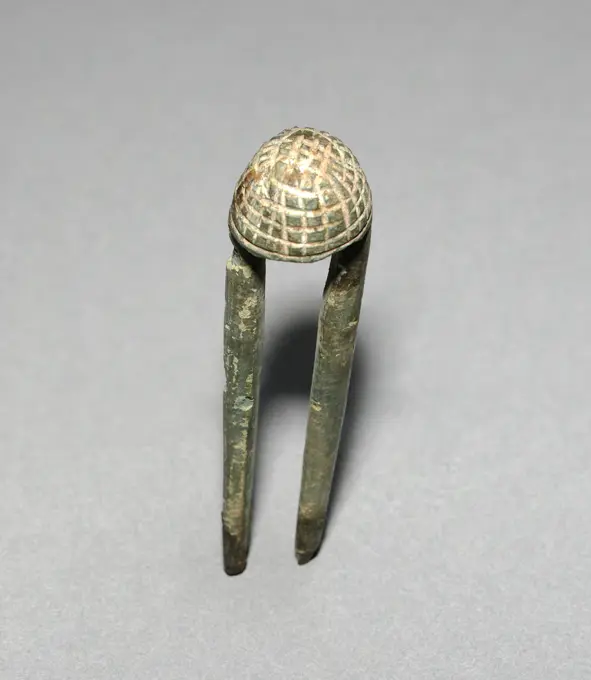
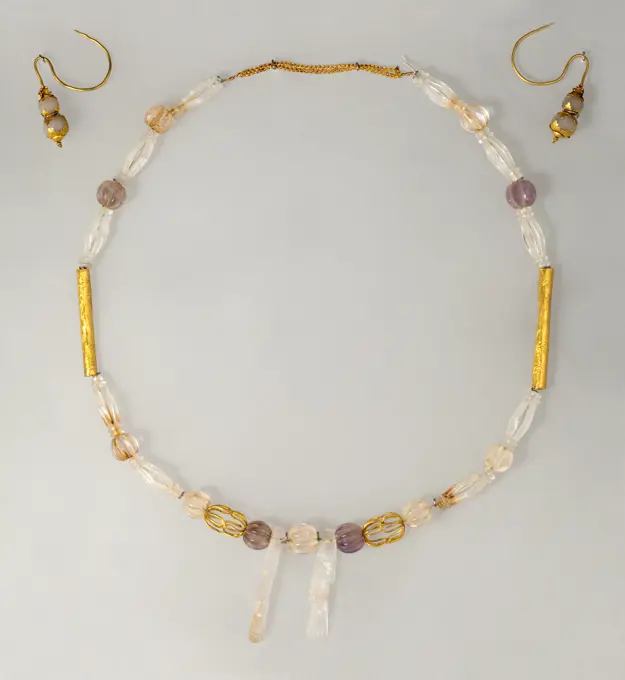
Bottle (England); rock crystal, goldFragment, medallion, wood, painted and gilded, Broken in 3 pieces, possibly Italy, late 18th century, Decorative Arts, Fragment, medallionEarring, crescent-shaped, Byzantine style. Earring, crescent-shaped, Byzantine style 243328SuspensionMountSilver buckle, oval -shaped with two flowers in relief in the corners of the Spatting, Before 1879 Silver buckle, oval -shaped with two flowers in relief in the corners, other string of diamond -shaped. Hinged closure at the rear, in the form of a fish tail. France (possibly) whole: Silk forging Silver buckle, oval -shaped with two flowers in relief in the corners, other string of diamond -shaped. Hinged closure at the rear, in the form of a fish tail. France (possibly) whole: Silk forgingDragon Head Matchsafe; Japan; brass; 4.4 x 2.6 x 1 cm (1 3/4 x 1 x 3/8 in. )Earring with head of bull Etruscan Ring form of twisted wire ending in a bull's head.. Earring with head of bull 245969Pair of keyhole escutcheons 18th century French. Pair of keyhole escutcheons 190117 French, Pair of keyhole escutcheons, 18th century, Gilt bronze, Overall (.a confirmed): 2 5/8 x 3 3/4 x 3/16 in. (6.7 x 9.5 x 0.5 cm); Overall (.b confirmed): 2 3/8 x 3 5/8 x 1/4 in. (6 x 9.2 x 0.6 cm). The Metropolitan Museum of Art, New York. Gift of J. Pierpont Morgan, 1906 (07.225.510.373a, b)Finger Ring 7th century Frankish. Finger Ring 465284 Frankish, Finger Ring, 7th century, Gold wire, garnet cabochon, Overall: 13/16 x 11/16 x 3/16 in. (2 x 1.7 x 0.5 cm) bezel: 1/4 x 3/16 x 1/8 in. (0.6 x 0.5 x 0.3 cm). The Metropolitan Museum of Art, New York. Gift of J. Pierpont Morgan, 1917 (17.192.218)Earring-loop type, plain. Earring-loop type, plain 243257Tsuba type Kinko  Dragon in the waves Mitsuyoshi, szko A mitoEquatorial clock; Vogler, Andreas (CA 1730-1800); 3 18th century (1750-00-00-1775-00-00);Badge (probably from Horse Harness). Culture: possibly Spanish. Dimensions: H. 2 3/8 in. (6 cm); W. 1 7/8 in. (4.8 cm); Wt. 0.5 oz. (14.2 g). Date: 14th century. Museum: Metropolitan Museum of Art, New York, USA.Earring, delta-shaped. Earring, delta-shaped 243359Turbo marmuratus mussel snuffbox. unknown, authorEar Ornament Last quarter of the 10th-last quarter of the 15th century Indonesia (Java). Ear Ornament 49966Gold annular earring ca. 1600-1050 B.C. Cypriot Earring of simple form.. Gold annular earring. Cypriot. ca. 1600-1050 B.C.. Gold. Late Bronze Age. Gold and SilverHexagonal BezelRing, 8th-10thcentury, Gold; cast and filed, 2.185 × 1.985 × 1.625 cm, 4.104 g (7/8 × 13/16 × 5/8 in., 4.104g), Made in Java, Indonesia, Java, Early Classic Period(650-1000), JewelryEarring with plain loop and disc. Earring with plain loop and disc 243138Handles (Spain); ironEar Ornament with Makara Motif Last quarter of the 10th-last quarter of the 15th century Indonesia (Java). Ear Ornament with Makara Motif. Indonesia (Java). Last quarter of the 10th-last quarter of the 15th century. Gold. Eastern Javanese period. JewelryGold sanguisuga-type fibula (safety pin) 6th-5th century B.C. Etruscan With rosette and pomegranate.. Gold sanguisuga-type fibula (safety pin) 250987 Etruscan, Gold sanguisuga-type fibula (safety pin), 6th5th century B.C., Gold, Other: 1 1/4 in. (3.2 cm). The Metropolitan Museum of Art, New York. Rogers Fund, 1920 (20.238)Pinhead Roman. Pinhead. Roman. Glass. GlassPair of earrings 18th century Spanish. Pair of earrings. Spanish. 18th century. Gold, jacinths (). JewelryEar Ornament of Twisted Spiral Design Second half of the 8th-second half of the 10th century Indonesia (Java). Ear Ornament of Twisted Spiral Design 50089Gold earring with woman's head and glass beads 3rd2nd century B.C. Greek. Gold earring with woman's head and glass beads 242951Stirrup-shaped Ring with Oval Bezel and "Java Kuno" Second half of the 9th-first quarter of the 10th century Indonesia (Java). Stirrup-shaped Ring with Oval Bezel and "Java Kuno". Indonesia (Java). Second half of the 9th-first quarter of the 10th century. Gold. late Central Javanese period. JewelryGold earring with pendant 2nd century A.D. Roman. Gold earring with pendant 243195Ring, 20th Century. India, 20th century. Silver gilt; diameter: 1.8 cm (11/16 in.).Earring. UnknownVitreous paste bracelet with gold decoration in shape of lions' heads from Vulci, Lazio Region, Italy, Etruscan civilizationGold pendant in the form of a bull's head ca. 1400-1050 B.C. Cypriot The two small rings in the nose of the bull may indicate that a domesticated animal is represented.. Gold pendant in the form of a bull's head. Cypriot. ca. 1400-1050 B.C.. Gold. Late Bronze Age. Gold and SilverCreamer, c. 1735-1745, Possibly Paul de Lamerie; Silversmith: Nicholas Sprimont, English, (born Holland), 1688-1751, 4 1/2 x 4 1/2 x 3 in. (11.43 x 11.43 x 7.62 cm), Silver, gilt, England, 18th century, The superb quality of this creamer's marine decoration suggests it was made by either Paul de Lamerie or Nicholas Sprimont (later founder of the Chelsea porcelain factory). Both silversmiths were masters of casting ornaments, such as the intertwining dolphin feet and mask at the top of the handle; both are known to have made and marked similar examples.Snuffbox. Culture: German. Dimensions: Overall (confirmed): 1 1/2 x 3 1/4 x 2 1/2 in. (3.8 x 8.3 x 6.4 cm). Date: ca. 1740.Heliotrope was known and valued during antiquity for its deep emerald green color and its purported magical qualities. The primary source of heliotrope, also known as bloodstone because of its red inclusions resembling blood, is India. Museum: Metropolitan Museum of Art, New York, USA.Ear Ornament withFoliageEarring with pendant 1st-2nd century A.D. Roman. Earring with pendant 243221Pair of Ear Clips Composed of Fused Discs Second half of the 8th-second half of the 10th century Indonesia (Java). Pair of Ear Clips Composed of Fused Discs 49763Ring with glass paste 1st century B.C.-3rd century A.D. Roman. Ring with glass paste 243574Pendant with an Armed Centaur 1801-1900 Europe. Gold, pearl, and enamel .Earring, crescent-shaped. Earring, crescent-shaped 243281Etruscan gold curved earring, decorated with Achelous head, from Spina, Italy, 5th Century B.C.Floraleaf” clip pin.  Designer Alfred Philippe, American, born France, 1900-1970 Manufacturer: Trifari, American, founded 1925Gold and gold leaf bracelets from Tétouan, Morocco. Dated 10th Century AD.Necklace with Inset Stones and Braided Wire 8th-early 10th century Indonesia (Java). Necklace with Inset Stones and Braided Wire. Indonesia (Java). 8th-early 10th century. Gold with stones and wire. Eastern Javanese period. JewelryRound BezelRingMarquiseRingPierrot Figure, Brass, In the form of a Pierrot figure, with small pointed hat, wide, saw-tooth edge collar, large buttons down front of baggy, one-piece costume, small pointed shoes; he has hands in pockets, pulling costume outward, exagerating his girth. Head and collar, hinged at back, flip open as lid. Link attached to upper part of right arm. Striker situated on reverse side, just beneath character's buttocks. Matchsafe may stand upright., late 19th century, containers, Decorative Arts, Matchsafe, MatchsafeFragment, wood, gilded, France / England, mid-18th century, Decorative Arts, FragmentTiger's Claw Necklace 8th-12th century Indonesia (Central Java). Tiger's Claw Necklace. Indonesia (Central Java). 8th-12th century. Gold, repoussé. JewelryPair of Ear Clips with Translucent Red Stone Second half of the 8th-second half of the 10th century Indonesia (Java). Pair of Ear Clips with Translucent Red Stone. Indonesia (Java). Second half of the 8th-second half of the 10th century. Gold with translucent red stone. Central Javanese period. JewelryPair of bracelets (chandan churi), anonymous, c. 1750 Bracelet (Chandan Churi) with a bronze inner ring with hinge and lock, on which a gold ring is attached, decorated with cut -out circular ornaments and pearl edges. Forms a few with AK-NM-7054-B. Surat gold (metal). bronze (metal) forging / striking (metalworking) Bracelet (Chandan Churi) with a bronze inner ring with hinge and lock, on which a gold ring is attached, decorated with cut -out circular ornaments and pearl edges. Forms a few with AK-NM-7054-B. Surat gold (metal). bronze (metal) forging / striking (metalworking)Gold earring with head of a bull 4th-3rd century B.C. Greek. Gold earring with head of a bull 242846Gold earring with head of an antelope late 4th-3rd century B.C. Greek Circlet of twisted gold wire, which tapers from the antelope's head at the front end to a hooked point which passes through a loop below the animal's throat.. Gold earring with head of an antelope 242894Ring with Barrel-shaped Bezel and Ribbed Hoop Second half of the 8th-second half of the 10th century Indonesia (Java). Ring with Barrel-shaped Bezel and Ribbed Hoop 50155Ornament with Crystal 8th-12th century Indonesia (Central Java). Ornament with Crystal. Indonesia (Central Java). 8th-12th century. Gold. JewelryAxehead, votive 17th-16th century B.C.. Axehead, votive. 17th-16th century B.C.. Gold. Gold and SilverPectoral Ornament, c. 1200-1519. Mexico, Guerrero, Ichcatiopan, Mixtec or Aztec style. Gold, jadeite; overall: 8 x 7.2 cm (3 1/8 x 2 13/16 in.).Sword Guard (Tsuba). Culture: Japanese. Dimensions: H. 2 7/8 in. (7.3 cm); W. 2 15/16 in. (7.5 cm); thickness 1/4 in. (0.6 cm); Wt. 5.4 oz. (153.1 g). Maker: Attributed to the Hirata School (Japanese, Edo period). Date: ca. 1615-1868.This sword guard (tsuba) features a design of gourds and leaves. Museum: Metropolitan Museum of Art, New York, USA.Hispanic gold annular fibula with embossed decoration Hispanic gold annular fibula with embossed decoration, Montemolín, Marchena, Iberian culture, Iberian Museum of Jaén, Andalusia, Spain Copyright: xZoonar.com/BartomeuxBalaguerxRotgerx 21704981Weighted Fastener Second half of the 8th-second half of the 10th century Indonesia (Java). Weighted Fastener 49986Jewelry set: broochSword-Hilt Collar and Pommel (Fuchigashira) ca. 1615-1868 Japanese A fuchigashira is a pair of matching sword fittings comprising the fuchi (collar at the base of the grip of the sword hilt) and kashira (pommel cap at the end of a sword hilt).. Sword-Hilt Collar and Pommel (Fuchigashira). Japanese. ca. 1615-1868. Copper-silver alloy (shibuichi), copper-gold alloy (shakud), gold. Sword Furniture-Fuchi-KashiraGold earring with head of a goat 4th-3rd century B.C. Greek. Gold earring with head of a goat 242878. Buckle from gold. The long, narrow tapered attachment has been opened and consists of flower and leaf motifs. Found in Antioch.Tea tray, cake stands, jam dish, sugar bowls, coffee pot and milk jug, Martin Guillaume Biennais, c. 1817 Oval empire leaf of gilded silver. The magazine rests on 6 lion claws and is surrounded by a vertically raised edge with hippoc lamps and vines. Engraved with monogram i.f.u. Paris silver (metal). gilding (material). ebony (wood) gilding Oval empire leaf of gilded silver. The magazine rests on 6 lion claws and is surrounded by a vertically raised edge with hippoc lamps and vines. Engraved with monogram i.f.u. Paris silver (metal). gilding (material). ebony (wood) gildingPendant 17th-19th century Philippines. Pendant 40578Box, Agate, gold, Germany or England, early 18th century, containers, Decorative Arts, BoxPair of Earrings with Ibex Head Finials Original 300 BCE-201 BCE Ancient Greece. Gold and garnet . Ancient GreekEurope, Former Yugoslavia. Novi Pazar Gold belt. 6-5th cent. BC. SerbiaKrisRing, 11th-14thcentury, Gold, 2 × 4.78 × 2.3 cm, 28.345 g (13/16 × 1 7/8 × 7/8 in., 28.345g), Made in Java, Indonesia, Java, Late Classic Period(1000-1400), JewelryBracelet, One of a Pair 14th century. Bracelet, One of a Pair 446980Cufflink (Denmark); Manufactured by Georg Jensen Sølvsmedie (Denmark); silver, gold wash; Bequest of David Harris Cohen; 1994-113-4-a,bConical EarOrnamentSilversmith's Model (USA); ivoryQuail and Floral Decoration, Gorham Manufacturing Company, Providence, Rhode Island, USA, founded 1818, Silver, Oval, with upper and lower of left and right sides cinched slightly, featuring raised decoration of a pair of quails and lily flowers, all framed by double band of petal-like ornament. Reverse features rooster and hen among floral decoration. Lid hinged on side. Striker incised on bottom., Providence, Rhode Island, USA, ca. 1886, containers, Decorative Arts, Matchsafe, MatchsafeCowrie shell bead ca. 1850-1640 B.C. Middle Kingdom-Early New Kingdom This cowrie shell-shaped bead may have come from a girdle that would have been worn by a girl or woman, perhaps in a ritual context. Other examples contain pellets that would have made a soft sound when the wearer moved.For a complete example of such a girdle, see 16.1.5).. Cowrie shell bead. ca. 1850-1640 B.C.. Gold. Middle Kingdom-Early New Kingdom. From Egypt, Memphite Region, Lisht North, cemetery south of the tomb of Senwosret (758), Pit 607, MMA excavations, 1907-08. Dynasty 12, late-early 13NotPendantGold seal ring depicting a battle scene, from Tomb IV of the Circle A of Mycenae (Greece). Goldsmith art, Mycenaean Civilization, 16th Century BC.Ring Engraved with a Muse Holding a Mask; 325 - 300 B.C; Gold; 2.2 × 2.1 cm (7,8 × 13,16 in.)Palanquin Finials with Lotuses. Dimensions: (a) H. 11 1/2 in. (29 cm); L. 20 1/2 in. (52 cm); W. 6 in. (15 cm)(b) H. 11 in. (28 cm); L. 22 1/2 in. (57 cm); W. 6 in. (15 cm). Date: ca. 1650-80.These finials were made to adorn the poles of a palanquin, a covered conveyance consisting of a large box carried by bearers. Their particularly fine decoration includes a pierced, openwork pattern of flattened lotus pods and scrolling vines on the body, and lotus flowers that issue from the domed ends. Museum: Metropolitan Museum of Art, New York, USA.Matchsafe, Japan, 19th century, containers, Decorative Arts, MatchsafeGold "Basket" Earring 6th century Byzantine Opus interrasile was a technique used by goldsmiths to make elegant jewelry from the 200s through the 600s. Designs were traced onto sheets of gold; the background was punched with holes of various sizes to highlight the pattern; and fine details were then worked on the surface. The patterns formed by piercing the metal ground encouraged the play of light and shadow across an object's surface.. Gold "Basket" Earring 465401 Byzantine, Gold Basket Earring, 6th century, Gold, Overall: 1 x 9/16 in. (2.5 x 1.5 cm). The Metropolitan Museum of Art, New York. Gift of J. Pierpont Morgan, 1917 (17.192.97)Finger Ring. Hellenistic or early Roman; eastern Mediterranean. Date: 300 BC-101 BC. Dimensions: 2.4 × 2.9 × 3.7 cm (1 × 1 1/8 × 1 1/2 in.); diam. of face: 4.8 cm (1 7/16 in.). Glass, cast. Origin: Syria. Museum: The Chicago Art Institute, Chicago, USA. Author: Ancient Levantine.Gold earring with disc and pendant 2nd century A.D. Roman. Gold earring with disc and pendant 243161Sword-Hilt Collar and Pommel (Fuchigashira). Culture: Japanese. Dimensions: Fuchi (a); H. 1 1/2 in. (3.8 cm); Wt. 0.7 oz. (19.8 g); kashira (b); H. 1 5/16 in. (3.3 cm); Wt. 0.4 oz. (11.3 g). Date: ca. 1615-1868. Museum: Metropolitan Museum of Art, New York, USA.Toe jewelery, Anonymous, c. 1750Gold Pendants and Beads from a Necklace second half 6th century-first half 7th century Frankish. Gold Pendants and Beads from a Necklace 465435 Frankish, Gold Pendants and Beads from a Necklace, second half 6th centuryfirst half 7th century, Gold, glass, Overall (With Attachment): 11/16 x 1/16 x 4 15/16 in. (1.7 x 0.2 x 12.5 cm) Disk: 9/16 in. (1.5 cm). The Metropolitan Museum of Art, New York. Gift of J. Pierpont Morgan, 1917 (17.193.128)LoopRosette dated 1560 German, Saxony. Rosette. German, Saxony. dated 1560. Brass. Miscellaneous-Buckles & OrnamentScarab. UnknownPair of Ear Ornaments with Foliate Designs Second half of the 8th-second half of the 10th century Indonesia (Java). Pair of Ear Ornaments with Foliate Designs 50424Gold fibula, earrings and pendant from Lefkandi (Greece). Goldsmith art, Greek Civilization. Mid-9th Century BC.Ring (Italy); silver, enamel, blue stoneGold flowers diadem, found in CanossaPair of Sword Guards (Tsuba). Culture: Japanese. Dimensions: 2006.262.1: H. 2 15/16 in. (7.4 cm); W. 2 3/4 in. (7.0 cm); 2006.262.2: H. 2 13/16 in. (7.1 cm); W. 2 9/16 in. (6.5 cm). Fittings maker: Inscribed on the inner face of each tsuba by Sunagawa Mao-Yoshi (Japanese, active early-mid-19th century). Date: early 19th century. Museum: Metropolitan Museum of Art, New York, USA.Topknot Pin, 918-1392. Korea, Goryeo period (918-1392). Bronze; overall: 1.4 cm (9/16 in.).Funeral adornment, jewelry set: necklace and earrings. rock crystal, amethyst, gold. Paris, Cernuschi museum. 51556-20 Amethyst, jewel, earring, necklace, rock crystal, set, female mode, gold, funeral adornmentFinial