Gold Decorative Artifacts

Intricate gold artifacts and jewelry pieces, emphasizing craftsmanship through elegant designs and historical significance.

Fragment, medallion, wood, painted and gilded, Broken in 3 pieces, possibly Italy, late 18th century, Decorative Arts, Fragment, medallion
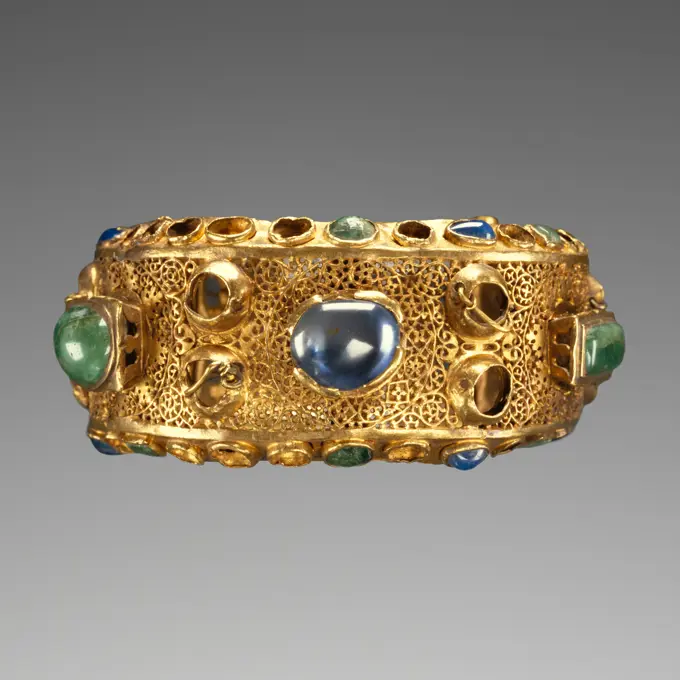
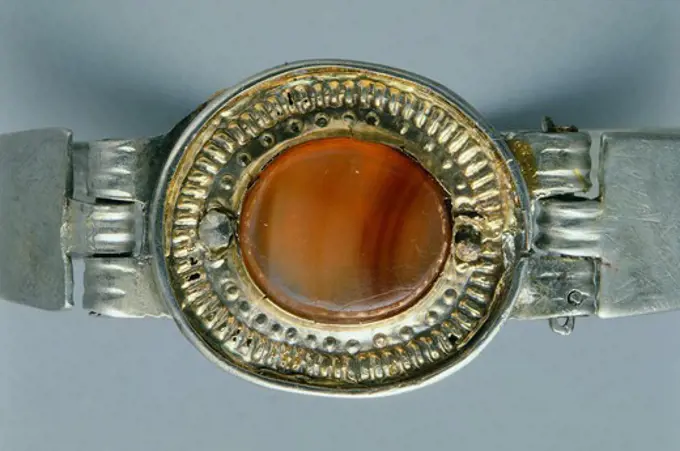
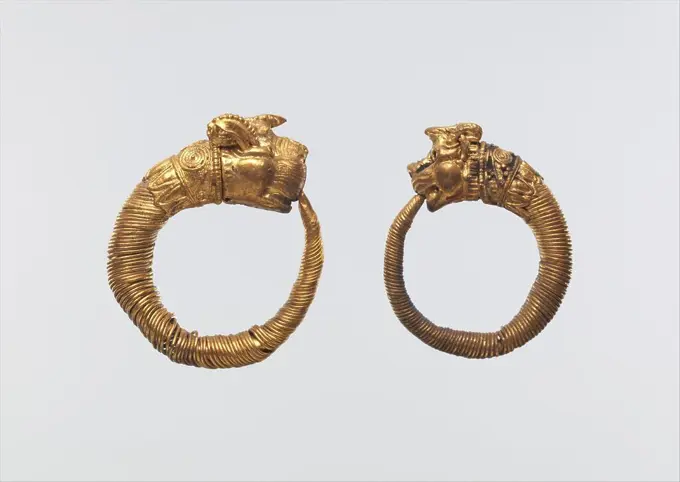
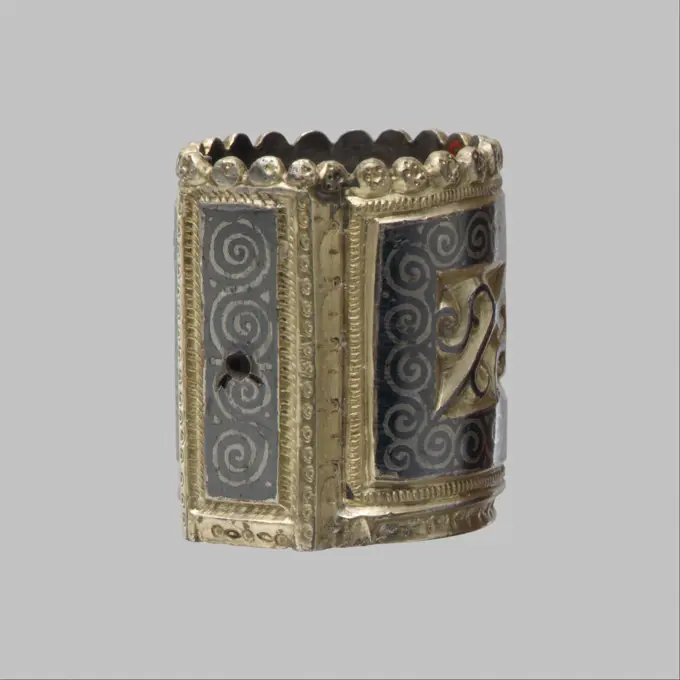
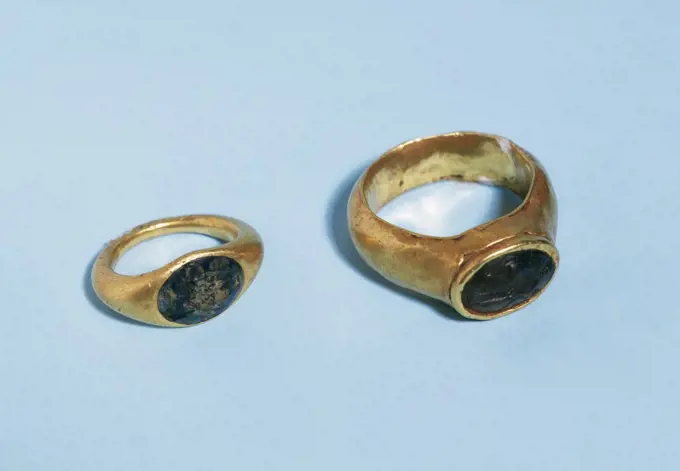
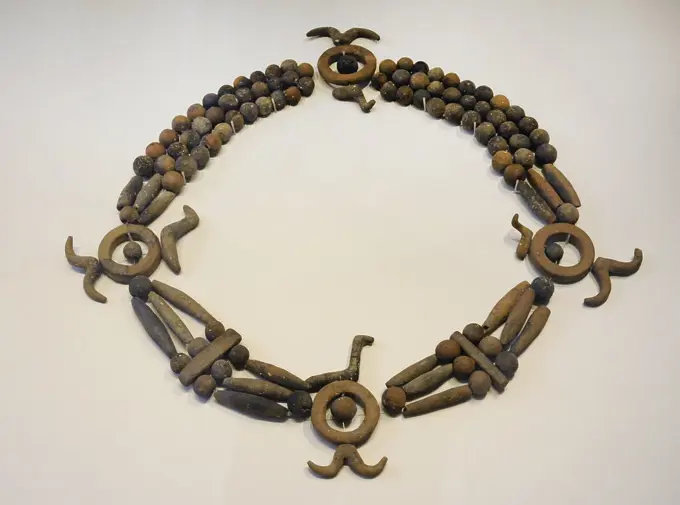
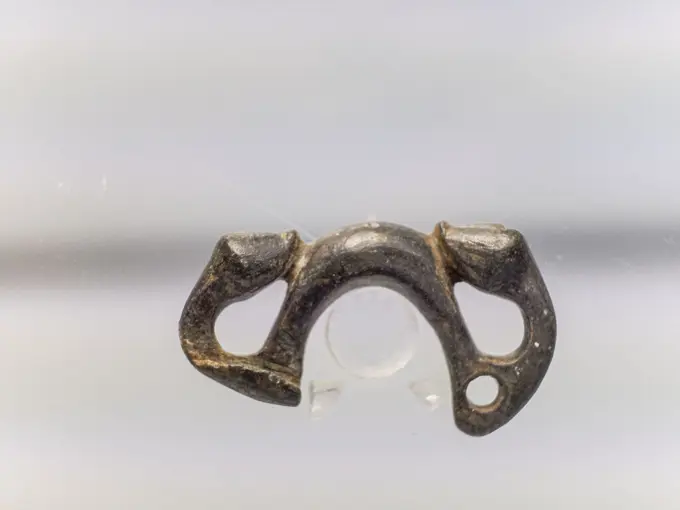
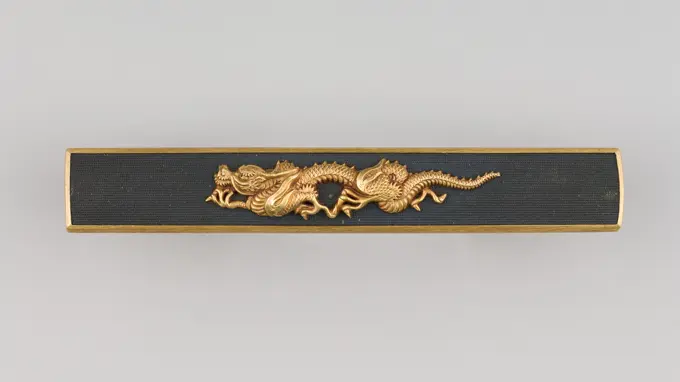
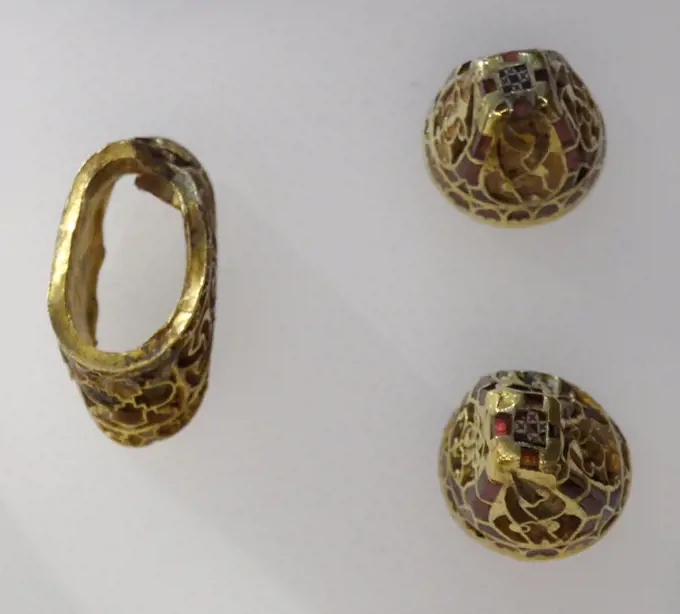
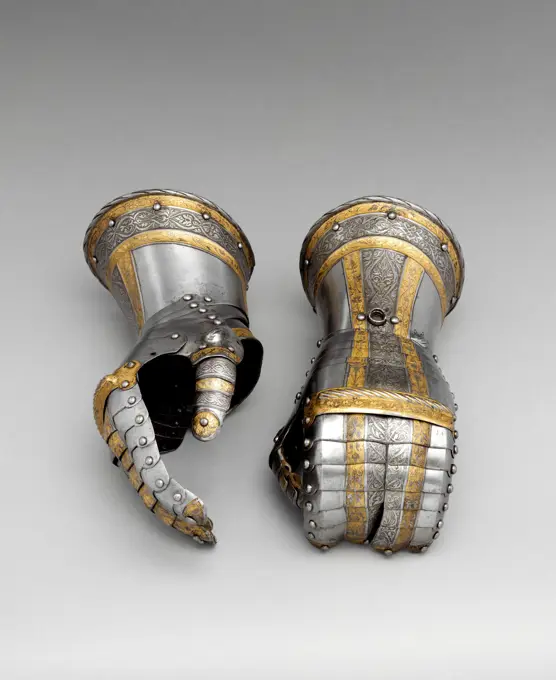
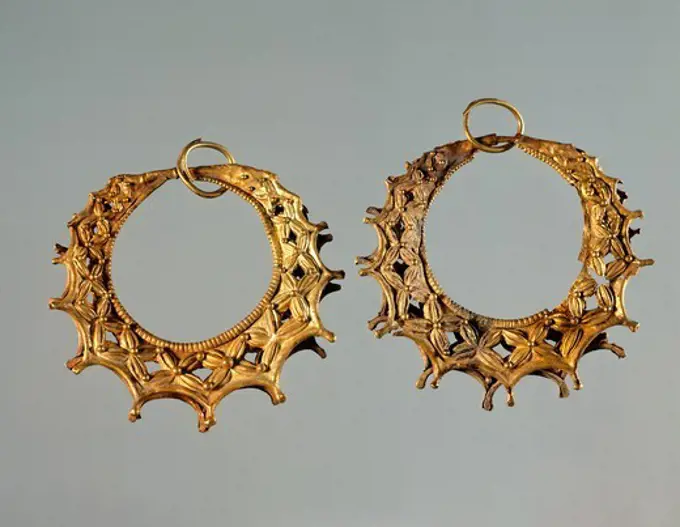
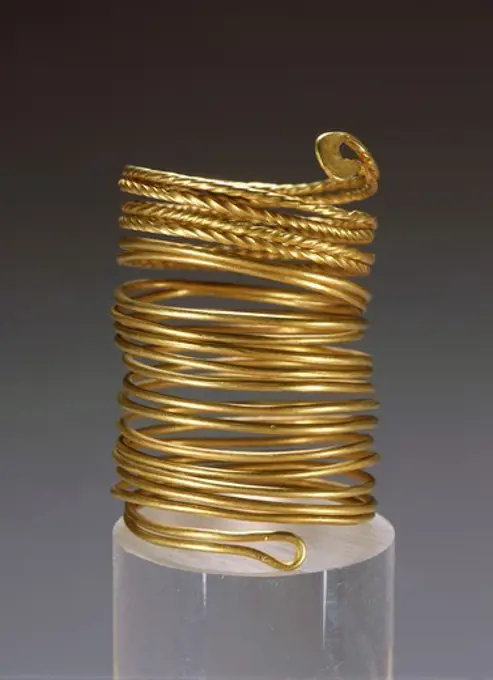
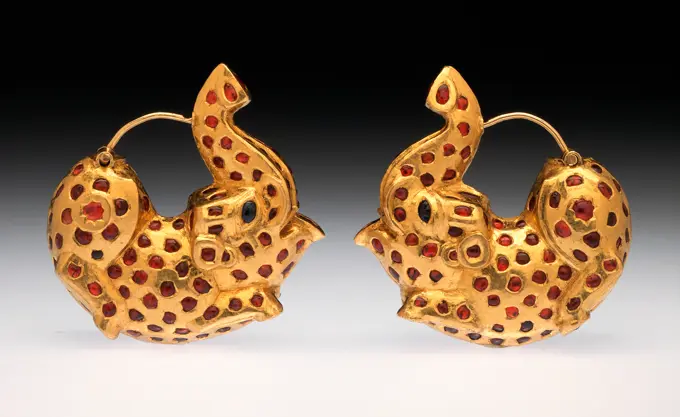
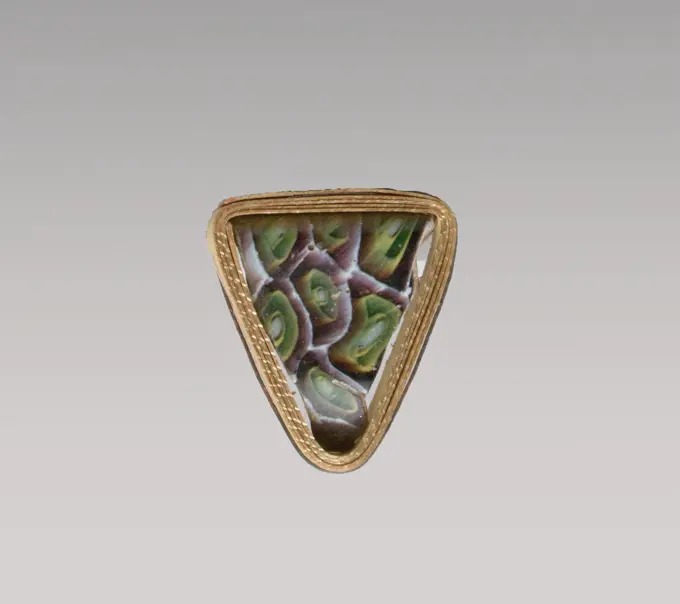
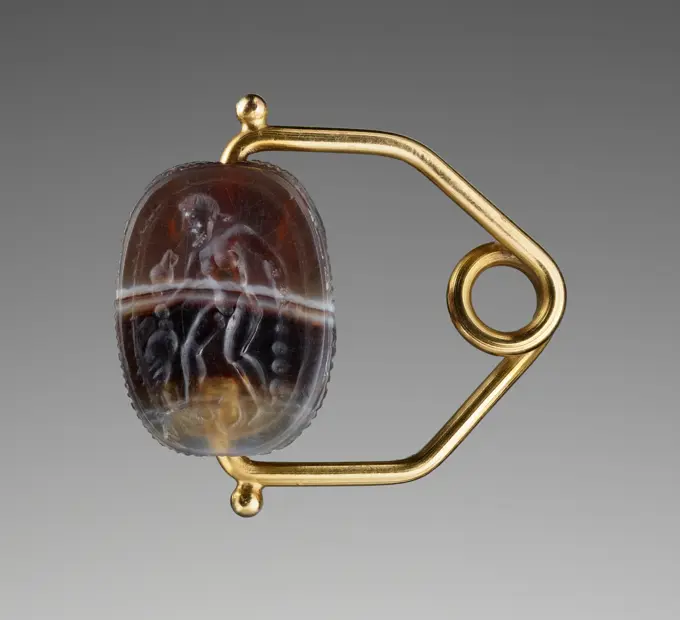
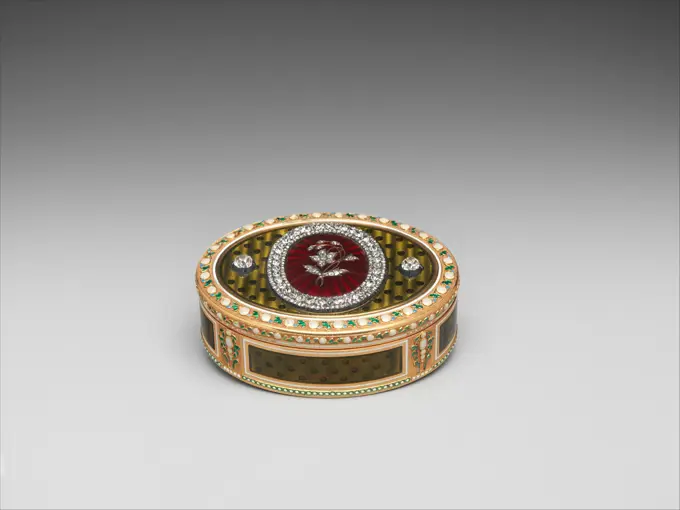
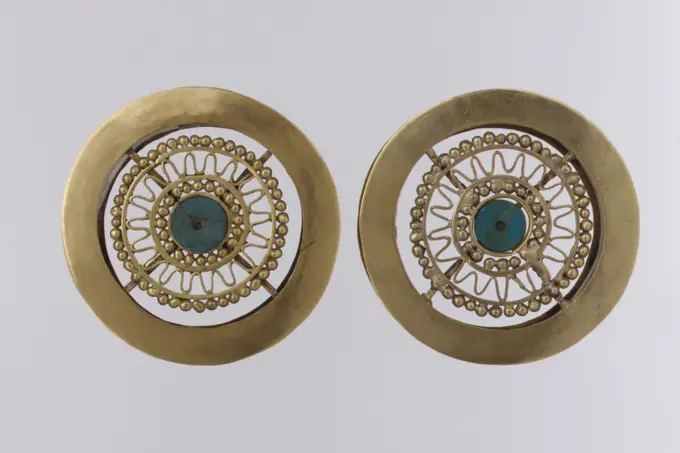
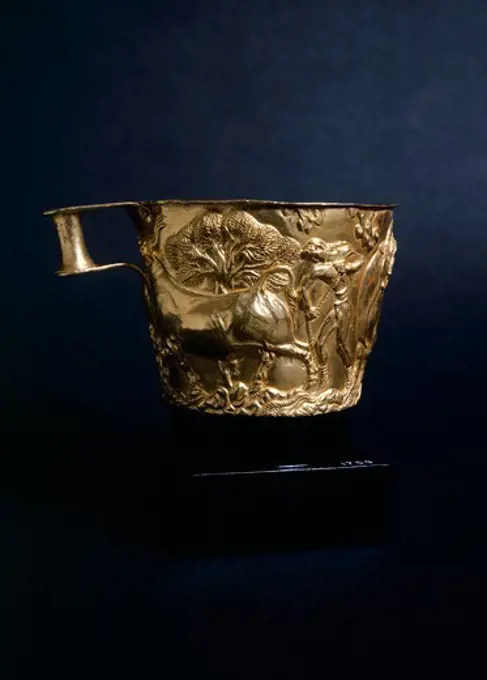
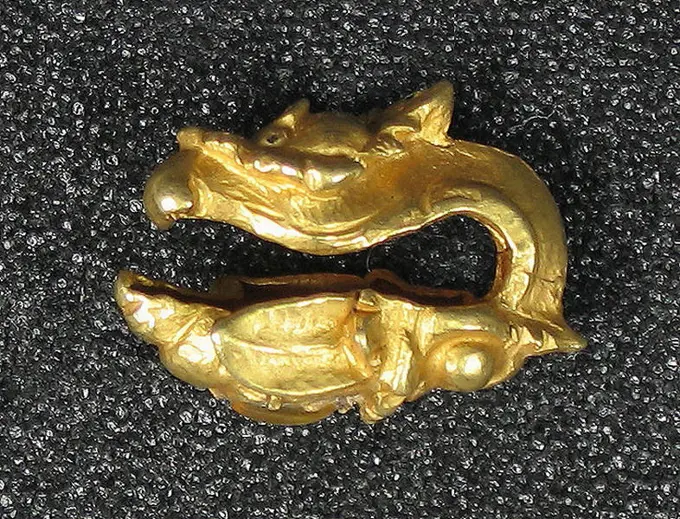
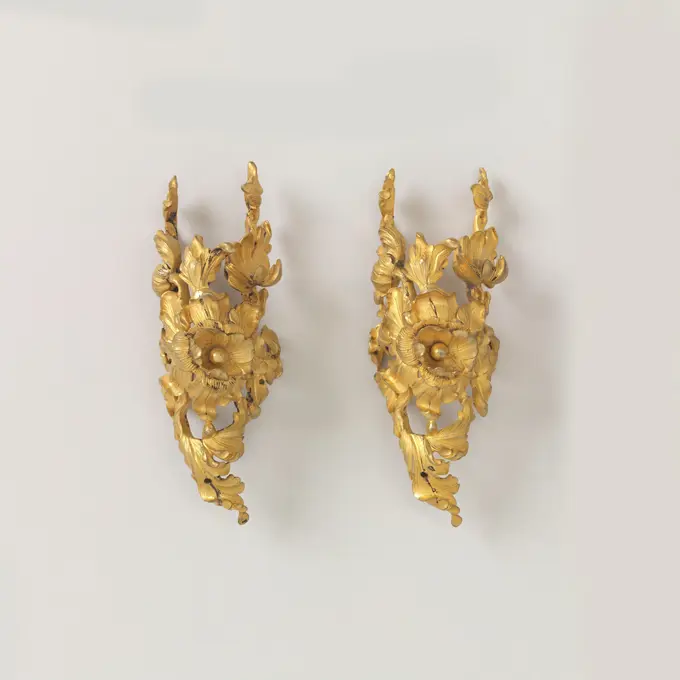
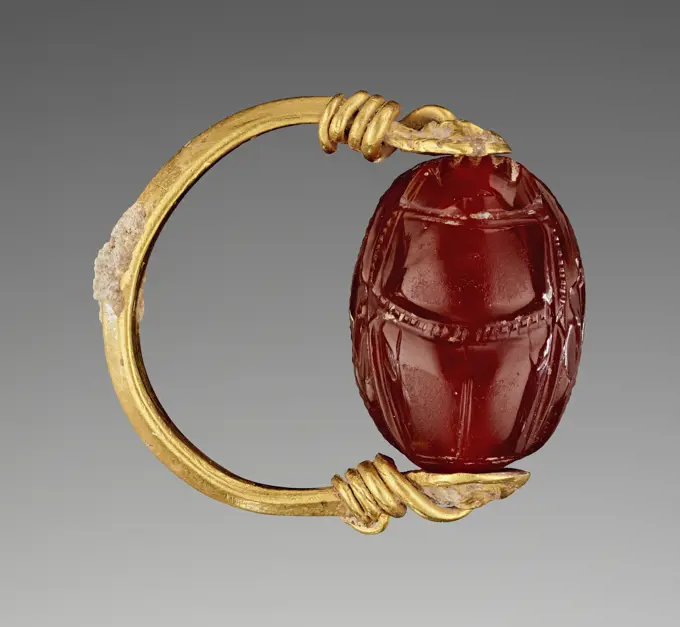
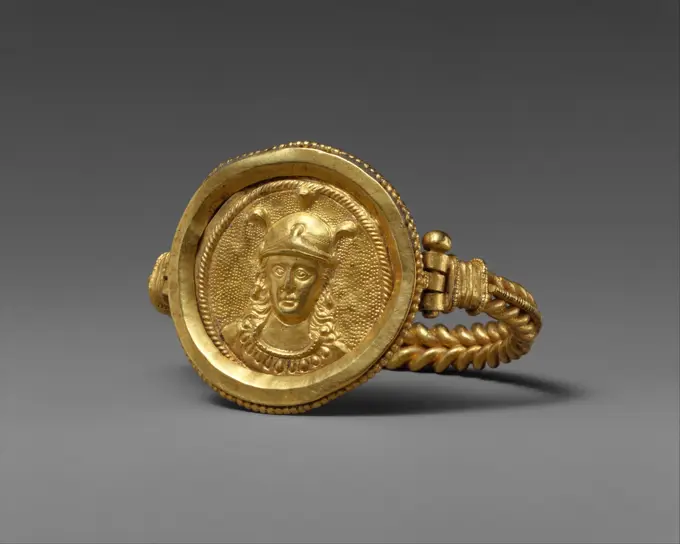
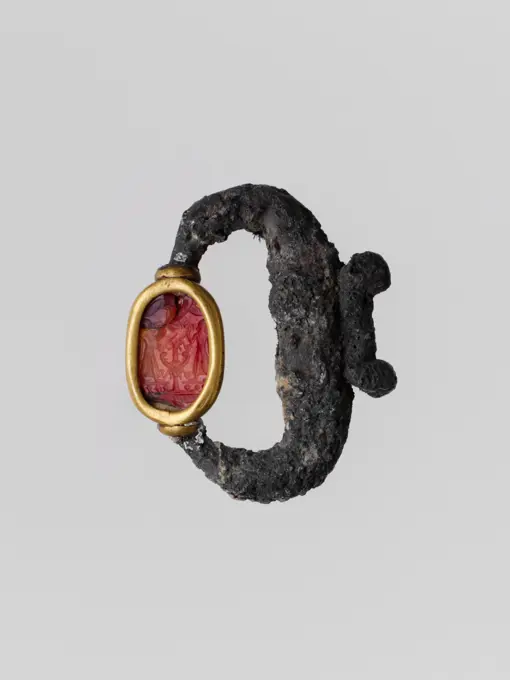
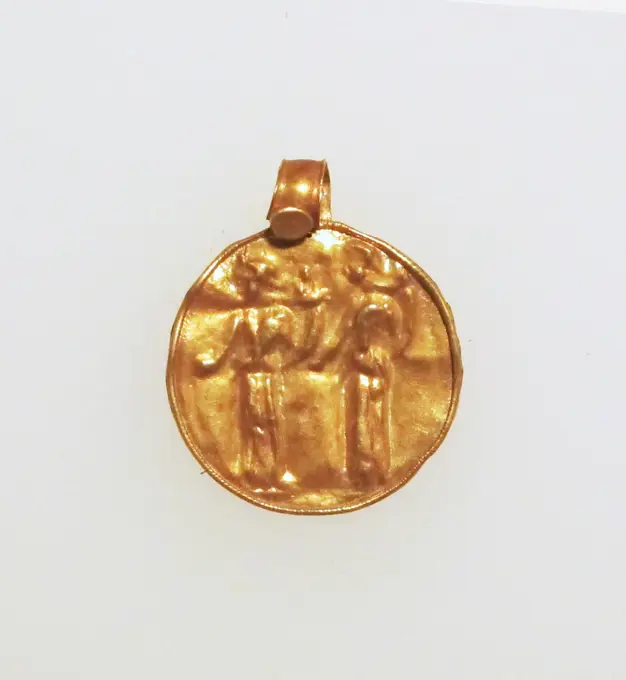
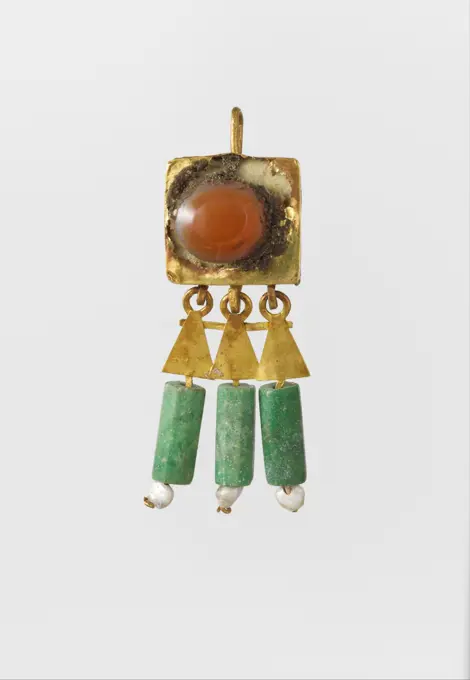
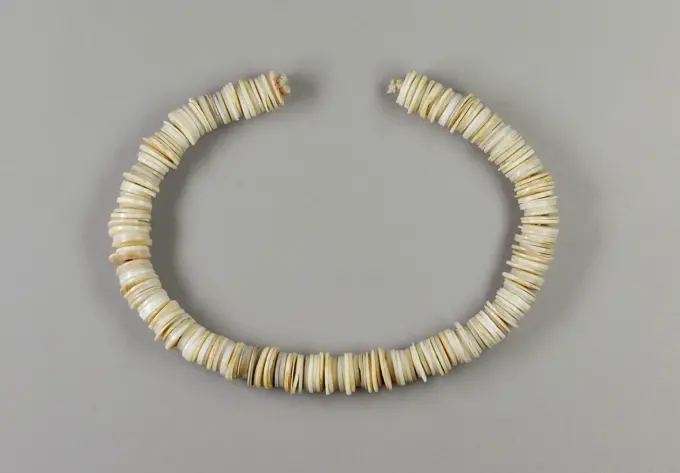
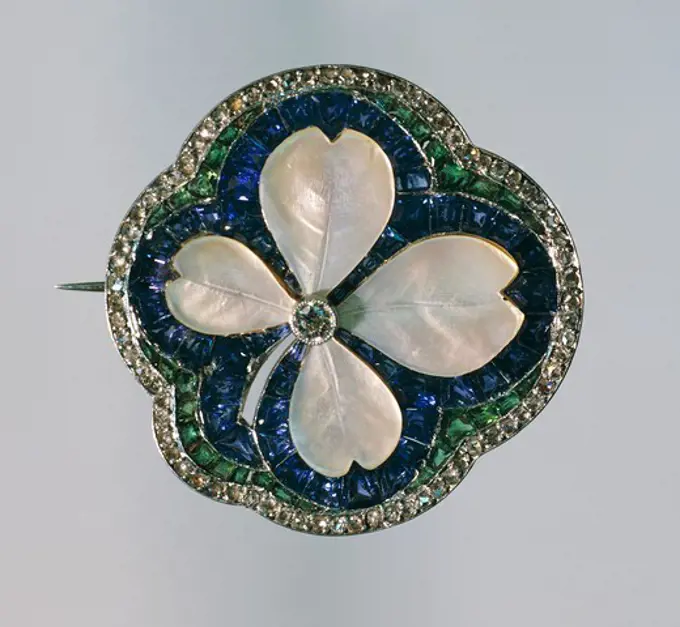
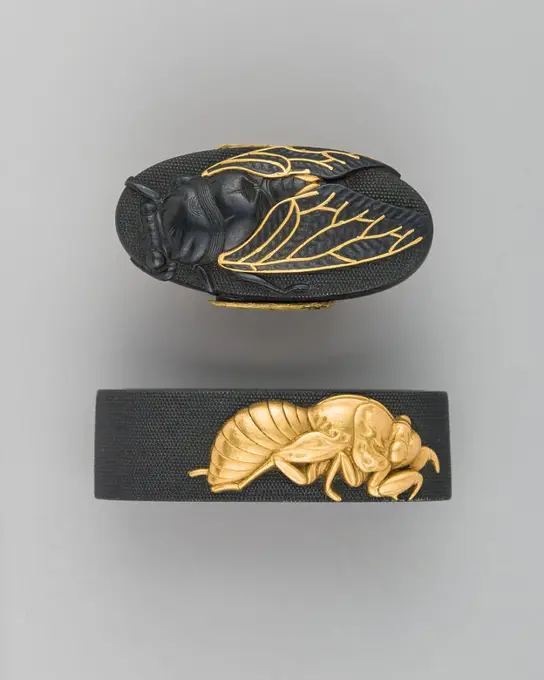
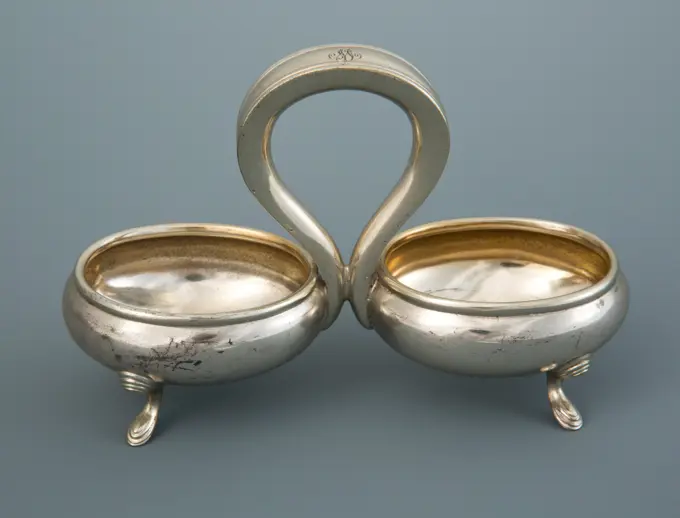
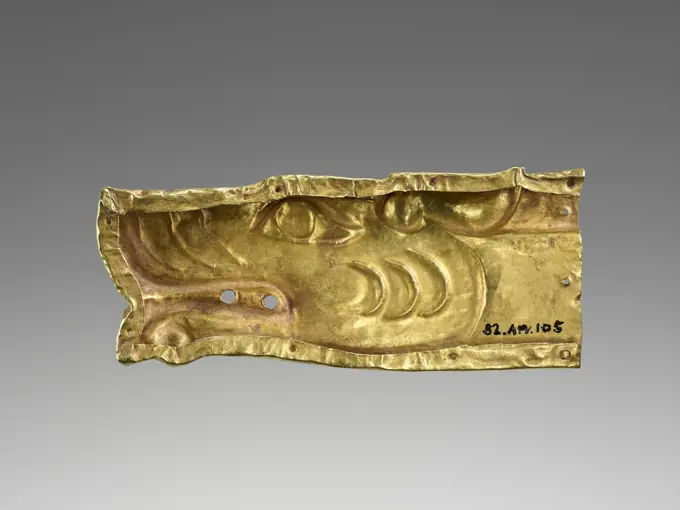
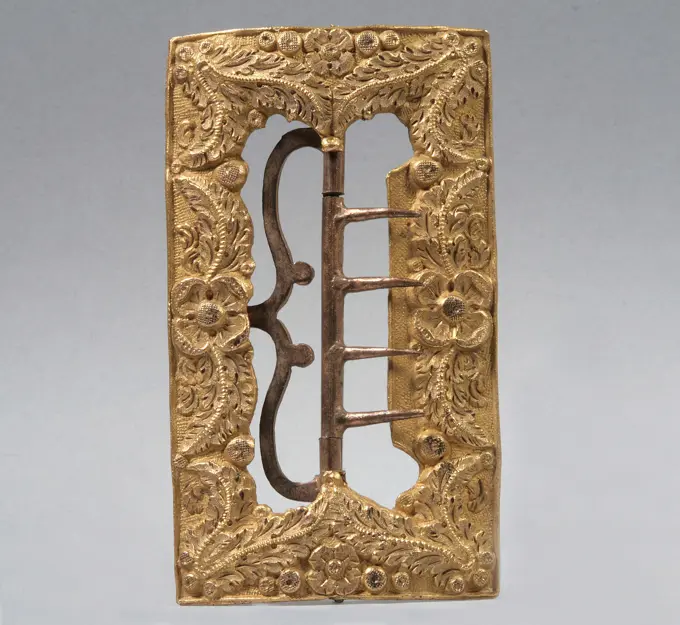
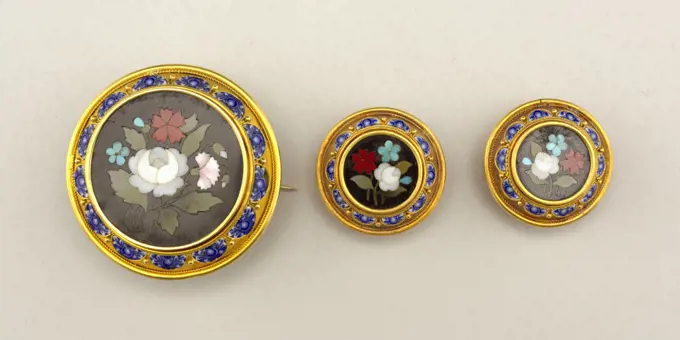
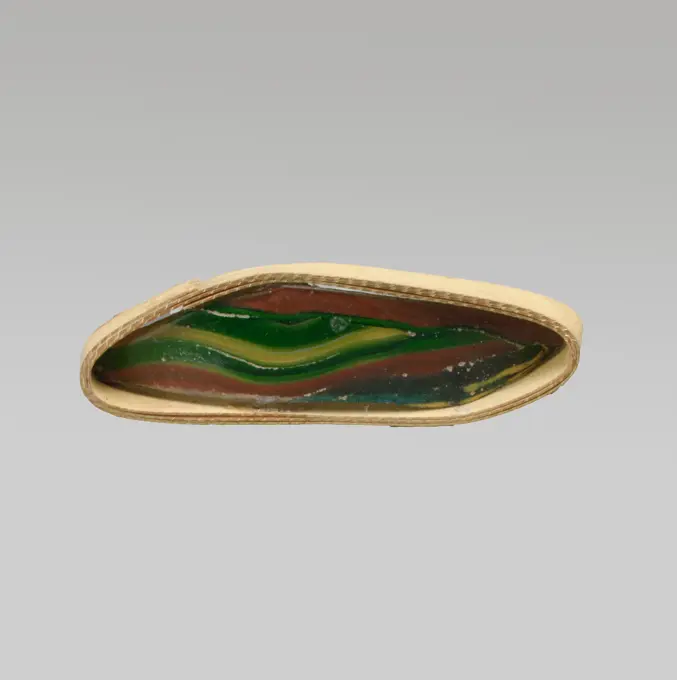
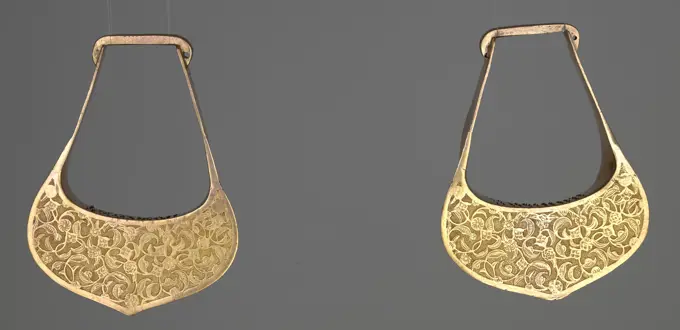
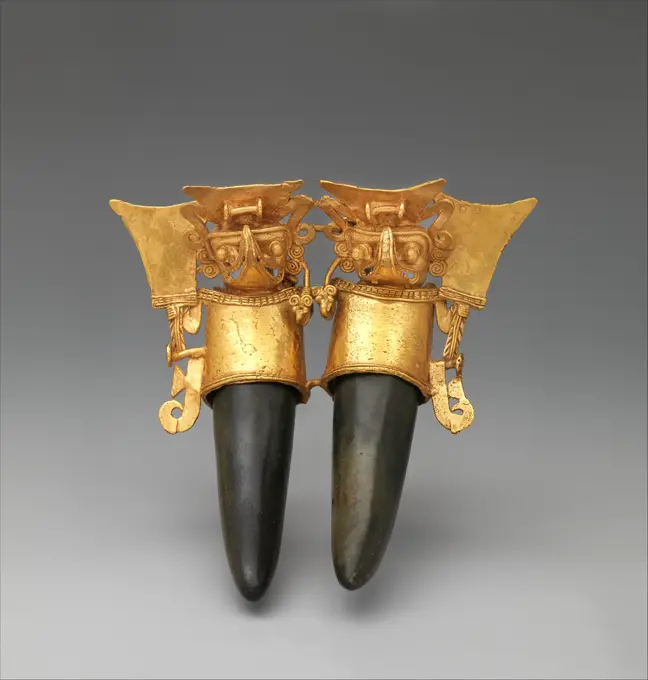
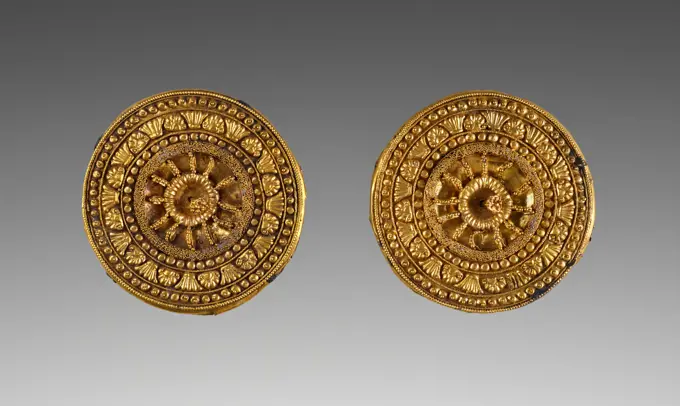
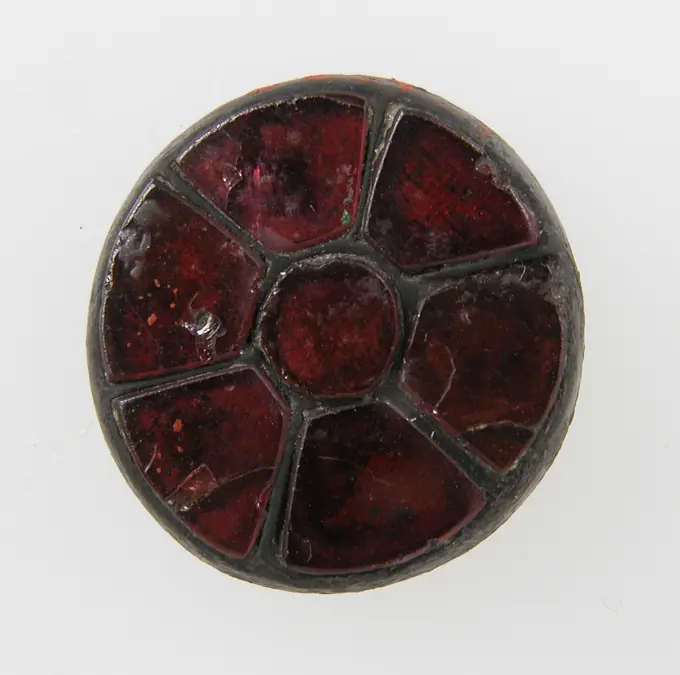
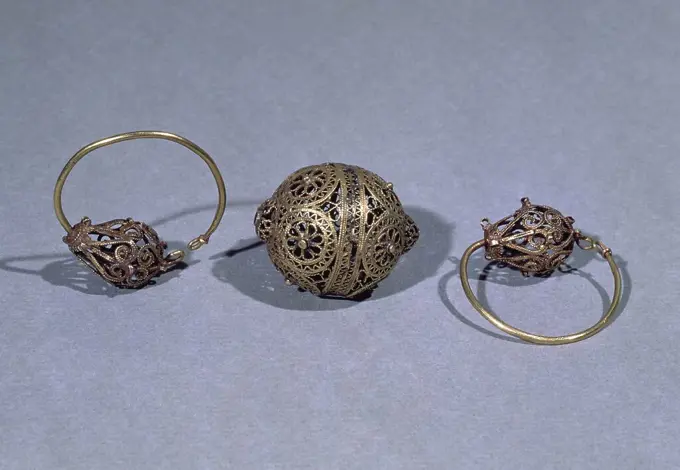
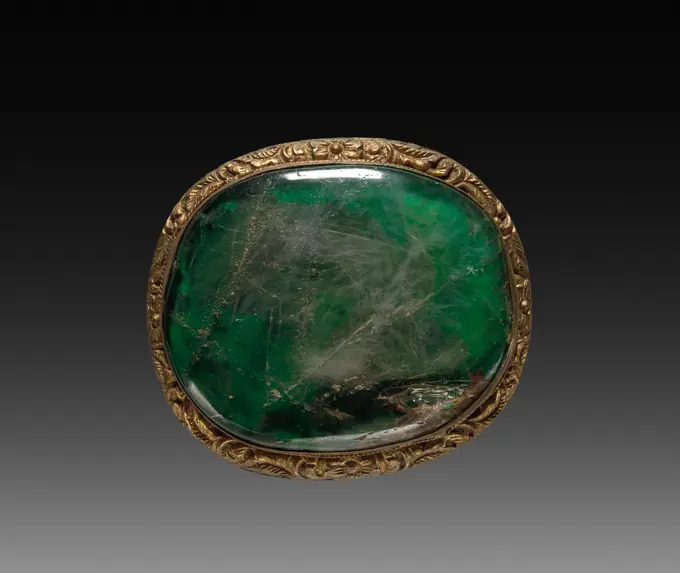
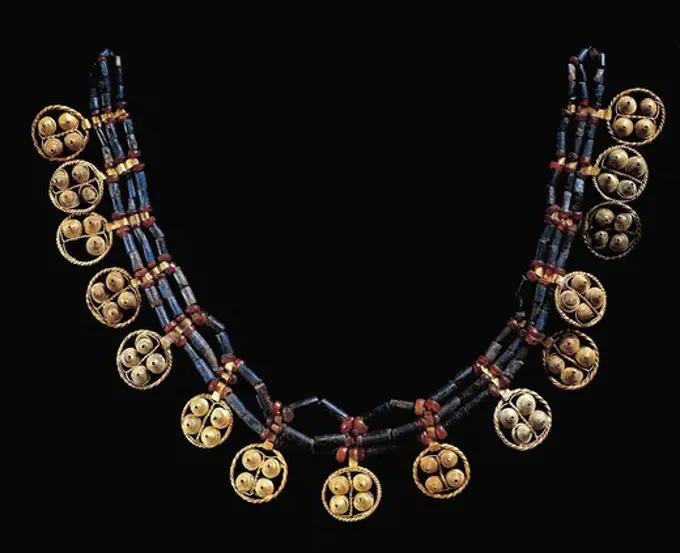
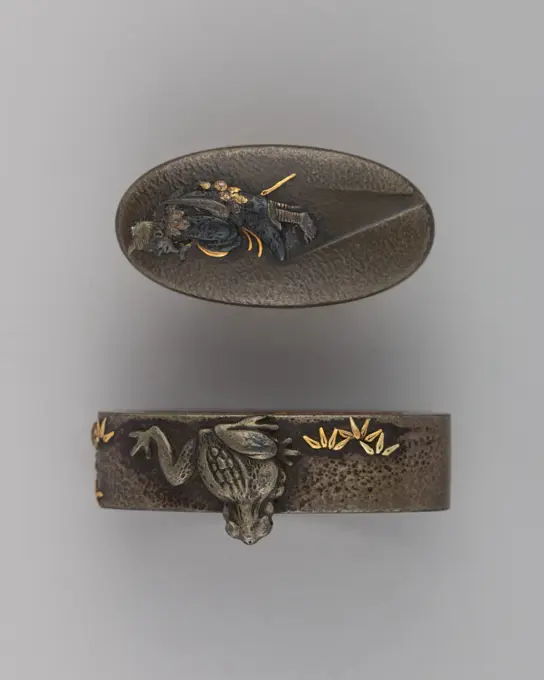
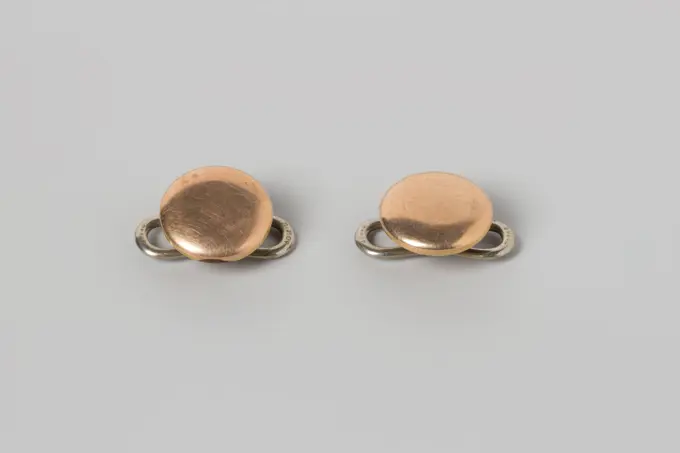
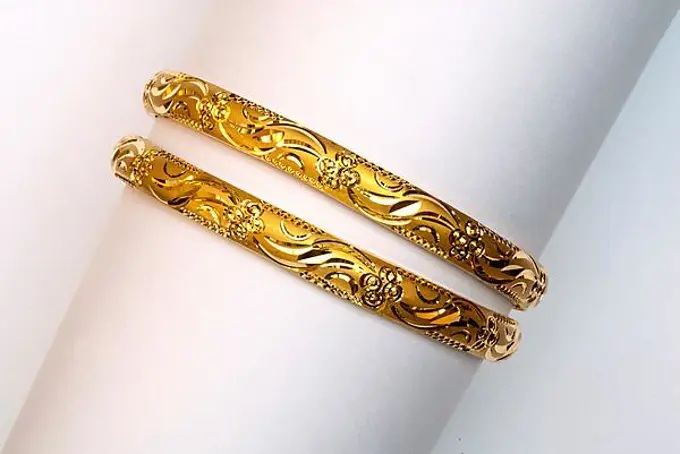
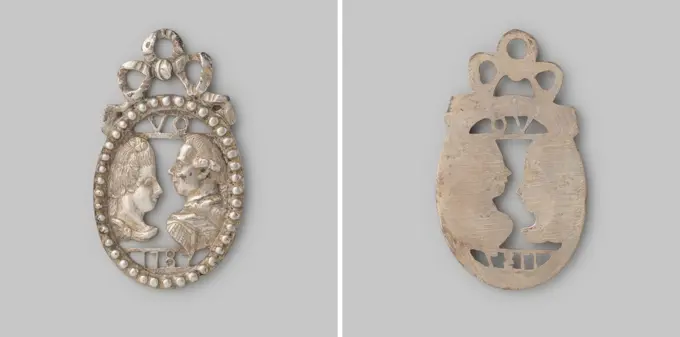
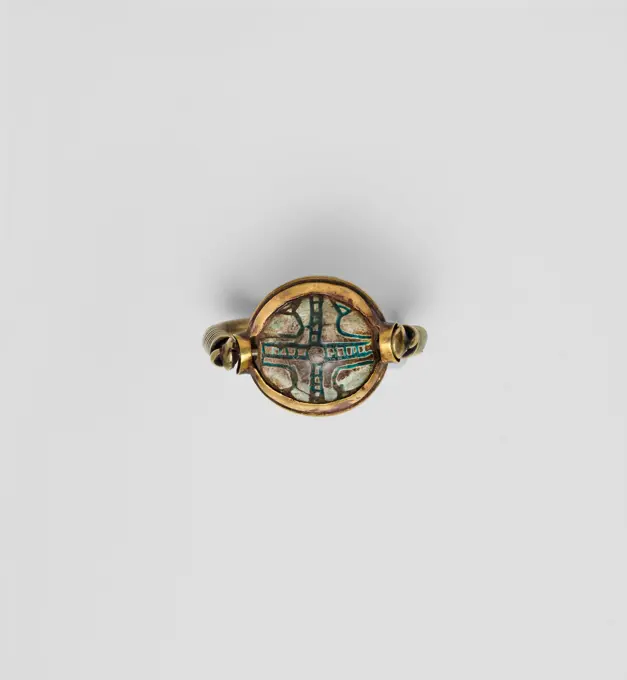
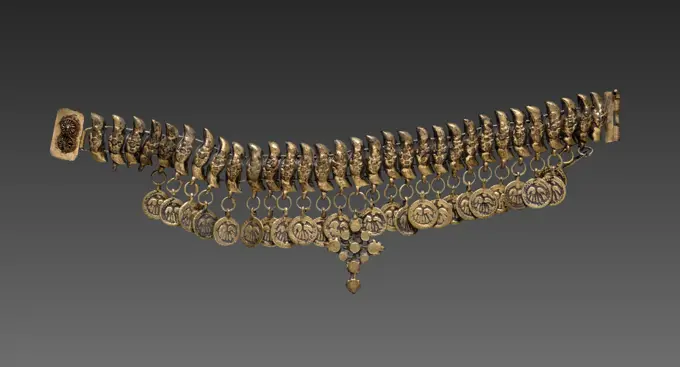
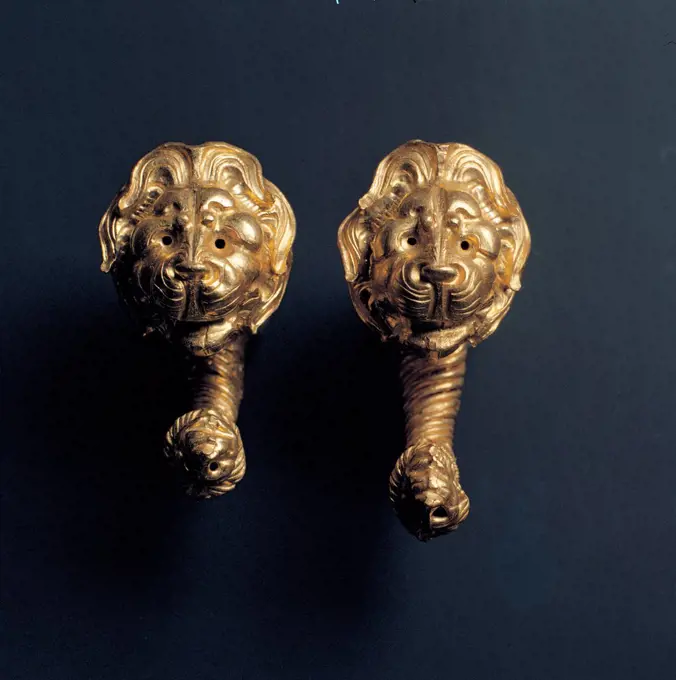
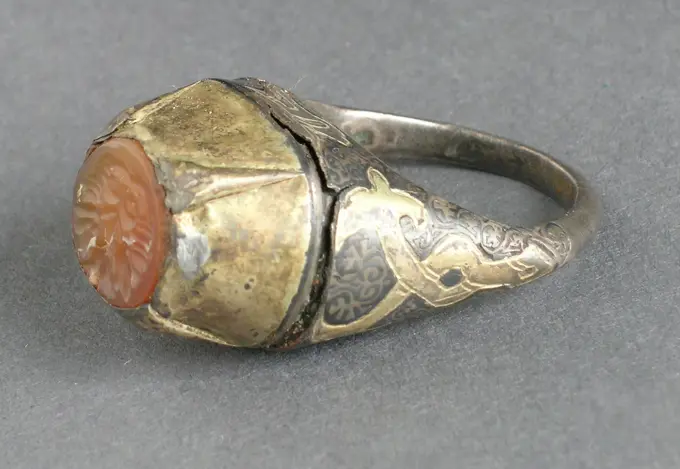
Ring. Iran, 11th-12th century. Jewelry and Adornments; rings. Silver, fabricated from sheet, decorated with engraving, gilding, and niello inlayGold pendant in the form of a vase. Culture: Greek or Cypriot. Dimensions: Other: 9/16 in. (1.4 cm). Date: late 6th-5th century B.C..Vase-shaped. Museum: Metropolitan Museum of Art, New York, USA.Belt Hook, 2nd century BCE, 6 5/16 × 13/16 × 1 in., 0.2 lb. (16.03 × 2.06 × 2.54 cm, 0.1 kg), Gilt bronze with blue glass inlay, China, 2nd century BCE, Belt hooks of this general form came into use during the Eastern Zhou period (770-221 BCE) and became standard by the Western Han period. During the Warring States period (475-221 BCE), gold, silver, and turquoise inlay were popular enhancements to bronze and iron belt fasteners. Glass inlay, however, was quite rare. Glass was originally a luxury item brought into China from the West by Silk Road traders. The azure-colored glass in this rare fastener, however, seems to have become a local product by the Western Han period. Beautifully crafted from precious materials, decorative items such as this reflect the bronze industrys shift from religious to secular artworks and the broader dissemination of wealth that occurred during the Western Han.Bracelet 9th-8th century B.C. Italic, Villanovan. Bracelet 256028Gold plaque, from the Royals Tombs at Vergina, GreeceChain or bead cord, double, red and white, J. Stork Necklace or bead cord, double, red and white. Necklace or bead cord, double, red and white.Ring with Floral-Shaped Bezel and Design Details Second half of the 8th-second half of the 10th century Indonesia (Java). Ring with Floral-Shaped Bezel and Design Details. Indonesia (Java). Second half of the 8th-second half of the 10th century. Gold. Central Javanese period. JewelryGold earring with head of a lion 4th-3rd century B.C. Greek. Gold earring with head of a lion 242876Bracelet. UnknownSilver and cornelian bracelet, Crimea. Jewellery. Gotho-Alanic Civilization, 3rd-4th Century.Kovsh (Russia); gilt silver; L: 18.4 cm (7 1/4 in.)Ring, 1800s. European, 19th century. diameter: 4.8 cm (1 7/8 in.).Earring with lion-griffin terminal. Dimensions: As Worn: H. 2.5 × W. 2.7 cm (1 × 1 1/16 in.). Date: 4th-3rd century B.C..Hoops formed of wound wire with animal head terminals are the commonest type of Hellenistic earring. The griffin is a mythical winged animal that could have an eagle head or a horned lion-head. The latter is the only sort found on Egyptian jewelry; it has been suggested that it was associated with the Macedonian dynasty, while the eagle griffin was associated with the Achamenid Persians.The 'collar' behind the lion-griffin's head is decorated with granulation and filagree. Museum: Metropolitan Museum of Art, New York, USA.Gold pendant in the form of a bull's head. Culture: Cypriot. Dimensions: L. 1 3/16 in. (3.1 cm). Date: ca. 1400-1050 B.C..Most of the raw materials for Cypriot jewelry came from the East. Gold became plentiful in the Late Bronze Age, when Syria and Egypt were the primary sources. These earrings are a Cypriot creation, an ornament in the form of a bull's head. Museum: Metropolitan Museum of Art, New York, USA.Toggle Pin, c. 1300s BC. Cyprus, Late Cypriote II period, 14th Century BC. Gold; overall: 1.8 cm (11/16 in.).Mount for Spear Shaft ca. 400 Late Roman This object comes from the Vermand Treasure, the most richly appointed barbarian-warrior grave ever found. The grave was likely that of an auxiliary soldier stationed in the Roman province of Gaul. It also contained a shield, parts of which of which are on view in the Arms and Armor Galleries.. Mount for Spear Shaft 465201Roman rings. The small (gold and malachite). The big (gold and emerald). From Empuries. Catalonia. Episcopal Museum. Vic. Spain.Gold necklace of linked strands 4th-3rd century B.C. or later Etruscan Made of linked chain ropes, five cords of eight strands each, united into a single rope by transverse threads. Clasps, cylindrical, attached by bronze pins, ornamented with filigree.. Gold necklace of linked strands 246008Priestess of the Sun necklace, 5th-4th centuries BC. Celtiberian Culture. Clay. From the Necropolis of Navafria, Clares (Maranchon, Guadalajara province, Castile-La Mancha, Spain). National Archaeological Museum. Madrid. Spain.fíbula simetrica , numancia, Garray, siglo IV - II a.C, museo Numantino de Soria, Soria, Comunidad Autónoma de Castilla, Spain, Europe.Knife Handle (Kozuka) 18th century Japanese A kozuka is a handle of a by-knife that is part of a sword mounting. It is kept in a slot on the reverse of a katana scabbard, often with a matching kgai (hairdressing tool).. Knife Handle (Kozuka). Japanese. 18th century. Copper-gold alloy (shakud), gold. Sword Furniture-KozukaAnglo-Saxon metalwork object, with cloisonné and garnet decoration, from the Staffordshire Hoard. The Staffordshire Hoard is a collection of Anglo-Saxon. Discovered in a field near the village of Hammerwich, near Lichfield, in Staffordshire, England, in 2009. it consists of over 3, 500 items, dated to the 7th or 8th centuries, placing the origin of the items in the time of the Anglo-Saxon kingdom of Mercia.Henu barque amulet 664-380 B.C. Late Period. Henu barque amulet 561554Jade itemPair of Gauntlets from a Garniture of Armor of Philip II of Spain (reigned 1556-98) 1546 Desiderius Helmschmid German The armor garniture to which these gauntlets belong is now divided between the Real Armería in Madrid and the former imperial armory in Vienna.. Pair of Gauntlets from a Garniture of Armor of Philip II of Spain (reigned 1556-98). German, Augsburg. 1546. Steel, leather, gold. Augsburg. Armor Parts-GauntletsEar Ornament 14th-15th century or earlier Mindanao. Ear Ornament 317654Three Fasteners 1625-1675 Germany. Gold and enamel .Claw Set Red Gem EarOrnamentEarring-loop type, plain. Earring-loop type, plain. Gold. Gold and SilverSwitzerland, Erstfeld treasure, Necklaces and bracelets, metal age, gold jewelrySpirals Cypriot. Spirals 242532Gold earrings from Tomb III of the Circle A of Mycenae (Greece). Goldsmith art, Mycenaean Civilization, 16th Century BC.Bracket (one of two). France. Date: 1730-1740. Dimensions: 52.4 × 46.4 × 17.3 cm (20 5/8 × 18 1/4 × 6 13/16 in.). Wood, possibly oak, carved and gilded. Origin: France. Museum: The Chicago Art Institute, Chicago, USA.Necklace, fragmentary 3rd century A.D. Roman. Necklace, fragmentary. Roman. 3rd century A.D.. Gold. Late Imperial. Gold and SilverPrehistory, Albania, Iron Age. Gold clasp for braids in the shape of a spiral. From Mati.Bracelet. Culture: European. Date: 1860s. Museum: Metropolitan Museum of Art, New York, USA.Pair of Ear Clips of Alternating Spires and Beads Second half of the 8th-second half of the 10th century Indonesia (Java). Pair of Ear Clips of Alternating Spires and Beads 50056Seventieth Birthday of King William III 1887, J.M. van Kempen (firm), 1887 history medal One -sided silver carrying sign with an eye and carrying ring, a crowned lion lying to the left, on a text ribbon, under an Oranjeboom and two palm branches.  silver (metal)Pair of Earrings in the Form of Dancing Elephants. India, Deccan, 19th century. Jewelry and Adornments; earrings. Gold inlaid with rubies and sapphiresSubang (Ear Plug) with Foliate Design Last quarter of the 10th-last quarter of the 15th century Indonesia (Java). Subang (Ear Plug) with Foliate Design 50442Sword-Hilt Collar and Pommel (Fuchigashira). Culture: Japanese. Dimensions: Fuchi (a); H. 1 1/2 in. (3.8 cm); Wt. 0.7 oz. (19.8 g); kashira (b); H. 1 5/16 in. (3.3 cm); Wt. 0.4 oz. (11.3 g). Date: ca. 1615-1868. Museum: Metropolitan Museum of Art, New York, USA.Celtic silver torc, Stuttgart, Germany, 2nd century BC. Artist: UnknownSword-Hilt Collar and Pommel (Fuchigashira). Culture: Japanese. Dimensions: Fuchi (a); H. 1 1/2 in. (3.8 cm); Wt. 0.6 oz. (17 g); kashira (b); H. 1 5/16 in. (3.3 cm); Wt. 0.5 oz. (14.2 g). Date: ca. 1615-1868. Museum: Metropolitan Museum of Art, New York, USA.Glass mosaic carinated bowl fragment late 1st century B.C.-early 1st century A.D. Roman Rim fragment.Translucent deep purple, light blue appearing green, opaque white and yellow.Outsplayed, almost horizontal rim with rounded edge; carinated side, with upper narrow convex curve and part of a second turned sharply downward.Composite mosaic pattern formed from polygonal sections of a single cane in a purple ground outlined in white with a yellow circle enclosing a blue ground, another yellow circle, and central white rod.Polished interior; pitting of surface bubbles on interior; dulling and iridescent creamy weathering on exterior, edge of rim, and jagged edges.. Glass mosaic carinated bowl fragment. Roman. late 1st century B.C.-early 1st century A.D.. Glass; cast. Early Imperial. GlassMetal finger rings of Queen Nefertiti (gold), King Akhenaten (silver) and King Smenkhare (bronze) and a scarab ring of Tuthmosis III 18th Dynasty, 1350 B.C.Pair of gilded bronze disc brooches 180 with glass inlays in a crucifixion pattern. Engraved Scarab. UnknownSnuffbox early 19th century L.F.T., Switzerland. Snuffbox. German, Hanau. early 19th century. Gold, diamonds, enamel. Metalwork-Gold and PlatinumEarflare 9th-11th century Lambayeque (Sicán) The religious-funerary precinct of Batan Grande, the presumed center of the Sican kingdom, comprised many stepped pyramids and temples built on platforms. Archaeologists recently excavated a temple platform, Huaca Loro, where, almost forty feet below the ground, they found the tomb of a mighty Sican lord laid to rest with all the trappings of his power and wealth. His face was covered by a sheet-gold mask painted with bright red cinnabar. It had earspools with filigree work similar to these attached to its "ears.". Earflare. Lambayeque (Sicán). 9th-11th century. Gold, turquoise. Peru. Metal-OrnamentsEar Ornament with MakaraheadDecorated gold cup relief depicting bull taming, from the Tholos Tomb of Vaphio of Sparta (Greece). Goldsmith art, Mycenaean Civilization, 16th-15th Century BC.. .Wasp Earring with Yellow Stone 8th-12th century Indonesia (Central Java). Wasp Earring with Yellow Stone 64358Silver Necklace, Bronze Age, c1500 BC. Aegean, Minoan (), Bronze Age, c1500 BC. Silver;Pendant (France); fire-gilt bronzeGem Engraved with an Archer, Possibly Odysseus; Etruria; 425-400 B.C; Carnelian and gold; 0.7 × 1.5 × 1.1 cm (1,4 × 9,16 × 7,16 in.)Bracelet with Bust of Roma 400-450 Byzantine Personifications, like this one of Rome, were creations of the classical world that remained popular in Byzantium.This work was part of a hoard found at the base of the Capitoline Hill, the center of commercial activity in Rome even after the transfer of the imperial capital to Constantinople. The jewelry was probably hidden during the sack of Rome by the Visigoths in 410 or the Vandals in 455.. Bracelet with Bust of Roma. Byzantine. 400-450. Gold. Made in Rome. Metalwork-GoldSilver pendant with carnelian scarab 6th-5th century B.C. Cypriot or Phoenician On the scarab, two figures flanking a tree.This type of pendant, that undoubtedly also served an amuletic function, was Phoenician in origin and widely distributed throughout the Mediterranean.. Silver pendant with carnelian scarab. Cypriot or Phoenician. 6th-5th century B.C.. Silver, carnelian. Late Archaic. Gold and SilverRoundel, disk with two goddesses 4th century B.C.. Roundel, disk with two goddesses 243079Earring-hook type, with pendants and agate setting 3rd century A.D. Roman Earring with three pendants.. Earring-hook type, with pendants and agate setting 243366String of Disk Beads ca. 1550-1070 B.C. New Kingdom, Ramesside. String of Disk Beads. ca. 1550-1070 B.C.. Shell. New Kingdom, Ramesside. From Egypt; Probably from Northern Upper Egypt, Deir el-Ballas. Dynasty 18-20Goldsmith's art, 20th century. Art Deco four-leaf clover shaped mother-of-pearl brooch set with sapphires, emeralds and diamonds.Sword-Hilt Collar and Pommel (Fuchigashira). Culture: Japanese. Dimensions: Fuchi (a); H. 1 7/16 in. (3.7 cm); Wt. 1 oz. (28.3 g); kashira (b); H. 1 5/16 in. (3.3 cm); Wt. 0.6 oz. (17 g). Date: late 18th century. Museum: Metropolitan Museum of Art, New York, USA.Salt cellarApplique in the shape of a wolf head worked in repousse; Eastern Hellenistic Empire; 100 B.C.-A.D. 50; Gold; 4.1 × 10.5 × 2.5 cm (1 5,8 × 4 1,8 × 1 in.)Necklace of Insect() Beads , 300 BC - AD 300. Colombia, Malagana region, 4th century BC - 4th century AD. Cast gold, turquoise, shell (modern stringing); overall: 43.2 cm (17 in.).Loop. GAL 1990-148-284Button 17th century American or European. Button 128742Treasure of Guarrazar. Votive crown of the visigoth king Reccesuinth. Detail cross. Gold and precious stones. 7th century. Guadamur, Toledo, Spain. National Archaeological Museum, Madrid. Spain.Earrings, Gold, enamel, mosaic, 'Florentine Mosaic' parure, set in gilt metal filigree and granule decoration surrounding circles (upper portion of earrings), and half-circles of porcelain or enamel. The parure is composed of: brooch; pendant locket; pair of cuff studs; pair of earrings. A specially designed box (-3 G) of black 'morocco' lined with pale blue satin., Probably Florence, Italy, ca. 1860, jewelry, Decorative Arts, EarringsDemi parure consisting of a necklace, a brooch and two earrings, anonymous, c. 1840 - c. 1850 Demi parure consisting of a necklace, a brooch and a few earrings, of gold, diamond, pearl and blue and white enamel. Germany (possibly) gold (metal). diamond (mineral). pearl. Demi parure consisting of a necklace, a brooch and a few earrings, of gold, diamond, pearl and blue and white enamel. Germany (possibly) gold (metal). diamond (mineral). pearl.Pendant in the form of a flower bud 18th century China. Pendant in the form of a flower bud. China. 18th century. Jade (nephrite). Qing dynasty (1644-1911). JadeRingGlass striped mosaic fragment late 1st century B.C.-early 1st century A.D. Roman Rim fragment.Translucent turquoise blue, purple appearing opaque brick red, turquoise blue and yellow appearing green, and opaque yellow.Vertical rim with flat lip; slightly convex side. Layered band in red forming rim; on body, layered wavy bands, slanting from top right to bottom left in an irregular pattern: blue, yellow, red, green, yellow, and green.A few pinprick bubbles; exterior polished, with slight surface pitting; dulling, iridescence, and creamy weathering on interior, lip of rim, and jagged edges.. Glass striped mosaic fragment. Roman. late 1st century B.C.-early 1st century A.D.. Glass; cast. Early Imperial. GlassA pair of stirrups unknownDouble-Bat-Head Figure Pendant 12th-14th century Coclé (Parita) Two mirrored beings form the central part of this gold-and-greenstone pendant, which would have been worn by a ruler in central Panama in the centuries before European arrival. The figures hold large paddle-like clubs or other objects in their outer, humanlike hands and adorn their cylindrical torsos with representations of beaded collars. The individuals feature identical zoomorphic heads or masks, the upturned noses of which recall tropical bats endemic to the Isthmus. The bulging eyes, double-spiraled ears, and toothed mouth add a mythological dimension to the beings faces. The goldworker cast the upper portion of the pendant in gold-copper alloy using the lost-wax process and then likely enriched the surface with depletion gilding before polishing. The lower portion of the beings bodies is composed of carved and polished greenstone in the form of a curving, fang-shaped appendage. The shape recalls the large teeth of Pair of Disk Ear Studs. UnknownAfghanistan, Cupid ear clip, Gold artifacts from Tillya Tepe findDisk Brooch 6th century Frankish. Disk Brooch 465330 Frankish, Disk Brooch, 6th century, Silver, glass paste, Overall: 5/8 x 3/16 in. (1.6 x 0.4 cm). The Metropolitan Museum of Art, New York. Gift of J. Pierpont Morgan, 1917 (17.192.26)Comb late 1880s American. Comb. American. late 1880s. cellulose nitratePENDIENTES Y CUENTA DE COLLAR DE ORO EN FILIGRANA - SIGLO XII. Location: MUSEO HOSPITAL DE SANTA CRUZ. Toledo. SPAIN.Armband with Spirals. Culture: European Bronze Age. Dimensions: Overall: 3 3/4 x 3 11/16 x 3 1/4 in. (9.5 x 9.4 x 8.3 cm). Date: 14th-12th century B.C.. Museum: Metropolitan Museum of Art, New York, USA.Buckle, 1900s. China, 20th century. Brass set with glass; overall: 6.1 cm (2 3/8 in.).Hand holding a retro styled key over fake gold coinsLluís Masriera / Pendientes, 1913. Colección privada. Author: LLUÍS MASRIERA I ROSÉS.Lower Mesopotamia, Iraq, Cornelian and lapis lazuli necklace with gold pendants from UrPectoral and Necklace of Sithathoryunet with the Name of Senwosret II ca. 1887-1878 B.C. Middle Kingdom This pectoral is composed around the throne name of King Senwosret II. It was found among the jewelry of Princess Sithathoryunet in a special niche of her underground tomb beside the pyramid of Senwosret II at Lahun. Hieroglyphic signs make up the design, and the whole may be read: "The god of the rising sun grants life and dominion over all that the sun encircles for one million one hundred thousand years i.e., eternity to King Khakheperre Senwosret II.This cloisonné pectoral is inlaid with 372 carefully cut pieces of semiprecious stones. The heraldic design is replete with symbolism. Zigzag lines on the base bar represent the primordial waters out of which the primeval hill emerged. Each of the falcons, symbols of the sun god, clasps a circular hieroglyph meaning "encircled," thus declaring the solar deity's supreme power over the universe. The same hieroglyph, elongated to forSword-Hilt Collar and Pommel (Fuchigashira) ca. 1615-1868 Japanese A fuchigashira is a pair of matching sword fittings comprising the fuchi (collar at the base of the grip of the sword hilt) and kashira (pommel cap at the end of a sword hilt).. Sword-Hilt Collar and Pommel (Fuchigashira). Japanese. ca. 1615-1868. Copper-silver alloy (shibuichi), gold. Sword Furniture-Fuchi-KashiraVest button of metal, anonymous, c. 1900 - c. 1940 Round vest button of metal. Netherlands (possibly) metal Round vest button of metal. Netherlands (possibly) metalNecklace. UnknownBracelet -Gold bangles, women wear on the arm or wrist called bangle on white background Studio shot, India, AsiaWillem V and Wilhelmina van Pruisen, Prince and Princess of Oranje-Nassau, Anonymous, 1787  One -sided silver oval open -up carrying sign in relief, decorated on top with openwork strick with three loops. Front: Towards desired breastpieces of male and female under the inscription above year within Pearl Edge. Reverse: Blanco Netherlands silver (metal)Pierścień ze skaraboidem zdobionym rozetą. unknown, authorLid of a coffee pot, Meisser Porzellan Manufaktur, 1725 - 1735 A smoking figure on the lid. Float porcelain. gilding (material) A smoking figure on the lid. Float porcelain. gilding (material)Bracelet, 1800s. Bulgaria, 19th century. Brass; diameter: 6.4 cm (2 1/2 in.).Engraved Gem Inset Into A Ring; 3rd century; Gem: red jasper; ring: silver; 0.9 × 0.7 × 0.7 cm (5,16 × 5,16 × 1,4 in.)Pair of ear-rings with lion protome, by Unknown artist, 3rd Century, . Italy: Puglia: Taranto: Taranto: National Archaeological Museum. Whole artwork. Pair ear-rings lion protome mane face nose hairsShirt Stud (USA); gold; Overall: 1.5 x 0.8 cm (9/16 x 5/16 in.)20th Century French buckle and enamel box