Gold Decorative Artifacts

Intricate gold artifacts and jewelry pieces, emphasizing craftsmanship through elegant designs and historical significance.

Fragment, medallion, wood, painted and gilded, Broken in 3 pieces, possibly Italy, late 18th century, Decorative Arts, Fragment, medallion
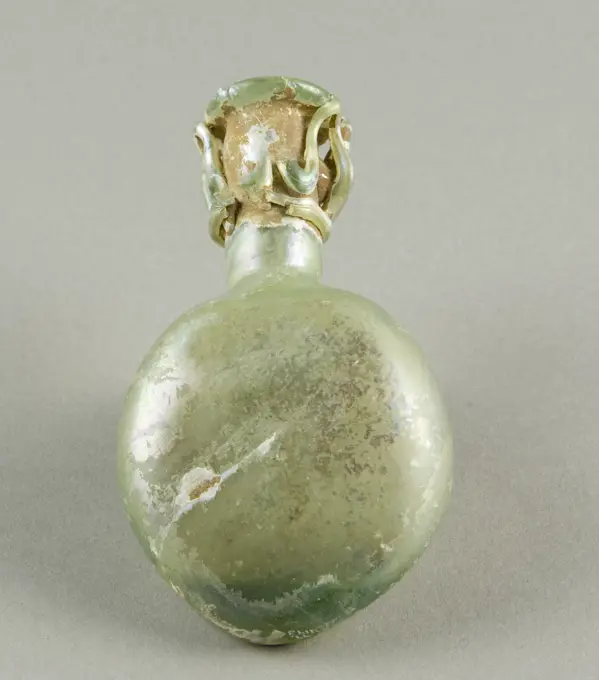
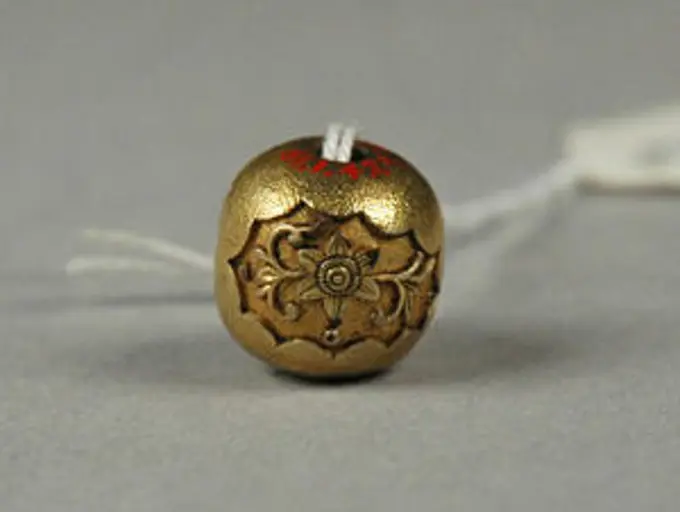
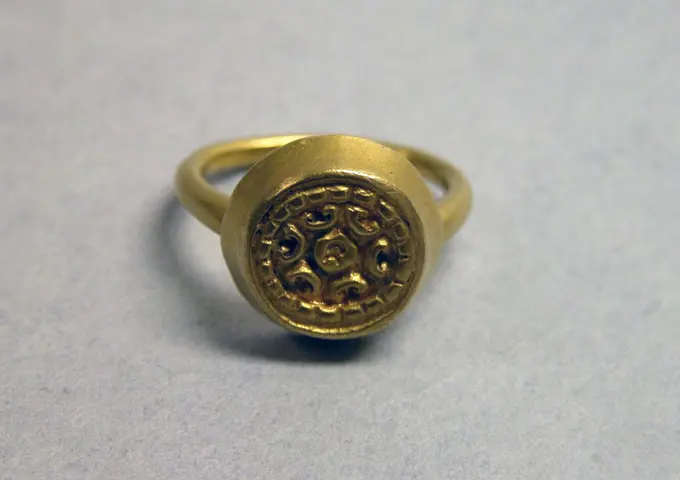
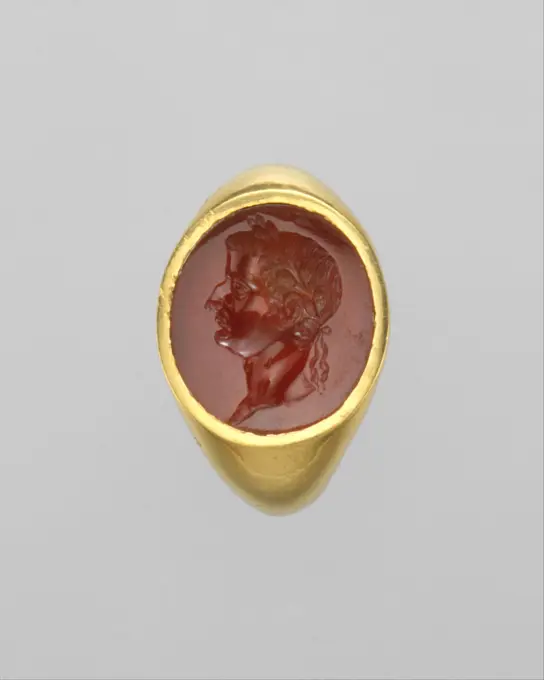
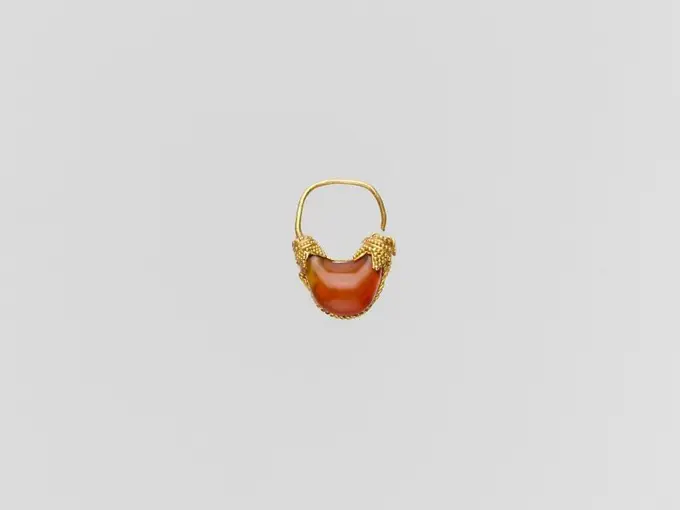
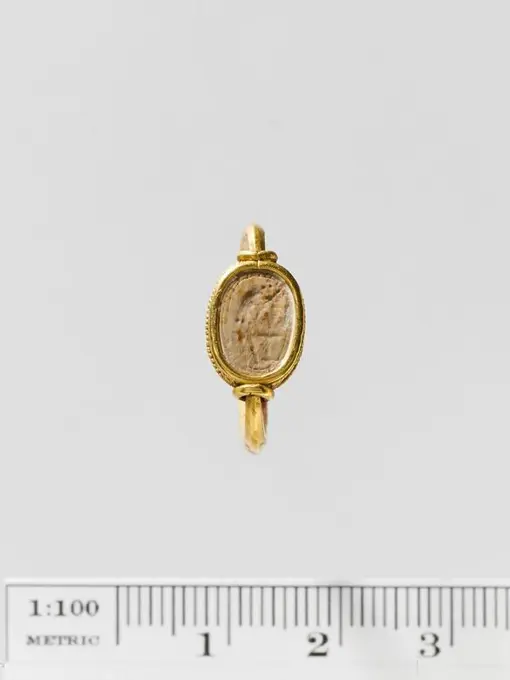
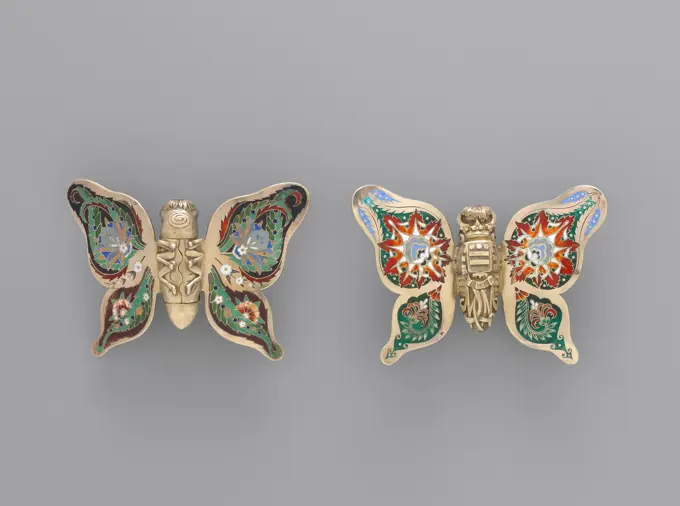
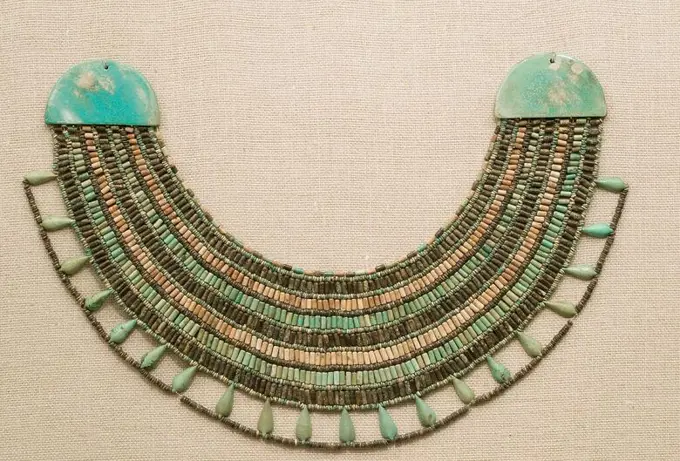
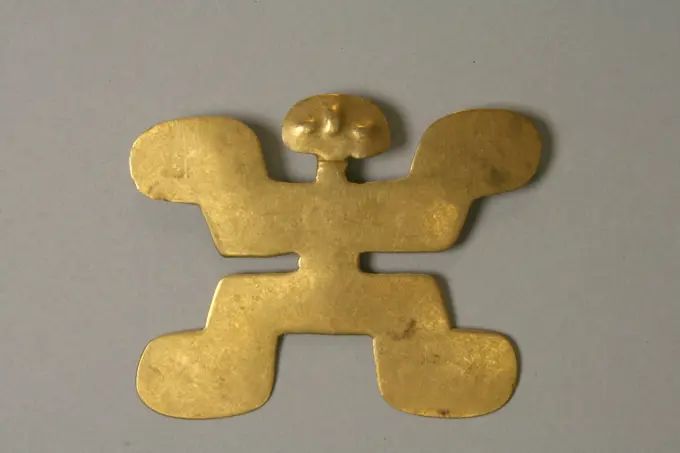
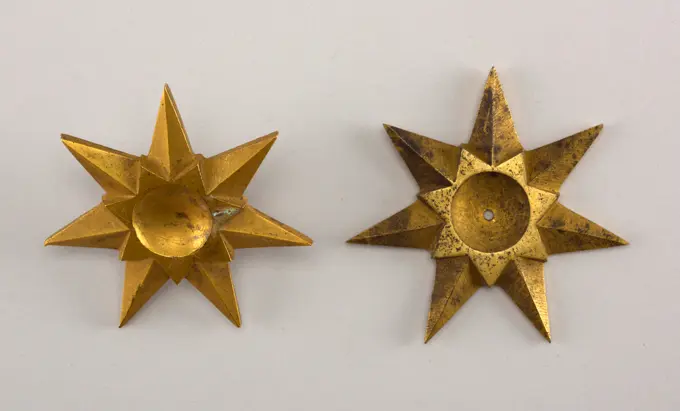
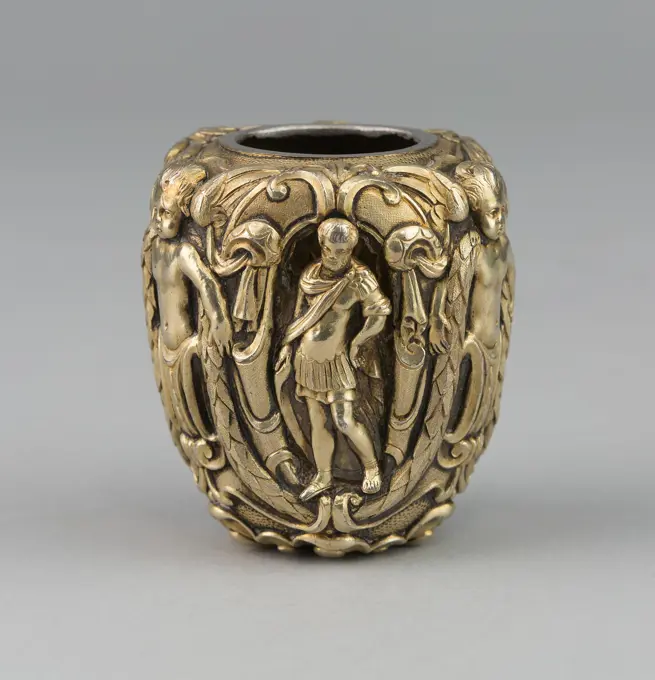
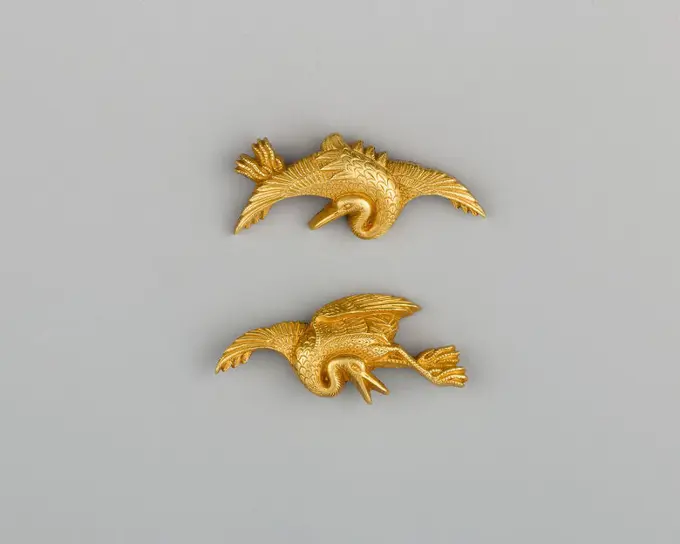
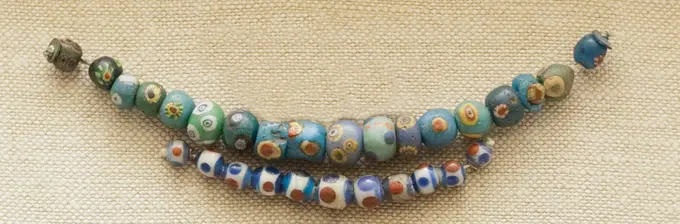
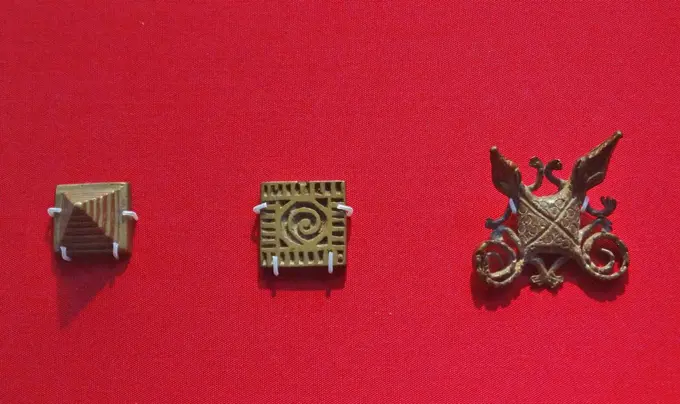
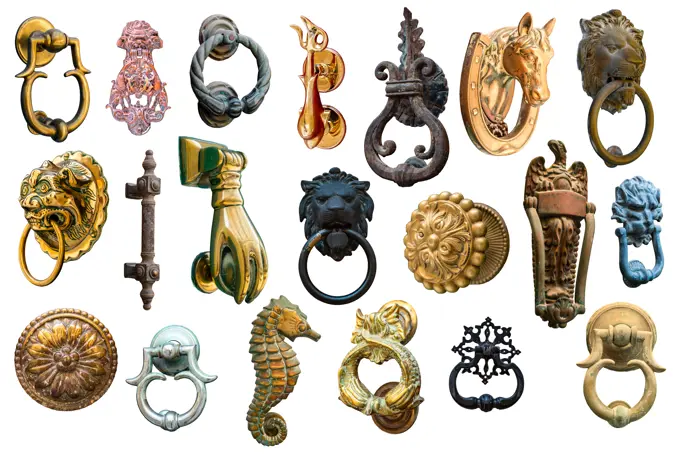
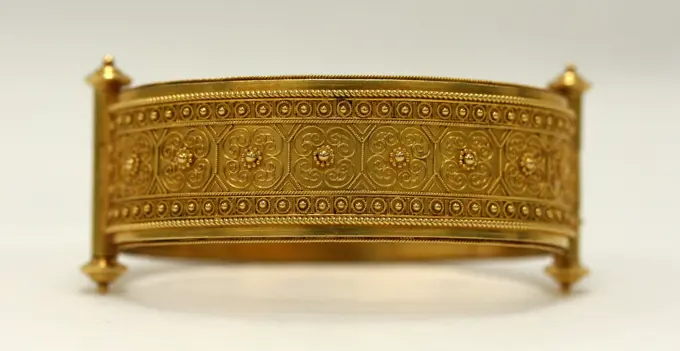
Bracelet 1860s European. Bracelet 104893Ojime 19th century Japan. Ojime. Japan. 19th century. Edo period (1615-1868). OjimeFlask 301 CE-400 CE Syria. Glass . Syro-PalestinianOjime 19th century Japan. Ojime. Japan. 19th century. Edo period (1615-1868). OjimeChild hand holding a retro styled golden color decorative keyRing with Circular Bezel with Abstract Design Second half of the 8th-second half of the 10th century Indonesia (Java). Ring with Circular Bezel with Abstract Design. Indonesia (Java). Second half of the 8th-second half of the 10th century. Gold. Central Javanese period. JewelryGold ring with carnelian intaglio portrait of Tiberius ca. A.D. 14-37 Roman Tiberius, stepson of Augustus, was already fifty-six years old when he became emperor in A.D. 14. His accession established the precedent of dynastic rule in Rome by the Julio-Claudian family. Despite long years of experience as a general and administrator under Augustus, Tiberius was not a popular ruler and spent the last ten years of his reign living in seclusion on the island of Capri.. Gold ring with carnelian intaglio portrait of Tiberius 256197Hemdsknopen, c. 1750 - c. 1850 Two golden knots from Filigrein. Stuck.  gold (metal) filigree Two golden knots from Filigrein. Stuck.  gold (metal) filigreeEagle Ornament 7th-16th century Costa Rica. Eagle Ornament 309967Gold and glass necklace early 5th century B.C. Etruscan Gold mounted glass beads alternating with pendants from a tomb group allegedly from Vulci, one of the richest and most impressive sets of Etruscan jewelry ever found.. Gold and glass necklace. Etruscan. early 5th century B.C.. Gold, glass. Late Archaic. Gold and SilverGold and carnelian boat-shaped earring. Culture: Cypriot. Dimensions: Other: 7/8 in. (2.2 cm). Date: 6th-5th century B.C..Boat-shaped earring with carnelian setting. Museum: Metropolitan Museum of Art, New York, USA.Glass eye beads. Culture: Phoenician. Dimensions: 4 7/16in. (11.3cm). Date: ca. 330-70 B.C..The beads formed a necklace that probably had an apotropaic as well as a decorative purpose. Museum: Metropolitan Museum of Art, New York, USA.Eye from a Bronze Statue. UnknownMiniature of the Memorial Badge of the 6th Armored Regiment Lviv children of the 2nd Armored Brigade James Richard Gaunt & Sons Company, Hałuszczak, F., por. WPSteatite scaraboid seal set in a gold swivel ring. Culture: Greek. Dimensions: Length: 7/16 in. (1.1 cm). Date: ca. late 6th-early 5th century B.C..Nude girl washing her hair. Museum: Metropolitan Museum of Art, New York, USA.COLLAR DE ORO. Nº INV. 23859. MUSULMAN. (EXPOSICION :ARTE ISLAMICO ESPAÑOL)(DEPOSITO: MUSEO DE MALLORCA).NapkinClips. Manufacturer: Tiffany and Company, American, founded 1837Thin, copper or bronze ring, undecorated, ring ornament clothing accessory clothing soil find bronze copper metal, d 0,2 Thin ring. Copper or bronze red and yellow glow on the inside. Lightly curled over the outside Smooth walled and flat on the inside archeology Rotterdam carrying railway tunnel adorn status prosperity Soil discovery: Railway tunnel 1988-1993.Broad collar. Dimensions: h. 28 cm (11 in); w. 35.3 cm (13 7/8 in). Dynasty: Dynasty 12-13. Date: ca. 1981-1640 B.C.. Museum: Metropolitan Museum of Art, New York, USA.Rosary 17th-19th century Philippines. Rosary 40561Granulated EarOrnamentButton, Ivory, metal foil, gilt metal, pewter, Four buttons depicting a young woman catching a bird, from bird call to bird cage, all in carved ivory over a colored foil ground., France, ca. 1780, costume & accessories, Decorative Arts, ButtonOrnament 5th-10th century Tolima. Ornament 312956Bulgaria, Sofia, Natsionalen Istoritcheski Muzej, Gold leaf with animal figures from VarnaMountKnop from a Chalice 1615-1625 Italy. Silver gilt .Ring. Western Iran, circa 1350-800 B.C.. Jewelry and Adornments. BronzeBarbarian civilizations, France, 5th century. Goldsmith's art. Treasure of Pouan, princely burial of a Germanic warrior. Cloisonne' enamel and gold belt buckle and clasp.Pair of Sword-Grip Ornaments (Menuki). Culture: Japanese. Dimensions: Menuki (a); L. 1 1/4 in. (3.2 cm); Wt. 0.2 oz. (5.7 g); menuki (b); L. 1 3/8 in. (3.5 cm); Wt. 0.3 oz. (8.5 g). Date: 18th century. Museum: Metropolitan Museum of Art, New York, USA.Brooch. Culture: British, London. Dimensions: Overall (confirmed): 1 5/16 x 2 1/4 x 5/16 in. (3.3 x 5.7 x 0.8 cm). Maker: Carlo Giuliano (Italian, active England, ca. 1831-1895); and Arthur Giuliano (Italian, active England, ca. 1864-1914). Date: before 1896.This object and the group to which it belongs (see also 2014.713.1-.10) reflect the keen interest in historical styles in nineteenth-century Europe. Artists and designers looked to various artistic periods for forms and motifs. There was also an interest in reproducing works of art from earlier epochs with historical accuracy--an approach that is particularly evident in the taste for so-called archaeological jewelry (jewelry based on excavated examples from antiquity), which reached its zenith in the middle of the century.The jewelry made during this period encompassed Etruscan, ancient Roman, early Christian, Byzantine, and medieval styles. The firm of Castellani in Rome both pioneered and dominated the production of archaeologiPre-Columbian Gold pendants. Old traditional pieces dating back to 500AD. The Gold Museum. San Jose. Costa Rica. Central America.Necklace pendants and beads ca. 17th-16th century B.C. Babylonian. Necklace pendants and beads 329034Pin of gold and amethyst. Pin of gold and amethyst. The stone is surrounded with golden rosettes.String of 18 Eyed Beads 1st Millennium BC-1st Millennium AD Third Intermediate Period-Islamic Period. String of 18 Eyed Beads. 1st Millennium BC-1st Millennium AD. Glass. Third Intermediate Period-Islamic Period. From EgyptTokens from Russell Street London. Great Russell Street is now where the British Museum is located. Dated 17th CenturySeal. Culture: French. Date: 1820-40. Museum: Metropolitan Museum of Art, New York, USA.BROCHE CON FORMA DE MASCARA PROCEDENTE DE ESTADOS UNIDOS - 1940 - BISUTERIA - DISEÑO DE MAZER. Location: PRIVATE COLLECTION.Treasure of Tutankhamen, gold filigree bracelet from New Kingdomeine Sammlung von Türklopfern auf weißem Hintergrund eine Sammlung von Türklopfern auf weißem Hintergrund LicenseRF Copyright: xZoonar.com/OpreanuxRobertoxSorinx 23255142Gold door handles in baroque style, classic ornate luxurious oriental column knobs isolated on transparent background. Vintage golden doorknobs, yellow metal jewelry home decor, Realistic 3d vector. Gold door handles in baroque style, classic knobs