Golden Decorative Elements

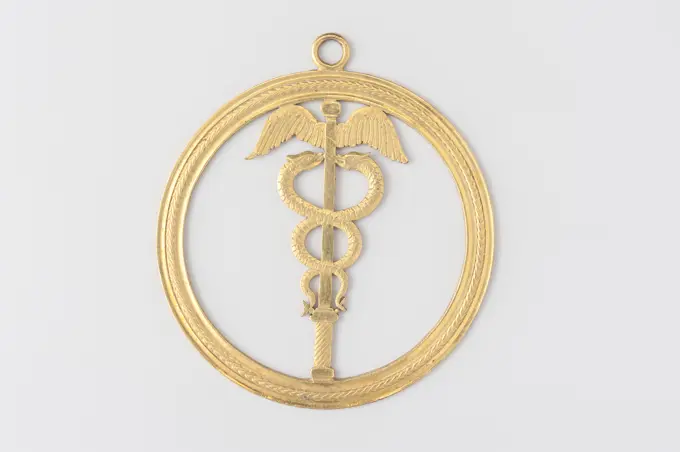
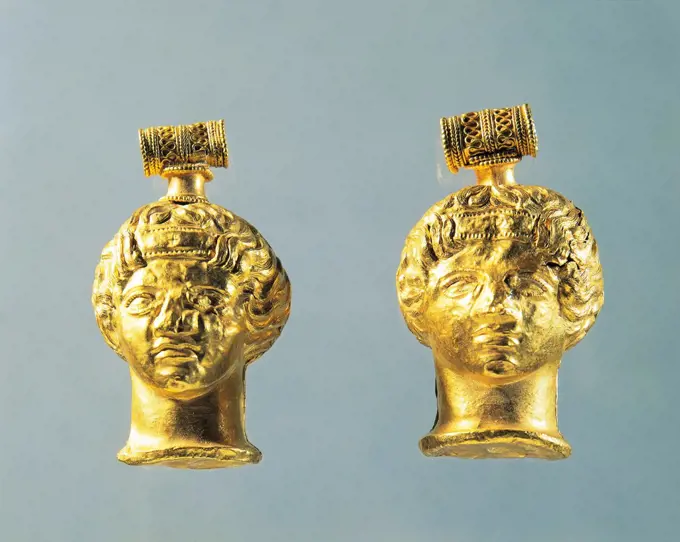
Intricate golden decorative items, including mounts, a ceremonial standard, and wall sconces. The designs feature ornate details typical of vintage craftsmanship.
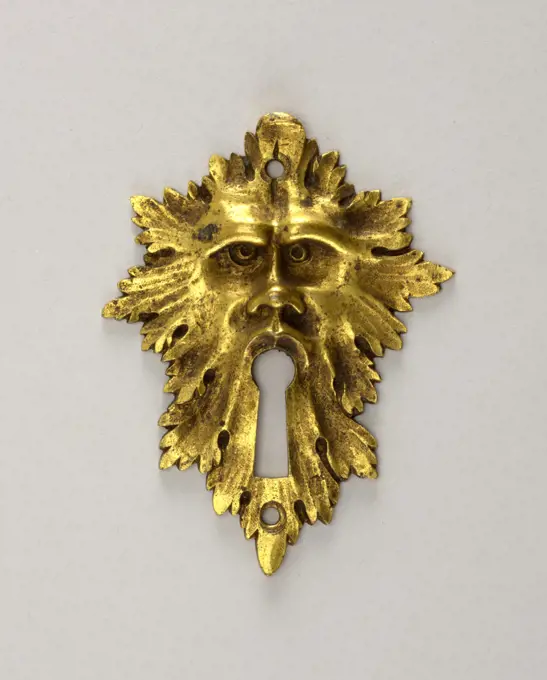
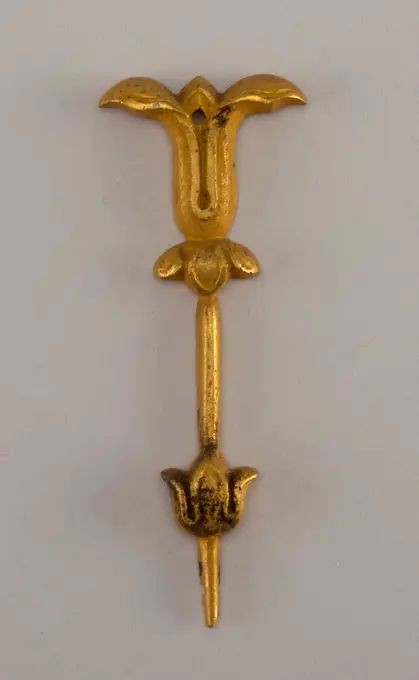
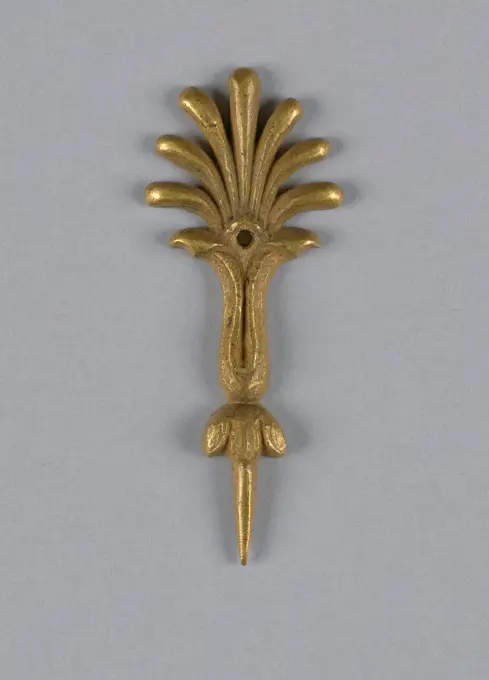
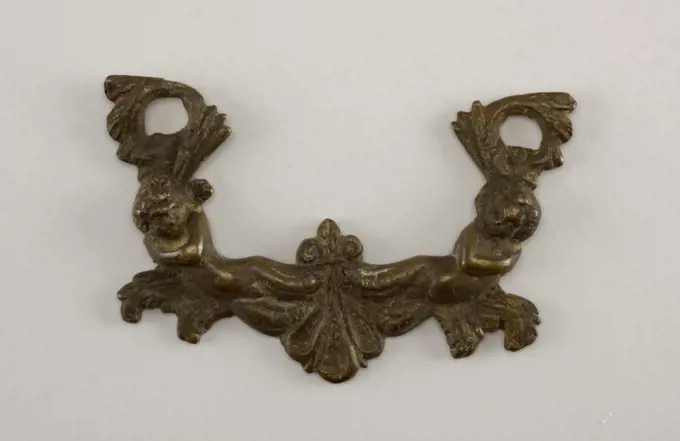
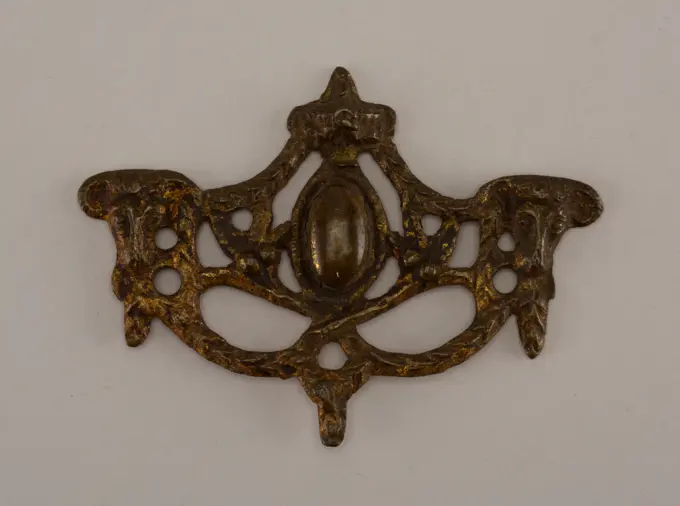
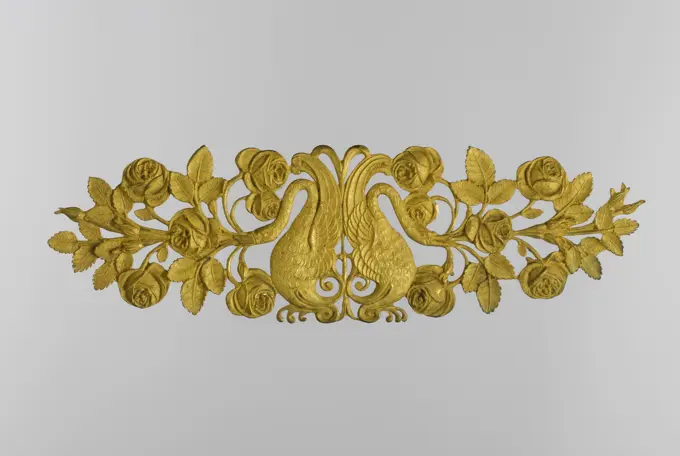
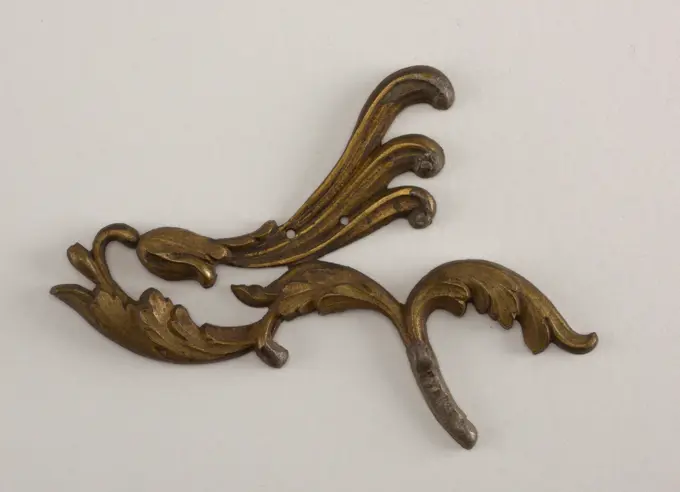
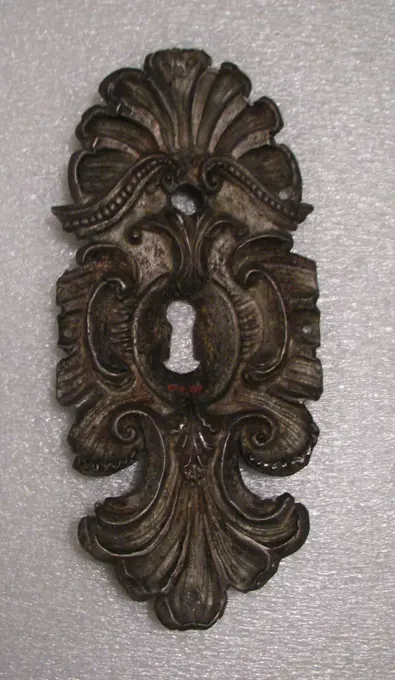
Escutcheon, Bronze, gilt, mast with keyhole open mouth, Italy or France, 19th century, metalwork, Decorative Arts, Escutcheon
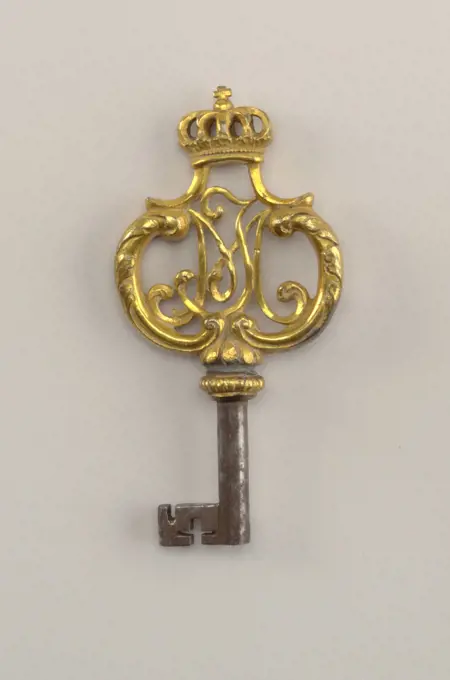
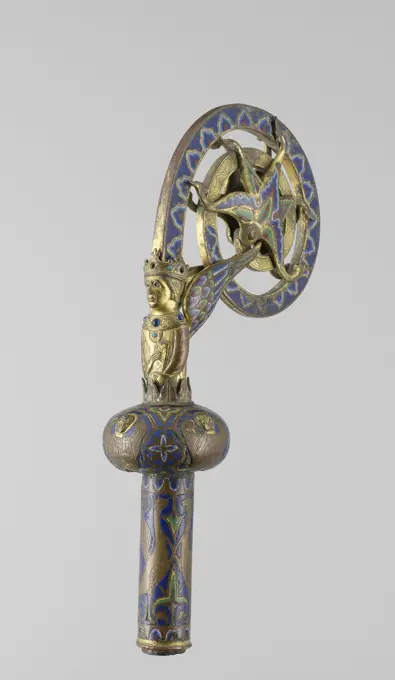
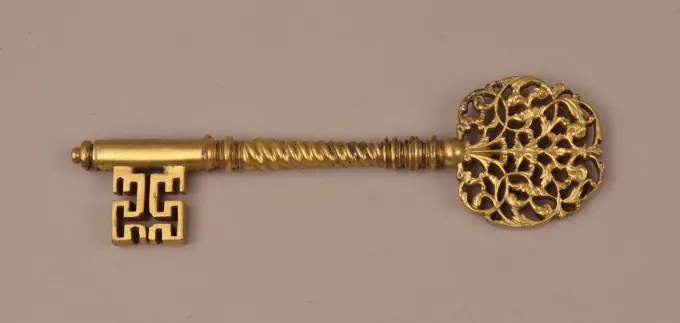
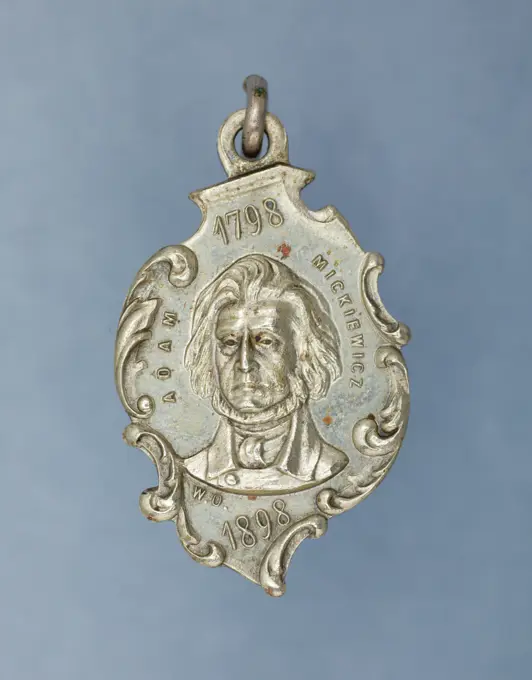
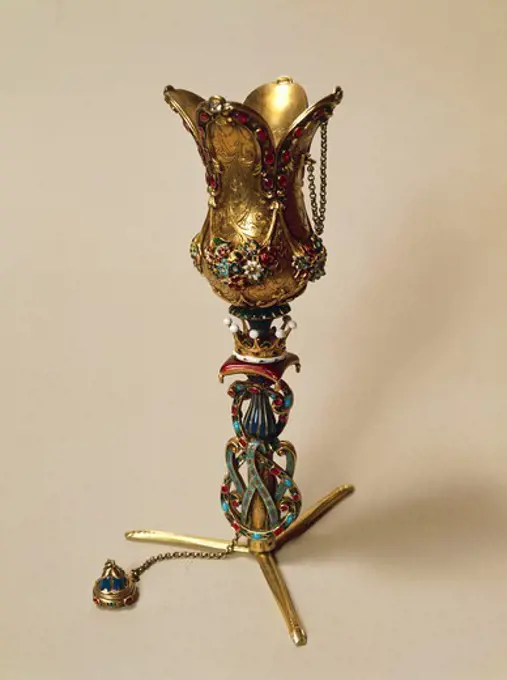
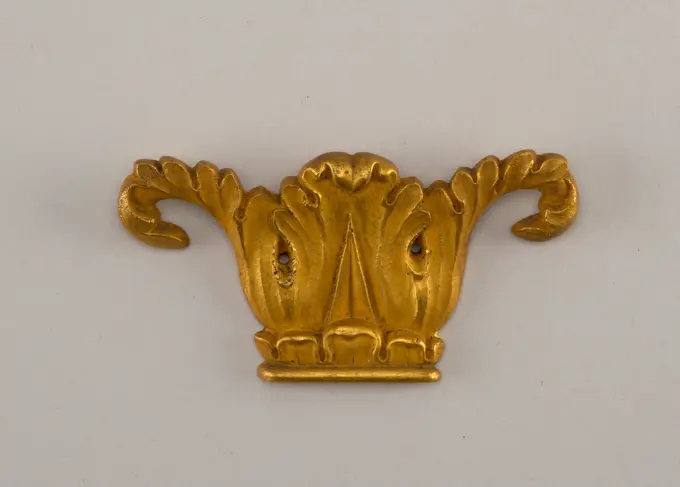
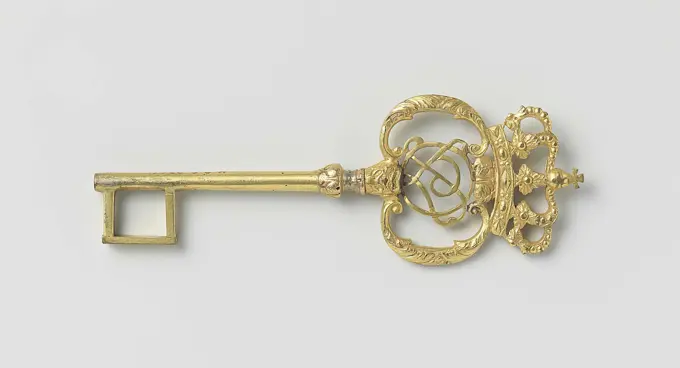
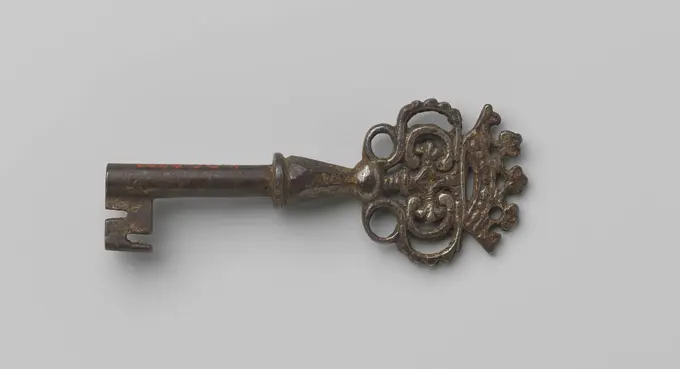
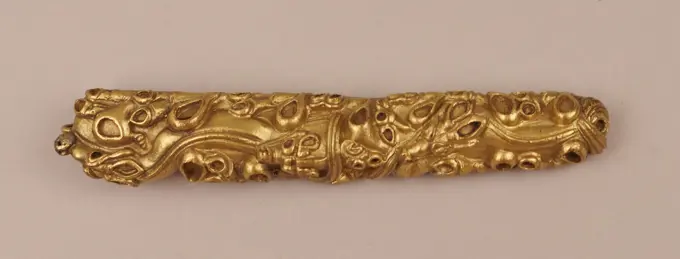
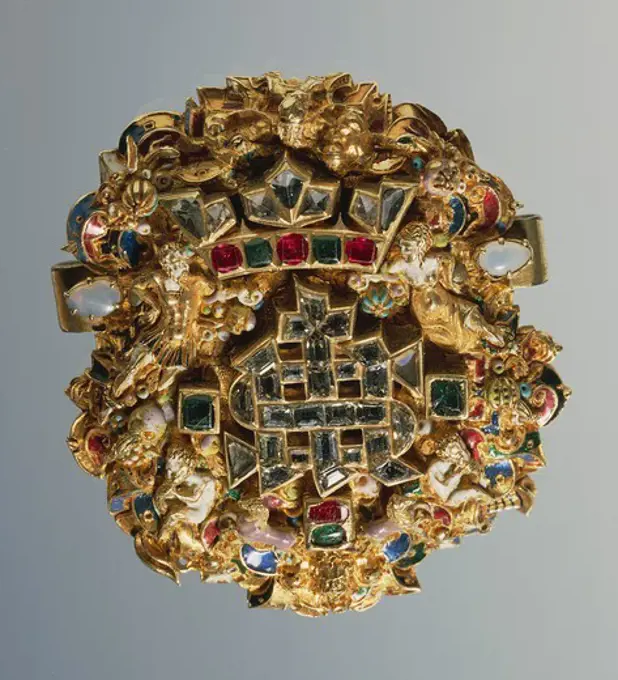
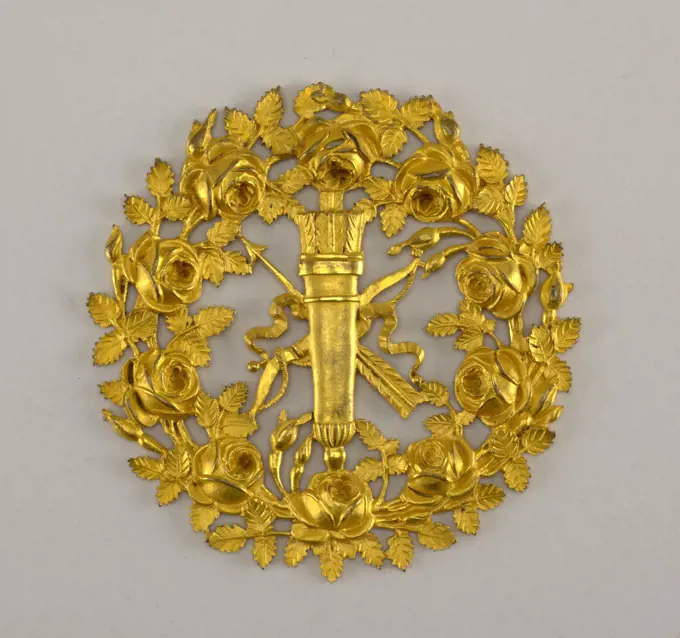
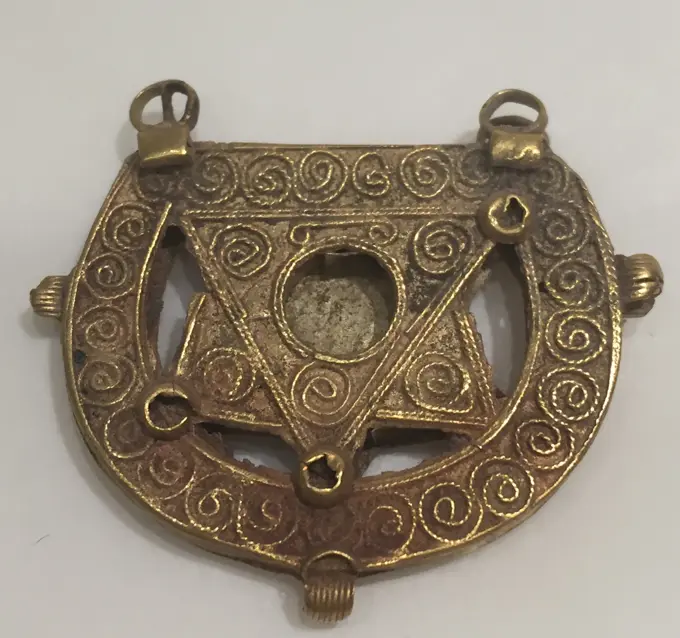
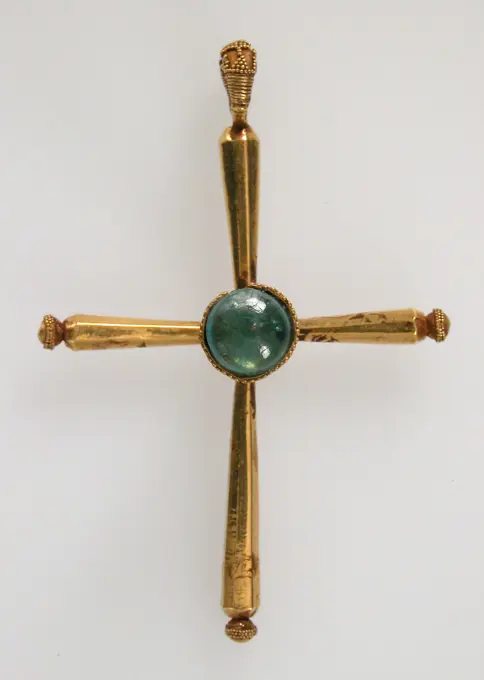
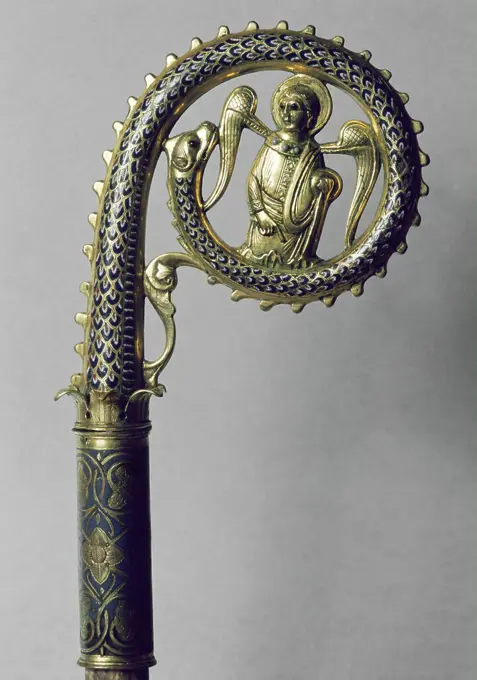
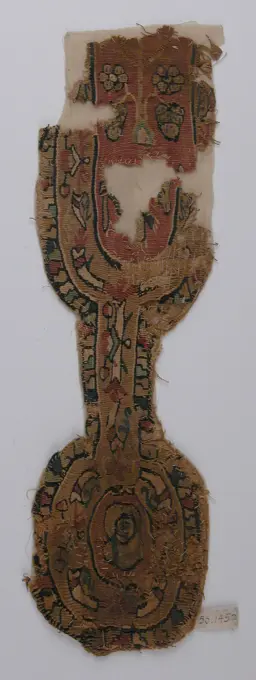
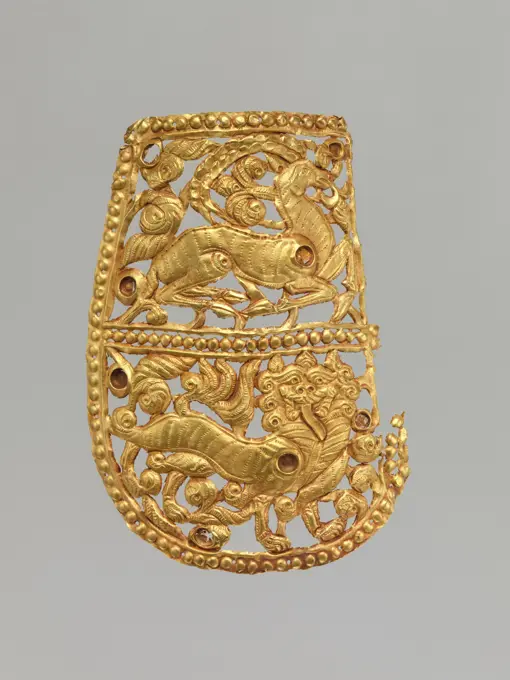
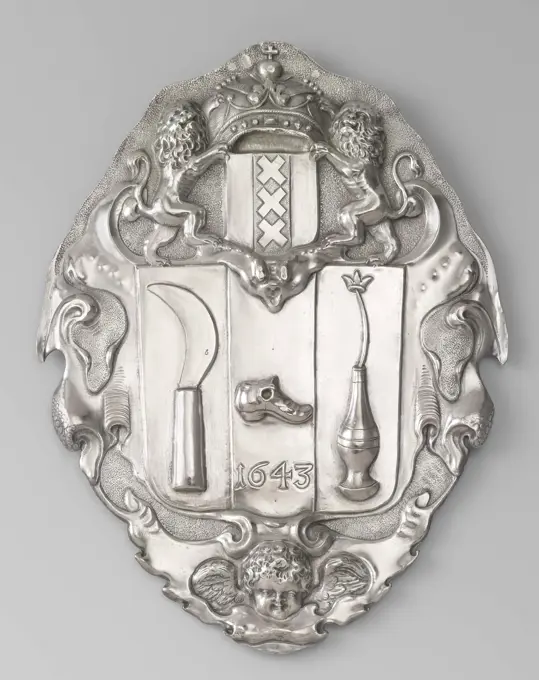
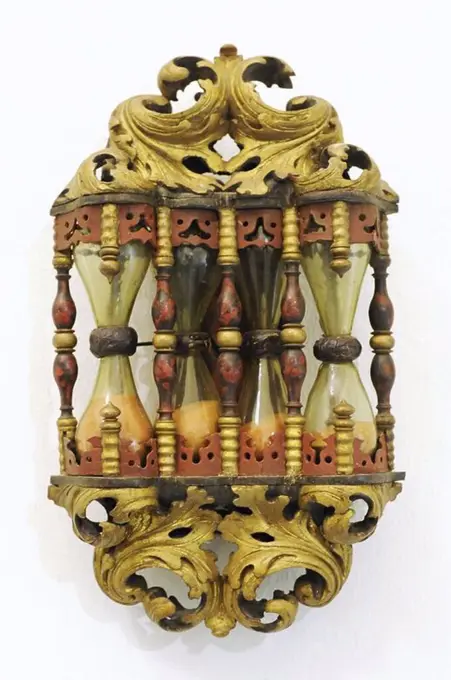
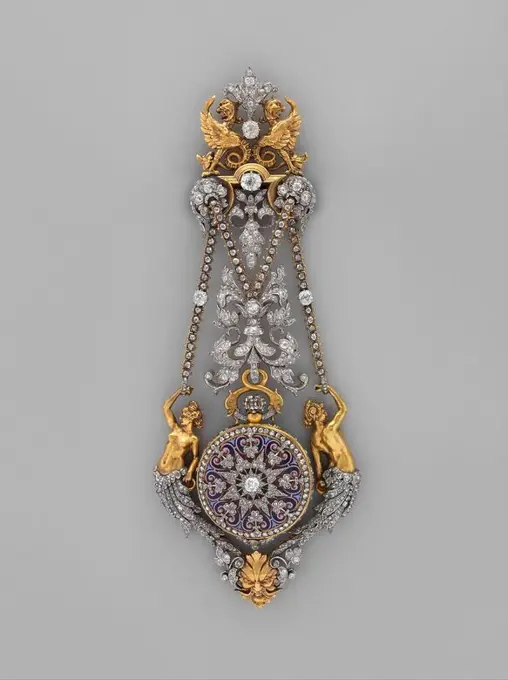
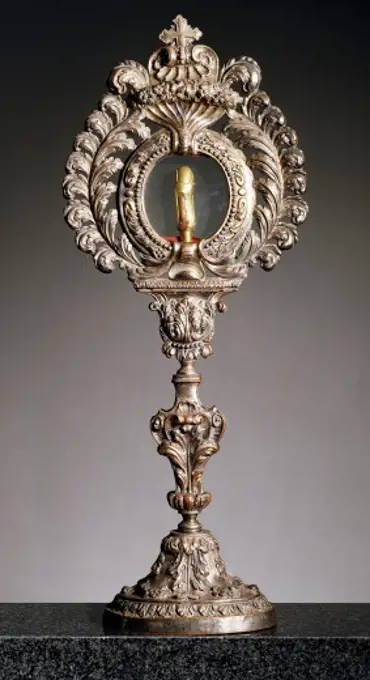
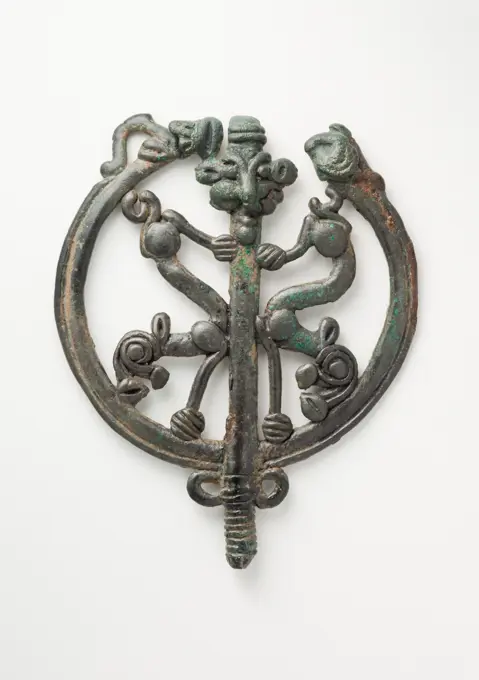
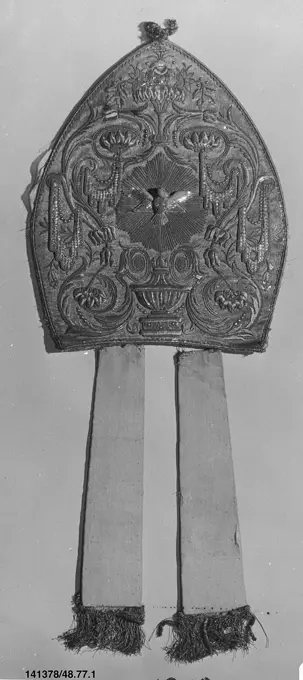
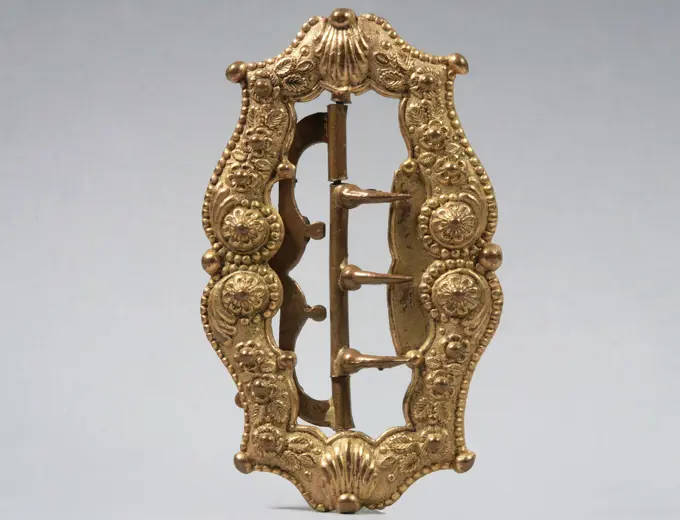
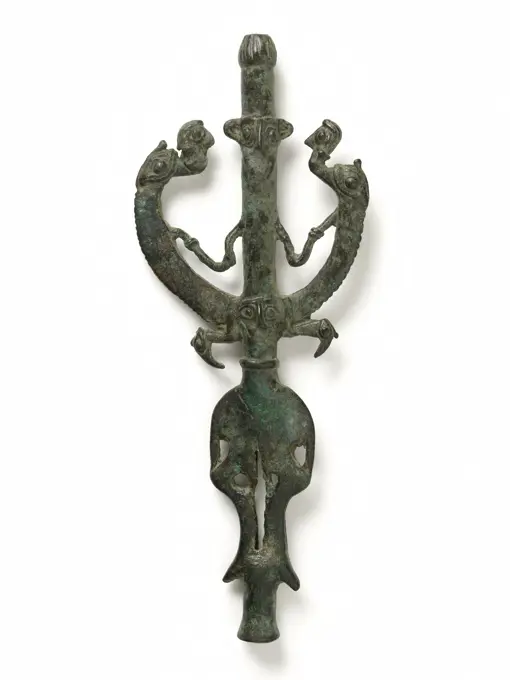
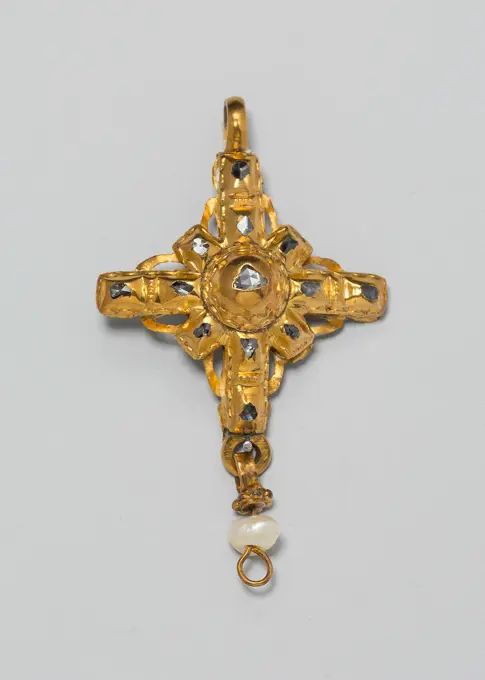
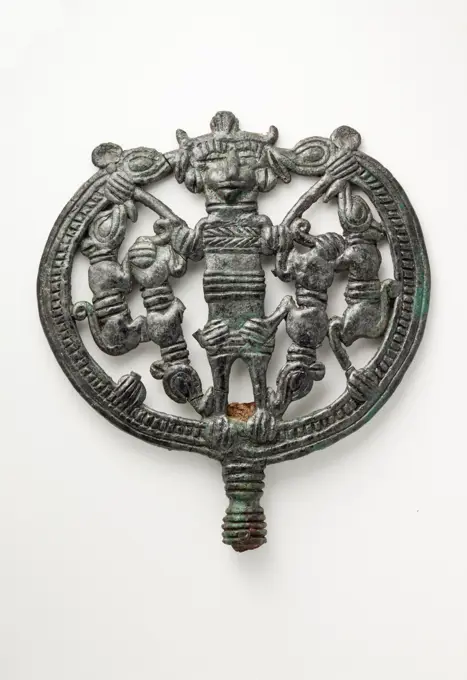
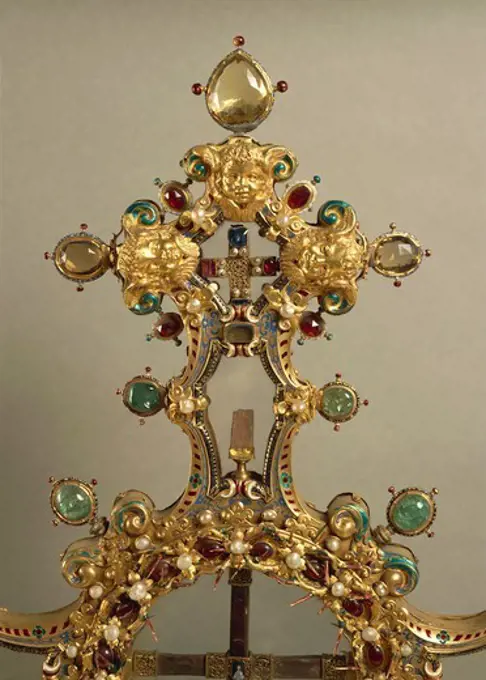
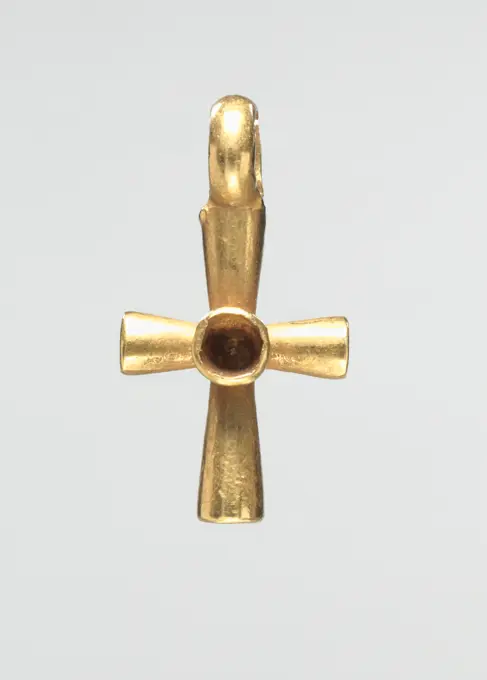
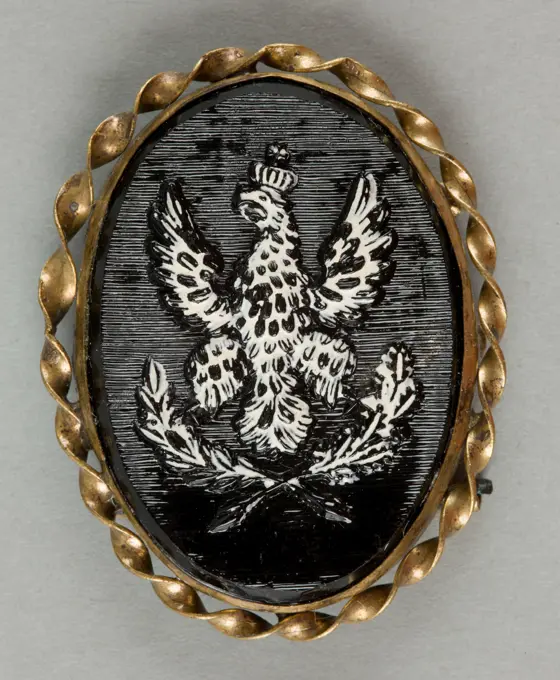
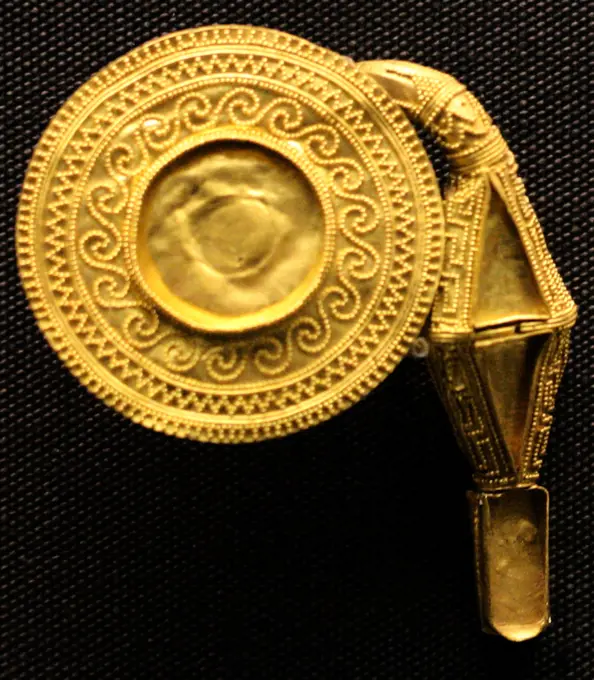
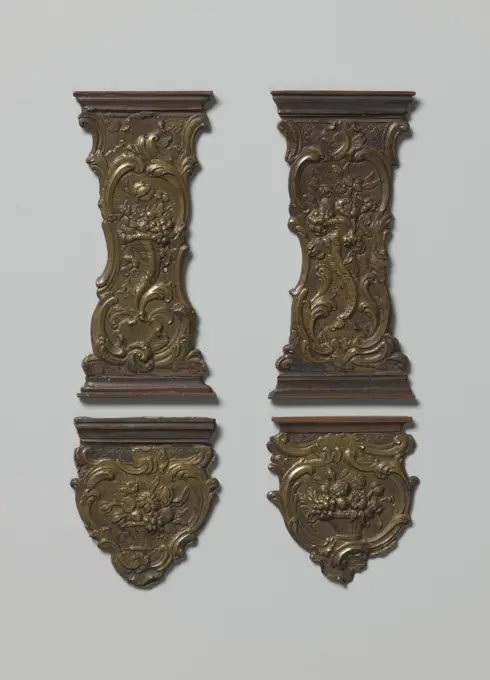
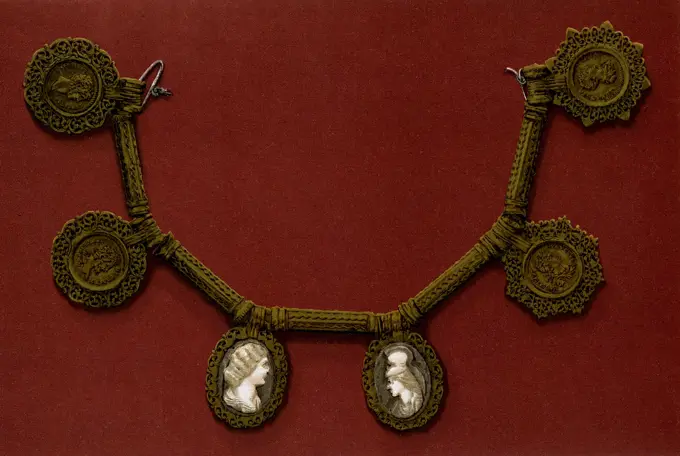
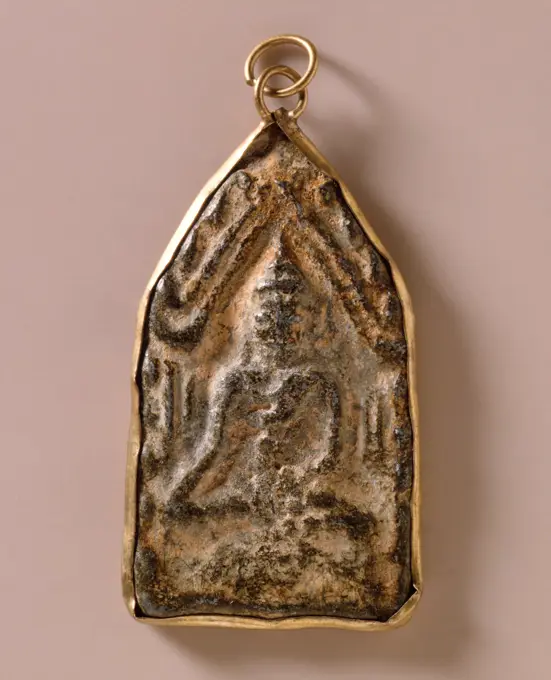
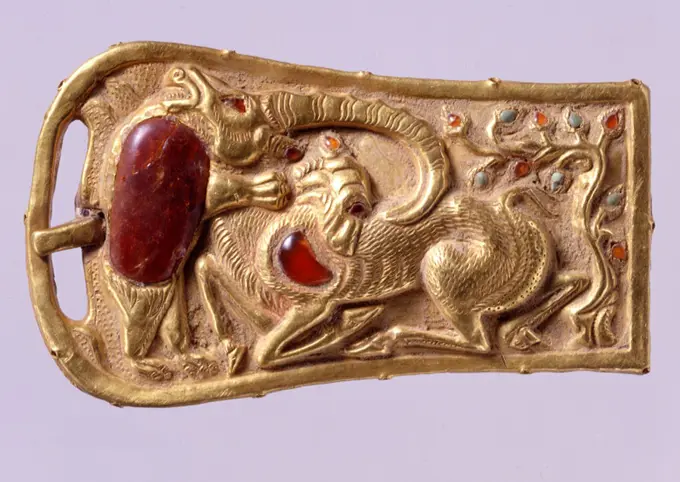
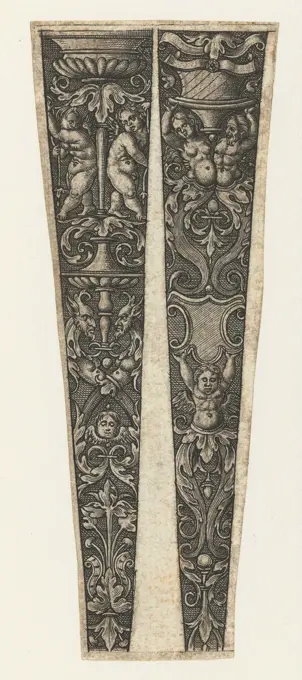
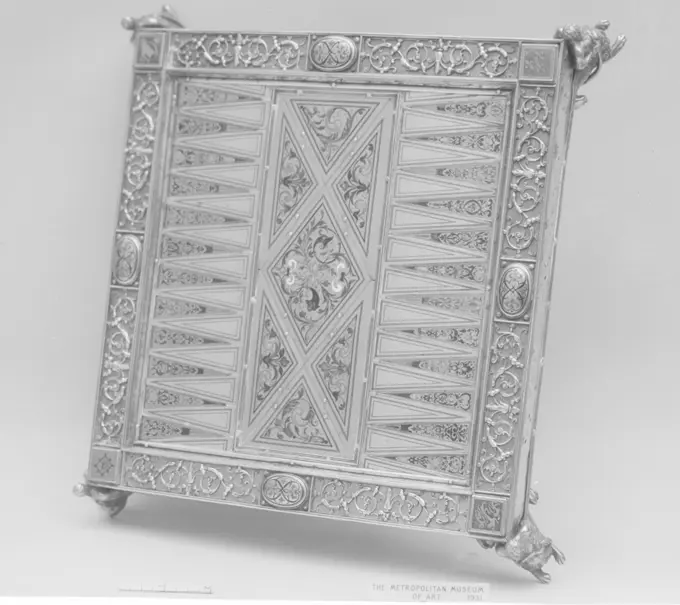
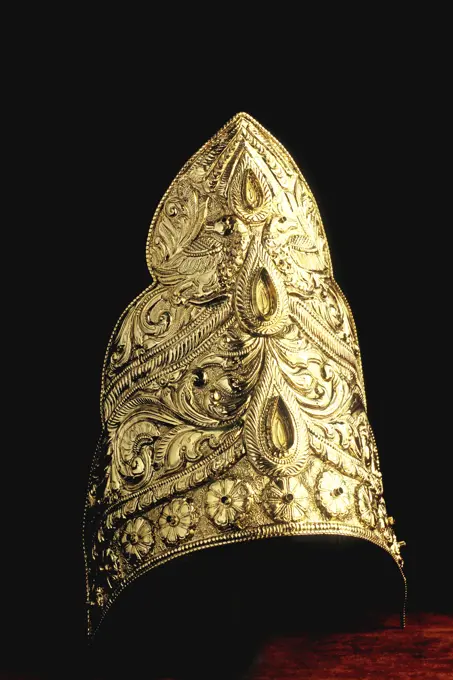
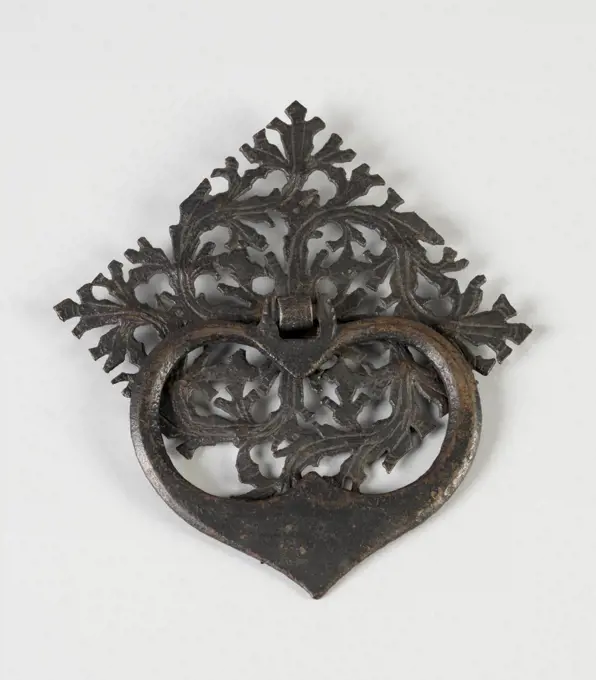
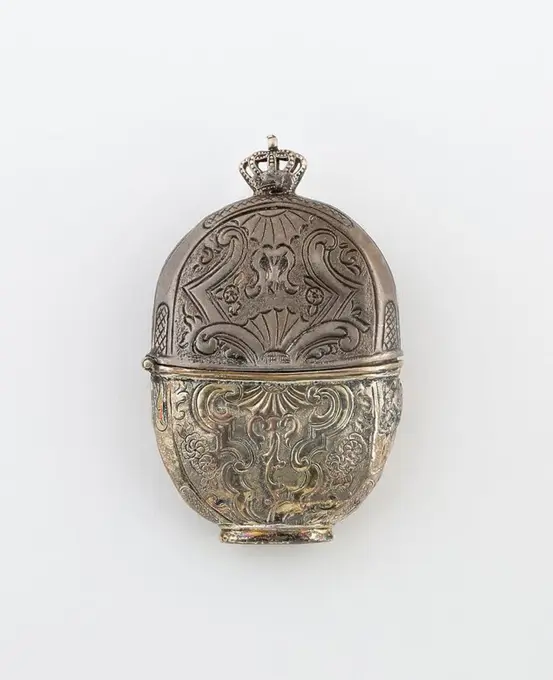
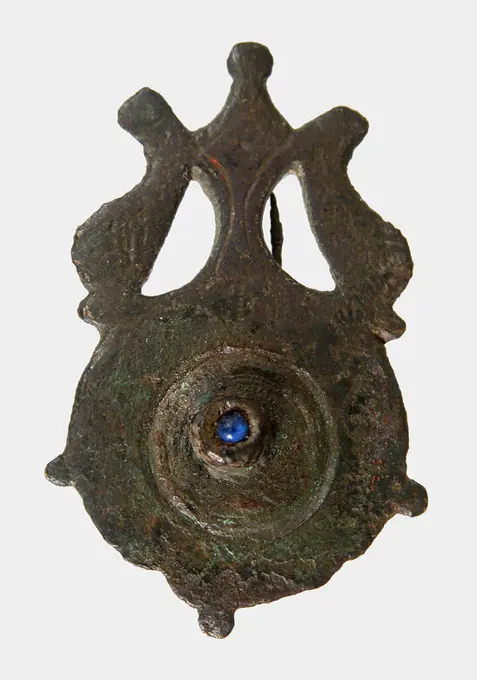
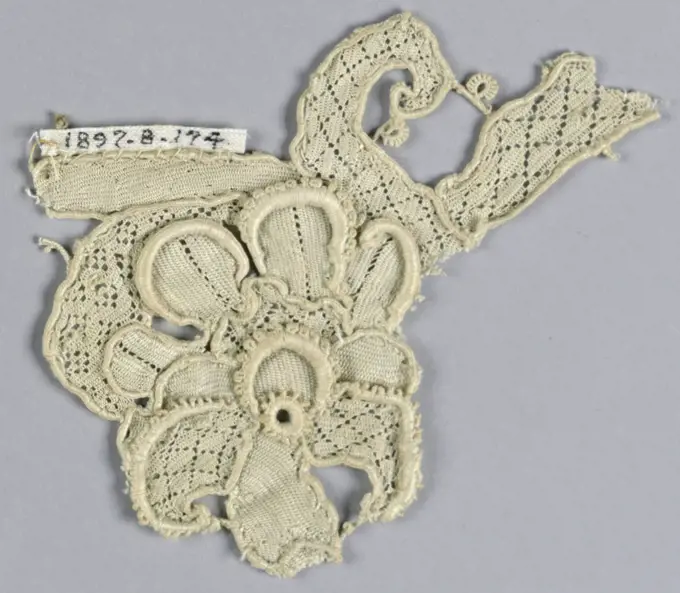
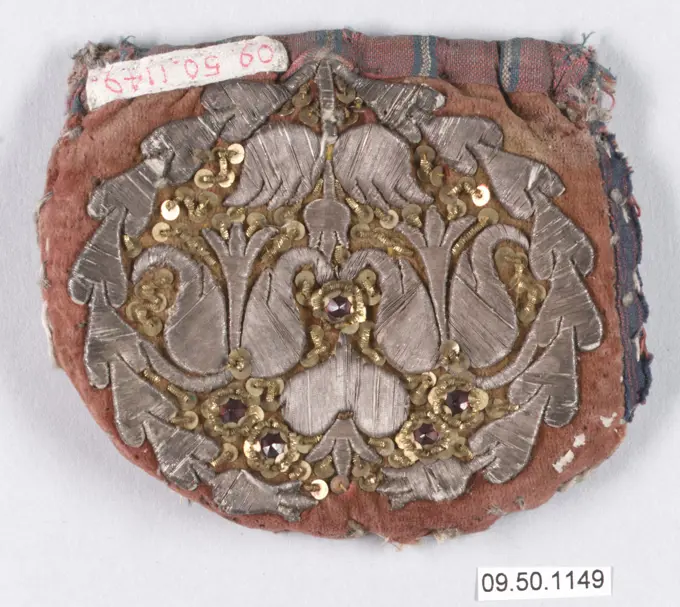
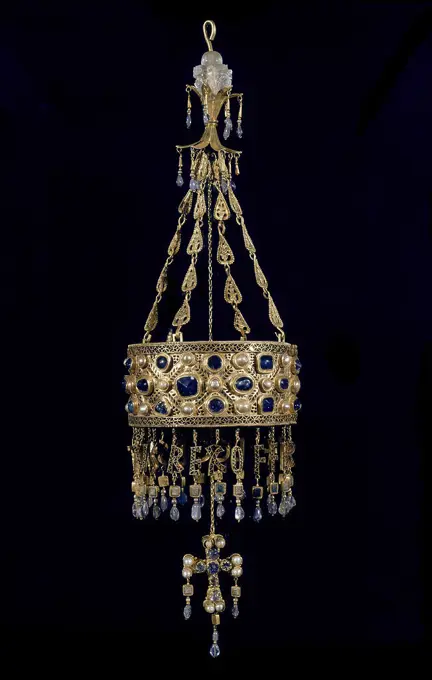
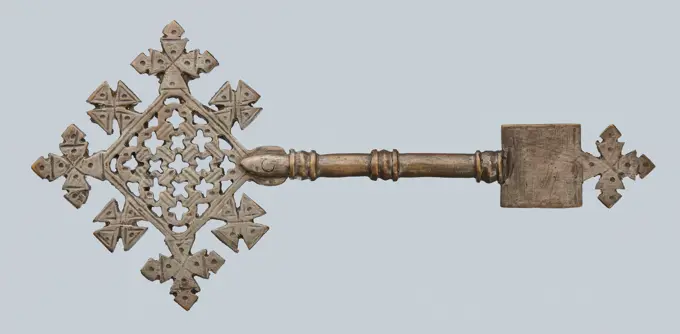
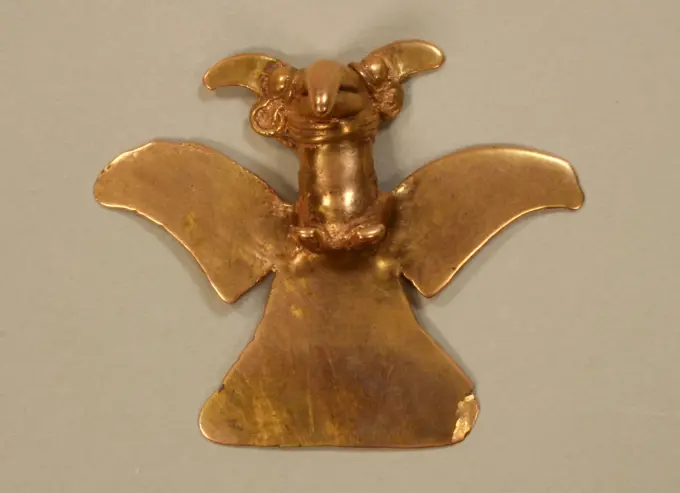
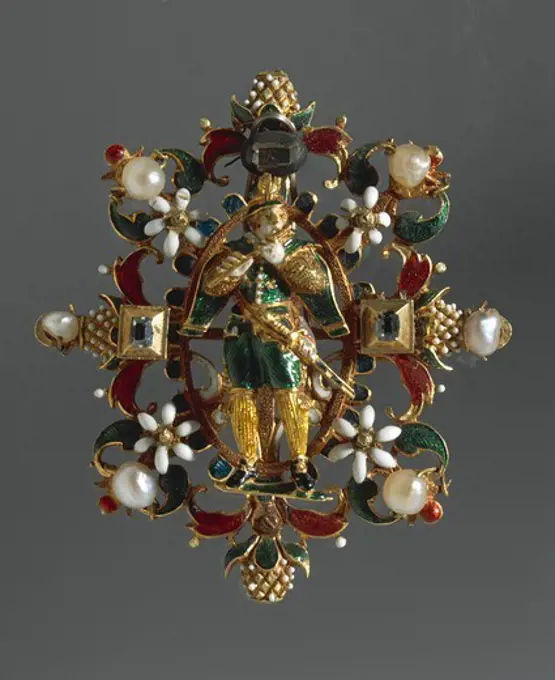
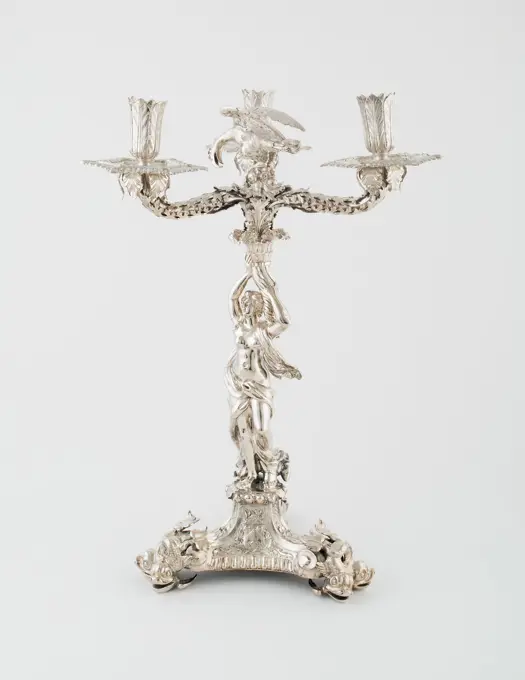
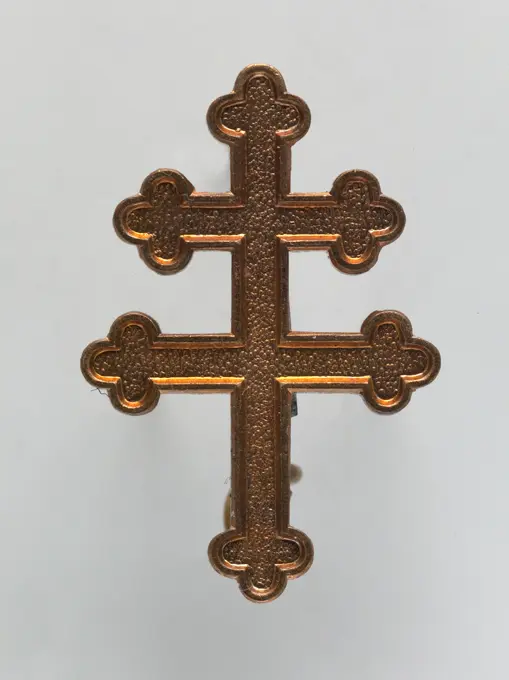
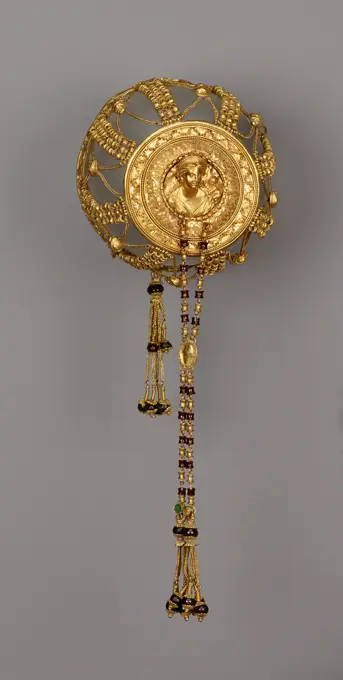
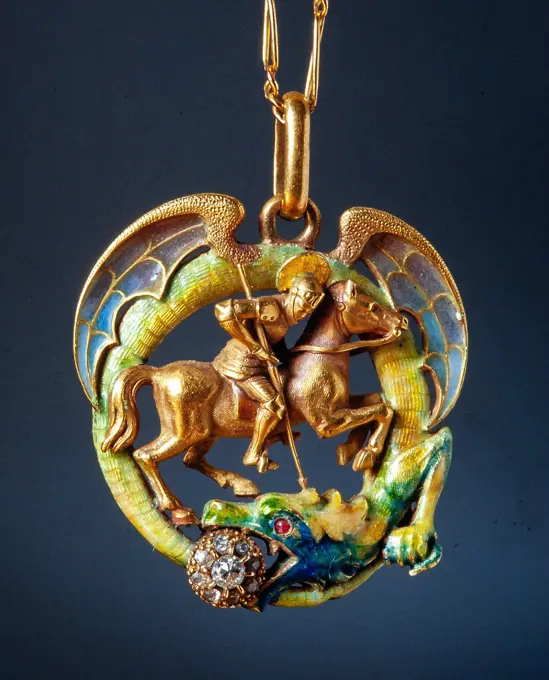
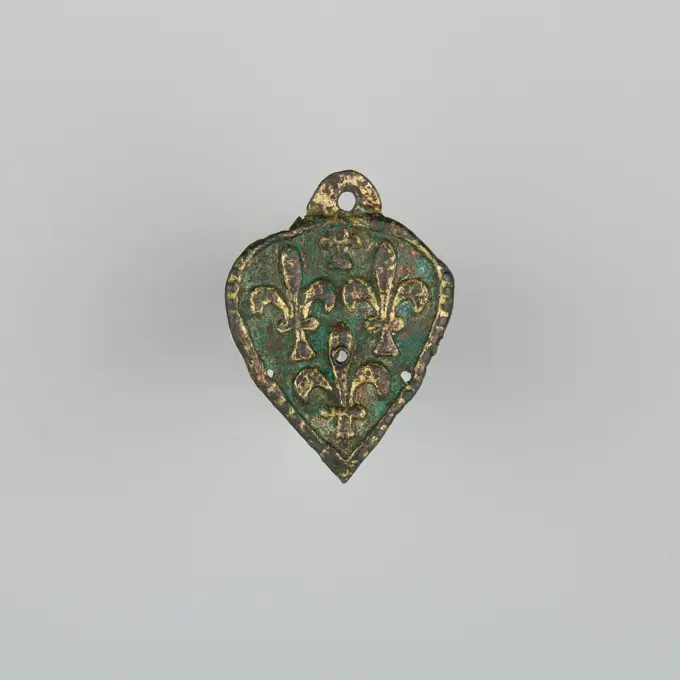
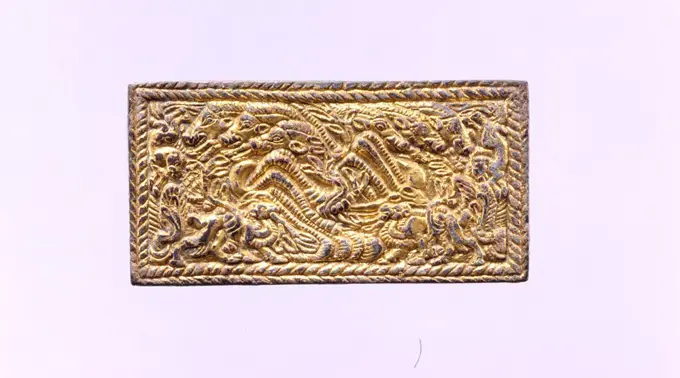
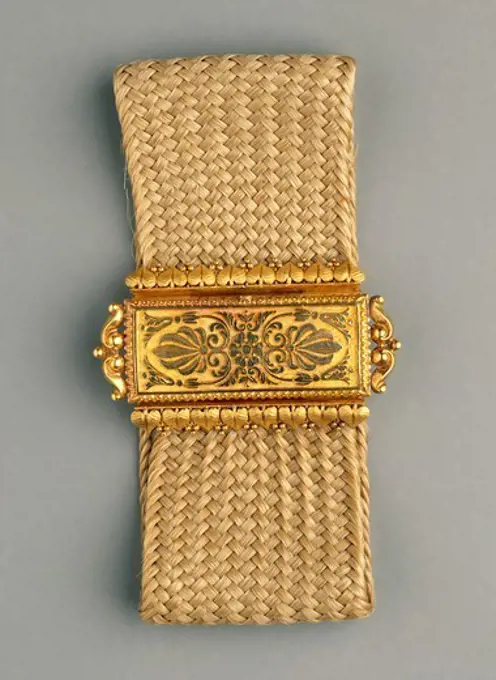
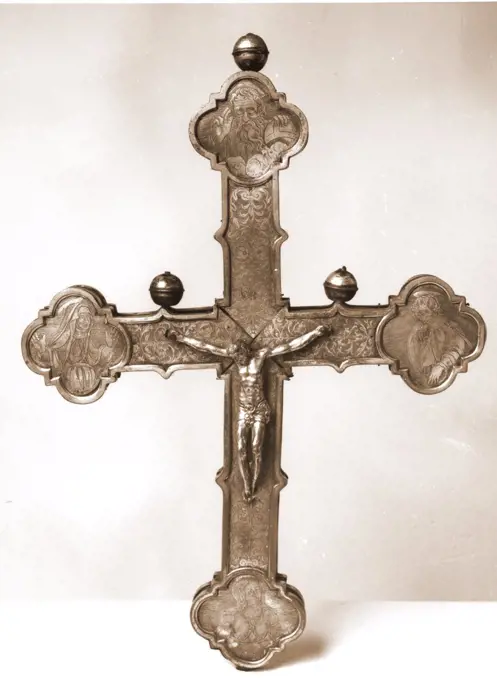
MountCeremonial Standard ('Alam) 1601-1800 India. Brass with pierced and engraved decoration .Wall sconce (one of a pair) ca. 1755 British These sconces were formerly in the drawing room of Ecton Hall, Northamptonshire.. Wall sconce (one of a pair). British. ca. 1755. Gilded pine, brass. Woodwork-FurnitureMountKey, Fire-gilt bronze, Pierced scroll-work handle surmounted by a crown; open-work initials interlaced., ca. 1775, metalwork, Decorative Arts, KeyBow Brooch mid-6th century Frankish. Bow Brooch 464882 Frankish, Bow Brooch, mid-6th century, Silver-gilt, niello, garnet, iron pin, Overall: 3 5/16 x 1 15/16 x 1/2 in. (8.4 x 5 x 1.3 cm). The Metropolitan Museum of Art, New York. Gift of J. Pierpont Morgan, 1917 (17.191.186)Crozier head with angels, anonymous, c. 1200 - c. 1220 Curl of a bishop's staff of gilded copper and email champlevé. The cylindrical sleeve of the staff is decorated with two dragons and above it a nodus with four angel busts, the face of which is a plaque that is sounding on the nodus. Immediately above half the figure of a crowned angel with a book in his hands. The crown and collar of this angel are decorated with glass beads in two colors of blue and black. The crowning of the staff ends in a spiral curl, which runs into a five -leaf flower of red, green, white, blue and yellow enamel. Limoges copper (metal). casting / engraving / gilding Curl of a bishop's staff of gilded copper and email champlevé. The cylindrical sleeve of the staff is decorated with two dragons and above it a nodus with four angel busts, the face of which is a plaque that is sounding on the nodus. Immediately above half the figure of a crowned angel with a book in his hands. The crown and collar of this angel Bliżej Kultury unknownKey 19th century, after 17th century original British, after Italian original This electrotype is after a seventeenth-century original in the Golitzin collection, Moscow, at the time of reproduction. See also lock 83.18.292.. Key 186673Escutcheon, Bronze, gilt, mast with keyhole open mouth, Italy or France, 19th century, metalwork, Decorative Arts, EscutcheonMountPin or Lime Spatula 11th-16th century Popayan. Pin or Lime Spatula 313328Badge of the dignity of the Head of the Polish KingdomCartridge Box 1650-1700 Germany. Brass, cast and chiseled .A pendant commemorating the unveiling of the Adam Mickiewicz monument in Warsaw on December 24, 1898 Wodz Ski, Wincenty (1864 1940)Chastity Plaque for a Young Woman, anonymous, c. 1300 - c. 1500 Fable, decorated with the presentation of sitting women's figure in cave between stones and plants in gold repoussé. Indonesia gold (metal) rejected Fable, decorated with the presentation of sitting women's figure in cave between stones and plants in gold repoussé. Indonesia gold (metal) rejectedLuckenbooth brooch -Mount, bronze, furniture mount, Italy, 1830, Decorative Arts, MountGoldsmith's art, France, 19th century. Gold and enamel bouquet holder set with precious stones, around 1850.CapitalThe Amsterdam apothecary and art collector Emmanuel Vita Israël. He donated his collection, comprising keys dating from Roman antiquity to the 19th century, to the Koninklijk Oudheidkundig Genootschap (Royal Antiquarian Society) in 1937. Vita Israël claimed that his key collection had grown more or less by accident: being one of the few collectors of keys, dealers automatically made their way to him.Pijpsleutel.Pipe key whose handle consists of S and C volutes, a cross-shaped motif in line and covered by a duche crown. The key breast is facetically.MountPerfume box 19th century British, after Russian original. Perfume box 186644Mount; 1906-24-4Goldsmith's art, Germany, 16th century. Pendant with Christogram. Bracket of a book lock of gold, poured and scilated, with representations in relief of the three angels at Abraham and the worship by the shepherds. The performances are surrounded by Rocaille ornaments. Bible lock.Furniture mount, Gilt bronze, Wreath of roses centered by quiver w bow and arrow., France, early 19th century, metalwork, Decorative Arts, Furniture mountCut-out Decorative Foil (India); Designed by Lockwood de Forest (American, 1850-1932); Made by Ahmedabad Wood Carving Company; cut and perforated sheet brassEarring probably 11th-13th century These earrings ( 95.16.2 and .3) were discovered in al-Hillah, Iraq, and are of a known type produced in the 11th -13th centuries. The hexagram in the center probably alludes to the apotropaic Seal of Solomon, a motif which is found on other objects from this period and place. According to legend, King Solomon received the Seal in the form of a signet ring directly from God, which gave him the power to command animals, and supernatural beings (jinn). The Seal of Solomon became a popular talismanic motif throughout the Islamic world and can be found on the surfaces of many objects.. Earring 444834Pendant in the form of a Latin Cross late 19th-20th century (Byzantine style) Byzantine style. Pendant in the form of a Latin Cross 466222MountMountFurniture Hardware 1820-30 Henry Kellam Hancock. Furniture Hardware. 1820-30. Gilt brass. Possibly made in France; Possibly made in EnglandStaff of San Julián, XIII century. Museum: CATEDRAL DE CUENCA, CUENCA, SPAIN.Shoulder Band Fragment 6th-7th century. Shoulder Band Fragment 445771Clothing Plaque with Antelope and Tiger 7th-9th century China (Xinjiang Autonomous Region, Central Asia) The nomadic communities of Central Asia used such plaques to embellish clothing and horse trappings. As these nomadic cultures herded animals and were constantly moving, their artistic production was expressed in portable objects that marked the wearers status and wealth. The outstanding preservation of these fragile ornaments suggests they were used in conjunction with burials, where the body was aggrandized with valuable textiles and augmented with gold. Although it is difficult to date and place these objects geographically, their presence in Central Asia and has a long, established history.. Clothing Plaque with Antelope and Tiger 65315Commemorative badge Warsaw Fair. The cartouch-shaped plate contains a shield with a trio attributes of the shoemaker guild: in the middle a shoe above the year 1643; There are a pruning lesson to the left. (intended for cropping the leacher) and an alder (prime) on the right. Above this first shield is a smaller shield with the crowned arms of Amsterdam held by two lions. From the lion tails to bottom, a wide-compounded edge runs out of soft tissue, in which a cherub is included on the underside. The execution of the cherub differs on the two shields.Pulpit hourglass. Breinum, near Hildesheim, Germany. Late 17th century. Wood with green glass, filled with red sand. Museum Schnu_tgen. Cologne, Germany.Watch and chatelaine. Culture: French, Paris. Dimensions: Overall: 6 1/4 × 2 3/8 in. (15.9 × 6 cm); Diameter (back plate): 1 1/16 in. (2.7 cm). Maker: Case maker: Hippolyte Téterger (French, 1831-after 1891); Gold of chatelaine chased by Jules-Paul Brateau (French, 1844-1923). Date: ca. 1875-78.This extravagant, exquisitely crafted display piece, decorated in a historical revival style inspired by sixteenth-century "grotesque" ornament, was shown at the 1878 Paris Exposition Universelle. While the watchcase is signed by Téterger, the movement is unsigned, suggesting the prestige of the jeweler surpassed that of the watchmaker. If valued more as a piece of jewelry than a timekeeper, its high-quality movement nevertheless features up-to-date technology for the time. Museum: Metropolitan Museum of Art, New York, USA.Bliżej Kultury Pulański, Kazimierz (1861 1921)Przeszo Przyszoci unknownPendant. Unknown 6th-7th century Dark amber-colored glass bearing a frontal portrait bust in the Imperial Byzantine style. It appears to be a female wearing a crown with pendilia. Inscribed in the field: NI to the left; KH to the right.Reliquary of St Thomas, gilded and embossed copper, Basilica of Sant'Eustorgio, Milan. Italy, 19th century.MountBliżej Kultury unknownDavid Willaume, Pair of Sconces, 1706/7, parcel-gilt silver.Openwork Pinhead. Iran, Luristan, Luristan bronzes, circa 1000-650 B.C.. Jewelry and Adornments; pins. BronzeMitre ca. 1830 French. Mitre 227305Loop. GAL 1990-148-285Chastity Plaque 14th century Indonesia (Java). Chastity Plaque 40123E U, Foliate Letter J (reverse), possibly 18th or 19th century Foliate Letter J reverseTaught. Lower part: Two backlights of animals surmounted by a human head flanked by two birds of birds. Upper part: Gilgamesh holding two animals. Bronze. LURISTAN. 1000-750 BC. J-C. Paris, Cernuschi museum. 35176-1 Iron Age, Bronze, Brand, Bird, Assyrian King, Human Tete, AnimalPendant Cross 1625-1675 Spain. Gold, enamel, diamonds, and pearl .Anonymous. Merovingian baking sheet of "baroque" type. 7th century -. Paris, Carnavalet museum. Merovingian, Boucle plate, baroque type, archeological vestigeOpenwork Pinhead. Iran, Luristan, Luristan bronzes, circa 1000-650 B.C.. Jewelry and Adornments; pins. BronzeGoldsmith's art, Italy, 17th century. Gold and gems cross with the Relics of the Passion, 1620, by the goldsmiths at the Court of de' Medici. Detail.Pendant Cross, 500s. Byzantium, early Byzantine period, 6th century. Gold; overall: 2.3 x 1.3 cm (7/8 x 1/2 in.).Bracelet linkPair of gold earrings 800-750 BC. Both sides of the disks are decorated with fine granulation arranged in wave and zigzag patterns. The centres of the disks and the other settings would originally have been inlaid probably with amber or rock crystal.Models for Klampen and brackets of books locks, Anonymous, c. 1750 - c. 1775 Models for founding shapes of clamps and brackets of books locks. Decorated with a performances contained in rococo ornament. The clamps (A and C) reflect flowers and fruits in a basket. The brackets (B and D) reflect flowers and fruits in a horn. PROFFERED lists have sounded on the straight sides. Amsterdam copper (metal). brass (alloy) Models for founding shapes of clamps and brackets of books locks. Decorated with a performances contained in rococo ornament. The clamps (A and C) reflect flowers and fruits in a basket. The brackets (B and D) reflect flowers and fruits in a horn. PROFFERED lists have sounded on the straight sides. Amsterdam copper (metal). brass (alloy)The 1884 caption for this image reads: Gold Collar found at Naix (Nasium). This ancient Roman necklace was uncovered in the Gallo-Roman city of Nasium, located in present day France. The necklace was adorned with a cameo of Julia Domna, as well as Severan gold items. The Severan dynasty was from 193 to 235 AD. Julia Domna was Roman empress from 193 to 211 as the wife of Emperor Septimius Severus.Naix was a Gallo-Roman city, located in the Ornain valley, built on a Celticoppidumsituated on the neighbouring hill of Boviolles.Votive Tablet. Thailand, 16th century. Sculpture. Copper alloyBelt Buckle with Ibex and Bear 1st century B.C.-1st century A.D. China. Belt Buckle with Ibex and Bear 59574Two ornaments with putti and leaf refines. Design for front and rear Dolkchede on one leaf. Left: Leaf raft with two putti. Right: putti and man and woman with lower body of leaf raft.Tric-trac board ca. 1550-75 Southern German. Tric-trac board. Southern German. ca. 1550-75. Silver, champlevé enamel, verre églomisé. Metalwork-Silver In CombinationGold greedam god headgear against black background Copyright: xMxAmirtham/DinodiaxPhotoxDrawer pull, Wrought and pierced iron, With corners disposed on vertical and horizontal axes, the backplate is pierced and wrought to form quadranted design of grooved foliations. Its brad receives the spatulate open drop handle, flattened at the bottom to form one interior and one exterior point., Germany, ca. 1500, metalwork, Decorative Arts, Drawer pullPlaque late 17th century Bolivia. Plaque. Bolivia. late 17th century. Silver. Made in ParaguayMiniature of the Order of St. Stanisław III class granted in 1857 to Emeryk Hutten CzapskiMatch Safe. Denmark. Date: 1825-1835. Dimensions: Diam. 7.6 cm (3 in.). Silver and silver gilt. Origin: Denmark. Museum: The Chicago Art Institute, Chicago, USA.Flat Brooch. Culture: Late Roman. Dimensions: Overall: 1 5/8 x 1 x 1/2 in. (4.1 x 2.6 x 1.2 cm). Date: 3rd century. Museum: Metropolitan Museum of Art, New York, USA.Fragment, Medium: linen Technique: needle lace, Fragment with a floral design and a portion of the leaf and stem. Diamond diaper design in parts., Venice, Italy, 17th century, lace, FragmentCap crown 18th century Southern German. Cap crown. Southern German. 18th century. Velvet and metal thread. Textiles-EmbroideredIron age Germanic brooch. Artist: UnknownVotive crown of Spanish Visigothic king Recceswinth (653-672).. Madrid, national museum of archaeology. Location: MUSEO ARQUEOLOGICO NACIONAL-COLECCION. MADRID. SPAIN.Krzyż ręczny. nieznany warsztat etiopski (1400-1970)Eagle Pendant 11th-16th century Veraguas. Eagle Pendant 313011Goldsmith's art, Netherlands, 16th century. Enamelled gold set with diamonds and pearls hat brooch representing a flutist, 1590, mm. 42.5x38étui (USA); silverPatriotic badge unknownTripod Candelabrum 1675-1685 London. Silver .War 1939-1945. Treflated Lorraine's Cross -shaped Pin. Metal. 1944-1945. General Leclerc Museum of Hauteclocque and the Liberation of Paris, Jean Moulin Museum. Pin, war 1939-1945, war 39-45, Second World WarHairnet. UnknownModernist Pendant of Sant Jordi, Lluis Masriera. Author: LLUÍS MASRIERA I ROSÉS.Earrings late 19th-early 20th century probably Spanish. Earrings 90232Badge or Harness Pendant 14th century Spanish or French Heraldry, or coat-of-arms, were vitally important in Europe throughout the Middle Ages and the Renaissance. Heraldic emblems were used to identify noble families, cities, regions, and even countries. In addition to being displayed on shields and flags, heraldry was incorporated into architectural decoration on the interior and the exterior of buildings, on furniture, works of art, clothing, and horse equipment. Harness pendants, like this example, would have been attached to a headstall, bridle, or other straps making up the tack of a horse ridden by a nobleman or noblewoman, or a member of their household. Many harness pendants also have decoration that is simply ornamental, or have symbols that are not specifically heraldic in nature.. Badge or Harness Pendant. Spanish or French. 14th century. Copper, gold. Miscellaneous-BadgesBelt Plaque with Animals in a Landscape 1st century B.C. North China. Belt Plaque with Animals in a Landscape 59528Goldsmith's art, France, 19th century. Gold and woven hair bracelet, around 1812-1826.Carnavalet museum, numismatic collection PalTorah shieldJARRON MINAYI CON RELIEVES AZULES (HACIA 1200). Location: STAATLICHE MUSEUM. BERLIN. DEUTSCHLAND.Abruzzo, L'Aquila, Celano, Museum, Italy, 20th century, photo, photography, EuropeSeal (France); silver, rock crystal; Overall: 4.5 x 3.1 x 2 cm (1 3/4 x 1 1/4 x 13/16 in.); Bequest of Joan W. Leidesdorf; 1997-62-5Hanging wall font and frame, Embossed silver, An angel stands upon clouds in front of a scrollwork escutcheon with a glory of rays. He holds an aspergillum in his raised right hand, and the bowl in his left. The bowl is suspended on three chains which are fastened to cherubim who are applied to the brim of the bowl., possibly Italy, 1730-39, metalwork, Decorative Arts, Hanging wall font and frameMiniature of the Order of St. StanisławEscutcheon of lock first half 18th century German. Escutcheon of lock 186882Two pendants on a gold necklace, Italy. Goldsmith art. Greek civilization, Magna Graecia.Wooden polychromed weapon board perhaps from Lambert Bernard van Rechteren 1665-1725 ,, 1665 - 1725  Wooden polychromed weapon board with weapon with red St Georgekruis on Golden Field, held by two golden griffins with a helmet on which a gold hat or helmet as a helmet sign (this included one more red ostrich springs). This weapon was part of a possession of two weapons signs or coats of arms of which one can be found and the second probably described above. L.O. and r.o. Part of the weapon trophies has been demolished but still present. Ditto the wing of the left griffin. Netherlands wood (plant material)