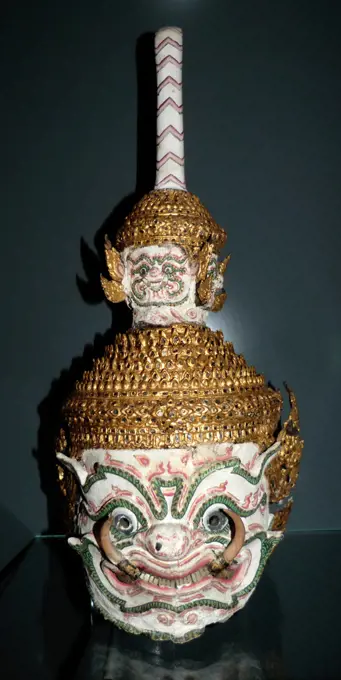
Golden Decorative Elements

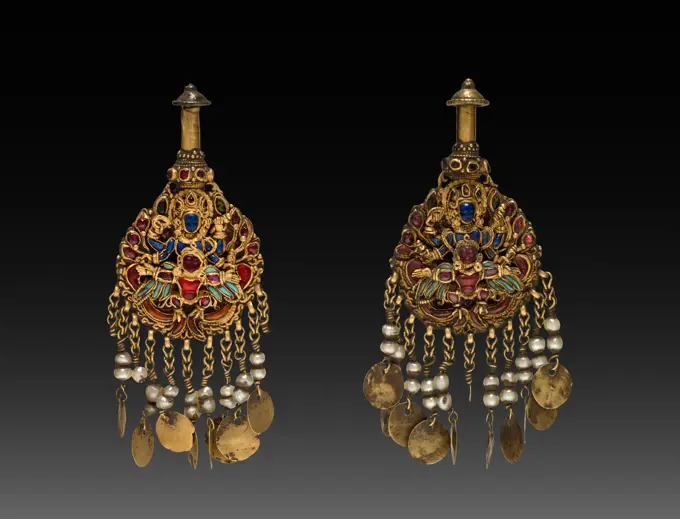
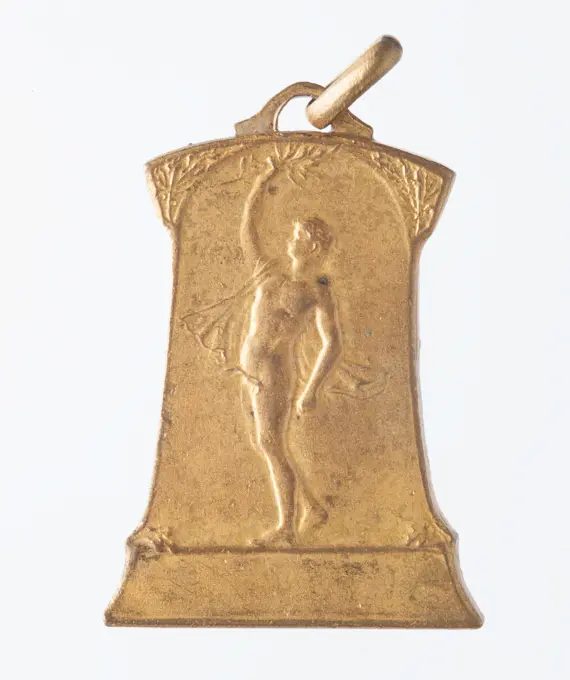
Intricate golden decorative items, including mounts, a ceremonial standard, and wall sconces. The designs feature ornate details typical of vintage craftsmanship.
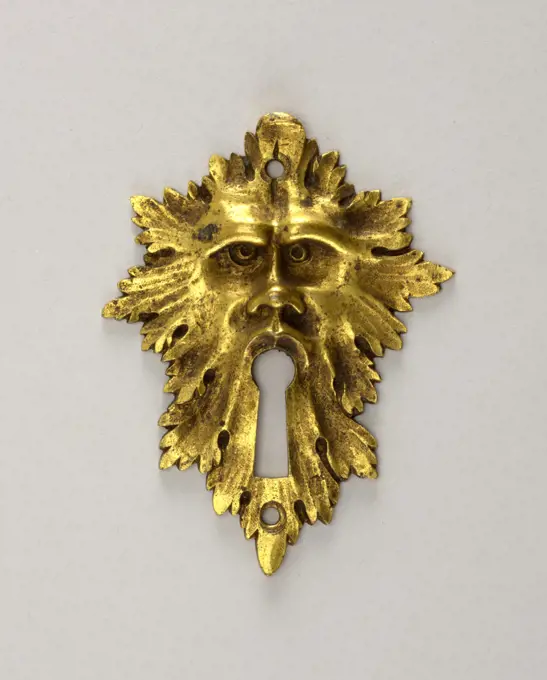
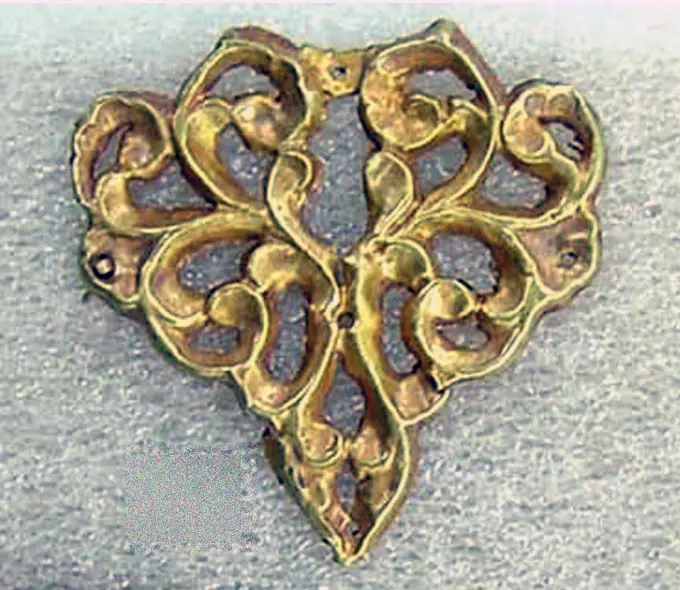
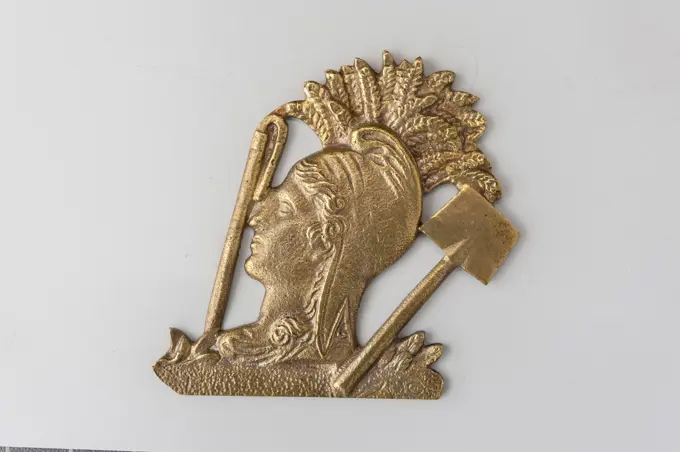
Escutcheon, Bronze, gilt, mast with keyhole open mouth, Italy or France, 19th century, metalwork, Decorative Arts, Escutcheon
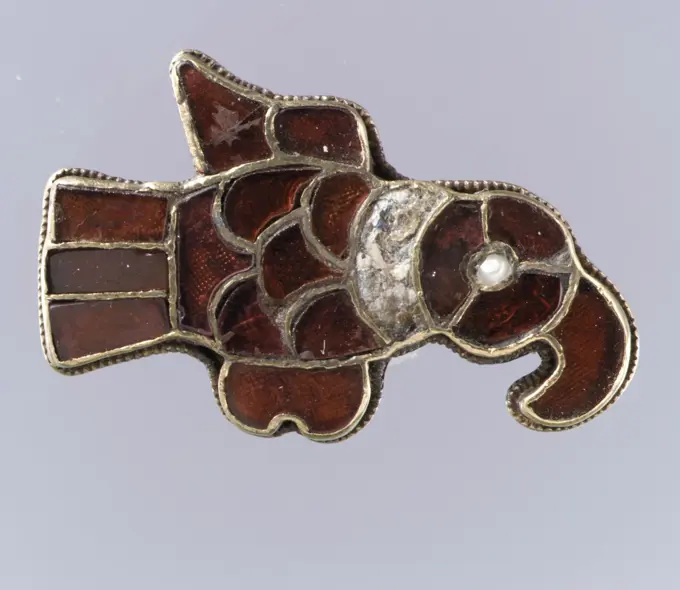
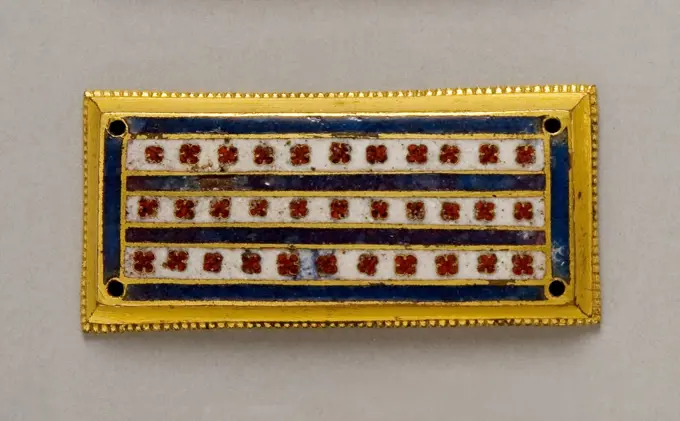
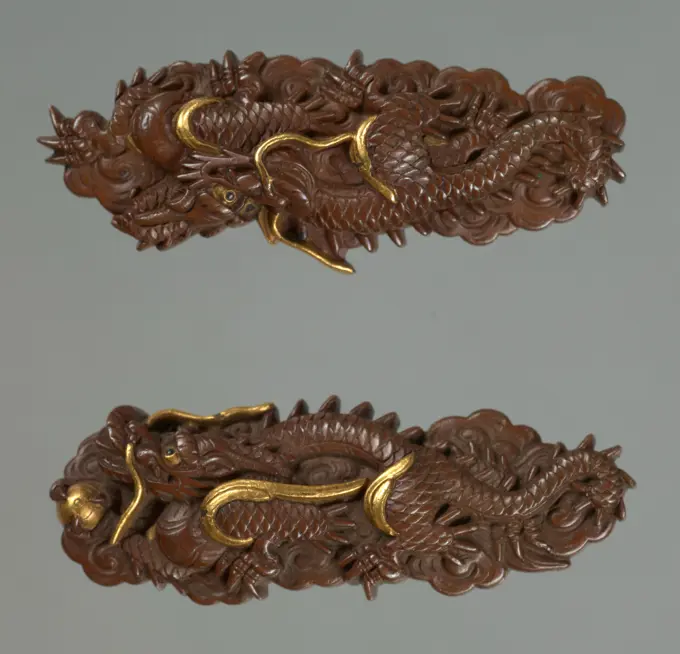
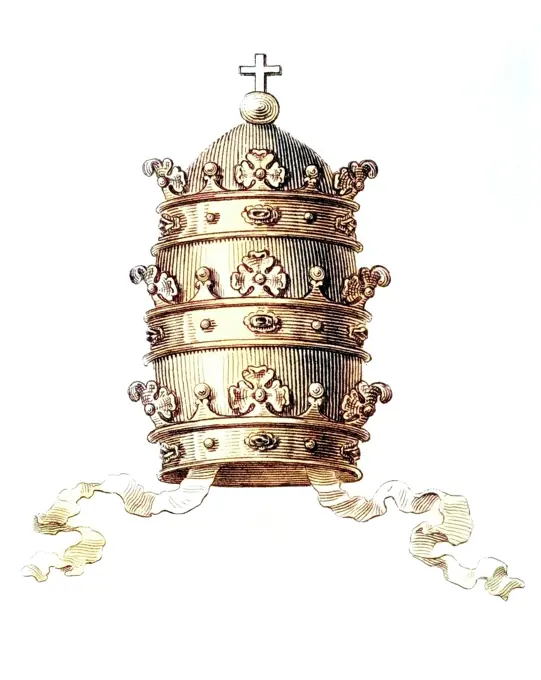
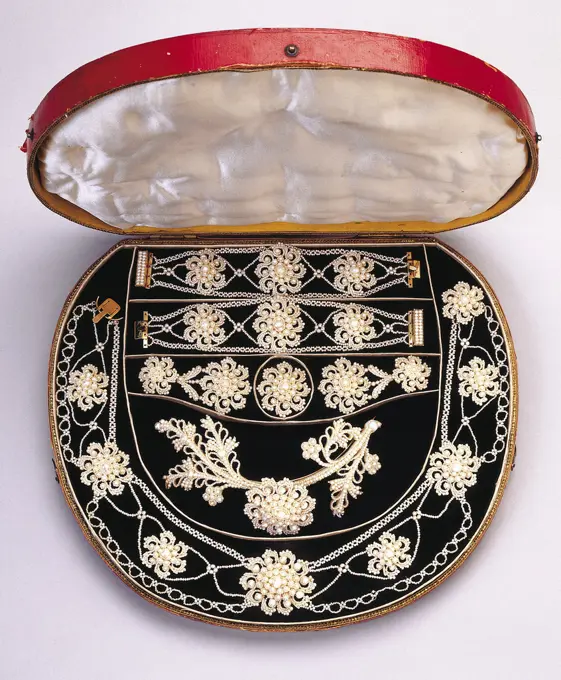
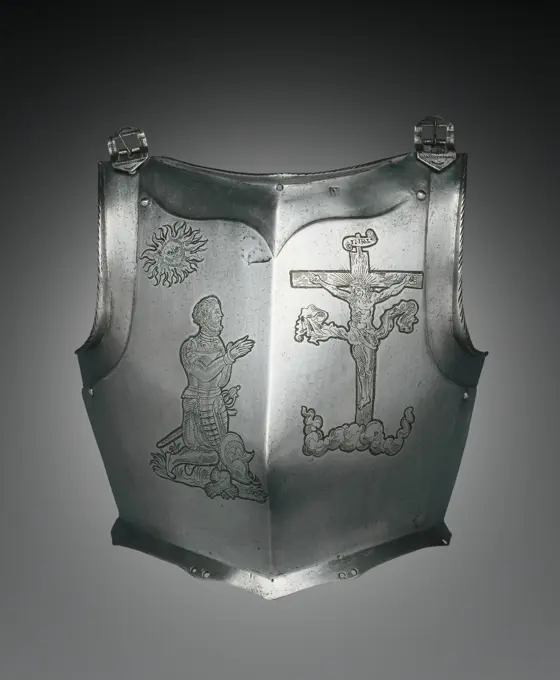
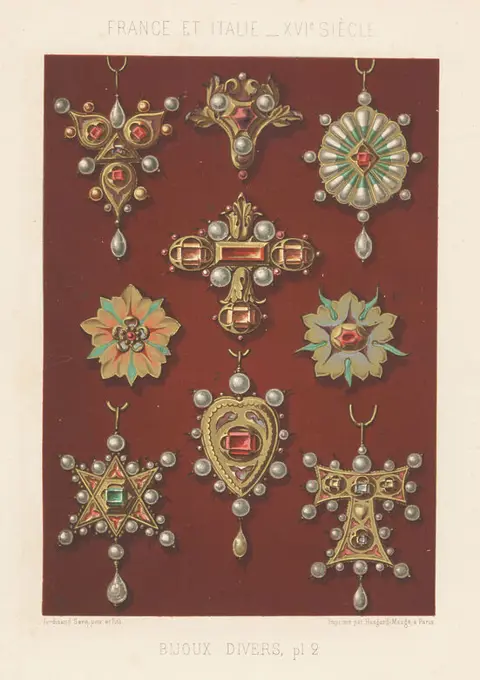
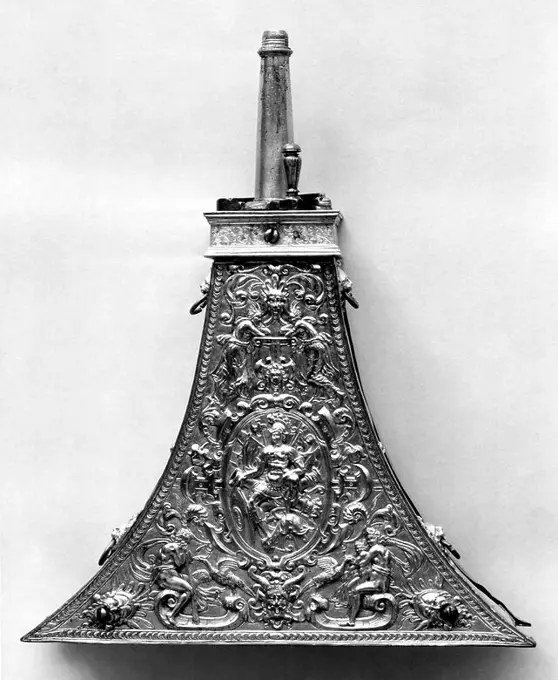
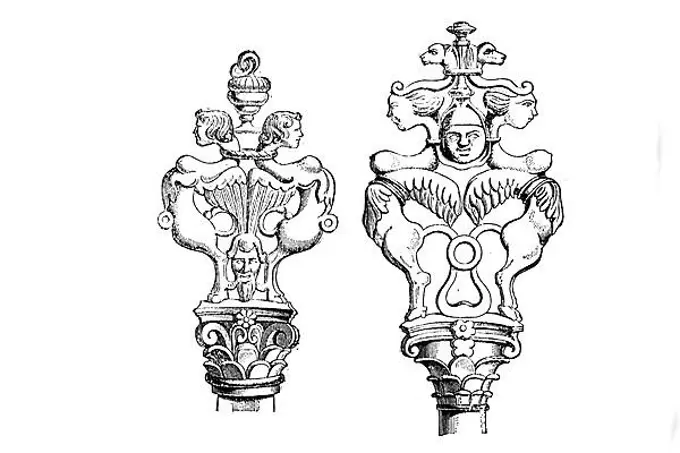
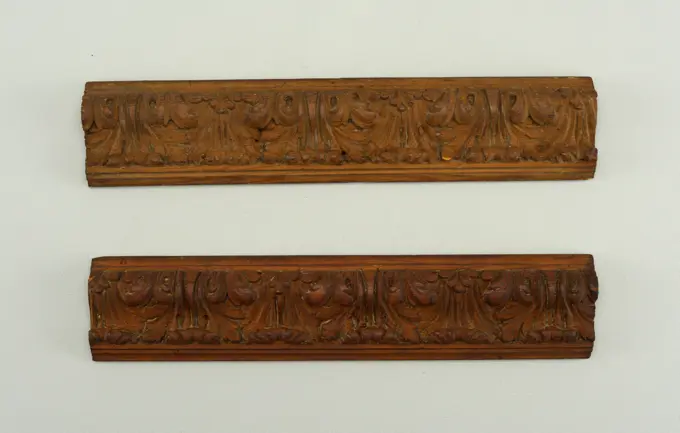
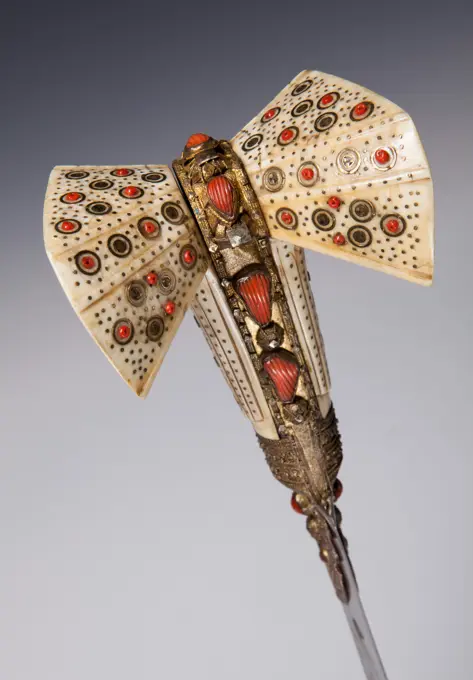
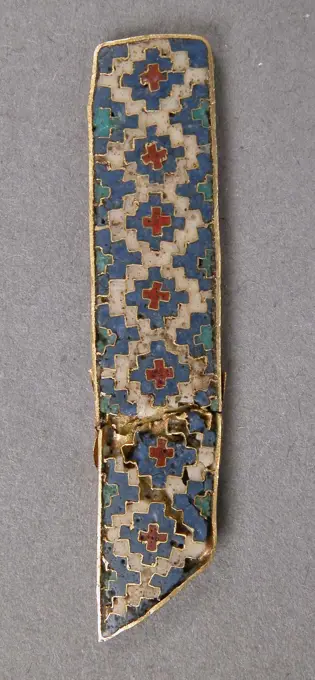
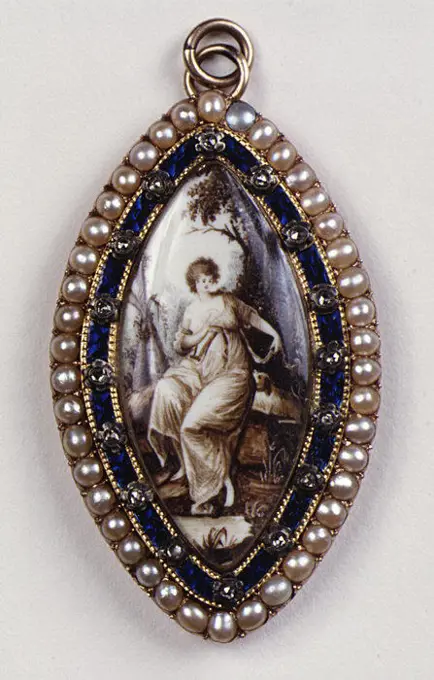
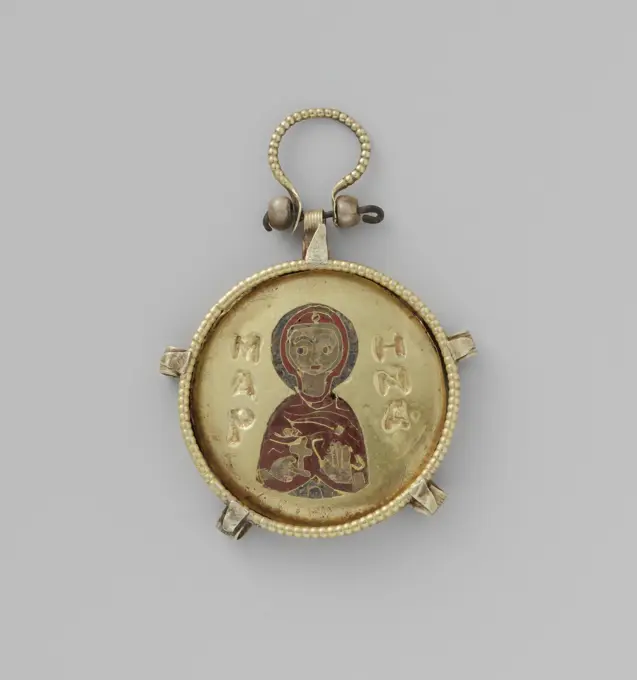
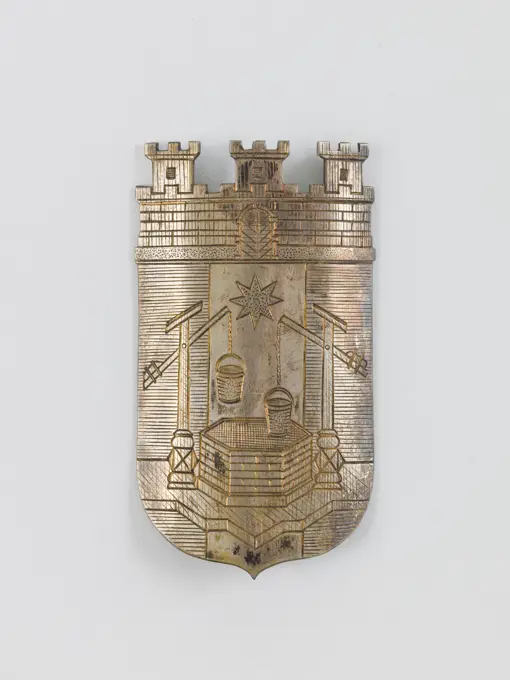
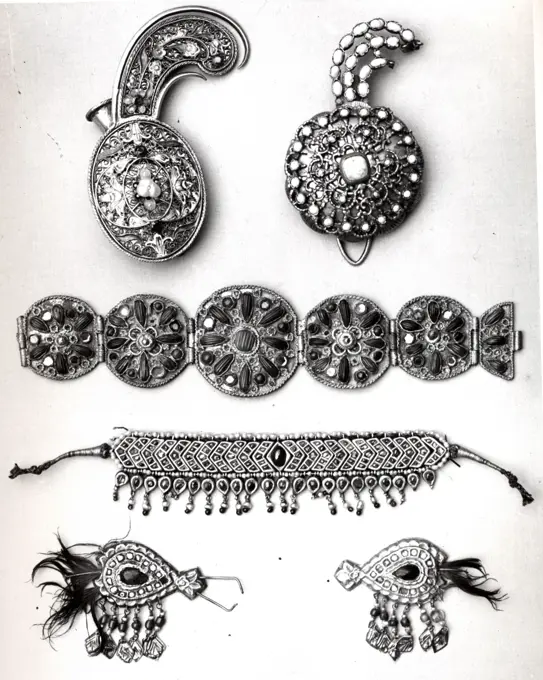
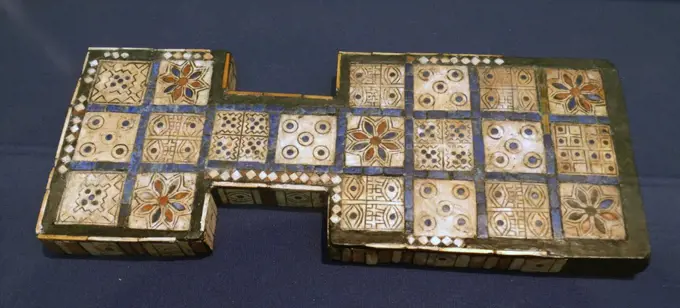
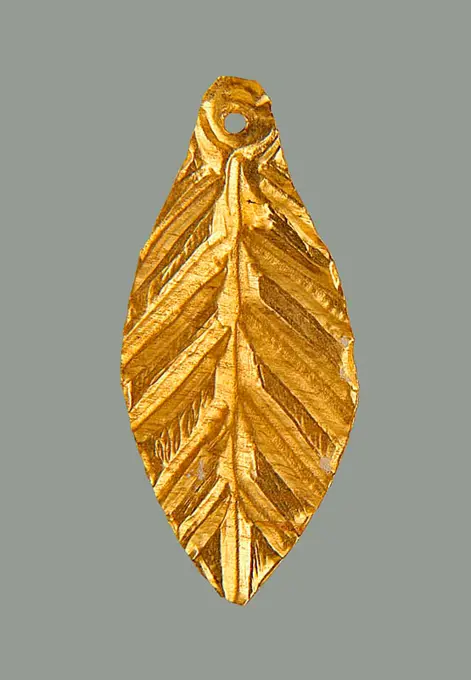
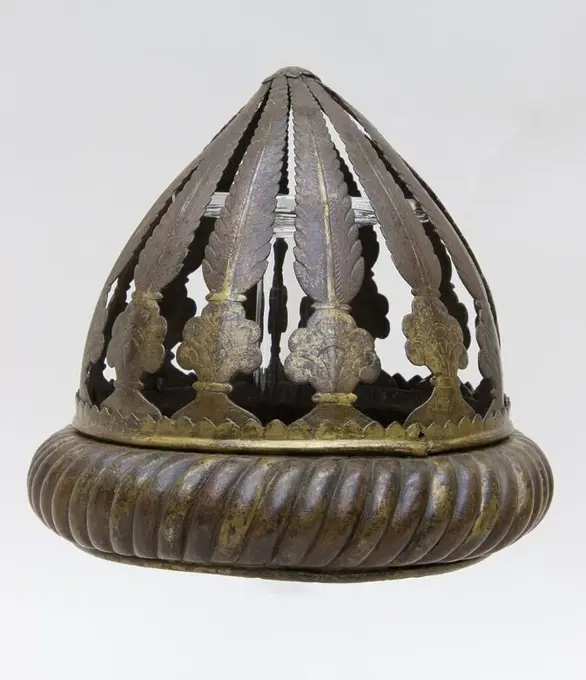
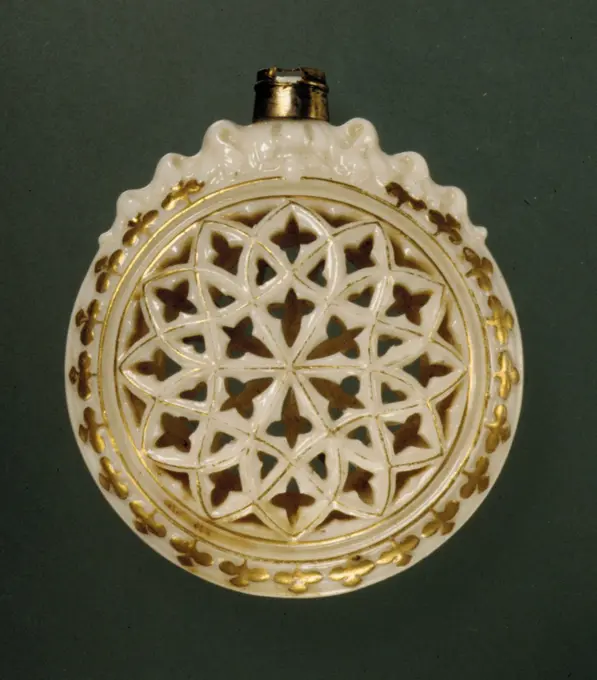
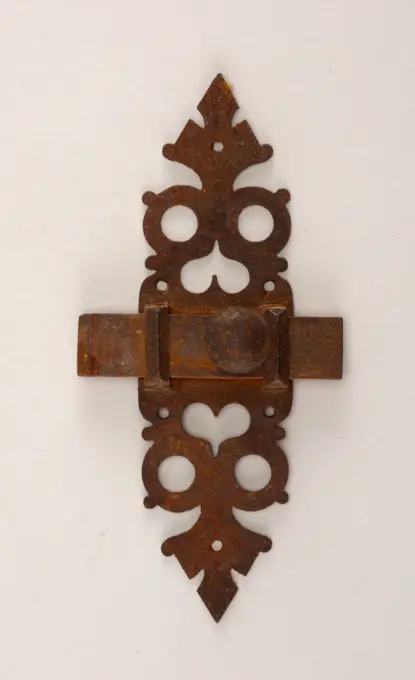
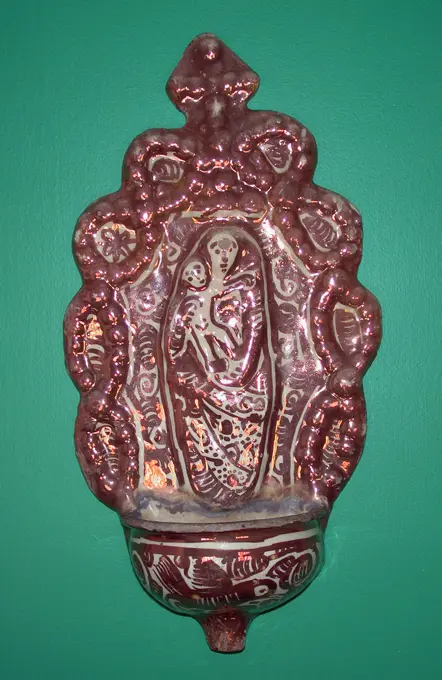
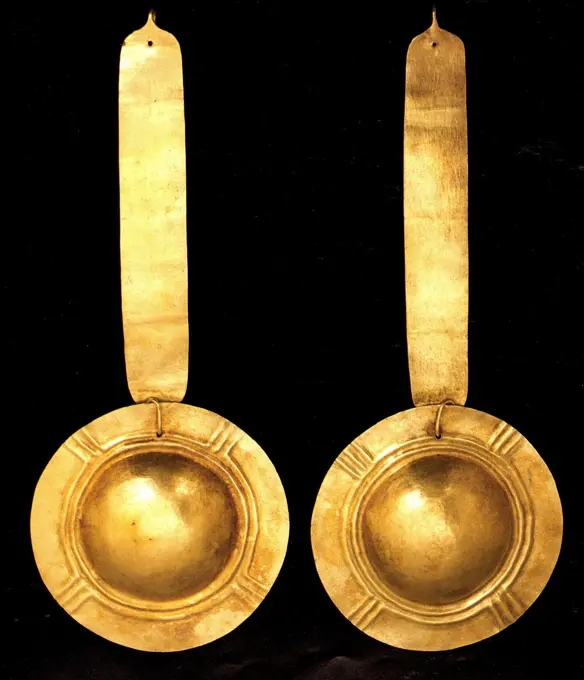
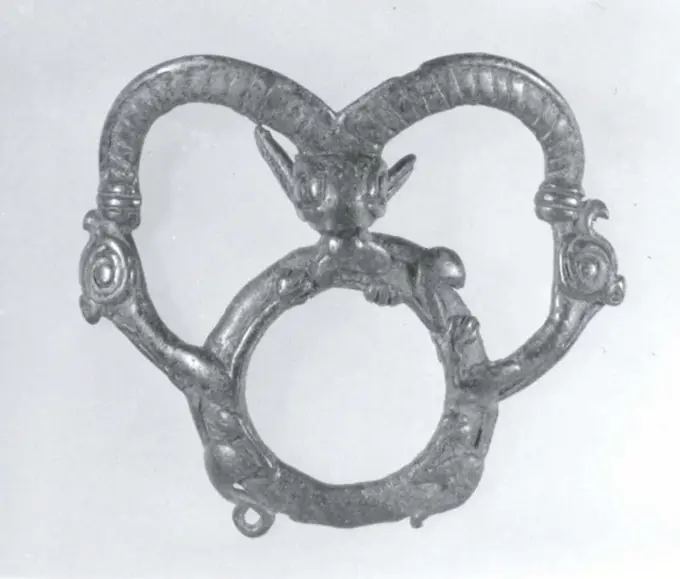
Ga'u's box - fragment;  19th century (1800-00-00-1900-00-00);Fork (Germany); coral, gilt silver; L x W: 19 x 1.7 cm (7 1/2 x 11/16 in.); The Robert L. Metzenberg Collection, gift of Eleanor L. Metzenberg; 1985-103-81Wind vane van Koper, with Triton, from the Hogewoerdspoort in Leiden A copper wind vane with bulb, a triton, from the Hogewoerdspoort in Leiden. The iron pivot ending in 4 lips.  iron (metal). copper (metal)   Hogewoerdspoort A copper wind vane with bulb, a triton, from the Hogewoerdspoort in Leiden. The iron pivot ending in 4 lips.  iron (metal). copper (metal)   HogewoerdspoortBird-Shaped Brooch 500-600 Frankish The dress of Frankish women generally consisted of a tunic, cinched by a belt from which hung an array of pendants. A wrap or cloak went over the tunic. Shoes and hosiery, fastened with buckles, covered the legs. Earrings, necklaces, and hairpins completed the ensemble.Aspects of this dress changed from the 300s to the 600s, and brooches in particular convey changes in taste. From the 300s to the 500s, pairs of small brooches, in an array of inventive shapes, held the wrap in place. By the 600s, a single large disc brooch, usually elaborately decorated, served the same function. No other piece of jewelry is more characteristic of Frankish dress than the brooch, and no other better demonstrates the virtuosity of Frankish metalworkers.. Bird-Shaped Brooch 464858James M Lawson, Tortoise Shell Necklace & Locket, c 1940 Tortoise Shell Necklace & LocketPendant 18th-19th century Philippines. Pendant. Philippines. 18th-19th century. Gold alloy and glass. JewelryLoop. 3 -string lyre decor and plant garland.Belt Plaque with Dragon and Tortoises 2nd-1st century B.C. Northwest China. Belt Plaque with Dragon and Tortoises. Northwest China. 2nd-1st century B.C.. Gilded bronze. Xiongnu culture. MetalworkBliżej Kultury unknownPlaque from a Reliquary early 13th century Workshop of Master of the Virgin Mary's Reliquary Casket German Although subtle variations of pattern and color distinguish these three plaques from one another, they once formed part of the decoration of a single reliquary. Roman numerals scratched into the reverse indicated where they were to be set, with other figural and decorative elements, on a large house-shaped shrine or other devotional object.. Plaque from a Reliquary. Workshop of Master of the Virgin Mary's Reliquary Casket (German, Aachen). German. early 13th century. Champlevé and cloisonné enamel, copper-gilt. Made in Cologne, Germany. EnamelsVinaigrette 1816-1817 Birmingham. Silver gilt .Goldweight Two Crossed Crocodiles, 19th-20th century, 1/2 x 2 7/8 x 2 7/8 in. (1.27 x 7.3 x 7.3 cm), Brass, Ghana, 19th-20th centuryPurse. Culture: British. Date: last quarter 16th century.Elaborately embroidered purses such as this example were known as "sweet bags" and were used to carry scented herbs or essences to cover unpleasant odors. Museum: Metropolitan Museum of Art, New York, USA.Shell Pendant with the Name of Senwosret II ca. 1887-1878 B.C. Middle Kingdom. Shell Pendant with the Name of Senwosret II. ca. 1887-1878 B.C.. Gold, carnelian. Middle Kingdom. From Egypt; Possibly from Memphite Region, Dahshur. Dynasty 12CDK unknownPair of Sword-Grip Ornaments (Menuki). Culture: Japanese. Dimensions: L. of each 1 7/8 in. (4.8 cm); Wt. of each 0.4 oz. (11.3 g). Date: 18th century. Museum: Metropolitan Museum of Art, New York, USA.Fibula with finger like projections, Crimea. 4th-7th Century.Fireworks made of gold-plated beech wood. Fireworks made of gold-plated beech wood. The screen rests on low trestle feet and is surrounded by a border with bay leaf. At the time of the acquisition, the fire screen was covered with an 18th-century tapestry.Tiara. triple crown. papal crown or occasionally Roman crown. is the crown worn by the Pope on ceremonial occasions. Historical. digitally restored reproduction of a model from the 19th centuryObjects from the Roman silver hoard known as the Capheaton treasure. Dated 2nd Century ADHelmet 19th century Indian, possibly North Indian. Helmet 32072Horse Harness 9th-10th century. Horse Harness. 9th-10th century. Bronze; cast, gilded. Excavated in Iran, Nishapur. MetalGallon;  beginning of the 19th century (1901-00-00-1910-00-00);ParureSilver loop.ManiPle, Embroidered unknownWallet. Around 1900. GAL2006.114.2Breastplate, c. 1550. Germany, Nuremberg, 16th century. Steel with etched figure kneeling before Crucifixion; overall: 31.3 x 35 x 20 cm (12 5/16 x 13 3/4 x 7 7/8 in.). This breastplate, lacking its tassets, is nonetheless a fine example of the superb sculptural forms achieved by Renaissance armorers. Its contours and glancing surface illustrate the extremes sought by both armorers and patrons in order to deflect projectiles such as crossbow bolts and thrusting lances. Embellishment was an important aspect of fine armor. This breastplate bears a fine etched decoration of a kneeling knight, possibly the armor's owner, before the Crucifixion. This may have created a kind of personalized devotional image for use in combat.Engraved gold detail Detail of engraved frame in pure gold Copyright: xZoonar.com/Baloncicix 15115662Examples of pendants or pend-a-col, France and Italy, 16th century. Enamelled and decorated with pearls, rubies, emeralds, precious stones, etc, Bijoux, Pl. 2, France et Italie, XVIe siecle. Chromolithograph by Ferdinand Sere from Charles Louandres Les Arts Somptuaires, The Sumptuary Arts, Hangard-Mauge, Paris, 1858.Scapular (Italy); silk, metallic string and tassels, colored glassPanel 13th-14th century. Panel 445040. Jewelry of an impossible form (!), Decorated with curls, between a human being in the midst of such being, is located above such a being; Such a half figure on either side.Grogger (noise maker), 1866, 6 1/2 x 4 1/4 x 1/2 in. (16.51 x 10.8 x 1.27 cm), Silver, Poland (possibly), 19th centuryFive-piece parure in original case Possibly French third quarter 18th century This matching set of jewelry, or parure, consists of different elements and includes a necklace, a pair of earrings, and two hair ornaments kept in their original case. Set in gold, the pieces are mounted with faceted garnets that have been backed by pink metal foil to enhance their color. Garnets were very fashionable in the eighteenth century and were used to create attractive and affordable jewelry especially for young women. The various detachable parts, such as the festoon and cross-shaped pendant of the necklace, and the lower pendants of the earrings, made the jewelry versatile and suitable to be worn by day or at night. Since the jewelry is not signed, it is not known who made this particular parure. Similarities to designs by Jean Baptiste Piauger published in his Traité des Pierres Précieuses et de la maniere de les employer en Parure of 1762, however, suggest a French origin. View more. Five-piece Goldsmith's art, Italy, 17th century. Emeralds and enamelled gold cross.Escutcheon; 1904-21-31Needle sheath 17th century Italian. Needle sheath. Italian. 17th century. Wood. Textiles-Methods and MaterialsHungarian-Style Shield. Culture: Eastern European. Dimensions: H. 50 in. (127 cm); W. 20 in. (50.8 cm). Date: ca. 1500-1550.This wing-shaped shield and others like it in the Metropolitan Museum's collection (42.50.30, 49.57.1), with the distinctive upward-sweeping back edge, were the characteristic light-cavalry shields of Hungary. During the sixteenth century, the style was adopted across much of eastern Europe by both Christian and Islamic horsemen. The shield's elongated upper edge was designed to defend the back of the head and neck against cuts from a saber, the preferred cavalry weapon in that region. Museum: Metropolitan Museum of Art, New York, USA.Przeszo Przyszoci unknownPendant with Venus and Cupid on a Dolphin. Artist: partly designed and perhaps made by Reinhold Vasters (German, Erkelenz 1827-1909 Aachen) or; Alfred André (French, 1839-1919). Dimensions: H. 11 cm, w. 8.5 cm.. Date: ca. 1865-90.The white enameled figures of Venus and Cupid are seated upon a fantastic sea creature. The mythological subject of Venus, goddess of love, accompanied by her son Cupid and a sea creature (signifying her birth from the sea and erotic love), dates back to antiquity and was a popular theme during the Renaissance and later periods. A pendant with such amorous connotations could have served as a nuptial gift. A series of sixteenth-century engravings by Adriaen Collaert depicting designs for pendants in the form of sea monsters attests to the popularity of this motif in Renaissance jewelry. Such engravings likely provided models for the highly skilled European goldsmiths of the nineteenth century, such as Reinhold Vasters and Alfred André, who produced RenaissancePowder Flask. Culture: French or Flemish. Dimensions: H. 11 1/8 in. (28.4 cm); W. 8 1/2 in. (21.6 cm). Date: ca. 1560-80.The decoration of the front panel combines motifs from French and Flemish ornament prints. The figure in the central oval represents Mars or another personification of war. Museum: Metropolitan Museum of Art, New York, USA.Etui And Cover (France); lacquer painted over shagreen; vernis martianPie de relicario, siglo XIV. Catedral de Tortosa, Tarragona.Pectoral cross, anonymous, c. 1480 Breast cross of gold, consisting of a loose front and back with engraved representations, respectively with the life of Mary and the suffering of Christ. The halves, formed as a box and lid can be connected by means of pins. Pearls are attached to the box half in the indented corners. Along the edge The inscription: Ave M (A) R (i) a s (an) cte b (er) n (a) rde ora p (ro) nob (is) p (ate) r n (o) s (te) R Bern (AR) D (US) SCHAPH MCCCLXI. Westphalia (possibly) gold (metal). pearl engraving Breast cross of gold, consisting of a loose front and back with engraved representations, respectively with the life of Mary and the suffering of Christ. The halves, formed as a box and lid can be connected by means of pins. Pearls are attached to the box half in the indented corners. Along the edge The inscription: Ave M (A) R (i) a s (an) cte b (er) n (a) rde ora p (ro) nob (is) p (ate) r n (o) s (te) R Bern (AR) D (US) SCHAPH MCCCLXI. Westphalia (possibly) gold (mKey handles from the 16th century, France, Historical, digital reproduction of an original from the 19th century, EuropeMolding; wood, carvedHand shaped door handleTriangular Plaque mid-7th-9th century Northwest China/Eastern Central Asia. Triangular Plaque. Northwest China/Eastern Central Asia. mid-7th-9th century. Gold. period of Tibetan rule. MetalworkMade of gold. Earrings from Three Kingdoms Period of Korea (57 BCE - 668)Badge (probably from Horse Harness). Culture: possibly Spanish. Dimensions: H. 3 1/4 in. (8.3 cm); W. 2 3/4 in. (7 cm); Wt. 1.5 oz. (42.5 g). Date: 14th century. Museum: Metropolitan Museum of Art, New York, USA.Two lines of sculpted and gilded Lindehout, Anonymous, 1689 Two parts horning at Table BK-1962-49.  wood (plant material). gilding (material) gilding Two parts horning at Table BK-1962-49.  wood (plant material). gilding (material) gildingabstract illustrated glass background object abstract illustrated glass background object Copyright: xZoonar.com/FrankxRohdex 4795448TuskPendantYataganElement of a Border for an Icon Frame 10th century Byzantine. Element of a Border for an Icon Frame 464525 Byzantine, Element of a Border for an Icon Frame, 10th century, Cloisonn enamel, gold, Overall: 5/16 x 1 9/16 x 1/16 in. (0.8 x 4 x 0.2 cm). The Metropolitan Museum of Art, New York. Gift of J. Pierpont Morgan, 1917 (17.190.654)Locket late 18th century probably British. Locket 199599Charles I. Unknown, no date. Jewelry and Adornments; medals. Silver, cast and chased, engravedMedallion with a female saint, anonymous, c. 900 - c. 1000 Gold and email medallion. The round medallion hangs on a loop -shaped eye. In the middle, a bust of a female saint, Marina, is enclosed in Email Cloisonon. Byzantium (possibly) gold (metal). Gold and email medallion. The round medallion hangs on a loop -shaped eye. In the middle, a bust of a female saint, Marina, is enclosed in Email Cloisonon. Byzantium (possibly) gold (metal).Bliżej Kultury unknownAbundance. Dated: mid 15th century. Dimensions: overall (oval without suspension loop): 5.11 x 4.15 cm (2 x 1 5/8 in.) overall (height with suspension loop): 5.93 cm (2 5/16 in.) gross weight: 46.19 gr (0.102 lb.). Medium: bronze//Light brown patina. Museum: National Gallery of Art, Washington DC. Author: Roman 15th Century, after the Antique.Toro, símbolo del evangelista San Mateo, hacia 1400, plata cincelada y esmaltes translúcidos, 5,7 x 5,5 x 0,25 cm. Museu Nacional d'Art de Catalunya.Earrings and Brooch. Dated: c. 1937. Dimensions: overall: 35.9 x 27.8 cm (14 1/8 x 10 15/16 in.). Medium: watercolor, graphite, and gouache on paper. Museum: National Gallery of Art, Washington DC. Author: Tulita Westfall.Anonymous. "Ornamental coat of arms of the Villle of Hamburg ()". Metal. 1890-1945. General Leclerc Museum of Hauteclocque and the Liberation of Paris, Jean Moulin Museum. 158814-1Ornament, One of a Pair first half 19th century These teardrop shaped ornaments are made in typical nineteenth century Uzbek style, and utilize turquoise and carnelian beads. It is unclear where on the body they would have been worn, but they would certainly have been part of an ensemble of jewels, including necklaces, head and hair ornaments, bracelets and rings. The teardrop shaped motif known variously as paisley or buta (flame) is best known from Indian art, but also appears in some Uzbek textiles and other adornments, such as here.. Ornament, One of a Pair. first half 19th century. Gold, turquoise, carnelian, feather. Made in present-day Uzbekistan, Bukhara or Samarqand. JewelryLock 15th-16th century French The decoration of Gothic iron locks and keys was often elaborate and of the highest standard of workmanship. The motifs were frequently drawn from Gothic architecture, reproducing on a miniature scale complicated tracery patterns and even tiny statuettes. A number of these tiny locks were compound, with some of the mechanisms concealed from view, and required two or even three keys used in sequence to open them. It has been suggested that the greatly expanded use of locks on doors, or coffrets and other types of storage chests was a result of the increasing urbanization of life and the new emphasis on material wealth and private ownership which developed in the late Middle Ages.. Lock. French. 15th-16th century. Iron. Metalwork-IronHair Pin made from brass, Maharashtra, India, 19th centurySword bearing name of Suleyman the Magnificent, 16th century. Artist: Unknown.The coat of arms of the family Snoeck, Amsterdam, The Netherlands, Anonymous, 1700 - 1799Guarrazar Hoard. Crown of Recceswinth. Visigothic goldsmithing. Dated between 621 and 672 AD. The crown was offered by the Visigothic King Recceswinth (649-672). The diadem is made of double gold plated in the form of two semicircles articulated by hinges. Cabochon sapphires and pearls cover the diadem. Chain links in the form of a pear tree leaf, which are joined at the base of a double white lily, crowned by a small rock crystal capital. From the bottom of the diadem hang the letters that compose the royal dedication. It was made by the Court of Toledo royal workshop. Height: 80 cm, length of the chain: 26.5 cm. Height of the diadem: 10 cm, with a diameter of 20.6 cm. From Guarrazar (Guadamur, province of Toledo, Spain). National Archaeological Museum. Madrid. Spain.Goldsmith's art, Italy, 16th century. Properzia de Rossi (before 1491-1530), jewel with carved cherry stone.Carnavalet museum, medal collectionCosta Rica, San Jose, Pre-Columbian Gold Museum, Gold metalworking with shape of birds representing spirits invoked by shamanRoyal game board , found by Leonard Woolley in the Royal Cemetery at Ur, southern Iraq, about 2600-2400 BC. inlay of shell, red limestone and lapis lazuliDiademLiść laurowy - część wieńca (). unknown, authorHelmet. Culture: Indian, Maharashtran or Deccan. Dimensions: H. 8 1/2 in. (21.6 cm); W. 9 9/16 in. (24.3 cm); D. 10 1/4 in. (26 cm); Wt. 2 lb. 9.6 oz. (1179.3 g). Date: 17th century. Museum: Metropolitan Museum of Art, New York, USA.Lazio Rieti Rieti Museo del Tesoro del Duomo2. Hutzel, Max 1960-1990 Photos are all of metalwork: crucifixes, chalices and monstrances in most part. Negatives without prints also show some statuary. Owner: Cathedral Object Notes: Hutzel photo campaign date: December 27, 1982. His notes indicate that this is the "Museum of the Processional Cross," however TCI indicates that it is the Museo del Tesoro del Duomo. It is also possible that negatives without prints may belong to the Museo Civico in Rieti. German-born photographer and scholar Max Hutzel (1911-1988) photographed in Italy from the early 1960s until his death. The result of this project, referred to by Hutzel as Foto Arte Minore, is thorough documentation of art historical development in Italy up to the 18th century, including objects of the Etruscans and the Romans, as well as early Medieval, Romanesque, Gothic, Renaissance and Baroque monuments. Images are organized by geographic region in Italy, then by province, city, site cPair of Earrings with Vishnu Riding Garuda, 1600s or 1700s. Gold set with precious and semiprecious stones; These earrings were made to hang on large bronze sculptures of deities worshipped in Nepalese temples. Nepalese craftsmen excelled at the detailed encrustation of jewels to depict complex figural imagery. They shaped gold wires into a framework, then inserted polished stones into the spaces, held in place with an adhesive. Four-armed Vishnu is made of sapphires; his mount the man-eagle appears to be made of carnelian and spinel with wings of turquoise.Sté of good living and traders of Tyberchamps 5/7/1925Perfume flask 1883-87 Probably Willets Manufacturing Company. Perfume flask. American. 1883-87. Porcelain. Made in Trenton, New Jersey, United StatesIvory pyxis from the Medina de Azahara. 964. Madrid, National Archaeological Museum. Location: MUSEO ARQUEOLOGICO NACIONAL-COLECCION. MADRID. SPAIN.Pin and Earring Set. Dated: c. 1936. Dimensions: overall: 27.9 x 22.9 cm (11 x 9 in.). Medium: watercolor, pen and ink, and graphite on paper. Museum: National Gallery of Art, Washington DC. Author: Bertha Semple.MountBoltBrooch in the shape of a narring head. Brooch of gold, litherten, baroque pearl and email, in the form of a narring head.Pair of bénitiers 18th century Spanish, Valencia Tin-glazed earthenware, of which lusterware is one type, was developed in the Middle East in the ninth and tenth centuries to imitate the porcelains produced in China. The opaque white glaze concealed the clay body, which could range from pale buff to brick red, allowing for brilliant effects created by painting the white surface with metal oxides that fired to a range of colors. This technique, as well as the use of metallic lusteran iridescent, coppery painted glazespread throughout the Muslim world, arriving among the potters of Valencia in the thirteenth century. The so-called Hispano-Moresque lusterware, with its fusion of Islamic and Gothic styles and motifs, often in shaped imitating those of metal vessels, was treasured by the elite in Spain during the fifteenth century and exported to the courts of Europe. The Valencian industry declined in the late sixteenth century, as colorful Italian Renaissance maiolica gained in populariLluís Masriera / Colgante de esmalte y diamantes. De diseño ovalado, aplicado con esmalte plique-à-jour multicolor resaltado con diamantes de talla rosa, 1925. Colección privada. Author: LLUÍS MASRIERA I ROSÉS.Wall refuge with lion's head and snake. The object consists of four cast parts: the wall plate, the arm, the fat catcher, the candle pin. The wall plate is poured from the same shape as that of BK-BR-946-S, has the shape of a lion's head with a beakered beak, in which a square hole. Therefore a saying tape shared with the name and inscription .sterck.alden.leev. / Verssictich.voort. / .Tslanghen.vier. / .Fe.hans.rogier.1599. Therefore a rollerwork ornament, on which various decorations have been punched, o.. Four-leaved roses. A hole is arranged at the top. An eye is soldered at the rear. The arm is designed as a scaly snake wrapped in an S-shape. This is provided with a protrusion in the tail part, which fits into the mouth of the lion of the wall plate. A hole is applied to the head with opened mouth in which the candle pin can be screwed. The round fat catcher has a profiled edge and bottom. The candle pin has the form of a baluster in one point.Pair of Ear Pendants 13th-16th century Sonso This grandiose pair of ear pendants illustrates the size such ornaments attained in ancient Colombia. Their suspension asssemblies have remained, remarkably, intact; the parts frequently became separated, leaving only the disks to indicate the original scale of the whole. Many ear-pendant disks were suspended with only gold hoops, which were easily changed or removed.. Pair of Ear Pendants 316698Cruz de Les Perles, siglo XVI. Museu-Tresor de la Catedral de Girona / Museo Tesoro de la Catedral de Gerona.Object with Arabic scriptHarness ring ca. 8th-7th century B.C. Iran. Harness ring 322877Band (Italy); silk on linen; Bequest of Marian Hague; 1971-50-91Sotck exchange. Mid -19th. GAL1965.77.57Pair ofFibulaeDance Mask circa 1850-1900. This mask would have worn by an actor playing the part of Thotsakan, the demon king of Sri Lanka. Originally based on Indian temple dances, these masked dances become a popular entertainment at the royal court during the Ayutthaya period (1350-1767).Balaclava of Archduke Ferdinand of Tyrol, made by Lucio Piccinino, Historical, digitally restored reproduction from the 19th century, exact date unknownPendant Cross 1600-1650 Spain. Gold, enamel, rock crystal, and pearls .Band. Culture: French. Dimensions: Overall: 2 1/16 x 3 5/8 x 2 3/16 in. (5.3 x 9.2 x 5.5 cm)Length on band: 6 1/8 in. (15.5 cm). Date: early 13th century. Museum: Metropolitan Museum of Art, New York, USA.