Golden Decorative Elements

Intricate golden decorative items, including mounts, a ceremonial standard, and wall sconces. The designs feature ornate details typical of vintage craftsmanship.
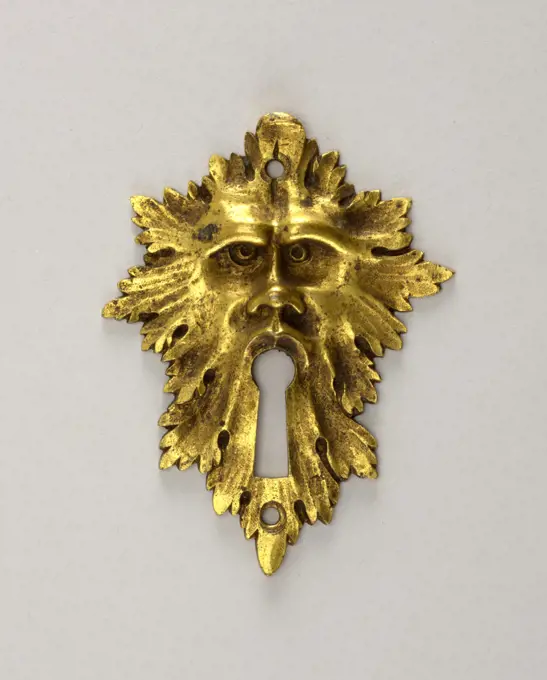
Escutcheon, Bronze, gilt, mast with keyhole open mouth, Italy or France, 19th century, metalwork, Decorative Arts, Escutcheon
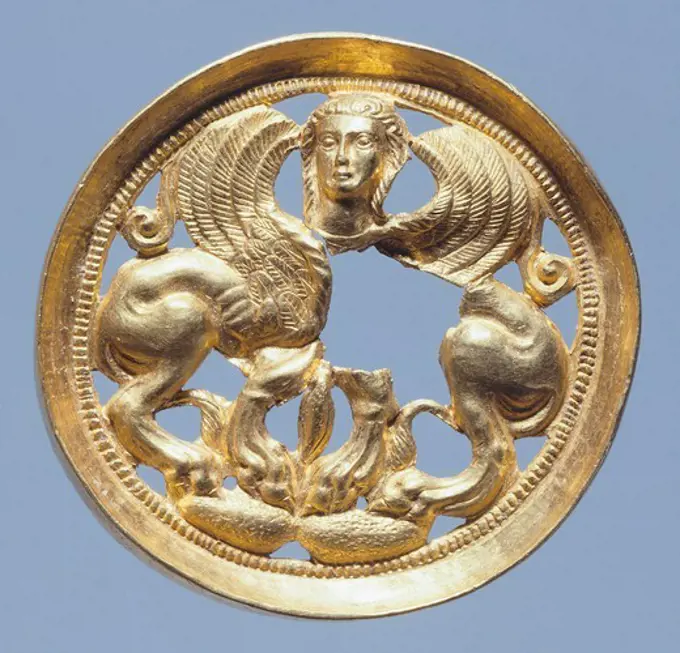
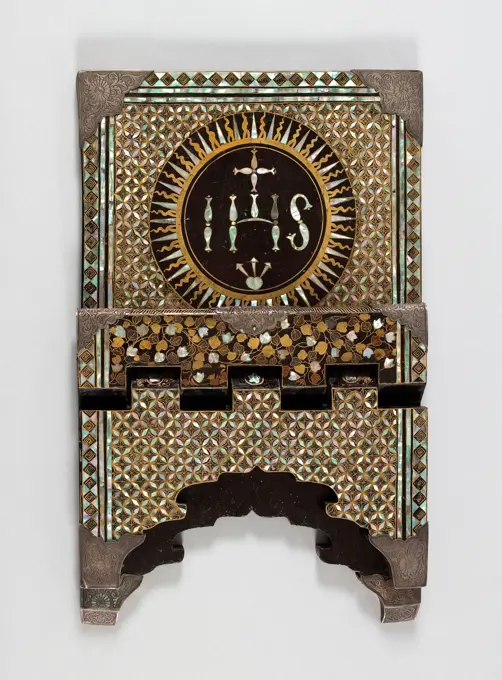
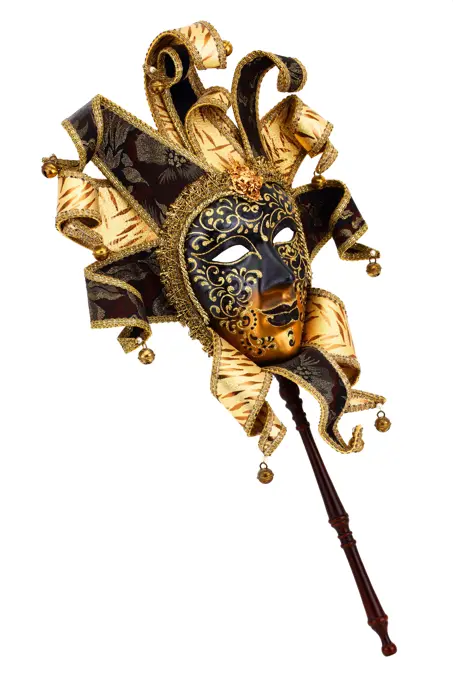
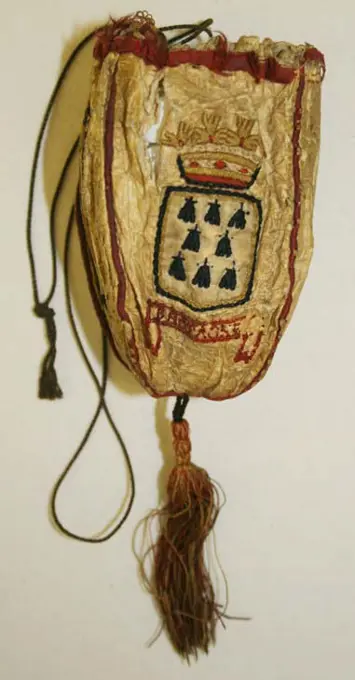
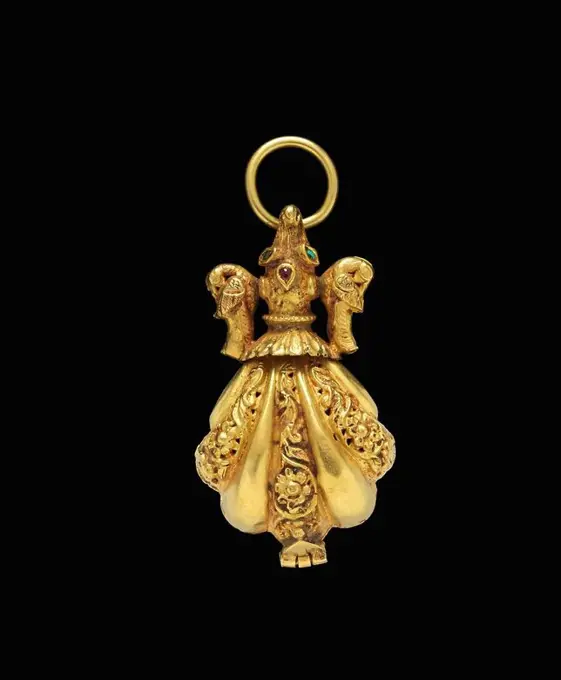
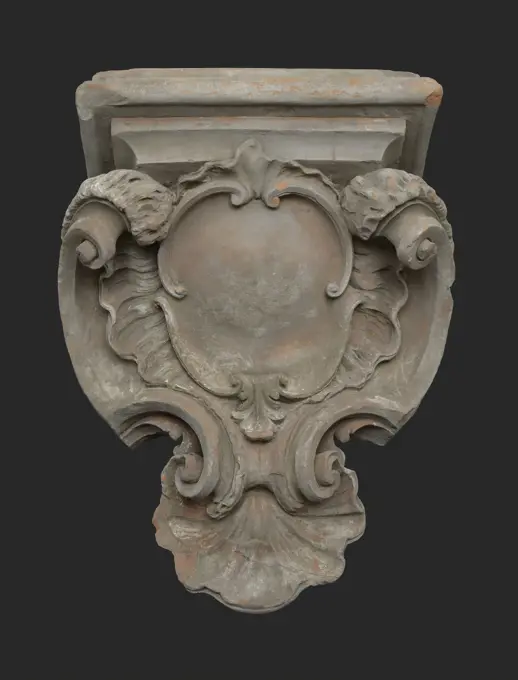
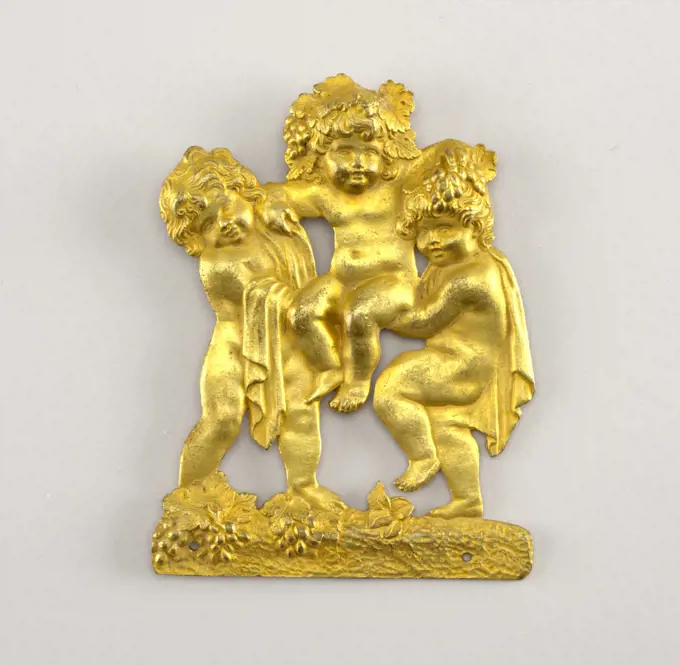
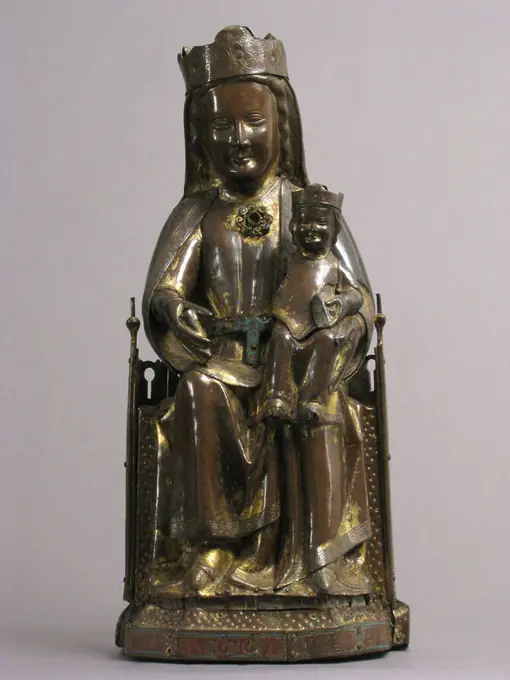
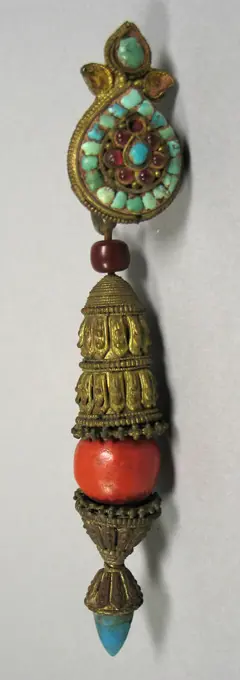
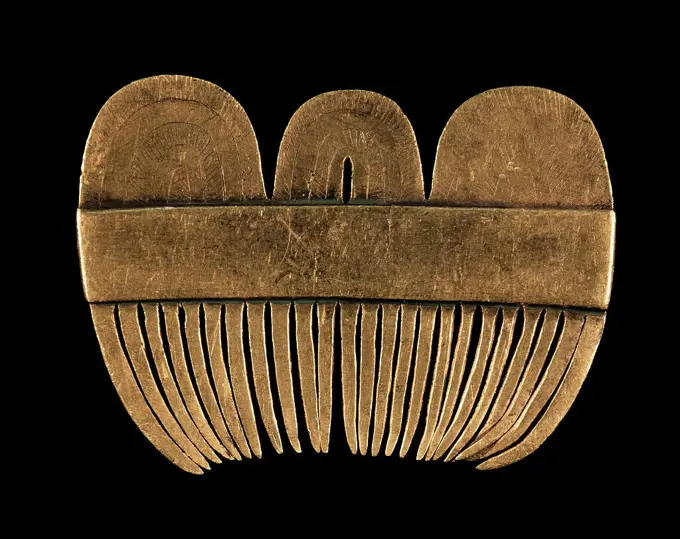
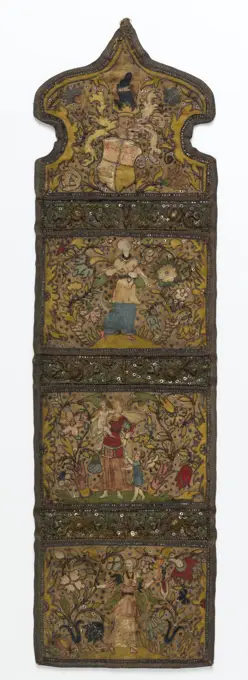
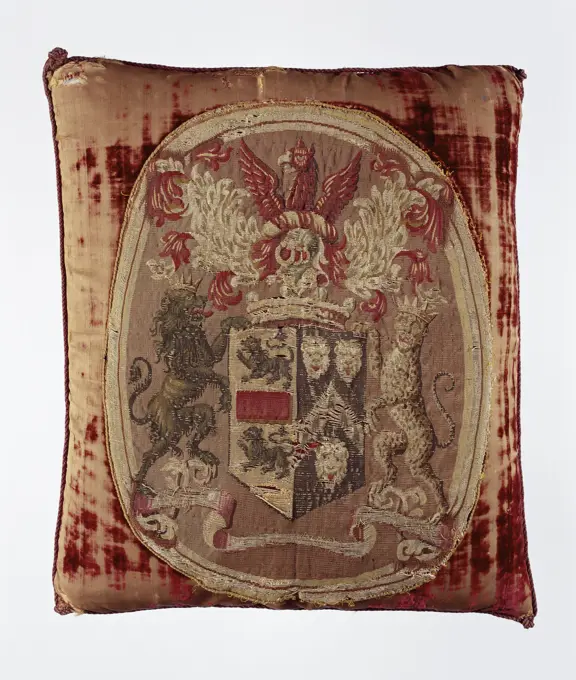
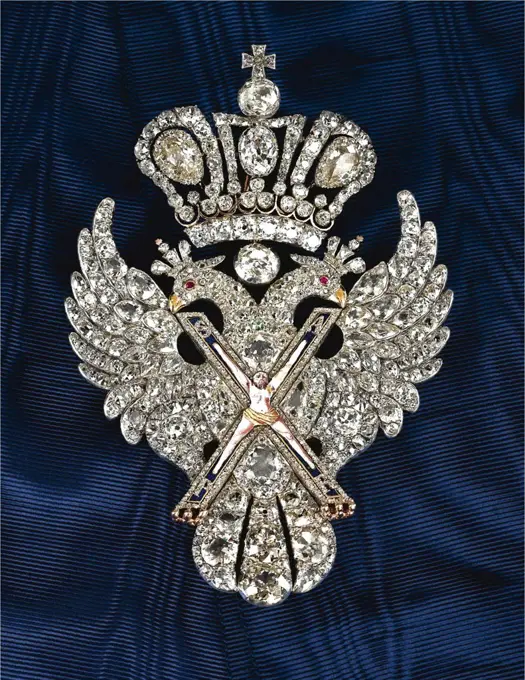
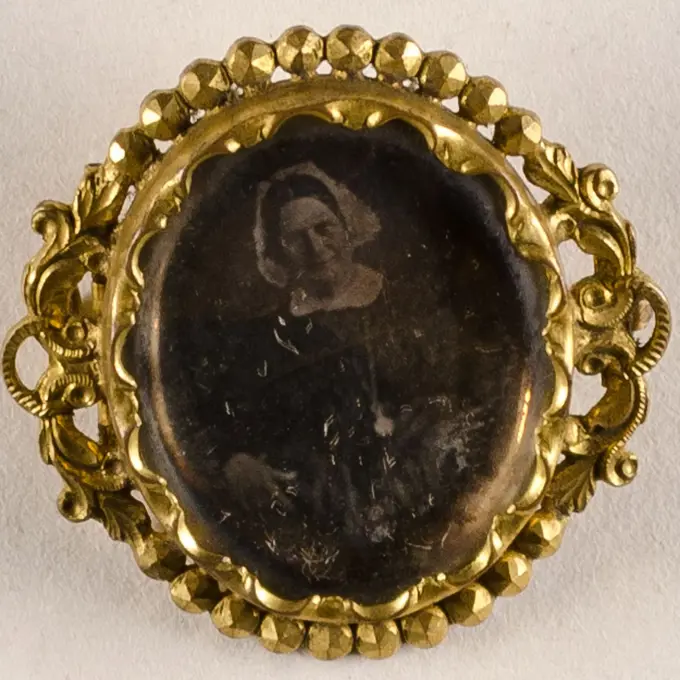
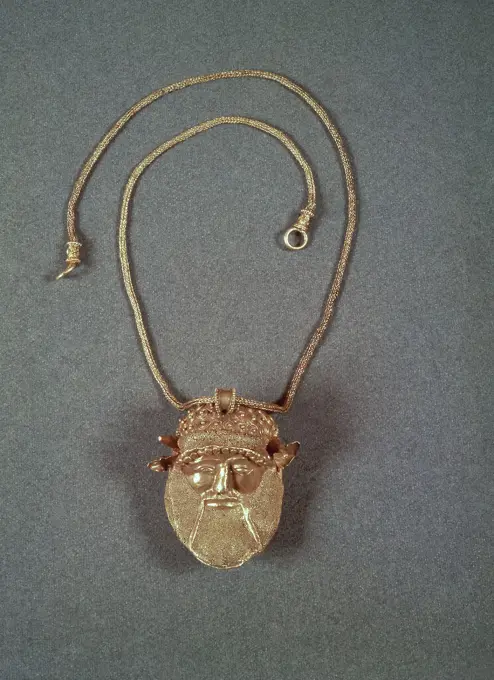
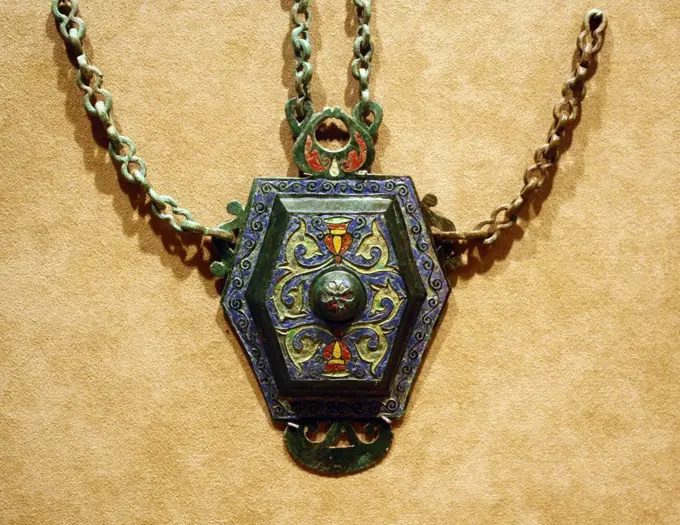
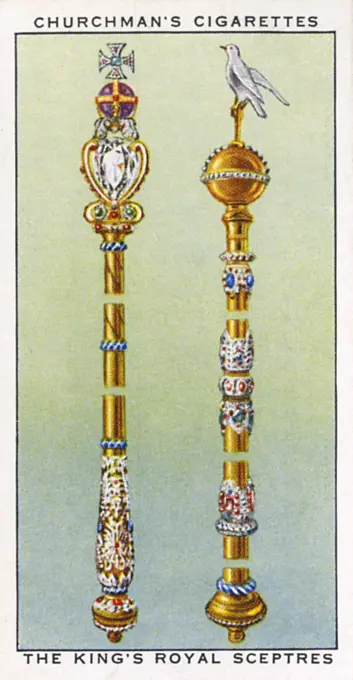
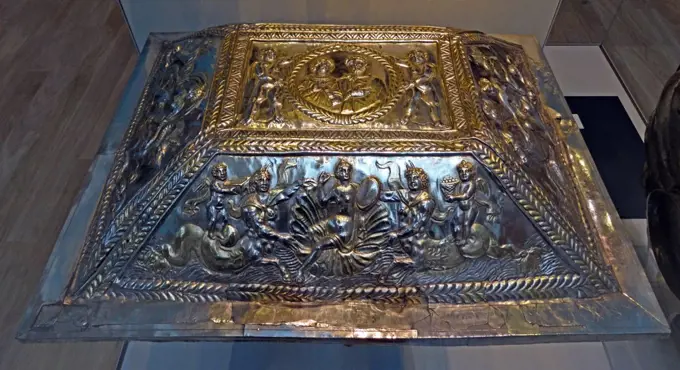
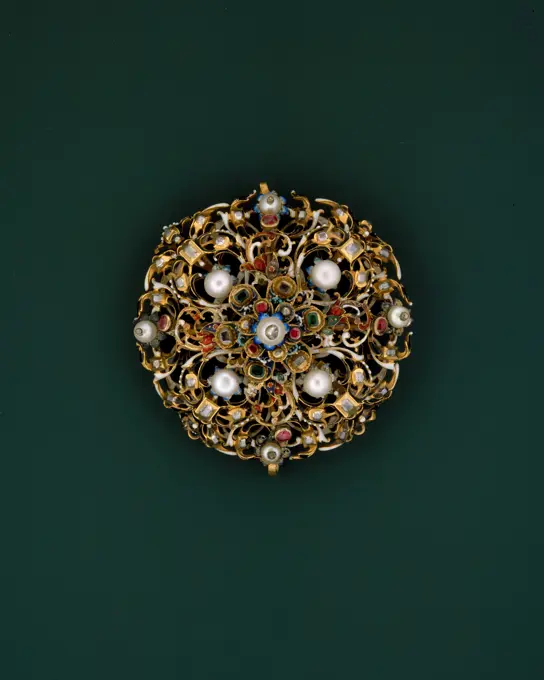
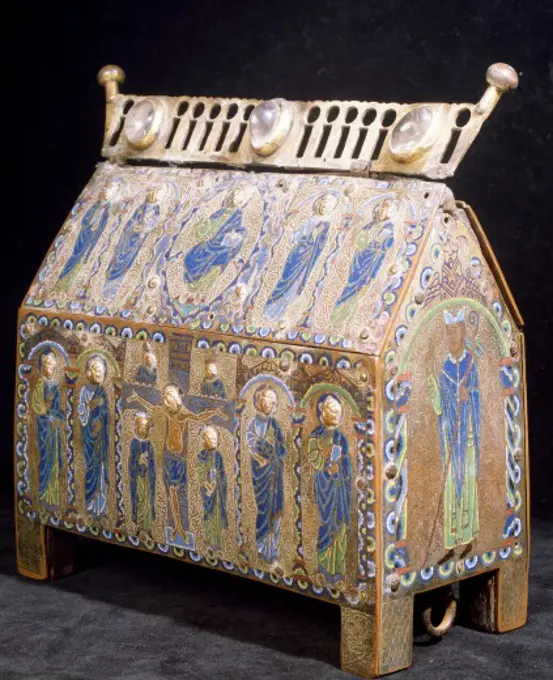
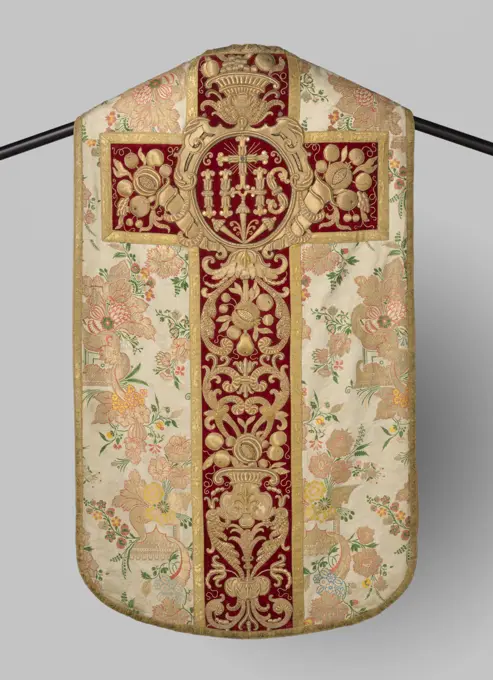
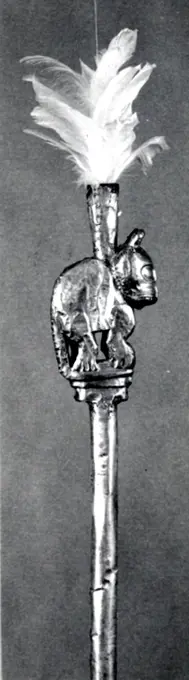
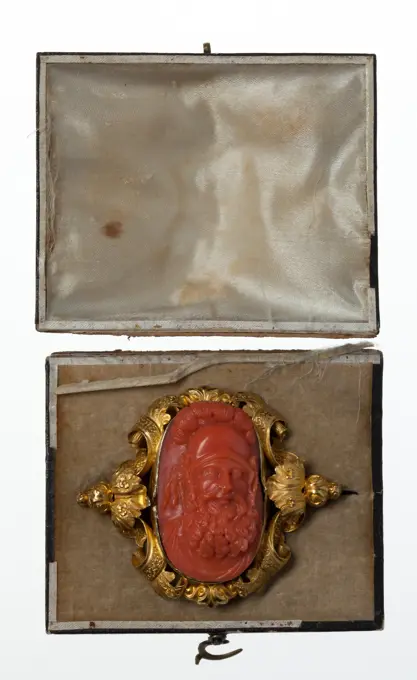
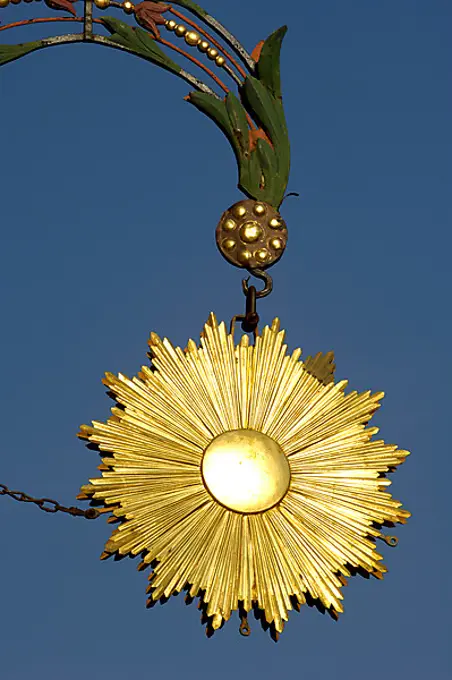
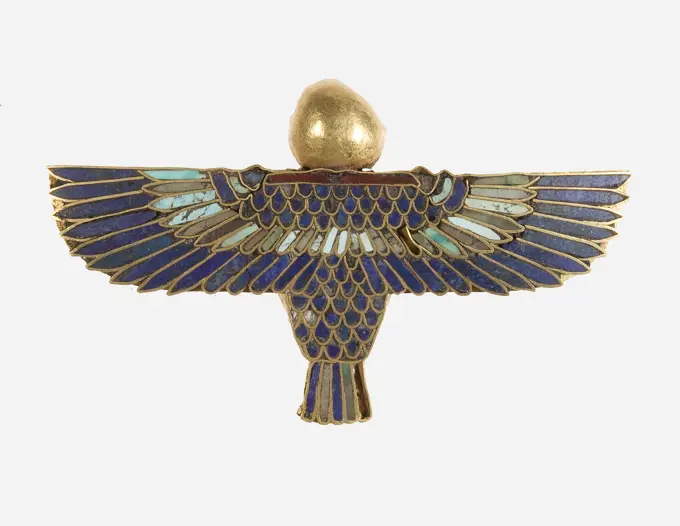
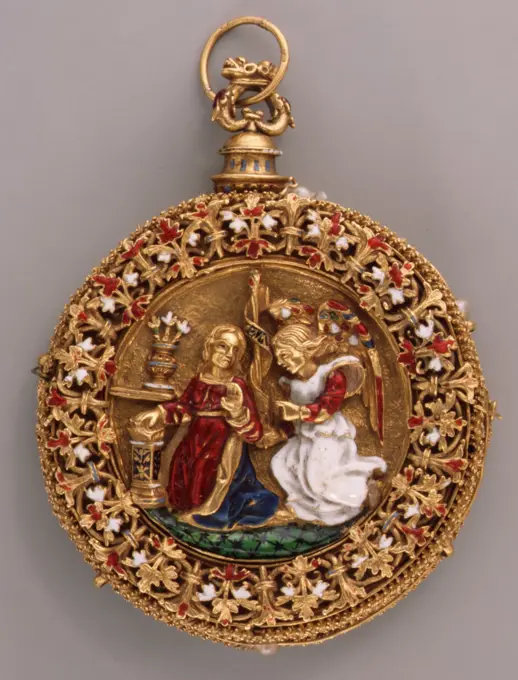
Pendant with The Annunciation third quarter 19th century Salomon Weininger. Pendant with The Annunciation. Austrian, Vienna. third quarter 19th century. Gold, enamel, glass, pearlsGold medallion from Pasargik, Bulgaria. Goldsmith art. Thracian Civilization, 6th Century BC.Stop, Namban style. Lacquered wood and mother -of -pearl. Folded. Paris, Cernuschi museum. On the obverse, in mother-of-pearl inlays with His accompanied by the cross and the sacred heart (acronym of the Company of Jesus) on the background of geometric decor of intertwined pearls (Shippō tsunagi-mon); Reverse decorated in golden lacquer of flowers (kuzu) with a feder of foliage scrolls (Karakusa-Mon) Lacquer wood, mother -of -pearl, fold, desk, Namban stylePair of wall brackets. Culture: Northern Italian or British. Dimensions: Overall (each): 18 1/4 × 17 3/4 × 9 1/2 in. (46.4 × 45.1 × 24.1 cm). Date: ca. 1750. Museum: Metropolitan Museum of Art, New York, USA.Brass Door Handle Luxury Brass Handle With Marble at Door Copyright: xZoonar.com/MarkoxBericx 14411097Bracket (France); oak, carvedVenedig Karneval Maske gold schwarz isoliert auf einem weißen mit Clipping-Pfad A Venice carnival mask gold black isolated on a white with clipping path LicenseRF Copyright: xZoonar.com/NigelxStripex 17056244Purse 18th century French. Purse 116990Sleeve Pieces Made 1758 France. White taffeta with cut work patternLocket Pendant in Shape of Shell with Animal-Headed Cap Flanked by a Small Bird on Sides. Dimensions: H. 1 7/8 in. x W. 1 1/8 in. x D. 5/8 in.. Date: 17th century.The cap of the pendant takes the form of a makara (a fantastical aquatic beast) set with two turquoise eyes and a red stone in the center of its head. Makaras are Hindu mythological creatures often composed of the body parts of many different animals and are prevalent in South Indian architecture. They are also often found on clasps of jewelry, and on decorative works such as 'alams and ewers. Traces of a red residue suggest that the pendant may have been filled with an aromatic substance. Museum: Metropolitan Museum of Art, New York, USA.Terracotta console in Louis XV style, console building element ceramics terracotta, molded baked Terracotta console in style Louis XV with frame cartouche and leaf and shell motives adorn Kinderdijk Louis XV Louis XV Louis Quinze KinderdijkMount, Gilt bronze, Three bacchanal putti, France, early 19th century, Decorative Arts, MountVirgin and Child. Culture: French. Dimensions: Overall: 17 1/16 x 8 x 6 in. (43.4 x 20.3 x 15.2 cm). Date: ca. 1270-1300.Through the course of the thirteenth century, goldsmiths in Limoges increasingly specialized in the creation of gilded copper sculpture--freestanding, as here, or in relief, with enamel used only as a decorative accent. As Queen of Heaven, the Virgin Mary wears a crown (as does the infant Jesus), richly decorated shoes, a cloak engraved with a fur pattern, and a delicate filigree brooch. The inscription across the front of the statuette reads, in translation, "Hail Mary, full of grace." This is more than a devotional image: with a hinged compartment set in the back of the throne, this Virgin and Child served as a tabernacle to safeguard the host, the waferof bread consecrated during the mass as the body of Christ. An enameled image of Saint Peter, holding keys, stands guard at the door. Museum: Metropolitan Museum of Art, New York, USA.Earring 19th century Eastern Tibet. Earring. Eastern Tibet. 19th century. Gold with precious and semi-precious stones. JewelryPEINETA AUREA DEL TESORO CALDAS DE REYES-HACIA 1550 a JC- CON INFLUENCIAS DEL MUNDO ATLANTICO-CULTURA DEL ARGAR. Location: ARCHAEOLOGICAL MUSEUM. Pontevedra. SPAIN.Wall Pocket (Germany); silk, metalTissue fragment with the weapon of Masham, attached to a pillow, anonymous, c. 1712 - c. 1734 Oval cushion of carpet tissue with a weapon, sewn on red velvet; Coat of arms a lion and a leopard. The inscription of De Banderol is worn out. London Ketting: Wool. Entry: Wool. Entry: Silk tapestry Oval cushion of carpet tissue with a weapon, sewn on red velvet; Coat of arms a lion and a leopard. The inscription of De Banderol is worn out. London Ketting: Wool. Entry: Wool. Entry: Silk tapestrySilversmith's Art, Italy 19th century. Silver, apotropaic and propitiatory amulets.Badge of the Order of St. Andrew the Apostle the First-Called, Orders, decorations and medals  The crown of King August III, Berry of King August III, apple king August III; Köhler, Johannes; 1733 (1733-00-00-1733-00-00);Rosette (Italy); linen; Diam.: 5.2 cm (2 1/16 in.); 1897-8-260Glass Fragment 16th century European. Glass Fragment. European. 16th century. Colorless glass. Glass-StainedUnknown woman. .Embroidered coat of arms unknownCross Pendant 5th-8th century. Cross Pendant 449200CrossLluís Masriera / Colgante de las holandesas, 1908. Colección privada. Author: LLUÍS MASRIERA I ROSÉS.Silver Pin 15th-16th century Inca. Silver Pin 315615COLLAR DE ORO-CABEZA DE ACHELOUS-ARTE ETRUSCO. Location: MUSEO DEL LOUVRE-ORFEBRERIA. France.Disk Brooch.  Copper alloy inlaid with millefiore enamel.  Roman.  Made 100-300, probably in Gaul.Buttons, Brass, steel and colored enamel, Enameled button showing scene of gentleman handling flower to a lady surrounded by a ring of facetted steel knobs., Component -a is on card 10, Component -b is on Cooper Union Exhibition card 8, late 19th century, costume & accessories, Decorative Arts, Buttons CROWN JEWELS OF ENGLAND  The King's royal sceptres:  the dove is a symbol of the Holy Spirit      Date: 20th centuryPair of keyhole escutcheons French 19th centuryBliej Kultury unknownTwo chandeliers, anonymous, c. 1700 - c. 1725 Gilded bronze crown with six arms. The trunk is articulated. The arms are attached to the thickened cylindrical part, arising from consoles, which alternately wear a men's and women's head, between which a shell motif. The arms consist of two opposite C-volutes, decorated with leaf motifs. The thickening at the top of the trunk shows three women's breast images, ending in consoles, between which children's heads. The trunk has a vase -shaped crown and ends in an acanthus leaf with acorns. Paris bronze (metal) gilding Gilded bronze crown with six arms. The trunk is articulated. The arms are attached to the thickened cylindrical part, arising from consoles, which alternately wear a men's and women's head, between which a shell motif. The arms consist of two opposite C-volutes, decorated with leaf motifs. The thickening at the top of the trunk shows three women's breast images, ending in consoles, between which children's heads. The trunk has The Projecta Casket. Roman 380 AD silver casket, inscribed Secundus and Projecta, Uve in Christ’ in Latin, was probably a wedding gift to the couple shown on the top. On the front, the bride adoms herself while handmaids bring caskets of cosmetics.Rosette second quarter 17th century, with 18th century additions probably Hungarian This delicate rosette may have been part of a larger set that was sewn directly onto mens and womens clothing as decoration. The ornaments displayed above, now linked together to form necklaces, were once separate and would have been worn in a similar fashion.. Rosette. probably Hungarian. second quarter 17th century, with 18th century additions. Gold, partly enameled and set with diamonds, emeralds, spinels, and pearls. Metalwork-Gold and PlatinumWooden handmade box on a black background.Pole from the ornate;  XVI/XVII century (1690-00-00-1710-00-00);Copper and enamel reliquary casket from the Treasury, Cathedral of Aosta. Italy, 12th century.Medallion for bracelet, brooch, chain, watch key designed with balloon from the Louis XVI period. Old 19th century engraved illustration from La Nature 1883Kazuifel of gold brocade and embroidery in gold thread ,, c. 1700 - c. 1725 Kazuifel with embroidery. The Kazuifel has a violin shape with a column on the front and a cross -shaped aurifries on the back. On the column, symmetrical tifles are embroidered that wear a vase from where double volutes go up. The back cross has a round center shower with the IHS sign, a cross and three nails. The Kazuifel belongs to nine ecclesiastical tissues with embroidery with invnrs. BK-1972-1-A to BK-1972-1-I and a non-corresponding stock market with invnr. BK-1972-1-J. France brocade (textile). velvet (fabric weave) embroidering Kazuifel with embroidery. The Kazuifel has a violin shape with a column on the front and a cross -shaped aurifries on the back. On the column, symmetrical tifles are embroidered that wear a vase from where double volutes go up. The back cross has a round center shower with the IHS sign, a cross and three nails. The Kazuifel belongs to nine ecclesiastical tissues with embroideryTomb Post 15th-16th century Inca. Tomb Post 310667A brooch in a boxA German Steckzahl with the number 18Tutankhamun Treasure Vulture Collar. EGYPT.Inn sign SONNE (sun) in Marbach am Neckar, Baden-Wuerttemberg, Germany, EuropeSet of four swag ends (part of a set) 18th century French. Set of four swag ends (part of a set). French. 18th century. Gilt bronze. Metalwork-Gilt BronzeLluís Masriera / Broche con dos querubines rodeando el retrato de un niño, siglo XIX. Colección privada. Author: LLUÍS MASRIERA I ROSÉS.A pendant depicting a ba-bird with outstretched wings 664-332 B.C. Late Period Ba-bird amulets, like this rare beautifully inlaid example, were placed on the chest of a mummy, presumably as protective substitute for an individuals own ba. The ba-bird was the part of a human activated after death: it was commissioned to visit the world of living as well as oversee critical events during the deceaseds passage from this world to the next. The earliest, a gold foil example, was included in Tutankhamuns mummy (ca. 1327 B.C.), but those of Dynasty 26 and later (664-332 B.C.), parallel the one here.. A pendant depicting a ba-bird with outstretched wings. 664-332 B.C.. Gold, lapis lazuli, turquoise, carnelian. Late Period. From Egypt. Dynasty 26-30