Heraldic and Ancient Artifacts

Artifacts including heraldic pendants and ancient scarabs, reflecting historical significance and craftsmanship from various cultures.
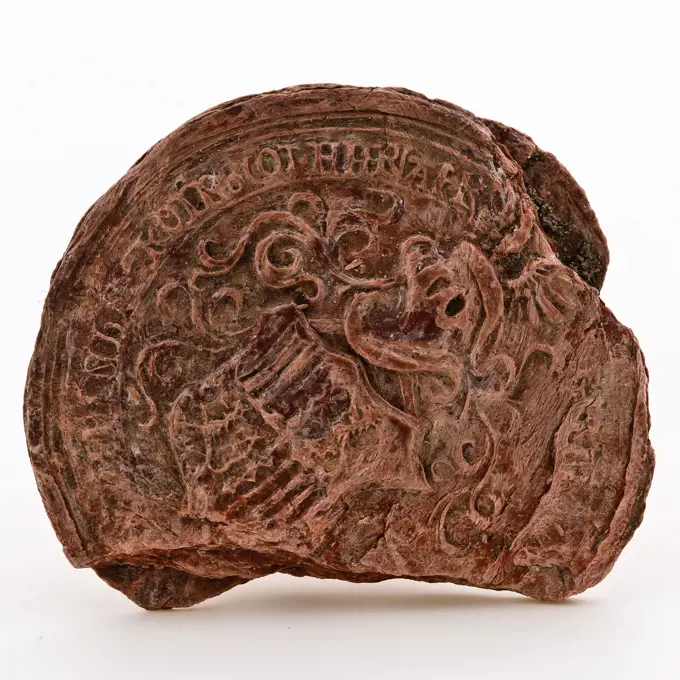
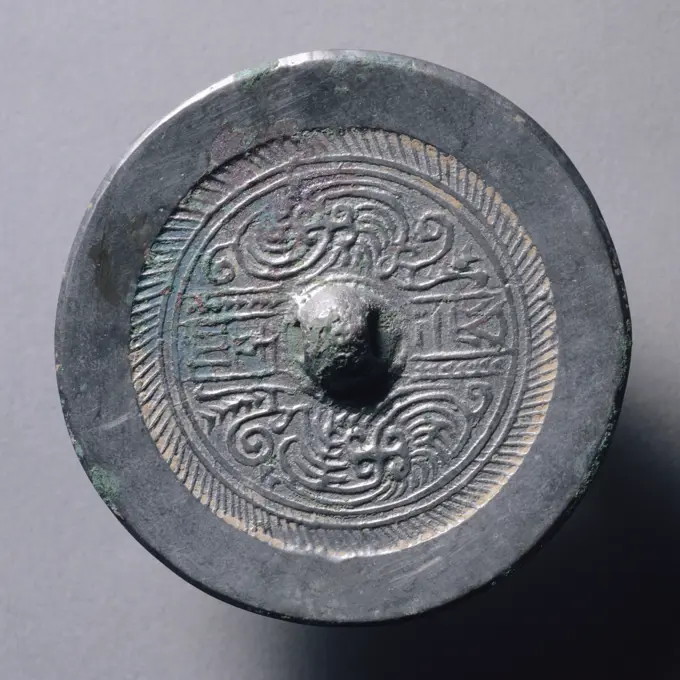
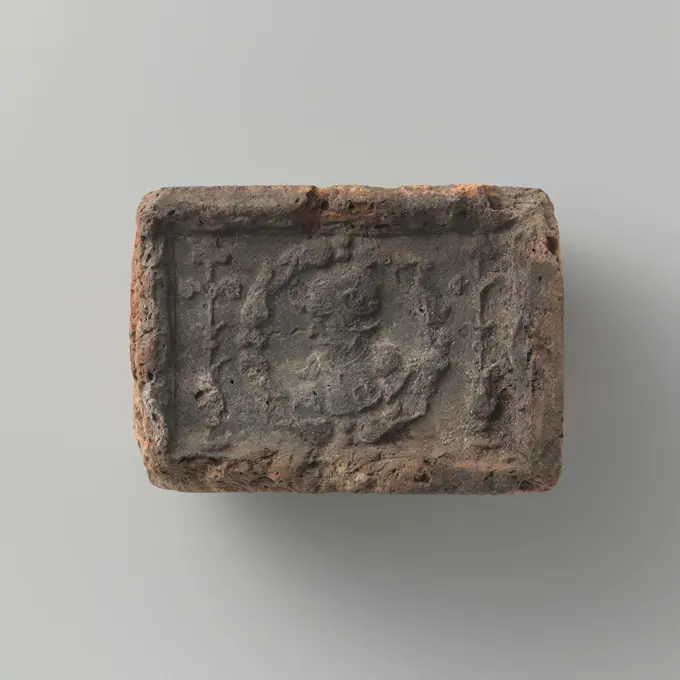
Fragment of wax seal with family coat of arms and lettering, soft red, wax seal seal information form ground find lacquer was, stamped Fragment wax seal Soft red color. Uneven back with round floor in the middle. Embossed in the front family crest and legend The coat of arms is shield-shaped and divided into four quarters of which alternately lion and three vertical bars. Helmet and plumes tend to grow around the shield. Randschrift unreadable archeology Rotterdam IJsselmonde heraldry close seal document letter deed Soil discovery: IJsselmonde beer well Rotterdam 1972.
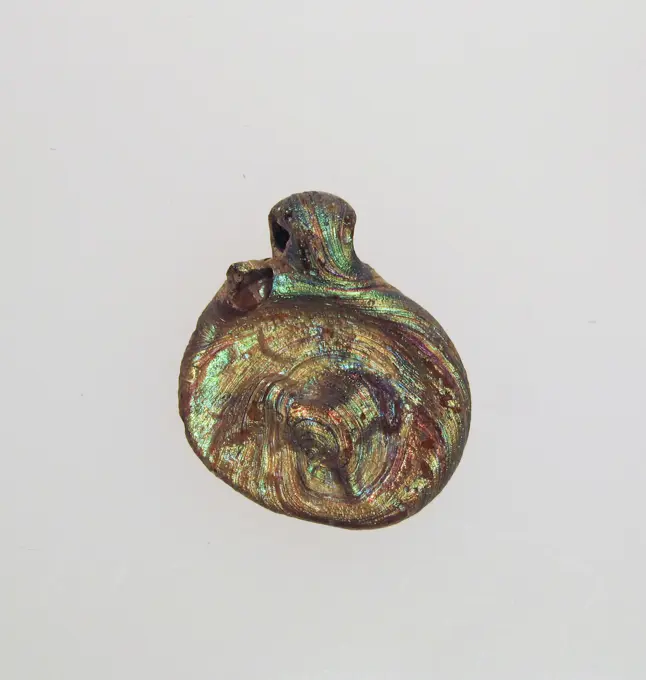
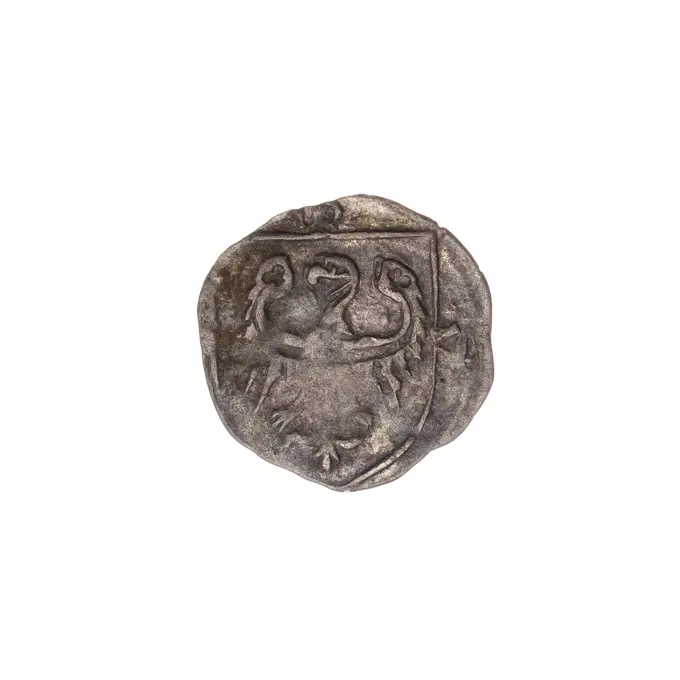
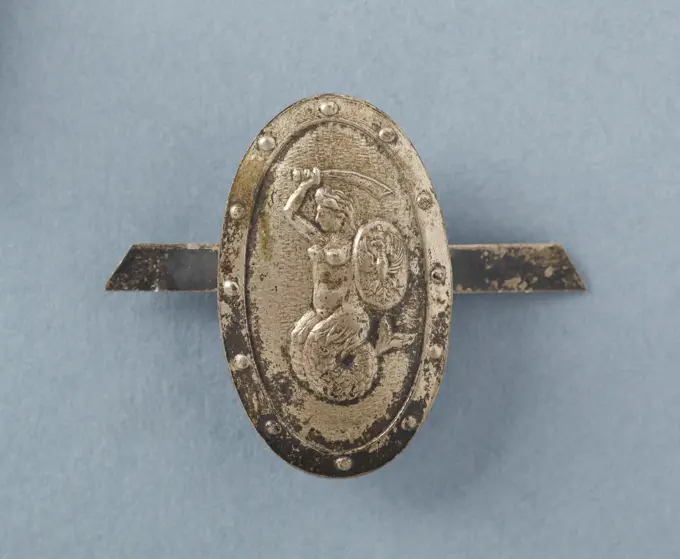
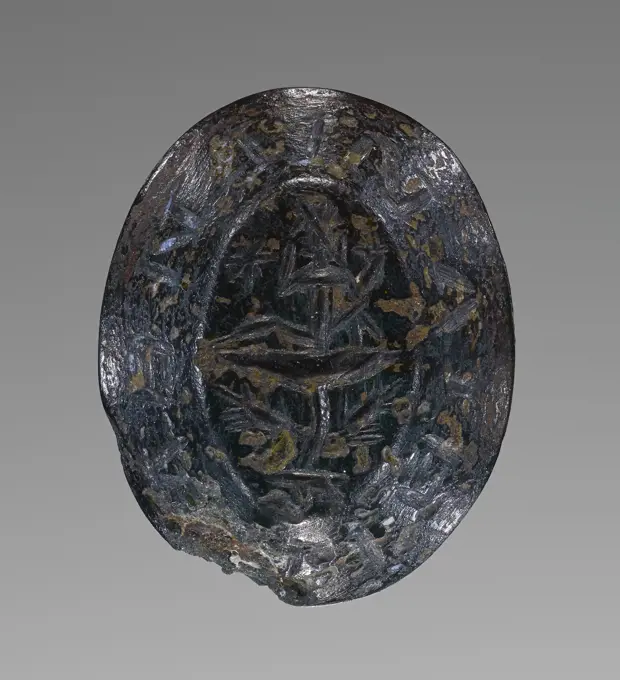
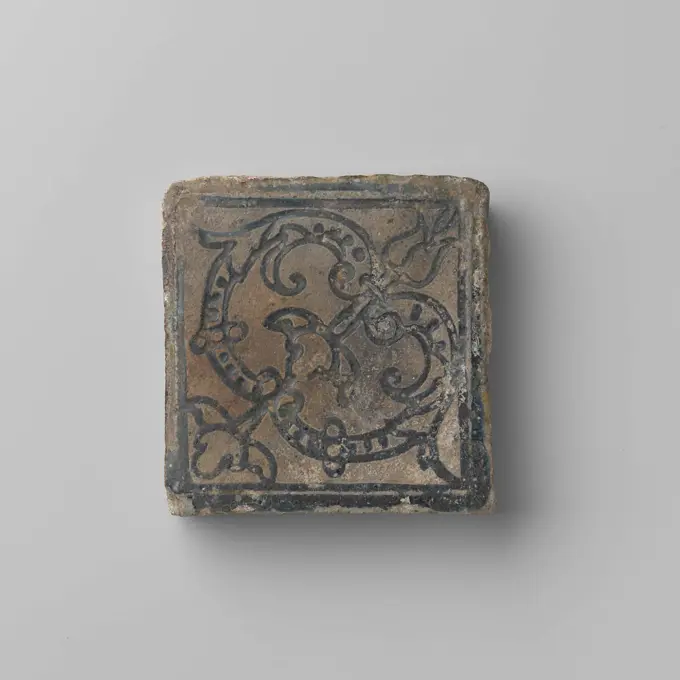
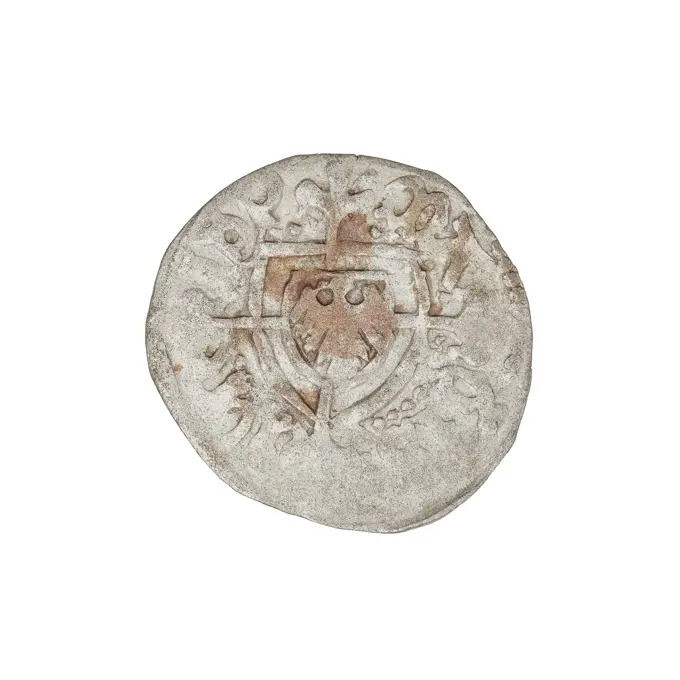
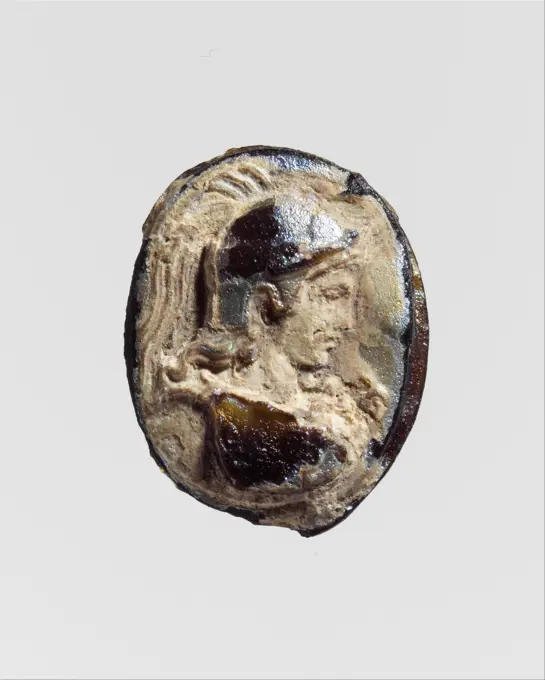
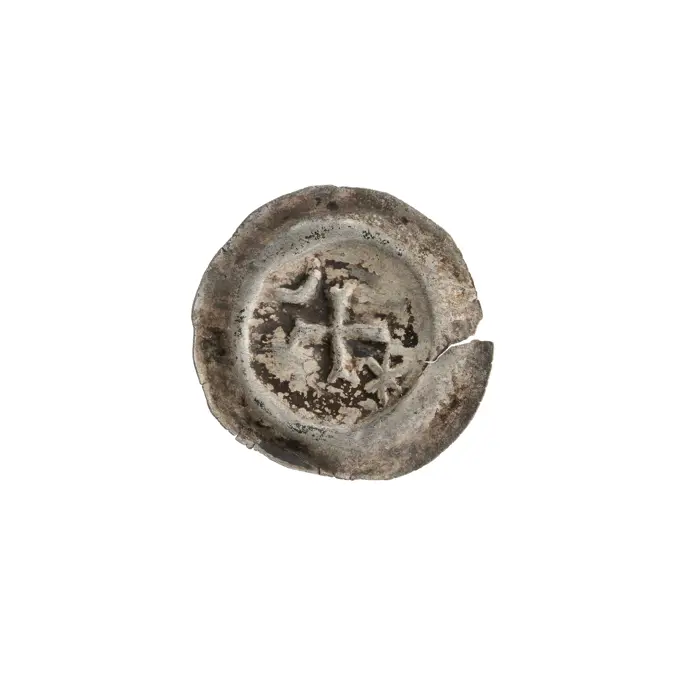
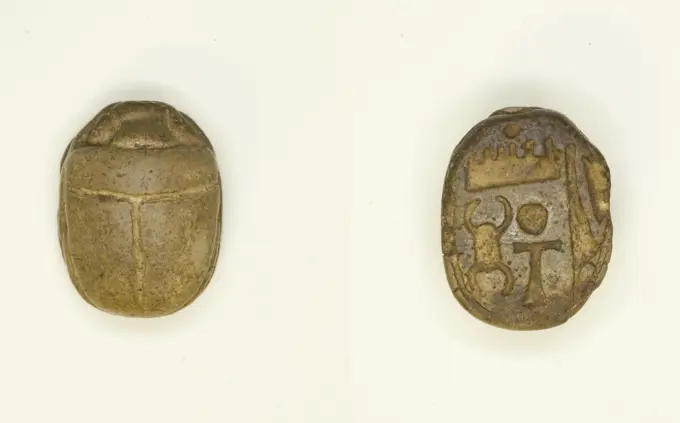
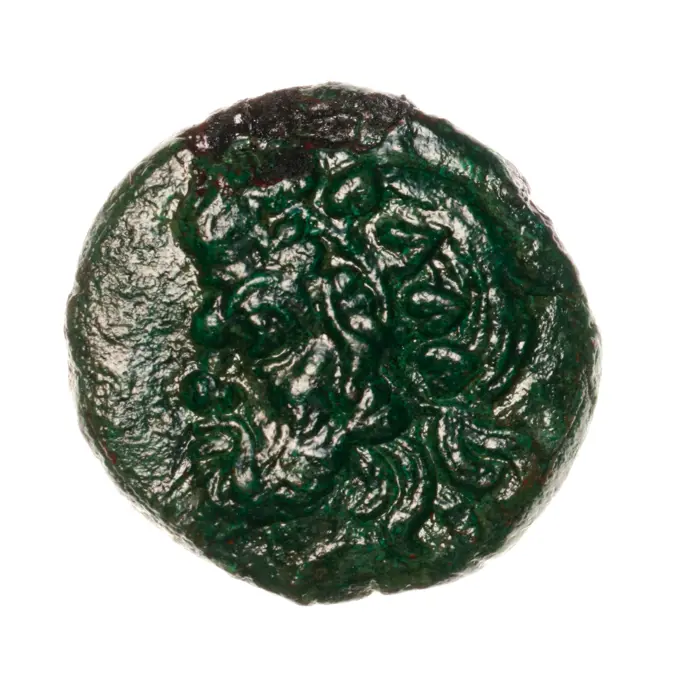
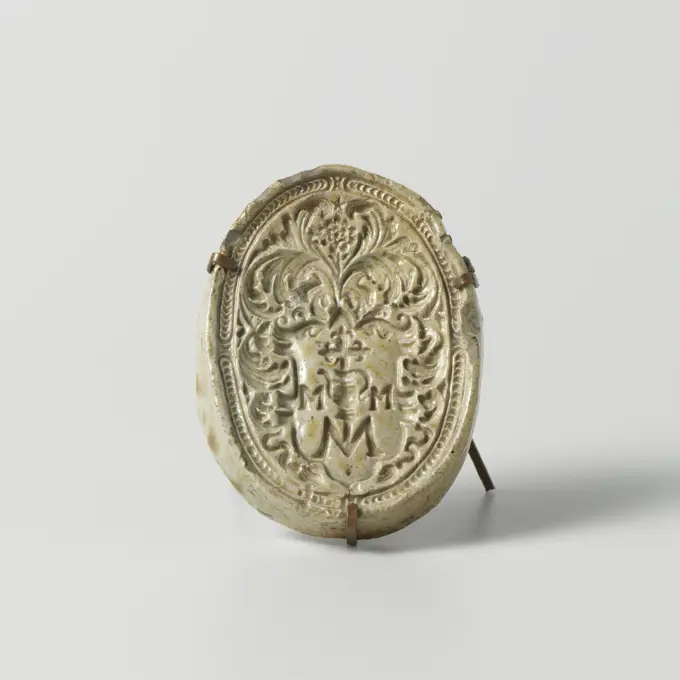
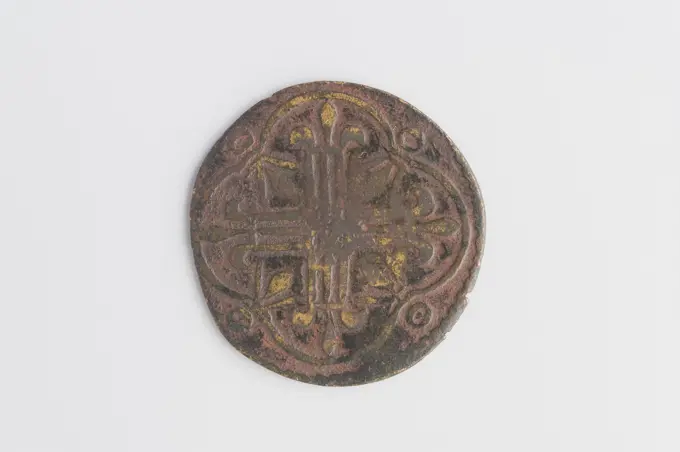
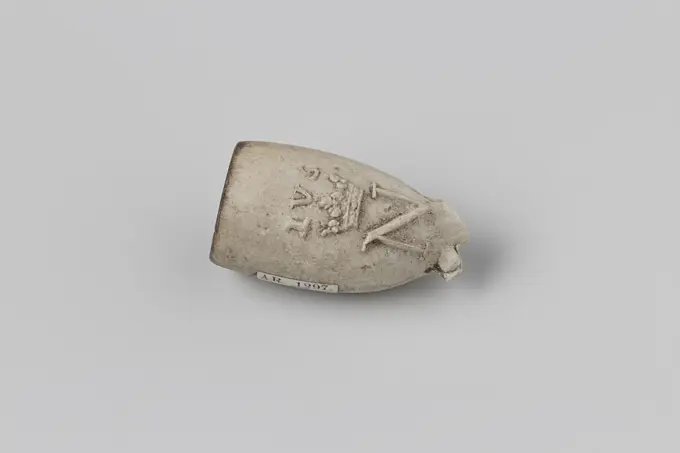
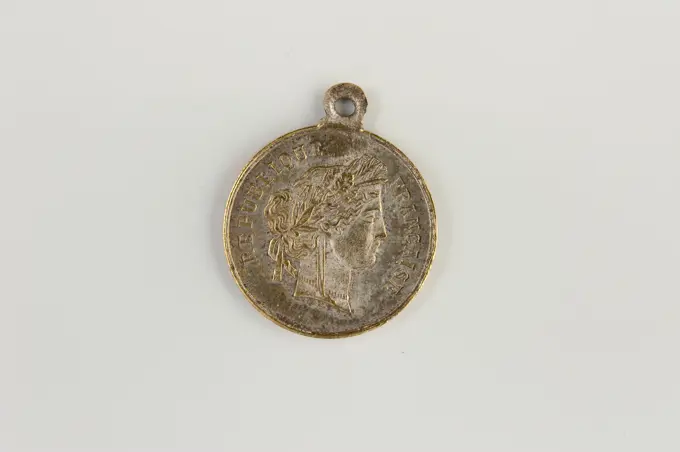
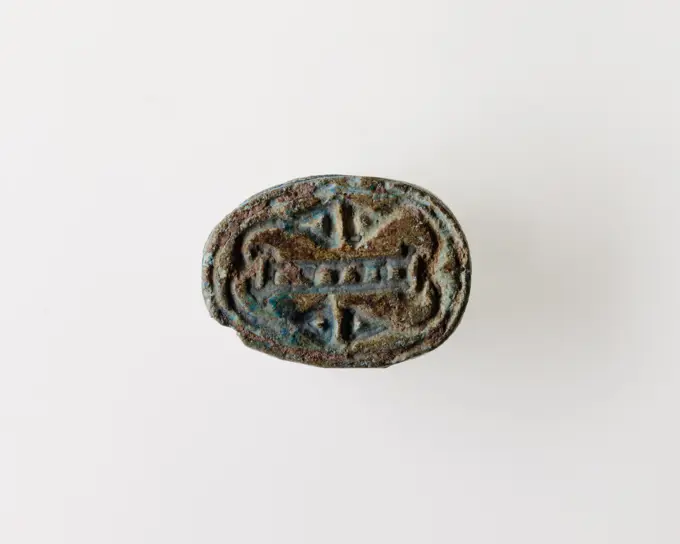
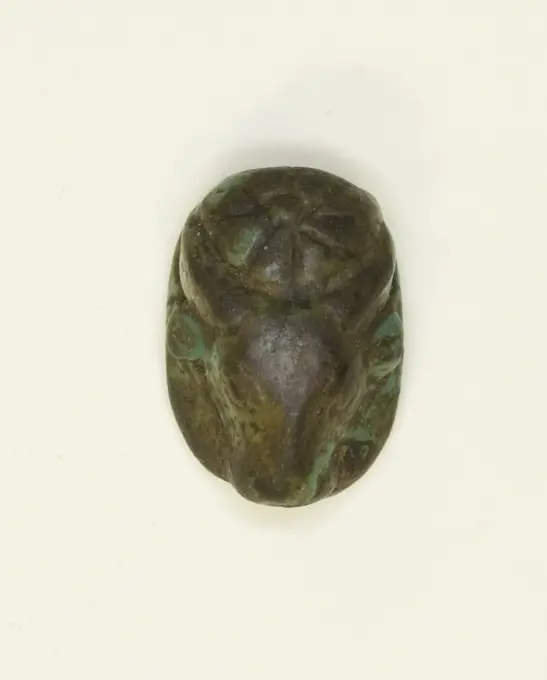
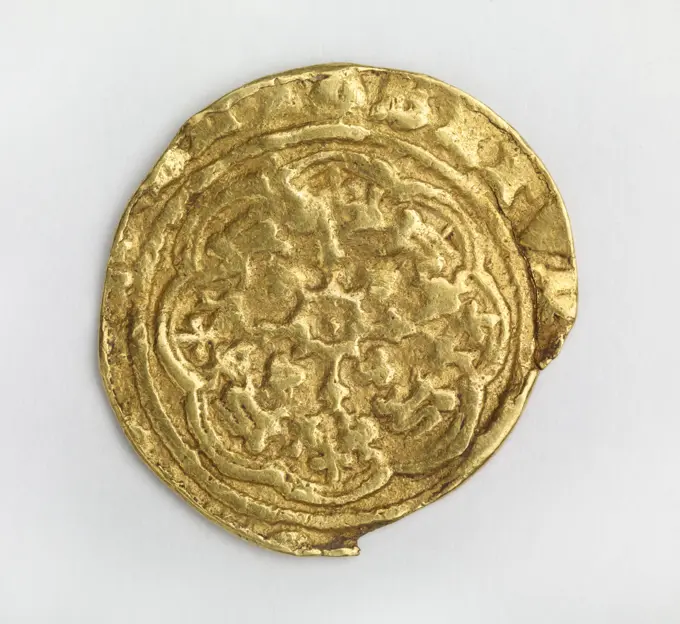
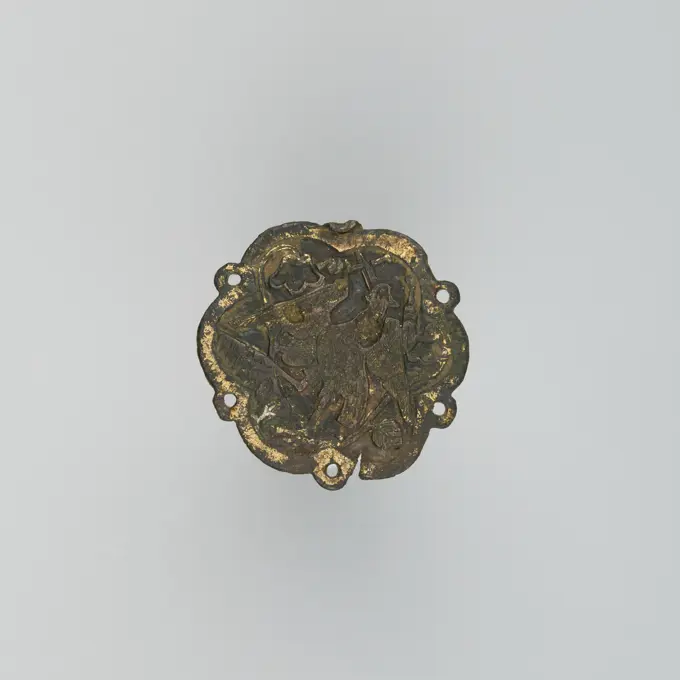
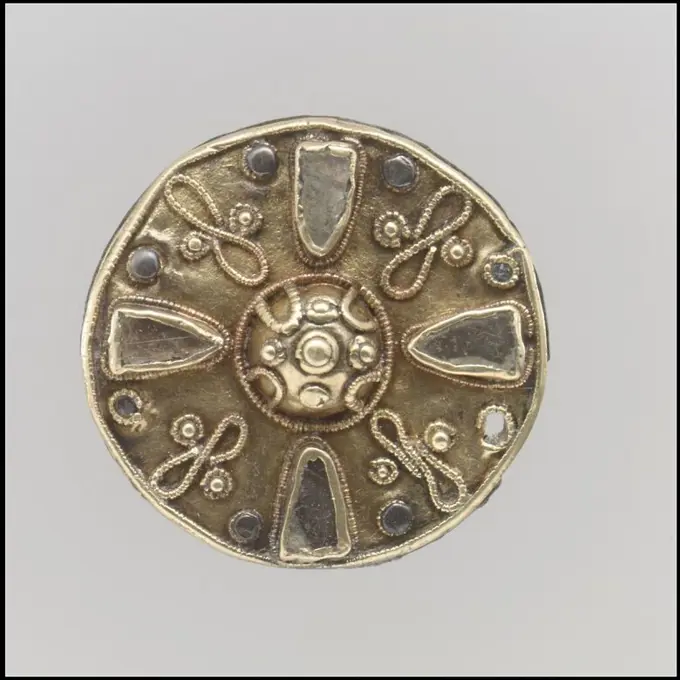
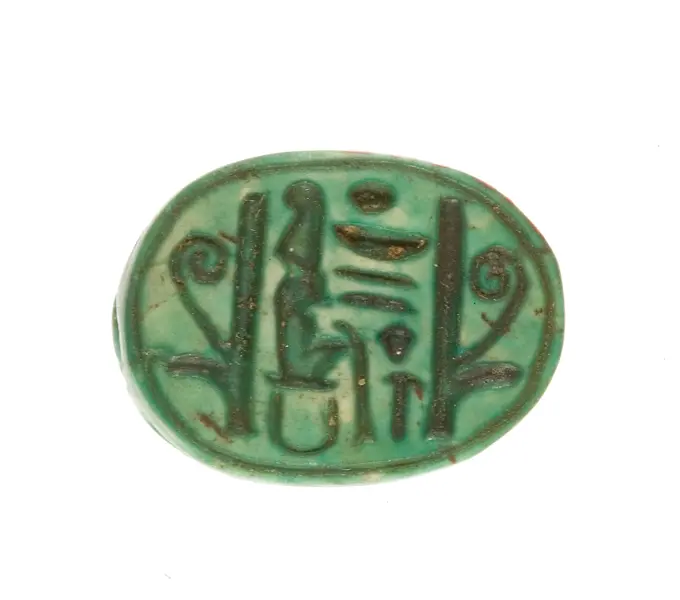
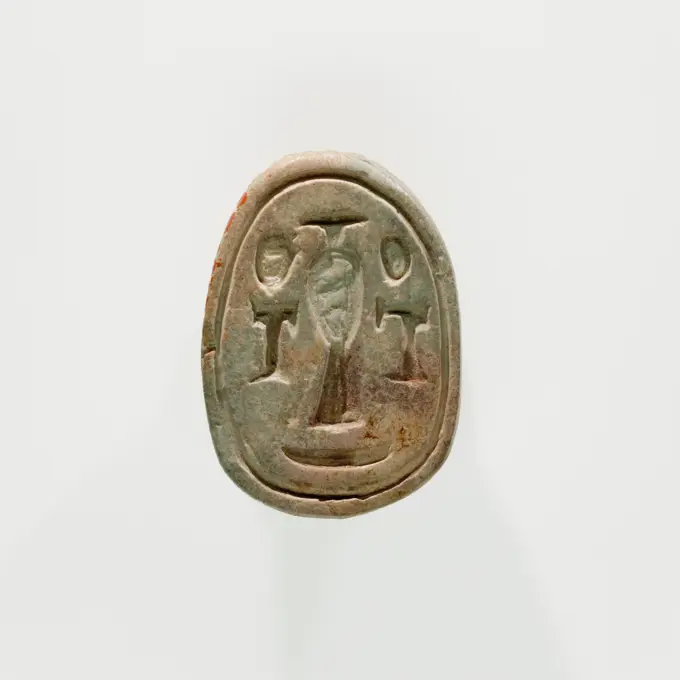
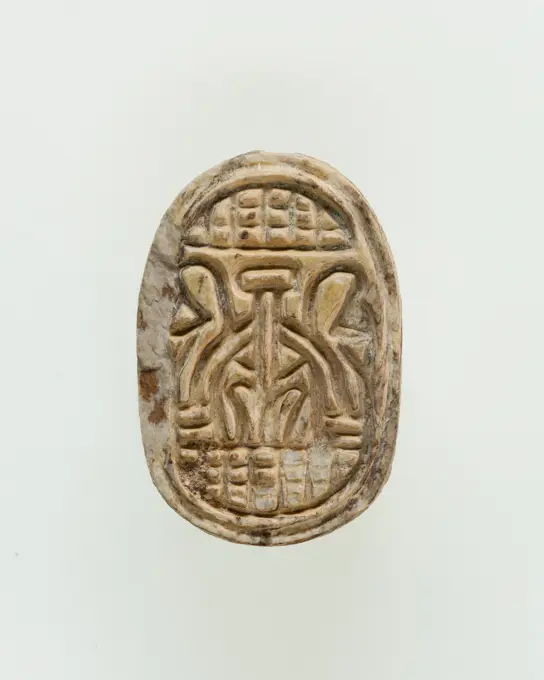
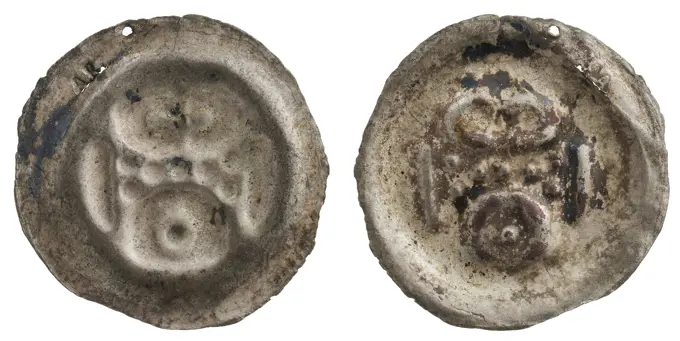
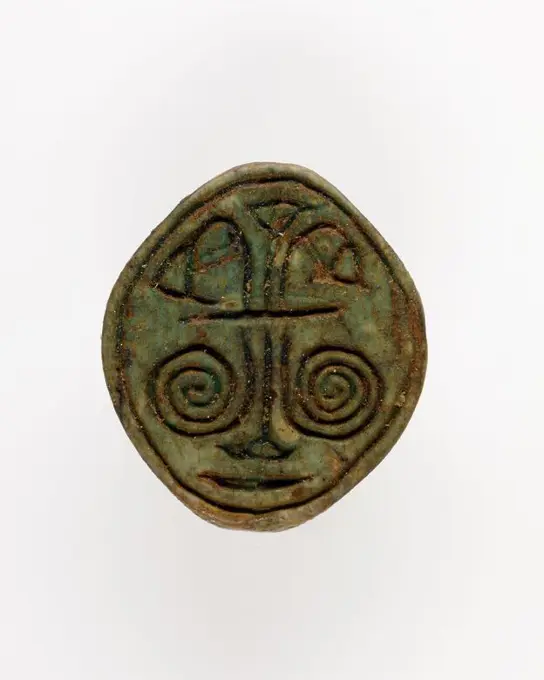
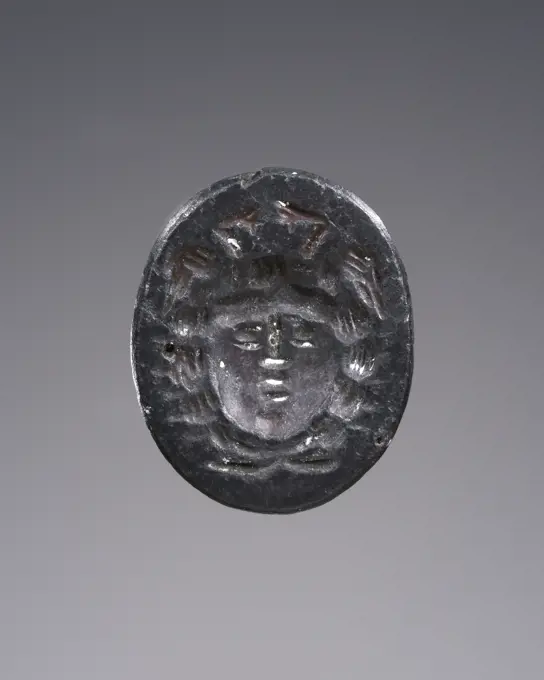
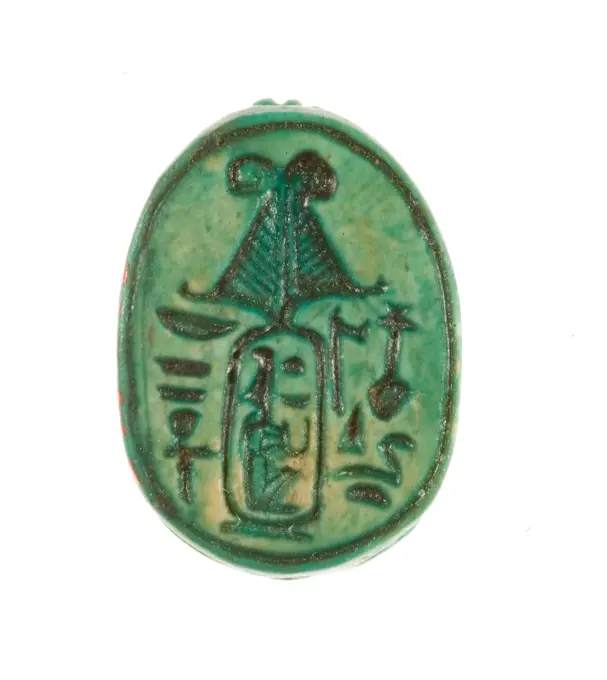
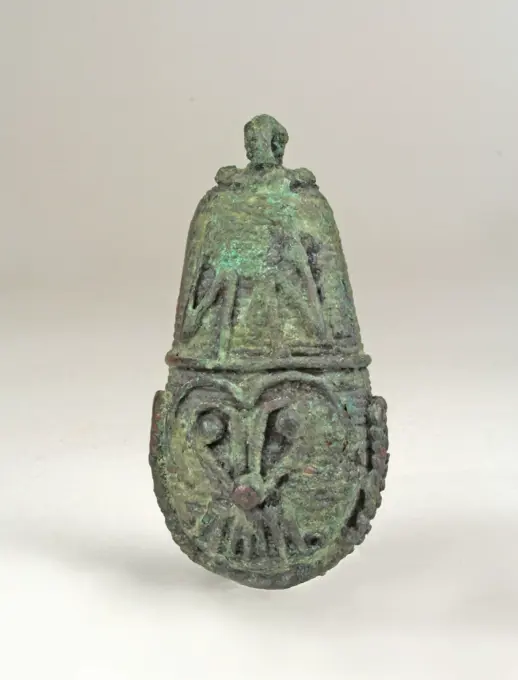
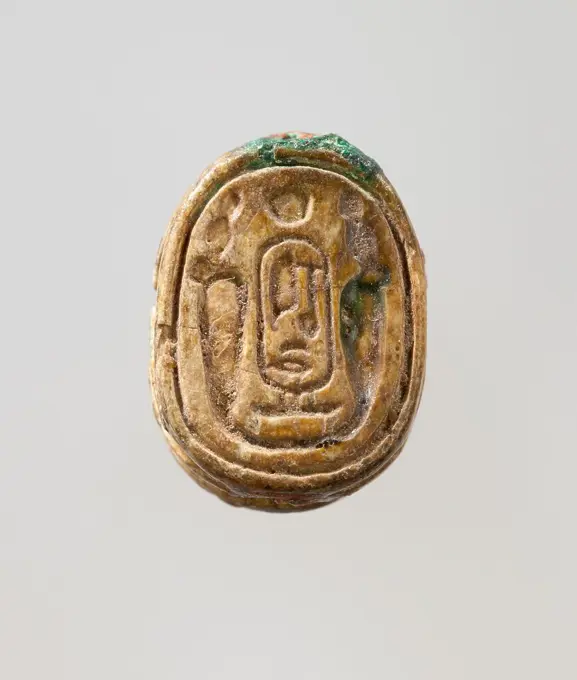
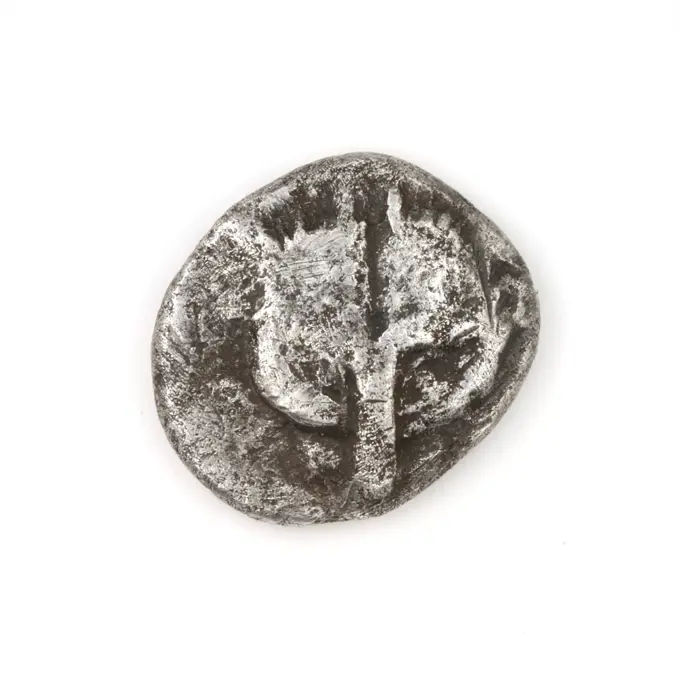
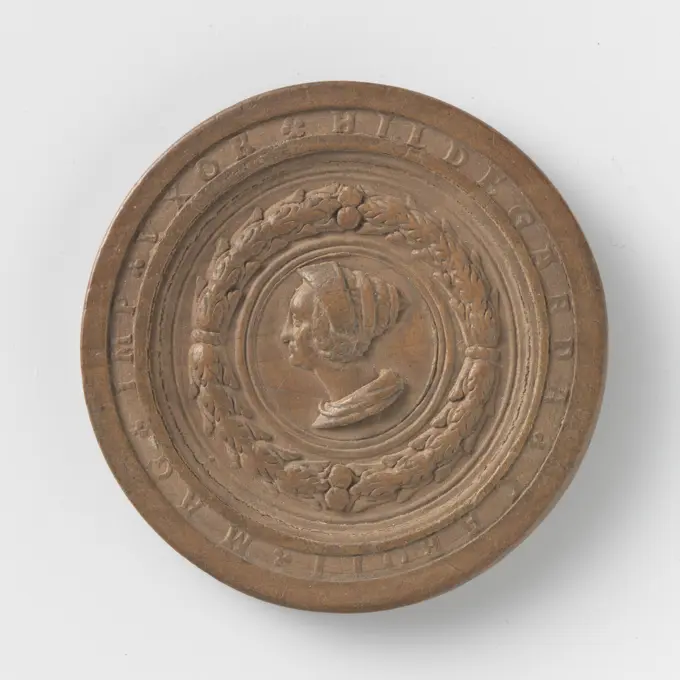
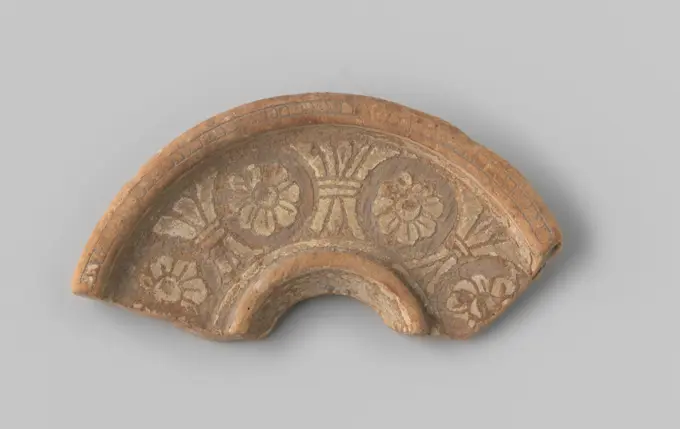
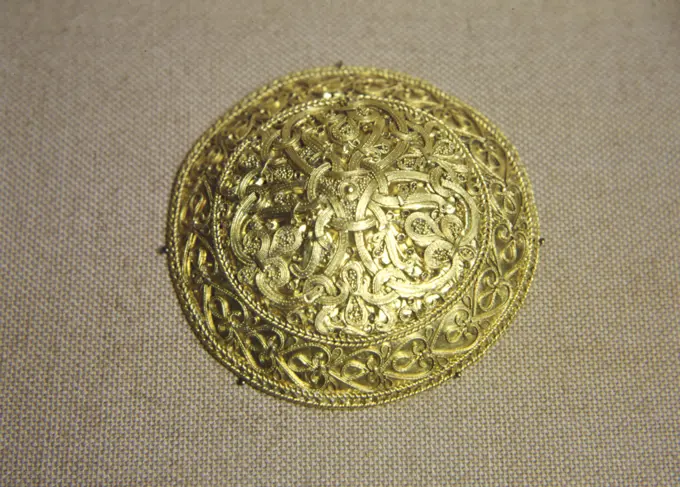
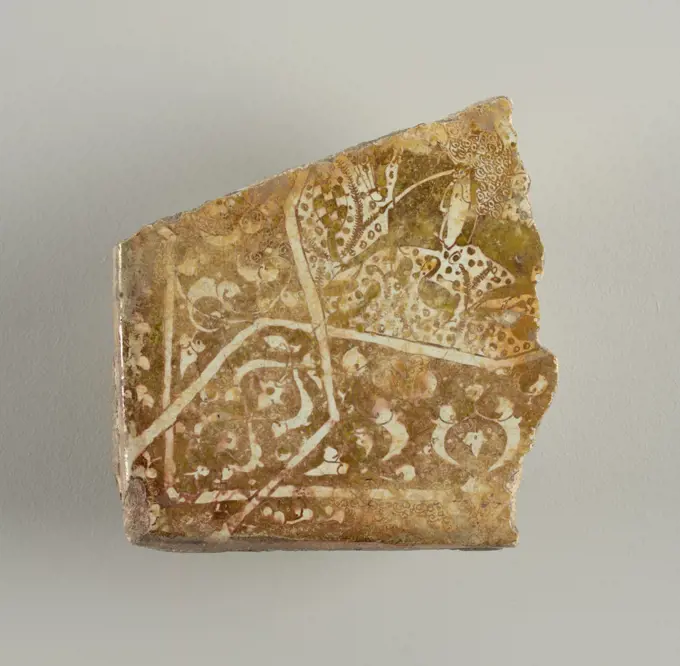
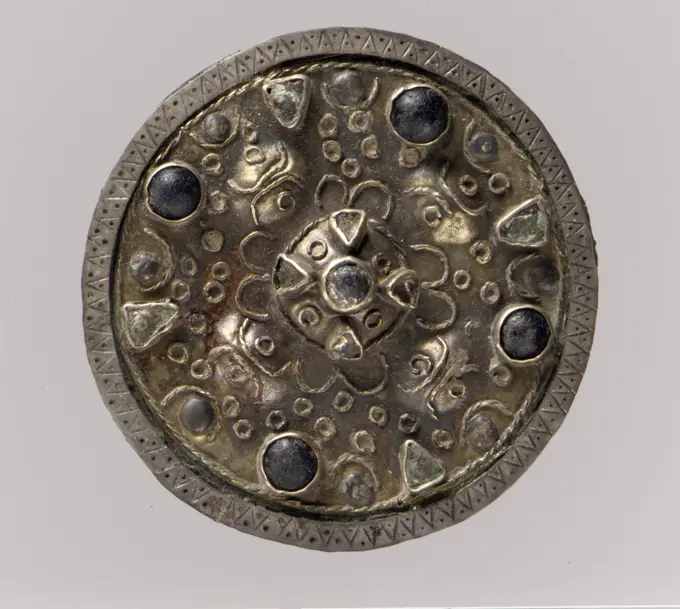
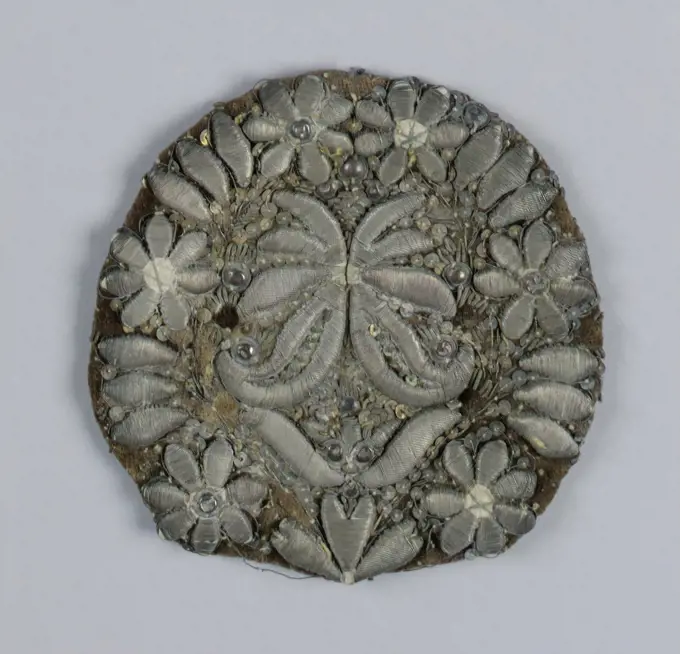
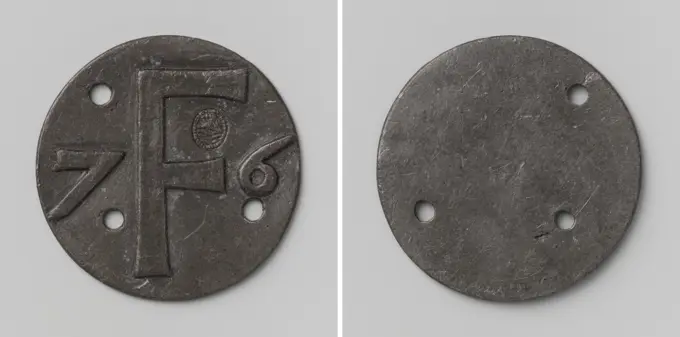
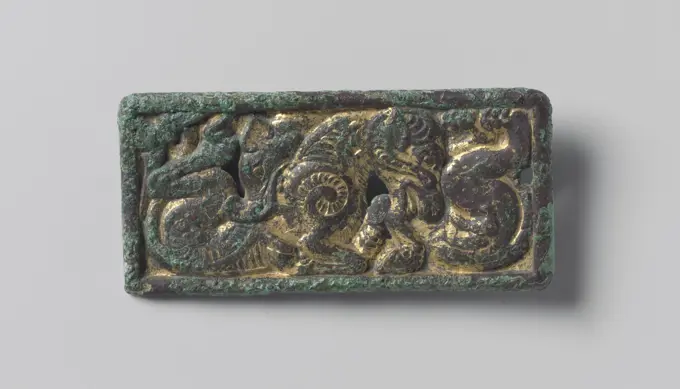
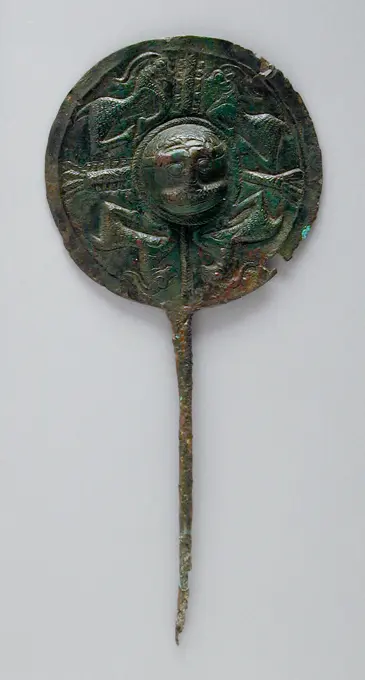
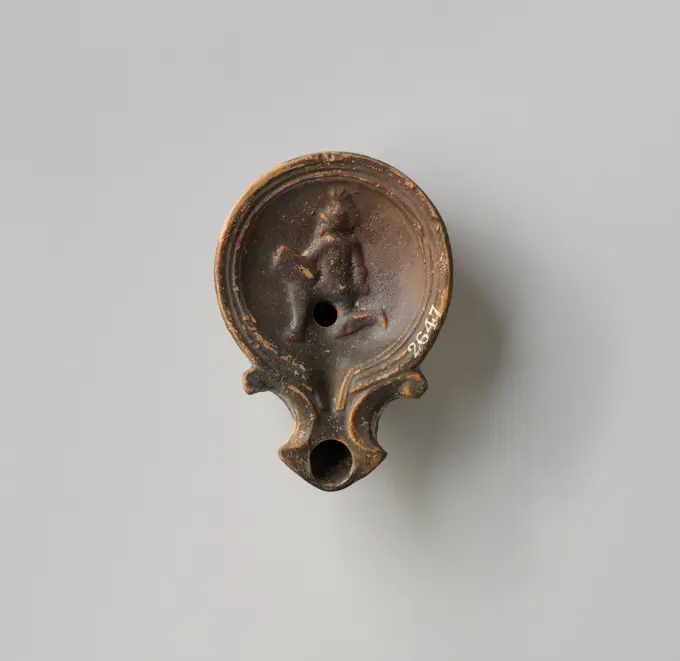
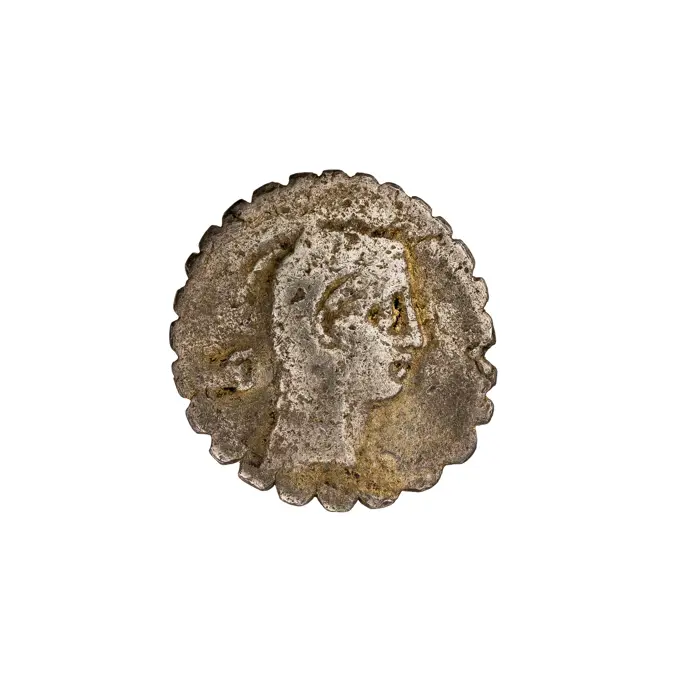
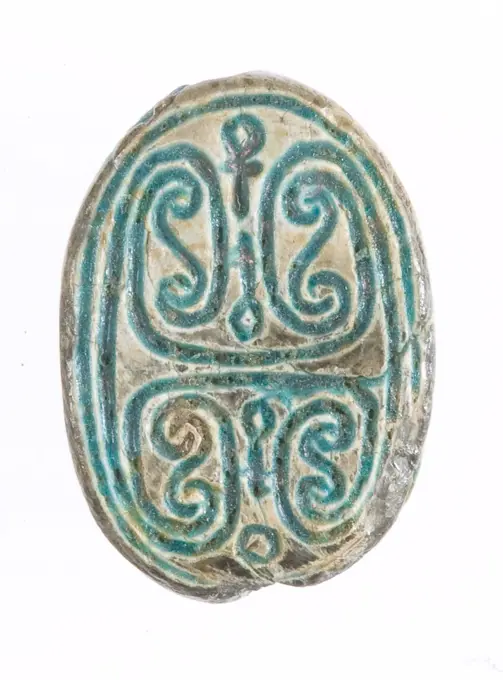
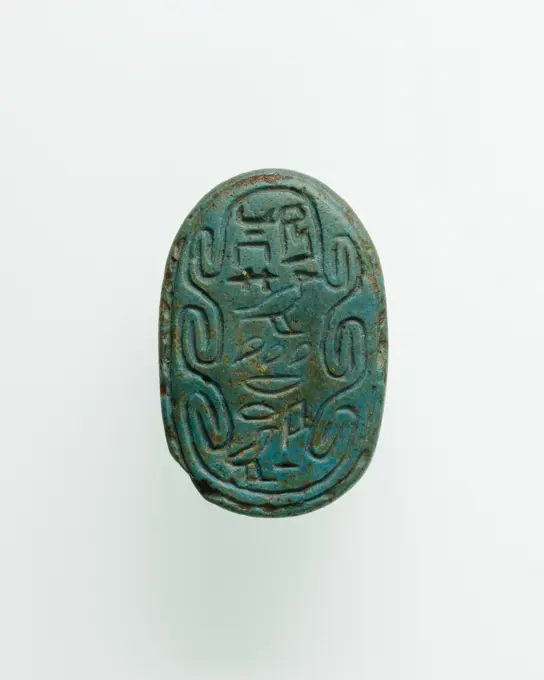
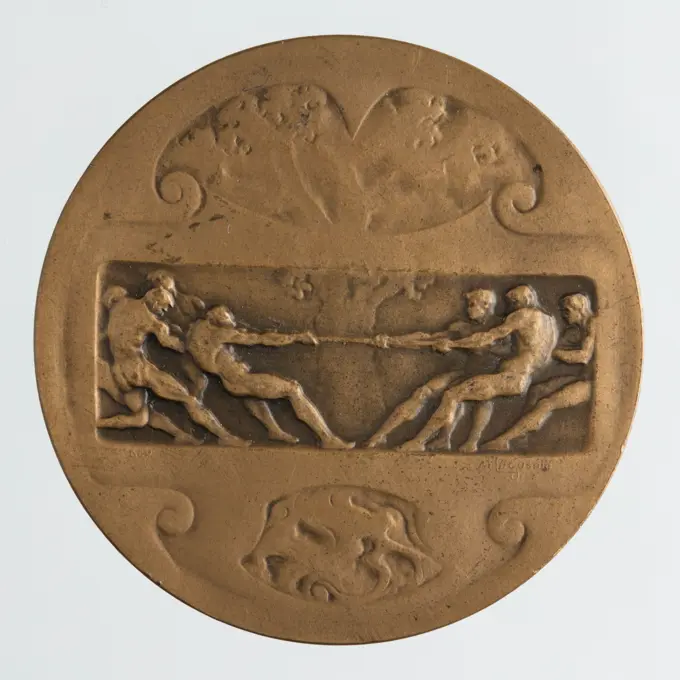
Badge or Harness Pendant 14th century Spanish Heraldry, or coat-of-arms, were vitally important in Europe throughout the Middle Ages and the Renaissance. Heraldic emblems were used to identify noble families, cities, regions, and even countries. In addition to being displayed on shields and flags, heraldry was incorporated into architectural decoration on the interior and the exterior of buildings, on furniture, works of art, clothing, and horse equipment. Harness pendants, like this example, would have been attached to a headstall, bridle, or other straps making up the tack of a horse ridden by a nobleman or noblewoman, or a member of their household. Many harness pendants also have decoration that is simply ornamental, or have symbols that are not specifically heraldic in nature.. Badge or Harness Pendant. Spanish. 14th century. Copper, gold. Miscellaneous-BadgesMenat fragment ca. 1479-1458 B.C. New Kingdom. Menat fragment. ca. 1479-1458 B.C.. Green Faience. New Kingdom. From Egypt, Upper Egypt, Thebes, Deir el-Bahri, Hatshepsut Hole, MMA excavations, 1922-23. Dynasty 18Scarab of Ramesses II ca. 1295-1070 B.C. New Kingdom, Ramesside. Scarab of Ramesses II 550323Glass pendant with lion 4th-5th century A.D. Roman Translucent amber yellow.Oval disk with thick rounded edge on right half; uneven, flat bottom; pierced suspension loop applied to front of disk, folded over, and pressed on to back edge.On obverse, off-center circular stamp with lion in relief walking to right; in field above, two stars flanking crescent moon.Intact; some pitting of surface bubbles and brilliant iridescent weathering.. Glass pendant with lion. Roman. 4th-5th century A.D.. Glass; stamped and tooled. Late Imperial. GlassGrahal-Manzara. Carnavalet 2013-2016 collection sites. Numismatics.Brakedate Halter; 15th century (1401-00-00-1500-00-00);Dzik's head (iconogr.), Unilateral coins, city coinsBliżej Kultury Mint of Kraków, Władysław Warneńczyk (King of Poland, 1434 1444)Fragment of wax seal with family coat of arms and lettering, soft red, wax seal seal information form ground find lacquer was, stamped Fragment wax seal Soft red color. Uneven back with round floor in the middle. Embossed in the front family crest and legend The coat of arms is shield-shaped and divided into four quarters of which alternately lion and three vertical bars. Helmet and plumes tend to grow around the shield. Randschrift unreadable archeology Rotterdam IJsselmonde heraldry close seal document letter deed Soil discovery: IJsselmonde beer well Rotterdam 1972.Coin Showing Ludwig III (Louis III (the Pious)) 12th century German, possibly Thuringia. Coin Showing Ludwig III (Louis III (the Pious)) 32846False Coin, Penny, Mieszko II (1025 1031)Egypt, Ptolemeusz II (285 246), Alexandria, before 265 BC; bronze (AE) Mint Alexandria, Ptolemeusz II Philadelfos (285 246)Pilgrim's Badge 14th-16th century French. Pilgrim's Badge. French. 14th-16th century. Lead. Metalwork-LeadDenar - Brakteat; approx. 1327/1328-OK. 1337/1338 (1327-00-00-1338-00-00);heller; 15th century (1401-00-00-1500-00-00);Oleśnica (coat of arms), Potocki, Andrzej (1861-1908), letters, city coins, eagle with a ribbon (iconogr.), Silesian eagle (iconogr.), Eagles, symbol of St. Jan Evangelist, a shield with an eagle (iconogr.), Shield with Silesian Eagle (iconogr.)Carnavalet Museum, Medals CollectionWładysław Jagiełło Commodity Seal (1386 1434) unknownsesterce; Marek Aureliusz (121-180; Roman emperor 161-180); 173-174 (173-00-00-174-00-00);Citizens' Security Service Badge and Militia Militia of the Capital City of WarsawCarnavalet museum, tokens collectionGrahal-Manzara. Carnavalet 2013-2016 collection sites. Numismatics.Anonymous. Carnavalet museum, history of Paris.Engraved Gem; Roman Empire; 1st - 4th century; Bloodstone Ringstone; 1.4 x 1.1 cm (9,16 x 7,16 in.)Poland, Władysław Warneńczyk (1434 1444), Denar, 1434 1444, Town of Krakow W ADYS AW WARNE Czyk (King of Poland, 1434 1444), Mint of KrakówPilgrim's Badge 14th-16th century French. Pilgrim's Badge. French. 14th-16th century. Lead. Metalwork-LeadTile. Tile decorated with volutes diagonally placed.Shah of the Cross; Jan von Tiefen (Grand Master; 1489-1497), Wesner, Hans (Flow. 1480-); 1489-1497 (1489-00-00-1497-00-00);Glass cameo: bust of Athena 1st century B.C.-3rd century A.D. Roman Bust of Athena in profile.. Glass cameo: bust of Athena 249249Denar - Brakteat; 2 after. XIII century (1233-00-00-1299-00-00);Scarab Wish Formula of Amon-Re 1991 BCE-1668 BCE Egypt. Ceramic . Ancient EgyptianBrown coin; Pantikapaion; 330-315 BC (330-00-00-315-00-00);Nadczarzyorze, satir (mitol.), Terlecki, Ignacy (1860-1916), Terlecki, Ignacy (1860-1916)-collection, weapons (iconogr.), Arrows (weapons), armament (iconogr.), Purchase (provenance) , bow and arrow (iconogr.), Łuki (army)Stamp with a coat of arms, anonymous, c. 1580 - c. 1600 Stamp of stoneware, for printing decorations. On the stamp a weapon with three times the letter 'm', surrounded by leaf vines. The temple is caught in an iron standard. Raeren. Rae stoneware. glaze vitrification Stamp of stoneware, for printing decorations. On the stamp a weapon with three times the letter 'm', surrounded by leaf vines. The temple is caught in an iron standard. Raeren. Rae stoneware. glaze vitrificationCarnavalet Museum, Medals CollectionCarnavalet Museum, Medals CollectionFragment pipe head. Fragment pipe head with a crown and letters I v s and n pictured. Of the excavations at the Hofstede Arentsburg 1827-1831 under the supervision of professor Reuvens.Carnavalet museum, medal collection Right head of the republic on the right; Reverse registration on seven lines.Scarab with Plant Motif ca. 1850-1640 B.C. Middle Kingdom During the late Middle Kingdom (late Dynasty 12-mid Dynasty 13, ca. 1850-1640 B.C), decorations on scarabs often show symmetric designs and combinations of signs and symbols that are nicely composed. This is also the case for floral and plant decorations, which consist of representations of papyrus plants, and lotus flowers and their buds. Plants are a popular theme on the underside of seal-amulets because they refer to life, renewal, and regeneration.. Scarab with Plant Motif 557097Scaraboid Cow Head with Rosette 1550 BCE-1069 BCE Egypt. Faience . Ancient EgyptianBit Boss. Culture: possibly German. Dimensions: Diam. 2 1/2 in. (6.4 cm); Wt. 2 oz. (56 g). Date: late 16th - early 17th century.The central part of this bit boss is decorated in low relief with a satyr's mask with two ribbons hanging out of his mouth. He is surrounded by two protomes of monsters with horned lion's heads. The rim, decorated with volutes and a wreath, is pierced for attaching it to the side of a horse bit. Museum: Metropolitan Museum of Art, New York, USA.Carnavalet Museum, Medals Collection(View 2). Mediaeval Quarter Noble of Richard III, 1377-1399. Made by: Tower MintInk Cake with Wang Ziqiao, c. 1600s-1700s. Attributed to Fang Yulu (Chinese, active c. 1570-1619). Ink cake; diameter: 5.4 cm (2 1/8 in.).Badge or Harness Pendant 14th century possibly Spanish Heraldry, or coat-of-arms, were vitally important in Europe throughout the Middle Ages and the Renaissance. Heraldic emblems were used to identify noble families, cities, regions, and even countries. In addition to being displayed on shields and flags, heraldry was incorporated into architectural decoration on the interior and the exterior of buildings, on furniture, works of art, clothing, and horse equipment. Harness pendants, like this example, would have been attached to a headstall, bridle, or other straps making up the tack of a horse ridden by a nobleman or noblewoman, or a member of their household. Many harness pendants also have decoration that is simply ornamental, or have symbols that are not specifically heraldic in nature.. Badge or Harness Pendant. possibly Spanish. 14th century. Copper, gold, enamel. Miscellaneous-BadgesScarab. Dimensions: l. 1.6 cm (5/8 in). Dynasty: Dynasty 12-18. Date: ca. 1981-1295 B.C.. Museum: Metropolitan Museum of Art, New York, USA.Rembrandtpenning, 1995. Patinated bronze Rembrandtpenning, 1995. Front: the head of Rembrandt (starting point self-portrait with fur hat - ETS 1631). Reverse: Portrait in line with name in writing.Project Graly-Manzag 2013-2016 Carnavalet Museum, Medals CollectionDenar - Brakteat; approx. 1317/1318-OK. 1327/1328 (1317-00-00-1328-00-00);Disk Brooch. Culture: Frankish. Dimensions: Overall: 1 x 3/16 in. (2.6 x 0.5 cm). Date: first half of the 7th century. Museum: Metropolitan Museum of Art, New York, USA.Scarab Inscribed Lord of the Two Lands Maatkare, Living, Flanked by Two Red Crowns ca. 1479-1458 B.C. New Kingdom. Scarab Inscribed Lord of the Two Lands Maatkare, Living, Flanked by Two Red Crowns. ca. 1479-1458 B.C.. Steatite (glazed). New Kingdom. From Egypt, Upper Egypt, Thebes, Deir el-Bahri, Temple of Hatshepsut, Foundation Deposit 7 (G), MMA excavations, 1926-27. Dynasty 18, earlyBelt Fitting 6th-7th century Frankish. Belt Fitting 465440 Frankish, Belt Fitting, 6th7th century, Copper alloy (), Overall: 1/2 x 3/16 in. (1.3 x 0.4 cm). The Metropolitan Museum of Art, New York. Gift of J. Pierpont Morgan, 1917 (17.193.132)Scarab from Rennefer's Burial ca. 1504-1447 B.C. New Kingdom. Scarab from Rennefer's Burial. ca. 1504-1447 B.C.. Faience. New Kingdom. From Egypt, Upper Egypt, Thebes, Asasif, Tomb of Neferkhawet (MMA 729), west chamber A, Burial of Rennefer (II), inside box 35.3.79, MMA excavations, 1934-35. Dynasty 18, earlyScarab Decorated with Symbol of Unification ca. 1850-1640 B.C. Middle Kingdom A popular motif on Middle Kingdom scarabs is the sema-tawy, the symbol of the unification of Egypt. The motif consists of a windpipe entwined with lotus and papyrus plants, floral symbols that respectively represent Upper and Lower Egypt. While many early Middle Kingdom scarabs (late Dynasty 11-early Dynasty 12, ca. 2030-1850 B.C.) show the sema-tawy alone, the compositions of the late Middle Kingdom (late Dynasty 12-mid Dynasty 13) often display two sema-tawy motifs in symmetric opposition or combine it with other motifs such as spirals or hieroglyphs. The motif does not disappear after the Middle Kingdom but continues to appear on Egyptian and Canaanite scarabs during the Second Intermediate Period (Dynasty 14-17, ca. 1640-1550 B.C.) when, ironically enough, the kingdom was no longer unified. The accompanying motifs or the details in the shape of the scarab allow dating these scarabs more precisely.. ScarabDjampel of Kingdom Majopahit on Java ,, 1290 - 1520 coin Silver dish -shaped mint. Front: Load in Devanagari script Maa. Downside, figuration flower. Java silver (metal) striking (metalworking)DER from the Dutch East Indies from Java, 1808, Louis Napoleon (King of Holland), 1808 coin Copper mint. Front: inscription, Java, above which currency and including year. Reverse: Monogram of the VOC. Mint sign above. Smooth edge. Surabaya copper (metal) striking (metalworking)Scarab with the Name of King Ramses and the Name of Amen Written Cryptographically. Egypt, New Kingdom, 19th-20th dynasties (1315-1081 BCE). Sculpture. Green faienceOrnamental brooch in form of wheel with floral motifs, brooch jewelry clothing accessory clothing soil find tin metal h 0,2, archeology profane insignia ornamentMirror with Twin Carp, c. 1200-25. China, Jin dynasty (1115-1234). Bronze; diameter: 17.9 cm (7 1/16 in.); overall: 0.9 cm (3/8 in.); rim: 0.7 cm (1/4 in.).bracteate denarius. Zakon krzyżacki (1190-), issuerMirror with Quatrefoil, Paired Phoenixes, and Auspicious Animals, AD 25-316. China, Eastern Han dynasty (25-220) - Western Jin dynasty (265-316). Bronze; diameter: 7.7 cm (3 1/16 in.); overall: 0.8 cm (5/16 in.); rim: 0.2 cm (1/16 in.).Galvanoplastic reproduction of a dish with the triumph of Neptunus and Amphitrite, Fa. Elkington & Co., 1875 - 1880 Galvanoplastic reproduction of a dish, driven, with the triumph of Neptunus and Amphitrite; On the Rand Cupidos on sea monsters, grotesken and fruit in relief. In the center of the dish is a medallion with the foot wash through Christ. Gilded. London copper (metal). silver (metal) gilding Galvanoplastic reproduction of a dish, driven, with the triumph of Neptunus and Amphitrite; On the Rand Cupidos on sea monsters, grotesken and fruit in relief. In the center of the dish is a medallion with the foot wash through Christ. Gilded. London copper (metal). silver (metal) gildingBelt Plaque. Russia, Siberia, 1st-2nd century A.D.. Costumes. BronzeLámpara de aceite romana. Can Serra Museu de Mataró.Bowl ca. 5th century B.C. Achaemenid. Bowl 323580Carnavalet museum, medal collection Law Napoleon III in the foot in front of his throne, in coronation costume, holding in the left hand the hand of justice and in the right a scepter; Reverse registration on eight lines.Fireplace with image. A fireplace with a medallion, with a bust of a helmet wearing Roman.Dubnovellaunos Stater: Horse with Branch (reverse), 20 BC-AD 10. England (Ancient Britain), Trinovantes. Gold; diameter: 1.8 cm (11/16 in.).Siege Van Haarlem. Unilateral, diamond-shaped emergency coin with beveled corners and diamond-shaped hole in it. Front: two stamps above each other; From bottom to top: Stadsware: inverted sword with two stars on either side, on point of sword a cross in cartouche between jaart in pearl edge; Master signed by header: Rijkeappel. Downside: blankScarab. Dimensions: l. 1.9 cm (3/4 in). Dynasty: Dynasty 12-18. Date: ca. 1981-1295 B.C.. Museum: Metropolitan Museum of Art, New York, USA.Paten early 20th century (original dated 12th century) Spanish. Paten. Spanish. early 20th century (original dated 12th century). Silver-gilt. Reproductions-MetalworkAnonymous, naval officer button (attributed title), 1925. Metal. General Leclerc Museum of the Liberation of Paris - Jean Moulin Museum.Unattributed Trebizond Coin. UnknownEngraved Gem; 2nd - 3rd century; Hematite; 1.8 cm (11,16 in.)Scarab Inscribed Perfect God, Lord of the Two Lands Maatkare (Hatshepsut), Given Life Forever ca. 1479-1458 B.C. New Kingdom. Scarab Inscribed Perfect God, Lord of the Two Lands Maatkare (Hatshepsut), Given Life Forever. ca. 1479-1458 B.C.. Steatite (glazed). New Kingdom. From Egypt, Upper Egypt, Thebes, Deir el-Bahri, Temple of Hatshepsut, Foundation Deposit 9 (I), MMA excavations, 1926-27. Dynasty 18, earlyBell with Face (Tlaloc) 11th-16th century West Mexico Metalworkers in West Mexico produced this pear-shaped bell between the 11th and 16th centuries. It is likely made of a copper alloythat is, copper chemically mixed with another elementbased on the analysis of similar bells (Hosler 2014; Schulze 2008). The metalworkers employed lost-wax casting to fabricate the bell and used a cast filigree design. The bell shows the face of Tlaloc, a deity venerated in various parts of Mesoamerica and associated with caring for land, making it fertile, and controlling rains. The presence of a circular loop at the top of the bell implies that it was designed to be worn, perhaps on the human body, or to be attached to another material. Below this loop there is a ring that shows a braided design. The upper half of the bell’s resonator features two zigzag motifs on the obverse. They are oriented downward, and their lower ends touch a plain band that wraps around the entire bell, roughly at the midpoinScarab Inscribed for Menkheperenre (Thutmose III) ca. 1479-1458 B.C. New Kingdom. Scarab Inscribed for Menkheperenre (Thutmose III). ca. 1479-1458 B.C.. Steatite (glazed). New Kingdom. From Egypt, Upper Egypt, Thebes, Deir el-Bahri, Temple of Hatshepsut, Foundation Deposit 7 (G), MMA excavations, 1926-27. Dynasty 18, earlyScarab Inscribed for Ahmose-Nefertari. Dimensions: L. 1.3 cm (1/2 in). Dynasty: Dynasty 18. Reign: reign of Ahmose. Date: ca. 1550-1525 B.C.. Museum: Metropolitan Museum of Art, New York, USA.Triobol; Pantikapaion; 2. PO. VI century BC (-550-00-00--501-00-00);Nadczarzyorze, Terlecki, Ignacy (1860-1916), Terlecki, Ignacy (1860-1916)-collection, depressed square (numism.), Lions, lion scalp (iconogr.), Purchase (provenance), animalsPlaque with Name of Harsiese-Meryamun 1069 BCE-525 BCE Egypt. Green jasper . Ancient EgyptianHalf of Dam disk with portrait: Hildegard ,, 1525 - 1575 Hildegarda. Caroli. ALLOWED. Imp. Vxor (Hildegard, 1st wife of Karel the Great) Nuremberg boxwood Hildegarda. Caroli. ALLOWED. Imp. Vxor (Hildegard, 1st wife of Karel the Great) Nuremberg boxwoodFragment with red shard, with flowers and columns in sgrafitto technology in white glaze, anonymous, 1200 - 1899  Italy earthenware  Italy earthenwareDisc brooch from the Hornelund Hoard. Gold. Denmark. VIKING.Tile fragment, Tin-enamelled earthenware, Four-sided, the lower left corner a right angle. White ground with iridescent olive green decoration consisting of a fragmentary horse and rider and a strapwork border containing conventionalized plant forms., Iran, 13th century, tiles, Decorative Arts, Tile fragmentDisk Brooch 7th century Frankish. Disk Brooch 464822 Frankish, Disk Brooch, 7th century, Copper alloy, Gold, wire, silver rim, paste cabochons, remnant of iron pin, Overall: 1 3/4 x 9/16 in. (4.5 x 1.5 cm). The Metropolitan Museum of Art, New York. Gift of J. Pierpont Morgan, 1917 (17.191.131)Brown coin; Pantikapaion; 315-300 BC (315-00-00-300-00-00);Nadczarzyorze, satir (mitol.), Terlecki, Ignacy (1860-1916), Terlecki, Ignacy (1860-1916)-collection, lion head (iconogr.), Jesiotry, lions, fish, purchase (provenance), animalsScarab Inscribed With the Name Amenhotep ca. 1550-1458 B.C. New Kingdom. Scarab Inscribed With the Name Amenhotep. ca. 1550-1458 B.C.. Green glazed steatite. New Kingdom. From Egypt, Upper Egypt, Thebes, Asasif, Tomb CC 43, Burial 12, Carnarvon excavations, 1912. Dynasty 18, early. Round, openwork tsuba, in the form of a water wheel with waves inside an edge.Embroidery, Medium: metallic embroidery, sequins on cotton foundation with linen backing Technique: embroidered, padded satin stitches on velvet foundation, Black velvet disc embroidered with sequins and padded metallic threads in symmetrical floral design., early 19th century, embroidery & stitching, EmbroideryEmergency coin of the siege of Zierikzee, Anonymous, 1576 Victory coin One -sided emergency coin of the siege of Zierikzee with three holes in it. Front: letter f between numbers 7 and 6; Between the two stripes of letter F: beat: Zeeland lion. Reverse: Blanco Netherlands tin (metal) casting  ZierikzeeFirepage, glazed. Firepage, glazed, with two climbing lions and the year 1598.Hekte (1/6 Stater) fromIonia. Artist: UnknownFireplace, window ornament with emperors. Fireplace, window ornament with emperors.Ordos Plaque with predators, 206 - 220 Openwork slice with a representation of two each other inaugurating predators. Ordos area bronze (metal). gilding (material) gilding Openwork slice with a representation of two each other inaugurating predators. Ordos area bronze (metal). gilding (material) gildingDisc - headed Pin. Iran, Luristan, Luristan bronzes, circa 1000-650 B.C.. Jewelry and Adornments; pins. Bronze, hammeredTerracotta oil lamp late 1st century B.C.-early 1st century A.D. Roman, Cypriot Loeschcke Type 1A. Mold-made. Deep body. Discus: gladiator, kneeling on right leg, facing back, wearing crested helmet with cheek pieces and greaves, holding sword in his right hand and a rectangular shield in his left; a single filling hole at center between his legs; band of fine lines and grooves at edge, interrupted at front by deep, funnel-shaped channel to nozzle. Volutes flanking angular nozzle, with large wick hole. Raised base ring, and flat but slightly uneven base.Intact.. Terracotta oil lamp. Roman, Cypriot. late 1st century B.C.-early 1st century A.D.. Terracotta. Early Imperial. TerracottasDenar of Roscius Fabatus, L. (fl. 64 BCE; 49 BC); 64 BC (-64-00-00--64-00-00);Juno Sospita (mitol.), Juno Sospity head (iconogr.), Women's figures, hands, snakesScarab ca. 1635-1458 B.C. Second Intermediate Period-Early New Kingdom. Scarab. ca. 1635-1458 B.C.. Steatite (glazed). Second Intermediate Period-Early New Kingdom. From Egypt, Upper Egypt, Thebes, Asasif, Courtyard CC 41, Pit 3, Burial B 6, On body, MMA excavations, 1915-16. Dynasty 17-Early Dynasty 18A circle of a baking tray;  V-IV century BC (-500-00-00--301-00-00);Antical Art Collection, Piątkowski A., PurchaseFireplace, with rider ornament. Fireplace, with rider ornament.Scarab of an Official ca. 1760-1670 B.C. Middle Kingdom Administrative changes during Dynasty 12 lead to an increase in bureaucracy and, subsequently, in the production and use of seals. This is reflected in the beginning of the mass production of scarabs, the most popular shape for amulets, in late Dynasty 12 through Dynasty 13 (ca. 1850-1640 B.C.). Thousands of these late Middle Kingdom scarabs bear the names and titles of officials, who would wear them as amulets, but who could also use them to seal documents, containers or doors. However, the scarabs primary function remained that of a protective amulet. Several inscriptions add a funerary epithet to the owners name, indicating that the amulet was manufactured after the owner had passed away.Surrounded by a decorative border of interlocking scrolls is an inscription mentioning the name and title of a court official named Nebirut.. Scarab of an Official. ca. 1760-1670 B.C.. Blue glazed steatite. Middle Kingdom. From Egypt, Memphitbracteate denarius. Zakon krzyżacki (1190-), issuerSports prize medal: rope dragging competitions