Heraldic and Ancient Artifacts

Artifacts including heraldic pendants and ancient scarabs, reflecting historical significance and craftsmanship from various cultures.
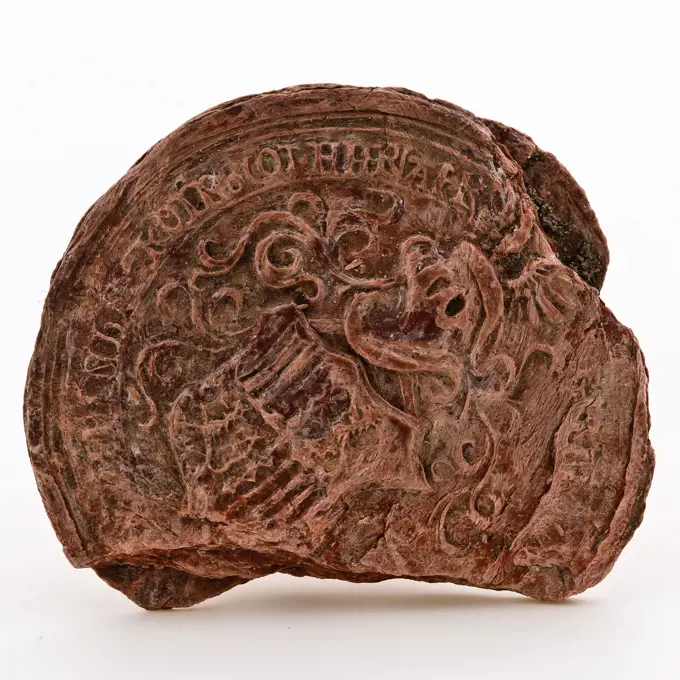
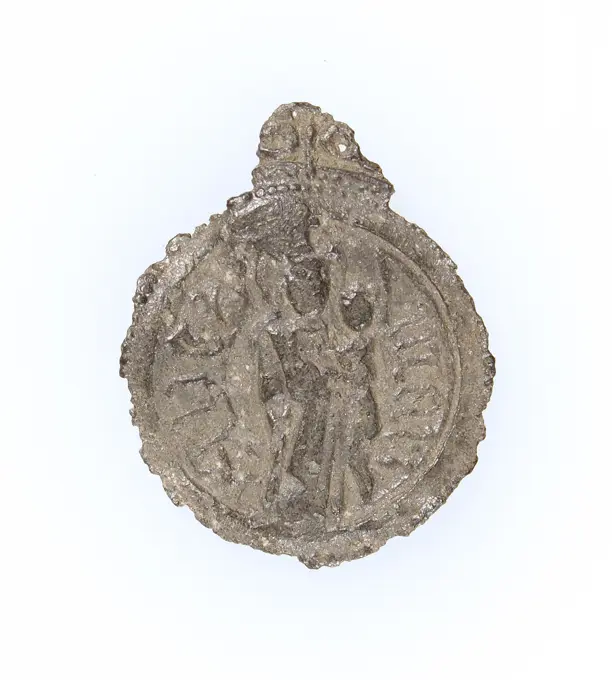
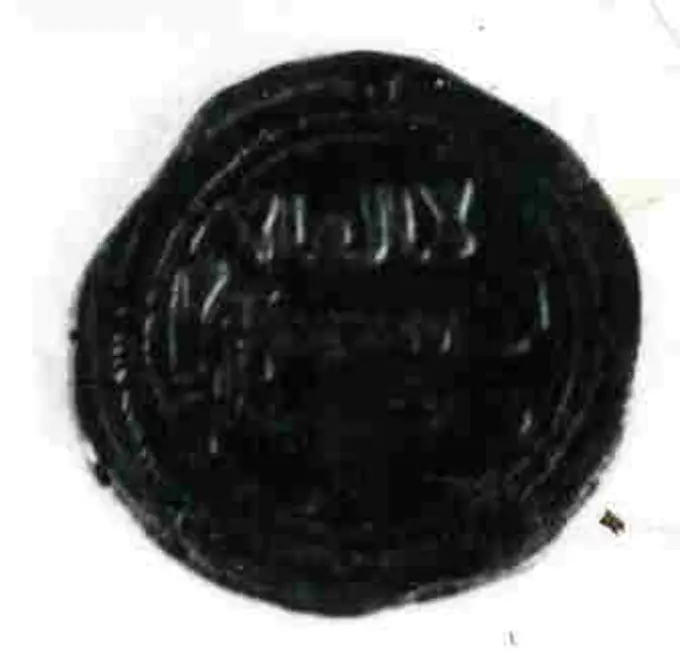
Fragment of wax seal with family coat of arms and lettering, soft red, wax seal seal information form ground find lacquer was, stamped Fragment wax seal Soft red color. Uneven back with round floor in the middle. Embossed in the front family crest and legend The coat of arms is shield-shaped and divided into four quarters of which alternately lion and three vertical bars. Helmet and plumes tend to grow around the shield. Randschrift unreadable archeology Rotterdam IJsselmonde heraldry close seal document letter deed Soil discovery: IJsselmonde beer well Rotterdam 1972.
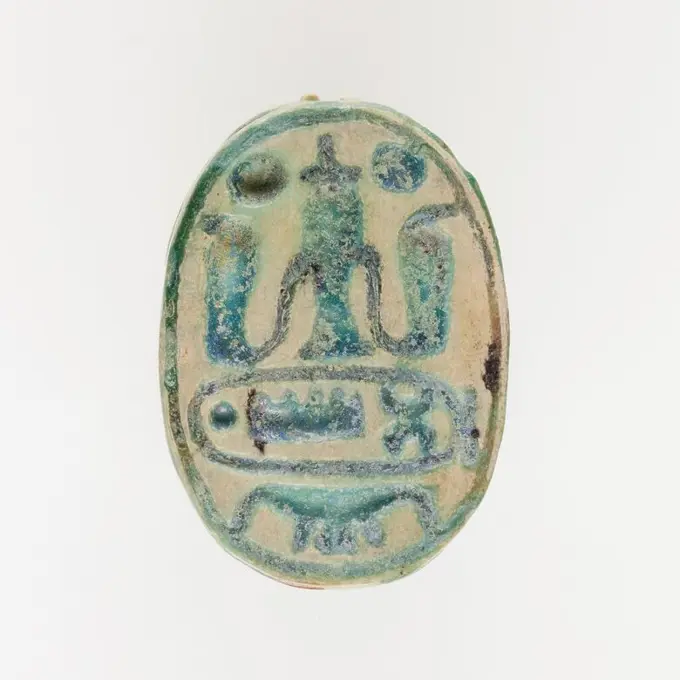
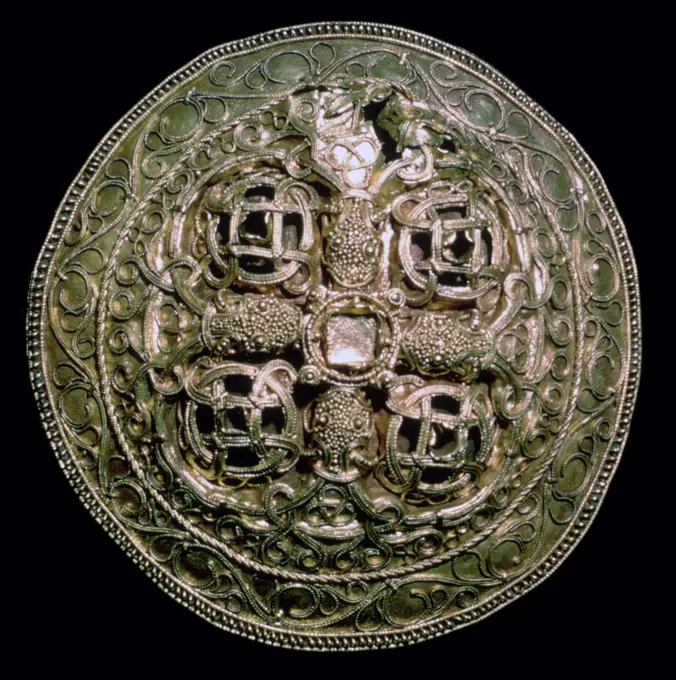
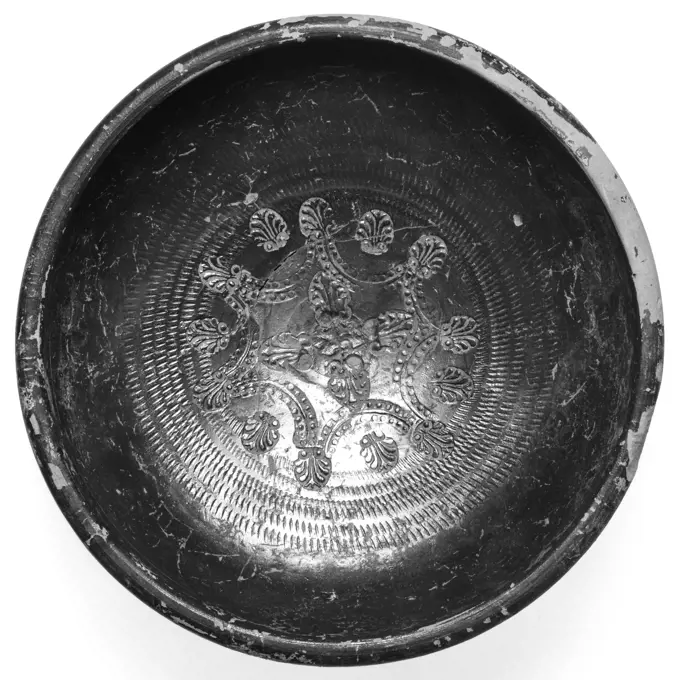
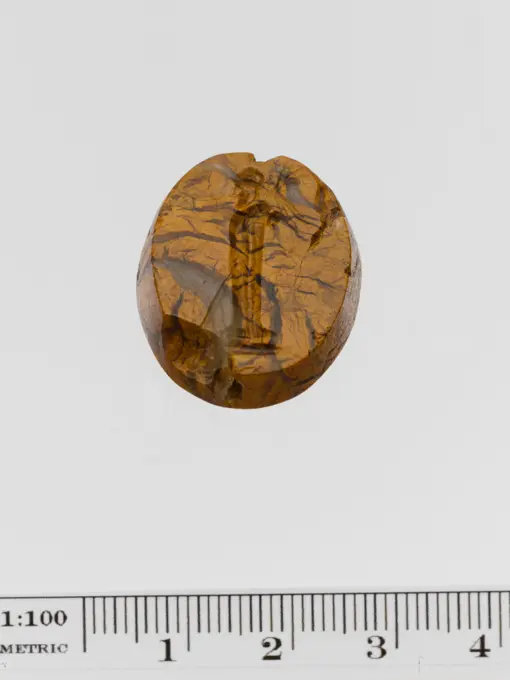
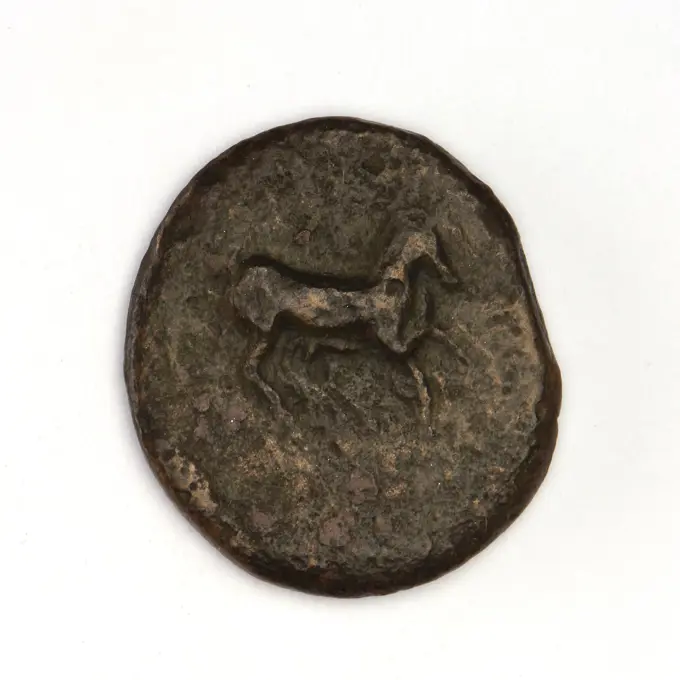
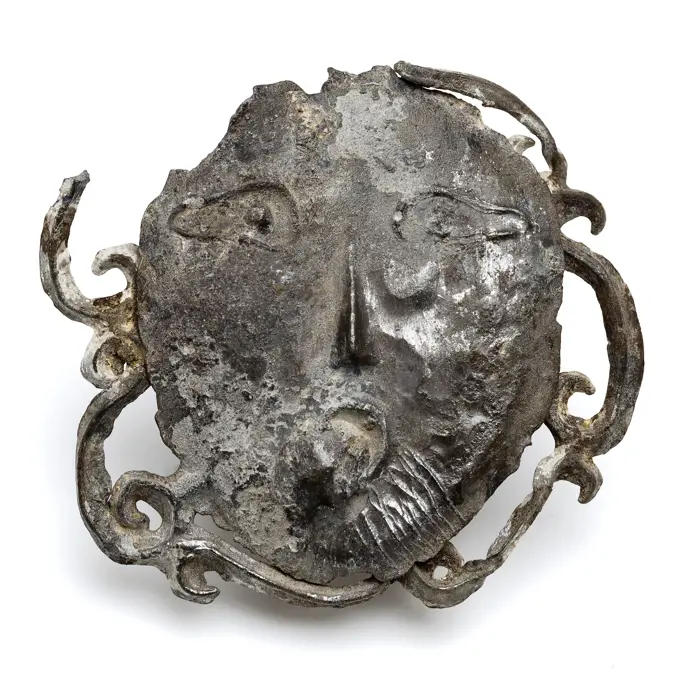
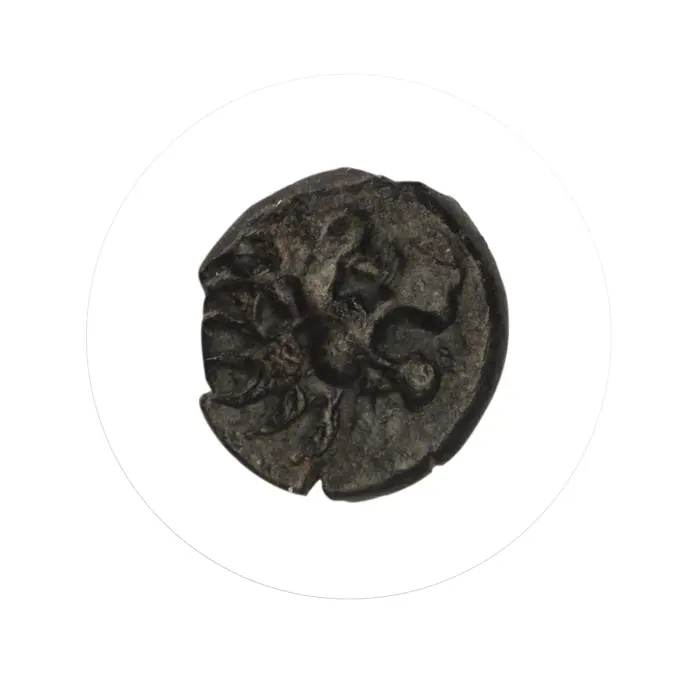
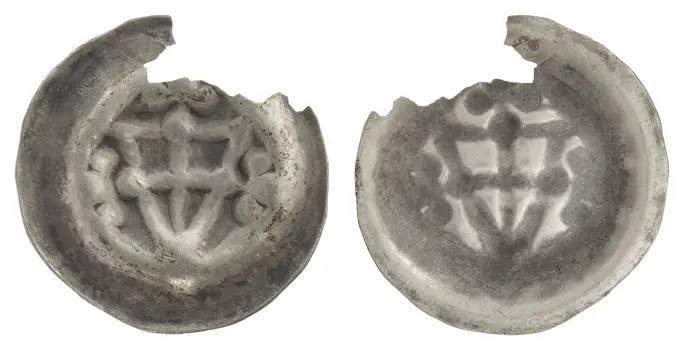
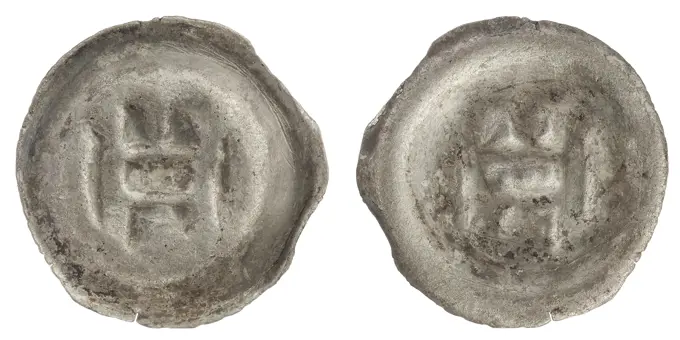
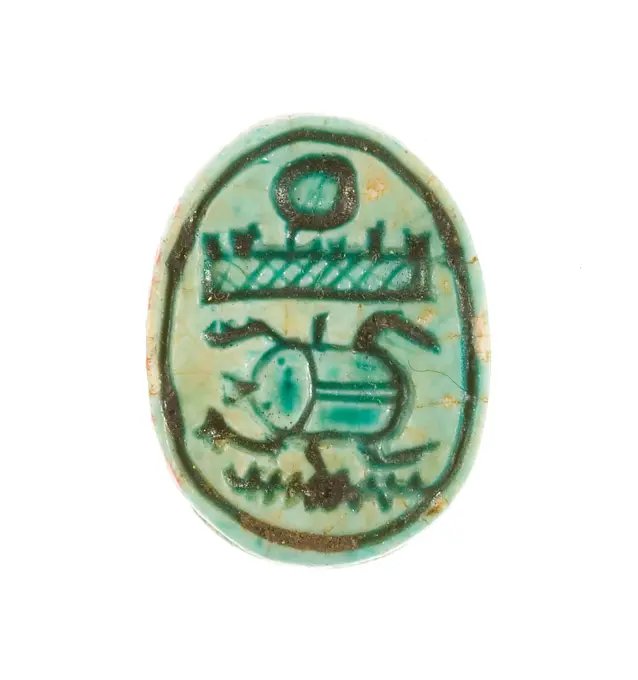
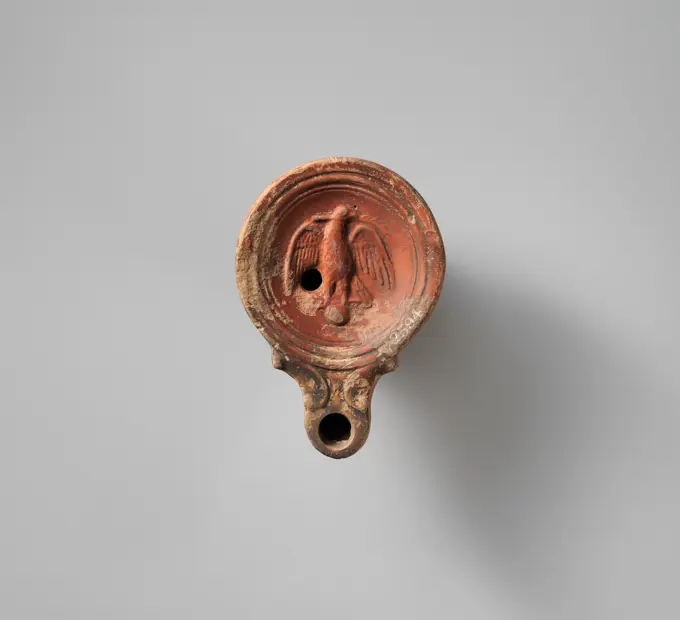
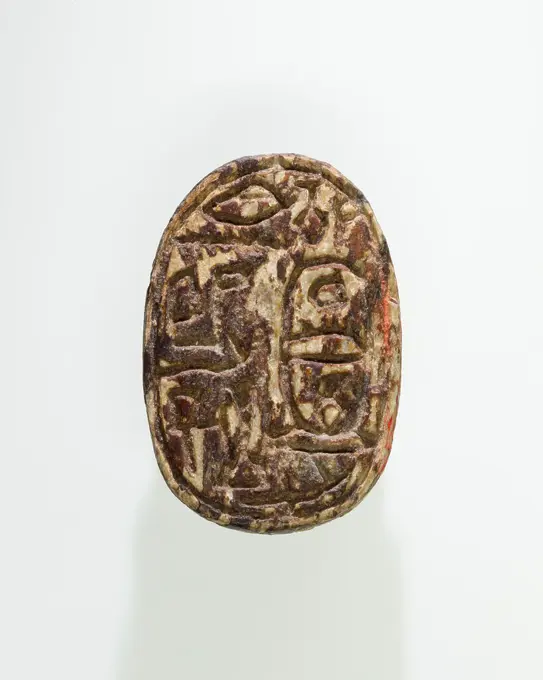
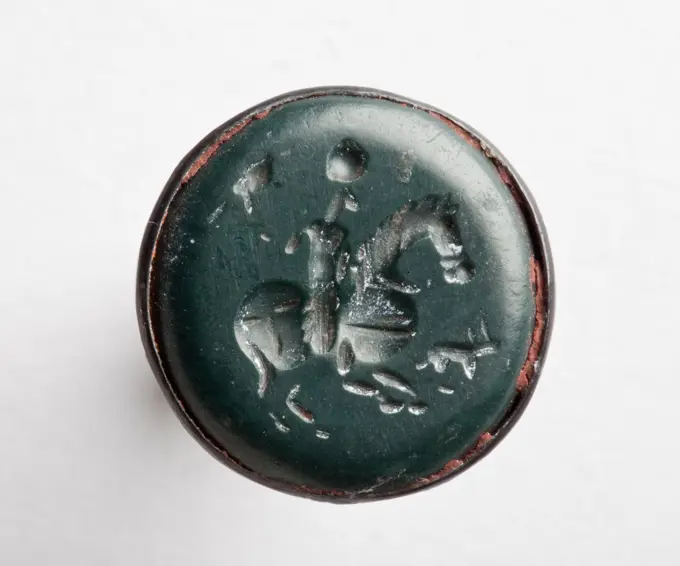
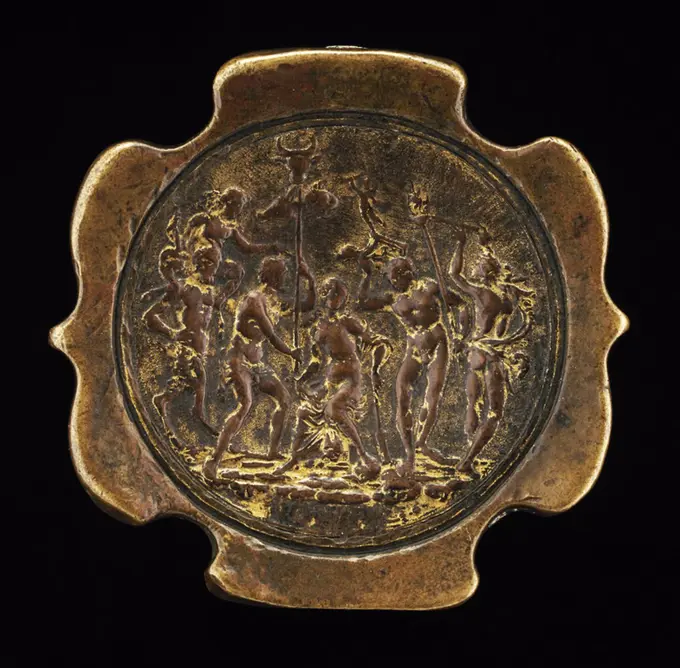
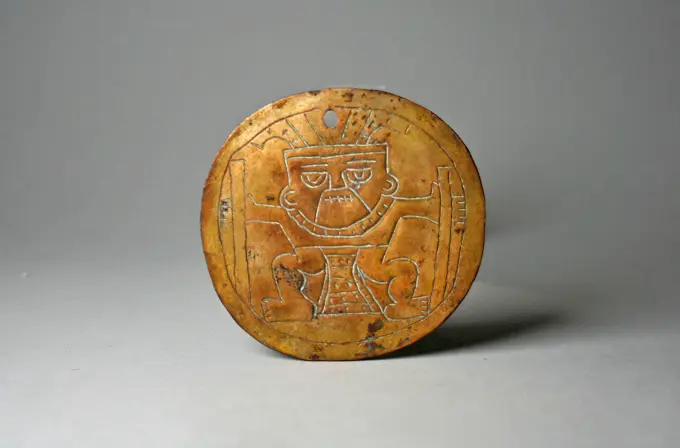
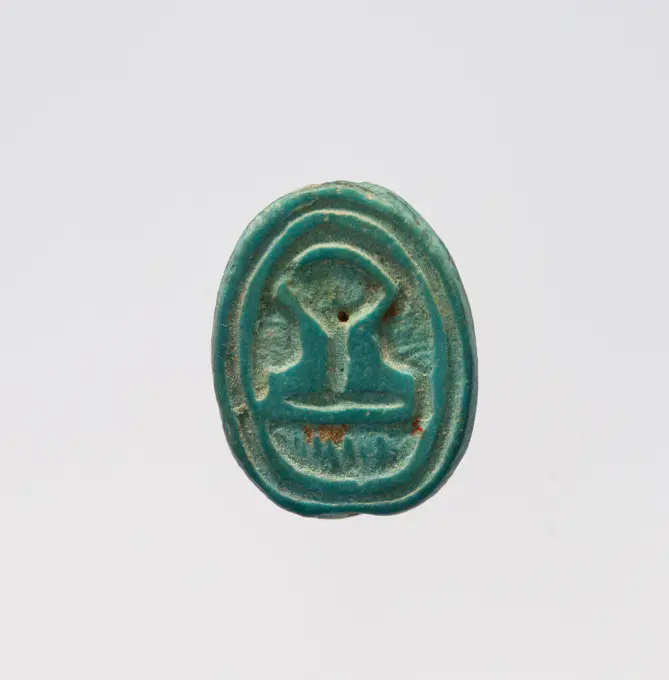
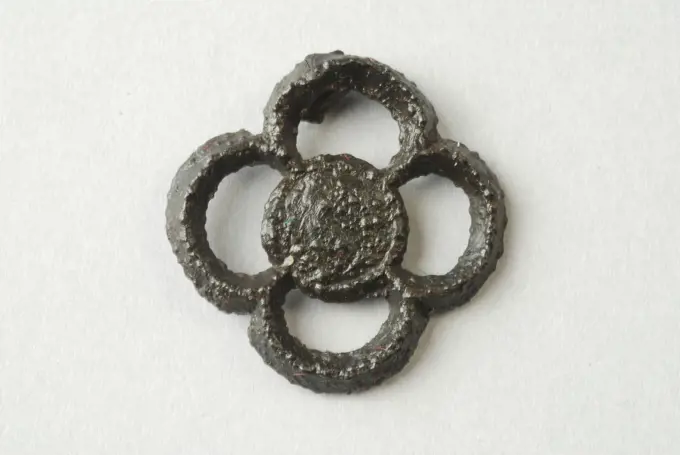
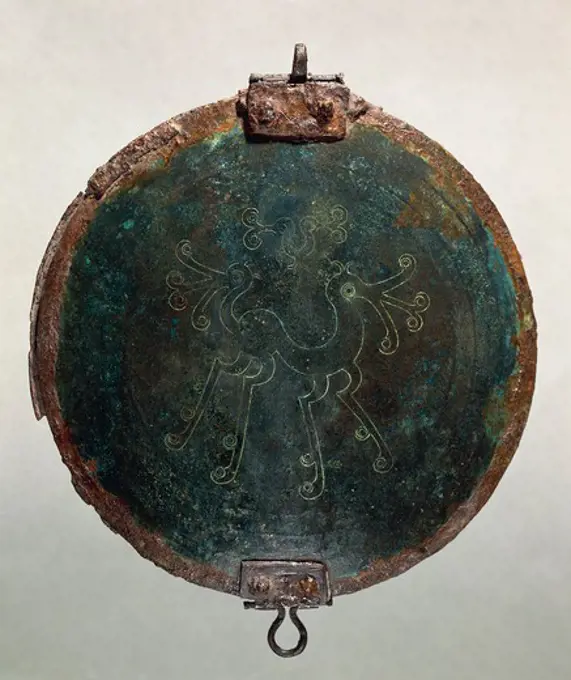
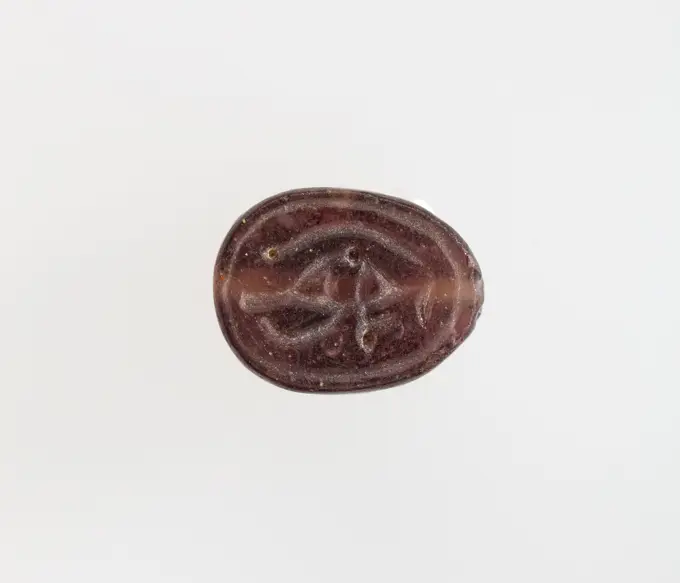
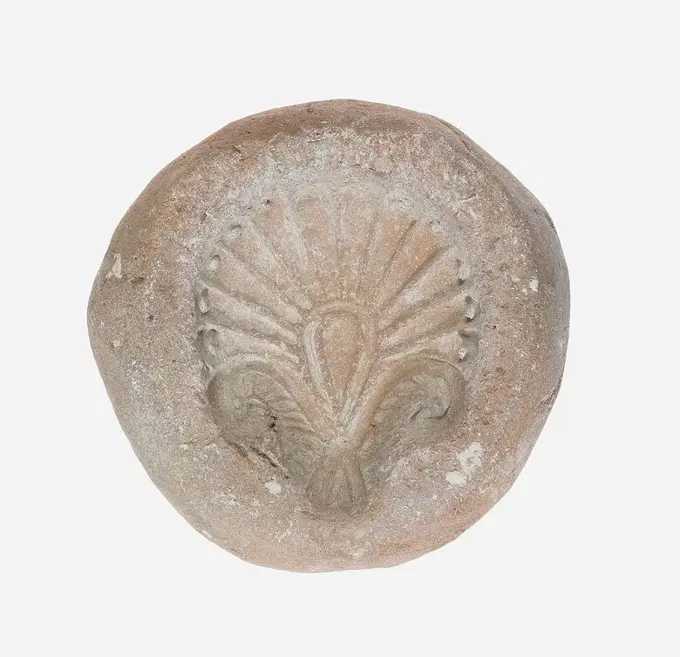
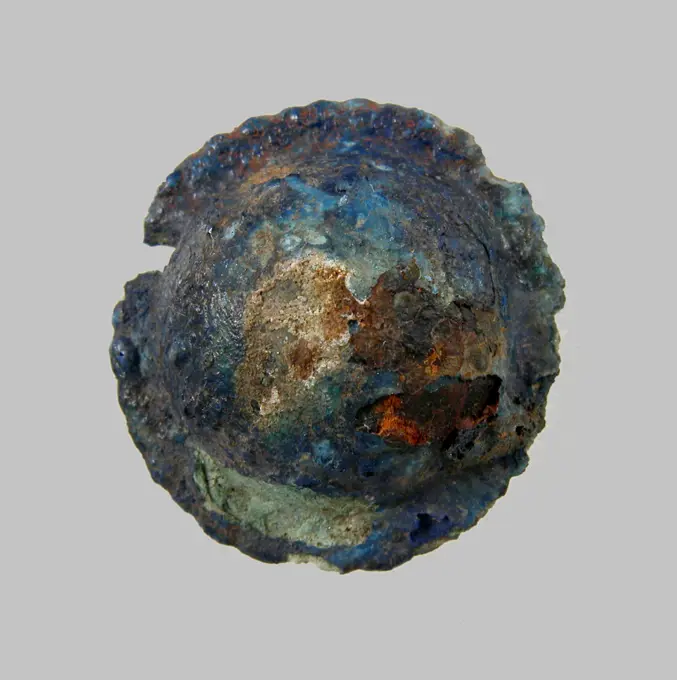
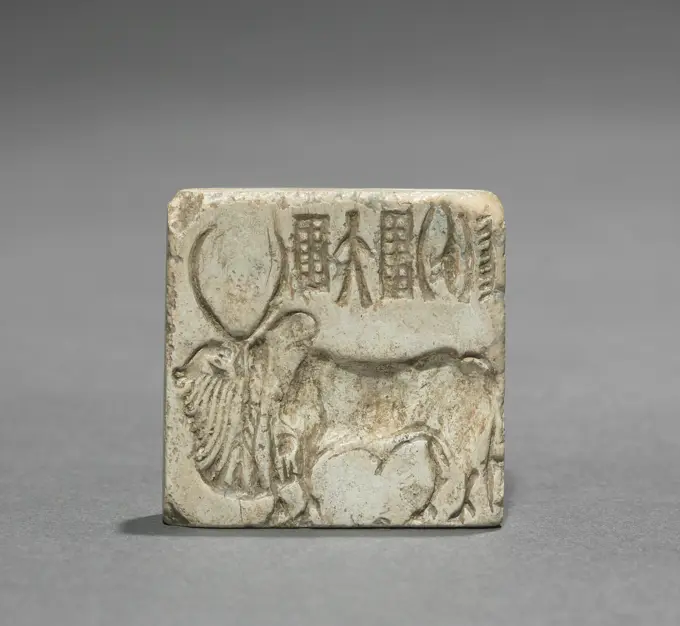
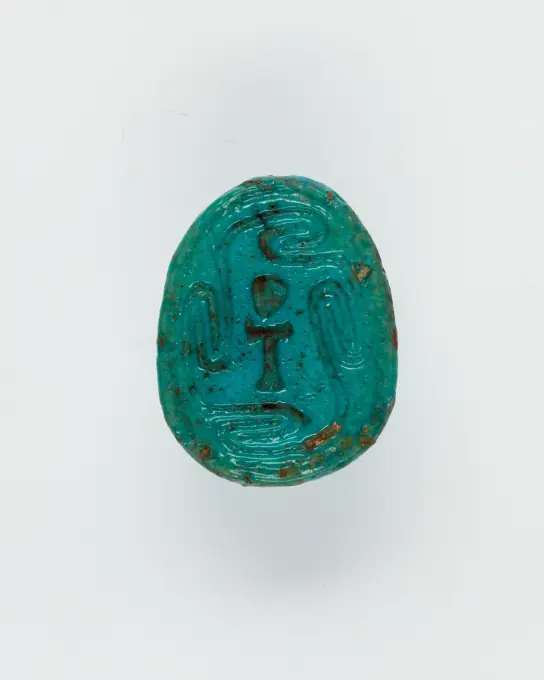
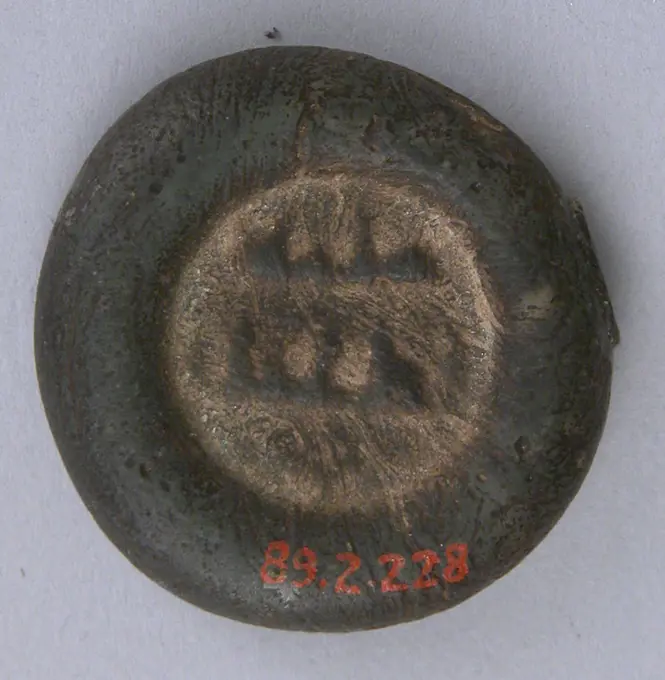
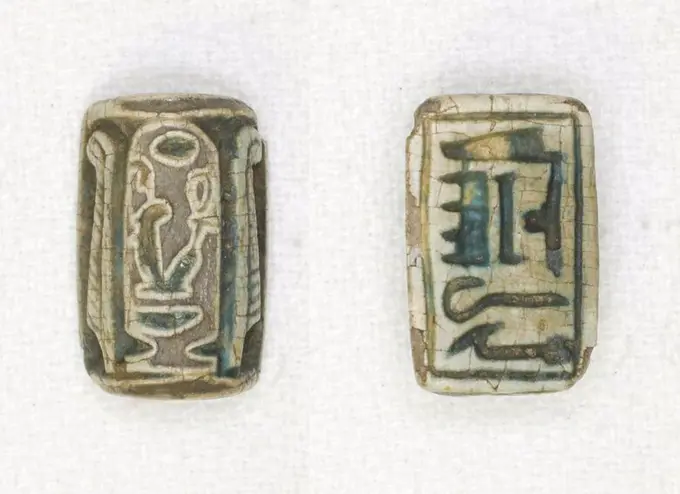
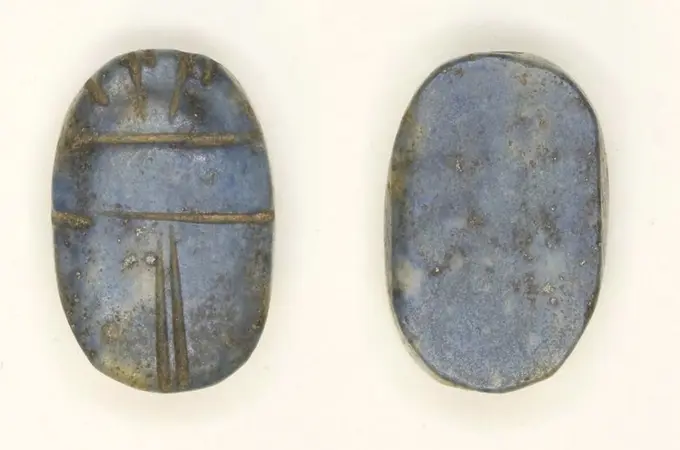
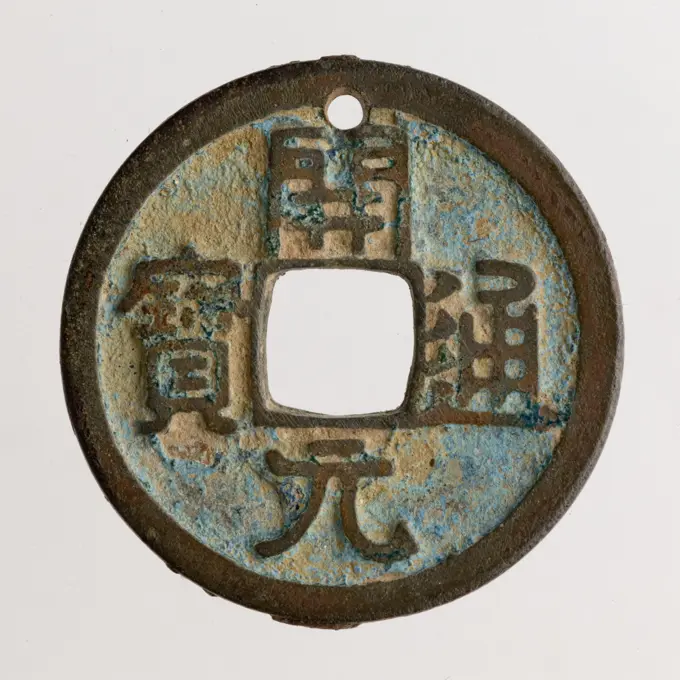
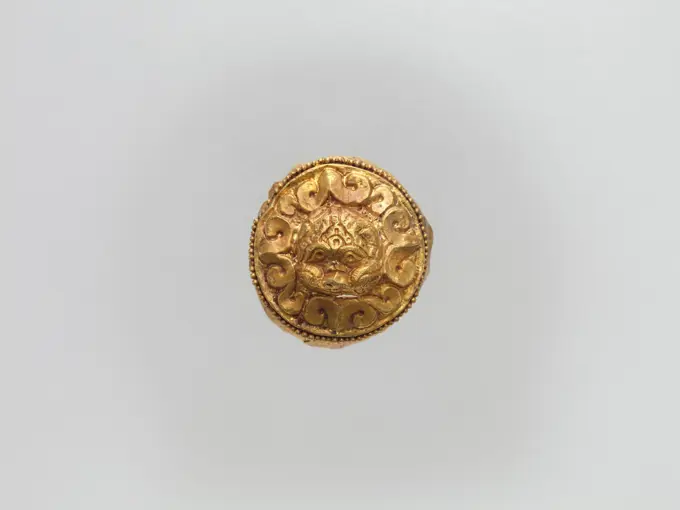
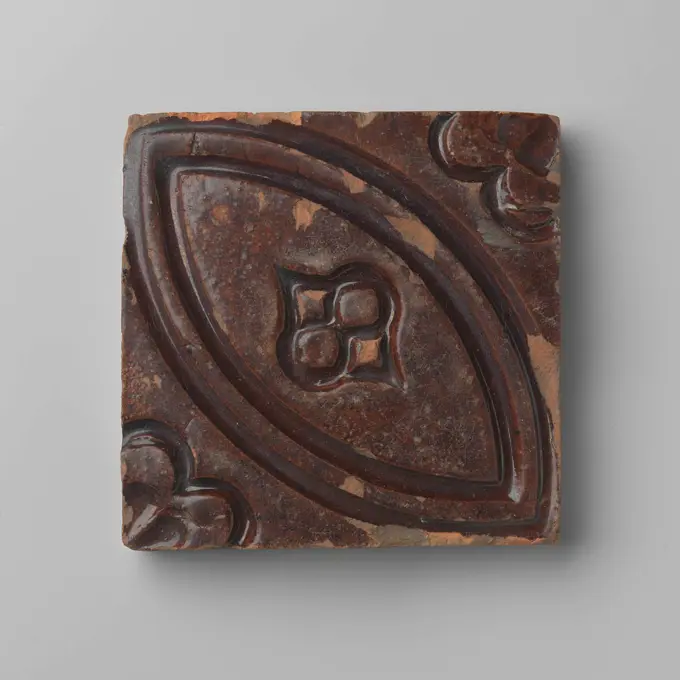
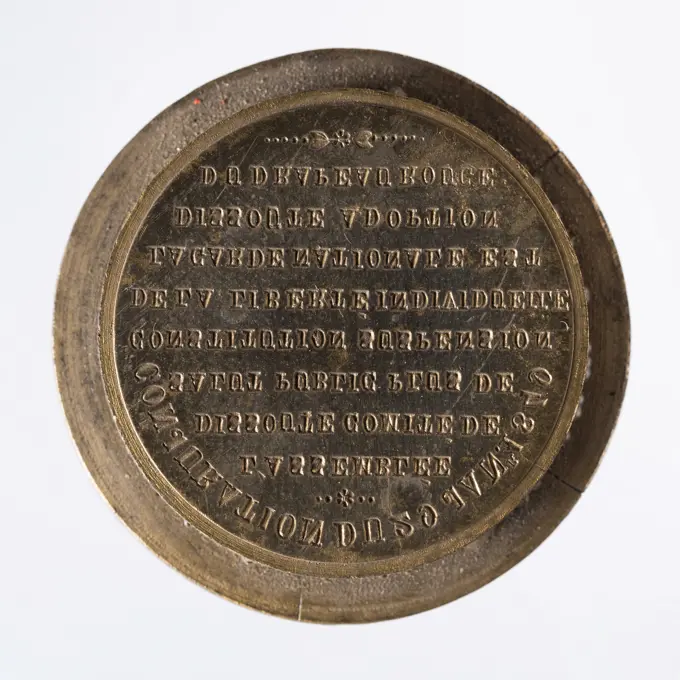
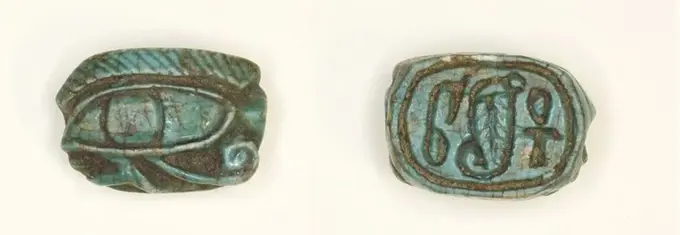
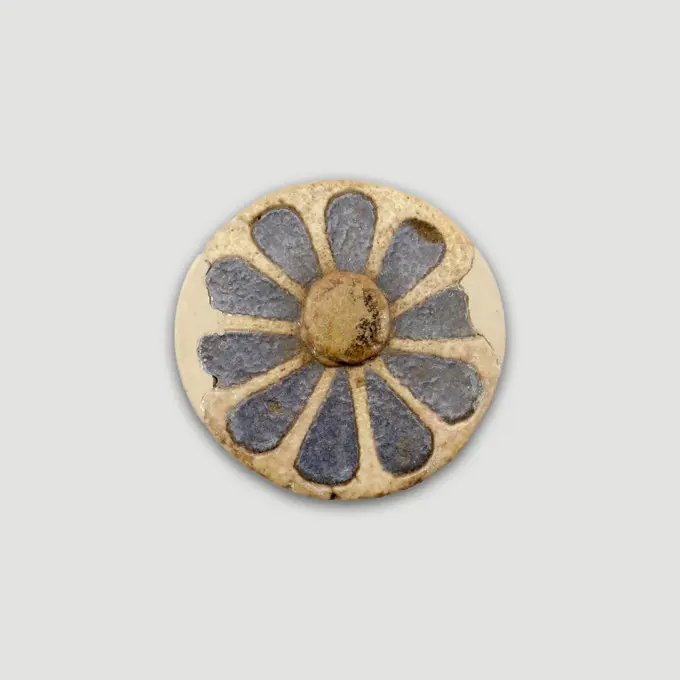
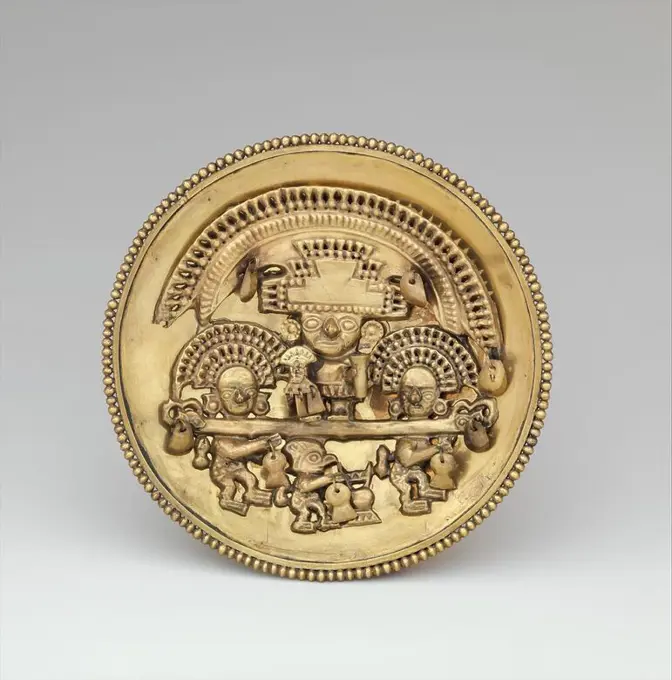
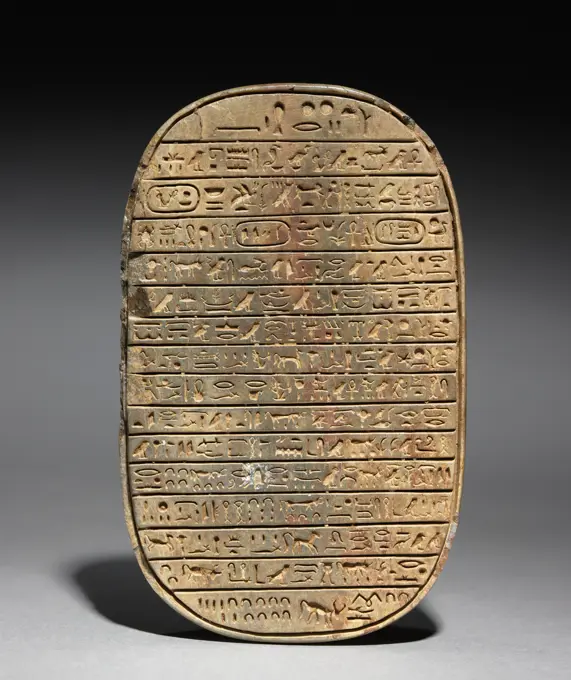
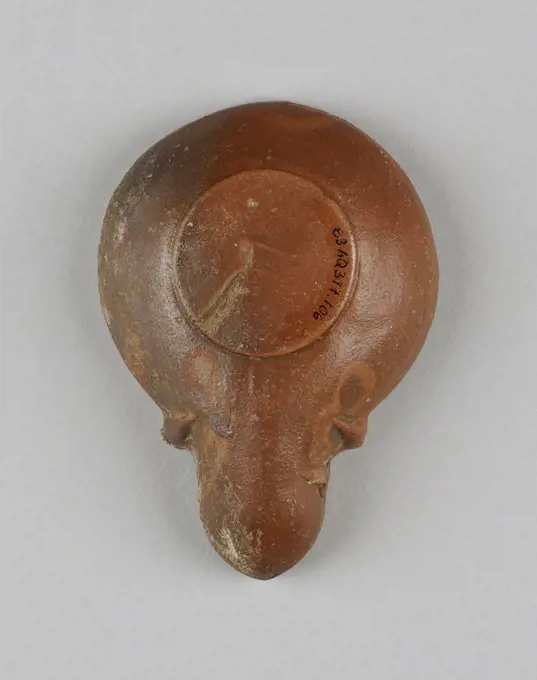
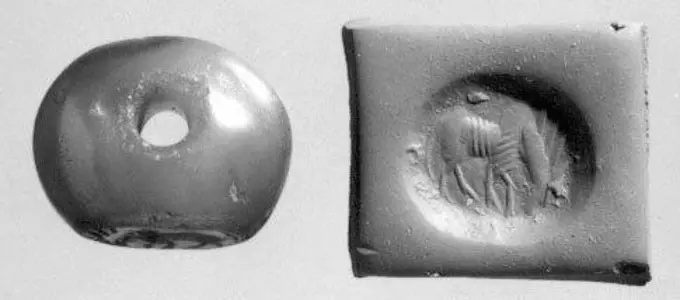
Bliżej Kultury unknownKorenichtermansgilde van Amsterdam, Gildenning of Matheus Kruyck. Brass medal. Front: corn leacher under crown. Downside: inscriptionDecoration, Oak, carved decoration, France, mid-18th century, Decorative Arts, DecorationBelt plate (common name). Silver damask iron. Carnavalet museum, history of Paris.Kiterian Bospor, Panticajon, 4th Quarter of the 2nd Century BC; AEE Panticapaeum mintScarab of Thutmose III. Dimensions: L. 1.7 × W. 1.2 × H. 0.9 cm (11/16 × 1/2 × 3/8 in.). Dynasty: Dynasty 18. Date: ca. 1550-1295 B.C.. Museum: Metropolitan Museum of Art, New York, USA.. Almost round tsuba with a show of a tortoise with a long tail in the water at buildings in Iroe-Taka-Zogan and relief; Signed "Komeisai Chokuzui".Pommel in the shape of coiled animals ca. 6th century B.C. Scythian. Pommel in the shape of coiled animals 327362Textile Ornament. Culture: Chimú. Dimensions: D. 1 3/8 in. (3.5 cm). Date: 14th-15th century. Museum: Metropolitan Museum of Art, New York, USA.Unattributed Trebizond Coin. UnknownBowl late 15th century German. Bowl. German. late 15th century. Brass. Made in Lower Rhine, Germany. Metalwork-BrassBliżej Kultury Mint of JekaterinburgSword Pommel (Kashira). Culture: Japanese. Dimensions: H. 1 3/8 in. (3.5 cm); Wt. 0.4 oz. (11.3 g). Date: ca. 1615-1868. Museum: Metropolitan Museum of Art, New York, USA.Votive Plaque with Seated Figure 1368-1643 Tibet. Votive Plaque with Seated Figure. Tibet. 1368-1643. Unglazed pottery. SculptureCircular Viking gold brooch from Denmark, 9th century. Artist: UnknownPeace of Nijmegen, in honor of the princes of Oranje, Pieter van Abeele, 1678 history medal Silver medal. Front: six portraits (Willem I, Maurits, Willem II, Willem III, Frederik Hendrik and Philip Willem) around two collapsed hands with seven arrows. Reverse: fame blindly on two praise trumpets under Pennant with inscription. Amsterdam silver (metal) casting  NijmegenCampanian Black Bowl; Campania, South Italy, Europe; 323 - 31 B.C; Terracotta; 6.3 x 15.8 cm (2 1,2 x 6 1,4 in.)Mottled yellow jasper scaraboid seal 4th century B.C. Greek Bearded herm of Dionysos with thyrsos (fennel stalk topped with ivy).. Mottled yellow jasper scaraboid seal. Greek. 4th century B.C.. Jasper, yellow. Late Classical. GemsDidrachm. UnknownBrown coin; Chersonez; 330-320 BC (330-00-00-320-00-00);Artemida (mitol.), Artemis on the margin (iconogr.), Artemis with a torch (iconogr.), Nadczarzyorze, Terlecki, Ignacy (1860-1916), Terlecki, Ignacy (1860-1916)-collection, Biga (iconogr.), Panthers, carts, purchase (provenance), animalsPlaque of Sword Pommel ca. 1510 North Italian. Plaque of Sword Pommel 34107Pewter face with ajour edge, moon face with outstretched tongue, ornament clothing accessory clothing fittings insignia soil find tin lead metal, w 3.9 cast hammered cut Pewter face with lace trim. Oval moon-face with open mouth and outstretched tongue Baardharen Probably part of brooch or ornamental pin or horseshoe archeology Capelle aan den IJssel House in Capelle castle tin adornment Soil discovery: House in Capelle Capelle aan den IJssel 1964.Brown coin; Chersonez; around 350 BC (-355-00-00--346-00-00);Nadczarzyorze, Terlecki, Ignacy (1860-1916), Terlecki, Ignacy (1860-1916)-collection, five-pointed star (iconogr.), Stars, head of the lion (iconogr.), Lions, purchase (provenance), animals. Mokko-shaped tsuba with raised edge; On both sides, a sliced shimenawa runs along the inside of this edge, behind which Yuzuri leaves, fern leaves and lucky tickets are released; Signed "seiryoken katsuhira".Engraved Gem with Capaneus; Italy; 200-1 B.C; Pale amethyst; 1.6 × 1.4 × 0.4 cm (5,8 × 9,16 × 1,8 in.)Pilgrim's Badge 14th-16th century French. Pilgrim's Badge. French. 14th-16th century. Lead. Metalwork-Leadbracteate denarius. Zakon krzyżacki (1190-), issuerdupondius/as; Antoninus Pius (86-161; Roman emperor 138-161), Faustina older (98-141; Roman Empress 138-141); after 141 (141-00-00-166-00-00);Anonymous. "Verwundten-Abzeichen, Schwarz". Metal. 1939-1945. General Leclerc Museum of Hauteclocque and the Liberation of Paris, Jean Moulin Museum. 158821-22Stamp Seal. Northern Mesopotamia, circa 4th millennium B.C.. Tools and Equipment; seals. White-and-green-mottled black serpentineFragment of a Bowl or Cup 13th-16th century. Fragment of a Bowl or Cup 452432bracteate denarius. Zakon krzyżacki (1190-), issuerSaying in Rotterdam, Penning intended as evidence for peat carriers, fillers or tunners to be allowed to enter peat from the newlyered veins, Anonymous, 1769 identification medal One-sided lead medal with round top and rectangular underside, and hole in it. Front: Standing lion with coat of arms on chest between the year within Kerschrift. Reverse: Blanco. Rotterdam lead (metal) casting  RotterdamEight cups, Anonymous, 1612 Lying oval, lead plaque, surrounded by a border with protruding leaves and two masks, seen from aside. In the middle a cherub, around which five cobblestones are grouped, flanked by two old Manskoppen with beards. Netherlands lead (metal) casting Lying oval, lead plaque, surrounded by a border with protruding leaves and two masks, seen from aside. In the middle a cherub, around which five cobblestones are grouped, flanked by two old Manskoppen with beards. Netherlands lead (metal) castingScarab Inscribed for Menkheperenre (Thutmose III) ca. 1479-1458 B.C. New Kingdom. Scarab Inscribed for Menkheperenre (Thutmose III). ca. 1479-1458 B.C.. Steatite (glazed). New Kingdom. From Egypt, Upper Egypt, Thebes, Deir el-Bahri, Temple of Hatshepsut, Foundation Deposit 8 (H), MMA excavations, 1926-27. Dynasty 18, earlytraditional Chinese decorationScarabs ca. 1492-1473 B.C. New Kingdom This scarab was found with twenty-three other scarabs and seal-amulets in the coffin of a young woman who was buried in Hatnefer's tomb (see 36.3.1 and 36.3 26). The base is inscribed with a decorative pattern that includes a nefer hieroglyph (meaning good or beautiful)... Scarabs 560221Chalice fragment Third Intermediate Period or later ca. 1070-664 B.C. This fragment from the rim of a chalice is decorated with a narrow block border, then an upper register with water lily flowers and leaves. The small part preserved of the main band of decoration depicts the upper part of a Hathor-headed sistrum flanked by papyrus plants.See 26.7.971 for a complete example of this type of relief chalice. View more. Chalice fragment. ca. 1070-664 B.C.. Faience. Third Intermediate Period or later. From Egypt, Upper Egypt, Thebes. Dynasty 21-25Terracotta oil lamp 1st century B.C.-1st century A.D. Roman Loeschcke Type 4. Mold-made. Discus: an eagle holding a branch in beak, satnding to front, with head turned to right, wings outspread, and globe between feet; a single filling hole towards bottom left below the wing, and band of lines and grooves at edge. Volutes flanking nozzle. Incised base ring, and slightly concave base.. Terracotta oil lamp. Roman. 1st century B.C.-1st century A.D.. Terracotta. Early Imperial. TerracottasEton with a ram;  Roman period (-30-00-00-395-00-00);Collection of ancient Egypt, purchaseScarab of Sebekhotep IV. Dimensions: L. 2.4 × W. 1.6 × H. 1 cm (15/16 × 5/8 × 3/8 in.). Dynasty: Dynasty 13-17. Date: ca. 1802-1550 B.C..Scarab shaped seal inscribed with the prenomen and filiation of Sebekhotep IV: "the good god Khaneferre, begotten of the god's father Ha-ankhef.". Museum: Metropolitan Museum of Art, New York, USA.Gaudentianus medallion, sacrifice of Isaac, Musei Vaticani, State of the Vatican City, Roma, Lazio, Italia.Statuette of a warrior-7 Greek, Laconian. Statuette of a warrior-7 251653 Greek, Laconian, Statuette of a warrior-7, Lead, Height: 1 1/2 in. (3.8 cm). The Metropolitan Museum of Art, New York. Gift of A. J. B. Wace, 1924 (24.195.87)Marble, Inscribed. Egypt, 1st Dynasty circa 3050-2850 BCE. Tools and Equipment; marbles. MarbleStamp Seal. Iran, Sasanian Period, 3rd-7th century. Tools and Equipment; seals. Dark green jasperPlaque Inscribed for Amenhotep II ca. 1427-1400 B.C. New Kingdom. Plaque Inscribed for Amenhotep II. ca. 1427-1400 B.C.. Steatite (glazed). New Kingdom. From Egypt. Dynasty 18Sword Pommel with inset plaquette of Ariadne affixed reverse of pommel. Dated: second half 15th century. Dimensions: overall (diameter of plaquette alone): 5.37 cm (2 1/8 in.) gross weight (pommel with affixed plaquette): 231 gr (0.509 lb.) overall (sword pommel): 7.05 × 7.27 × 1.63 cm (2 3/4 × 2 7/8 × 5/8 in.). Medium: bronze. Museum: National Gallery of Art, Washington DC. Author: Master IO. F. F.The Knickknack Peddler. China. Date: 1500-1599. Dimensions: Diam. 7.3 cm (2 7/8 in.); thickness 2.7 cm (1 1/16 in.). Ivory. Origin: China. Museum: The Chicago Art Institute, Chicago, USA.Lyon. Etain, 1792. Paris, Carnavalet museum. Medal, numismaticsScarab Inscribed with the Name of Ramesses IV ca. 1153-1147 B.C. New Kingdom The hieroglyphs form the throne name of pharaoh Ramesses IV (Dynasty 20, ca. 1153-1147 B.C.).. Scarab Inscribed with the Name of Ramesses IV. ca. 1153-1147 B.C.. Bright green faience. New Kingdom. From Egypt, Memphite Region, Lisht North, Cemetery, debris, MMA excavations, 1920-22. Dynasty 20 (Ramesside)Pa. German Plate. Dated: c. 1937. Dimensions: overall: 51.2 x 38.3 cm (20 3/16 x 15 1/16 in.). Medium: watercolor and graphite on paperboard. Museum: National Gallery of Art, Washington DC. Author: David Ellinger.LYON, 1792 Anonymous. Lyon, 1792. Bronze. 1792.Copper Disk Ornament 3rd century B.C.-A.D. 2nd century Vicús (). Copper Disk Ornament 315232Stamp Seal Inscribed for the God's Wife Nefertari ca. 1550-1525 B.C. New Kingdom. Stamp Seal Inscribed for the God's Wife Nefertari. ca. 1550-1525 B.C.. Steatite, glazed. New Kingdom. From Egypt. Dynasty 18Sword Guard (Tsuba). Culture: Japanese. Dimensions: 2 5/8 in. (6.7 cm) x 2 3/8 in. (6.0 cm). Date: ca. 1615-1868. Museum: Metropolitan Museum of Art, New York, USA.Gold Nose Ornament 3rd century B.C.-A.D. 2nd century Vicús. Gold Nose Ornament 315313Scarab ca. 1479-1458 B.C. New Kingdom. Scarab. ca. 1479-1458 B.C.. Faience. New Kingdom. From Egypt, Upper Egypt, Thebes, Deir el-Bahri, Hatshepsut Hole, Hathor Shrine, MMA excavations, 1922-23. Dynasty 18Two Pectoral Disks 11th-16th century Veraguas (). Two Pectoral Disks. Veraguas (). 11th-16th century. Gold (hammered). Panama. Metal-OrnamentsBox China. Box 50966Pin or horseshoe in the form of an onion flower with four leaves, pilgrims insignia insignia devotionalia seizure soil find souvenir tin lead metal, cast inserted Pilgrim badge pin or leather fittings. Ajour flower Four openwork sheets around dense middle circle archeology Rotterdam City triangle Botersloot Binnenrotte pilgrim devotion pilgrimage pilgrimage pilgrimage souvenir decorate Soil discovery Rotterdam collapses Binnenrotte behind the Botersloot.RosetteArmor round plate with chimera engravingbracteate denarius. Zakon krzyżacki (1190-), issuerDjed pillar amulet 664-380 B.C. Late Period. Djed pillar amulet. 664-380 B.C.. Gold sheet. Late Period. From Egypt, Memphite Region, Saqqara. Dynasty 26-29Group of Fragments from Attic Red-Figure Vases.Cylinder seal ca. 2649-2100 B.C. Old Kingdom. Cylinder seal. ca. 2649-2100 B.C.. Steatite. Old Kingdom. From Egypt. Dynasty 4Button, Brass, Convex button with ornament in design of a crown with helmet and feathers., On card E, France, 19th century, costume & accessories, Decorative Arts, ButtonCorner: Satire against the election of Louis-Napoleon Bonaparte to the Presidency of the Republic, December 10, 1848 Corner: "Satire against the election of Louis-Napoleon Bonaparte to the Presidency of the Republic, December 10, 1848". Steel. 1848.Scarab ca. 1479-1458 B.C. New Kingdom. Scarab. ca. 1479-1458 B.C.. Faience. New Kingdom. From Egypt, Upper Egypt, Thebes, Deir el-Bahri, Hatshepsut Hole, Hathor Shrine, MMA excavations, 1922-23. Dynasty 18Palmette Mold. Dimensions: various. Dynasty: Dynasty 18. Reign: reign of Amenhotep III. Date: ca. 1390-1353 B.C.. Museum: Metropolitan Museum of Art, New York, USA.Small Hollow Boss Middle of 6th century Frankish. Small Hollow Boss 465470 Frankish, Small Hollow Boss, Middle of 6th century, Copper alloy, Overall: 13/16 x 3/8 in. (2.1 x 1 cm). The Metropolitan Museum of Art, New York. Gift of J. Pierpont Morgan, 1917 (17.193.158)Seal with Two-Horned Bull and Inscription, c. 2000 BC. Pakistan, Indus Valley civilization. Steatite; overall: 3.2 x 3.2 cm (1 1/4 x 1 1/4 in.).Scarab ca. 1492-1479 B.C. New Kingdom. Scarab 552403Coin Weight 13th-14th century. Coin Weight 443177Plaque: Nebmaatre/Amenhotep Ruler of Thebes. Egyptian. Date: 1390 BC-1352 BC. Dimensions: 1.4 × 1 × 0.6 cm (9/16 × 3/8 × 1/4 in.). Steatite. Origin: Egypt. Museum: The Chicago Art Institute, Chicago, USA. Author: Ancient Egyptian.Carnavalet museum, medal collection Louis-Napoléon Bonaparte's right to the left; Reverse registration on six lines.Cover the box mirror with the representation of a pair of lovers;  approx. 300 BC (-305-00-00--295-00-00);Ancient collectionScarab: Uninscribed. Egyptian. Date: 2055 BC-1773 BC. Dimensions: 0.6 × 1.6 × 1 cm (1/4 × 5/8 × 3/8 in.). Lapis Lazuli. Origin: Egypt. Museum: The Chicago Art Institute, Chicago, USA. Author: Ancient Egyptian.Cash. Copper alloy, China, Tang dynasty. Paris, Cernuschi museum. Circle, Asian civilization, Chinese civilization, disc, tang dynasty, currencyCap-Shaped Plaque with Lion 7th-9th century China (Xinjiang Autonomous Region, Central Asia) The nomadic communities of Central Asia used such plaques to embellish clothing and horse trappings. As these nomadic cultures herded animals and were constantly moving, their artistic production was expressed in portable objects that marked the wearers status and wealth. The outstanding preservation of these fragile ornaments suggests they were used in conjunction with burials, where the body was aggrandized with valuable textiles and augmented with gold. Although it is difficult to date and place these objects geographically, their presence in Central Asia and has a long, established history.. Cap-Shaped Plaque with Lion 65187Tile with rosette. Tile decorated with a rosette surrounded by double pointed ovals. In two corners with a quarter rosette.Giaccomo Rossini 1792-1868,, 1868 - 1900 history medal Small silver -plated brass pennink with eye and carrying ring, on the front the portrait of Rossini to the right with a change, on the reverse six lines of text.  brass (alloy) striking (metalworking)Coin: Conjuration of January 29, 1849 Anonymous. Corner: "Conjuration of January 29, 1849". Steel. 1849.Earflare Frontal 3rd-7th century Moche This gold disk, once attached to a cylindrical shaft to create an ear ornament, was created by Moche metalsmiths on Perus North Coast between the 3rd and 7th centuries. The central figure launches a projectile—likely an articulated spear—with the aid of a throwing stick while he points with his other (right) hand. The figure wears a tunic and a loincloth, the latter indicated by lightly engraved parallel horizontal lines. Raylike extensions from the head and body terminate in circular forms with raised borders, now filled with turquoise inlays. The figure itself wears two ear ornaments that may have once also held inlays, now missing. Unlike the rest of the figure, which is rendered in low relief, the masklike face is rendered in high relief. The composition is encircled by a raised plain border, and the circumference of the ornament is embellished with 38 hollow spheres soldered to the rim. This earflare frontal is one of a pair; its mate is preScaraboid: Wedjat Eye. Egyptian. Date: 1550 BC-1295 BC. Dimensions: 0.6 × 1 × 1.4 cm (1/4 × 3/8 × 9/16 in.). Glazed steatite. Origin: Egypt. Museum: The Chicago Art Institute, Chicago, USA. Author: Ancient Egyptian.Scarab of Ramesses II. Dimensions: L. 2 cm (13/16 in.). Dynasty: Dynasty 19-20. Date: ca. 1295-1070 B.C.. Museum: Metropolitan Museum of Art, New York, USA.Terracotta handle 1st century B.C. Roman The handle, from a large serving dish, is richly decorated with small cupids and a reclining female figure, probably Venus (Aphrodite).. Terracotta handle. Roman. 1st century B.C.. Terracotta; black-glaze ware. VasesBliżej Kultury unknownFinger Ring. Western Iran, about 550-330 B.C.. Jewelry and Adornments; rings. Bronze, castFish Ornament 11th-12th century Peru; central coast (). Fish Ornament 308817Glazed disk in the shape of rosette ca. 1279-1213 B.C. New Kingdom. Glazed disk in the shape of rosette. ca. 1279-1213 B.C.. Faience. New Kingdom. From Egypt, Eastern Delta, Qantir (Piramesse), Palace of Ramesses II, Private apartments. Dynasty 19 (Ramesside)Grahal-Manzara. Carnavalet 2013-2016 collection sites. Numismatics.Earflare with Multifigure Scene. Culture: Chimú. Dimensions: Diam. 5 1/4 in. (13.5 cm). Date: A.D. 1350-1470.By the time the powerful Chimú kings had established their desert kingdom on Peru's north coast in the fourteenth century, precious-metal production in that region had reached unprecedented levels. Objects made for the elite had become ostentatious displays of wealth and technical virtuosity, as this pair of ear ornaments illustrates. Of thin, hammered sheet gold, they are remarkably light in spite of their size. They are decorated on the frontals with complex multifigured scenes. A distinguished Chimú lord, wearing a large headdress and ear ornaments, and holding a beaker and a fan, is shown standing on a litter supported by two men. Their huge, flared headdresses, decorated with cut-out and repoussé designs, echo the rhythm of the small spheres encircling the rims of the frontals. The shafts are embellished with a delicate chased repeat of crested birds in a diamond grid. MusPlanets-manager. Cornalet Collection Sites 2013-2016. Numismatic.Pinhead. Pinhead. Glass. GlassCoin probably 169-785. Coin. probably 169-785. Copper. Excavated in Iran, Nishapur. CoinsWild Bull Hunt Scarab of Amenhotep III, c. 1391-1353 BC. Egypt, New Kingdom, Dynasty 18, reign of Amenhotep III. Steatite; overall: 6.6 x 2.5 cm (2 5/8 x 1 in.).Lamp, North Africa; 1st - 4th century; Terracotta; 2.2 x 6.8 x 9.5 cm (7,8 x 2 11,16 x 3 3,4 in.)Stamp seal ca. 3rd-7th century A.D. Sasanian. Stamp seal. Sasanian. ca. 3rd-7th century A.D.. Carnelian. Sasanian. Iran or MesopotamiaSeal China. Seal 41047