Heraldic and Ancient Artifacts

Artifacts including heraldic pendants and ancient scarabs, reflecting historical significance and craftsmanship from various cultures.
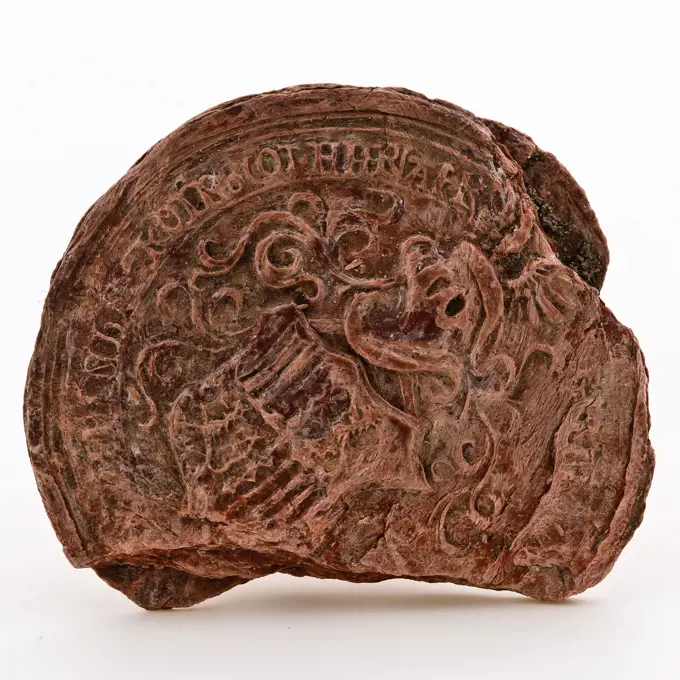
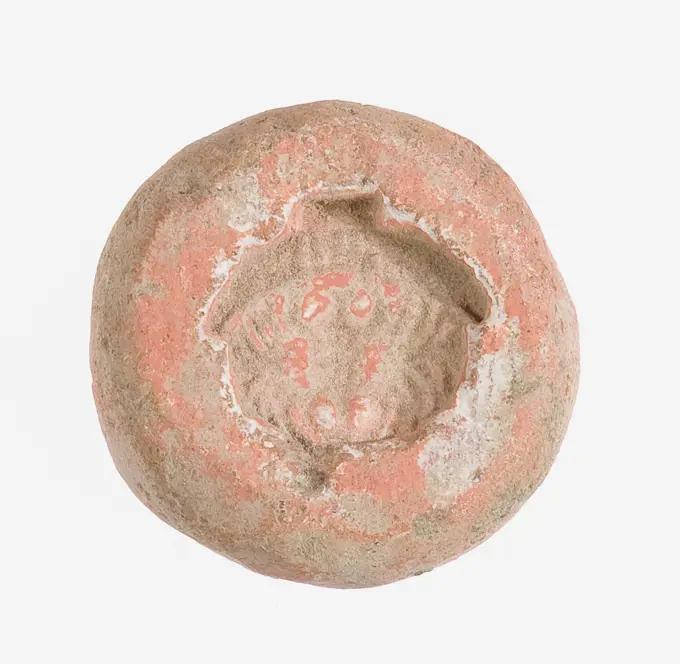
Fragment of wax seal with family coat of arms and lettering, soft red, wax seal seal information form ground find lacquer was, stamped Fragment wax seal Soft red color. Uneven back with round floor in the middle. Embossed in the front family crest and legend The coat of arms is shield-shaped and divided into four quarters of which alternately lion and three vertical bars. Helmet and plumes tend to grow around the shield. Randschrift unreadable archeology Rotterdam IJsselmonde heraldry close seal document letter deed Soil discovery: IJsselmonde beer well Rotterdam 1972.
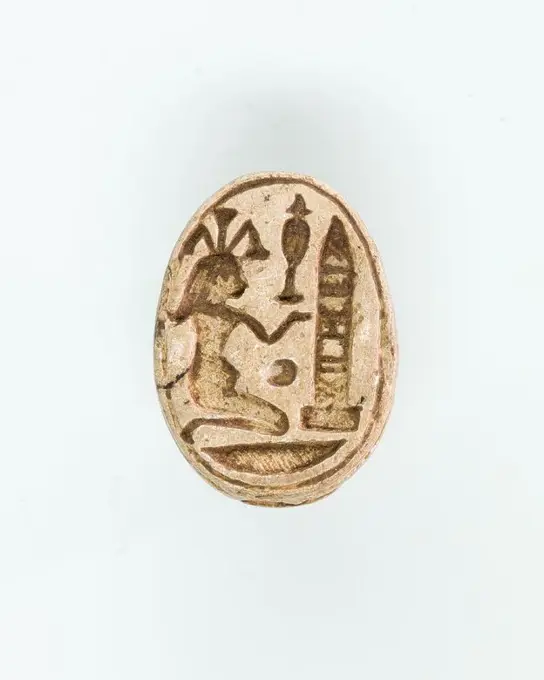
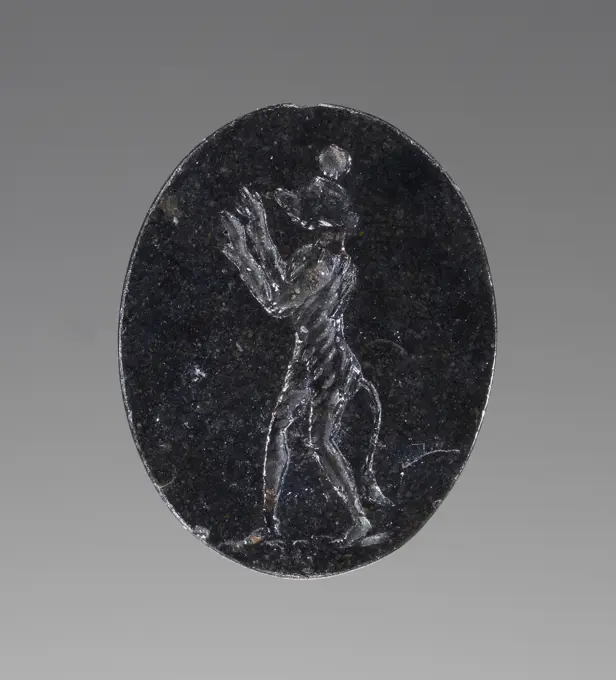
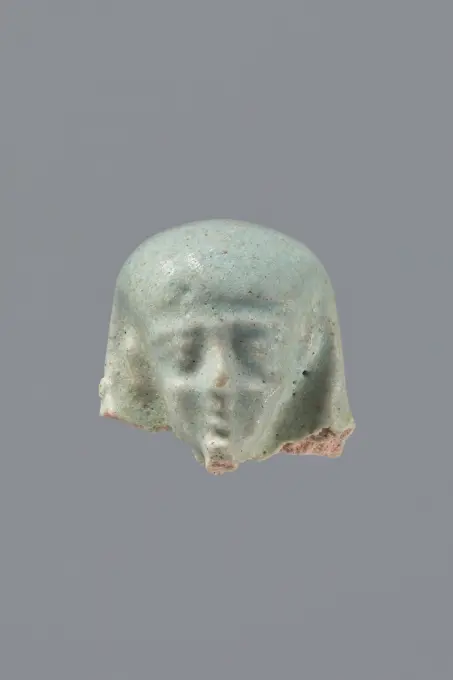
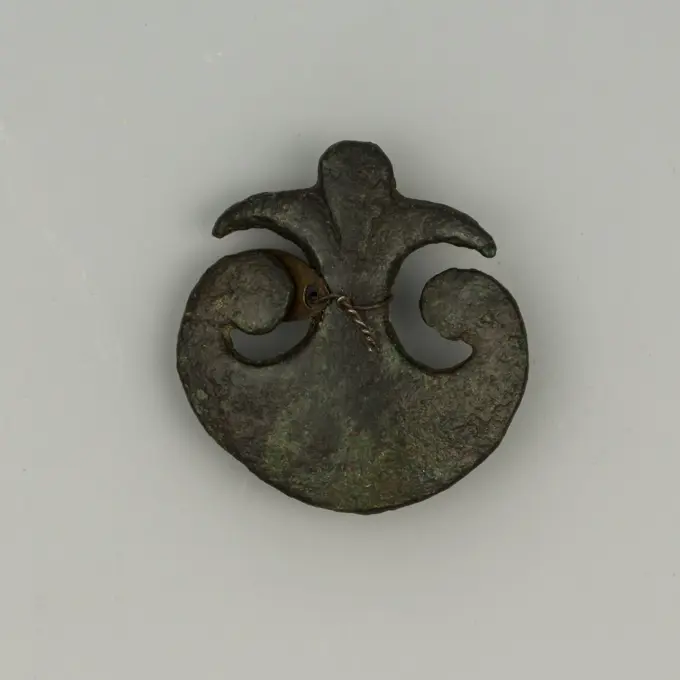
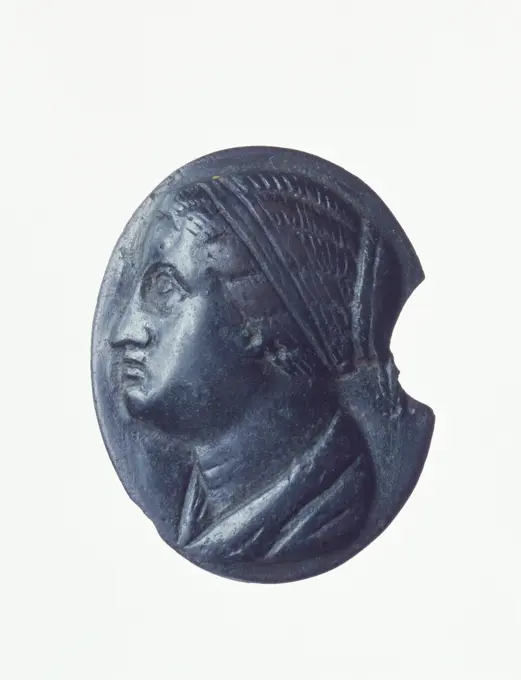
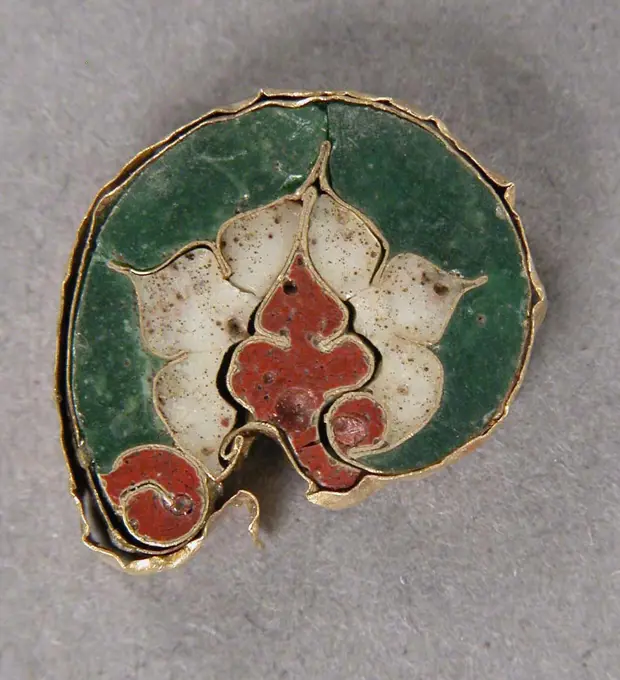
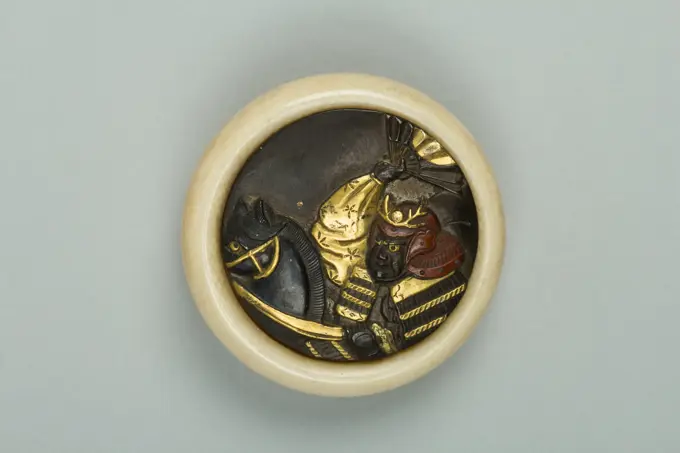
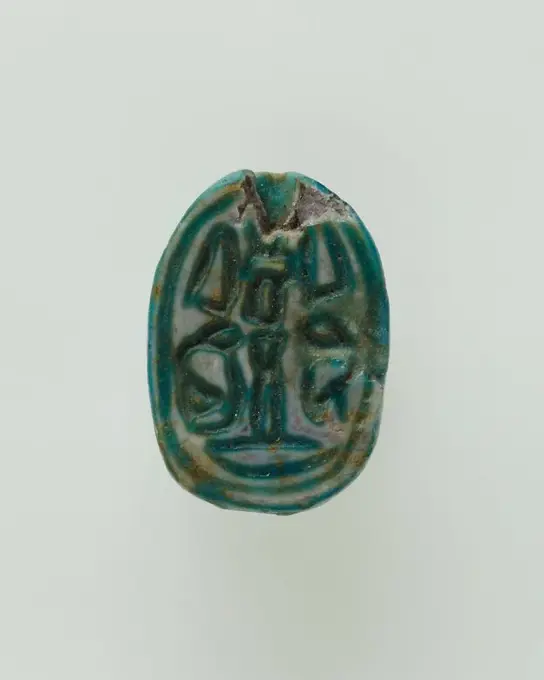
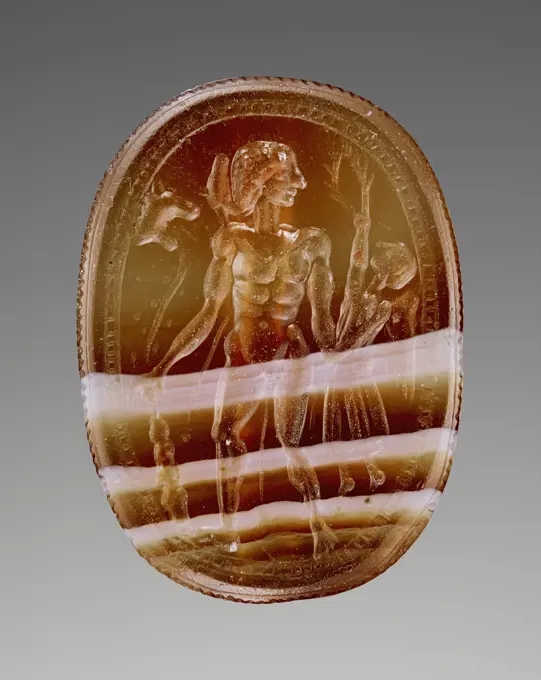
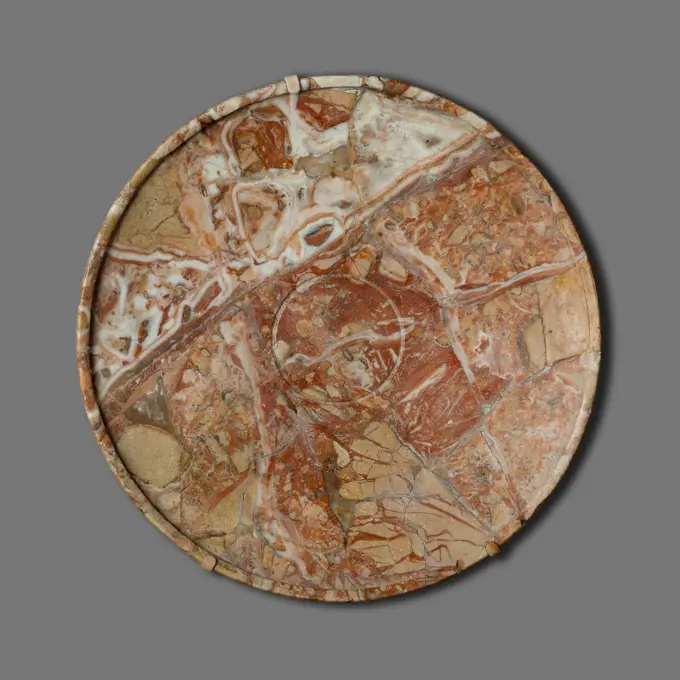
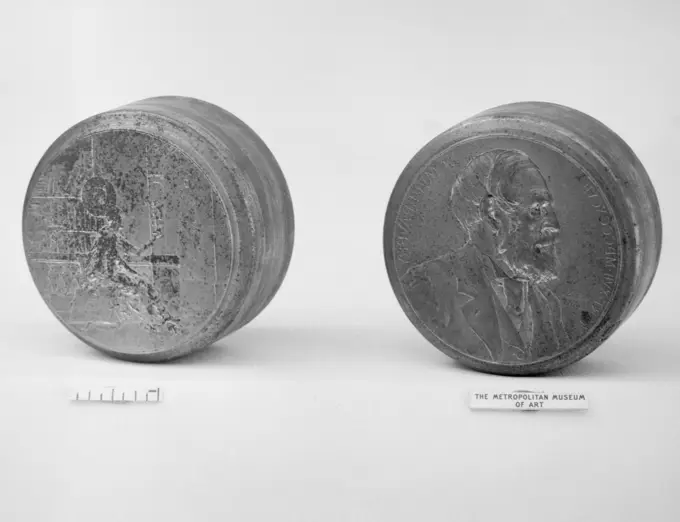
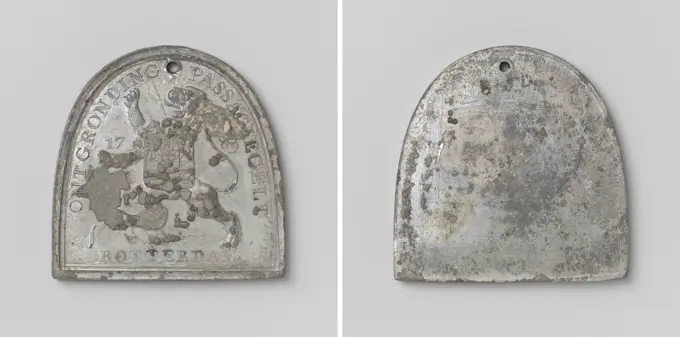
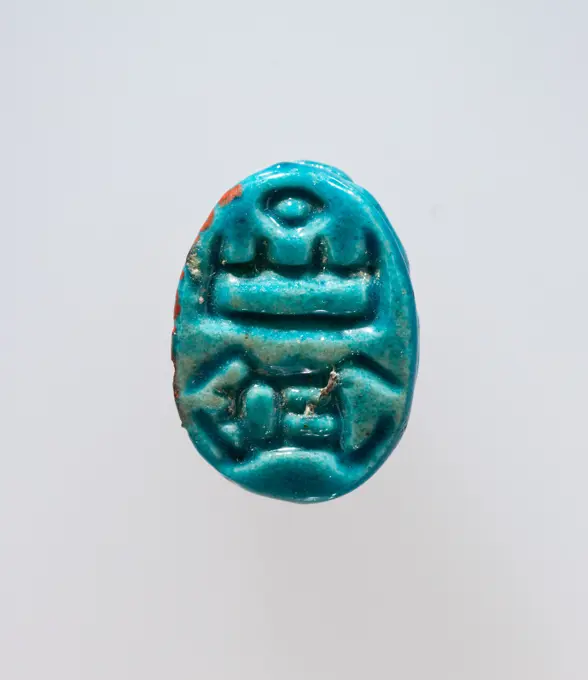
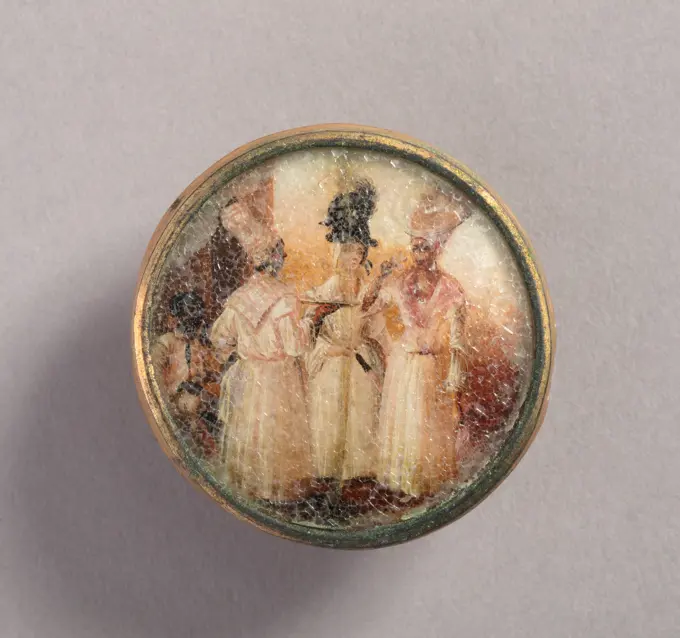
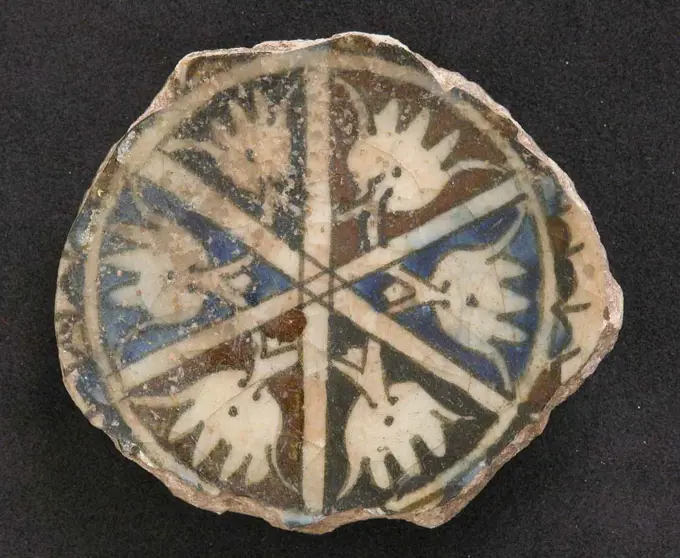
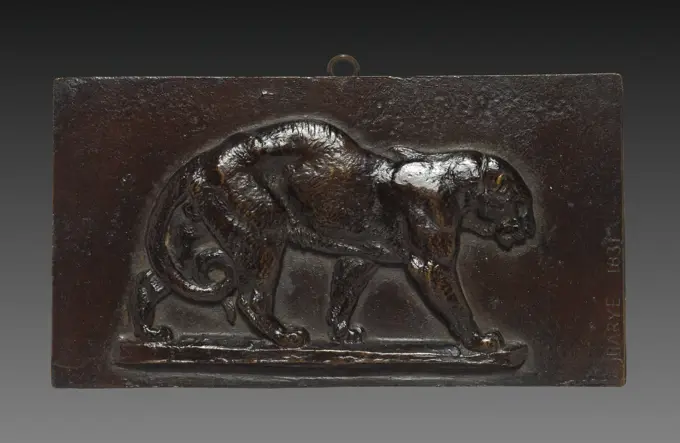
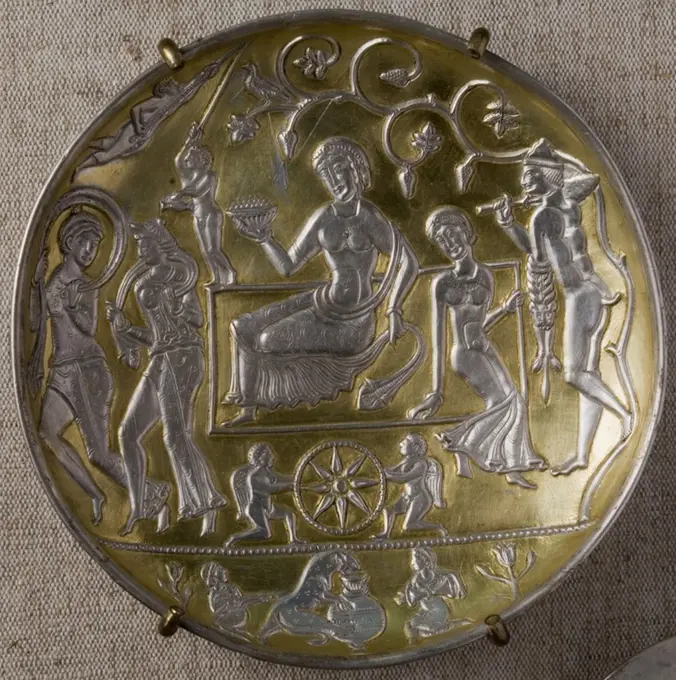
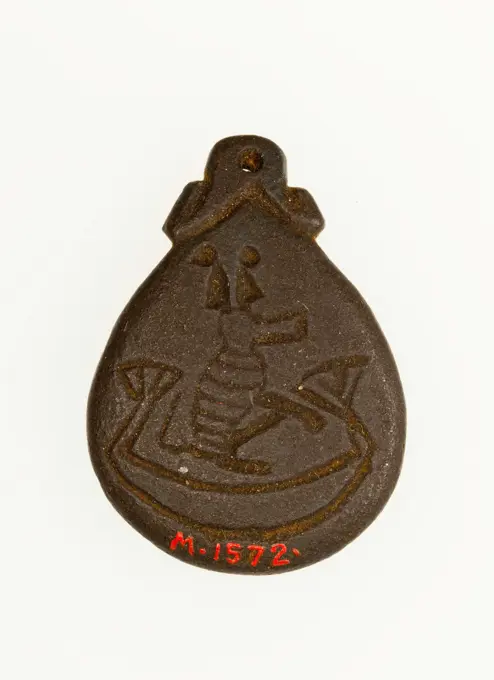
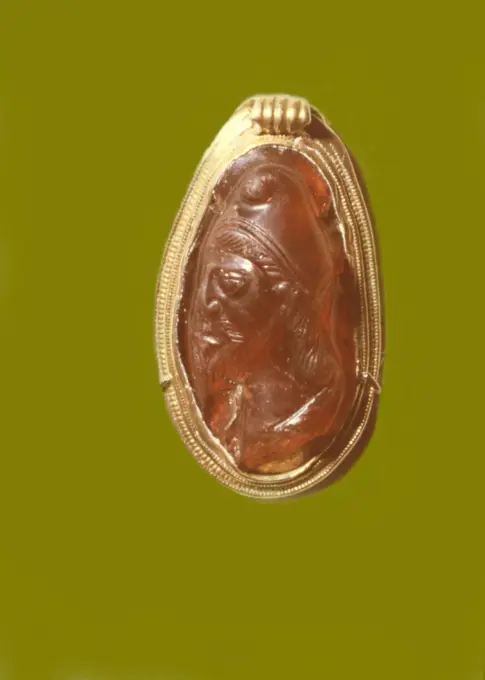
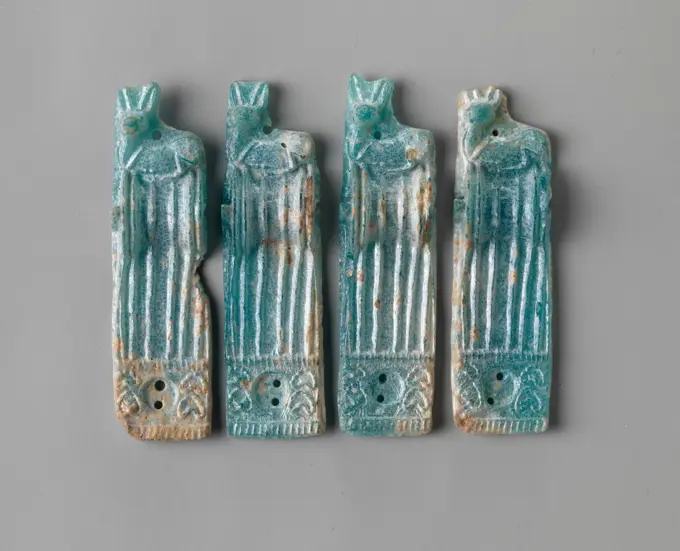
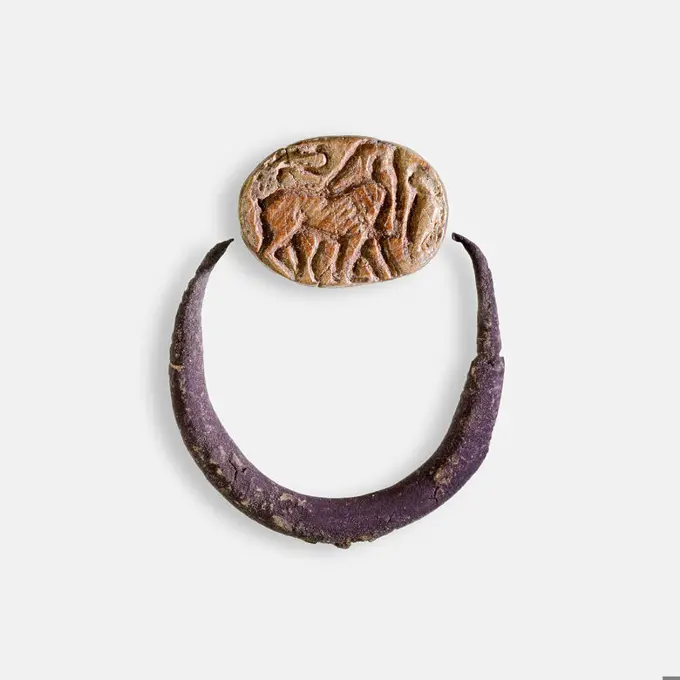
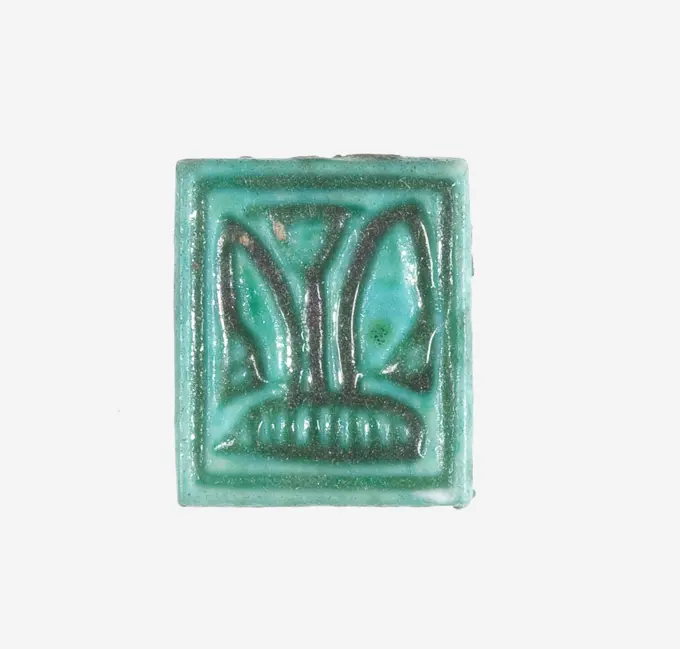
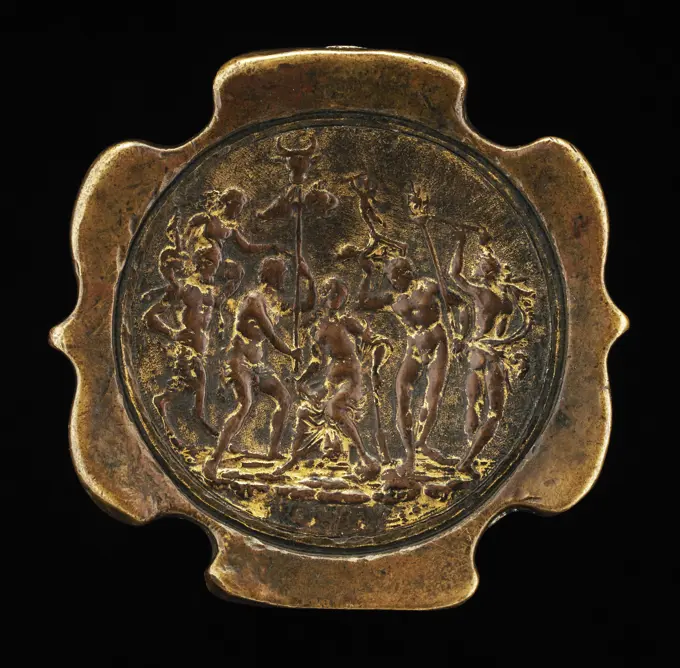
Master IOFF, Sword Pommel with inset plaquette of Ariadne (affixed reverse of pommel), second half 15th century Sword Pommel with inset plaquette of Ariadne affixed reverse of pommelEngraved Gem with Woman Wearing an Elephant Headdress. UnknownVotive Plaque 11th-12th century Thailand or India. Votive Plaque. Thailand or India. 11th-12th century. Terracotta. CeramicsScarab with kneeling Nile god before obelisk. Dimensions: L. 1.7 × W. 1.3 × H. 0.6 cm (11/16 × 1/2 in., 0.6 cm). Dynasty: Dynasty 21-25. Date: ca. 1295-1070 B.C.. Museum: Metropolitan Museum of Art, New York, USA.Stamp seal ca. 3rd-7th century A.D. Sasanian. Stamp seal. Sasanian. ca. 3rd-7th century A.D.. Hematite. Sasanian. Iran or MesopotamiaKeeshond , anonymous, 1784 - 1787 button One -sided knot with a tapered pen on the downside. Front: sitting dog. Reverse: Blanco Netherlands copper (metal) striking (metalworking)Golden Artifact In The Gold Museum In La Candelaria, The Old Town Of Bogota, ColombiaAplika w kształcie głowy Sylena. unknown, authorRound PiloncitoCoinEngraved Gem. UnknownNail 15th-16th century European. Nail. European. 15th-16th century. Iron. Metalwork-Iron1/16 Anna uit nepal van jaya prakasa malla van katmandu, 1732 - 1768,, 1732 - 1768 coin Silver coin. Front: characters in Nagari script. Reverse: characters in Nagari script. Smooth edge.  silver (metal) striking (metalworking)Scarab ca. 1479-1425 B.C. New Kingdom. Scarab 548715Carnelian scarab: Harpocrates with cornucopia 2nd century A.D. Roman Harpocrates with horn of plenty.. Carnelian scarab: Harpocrates with cornucopia 248213Impression Of Seal Cylinder; 1902-20-15Fragment uszebti. unknown, authorDrachma; Gotarzes (91-77 A.C.); 91 BC-77 BC (123-00-00-87-00-00);Inscribed Rectangular Plaque ca. 1153-1147 B.C. New Kingdom, Ramesside This rectangular plaque bears the name of Ramesses IV who initiated several building projects and sent large expeditions to mining regions and quarries early on in his reign. His plans and ambitions were cut short by his death in the sixth year of his reign, but he had been able to complete and decorate his tomb in the Valley of the Kings. He also began work on a gigantic processional temple in Thebes, in which a number of intact foundation deposit were found with literally hundreds of plaques and other objects inscribed with his names, like this plaque here.. Inscribed Rectangular Plaque. ca. 1153-1147 B.C.. Faience. New Kingdom, Ramesside. From Egypt, Upper Egypt, Thebes, Asasif, Temple of Ramesses IV, MMA excavations, 1915-16. Dynasty 20Paper piston with ICP initials, France unknownRoundel. Western Iran, no date. Sculpture. Sheet gold and silver over a bitumen coreCameo Gem. UnknownHorse Tack Ornament 2nd-3rd century Roman-Germanic This small bronze element, shaped as a pelta shield, decorated the horse tack of a German-Roman rider, probably fighting in the Imperial army.The pelta was the traditional Thracian light infantry shield during Hellenistic times, and the shield of the legendary Amazons. During the Roman period it was used as an apotropaic ornament (a protection from the evil eye) and possibly a symbol of the warrior's virtues.. Horse Tack Ornament. Roman-Germanic. 2nd-3rd century. Copper alloy. Equestrian Equipment-Horse TrappingsFloor tile. Floor tile decorated with a quarter circle in which the inscription egods with a lily in the two corners.Bronze Hongwu coin. Ming dynasty, issued AD 1368. 10 standard coins is written on the back.Fragment 14th-15th century. Fragment 445594Departure (1/2 mines);  after. 4th century BC (-400-00-00--301-00-00);Badge or Harness Pendant ca. 1400 Spanish Heraldry, or coat-of-arms, were vitally important in Europe throughout the Middle Ages and the Renaissance. Heraldic emblems were used to identify noble families, cities, regions, and even countries. In addition to being displayed on shields and flags, heraldry was incorporated into architectural decoration on the interior and the exterior of buildings, on furniture, works of art, clothing, and horse equipment. Harness pendants, like this example, would have been attached to a headstall, bridle, or other straps making up the tack of a horse ridden by a nobleman or noblewoman, or a member of their household. Many harness pendants also have decoration that is simply ornamental, or have symbols that are not specifically heraldic in nature.. Badge or Harness Pendant. Spanish. ca. 1400. Copper, gold, enamel. Miscellaneous-BadgesMarriage of Princess Juliana and Bernhard van Lippe-Biesterveld 1937 ,, 1937 history medal Silver plated pin with two oval medallions with the busts of Juliana and Bernhard, at the bottom a text ribbon, at the top a crowned Dutch coat of arms between Oramjetaks. NB pin broken down.  tin plateBread-consacration stamp. Wood, carving. 18th century. Caucasus area (Armenia or Georgia). The State Hermitage Museum. Saint Petersburg.bracteate denarius. Zakon krzyżacki (1190-), issuerGemstone, 1st century B.C.-2nd century A.D., Carnelian, 1 × 0.9 × 0.2 cm (3/8 × 3/8 × 1/16in.), Roman,Tunisian, Roman, JewelryBath Scraper. Iran, 12th-13th century. Ceramics. Earthenware, moldedFragmentary Ring. UnknownFragment with a Leaf Motif 10th century Byzantine. Fragment with a Leaf Motif 464523 Byzantine, Fragment with a Leaf Motif, 10th century, Cloisonn enamel, gold, Overall: 7/16 x 1/2 x 1/8 in. (1.1 x 1.2 x 0.3 cm). The Metropolitan Museum of Art, New York. Gift of J. Pierpont Morgan, 1917 (17.190.652)Stamp-Seal Amulet, 664-525 BC. Egypt, Late Period, Dynasty 26 or later. Turquoise blue faience; overall: 1.7 x 1.8 cm (11/16 x 11/16 in.).Netsuke 19th century Japan. Netsuke. Japan. 19th century. Ivory with bronze disk inlaid with gold. Edo (1615-1868) or Meiji period (1868-1912). NetsukeScarab. Dimensions: L. 1.3 cm (1/2 in). Dynasty: Dynasty 12-18. Date: ca. 1981-1550 B.C.. Museum: Metropolitan Museum of Art, New York, USA.Engraved Gem with Nemesis; 2nd century; Red jasper; 1.7 × 1.4 × 0.3 cm (11,16 × 9,16 × 1,8 in.)Nike Crowning Hercle; Etruria; 400 - 380 B.C; Banded red and white agate; 1.8 × 1.4 × 0.9 cm (3,4 × 9,16 × 3,8 in.)Dish ca. 2750-2649 B.C. Early Dynastic Period-Old Kingdom. Dish 551047SELLO DE DON NUÑO GONZALEZ DE LARA. Location: ARCHIVO DE NAVARRA. Pamplona. NAVARRA. SPAIN.Saying in Rotterdam, Penning intended as evidence for peat carriers, fillers or tunners to be allowed to enter peat from the newlyered veins, Anonymous, 1769 identification medal One-sided lead medal with round top and rectangular underside, and hole in it. Front: Standing lion with coat of arms on chest between the year within Kerschrift. Reverse: Blanco. Rotterdam lead (metal) casting  RotterdamDie 1897 Medalist: Anton Scharff. Die 188502 Artist: Medalist: Anton Scharff, Austrian, Vienna 18451902, Die, 1897, Steel, No dimensions recorded.. The Metropolitan Museum of Art, New York. Gift of Samuel P. Avery, 1901 (01.9.3)Saying in Rotterdam, Penning intended as evidence for peat carriers, fillers or tunners to be allowed to enter peat from the newlyered veins, Anonymous, 1769 identification medal One-sided lead medal with round top and rectangular underside, and hole in it. Front: Standing lion with coat of arms on chest between the year within Kerschrift. Reverse: Blanco. Rotterdam lead (metal) casting  RotterdamFragment of an Amulet - Bastet or SekhmetButton China. Button. China. Jadeite, dark brownish-red. Qing dynasty (1644-1911), Jiaqing period (1796-1820). JadeSelket amulet 664-380 B.C. Late Period. Selket amulet 561531Signet Ring with Phoenix Motif early 9th-14th century Indonesia (Java). Signet Ring with Phoenix Motif 50434Amulet of a Human-headed Ba Bird 1100 BCE-100 BCE Egypt. Faience . Ancient EgyptianEngraved Gem. UnknownFalse coin, crown shilIIng, John II Casimir (1649 1668)Fragment majolica dish decorated in purple and blue on white background, depicting male, dish crockery holder soil find ceramic earthenware glaze tin glaze lead glaze, hand-turned baked 2x majolica sampled Fragment majolica dish decorated in purple and blue on white fond. As representation male for blue background left and right stylized tree Background is applied in tamponation technique Purple circles on the shoulder and the edge along the top edge band with dark loops and arches in purple archeology Rotterdam Heliport terrain indigenous earthenware food room serving table serve Soil discovery, Heliport site Rotterdam June 1978.Stater. UnknownSardonyx cameo of Aurora in a chariot. Culture: Greek or Roman. Dimensions: H.: 1 3/8 x 1 11/16 in. (3.5 x 4.3 cm). Date: 1st century B.C.-1st century A.D..Cameo with a winged woman driving a two-horse chariot, Aurora, Victory, or Psyche; in modern gold setting. Museum: Metropolitan Museum of Art, New York, USA.Bliżej Kultury Central Bank of MauritaniaScarab ca. 1479-1458 B.C. New Kingdom. Scarab. ca. 1479-1458 B.C.. Blue steatite. New Kingdom. From Egypt, Upper Egypt, Thebes, Deir el-Bahri, Hatshepsut Hole, Hathor Shrine, MMA excavations, 1922-23. Dynasty 18Button (Haiti); Attributed to Agostino Brunias (Italian, ca. 1730-1796); Made for Toussaint L'Ouverture; gouache paint on tin verre fixé, ivory (backing), glass, gilt metalInk Cake, 1800s. China, 19th century. Ink cake; overall: 5.6 x 3.9 cm (2 3/16 x 1 9/16 in.).Fragment of a Bowl 13th century. Fragment of a Bowl 445200Walking Panther, 1831. Antoine-Louis Barye (French, 1796-1875). Bronze; overall: 7.7 x 14.3 cm (3 1/16 x 5 5/8 in.).Cylinder Seal. Iran, Mesopotamia or Syria, Third Dynasty of Ur, circa 2112-2004 B.C.. Tools and Equipment; seals. JasperMedal Commemorating 50th Anniversary of the University of Wisconsin 1904 United States. Silver . V. D. Brenner, Sr.Glass Fragment. Culture: French. Dimensions: Overall: 2 3/4 x 2 3/16 in. (7 x 5.5 cm). Date: 12th-14th century. Museum: Metropolitan Museum of Art, New York, USA.Decorated golden bowl belonged toThutii (Djehuty), general of troops under the king Thutmosis III, New Kingdom, Dynasty XVIIIPlate, Silver, gilded, 1st-5th century AD, Russia, Moscow, State History Museum,Two-piece Cast Gem Inset Into a Ring. UnknownSword Guard (Tsuba) with Chrysanthemums, 1800s. Japan, Edo period (1615-1868). Bronze; overall: 8.3 x 7.5 cm (3 1/4 x 2 15/16 in.).Amulet illustrating a baboon in a boat 304-30 B.C. Ptolemaic Period. Amulet illustrating a baboon in a boat. 304-30 B.C.. Green faience. Ptolemaic Period. From EgyptWarrior head. Red garnet cameo ring. Roman period. ITALY.Stamp Seal. Iran, Sasanian period 224-651. Tools and Equipment; seals. AgateGlass ornaments with recumbent deer ca. 1370-1200 B.C. Helladic, Mycenaean Set of nineteen matching beads or appliqués, all made in same or very similar molds.Semi-translucent pale blue green.Thin, vertical rectangular panel; uneven flat back; straight sides and bottom edge; one hole near top above back of deer, two holes in recessed circle near bottom, and one hole running horizontally through panel. One fragment with only the lower half of panel has two holes near top broken edge.Molded decoration on front: at top, stylized recumbent deer with long ears and snout projecting forward in high relief; at middle, reel at top with six vertical ribs in relief, ribs extending down body; on proper right edge of reel a projecting spike, slanting upwards, with horizontal hole immediately above it; at bottom, short section, flanked above and below by a narrow horizontal band decorated with fine vertical ribs, containing a plain recessed circle with two holes, flanked to either side by two reliefMold for a Winged Scarab ca. 1390-1353 B.C. New Kingdom. Mold for a Winged Scarab. ca. 1390-1353 B.C.. Pottery. New Kingdom. From Egypt, Upper Egypt, Thebes, Malqata, Khor west of camp or E. side of S. Village, MMA excavations, probably 1911-12. Dynasty 18Scarab Ring of Ruiu. Dimensions: L. 1.4 cm (9/16 in.); W. 1 cm (3/8 in.); H. 0.6 cm (1/4 in.); Diam. of ring 2.3 cm (7/8 in.). Dynasty: Dynasty 18, early. Reign: reign of Thutmose I-early sole Thutmose III. Date: ca. 1504-1447 B.C.. Museum: Metropolitan Museum of Art, New York, USA.Ring. Western Iran, circa 1350-800 B.C.. Jewelry and Adornments. BronzeMedallion with braid, Jacques Vauquer, 1631 - 1686 print Van blad medallion 4 Sharps of clean flowers clean for o'rfeures and grauers. print maker: France (possibly)after design by: France (possibly)publisher: Blois paper engravingPlaque ca. 1640-1550 B.C. Second Intermediate Period. Plaque. ca. 1640-1550 B.C.. Blue glazed steatite. Second Intermediate Period. From Egypt, Upper Egypt, Thebes, Asasif, Courtyard CC 41, Tomb 64, Burial 6, Carnarvon excavations, 1913Decorated sweet pastry biscuit (trumpet)Medal of the 500th Anniversary of the House of Hohenzollern inBrandenburg.  Subject: Frederick I, King of Prussia, 1657-1713, ruled 1701-1713 Artist: Ernst Herter, German, 1846-1917Fragment of a bowl, decorated with a women's head in Sgrafitto., Anonymous, c. 1475 - c. 1575 Fragment of a bowl of multicolored painted lead glaze earthenware. On the excerpt, a woman's head of a woman is painted (sgraffito technology). Italy earthenware. lead glaze Fragment of a bowl of multicolored painted lead glaze earthenware. On the excerpt, a woman's head of a woman is painted (sgraffito technology). Italy earthenware. lead glazeTaler, emergency coin of Maurits van Saksen from Leipzig, beaten during the siege by Johan Frederik, Elector of Saxony., Anonymous, 1547 coin. siege coin Unilateral, diamond -shaped emergency coin. Front: a stamp: letters M, H, Z and S above coat of arms; Part of the year on either side; At the bottom of letter l in circle; In the lower point: engraved private label. Reverse: Blanco Leipzig silver (metal) striking (metalworking) / engraving  LeipzigBand with RepousseMarkingsBliżej KulturyHalles and Paris Markets: Lanfeur (), Old Regime Markets and Markets of Paris: Lanfeur (), Ancient Regime . Bronze.ARTE IRANI-CUENCO DE COBRE REPUJADO S V. Location: MUSEO ARQUEOLOGICO NACIONAL-COLECCION. MADRID. SPAIN.Intaglio with Bust of Demosthenes. Dioskourides (Greek, active late 1st century B.C.)Przeszo Przyszoci unknown