Historic Armor and Helmets

A selection of intricate helmets and armor pieces from different eras, highlighting craftsmanship and functional design.
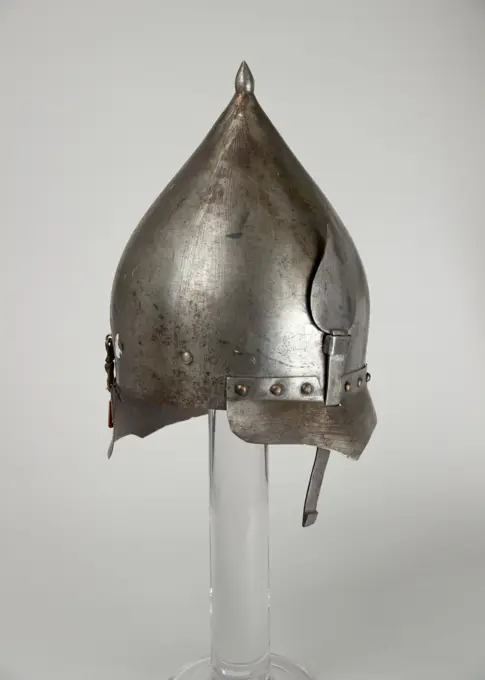
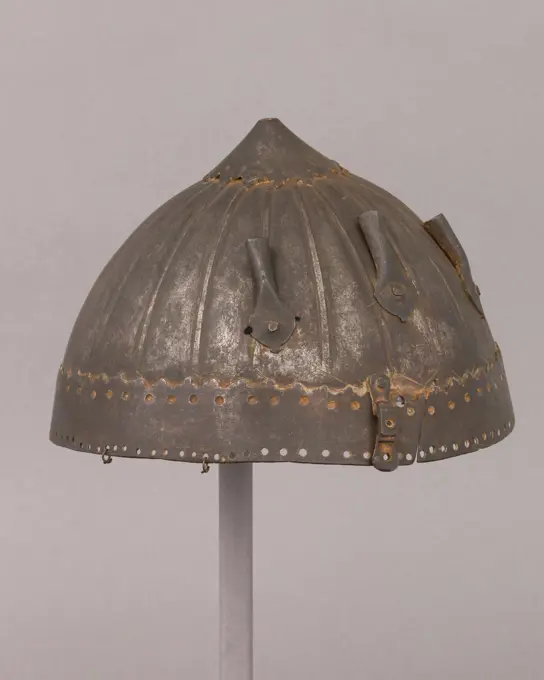
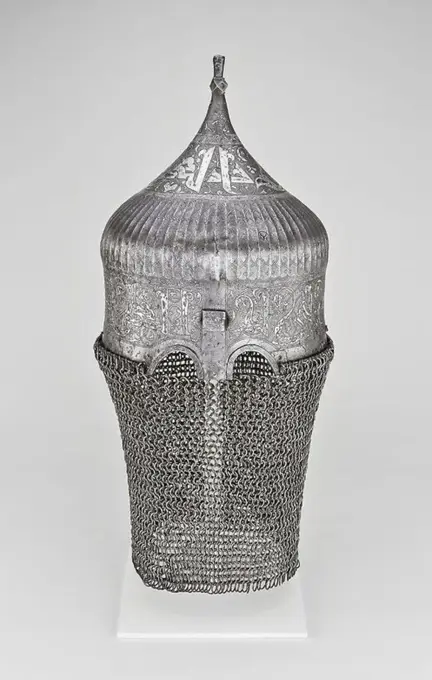
Helmet 16th-17th century Turkish. Helmet 24003
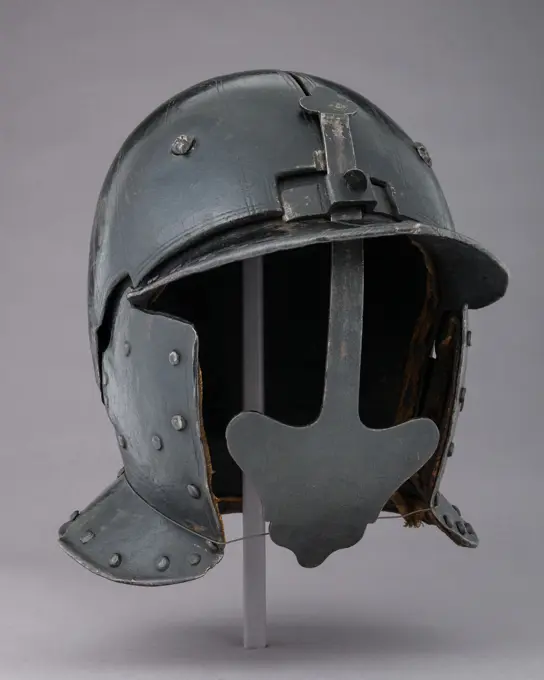
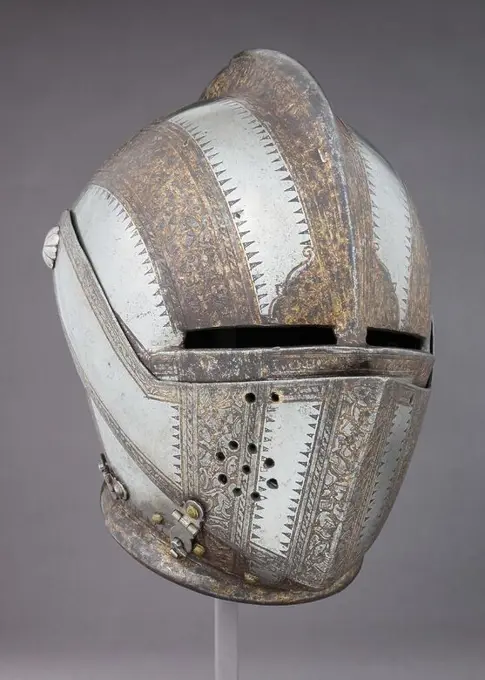
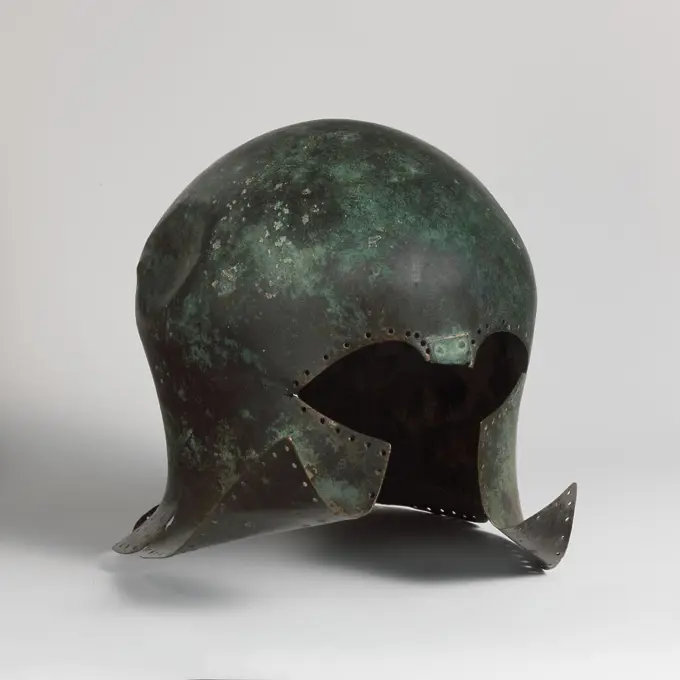
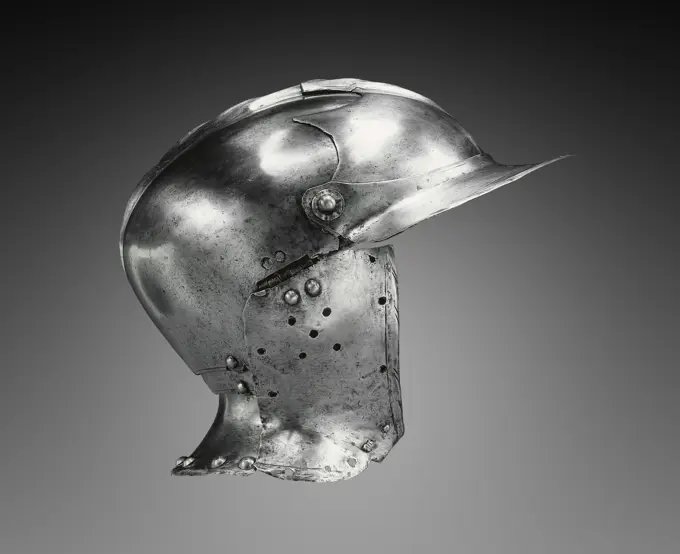
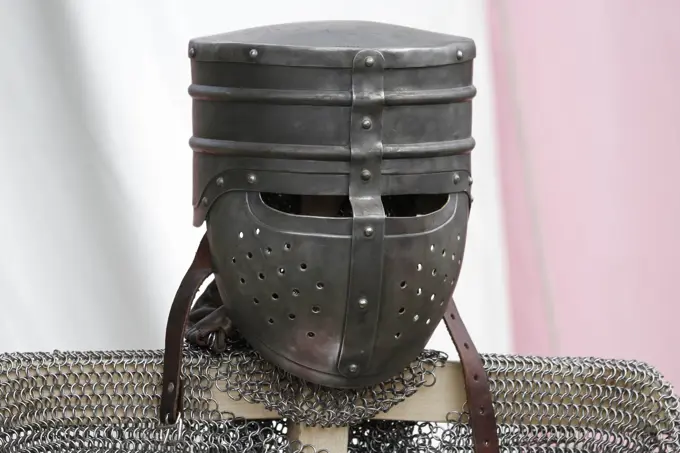
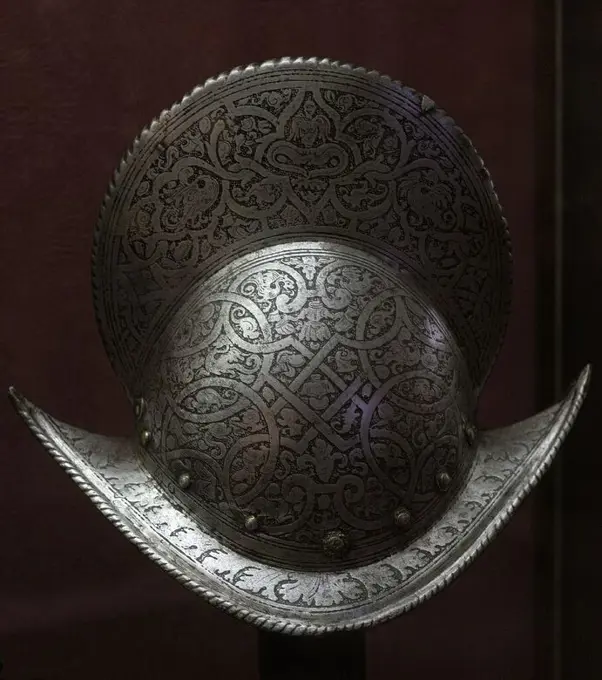
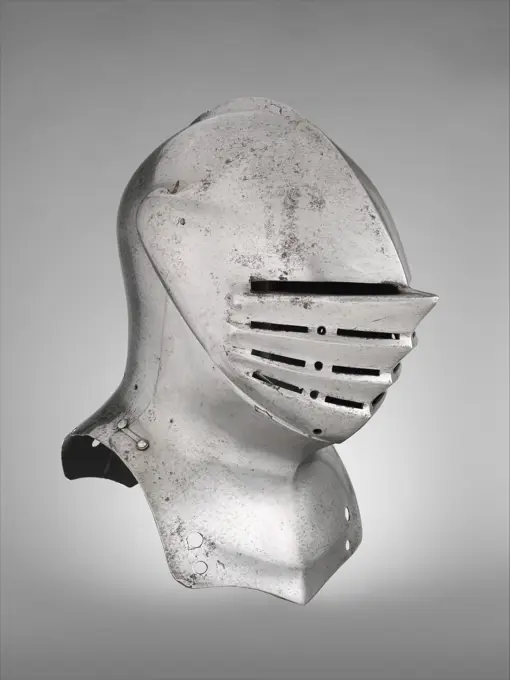
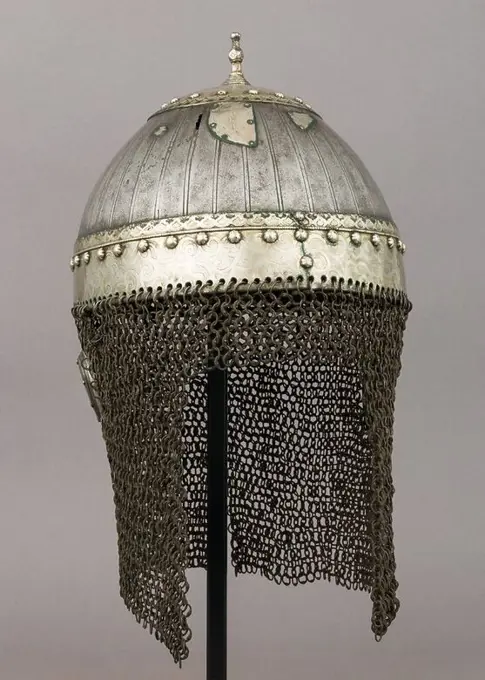
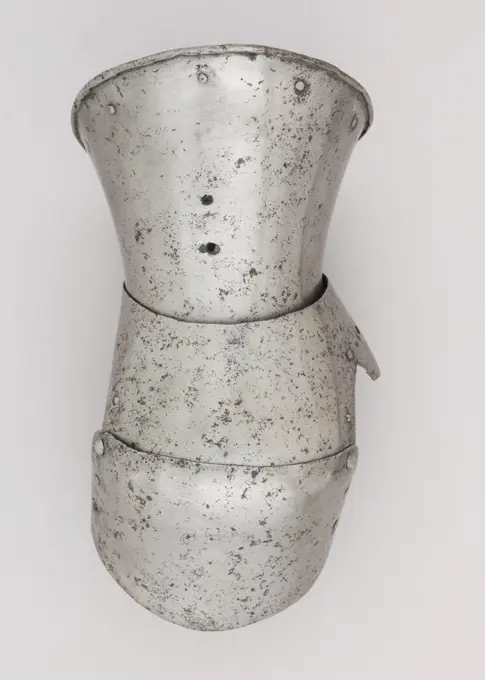
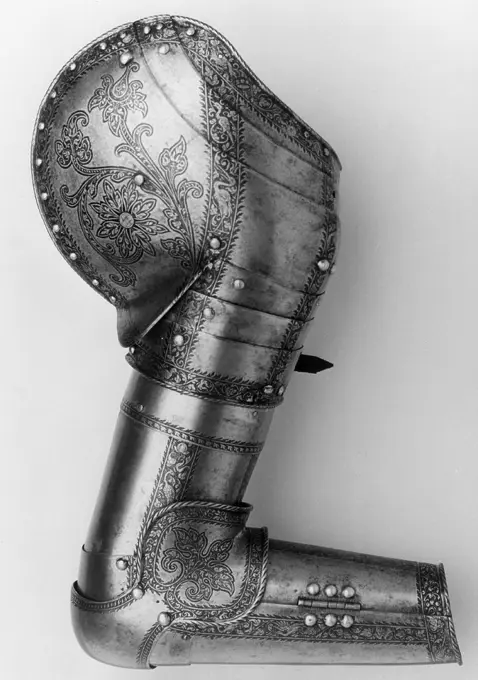
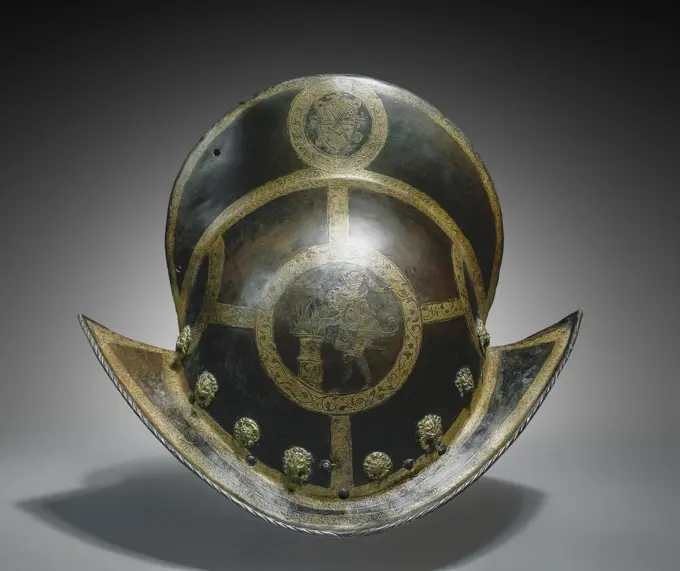
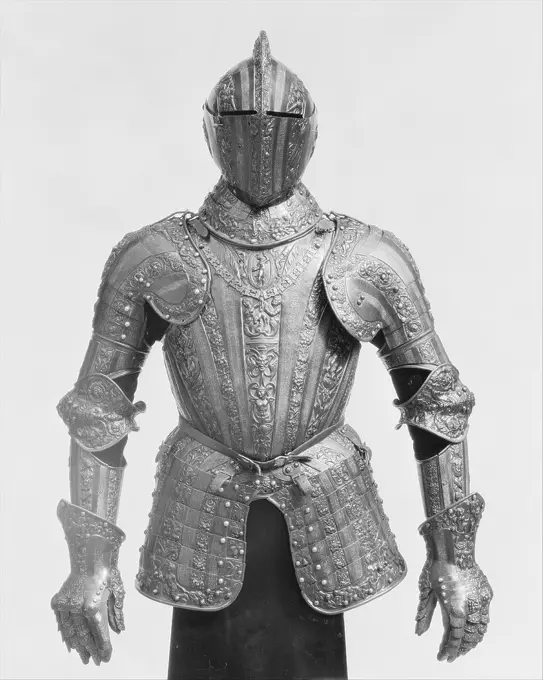
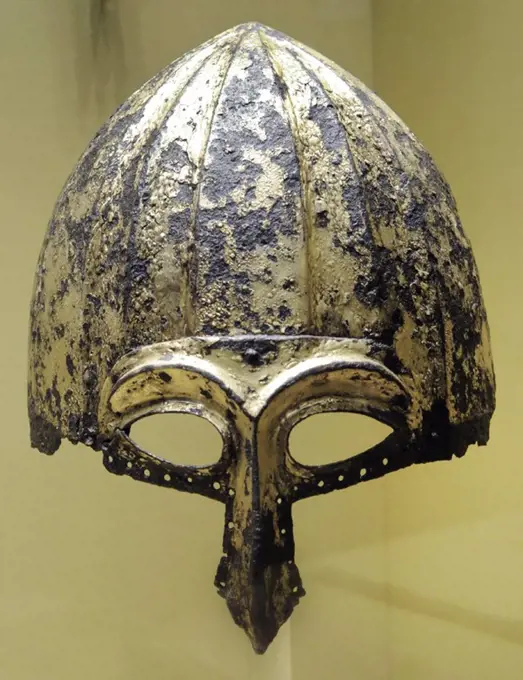
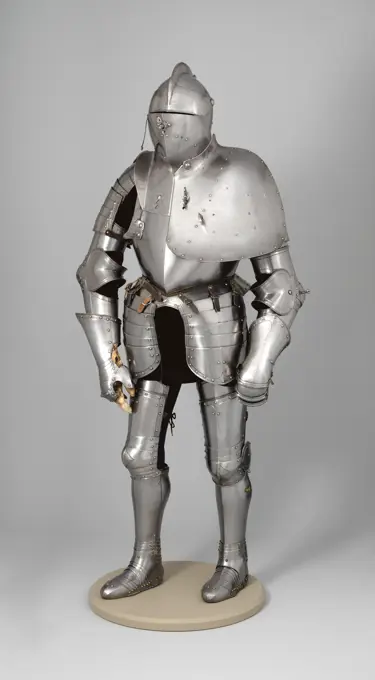
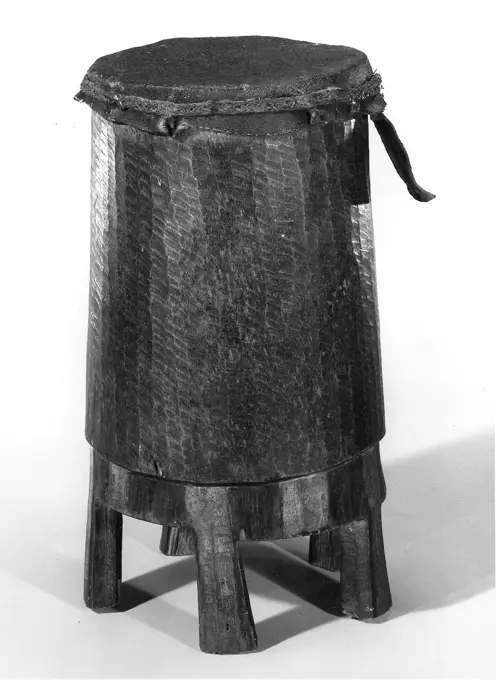
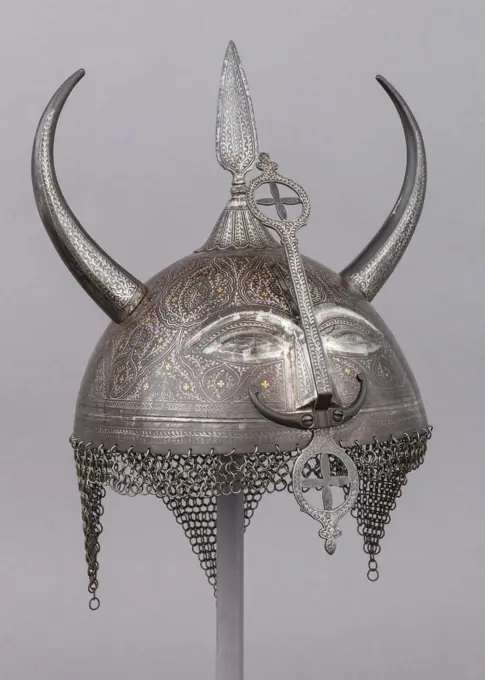
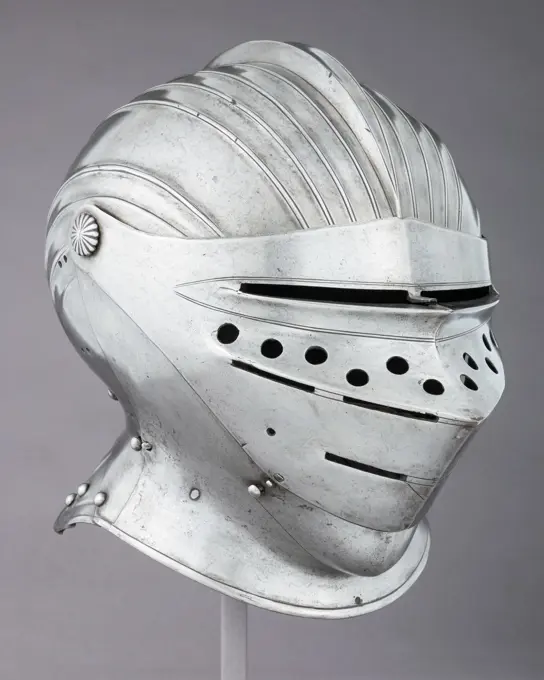
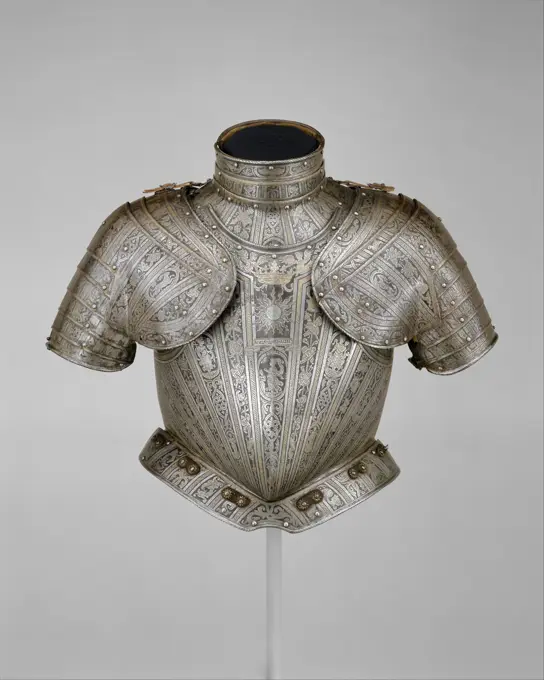
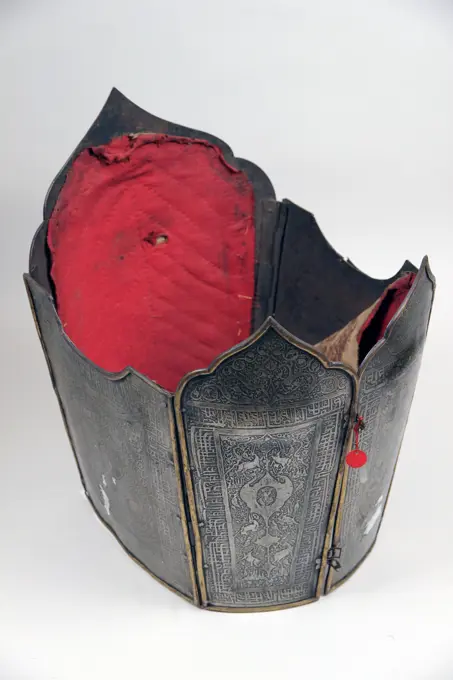
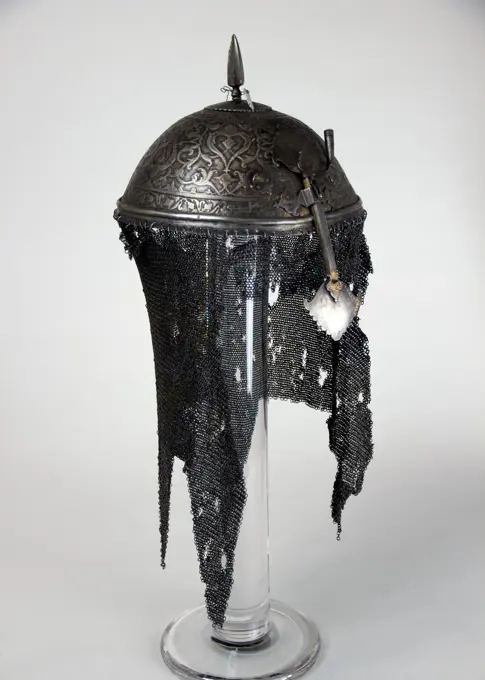
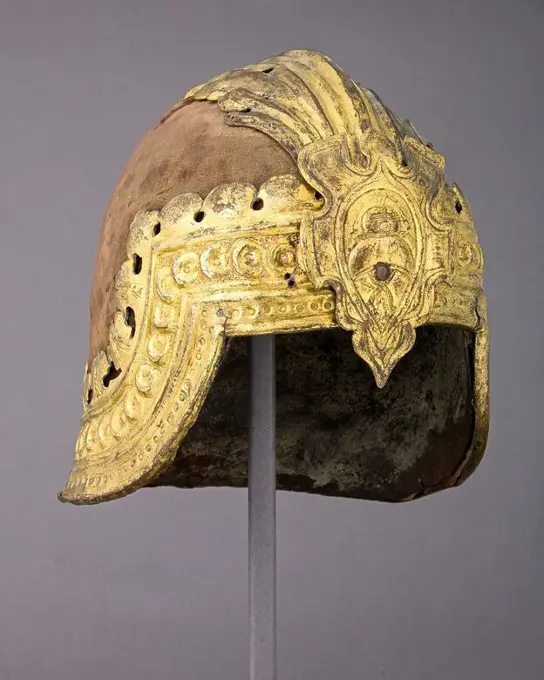
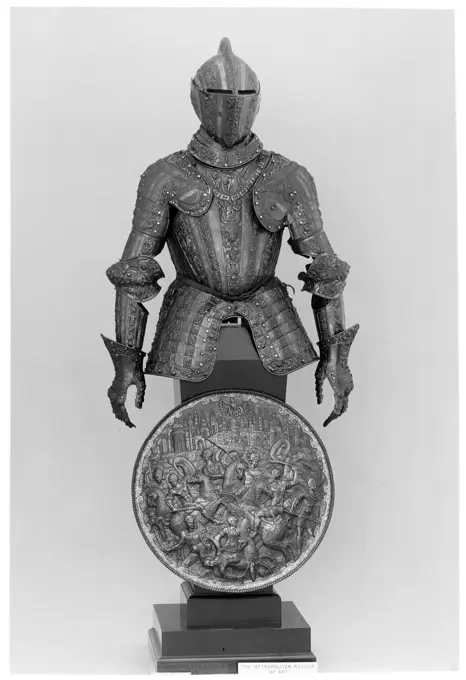
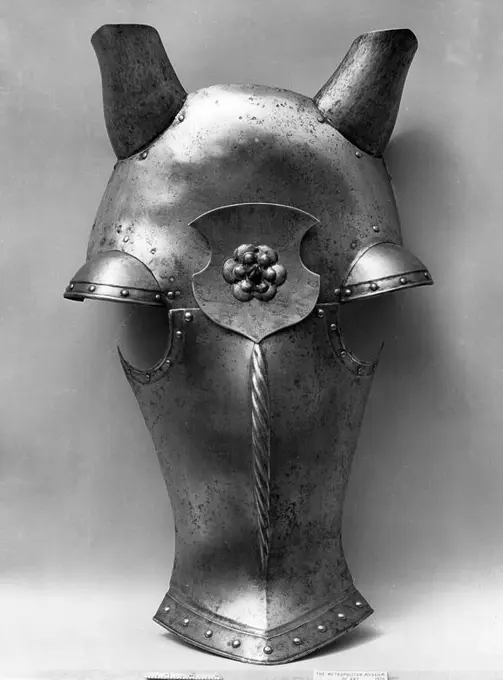
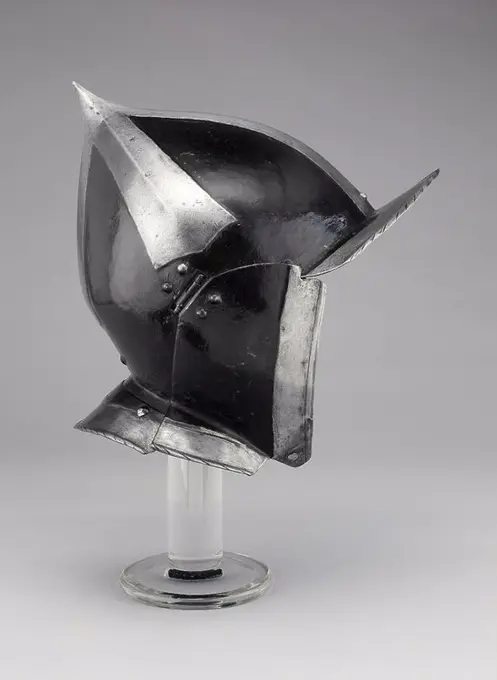
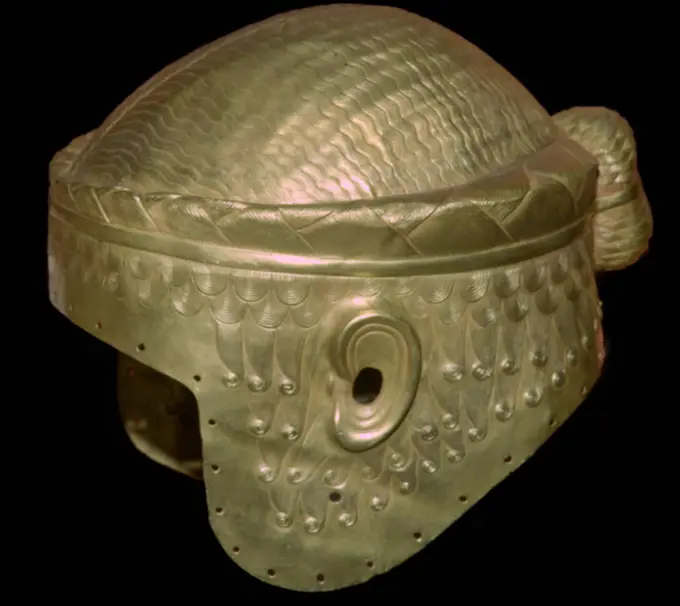
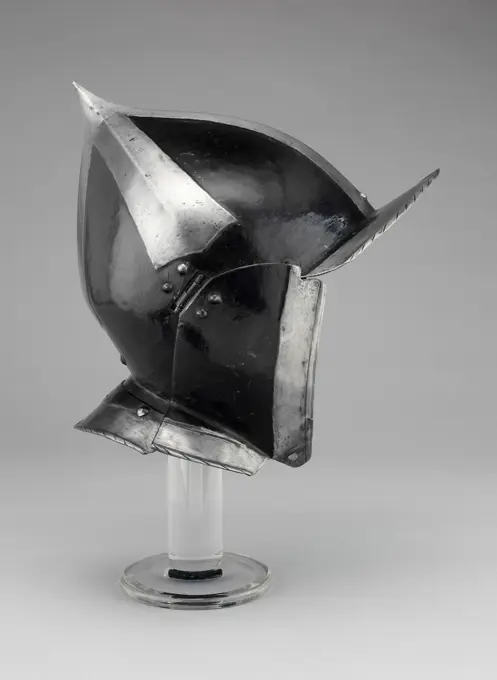
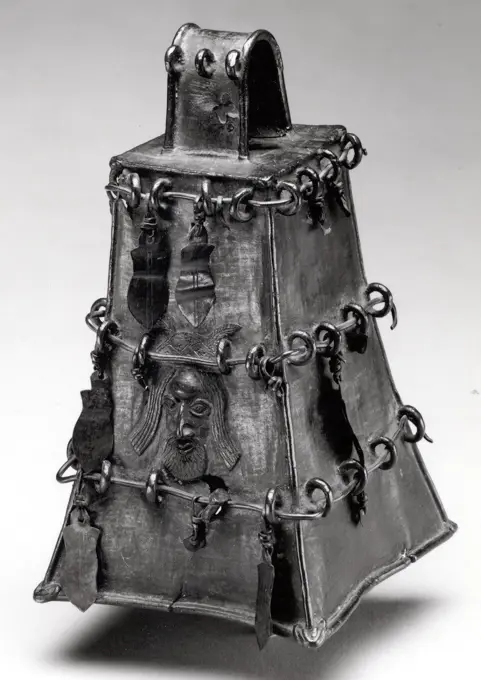
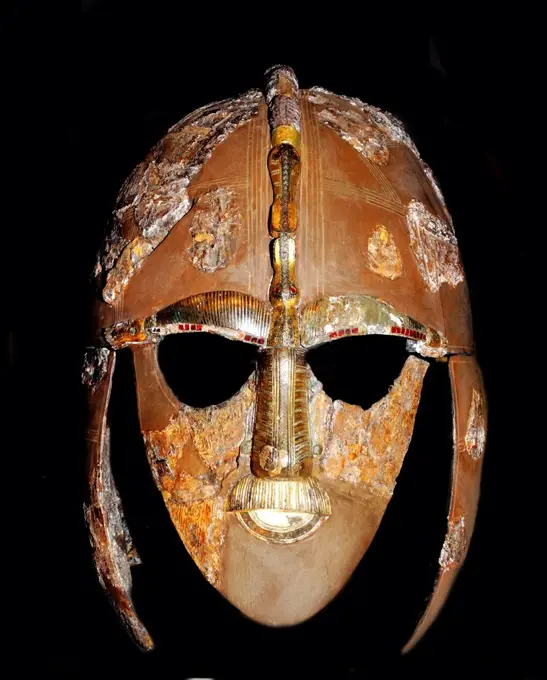
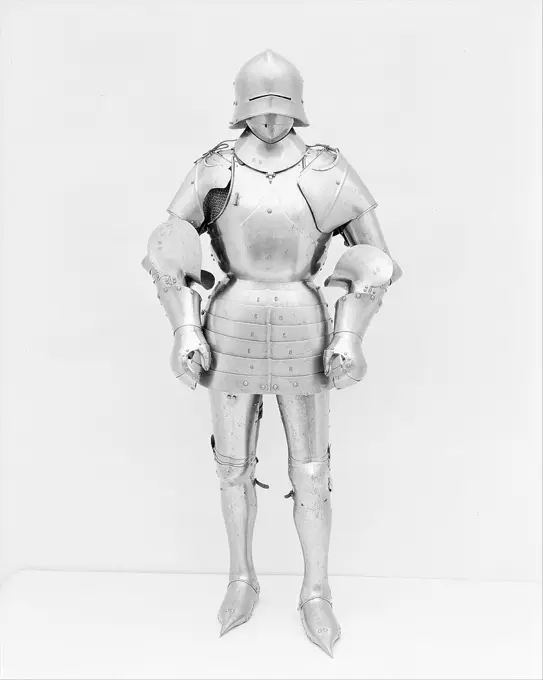
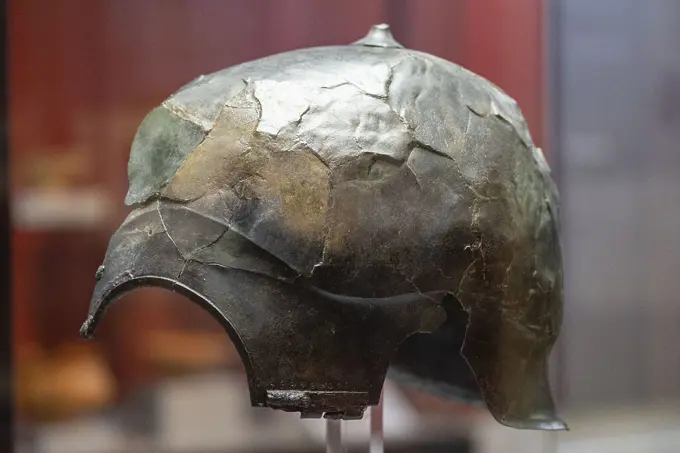
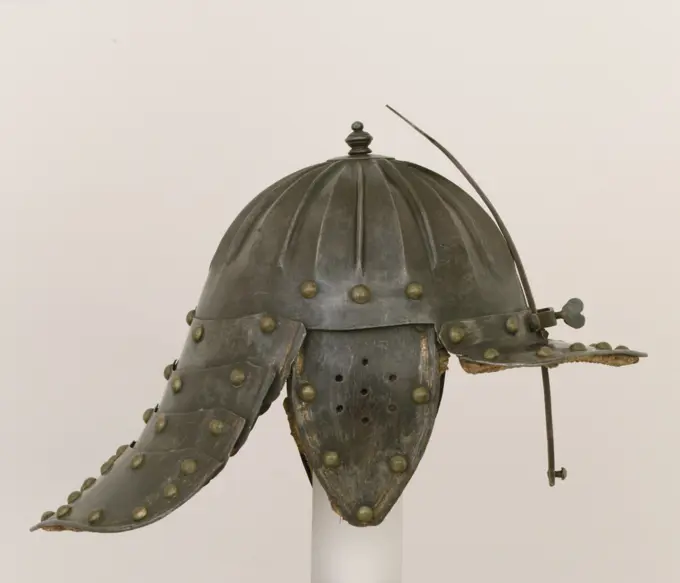
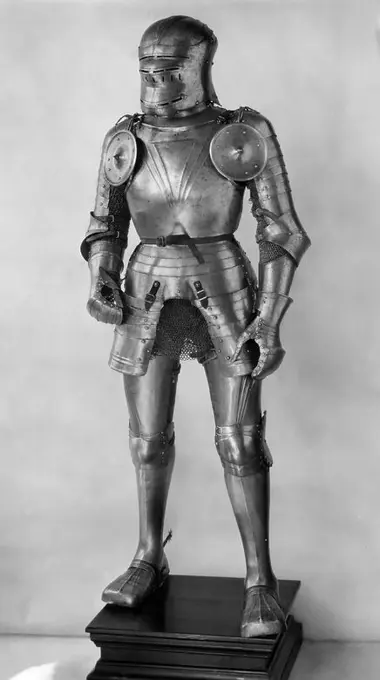
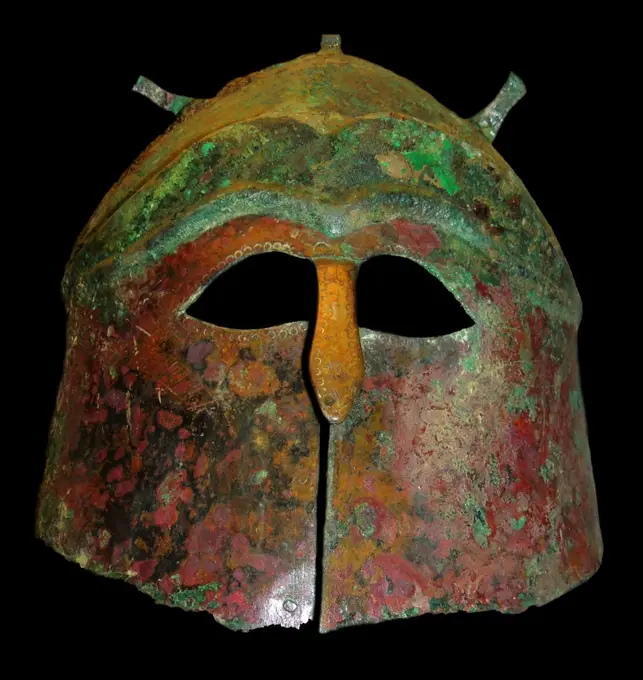
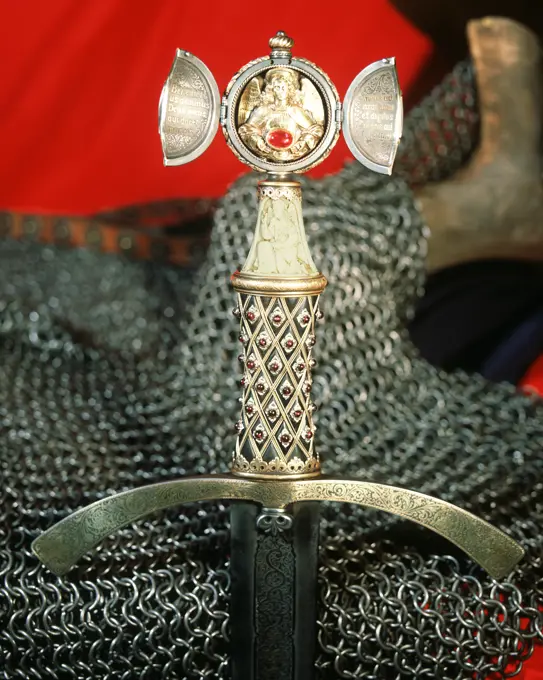
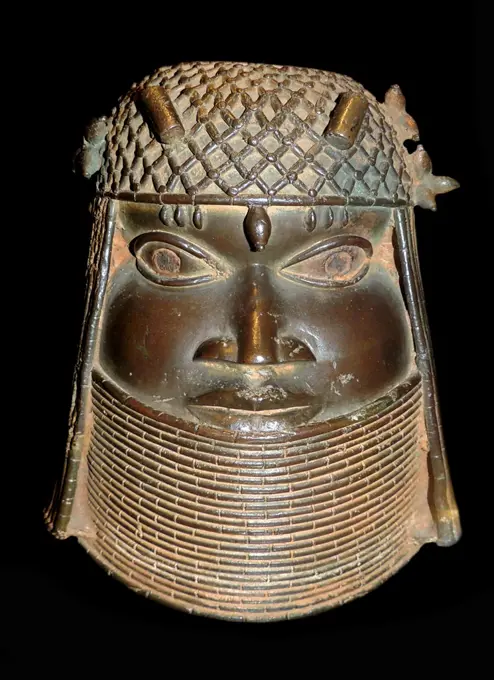
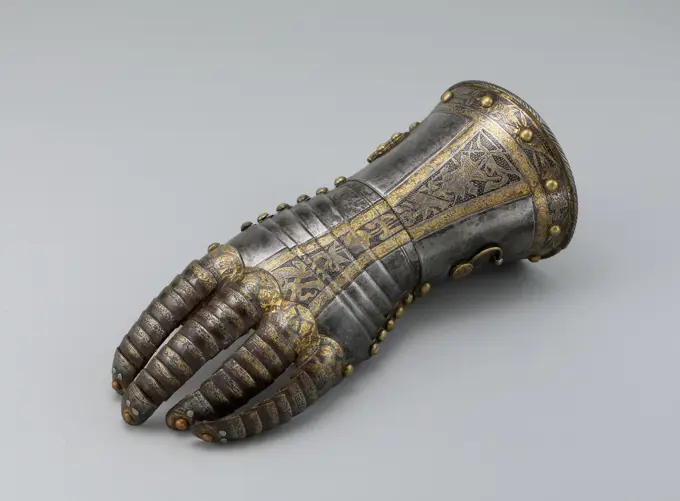
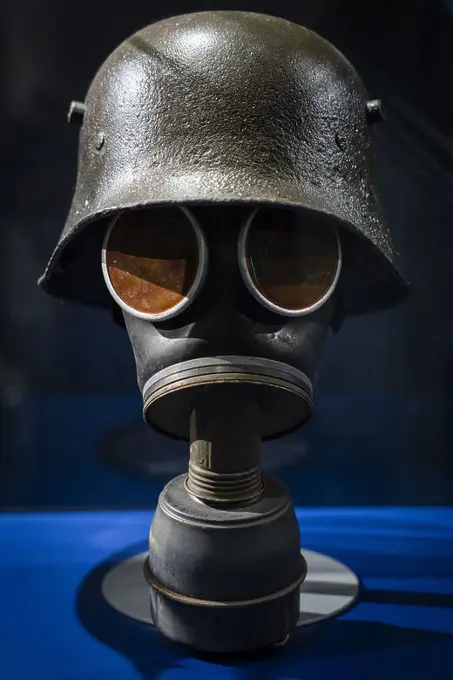
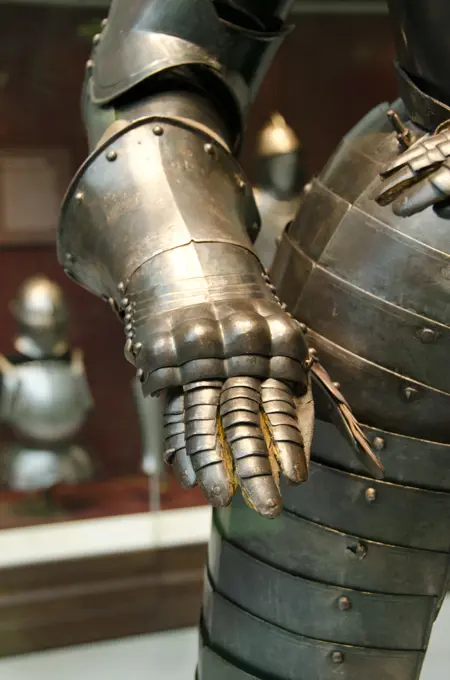
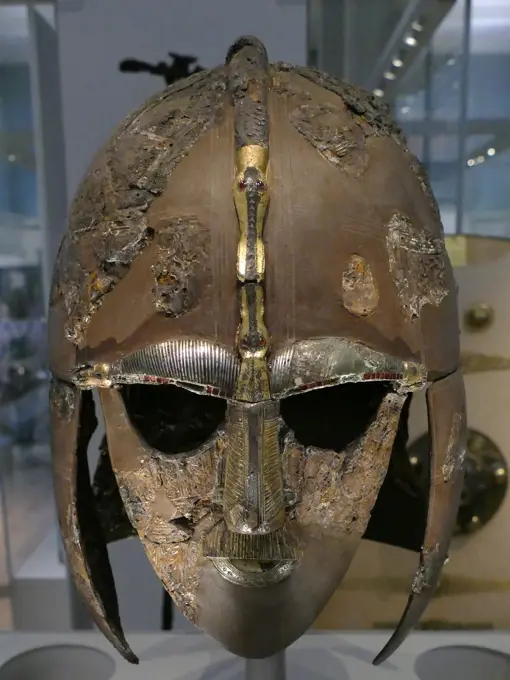
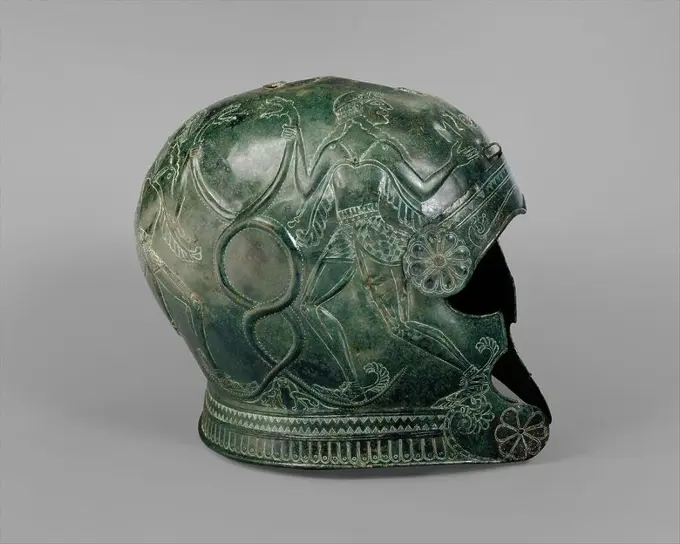
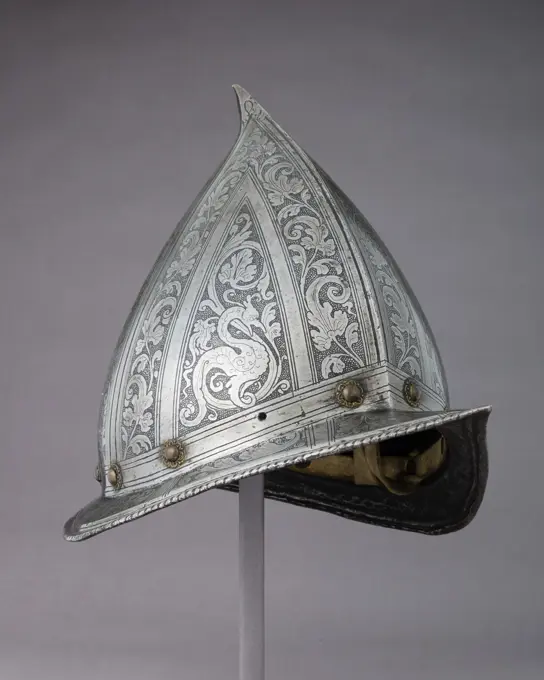
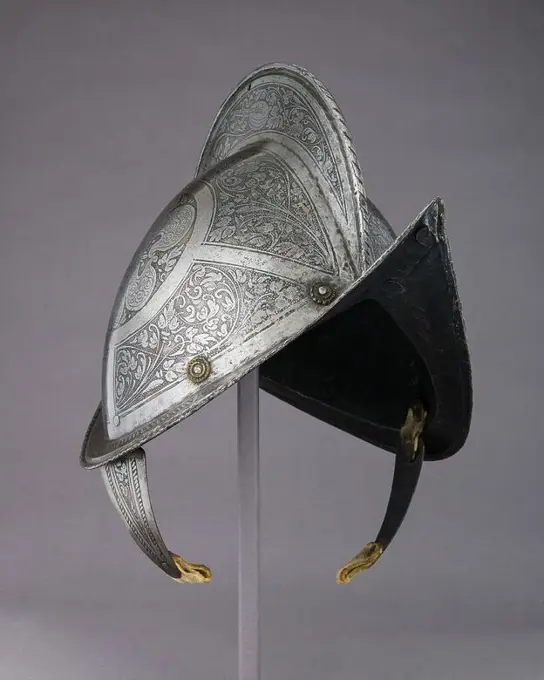
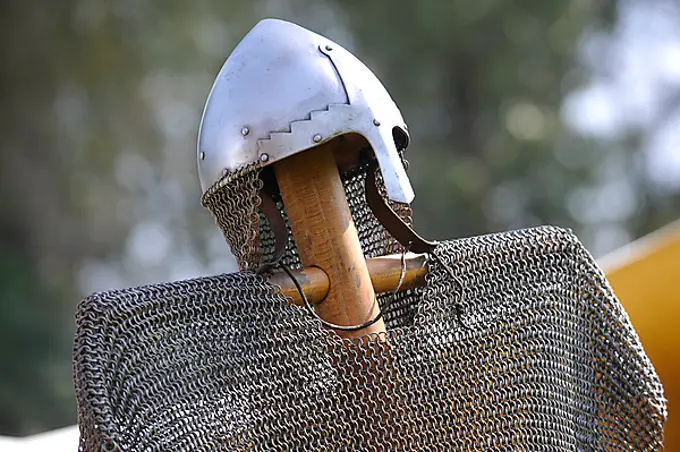
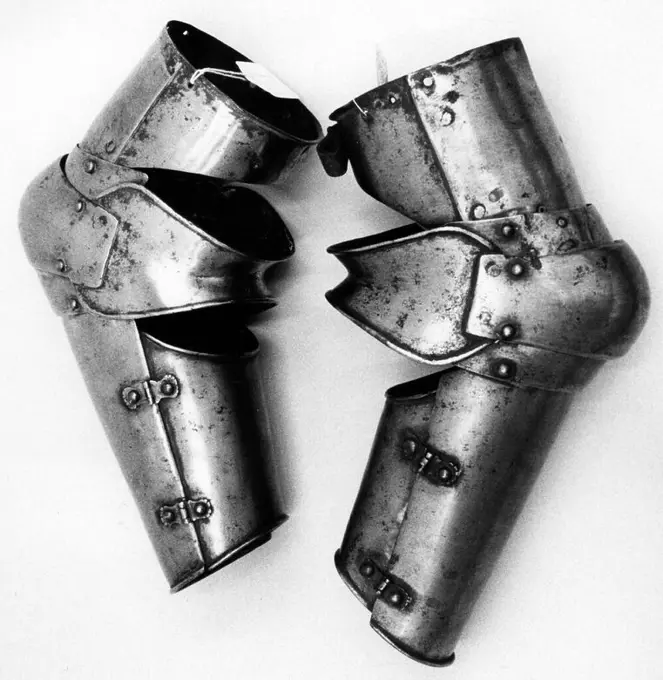
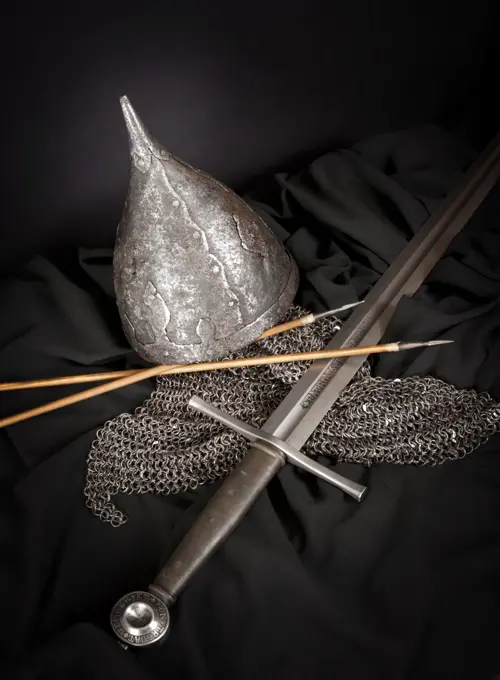
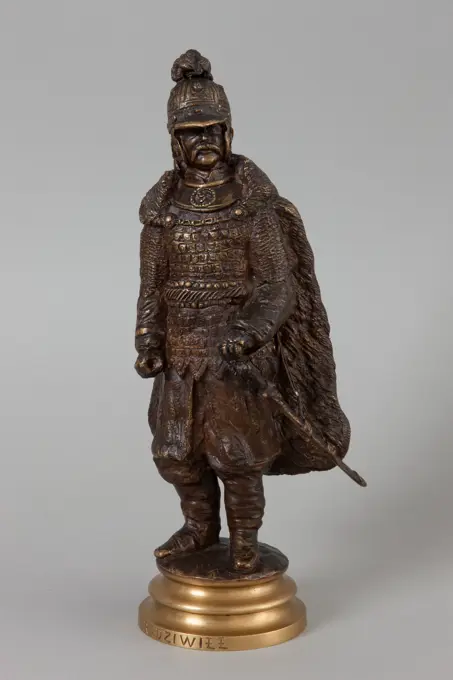
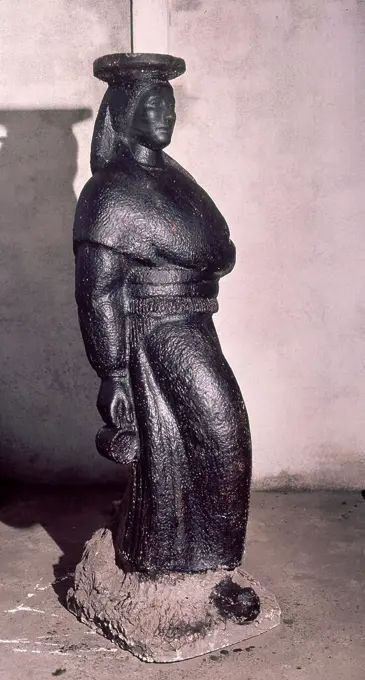
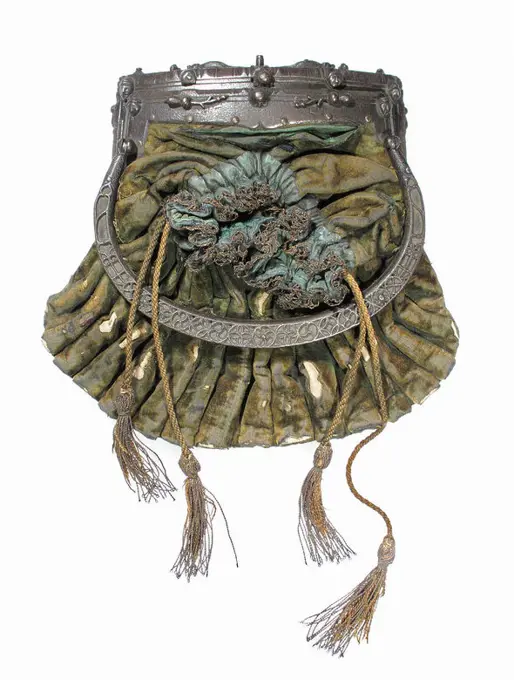
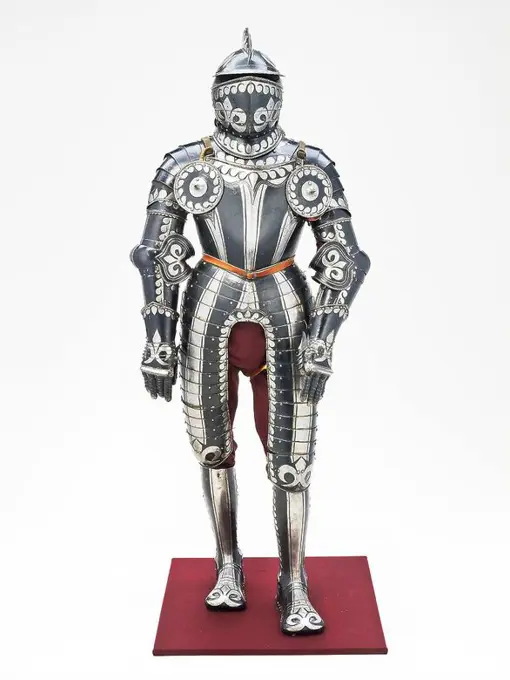
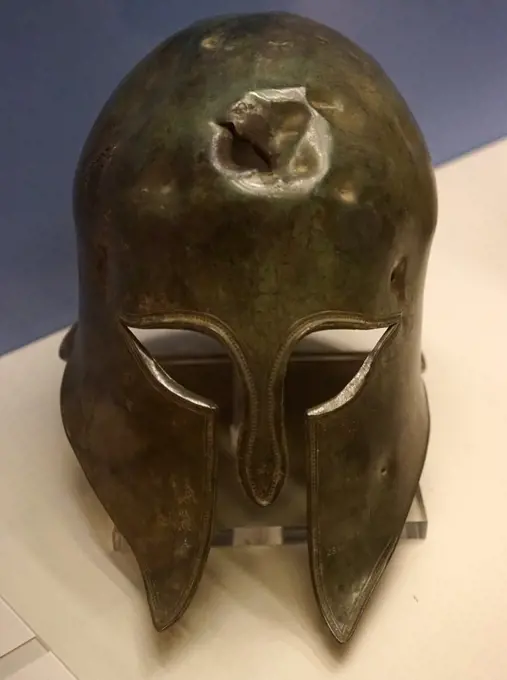
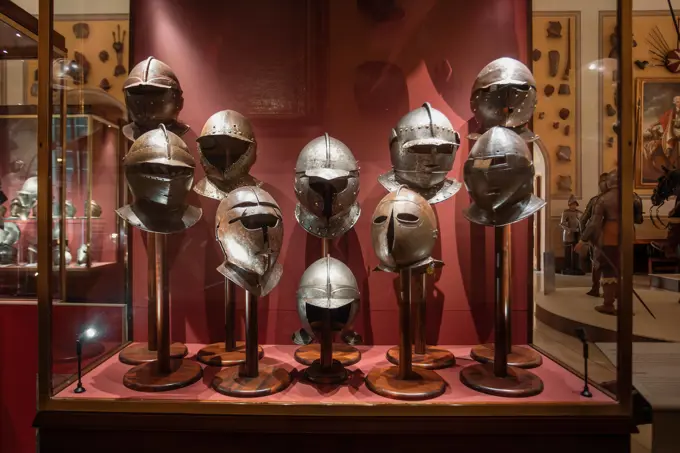
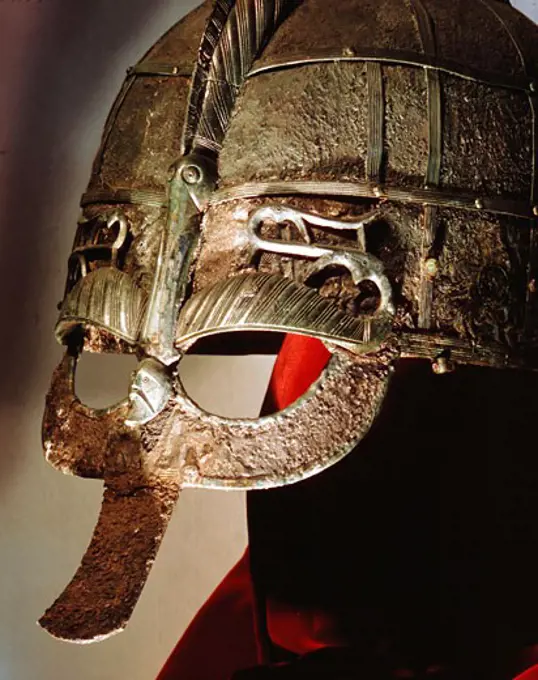
Ritualistic object from Mycenae gravesEspalier, 1500s. Germany, 16th century. Steel; overall: 29.2 x 19.7 cm (11 1/2 x 7 3/4 in.).Siege Helmet 17th century French. Siege Helmet. French. 17th century. Steel, leather. HelmetsArmet. Culture: Italian. Dimensions: H. 13 1/8 in. (33.3 cm); W. 9 1/2 in. (24.1 cm); D. 12 1/4 in. (31.1 cm); Wt. 10 lb. 6 oz. (4700 g). Date: ca. 1585. Museum: Metropolitan Museum of Art, New York, USA.Bronze helmet of Corinthian type. Culture: Greek. Dimensions: 9 1/16 x 10 9/16 x 8 3/8in. (23 x 26.8 x 21.2cm). Date: ca. 650-600 B.C..The historian Herodotos mentions the Corinthian helmet as part of the equipment of the Greek hoplite (foot soldier). As a result, the predominant type of helmet, with a rounded calotte, small openings for the eyes, and a distinct nose-piece has been identified as such. Thanks to the large number of examples excavated at Olympia, the typological variety and development are well understood. This example, said to be from Olympia, is quite early, as indicated by its unarticulated edges and the small cutout in the middle of each side. Museum: Metropolitan Museum of Art, New York, USA.Greek metal helmet, Olympia Museum, Olympia, GreeceIron helmet of the medieval knight. Very heavy headdressPikeman's Armor. Culture: British, probably Greenwich or London. Dimensions: Helmet (a): H. 12 in. (30.5 cm); W. 9 in. (22.9 cm); cuirass and tassets (c-f): H. 27 in. (68.6 cm); W. 21 in. (53.3 cm); Wt. 19 lb. (8618 g). Date: ca. 1620-30.In battle formation, pikemen stood together in tight ranks and used their pikes to defend unarmored musketeers. The latter were deployed on the flanks of the pikemen and retreated behind them to reload after firing a volley. The pike is a steel-tipped spear up to eighteen feet long with which the pikemen fended off attacking cavalry. This tandem use of "shot and pike" was the fundamental principle governing infantry tactics for much of the seventeenth century.The quality of this armor and its decoration suggest that it was worn by an officer and that it may be a late product of the royal armor workshops at Greenwich, which closed in 1637 after 120 years of activity. Museum: Metropolitan Museum of Art, New York, USA.Burgonet, c. 1540. Italy, 16th century. Steel; overall: 23.8 x 29.2 x 24.2 cm (9 3/8 x 11 1/2 x 9 1/2 in.).Helmet 18th-19th century Persian. Helmet 32131Knight armorIron helmet Iron helmet of the medieval knight. Very heavy headdress Copyright: xZoonar.com/ValeryxxSibrikovx 5893774Morion. Type of helmet, 16th century. Armoury. Grandmaster Palace. Valletta. Malta.Helm for Foot Combat ca. 1500-1520 possibly British English armor of the early sixteenth century is extremely rare, and tournament armor even more so. This helm, also called a great bascinet” in the sixteenth century, is one of only a few of its kind in existence today. It was made for use in a type of tournament that was fought between two fully armored men, on foot and equipped with pole axes, spears, swords, and daggers.. Helm for Foot Combat. possibly British. ca. 1500-1520. Steel. HelmetsHelmet. Culture: Caucasian. Dimensions: H. including mail 14 3/8 in. (36.5 cm); H. excluding mail 6 7/8 in. (17.5 cm); W. 8 in. (20.3 cm); D. 9 in. (22.9 cm); Wt. 3 lb. 4.5 oz. (1488.4 g). Date: 18th-19th century. Museum: Metropolitan Museum of Art, New York, USA.Gauntlet for the Right Hand ca. 1440-50 Italian This is part of a large find of medieval armor discovered in 1840 in the ruins of the fortress of Chalcis, on the Greek island of Euboea (then a Venetian colony called Negroponte). The fortress had been captured and destroyed by the Turks in 1470. Now divided largely between the Ethnological Museum, Athens, and The Metropolitan Museum of Art, the Chalcis hoard contains many rare and unusual elements of fourteenth- and fifteenth-century armor. Of particular importance are the variety of headpieces and the many fragments of brigandines (armor for the torso constructed of small plates riveted to layers of fabric), some of which retain portions of their original velvet covering. The Chalcis armor provides a unique picture of the armament used in the Aegean, one of the easternmost military outposts of the Venetian empire.. Gauntlet for the Right Hand 23262Armour Armour of the medieval knight. Metal protection of the soldier against the weapon of the opponent Copyright: xZoonar.com/ValeryxxSibrikovx 6496782Cuirass -SPAIN - Llanada Alavesa (district) - BASQUE COUNTRY - ALAVA. Vitoria, "Museo de Armas" (Arms Museum interior)Elements of an Armor Garniture. Armorer: Attributed to Wolfgang Grosschedel (German, Landshut, active ca. 1517-62); Attributed to Franz Grosschedel (German, Landshut, recorded 1555-79). Culture: German, Landshut. Dimensions: right shoulder and arm defense (32.109.1a, b): H. approx. 28 in. (71.1 cm); W. approx. 10 in. (25.4 cm); Wt. 5 lb. 9 oz. (2523.1 g); left shoulder and arm defense (32.109.2a, b): L. approx. 28 in. (71.1 cm); W. approx. 10 in. (25.4 cm); Wt. 5 lb. 6 oz. (2438.1 g); right thigh and knee defense (32.109.3a-c): L. 20 in. (50.8 cm); W. 8 1/2 in. (21.6 cm); Wt. 3 lb. 3 oz. (1445.8 g); falling buffe (32.109.4): H. 7 1/2 in. (19.1 cm); W. 6 1/2 in. (16.5 cm); Wt. 1 lb. 1 oz. (481.9 g); waist lame (32.109.5): H. 2 1/2 in. (6.35 cm); W. 13 in. (33.0 cm); Wt. 5 oz. (141.7 g); waist lame (32.109.6): H. 2 1/2 in. (6.4 cm); W. 13 in. (33 cm); Wt. 3 oz. (85 g). Date: ca. 1555-60. Museum: Metropolitan Museum of Art, New York, USA.Electrotype Reproduction of a 16th Century Italian Morion. Culture: British. Dimensions: H. 13 in. (33 cm); W. 8 in. (20.3 cm); D. 14 1/2 in. (36.8 cm); Wt. 4 lb. 1.1 oz. (1845.6 g). Date: 19th century. Museum: Metropolitan Museum of Art, New York, USA.Morion of the State Guard of Elector Christian I of Saxony, c. 1580-91. Germany, Nuremberg, 16th century. Russet steel, etched and gilded; overall: 33.3 x 27 x 23.5 cm (13 1/8 x 10 5/8 x 9 1/4 in.).Half Armor Probably Made for Don Gonzalo Fernández de Córdoba y Fernández de Córdoba, Duke of Sessa (1520/1524-1578). Armorer: Attributed to Lucio Piccinino (Italian, Milan, active ca. 1575-90). Culture: Italian, Milan. Dimensions: Wt. approx. 30 lb. 7 oz. (13.8 kg); Wt. of helmet approx. 7 lb. 11 oz. (. Date: ca. 1560 and later. Museum: Metropolitan Museum of Art, New York, USA.Peytral from a horse armor of Georg von Wolframsdorf 1475-1480 Mühlau. Steel and leather . Christian SporMonkey Songokū. Japan, late 19th century. Costumes; Accessories. Wood with precious and semiprecious stone inlayshelmet. Bronze armour from Thrace. Greek period. 5th cent. BC>, Bulgaria.Period of Golden Horde (Ulus Jochi). 13th-14th c. Helmet with a half-mask, eye slits and nose guard. Iron, gilding. The State Hermitage Museum. Saint Petersburg. Russia.Suit of armorBronze helmet of Corinthian type. Culture: Greek. Dimensions: Overall: 8 7/8 x 7 1/4 in. (22.6 x 18.5 cm). Date: ca. 600-575 B.C..Over eyes, lotos and palmettes flanked by heraldic serpents; below, at each side, palmette. Museum: Metropolitan Museum of Art, New York, USA.Armour of the medieval knight. Metal protection of the soldier against the weapon of the opponentJousting Armor (Rennzeug) and Matching Half-Shaffron ca. 1580-90 German, probably Dresden or Annaberg This armor was intended for use in the Scharfrennen, a joust fought in an open field by two contestants mounted on horses and armed with relatively sharp lances. The sport remained popular at the court of the prince-electors of Saxony long after it had gone out of fashion elsewhere in Europe.This is one of more than thirty almost identical armorssome brightly polished and others painted blackformerly kept in the ducal armory in Dresden for use in court tournaments. It is thought that they were made locally by Saxon armorers in Dresden and Annaberg.Painted inside the backplate is the name Herr von Breitenbach. This refers to Karl Christian von Breitenbach, an officer in the Saxon court from 1694 to 1726, who presumably wore the armor at a wedding tournament held in Dresden on September 12, 1719. This series of armors was used last at a tournament in Dresden in 1936.. Jousting Armor (RDrum 19th century probably Poto people. Drum. probably Poto people. 19th century. Rattan, wood, nail, hide. Democratic Republic of the Congo. Membranophone-single-headed / conical drumHelmet (Khula Khud) with Horns 19th century Indian. Helmet (Khula Khud) with Horns 27173Armet 1510-25 German. Armet 34804Portions of an Armor for Vincenzo Luigi di Capua (d. 1627) ca. 1595 Pompeo della Cesa Italian These elements form part of a light-cavalry or infantry armor made for the Neapolitan nobleman Vincenzo Luigi di Capua (d. 1627), count of Altavilla and prince of Riccia. The breastplate bears his personal impresa (emblem), a sunburst above the motto Nulla Quies Alibi (No Repose But Here).Pompeo della Cesa, whose etched signature Pompeo” is found near the top of the breastplate in the center, was the foremost Milanese armorer of the late sixteenth century. His patrons included Philip II of Spain, who also ruled as duke of Milan; Alessandro Farnese, duke of Parma; and Emanuele Filiberto, duke of Savoy. Pompeo probably headed a large workshop and also acted as a contractor in cooperation with other shops to fill particularly large commissions. The decoration includes bands of trophies alternating with bands of allegorical and Biblical figures, one of several distinct decorative styles employed Cuirass late 17th century Persian. Cuirass 31986Helmet and Cuirass 18th-19th century Indian. Helmet and Cuirass 32093Sallet alla Veneziana. Culture: Italian. Dimensions: H. 11 in. (27.94 cm); W. 8 5/16 in. (21.1 cm); D. 10 3/4 in. (27.3 cm); Wt. 8 lb. 1 oz. (3655 g). Date: ca. 1470; gilt mounts, probably added early 16th century.In the fourteenth and fifteenth centuries, armor was frequently decorated using fabric coverings, gilt metal appliqués, and even jewels. Sallets covered with red velvet and decorated with gilt mounts were especially popular in Venice and continued to be worn in Venetian civic pageants well into the eighteenth century. The coat of arms at the brow of this example is that of the Capelli family. Museum: Metropolitan Museum of Art, New York, USA.Fingered Gauntlet for the Right Hand Made 1570-1610 Nuremberg. Steel and leather .Bronze helmet of Corinthian type ca. 650-600 B.C. Greek The historian Herodotos mentions the Corinthian helmet as part of the equipment of the Greek hoplite (foot soldier). As a result, the predominant type of helmet, with a rounded calotte, small openings for the eyes, and a distinct nose-piece has been identified as such. Thanks to the large number of examples excavated at Olympia, the typological variety and development are well understood. This example, said to be from Olympia, is quite early, as indicated by its unarticulated edges and the small cutout in the middle of each side.. Bronze helmet of Corinthian type. Greek. ca. 650-600 B.C.. Bronze. Archaic. BronzesCorinthian bronze helmet from Roccanova, Basilicata, Italy. Ancient Greek civilization, Magna Graecia, 6th Century BC.Tournament Sallet (Rennhut) with Buffe Made 1560-1610 Saxony. This type of helmet, called a sallet, was part of a complete jousting armor. Its buffe (lower face and neck guard) would be bolted down over the breastplate to bolster the jouster against heavy blows from an opponentís lance. The ensemble formed part of a group of locally made jousting armors that stocked the Duke of Saxonyís armory. Members of the dukeís court used them on festive occasions. Records show that they continued to be used for over three hundred years, long after most courts had abandoned the sport.. Steel, iron, brass, and leather .Armour Armour of the medieval knight. Metal protection of the soldier against the weapon of the opponent Copyright: xZoonar.com/ValeryxxSibrikovx 5587261Harness, 15th century, Saxony, Germany, Europe'"Blank for a Seal Shaped Like the Bust of Yermak Timofeevich"'. Russia, Second half of the 19th century. Dimensions: h. 14 cm. Museum: State Hermitage, St. Petersburg.Rondache in Late 16th Century Milanese Style probably 18th-19th century Italian, Milan. Rondache in Late 16th Century Milanese Style. Italian, Milan. probably 18th-19th century. Steel, gold, silver. Milan. ShieldsArmor ca. 1530-60 and later German, Augsburg. Armor. German, Augsburg. ca. 1530-60 and later. Steel, gold, velvet. Augsburg. Armor for ManShaffron (Horse's Head Defense). Culture: German. Dimensions: H. 26 in. (66 cm); W. 15 1/2 in. (39.4 cm); D. 7 in. (17.8 cm); Wt. 4 lb. 6 oz. (1984.5 g). Date: ca. 1520. Museum: Metropolitan Museum of Art, New York, USA.Burgonet. Southern German, probably Nurembeerg. Date: 1550-1570. Dimensions: H. 23.9 cm (9 3/8 in.). Steel. Origin: Southern Germany. Museum: The Chicago Art Institute, Chicago, USA.Dutch Piekierspot, Black, Anonymous, c. 1600 - c. 1699 helmet Dutch Piekierspot, Iron, Pwart, composed of two halves with valve that is slightly bent up from the front and back. On the high helmet a comb that ends at the rear in the feathery case. Around the base of the helmet fourteen rivets. Around the valve eighteen rivets. A black plume is attached in the feather cooker. At the front is a round hole. Inside of the helmet is the slot of the middle bone in the helmet. Netherlands helm: iron (metal)Babylonian helmet of Prince Meskalamdur. Artist: UnknownKnight armorArmour Armour of the medieval knight. Metal protection of the soldier against the weapon of the opponent Copyright: xZoonar.com/ValeryxxSibrikovx 5625095Burgonet Made 1550-1570 Southern Germany. Steel and black paint .Armour of the medieval knight Armour of the medieval knight. Metal protection of the soldier against the weapon of the opponent Copyright: xZoonar.com/ValeryxxSibrikovx 9023849Helmets in a warrior camp, Celtic civilizationAltar Bell: Portuguese Face 16th-17th century Edo peoples Brass bells are an essential feature of Benin ancestral altars. Arrayed along the front of the altar, they are rung in order to summon the ancestors to hear the prayers of their descendants and to partake of the offerings left there. As seen in this example, altar bells in Benin generally take the form of a truncated, four-sided pyramid, with a straplike handle at the top and a clapper suspended inside. A range of decorative motifs may be found on their surfaces and, in general, more elaborate bells are created for altars devoted to individuals of greater significance and status.The face of a Portuguese man is cast in relief on the front of this bell. The face has a thin, beaklike nose with narrow nostrils, thinly rimmed eyes, and long sinuous hair. A moustache and flat, ovoid beard are incised with fine, wavy lines. Carefully modeled, bulges of muscle and bone are depicted. The image is crowned with a hat that is elaborately deSutton Hoo helmet Anglo-Saxon, early 7th century AD. Only four complete helmets are known from Anglo-Saxon England: at Sutton Hoo, Benty Grange, Wollaston and York.Armor in the style of the 15th century. Culture: Italian. Date: ca. 1450 and ca. 1850. Museum: Metropolitan Museum of Art, New York, USA.Copper pressed thimble with star-shaped pits, thimble sewing kit soil find brass metal, pressed Copper pressed thimble with star-shaped holes on the top arranged in circle merging into shaft with star-shaped holes and two grooves on the board archeology Rotterdam railway tunnel seamstress tailor sewing textile repairing clothes needle and thread repair Soil discovery: trajectory rail tunnel Rotterdam.casco Celtibérico, siglo IV. a.C, La Fuentona, museo Numantino de Soria, Soria, Comunidad Autónoma de Castilla, Spain, Europe.Lobster-Tail Burgonet (Zischägge) ca. 1630-40 German The term Zischägge refers to a distinctive type of seventeenth-century helmet consisting of a hemispherical bowl, a brim with sliding nosepiece (nasal), cheekpieces, and a long laminated tail over the back of the neck. The German word is a corruption of the Turkish chichak, which refers to a similar helmet used throughout much of the Ottoman world.Unlike most Zischägge, which were relatively simple, this example has a finely fluted and ribbed bowl with a baluster finial at the top, and surfaces that are blued and gilt. It also has its original leather lining in the bowl, brim, tail, and cheekpieces.. Lobster-Tail Burgonet (Zischägge). German. ca. 1630-40. Steel, gold, brass, leather, textile. HelmetsHelmet Indian 17th-18th centuryTournament equipment, armour of Maximilian I in the Vienna Museum, Austria, digitally restored reproduction of a 19th century original, exact original date not known, EuropeArmor. Culture: German. Dimensions: H. 71 in. (180.3 cm); Wt. 39 lb. 2 oz. (17.75 kg). Etcher: Etched decoration on poleyns (knee defeneses) attributed to Heilig Jörg (German, active ca. 1490-1505). Date: ca. 1500 and later. Museum: Metropolitan Museum of Art, New York, USA.Armour of King Charles I of England (1600-1649) monarch of the three kingdoms of England, Scotland, and Ireland. Dated 17th CenturyApulo-Corinthian helmets were not made in Greece much after 500 BC. When not in use, Greek soldiers pushed the helmets back over their heads.Turban Helmet. Western Iranian. Date: 1465-1510. Dimensions: H. 55.9 cm (22 in.) Wt. 7 lb. 2 oz. Steel and silver. Origin: Western Iran. Museum: The Chicago Art Institute, Chicago, USA.Smart sword Smart sword of the knight of the Middle Ages Copyright: xZoonar.com/ValeryxxSibrikovx 2525412Head of an Oba, Cast brass, Benin, Nigeria, 18th century. Benin brass head belonging to the eighteenth century.Gauntlet from a Tournament Garniture of a Hapsburg Prince Made 1560-1590 Augsburg. Steel, gilding, brass, and leather . Anton PeffenhauserBreastplate. German, Brunswick. Date: 1535-1545. Dimensions: H: 36.8 cm (14 1/2 in.)Wt: 6 lb. 1 oz. Steel. Origin: Brunswick. Museum: The Chicago Art Institute, Chicago, USA.Stahlhelm helmet and gas mask, first world war, castle of Foix, 10th century, Foix, department of Ariège, Occitanie, Pyrenean mountain range, France.Ohio, Cleveland. The Cleveland Museum of Art. Austrian Heavy Cavalry (Cuirassier's) steel Armor, c. early 1600, glove detail.reconstruction of the Sutton Hoo helmet, a decorated Anglo-Saxon helmet discovered during the 1939 excavation of the Sutton Hoo ship-burial. Buried around 625 AD. it is believed to have been the helmet of King Raedwald; for whom its elaborate decoration may have given it a secondary function almost akin to a crown.Helmet in the Shape of an Eggplant 17th century Inscribed by Saotome Ietada Japanese. Helmet in the Shape of an Eggplant. Japanese. 17th century. Iron, lacquer, copper, gold, copper-gold alloy (shakud), silk. HelmetsRight Gauntlet, 1801-1900. Germany, 19th century. Steel with black paint; overall: 27.3 x 33 cm (10 3/4 x 13 in.).Helmet knight iron icon. Isometric illustration of helmet knight iron vector icon for web. Helmet knight iron icon, isometric 3d styleBronze helmet of Corinthian type. Greek. ca- 600-575 BC. Said to be from Olympia. Metropolitan Museum of Art. Ny. USA.Two bronze helmets. Culture: Greek, Cretan. Dimensions: H. (1989.281.49): 9 5/8 in. (24.5 cm)H. (1989.281.50): 8 1/4 in. (21 cm). Date: late 7th century B.C..These helmets and the three mitrai exhibited below them are the finest pieces of a large cache of armor that came to light in southern central Crete, where it was undoubtedly made. The inscriptions suggest that the armor was captured as booty and offered as a dedication. In repoussé on both sides of one helmet is a pair of winged youths grasping a pair of intertwined snakes. Below them are two panthers with a common head. The helmet is inscribed "Neopolis." In repoussé on both sides of the other helmet is a horse; incised on each cheekpiece is a lion. The inscription states that Synenitos, the son of Euklotas, took this object. Museum: Metropolitan Museum of Art, New York, USA.Morion-Cabasset 16th century Italian. Morion-Cabasset 34268Canterbury cathedral, Kent, U.K. Recumbent statue of Edward Plantagenet, the Black Prince (1330-1373) on his gravePair of Fingered Gauntlets. Flemish. Date: 1510-1530. Dimensions: L. 26.7 cm (10 1/2 in.). Steel and leather. Origin: Flanders. Museum: The Chicago Art Institute, Chicago, USA.Morion. Culture: German. Dimensions: H. 12 3/4 in. (32.4 cm); W. 9 9/16 in. (24.3 cm); D. 14 1/4 in. (36.2 cm); Wt. 2 lb. 6 oz. (1077 g). Date: ca. 1570. Museum: Metropolitan Museum of Art, New York, USA.Iron helmet of the medieval knight. Very heavy headdressPikeman's Armour from the Tower armoury. Dated 17th CenturyKnight's helmet and chain mail, Spectaculum, Maxlrain, Bavaria, Germany, EuropeHelmet. UnknownMilitary hat early 19th century British. Military hat 112842Three-Quarter Armor. Culture: probably German. Dimensions: Wt. 58 lb. 4 oz. (26.42 kg); Wt. of helmet 7 lb. 4 oz. (3288.5). Date: ca. 1630. Museum: Metropolitan Museum of Art, New York, USA.Armour Armour of the medieval knight. Metal protection of the soldier against the weapon of the opponent Copyright: xZoonar.com/ValeryxxSibrikovx 6496797Figurine of a knightLA LECHERA-IMAGEN DE AZABACHE. Location: INTERIOR. SANTIAGO DE COMPOSTELA. A CORUÑA. SPANIEN.Begging figure on two stools. Beggar on two stools.Bag for Game with Iron Mounts. Culture: European. Dimensions: Overall (Frame): W. 6 3/8 in. (16.2 cm)Overall (Bag): H.8 x W. 8 1/2 in. (20.3 x 21.6 cm). Date: 15th-16th century.Purses of various shapes and sizes, carried by both men and women, were given descriptive terms in medieval inventories, such as bourse or poche à compartement. In the fifteenth century, purses with clasps of metal and loops on the rear which could be attached directly to the belt superseded the pouches which closed with drawstrings and hung from the belt. The clasp no doubt came into use to provide greater security for money or other valuables when the owner walked on crowded city streets.This velvet bag has a double pouch with an opening in the front section that still uses the older drawstring closure. The iron frame at the top is decorated with acorns, human heads, and lizards, some of which move to release catches for opening that frame. Museum: Metropolitan Museum of Art, New York, USA.Black-and-White Field Armor. Northern German. Date: 1550-1570. Dimensions: H. 182.9 cm (72 in.). Steel with paint and leather. Origin: Northern Germany. Museum: The Chicago Art Institute, Chicago, USA.Bronze Corinthian-type helmet. These type of helmets were popular during the 6th and 5th Centuries BCGrandmaster s Palace, Valletta, Malta, Ausstellung historischer Helme. Valletta, Malta - May 12, 2024: A captivating display of historic helmets at the Grandmaster s Palace, showcasing the rich history of warfare. Copyright: xZoonar.com/www.artushfoto.eux 22441889Anglo-Saxon helmet part of the Sutton Hoo treasure excavated near Woodbridge, Suffolk, England, 1939. British MuseumBlack and White Morion (of Munich Town Guard), c. 1575-1600. Germany, late 16th Century. Steel, roped edge, decorative brass rivet washers as rosettes; black paint; overall: 25.4 x 36.2 x 23.2 cm (10 x 14 1/4 x 9 1/8 in.).