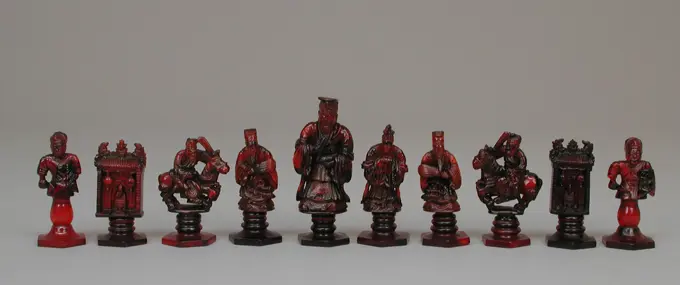
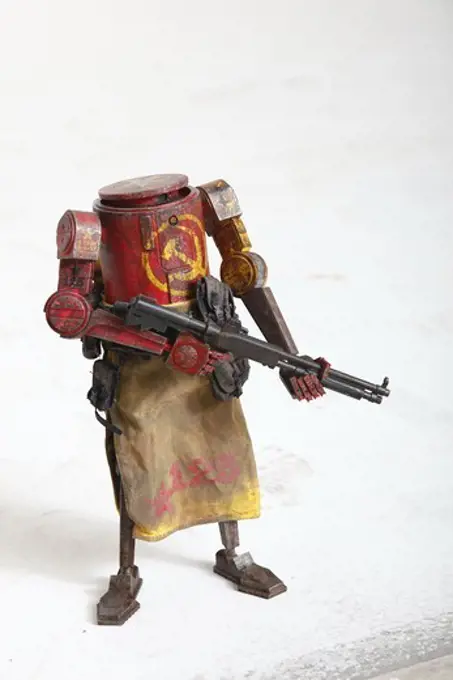
Historic Armor and Helmets

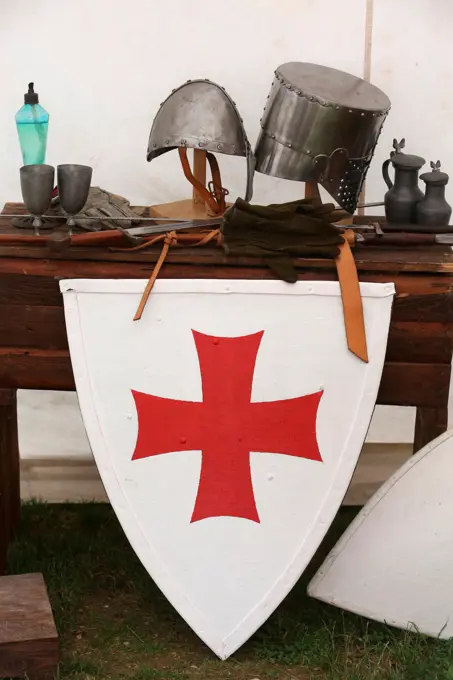
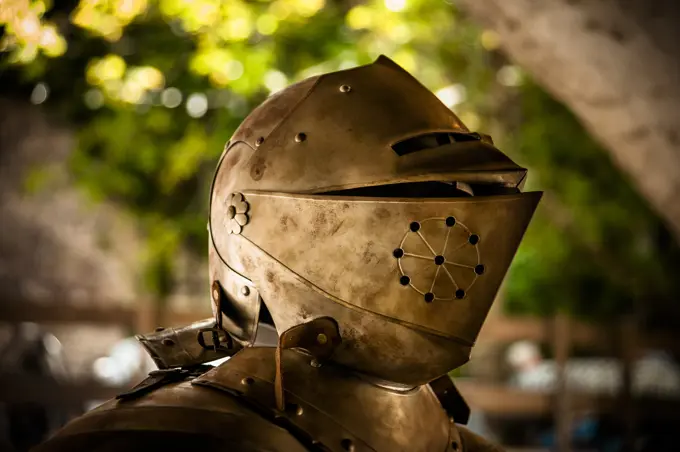
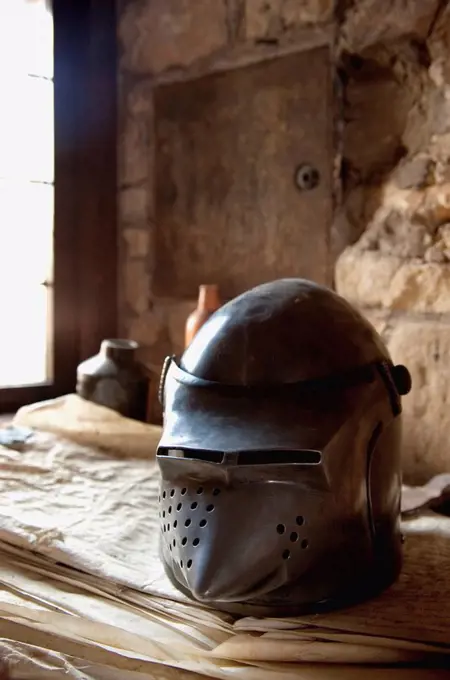
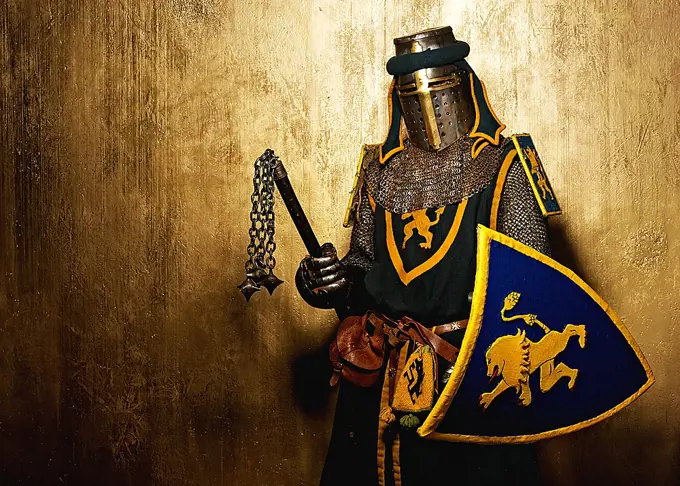
A selection of intricate helmets and armor pieces from different eras, highlighting craftsmanship and functional design.
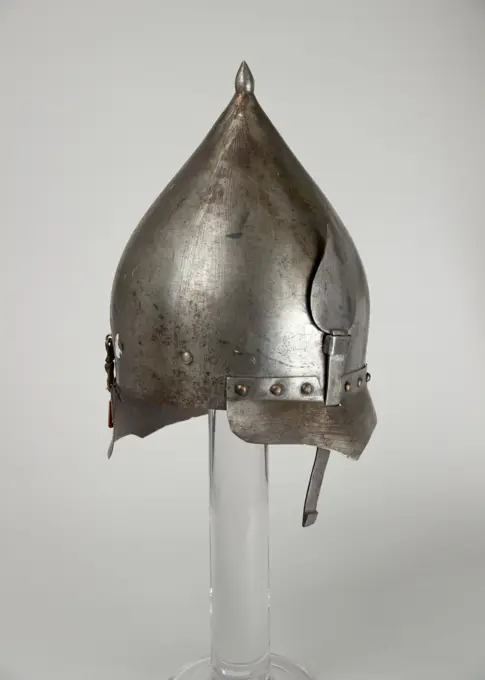
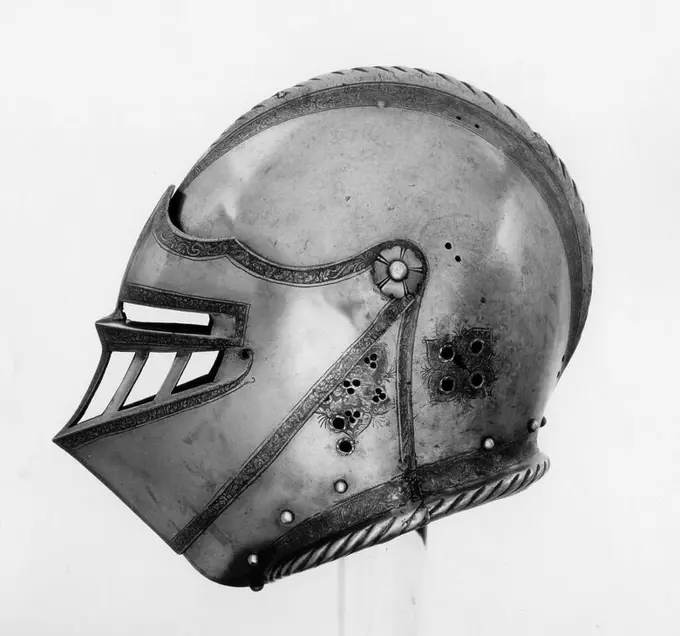
Helmet 16th-17th century Turkish. Helmet 24003
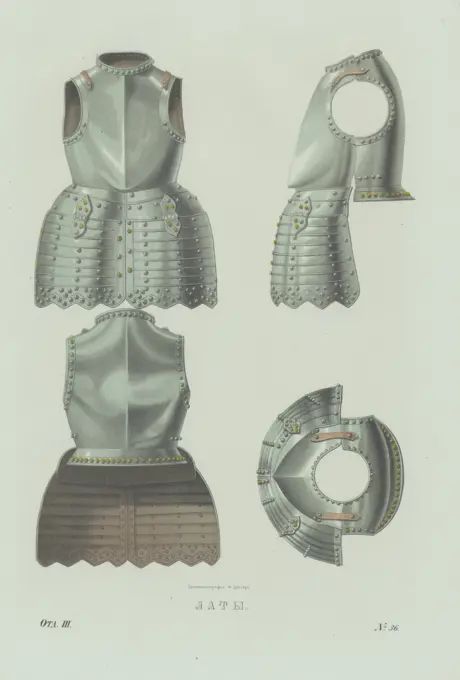
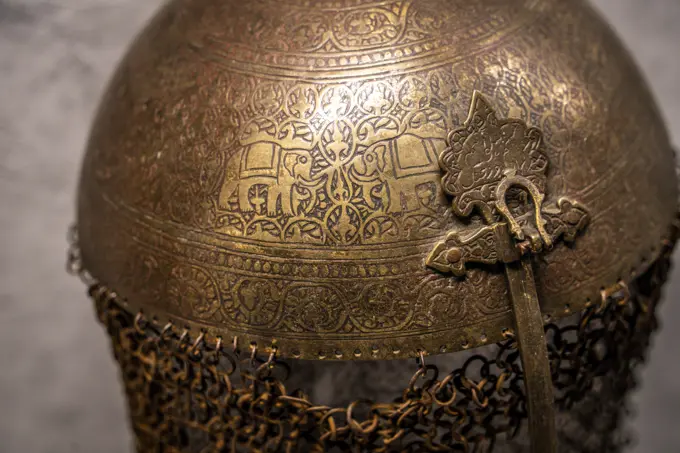
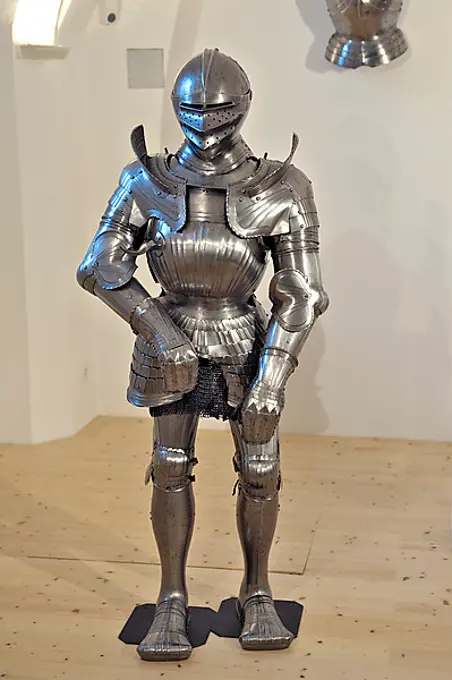
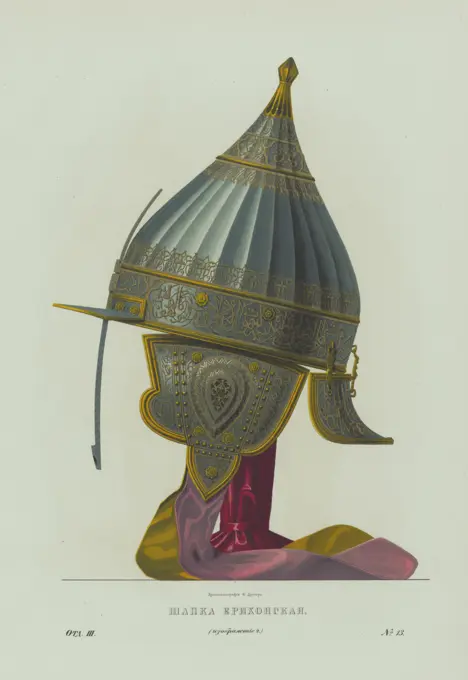
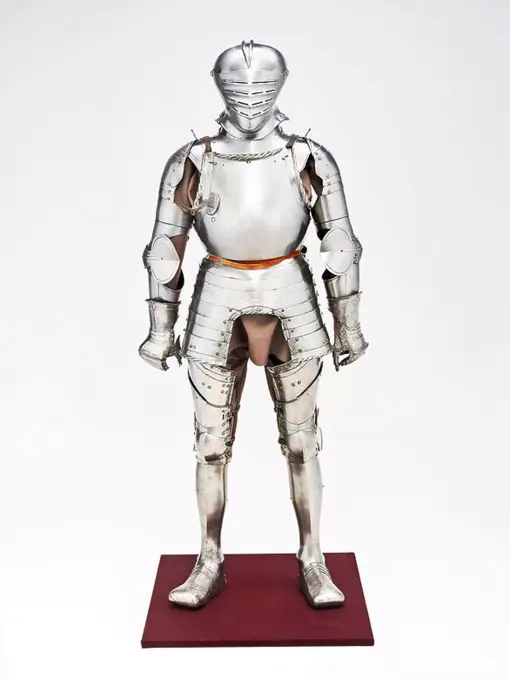
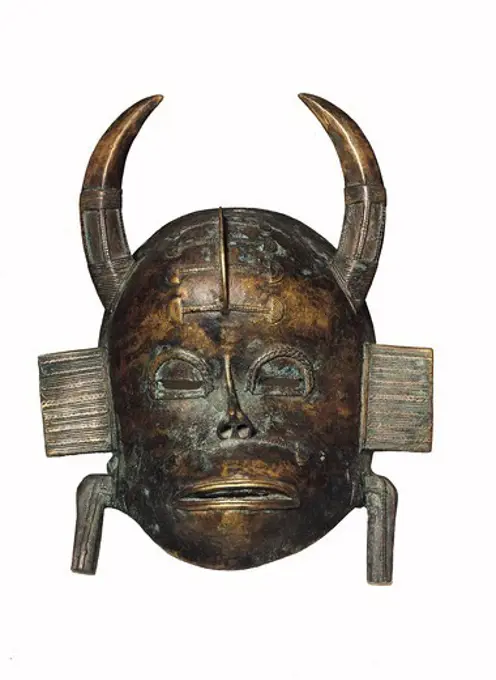
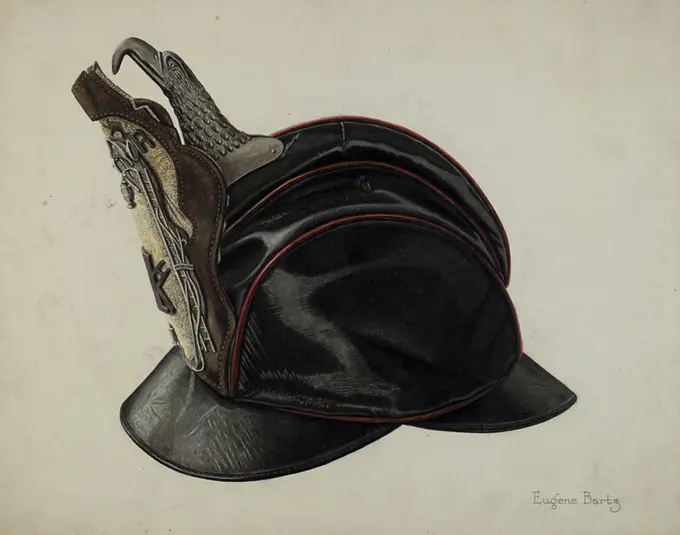
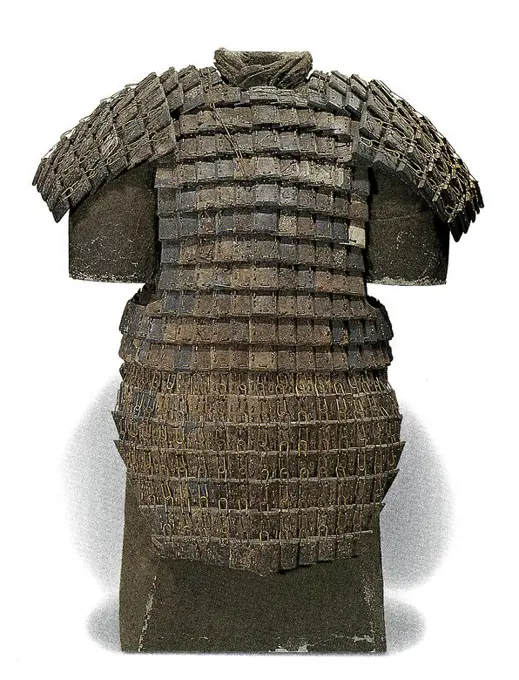
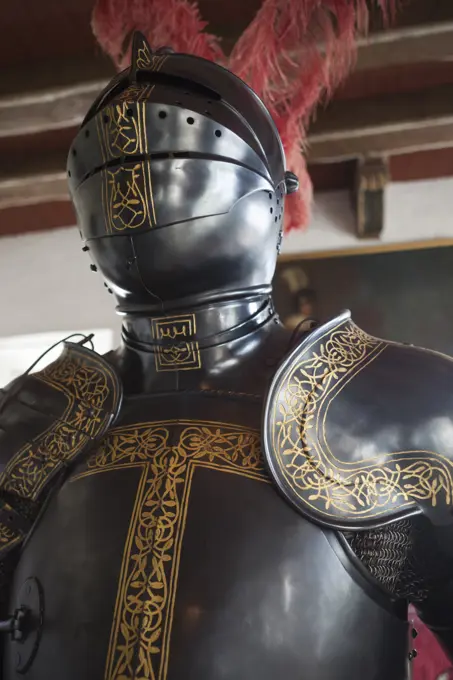
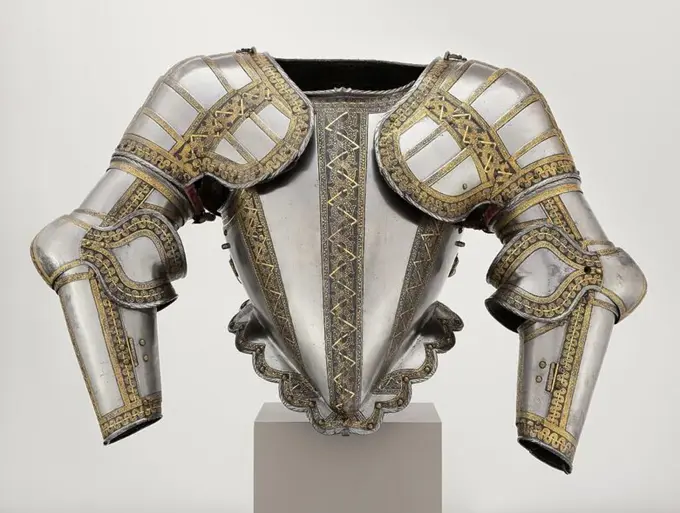
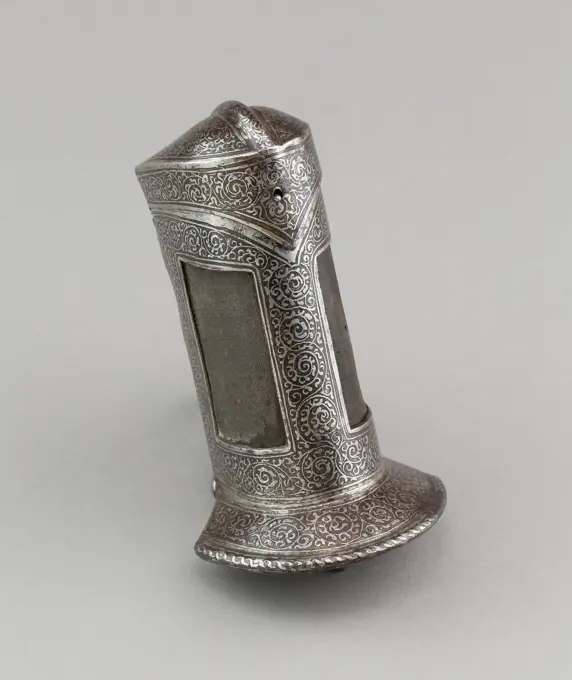
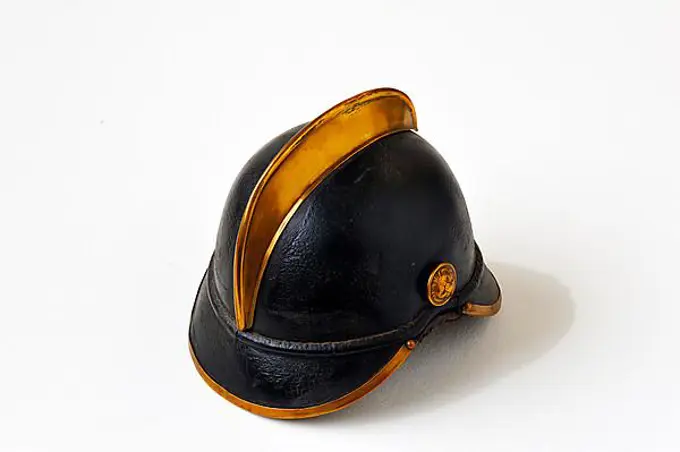
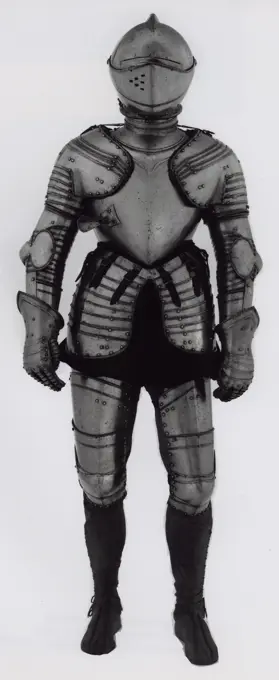
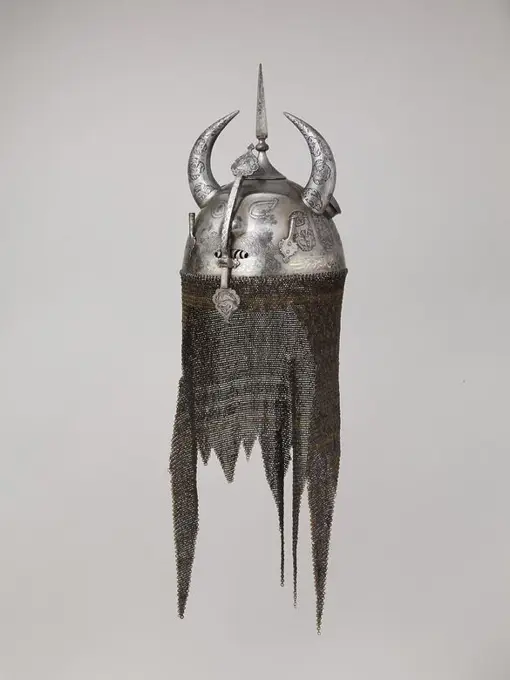
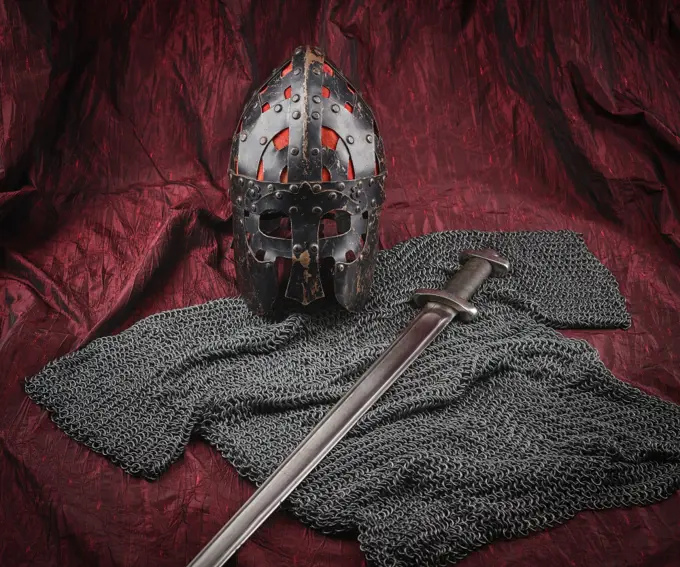
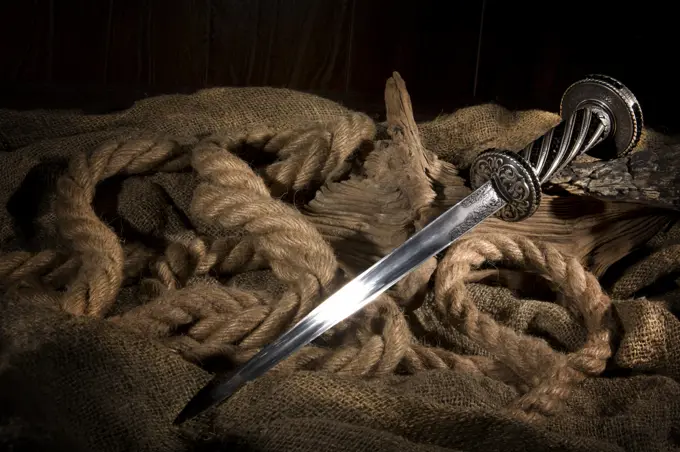
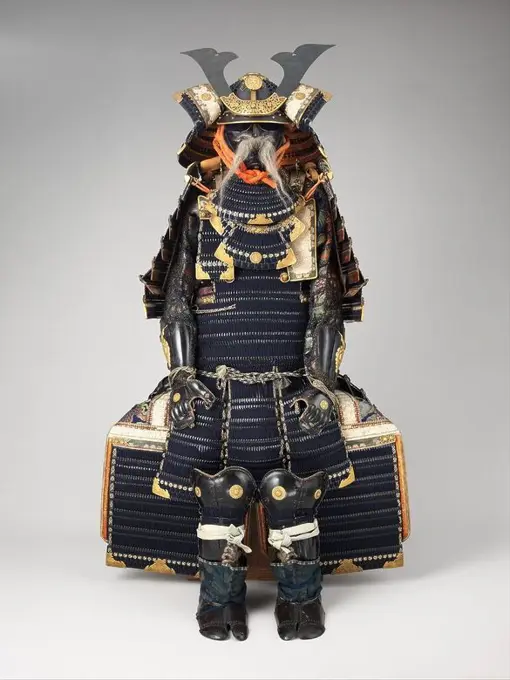
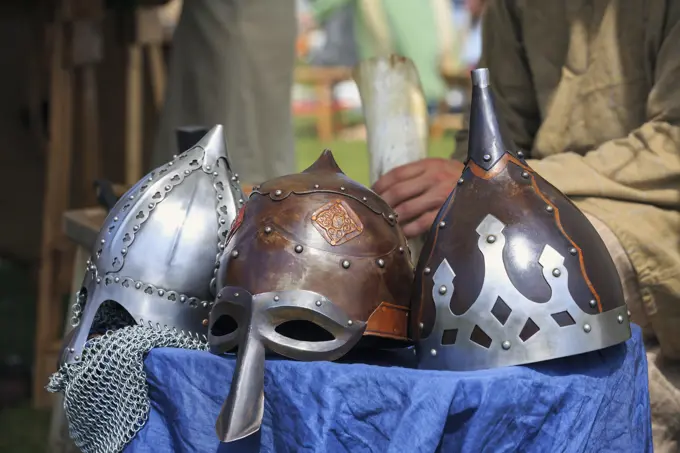
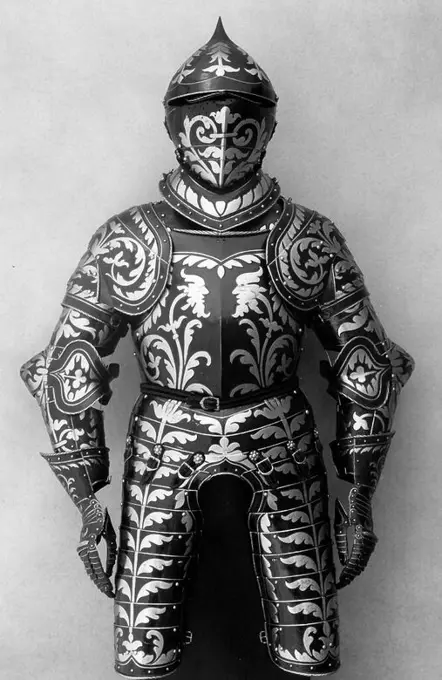
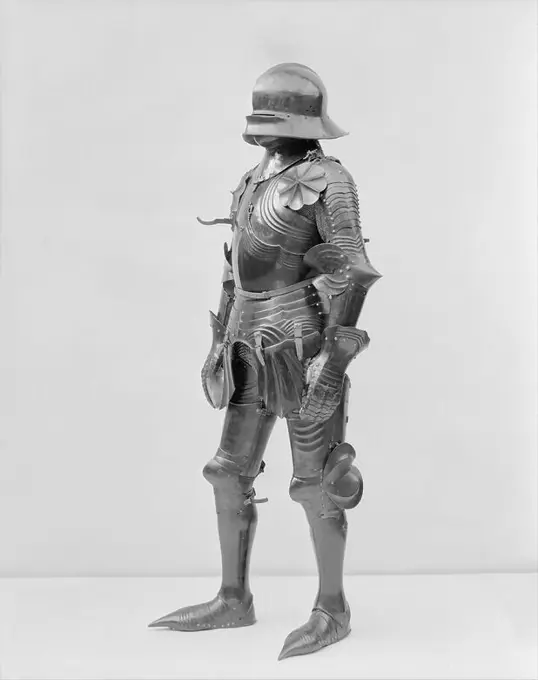
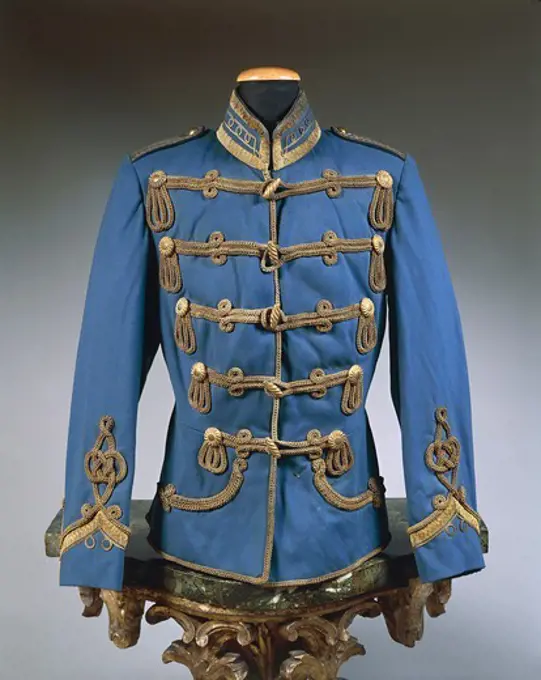
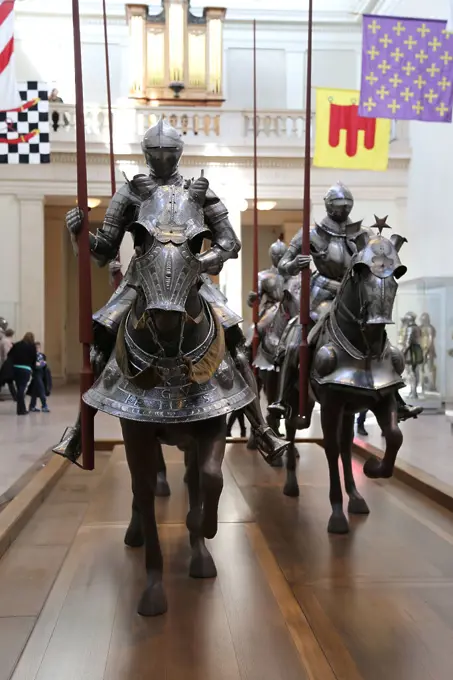
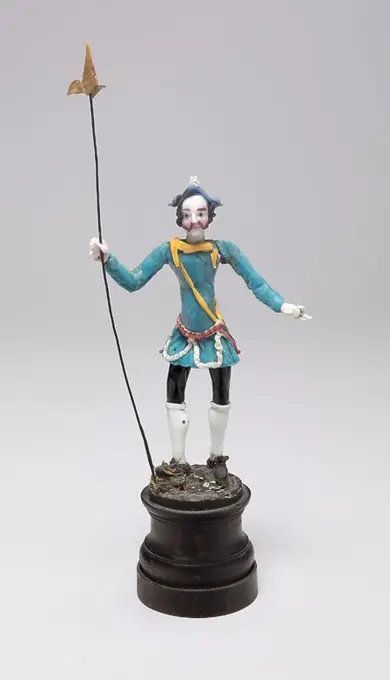
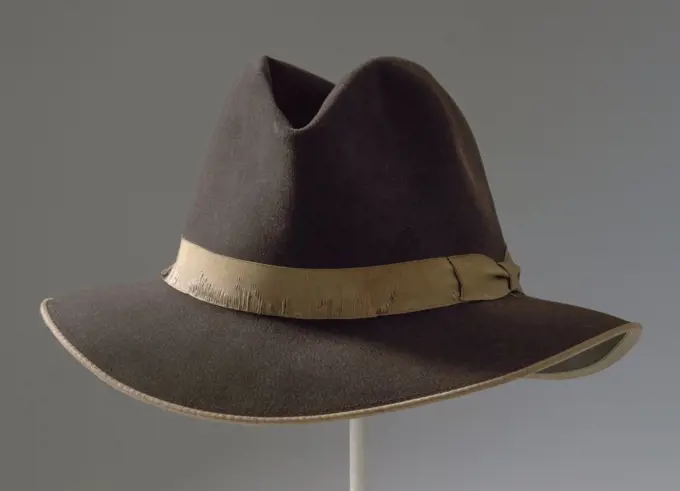
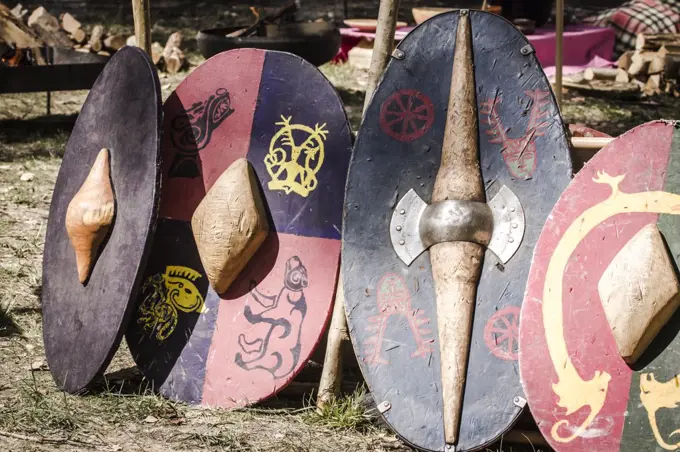
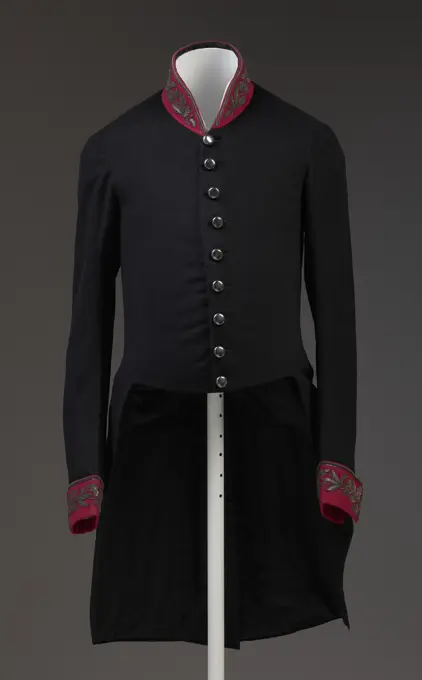
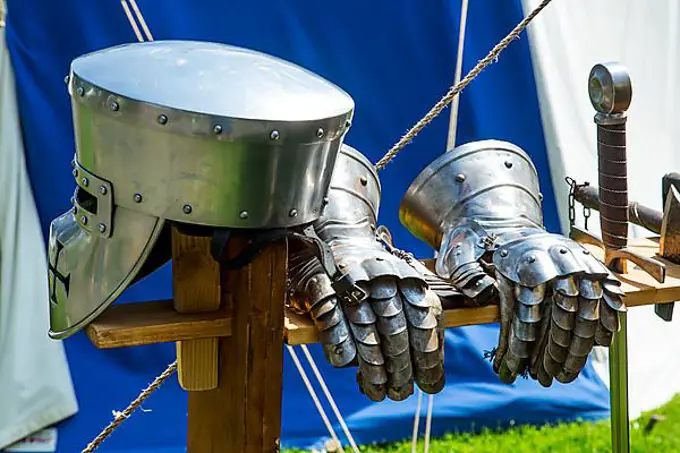
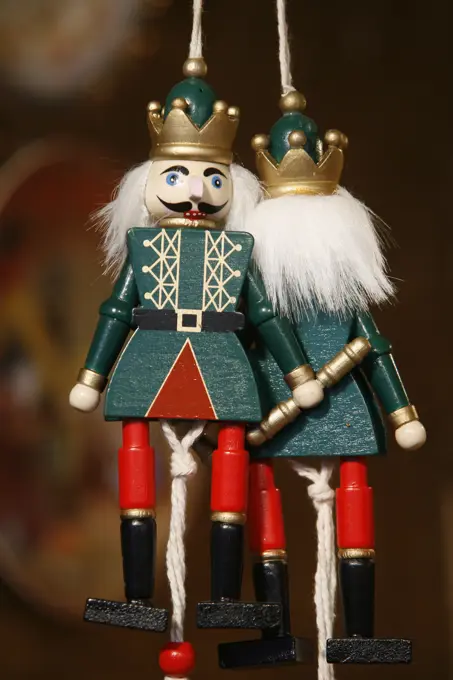
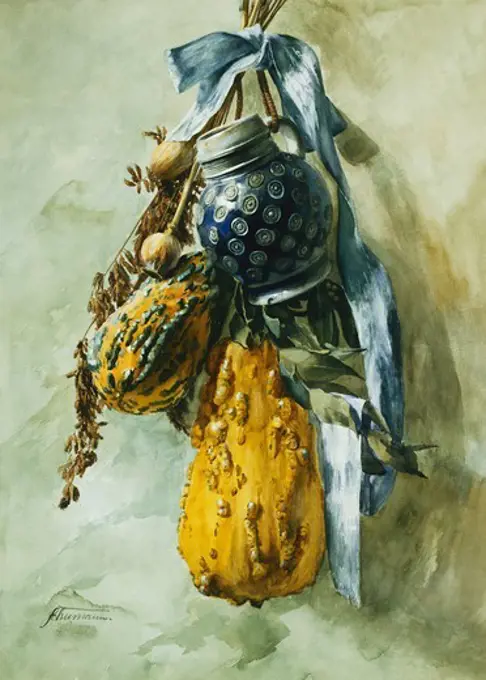
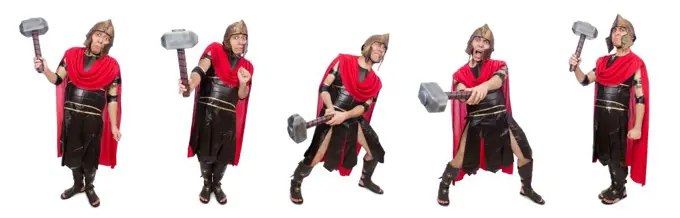
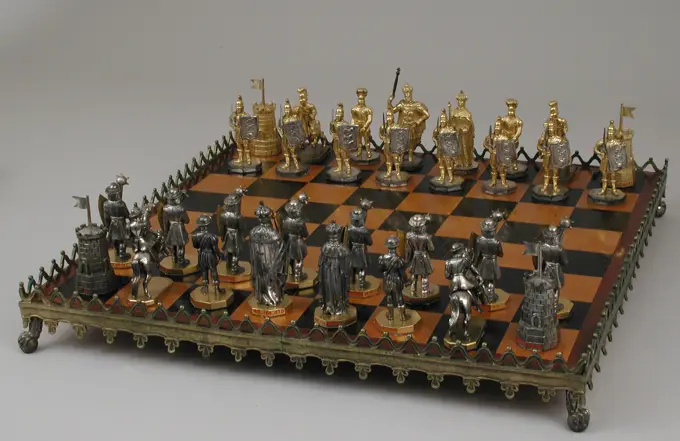
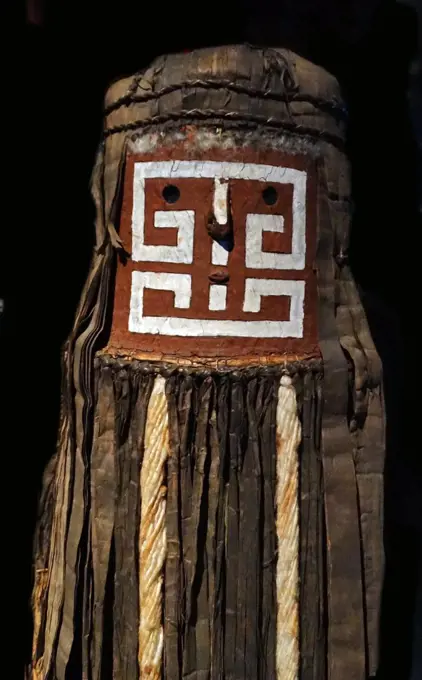
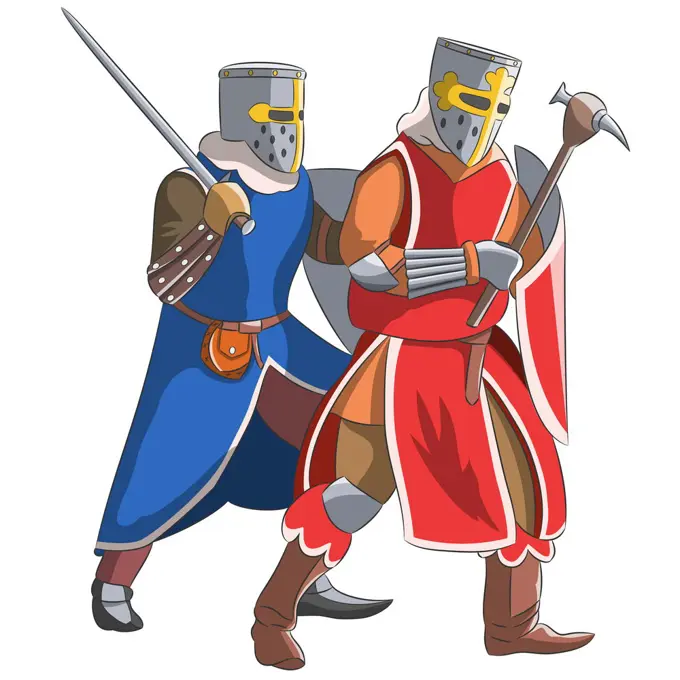
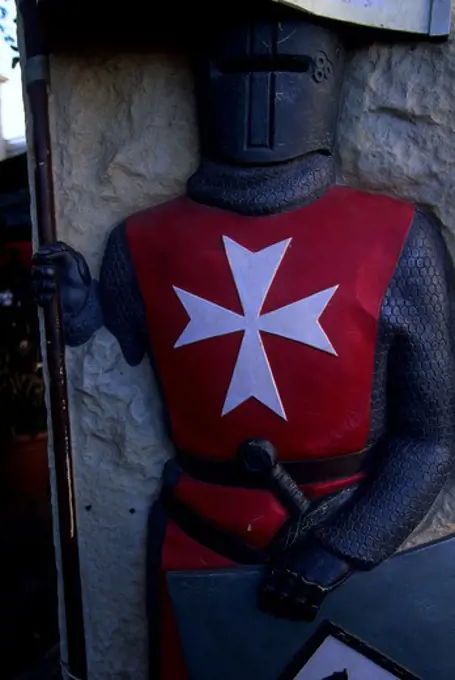
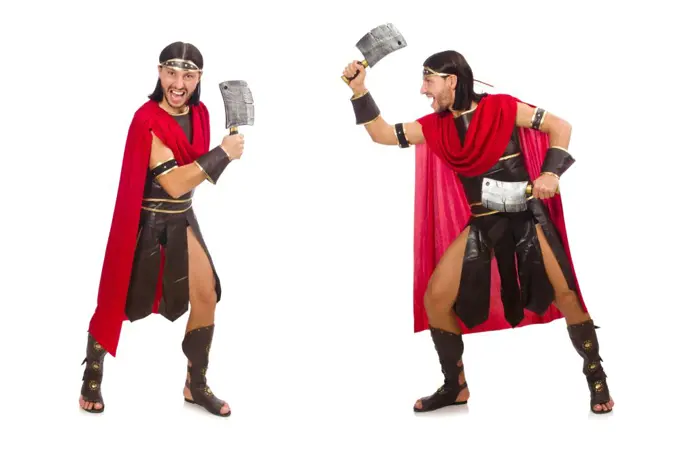
A mining helmet used as a jockey by Ewa Żygulska for horse riding unknown labelLaty. Khromolitografiia F. Dregera., 1849 - 1853, by F. G. Solntsev (Fedor Grigorʹevich), 1801-1892. Additional, Armour. Chromolithography by F. Dreher., 1849 - 1853., Moskva. Publisher, Tip. A. Semena. Russian, ChromolithographsPersian helmet with engraved elephant scene, 16th century, Álava Armory Museum, Vitoria, Basque Country, SpainSuit of armour in the former arsenal, Munich City Museum, Stadtmuseum, Munich, Bavaria, Germany, EuropeJudaica symbolsShapka Erikhonskaia. Chromolithography by F. Dreher, 1849 - 1853. Additional, Jericho hat. Published in Moskva by Tip. A. Semena. Art Russian ChromolithographsField Armor. German, Augsburg. Date: 1510-1570. Dimensions: H. 182.9 cm (72 in.). Steel and leather. Origin: Augsburg. Museum: The Chicago Art Institute, Chicago, USA.Pijp, part of an advertising image for the tobacco trade or sale, Anonymous, 1700 - 1800 sculpture Pipe of a so -called "tobacco indian" or "virginian", advertising image for the tobacco trade or sale.  wood (plant material). metal  pipe ~ tobaccoSenufo mask (Burkina Fasso). It combines features of animals and humans. Senufo masks have the power to help communication between the living and their dead ancestors. African art. Decorative Arts. BELGIUM. FLANDERS. BRABANT. Tervuren. MusŽe Royal de l'Afrique Central (Royal Museum for Central Africa). Proc: BURKINA FASO.Medieval helmet Close up shot of medieval armor helmet Copyright: xZoonar.com/Baloncicix 14251980Morion ca. 1575 French. Morion. French. ca. 1575. Steel, gold, brass, leather. HelmetsFireman's Helmet. Dated: c. 1939. Dimensions: overall: 28 x 35.7 cm (11 x 14 1/16 in.). Medium: watercolor, graphite, and colored pencil on paperboard. Museum: National Gallery of Art, Washington DC. Author: Eugene Bartz.Prehistory, Poland, Iron Age. Pomeranian culture. Anthropomorphic terracotta cinerary urn. From Pregowo, Gdansk. Detail.Breast image of black painted rider harnas. Breastplate, iron, black painted, made from one plate, the neck cutting and arm cuts have a folded-flien border. At least two selector crochet with buttons where the buckle of the back plate can be attached to the arm cuts. Around these edges selectable rivets. Vertical middle bone that ends in a small bulge just above the bimpe. The edge of the brief corner is folded and has glass rivets around glass. Inside is painted black.Medieval Still LifeSavoyard-style close helmets or Totenkopf. Complete the armour of the cuirassiers or the heavy cavalry. North Italy. Ca.1600-1630. Armoury. Grandmaster Palace. Valletta, Malta.Fingered Gauntlet for the Right Hand Made 1540-1570 Augsburg. Steel and leather .Composed Half Armor. Culture: German. Dimensions: Wt. 58 lb. (26.31 kg); Wt. of helmet 4 lb. 3 oz. (1899.4 g). Date: ca. 1540 and later. Museum: Metropolitan Museum of Art, New York, USA.ARMADURA DE PIEDRA DE UNO DE LOS GUERREROS DE XIAN - SIGLO III AC - 74x31. Location: MUSEO DEL EJERCITO DE QIN SHIHUANG.Denmark, Funen, Egeskov, Egeskov Castle, suit of armorPortions of a Field Armor. Jacob Halder (English, 1558-1608); Royal Workshops of Greenwich, England. Date: 1585-1600. Dimensions: H. (mounted with arm defenses): 61 cm (30 in.)Wt. 39 lb. 10 oz. (17.7 kg). Steel, brass, gilding, leather, and silk velvet textile. Origin: Greenwich. Museum: The Chicago Art Institute, Chicago, USA.Hall with medieval armour, full plate armour from southern Germany, 16th Century, Bavarian National Museum, Prinzregentenstrasse 3, Munich, Bavaria, Germany, EuropeExhibition Luther and the PrincesCartridge Box 1570-1600 Saxony. Wood, buckram, leather, and iron .Helmet. Culture: German. Dimensions: H. 10 1/4 in. (26 cm); W. 8 7/8 in. (22.5 cm); D. 13 1/4 in. (33.7 cm); Wt. 4 lb. 14 oz. (2211 g). Date: ca. 1550. Museum: Metropolitan Museum of Art, New York, USA.Austrian fireman's helmet from 1900, "Fire and Flame - the fire department from 1850 to today" exhibition, industrial museum, Lauf an der Pegnitz, Middle Franconia, Bavaria, Germany, EuropeClosed Helmet of Elements of Armor for Foot Tournament at the Barriers 1590-1620 Milan. Steel and gilding .German World War One (Stahlhelm) military helmet isolated on white backgroundHelmet (Khula Khud). Culture: Iranian. Dimensions: H. including mail 27 in. (68.6 cm); H. including nasal 12 in. (30.5 cm); H. excluding mail and nasal 10 in. (25.4 cm); Diam. 8 in. (20.2 cm); Wt. 4 lbs. 10.8 oz. (2120.5 g). Date: first half 19th century.Despite the modernization of Iran's military in the nineteenth century, traditional armor continued to be manufactured. Its purpose, however, is uncertain: for military parades, as costume for religious or historical plays, or as romantic souvenirs for the tourist trade. This helmet, with its feline face and horns, features imagery inspired by Iran's national epic, the Shahnama (Book of Kings)--notably, the tiger-skin headdress and the horned ox-headed mace that were the distinguishing arms of the hero Rustam. Inscriptions in Persian refer to Rustam and several other heroes from the poem. Museum: Metropolitan Museum of Art, New York, USA.Knight in armour, detail of the helmet, bronze statue next to the cenotaph of Emperor Maximilian I of Habsburg, Court Church (Hofkirche), Innsbruck, Tyrol, Austria, 16th century.SaddleKnight's armour and some weapons, Bran Castle, Toerzburg, Romania, EuropeMedieval armour, helmet and sword, red canvas backgroundRoman helmet on head of Roman soldierCorselet, 19th century. Philippines, Mindanao. average: 80.6 cm (31 3/4 in.).Heart Amulet of Manhata ca. 1479-1425 B.C. New Kingdom The Egyptians regarded the heart as the seat of the spirit, and it was not removed from the body during mummification. Among the spells popularly known as the Book of the Dead, one (30B) calls upon the heart not to bear witness against the deceased during judgment in the afterlife. This spell was usually inscribed on a large scarab made of green stone that was placed on the mummy's chest. Instead of a scarab, Queen Manhata was given a heart-shaped amulet. The ends of the gold wire that held the amulet in place are shaped like birds' heads.For other objects belonging to this queen, see 18.8.1a, b; 18.8.22a, b.. Heart Amulet of Manhata 547646Helmet of Boeotian Type, and Belt Roman mid-2nd century BCE This late Hellenistic helmet combines the distinctive features of two separate types generally known as Attic and Boeotian. Both cavalrymen and gladiators appear to have worn comparable helmets. This particular example and the belt complementing it were reportedly discovered in the former gladiators' barracks in Rome according to the sale catalogue of the collection of the painter and art dealer Attilio Simonetti (1843-1925). View more. Helmet of Boeotian Type, and Belt. Roman. mid-2nd century BCE. Bronze, lead. Armor PartsKey search engine icon. Outline Key search engine vector icon for web design isolated on white background color flat. Key search engine icon vector flatNewly authorized Air Force Combat Dive Supervisor and Diver pins issued for the first time, Oct. 20.French Helmet Model 1926 of passive defense. Painted steel, leather sewn mechanically, sheet, painting, 1926-1944. General Leclerc Museum of Hauteclocque and the Liberation of Paris, Jean Moulin Museum.Austria, Salzburgerland, Salzburg, Schloss Hohensalzburg castle, display of midieval weaponsItalic civilizations, Piceni, 7th century b.C. Helmet with engraving depicting a man on horseback.Golden crown, found in inner chamber of Chonmachong tombMetal gloves of a knight's armour, Knight Festival, Satzvey moated castle, Mechernich, the Eifel, North Rhine-Westphalia, Germany, EuropeShown here are miscellaneous military weapons that date to the 1600s. They are, from left to right, top to bottom: From 1600: four swords, three helmets, a partisan (weapon of the 16th and 17th centuries with long shaft and broad blade), two swords, a partisan, a gorget, a carbine, pistol, and a partisan. The illustration dates to 1882. Artifacts European 1600, artifacts European 1700, artifacts European 1800, artifacts European 17th century, artifacts European 18th century, artifacts European 19th century, swords, helmets, partisan, gorget, carbine, pistol, vase, guitar, press, secretaire, chair, tabouret, table, commode, clock, bed, from 1700: a bed, a toilette table, two chairs, three tables, a sofa, a mirror, a chair. two clocks, a chair. two sofas, a chair, a fire screen, three chairs, a table, a seat, a table, a candlestick, a seat, a piano-forte, two tables, a commode, a corner cupboard, a press, a clock, a cup, a fire screen; from 1700-1800: a sofa, a chair, a bookcase, four chBuff Coat European 17th century This sturdy leather defense called a buff coat, which provided effective protection against sword cuts, was worn throughout the seventeenth century, first in conjunction with armor and later alone. It is shown with an associated armor (acc. no. 15.113.1-.5) identified by its decoration as having belonged to Pedro II (reigned 1683-1706). The decoration includes the crowned monogram PR for Pedro Rex (Pedro the King) and the cross of the commander of the Order of Christ, a hereditary office held by the kings of Portugal.Harquebusiers were armored cavalrymen generally equipped with a carbine (known as a harquebus) carried at the right side on a shoulder belt, a pair of pistols holstered at the front of the saddle, and a sword. This form of armor, consisting of a triple-barred helmet, a cuirass with a bulletproof reinforcing breastplate, and an elbow gaunlet, was commonplace in England up to about 1645. The armor of King Pedro is significant not only as a verSattel Sattel Copyright: xZoonar.com/MartinaxBergx 9030889Kettenhemd, Helm und Schwert. knight s armor, Old chain mail with a helmet and sword from the Middle Ages. Copyright: xZoonar.com/FernandoxGenzorx 22441767Emblem of the Knights Templar. Paris. France.The helmet and shoulder piece of a medieval knights armorMetallic military helmet with chin straps of metallic military helmet with chin strapsKnight´s helmet, Chillingham Castle, EnglandMedieval knight on golden background.medieval dagger medieval dagger. It was often used by pirates Copyright: xZoonar.com/VALERY-SIBRIKOVx 9873345Armor (Gusoku). Armorer: Helmet and mask inscribed by Jo Michitaka (Japanese, Edo period, active 19th century). Culture: Japanese. Date: 19th century.This armor bears the wisteria badge of the Okubo family, daimyo (lords) of Karasuyama. Museum: Metropolitan Museum of Art, New York, USA.Viking Helmets In The Icelandic Festival Of Manitoba; Gimli, Manitoba, CanadaHalf Armor. Culture: Probably Austrian, Innsbruck. Dimensions: Wt. 37 lb. 5 oz. (16.92 kg); Wt. of helmet 5 lb. 7 oz. (2466.4 g). Date: ca. 1560 and later. Museum: Metropolitan Museum of Art, New York, USA.Gothic Armor. Culture: German and Italian. Dimensions: Wt. 54 lb. 7 oz. (24.7 kg); 29.150.8n (leg defense); H. 21 in. (53.5 cm); W. 7 in. (17.8 cm); D. 9 in. (22.9 cm); Wt. 3lb. 12.1 oz. (1703.8 g); 29.150.8q (greave); H. 16 1/8 in. (41 cm); W. 4 13/16 in. (12.2 cm); D. 5 3/8 in. (13.7 cm); Wt. 2 lb. 1.3 oz. (944 g); 29.150.8r (mail sleeve): L. 28 5/16 in. (72.0 cm); W. 12 5/8 in. (32.0 cm); Diam. (outside) of main section links 7/32 in. (5.5 mm); Diam. (inside) of main section links 5/32 in. (4.7 mm); Diam. (outside) of cuff links 3/16 in. (4.4 mm); Diam. (inside) of cuff links 3/32 (2.5 mm); 29.150.8s (mail sleeve): L. 32 1/8 in. (81.5 cm); W. 15 in. (38.0 cm); Diam. (outside) of links 7/32 in. (5.9 mm); Diam. (inside) of links 5/32 (3.7 mm). Date: late 15th century; extensively restored and completed ca. 1926.From the early nineteenth century through about the mid-twentieth century, it was not unusual to restore incomplete armor by combining elements from different armors, making mRomania, Transylvania, Bran. Bran Castle. Home of Count Dracula. Vlad the Impaler clothing and courtyard.Militaria, Prussia, 19th-20th century. Uniform of the Hussars, 1858-1915. Ninth Regiment lieutenant's jacket.Armor for combat. Plate armour for man and horse. Europe. Metropolitan Museum of Art. New York. USA.Soldier with Lance. Nevers, France. Date: 1675-1725. Dimensions: H. 16.5 cm (6 1/2 in.). Glass; lampwork (verre de Nevers), metal armature; wood pedestal. Origin: France. Museum: The Chicago Art Institute, Chicago, USA.Funny ninja isolated on the white backgroundKnights armor, harness, around 1590, National Museum, Munich, Upper Bavaria, Bavaria, Germany, EuropeAncient sabre Ancient sabre. A smart variant of the fighting weapon Copyright: xZoonar.com/ValeryxxSibrikovx 5812424Silver and Metallic Knight Helmet on Wooden Table, Medieval ThemeHat with profiled brim, 1930s, Germany, 20th century.Close up of an Ancient Dark Leather Mask with Intricately Carved DetailsA close-up of an ancient carved sword against painted background. A closeup view of the handle and the blade design of a Slavic dagger from 19th century.Shields used by Gaul warriors in battlePrzeszo Przyszoci unknownMedieval spectacle, helmet and gloves of a knight's armor, at Broich castle, Muelheim an der Ruhr, North Rhine-Westphalia Castle, Germany, EuropeClose_up of painted wooden figures at shop in the Christmas market in Munich winter garden, Munich, Bavaria, Germany, EuropeBragozzo (fishing boat) painted bow, Chioggia, Veneto, Italy.A Stoneware Jug and Vegetables. Karl Schumann (active 1894). Watercolour heightened with white. 61 x 44.5cmEngland, Yorkshire, Leeds, The Royal Armouries Museum, Display of Elephant ArmourCoif of the soldiers in the Middle Ages, vintage engraved illustration. Industrial encyclopedia E.-O. Lami - 1875.Germany, Bavaria, Romantic Road, Rothenburg-ob-der-Tauber, Waffenkammer Shop, Display of Replica Medieval ArmourGladiator isolated on white background. Gladiator with hammer isolated on whiteChessmen (32) and board ca. 1860 German The pawns hold shields with heraldic arms on them indicating the opposing parties, but they do not appear to be valid. The set probably represents Rome against German tribes, but in a German style that has prototypes for the knights and kings in the seventeenth century, Here the figures have become wooden and lack subtlety in modeling. Such cast sets, however, were popular in the so-called "Historical period," around 1860.. Chessmen (32) and board. German. ca. 1860. Silver, silver-gilt, sycamore and ebonized wood, brass. Chess SetsWooden dance mask created by the indigenous Aparai people, Brazil. Dated 20th CenturyTwo knights in medieval armor with shields and weapons. Vector illustration.. Two walking men in knightly armor isolated on white background.MALTA, VALLETTA, STREET SCENE, KNIGHT STATUE WITH MALTESE CROSSEquestrian Court, Arms and Armor, Metropolitan Museum of Art, Manhattan, New York City, USA, North AmericaKnight in armor holding weapon flat vector illustration. Medieval hero isolated cartoon character with outline elements on white background. Crusader with shield and axe. Middle agesRoman soldierGladiator holding ax isolated on whiteGladiator with cleaver isolated on whiteThe gladiator isolated on white background. Gladiator isolated on white backgroundChessmen (32) and board Chinese 19th century View more. Chessmen (32) and board. Chinese. 19th century. Amber, clear and cloudy. Chess SetsToyInn sign, King Arthur's Arms, Fore Street, Tintagel, Cornwall, England, United Kingdom, Europe