Historic Artifacts and Clothing

Artifacts including a traditional doll, medieval armor parts, silk stockings, and an ancient Egyptian vessel, representing cultural history.
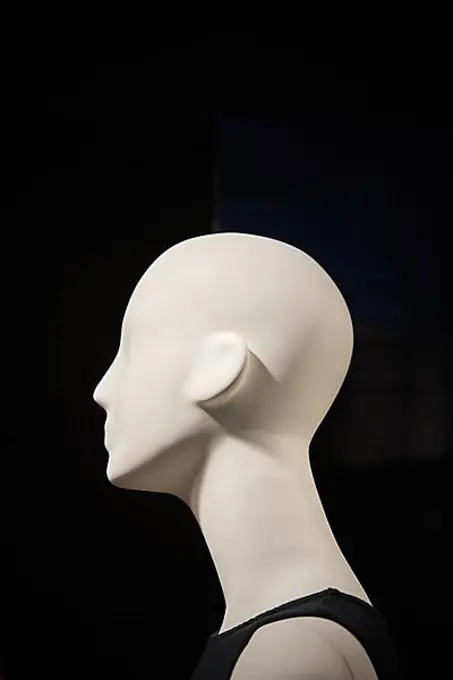
Head of a female mannequin in a shop window in Berlin
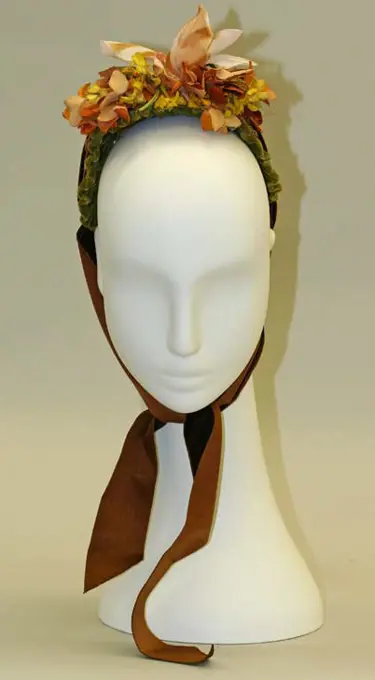
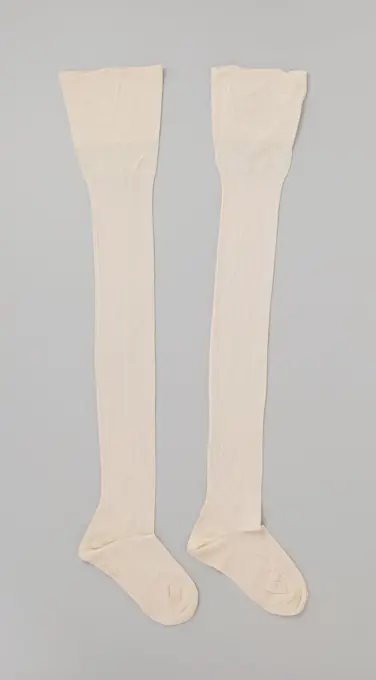
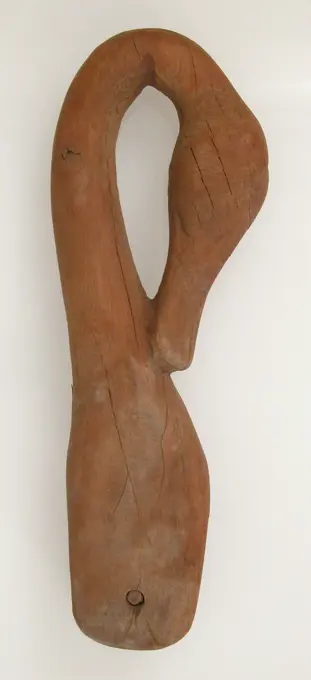
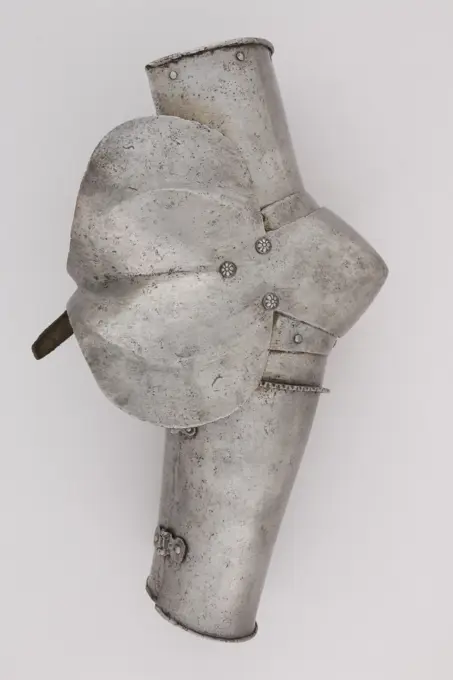
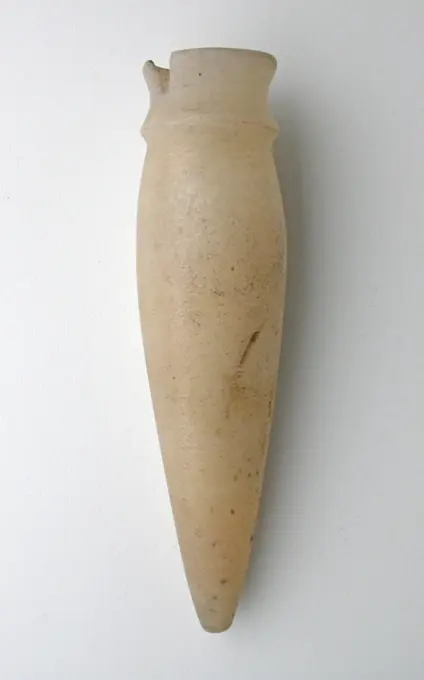
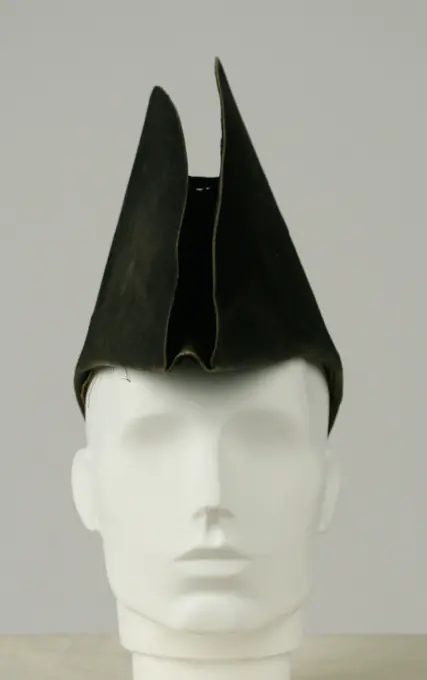
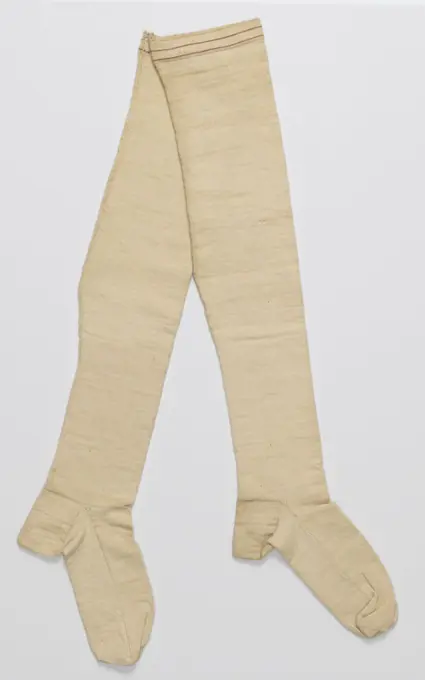
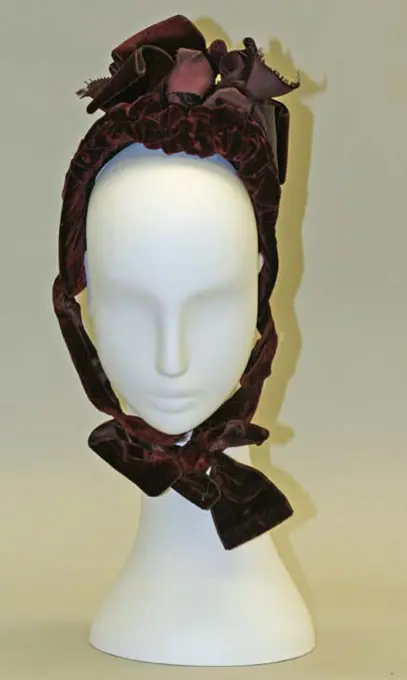
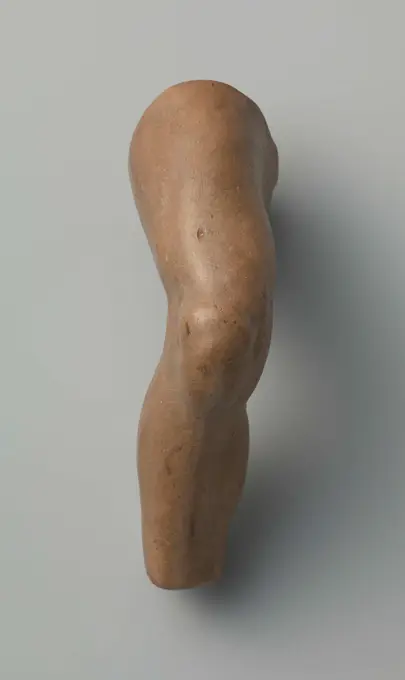
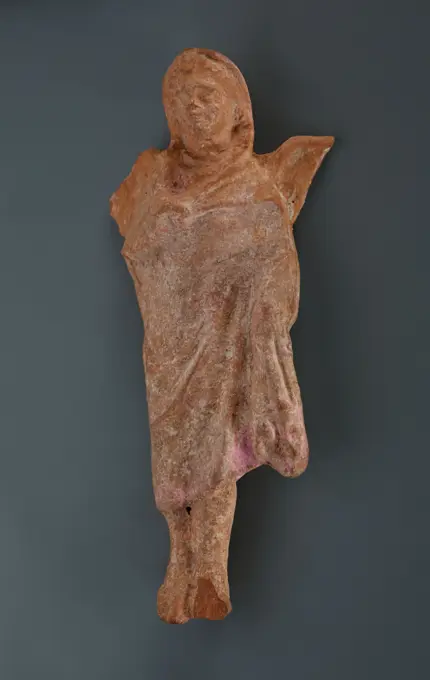
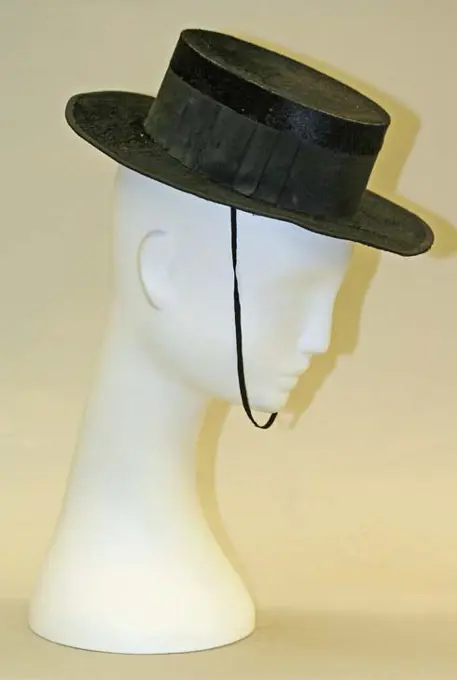
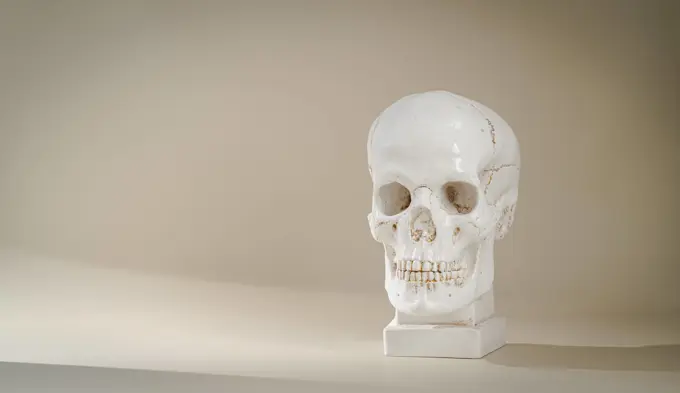
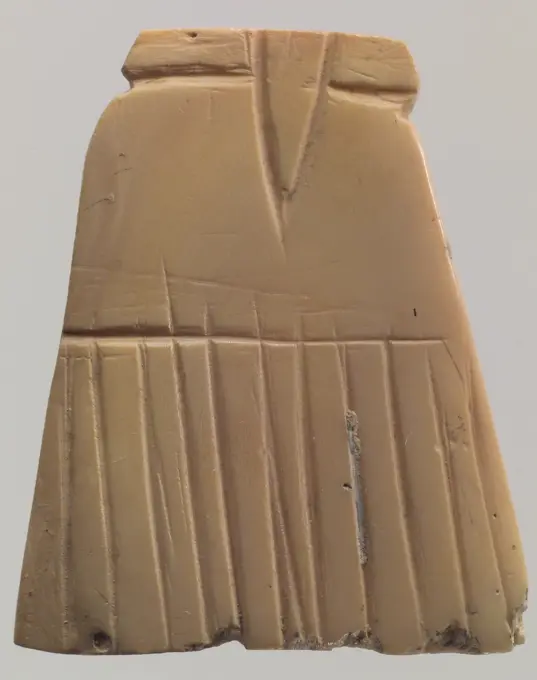
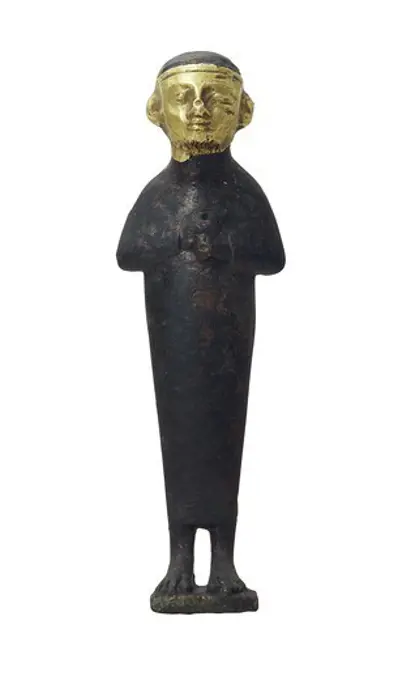
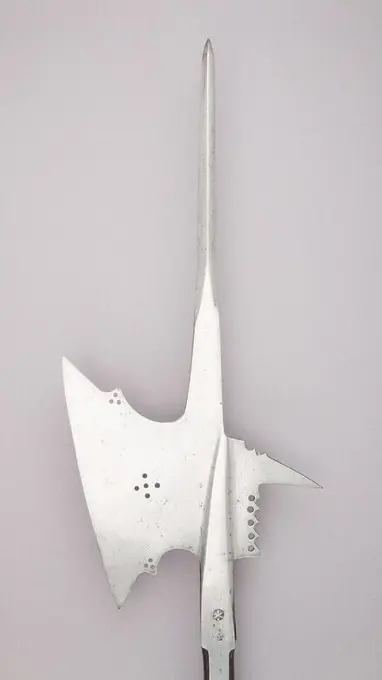
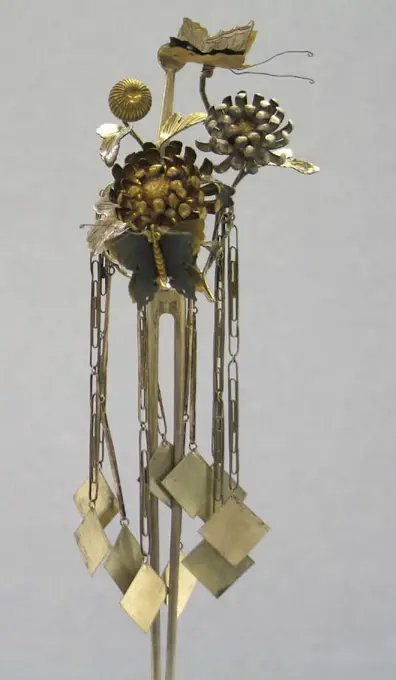
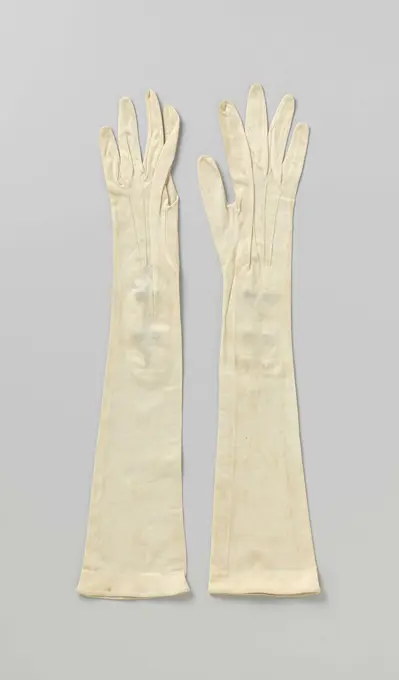
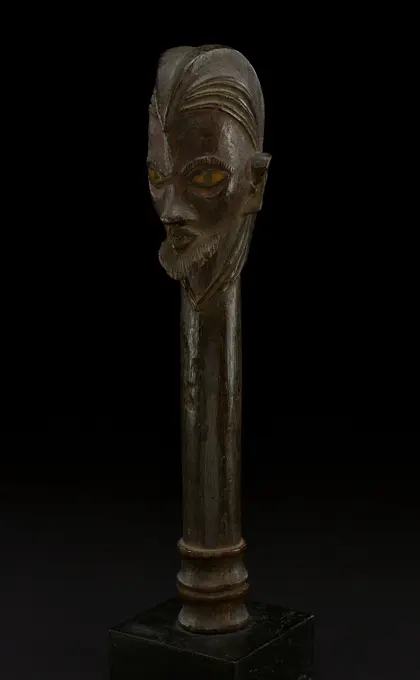
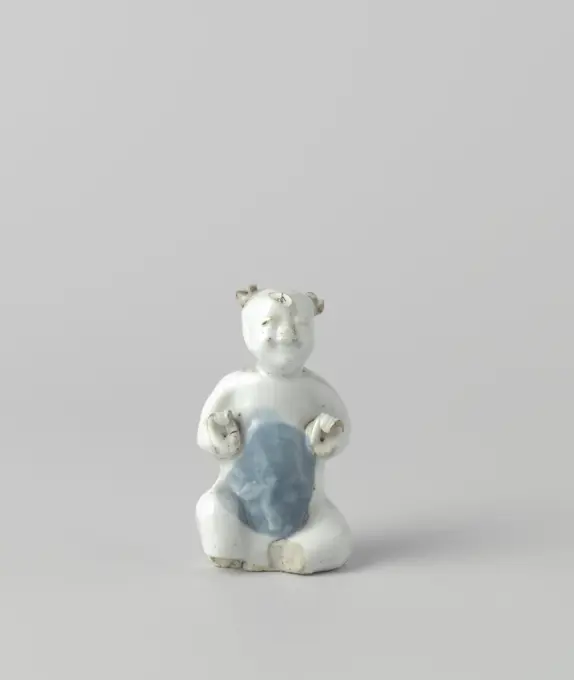
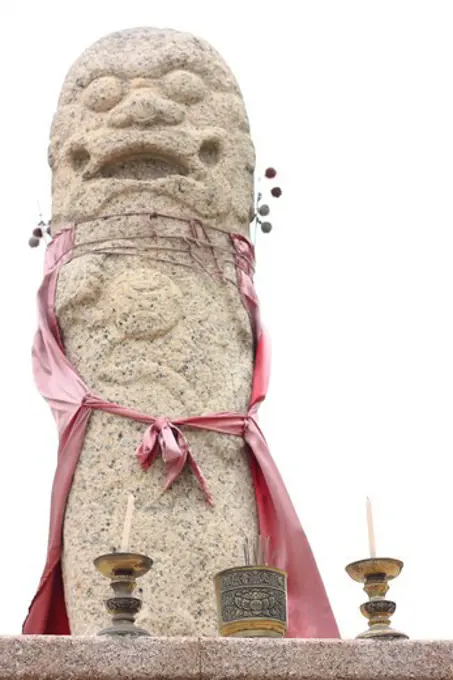
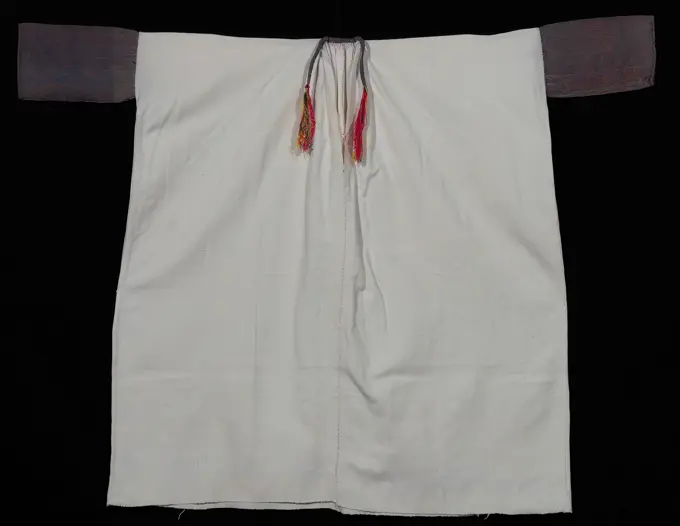
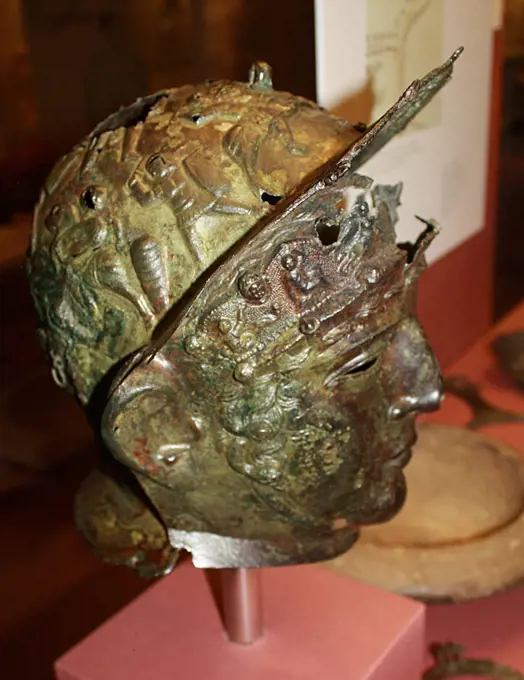
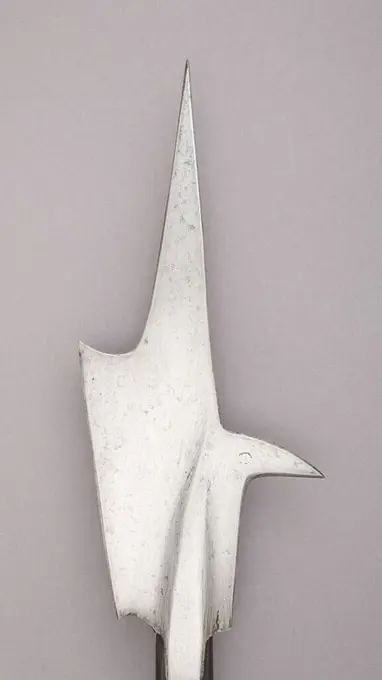
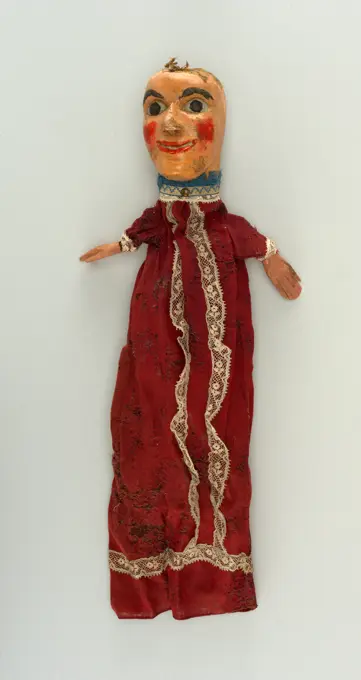
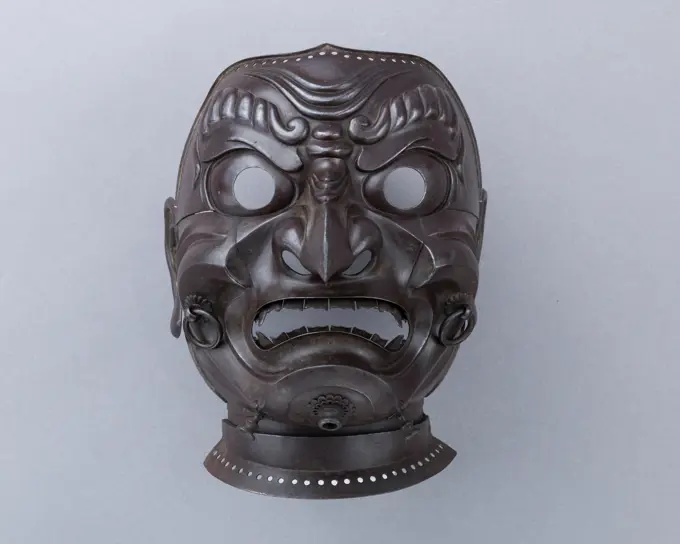
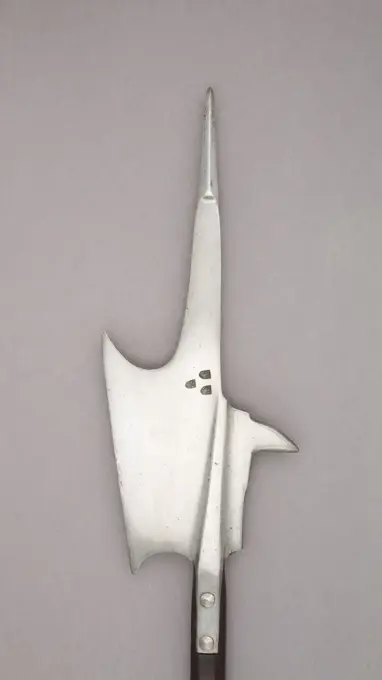
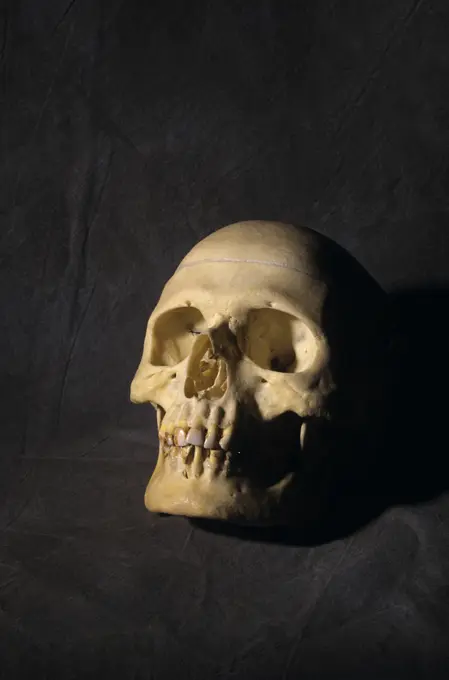
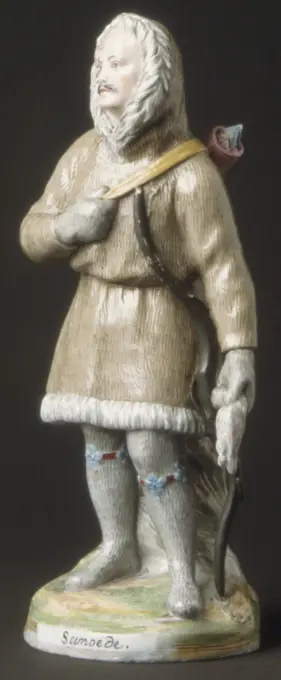
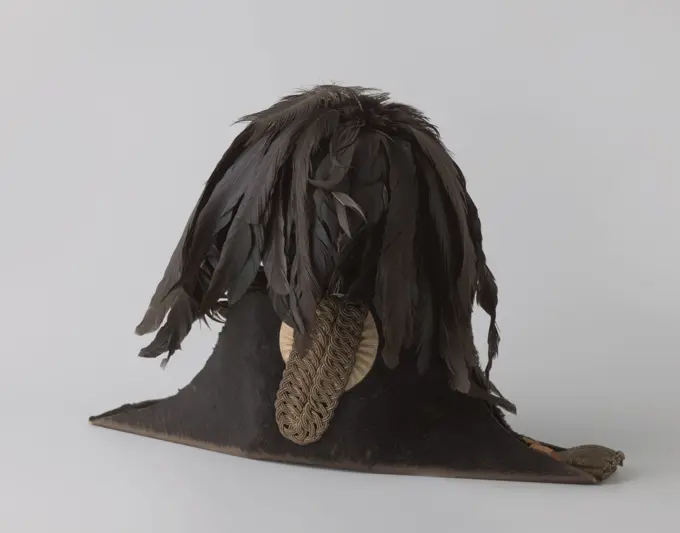
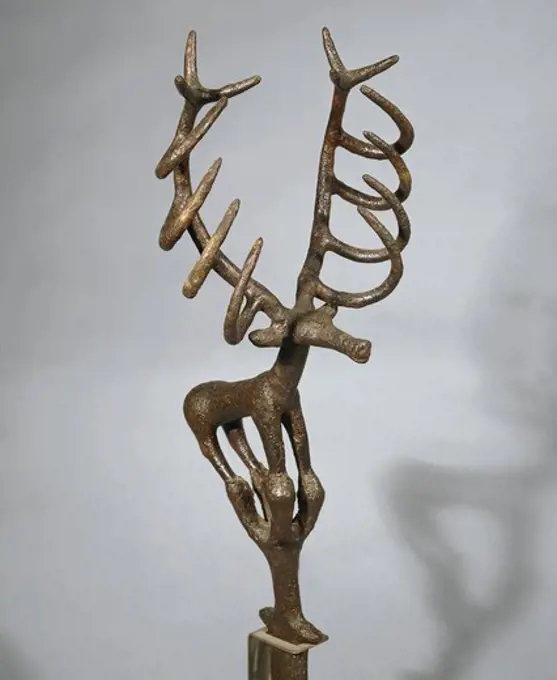
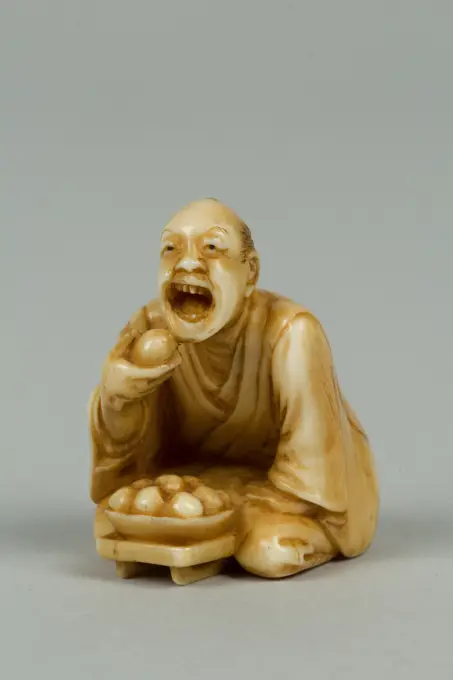
Doll from Turkey,  1925-1992Head of a female mannequin in a shop window in BerlinBonnet ca. 1881 American. Bonnet 113287Bonnet 1886-89 American. Bonnet 113219Bonnet 1880s American or European. Bonnet 113383Stocking knitted from plain white silk with a wide cotton board, c. 1910 - c. 1920 Shock of white silk. Model: with seam. Cotton board. Square heel. Lille whole: Silk. board: Cotton (textile) knitting Shock of white silk. Model: with seam. Cotton board. Square heel. Lille whole: Silk. board: Cotton (textile) knittingPulley 3rd-5th century Coptic. Pulley. Coptic. 3rd-5th century. Wood. Made in Byzantine Egypt. Woodwork-MiscellanyInner Plate of a Forearm Defense (Vambrace) possibly ca. 1400 Italian This is part of a large find of medieval armor discovered in 1840 in the ruins of the fortress of Chalcis, on the Greek island of Euboea (then a Venetian colony called Negroponte). The fortress had been captured and destroyed by the Turks in 1470. Now divided largely between the Ethnological Museum, Athens, and The Metropolitan Museum of Art, the Chalcis hoard contains many rare and unusual elements of fourteenth- and fifteenth-century armor. Of particular importance are the variety of headpieces and the many fragments of brigandines (armor for the torso constructed of small plates riveted to layers of fabric), some of which retain portions of their original velvet covering. The Chalcis armor provides a unique picture of the armament used in the Aegean, one of the easternmost military outposts of the Venetian empire.. Inner Plate of a Forearm Defense (Vambrace) 664473Vessel 2494 BCE-2181 BCE Egypt. Calcite . Ancient Egyptianpie de velociraptor, Centro Paleontológico , Enciso, La Rioja , Spain, Europe.Bicorne 1750-75 probably French. Bicorne 162361Stockings, Medium: cotton Technique: knitting, One pair of white handknit stockings with two narrow lines of reddish brown at the top., England, 19th century, knotted, knitted and crocheted textiles, StockingsBonnet 1880s American. Bonnet. American. 1880s. wool, silkBonnet 1885-90 American. Bonnet 113028ceramic figurehead black on whiteOne of the mi -medium;  19th century (1801-00-00-1900-00-00);humanoid posing with arms raisedEvening shoes ca. 1880 French. Evening shoes 169805Graintfiguur: servant.Bonnet 1885-90 American. Bonnet 113065Dummy handFigure of a Harlequin, Imperial Porcelain Manufaktur, c. 1744 - c. 1749 Image of porcelain in the form of a harlequin from the Divina Comedia. Marked on the foot with the shield and V. On the bottom the letter N. Vienna porcelain. glaze vitrification Image of porcelain in the form of a harlequin from the Divina Comedia. Marked on the foot with the shield and V. On the bottom the letter N. Vienna porcelain. glaze vitrificationStudy Models of Parts of the Body.This group of small models of parts of the body are carefully copied after famous sculptures, in particular by Michelangelo, in Florence and Rome. They came from the workshop of the Nijmegen sculptor Johan Gregor van der Schardt, who had a successful career in Italy, Nuremberg, and Copenhagen. They are extremely rare examples of the, in part autograph, study material of a 16th-century sculptor.A rubber mask and a pair of glovesFigurine of Chthonic ErosWooden life as a marine life decoration objectHat 1865 American or European. Hat 113109Skulptur eines Gipsschädels Plaster skull with shadows on empty biege background. minimalist composition LicenseRF Copyright: xZoonar.com/TatianaxGoskovax 23271525statue of an Egyptian official called Hori. made from Greywacke; Middle Kingdom (2040-1640 BC)Inlay: skirt with fringe ca. 2600-2500 B.C. Sumerian. Inlay: skirt with fringe 325456Tupilak, reindeer antler carving, Qaqortoq; Greenland.Children's cake chair, hexagonal, with green cushion. Children's cake chair from Nuthout. Hexagonal model with a high back, loose table top, sitting with pot tissue and a light green padded back cushionPriest. 8th-7th c. BC. Iberian art. Sculpture. SPAIN. MADRID (AUTONOMOUS COMMUNITY). Madrid. National Museum of Archaeology. Proc: SPAIN. ANDALUSIA. CADIZ. Cdiz.Stocking of plain cream -colored side with a vertical line on the latch in a palm motif, anonymous, c. 1800 - c. 1820 Sticky cream -colored side with a vertical line in a palm motif on the latch. On the board in Red Cross stitch: 'Iag'. Netherlands whole: Silk knitting / embroidering Sticky cream -colored side with a vertical line in a palm motif on the latch. On the board in Red Cross stitch: 'Iag'. Netherlands whole: Silk knitting / embroideringRunning mannequin wooden mannequin running isolated on white background Copyright: xZoonar.com/AndreyxEreminx 2427081Halberd. Culture: Swiss or German. Dimensions: L. 8 ft. 10 in. (269.1 cm); L. of head 24 in. (60.9 cm); W. 10 1/8 in. (25.7 cm); Wt. 5 lbs. 14 oz. (2660 g). Date: 1500-1525. Museum: Metropolitan Museum of Art, New York, USA.3d rendering of a gas mask isolated in a white background 3d rendering of a gas mask isolated in white background Copyright: xZoonar.com/HugoxKurkx 14809367Stockings 1891 American. Stockings 102353Stockings 19th century French. Stockings 102366Bonnet 1865-68 American. Bonnet 113281Woman's BonnetGarment Hook 206 BCE-9 CE China. Jade .Hair Ornament late 19th century Japan. Hair Ornament 60603Gloves ca. 1894 French. Gloves 102255Left glove from thin beige jersey, with extracted stripes motif. With two beige press studsSign language. A manikin hand signing the letter eStocking of plain lead -gray shine cotton, anonymous, c. 1927 - c. 1937 Stocking of lead -gray fil d'écosse. With seam in the middle. Short collar. Heel reinforced in triangle shape. With braid J in the board. Netherlands (possibly) whole: knitting Stocking of lead -gray fil d'écosse. With seam in the middle. Short collar. Heel reinforced in triangle shape. With braid J in the board. Netherlands (possibly) whole: knittingTAPIZ - LA OPORTUNIDAD. Author: SERRANO SOLEDAD. Location: PREMIO NACIONAL DE TAPICES. Aranjuez. MADRID. SPAIN.Staff, 19th century, 14 5/8 × 3 5/8 × 3 7/16 in. (37.15 × 9.21 × 8.73 cm) (including base), Wood, mirror, resin, Democratic Republic of Congo, 19th centuryChess Piece: Slave Figure; Designed by Natalya Yakovlevna Danko (Russian, b. Georgia, 1892-1942); Manufactured by Lomonosov Porcelain Factory (Russia); gilt and enameled porcelain; H: 5.5 cm (2 3/16 in.); The Henry and Ludmilla Shapiro Collection; Partial gift and partial purchase through the Decorative Arts Association Acquisition and Smithsonian Collections Acquisition Program Funds; 1989-41-126Right glove from a juice, c. 1832  Right glove from a juice. This is part of a sapry consisting of a pattern bag, bag for a saw, bag for an ax, bag for a hammer, foudral for a shovel or spade, gloves, loose garnish for a pattern bag, Sappeursbijl SaptyeSsabel, Sappeurs speaking, spade, Pikhoueel.  leather   AmsterdamChapski's Posthumous Mask HuttenGlove of gray chamois leather, c. 1915 - c. 1925 Left glove of gray chamois leather. Decorated on the back with three radiating cords. maker: FranceNetherlands whole: Chamois (Animal Material) Left glove of gray chamois leather. Decorated on the back with three radiating cords. maker: FranceNetherlands whole: Chamois (Animal Material)Staff, 36 7/8 x 1 3/16 x 1 1/8 in. (93.7 x 3 x 2.9 cm), Wood, metal, Democratic Republic of the CongoPointing stickFigure of a seated boy, anonymous, c. 1573 - c. 1619 Image of porcelain, painted in under -glaze blue. A sitting boy (crazy). The feet are missing. Blue White. China porcelain. glaze. cobalt (mineral) painting / vitrification Image of porcelain, painted in under -glaze blue. A sitting boy (crazy). The feet are missing. Blue White. China porcelain. glaze. cobalt (mineral) painting / vitrificationFemale Figure 12th-14th century Chancay. Female Figure 313131Female dancer - mortuary figurine. unknown, craftsmanBottle Stopper, 20th century, 6 x 6 x 1 1/2 in. (15.24 x 15.24 x 3.81 cm), Beads, cowrie shells, cloth, wood, Cameroon, 20th centuryTaiwan, Kinmen County, Kinmen National Park, Wind lion god statue made during Qing DynastyConcept, god Ganesha on aasan or seat of small wood stool India Copyright: xNirmalaxMishra/DinodiaxPhotoxMount; bronze (gilt)Boletus edulis mushroom isolated on white backgroundmould for a cast of Sir Winston Churchillís head for the Waxworks at Madame Tussauds in London 1952Roman Art. Asia Minor. Turkey. Fragments from colossal emperor statues of Trajan and Hadrian. Hand. Marble. It comes from Trajaneum (Pergamon), 114-138 A.D. Pergamon Museum. Berlin. Germany.Tjes-Knot Amulet from a Foundation Deposit for Hatshepsut's Temple ca. 1479-1458 B.C. New Kingdom. Tjes-Knot Amulet from a Foundation Deposit for Hatshepsut's Temple. ca. 1479-1458 B.C.. Wood (ebony). New Kingdom. From Egypt, Upper Egypt, Thebes, Deir el-Bahri, Temple of Hatshepsut, Foundation Deposit 2a (B), MMA excavations, 1921-22. Dynasty 18A detailed view of a mannequin hand with fingers slightly curled, creating a graceful pose against a dark background, showcasing the artistry in design and craftsmanshipCreepy skull isolated on white background with reflectionTwo carved Inuit (Eskimo) sculptures from the 20th century. ArcticPrzeszo Przyszoci unknownPop with head and forearms of biscuit, brown sleeping eyes of glass and blond curls of real hair., Anonymous, c. 1900 Pop, girl's baby pop, with head and forearms of biscuit and real blond curls. Type: open mouth, brown glass sleeping eyes, holes in earlobes. Blind brand 10 SH 3 (unclear) at the back of the shoulder (for: Simon Halbig). Fabric body and legs filled with sawdust. Corresponding: 9 pieces of wardrobe. Gräfenheim b. Ohr porcelain. biscuit (porcelain, material). glass. sawdust Pop, girl's baby pop, with head and forearms of biscuit and real blond curls. Type: open mouth, brown glass sleeping eyes, holes in earlobes. Blind brand 10 SH 3 (unclear) at the back of the shoulder (for: Simon Halbig). Fabric body and legs filled with sawdust. Corresponding: 9 pieces of wardrobe. Gräfenheim b. Ohr porcelain. biscuit (porcelain, material). glass. sawdustPair of side chairs. Culture: American. Dimensions: 38 1/2 x 21 1/2 x 18 1/2 in. (97.8 x 54.6 x 47 cm). Date: 1795-1800.The design for this oval-back chair was based on an engraving in George Hepplewhite's "Cabinet-Maker and Upholsterer's Guide" (1788). Other chairs thought to be from this set of twenty-four also have an oval back but are painted white instead of blackish brown. Museum: Metropolitan Museum of Art, New York, USA.Dummy, view from aboveMan's Shirt, 1980, 36 x 48 in. (91.44 x 121.92 cm), Cotton, acrylic; woven fabric, Mexico, 20th centuryCANDIL AL ESTILO ARABE CON DECORACION INCISA. Location: ALFARERIA. Órjiva. GRANADA. SPAIN.Ribchester Helmet. Worn by élite troopers during cavalry sports events. Roman Britain, late 1st-early 2nd century AD. Found in Ribchester, Lancashire.Halberd. Culture: German. Dimensions: L. 84 3/4 in. (215.2 cm); L. of head 16 in. (40.6 cm); W. 7 in. (17.8 cm); Wt. 5 lbs. 13 oz. (2640 g). Date: 15th century. Museum: Metropolitan Museum of Art, New York, USA.Puppet; painted wood, cotton, other materialsCrane ca. 1767 Nymphenburg Porcelain Manufactory. Crane 205276Close-up of a human skeleton wearing sun glassesUK, England, London, Wax Model of Dissected Head and NeckCABEZA HUMANA REDUCIDA DE JIBARO. Location: MUSEO DE AMERICA-COLECCION. MADRID. SPAIN.A Ballet SlipperMask dated 1713 Inscribed by Mychin Muneakira Japanese The sharp beak-like nose indicates that this mask represents a type of mountain demon (tengu). Listen to experts illuminate this artwork's story Listen Play or pause #9762. Kids: Mask Supported by Bloomberg Philanthropies We're sorry, the transcript for this audio track is not available at this time. We are working to make it available as soon as possible.. Mask. Japanese. dated 1713. Iron, lacquer. Armor Parts-MasksBaby in Egg' still bank, early 20th century, 7 1/4 x 3 1/2 x 3 1/2 in. (18.42 x 8.89 x 8.89 cm), Lead, pigment, United States, 20th centuryHalberd last quarter 15th century Swiss. Halberd 25914Left hand disposable latex gloveChastity belt. European, made from velvet and iron, 19th century.Model with antique antarctic cover face mask Model head with antique antarctic cover face mask, antartic museum, ushuaia, tierra del fuego, argentina Copyright: xZoonar.com/DanielxFerreiraxLeitesx 212606481990s SCARY HUMAN SKULL ON BLACK BACKGROUNDSamoyed Man ca. 1780-1800 Imperial Porcelain Manufactory, St. Petersburg Russian The Imperial Porcelain Factory entered a period of prosperity under patronage of Catherine the Great. The factory mainly served the needs of the court and, at the order of the empress, created unique pieces to be given as gifts to foreign dignitaries, favorites, and courtiers.Beginning in 1779, the chief modeler of the Imperial Porcelain factory, Jean Dominique Rochette (1744-1809), extended the scope of the factory production by creating a series of figures in porcelain. Rachette's workshop was responsible for the first series of figures known as the People of Russia. The series was inspired by the book of the famous ethnographer and traveler Johann Gottlieb Georghi entitled A Description of All the Peoples Inhabiting the Russian State. Work on the series continued from 1780 until 1804.. Samoyed Man 207066Archeological Museum San pedro Deatacama ChileWedding bonnet. Culture: American. Designer: Snedden. Date: ca. 1883. Museum: Metropolitan Museum of Art, New York, USA.Whole single fresh raw octopus  Clay figureStick J. Baron de Constant Rebecque, Anonymous, c. 1800 - c. 1850  Head cover from Kastor. An orange sides of a chocked side on the left, on which a golden lis. On the inside of this a leather loop (for applying the plume). Front stitch flat silver brush. Red silk interior. Netherlands cardboard. felt (textile). silk. silver thread. braiding  NetherlandsTwo bathrobes hanging on hooks mounted on the wallTurkey, Hoyiik, Standard representing a deer figure, bronzeNetsuke 18th century Japan. Netsuke. Japan. 18th century. Ivory. Edo period (1615-1868). NetsukeMemento Mori. European, made from silver, 19th Century.