Historic Asian Ceramics

A collection of ancient jars and vases from Japan and China, showcasing unique shapes and glazes from different dynasties, highlighting their historical significance.

Covered jar on stand China. Covered jar on stand. China. Earthenware. Tang dynasty (618-907). Ceramics
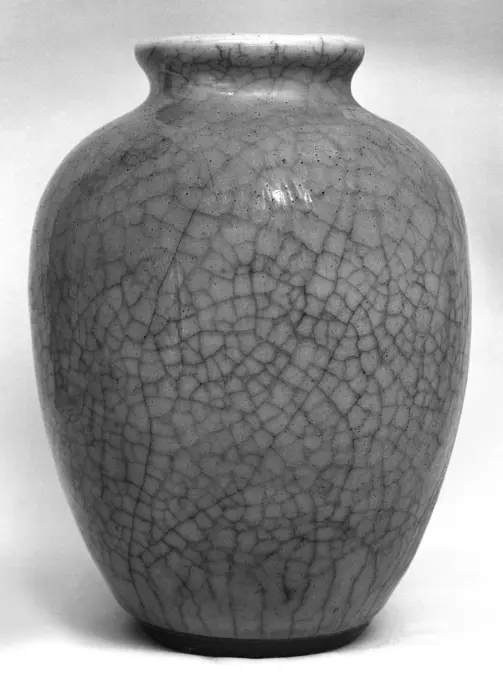
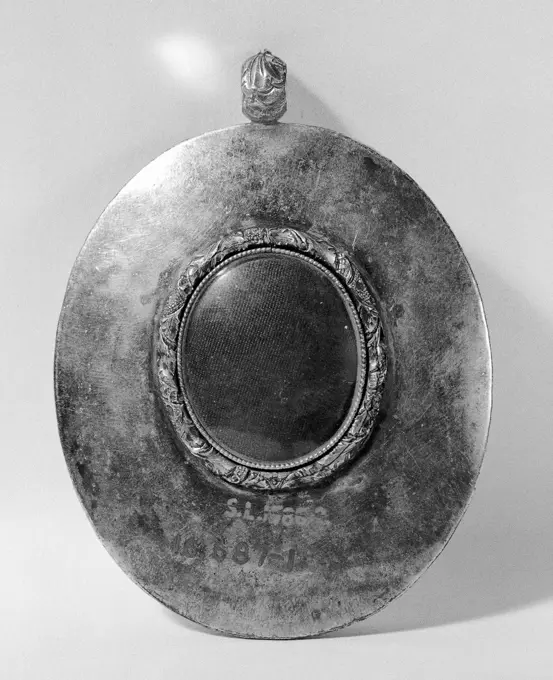
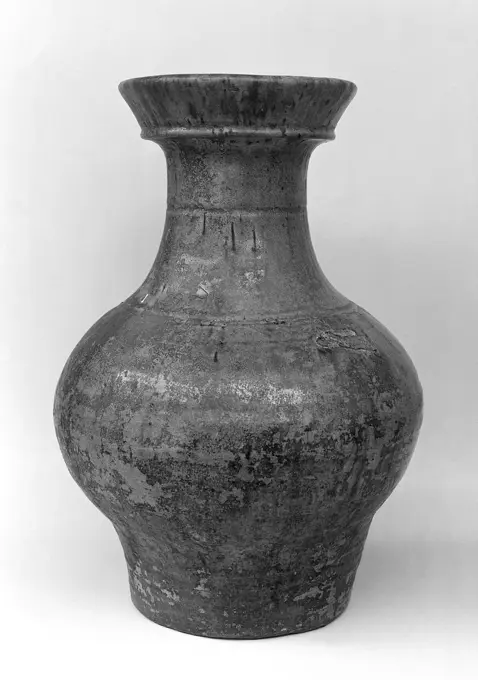
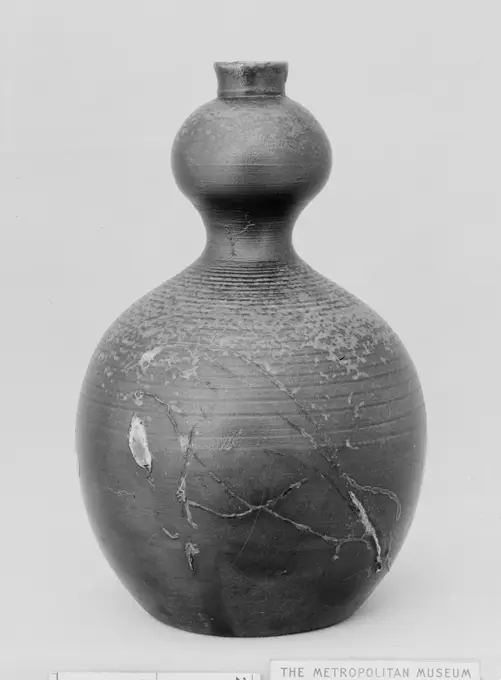
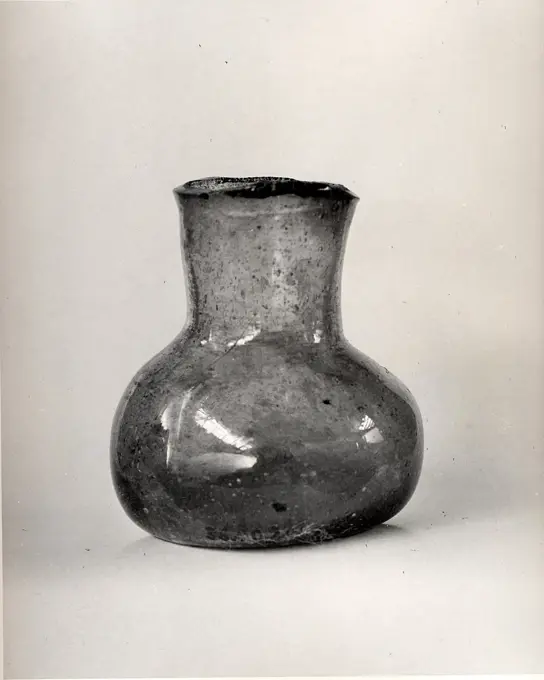
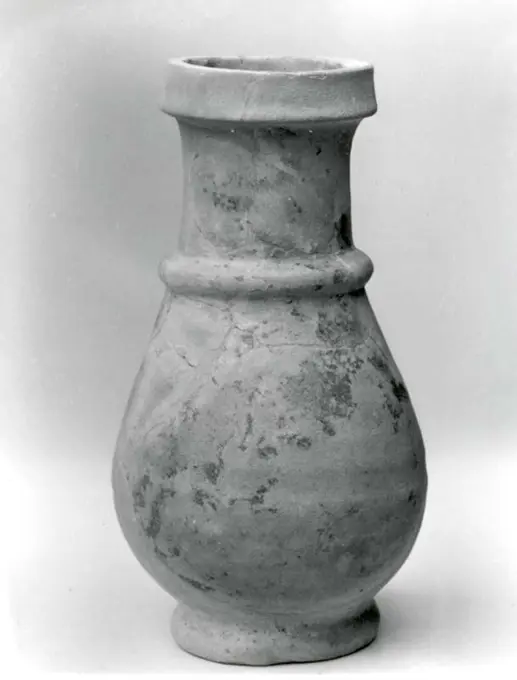
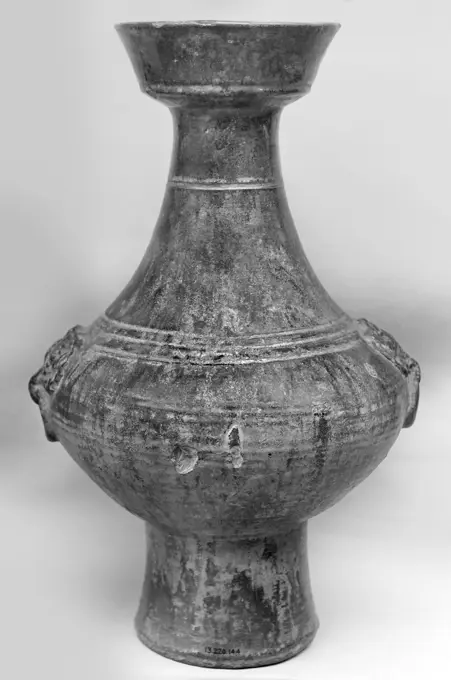
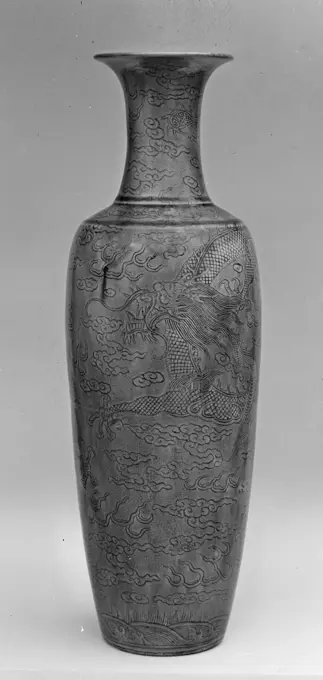
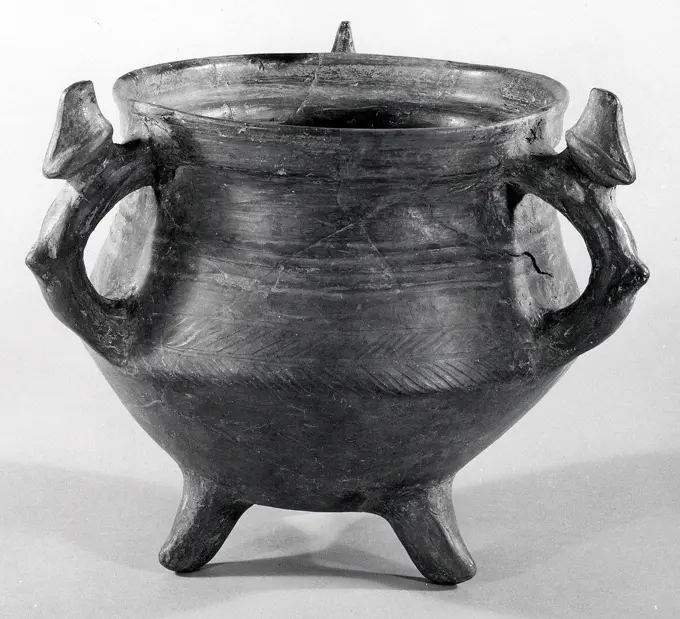
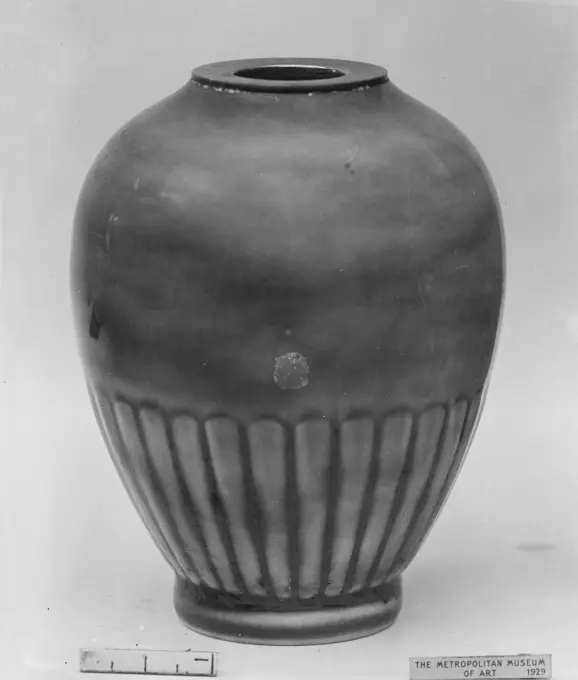
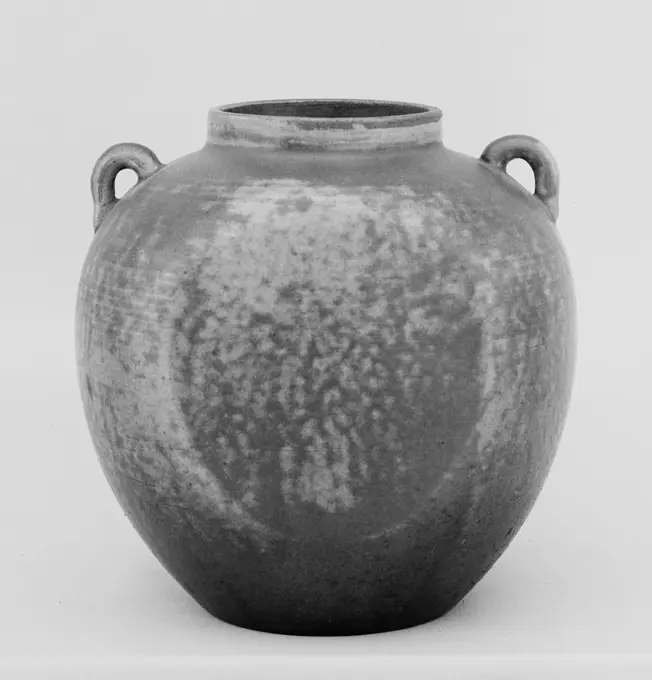
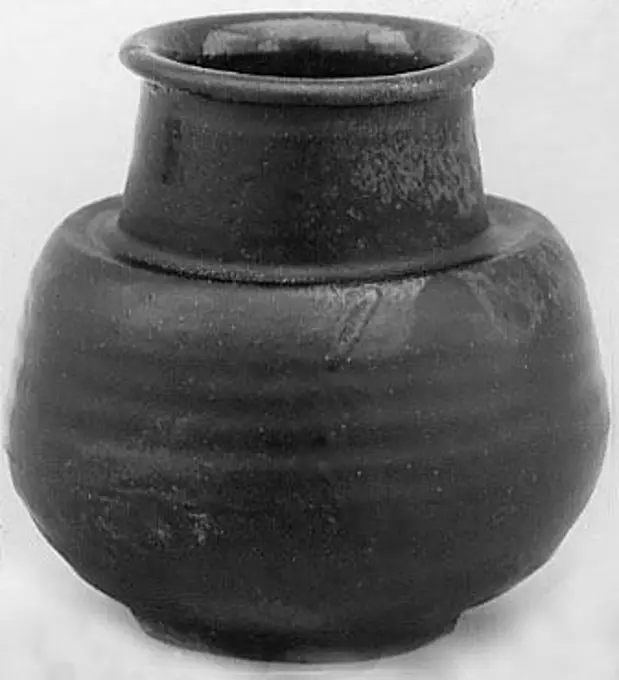
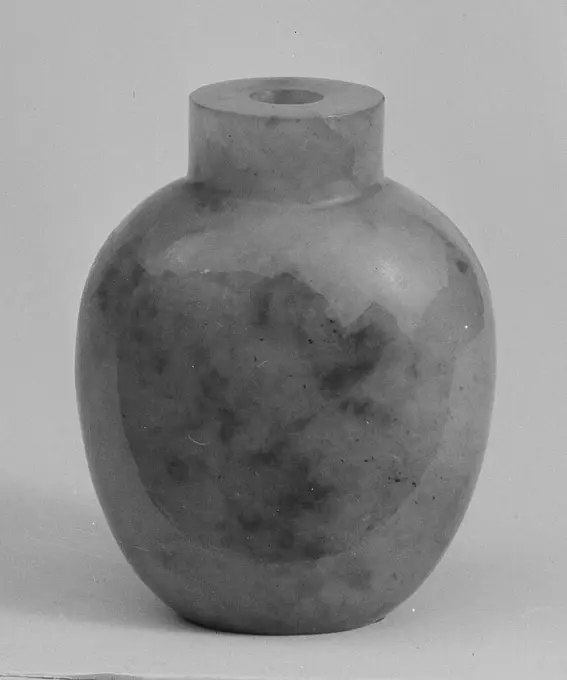
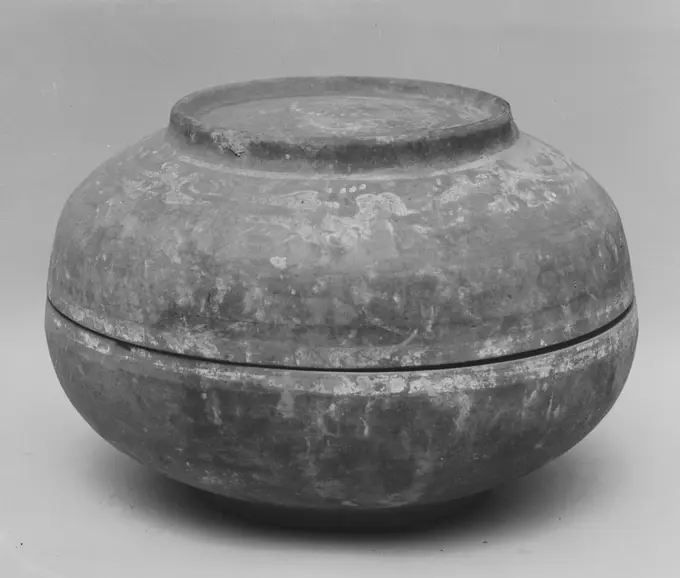
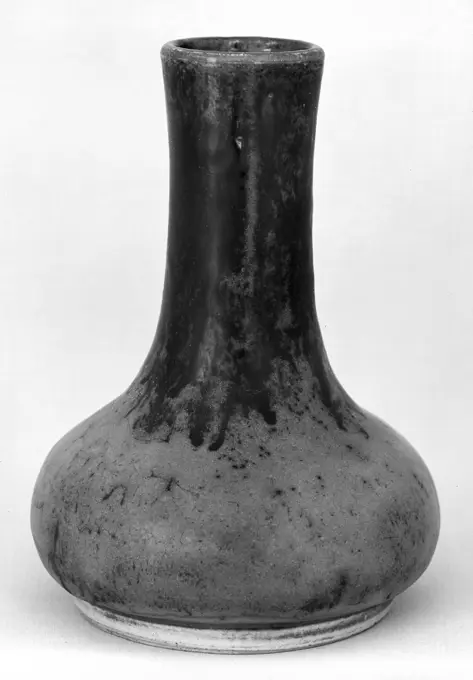
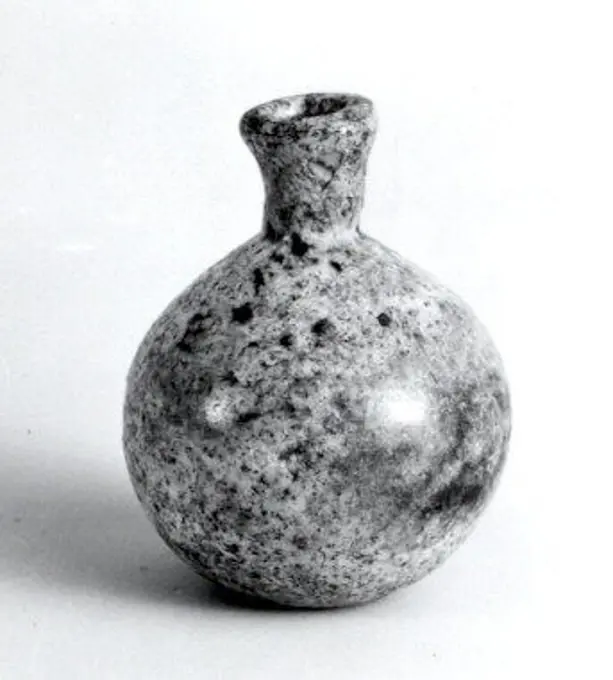
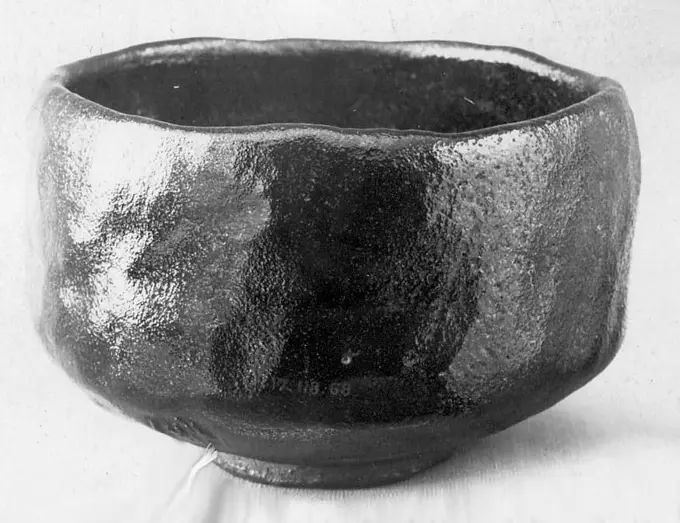
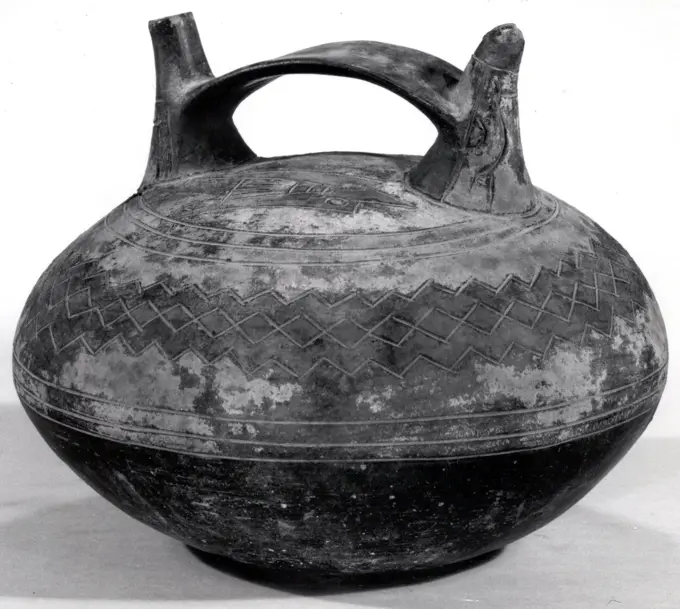
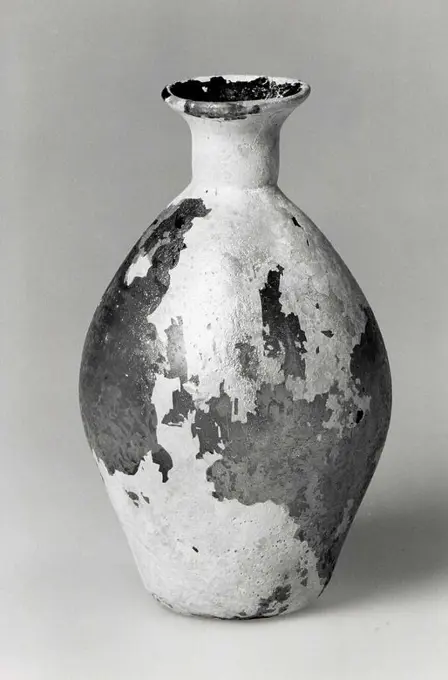
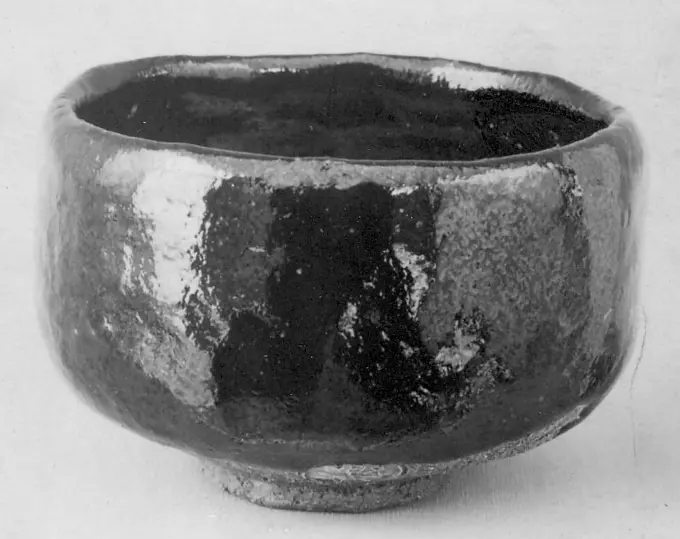
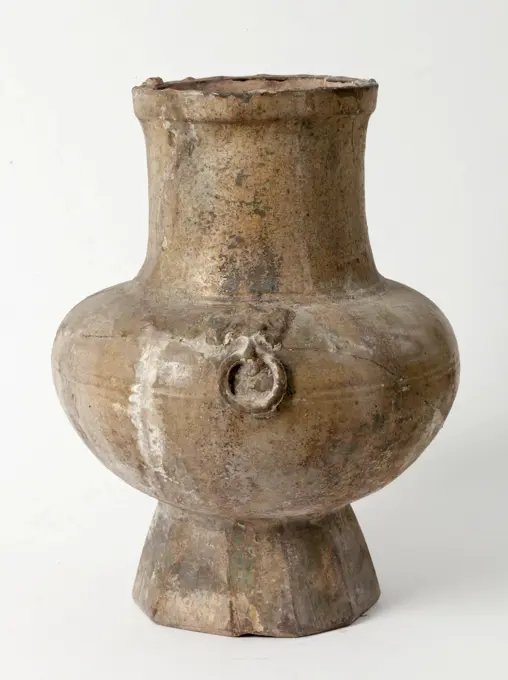
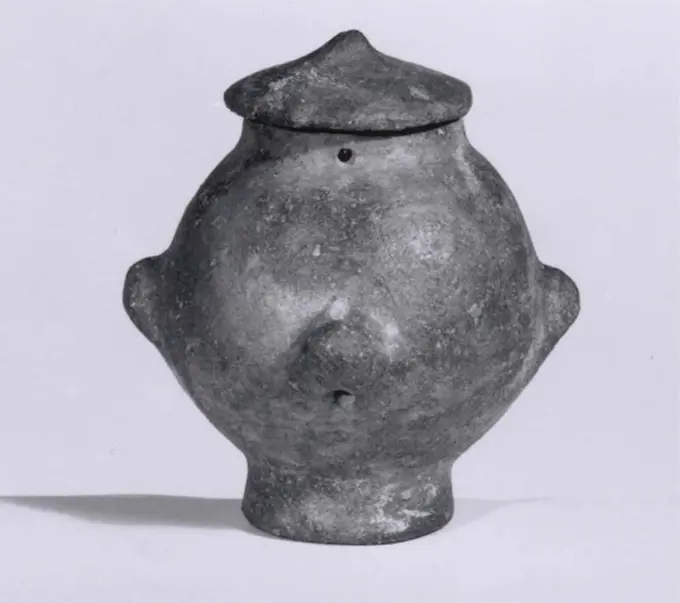
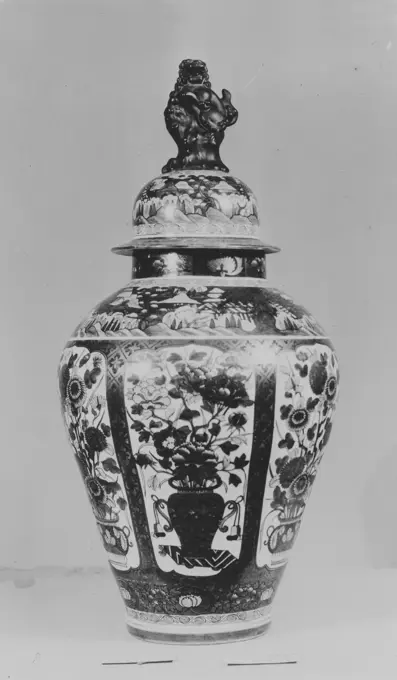
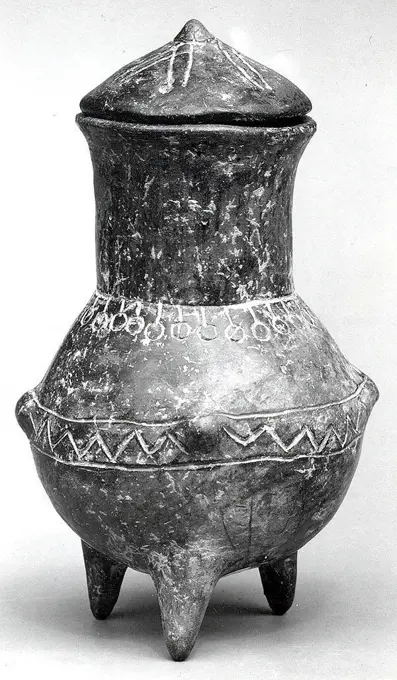
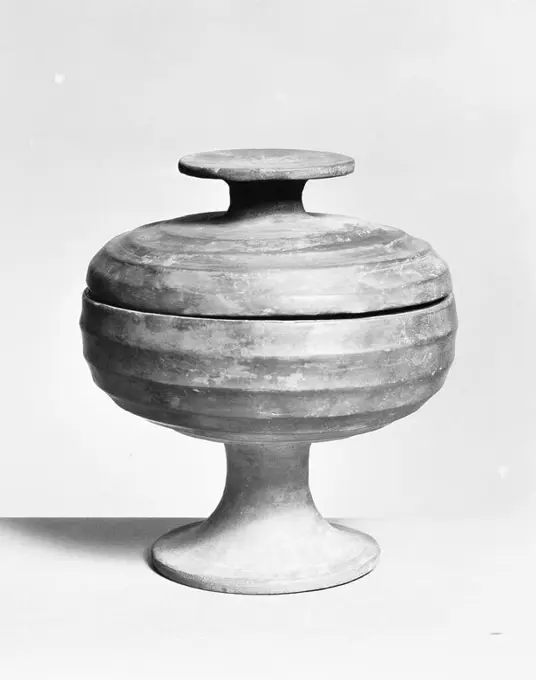
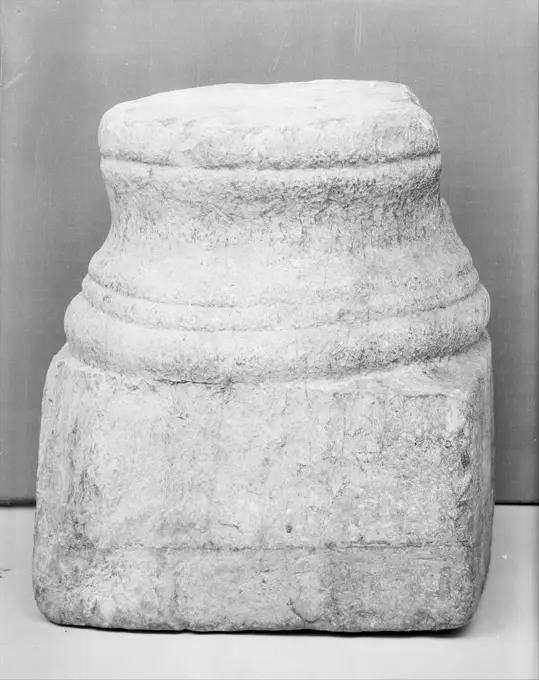
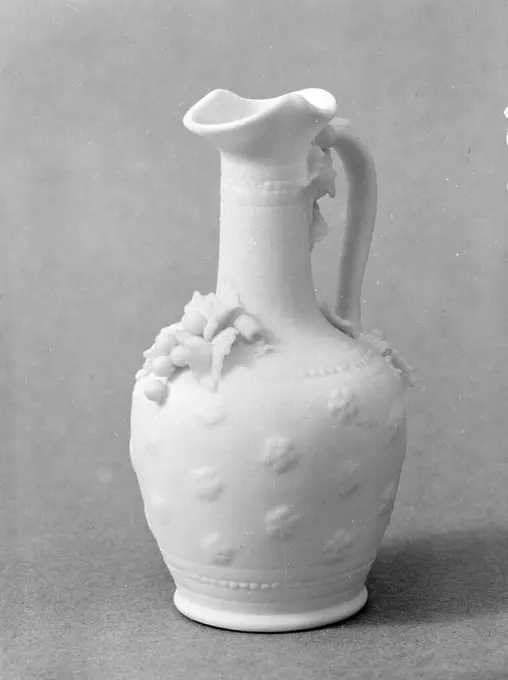
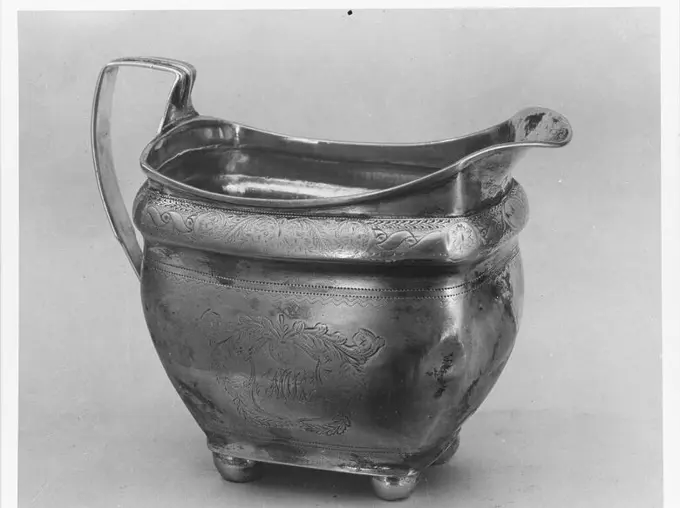
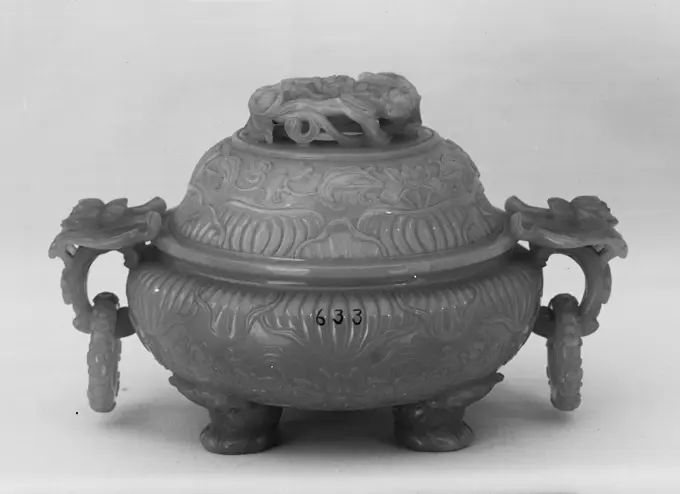
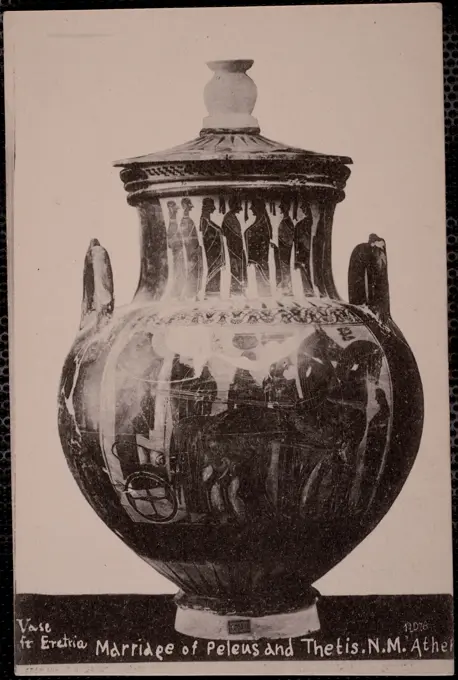
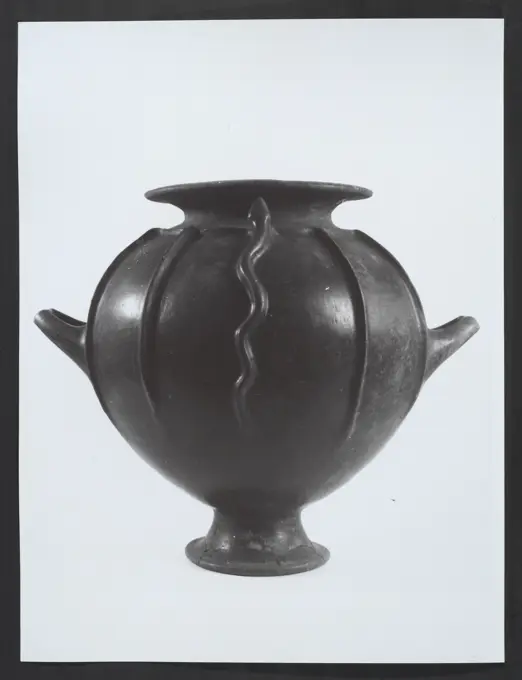
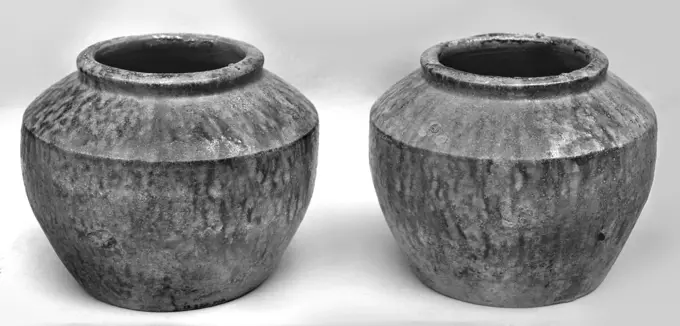
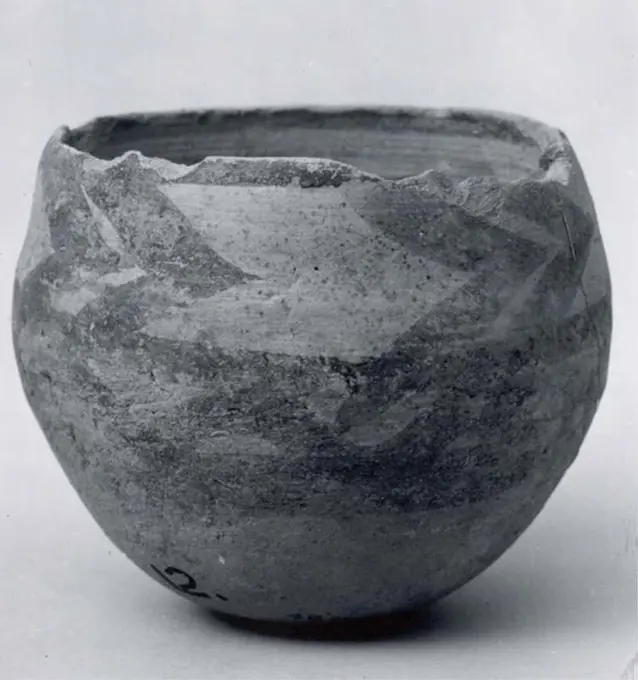
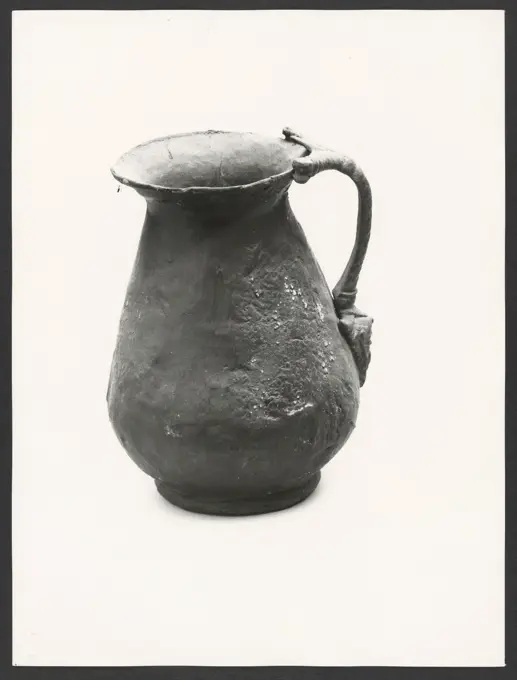
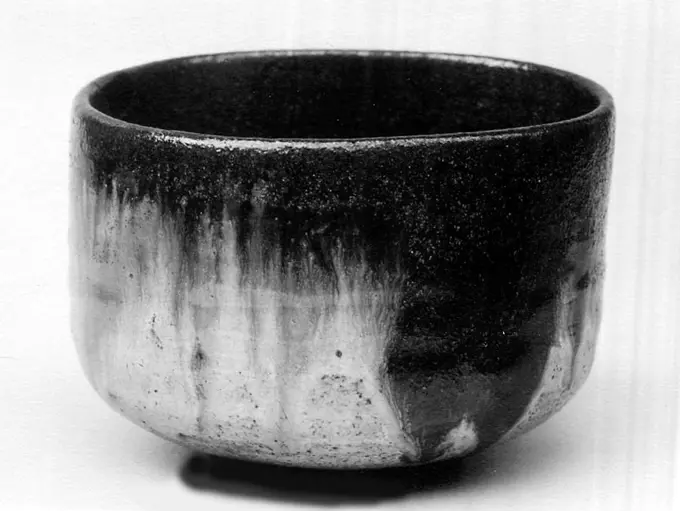
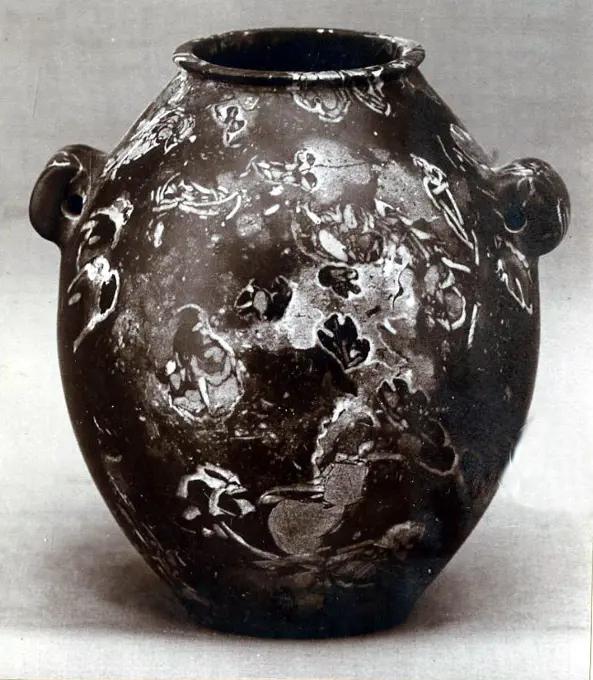
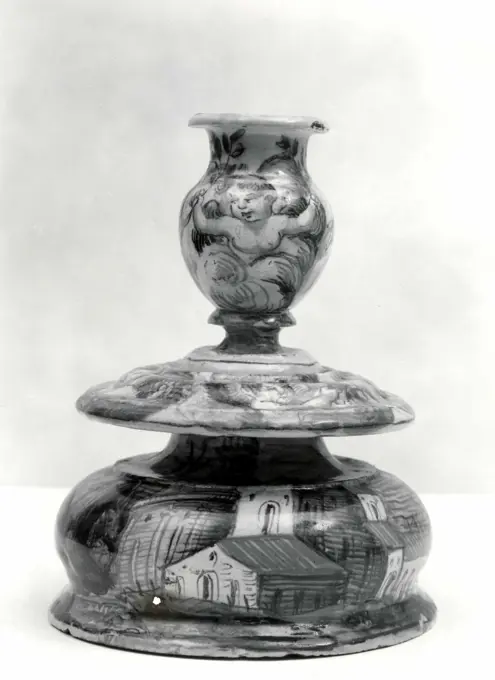
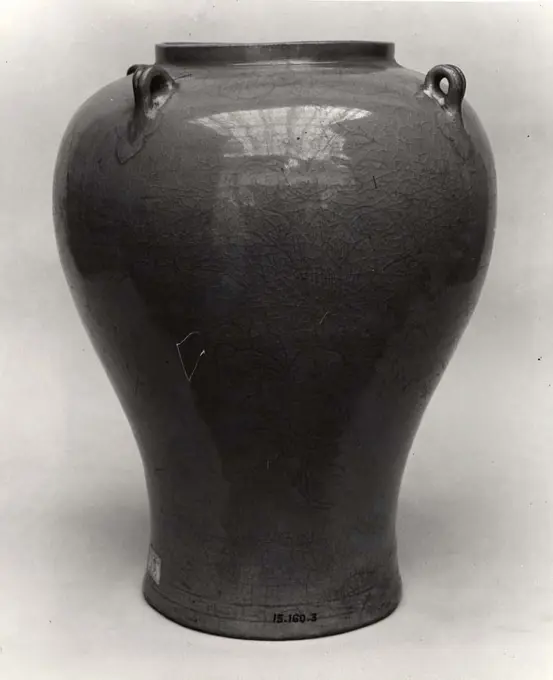
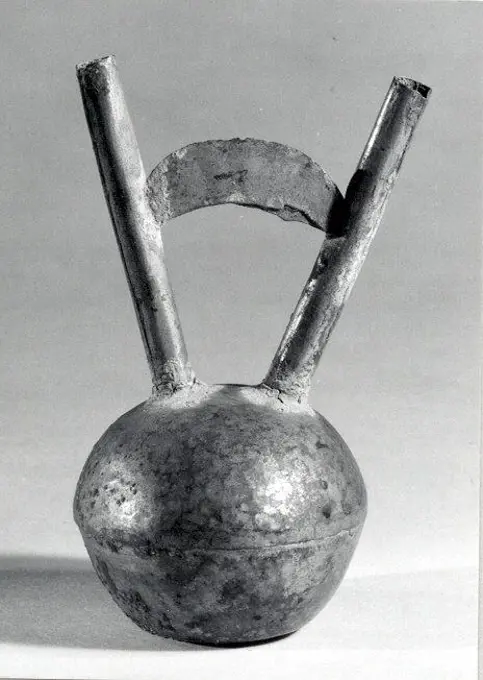
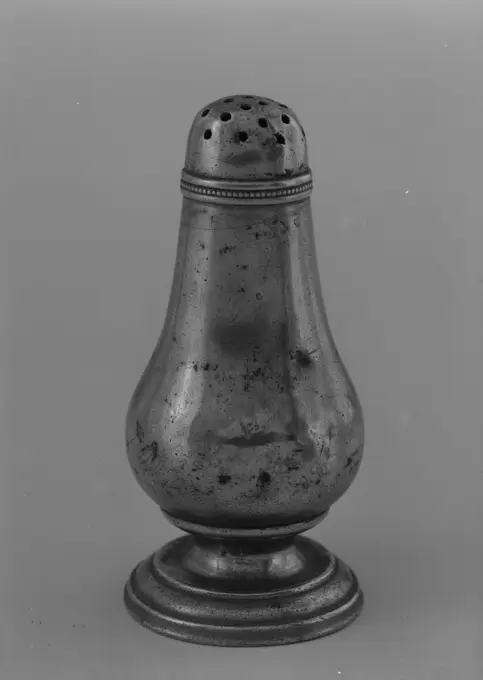
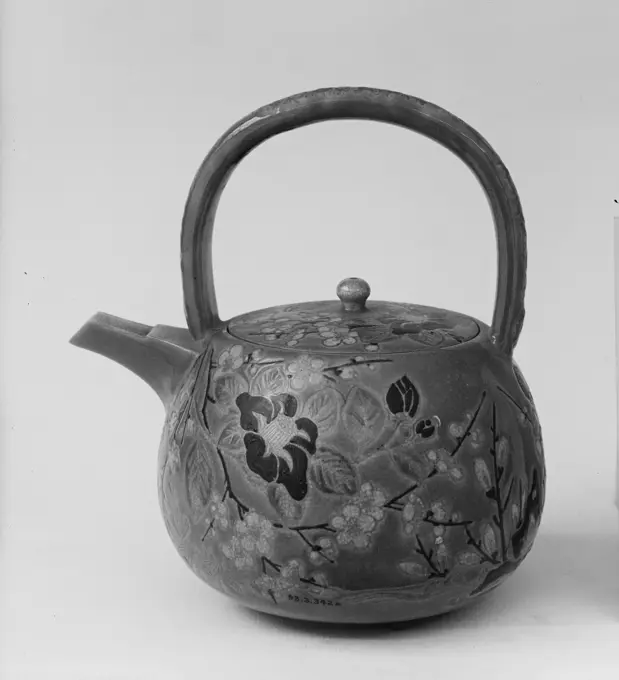
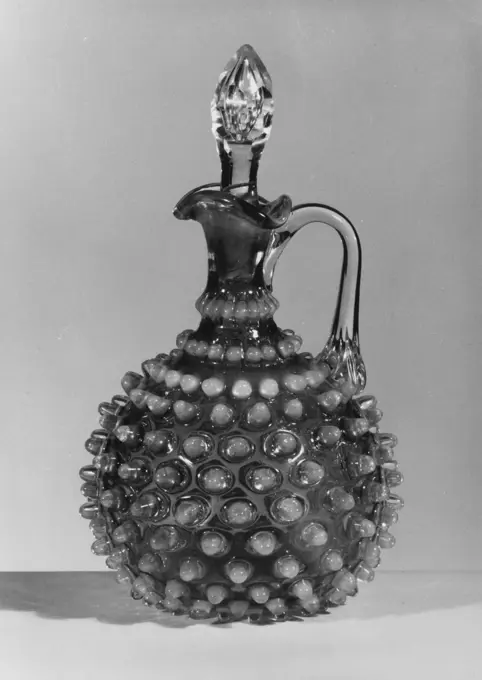
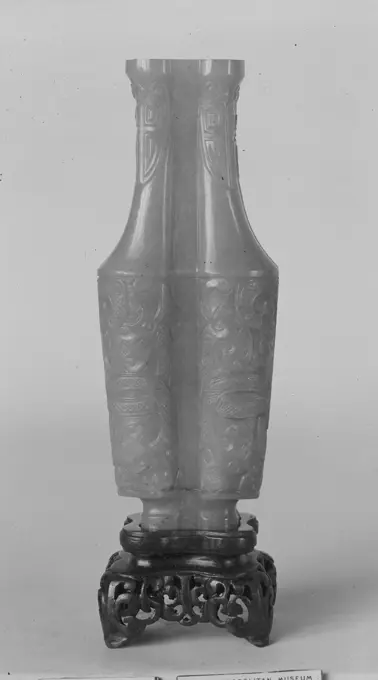
Jar 14th-15th century Japan. Jar 45550Wine container (hu) 1st-2nd century China. Wine container (hu). China. 1st-2nd century. Earthenware with lead green glaze. Han dynasty (206 B.C.-A.D. 220). CeramicsCovered jar on stand China. Covered jar on stand. China. Earthenware. Tang dynasty (618-907). CeramicsVase late 17th-early 18th century China. Vase. China. late 17th-early 18th century. Porcelain with ox-blood glaze (Jingdezhen ware). Qing dynasty (1644-1911), Kangxi period (1662-1722). CeramicsBottle 19th century Japan. Bottle. Japan. 19th century. Clay covered with a thin salt glaze and a dappled overglaze (Bizen ware, Imbe style). Edo (1615-1868) or Meiji period (1868-1912). CeramicsNaczynie - butla. unknown, authorMiniature Bottle late 8th-10th century. Miniature Bottle 449451Miniature vase 9th century China. Miniature vase 48189Jar China. Jar. China. Pottery. Han dynasty (206 B.C.-A.D. 220). CeramicsDropper flask probably 3rd-4th century Roman. Dropper flask. Roman. probably 3rd-4th century. Almost colorless glass. Blown (the body blown in a dip mold), tooled, the rim finished at the furnace.. GlassJar ca. 3rd-7th century A.D. Sasanian. Jar 322403Jar 10th-12th century. Jar. 10th-12th century. Earthenware; monochrome glazed, applied decoration. Attributed to Syria, Raqqa. CeramicsWine container (hu) 1st-2nd century China. Wine container (hu). China. 1st-2nd century. Eartheware with lead green glaze. Eastern Han dynasty (25-220). CeramicsBottle. Culture: China. Dimensions: H. 17 in. (43.2 cm). Museum: Metropolitan Museum of Art, New York, USA.Vase. Artist: Eiraku Hozen (1795-1854). Culture: Japan. Dimensions: H. 6 7/8 in. (17.5 cm); Diam. 4 3/8 in. (11.1 cm); Diam. of rim 3 1/8 in. (7.9 cm); Diam. of base 2 1/2 in. (6.4 cm). Date: 19th century. Museum: Metropolitan Museum of Art, New York, USA.Etruscan Stamnos; Etruria; first half of 5th century B.C; Bronze; 30.1 × 23.7 cm (11 7,8 × 9 5,16 in.)Vase with dragon late 18th century China. Vase with dragon. China. late 18th century. Porcelain with incised decoration under turqoise blue glaze (Jingdezhen ware). Qing dynasty (1644-1911), Qianlong period (1736-95). CeramicsJar. Culture: China. Dimensions: H. 1 3/8 in. (3.5 cm). Museum: Metropolitan Museum of Art, New York, USA.Tripod vessel with three animal-shaped handles ca. 9th century B.C. Iran. Tripod vessel with three animal-shaped handles 325049Water Coupe China. Water Coupe. China. Porcelain with peachbloom glaze; neck cut off. Qing dynasty (1644-1911), Kangxi mark and period (1662-1722). CeramicsJar mid-18th century Gaetano Lottini. Jar 199670Jar Japan 19th century View more. Jar. Japan. 19th century. Clay covered with a mottled glaze (Shidoro ware). Edo (1615-1868) or Meiji period (1868-1912). CeramicsBottle early 20th century Korea. Bottle 57359Tea Jar Japan 18th centurySnuff Bottle. Culture: China. Dimensions: H. 2 1/16 in. (5.3 cm); W. 1 5/8 in. (4.2 cm); D. 1 1/4 in. (3.1 cm). Museum: Metropolitan Museum of Art, New York, USA.Oil Bottle ca. 18th century Thailand. Oil Bottle 37527Covered Bowl China. Covered Bowl. China. Unglazed pottery. Han dynasty (206 B.C.-A.D. 220). CeramicsVase 19th century China. Vase. China. 19th century. Porcelain with mottled brown glaze (Jingdezhen ware). Qing dynasty (1644-1911). CeramicsAttic Red-Figure Squat Lekythos. Attributed to the Bowdoin Painter (Greek (Attic))Bottle ca. 3rd-7th century A.D. Sasanian. Bottle. Sasanian. ca. 3rd-7th century A.D.. Glass. Sasanian. Iran, Qasr-i Abu NasrEwer 19th century Italian, Venice (Murano). Ewer. Italian, Venice (Murano). 19th century. Glass. GlassJar ca. 2000 B.C. China. Jar 52524Screw-top jar (Schraubflasche) 18th century German, Westerwald (Hohr or Grenzhausen). Screw-top jar (Schraubflasche) 194587Teabowl ca. 1750 Raku Chōnyū Japanese. Teabowl 62887Jar ca. 3rd-7th century A.D. Sasanian. Jar 323023Double Spout and Bridge Bottle with Foxhead 5th-2nd century B.C. Paracas. Double Spout and Bridge Bottle with Foxhead 308657Vase China. Vase 48686Jar early 18th century China. Jar. China. early 18th century. Porcelain with crackled green glaze (Jingdezhen ware). Qing dynasty (1644-1911), Kangxi period (1662-1722). CeramicsJar late 3rd-5th century Roman. Jar. Roman. late 3rd-5th century. Apparently colorless glass with a very pale green or yellowish green tint. Blown, the rim finished at the furnace.. GlassUnguentarium ca. 1st century A.D. Nabataean. Unguentarium 325894Vase with Floral and Landscape Decor China. Vase with Floral and Landscape Decor. China. Porcelain painted in overglaze famille verte enamels. Qing dynasty (1644-1911), Kangxi period (1662-1722). CeramicsVase late 17th-early 18th century China. Vase. China. late 17th-early 18th century. Porcelain with copper red glaze (Jingdezhen ware). Qing dynasty (1644-1911), Kangxi period (1662-1722). CeramicsBottle ca. 8th century B.C. Assyrian. Bottle 327370Jar. Culture: Roman. Dimensions: H. 12.4 cm; diam. of rim 3.8 cm; diam. of body 7.6 cm. Date: late 3rd-5th century. Museum: Metropolitan Museum of Art, New York, USA.Teabowl ca. 1840 Raku Tannyu Japanese. Teabowl. Raku Tannyu (Japanese, 1795-1854). Japan. ca. 1840. Clay partly covered with a shiny black glaze. Edo period (1615-1868). CeramicsMiniature Vase 19th century China. Miniature Vase 61063Vase Hu ". Terracotta with green lead glaze. Han dynasty (206 BC-220 AD). Paris, Cernuschi museum. Anse, Chinese art, Chinese ceramic, container, han dynasty, han time, container, terracotta, humVessel and lid ca. 2700-2400 B.C. Yortan. Vessel and lid 325379Tea Jar 19th century Japan. Tea Jar 62611Vase early 20th century Korea. Vase 57362Lazio Viterbo Viterbo Museo Civico72. Hutzel, Max 1960-1990 Views of paintings (Middle Ages through 18th c.), frescoes, a tabernacle, coffin, sculpture reliefs, portal fragments, busts, sculpture, tapestry found in the Pinacoteca, Second floor gallery and Second floor cloister sequences. Antiquities: Many views of Etruscan and Roman fragments, sculpture, sarcophagi, pottery, masks, jewelry and other objects found in the Storeroom sequence (inventory numbers on back of prints), and the Cloister, Second floor Cloister, Valle Giulia, Sala Romana and Sala Etrusca sequences. General Notes: There are eight separate numerical sequences for this location. The cloister as an architectural structure, rather than museum site, is documented in the record and file for S. Maria della Verita, Cloister, all views of which are stored in Medieval core collection. Five views from the Museo Civico Second floor cloister sequence are stored in Medieval. German-born photographer and scholar Max Hutzel (1911-Vase with cover 1680 Japan. Vase with cover. Japan. 1680. Porcelain decorated in colored enamels and gold (Arita ware, Imari type). Edo period (1615-1868). CeramicsOinochoe. UnknownCovered bowl with floral pattern 19th century China. Covered bowl with floral pattern 46210Vase with floral scrolls 18th century China. Vase with floral scrolls. China. 18th century. Soft paste porcelain with relief decoration (Jingdezhen ware). Qing dynasty (1644-1911). CeramicsTripod jar and lid ca. 2700-2400 B.C. Yortan. Tripod jar and lid 325069Lazio Viterbo Viterbo Museo Civico56. Hutzel, Max 1960-1990 Views of paintings (Middle Ages through 18th c.), frescoes, a tabernacle, coffin, sculpture reliefs, portal fragments, busts, sculpture, tapestry found in the Pinacoteca, Second floor gallery and Second floor cloister sequences. Antiquities: Many views of Etruscan and Roman fragments, sculpture, sarcophagi, pottery, masks, jewelry and other objects found in the Storeroom sequence (inventory numbers on back of prints), and the Cloister, Second floor Cloister, Valle Giulia, Sala Romana and Sala Etrusca sequences. General Notes: There are eight separate numerical sequences for this location. The cloister as an architectural structure, rather than museum site, is documented in the record and file for S. Maria della Verita, Cloister, all views of which are stored in Medieval core collection. Five views from the Museo Civico Second floor cloister sequence are stored in Medieval. German-born photographer and scholar Max Hutzel (1911-Stemmed Grain Serving Vessel (Dou). Culture: China. Dimensions: H. 9 1/4 in. (23.5 cm); Diam. 8 1/2 in. (21.6 cm). Date: 5th-4th century B.C..This pottery replica of a bronze or lacquer vessel was made as a substitute for use in the tomb. Museum: Metropolitan Museum of Art, New York, USA.Ewer China. Ewer 50765Lazio Viterbo Viterbo Museo Civico36. Hutzel, Max 1960-1990 Views of paintings (Middle Ages through 18th c.), frescoes, a tabernacle, coffin, sculpture reliefs, portal fragments, busts, sculpture, tapestry found in the Pinacoteca, Second floor gallery and Second floor cloister sequences. Antiquities: Many views of Etruscan and Roman fragments, sculpture, sarcophagi, pottery, masks, jewelry and other objects found in the Storeroom sequence (inventory numbers on back of prints), and the Cloister, Second floor Cloister, Valle Giulia, Sala Romana and Sala Etrusca sequences. General Notes: There are eight separate numerical sequences for this location. The cloister as an architectural structure, rather than museum site, is documented in the record and file for S. Maria della Verita, Cloister, all views of which are stored in Medieval core collection. Five views from the Museo Civico Second floor cloister sequence are stored in Medieval. German-born photographer and scholar Max Hutzel (1911-Column Base ca. 1130-40 Catalan. Column Base 470750Jug. Culture: American. Dimensions: 3 5/8 x 2 1/4 x 2 1/16 in. (9.2 x 5.7 x 5.2 cm). Date: 1830-70. Museum: Metropolitan Museum of Art, New York, USA.Creamer. Culture: American. Dimensions: 4 5/8 x 5 11/16 x 3 1/8 in. (11.7 x 14.4 x 7.9 cm); 6 oz. 15 dwt. (209.7 g). Maker: Hugh Wishart (active ca. 1793-1824). Date: 1800-1830. Museum: Metropolitan Museum of Art, New York, USA.Beaker probably 1776 Matthias Forswall. Beaker. Swedish, Uppsala. probably 1776. Silver, parcel gilt. Metalwork-SilverJar with sixteen handles 4th century or later Roman. Jar with sixteen handles 460819Incense burner with cover China. Incense burner with cover. China. Nephrite, very light grey with an exceedingly faint greenish tint. Qing dynasty (1644-1911), Qianlong period (1736-95). JadeLazio Viterbo Viterbo Museo Civico55. Hutzel, Max 1960-1990 Views of paintings (Middle Ages through 18th c.), frescoes, a tabernacle, coffin, sculpture reliefs, portal fragments, busts, sculpture, tapestry found in the Pinacoteca, Second floor gallery and Second floor cloister sequences. Antiquities: Many views of Etruscan and Roman fragments, sculpture, sarcophagi, pottery, masks, jewelry and other objects found in the Storeroom sequence (inventory numbers on back of prints), and the Cloister, Second floor Cloister, Valle Giulia, Sala Romana and Sala Etrusca sequences. General Notes: There are eight separate numerical sequences for this location. The cloister as an architectural structure, rather than museum site, is documented in the record and file for S. Maria della Verita, Cloister, all views of which are stored in Medieval core collection. Five views from the Museo Civico Second floor cloister sequence are stored in Medieval. German-born photographer and scholar Max Hutzel (1911-Vase fr Eretria. Marriage of Peleus and Thetis. N.M. Athens 12076 , Vases, Weddings. Nicholas Catsimpoolas CollectionTerracotta calyx-krater (bowl for mixing wine and water) 4th century B.C. Greek, Attic A garland of vine leaves circles the bowl.. Terracotta calyx-krater (bowl for mixing wine and water) 247422Lazio Viterbo Viterbo Museo Civico39. Hutzel, Max 1960-1990 Views of paintings (Middle Ages through 18th c.), frescoes, a tabernacle, coffin, sculpture reliefs, portal fragments, busts, sculpture, tapestry found in the Pinacoteca, Second floor gallery and Second floor cloister sequences. Antiquities: Many views of Etruscan and Roman fragments, sculpture, sarcophagi, pottery, masks, jewelry and other objects found in the Storeroom sequence (inventory numbers on back of prints), and the Cloister, Second floor Cloister, Valle Giulia, Sala Romana and Sala Etrusca sequences. General Notes: There are eight separate numerical sequences for this location. The cloister as an architectural structure, rather than museum site, is documented in the record and file for S. Maria della Verita, Cloister, all views of which are stored in Medieval core collection. Five views from the Museo Civico Second floor cloister sequence are stored in Medieval. German-born photographer and scholar Max Hutzel (1911-Pair of Vases China. Pair of Vases. China. Pottery; green, mottled glaze. Han dynasty (206 B.C.-A.D. 220). CeramicsCup mid 6th-5th millennium B.C. Ubaid. Cup 324094Dish in the shape of flower China. Dish in the shape of flower 52566Lazio Viterbo Viterbo Museo Civico41. Hutzel, Max 1960-1990 Views of paintings (Middle Ages through 18th c.), frescoes, a tabernacle, coffin, sculpture reliefs, portal fragments, busts, sculpture, tapestry found in the Pinacoteca, Second floor gallery and Second floor cloister sequences. Antiquities: Many views of Etruscan and Roman fragments, sculpture, sarcophagi, pottery, masks, jewelry and other objects found in the Storeroom sequence (inventory numbers on back of prints), and the Cloister, Second floor Cloister, Valle Giulia, Sala Romana and Sala Etrusca sequences. General Notes: There are eight separate numerical sequences for this location. The cloister as an architectural structure, rather than museum site, is documented in the record and file for S. Maria della Verita, Cloister, all views of which are stored in Medieval core collection. Five views from the Museo Civico Second floor cloister sequence are stored in Medieval. German-born photographer and scholar Max Hutzel (1911-Lazio Viterbo Viterbo Museo Civico60. Hutzel, Max 1960-1990 Views of paintings (Middle Ages through 18th c.), frescoes, a tabernacle, coffin, sculpture reliefs, portal fragments, busts, sculpture, tapestry found in the Pinacoteca, Second floor gallery and Second floor cloister sequences. Antiquities: Many views of Etruscan and Roman fragments, sculpture, sarcophagi, pottery, masks, jewelry and other objects found in the Storeroom sequence (inventory numbers on back of prints), and the Cloister, Second floor Cloister, Valle Giulia, Sala Romana and Sala Etrusca sequences. General Notes: There are eight separate numerical sequences for this location. The cloister as an architectural structure, rather than museum site, is documented in the record and file for S. Maria della Verita, Cloister, all views of which are stored in Medieval core collection. Five views from the Museo Civico Second floor cloister sequence are stored in Medieval. German-born photographer and scholar Max Hutzel (1911-Covered Bowl 19th century China. Covered Bowl. China. 19th century. Porcelain painted in overglaze polychrome enamels (Bencharong ware for Thai market). Qing dynasty (1644-1911). CeramicsTeabowl ca. 1780 Japan. Teabowl 63168Bottle vase 18th century China. Bottle vase. China. 18th century. Porcelain with molded decoration under crackled white glaze (Jingdezhen ware). Qing dynasty (1644-1911). CeramicsFlower Pot. Culture: China. Dimensions: Diam. 8 in. (20.3 cm). Museum: Metropolitan Museum of Art, New York, USA.Shouldered jar with two lugs ca. 3650-3300 B.C. Predynastic, Naqada II. Shouldered jar with two lugs. ca. 3650-3300 B.C.. Limestone breccia. Predynastic, Naqada II. From EgyptBottle. Culture: China. Dimensions: H. 6 7/16 in. (16.4 cm). Museum: Metropolitan Museum of Art, New York, USA.Incense Burner 1865-70 Japan. Incense Burner 62576Maiolica: Candlestick (candeliere) ca. 1560-80 Italian (probably Urbino). Maiolica: Candlestick (candeliere). Italian (probably Urbino). ca. 1560-80. Maiolica (tin-glazed earthenware). Ceramics-PotterySnuff Bottle China. Snuff Bottle 41293Lazio Latina Sezze Antiquarium Comunale67. Hutzel, Max 1960-1990 German-born photographer and scholar Max Hutzel (1911-1988) photographed in Italy from the early 1960s until his death. The result of this project, referred to by Hutzel as Foto Arte Minore, is thorough documentation of art historical development in Italy up to the 18th century, including objects of the Etruscans and the Romans, as well as early Medieval, Romanesque, Gothic, Renaissance and Baroque monuments. Images are organized by geographic region in Italy, then by province, city, site complex and monument.Vamplate 16th century German. Vamplate 34875Mace head with two bull's heads ca. 2900-2700 B.C. Sumerian. Mace head with two bull's heads 324057Jar first half of the 12th century Korea. Jar 57405Double Spouted Miniature Silver Vessel 11th-12th century Chancay. Double Spouted Miniature Silver Vessel. Chancay. 11th-12th century. Silver. Peru. Metal-ContainersShaker ca. 1800-1813 Thomas Danforth, III. Shaker. American. ca. 1800-1813. Pewter. Possibly made in Stepney, Connecticut, United States; Possibly made in Philadelphia, Pennsylvania, United StatesSnuff Bottle China. Snuff Bottle 41279Snuff Bottle second half of the 19th century China. Snuff Bottle. China. second half of the 19th century. Agate. Qing dynasty (1644-1911). Snuff BottlesCampania Napoli Naples S. Lorenzo Maggiore88. Hutzel, Max 1960-1990 Medieval: Sculpture, architecture, architectural sculpture (including Roman spolia) 13-14th century Chapter house; sarcophagi, gravestones; wall painting. Fragment of mosaic; sculptural fragments in the Sala Capitolare. Post-medieval: Architecture, architectural sculpture, ceiling painting fresco cycle; prints depicting Venice c. 1845 (4), sculpture; life-size creche figures dressed in original Neapolitan costume Church restored in 1882, 1926, 1944; excavations under the transept undertaken between 1958-1962, and in the cloister in 1976, have revealed remains of a Roman macellum (market), street, and the paleochristian basilica of the 6th c. AD. Antiquities: Pottery: black-glazed, archaic banded, domestic wares, bucchero; architectural terracottas, statuettes, lamps, sculpture fragments Object Notes: 3 color negatives with no prints at the end. General Notes: Most objects/paintings/frescoes unidentified. Three batches Gobelins, glass, tapestry, 1898, Middle EastWine Bottle 1780 Japan. Wine Bottle. Japan. 1780. Clay covered with a transparent crackled glaze, polychrome enamels (Awata ware). Edo period (1615-1868). CeramicsSnuff bottle with stopper China. Snuff bottle with stopper. China. Jadeite. Qing dynasty (1644-1911). Snuff BottlesHobnail Cruet after 1886 Probably Hobbs, Brockunier and Company. Hobnail Cruet 2756Portrait of Elizabeth Stirling Foote Thomas Seir Cummings (American, born England, 1804-1894). Portrait of Elizabeth Stirling Foote, 1832. Watercolor on ivory portrait in brass locket with glass lenses on both sides, Image (sight): 2 11/16 x 2 3/16 in. (6.8 x 5.6 cm).  In keeping with the emotional symbolism of miniatures, couples frequently exchanged these tokens to mark an engagement or wedding, as was the case for Elizabeth Stirling (1811-1900) and Erasmus Darwin Foote (1808-1866), who married in March 1833. (Accession no. 16.687.2, in Drawer 47A, is the companion miniature.) The artist, Thomas Seir Cummings of New York, was the most famous miniaturist of his day and also taught and published on the subject. Contemporary critics praised his works for their ability to raise sensations in the bosoms of those who gaze on them.” American Art 1832Silver vessel in the shape of a pomegranate, discovered in KV62, the tomb of the young pharaoh Tutankhamen in the Valley of the Kings, now renowned for the wealth of valuable antiquities it contained. The tomb was discovered in 1922 by Howard Carter. Tutankhamen was an Egyptian pharaoh of the 18th dynasty (ruled c. 1332-1323 BC). Now on display in the Cairo Museum.Vase on Stand late 18th-early 19th century China. Vase on Stand. China. late 18th-early 19th century. Jade (nephrite). Qing dynasty (1644-1911). Jade