Historic Asian Ceramics

A collection of ancient jars and vases from Japan and China, showcasing unique shapes and glazes from different dynasties, highlighting their historical significance.

Covered jar on stand China. Covered jar on stand. China. Earthenware. Tang dynasty (618-907). Ceramics
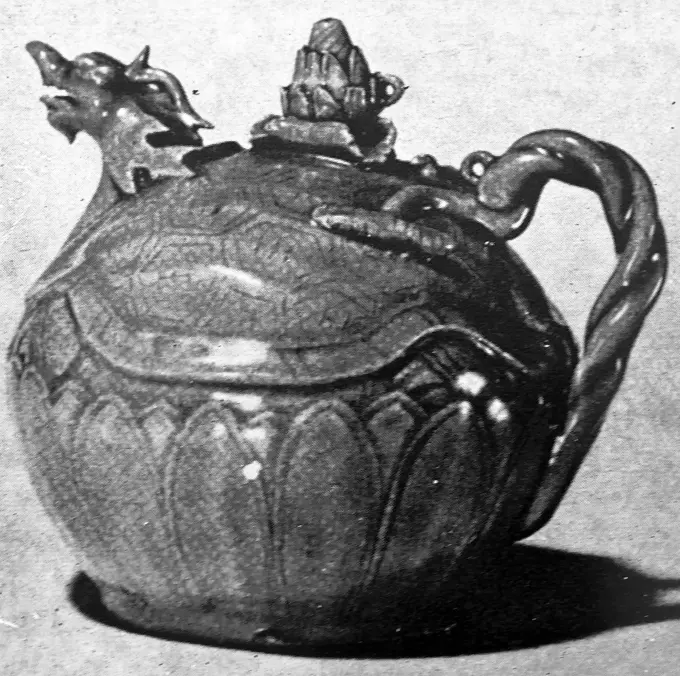
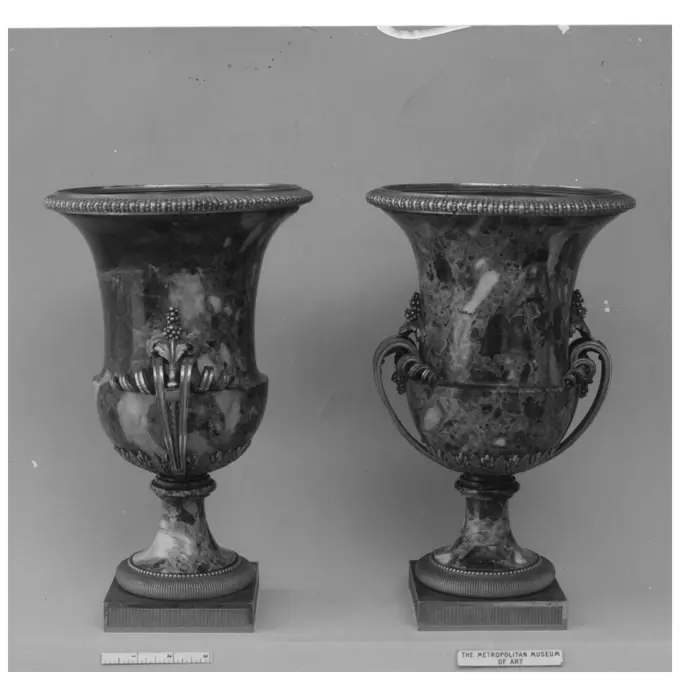
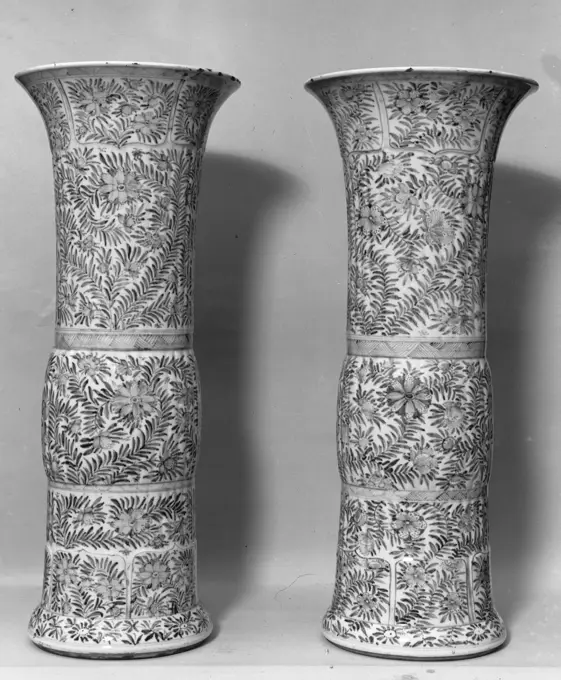
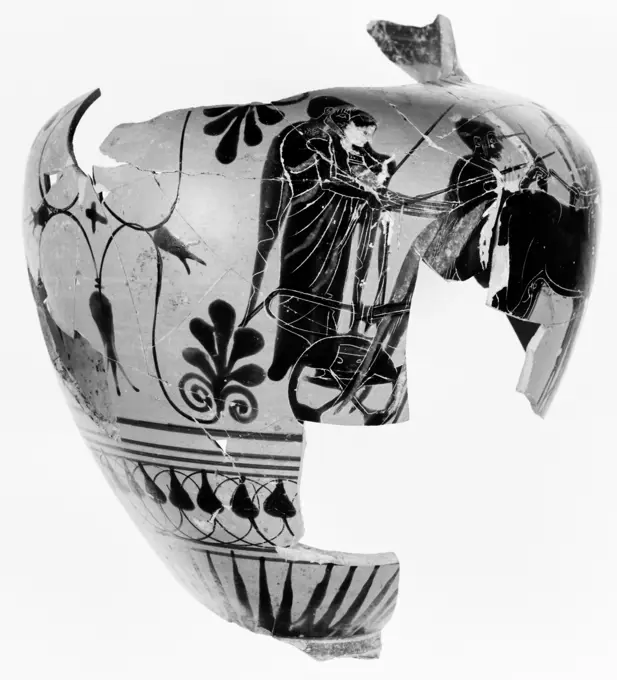
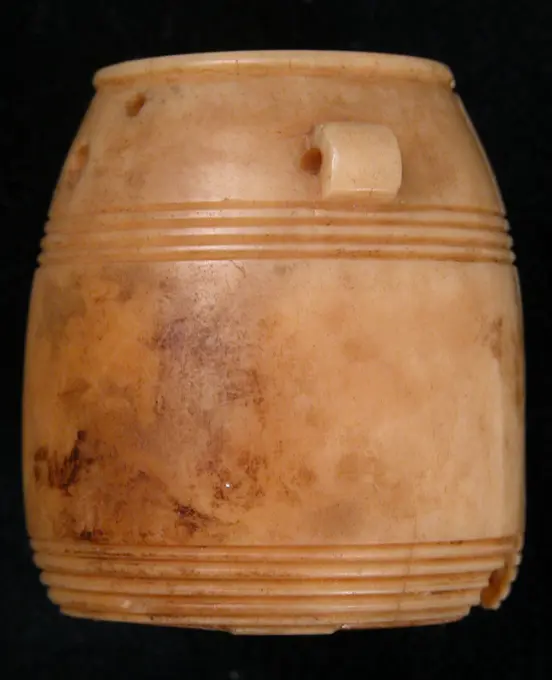
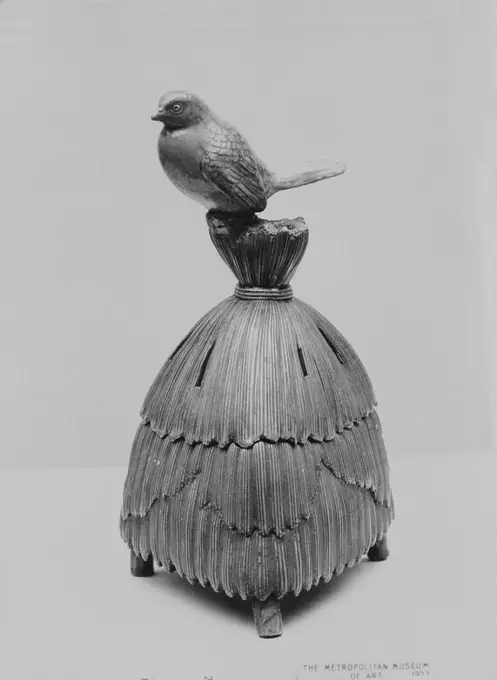
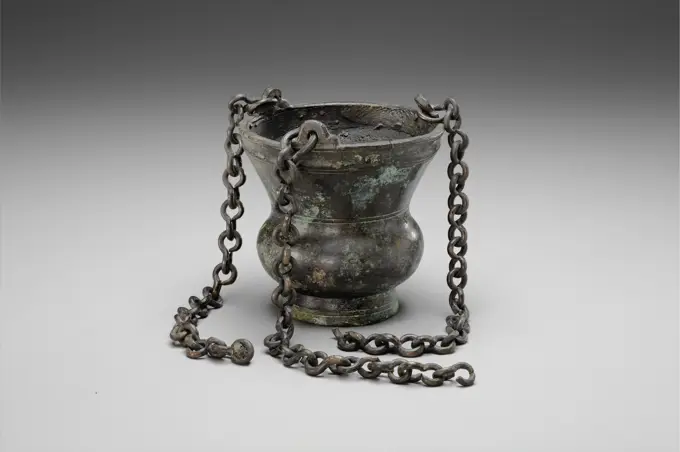
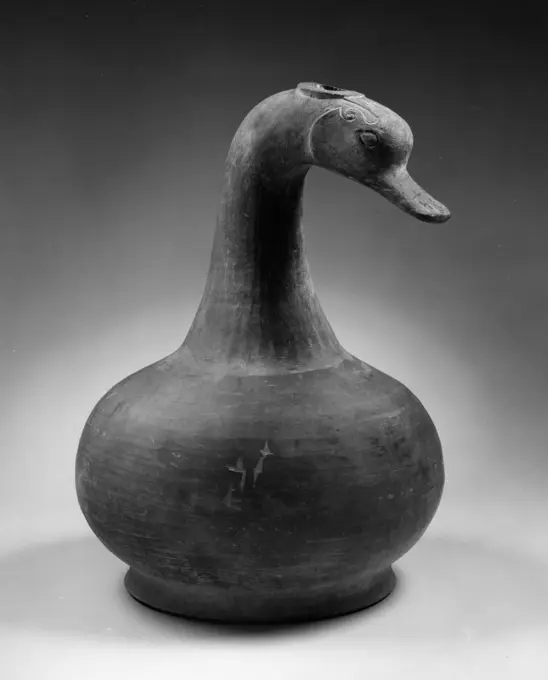
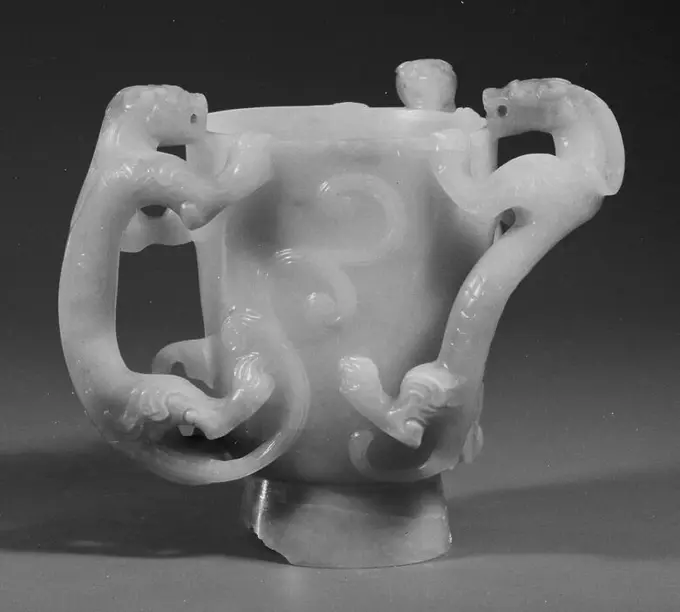
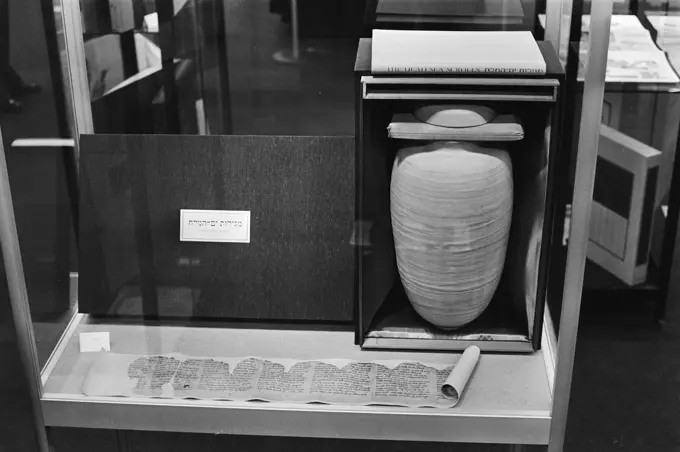
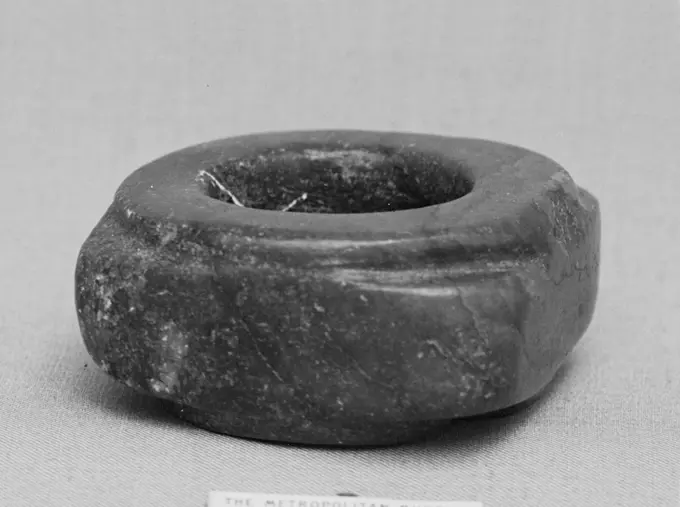
Tube: Emblem of Earth China. Tube: Emblem of Earth. China. Jade. Han dynasty (206 B.C.-A.D. 220). JadeBowl. Dimensions: 5 1/4 x 15 x 13 3/4 in. (13.3 x 38.1 x 34.9 cm). Date: 1670-1730. Museum: Metropolitan Museum of Art, New York, USA.Lazio Frosinone Casamari Museo Archeologico6. Hutzel, Max 1960-1990 Post-medieval: paintings on canvas, paintings on wood, wooden church furnishings Governing Body: Abbazia di Casamari General Notes: This record is for the pinacoteca which is part of the Museo Archeologico, housed within the Abbey of Casamari. Hutzel assigned it a separate numbering sequence. German-born photographer and scholar Max Hutzel (1911-1988) photographed in Italy from the early 1960s until his death. The result of this project, referred to by Hutzel as Foto Arte Minore, is thorough documentation of art historical development in Italy up to the 18th century, including objects of the Etruscans and the Romans, as well as early Medieval, Romanesque, Gothic, Renaissance and Baroque monuments. Images are organized by geographic region in Italy, then by province, city, site complex and monument.Amphor funéraire , Urns, Antiquities. Nicholas Catsimpoolas CollectionElement from a Window Grill. Iran, late 13th-early 14th century. Metal. Brass, inlaid with silver and goldRight Thigh Defense (Cuisse) with Knee Defense (Poleyn) 16th century German. Right Thigh Defense (Cuisse) with Knee Defense (Poleyn) 34868Vase in Stand 19th century Japan. Vase in Stand 59864Vase. Culture: China. Dimensions: H. 13 in. (33 cm). Museum: Metropolitan Museum of Art, New York, USA.Umbria Terni Collescipoli S. Maria Maggiore7. Hutzel, Max 1960-1990 Post-medieval: Architecture, architectural sculpture (15th century); Baroque interior (c. 1688); frescoes (c. 1690). In sacristy treasury: metalwork (13-16th century) Object Notes: Hutzel photo campaign date: February 6, 1986. General Notes: Re material in treasury, Hutzel refers reader to Terni-Narni Catalogue Should treasury be noted in location field German-born photographer and scholar Max Hutzel (1911-1988) photographed in Italy from the early 1960s until his death. The result of this project, referred to by Hutzel as Foto Arte Minore, is thorough documentation of art historical development in Italy up to the 18th century, including objects of the Etruscans and the Romans, as well as early Medieval, Romanesque, Gothic, Renaissance and Baroque monuments. Images are organized by geographic region in Italy, then by province, city, site complex and monument.wine pot, Celadon glaze; modelled and incised decoration. From the time of Koryo (Goreyo) (Goreyo) dynasty (918 - 1392)Collection Dutch Heidematschappij. Tree trunks, pieces wood. undatedVase 1830-70 American. Vase. American. 1830-70. Parian porcelain. Probably made in Bennington, Vermont, United StatesVase. Artist: Tsuruzawa Tanzan (Japanese, 1655-1729). Culture: Japan. Dimensions: H. 18 1/8 in. (46 cm). Date: 19th century. Museum: Metropolitan Museum of Art, New York, USA.Tin Communion Cruet. Found at Weoley Castle, Birmingham, a Birmingham Museums Trust heritage siteVase (one of a pair) 18th century Possibly by Pierre Gouthière One of a pair with 19.89.2.. Vase (one of a pair). French. 18th century. Green marble with gilt-bronze mounts. Natural SubstancesVase 1830-70 American. Vase 9549Vase with floral patterns late 17th-early 18th century China. Vase with floral patterns 48672Flower Vase with Stamped Design of Lotus 14th century Japan. Flower Vase with Stamped Design of Lotus 49269Attic Geometric One-Handled Cup. UnknownVase early 18th century Dutch, Delft. Vase 191213Bowl Iran ca. 4500-4100 BCE This bowl has gently curving sides that give way to a conical shape in its lower section, terminating in a small, flat base. It is made of a fine buff clay with painted brown decorations, namely two thick horizontal bands with an overlapping sequence of Xs in between them. Horizontal marks on the bowl suggest that it was finished using a slow wheel.This bowl was excavated in 1932 at Tall-i Bakun A in southwestern Iran, a prehistoric site near Persepolis. During the fifth millennium B.C. Bakun was a hub for trade between pastoral nomads who raised sheep and goats in the highlands and the farmers who raised barley, wheat and peas in the Marvdasht Plain. As a result it grew into a major administrative center, as attested by the many stamp seals found there. It was also where much of the pottery used by the pastoralists was made, including this bowl. Although it has a flat bottom, the bowl was probably used with a stand, as several have been found at Bakun. ThisAnefo photo collection. Excavations at Schiedam. Vase of baked clay. June 1, 1961. Schiedam, South Hollandmarket sale manufacturing container in    oman muscat the old pottery Vase 1825-50 American. Vase 9200Attic Black-Figure Neck Amphora Fragment (comprised of 3 Joined Fragments). UnknownVase 6th-7th century. Vase 446978Censer in Form of a Sparrow Atop a Rice Rick. Culture: Japan. Dimensions: H. 9 in. (22.9 cm). Date: 1700. Museum: Metropolitan Museum of Art, New York, USA.Hanging censer with three completechainsCapital 6th-7th century In the 500s Apa (Father) Jeremias founded a Coptic monastery at Saqqara, the ancient Egyptian necropolis (cemetery) of the city of Memphis, near the oldest pyramids. He and the earliest monks lived in tombs at the site. As the monastery grew, several grand churches with lavish decoration were built, as well as many chapels, public buildings, and complexes of cells (rooms) for each monk. The monastery continued to grow after the Arab conquest with materials from early Byzantine tomb structures being reused for additional monastic structures. Inscriptions record prayers to numerous holy figures. Sculptural elements from Saqqara are often carved with deeply undercut patterns to intensify the play of light and shadow and to mask the solidity of the architecture. This sculptural style was popular throughout the Byzantine world in the 500s.. Capital 456163Covered Vessel China. Covered Vessel 53734Goose-headed Vessel (Zun) China. Goose-headed Vessel (Zun). China. Earthenware. Western Han dynasty (206 B.C.- A.D. 9). CeramicsCup. Culture: China. Dimensions: Gr. H. 4 5/8 in. (11.7 cm); Gr. Diam. 5 1/4 in. (13.3 cm). Date: 18th-19th century. Museum: Metropolitan Museum of Art, New York, USA.Prunus Vase China. Prunus Vase 46157Priming Flask late 16th century German, probably Saxony Priming flasks contained very finely ground gunpowder used to prime the pan of the lock. This flask has a walnut body and steel mounts etched with foliate sprays, and is decorated at its center with a circular silver plate etched with a strapwork design. It probably originally accompanied a pair of pistols with stocks that were similarly embellished.. Priming Flask 23053Kettledrum 18th century German Pairs of kettledrums were traditionally paired with sets of evenly numbered trumpets and used in military and ceremonial functions. The drums were played with wooden mallets by players who were members of the musicians guild who carefully guarded the techniques, repertoire, and traditions associated with these instruments. Accordingly, guild kettledrummers and trumpeters were paid more than the typical soldiers. When used in ceremonial processions, the drums were typically draped in colorful banners and mounted and played on horseback. Often, kettledrummers in European courts and military units were black African men. Technical description: Body of copper, standing on three small feet. Head braced with screws, the screw plates being cut in the form of fantastic dragons. Inside, rising from the ventl hole, is a bell-shaped funnel (schaltrictern). These devices are commonly found on seventeenth and eighteenth century kettledrums from Germanic areas and wereGreek vases, gift of king and queen of Greece. Maryhill Museum of Fine Arts, Maryhill, Wn. , Vases, Antiquities. Nicholas Catsimpoolas CollectionAnefo photo collection. Copy of the Dead Sea rolls on sheeploud printed and wrapped in a stone jar at a sales exhibition of fascimiles of rare books, drawings and manuscripts in Utrecht. February 3, 1981. Utrecht (province), Utrecht (city)Snuff bottle with stopper 18th-19th century China. Snuff bottle with stopper 41113Plate 19th century Japan. Plate 47310Set of ancient vase hand drawn ink sketch. Engraved style vector illustration.