Historic Belt Buckles

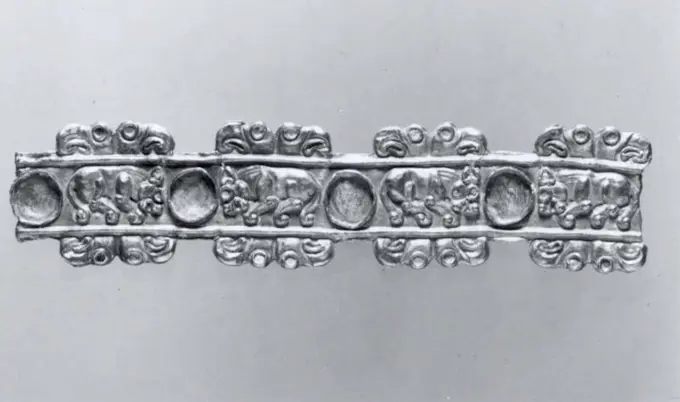
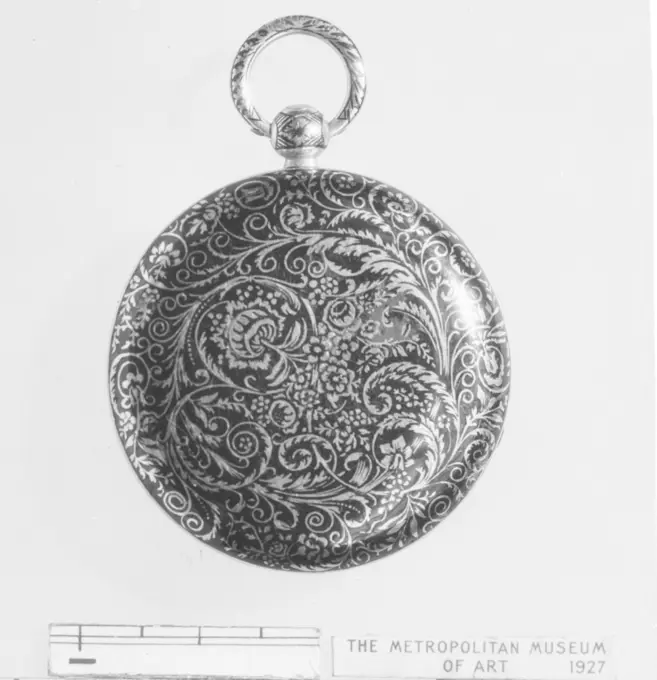
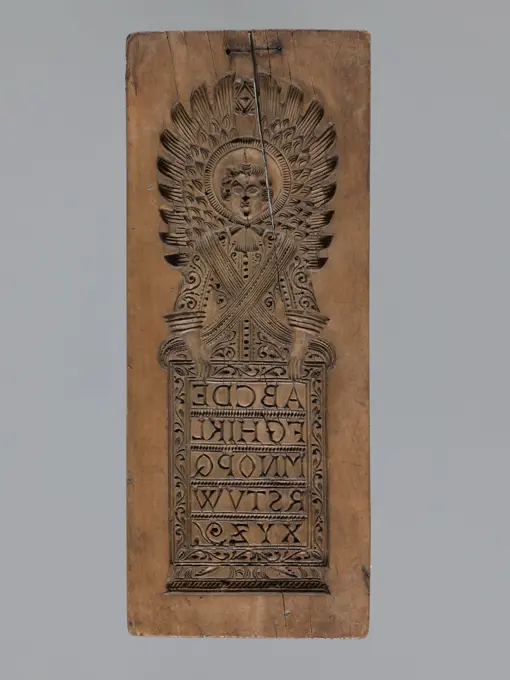
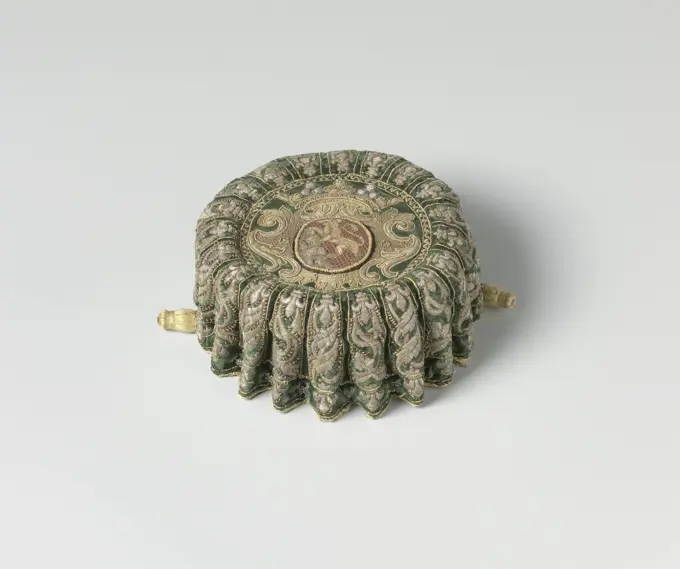
A collection of ancient belt buckles showcasing intricate historical designs, crafted from metal and bone, reflecting cultural significance.

Art Nouveau choker plaque, of sycamore keys, in carved horn set with opals. designed by Rene Lalique (1860-1945) French, Paris, about 1900
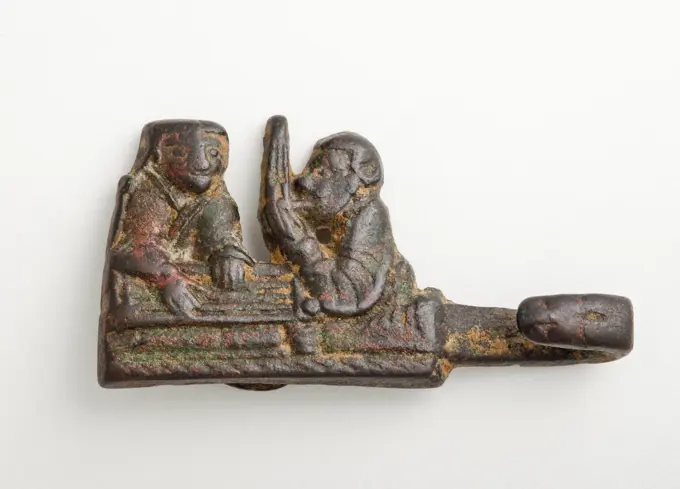
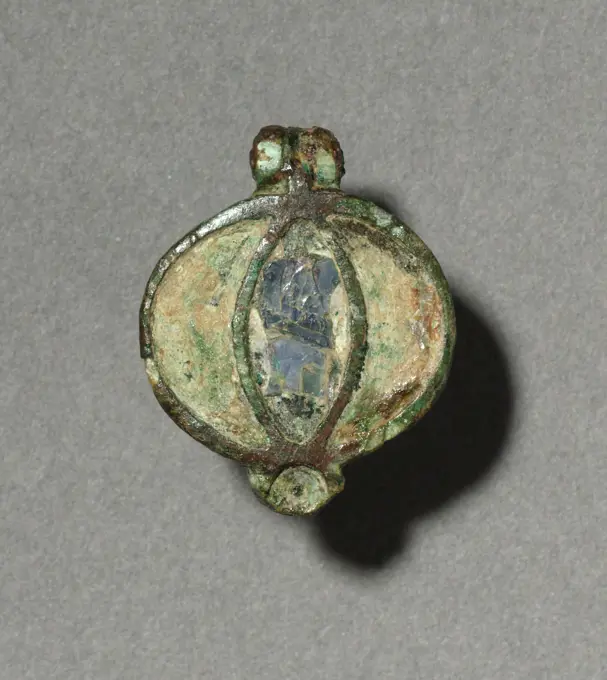
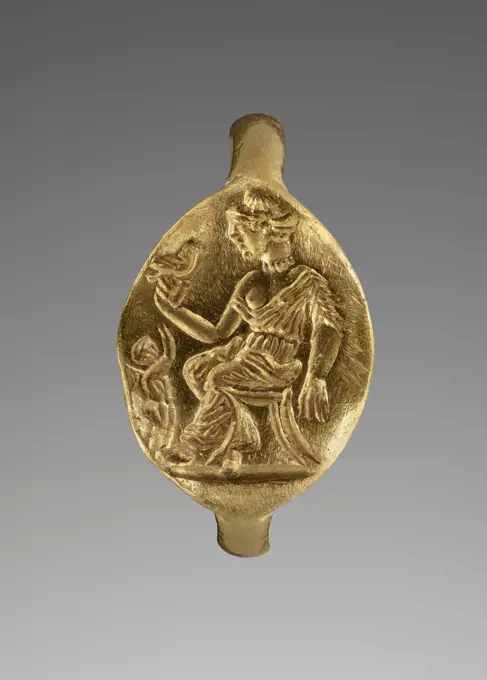
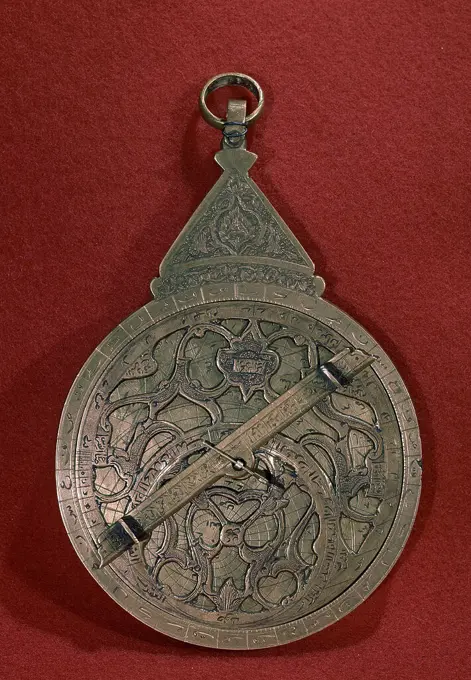
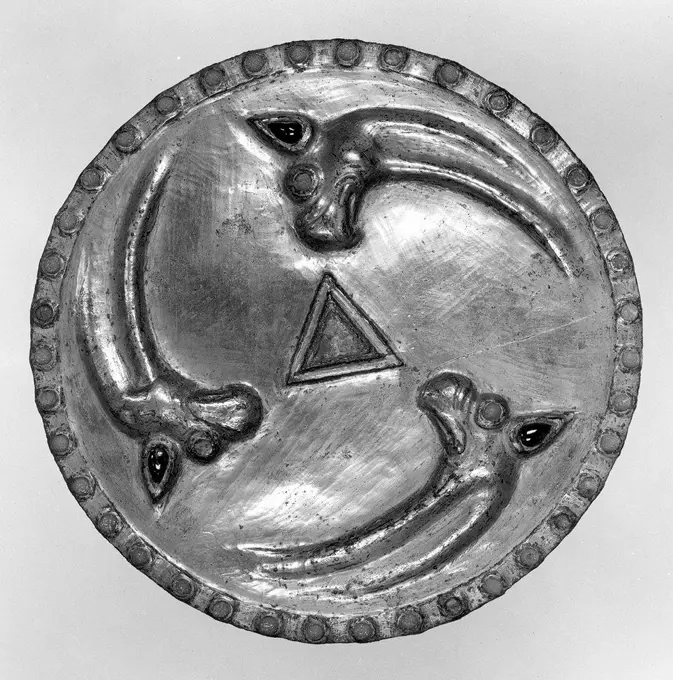
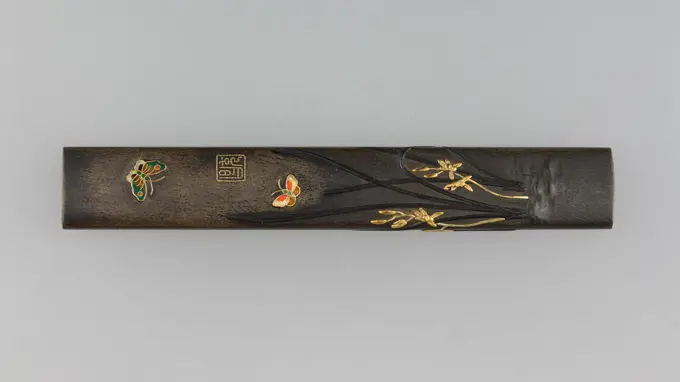
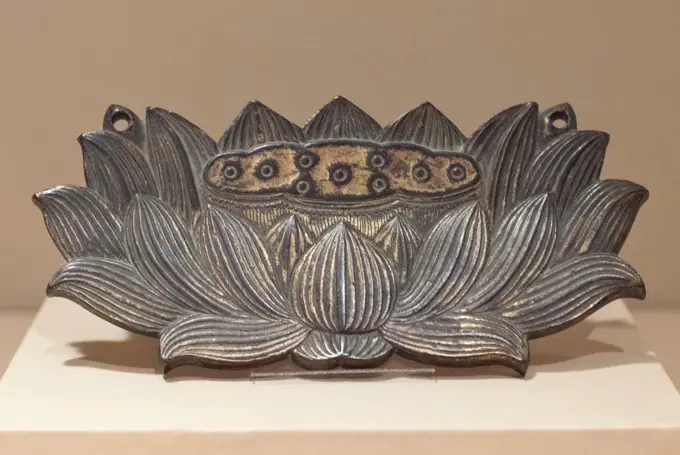
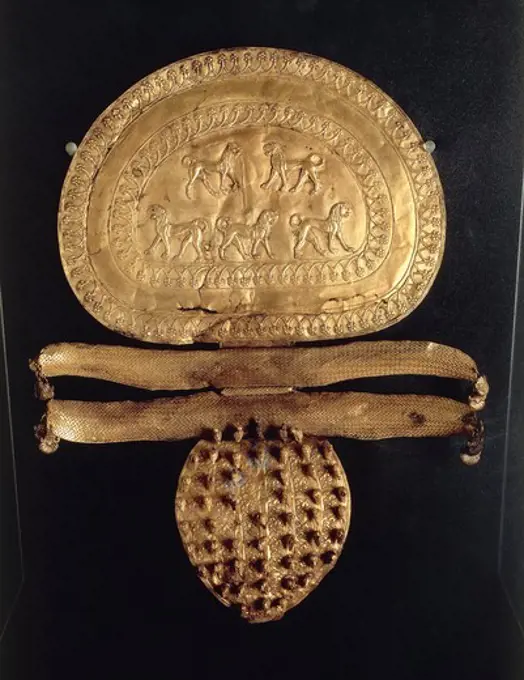
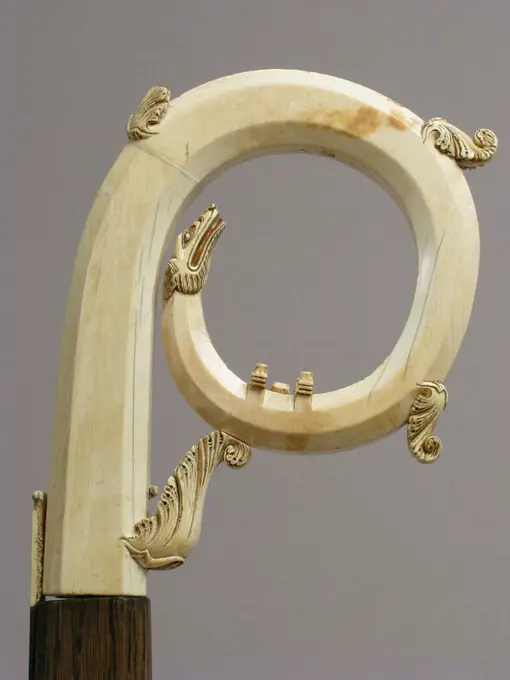
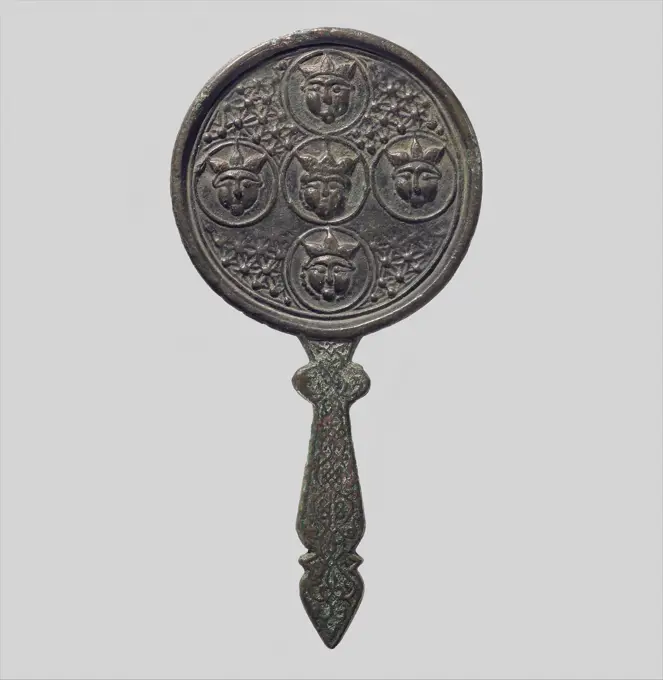
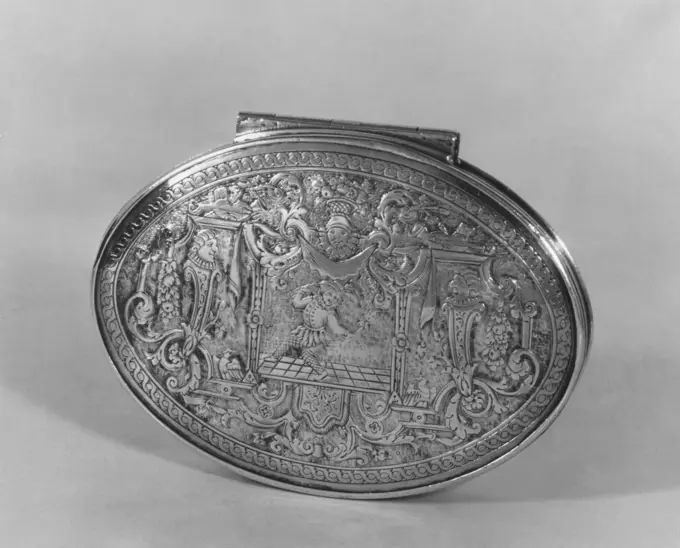
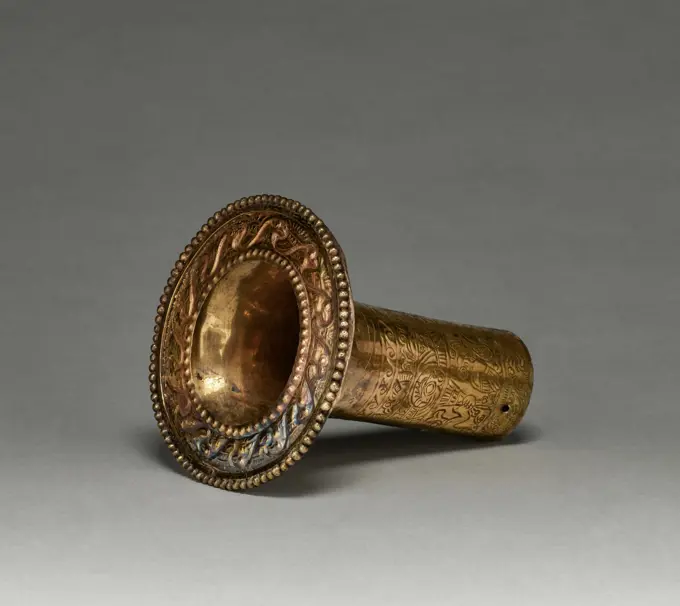
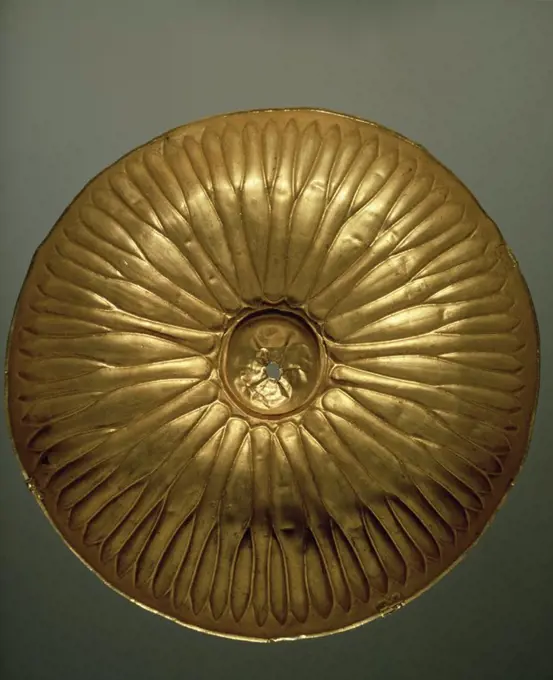
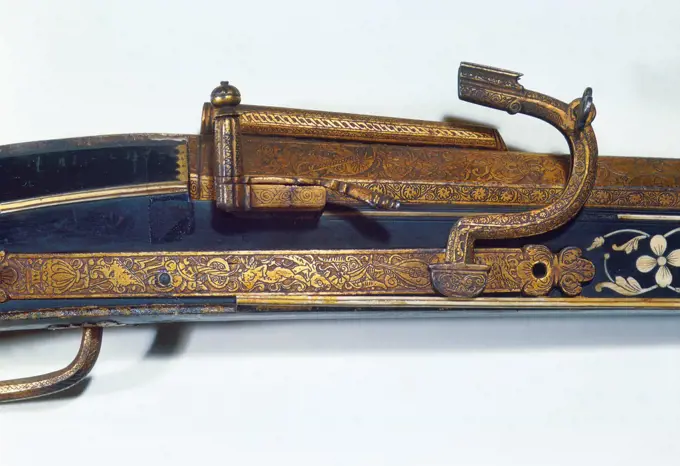
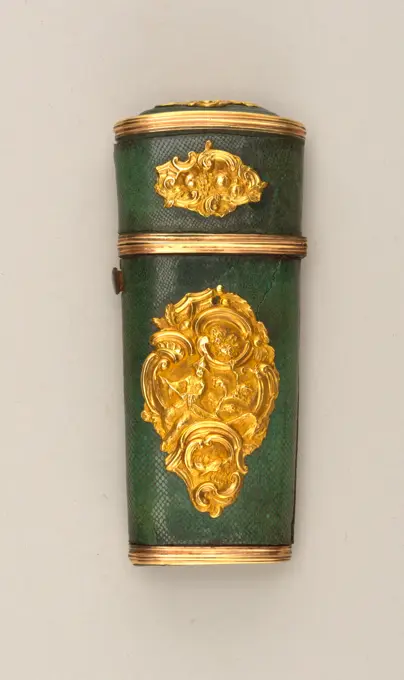
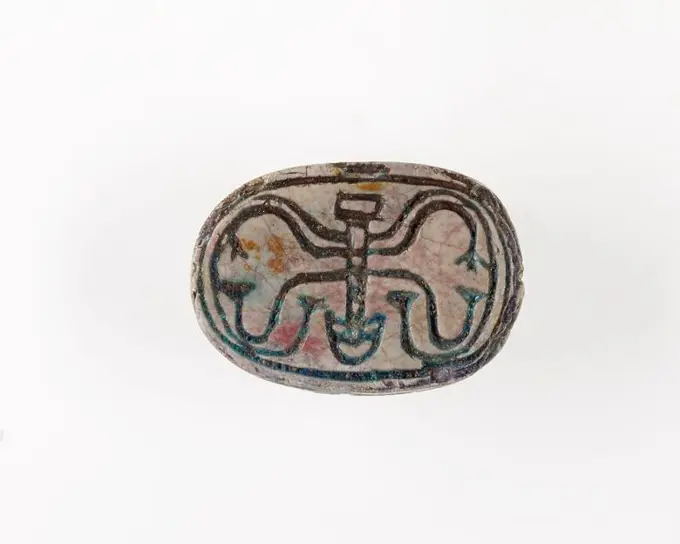
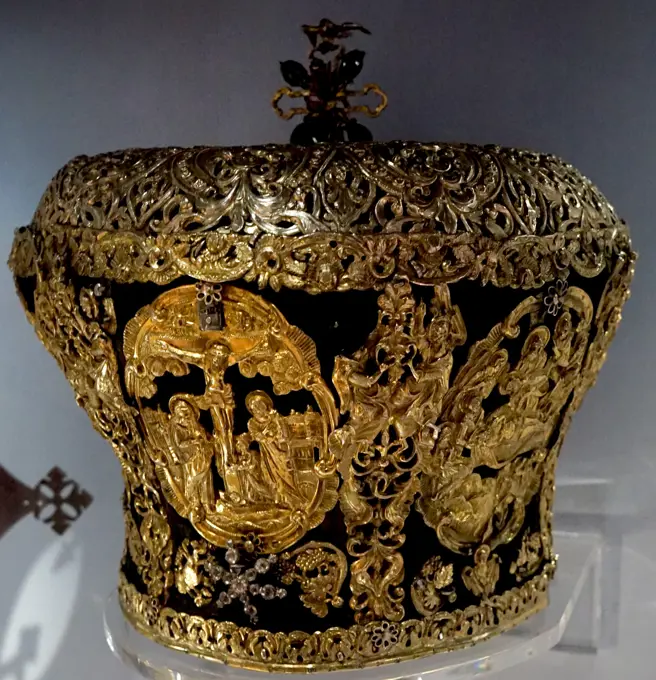
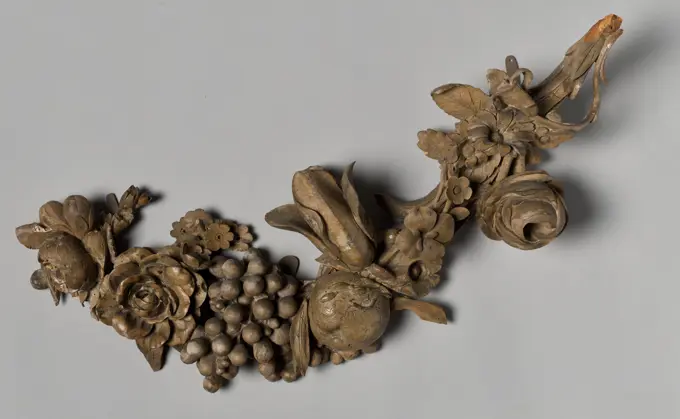
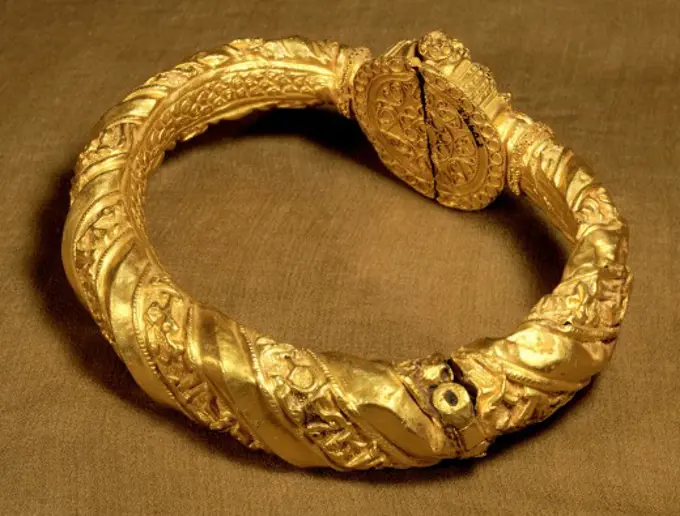
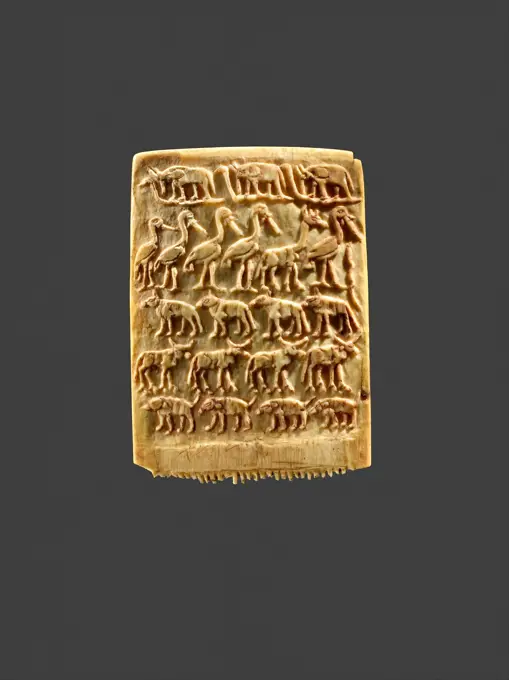
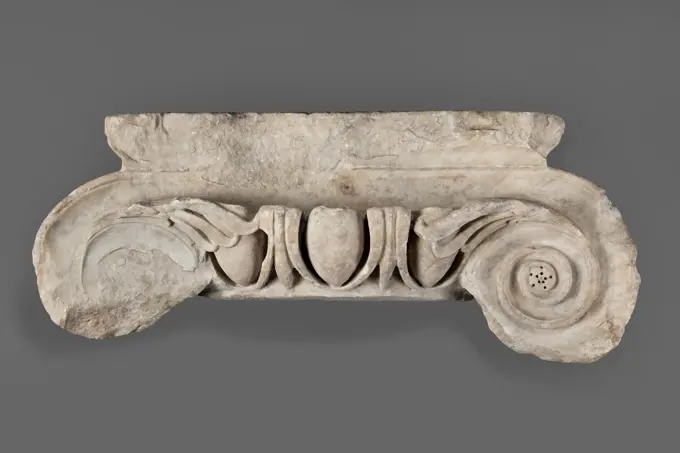
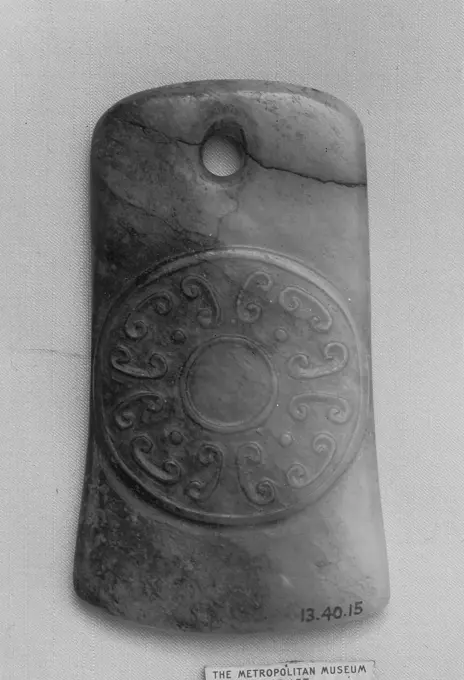
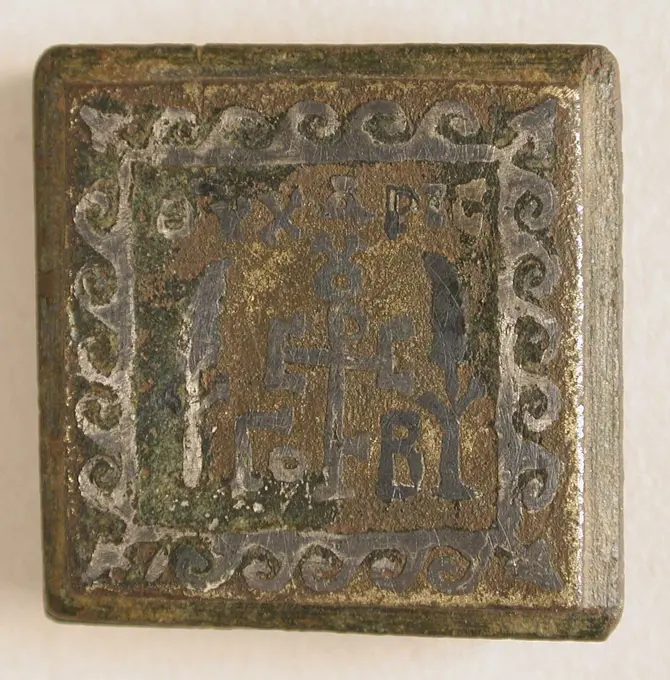
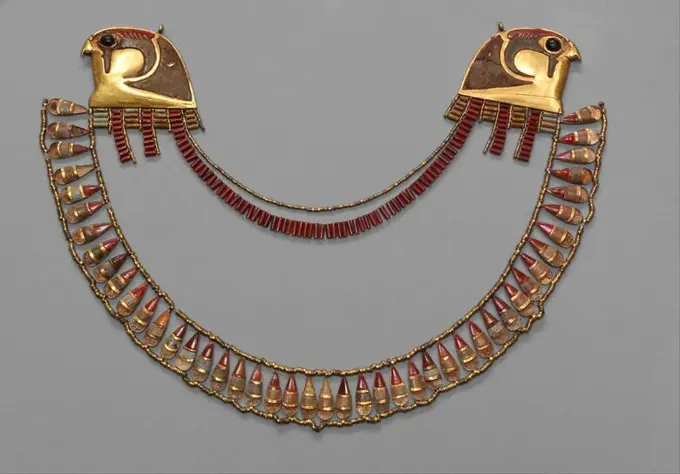
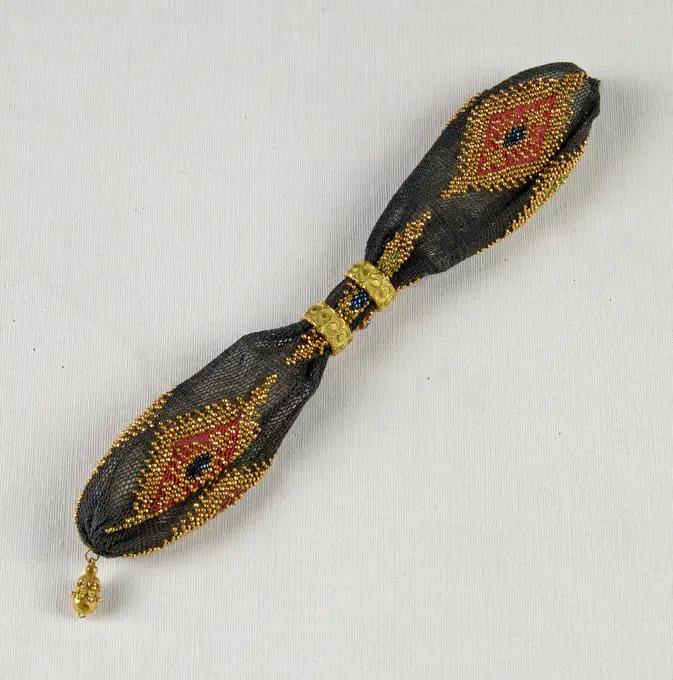
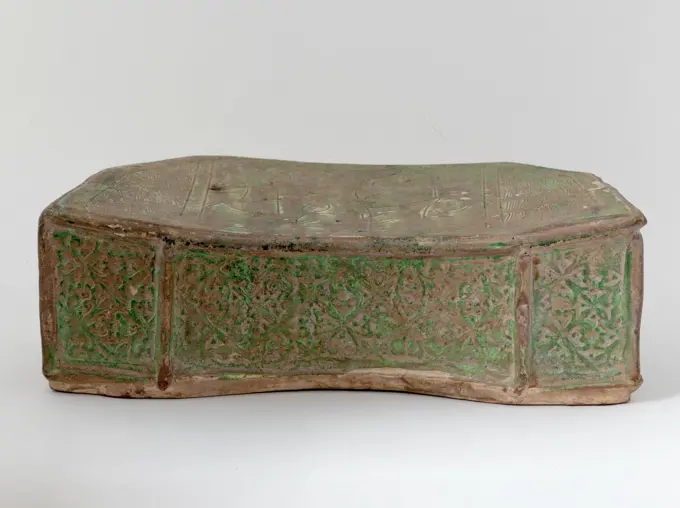
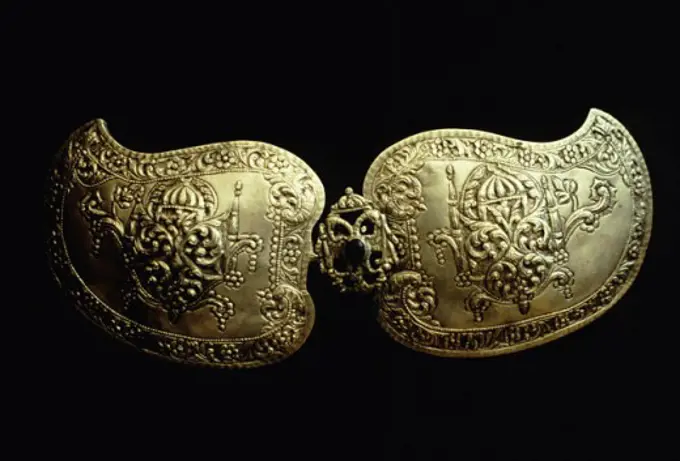
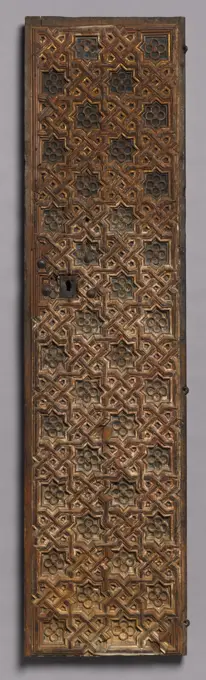
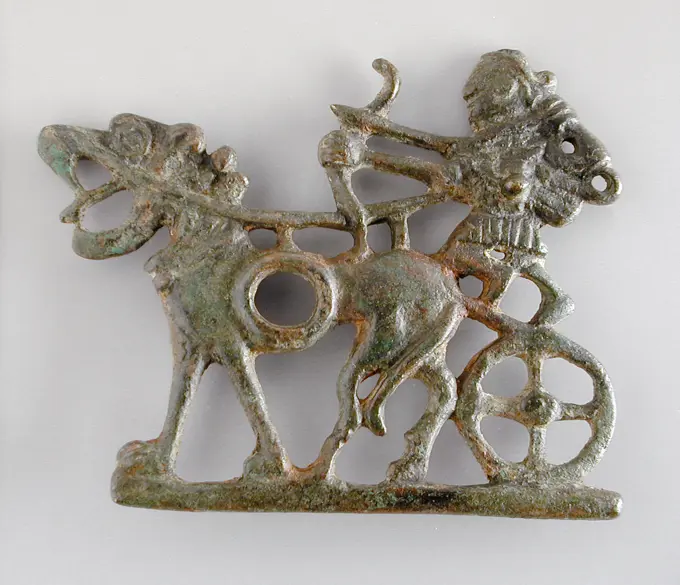
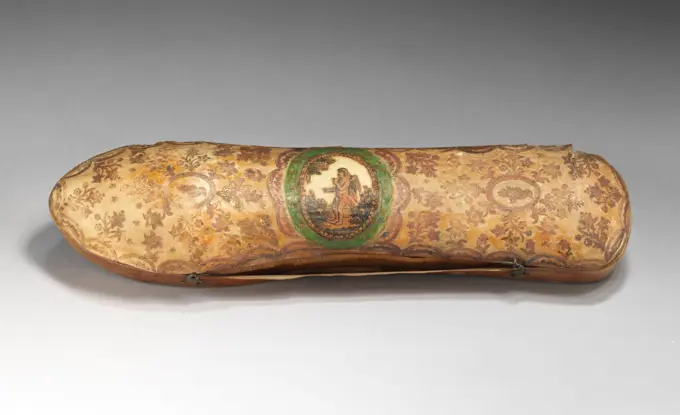
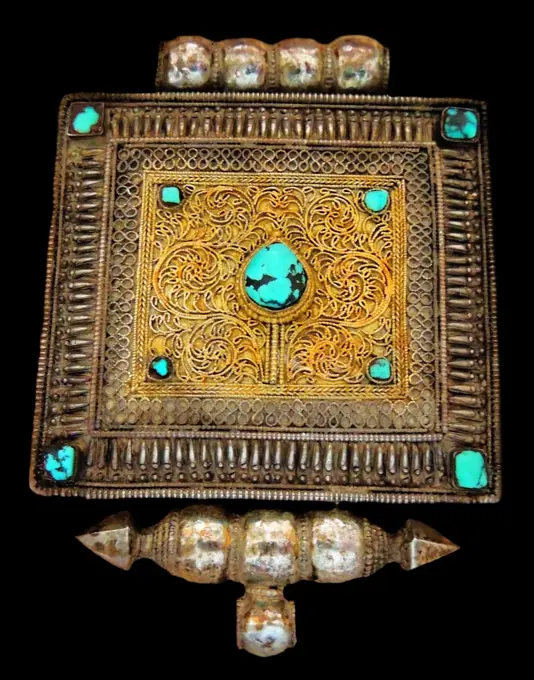
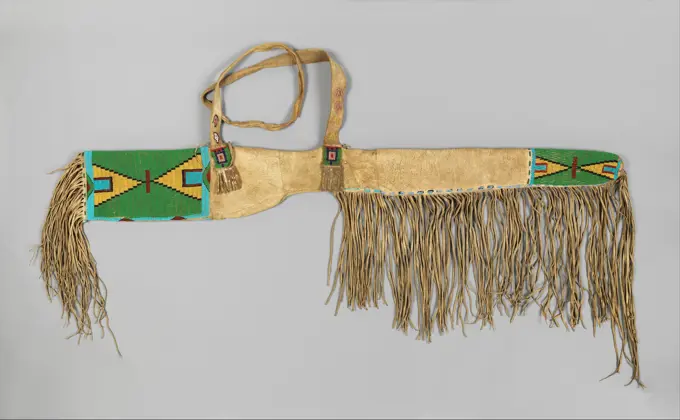
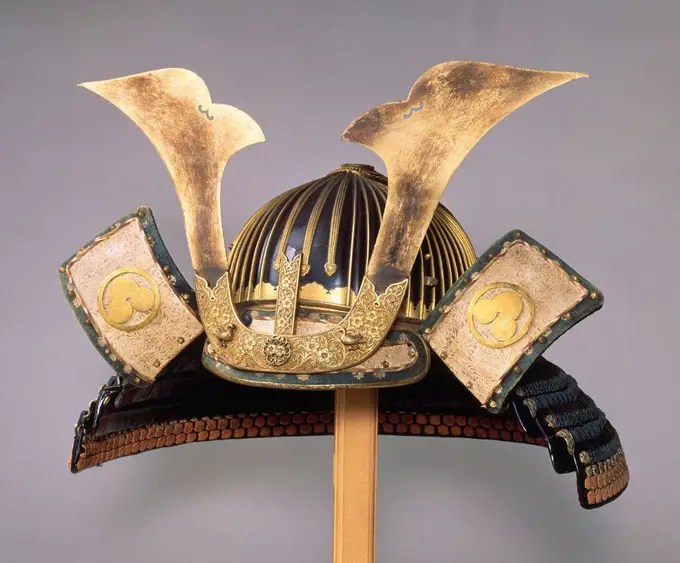
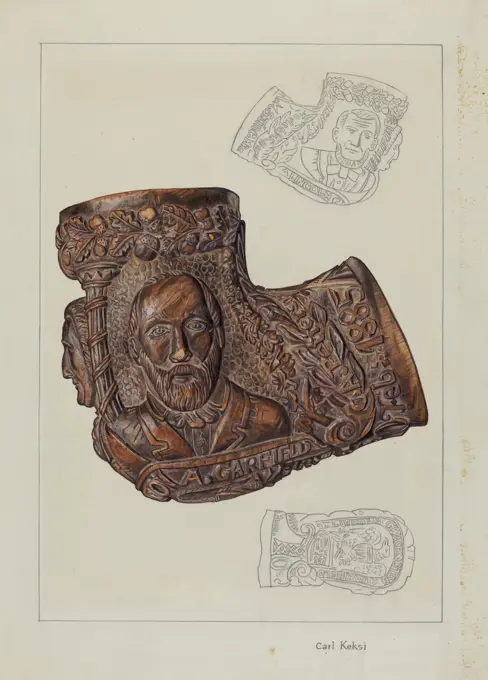
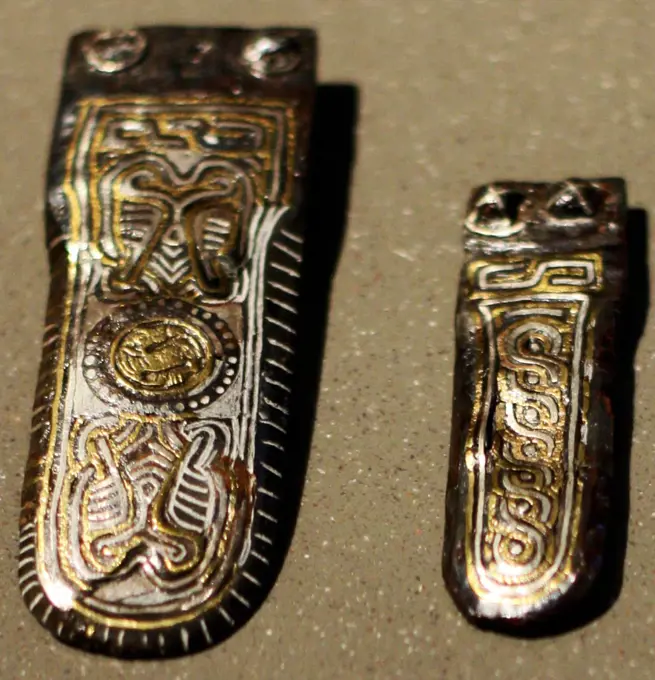
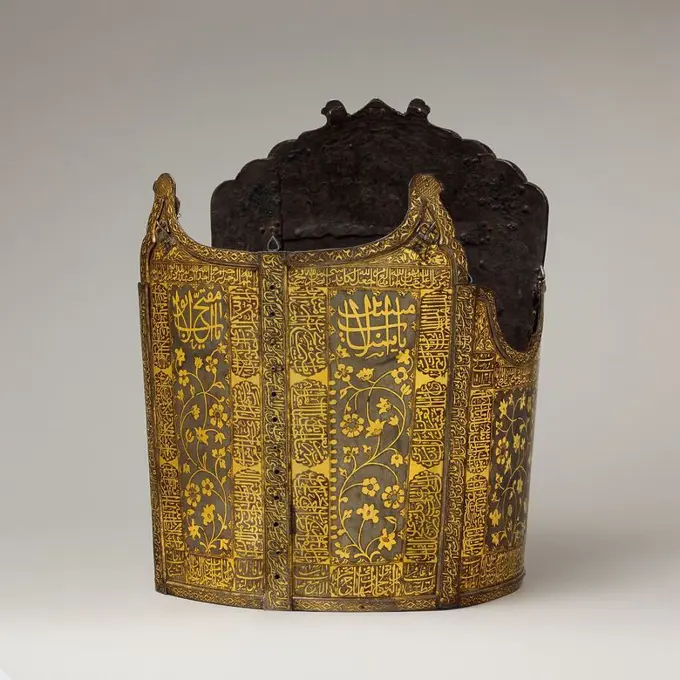
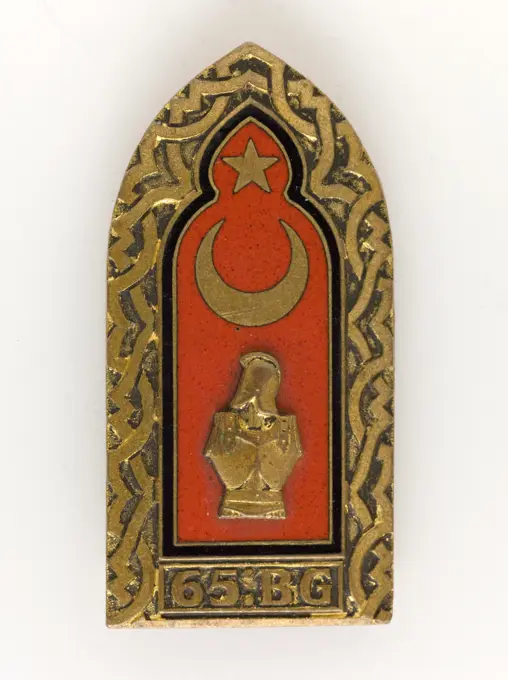
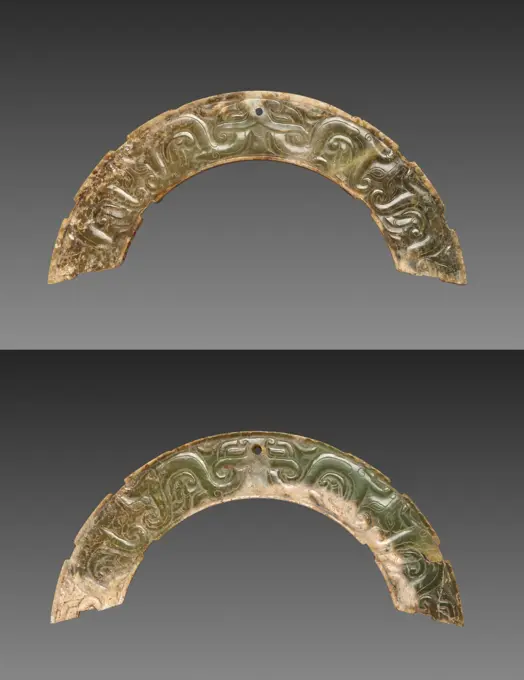
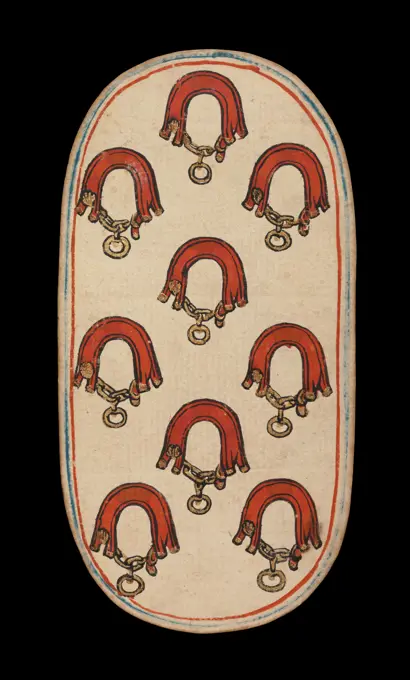
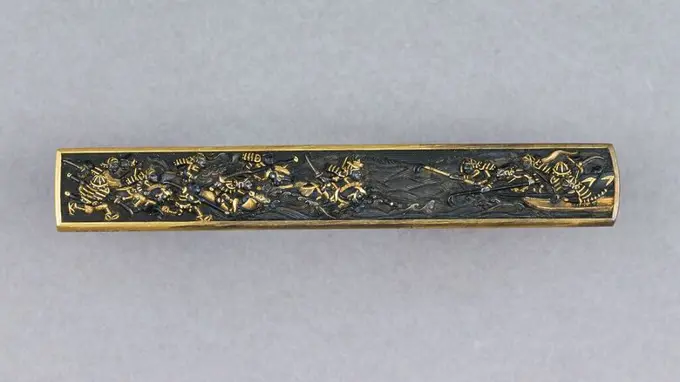
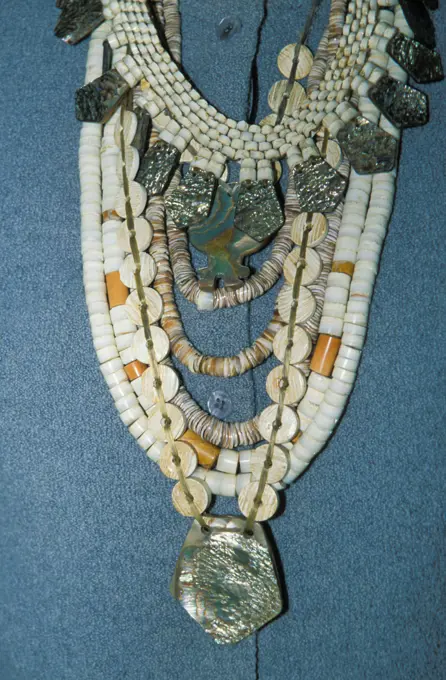
Snuff Box, c. 1730-40. England, early 18th century. Agate with gold mounts; overall: 6 x 4 cm (2 3/8 x 1 9/16 in.).Belt Hook. Northern China, Western Han dynasty, 206 B.C.-A.D. 9. Jewelry and Adornments; hooks. Bronze, castOrnamental Brooch, c. 100-300. Gallo-Roman or Romano-British, Migration period, 2nd-3rd century. Bronze and champlevé enamel; overall: 1 x 2 x 0.8 cm (3/8 x 13/16 x 5/16 in.).Earring, 1200s. Cambodia. Bronze; overall: 6.1 x 3.7 cm (2 3/8 x 1 7/16 in.).Ring; Greece; late 5th century B.C; Gold; 1.8 × 1.5 cm (11,16 × 9,16 in.)Cornice tile-four;  19th century (1801-00-00-1900-00-00);Arabian astrologic calendar. 11th-12th century. Madrid, Private collection. Location: PRIVATE COLLECTION. MADRID. SPAIN.Roundel with griffin heads ca. 1st-2nd century Sarmatian. Roundel with griffin heads 327423Knife Handle (Kozuka) 1721-77 Japanese A kozuka is a handle of a by-knife that is part of a sword mounting. It is kept in a slot on the reverse of a katana scabbard, often with a matching kōgai (hairdressing tool).. Knife Handle (Kozuka) 29699Strainer 5th century B.C. Etruscan. Strainer. Etruscan. 5th century B.C.. Bronze. Classical. BronzesRitual Chime, second half 14th century, Unknown Japanese, 3 9/16 x 7 5/8 x 5/16 in. (9.05 x 19.37 x 0.79 cm), Gilt bronze, Japan, 14th century, Buddhist priests strike bronze chimes like this one with a small mallet to signal the start of ceremonies and to mark the titles of sutras (holy writings) as they are chanted. Suspended from small wooden frames, they are placed to the right of the officiating priest. The earliest chimes made in Japan were simple, geometric shapes but, by the 12th century, metalworkers were creating more elaborate, often beautifully detailed examples. This chime is in the shape of a blossoming lotus flower, a Buddhist symbol of purity.Gold disc fibulaHead of a Crozier. Culture: South Italian. Dimensions: Overall: 6 5/16 x 5 5/16 x 7/8 in. (16 x 13.5 x 2.3 cm). Date: ca. 1175-1225.Shaped like a shepherd's crook, a crozier is carried by bishops and abbots as an emblem of their authority and their role in guiding the faithful. Museum: Metropolitan Museum of Art, New York, USA.Mirror 13th century Cast bronze mirrors were often used for divination or magical medicine. The polished metallic front provided a reflective surface. Often, the decoration on the back depicted the zodiac or mythological themes. The trilobed crown on this handled piece is associated with Ghaznavid imagery.. Mirror. 13th century. Bronze; cast. Attributed to Iran or Central Asia. MetalSnuffbox ca. 1700-1725 probably German. Snuffbox 197682Comb with Vishnu Adored by Serpents. Nepal, 1750-1800. Jewelry and Adornments; combs. Ivory with traces of paintPlaque. Mongolia or southern Siberia, 3rd-2nd century B.C.. Sculpture; plaques. Bronze, castEar Flare, 900-1470. Peru, North Coast, Chimú style (900-1470). Hammered gold alloy; diameter: 8 cm (3 1/8 in.); overall: 9.9 cm (3 7/8 in.). North Coast ear ornaments typically have a long shaft that balanced the weight of the glorious frontal. This pair illustrates Chimú interest in the sea, which had great economic and religious importance. On the shafts are bands of seabirds and waves, and a similar pattern edges the frontals, which were altered in modern times. Originally solid disks, the frontals' centers were cut out and a dotted band was added to the rim.Garment Clasp 14th-15th century or earlier Visayas. Garment Clasp 317657MoldingGold patera, Thracian, 5th century b.C. from Daskal Atanasovo. Museum: Historiscal Museum, Sofia, BULGARIA.Fuse arquebus, by Unknown, 16th Century, Unknow. Italy, Piemonte, Turin, Royal Armory. Detail. Firearm fuse arquebus decorated with damascening (metal) and niello polychromatic metal marquetries: inlays.ArmletBowl 14th century. Bowl 451710étui (probably England); shagreen (shark or ray skin), gilt copperScarab. Dimensions: l. 1.7 cm (11/16 in). Dynasty: Dynasty 12-18. Date: ca. 1981-1295 B.C.. Museum: Metropolitan Museum of Art, New York, USA.Plaster model for decorations on the librix Impériale of the Palais du Louvre, c. 1855 - c. 1857 photograph Part of Réunion des Tuileries au Louvre 1852-1857, album 4. Paris paper. photographic support salted paper print permanent exhibition, museum. ornamenting, decorating ~ applied arts Palais du Louvre. Tuilerieënpaleis. Louvre Museum. ParisArmenian Mitre, a symbol of Christ the King worn during a religious service. Made from silver, partly gilded, velvet, coloured glass and pastes. Dated 18th CenturyCarving from an Overmantel, c. 1675-1677. Grinling Gibbons (British, 1648-1721). Lindenwood; The arrangement of architectural elements within grand interior spaces in the late 1600s and early 1700s emphasized symmetry and height. Decorative elements such as elaborately carved mantels, mirrors, paintings, and applied wall decorations were often stacked to achieve a visual focal point at one or both ends of the room. This particular overmantel decoration once hung above the fireplace in the Green Drawing Room of the Earl of Essex at Cassiobury in Watford, near London. In 1823, the British painter William Henry Hunt (1790-1864) produced a watercolor of the drawing room which featured this overmantel decoration.Grinling Gibbons was born in Rotterdam, the Netherlands, of English parents. After training there as an artist, he came to England in the 1660s and soon began to work as a sculptor of interior ornament, particularly in wood. One of his first large-scale decorative projects was the Sword-Hilt Collar and Pommel (Fuchigashira). Culture: Japanese. Dimensions: Kashira (a); H. 1 1/2 in. (3.8 cm); Wt. 1 oz. (28.3 g); fuchi (b); H. 1 5/8 in. (4.1 cm); Wt. 1.7 oz. (48.2 g). Date: 19th century. Museum: Metropolitan Museum of Art, New York, USA.MountKnife Handle (Kozuka). Culture: Japanese. Dimensions: L. 3 13/16 in. (9.7 cm); W. 9/16 in. (1.4 cm); thickness 1/4 in. (0.6 cm); Wt. 1.2 oz. (34 g). Date: ca. 1615-1868. Museum: Metropolitan Museum of Art, New York, USA.Eagle Pendant 11th-14th century Veraguas. Eagle Pendant. Veraguas. 11th-14th century. Gold. Panama. Metal-OrnamentsSnuif box with driven figures and figures of stone, anonymous, c. 1700 - c. 1800 Snuff box of gilded copper, fan -shaped, decorated with driven figures and with two peer -shaped figures of gold stone, two of blue and one of marbled stone. England (possibly) copper (metal). olivine. marble (rock) gilding Snuff box of gilded copper, fan -shaped, decorated with driven figures and with two peer -shaped figures of gold stone, two of blue and one of marbled stone. England (possibly) copper (metal). olivine. marble (rock) gildingfine arts, Islamic Art, sculpture, bracelet, gold sheet, Euphrates area, Syria, 11th century, Damascus National Museum,Hair Comb Decorated with Rows of Wild Animals ca. 3200-3100 B.C. Predynastic, Late Naqada III Finely carved ivory combs and knife handles produced toward the end of Egypt's prehistory demonstrate the high standards Egyptian artists had achieved, even before the Old Kingdom. This comb may have been part of the funeral equipment of an elite person who lived about 5,200 years ago. Parts of the comb's teeth, now missing, can be seen along the bottom edge. The detailed decoration suggests that it was a ceremonial object, not just an instrument for arranging the hair. On both sides are figures of animals in horizontal rows, a spatial organization familiar from later Egyptian art. The animals include elephants and snakes; wading birds and a giraffe; hyenas; cattle; and perhaps boars. Similar arrangements of these creatures on other carved ivory implements suggest that the arrangement and choice of animals were not haphazard. Elephants treading on snakes suggest that this part of the scene wasJoński kapitel pilastra. warsztat rzymski, workshopOne-sided gingerbread form with the image of a rectangular floral-brown ornament;  XVIII-XIX century (1790-00-00-1810-00-00);Musical snuffbox Swiss 19th century View more. Musical snuffbox. Swiss. 19th century. Gold, enamel, diamonds. Metalwork-Gold and PlatinumSection of an Armband with Kala Motif early 9th-14th century Indonesia (Java). Section of an Armband with Kala Motif. Indonesia (Java). early 9th-14th century. Gold. Eastern Javanese period. JewelryTerracotta lekanis (dish). Culture: Greek, South Italian, Apulian. Dimensions: H. 3 7/16 in. (8.7 cm). Date: ca. 330-320 B.C..Interior, seated Eros holding a mirror. The rondel is surrounded by a vine wreath. Exterior, A, seated Eros with a mirror approached by a running women holding a rosette chain and a wreath. B: woman seated on a rock holding a wreath and a phiale (libation bowl). Museum: Metropolitan Museum of Art, New York, USA.Chisel China. Chisel. China. Jade. Han dynasty (206 B.C.-A.D. 220). JadeBalance Weight with Monogram 6th century Byzantine The Greek monogram at the center of this two-ounce weight reads "of Sergios," probably indicating the name of the local eparch. In Byzantium, precise measurement of goods was achieved by a set of standard balance weights.. Balance Weight with Monogram 473636Broad Collar. Dimensions: H. 24 cm (9 7/16 in.); W. 38 cm (14 15/16 in.). Dynasty: Dynasty 18. Reign: reign of Thutmose III. Date: ca. 1479-1425 B.C..By the New Kingdom, broad collar necklaces were the most frequently worn pieces of jewelry among the royalty and elite in ancient Egypt. This necklace belonged to one of three foreign wives of Thutmose III. The king's name is inscribed on the backs of the falcon-headed terminals indicating that it was a gift from him to his wife. Museum: Metropolitan Museum of Art, New York, USA.Fragmentary plaques and a figure of an ibex ca. 7th century B.C. Iran. Fragmentary plaques and a figure of an ibex 324797Watch mid-19th century Watchmaker: Firm of D. Bachelard et Fils. Watch. Swiss, Geneva. mid-19th century. Gold, enamel, steel. HorologyBactrian Gold: Figurines of Bactrian Aphrodite (Left) & Kushun Aphrodite (Right) Artist Unknown Kabul Museum, Afghanistan Button 1880 British. Button 115516Double -sided gingerbread formDisc with decorations from the treasure of Valcitran, Pleven Region, Bulgaria. Goldsmith art. Thracian Civilization, 8th Century aC.Marquise BezelRingPlay fair of dark green velvet, embroidered in gold and silver thread with the Orry de Vignory, Anonymous, c. 1685 - c. 1715 Speelbeurs van Donkergroen Velvee, embroidered in gold and silver thread with the Orry de Vignory family crest (also: Vignori). Model: flat round bottom around which a wavy raised edge fitted holes, which runs a pull cord of silver thread. Lined with goat leather. Decoration: The 20 bulges or 'ribs' are outlined with gold thread. In turn of an S-Rank and Acanthusspiraal. With a French lily or 'Fleur de Lys' on the top and bottom. The soil is completely filled by a lambrequin in which a raised family crest above which a crown in relief. The weapon consists of a climbing lion of gold against a rock of silver on a checkered purple surface. The lion comes from the heraldic right side. On the left and right, a wooden bead is attached in the middle on the edge. The velvet is trimmed with a sitting silver wire. France whole: velvet (fabric weave). lining: Goatskin. embrMiser's purse late 19th century American. Miser's purse 169292Stylized Bloem, 1919    wood (plant material)Pillow ". Terracotta with green glaze. Paris, Cernuschi museum. Chinese art, Chinese ceramic, green glacide, pillow, terracottaPair of Thigh Defenses (Cuisses) with Knee Defenses (Poleyns) 16th century German, Nuremberg. Pair of Thigh Defenses (Cuisses) with Knee Defenses (Poleyns) 34863Ottoman Fibula Artist Unknown Jewelry Cameos Bursa, TurkeyFragment, Medium: Warp; S-spun linen. Wefts; linen, wool Technique:slit tapestry woven, Image of basket containing fruit., Egypt, 6th-7th century, woven textiles, FragmentDoor (right), early 1400s. Spain, early 15th century. Gilded and painted wood (pine); overall: 170.2 x 86.4 cm (67 x 34 in.).Baking mouldBadge or Harness Pendant ca. 1400 Spanish Heraldry, or coat-of-arms, were vitally important in Europe throughout the Middle Ages and the Renaissance. Heraldic emblems were used to identify noble families, cities, regions, and even countries. In addition to being displayed on shields and flags, heraldry was incorporated into architectural decoration on the interior and the exterior of buildings, on furniture, works of art, clothing, and horse equipment. Harness pendants, like this example, would have been attached to a headstall, bridle, or other straps making up the tack of a horse ridden by a nobleman or noblewoman, or a member of their household. Many harness pendants also have decoration that is simply ornamental, or have symbols that are not specifically heraldic in nature.. Badge or Harness Pendant. Spanish. ca. 1400. Copper, gold, enamel. Miscellaneous-BadgesGold glass from the Catacombs, Rome. 300 AD. Shepherd and flock Roman. ITALY.Cheekpiece from a Horse Bit. Iran, Luristan, Luristan bronzes, circa 1000-650 B.C.. Tools and Equipment; horse trappings. Bronze, castSpoon and fork case 18th century French. Spoon and fork case. French. 18th century. Leather, tooled and gilt. Natural Substances-LeatherworkAmulet case from Tibet, 18th century AD. These carried a clay image or part of a sacred text.CDK unknownGun Case ca. 1880 Sioux. Gun Case 318349Hammered Silver Tweezers 8th-mid-16th century Peru; north coast (). Hammered Silver Tweezers 309010DETALLE DE LA MADERA LABRADA EN PISTOLA DE CARLOS V - SIGLO XVI. Location: PALACIO REAL-REAL ARMERIA DE MADRID. MADRID. SPAIN.Amulet in the Shape of a Pipal Leaf (Ficus religiosa) with Four-armed Dancing Shiva, 1800s. India, Ajmere, Bombay Presidency. Silver; overall: 7 x 4.9 cm (2 3/4 x 1 15/16 in.).RESTOS DE UNA ESPADA DEL SIGLO XI. Location: ALCAZAR / MUSEO DEL EJERCITO-COLECCIÓN. Toledo. SPAIN.Helmet (Suji-kabuto Akoda-nari). Culture: Japanese. Dimensions: H. 10 in. (25.4 cm); W. 17 1/4 in. (43.8 cm); D. 15 in. (38.1 cm); Wt. 8 lb. 4.3 oz. (3750.6 g). Date: late 15th-16th century.This type of helmet is known as a suji-kabuto. The bowl is constructed of fifty-two ridged plates with a pronounced rise at the back. The overall shape is known as akoda-nari (akoda is a squashlike fruit), a style fashionable during the Muromachi period. It dates from the fifteenth century but was remounted for use in the late seventeenth or early eighteenth century. The bowl is inscribed with the character Kami (or Tatematsuru), used by the Haruta school of armorers in Nara. The badge on the turnbacks of the neck guard is that of the Sanada family, daimyo of Ueda. Museum: Metropolitan Museum of Art, New York, USA.Garlopa, cepillo de carpintero. Museu Català de les Arts i Tradicions Populars.Carl Keksi, Pipe Bowl, c 1937 Pipe BowlGold jewelled Roman bracelet. Artist: UnknownARQUETA DE MARFIL. Location: CATEDRAL-MUSEO DIOCESANO. GERONA. SPAIN.Holder candle procession of the seventeenth century, vintage engraved illustration. Magasin Pittoresque 1878.Visigothic Belt-Buckle, c6th century.Sword belt fitting Iron with silver and brass 2nd half of the 7th century various Locations in Baden-Wurttemberg.CAJA DE CERILLAS DE ARTESANIA S XIX. Location: MUSEO DEL PUEBLO ESPAÑOL. MADRID. SPAIN.Egyptian Faience amulets from an 18th Dynasty Tomb, circa 1400 BCPlaque. Western Inner Mongolia, 4th-3rd century B.C.. Sculpture; plaques. Bronze, castKrzyż ręczny. unknown, authorCuirass (Char-aina). Culture: Indian or Iranian. Dimensions: of breastplate H. 13 in. (33 cm); of backplate H. 15 1/2 in. (39.37 cm); of sides H. 9 5/8 in. (24.5 cm); of whole cuirass W. 11 1/4 in. (28.5 cm); of whole cuirass D. 9 1/2 in. (24 cm); of whole cuirass Wt. 7 lb. (3163 g). Date: late 18th-early 19th century.The Arabic inscriptions stress God as the God of Light, the rewards He will give His servants, and His punishment of unbelievers and evildoers. The light imagery is particulary appropriate for gold embellished armors of "four mirror" (char-aina) type. Museum: Metropolitan Museum of Art, New York, USA.Insignia of the 65th Engineering Battalion (BG). Enamelled metal. 1956-1988. General Leclerc Museum of Hauteclocque and the Liberation of Paris, Jean Moulin Museum. Military badgeFragmentary Candlestick. Iran or Iraq, 12th or 13th century. Metal. Brass, engraved and inlaid with silverPair of Arc-shaped Pendants with Animal Mask and Interlaced Animal Bands (Huang), 300-100 BC. China, Warring States period (475-221 BC) to Western Han dynasty (202 BC-AD 9). Jade (nephrite); overall: 12.8 cm (5 1/16 in.).9 of Collars, from The Cloisters Playing Cards ca. 1475-80 South Netherlandish The Cloisters set of fifty-two cards constitutes the only known complete deck of illuminated ordinary playing cards (as opposed to tarot cards) from the fifteenth century. There are four suits, each consisting of a king, queen, knave, and ten pip cards. The suit symbols, based on equipment associated with the hunt, are hunting horns, dog collars, hound tethers, and game nooses. The value of the pip cards is indicated by appropriate repetitions of the suit symbol. The figures, which appear to be based on Franco-Flemish models, were drawn in a bold, free, and engaging, if somewhat unrefined, hand. Their exaggerated and sometimes anachronistic costumes suggest a lampoon of extravagant Burgundian court fashions. Although some period card games are named, it is not known how they were played. Almost all card games did, however, involve some form of gambling. The condition of the set indicates that the cards were Knife Handle (Kozuka). Culture: Japanese. Dimensions: L. 3 15/16 in. (10 cm); W. 9/16 in. (1.4 cm); thickness 1/4 in. (0.6 cm); Wt. 1.4 oz. (39.7 g). Date: 17th century. Museum: Metropolitan Museum of Art, New York, USA.Contemporary necklaces of beads made from abalone and clam shells still used today for traditional gatherings and adornment by members of the Ohlone tribe of CaliforniaWarrior Ornament 6th-7th century Moche (Loma Negra). Warrior Ornament 313423Fragment of an architectural molding. Morocco. Date: 1301-1400. Dimensions: 19.2 x 156.3 x 4.4 cm (7 9/16 x 61 1/2 x 1 11/16 in.). Wood with relief carving. Origin: Morocco. Museum: The Chicago Art Institute, Chicago, USA. Author: Islamic.Goldsmithery, Golden pendants, from Regolini Galassi tomb at Cerveteri, Rome Province, ItalySilver dish with the King Shapur II hunting a lion. Iran, (300-350 AD). Sasanian Empire (224-651 AD),First golden Era. Hermitage Museum.Gold necklace with inlaid amber. Culture: Etrusco-Phoenician. Dimensions: Other: 11 1/8 in. (28.3 cm). Date: 7th century B.C..Amber inlay in pendant. Museum: Metropolitan Museum of Art, New York, USA.Brooch in Form of a Bird of Prey. Culture: Vendel. Dimensions: Overall: 2 1/8 x 1 1/4 x 3/8 in. (5.4 x 3.2 x 1 cm). Date: late 500s.The head and right leg of this elegant bird brooch are in left profile, while its rounded body and flaring tail are presented frontally. The extended right wing curves behind the tail. The edges of the neck, wings, and tail, and the upper part of the leg are outlined with pseudobeading. Nine stamped (punched) crayfish decorate the tail. The position of the head, supported by the raised leg, indicates that the bird is sleeping. Museum: Metropolitan Museum of Art, New York, USA.Bag 17th century Italian. Bag 222498Fragment (Italy); linenInk container for the seal unknownDagger (Jambiya) with Sheath 19th century Arabian. Dagger (Jambiya) with Sheath 31573