Historic Belt Buckles

A collection of ancient belt buckles showcasing intricate historical designs, crafted from metal and bone, reflecting cultural significance.

Art Nouveau choker plaque, of sycamore keys, in carved horn set with opals. designed by Rene Lalique (1860-1945) French, Paris, about 1900
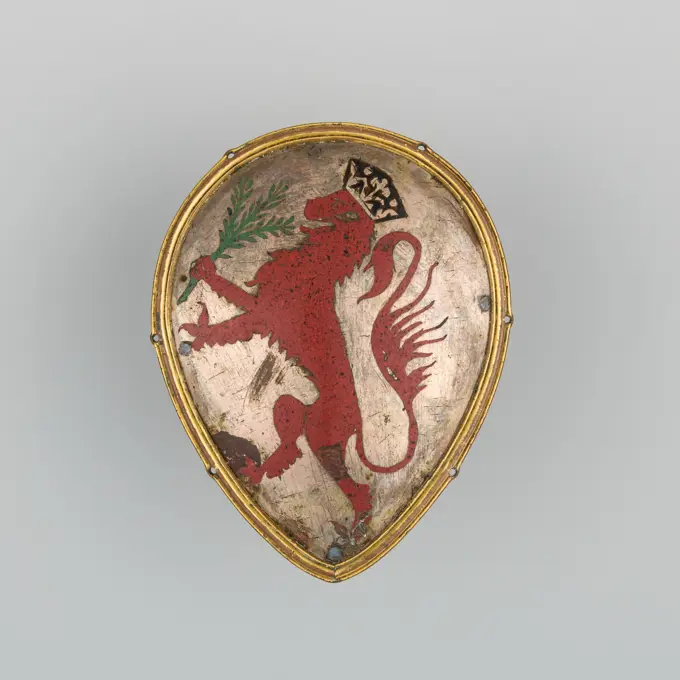
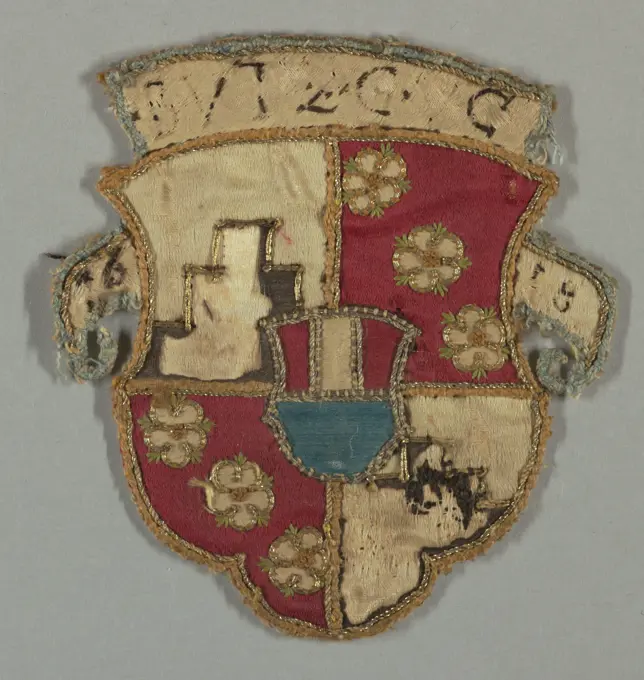
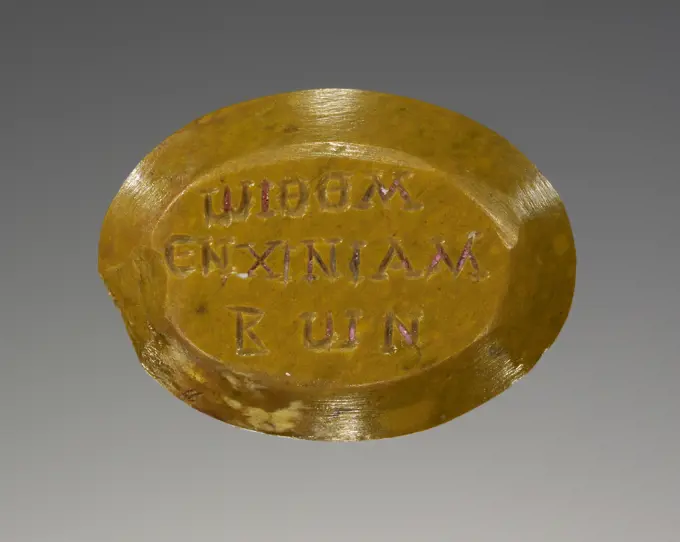
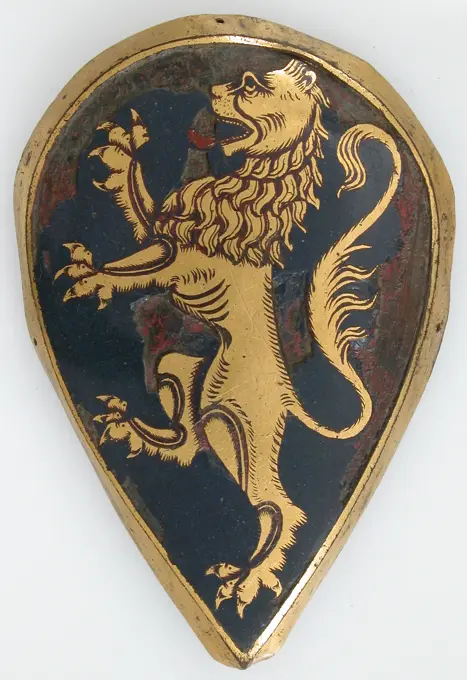
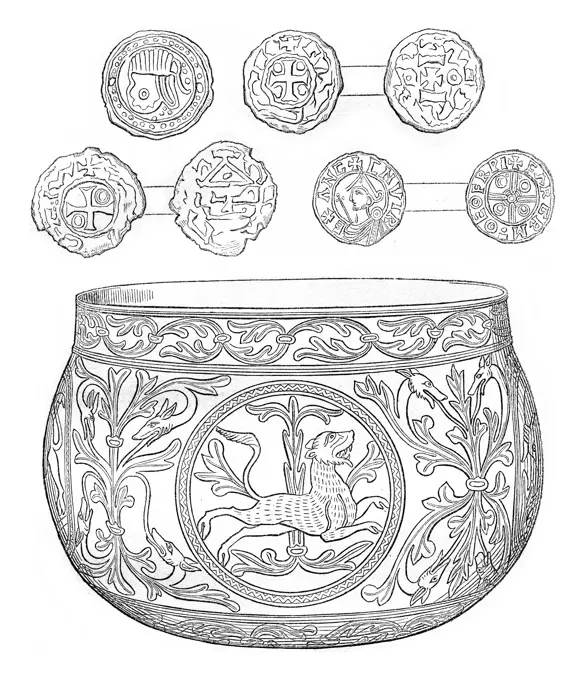
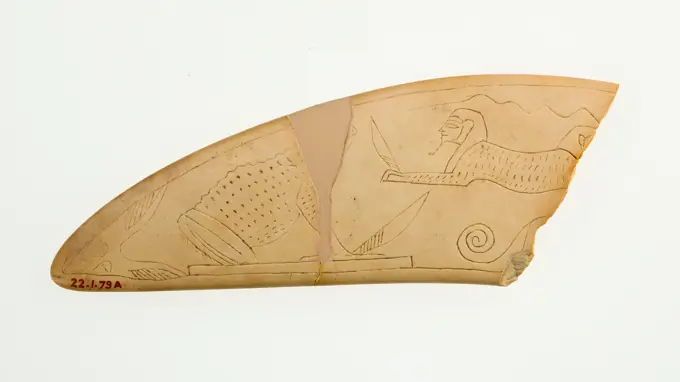
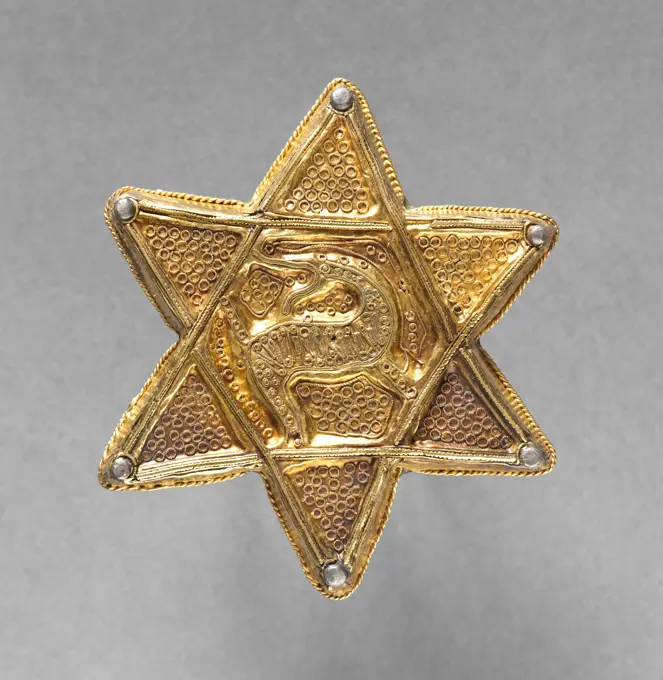
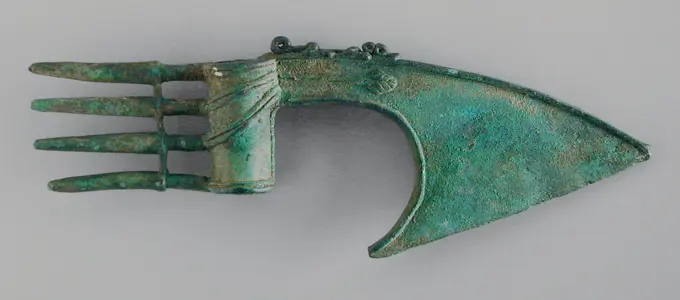
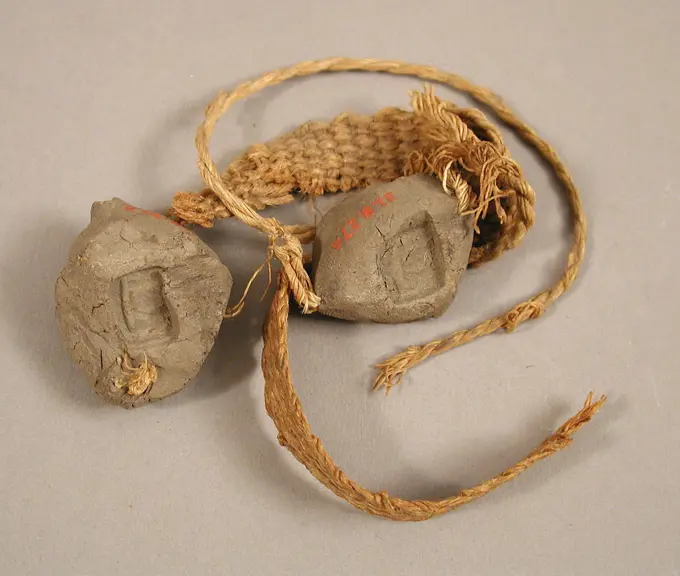
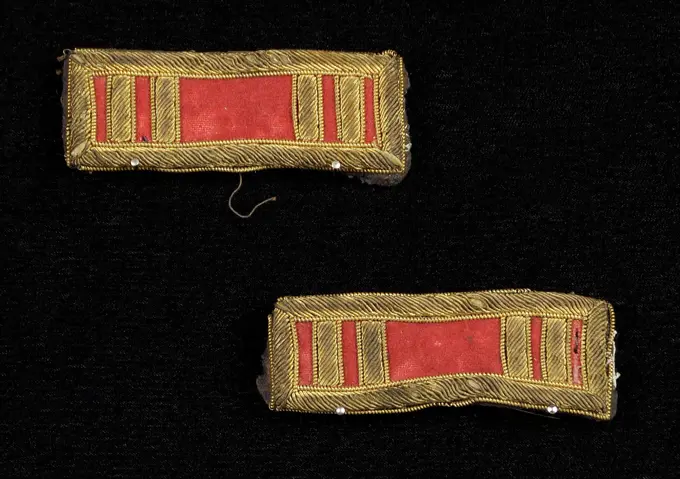
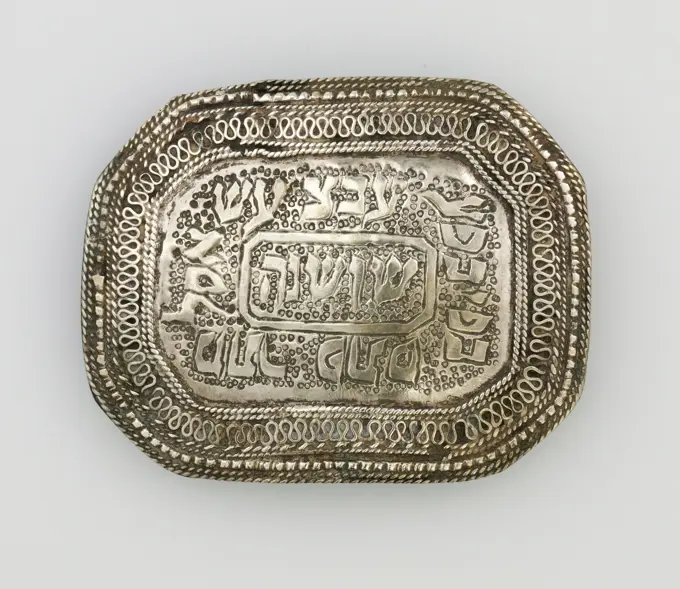
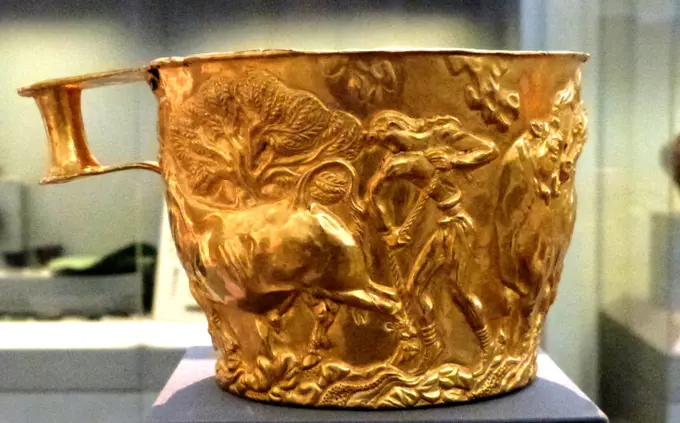
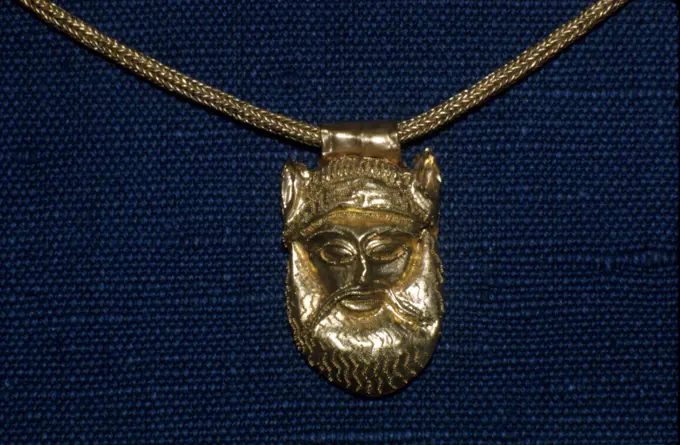
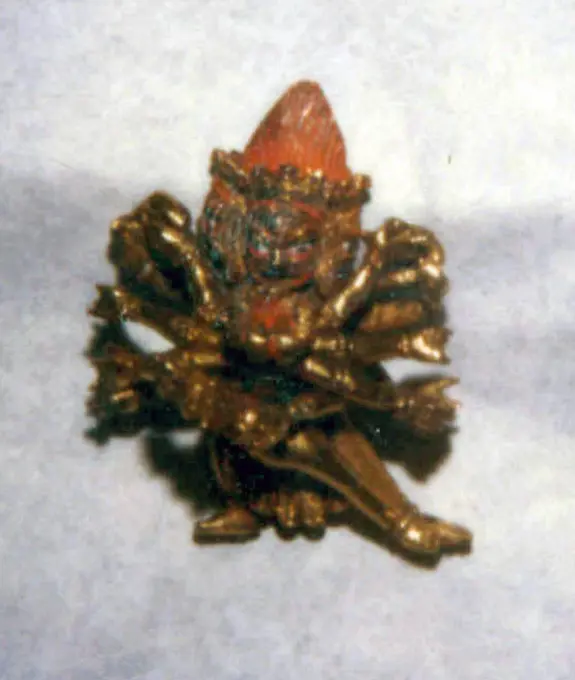
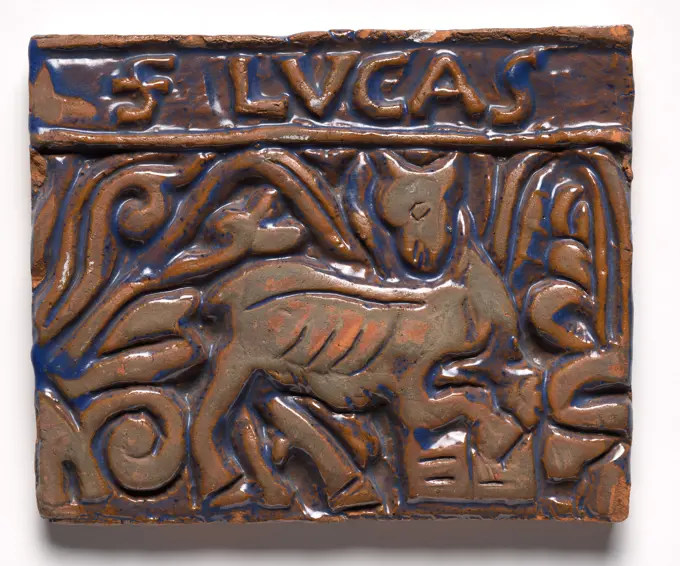
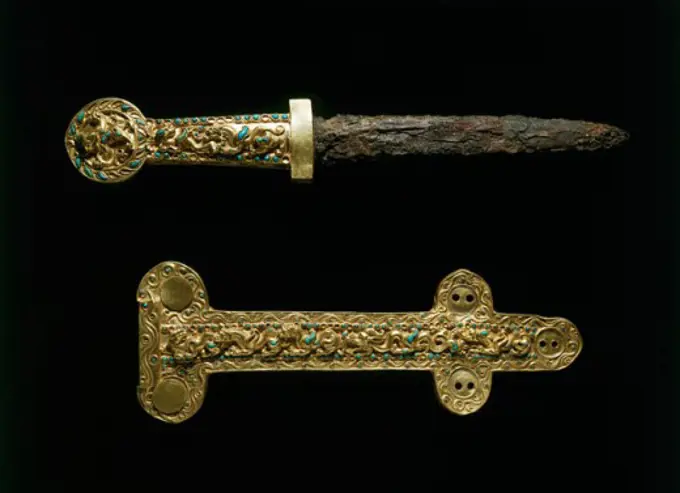
Bactrian Gold: Dagger & Sheath Artist Unknown Kabul Museum, Afghanistan Messenger Badge 15th century Italian Before the introduction of regular mail service by governments, letters and messages had to be transported by heralds and trusted messengers employed by feudal lords or city magistrates. These men were identified on their official missions by shield-shaped badges worn on their clothing and displaying the heraldic arms of their employers. In some early examples, these badges were constructed as boxes with lids, probably to store credentials or even small messages on parchment. Many of the badges were made of silver and were often decorated with enamel.. Messenger Badge. Italian. 15th century. Copper, silver, enamel, gold. Miscellaneous-BadgesHat, 12 7/8 x 13 3/4 x 2 1/2 in. (32.7 x 34.93 x 6.35 cm), Cotton, shells, beads, plant fibers, Democratic Republic of Congo, The Kuba Kingdom, a pre-colonial kingdom that still exists in the modern state of the Democratic Republic of Congo, is a conglomerate of more than a dozen ethnic groups. This cultural diversity may explain the great variety of Kuba headdresses. This hat is embellished with cowrie shells from the Indian Ocean (about 1,500 miles away) and colorful glass beads,both obtained through trade. The geometric deign is typical of Kuba art, and can also be seen here on the embroidered ceremonial skirts nearby.Badge; membrane metal on silk core, silk ground; 1953-162-19Engraved Gem with a Scorpion and a Magical Inscription; 100 - 250; Yellow jasper; 1.5 × 1.1 × 0.3 cm (5,8 × 7,16 × 1,8 in.)Messenger Badge ca. 1300 Italian or Spanish Before the introduction of regular mail service by governments, letters and messages had to be transported by heralds and trusted messengers employed by feudal lords or city magistrates. These men were identified on their official missions by shield-shaped badges worn on their clothing and displaying the heraldic arms of their employers. In some early examples, these badges were constructed as boxes with lids, probably to store credentials or even small messages on parchment. Many of the badges were made of silver and were often decorated with enamel.. Messenger Badge 25425ShieldHammered Gold Ornament Fragment A.D. 200-900 Peruvian. Hammered Gold Ornament Fragment 308907Vase and coins time Canute, vintage engraving. Vase and coins time Canute, vintage engraved illustration. Colorful History of England, 1837. Copyright: xZoonar.com/PatrickxGuenettex 10648789Case (Inrō) with Design of Chinese Children at Play 19th century Japan. Case (Inrō) with Design of Chinese Children at Play 58500Magic Wand fragment ca. 1850-1775 B.C. Middle Kingdom. Magic Wand fragment. ca. 1850-1775 B.C.. Hippopotamus ivory. Middle Kingdom. From Egypt, Memphite Region, Lisht North, cemetery south of pyramid below house A1:4, Pit 391, MMA excavations, 1920-22. Dynasty 12, late-early 13Brooch in the Form of a Six-Pointed Star, late 700s-early 800s. Frankish, early Carolingian, late 8th century - early 9th century. Gold with repoussé and filigree decoration; copper backplate; diameter: 7.7 cm (3 1/16 in.).Shaft-hole Axehead. Iran, Luristan, circa 1350-1000 B.C.. Arms and Armor; axes. Bronze, castSword-Hilt Collar (Fuchi), 1700-1850. Japan, Edo period (1615-1868). Shakudo; average: 3.9 x 2.3 cm (1 9/16 x 7/8 in.).Tile ca. 1882-84 J. and J. G. Low Art Tile Works. Tile 8530Wine vessel (Yu). bovine mask. W. Chou Period. 11-10th cent. BC. Zhou.Tripod Vase with Serpent DesignTwo Seals 4th century Coptic. Two Seals. Coptic. 4th century. Mud, with textile bands. Made in Kharga Oasis, Byzantine Egypt. MiscellaneousPair of ornaments. Culture: French. Dimensions: Overall (each): 15 3/4 × 18 1/2 in. (40 × 47 cm). Date: early 19th century. Museum: Metropolitan Museum of Art, New York, USA.Military epaulets 1864 American. Military epaulets. American. 1864. Wool, metallicWoodcut illustration of a sewing kit, including scissors, needles and small hooking devices. Dated 1881.Ring 12th-13th century. Ring 451109Pair of Thigh Defenses (Cuisses) with Knee Defenses (Poleyns) 16th century German, Nuremberg. Pair of Thigh Defenses (Cuisses) with Knee Defenses (Poleyns) 34865Sceptre of Qianlong Emperor. Dated 18th CenturyFinger Ring with a Head of Silenos. Attributed to the Fortnum GroupPhiale, part of an ancient gold treasure, National Historical Museum, Sofia, Sofia Province, Bulgaria, EuropeOrnament French 18th century View more. Ornament. French. 18th century. Gilt bronze. Metalwork-Gilt BronzePlanets-manager. Cornalet Collection Sites 2013-2016. Numismatic.Metal plate with floral patterns in White polystyrene foam ballsBuckle, 2 x 2 1/2 x 5/16 in. (5.08 x 6.35 x 0.79 cm), Silver, Yom Kippur, or the Day of Atonement, is one of the most revered holidays of the Jewish year. Traditionally, Orthodox Jewish worshippers have worn a white gown on this day to symbolize purity and the hope of their sins being absolved. The only adornment of such gowns could be belts with special silver belt buckles, which are engraved with either biblical quotes or names, as may be demonstrated by the center inscription of this buckle which says the name 'Shoshana' (שושנה).ARQUETA: DE SAN MARTIN I EL HUMANO. (DEPOSITO: MUSEO ARQUEOLOGICO NACIONAL).Tassel French 19th centuryGold cup with rich spiral decoration, found in Shaft Grave V, Grave Circle A, Mycenae. 1600-1500 BC.National Archaeological Museum, Athens.Patch box made of tortoiseshell and gold inlay. French late 17th century. These boxes held a mirror and patches used by the aristocracyGold Pendant  of Satyr's Head from Caere, Etruscan Jewellery, c500 BC.  Artist: Unknown.Mahakala with Shakti 18th-19th century Nepal (Kathmandu Valley). Mahakala with Shakti. Nepal (Kathmandu Valley). 18th-19th century. Gold with enamel. SculptureImpression Of Seal Cylinder; 1902-20-10Brass design fitting on antique wooden candle stands, Jodhpur, Rajasthan, India Copyright: xSafatxAli/DinodiaxPhotoxSpeaking gravestone of Nickels Nahmens with a merchant frigate, cemetery of St. Clemens church, Nebel, Amrum, Germany, EuropeBartolomeo Bellano, The Dead Christ with Two Angels Bartolomeo Bellano (Paduan, 1437/1438 - 1496/1497), The Dead Christ with Two Angels, gilded bronze, Samuel H. Kress Collection 1957.14.139Tile- Ox of St. Luke, before 1921. Moravian Pottery and Tile Works. Glazed ceramic; overall: 18.4 x 15.2 cm (7 1/4 x 6 in.).Button; cut steel